View Article

Abstract

Diabetes mellitus is a chronic metabolic disorder characterized by persistent hyperglycemia resulting from impaired insulin secretion, insulin resistance, or both. The global prevalence of diabetes has increased significantly in recent decades due to sedentary lifestyle, obesity, aging population, and genetic predisposition. The disease is broadly classified into type 1 diabetes mellitus, type 2 diabetes mellitus, and gestational diabetes mellitus, each involving distinct pathological mechanisms. Chronic hyperglycemia can lead to severe complications including diabetic neuropathy, nephropathy, retinopathy, and cardiovascular diseases, which contribute substantially to global morbidity and mortality. Current therapeutic approaches include lifestyle modification and pharmacological interventions such as Metformin, Insulin, Semaglutide, and Empagliflozin, which aim to maintain optimal glycemic control and prevent disease progression. However, the limitations and side effects associated with long-term drug therapy have encouraged the exploration of alternative therapeutic strategies. In recent years, medicinal plants and their bioactive phytochemicals have attracted considerable attention for their potential antidiabetic properties. Compounds such as flavonoids, alkaloids, saponins, and phenolic acids exert antidiabetic effects through multiple mechanisms including inhibition of ?-amylase and ?-glucosidase enzymes, activation of AMP-activated protein kinase pathways, enhancement of insulin secretion, improvement of insulin sensitivity, and protection of pancreatic ?-cells. This review summarizes the current understanding of the pathophysiology, complications, diagnostic approaches, and therapeutic strategies of diabetes mellitus, with particular emphasis on plant-derived phytochemicals and their molecular mechanisms in diabetes management.

Keywords

Diabetes mellitus; Type 1 diabetes; Type 2 diabetes; Hyperglycemia; Antidiabetic phytochemicals; Medicinal plants; Therapeutic approaches.

Introduction

× Popup Image

A class of metabolic diseases known as diabetes mellitus (DM) is typified by persistent hyperglycemia brought on by deficiencies in either insulin secretion, insulin action, or both. The majority of diabetes's morbidity and mortality are caused by complications.[1] Due to population aging, urbanization, and related lifestyle changes, the prevalence of diabetes mellitus is rising quickly worldwide.[2] As a result, scholars, medical professionals, and the healthcare sector continue to focus on managing diabetes and its related consequences.[3]Type 1 diabetes mellitus (T1DM) and type 2 diabetes mellitus (T2DM) are the two primary forms of the disease. Previously referred to as insulin-dependent or juvenile diabetes, type 1 diabetes mellitus (T1DM) is a chronic autoimmune illness marked by elevated blood glucose levels (hyperglycemia) brought on by an insulin shortage brought on by the autoimmune destruction and death of pancreatic islet β-cells.[4]Reduced sensitivity of target tissues to insulin and pancreatic β-cell dysfunction are the causes of type 2 diabetes mellitus (T2DM), also known as non-insulin dependent diabetes mellitus (NIDDM). T2DM is regarded as a complicated, chronic, and multivariate metabolic condition that is impacted by age, diet, lifestyle, genetics, and environmental factors in addition to family medical history. [5,6] T2DM often progresses slowly, and its early phases may last years without showing any symptoms. Polydipsia, polyuria, polyphagia, and ultimately weight loss are typical initial signs.[7] There is also a substantial genetic correlation between T2DM and family history; if one close relative has diabetes, the illness risk might increase by up to 40%, and if the mother exhibits the disease phenotype, the risk doubles.[8]Hyperglycemia with ketoacidosis or nonketotic hyperosmolar syndrome are acute, potentially fatal effects of untreated diabetes. Peripheral neuropathy, which increases the risk of foot ulcers, amputations, and Charcot joints; retinopathy, which may result in blindness; nephropathy, which can cause renal failure; and autonomic neuropathy, which can cause gastrointestinal, genitourinary, cardiovascular, and sexual dysfunction symptoms.[9] Damage to blood vessels and nerves are among the long-term consequences linked to both type 1 and type 2 diabetes. It has been demonstrated that strict blood glucose management lowers both macrovascular problems like atherosclerosis and microvascular problems that impact the tiny blood arteries in the kidneys, retina, and peripheral nerves.[10Another typical early sign of cardiovascular illness in people with type 2 diabetes is heart failure.[11] In addition to aspirin use, the increasing risk of cardiovascular disease has prompted stricter objectives for blood pressure and cholesterol control.[12] There are numerous approaches to managing diabetes. The mainstay of treatment continues to be lifestyle changes, such as nutrition, exercise, and weight loss. However, most patients eventually need oral and injectable medications because of the progressive nature of T2DM and the challenge of sustaining lifestyle modifications over time.[13]

2. DIABETES MELLITUS

2.1. Epidemiology

Type 1 Diabetes Mellitus accounts for approximately 5–10% of all diabetes cases worldwide and mainly affects children and adolescents, although it can occur at any age. The global incidence of the disease is increasing by about 2–3% annually. The highest incidence rates are reported in Finland and Sweden, while lower rates are observed in Asian and African countries. Genetic susceptibility and environmental factors are considered major contributors to the development of the disease.[14],[15] In 2011, there were an estimated 366 million people with DM; by 2030, that number would have increased to 552 million. Every country is seeing an increase in the number of people with type 2 diabetes, with 80% of those affected residing in low- and middle-income nations. 4.6 million people died from DM in 2011. By 2030, 439 million people are predicted to have type 2 diabetes. Due to lifestyle and environmental risk factors, the incidence of type 2 diabetes varies significantly between geographic regions. The prevalence of diabetes mellitus (DM) in adults, of which type 2 DM is becoming more common, is expected to rise over the next 20 years. A large portion of this increase is expected to occur in developing nations, where the majority of patients are between the ages of 45 and 6410.[16]

2.2 Classification of Diabetes Mellitus

Based on the American Diabetes Association's (ADA) proposal, which broadly divides people with DM into the following three groups, Figure 1 graphically depicts the classification of various kinds of diabetes.

2.2.1 Diabetes Mellitus Type 1 (T1DM)

 It is an autoimmune disease where the host's antibodies attack the pancreatic β-cells, leading to a complete lack of insulin and undetectable levels of plasma C-peptide. T1DM is commonly referred to as "Insulin Dependent Diabetes Mellitus" or "Juvenile onset Diabetes Mellitus." It is primarily seen in those who need an external source of insulin due to genetic abnormalities. Serum autoimmune indicators in type 1 diabetes include autoantibodies to insulin, tyrosine phosphatases IA-2 and IA-2b, zinc transporter ZnT8, islet cell autoantibodies, and autoantibodies to glutamic acid decarboxylase (GAD) [17]

2.2.2  Diabetes Mellitus Type 2 (T2DM)

It is a metabolic condition that is mainly brought on by a combination of two mechanisms, such as gradual failure of insulin-sensitive tissues to respond to insulin and reduced insulin secretion by pancreatic β-cells. T2DM is often referred to as "Non-Insulin Dependent Diabetes Mellitus" or "Maturity onset DM."

 2.2.3. GDM, or Gestational diabetes mellitus

It is a multifactorial condition that is typically seen in approximately 10% of pregnant women between weeks 20 and 24 due to glucose intolerance; approximately 50% of these women have an increased risk of developing type 2 diabetes later on because of insulin resistance brought on by placental hormones like placental lactogen and placental growth hormone.[18]
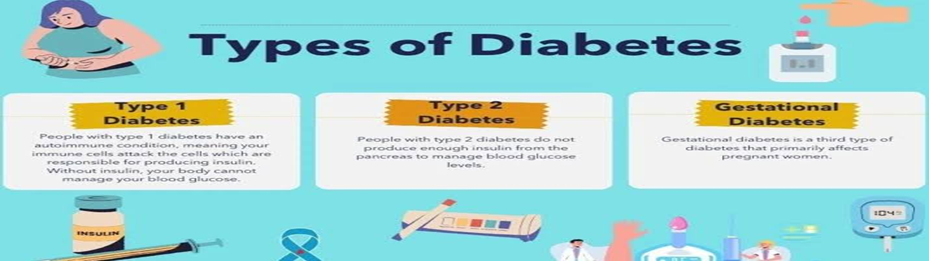
Fig.1.Classification of Diabetes Mellitus [19]

2.3 Pathophysiology

The chronic metabolic disease known as diabetes mellitus is caused by a variety of pathophysiological mechanisms that culminate in high blood glucose levels. Different pathophysiological mechanisms underlie the two main types of diabetes, type 1 and type 2.

2.3.1 Type 1 Diabetes mellitus

The autoimmune loss of the pancreatic beta cells that produce insulin is the hallmark of type 1 diabetes. This process begins when a genetic predisposition is triggered by environmental factors, such as viral infections. Beta cells are destroyed when immune cells incorrectly identify them as foreign intruders and initiate an autoimmune attack. Insulin production consequently declines or stops completely
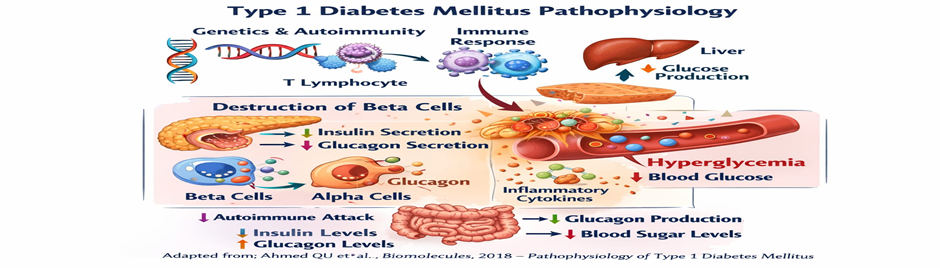
Fig.2 Pathophysiology Type 1 Diabetes mellitus [21]

2.3.2 Type 2 Diabetes mellitus

Insulin resistance and a progressive loss of pancreatic beta-cell function are the hallmarks of type 2 diabetes (T2D). Insulin resistance, which is frequently linked to obesity, occurs when the body's cells especially those in the muscle, fat, and liver do not react well to insulin. Over time, beta-cell dysfunction results in insufficient insulin production compared to the body's requirements, despite the pancreas compensating by producing more insulin. T2D has a significant hereditary component and is impacted by lifestyle factors like obesity, physical inactivity, and diet [22]
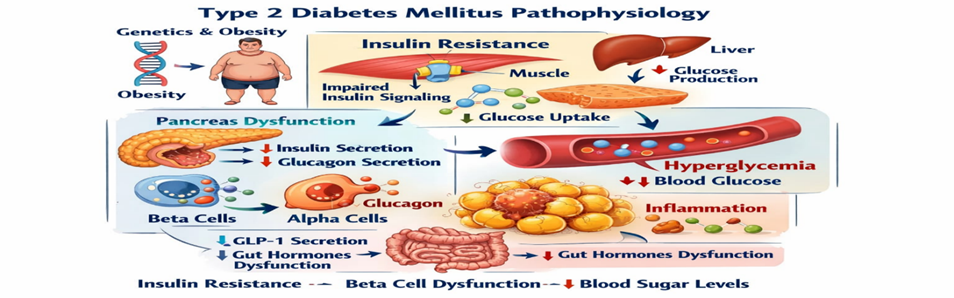
Fig.3 Pathophysiology Type 2 Diabetes mellitus [23]

2.4 Complications

Diabetes-related complications include both macrovascular issues like coronary artery disease (CAD), peripheral vascular disease (PVD), and cerebrovascular events (CVA) and microvascular issues like retinal degeneration, nephropathy, and neuropathy.

Retinopathy: The macula, peripheral retina, or both may be affected by diabetic retinopathy, a microvascular condition. In diabetics, it is a significant contributor to blindness and vision loss.

Nephropathy: In both types of diabetes mellitus, T1DM and T2DM, nephropathy is a chronic consequence marked by decreased kidney glomerular filtration rate (GFR) or increased urine albumin excretion (Proteinuria).[24]

Neuropathy: Diabetic Neuropathy The chance of developing diabetic neuropathic problems is significantly increased by long-term HG. Chronic HG can cause autonomic nervous system dysfunction, including arrhythmias, gastroparesis, incontinence, and sexual dysfunction, in addition to sensory or motor neuropathic issues.[25]

Cardiovascular diseases: Heart-related conditions Heart failure, arterial disease, cardiomyopathy, congenital heart defects, and coronary heart disease (CHD) are among the cardiovascular diseases that both "type 1 diabetes mellitus" and "type 2 diabetes mellitus" can cause. [26]
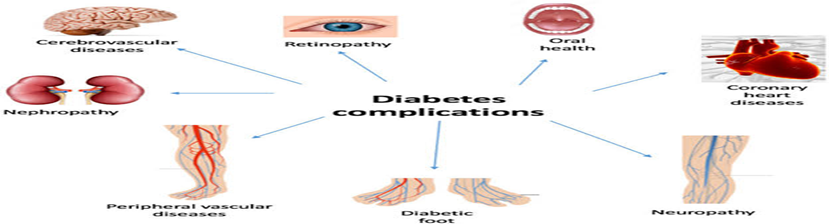
 

Fig.4.Complications of diabetes mellitus [27]

2.5 Diagnosis of DM

Diagnosis of diabetes The American Diabetes Association (ADA) Diagnostic Guidelines [TABLE1]  state that the following four tests are typically used to diagnose diabetes mellitus: 1) Fasting plasma glucose testing; 2) Random (casual) plasma glucose tests; 3) Oral glucose tolerance tests (OGTT); and 4) Glycated haemoglobin (HbA1C) tests. drugs used to treat diabetes mellitus all around the world.

TABLE 1. The ADA diagnostic guidelines were modified from

Stages

Latent

Impaired Glucose Tolerance (IGT)

Diabetes

Diagnostic Standards

If the glucose level is normal and there are two or more autoantibodies

100–125 mg/dl for fasting blood glucose; 140–199 mg/dl for two hours during the OGTT; or 5.7–6.4% for HbA1C. (1)

Blood glucose measured during fasting: ≥126 mg/dl, blood glucose measured during an OGTT: ≥200 mg/dl, or random plasma glucose measured with polyuria and weight loss symptoms: ≥200 mg/dl or HbA1C≥6.5%

IGT, Impaired Glucose Tolerance; OGTT, Oral glucose tolerance tests; HbA1C Glycated Hemoglobin [28]

2.6 Current Pharmacological Therapies for Type 1 and Type 2 Diabetes Mellitus (ADA 2026 Guidelines)

Type 1 diabetes (T1D) relies on lifelong insulin therapy as the cornerstone, while type 2 diabetes (T2D) starts with lifestyle changes and metformin, escalating to advanced agents for cardiorenal benefits. Current 2026 ADA guidelines emphasize technology like CGM and AID for both.[29]

Type 1 Diabetes Therapies: Insulin is essential via basal-bolus regimens, pumps, or automated insulin delivery (AID) systems—now preferred for all ages. Add CGM from diagnosis; adjuncts like metformin, GLP-1 RAs (e.g., liraglutide), or SGLT2is for overweight adults to aid weight and insulin dose reduction. Teplizumab delays onset in presymptomatic cases.[30]

Type 2 Diabetes Therapies: Initiate lifestyle + metformin; prioritize GLP-1 RAs (semaglutide, tirzepatide) or SGLT2is (empagliflozin) for CVD/HF/CKD/obesity. DPP-4is, TZDs, or sulfonylureas as alternatives; insulin for progression. Dual GIP/GLP-1 RAs favored for MASH/HFpEF.[31]

TABLE 2. Effective phytochemicals in the treatment of Diabetes mellitus and their mechanism of action

Sr. No

Plant name

Key phytochemicals

Detailed MOA

Refrences

1.

Tridax procumbens

Sitosterol

↑ GLUT-4 → ↑ cellular glucose uptake → ↓ blood glucose.

[32]


Stigmasterol

Inhibition of α-Amylase & α-Glucosidase → ↓ Carbohydrate digestion → ↓ Glucose absorption → ↑ Insulin sensitivity & GLUT-4 glucose uptake → ↓ Blood glucose.


Campesterol

Inhibits α-Amylase & α-Glucosidase → ↓ Carbohydrate digestion → ↓ Glucose absorption → ↓ Blood glucose level.


Luteolin

Inhibits α-Amylase & α-Glucosidase → ↓ Carbohydrate digestion → ↓ Glucose absorption → ↓ Blood glucose.

[33]


Glucoluteolin

Antioxidant activity → Protects pancreatic β-cells → Improves insulin secretion → ↓ Blood glucose.

[34]


Quercetin

Activates AMPK & increases GLUT-4 translocation → ↑ Glucose uptake in muscle → ↓ Blood glucose.


Isoquercetin


Isoquercetin → Inhibits α-Glucosidase → Delays carbohydrate digestion → ↓ Post-prandial glucose level.


2.

Momordica charantia (Bitter melon)

Polypeptide-P

Insulin-like action → Stimulates glucose uptake by cells → Enhances glycogen synthesis in liver & muscle → ↓ Blood glucose level.

[35]


Momordicosides

Activation of AMP-activated protein kinase (AMPK) → ↑ Glucose uptake & fatty acid oxidation → ↓ Hepatic gluconeogenesis → Improved insulin sensitivity → ↓ Blood glucose.


Charantin

Stimulates pancreatic β-cells → ↑ Insulin secretion → ↑ Glycogen storage in liver → ↓ Blood glucose level.


Saponins

Inhibition of α-amylase & α-glucosidase enzymes → ↓ Carbohydrate digestion → ↓ Glucose absorption in intestine → ↓ Postprandial blood glucose.

[36]

3.

Gymnema sylvestre

Gymnemic acids

Inhibit intestinal glucose absorption → Stimulate insulin secretion → ↓ Blood glucose.

[37]


Gymnemasaponins

↑ Insulin secretion → ↑ Glucose uptake by tissues → ↓ Blood glucose.

[38]

4.

Trigonella foenum-graecum (Fenugreek)

Trigonelline


AMPK activation → ↑ Insulin sensitivity → ↑ GLUT-4 mediated glucose uptake → ↓ Hepatic gluconeogenesis → Reduced blood glucose level

[39]


4-Hydroxyisoleucine


Direct stimulation of pancreatic β-cells → ↑ Insulin secretion (glucose-dependent) → ↑ Peripheral glucose uptake → Reduced blood glucose

[40]


Fenugreekine


Inhibition of carbohydrate-digesting enzymes (α-amylase & α-glucosidase) → ↓ Carbohydrate digestion → ↓ Glucose absorption in intestine → Lower post-prandial blood glucose

[41]

5.

Ficus benghalensis

Leucocyanidin

Antioxidant activity → ↓ Oxidative stress

Protects pancreatic β-cells → ↑ Insulin secretion

Improves glucose uptake in tissues→

↓ Blood glucose level.

[42],[43]

6.

Panax ginseng

Ginsenosides (e.g., Rb1, Rg1)

Activation of AMP-activated protein kinase (AMPK) →

↑ GLUT-4 translocation in muscle and adipose tissue →

↑ Glucose uptake →

Improved insulin sensitivity →

Protection of pancreatic β-cells →

↓ Blood glucose level.

[44]

7.

Tinospora cordifolia

Berberine

AMPK activation → ↑ GLUT-4 mediated glucose uptake → ↓ hepatic glucose production → ↓ blood glucose

[45]


Tinosporin

β-cell protection → ↑ insulin secretion → ↑ glucose utilization → ↓ blood glucose.

[46]

8.

Aloe vera

Aloe-emodin

Antioxidant activity → Protection of pancreatic β-cells → ↑ insulin secretion → ↑ glucose uptake in peripheral tissues → ↓ blood glucose level.

[47]


Barbaloin (Aloin)

Inhibition of α-glucosidase & α-amylase → delayed carbohydrate digestion → ↓ intestinal glucose absorption → ↓ postprandial blood glucose.

[48]


Polysaccharides

↑ insulin sensitivity → activation of GLUT-4 mediated glucose uptake → antioxidant protection of β-cells → improved glucose metabolism → ↓ blood glucose level.

[49]

9.

Curcuma longa (Turmeric)

Curcumin

AMPK activation → ↑ GLUT-4 mediated glucose uptake → ↓ hepatic gluconeogenesis → antioxidant protection of pancreatic β-cells → ↓ blood glucose.

[50]


Ferulic Acid

Antioxidant activity → protection of pancreatic β-cells → ↑ insulin secretion → inhibition of α-glucosidase → ↓ glucose absorption → ↓ blood glucose.

[51]

10.

Morus alba (White mulberry)

1-deoxynojirimycin (DNJ)

α-Glucosidase inhibition → Delayed carbohydrate digestion → Reduced intestinal glucose absorption → Lower post-prandial blood glucose levels.

[52], [53]


morin

Antioxidant activity → Protection of pancreatic β-cells → Activation of insulin signaling (PI3K/Akt pathway) → Increased GLUT-4 translocation → Enhanced glucose uptake → Reduced blood glucose.

[54],[55]

CONCLUSION

Diabetes mellitus is a major global health concern associated with significant morbidity and mortality. The disease involves complex mechanisms such as insulin resistance and pancreatic β-cell dysfunction, leading to persistent hyperglycemia and various complications. Early diagnosis and proper therapeutic interventions are essential to control disease progression and reduce complications. While conventional antidiabetic drugs remain the primary treatment strategy, medicinal plants and their phytochemicals show promising potential due to their multiple mechanisms of action and comparatively fewer side effects. Therefore, further experimental and clinical studies are required to validate the therapeutic efficacy and safety of these natural compounds for effective diabetes management.

REFERENCES

  1. Olokoba AB, Obateru OA, Olokoba LB. Type 2 diabetes mellitus: a review of current trends. Oman medical journal. 2012 Jul;27(4):269.
  2. Galicia-Garcia U, Benito-Vicente A, Jebari S, Larrea-Sebal A, Siddiqi H, Uribe KB, Ostolaza H, Martín C. Pathophysiology of type 2 diabetes mellitus. International journal of molecular sciences. 2020 Aug 30;21(17):6275.
  3. Association AD. 1. Improving care and promoting health in populations: Standards of Medical Care in Diabetes—2021. Diabetes Care. 2021 Jan 1;44(Supplement_1): S7-14.
  4. Katsarou A, Gudbjörnsdottir S, Rawshani A, Dabelea D, Bonifacio E, Anderson BJ, Jacobsen LM, Schatz DA, Lernmark Å. Type 1 diabetes mellitus. Nature reviews Disease primers. 2017 Mar 30;3(1):1-7
  5. Srinivasan BT, Jarvis J, Khunti K, Davies MJ. Recent advances in the management of type 2 diabetes mellitus: a review. Postgraduate Medical Journal. 2008 Oct;84(996):524-31.
  6. Ozougwu JC, Obimba KC, Belonwu CD, Unakalamba CB. The pathogenesis and pathophysiology of type 1 and type 2 diabetes mellitus. J Physiol Pathophysiol. 2013 Sep 30;4(4):46-57.
  7. Ortiz-Martinez M, Gonzalez-Gonzalez M, Martagón AJ, Hlavinka V, Willson RC, Rito-Palomares M. Recent developments in biomarkers for diagnosis and screening of type 2 diabetes mellitus. Current diabetes reports. 2022 Mar;22(3):95-115.
  8. Himanshu D, Ali W, Wamique M. Type 2 diabetes mellitus: pathogenesis and genetic diagnosis. Journal of Diabetes & Metabolic Disorders. 2020 Dec;19(2):1959-66.
  9. American Diabetes Association. Diagnosis and classification of diabetes mellitus. Diabetes care. 2010 Jan 1;33(Supplement_1): S62-9.
  10. Katsarou DN, Georga EI, Christou MA, Christou PA, Tigas S, Papaloukas C, Fotiadis DI. Optimizing hypoglycaemia prediction in type 1 diabetes with Ensemble Machine Learning modeling. BMC Medical Informatics and Decision Making. 2025 Jan 31;25(1):46
  11. Tomic D, Shaw JE, Magliano DJ. The burden and risks of emerging complications of diabetes mellitus. Nature Reviews Endocrinology. 2022 Sep;18(9):525-39
  12. Sheehan MT. Current therapeutic options in type 2 diabetes mellitus: a practical approach. Clinical medicine & research. 2003 Jul 1;1(3):189-200.
  13. Association AD. 1. Improving care and promoting health in populations: Standards of Medical Care in Diabetes—2021. Diabetes Care. 2021 Jan 1;44(Supplement_1): S7-14
  14. Atlas D. International diabetes federation. IDF Diabetes Atlas, 7th edn. Brussels, Belgium: International Diabetes Federation. 2015;33(2):3-6.
  15. American Diabetes Association. Standards of Care in Diabetes—2026. Diabetes Care. 2026;49(Suppl 1): S1–S350.
  16. Bereda G. Brief overview of diabetes mellitus. Diabetes Manag. 2021;1: 21-7.
  17. Jacobsen LM, Felton JL, Nathan BM, Speake C, Krischer J, Herold KC. Type 1 Diabetes Trial Net: leading the charge in disease prediction, prevention, and immunotherapeutic mechanistic understanding. Diabetes Care. 2025 Jul 1;48(7):1112-24.
  18. Singh A, Shadangi S, Gupta PK, Rana S. Type 2 diabetes mellitus: a comprehensive review of pathophysiology, comorbidities, and emerging therapies. Comprehensive Physiology. 2025 Feb 1;15(1): e70003.
  19. https://share.google/ORZf6OzC7uW8NEGOW
  20. Nadhiya J, Vijayalakshmi MK, Showbharnikhaa S. A brief review on diabetes mellitus. Journal of Pharma Insights and Research. 2024 Feb 7;2(1):117-21.
  21. Atkinson MA, Eisenbarth GS, Michels AW. Type 1 diabetes. Lancet. 2014 Jan 4;383(9911):69-82.
  22. Maity M, Kumari A. Diabetes Mellitus: A Comprehensive Review of Pathophysiology, Management and Emerging Perspectives
  23. Ahmed QU, Sarian MN, Zaiton S, et al. Flavonoids and their anti-hyperglycemic effects in type 2 diabetes mellitus. Biomolecules. 2018;8(3):1-18. Available from: ResearchGate.
  24. Mezil SA, Abed BA. Complication of diabetes mellitus. Annals of the Romanian Society for Cell Biology. 2021;25(3):1546-56
  25. Lotfy M, Adeghate J, Kalasz H, Singh J, Adeghate E. Chronic complications of diabetes mellitus: a mini review. Current diabetes reviews. 2017 Feb 1;13(1):3-10.
  26. Dhyani SI, Butola MA, Sautha VA, Jakhmola VI. Recent advances in treatment approaches for diabetes mellitus and related complications: a review. Int. J. Appl. Pharm. 2025;17(2):12-30.
  27. https://share.google/images/S5oZYld6qecKPgvKc
  28. Tegegne BA, Adugna A, Yenet A, Yihunie Belay W, Yibeltal Y, Dagne A, Hibstu Teffera Z, Amare GA, Abebaw D, Tewabe H, Abebe RB. A critical review on diabetes mellitus type 1 and type 2 management approaches: from lifestyle modification to current and novel targets and therapeutic agents. Frontiers in Endocrinology. 2024 Oct 18;15: 1440456
  29. Committee AD. Summary of Revisions: Standards of Care in Diabetes—2026. Diabetes Care. 2025 Dec 8;49(Suppl 1): S6.
  30. Committee AD. 9. Pharmacologic Approaches to Glycemic Treatment: Standards of Care in Diabetes—2026. Diabetes Care. 2025 Dec 8;49(Suppl 1): S183.
  31. Qaseem A, Obley AJ, Shamliyan T, Hicks LA, Harrod CS, Crandall CJ, Clinical Guidelines Committee of the American College of Physicians, Balk EM, Cooney TG, Cross Jr JT, Fitterman N. Newer pharmacologic treatments in adults with type 2 diabetes: a clinical guideline from the American College of Physicians. Annals of internal medicine. 2024 May;177(5):658-66.
  32. Jogdande RG, Kamble PR, Chougule A, Kamble J, Chougule N. Pharmacological Activity Of Tridax Procumbens. International Journal of Pharmaceutical Sciences. 2024;2(01):1-.
  33. Mundada S, Shivhare R. Pharmacology of Tridax procumbens a weed. Int J Pharm Tech Res. 2010 Apr;2(2):1391-4.
  34. Dattaray D. Traditional uses and pharmacology of plant Tridax procumbens: a review. Syst. Rev. Pharm. 2022 May 1;13(5):511-7.
  35. Gaonkar VP, Hullatti K. Indian Traditional medicinal plants as a source of potent Anti-diabetic agents: A Review. Journal of diabetes & metabolic disorders. 2020 Dec;19(2):1895-908.
  36. Tran N, Pham B, Le L. Bioactive compounds in anti-diabetic plants: From herbal medicine to modern drug discovery. Biology. 2020 Aug 28;9(9):252.
  37. Singh VK, Umar S, Ansari SA, Iqbal M. Gymnema sylvestre for diabetics. Journal of herbs, spices & medicinal plants. 2008 Sep 17;14(1-2):88-106.
  38. Pothuraju R, Sharma RK, Chagalamarri J, Jangra S, Kumar Kavadi P. A systematic review of Gymnema sylvestre in obesity and diabetes management. Journal of the Science of Food and Agriculture. 2014 Mar 30;94(5):834-40.
  39. Wani PA. Fenugreek and its bioactive compounds: A comprehensive review on their role in diabetes and other therapeutic applications. J. Pharmacogn. Phytochem. 2025; 14:490-500.
  40. Rangari VD, Shukla P, Badole SL. 4-Hydroxyisoleucine: A potential antidiabetic agent from Trigonella foenum-graecum. In Glucose Intake and Utilization in Pre-diabetes and Diabetes 2015 Jan 1 (pp. 191-198). Academic Press.
  41. Subramanian SP, Prasath GS. Antidiabetic and antidyslipidemic nature of trigonelline, a major alkaloid of fenugreek seeds studied in high-fat-fed and low-dose streptozotocin-induced experimental diabetic rats. Biomedicine & Preventive Nutrition. 2014 Oct 1;4(4):475-80.
  42. Chaudhary S, Alok S, Jain SK, Chanchal D, Dongray A. Phytopharamacology and pharmacognostic properties of Ficus benghalensis-A review. International Journal of Pharmacognosy and Phytochemical Research. 2015;2(12):560-9.
  43. Logesh R, Sathasivampillai SV, Varatharasan S, Rajan S, Das N, Pandey J, Devkota HP. Ficus benghalensis L. (Moraceae): a review on ethnomedicinal uses, phytochemistry and pharmacological activities. Current Research in Biotechnology. 2023 Jan 1;6: 100134.
  44. Chen W, Balan P, Popovich DG. Review of ginseng anti-diabetic studies. Molecules. 2019 Dec 9;24(24):4501.
  45. Mandar BK, Khanal P, Patil BM, Dey YN, Pasha I. In silico analysis of phytoconstituents from Tinospora cordifolia with targets related to diabetes and obesity. In Silico Pharmacology. 2021 Jan 2;9(1):3.
  46. Sharma R, Amin H, Prajapati PK. Antidiabetic claims of Tinospora cordifolia (Willd.) Miers: critical appraisal and role in therapy. Asian Pacific Journal of Tropical Biomedicine. 2015 Jan 1;5(1):68-78.
  47. Froldi G, Baronchelli F, Marin E, Grison M. Antiglycation activity and HT-29 cellular uptake of aloe-emodin, aloin, and aloe arborescens leaf extracts. Molecules. 2019 Jun 5;24(11):2128.
  48. GHOSH I, MAJI HS, MONDAL A, DAS D, MANDAL D. A COMPARATIVE STUDY ON COMMERCIAL BARBALOIN AND ISOLATED BARBALOIN FROM ALOE VERA FOR IN VIVO ANTI-DIABETIC AND ANTI-CANCER ACTIVITY. Asian J Pharm Clin Res. 2025;18(9):192-200.
  49. Yagi A, Hegazy S, Kabbash A, Abd-El Wahab E. Possible hypoglycemic effect of Aloe vera L. high molecular weight fractions on type 2 diabetic patients. Saudi Pharmaceutical Journal. 2009 Jul 1;17(3):209-15.
  50. Vaithiyalingam M, Sumathi DL, Sabarathinam S. Isolation and in silico study of curcumin from Curcuma longa and its anti-diabetic activity. Applied biochemistry and biotechnology. 2023 Feb;195(2):947-57.
  51. Salsabila NS, Burhan RA, Dliyauddin M, Lestari ND, Munawarti A, Djati MS, Rifa'i M. Herbal Combination of Tithonia diversifolia, Moringa oleifera, and Curcuma longa as Antidiabetic Agent Against iNOS and COX-2 Proteins: An in silico Study. Tropical Journal of Natural Product Research. 2025 Mar 1;9(3).
  52. Li Q, Wang Y, Dai Y, Shen W, Liao S, Zou Y. 1-Deoxynojirimycin modulates glucose homeostasis by regulating the combination of IR-GlUT4 and ADIPO-GLUT4 pathways in 3T3-L1 adipocytes. Molecular biology reports. 2019 Dec;46(6):6277-85
  53. Li Q, Chen Z, Yu Y, Zou Y, Liao S, Hu T. Sugar degradation process of mulberry (Morus alba L.) fruit was developed with microbial biotransformation. Journal of Food Process Engineering. 2018 Feb;41(1): e12631.
  54. Tang JW, Xiong XS, Qian CL, Liu QH, Wen PB, Shi XY, Dereje SB, Zhang X, Wang L. Network pharmacological analysis of ethanol extract of Morus alba linne in the treatment of type 2 diabetes mellitus. Arabian Journal of Chemistry. 2021 Oct 1;14(10):103384
  55. Foong YL, Jusoh YM, Ya'akob H, Hashim Z, Zaidel DN, Dailin DJ, Zainan NH. Anti-diabetic benefits from Morus alba fruits. Journal of Human Centered Technology. 2024 Aug 9;3(2):61-72.

Reference

  1. Olokoba AB, Obateru OA, Olokoba LB. Type 2 diabetes mellitus: a review of current trends. Oman medical journal. 2012 Jul;27(4):269.
  2. Galicia-Garcia U, Benito-Vicente A, Jebari S, Larrea-Sebal A, Siddiqi H, Uribe KB, Ostolaza H, Martín C. Pathophysiology of type 2 diabetes mellitus. International journal of molecular sciences. 2020 Aug 30;21(17):6275.
  3. Association AD. 1. Improving care and promoting health in populations: Standards of Medical Care in Diabetes—2021. Diabetes Care. 2021 Jan 1;44(Supplement_1): S7-14.
  4. Katsarou A, Gudbjörnsdottir S, Rawshani A, Dabelea D, Bonifacio E, Anderson BJ, Jacobsen LM, Schatz DA, Lernmark Å. Type 1 diabetes mellitus. Nature reviews Disease primers. 2017 Mar 30;3(1):1-7
  5. Srinivasan BT, Jarvis J, Khunti K, Davies MJ. Recent advances in the management of type 2 diabetes mellitus: a review. Postgraduate Medical Journal. 2008 Oct;84(996):524-31.
  6. Ozougwu JC, Obimba KC, Belonwu CD, Unakalamba CB. The pathogenesis and pathophysiology of type 1 and type 2 diabetes mellitus. J Physiol Pathophysiol. 2013 Sep 30;4(4):46-57.
  7. Ortiz-Martinez M, Gonzalez-Gonzalez M, Martagón AJ, Hlavinka V, Willson RC, Rito-Palomares M. Recent developments in biomarkers for diagnosis and screening of type 2 diabetes mellitus. Current diabetes reports. 2022 Mar;22(3):95-115.
  8. Himanshu D, Ali W, Wamique M. Type 2 diabetes mellitus: pathogenesis and genetic diagnosis. Journal of Diabetes & Metabolic Disorders. 2020 Dec;19(2):1959-66.
  9. American Diabetes Association. Diagnosis and classification of diabetes mellitus. Diabetes care. 2010 Jan 1;33(Supplement_1): S62-9.
  10. Katsarou DN, Georga EI, Christou MA, Christou PA, Tigas S, Papaloukas C, Fotiadis DI. Optimizing hypoglycaemia prediction in type 1 diabetes with Ensemble Machine Learning modeling. BMC Medical Informatics and Decision Making. 2025 Jan 31;25(1):46
  11. Tomic D, Shaw JE, Magliano DJ. The burden and risks of emerging complications of diabetes mellitus. Nature Reviews Endocrinology. 2022 Sep;18(9):525-39
  12. Sheehan MT. Current therapeutic options in type 2 diabetes mellitus: a practical approach. Clinical medicine & research. 2003 Jul 1;1(3):189-200.
  13. Association AD. 1. Improving care and promoting health in populations: Standards of Medical Care in Diabetes—2021. Diabetes Care. 2021 Jan 1;44(Supplement_1): S7-14
  14. Atlas D. International diabetes federation. IDF Diabetes Atlas, 7th edn. Brussels, Belgium: International Diabetes Federation. 2015;33(2):3-6.
  15. American Diabetes Association. Standards of Care in Diabetes—2026. Diabetes Care. 2026;49(Suppl 1): S1–S350.
  16. Bereda G. Brief overview of diabetes mellitus. Diabetes Manag. 2021;1: 21-7.
  17. Jacobsen LM, Felton JL, Nathan BM, Speake C, Krischer J, Herold KC. Type 1 Diabetes Trial Net: leading the charge in disease prediction, prevention, and immunotherapeutic mechanistic understanding. Diabetes Care. 2025 Jul 1;48(7):1112-24.
  18. Singh A, Shadangi S, Gupta PK, Rana S. Type 2 diabetes mellitus: a comprehensive review of pathophysiology, comorbidities, and emerging therapies. Comprehensive Physiology. 2025 Feb 1;15(1): e70003.
  19. https://share.google/ORZf6OzC7uW8NEGOW
  20. Nadhiya J, Vijayalakshmi MK, Showbharnikhaa S. A brief review on diabetes mellitus. Journal of Pharma Insights and Research. 2024 Feb 7;2(1):117-21.
  21. Atkinson MA, Eisenbarth GS, Michels AW. Type 1 diabetes. Lancet. 2014 Jan 4;383(9911):69-82.
  22. Maity M, Kumari A. Diabetes Mellitus: A Comprehensive Review of Pathophysiology, Management and Emerging Perspectives
  23. Ahmed QU, Sarian MN, Zaiton S, et al. Flavonoids and their anti-hyperglycemic effects in type 2 diabetes mellitus. Biomolecules. 2018;8(3):1-18. Available from: ResearchGate.
  24. Mezil SA, Abed BA. Complication of diabetes mellitus. Annals of the Romanian Society for Cell Biology. 2021;25(3):1546-56
  25. Lotfy M, Adeghate J, Kalasz H, Singh J, Adeghate E. Chronic complications of diabetes mellitus: a mini review. Current diabetes reviews. 2017 Feb 1;13(1):3-10.
  26. Dhyani SI, Butola MA, Sautha VA, Jakhmola VI. Recent advances in treatment approaches for diabetes mellitus and related complications: a review. Int. J. Appl. Pharm. 2025;17(2):12-30.
  27. https://share.google/images/S5oZYld6qecKPgvKc
  28. Tegegne BA, Adugna A, Yenet A, Yihunie Belay W, Yibeltal Y, Dagne A, Hibstu Teffera Z, Amare GA, Abebaw D, Tewabe H, Abebe RB. A critical review on diabetes mellitus type 1 and type 2 management approaches: from lifestyle modification to current and novel targets and therapeutic agents. Frontiers in Endocrinology. 2024 Oct 18;15: 1440456
  29. Committee AD. Summary of Revisions: Standards of Care in Diabetes—2026. Diabetes Care. 2025 Dec 8;49(Suppl 1): S6.
  30. Committee AD. 9. Pharmacologic Approaches to Glycemic Treatment: Standards of Care in Diabetes—2026. Diabetes Care. 2025 Dec 8;49(Suppl 1): S183.
  31. Qaseem A, Obley AJ, Shamliyan T, Hicks LA, Harrod CS, Crandall CJ, Clinical Guidelines Committee of the American College of Physicians, Balk EM, Cooney TG, Cross Jr JT, Fitterman N. Newer pharmacologic treatments in adults with type 2 diabetes: a clinical guideline from the American College of Physicians. Annals of internal medicine. 2024 May;177(5):658-66.
  32. Jogdande RG, Kamble PR, Chougule A, Kamble J, Chougule N. Pharmacological Activity Of Tridax Procumbens. International Journal of Pharmaceutical Sciences. 2024;2(01):1-.
  33. Mundada S, Shivhare R. Pharmacology of Tridax procumbens a weed. Int J Pharm Tech Res. 2010 Apr;2(2):1391-4.
  34. Dattaray D. Traditional uses and pharmacology of plant Tridax procumbens: a review. Syst. Rev. Pharm. 2022 May 1;13(5):511-7.
  35. Gaonkar VP, Hullatti K. Indian Traditional medicinal plants as a source of potent Anti-diabetic agents: A Review. Journal of diabetes & metabolic disorders. 2020 Dec;19(2):1895-908.
  36. Tran N, Pham B, Le L. Bioactive compounds in anti-diabetic plants: From herbal medicine to modern drug discovery. Biology. 2020 Aug 28;9(9):252.
  37. Singh VK, Umar S, Ansari SA, Iqbal M. Gymnema sylvestre for diabetics. Journal of herbs, spices & medicinal plants. 2008 Sep 17;14(1-2):88-106.
  38. Pothuraju R, Sharma RK, Chagalamarri J, Jangra S, Kumar Kavadi P. A systematic review of Gymnema sylvestre in obesity and diabetes management. Journal of the Science of Food and Agriculture. 2014 Mar 30;94(5):834-40.
  39. Wani PA. Fenugreek and its bioactive compounds: A comprehensive review on their role in diabetes and other therapeutic applications. J. Pharmacogn. Phytochem. 2025; 14:490-500.
  40. Rangari VD, Shukla P, Badole SL. 4-Hydroxyisoleucine: A potential antidiabetic agent from Trigonella foenum-graecum. In Glucose Intake and Utilization in Pre-diabetes and Diabetes 2015 Jan 1 (pp. 191-198). Academic Press.
  41. Subramanian SP, Prasath GS. Antidiabetic and antidyslipidemic nature of trigonelline, a major alkaloid of fenugreek seeds studied in high-fat-fed and low-dose streptozotocin-induced experimental diabetic rats. Biomedicine & Preventive Nutrition. 2014 Oct 1;4(4):475-80.
  42. Chaudhary S, Alok S, Jain SK, Chanchal D, Dongray A. Phytopharamacology and pharmacognostic properties of Ficus benghalensis-A review. International Journal of Pharmacognosy and Phytochemical Research. 2015;2(12):560-9.
  43. Logesh R, Sathasivampillai SV, Varatharasan S, Rajan S, Das N, Pandey J, Devkota HP. Ficus benghalensis L. (Moraceae): a review on ethnomedicinal uses, phytochemistry and pharmacological activities. Current Research in Biotechnology. 2023 Jan 1;6: 100134.
  44. Chen W, Balan P, Popovich DG. Review of ginseng anti-diabetic studies. Molecules. 2019 Dec 9;24(24):4501.
  45. Mandar BK, Khanal P, Patil BM, Dey YN, Pasha I. In silico analysis of phytoconstituents from Tinospora cordifolia with targets related to diabetes and obesity. In Silico Pharmacology. 2021 Jan 2;9(1):3.
  46. Sharma R, Amin H, Prajapati PK. Antidiabetic claims of Tinospora cordifolia (Willd.) Miers: critical appraisal and role in therapy. Asian Pacific Journal of Tropical Biomedicine. 2015 Jan 1;5(1):68-78.
  47. Froldi G, Baronchelli F, Marin E, Grison M. Antiglycation activity and HT-29 cellular uptake of aloe-emodin, aloin, and aloe arborescens leaf extracts. Molecules. 2019 Jun 5;24(11):2128.
  48. GHOSH I, MAJI HS, MONDAL A, DAS D, MANDAL D. A COMPARATIVE STUDY ON COMMERCIAL BARBALOIN AND ISOLATED BARBALOIN FROM ALOE VERA FOR IN VIVO ANTI-DIABETIC AND ANTI-CANCER ACTIVITY. Asian J Pharm Clin Res. 2025;18(9):192-200.
  49. Yagi A, Hegazy S, Kabbash A, Abd-El Wahab E. Possible hypoglycemic effect of Aloe vera L. high molecular weight fractions on type 2 diabetic patients. Saudi Pharmaceutical Journal. 2009 Jul 1;17(3):209-15.
  50. Vaithiyalingam M, Sumathi DL, Sabarathinam S. Isolation and in silico study of curcumin from Curcuma longa and its anti-diabetic activity. Applied biochemistry and biotechnology. 2023 Feb;195(2):947-57.
  51. Salsabila NS, Burhan RA, Dliyauddin M, Lestari ND, Munawarti A, Djati MS, Rifa'i M. Herbal Combination of Tithonia diversifolia, Moringa oleifera, and Curcuma longa as Antidiabetic Agent Against iNOS and COX-2 Proteins: An in silico Study. Tropical Journal of Natural Product Research. 2025 Mar 1;9(3).
  52. Li Q, Wang Y, Dai Y, Shen W, Liao S, Zou Y. 1-Deoxynojirimycin modulates glucose homeostasis by regulating the combination of IR-GlUT4 and ADIPO-GLUT4 pathways in 3T3-L1 adipocytes. Molecular biology reports. 2019 Dec;46(6):6277-85
  53. Li Q, Chen Z, Yu Y, Zou Y, Liao S, Hu T. Sugar degradation process of mulberry (Morus alba L.) fruit was developed with microbial biotransformation. Journal of Food Process Engineering. 2018 Feb;41(1): e12631.
  54. Tang JW, Xiong XS, Qian CL, Liu QH, Wen PB, Shi XY, Dereje SB, Zhang X, Wang L. Network pharmacological analysis of ethanol extract of Morus alba linne in the treatment of type 2 diabetes mellitus. Arabian Journal of Chemistry. 2021 Oct 1;14(10):103384
  55. Foong YL, Jusoh YM, Ya'akob H, Hashim Z, Zaidel DN, Dailin DJ, Zainan NH. Anti-diabetic benefits from Morus alba fruits. Journal of Human Centered Technology. 2024 Aug 9;3(2):61-72.

Photo
Rutuja Jogdande
Corresponding author

Tatyasaheb Kore College of Pharmacy, Warnanagar, Panahala, Kolhapur, India

Photo
Sapana More
Co-author

Tatyasaheb Kore College of Pharmacy, Warnanagar, Panahala, Kolhapur, India

Photo
Ajit Patil
Co-author

Tatyasaheb Kore College of Pharmacy, Warnanagar, Panahala, Kolhapur, India

Photo
Mukund Urade
Co-author

Tatyasaheb Kore College of Pharmacy, Warnanagar, Panahala, Kolhapur, India

Rutuja Jogdande, Sapana More, Ajit Patil, Mukund Urade, Diabetes Mellitus: Pathophysiology, Complications, and Emerging Therapeutic Strategies with Emphasis on Plant-Derived Phytochemicals, Int. J. of Pharm. Sci., 2026, Vol 4, Issue 4, 1542-1552. https://doi.org/10.5281/zenodo.19484285

More related articles
Comparative Evaluation of Antimicrobial and Anti-i...
Bhuvana Ezhil Rohini R, Vaishnavi B, Ragu Semaraj T, Kishore Kum...
Formulation and Evaluation of Azelnidipine-Loaded ...
Kunal Wankhede, Yash Chaudhari, Shahid Nafees, Mobeen Manyar...
Preliminary Screening Of The Antisickling Properti...
Evans Edoghotu, Abdu Abdulrasheed, Torugbene Tamarabarakemi, Diep...
Single-Cell Multi-Omics and Cell-Type-Specific Molecular Mechanisms in Parkinson...
Anchal, Gaurav Hastir, Amar Pal Singh, Ajeet Pal Singh, Rajesh Kumar...
Assessment of Chemotherapy-Induced Toxicities of FOLFOX Regimen in Pancreatic Ca...
Dr.swathi Boddupally , Dornala Manoj, Jarupla Mahika, Mogilicharla Archana, Nermetla Mahesh, Oddi Sa...
Toxicological Evaluation of Capox Regimen in Colorectal Cancer Therapy...
Dr. Swathi Boddupally, Dornala Manoj, Jarupla Mahika, Mogilicharla Archana, Oddi Sahithi, Nermetla M...
Related Articles
Artificial Intelligence and Machine Learning in Adverse Drug Events and Precisio...
Mohamed Adil N, Jayalakshmi Venugopal, Srinivas S.K. , Renupriya J...
Formulation And Evaluation Of A De-Tan Face Wash Tablet...
Kumbhar Bhaganna Gundappa , G. B. Gajeli, Giram Aarti Kashinath , Alamad Abhishek Lokanna, Narayane ...
Drug Use Evaluation (DUE) of Antiplatelet agents in a Tertiary Care Hospital : ...
Arati Konde, Manoj Pisure, Trupti Tuse, Sudha Nerlekar, Shrawani Rathor, Snehal Godase...
Comparative Evaluation of Antimicrobial and Anti-inflammatory Activity of Jatrop...
Bhuvana Ezhil Rohini R, Vaishnavi B, Ragu Semaraj T, Kishore Kumar R, Janani R, Abinaya V, Sujatha ...
More related articles
Comparative Evaluation of Antimicrobial and Anti-inflammatory Activity of Jatrop...
Bhuvana Ezhil Rohini R, Vaishnavi B, Ragu Semaraj T, Kishore Kumar R, Janani R, Abinaya V, Sujatha ...
Formulation and Evaluation of Azelnidipine-Loaded Nanosponges for Enhanced Solub...
Kunal Wankhede, Yash Chaudhari, Shahid Nafees, Mobeen Manyar...
Preliminary Screening Of The Antisickling Properties Of Brillantaisia Owariensis...
Evans Edoghotu, Abdu Abdulrasheed, Torugbene Tamarabarakemi, Diepreye Ere...
Comparative Evaluation of Antimicrobial and Anti-inflammatory Activity of Jatrop...
Bhuvana Ezhil Rohini R, Vaishnavi B, Ragu Semaraj T, Kishore Kumar R, Janani R, Abinaya V, Sujatha ...
Formulation and Evaluation of Azelnidipine-Loaded Nanosponges for Enhanced Solub...
Kunal Wankhede, Yash Chaudhari, Shahid Nafees, Mobeen Manyar...
Preliminary Screening Of The Antisickling Properties Of Brillantaisia Owariensis...
Evans Edoghotu, Abdu Abdulrasheed, Torugbene Tamarabarakemi, Diepreye Ere...