

We use cookies to ensure our website works properly and to personalise your experience. Cookies policy
Maharishi School of Pharmaceutical Sciences (MUIT), Lucknow UP 226013.
Wound healing is a biological phenomenon consisting of hemostasis, inflammation, proliferation, and remodeling stages. Chronic wounds, which are becoming more frequent nowadays, as well as the inherent shortcomings of chemical treatments used to treat them have stimulated research into plant-based solutions. Herbal products provide benefits such as biocompatibility, low toxicity, cost efficiency, and diverse pharmacological properties. Among the plants studied for their wound-healing properties, Terminalia arjunaand Murraya koenigii can be mentioned as possessing powerful antioxidant, antimicrobial, anti-inflammatory, and tissue regeneration activity. Terminalia arjunais characterized by the presence of bioactive substances, including flavonoids, tannins, triterpenoids, and glycosides that induce collagen synthesis and wound contraction. On the other hand, Murraya koenigii has high amounts of carbazole alkaloids, flavonoids, phenols, and essential oils responsible for its antimicrobial and antioxidant action and resulting in fast tissue repair. Adding herbal extracts to gel formulations is beneficial in terms of improved patient compliance, continuous contact between the product and the damaged tissue, as well as controlled delivery of the active ingredients. This paper aims at reviewing the available information about the phytochemical composition, pharmacological effects, formulation techniques, evaluation methods, and wound-healing properties of the gel preparations based on Terminalia arjunaand Murraya koenigii.
The skin acts as the chief protective organ of the human body against various insults from the environment, microbial attacks, and trauma. Skin
injury leads to wounds, which require a series of biological processes in order for proper wound healing. Even though modern wound care techniques have greatly improved, there is still an overwhelming prevalence of chronic wounds. Traditional treatments for wound healing have been linked with side effects, expensive treatment methods, and microbial resistance.
Medicinal plants have been used extensively in traditional medicine practices for wound healing purposes. Nowadays, herbal medicines have become popular because of their safety, low cost, and high effectiveness. Scientific research into traditional plants has also led to the development of more herbal medications.
Terminalia arjunais a tree species from the family Combretaceae which has traditionally been employed for heart protection, antioxidative activity, antimicrobial activity, and wound healing. It has been shown by scientific studies that the tannins and flavonoids found in the bark help in regeneration of tissues as well as synthesis of collagen.
Murraya koenigii, commonly referred to as curry leaf, is a member of the Rutaceae family and demonstrates significant medicinal potential. The plant contains carbazole alkaloids, flavonoids, terpenoids, and phenolic compounds that demonstrate antioxidant, anti-inflammatory, antimicrobial, and wound healing capabilities. Phytochemicals play an important role in decreasing oxidative stress as well as preventing microbial infections when wounds are repairing.
A biherbal gel formulated using Terminalia arjunaand Murraya koenigii may have synergy that results in additional therapeutic benefits from this herbal formula. Biherbal gel formulas can help wounds to heal through several ways, such as by providing antimicrobial action, antioxidant activity, and inflammation inhibition, as well as facilitating tissue regeneration. The purpose of this review is to summarize the existing information on biherbal gels formulated with Terminalia arjunaand Murraya koenigii.
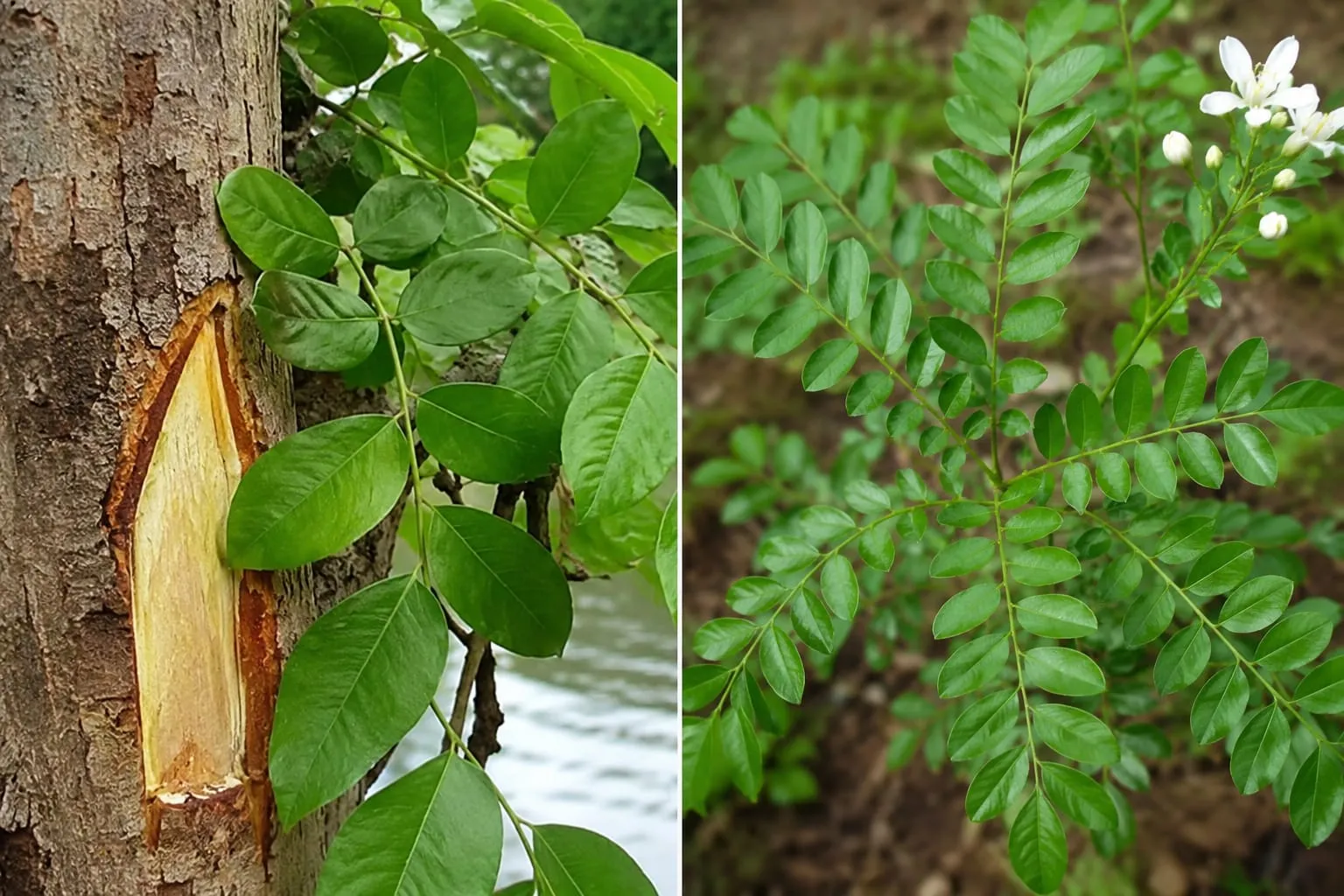
Figure 1: Plant of Terminalia arjunaand Murraya koenigii
2. Wound Healing Process and the Role of Herbal Therapeutics
The wound healing process is an intricate biological activity involved in restoring normal structure and function in the damaged tissues. This process entails several overlapping stages of hemostasis, inflammation, proliferation, and remodeling. Interference in any of these stages could cause prolonged wound healing, chronic wounds, and even scarring [1]
2.1 Hemostasis Phase
The hemostasis stage commences right away following damage. Vasoconstriction takes place, and there is platelet aggregation leading to clot formation. Platelets are activated during the process and release various growth factors like PDGF, TGF-β, and VEGF, all of which trigger further events in wound healing [2].
2.2 Inflammatory Phase
The inflammatory phase is usually observed for a few days after the injury. This involves migration of neutrophils to the injured tissue followed by removal of the foreign body using phagocytosis. Inflammation is critical for wound healing, but persistent inflammation delays wound healing and causes tissue damage [3].
Reactive oxygen species are formed during the process of inflammation. Physiologically occurring ROS contribute to microbial killing and signaling, while excess formation leads to oxidative stress causing damage to proteins, lipids, and DNA.
2.3 Proliferative Phase
The proliferative phase is characterized by fibroblast proliferation, collagen synthesis, angiogenesis, and re-epithelialization. Fibroblasts produce extracellular matrix proteins that provide structural support for tissue regeneration. Simultaneously, new blood vessels are formed to supply nutrients and oxygen to the healing tissue [5].
Keratinocytes migrate across the wound surface, restoring epidermal continuity. The formation of granulation tissue during this phase is considered an important indicator of successful wound healing [6].
2.4 Remodeling Phase
Remodeling can take place for several months post closure of the wound. The process of remodeling involves replacement of collagen type III with collagen type I, thus increasing the strength of the tissue. Remodeling of the extracellular matrix is regulated by matrix metalloproteinases and their inhibitors [7].
Though healing is complete, the restored tissue does not restore all the strength of undamaged skin. Thus, drugs that stimulate collagen maturation and tissue growth are highly desirable in medicine [8].
2.5 Importance of Herbal Therapeutics in Wound Management
Herbal medicines have been applied in the traditional system of medicine for a long time in order to treat injuries, burns, ulcers, and infections on the skin. The application of herbal medicines has several benefits, among them low costs, easy availability, fewer side effects, and several pharmacological actions [9].
Phytochemicals like flavonoids, tannins, alkaloids, terpenoids, and phenols obtained from plants have played an important role in wound healing because of their different physiological functions. Phytochemicals have antioxidant, antibacterial, and anti-inflammatory properties that can accelerate tissue healing [10].
The recent studies have focused on the potential use of plants containing antioxidants in order to combat oxidative stress in chronic wounds. Antioxidants destroy free radicals that could harm new tissue, thus promoting healing [11].
Furthermore, herbal preparations possess broad-spectrum antimicrobial activity against common wound pathogens including Staphylococcus aureus, Escherichia coli, Pseudomonas aeruginosa, and Candida species. Such activity reduces the risk of infection and improves wound healing outcomes [12].
The development of topical herbal gels has emerged as a promising strategy for delivering bioactive phytoconstituents directly to the wound site. Gel formulations provide better spreadability, prolonged contact time, ease of application, and enhanced patient compliance compared to conventional ointments and creams [13].
The combination of multiple medicinal plants in a single formulation may produce synergistic therapeutic effects. In this context, the incorporation of Terminalia arjunaand Murraya koenigii into a biherbal gel represents a novel approach for enhancing wound healing through complementary pharmacological mechanisms [14].
3. Pharmacological Profile of Terminalia arjuna
Terminalia arjuna(Family: Combretaceae) is an important medicinal tree widely distributed throughout the Indian subcontinent. Traditionally, its bark has been utilized for the treatment of cardiovascular disorders, inflammation, ulcers, fractures, and wounds [15].
3.1 Phytochemical Constituents
The bark extract of Terminalia arjunaharbors a variety of bioactive components such as tannins, flavonoids, triterpenoids, glycosides, saponins, phytosterols, and minerals. Some important phytoconstituents found in this plant are arjunolic acid, arjunic acid, arjungenin, gallic acid, ellagic acid, quercetin, and luteolin [16].
Out of all the phytoconstituents mentioned above, tannins and flavonoids play a significant role in wound healing property. These compounds show powerful antioxidant activity and promote collagen stabilization in damaged areas [17].
3.2 Antioxidant Activity
Delayed wound healing is associated with increased oxidative stress. Terminalia arjunahas considerable free radical scavenging potential because of its phenolic and flavonoid richness. Research has shown its capability of reducing lipid peroxidation and strengthening the body's inherent antioxidant defense system, thus preventing damage from oxidative stress [18].
3.3 Anti-inflammatory Activity
Inflammation is vital for wound healing, but its excess can hinder the process. Studies have shown the anti-inflammatory effect of Terminalia arjuna, which has been attributed to triterpenoids and polyphenols found in the plant's bark [19].
3.4 Antimicrobial Activity
Various extracts of Terminalia arjunahave demonstrated inhibitory effects against Gram-positive and Gram-negative bacteria commonly associated with wound infections. This antimicrobial activity helps maintain a sterile wound environment and prevents infection-related complications [20].
3.5 Wound Healing Potential
Animal studies have found rapid wound contraction, higher levels of hydroxyproline, greater synthesis of collagen, and increased tensile strength in response to Terminalia arjunaextract administration. All of these observations validate the wound healing capabilities of this plant and the incorporation of Terminalia arjunainto topical herbal preparations [21].
4. Pharmacological Profile of Murraya koenigii
Murraya koenigii (L.) Spreng. popularly known as curry leaf, is an herb belonging to the family Rutaceae. The plant is abundantly cultivated across India and is commonly used for medicinal purposes because of its extensive pharmacological benefits. Different parts of Murraya koenigii, including the leaves, roots, bark, and fruits, are known to have antioxidants, antibacterial, anti-inflammatory, anti-diabetic, hepatoprotective, and wound healing effects [22].
4.1 Phytochemical Constituents
Murraya koenigii contains a good amount of bioactive chemicals such as carbazole alkaloids, flavonoids, phenols, terpenoids, glycosides, and essential oils. The important carbazole alkaloids isolated from Murraya koenigii are mahanimbine, murrayacine, koenimbine, girinimbine, and murrayanine [23].
Leaves of the plant have a substantial amount of vitamins, minerals, β-carotene, lutein, and ascorbic acid in them. These compounds help in protecting against free radicals and provide tissue regrowth during wound healing [24]
4.2 Antioxidant Activity
The role of oxidative stress is paramount in the slowing down of the healing process due to cell destruction and interference with the physiological healing process. The presence of high levels of phenols and flavonoids explains the antioxidative nature of Murraya koenigii. Various studies show that Murraya koenigii extracts exhibit strong radical scavenging and anti-lipid peroxidation activity [25].
Through the reduction of oxidative stress, Murraya koenigii shields fibroblast and keratinocyte cells from oxidative damage and facilitates tissue regeneration[26].
4.3 Anti-inflammatory Activity
Inflammation is an essential component of wound healing; however, prolonged inflammatory responses can delay tissue repair. Experimental investigations have shown that Murraya koenigii extracts significantly reduce inflammatory mediators and suppress tissue edema [27].
The anti-inflammatory activity is mainly attributed to carbazole alkaloids and flavonoids, which inhibit the production of pro-inflammatory cytokines and enzymes involved in inflammatory pathways. Consequently, the plant helps maintain an optimal inflammatory response conducive to healing [28].
4.4 Antimicrobial Activity
Microbial contamination is one of the major causes of delayed wound healing. Numerous studies have reported broad-spectrum antimicrobial activity of Murraya koenigii against bacteria and fungi commonly associated with wound infections.
Leaf extracts have demonstrated inhibitory activity against Staphylococcus aureus, Escherichia coli, Bacillus subtilis, Pseudomonas aeruginosa, and Candida albicans [29]. Such antimicrobial properties are highly desirable in topical wound-healing formulations because they minimize infection and facilitate tissue repair.
Table 1: Comparative Phytochemical Constituents and Pharmacological Activities of Terminalia arjuna and Murraya koenigii
|
Plant |
Major Phytoconstituents |
Pharmacological Activities |
Role in Wound Healing |
|
Terminalia arjuna |
Tannins, Flavonoids, Triterpenoids, Glycosides, Arjunolic acid, Gallic acid, Ellagic acid. |
Antioxidant, Anti-inflammatory, Antimicrobial, Collagen-promoting |
Enhances collagen synthesis, improves wound contraction, increases tensile strength |
|
Murraya koenigii |
Carbazole alkaloids, Flavonoids, Phenolic compounds, Essential oils, Terpenoids |
Antioxidant, Antimicrobial, Anti-inflammatory |
Accelerates epithelialization, prevents microbial infection, reduces oxidative stress |
|
Biherbal Combination |
Combined phytochemicals of both plants |
Synergistic antioxidant, antimicrobial, anti-inflammatory activity |
Promotes faster wound closure, tissue regeneration, and improved healing response |
4.5 Wound-Healing Activity
Various animal studies have indicated the healing effect of Murraya koenigii on wounds. Experiments conducted using the wound model have revealed the rapid wound contraction, high rate of epithelialization, deposition of collagen, and increased formation of granulation tissue after the administration of extracts of curry leaves [30].
The effectiveness of the medicinal plant for wound healing is said to be attributed to its properties, which include antioxidants, anti-inflammatory, antimicrobial, and collagen synthesis.
5. Synergistic Wound-Healing Potential of Terminalia arjunaand Murraya koenigii
The use of polyherbalism or biherbalism is predicated on the idea that the use of more than one medicinal plant can confer superior efficacy compared to using an extract from just one plant.[31]
One such combination would be Terminalia arjunaalong with Murraya koenigii. While Terminalia arjunais characterized by tannins and triterpenoids that increase collagen production and enhance wound contraction, Murraya koenigii offers powerful antioxidant and antibacterial properties due to its carbazole alkaloids and phenols.
The synergistic combination may contribute to wound healing through the following mechanisms:
5.1 Enhanced Antioxidant Protection
Both plants contain abundant antioxidant phytochemicals capable of scavenging reactive oxygen species. Their combined use may provide superior protection against oxidative stress, thereby preserving cellular integrity and promoting tissue regeneration.
5.2 Improved Antimicrobial Activity
The antimicrobial constituents present in both plants can collectively inhibit a wider range of wound pathogens. This broad-spectrum activity may reduce microbial colonization and decrease the likelihood of wound infection.
5.3 Better Inflammation Control
Polyphenols, flavonoids, and alkaloids present in the biherbal combination help regulate inflammatory mediators. Controlled inflammation is essential for successful progression to the proliferative phase of healing.
5.4 Enhanced Collagen Formation
Terminalia arjunapromotes collagen synthesis and extracellular matrix formation, while Murraya koenigii protects newly formed tissues from oxidative degradation. Together, these activities may improve wound strength and accelerate closure.
5.5 Improved Tissue Regeneration
The combined action of growth-promoting phytochemicals may stimulate fibroblast proliferation, angiogenesis, and epithelialization, ultimately leading to faster wound healing.
Therefore, the incorporation of both medicinal plants into a topical gel formulation may offer a scientifically justified and therapeutically effective approach for wound management.
6. Formulation Strategies for Biherbal Gel
Topical gels have gained considerable popularity in wound management because of their non-greasy nature, ease of application, excellent patient compliance, and ability to deliver active ingredients directly to the site of action [32].
6.1 Selection of Herbal Extracts
The first step in biherbal gel development involves the extraction and standardization of Terminalia arjunabark and Murraya koenigii leaves. Hydroalcoholic and ethanolic extracts are commonly employed because they efficiently extract phenolic compounds, flavonoids, tannins, and alkaloids.
6.2 Selection of Gelling Agent
The gelling agent plays a crucial role in determining the viscosity, spreadability, and stability of the final formulation. Commonly used gelling agents include:
Among these, Carbopol 934 is widely preferred due to its excellent gel-forming capacity and stability characteristics.
6.3 Typical Composition of Biherbal Gel
A typical formulation may contain:
The concentrations may be optimized based on physicochemical properties and biological performance.
6.4 Preparation Method
The general procedure for preparing a biherbal gel involves:
6.5 Advantages of Biherbal Gel Formulation
The gel dosage form offers several advantages:
These advantages make topical biherbal gels an attractive platform for herbal wound-healing therapy.
7. Evaluation Parameters of Biherbal Gel
The quality, stability, safety, and efficacy of a biherbal gel formulation must be thoroughly evaluated before therapeutic application. Various physicochemical, microbiological, and biological parameters are assessed to ensure formulation performance and patient acceptability [33].
7.1 Organoleptic Evaluation
The prepared biherbal gel should be visually examined for color, odor, appearance, homogeneity, consistency, and phase separation. An ideal gel should possess a smooth texture, uniform appearance, and acceptable aesthetic characteristics.
7.2 pH Determination
The pH of the formulation is an important parameter because it influences skin compatibility and stability. The pH is measured using a calibrated digital pH meter. For topical application, the gel should preferably possess a pH between 5.5 and 7.0 to minimize skin irritation.
7.3 Viscosity Measurement
Viscosity determines the flow characteristics and spreadability of the gel. It is commonly measured using a Brookfield viscometer. Appropriate viscosity ensures easy application and prolonged retention of the formulation at the wound site.
7.4 Spreadability
Spreadability indicates the ease with which the gel can be distributed over the skin surface. Good spreadability facilitates uniform application and enhances patient compliance.
The spreadability can be calculated using:
S = M × L / T
Where:
S = Spreadability
M = Weight tied to the upper slide
L = Length moved by the glass slide
T = Time taken
Higher spreadability values indicate better application characteristics.
7.5 Extrudability
Extrudability measures the force required to expel the gel from collapsible tubes. An ideal formulation should exhibit satisfactory extrudability to allow convenient application by the patient.
7.6 Drug Content Uniformity
Uniform distribution of active constituents throughout the formulation is essential for consistent therapeutic activity. The drug content is determined using suitable analytical techniques such as UV-visible spectrophotometry.
7.7 Stability Studies
Stability studies are performed according to ICH guidelines to evaluate physical appearance, pH, viscosity, and drug content during storage under different temperature and humidity conditions.
7.8 Skin Irritation Test
The formulation should be evaluated for irritation potential using suitable animal models or validated alternative methods. Absence of erythema, edema, and allergic reactions indicates good skin compatibility.
7.9 Antimicrobial Activity
The antimicrobial efficacy of the gel can be assessed using agar well diffusion or disc diffusion methods against common wound pathogens such as:
7.10 In Vivo Wound-Healing Studies
The ultimate evaluation of wound-healing potential is performed using animal wound models such as:
Parameters commonly assessed include:
Improved values compared with control groups indicate enhanced wound-healing activity.
8. Recent Research Findings on Herbal Wound-Healing Gels
Recent research has confirmed the increasing role of herbal formulations in topical therapy of wounds. Many experiments have proved the presence of effective wound healing activity in gels prepared from plants having high flavonoid content and phenol contents. Polyherbal formulation is usually more effective than monoherb formulations because of their synergism. Increased collagen production, enhanced epithelization, accelerated wound contraction, and reduction in microflora are some of the benefits achieved from these formulations.
Formulations based on Terminalia arjunahave proved quite effective in accelerating the process of tissue regeneration owing to their antioxidant properties and collagen stimulation effects. Likewise, Murraya koenigii extracts have exhibited potent antimicrobial and anti-inflammatory properties.
Several researchers have reported that gels prepared using Carbopol polymers provide excellent physical stability, spreadability, and controlled release of herbal constituents. These characteristics improve the therapeutic effectiveness of herbal wound-healing products. The available scientific evidence strongly supports the potential use of biherbal gels containing Terminalia arjunaand Murraya koenigii as effective alternatives to conventional topical wound-healing preparations.
CONCLUSION
Wound healing is a complex phenomenon dependent on cellular and molecular processes working simultaneously. Herbal medications have attracted a lot of attention since they are safe to use, effective, and contain several pharmacological properties. Terminalia arjunahas unique antioxidant, anti-inflammatory, antimicrobial, and collagen formation properties, which help in wound healing. On the other hand, Murraya koenigii is rich in carbazole alkaloids, flavonoids, and phenolic compounds, which act as strong antioxidants and antimicrobials. Using both medicinal herbs in a biherbal gel form seems to be a good solution to improve the efficiency of wound healing by exploiting different mechanisms. There are several benefits in using the gel form such as easy application, prolonged contact, high compliance, and proper drug delivery system. From scientific evidence obtained from literature, there is a possibility of introducing biherbal gels consisting of Terminalia arjunaand Murraya koenigii as herbal alternatives for wounds.
CONFLICT OF INTEREST
The authors have no conflicts of interest.
REFERENCES

Amitesh Pratap Singh, Abhisekh Koiri, Dr. Prakash Deep, Saumya Srivastava, Formulation and evaluation of a biherbal gel containing Terminalia arjuna and Murraya koenigii for wound healing: A Review, Int. J. of Pharm. Sci., 2026, Vol 4, Issue 7, 557-566, https://doi.org/10.5281/zenodo.21155530
 10.5281/zenodo.21155530