

We use cookies to ensure our website works properly and to personalise your experience. Cookies policy
Rajarambapu college of pharmacy, Kasegaon, Sangli , Maharastra 415404.
A common treatment for superficial fungal infections such dermatophytosis, candidiasis, and pityriasis versicolor isEconazole nitrate is a wide-spectrum antifungal drug from the imidazole class that is used to treat various fungal infections. However, the drawbacksconventional topical formulations, including creams and ointments, include low residence time, poor skin penetration, and the requirement for frequent administration, all of which may lower patient adherance.The present study aims to formulate and evaluate transdermal patches containing Econazole. Econazole pills are currently available for purchase. Patients do not cooperate with these dose formulations. Transdermal medication administration systems have therefore started to gain traction as novel drug delivery techniques since they are easy to use and enhance patient compliance.The objective of the present study was to formulate and evaluate Econazole to enhance its antifungal efficacy.utilizing an appropriate medication delivery method. Polymers like hydroxypropyl methylcellulose (HPMC) and polyvinylpyrrolidone (PVP), as well as plasticizers such polyethylene glycol (PEG 400) and glycerin, were used in the solvent casting process to create econazole formulations.Physical appearance, thickness, weight variation, folding durability, moisture content, and drug content homogeneity were among the physicochemical parameters that were assessed for the produced formulations
A transdermal patch is a medicated adhesive patch applied to the skin to deliver a controlled dose of medication through the skin and into the bloodstream.Compared to oral, topical, intravenous, or intramuscular drug delivery methods, transdermal drug delivery has an advantage.Through a porous membrane enclosing a drug reservoir or by the body’s heat melting thin layers of medication incorporated within the adhesive, the patch controls the release of the medication into the patient's body[1]. The topical delivery system is a technique used to treat local problems by applying formulations to external body surfaces such as the skin, eyes, nose, and vagina.By applying medications to these topical surfaces, problems associated with oral administration such as It helps avoid hepatic first-pass metabolism, variations in gastric pH, and fluctuations in plasma drug levels[2].
Econazole, an antifungal drug, is used in this formulation to produce a transdermal patch. Despite the fact that econazole is typically sold topically as creams and lotions, these traditional formulations may result in adverse effects such redness, discomfort, and irritation. A transdermal patch of econazole has been created to address these problems.
Econazole is classified under BCS Class II, indicating high permeability but low solubility. This leads to limited oral absorption and inconsistent bioavailability among individuals[3].The medicines' ability to penetrate the target tissue determines how effective the topical antifungal treatment is. Therefore, the skin should be the site of the effective drug concentration levels. When antifungals are applied topically, the active therapeutic agents need to pass through the stratum corneum, the outermost layer of the skin, to reach the deeper layers, particularly the viable epidermis[4].
Econazole is sold commercially as creams, foams, or solutions (such as 1% formulations like Spectazole or Ecoza) that are applied directly to the afflicted skin areas once or twice a day for two to four weeks. The majority of the medication remains on the skin surface or within the stratum corneumfollowing typical topical treatment, with very little (<1%) systemic absorption. As of right now, there are no authorized commercial transdermal patches on the market that contain econazole; it is neither designed nor recommended for systemic transdermal distribution [5].
COMPONENTS OF TRANSDERMAL PATCH:
1] POLYMER MATRIX : The polymer matrix forms the backbone of the transdermal drug delivery system (TDDS) and regulates the release of the drug. The polymer should be chemically inert, stable during storage, non-toxic, and economically affordable.
2] DRUG : The transdermal route is a highly appealing method for delivering drugs that possess suitable pharmacological and physicochemical properties. Transdermal patches are especially beneficial for drugs that experience significant first-pass metabolism, have a narrow therapeutic range, or possess a short half-lif[6].
3] PERMEATION ENHANCER : To improve the permeability of the stratum corneum and achieve higher therapeutic drug levels, permeation enhancers interact with the structural components of the stratum corneum, such as proteins and lipids. The increased absorption of oil-soluble drugs occurs mainly because chemical enhancers partially extract epidermal lipids, thereby improving skin hydration and facilitating both trans-epidermal and trans-follicular drug permeation [7].
4] BACKING LAMINATES : The backing layer material should be chemically stable and non-reactive with the other components of the delivery system. In addition, it should prevent the migration of additives. An effective backing layer is flexible and allows the passage of oxygen and moisture[8].
5] RELEASE LAYER : During storage, the release liner helps prevent drug loss caused by migration into the adhesive layer and protects the system from contamination. Therefore, it is considered part of the primary packaging material rather than a component of the dosage form responsible for drug delivery. The release liner consists of a base layer that can be either non-occlusive, such as paper or fabric, or occlusive, such as polyethylene or polyvinyl chloride. It also contains a release coating layer made of materials like silicone or Teflon. Additional materials commonly used for TDDS release liners include polyester foil and metallized laminates[7].
6] ADHESIVES : It helps attach the patch to the skin to enable systemic drug delivery[9].
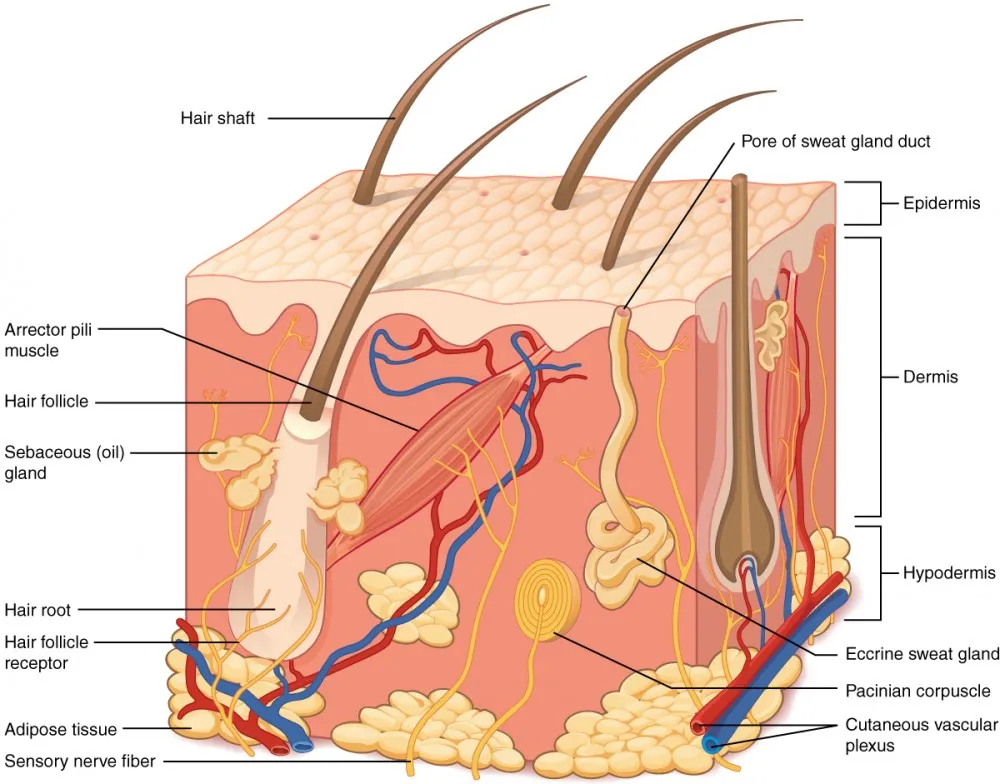
ANATOMY OF SKIN:
Most organs consist of three types of tissues arranged together: an avascular, regenerative epithelial layer; a thin extracellular matrix called the basement membrane; and a supportive, vascular stroma made of extracellular matrix that lacks regenerative ability[10]. In the skin, these layers are known as the epidermis, which is made of stratified squamous epithelium; the basement membrane zone (BMZ); and the fibrous, neurovascular dermis that lies above the hypodermis or subcutaneous fat.The epidermis is primarily formed by layers of keratinocytes, but it also includes non-epithelial cells such as antigen-presenting dendritic Langerhans cells, melanocytes, and Merkel cells. Since the epidermis lacks blood vessels, it receives nutrients through the diffusion of intercellular fluid from the blood vessels in the dermis[11].
EPIDERMIS : The epidermis, which forms the outermost layer of the skin, consists of multiple layers and different cell types that are essential for its protective functions.Arranged from the deepest to the most superficial, the epidermal layers include the stratum basale, stratum spinosum, stratum granulosum, stratum lucidum, and stratum corneum.
DERMIS : The dermis is attached to the epidermis through the basement membrane. It is made up of two connective tissue layers, the papillary layer and the reticular layer, which blend together without a distinct boundary. The papillary layer is the superficial portion of the dermis; it is thinner and consists of loose connective tissue that lies directly beneath and interacts with the epidermis.
HYPODERMIS : The hypodermis, or subcutaneous fascia, lies beneath the dermis and forms the deepest layer of the skin. It contains clusters of adipose tissue, sensory nerves, blood vessels, and a few skin appendages, including hair follicles [12].
STRUCTURE OF SKIN :
MECHANISM OF ACTION OF ECONAZOLE TRANSDERMAL PATCH:
Econazole works by binding to 14-α demethylase, a cytochrome P-450 enzyme involved in converting lanosterol into ergosterol. By inhibiting this process, it blocks ergosterol synthesis. Since ergosterol is a key component of the fungal cell membrane, its depletion increases membrane permeability, causing leakage of cellular contents [13].
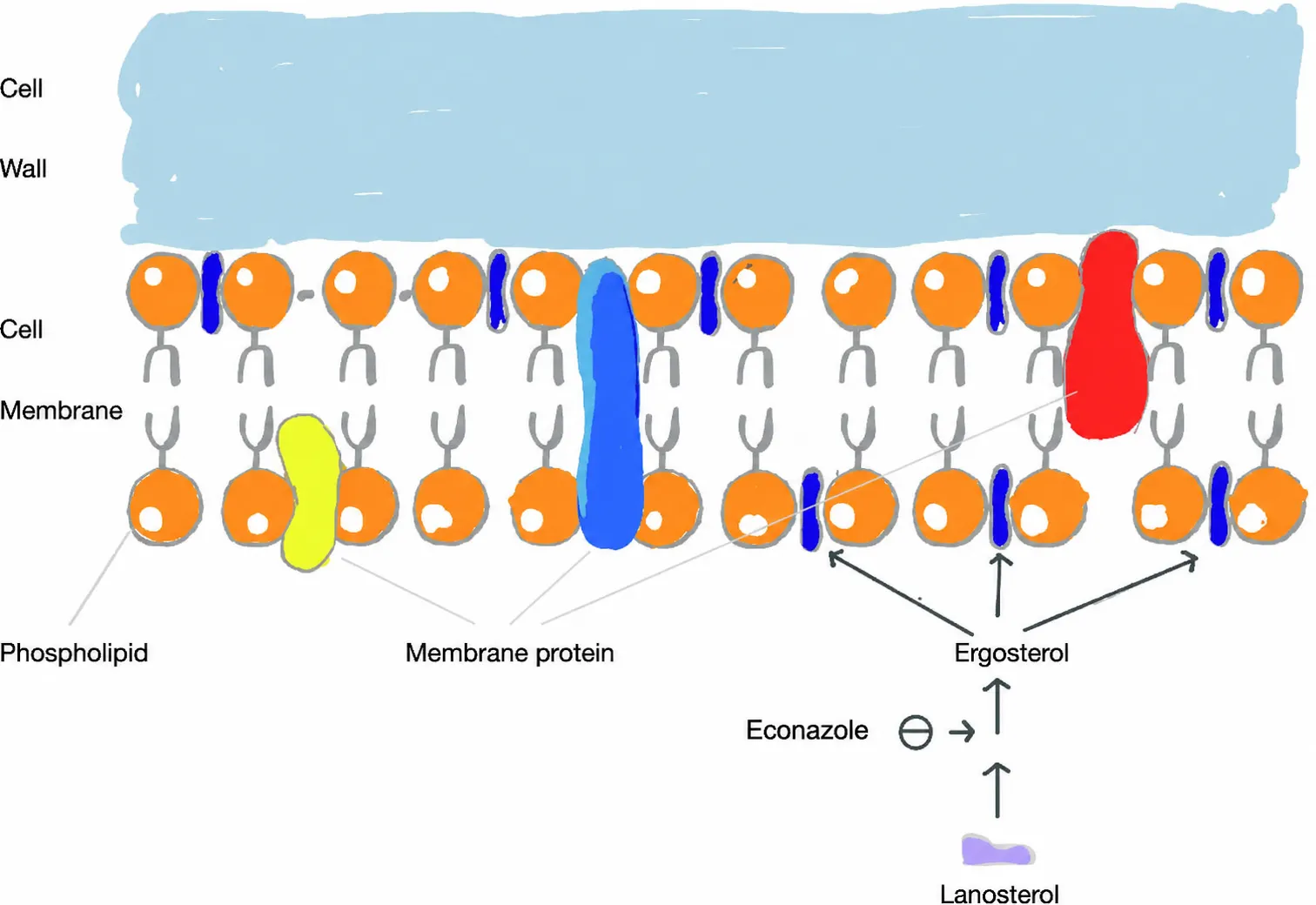
Fig.1Mechanism of Action of Econazole [14].
MATERIALS AND METHODS:
INGREDIENTS:
HPMC K- 100:
The naturally occurring polymer cellulose is synthetically modified to produce hydroxypropyl methylcellulose (HPMC), often known as hypromellose. The material has been used and evaluated as a viscolizing (thickening) agent in controlled release systems, a coating polymer, a bioadhesive, a binder, and in solid dispersions to enhance drug solubility[15].
PVP K-30:
Polyvinylpyrrolidone (PVP), also called polyvidone or povidone, is a biodegradable polymer derived from its monomer N-vinylpyrrolidone. It is a hydrophilic materialwith exceptional binding qualities, a stabilizing effect for transdermal patch, and outstanding solubility in solvents of various polarities.Polyvinylpyrrolidone is a non-toxic, biocompatible polymer that has been recognized as safe by the Food and Drug Administration (FDA). It is largely chemically inert, colorless, thermally stable, and remains stable across a wide pH range, among other distinctive physical and chemical characteristics[16].
PEG-400:
Polyethylene Glycol 400, or PEG 400, is a hydrophilic, viscous liquid with a low molecular weight that is frequently used as an excipient in pharmaceutical formulations, such as transdermal patches. It is mainly used as a plasticizer, but it can also be used as a solvent, humectant, or part of systems that improve permeability [17].
Glycerin:
A common excipient in transdermal patches is glycerin, often known as glycerol, It mostly serves as a humectant and plasticizer, although it can also act as a modest permeability enhancer in some situations. For topical use, it is hydrophilic, non-toxic, biocompatible, and generally recognized as safe (GRAS) [18].
Methanol:
Methanol, also known as methyl alcohol (CH3OH), is a volatile, polar organic solvent that is frequently used in the solvent casting/evaporation process of transdermal patch manufacture. Rather, it is used as a processing aid to dissolve medications, polymers, and other materials prior to drying and casting [19].
Distilled water:
In the creation of transdermal patches, distilled water also known as purified or deionized water is essential, mainly as a processing solvent or vehicle in transdermal patches. In matrix-type patches, it is utilized during preparation and mostly evaporates during drying [20].
Econazole:
A broad-spectrum imidazole antifungal medication, econazole (usually as econazole nitrate) is mostly applied topically to treat superficial fungal infections such cutaneous candidiasis, tinea versicolorincluding athlete’s foot (tinea pedis), ringworm of the body (tinea corporis), and jock itch (tinea cruris).It functions by preventing fungal cell membranes from synthesizing ergosterol [21].
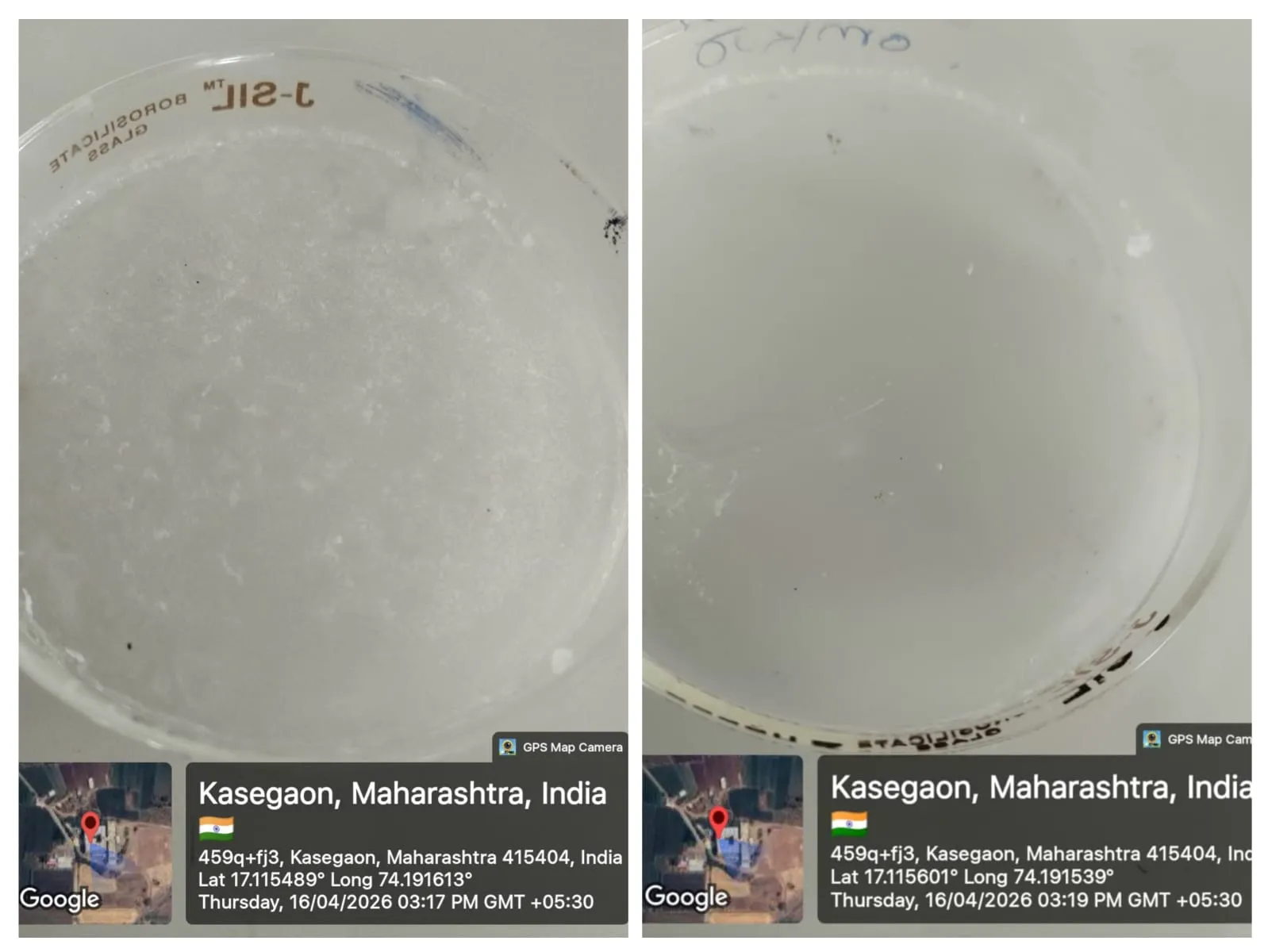
Fig.2Formulation of Econazole Transdermal Patch.
METHOD OF PREPARATION OF ECONAZOLE TRANSDERMAL PATCH:
1. Make a polymer solution
Mix 5 ml of distilled water with HPMC K100.
Mix well and let it sit for 2–3 hours.
2. Make a PVP solution
Add 5 ml of methanol to PVP K30 and mix.
3. Combine the solutions
Slowly add the PVP solution to the HPMC solution while stirring constantly to make sure the two mix well.
4. Put in the drug
Mix a small amount of methanol with econazole and add it to the mix.
Mix well to make sure everything is even.
5. Put in plasticizers
Put in 0.3 ml of PEG-400 and 0.2 ml of glycerin.
Keep stirring until the solution is smooth and doesn't have any bubbles.
6. Casting
Put the solution in a glass petri dish that is level and spread it out evenly.
7. Drying
Let it dry at room temperature or in an oven set to 40–45°C until it is completely dry.
8. Cutting
Cut the dried film into squares that are 2 × 2 cm.
9. Storage
To keep them stable and safe from moisture, the prepared econazole transdermal The patches were stored in a desiccator at room temperature.
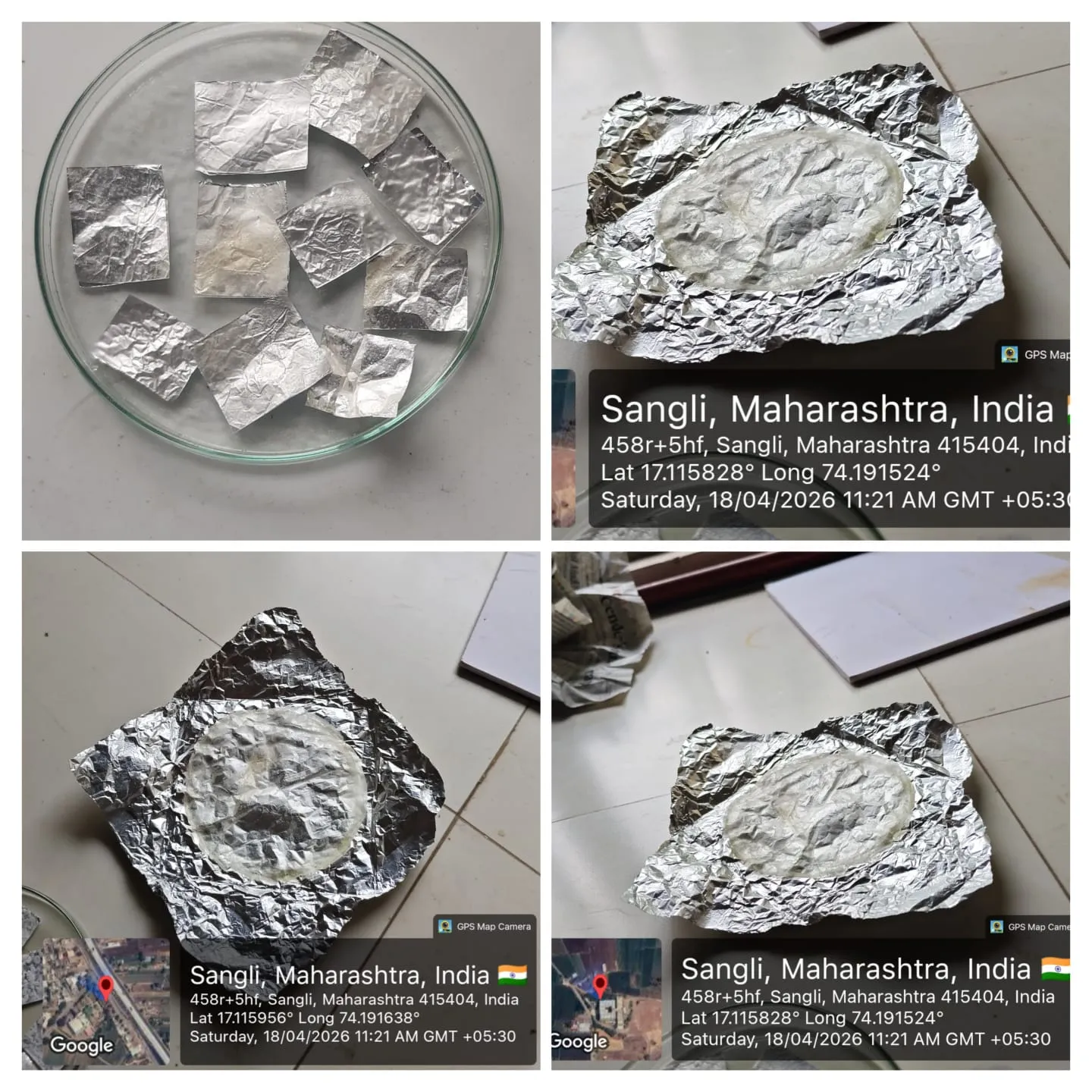
Fig.3Econazole Transdermal Patches.
FORMULATION TABLE:
Table 1 –Formulation table of Econazole Transdermal Patch.
|
Sr.No. |
Ingredients |
Quantity |
Role |
|
1. |
Econazole |
150 mg |
Antifungal drug |
|
2. |
HPMC K-100 |
400 mg |
Film forming polymer |
|
3. |
PVP K-30 |
250 mg |
Polymer |
|
4. |
PEG 400 |
0.3 ml |
Plasticizer |
|
5. |
Glycerin |
0.2 ml |
Humectant |
|
6. |
Methanol |
5 ml |
Organic Solvent |
|
7. |
Distilled water |
5 ml |
Aqueous Solvent |
Table 2 – Batch formulations for Econazole Transdermal Patch.
|
Sr. No. |
Ingredients |
F1 |
F2 |
F3 |
|
1 |
Econazole |
150 mg |
150 mg |
150 mg |
|
2 |
HPMC K -30 |
400 mg |
400mg |
100 mg |
|
3 |
PVP K-30 |
200 mg |
250 mg |
600 mg |
|
4 |
PEG 400 |
0.3 ml |
0.3 ml |
0.3ml |
|
5 |
Glycerin |
0.2ml |
0.2 ml |
0.2ml |
|
6 |
Methanol |
5 ml |
5 ml |
5ml |
|
7 |
Distilled water |
5 ml |
5 ml |
5ml |
EVALUATION TESTS FORECONAZOLE TRANSDERMAL PATCH:
1] Organoleptic Characteristics:
The prepared patches were physically evaluated for their appearance, color, transparency, flexibility, and surface smoothness.
2] Thickness:
The thickness of the patch was measured using vernier calipers, and uniformity was assessed at different points before calculating the average value.
3] Weight Variation:
To check for weight variation, three identical-sized patches were weighed on an electronic balance.
4]Folding Endurance:
The patch was repeatedly folded at a single point until it fractured, and the number of folds it withstood before breaking was recorded.
5] Moisture Content:
The prepared patch was weighed and kept in a desiccator containing fused calcium chloride for about 24 hours. It was then reweighed, and the percentage of moisture content was calculated using the following formula:
|
% Moisture Content = [(Initial weight − Final weight) / Final weight] × 100 |
6]Determination of surface pH:
The patches were immersed in 1 mL of distilled water at room temperature for 2 hours to allow swelling. After a brief equilibration period of one minute, an electrode was placed on the patch surface to determine the pH of the resulting solution.
7]Tensile Strength: A straightforward method was used to determine the patch's tensile strength. First, the patch was cut to a consistent size. Next, using the thumb and index finger to hold the end of the patch, slowly pull it in opposite directions until it stretches and breaks. This shows that the patch has good elasticity because PEG 400 is present in the formulation.
8] Estimation of drug content:
Econazole transdermal patches of a defined area and weight are cut into small pieces and placed in a 100 mL volumetric flask. About 5 mL of methanol is added to dissolve the patch, and the volume is then made up to 100 mL using phosphate buffer (pH 6.8). A blank is prepared in the same manner using a drug-free patch. The resulting solutions are filtered, and the absorbance is recorded at 272 nm (λmax) using a UV-visible spectrophotometer.
The in vitro release profile of Econazole from the transdermal device was evaluated using diffusion studies in an open tubular cell. The donor and receptor compartments were separated by a dialysis membrane, and phosphate buffer (pH 6.8) was placed in the receptor chamber. The prepared matrix patch was applied over the membrane, while the receptor compartment was maintained at 32 ± 1 °C.
During the experiment, the receptor medium was continuously stirred using a Teflon-coated magnetic stirrer. At predetermined time intervals, samples were withdrawn and immediately replaced with an equal volume of fresh buffer. The collected samples were then analyzed spectrophotometrically at 272 nm.
9]Antimicrobial Activity:
A transdermal patch contains an antifungal agent within a polymer matrix or reservoir. When placed on an agar surface inoculated with fungi, the drug diffuses out of the patch into the medium. If effective, it inhibits fungal growth around it, forming a zone of inhibition.
Common test method: Agar diffusion technique:
1. A suitable strain of fungus is cultivated, such as Aspergillus niger (mold) or Candida albicans (yeast).
2. To create a fungal lawn, sterile agar media (such as Sabouraud Dextrose Agar) is uniformly infected.
3. After being cut to a specific size, the transdermal patch is applied to the agar surface.
4. Plates are incubated in the proper circumstances (the organism determines the temperature and duration).
5. Antifungal action is indicated by a clean area surrounding the patch after incubation.
Key observations:
Zone of inhibition (mm): Larger zones indicate stronger antifungal effect.
Uniformity of inhibition: Shows consistent drug release.
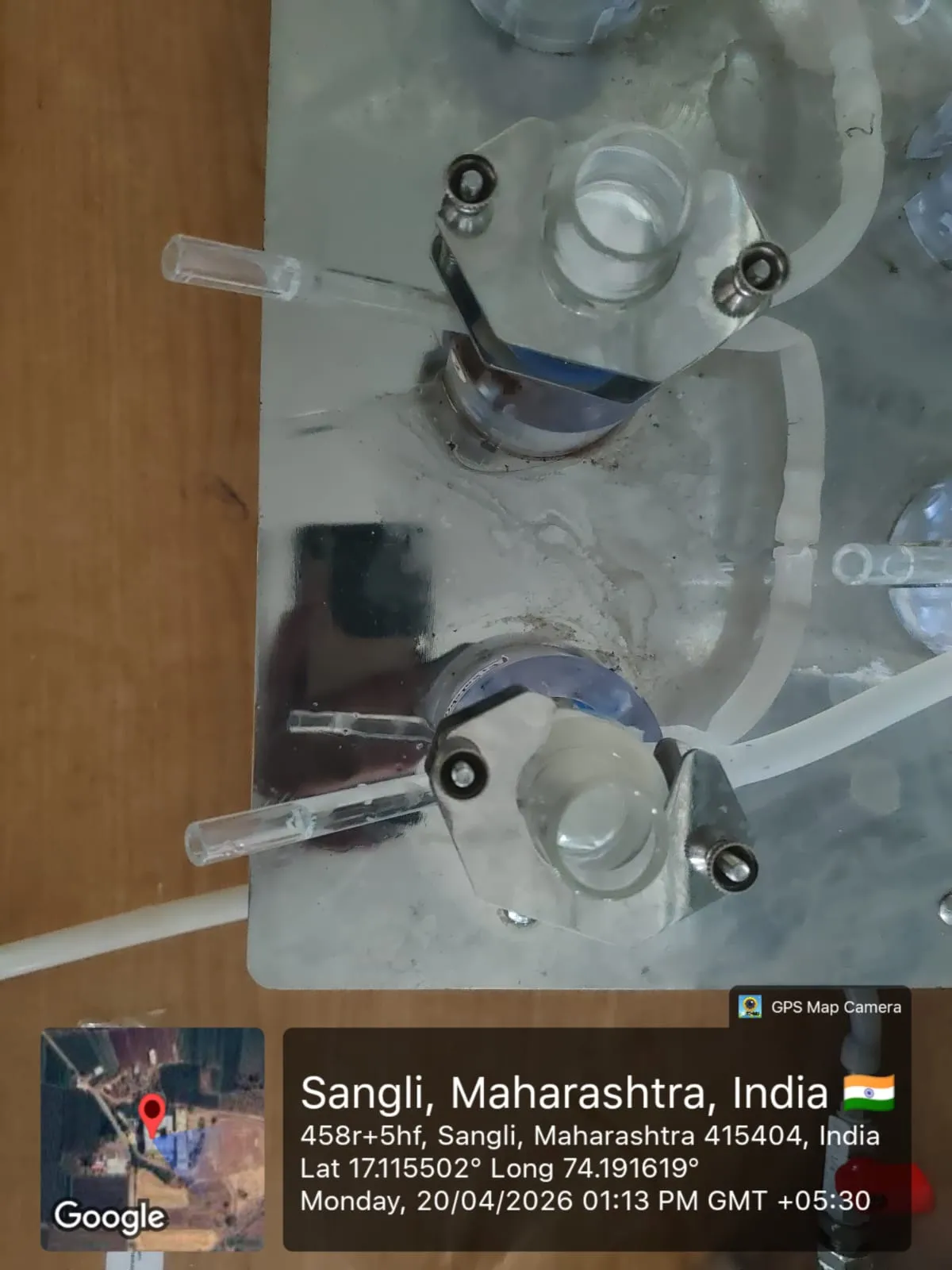
Fig.4Franz Diffusion Cell Apparatus.
RESULTS AND DISCUSSIONS:
1] Organoleptic Characteristics:
Physical Appearance
|
Parameters |
Observation |
|
Color |
White |
|
Clarity |
Translucent |
|
Texture |
Smooth |
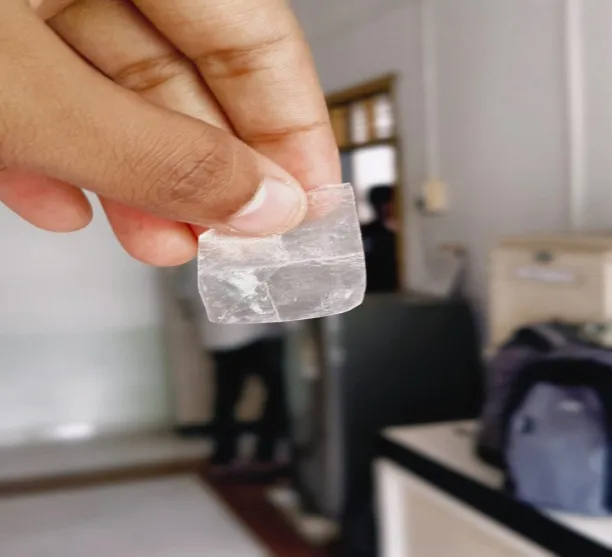
Fig.5Physical Appearance
2]Thickness:
|
Sr. No |
Batches |
Thickness (mm) |
|
1 |
F1 |
0.12 mm |
|
2 |
F2 |
0.15 mm |
|
3 |
F3 |
0.13 mm |
3] Weight Variation:
|
Sr.No. |
Batches |
Weight Variation (mg) |
|
1 |
F1 |
0.16 mg |
|
2 |
F2 |
0.21 mg |
|
3 |
F3 |
0.18 mg |
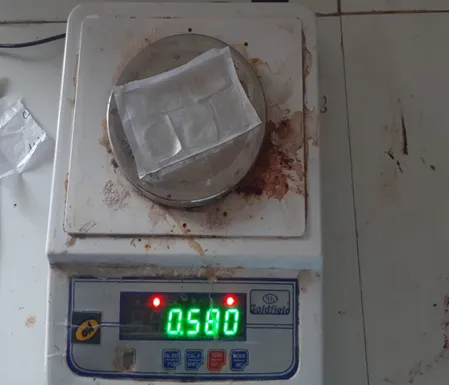
Fig.6Weight variation
4] Folding Endurance:
|
Sr.No. |
Batches |
Folding of Patches |
|
1 |
F1 |
13 times |
|
2 |
F2 |
22 times |
|
3 |
F3 |
19 times |
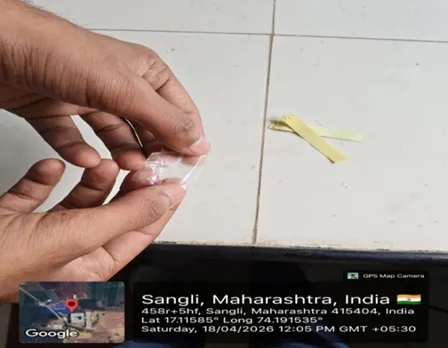
Fig.7folding endurance
5] Moisture Content:
|
Sr.No. |
Batches |
Moisture Content (%) |
|
1 |
F1 |
5 % |
|
2 |
F2 |
5.6% |
|
3 |
F3 |
5.1% |
6] Determination of Surface pH:
|
Sr.No. |
Batches |
Surface pH of Patches |
|
1 |
F1 |
6.2 |
|
2 |
F2 |
6.5 |
|
3 |
F3 |
6.8 |
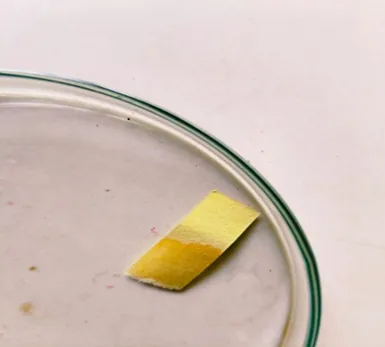
Fig.8Surface pH
7] Estimation of Drug Content: (Franz Diffusion cell):
The UV spectrophotometric analysis showed a sharp and consistent absorbance peak at 272nm that shows the presence of the drug without any interference or degradation. The calibration curve was found to be linear over the selected concentration range, indicating good analytical reliability.
The correlation between absorbance and concentration was found to obey the Beer–Lambert law, and the resulting calibration equation was determined as follows:
By taking the lowest and the highest method
Slope = ∆


A = 0.0531 × C;
Where, A=Absorbance
C = Concentration (µg/ml)
Slope=0.0531(absorbance increase per unit concentration
|
Concentration |
Absorbance |
|
0.59 |
0.032 |
|
1.25 |
0.068 |
|
1.85 |
0.099 |
Slope = ∆


C=A/0.0531
C = 0.032 / 0.0531= 0.602µg/ml
C=A/0.0531
C = 0.068 / 0.0531 = 1.280 µg/ml
C=A/0.0531
C = 0.099/ 0.0531 = 1.864 µg/ml
►Cumulative Drug Release Calculation:
Cumulative drug release was calculated using a standard correction method.
Receptor volume (V) is the total volume of liquid present in the receptor compartment (the lower chamber of the Franz diffusion cell).
This compartment contains the diffusion medium (phosphate buffer)
It collects the drug that diffuses through the membrane, the egg membrane was used as barrier to mimic the skin barrier
It is used to calculate total drug amount released (µg)
Q = C × V
At 10 minutes:
Q10 = (C1×V)
Q10= (0.60 × 20)
Q10=12 μg
At 15 minutes:
Q15= (C2 × V) + (C1×v)
Q15 = (1.280 × 20) + (0.60× 3)
Q15= 25.6+ 1.8
Q15 = 27.4μg
At 20 Minutes:
Q20= (C3× V)+( C2 ×v)+ (C1× v)
Q20= (1.864× 20) + (1.280 × 3)+(0.60 × 3)
Q20= 37.28 + 3.84 + 1.8
Q20= 42.92 μg
Total drug content = 2000µg. (single patch 2×2)
% Release =(12 /2000)X 100 = 0.60%.
% Release = (42.92 /2000) X 100 =2.146%.
Q = k t

Q60= 42.92×60

Total drug = 2000µg
%=332.46/2000×100 = 16.62%
% Drug Release at 1 hr(60 min) ≈ 16.62%
8]Tensile strength:
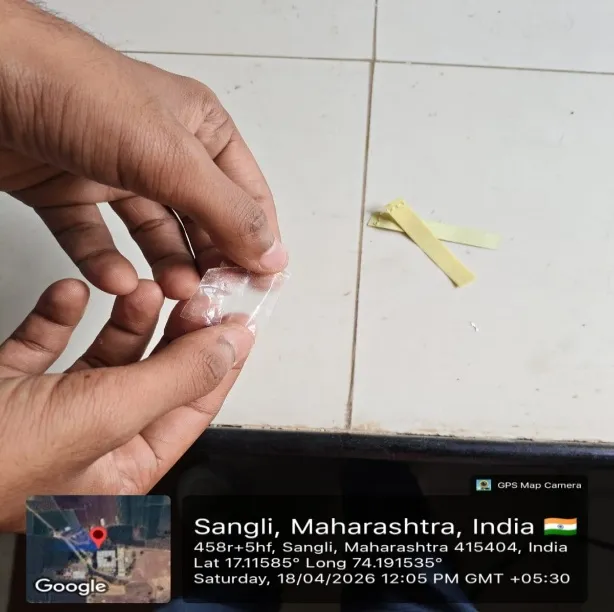
Fig9. Tensile strength
9] Antimicrobial Activity:
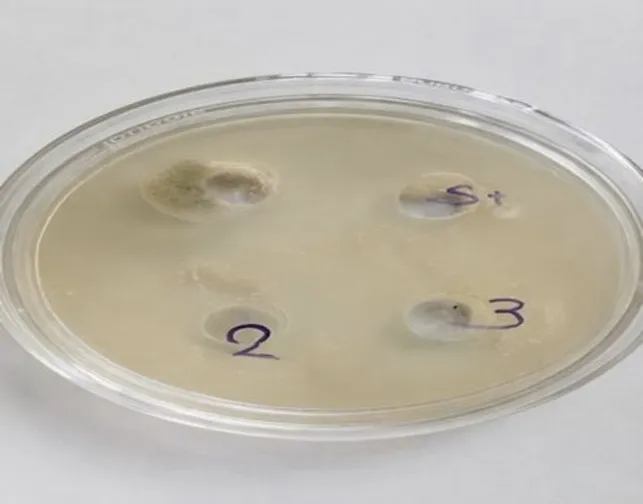
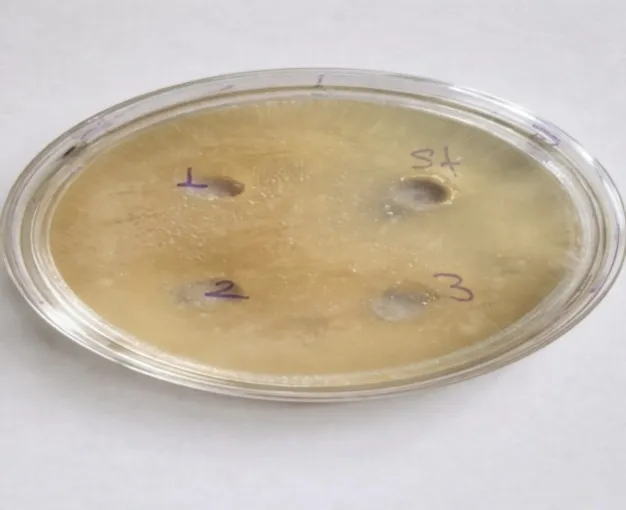
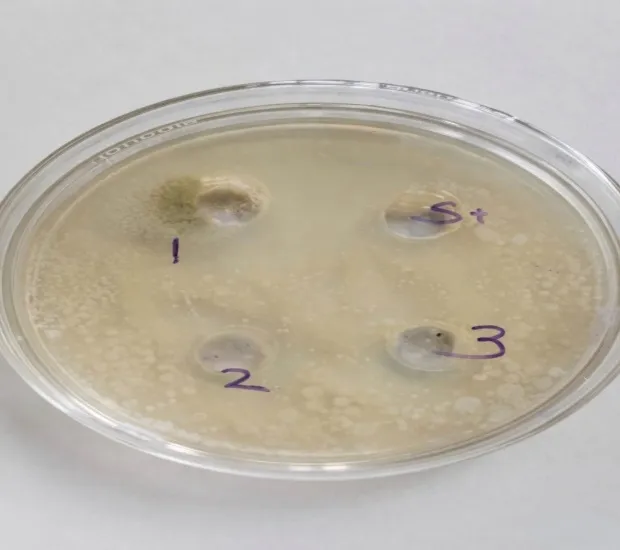
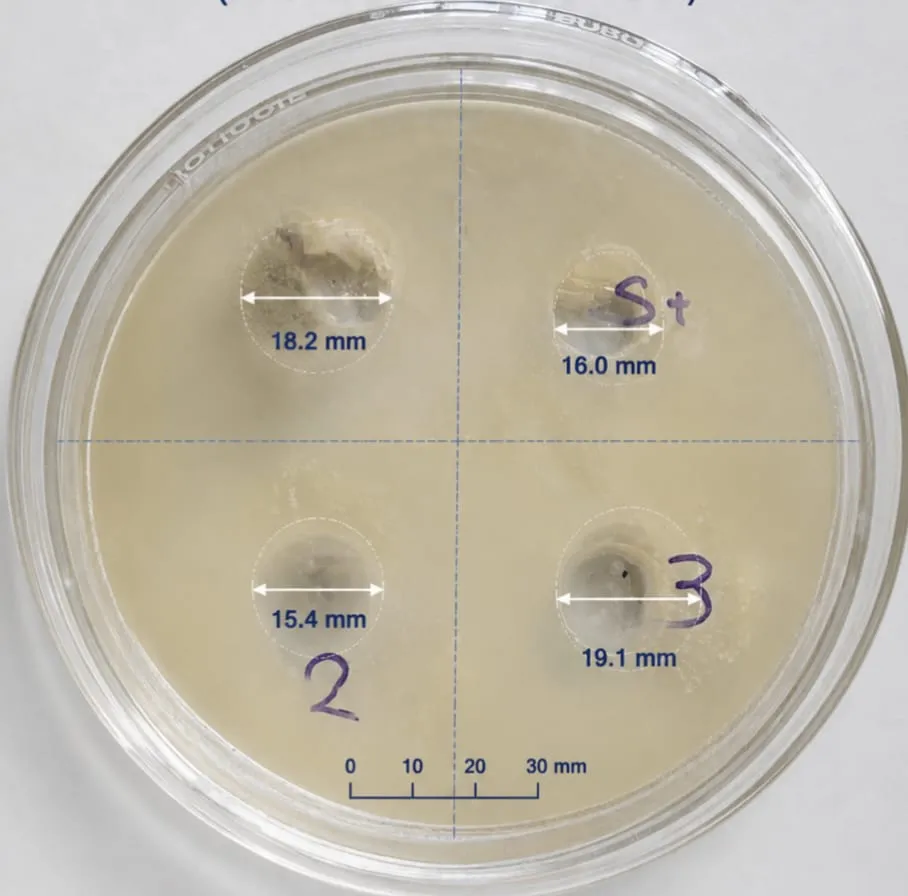
Fig.10 Zone of Inhibition
DISCUSSION
The Franz diffusion investigation attests to the patch's ability to distribute medication in a regulated and long-lasting way. Good formulation stability and consistent medication distribution are shown by the lack of burst release and the consistent rise in drug release.
By verifying drug stability and linearity of response, the UV spectrophotometric analysis adds to the study's validity.
CONCLUSION
In this study, Econazole-loaded transdermal patches were successfully prepared and assessed using different polymer combinations (including HPMC and PVP) by the solvent casting technique. The optimized formulations showed acceptable physical characteristics such as appearance, thickness, weight uniformity, folding endurance, and drug content.
In vitro release studies using the Franz diffusion cell demonstrated a sustained and controlled drug release over an extended duration, suggesting a zero-order or diffusion-controlled release mechanism appropriate for transdermal drug delivery.
REFERANCES


Sanika Chapane, Omkar Ranjane, Amruta Nikam, Sonal Kapse, Sagar Patil Formulation And Evaluation of Econazole Transdermal Patch for Antifungal Activity, Int. J. of Pharm. Sci., 2026, Vol 4, Issue 5, 7273-7285, https://doi.org/10.5281/zenodo.20408088
 10.5281/zenodo.20408088