

We use cookies to ensure our website works properly and to personalise your experience. Cookies policy
DJPS College of Pharmacy, Pohetakli, Pathri, Parbhani, Maharashtra, India.
The present study was aimed at formulating and evaluating a polyherbal cough syrup containing Tulsi, Ginger, Clove, Fennel, Cardamom, Turmeric, Cinnamon, Mentha, and Honey. These herbal ingredients were selected for their traditional use in the management of cough, throat irritation, and respiratory discomfort. The syrup was prepared using decoction and maceration techniques, followed by incorporation into a honey-based formulation. The prepared syrup was evaluated for various physicochemical parameters including color, odor, taste, pH, viscosity, density, and stability. The formulation exhibited a reddish-brown color, aromatic odor, slightly pungent taste, pH range of 5.8–6.3, and satisfactory viscosity and density values. Preliminary phytochemical screening confirmed the presence of bioactive constituents such as alkaloids, flavonoids, tannins, glycosides, saponins, and terpenoids. The formulation showed good stability and acceptable organoleptic properties. The study concludes that the developed polyherbal cough syrup may serve as a safe, effective, and economical natural remedy for the relief of cough and associated respiratory conditions.
The respiratory system enables the body to take in oxygen and expel carbon dioxide. It consists of organs such as the nasal cavity, trachea, lungs, and diaphragm that coordinate the process of breathing. Air moves through these passages into the lungs, where tiny structures called alveoli allow gas exchange with the blood. This process supports cellular respiration, which produces energy for the body. Efficient functioning of this system is essential for sustaining life and maintaining internal balance. (1, 2)
Cough is a common health issue affecting people of all ages and is often treated using over-the counter syrups. Most conventional cough syrups act by suppressing the brain’s cough reflex but can lead to side effects such as drowsiness, constipation, difficulty in breathing, addiction, and in some cases, death. Due to these risks, many people are turning to safer, natural alternatives. Ayurveda medicine, which uses herbs and natural ingredients, is gaining popularity as a more suitable option for cough relief. Herbal cough syrups are especially favored because they are easy to consume and generally well tolerated. This study focuses on the preparation and evaluation of an herbal cough syrup made with traditional ingredients such as licorice, Tulsi, cinnamon, ginger, clove, and honey. These herbs are known for their soothing and medicinal properties in treating respiratory conditions. The syrup was formulated in a laboratory and tested for pH, viscosity, density and stability to ensure quality. The results showed that the herbal formulation was stable and had good physical characteristics. Additionally, antitussive activity was tested, and the herbal syrup demonstrated better cough relief at a lower dose compared to a standard allopathic medicine. These findings support the potential of herbal syrups as effective and safer alternatives for managing both dry and wet coughs. With increasing awareness about the side effects of chemical drugs, herbal formulations provide a promising option for natural, side-effect-free cough treatment. [3]
Cough is a very common problem which almost everyone faces, especially during seasonal changes. It is actually a protective reflex of our body to clear the respiratory tract, but when it becomes persistent, it causes irritation, discomfort and even affects sleep. Nowadays, many cough syrups available in the market contain synthetic drugs which may cause side effects like drowsiness. Because of this, people are shifting towards herbal medicines. Herbal cough syrups are made from natural ingredients and are considered safer and more suitable for long-term use. In this project, I have tried to prepare a herbal cough syrup using easily available ingredients like ginger, tulsi and honey, and also studied its basic properties.(4)
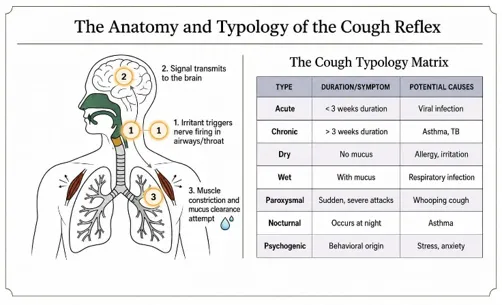
Cough is one of the most common symptoms associated with respiratory tract infections and diseases such as bronchitis, asthma, and common cold. It is a natural reflex mechanism that helps clear mucus, irritants, and foreign particles from the respiratory tract. However, persistent coughing can lead to discomfort, throat irritation, and disturbed sleep. Modern cough syrups contain synthetic drugs such as Antihistamines, antitussives, and decongestants. These may produce side effects like drowsiness, dizziness, constipation, and drug dependency. Due to these limitations, there is a growing demand for herbal formulations, which are considered safer and more compatible with the human body a bacterial, viral, or fungal infection can result in inflammation and fluid in the lungs, which is known as a cough it can induce fever and make breathing difficult. Your body produces a cough as are action to irritation of the throat or airways. An irritant causes your nerves to fire, sending a signal to your brain. Vasaca cough syrup is typically a sweetened beverage that contains cough suppressant medication. In India, the number of people suffering from asthma is rising daily for a variety of manmade or environmental factors. (5, 6)
In this project, a herbal cough syrup is formulated using natural ingredients like Ocimum sanctum (Tulsi), Zingiber officinale (Ginger), Syzygium aromaticum (Clove), Foeniculum vulgare (Fennel), Elettaria cardamom (Cardamom), Mentha piperita (Mint), and Apis mellifera (Honey).These ingredients provide antitussive, expectorant, antimicrobial, anti- inflammatory, and soothing effects, making the formulation effective in relieving cough These are all used to treat coughs, skin infections, and skin eruptions. Coughing may be caused by the respiratory tract (7)
Further cough is classified into two types as
A cough that doesn't generate mucous is called a dry cough.
Coughing is a tickly, unpleasant sensation that occurs when your lungs or airways are inflamed.
Your cough will be dry and ineffective if you don't have mucus, which is typically produced when you have an illness.
Asthma, bronchitis, acid reflux, and allergies are common reasons.
A productive cough, often known as a wet cough, can be uncomfortable and bothersome.
This kind of cough frequently indicates an underlying medical condition and produces mucus or phlegm.
For a wet cough to be effectively managed and relieved, it is essential to comprehend its causes, symptoms, and treatment and prevention techniques.
It may be classified into acute, sub-acute and chronic cough depending upon duration
The cough lasting for less than 3 weeks are categorized under this type.
Causes for acute cough is due to common cold, URTI, COPD, environmental pollution, and infective bronchitis
The cough lasting for at least the period of 3 to 8 weeks is categorized under this type.
The respiratory causes are pneumonia, and B. pertussis infection.
Non respiratory causes are GERD and rarely Tourette’s syndrome
The cough lasting for more than period of 8 weeks or more are chronic coughs.
The respiratory causes are COPD, asthma, lung cancer, tuberculosis, and pneumoconiosis

1.2 Problems of Synthetic drug:-
Traditional synthetic medications for coughs (such as codeine, dextromethorphan, antihistamines, and bronchodilators) are frequently prescribed; however, prolonged use can result in side effects such as drowsiness, sedation, constipation, gastrointestinal upset, dizziness, and dependence. As the limitations of synthetic medications become more well-known and increasing concern arises regarding the safety of synthetic medications, herbal treatments are being viewed as possible safer and more effective treatments for coughs and respiratory disorders.
1.3 Importance of Herbal Medicine:-
People have been using herbal medicine for a long time to help with health issues, including cough and respiratory problems. Recently, the amount of interest in herbal medicine has been increasing because they are more natural and have fewer side effects than synthetic drugs. People also tend to prefer the use of herbal medicine because they cost less than conventional drugs and usually have better patient acceptance. Many different types of plant materials contain many types of chemicals (phytochemicals), like Alkaloids, Flavonoids, Terpenes, GLYCOSIDES, Essential Oils, and Tannins. These phytochemicals have been found to help patients with various types of health issues by providing pharmacological benefits such as cough relief, anti-inflammatory, antimicrobial, antioxidant, expectorant, etc. Herbal medicine is preferred by most people when treating respiratory distress because it provides symptom relief without causing many of the negative effects associated with conventional cough suppressants, such as sedation, dependency, and gastrointestinal irritation. In addition, combining multiple herbs together (polyherbal formulations) enhances the therapeutic effect of the combined herbs and improves both the safety and effectiveness of treatment. Therefore, there is an increasing recognition that herbal medicines are safe and effective alternatives to prescribing pharmaceutical drugs for treating cough and other respiratory conditions.
1.4 Polyherbal Concept and Selected Herbs:-
Polyherbal formulations have become popular due to their availability as compounds with the ability to work in synergy, thus resulting in an improvement in the overall efficacy of the treatment provided. Polyherbal products differ from single-herb products by virtue of the fact that they may contain multiple bioactive phytoconstituents which act through different mechanisms giving rise to enhanced pharmacological properties while at the same time reducing side effects. Due to the ability to provide antitussive, expectorant, antimicrobial, anti-inflammatory, antioxidant, and soothing effects simultaneously, polyherbal formulations represent an excellent option for the treatment of coughs and respiratory disorders. The product formulation contains many of the medicinal herbs traditionally used for respiratory relief, including Ocimum sanctum (Tulsi), which exhibits anti-infective, antitussive, and immunomodulatory effects; Zingiber officinale (Ginger), which has anti-inflammatory and expectorant effects; Mentha piperita (Peppermint), which provides a cooling and soothing feeling to the throat; and Syzygium aromaticum (Clove) and Cinnamomum zeylanicum (Cinnamon), Apiaceae (Umbelliferae) (Fennel) , Zingiberaceae (Cardamom ), Lauraceae (Cinnamon), Zingiberaceae (Turmeric), both of which provide additional antibacterial and antioxidant properties in the formulation HoneyThe combination of these herbal ingredients in the formulation provides a synergistic effect, and may therefore enhance the efficacy of the product when used for the management of coughs and other respiratory conditions.
1.5 Need and objective of present study:-
Cough is a common symptom associated with respiratory tract infections, allergies, and environmental irritants. Although various synthetic cough preparations are available, their prolonged use may be associated with undesirable effects. Medicinal plants have been traditionally used for the management of cough and throat discomfort due to their therapeutic properties. Tulsi, Ginger, Clove, Fennel, Cardamom, Turmeric, Cinnamon, Mentha, and Honey are known for their soothing, antimicrobial, anti-inflammatory, and expectorant activities. Combining these natural ingredients in a single formulation may provide effective relief from cough while improving patient acceptability and safety. Therefore, the present study was undertaken to formulate and evaluate a polyherbal cough syrup using these herbal ingredients and to assess its quality and suitability as a natural cough remedy.
2. DRUGS PROFILE
2.1 Tulsi
Synonym: - Talus, Tulsi
Biological source: - the sparkling and dried lives of the Ocimum sanctum.
Family: - Lamiaceae
Chemical constituents: Eugenol, Methyl eugenol, beta-caryophyllene.
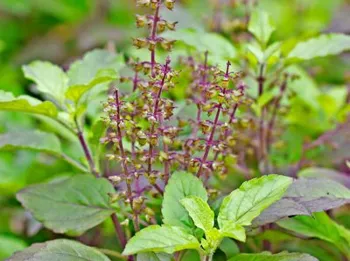
Fig.No.1: Tulsi
Uses:
2.2 Ginger
Synonym: zingibere, rhizome zingiberis.
Biological source: It consist of dried rhizomes of Zingiber officinale
Family: Zingiberaceae
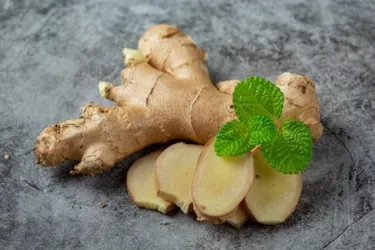
Fig.No.2: Ginger
Chemical constituents: Ginger contains about 0.25-3% of volatile oil, 5-8% resinous matter, 56% starch and protein. Volatile mixture contains a mixture of more than 25 constituents containing monoterpenes and sesquiterpenes. The pungent taste of ginger is due to presence of gingerol.
Uses:
2.3 Peppermint
Synonym: Mint, Mentha, Pudina
Biological source: extracted from stem, leaves and flowers of Mentha piperita.
Family: Lamiaceae
Chemical constituents: menthol, menthone, limonene, β-pinene, menthyl acetate, caveol, piperitone, menthofuran
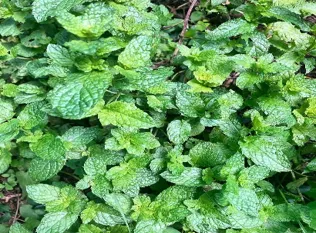
Fig.No.3: Peppermint
Uses:
2.4 Clove
Synonym: clove flower, clove buds, caryophyllum.
Biological source: dried flower buds of Eugenia caryophyllus
Family: Myrtacea
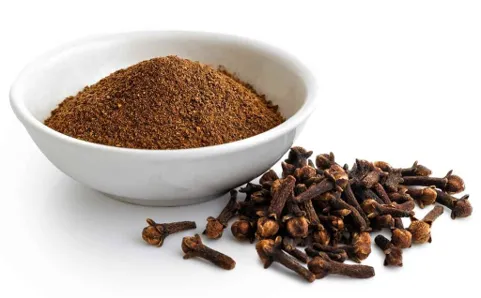
Fig.No.4: Clove
Chemical constituents: eugenol is the major compound accounting for at least 50% . the remaining 10-40% consist of eugenyl acetate beta-caryophylene and alpha-humulene
Uses:
2.5 Cinnamon
Synonym: cinnamon bark, kalmi-dalchini, Ceylon cinnamon.
Biological source: dried inner bark of shoots of coppiced trees of Cinnamomum zeylanicum.
Family: Lauraceae
Chemical constituents: 0.5-1% volatile oils, 1.2% tannins, mucilage, calcium axalate, starch, mannitol and cinnamon oils.
Uses:
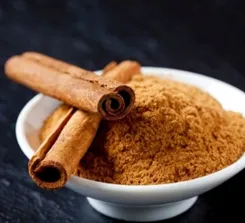
Fig.No.5: Cinnamon
2.6 Honey
Synonym: Madha

Fig.No.6: Honey
Biological source: honey is a sugary substance/secretion deposited in the honey comb by the hive bee Apis mellifera and other species of apis belonging to the family Apidae
Family: Apidae
Chemical constituents: it contains glucose 30-40%, fructose 40-50%, some small quantities of sucrose, dextrin, formic acid. Also contains proteins, enzymes, vitamins, coloring matter.
Uses:
2.7 Fennel
Synonym: . Fennel, Saunf, Foeniculum
Biological source: Fennel consists of the dried ripe fruits (cremocarps) of Foeniculum vulgare
Family: Apiaceae (Umbelliferae)
Chemical constituents: Major components (volatile oil): Anethol (main constituent), Fenchone, Estragole
Other: Fixed oil, Proteins, Flavonoids
Uses:
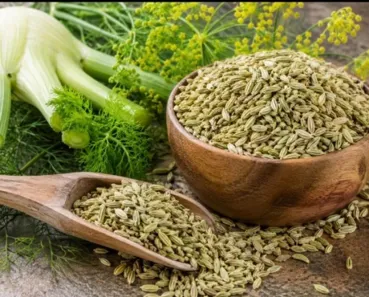
Fig.No.7: Fennel
Synonyms: Glycerol, Propanetriol, 1,2,3-trihydroxypropane
Uses / Indications:
2.8 Cardamom
Synonym: Cardamom, Small cardamom, Elaichi.
Biological source: Cardamom consists of the dried ripe fruits (capsules) of Elettaria cardamom
Family: Zingiberaceae
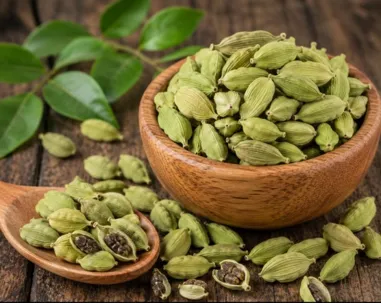
Fig.No.8: 8 Cardamom
Uses in General:
2.9 Turmeric:
Synonym: Turmeric, Haldi, Curcuma
Family: Zingiberaceae
Biological source: Turmeric consists of the dried rhizomes of Curcuma longa
Chemical Constituent: Curcuminoids, Demethoxycurcumin, Bisdemethoxycurcumin
Volatile oil: Turmerone, Zingiberene, Atlantone
Other: Starch, Proteins
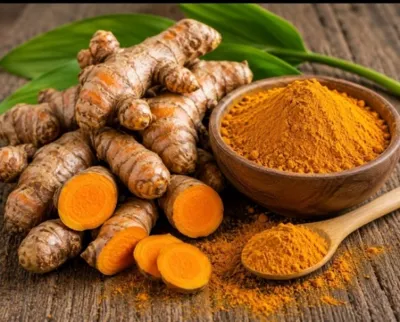
Fig.no.9 Turmeric:
Uses in General:
3. MATERIALS AND EQUIPMENT
Table.No.1: List of drug and excipients
|
Sr.no |
Ingredients |
|
1 |
Tulsi |
|
2 |
Ginger |
|
3 |
Clove |
|
4 |
Fennel |
|
5 |
Cardamom |
|
6 |
Cinnamon |
|
7 |
Turmeric |
|
8 |
Mentha |
|
9 |
Honey |
Table.No.2: Equipment and Glassware Used
|
Sr. No |
Glassware |
|
1 |
Beaker |
|
2 |
Measuring cylinder |
|
3 |
Reflux condenser |
|
4 |
Spatula |
|
5 |
Funnel |
|
6 |
Round bottom flask |
|
7 |
Specific gravity bottle |
|
8 |
Density bottle |
4.1 Preformulation study:
4.1.1 Organoleptic properties: These are preliminary characteristics of any substance. Which are useful in identification of specific material by experience and with sense of colour, Odour and Taste.
4.2 Formulation and Development of Herbal Cough Syrup:
These are the natural herbal drug which is used for the preparation of Herbal Cough Syrup
Table. No. 3: Formulation Table
|
Sr. no |
Ingredient |
Biological Name |
Uses |
Part used |
|
1 |
Tulsi |
Ocimum sanctum |
Antitussive |
Leaves |
|
2 |
Ginger |
Zingiber officinale |
Antibacterial |
Rhizomes |
|
3 |
Clove |
Syzygies aromaticum |
Expectorant |
Flower buds |
|
4 |
Fennel |
Foeniculum vulgare |
Antimicrobial |
Seeds |
|
5 |
Cardamom |
Elettaria cardamom |
Anti-inflammatory |
Seeds |
|
6 |
Cinnamon |
Cinnamomum verum |
Sweetening agent |
Bark |
|
7 |
Turmeric |
Curcuma longa |
Soothing agent |
Rhizomes |
|
8 |
Menthe |
Mentha piperita |
Preservative |
Leaves |
|
9 |
Honey |
Natural product |
Flavoring agent |
Whole |
4.3 Methodology:-
Method of herbal cough syrup
A) Decoction Method
B) Maceration Method
C) Final Herbal Cough Syrup
The decoction method is a process in which hard and coarse plant material (like roots, bark, seeds) are boiled in water to extract their active constituents. The following steps are used in decoction method.
1. Selection of herbs
2. Drying and size reduction
3. Boiling (Decoction preparation)
4. Filtration
5. Concentration
6. Addition of sweetening agent
7. Cooling and storage
Take 5-7gram each ingredient
↓
as herbs mixed by using 500 ml water
↓
Boil until the total volume converts 1/4part of previous
↓
Then the liquid was cool and filter Attach reflux condenser and boiled the material carefully by using water bath for 3hrs.
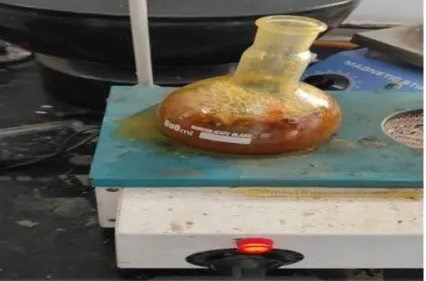
The maceration method is a process in which soft plant material are soaked in suitable solvent (usually ginger +honey) at room temp to 24 hrs stored.
The following steps are used in maceration method.
1. Selection of Herbs
2. Cleaning and Size Reduction
3. Soaking (Maceration Process)
4. Maceration Time
5. Filtration
6. Pressing the Marc
7. Addition of Sweetening Agent
8. Preservation
Take35ml to 40ml and 45ml honey in beaker.
↓
Mix 1.75gm,2gm and 2.5gm Ginger with 35ml ,40ml and 45ml honey in the 250ml either and pack with the help of aluminum foil paper
↓
Allow beaker to stand 24hrs at room temperature
↓
After 24hrs the preparation was filtered and filters are as final oral form.

A final herbal cough syrup is a ready-to-use liquid dosage form prepared from medicinal plant extracts, combined with a suitable base (usually honey or sugar syrup), and standardized to deliver soothing, expectorant, and antimicrobial effects.
The following steps are used in final herbal cough syrup method.
1. Selection of Ingredients
2. Preparation of Raw Materials
3. Extraction Process (Decoction Method)
4. Preparation of Syrup Base
5. Incorporation of Extract
6. Filtration
7. Packaging
8. Labeling
The prepared final cough syrup 35ml of macerated ginger with honey adds 25ml of decoction mixed slowly by continuous stirring.
↓
Over 40ml and 45ml macerated ginger with honey add 15 ml and 20 ml of decoction was mixed slowly by continuous stirring.
↓
Herbal cough syrup was prepared and solubility was checked by detecting the clarity.

5.1. Evaluation of formulated of herbal syrup:-
Evaluation of herbal syrup was done according to Bureau of Indian standards and these test were performed for all herbal syrup formulation, This test includes
1. Physical examination (colour, odour, taste)
2. PH
3. Viscosity
4. Stability
5. Density
|
Sr. No |
Parameter |
Method used |
Purpose |
|
1. |
Colour |
Visual inspection |
Appearance |
|
2. |
Odour |
Smelling test |
Acceptability |
|
3. |
Taste |
Sensory evaluation |
Patient Compliances |
|
4. |
PH |
Digital PH meter |
Stability |
|
5. |
Viscosity |
Ostwald viscometer |
Flow property |
|
6. |
Stability |
Storage study |
Shelf life |
5.2 Organoleptic characters:
Table No 4: Organoleptic characterization of all extract
|
Sr. No |
Herbal drugs |
Organoleptic Properties |
||
|
1. |
Tulsi |
green |
Musky |
1.5-6cm |
|
2. |
Ginger |
Light brown |
Aromatic |
2-10cm |
|
3. |
Clove |
Dark brown |
Spicy sweet |
13-19mm |
|
4. |
Fennel |
Greenish to yellowish green |
Sweet aromatic |
4-8mm |
|
5. |
Cardamom |
Light green |
Strong pleasant, spicy |
4-8mm |
|
6. |
Cinnamon |
Brown |
Strong sweet |
10-20mm |
|
7. |
Turmeric |
Yellow |
Warm aromatic and slightly pungent |
3-7mm |
|
8. |
Mentha |
Green |
Aromatic |
4-10mm |
|
9. |
Honey |
Brownish yellow |
Sweet aromatic |
- |
6. RESULT AND DISCUSSION
Identification and authentication of plant: - Plant specimen of Tulsi, ginger, clove, fennel, cardamom, turmeric, cinnamon, Mentha, honey were collected in a plastic bag Tq. Pathri Dist. Parbhani, Maharashtra, India during the month of April and then it was processed and mounted on herbarium sheet as per procedure of botanical survey of India for identification and authenticated by Prof. Ms Ugale P.N. In Botany, Department of Botany, College of Agriculture, Pathri Dist. parbhani, Maharashtra, India.
After identification the seeds and bark were washed gently with tap water followed by distilled water to remove the adhering dust and soil particle, and dried in the shaded place at room temp, after drying the seeds bark and rhizomes leaves are the placed in round bottom flask.
6.1 Organoleptic Properties
Table.no. 5: Organoleptic evaluation of formulation
|
Sr. No |
Parameter |
Observation |
|
|
Colour |
Brownish |
|
|
Odour |
Aromatic |
|
|
Taste |
Sweet |
|
|
pH |
5.8 – 6.3 |
|
|
Viscosity |
Moderate |
6.2 pH determination:- pH of the final preparation of syrup was determined by using digital pH meter and observed pH of syrup is 5.8-6.3.
6.3 Viscosity Determination:- The viscosity if syrup was determined by using a viscometer mainly capillary viscometer and the observed viscosity of the final syrup is 850cp
6.4 Density Determination:- Density of syrup determined by using the density bottle method and observed density of final syrup is 1.41g/ml.
6.5 Stability study:- The formulated polyherbal cough syrup was evaluated under suitable storage conditions to assess its physical appearance, pH, viscosity, and overall stability.
The formulation remained stable without significant changes in its quality parameters throughout the study period.
Table.no.6: Evaluation of Cough Syrup
|
Parameter |
Result |
|
Colour |
Reddish Brown |
|
Odour |
Aromatic |
|
Taste |
Slightly pungent |
|
pH |
5.8 – 6.3 |
|
Viscosity |
Moderate |
|
Specific gravity |
1.2g/ml |
7. SUMMARY
The present study focused on the formulation and evaluation of a polyherbal cough syrup containing Tulsi, Ginger, Clove, Fennel, Cardamom, Turmeric, Cinnamon, Mentha, and Honey. The selected ingredients possess soothing, anti-inflammatory, antimicrobial, and expectorant properties that may help in relieving cough and throat irritation. The prepared syrup was evaluated for various physicochemical parameters and showed satisfactory quality and stability. The formulation may serve as a safe, effective, and economical herbal alternative for the management of cough and respiratory discomfort. This study successfully developed a polyherbal cough syrup with desirable pharmaceutical properties and good stability. The formulation met all evaluation criteria and was found to be microbiologically safe. Its natural composition and patient-friendly characteristics make it a suitable option for cough management. Further studies may help establish its clinical effectiveness and therapeutic potential.
8. FUTURE PROSPECTIVE
9. CONCLUSION
The formulated polyherbal cough syrup containing Tulsi, Ginger, Clove, Fennel, Cardamom, Turmeric, Cinnamon, Mentha, and Honey demonstrated satisfactory quality, stability, and acceptability. Owing to the combined therapeutic properties of its herbal ingredients, the formulation may provide effective relief from cough and throat irritation and can be considered a safe, economical, and natural alternative for respiratory health management. The present study successfully formulated and evaluated a polyherbal cough syrup using selected medicinal plant extracts. The developed formulation exhibited satisfactory physicochemical characteristics, including appropriate pH, viscosity, specific gravity, and acceptable organoleptic properties. Stability studies confirmed that the syrup remained stable under recommended storage conditions, while microbial analysis established its safety for oral administration.
The synergistic action of the herbal ingredients suggests its potential effectiveness in relieving cough and soothing respiratory discomfort. Therefore, the formulated polyherbal cough syrup represents a safe, stable, and promising herbal alternative for the management of cough and related respiratory ailments.
ACKNOWLWDGEMENT
The authors are grateful to the DJPS College of Pharmacy, Pathri for providing research facilities.
I am special thankful to Ansari Mo. Faraz Shinde Vaibhav, Pitale Ratan, Bhondave Vishal, Abrar khan your help meant a lot to me, Thank you for giving me your time and effort, I am really very grateful.
FUNDING
Nil
AUTHORS CONTRIBUTIONS
All the authors have contributed equally
CONFLICTS OF INTERESTS
Declare none
REFERENCES

Dr. Ramesh Ingole, R. G Pimple, Abdul Ansari, Vaibhav Shinde, Vishal Bhondave, Ratan Pitale, Abrar Khan, Formulation and Evaluation of Herbal Cough Syrup Containing Natural Antitussive Agent, Int. J. of Pharm. Sci., 2026, Vol 4, Issue 6, 4375-4391. https://doi.org/10.5281/zenodo.20736274
 10.5281/zenodo.20736274