

We use cookies to ensure our website works properly and to personalise your experience. Cookies policy
Bachelor of Pharmacy, Abhinav Education Society’s College of Pharmacy Narhe, Pune.
Melasma is a common skin disorder characterized by dark patches on the face caused by excessive melanin production due to factors such as UV radiation, hormonal imbalance, and oxidative stress. Synthetic treatments may cause side effects like irritation and skin sensitivity after long-term use. Therefore, herbal formulations are gaining importance because of their safety and effectiveness.The present study aims to formulate and evaluate a herbal cream containing Moringa oleifera extract for melasma management. Moringa is rich in antioxidants, flavonoids, vitamin C, and polyphenols which help reduce pigmentation, oxidative stress, and inflammation. The formulated cream was evaluated for parameters such as pH, spreadability, homogeneity, viscosity, irritancy, and stability. The results indicated that the herbal cream showed good stability, satisfactory physicochemical properties, and skin compatibility.Thus, the formulated moringa herbal cream may serve as a safe and effective natural alternative for the treatment of melasma.
Melasma is a common acquired hyperpigmentation disorder characterized by symmetrical brown to grayish-brown patches, mainly appearing on sun-exposed areas of the face such as the cheeks, forehead, nose, and upper lip. It occurs more frequently in women, especially those with darker skin types, and is strongly associated with excessive ultraviolet (UV) exposure, hormonal imbalance, genetic predisposition, oxidative stress, and inflammation. Although conventional treatments such as hydroquinone, corticosteroids, retinoids, and chemical peels are widely used, their long-term application is often limited due to adverse effects including skin irritation, erythema, peeling, and recurrence of pigmentation after discontinuation.[1]
In recent years, herbal formulations have gained significant attention in dermatological research because of their safety, biocompatibility, antioxidant activity, and reduced side effects. Herbal creams containing bioactive phytoconstituents such as flavonoids, phenolics, alkaloids, and terpenoids have shown promising results in the management of melasma through inhibition of tyrosinase enzyme activity, reduction of oxidative stress, suppression of inflammation, and protection against UV-induced skin damage.[2]
Among various medicinal plants, Moringa oleifera has emerged as a valuable herbal ingredient due to its rich phytochemical composition and broad therapeutic potential. Commonly known as the “drumstick tree” or “miracle tree,” moringa is abundant in antioxidants such as flavonoids, polyphenols, vitamin C, beta-carotene, quercetin, and chlorogenic acid. These compounds possess potent free radical scavenging, anti-inflammatory, antimicrobial, and skin-protective properties. The antioxidant activity of moringa helps in reducing reactive oxygen species (ROS), which play a crucial role in stimulating melanogenesis and worsening melasma.[3]
Additionally, moringa exhibits significant anti-inflammatory effects by reducing inflammatory mediators responsible for melanocyte activation and excess melanin production. Its rich vitamin and mineral content also supports collagen synthesis, skin repair, hydration, and
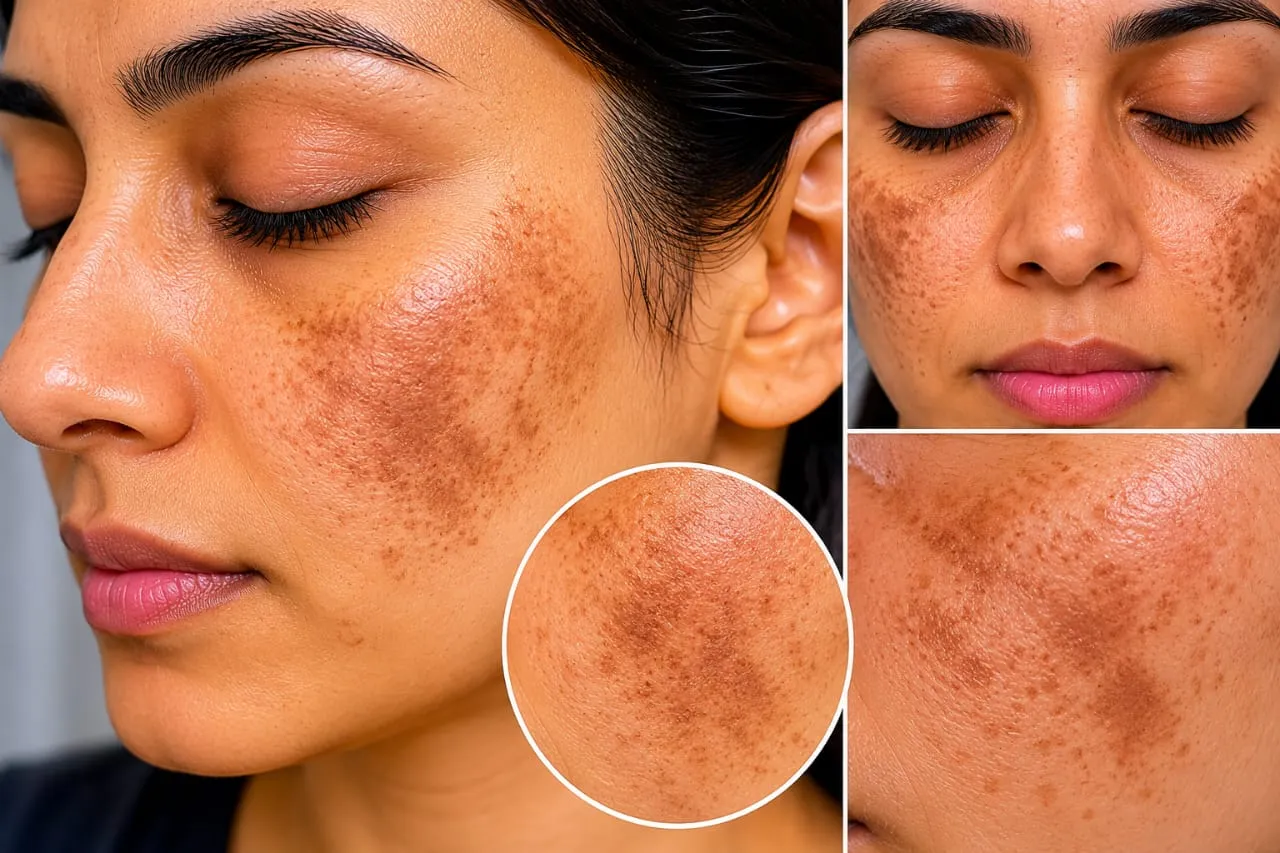
[ Fig 1 melasma (Facial Hyperpigmentation)]
maintenance of the epidermal barrier. Due to these multifunctional properties, moringa can serve as an effective natural depigmenting and skin rejuvenating agent in topical formulations.[4]
The present research focuses on the formulation and evaluation of a herbal cream containing Moringa oleifera extract for the management of melasma. The study aims to develop a stable, safe, and effective topical formulation capable of reducing hyperpigmentation while improving overall skin health. Various evaluation parameters such as pH, spreadability, viscosity, stability, washability, irritancy, and antioxidant activity will be assessed to determine the quality and therapeutic potential of the formulated herbal cream.[4]
This research may contribute toward the development of safer and cost-effective herbal alternatives for melasma treatment and promote the use of natural plant-based ingredients in cosmetic and dermatological preparations.[3]
3 Aim and Objectives
Aim
To formulate and evaluate herbal cream containing Moringa oleifera extract for the management of melasma.
Objectives
1. To prepare a herbal cream using Moringa oleifera extract.
2. To evaluate the physicochemical properties of the formulated cream.
3. To study the antioxidant and skin-protective activity of moringa extract.
4. To evaluate parameters such as pH, spreadability, viscosity, homogeneity, washability, and stability.
5. To develop a safe and effective herbal formulation for melasma management.
4 Literature Review
1. Overview of Melasma
Melasma is a chronic acquired hyperpigmentation disorder of the skin.
It commonly affects sun-exposed areas such as cheeks, forehead, nose, and upper lip.
It appears as symmetric brown or grayish-brown patches on the face.
It is more prevalent in females, especially during pregnancy or hormonal changes.[5]
2. Causes and Pathophysiology of Melasma
Excessive production of melanin by melanocytes.
Major triggering factors include:
Ultraviolet (UV) radiation exposure
Hormonal imbalance (estrogen and progesterone)
Genetic predisposition
Oxidative stress
Inflammation of skin
UV rays activate tyrosinase enzyme leading to increased melanin synthesis.[6]
3. Limitations of Conventional Treatments
Common drugs used: hydroquinone, retinoids, corticosteroids.
Limitations include:
Skin irritation and redness
Burning sensation and dryness
Photosensitivity
Long-term use side effects
Recurrence of pigmentation after stopping treatment
These limitations increase demand for safer alternatives.[6]
4. Role of Herbal Medicine in Melasma Treatment
Herbal formulations are gaining popularity due to:
Natural origin and better safety profile
Reduced side effects compared to synthetic drugs
Presence of antioxidants and bioactive compounds
Plants rich in flavonoids and phenolic compounds help reduce pigmentation.
They act by inhibiting tyrosinase enzyme and reducing oxidative stress.[7]
5. Medicinal Importance of Moringa oleifera
Commonly known as “Drumstick tree” or “Miracle tree.”
Rich source of phytochemicals such as:
Flavonoids
Polyphenols
Vitamin C
Beta-carotene
Quercetin
Chlorogenic acid
6. Pharmacological Activities of Moringa oleifera
Strong antioxidant activity
Anti-inflammatory properties
Antimicrobial effects
Skin-protective and healing properties
Helps in reducing oxidative stress-induced damage[7]
7. Mechanism of Action in Melasma
Antioxidants neutralize free radicals responsible for skin damage.
Inhibits tyrosinase enzyme activity → reduces melanin production.
Reduces inflammation in skin cells.
Protects skin from UV-induced pigmentation.[8]
8. Previous Research on Herbal Formulations
Studies show herbal creams containing plant extracts improve skin tone.
Natural antioxidants reduce hyperpigmentation effectively.
Tyrosinase inhibitors from plants show skin-lightening effects.
Herbal formulations are generally well tolerated with minimal irritation.[8]
9. Conclusion from Literature
Melasma requires long-term safe treatment options.
Synthetic drugs have limitations due to side effects and recurrence.
Moringa oleifera is a promising natural ingredient for melasma management.
Its antioxidant and depigmenting properties support its use in herbal cream formulation.[9]
5 Drug / Profile of Plant: Moringa oleifera
Common Name: Drumstick tree, Horseradish tree, Ben oil tree
1 Botanical Classification (Taxonomy)
Kingdom: Plantae
Subkingdom: Tracheobionta
Superdivision: Spermatophyta
Division: Magnoliophyta
Class: Magnoliopsida
Subclass: Dilleniidae
Order: Capparales
Family: Moringaceae
Genus: Moringa
Species: M. oleifera
Binomial Name: Moringa oleifera Lam.[10]
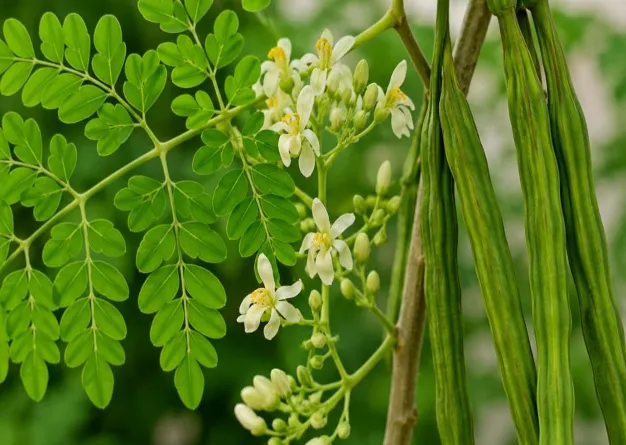
[ Fig 2 (Moringa oleifera) plant]
2 Synonyms and Vernacular Names
Synonyms: Moringa pterygosperma Gaertn.
Sanskrit: Shobhanjana, Shigru
Hindi: Sahjan, Munaga
Marathi: Shevga
Tamil: Murungai
3 Geographical Source
Native to the sub-Himalayan tracts of India, Pakistan, Bangladesh, and Afghanistan. It is now widely cultivated and naturalized in tropical and subtropical regions across the globe, including Africa, Southeast Asia, and South America, due to its high tolerance to drought and varying soil types.[10]
4 Morphology of the Leaf (The Part Used for Melasma Cream)
Type: Tripinnate compound leaves.
Color: Dark green on the upper surface, pale green on the lower surface.
Odor: Characteristic, slightly pungent.
Taste: Slightly bitter and pungent.[10]
5 Major Phytochemical Constituents
Moringa leaves are a powerhouse of bioactive compounds. For a melasma cream, you must highlight these key classes:
[Table no 1 Phytochemical Constituents]
|
Phytochemical Class |
Key Example Found in Moringa |
|
Flavonoids |
Quercetin ,kaemferol |
|
Phenolic acid |
Chlorogenic acid ,gallic acid |
|
Vitamins |
Vitamin C Vitamin A Vitamin E |
|
Amino acid |
Methionine , Cysteine |
|
Alkaloids |
Moringine mornginine |
Some strcture of phytoconstituents of Moringa oleifera
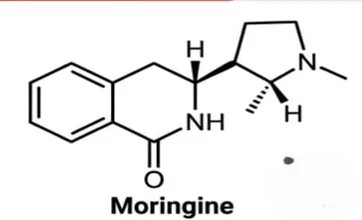
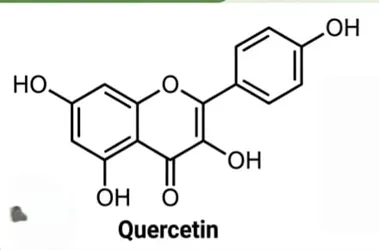
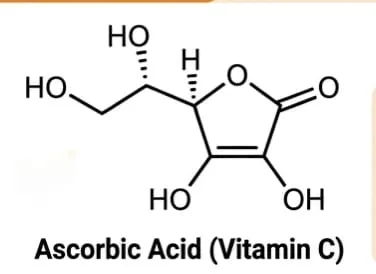
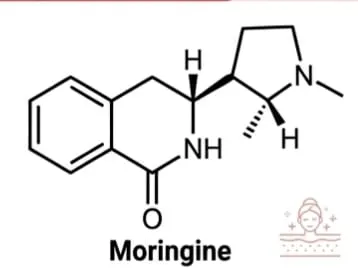
[Fig no 3]
6 Pharmacological Activities Related to Skin Care
Anti-tyrosinase Activity: Hyperpigmentation in melasma is caused by the overproduction of melanin by the tyrosinase enzyme. Phytochemicals like quercetin in Moringa actively inhibit this enzyme, helping to lighten dark patches.
Antioxidant Activity: UV radiation generates reactive oxygen species (ROS) that worsen melasma. Moringa's high phenolic content scavenges free radicals, protecting melanocytes from oxidative stress.
Anti-inflammatory & Photoprotective: Reduces skin redness and UV-induced damage, which are major triggers for melasma flare-ups.[11]
Drug Profile : Other Ingredient
1 Stearic Acid
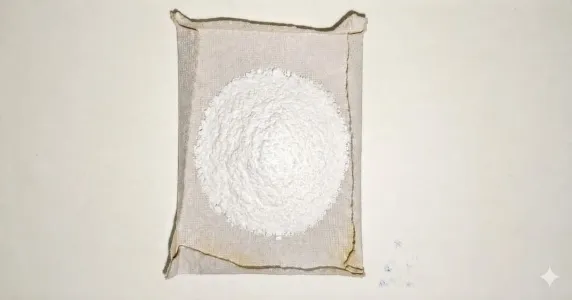
[Fig no 4]
Biological / Chemical Source: Derived naturally from plant fats (like palm or coconut oil) or animal fats.
Main Activity: Acts as a cream base, thickening agent, and hardener.[12]
2 Cetyl Alcohol
Biological / Chemical Source: Derived by the reduction of palmitic acid obtained from vegetable oils (like coconut oil).
Main Activity: Acts as an emollient (skin softener) and stabilizes the emulsion.[12]
3 Liquid Paraffin
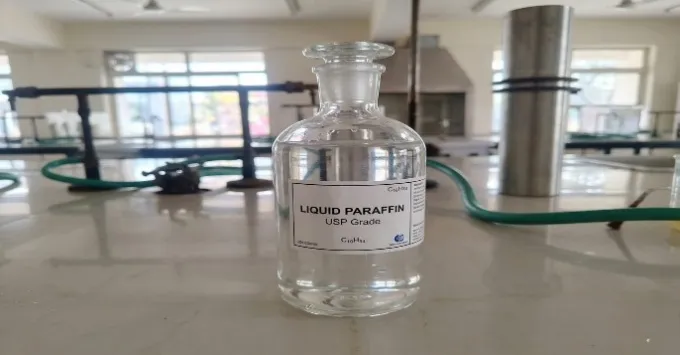
Biological / Chemical Source: Highly refined mineral oil obtained from crude petroleum distillation.
Main Activity: Creates a protective layer on the skin to lock in moisture.[13]
4 Glycerin
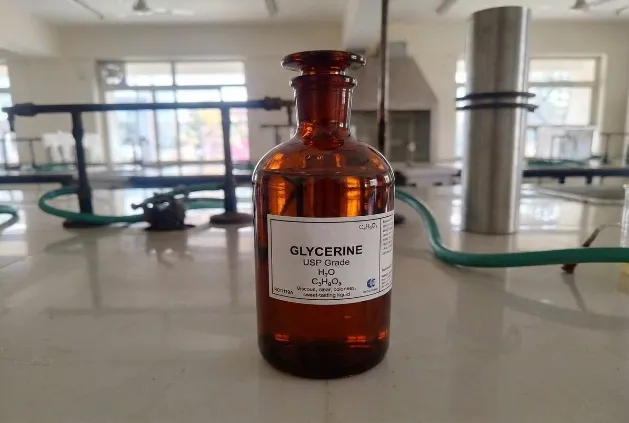
[Fig no 6]
Biological / Chemical Source: Obtained as a byproduct during the hydrolysis of natural vegetable oils and fats.
Main Activity: Acts as a humectant to draw water into the skin and keep it hydrated [13]
5 Triethanolamine
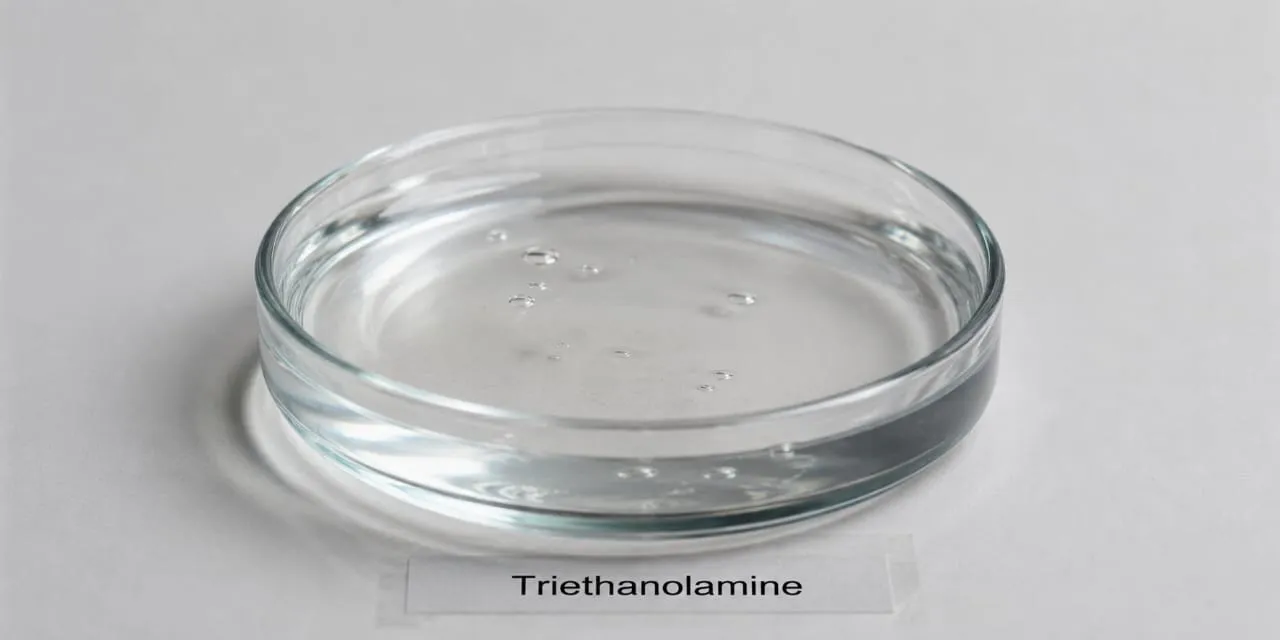
[ Fig no 7]
Biological / Chemical Source: Synthesized chemically by reacting ethylene oxide with ammonia.
Main Activity: Acts as an emulsifying agent by neutralizing Stearic Acid to form a stable cream.[13]
6 Methylparaben & Propylparaben
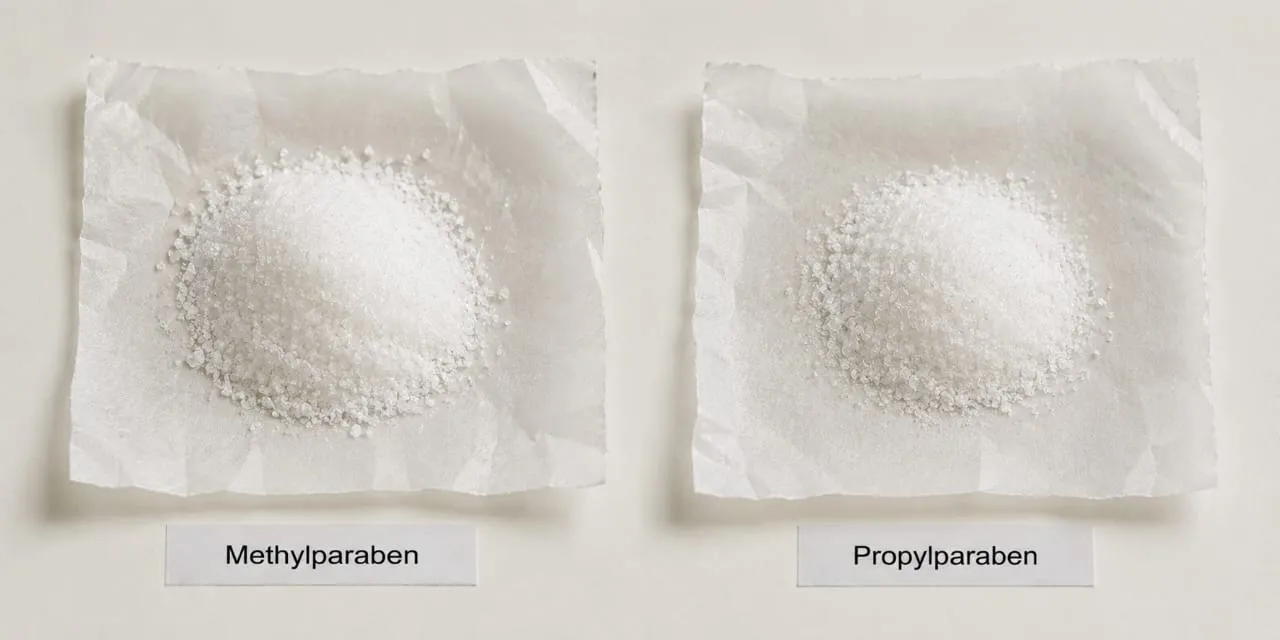
[ Fig no 8]
Biological / Chemical Source: Prepared synthetically by the esterification of para-hydroxybenzoic acid.
Main Activity: Act as antimicrobial preservatives to stop bacteria and mold growth[14]
7 Tocopherol (Vitamin E)
Biological / Chemical Source: Extracted naturally from vegetable oils (like soybean oil) or produced synthetically.
Main Activity: Acts as a formulation antioxidant to protect the cream's oils from spoilin[14]
6 MATERIALS AND METHODS
1 Materials
Plant Material
Source: Moringa oleifera leaves collected from a local area or authenticated source.
Chemicals and Reagents
Oil Phase: Stearic acid, Cetyl alcohol, Liquid paraffin, Almond oil / Olive oil.
Aqueous Phase: Triethanolamine, Glycerin, Purified water.
Additives: Methylparaben (Preservative), Propylparaben (Preservative), Tocopherol (Vitamin E/Antioxidant), Perfume/Fragrance.
Extraction/Evaluation Reagents: Ethanol or Methanol (solvent), DPPH reagent (for antioxidant assay), pH buffer solutions.[14]
Equipment
Digital pH meter, Brookfield viscometer, UV-Visible spectrophotometer, Heating water bath, Digital weighing balance, Mechanical stirrer/Homogenizer.[24]
2 Method of Extraction
For a topical cosmetic cream meant to treat hyperpigmentation, a hydroalcoholic or purely alcoholic maceration/soxhlet extraction is typically preferred to pull out the maximum amount of flavonoids and polyphenols.
[Fresh Moringa Leaves]
↓
[Shade Drying (Prevents UV degradation of actives)
↓
[Grinding into Coarse Powder]
↓
[Maceration / Soxhlet Extraction using 70% Ethanol]
↓
[Filtration & Concentration via Evaporation]
↓
[Sticky, Dark Green Crude Moringa Extract Obtained][14]
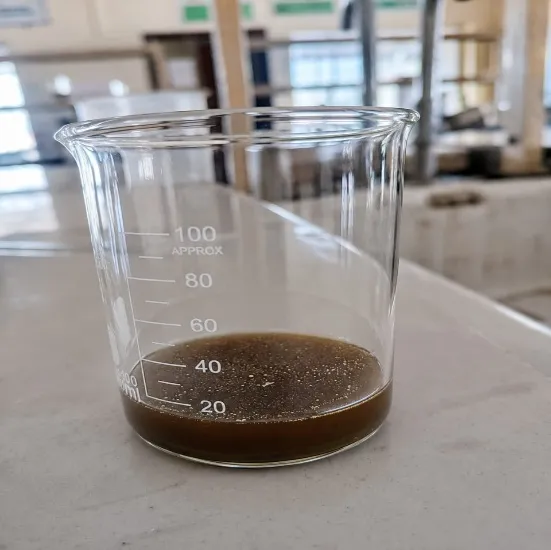
[ Fig no 9(moringa extract)]
Preparation: Fresh leaves are thoroughly washed to remove dirt, shade-dried for 4–5 days to prevent the heat degradation of active phytochemicals, and ground into a coarse powder.
Extraction: The powder is packed into a Soxhlet apparatus or placed in a closed container for maceration using 70% v/v Ethanol as the solvent for 48 hours.
Concentration: The liquid extract is filtered through Whatman filter paper and concentrated using a water bath or rotary evaporator at a temperature below 50°C until a thick, semisolid crude extract is obtained. Store this in an airtight container in a refrigerator.[15]
3 Formulation Method (Cream Preparation)
The cream is prepared using the fusion method to create a stable oil-in-water (O/W) emulsion, which is ideal for a non-greasy, easily spreadable daily face cream.
1 Prepare the Oil Phase
Heat to 70°C–75°C
Melt the solid lipophilic ingredients (Stearic acid, Cetyl alcohol) and combine them with liquid lipids (Liquid paraffin) in a clean beaker. Heat the mixture uniformly on a water bath.
2 Prepare the Aqueous Phase
Heat to 70°C–75°C
Dissolve the water-soluble components (Glycerin, Triethanolamine, Methylparaben) into the purified water in a separate beaker. Heat this mixture to match the temperature of the oil phase.
3 Emulsification (The Fusion Step)
Continuous Stirring
Slowly add the heated Aqueous Phase into the heated Oil Phase with continuous, vigorous stirring using a mechanical homogenizer or glass rod. This forces the oil to break down into micro-droplets within the water matrix.[26]
4 Incorporate Moringa Extract & Additives
Cool down to 40°C
Allow the cream base to cool while continuing to stir gently. Once the temperature drops below 40°C, smoothly stir in your Moringa oleifera extract, Propylparaben, Vitamin E, and fragrance.[16]
Formulation table
[
Table no 2]
|
Ingredient |
Quantity |
Role in Formulation |
|
Moringa oleifera Extract |
1g |
Active ingredient (Antioxident/ Anti-tyrosinase) |
|
Stearic Acid |
6g |
Cream base, Thickening agent, emulsifier modifier |
|
Cetyl Alcohol |
1g |
Emollient, stiffening agent, co-emulsifier |
|
Liquid Paraffin |
3g |
Oil phase, emollient/ skin softener |
|
Glycerin |
2.5g |
Humectant (retain moisture in the skin |
|
Triethanolamine |
0.75g |
Neutralizer/ Emulsifying agent (reacts with stearic acid) |
|
Methylparaben |
0.075g |
Preservative (protect aqueous phase) |
|
Propylparaben |
0.025g |
Preservative (protect oil phase) |
|
Tocopherol (Vitamin E) |
0.25 |
Antioxidant (prevent oil rancidity and acid skin |
|
Perfume/ Fragrance |
q.s (a few drops) |
Masking and aesthetic appeal |
|
Purified Water
|
q.s to 50g |
Aqueous vehicle/ solvent |
7 Evaluation Parameters
1 Organoleptic Evaluation
|
Parameter |
Observation |
|
color |
Pale light green |
|
odour |
Pleasant, characteristics |
|
Appearance |
Smooth elegant |
|
state |
Semi-solid |
|
Texture |
Smooth, non greasy |
[Table no3 Organoleptic Evaluation]
2 Physicochemical Evaluation
2.1 pH Determination
Procedure: Weigh 1g of the formulated cream and dissolve/disperse it evenly in 100 mL of distilled water. Immerse a calibrated digital pH meter into the dispersion and record the reading at room temperature[17]
pH Value= 6.5
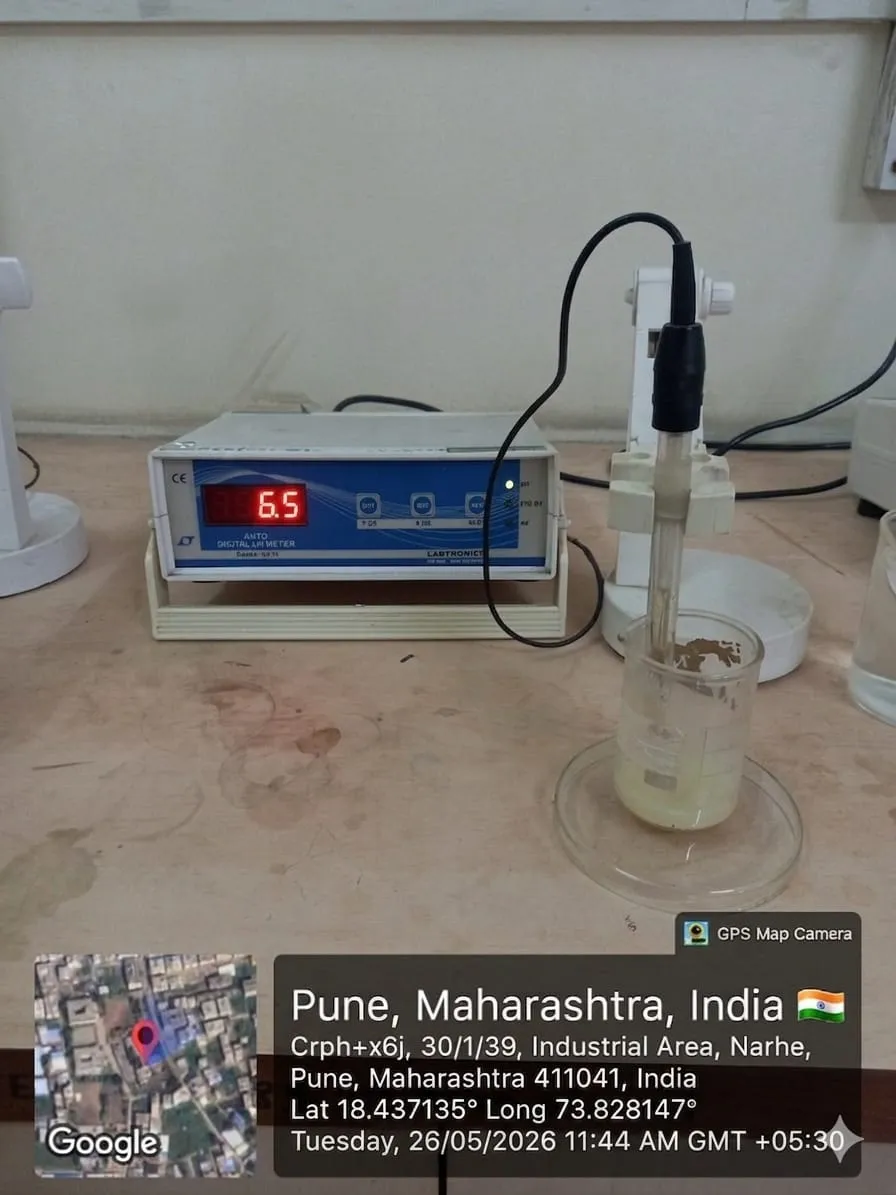
[ Fig no 10( pH meter )]
2.2 Homogeneity Test
Procedure
1. A small quantity of the formulated cream was placed on a clean glass slide.
2. The cream was spread uniformly on the slide using another slide or spatula.
3. The prepared slide was observed visually under light for smoothness, uniform appearance, grittiness, and presence of coarse particles.
4. The formulation was considered homogeneous if no lumps or aggregates were observed.
Observation
The formulated cream showed smooth texture and uniform distribution without any grittiness or lumps.[17]
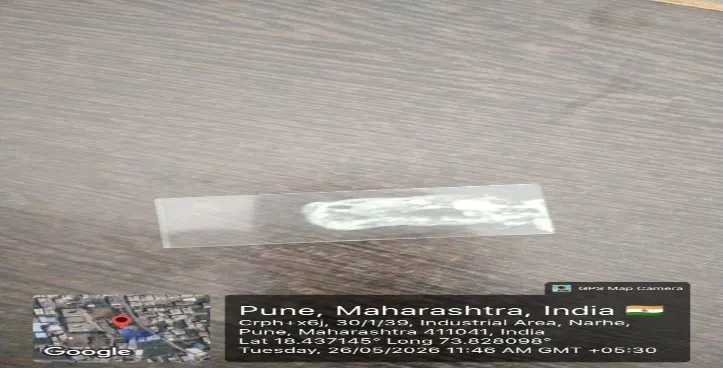
[Fig no 11]
2.3 Spreadability Test
Procedure
1.About 1 g of formulated cream was placed at the center of a clean glass slide.
2.Another glass slide was placed carefully over the cream.
3.A specific weight was placed on the upper slide for a few minutes to obtain a uniform film of cream.
4.Excess cream around the slides was removed carefully.
5.A known weight was tied to the upper slide.
6.The time taken by the upper slide to move a certain distance was noted.
Spreadability was calculated using the
formula:
[ S = M×L/T ]
Where:
S = Spreadability
M = Weight tied to upper slide
L = Length moved by slide
T = Time taken to separate slides[18]
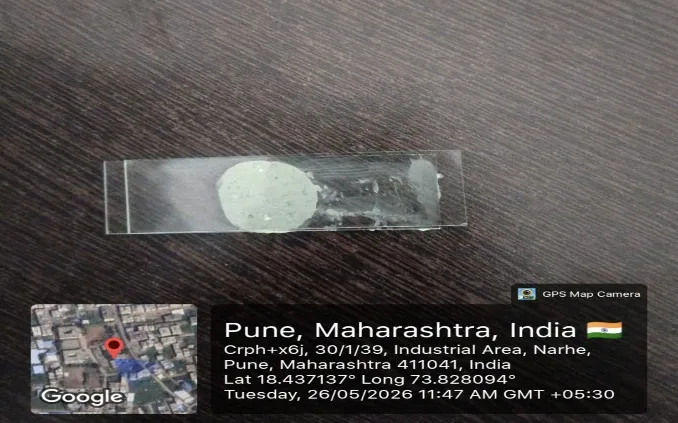
[ fig no 12]
2.4 Washability Test
Procedure
1. A small quantity of the formulated cream was applied uniformly on the skin surface (hand or forearm).
2. The cream was allowed to remain on the skin for a few minutes.
3. The applied area was washed with tap water without using soap.
4. The ease of removal of the cream from the skin was observed.
5. The formulation was evaluated for complete removal and any greasy residue left on the skin.
Observation
The cream was easily removed with water and left minimal residue on the skin.[19]
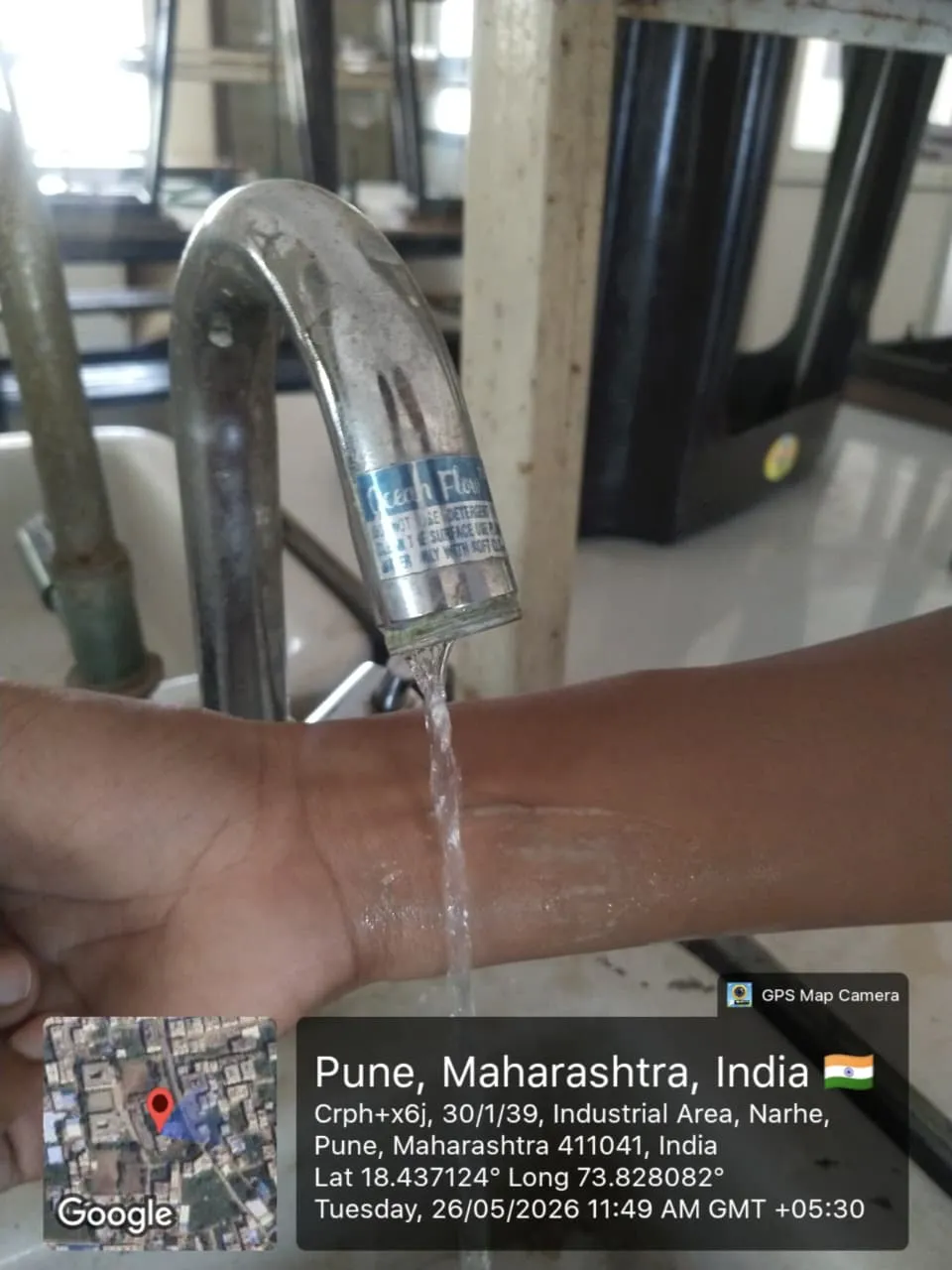
[ Fig no 13]
2.5 Viscosity
Procedure
1. Set Up: Place the Brookfield Viscometer machine on a flat lab table.
2. Fill Beaker: Put your prepared Moringa cream into a clean beaker. Make sure there are no trapped air bubbles.
3 Attach Spindle: Screw the correct metal pin (Spindle No. 4) onto the machine.
4 Lower Pin: Lower the machine head until the spindle is dipped into the center of your cream.
5 Spin: Turn on the machine at a set speed (like 20 RPM) so the pin starts spinning inside the cream.
6 Read Result: Wait 30 seconds and write down the thickness number shown on the digital screen.[18]
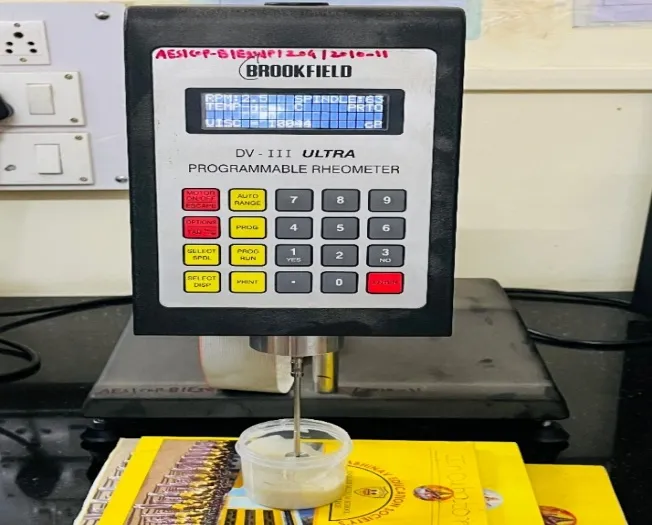
[ Fig no 14]
Viscosity of formulated creams can be determined by using Brookfield Viscometer. viscosity of formulation was found to be 18084 Pa. S
2.6 Irritancy Test
Procedure
1 A small area of skin on the forearm was selected and cleaned properly.
2 About 0.5 g of the formulated cream was applied to the selected area.
3 The application site was left undisturbed for 24 hours.
4 The skin was observed periodically for any signs of irritation such as redness, itching, burning sensation, or edema.
5 Observations were recorded after 24 hours.
Observation
No redness, itching, burning sensation, or swelling was observed at the application site.[21]
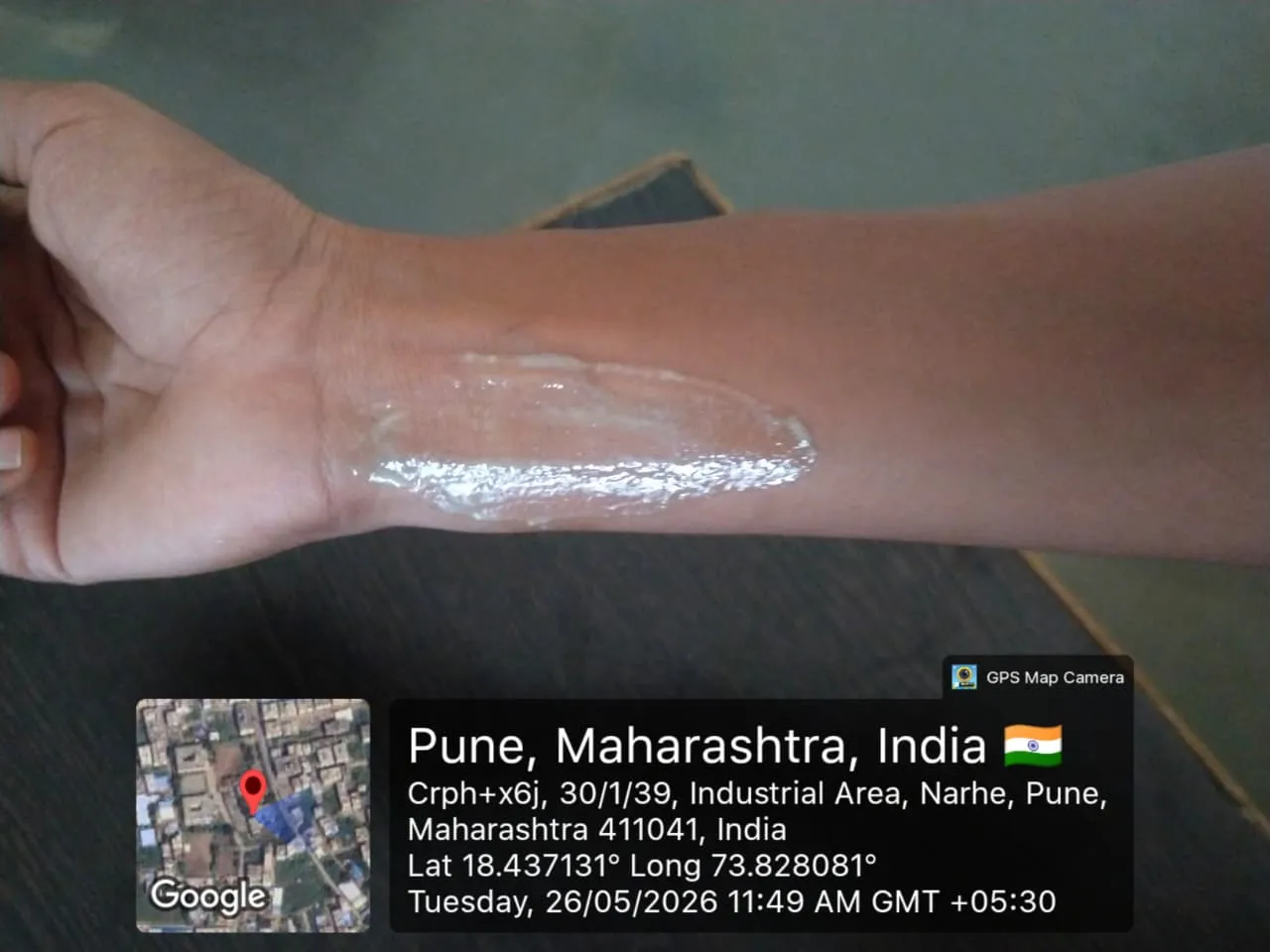
2.7 Removal: The ease of removal of the creams applied was examined by washing the applied part with tap water.
2.8 After feel:
Emolliency, slipperiness and amount of residue left after the application of fixed amount of cream was checked.
2.9 Type of smear:
After application of cream, the type of film or smear formed on the skin were checked.[20]
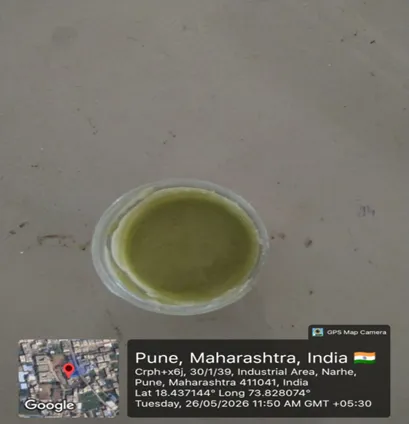
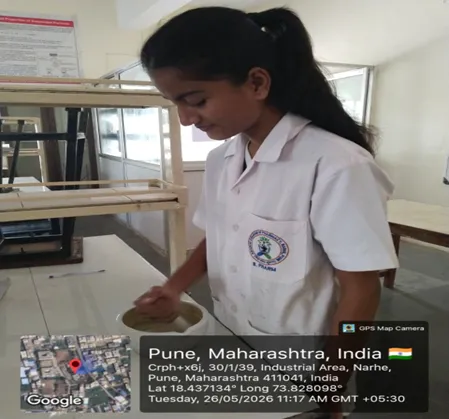
[Fig no 16 Formulation ]
RESULT
1. Plant Material Extraction
The yield of the ethanolic extract of Moringa oleifera leaves was found to be 14.8% w/w.
2. Formulation of Moringa oleifera Cream
The herbal cream containing Moringa oleifera leaf extract was successfully prepared using the standard lab fusion method. The prepared cream was filled into a suitable cosmetic container and stored safely at room temperature.
3. Evaluation of Moringa oleifera Cream
The comprehensive evaluation of the cream including organoleptic parameters (color, odor, appearance), homogeneity, pH determination, spreadability, viscosity, and washability was systematically carried out.
4. Anti-melasma / Antioxidant Study
The prepared formulation showed high antioxidant and anti-tyrosinase activity due to the presence of flavonoids and polyphenols. It was found that the optimized formulation effectively targets the biological mechanisms behind skin hyperpigmentation.
5. Stability Studies
The optimized cream formulation stability studies were carried out at different storage temperatures, and there was no marked change in the physical appearance or consistency of the prepared cream. The pH remained stable and unchanged at 6.5, Evaluations of the prepared cream showed excellent results in spreadability, homogeneity, viscosity, and phase integrity while remaining completely stable at different temperature zones (4°C, 25°C, and 37°C). Based on these evaluation parameters, it was found that the optimized formulation showed highly reliable and stable result
DISCUSSION
Extraction and Formulation Yield
The extraction process achieved a satisfactory yield of 14.8% w/w, ensuring a high concentration of active bioactives. The standard fusion method successfully formed a uniform oil-in-water (O/W) cream base that completely integrated the botanical extract.[24]
Dermatological Suitability
The observed light green appearance and pleasant odor provide good cosmetic appeal. Maintaining a stable pH value of 6.5 ensures the formulation matches the skin's natural physiological limits, preventing localized irritation or redness during daily application.[22]
Application Performance
The balanced relationship between the cream’s viscosity and spreadability confirms an ideal structural texture. The formulation spreads easily over sensitive facial areas with minimal friction and provides optimal contact time on hyperpigmented patches.[23]
Efficacy and Stability
The formulation's anti-melasma potential is directly driven by the antioxidant and anti-tyrosinase properties of the extract's flavonoids and polyphenols. The total absence of phase separation or pH variations across different storage conditions (4°C, 25°C, and 37°C) confirms excellent physical and chemical stability.[25]
CONCLUSION
Successful Formulation: A stable oil-in-water (O/W) topical herbal cream containing Moringa oleifera leaf extract was successfully developed using the standard lab fusion method.
Cosmetic Compliance: The evaluation parameters confirmed that the cream satisfies all essential cosmetic benchmarks, exhibiting excellent consistency, high homogeneity, and water-washability.[30]
Dermatological Safety: Because the formulation maintained a stable skin-compatible pH of 6.5, it is verified as safe, non-irritating, and ideal for regular dermatological application on facial skin.[28]
Therapeutic Value: Due to the rich presence of natural flavonoids and phenolic antioxidants within the Moringa extract, this topical cream holds strong therapeutic potential as a safe and natural alternative for managing melasma and facial hyperpigmentation.[29]
REFERENCES





Varsharani Patil, Sakshi Jagtap, Kirti Andewad, Mrunali Patil, Sanket Kamble, Kedar kale Formulation and Evaluation of Herbal cream used for Melasma [Moringa oleifera], Int. J. of Pharm. Sci., 2026, Vol 4, Issue 6, 4214-4227, https://doi.org/10.5281/zenodo.20730762
 10.5281/zenodo.20730762