

We use cookies to ensure our website works properly and to personalise your experience. Cookies policy
1Assistant Professor, Pachamuthu College of Pharmacy, Dharmapuri.
2,3,4,5,6 Pachamuthu college of Pharmacy
The increasing demand for herbal cosmetics has encouraged the development of safe and effective skincare formulations using natural bioactive ingredients. The present study aimed to formulate and evaluate a herbal face serum containing Glycyrrhiza glabra (liquorice) root extract, a medicinal plant known for its antioxidant, anti-inflammatory, and skin-brightening properties. The liquorice roots were shade-dried,powdered, and extracted by the maceration method using ethanol. Preliminary phytochemical screening confirmed the presence of flavonoids, phenolic compounds, and saponins, while HPLC analysis was employed to identify glabridin as a major active constituent. The formulated serum was evaluated for physicochemical characteristics including appearance, pH, homogeneity, spreadability, viscosity, microbial quality, and stability. The formulation exhibited a skin-compatible pH (5.5), good spreadability, suitable viscosity, and satisfactory stability with no microbial contamination. The presence of glabridin, along with niacinamide, contributed to the serum's potential skin-brightening and anti-inflammatory effects. Overall, the developed herbal face serum demonstrated desirable quality attributes, safety, and potential efficacy for improving skin hydration, texture, and complexion, making it a promising natural cosmeceutical product.
Herbal cosmetics have gained significant popularity in recent years due to increasing consumer awareness of the safety and therapeutic benefits of natural ingredients. Unlike synthetic cosmetic products, herbal formulations are generally associated with fewer side effects, better skin compatibility, and improved long-term skin health. Among various herbal skincare products, face serums have emerged as an advanced cosmetic dosage form because of their lightweight texture, rapid absorption, and ability to deliver concentrated active ingredients into the deeper layers of the skin. Glycyrrhiza glabra (Liquorice), commonly known as Athimadhuram, is a well-known medicinal plant belonging to the family Fabaceae. Its roots contain several bioactive compounds, including glabridin, glycyrrhizin, flavonoids, and phenolic compounds, which exhibit antioxidant, anti-inflammatory, antimicrobial, and skin-brightening activities. Glabridin, in particular, inhibits tyrosinase activity and reduces melanin synthesis, making liquorice an effective natural ingredient for improving skin tone, reducing hyperpigmentation, and protecting the skin from oxidative stress.
The development of a herbal face serum using liquorice extract provides a promising approach for delivering these beneficial phytoconstituents directly to the skin. In addition to enhancing hydration and maintaining skin elasticity, the formulation helps protect the skin from environmental pollutants and premature aging. The incorporation of suitable excipients ensures product stability, ease of application, and consumer acceptability.
The present study focuses on the formulation and evaluation of a herbal face serum containing Glycyrrhiza glabra root extract. The prepared formulation was evaluated for physicochemical properties such as appearance, pH, homogeneity, spreadability, viscosity, microbial quality, and stability to assess its suitability as a safe, effective, and stable herbal cosmetic product for daily skincare.
ADVANTAGES OF HERBAL FACE SERUM:
AIM AND OBJECTIVE:
Aim:
Prepare the formulation and evaluation of herbal face serum using liquorice.
OBJECTIVE:
Plant Profine – Liquorice
Taxonomical Classification:
Kingdom : Plantae
Division : Magnoliophyta
Class : Magnoliopsida
Order : Fabales
Family : Fabaceae
Genus : Glycyrrhiza
Species : Glycyrrhiza glabra
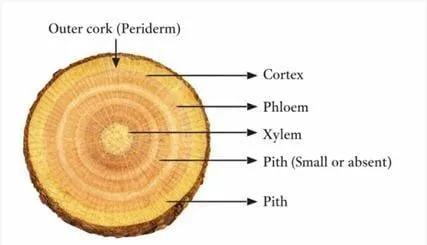
Fig no: 1:Transverse Section
Different languages:
English : Liquorice / Licorice
Tamil : Athimadhuram
Hindi : Mulethi
Telugu : Yashtimadhu
Kannada : Jyeshthamadh
Malayalam : Irattimadhuram
Morphology:
Habit : Perennial herb
Height : 1–1.5 meters
Root : Long, cylindrical, brown coloured root (medicinally important part)
Stem : Erect, branched
Leaves : Pinnately compound leaves
Flowers : Pale blue to violet colour
Fruit : Small pod containing seeds
TYPES OF SERUM:
OIL SERUM
An oil serum is the simplest form of face serum that contains a carrier oil as a base that absorbs, also known as dry skin. Premium oils have been used to bring out the moisturizing properties of the oil serum.
GEL SERUM
The gel serum has a firming effect on the applied skin areas.Water based plant extract can be added to the gel serum to enhance the effect of the serum.
WATER BASED SERUM
A water serum that contains some gumand thickness.A water-based serum should be used under creams or lotions to apply the hydrophilic plant extract remainingon the skin.Water based serum shave the best ability to penetrate deep into the skin and releasetheactive ingredients into the skin.
EMULSION SERUM
The emulsion serum is a moisturizing serum that strengthens the skin and transports the active ingredients to the skin. In an emulsion, the two immiscible phase’s oil and water are combined.An emulsifier is used to achieve a stable emulsion state. Theemulsion serum effectively delivers the active ingredients deep into the skin.The protective function of the skin is strengthened by the moisturizing effect of emulsions.
TAXONOMY:
Detailed Taxonomy of Glycyrrhiza glabra (Liquorice)Glycyrrhiza glabra was first described by Carl Linnaeus in 1753 in his classical work Species Plantarum. The generic name Glycyrrhiza is derived from the Greek words “glykys” (sweet) and “rhiza” (root), which literally means “sweet root.” This name refers to the characteristic sweet taste of the root due to the presence of glycyrrhizin, a natural sweet glycoside.
Taxonomically, Glycyrrhiza glabra belongs to the family Fabaceae, also known as Leguminosae, one of the largest families of flowering plants. Members of this family are characterized by compound leaves, papilionaceous flowers, and legume-type fruits (pods). The order Fabales includes economically and medicinally important plants such as peas, beans, and lentils.
According to the Angiosperm Phylogeny Group (APG) system of classification, Fabaceae is placed under the clade Rosids within the class Magnoliopsida (dicotyledons). Plants in this class typically possess two cotyledons, reticulate venation in leaves, and tap root systems .
The genus Glycyrrhiza comprises approximately 20 species distributed across Europe, Asia, and parts of the Middle East. Among them, Glycyrrhiza glabra is the most commercially cultivated species due to its high medicinal value. Other related species include Glycyrrhiza uralensis and Glycyrrhiza inflata, which are also used in traditional medicine .
The plant is widely cultivated in Mediterranean countries, parts of Central Asia, India, and China. It has been used for centuries in Ayurveda, Unani, and Traditional Chinese Medicine for its demulcent, anti-inflammatory, expectorant, and anti-ulcer properties.
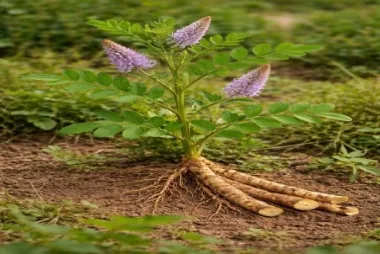
Fig no: 2: Liquorice plant
METHODOLOGY:
LiquidExtraction:
Collection:
Fresh roots of Glycyrrhizaglabra (Liquorice/Athimathuram) were collected fromalocal herbal garden. The roots were identified and authenticated by a pharmacognosy department. Only healthy, disease-free roots were selected.
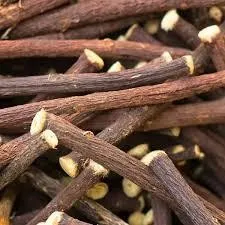
Fig no: 3:Liquorice root
Washing:
The collected roots were was hed thoroughly with running tap water to remove soil, dust, andother impurities. The roots were then rinsed with distilled wate
Cutting:
The cleaned roots were cut in to small pieces (1–2cm) using a sterile knife tofacilitate proper drying.
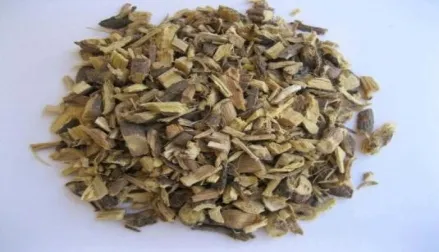
Figno:4: Cutting
Drying:
The cut pieces were shade dried for 7–10 days at room temperature until completely dried.
Direct sunlight was avoided to prevent loss of active constituents.
Powdering:
The dried roots were powder edusingamechanical grinder.The powder was passed through sieve No. 40 to obtain uniform particle size.

Figno:5: Powdering
Extraction (Maceration Method):
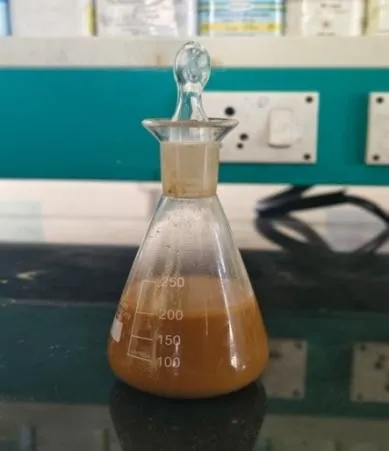
Fig no :6: Extraction
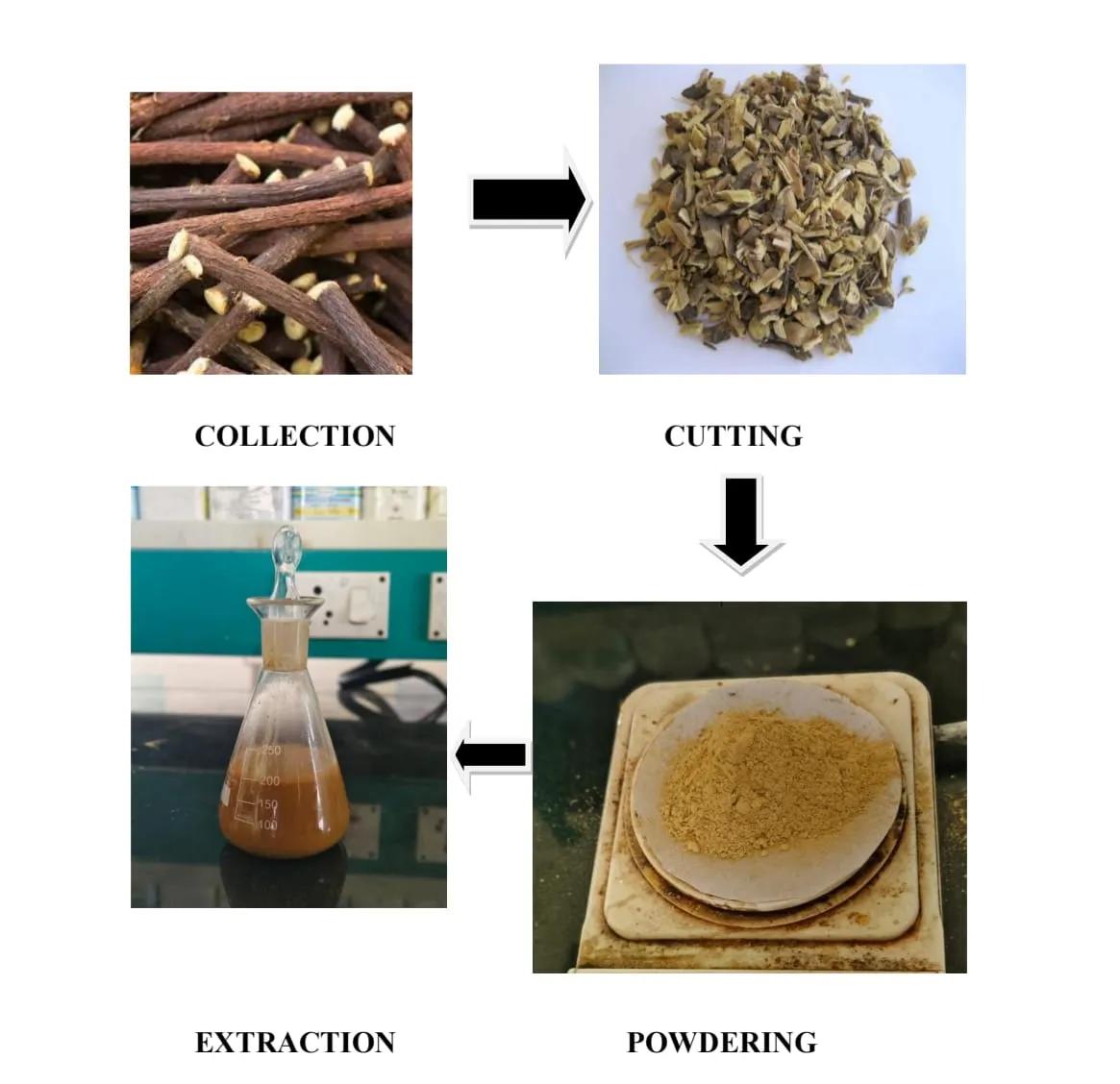
Plant Extraction.
Phytochemical screening:
Alkaline Reagent Test (For Flavonoids)
The alkaline reagent test was carried out to further confirm flavonoids. When sodium hydroxide solution was added to the extract,a yellow color was produced,which disappeared upon addition of dilute acid. This color change occurs due to the reaction of flavonoids with alkali.The disappearance of yellow color after acidification confirms the presence of flavonoid compounds.

Fig no:7 Fig no:8
Alkaline reagen Test
Lead Acetate Test (For Flavonoids)
The lead acetate test was performed by adding 10% lead acetate solution to the liquorice extract.The formation of a yellow precipitate indicates the presence of flavonoids. This occurs because flavonoids form complexes with lead ions, rsulting in precipitation. The positive result confirms flavonoid constituents in the extract.
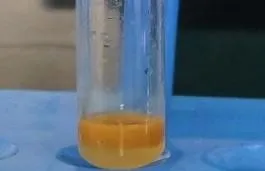
Figno:9: Lead Acetatetest
Ferric Chloride Test (For Phenolic Compounds)
The ferric chloride test was used to detect phenolic compounds in the extract. When a few drops of neutral ferric chloride solution were added ,a greenish –black coloration was observed. This color formation is due to the reaction between phenolic groups and ferric ions.Theresult confirms the presence of phenolic compounds, which contribute to the antioxidant activity of liquorice.

Figno:10: Ferric chlorideTest
Foam Test(For Saponins–Glycyrrhizin)
The foam test was performed to detect saponins in the extract. The extract was shaken vigorously with water and allowed to stand for some time. The formation of stable froth that persisted for several minutes indicates the presence of saponins. In liquorice, glycyrrhizin is the main saponin responsible for this reaction and contributes to its medicinal properties.
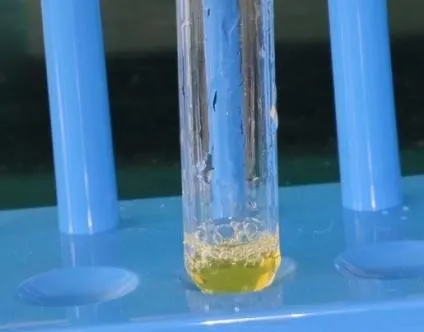
Figno:11:Foam Test
HPLC apparatus and conditions
A Waters HPLC system, consisting in two modulepumps, model 1525, a manual injector (Breeze7725i,Rheodyne) and UV-Visdetector (Waters2487) at 277nm, wasused. Theanalyses were carried out on an Eclipse Plus Zorbax C18 Agilent (150mm×4.6mmi.d.,5μmparticlesize) columnasa stationary phase.The mobile phase was a mixture of 5% acetic acid aqueous solution and methanol (80:20, v/v) used in mode isocratic elution. Twenty microliters of sample was injected in to the HPLC system.The overall runtime was 7.0 minandtheflowratewas1.0ml/min. All the analyses were carried out at room temperature. Results were acquired and processed by internal software (Empower, Waters, Milford, MA, USA).
Preparation of solutions
Standard preparation:
The standard solution(12.5 mg) was accurately weighted and transferred into a 25 ml amber volumetric flask and diluted with a solvent mixture of 5% acetic acid aqueous solution and methanol (80:20, v/v) (mobile phase) by 30 min sonication. This standard solution had a concentration of 500 μg/ml. Aliquots of the solution prepared above were transferred to 10 ml amber volumetric flasks to generate solutions to the final concentration required and were then supplemented with purified water. Solutions were filtered through a 0.45 μm membrane filter (Sartorius,Texas,USA)prior to injection.The standard solution sare And ro grapholide,14-Deoxy-11,12-dide hydroandrographolide,Neo andrographolide, 1,3 Triethoxy-Propane, Nobiletin and Tangeritin.
Sample preparation:
For the analysis of extraction Andrographis paniculata, was accurately weighed into a 25ml amber volumetric flask. The volume was completed with a solvent mixture of 5% acetic acid aqueous solution and methanol (80:20,v/v) (mobilephase). The resulting solution was sonicated during 30 min to enable complete dissolution of sample and filtered using Whatman filter paper n°1. This sample solution had a concentration of 500 μg/ml. Aliquots of this solution were accordingly dilutedwithpurified waterin10ml amber volumetric flask in order to obtain solutions withfinal concentration required. These solutions were filtered through a 0.45 μm nylon filter before injections.
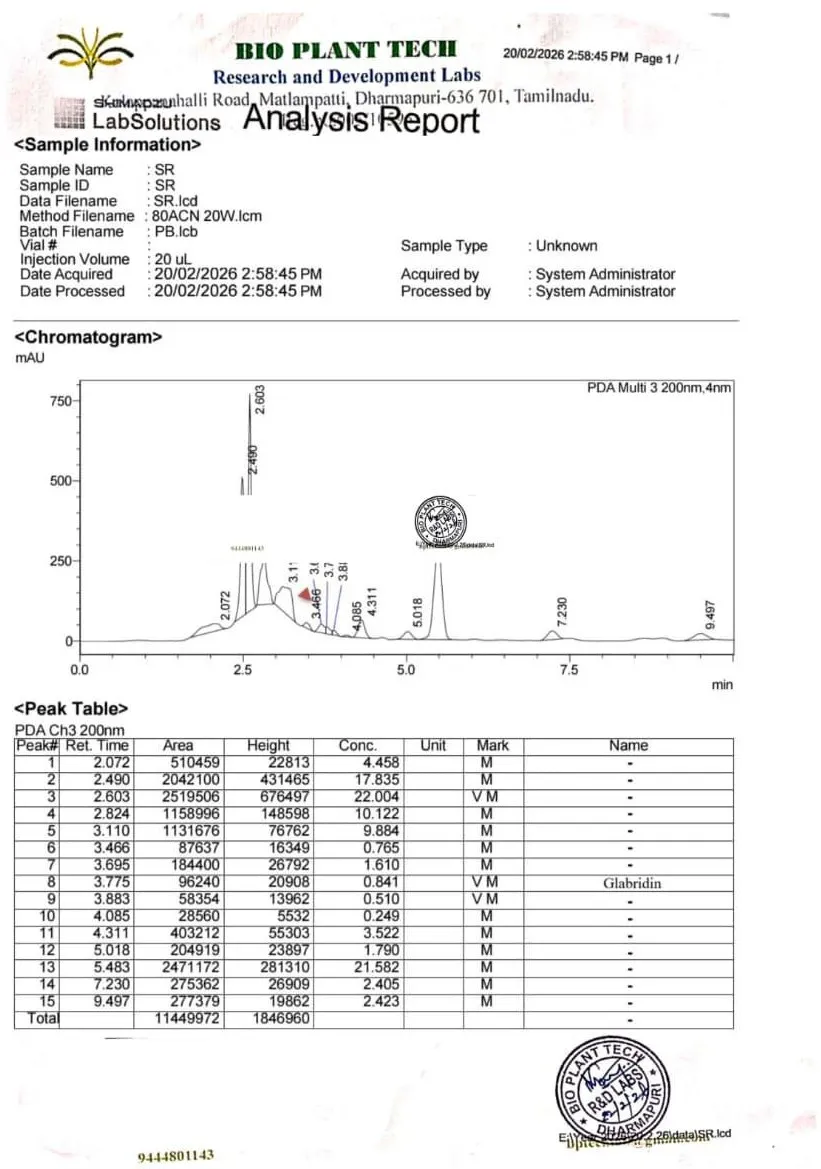
Morphological Study
The morphological characteristics of the different plants parts (stem, leaf, flower and fruits) of the Glycerrhiza glabra plant were studied during the flowering stage,except for what is related to the fruits, as the study was based on plant samples during the fruiting stage .
The Leaf
Chlorophyll content (CHL) and gas exchange parameters in the leaves are important indicators of the physiological characteristics of the plant and act as an important factor affecting the intensity of photosynthesis. It is an important organ in photosynthesis, and it sanatomical properties are the key to determining the ability of plants to survive in a given environment (TylskapVetal.,2013). Its physiological function is based on its natural structure (Abjanaczuet al., 2021) .
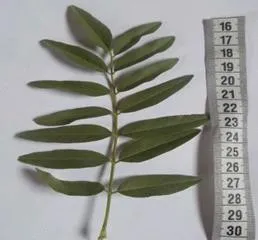
Figno:12:The phenotypic shape of Glycirrhyza glabra leaf
Stomata
They serveas the channels by which plants exchange gases with the outside world. For example, stomata allow external carbon dioxide to enter the plant's leaves and are also required to remove oxygen and water vapour from the interior of the leaves. Additionally, stomata automatically regulate the photosynthesis of leaves, which is crucial for respiration, water metabolism, the immune system, and regulating the temperature of the plant's leaves.Therefore ,for plants to grow and develop healthily, the stomata must continue to operate normally.
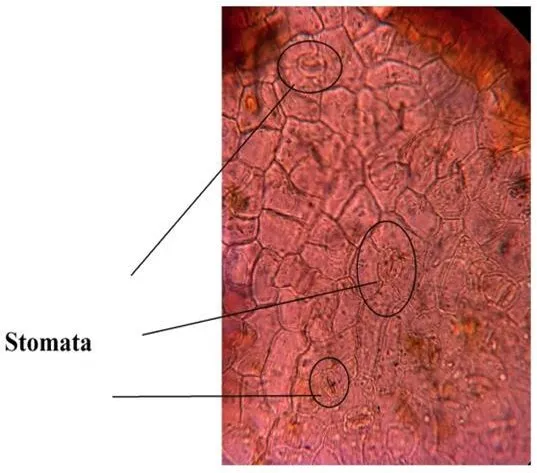
Fig no:13: Stomata
Leaf Appearance
Since the plant (Glycyrrhiza glabra) has stomata in its leaves that can secrete salt crystals,salt excretion should theoretically impact the stomata's normal function, which in turn affects G. glabra's growth and development. However, there is a trade-off between gas exchange from different positions of the leaves and salt excretion in the stomata. Thus, we examined the chlorophyll content, anatomical structure,net photosynthetic rate, conductivity, and salt excretion capability of the stomata from leaves at various liquorice locations.While the stomata of the upper leaves did not secreteany salt, the stomata of the lower leaves shown the strongest capacity to do so, and the top and middle leaves had a far higher chlorophyll content than the bottom leaves. While the mesophyte cells in the upper leaves had the densest order,the mesotheliotus cells in the lower leaves had the least.
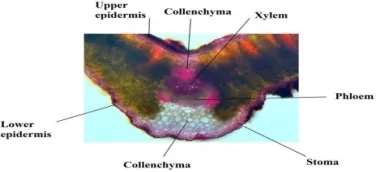
Figno :14: Leaf Appearance
Anatomical Structure of Leaf
Healthy, fully stretched leaves in different positions were chosen at random, cut into small pieces (0.5 cm × 0.5 cm), and then left in an FAA solution for 48 hours. Conventional paraffin cutting was used to create leaf cross-sections (5 μm thick), which were then dyed with green and fast safranin, closed, observed with an Olympus BX51 light microscope, and imaged with an Olympus DP70.
Glycyrrhiza Glabra Anatomical Shape of the Phenotypic and Stem
Anatomical differences between the leaves and the stem can help identify the organs present in licorice,the cross section of a stem from a single bud piece showed a functional vascular cambium and the formation of a secondary vascular system in the form of a muscular trunk, showing the cross section of a stem grown from a part with two buds. A large pulp occupies the center of the leg and the vascular system has thes hape of a full circle.The arrangement of the primary vascular system is typical for all stems, i.e. primary wood towards the pulp and secondary wood in centrifugal mode, the cross-section of the stem obtained from the seeds showeda structure similar to the stem planted from two or three pieces of shoots.The image shows a cross section of alicorice stem planted from two pieces of buds, pulp, primary wood, secondary wood, vascular cambium, bark, periphery fibers, cortex, and surrounding dermis.
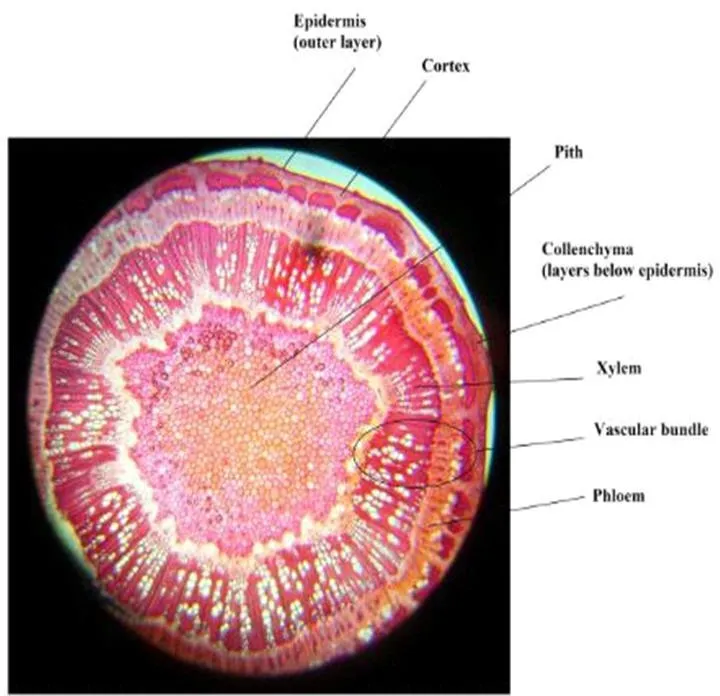
Figno:15:Anatomical shape of the stem of the plant Glycyrrhiza glabra
Table :1: The morphological characteristics of the Glycerrhiza glabra plant stem
|
Type |
The color |
Nature |
Surface Coating |
Branching |
|
G.glabra |
Light Green |
Erect |
Smooth |
Superiorly Branched |
Table :2: The morphological characteristics of the plant parts (leaves, flowers, fruits) of Glycerrhiza glabra
|
Type |
Permanence |
Surface Coating |
Baseof Blade |
Shape of Blade |
Apexof Blade |
Flower Color |
Types of Fruits |
|
G.glabra |
Perennial |
Smooth |
Round |
Spear |
Triangular |
Purple |
Legume |
Table :3: Evaluation of Preparation Characteristics
|
Physical Evaluation Color |
Light Yellow |
|
Odour |
Slightly Sweet |
|
Taste |
Mildly bitter-sweet |
|
Texture |
Light weight and smooth |
|
Homogeneity |
Good |
RESULT AND DISCUSSION
The serum formulated with Glycyrrhiza glabra root extract was found to be smooth, homogeneous, and light brown in appearance with a pleasant odour. The pH was within the acceptable skinrange (5.5–6.5), indicating suitability for topical application. The formulation showed good spreadability and appropriate viscosity, ensuring easy application without stickiness. Microbial evaluation complied with standard cosmetic limits, confirming safety.
The presence of glabridin in liquorice extract contributes to skin brightening by inhibiting melanin production. The combination of liquorice extract and niacinamide enhances the whitening and anti-inflammatory effect. Overall, the formulated herbal serum demonstrated satisfactory physicochemical properties and potential skin-lightening activity.
CONCLUSION:
The herbal face serum made with Glycyrrhiza glabra had good physical and chemical properties and was stable. The formulation's pH was in the range that is safe for skin, so it could be used on the skin. Phytochemical tests showed that there were antioxidant and anti-inflammatory compounds in the sample. The serum spread well, had the right viscosity, and was free of germs. In general, the herbal serum you made is safe, works, and is good for making your skin brighter and more hydrated.
REFERENCES






C. Saranya*, P. Madhavan,V. Ponnuvel, G. Vedhashree , P. Vignesh , S. Vinodhini , Formulation And Evaluation Of Herbal Face Serum (Liquorice) , Int. J. of Pharm. Sci., 2026, Vol 4, Issue 7, 4706-4720. https://doi.org/ 10.5281/zenodo.21507412
 10.5281/zenodo.21507412