

We use cookies to ensure our website works properly and to personalise your experience. Cookies policy
Rajarambapu college of pharmacy Kasegoan.
Hair fall and scalp disorders are increasingly common among young adults, creating a need for safe, plant-based alternatives to synthetic hair products. This study focuses on developing and evaluating an herbal hair serum formulated using concentrated hydro-alcoholic extracts of Psidium guajava (guava leaf), Allium cepa peel, and Azadirachta indica (neem) leaves.These botanicals are rich in flavonoids, polyphenols, limonoids, and antioxidants known to promote hair strengthening, follicle stimulation, and anti-dandruff effects. Each plant material was washed, oven-dried, powdered, and extracted using 70% ethanol, followed by water-bath concentration to obtain potent liquid extracts. The serum was prepared using aloe vera gel as the base along with humectants, solubilizer, pH regulator, and a preservative system. The optimized formulation showed good stability, homogeneity, and cosmetic acceptability. The combined extracts improved scalp health, reduced breakage, and enhanced hair texture, supporting their potential as effective components for herbal hair serums.
Hair health is a vital component of physical appearance and overall well-being, strongly influencing an individual’s confidence and self-image. Despite this importance, hair loss and other scalp-related disorders continue to be widespread concerns across all age groups. Although many commercial hair products claim to address these issues, increasing numbers of consumers now prefer natural, plant-based alternatives that offer safer and more holistic care. This shift is inspired by the long-standing heritage of herbal medicine and the proven benefits in promoting scalp and hair health[1][3]. Medicinal plants are rich sources of bioactive phytochemicals including alkaloids, flavonoids, phenols, and tannins compounds known for their powerful antioxidant, anti-inflammatory, and follicle-stimulating properties. These natural constituents help combat oxidative stress, soothe scalp irritation, and support stronger, healthier hair growth[9].
The development of this herbal hair growth serum brings together traditional botanical wisdom and modern scientific formulation techniques. By blending selected plant extracts and essential oils in a synergistic manner, the formulation aims to address multiple hair concerns such as thinning, breakage, dullness, and slow follicular activity. To ensure reliability and effectiveness, the serum will undergo comprehensive evaluation, including physicochemical studies to assess stability, compatibility, and shelf-life, as well as in vitro and in vivo efficacy testing to determine its influence on hair growth, texture, and resistance to hair loss.
Herbal hair serums have emerged as one of the most effective topical products for restoring hair strength and vitality. These serums are lightweight formulations enriched with botanical extracts, phytochemicals, vitamins, and natural antioxidants. Unlike oils, they are non-greasy, fast-absorbing, and target deeper layers of the scalp and hair shaft. Herbal serums offer multiple advantages such as improved shine, reduced frizz, nourishment of follicles, and scalp protection from environmental stress.
The present formulation incorporates three potent herbal ingredients guava leaf extract, onion peel extract, and neem extract each known for strong therapeutic benefits. Guava leaves contain flavonoids, phenols, and antioxidants like quercetin and Gallic acid that help strengthen follicles, reduce oxidative stress, and improve scalp circulation[6]. Onion peel extract is rich in sulfur compounds and quercetin, supporting keratin formation and reducing hair thinning[11]. Neem extract provides antimicrobial and anti-inflammatory activity, making it effective against dandruff, itchy scalp, and microbial imbalances[7]. Together, these botanicals create a synergistic blend that nourishes the hair root, protects the scalp, and supports natural hair growth.
Advantages of Herbal Hair Serum:
1. Naturally safe – Made from plant extracts, it is gentle on the scalp and less likely to cause irritation.
2. Lightweight texture -Absorbs quickly without making the hair sticky or greasy.
3. Packed with nutrients- Rich in antioxidants, vitamins, and phytochemicals that deeply nourish hair and scalp.
4. Strengthens roots – Helps improve the health of hair follicles, supporting stronger growth.
5. Improves overall hair feel – Leaves hair smoother, shinier, and less frizzy[5][2].
Disadvantages of Herbal Hair Serum:
1. Slower results – Herbal treatments usually work gradually rather than giving instant changes.
2. Needs proper preservation – Without correct preservatives, the serum may spoil or grow microbes.
3. Stability challenges – Changes in color, odor, or slight separation can occur in natural formulations.
4. Limited deep penetration – Some natural actives may not penetrate as effectively as synthetic ingredients.
5. Variation between batches – Each batch may look or feel slightly different due to the natural origin of the ingredients[8][3].
How to Apply the Serum
Hair Growth Cycle:
Hair does not grow continuously. Instead, every strand on our head goes through a natural cycle made up of different phases. These phases determine how long the hair grows, when it rests, and when it eventually falls out to make room for new growth.
1. Anagen Phase (Growth Phase)
2. Catagen Phase (Transition Phase)
3. Telogen Phase (Resting Phase)
4. Exogen Phase (Shedding Phase)
Hair Structure:
The cuticle is the hair’s outermost protective shield, formed by thin, overlapping cells that look like tiny scales. These scales lie flat when hair is healthy, giving it a smooth, shiny appearance and preventing moisture loss. However, when the cuticle becomes damaged due to heat, chemicals, friction, these scales lift, making hair rough, dull, and more prone to breakage.
Beneath the cuticle lies the cortex, which is the thickest and most important part of the hair fiber. This layer contains tightly packed keratin proteins and pigment, which determine the hair’s strength, stretch ability, and natural color. The cortex is responsible for the elasticity and mechanical resilience of the hair, meaning most hair damage like breakage or weakening occurs when this layer is compromised.
At the center of the hair shaft is the medulla, a soft, sponge-like core that may or may not be present depending on the hair type. Although its exact function is less defined, the medulla is believed to contribute to hair thickness and insulation. Coarser or thicker hair usually contains a medulla, while finer hair often lacks it[7].
Mechanism of Action of the Herbal Hair Serum:
The botanical extracts supply essential phytochemicals that enter the scalp and feed weak hair follicles, helping them become more active and healthy[6].
Ingredients like neem, onion peel, and guava leaf stimulate microcirculation around the roots, ensuring better oxygen and nutrient delivery to support stronger hair growth[5].
Aloe vera, glycerine, and vitamin E create a protective layer around the hair fiber, reducing breakage, dryness, and roughness[1][9].
Active compounds encourage follicles to stay longer in the growth phase and reduce hair fall from the resting phase, leading to thicker and healthy [2][3].
MATERIALS AND METHODOLOGY:
The crude drug required in the formulation was procured from the nearby local market. The following were used for preparation of herbal hair serum formulation.
Drug information:
Table No : 1 Drug Information Of Active
|
Sr.No |
Ingredient |
Benefits |
Image/Figure |
|
1 |
Aloe Vera gel |
|
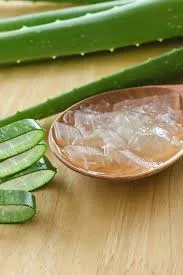
|
|
2 |
Guava leaf extract |
|
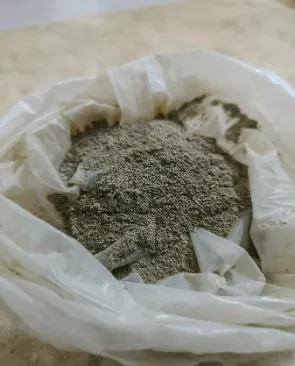
|
|
3 |
Onion peel extract |
|
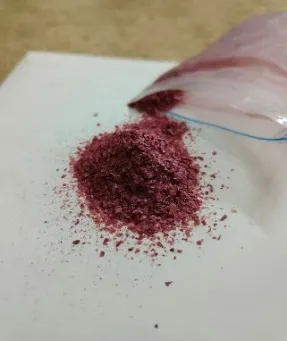
|
|
4 |
Neem extract |
|
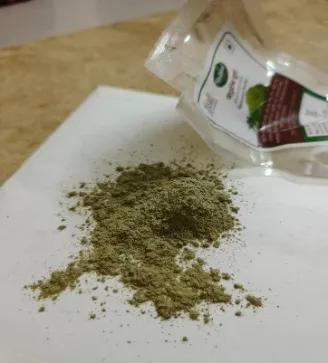
|
|
5 |
Glycerin |
|
|
|
6 |
Propylene glycol |
|
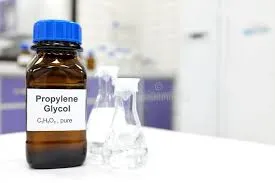
|
|
7 |
Xanthan gum |
|
|
|
8 |
Polysorbate 80 |
|
|
|
9 |
Vitamin E |
|
|
|
10 |
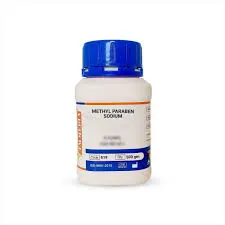
Methyl Paraben |
|
|
|
11 |
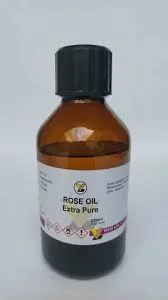
Rose oil |
|
|
|
12 |
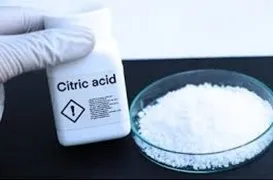
Citric acid |
|
|
|
13 |
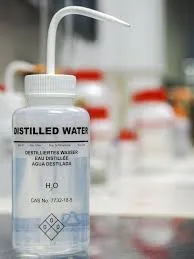
Distilled water |
|
|
Ingredient And Excipients
Table No 2 : Formulation Table
|
Sr No |
Ingredient |
Quantity
|
||||
|
F1 |
F2 |
F3 |
F4 |
F5 |
||
|
1 |
Aloe Vera gel |
5 ml |
5 ml |
5 ml |
5 ml |
5 ml |
|
2 |
Guava leaf extract |
2.4 ml |
3.2 ml |
4 ml |
4 ml |
4 ml |
|
3 |
Onion peel extract |
1.5 ml |
2 ml |
2.5ml |
2.5 ml |
2 ml |
|
4 |
Neem extract |
2.5 ml |
2.8 ml |
3.5 ml |
3 ml |
2.5 ml |
|
5 |
Glycerin |
2.5 ml |
2.5 ml |
2.5 ml |
2.5 ml |
2.5 ml |
|
6 |
Propylene glycol |
3 ml |
3 ml |
3 ml |
3 ml |
3 ml |
|
7 |
Xanthan gum |
0.15 gm |
0.25 gm |
0.35 gm |
0.23 gm |
0.28 gm |
|
8 |
Polysorbate 80 |
1 ml |
1 ml |
1 ml |
1 ml |
1 ml |
|
9 |
Vitamin E |
2 drop |
2 drop |
2 drop |
2 drop |
2 drop |
|
10 |
Methyl Paraben |
0.050gm |
0.050gm |
0.050gm |
0.050 gm |
0.050gm |
|
11 |
Rose oil |
2 drop |
2 drop |
2 drop |
2 drop |
2 drop |
|
12 |
Citric acid |
0.050gm |
0.050gm |
0.050gm |
0.050 gm |
0.050 gm |
|
13 |
Distilled water |
30 ml |
30 ml |
30 ml |
30 ml |
30 ml |
Formula: 50ML of Herbal Hair Serum From Optimized Batch (F4)
Formulation Procedure:
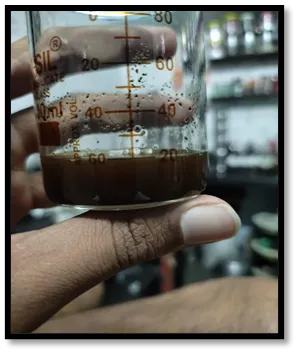
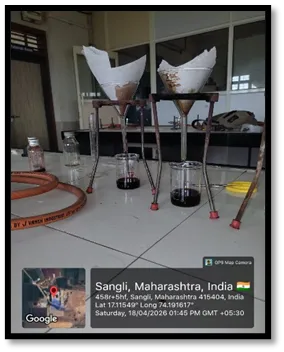
Fig no: 1 Final concentrate extract Fig no: 2 Filtration of concentrate extract
B.Preparation procedure
1. Preparation of Aqueous Humectant Phase
Initially, the aqueous phase was prepared in a clean beaker by mixing distilled water (25 mL) with glycerine (2.5 mL) and propylene glycol (3 mL). The mixture was stirred continuously for 2–3 minutes to obtain a homogeneous humectant solution, which acts as a moisturizing and solvent phase in the formulation[8].
2. Preparation of Xanthan Gum Dispersion
In a separate small beaker, a portion of glycerine (0.5 mL) was used to pre-disperse xanthan gum (0.231 g). The gum was slowly added under gentle mixing to avoid lump formation and allowed to hydrate for approximately 5 minutes, forming a smooth gel-like paste[8].
3. Incorporation of Gelling System
The pre-hydrated xanthan gum dispersion was gradually incorporated into the aqueous humectant phase under continuous stirring. The mixture was mixed for about 5 minutes until a uniform and slightly viscous serum base was obtained, ensuring controlled rheology and spreadability[8].
4. Addition of Aloe Vera Gel
Aloe Vera gel (5 mL) was then added slowly into the prepared base with gentle stirring to maintain uniform consistency and enhance skin conditioning properties.
5. Incorporation of Herbal Extracts
Standardized herbal extracts were incorporated sequentially into the formulation:
Guava leaf extract – 4 mL
Onion peel extract – 2.5 mL
Neem extract – 3 mL
Each extract was added individually with continuous stirring for 3–4 minutes to ensure uniform distribution of phytoconstituents within the serum base[1][8].
6. Addition of Solubilize and Lipophilic Components
To improve dispersion and stability of oil-soluble components, Polysorbate 80 (1 mL) was added as a non-ionic surfactant. Subsequently, rose oil (2–3 drops) and vitamin E (1 drop) were incorporated and mixed for approximately 2 minutes to ensure homogeneity[2].
7. Preservative Incorporation
Methyl paraben (0.05 g) was dissolved in a small volume of warm propylene glycol or warm distilled water and then added to the formulation. The mixture was stirred for 2–3 minutes to ensure complete distribution of the preservative system[8].
8. PH Adjustment
A 10% citric acid solution was used to adjust the pH of the formulation. Approximately 0.1 mL was added gradually under stirring to maintain the final pH in the range of 5.0–5.5, which is suitable for scalp application[7].
9. Volume Make-Up
The final volume of the formulation was adjusted to 50 mL using distilled water (q.s.), followed by gentle stirring to maintain uniformity.
10. Homogenization
The formulation was homogenized at low speed for 30–60 seconds to ensure uniform distribution of all components while preventing excessive thinning of the serum[8].
11.Filteration (optional)
Filtration of the serum is carried out to remove any undissolved particles and impurities, ensuring a clear and smooth formulation. The prepared serum is passed through a suitable filter medium, such as muslin cloth or filter paper, under clean conditions. This step improves the product’s appearance, stability, and safety for application.
12. Degassing and Packaging
The prepared serum was allowed to stand for 30 minutes to remove entrapped air bubbles. Finally, it was filled into sterile, airtight containers and stored under refrigerated conditions (4°C) until further evaluation[9].
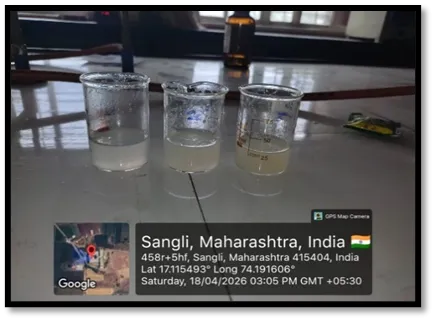
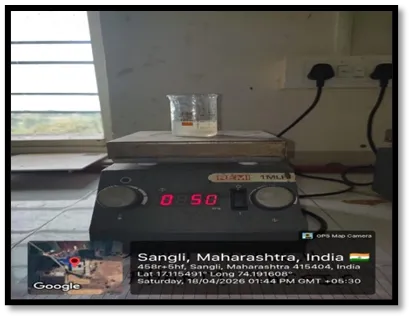
Fig no. 3 Aqueous Humectant Phase Fig no. 4 Incorporation of Gelling System
by using magnetic stirrer
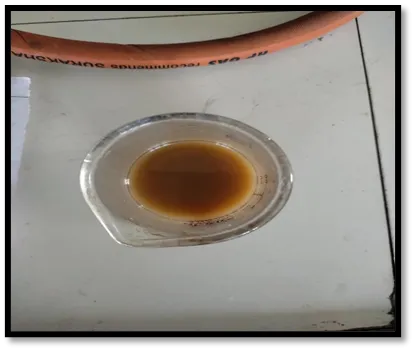
Fig no.5 Final Serum after Homogenization
PHYTOCHEMICAL TEST OF EXTRACT:
Table No: 3
|
Sr. No |
Phytochemical Test |
Steps |
Observation |
|
1 |
Flavonoids Alkaline Reagent Test |
1. Take 2 ml of serum. extract in a test tube 2. Add few drops of 10% Na OH solution 3. Observe color change into yellow |
Present |
|
2 |
Alkaloids Test (Wagner’s reagent)
|
|
Present |
|
3 |
Phenol Test (ferric chloride) |
|
Present |
|
4 |
Saponins Test: |
|
Present |
|
5 |
Tannin Test (lead acetate) |
|
Present |
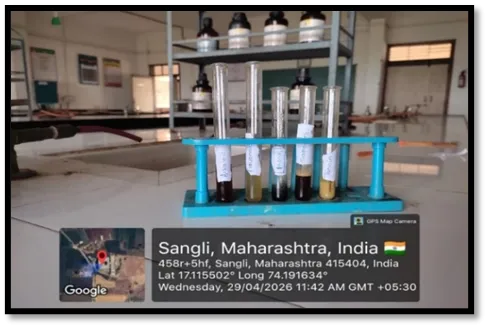
Fig no.6 Result of Phytochemical test
EVALUATION TEST:
1. Physical Appearance
The initial assessment focused on the serum’s visual and sensory characteristics. Its texture, color, and odor were examined manually to determine uniformity and aesthetic acceptability. These observations helped confirm that formulation possessed a smooth appearance without any unusual coloration or undesirable smell[1][3].
2. PH Measurement
The pH of the hair serum was measured using a digital pH meter. The electrode was immersed directly into the sample, and the reading was recorded once stabilized. Since the natural pH of human skin ranges from 4 to 6, maintaining an acidic pH is crucial to avoid irritation and preserve scalp health[7].
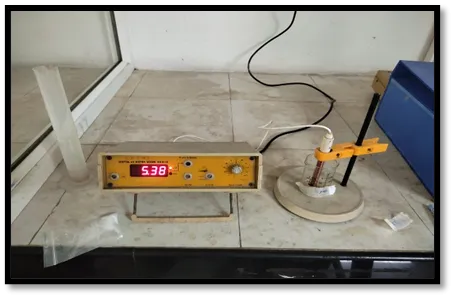
Fig No : 7 Detecting PH by using PH Meter
3. Homogeneity Test
To evaluate homogeneity, a small amount of the serum was placed on a clean glass slide and covered with a cover slip. The sample was visually inspected under light to detect the presence of coarse particles, lumps, or aggregates. The serum showed good uniformity, indicating proper dispersion of all ingredients[8].
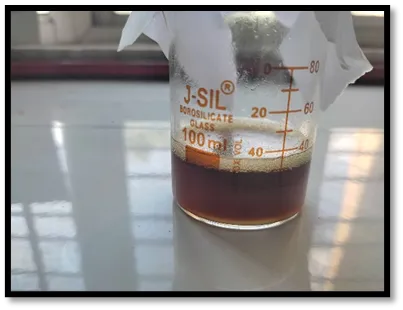
Fig No: 8 Homogeneity Of Serum
4. Viscosity Evaluation (Ostwald Viscometer)
The viscosity of the herbal hair serum was determined using an Ostwald viscometer based on capillary flow. The serum was filled up to the marked level and the viscometer was placed in a constant-temperature water bath. The liquid was drawn above the upper mark and allowed to flow freely under gravity. The time taken for the serum to pass between the two calibration points was recorded and compared with the flow time of distilled water. The viscosity was then calculated using the standard relation involving flow time and density. This test helped evaluate the fluidity and consistency of the serum for smooth application[7].
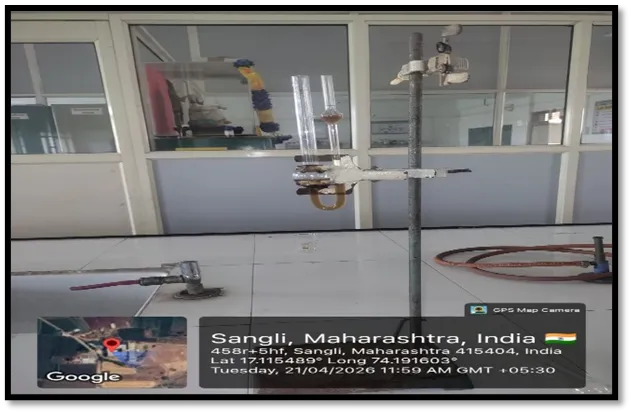
Fig No: 9 viscosity identification by Oswald viscometer
5. Spreadability Test
The spreadability of the formulation was evaluated using the Area method, a commonly adopted procedure for liquid and semisolid dosage forms. One or two dorp of the serum was placed between two peteri plates. A weight of 50g was placed on the upper plate, and the length and width of the spread sample was recorded after 30 sec[8]. Spreadability was calculated using the formula:
S =L×BT

Where,
S = Spreadability,
B = width of spread spot
L = length of spread spot
T = Time required for complete separation
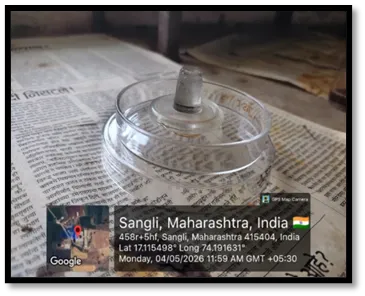
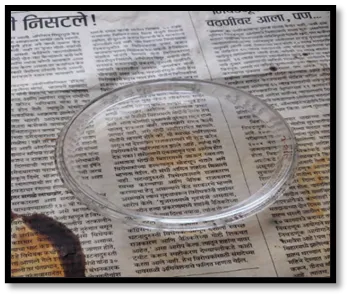
Fig No: 10 Spreadability Of Serum Serun
6. Skin irritation Test
The formulated herbal hair serum was subjected to a skin irritation test using a patch application method. A small amount of the serum was applied to a cleaned area on the inner forearm and left undisturbed for 24 hours. The site was observed for any signs of redness, itching, swelling, or irritation. The absence of visible reactions indicated that the formulation was safe for topical use and did not produce adverse skin responses[1][9].
7. Particle Size Analysis
The particle size of the herbal hair serum was measured using a particle size analyzer based on dynamic light scattering. A small amount of the formulation was diluted appropriately and placed in the sample cell. The instrument recorded the scattering pattern of the particles to determine their average diameter. The particle size distribution helped evaluate the uniformity and stability of the formulation[8].
8. Zeta Potential Measurement
Zeta potential of the serum was determined using a zeta potential analyzer to assess the surface charge and stability of dispersed particles. The diluted formulation was placed in the electrophoretic cell, and the instrument measured the mobility of the particles under an applied electric field. The obtained zeta potential value indicated the electrostatic stability of the serum, with higher absolute values suggesting reduced chances of aggregation or flocculation[8].
9. Anti-dandruff Activity Test
The antimicrobial activity of the formulation was assessed using the agar well diffusion method. Sabouraud agar medium (15 mL) was poured into sterile Petri plates and allowed to solidify. A fungal/bacterial inoculum was prepared, and 100 µL of the broth culture was evenly spread on the solidified medium using a sterile spreader.Wells of 6 mm diameter were made using a sterile cork borer. Test solutions of the sample (100 µg/mL, prepared in DMSO) were added into the wells along with standard and control. Miconazole (1 mg/mL) was used as the positive control, while DMSO served as the negative control. Plates were incubated at 37°C for 24 hours.after incubation, the zone of inhibition around each well was measured to determine antimicrobial activity[11].
10.Hair Shine Test (Gloss Evalution)
The shine-improving effect of the herbal hair serum was evaluated using an artificial hair wig in comparison with a marketed control serum. Two identical sections of the wig was selected: one treated with the commercial serum and the other with the test formulation. Each sample was applied evenly and allowed to dry under identical conditions. Both sections were then observed under uniform lighting[3]. An increase in light reflection, brightness, and surface gloss on the treated hair indicated the shine-enhancing property of the serum, with comparative assessment showing the relative performance between the control and the formulated serum[9].
11. Hair Proliferation Test By Using MTT Assay
The hair growth promoting ability of the herbal serum was assessed using an in-vitro hair follicle proliferation method. The cytotoxicity of the serum was evaluated on hDPC cells using the MTT assay. Cells (1 × 10⁴/well) were seeded in a 96-well plate and incubated for 24 h. They were treated with the test sample (100 µg/mL) in triplicates, while 0.2% DMSO and untreated cells served as controls.after 24 h, the medium was removed and 20 µL MTT reagent was added, followed by 4 h incubation to allow formazan crystal formation. Crystals were dissolved with 200 µL DMSO, and absorbance was measured at 550 nm. Cell viability was calculated relative to the control to determine the safety of the serum[10].
12. Hair Smoothness Test
The smoothening ability of the herbal hair serum was evaluated using an artificial hair wig model. A measured amount of the serum was applied evenly onto a section of the wig and left to dry at room temperature. The treated hair fibers were then gently combed, and the ease of combing was compared with the untreated control section. Improved glide, reduced friction, and fewer tangles indicated enhanced hair smoothness provided by the formulation[3].
RESULT AND DISCUSSION:
1. Physical Appearance
The physical appearance, colour and texture, Homogeneity of the prepared herbal hair serum was visually tested reflecting overall physical appearance of herbal hair serum.
Table No 4 : physical appearance of all batches
|
Sr.no |
Parameter |
F1 |
F2 |
F3 |
F4 (Optimized Batch) |
F5 |
|
1 |
Colour |
Pale Brownish |
Brownish |
Brownish |
Brownish |
Brownish |
|
2 |
Odour |
Rose like |
Rose like |
Rose like |
Rose like |
Rose like |
|
3 |
Texture |
Smooth |
Smooth |
Smooth |
Smooth |
Smooth |
|
4 |
Clarity |
Slightly Clear |
cloudy |
cloudy |
cloudy |
cloudy |
2. PH spreadability and viscosity test
Table No : 5 Ph,Viscosity,Spreadability Of All Bacthes
|
Sr.no |
Parameter |
F1 |
F2 |
F3 |
F4 (Optimised batch) |
F5 |
|
1 |
PH |
5.17 |
5.38 |
5.78 |
5.45 |
5.60 |
|
2 |
spreadability |
Easily spread |
Easily spread |
Easily spread |
Easily spread |
Easily spread |
|
3 |
viscosity |
6.7 cp |
7.8 cp |
9.2 cp |
7.8 cp |
8.3 cp |
The pH value shows range that ensuring it is safe and for use on the skin or scalp. The spreadability test was performed to check how easily the serum spreads on the surface. The results showed that the formulated serum has good spreadability, making it easy to apply evenly Oswald viscometer was used to determine viscosity of the formulation.
Table No: 6 zeta potential of all batches
|
Sr.no |
Parameter |
F1 |
F2 |
F3 |
F4 (Optimized Batch) |
F5 |
|
1 |
Particle Size |
615nm |
439nm |
710nm |
459nm |
483nm |
|
2 |
Zeta Potential |
-13.5mv |
-20 mv |
-24.8mv |
-20.7mv |
-21 mv |
particle size and zeta potential helps to determine uniformity and stability of the formulation.
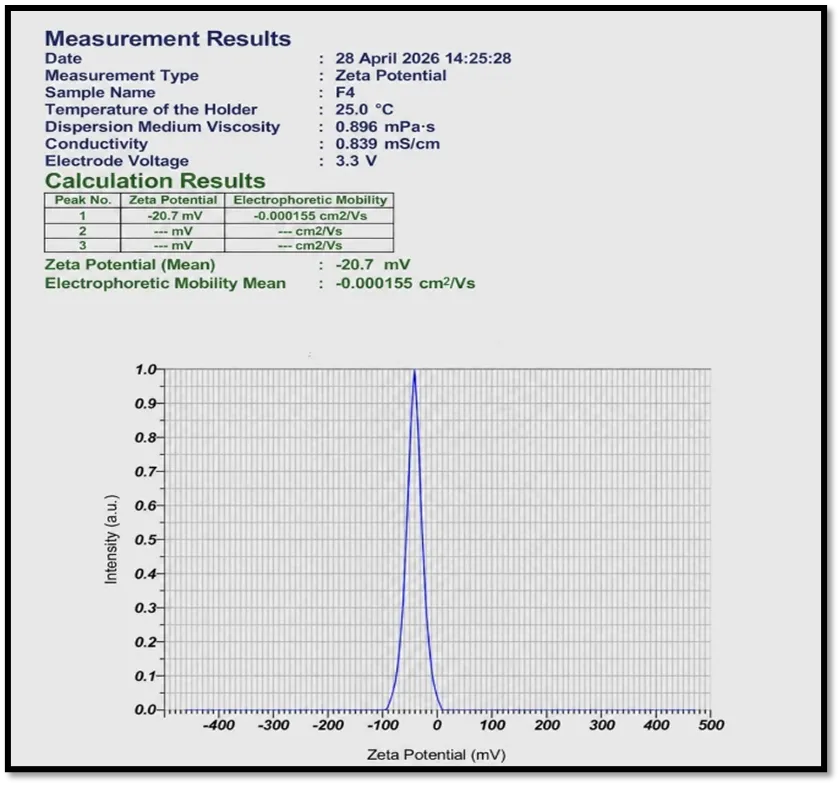
Fig no 11: zeta potiential of optimal batch F4
4. Skin Irritation
The irritation test of F4 batch and other batchs showed no redness, itching, burning, or swelling on the tested area during the observation period. This indicates that the formulated herbal hair serum is safe for topical use and does not produce any skin irritation.
Table No : 7 skin irritation test of all batches
|
Sr.no |
Parameter |
F1 |
F2 |
F3 |
F4 (Optimum) |
F5 |
|
1 |
Skin Irritation |
Non irritant |
Non irritant |
Non irritant |
Non irritant |
Non irritant |
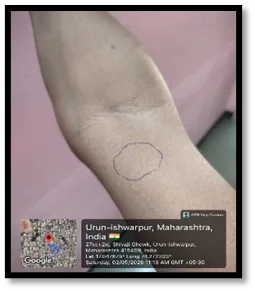
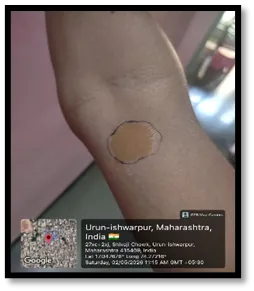
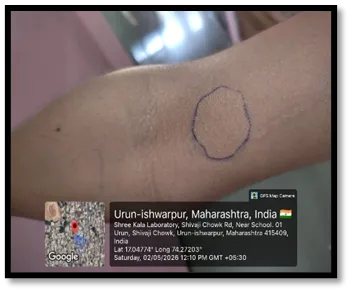
Fig No:11 skin before serum & applying serum on spot Fig No:12 result after 1hr
5. Anti-dandruff Activity Test
The Antidandrufff or antifungal profile of F4 was evaluated by measuring the zone of inhibition against fungal strains M. furfur via well diffusion method. The compounds F4 exhibited good activity as compared to the standard Miconazole.
Table No 8:Antidandruff Activity of test samples against M. furfur
|
SR.NO
|
SAMPLES |
ZONE IN DIAMETER (mm) |
|
1 |
Control |
00 |
|
2 |
Standard (Miconazole) |
27 |
|
3 |
F4 |
12 |
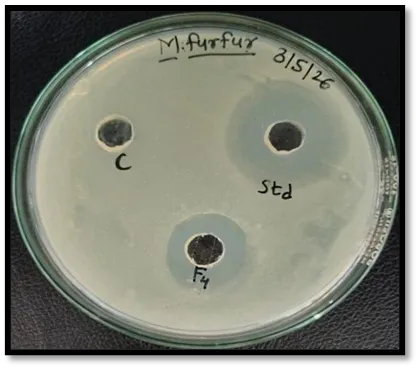
Fig no : 13 Antidandruff Activity of test samples
6. Hair Prolifieration Test
The MTT assay on hDPCs (human dermal papilla cells) reveals a clear dose-dependent cytotoxic effect for the standard drug, with percentage inhibition increasing from approximately 40-45% at 20 µg/mL to around 85% at 100 µg/mL, indicating a significant reduction in cell viability at higher concentrations. In contrast, the F4 formulation exhibits very low inhibition (below 10%) across all tested concentrations, with a slight decrease at higher doses, demonstrating minimal cytotoxicity. This suggests that F4 is highly biocompatible and does not adversely affect cell viability. The low inhibition profile indicates that F4 may support or maintain the proliferation of dermal papilla cells, which are essential for hair follicle growth and regeneration. Therefore, the formulation shows promising potential for applications in hair follicle stimulation and hair growth promotion.
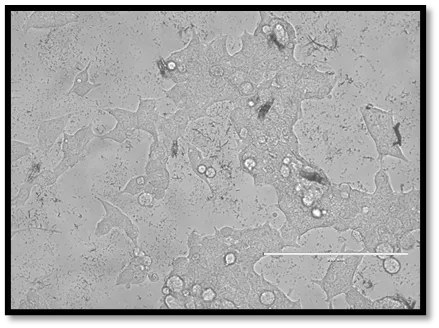
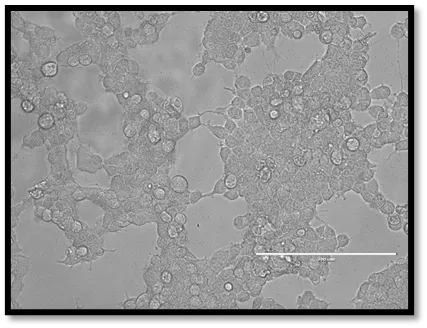
Fig no : 14 Formazan Crystals In Standard Fig No : 15 Formaza Crystals in (F4)
Table no 9 : Effects of test compound against hDPCs Cell line
|
SR NO |
SAMPLE CODE |
Concentrations (µg/mL) |
OD at 550 nm |
Mean |
% of Inhibition |
% of Viability |
IC50 (µg/mL) |
||
|
1 |
Control
|
- |
1.415 |
- |
- |
- |
- |
||
|
2 |
Standard |
20 |
0.801 |
0.805 |
0.809 |
0.805 |
43.11% |
56.89% |
33.4 |
|
|
(Ethanol) |
40 |
0.617 |
0.611 |
0.618 |
0.615 |
56.54% |
43.46% |
|
|
|
|
60 |
0.459 |
0.463 |
0.460 |
0.460 |
67.49% |
32.51% |
|
|
|
|
80 |
0.374 |
0.375 |
0.372 |
0.373 |
73.64% |
26.36% |
|
|
|
|
100 |
0.215 |
0.217 |
0.216 |
0.216 |
84.73% |
15.27% |
|
|
|
|
|
|
|
|
|
|
|
|
|
3 |
F4 |
20 |
1.301 |
1.306 |
1.308 |
1.305 |
7.77% |
92.23% |
NE |
|
|
|
40 |
1.315 |
1.319 |
1.321 |
1.318 |
6.86% |
93.14% |
|
|
|
|
60 |
1.348 |
1.350 |
1.352 |
1.350 |
4.59% |
95.41% |
|
|
|
|
80 |
1.363 |
1.369 |
1.367 |
1.366 |
3.46% |
96.54% |
|
|
|
|
100 |
1.385 |
1.391 |
1.387 |
1.387 |
1.98% |
98.02% |
|
|
|
|
|
|
|
|
|
|
|
|
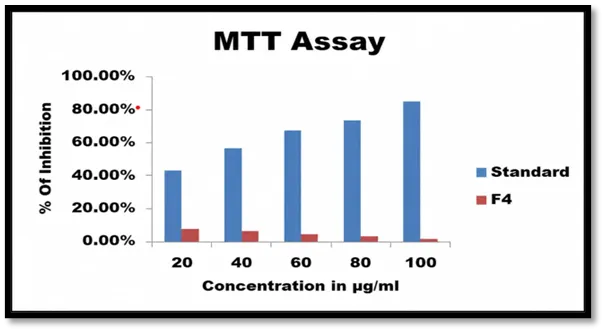
Fig no 16 : graphical representation
7. Hair Smoothness Test
The hair smoothness test was carried out using the optimized F4 formulation batch. The serum was evenly applied to a section of the wig and allowed to dry at room temperature. After drying, the treated hair fibers were gently combed, and their ease of combing was compared with an untreated control section. The observations for the F4 batch showed better glide, reduced friction, and fewer tangles, indicating that the formulation effectively improved hair smoothness.
8.Hair Gloss Evlaution Test
The shine-enhancing effect of the optimized F4 formulation was evaluated using two identical sections of a wig. One section was treated with a commercial serum (control), while the other was treated with the F4 batch. After 4 hours of application, both sections exhibited noticeable surface gloss, indicating the shine-improving property of the formulations. However, on comparative assessment, the control sample demonstrated slightly higher shine intensity than the F4 batch. Nonetheless, the optimized F4 formulation showed a significant improvement in hair shine compared to untreated hair, confirming its effectiveness.
Table no :10 Comparative Shine Analysis of Optimized F4 Batch and Commercial Serum
|
ime After Application |
Control Serum (Commercial) |
F4 Optimized Batch (Test) |
|
0 hour (Initial) |
High shine (immediate gloss visible) |
Moderate to high shine (visible gloss) |
|
1 hour |
High shine maintained |
Good shine maintained |
|
2 hours |
Slight reduction, still glossy |
Moderate shine, slight reduction |
|
3 hours |
Moderate shine |
Noticeable decrease in shine |
|
4 hours |
Moderate shine |
Mild to Moderate shine retained |
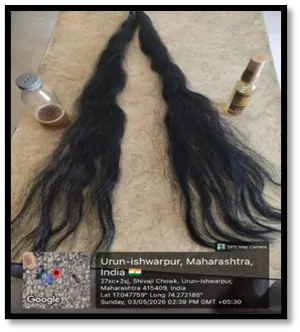
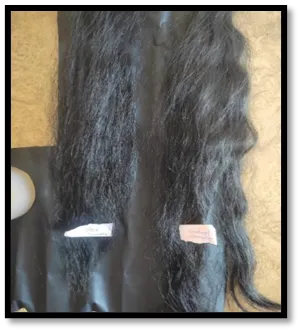
Fig No:15 Hair Condition Before (dull) Fig No:16 Hair Condition After (glossy)
CONCLUSION
The overall findings of this research demonstrate that the developed herbal hair serum possesses desirable physicochemical and functional characteristics suitable for cosmetic application. Among all the formulated batches, F4 was identified as the optimized formulation based on its superior overall performance. The F4 batch maintained a stable pH close to the natural scalp range and showed appropriate viscosity for smooth and easy application. Particle size and zeta potential analysis further confirmed the stability of the formulation, indicating a low tendency for aggregation during storage.
In terms of functional performance, the optimized F4 formulation demonstrated promising results. Anti-dandruff studies indicated noticeable antifungal activity, supporting the effectiveness of the herbal actives in controlling scalp-related microbial growth. The hair follicle proliferation assessment suggested potential for promoting follicular activity, which may contribute to improved hair growth.
Although comparative analysis with a marketed serum indicated slightly higher shine intensity in the control, the F4 formulation still exhibited satisfactory shine-enhancing properties along with better conditioning effects.Safety evaluation through dermal irritation testing confirmed that the optimized F4 batch was non-irritant and well tolerated, making it suitable for regular topical use.
In conclusion, the optimized F4 formulation can be considered a stable, effective, and cosmetically acceptable herbal hair serum. This study provides a strong foundation for future research, including extended stability studies, consumer acceptability testing, and in-vivo evaluations to further support its potential for commercial development.
REFERENCES


Sangram Patil, Ajinkya Patil, Aakanksha Patil, Formulation and Evaluation of Herbal Hair Serum from Guava Leaf, Onion Peel, Neem Powder Extract, Int. J. of Pharm. Sci., 2026, Vol 4, Issue 5, 7314-7332, https://doi.org/10.5281/zenodo.20410576
 10.5281/zenodo.20410576