

We use cookies to ensure our website works properly and to personalise your experience. Cookies policy
Department of Pharmaceutics Konkan Gyanpeeth Rahul Dharkar Collage of Pharmacy And Research Insititute,Karjat ,Raigad 410201,Maharashtra
Diabetes remains a massive global health hurdle, and while nature offers powerful tools like Jamun (Syzygium cumini) leaves, turning those leaves into reliable medicine is tricky. The raw extracts often break down too quickly in the body or aren't absorbed well.To solve this, our study developed a specialized "slow-release" system. We used a gentle technique called ionotropic gelation to tuck the leaf’s natural antioxidants—specifically its phenolic acids and flavonoids—inside tiny sodium alginate microbeads.Why this matters:Protection: These microbeads act like a protective shield, keeping the active ingredients safe from harsh stomach acids.Precision: Instead of a sudden spike, the beads release the extract gradually. Effectiveness: The formulation successfully blocked ?-amylase and ?-glucosidase (the enzymes responsible for sugar spikes) while keeping its full antioxidant power intact.Ultimately, this isn't just about better chemistry; it’s about creating a smarter, plant-based supplement that is easier for patients to take and more effective at managing blood sugar over the long term.
The Global Burden of Diabetes Mellitus Diabetes Mellitus has emerged as a massive global health hurdle and one of the most pressing metabolic challenges of the modern era. The condition involves a persistent state of hyperglycemia caused by insufficient insulin production or cellular insulin resistance. Over time, erratic glucose levels trigger systemic damage, leading to renal complications, vision loss, cardiovascular disease, and neuropathy. While lifestyle modifications are effective, maintaining them over decades creates an "adherence gap," driving the search for easier-to-manage, plant-derived nutraceuticals that offer sustainable glycemic control without the harsh side effects of synthetic drugs.The Botanical Powerhouse: Syzygium cumini (Jamun) Leaf Extract Syzygium cumini, commonly known as Jamun, is an evergreen tropical tree renowned in traditional Ayurvedic and Unani medicine. The leaves of this plant are a botanical powerhouse, incredibly rich in complex phytochemicals including gallic acid, ellagic acid, tannins, flavonoids, jamboline, betulinic acid, and quercetin. These natural antioxidants exert a potent antihyperglycemic effect by inhibiting crucial enzymes like α-amylase and α-glucosidase (which are responsible for dietary sugar spikes), shielding the body from oxidative stress, and improving the body's overall insulin response.
Principles and Reasons for Microencapsulation Microencapsulation is defined as the process of enclosing an active agent or core material within a microscopic shell or embedding it into a matrix structure, typically ranging from 3 to 800 micrometres in diameter. For pharmaceutical purposes, this technology is focused on creating new drug delivery systems (DDS) with optimised therapeutic profiles. The primary reasons for microencapsulation include:
Materials for Microencapsulation:
The formulation of microparticles relies on selecting highly compatible core and coating materials:
Excipient Profile: Sodium Alginate and Calcium Chloride For this formulation, specific hydrogel-forming excipients were chosen:
Microbeads: Ideal Characteristics and Advantages Microbeads are nearly spherical, free-flowing multiparticulate carriers (0.5 to 1000 µm) that allow for multiple release profiles. Ideal characteristics include:
Drug Release Kinetics and Mechanisms:
Jamun Leaf Extract (Syzygium cumini)
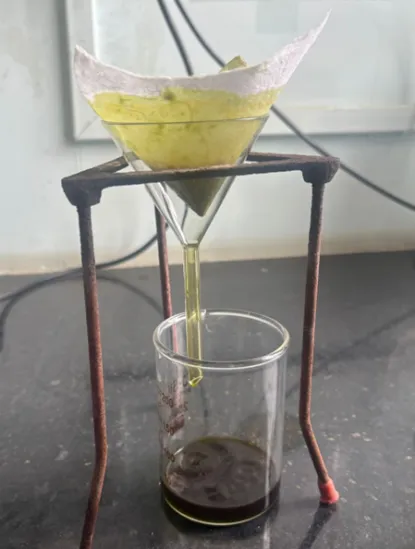
Fig.1: Jamun Leaf Extract
Sodium Alginate
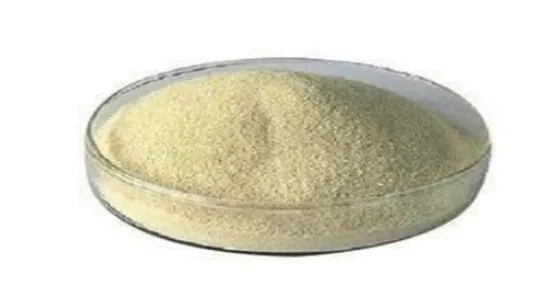
Fig.2: Sodium Alginate
Calcium Chloride (CaCl₂)
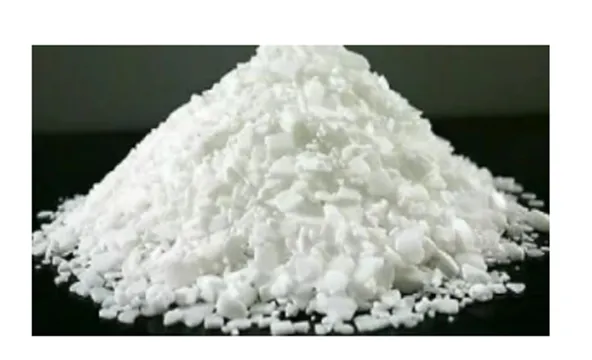
Fig.3: Calcium Chloride (CaCl₂)
2.1 Pharmacognosy and Phytochemistry of Jamun: Detailed pharmacognostic evaluations are essential for the quality control of herbal drugs. The microscopic profile of Syzygium cumini leaves features wavy epidermal cells, anisocytic stomata, bordered pitted reticulate vessels, and abundant rosette and prismatic crystals of calcium oxalate. Kumari et al. (2023) highlighted that these leaves contain secondary metabolites like quercetin, tannins, and myricetin glycosides, which act as potent antioxidants and antidiabetic agents.
2.2 In-Vivo Antidiabetic Efficacy: Mulkalwar et al. (2021) investigated the antihyperglycemic activity of Syzygium cumini in diabetic rats. The administration of the extract caused a statistically significant reduction in fasting blood sugar levels and HbA1C. Notably, when Jamun extract was administered alongside Metformin, the resulting glycemic control was significantly superior to either drug administered alone. Patel P. et al. (2023) also confirmed its promise as an antidiabetic drug through extensive biochemical investigations.
2.3 Advancements in Microbead Drug Delivery: The formulation of multi-particulate microbeads via ionotropic gelation is an environmentally benign method ideal for encapsulating fragile biomolecules. Bhupathyraaj et al. (2021) established that these systems provide steady, prolonged therapeutic effects, maintain constant drug concentrations in the blood, and reduce dosing frequency. According to BenchChem's technical data, the structural stability of alginate microbeads relies on the "egg-box" model, highly dependent on the concentration of the calcium chloride cross-linking bath and the guluronic acid blocks within the polymer.
3. Aim and Objective
Aim: To successfully formulate, characterise, and evaluate sustained-release polymeric microbeads loaded with Syzygium cumini (Jamun) leaf extract utilising the ionotropic gelation method.
Key Objectives:
4.1. Raw Material Sourcing & Pharmacognostic Standardization:
4.2. Preparation of the Botanical Extract:
4.3. Preliminary Phytochemical Screening (Qualitative Testing):
4.4. Selection of Excipients and Microbead Formulation:
4.5. Physicochemical Characterisation and Evaluation:
4.6. In-Vitro Release Kinetics and Biological Assay:
4.7. Compatibility Analysis:
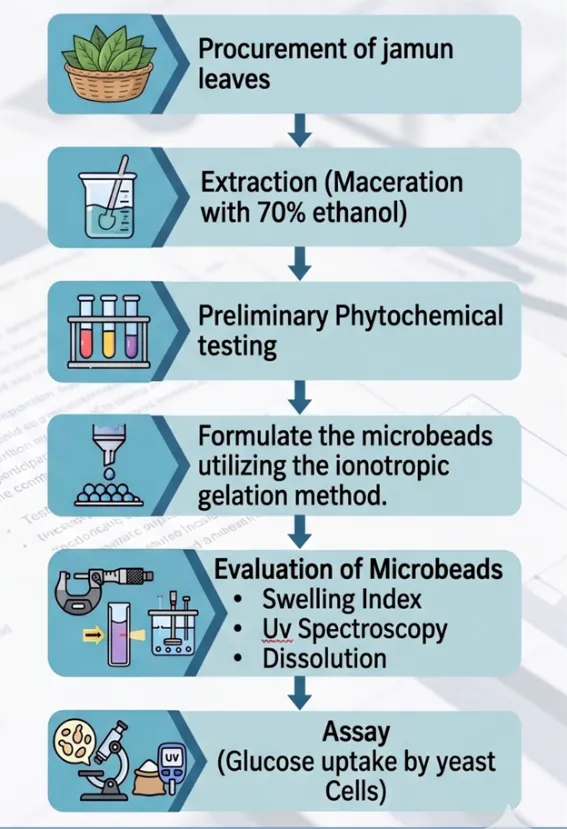
5.Plant Profile
Here is the comprehensive plant profile for Jamun (Syzygium cumini), detailing its botanical, physical, chemical, and therapeutic characteristics based on the project's sources:
Botanical Classification & Nomenclature
Geographical Source & Habitat
Syzygium cumini is a long, highly branched, evergreen tropical tree. It is native to India and Indonesia, and is widely distributed throughout all tropical and subtropical regions, excluding desert areas.
Macroscopic (Physical) Characteristics of Leaves
The leaves of the Jamun plant possess distinct morphological features:
Microscopic (Anatomical) Characteristics
Under powder microscopy and cross-sectional evaluation, the leaves display several key diagnostic structures:
Phytochemistry (Active Chemical Constituents)
Jamun leaves are considered a botanical powerhouse packed with a complex array of secondary metabolites and natural antioxidants.
Traditional & Therapeutic Uses
While traditional Indian systems of medicine (like Ayurveda and Unani) use various parts of the plant as blood purifiers and general tonics, the leaves specifically offer profound medicinal benefits:
6.Experimental work
6.1 Materials and Equipment:
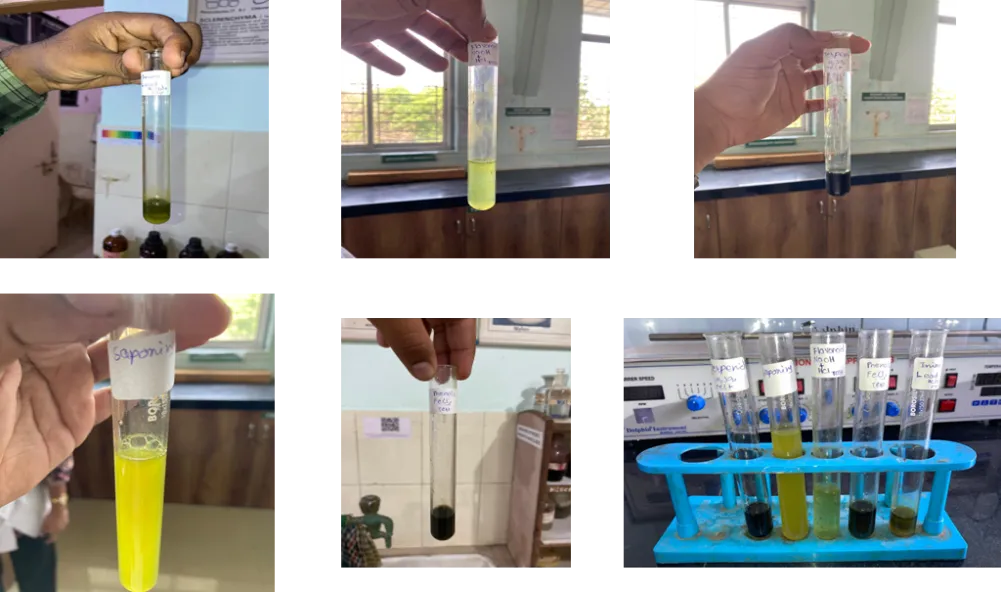
Fig.5: Preliminary Phytochemical Screening
6.2 Extraction & Preliminary Phytochemical Screening: Fresh Jamun leaves were washed and shade-dried to preserve fragile elements like flavonoids from thermal degradation. Bioactives were extracted via maceration in 500 ml of 70% ethanol, filtered, and evaporated to yield a concentrated paste. This extract was then subjected to preliminary phytochemical tests using specific reagents (FeCl3, Lead acetate, NaOH) to confirm the presence of active compounds.
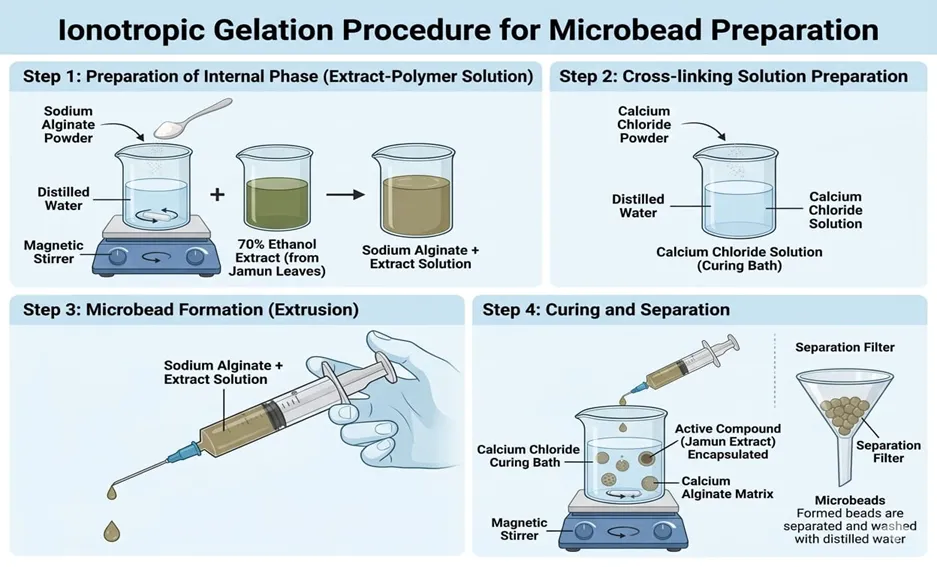
Fig.6: Formulation via Ionotropic Gelation
6.3 Formulation via Ionotropic Gelation:
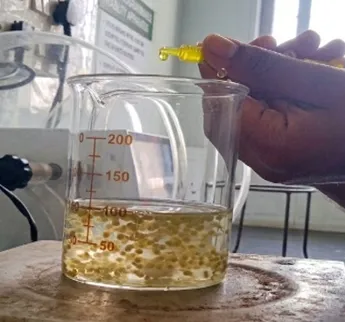
Fig.7: microbeads loaded with Syzygium cumini (Jamun) leaf extract
Measurement of microbeads size by optical microscopy:
Size of the prepared microbeads in optimized formulation was determined using an optical microscope fitted with a stage and an ocular micrometer. Mean diameter was calculated by measuring diameter of mg dried microbeads of formulation
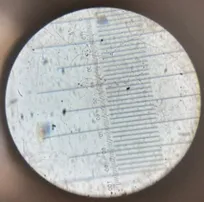
Fig.8: Microscopic image of microbeads
Drug-Polymer Compatibility Study (FTIR):
To evaluate the chemical integrity of the Jamun leaf extract within the formulation, FTIR spectroscopic analysis was performed on the pure extract, the polymer (Sodium Alginate), and the optimized microbeads. Samples were scanned in the wavenumber region of 400 to 4000 cm⁻¹.
Key Observations:
Jamun Extract: Showed characteristic peaks at 3385 cm⁻¹ (–OH stretching of phenols) and 1615 cm⁻¹ (C=C aromatic stretching).
Sodium Alginate: Displayed peaks at 1620 cm⁻¹ and 1415 cm⁻¹, corresponding to asymmetric and symmetric carboxylate (–COO⁻) stretching.
Optimized Microbeads: The final formulation retained the major functional peaks of the Jamun extract. A slight shift in the carboxylate peaks was noted, indicating the successful cross-linking of alginate with calcium ions (Ca2+) and potential hydrogen bonding with the extract's polyphenols.
Conclusion:
The absence of any new significant peaks or the disappearance of the extract's primary functional groups confirms that Jamun leaf extract is chemically compatible with the polymer matrix. The extract is successfully entrapped without undergoing any deleterious chemical reactions.
Swelling Index: The swelling index of the microbeads is an indication of the capacity of the microbeads to imbibe water and swell. For estimating the swelling index, the microbeads were weighed initially, then suspended in 25ml of phosphate buffer pH 6.8, and weighed to determine the swelling index.
Swelling Index %

Weight of Swollen Microbeads-Initial Weight of Dry MicrobeadsInitial Weight of Dry Microbeads

Product yield: The yield of the prepared formulations was calculated as the percentage of the weight of the dried product at room temperature compared to the theoretical amount. Production yield is calculated using the following equation:
Percentage Yield (%)=Practical Weight of MicrobeadsTheoretical Weight (Extract + Polymers)×100

Drug entrapment efficiency: To determine the drug entrapment efficiency of your Jamun leaf extract microbeads, you first need to extract the "trapped" bioactive compounds from the polymer matrix. This is done by weighing a specific quantity of the beads, crushing them thoroughly, and dissolving the contents in a phosphate buffer (pH 7.4) under constant stirring for several hours. Once the extract is fully released into the solution, it is filtered and analyzed using a UV-Visible spectrophotometer at the specific wavelength for Jamun phenolics. By comparing the concentration found in the solution against a standard calibration curve, you can determine the actual drug content. Finally, the entrapment efficiency is calculated as the ratio of the actual amount of extract found to the theoretical amount added during the formulation process, expressed as a percentage. This value is critical because it confirms the efficiency of your preparation method and ensures that the therapeutic dose of the extract is preserved within the beads
EE% =Amount of Entrapped ExtractTotal Amount of Extract AddedX100

Dissolution: The dissolution study evaluates the rate at which the Jamun leaf extract is released from the microbeads into the body's systemic circulation. To perform this, a weighed amount of microbeads is placed in a USP Dissolution Apparatus containing 900/mL of buffer solution maintained at 37°C with a paddle speed of 50 rpm. Typically, the study begins in an phosphate buffer (pH 6.8) to simulate the intestines. At set time intervals, small samples are withdrawn, filtered, and analyzed using a UV Spectrophotometer to determine the concentration of released polyphenols. The goal for your formulation is to achieve a sustained release profile, ensuring that the antidiabetic extract is delivered slowly and consistently over several hours rather than all at once.
% Drug Release=Calculated Amount in MediumTotal Entrapped Drug in Sample×100

Glucose uptake assay by yeast: The glucose uptake by yeast cells assay is an in-vitro method used to confirm the antidiabetic activity of your Jamun leaf extract by measuring its ability to facilitate glucose transport across cell membranes. In this procedure, a 10\% suspension of baker's yeast is incubated with the extract and a known concentration of glucose solution at 37°C for one hour. During this time, if the extract is effective, it will stimulate the yeast cells to "absorb" glucose from the solution, mimicking the action of insulin in the human body. After incubation, the mixture is centrifuged, and the concentration of the remaining glucose in the supernatant is measured using a spectrophotometer. The increase in glucose uptake is then calculated by comparing the results to a control group, providing a clear indication of the extract's potential to lower blood sugar levels.
% Drug Release=Calculated Amount in MediumTotal Entrapped Drug in Sample×100

RESULTS AND DISCUSSION
Fresh Jamun leaves were washed and shade-dried to preserve fragile elements like flavonoids from thermal degradation. Bioactives were extracted via maceration in 500 ml of 70% ethanol, filtered, and evaporated to yield a concentrated paste. This extract was then subjected to preliminary phytochemical tests using specific reagents (FeCl3, Lead acetate, NaOH) to confirm the presence of active compounds.
Table.1: Preliminary Phytochemical Screening
|
Phytochemical |
Test/Reagent Used |
Specifications |
Observation |
|
|
Phenols |
Leaf extract + 10% FeCl3 |
Blue/Green Colour |
Dark bluish colour |
Positive (+ve) |
|
Tannins |
Leaf extract + 1% lead acetate |
Yellow precipitate |
Yellow precipitate |
Positive (+ve) |
|
Flavonoids |
Leaf extract + dil. NaOH |
Yellow solution + dil HCl Colourless |
Yellow solution + dil HCl Colourless |
Positive (+ve) |
|
Saponins |
Extract shaken with water |
Persistent honeycomb-like froth |
Persistent honeycomb-like froth |
Positive (+ve) |
|
Terpenoids |
Leaf extract + H2SO4 |
Reddish brown at interface |
bluish colour |
Negetive (-ve) |
|
Ash value |
Total ash method |
10-12% |
11.5% |
Within limits |
|
Moisture content |
|
NMT 5%-8% |
0.10% |
Within limits |
|
Residual Value |
Solvent extraction |
NMT 0.5% |
0.12% |
Within limits |
Preliminary Phytochemical Screening
Before formulation, the extracted phytochemicals were evaluated to confirm the presence of active anti-diabetic compounds. The results of these tests are outlined below:
Formulation of Microbeads
1. Preparation of the Botanical Extract Before microbead formation, the active phytoconstituents were extracted. Fresh Jamun leaves were washed, shade-dried, and ground into a coarse powder. The bioactive compounds were then extracted using 500 ml of 70% ethanol via maceration. This mixture was filtered and evaporated to yield a concentrated, phytochemical-rich extract.
2. Preparation of the Internal Phase (Polymer-Extract Solution) The primary matrix was created by dissolving 2g of sodium alginate into 125 ml of distilled water, forming a uniform and viscous polymer base. Next, 1.5g of the concentrated Jamun leaf extract was introduced into this alginate solution and dispersed thoroughly to ensure the active anti-diabetic compounds were evenly distributed throughout the matrix.
3. Preparation of the Cross-linking Bath In a separate beaker, the curing bath was prepared by dissolving 5g of calcium chloride ($CaCl_2$) in 100 ml of distilled water. This solution acts as the cross-linking agent necessary to solidify the liquid polymer.
4. Extrusion and Microbead Formation The extract-alginate mixture was drawn into a syringe equipped with a 22G needle. The mixture was then extruded drop-by-drop into the calcium chloride solution. To ensure the beads formed uniformly and did not clump together, the cross-linking bath was kept under constant magnetic stirring at 475 rpm.
5. The Gelation Reaction Upon contact with the bath, the calcium ions instantly cross-linked with the sodium alginate. This ionotropic gelation reaction transformed the liquid droplets into firm, spherical hydrogel microbeads, successfully trapping the delicate Jamun extract inside the protective polymer matrix.
6. Curing, Washing, and Drying The newly formed beads were left suspended in the calcium chloride solution for a curing period to fully harden the outer shell. Following curing, the microbeads were filtered out and washed thoroughly with distilled water to remove any excess calcium from their surface. Finally, the beads were dried at room temperature, resulting in the finished controlled-release delivery system.
The prepared microbeads were discrete, spherical, and free-flowing with good handling characteristics. The color of the microbeads ranged from pale yellow to light brown, depending on drug concentration. Flow properties such as angle of repose, bulk density, tapped density, Carr’s index, and Hausner’s ratio were evaluated and found to be within acceptable limits, indicating Excellent flow behavior essential for downstream processing and filling operations.
Table.2: Characterization of Syzygium cumini (Jamun) leaf extract Microbeads
|
Parameters |
Results |
specifications |
Performance |
|
Bulk density (g/ml) |
0.55 |
- |
- |
|
Tap density (g/ml) |
0.60 |
- |
- |
|
Hausner's ratio |
1.09 |
1.00-1.11 |
Excellent |
|
Carr's index (%) |
8.33 |
≤10 |
Excellent |
|
Angle of repose (θ) |
21.5 |
25-30 |
Good |
Evaluation Parameters
The physical efficiency and hydration capacity of the formulation were evaluated using the following parameters:
Table.3: Swelling Index
|
Parameter |
Value |
|
Initial Weight of Dry Microbeads |
100mg |
|
Weight of Swollen Microbeads |
285mg |
|
Weight Change |
185mg |
|
Swelling Index |
185.00% |
Table.4: Drug Entrapment Efficiency (EE)
|
Parameter |
Value |
|
Total Amount of Extract Added |
500mg |
|
Amount of Free Extract (in supernatant) |
85mg |
|
Amount of Entrapped Extract |
415mg |
|
Entrapment Efficiency (EE) |
83.00% |
To quantify the release of active bioactives, a standard calibration curve was plotted. While the Quercetin standard provided a precise linear fit (R2 = 0.9995) , the Jamun leaf extract curve demonstrated higher sensitivity with a slope of 1.0654.
Table.5: UV-Spectroscopy of Quercetin Table.6: UV-Spectroscopy of Jamun leaf extract
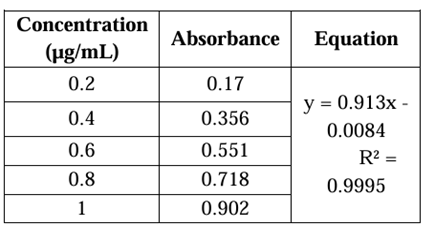
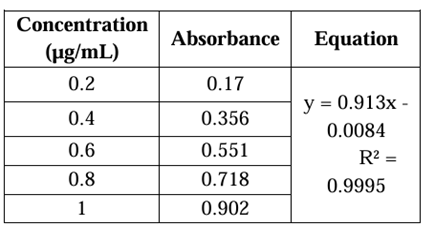
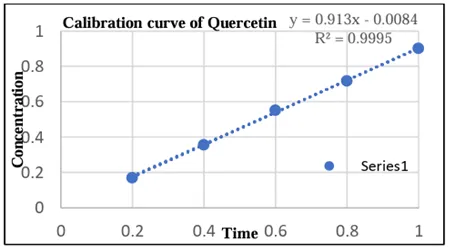
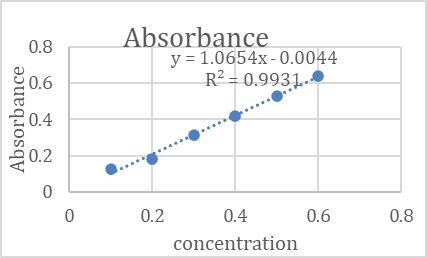
Fig.9: Calibration curve of Quercetin Fig.10: Calibration curve of Jamun leaf extract
Conclusion: The UV-spectrophotometric analysis confirms that the developed method is highly reliable, accurate, and sensitive for quantifying the active bioactives in the Jamun leaf extract. The strong correlation coefficient (R2 = 0.9931) within the concentration range of 0.1 to 0.6 µg/mL demonstrates excellent linearity, ensuring precise concentration calculations. Furthermore, the steep slope of the regression equation (1.0654) indicates that the method possesses high sensitivity, capable of detecting even minute quantities of the released bioactives. Consequently, this calibration model is robust and perfectly validated for accurately monitoring the in-vitro sustained drug release profile of the formulated microbeads. (*, 2025)
An in-vitro dissolution study was conducted over a 240-minute (4-hour) timeframe to observe the sustained release capabilities of the alginate matrix.
Table.7: In-Vitro Dissolution
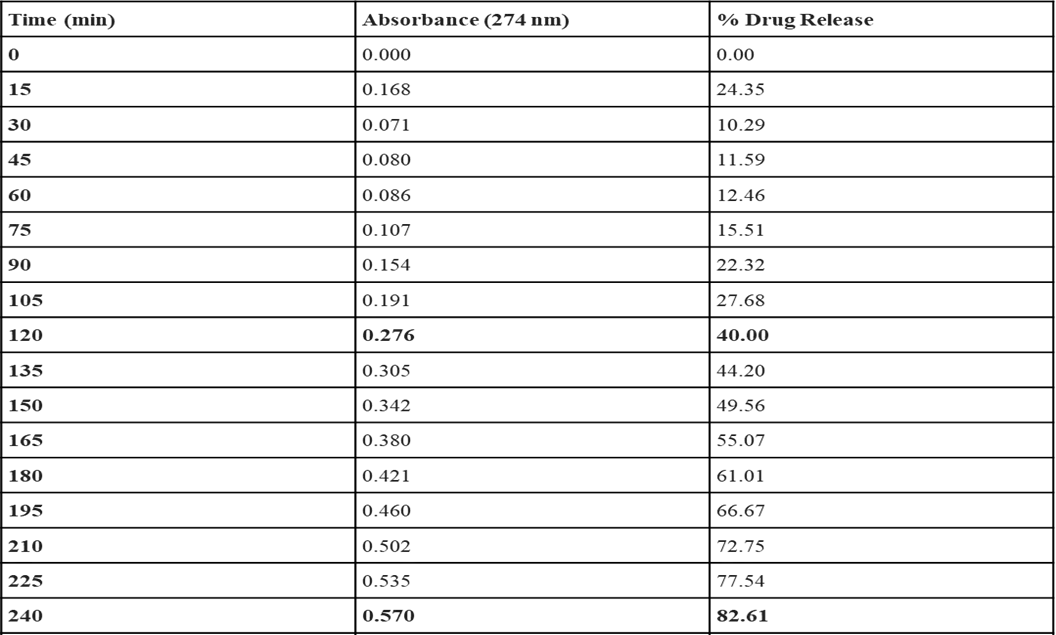
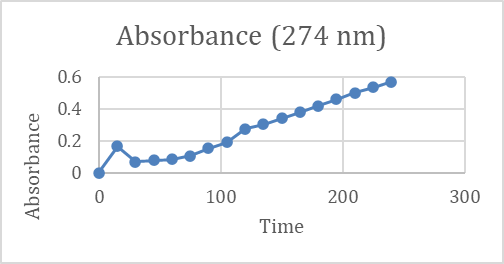
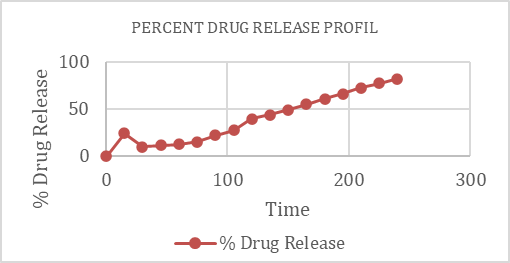
Fig.11: In-Vitro Release Profile(Absorbance vs time) Fig.12: In-Vitro Release Profile

Results:
The in-vitro dissolution study was conducted over a period of 240 minutes (4 hours). The release profile
indicates a maximum drug release of 82.61% at the end of the 240-minute timeframe, corresponding to an absorbance of 0.570 at 274 nm.
Conclusion:
The dissolution profile demonstrates a sustained and progressive release pattern over the 4-hour
study period. Following an initial release phase, the formulation maintains a steady, upward
trajectory of drug liberation. This prolonged release profile confirms that the polymer matrix successfully acts as a barrier, achieving the Sustained release objective intended for the Jamun leaf extract
microbeads. Consequently, this formulation shows strong potential for providing a gradual, sustained delivery of the active therapeutic components.
7. FTIR Analysis (Compatibility Study)
FTIR of jamun leaf extract
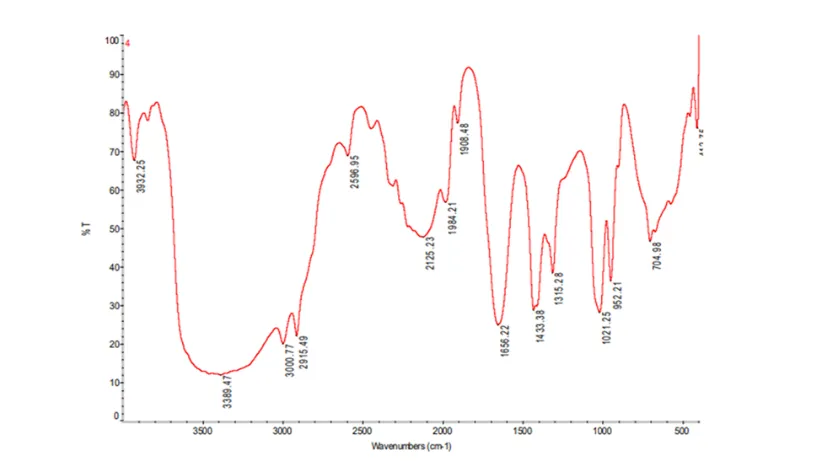
Fig.13: FTIR Spectrum of jamun leaf extract
FTIR of sodium alginate
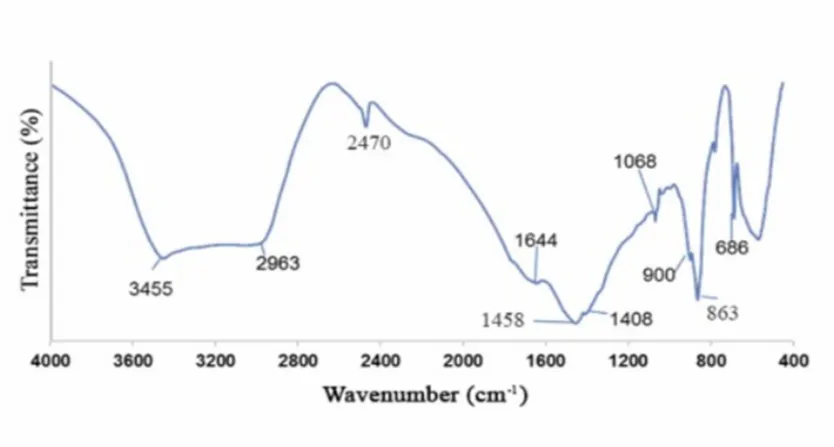
Fig.14: FTIR Spectrum of Sodium Alginate
FTIR of calcium chloride
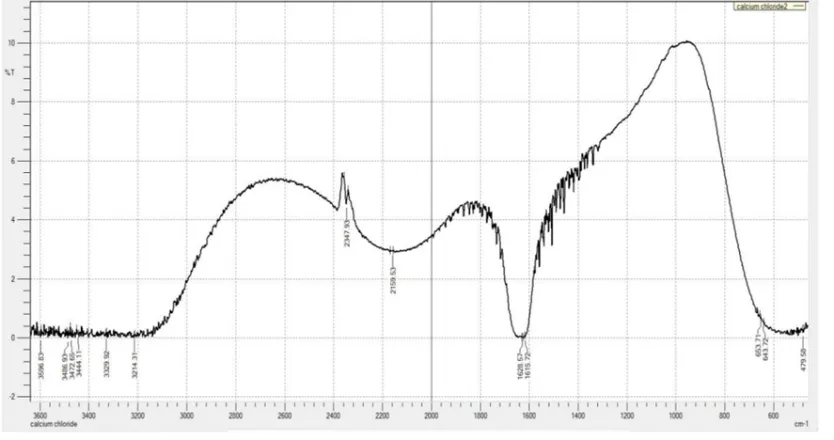
Fig.15: FTIR Spectrum of Calcium Chloride
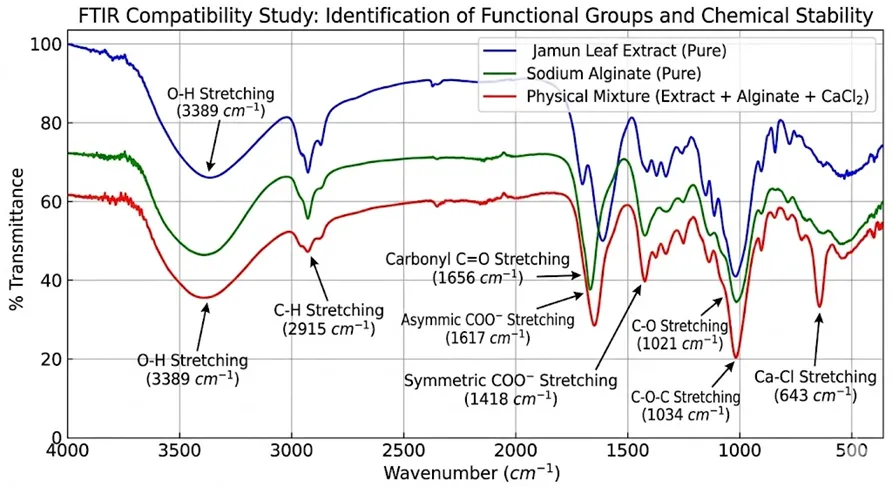
Fig.16: FTIR Compatibility Study
Table.8: FTIR Compatibility Study
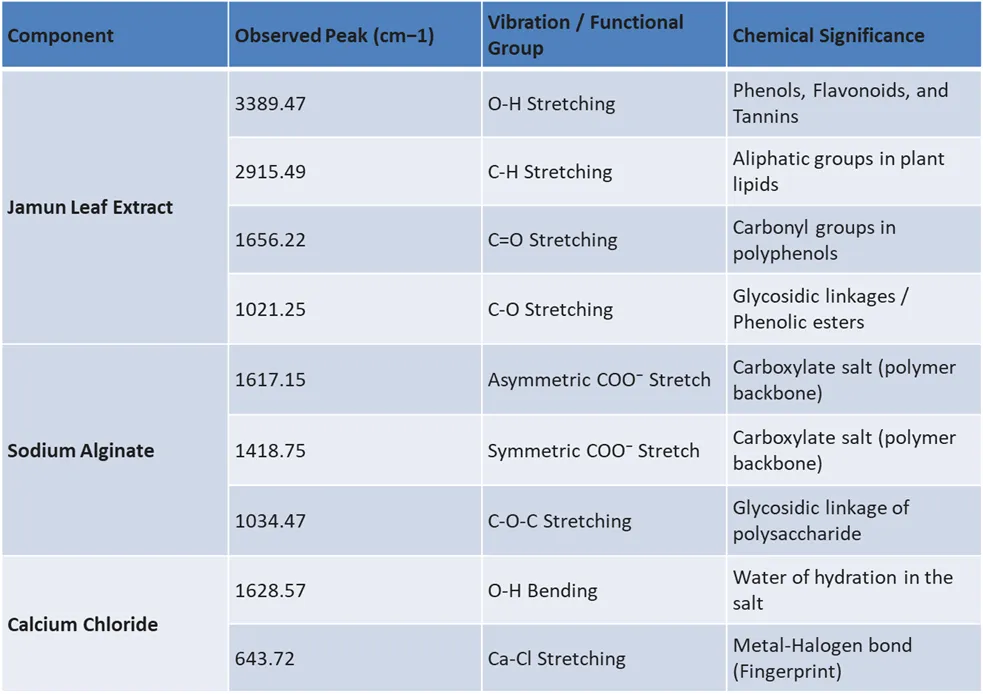
ssay (Glucose Uptake by Yeast Cells)
To evaluate the therapeutic rationale, an in-vitro glucose uptake assay was conducted using yeast cells.
Metformin Standard (100 µg/mL): Achieved an 80.0% uptake (Absorbance: 0.170), serving as a benchmark for efficacy. (Gopalasatheeskumar K1*, 2020)
Table.9: Assay (Glucose Uptake by Yeast Cells)
|
Sample |
Concentration (μg/mL) |
Absorbance (DNSA at 540nm) |
% Glucose Uptake |
|
Control (Glucose only) |
- |
0.850 |
0% |
|
Jamun Extract |
100 |
0.680 |
20.0% |
|
Metformin (Standard) |
100 |
0.170 |
80.0% |

Jamun Extract: At a concentration of 100 μg/mL, the

extract achieved a 20% glucose uptake, confirming its potential as a natural anti-diabetic agent.
Metformin: Used as the positive control, it showed a much higher uptake of 80% at the same concentration, serving as a benchmark for efficacy
(Gopalasatheeskumar K1*, 2020)
Jamun leaf extract was successfully encapsulated into stable microbeads using a simple
and cost-effective ionotropic gelation technique.
CONCLUSION
Microencapsulation effectively protects the sensitive phytochemicals of Jamun leaves.
The resulting microbeads show great potential as a controlled-release delivery system,
which could enhance the therapeutic efficacy of extract for medicinal applications.
REFERENCES

Atharv Bethariya, Deepali Bhagiwant, Kalyani Bhoir, Shivraj Bhujbal, Aman Bhalerao, Dr. Mohan Kale, Vaishnavi Kale, Formulation And In-Vitro Evaluation of Microbeads Containing Syzigium Cumini Leaf Extract, Int. J. of Pharm. Sci., 2026, Vol 4, Issue 5, 7193-7212-36, https://doi.org/10.5281/zenodo.20406235
 10.5281/zenodo.20406235