

We use cookies to ensure our website works properly and to personalise your experience. Cookies policy
Department Of Pharmaceutics, MVM College Of Pharmacy, Bangalore, Karnataka-560064.
In recent years, herbal hair removal creams have been proposed as an alternative to chemical depilatories because of good skin compatibility and medicinal values of herbal compounds. The increased desire of consumers to use natural cosmetic products has driven research toward the development of herbal preparations that could act effectively as depilatories with minimal irritation to the skin. In this literature review, the effectiveness, safety and formulations of herbal hair removal creams will be considered. Skin and hair structure, hair growth cycle and increasing need for plant depilatories will be presented. The review considers the pharmacological characteristics and depilatory activity of medicinal plants, namely Cyperus rotundus, Prosopis cineraria, Thymus vulgaris, Aloe vera, Curcuma longa and Mentha species. The review highlights the traditional uses of the abovementioned medicinal plants, their main phytoconstituent and possible mechanism of action contributing to hair growth inhibition or weakening of hair shafts. Furthermore, the functions of herbal active compounds and formulation aids will be considered along with the comparative analysis of the mode of action of herbal depilatories and conventional depilatories. This literature review presents the current benefits, limitations, formulation problems and future perspectives.
Hair removal has been a practice spanning centuries, driven by cultural, aesthetic and hygienic considerations. While traditional methods like shaving, waxing and plucking remain prevalent and modern techniques such as laser hair removal and electrolysis offer semi-permanent solutions. The demand for topical depilatory agents persists due to their convenience and non-invasiveness.1 Conventional chemical depilatory creams are primarily relying on thioglycolates, effectively dissolve hair keratin but often pose risks of skin irritation, allergic reactions and chemical burns due to their high alkalinity.2
In response to growing consumer preference for natural and safer cosmetic products, there has been a significant surge in research and development of herbal-based hair removal creams. These formulations aim to leverage the depilatory and skin-conditioning properties of various plant extracts, offering a gentler alternative with potentially fewer side effects. This review aims to consolidate current knowledge on herbal hair removal creams, focusing on their scientific basis, formulation and future potential. It will specifically address the roles of Cyperus rotundus, Prosopis cineraria, thyme, Aloe vera, curcumin and mint, as well as the overall characteristics and mechanisms of these innovative products.3,4
2. Introduction to Skin and Hair
Skin and Hair Anatomy
The skin is the largest organ in the human body and serves as the first line of defence against physical, chemical and microbial factors of the environment. In addition to its protective role, it also has a major part to play in thermoregulation, sensory perception, immune defence and a number of metabolic processes. The skin is made up of three layers: the outermost layer, called the epidermis, protects the body. The dermis, a layer of connective tissue containing blood vessels, nerve endings, sweat glands and hair follicles and the hypodermis or subcutaneous tissue, which is mostly made up of adipose tissue and provides structural support, thermal insulation and mechanical cushioning against external forces.5,6
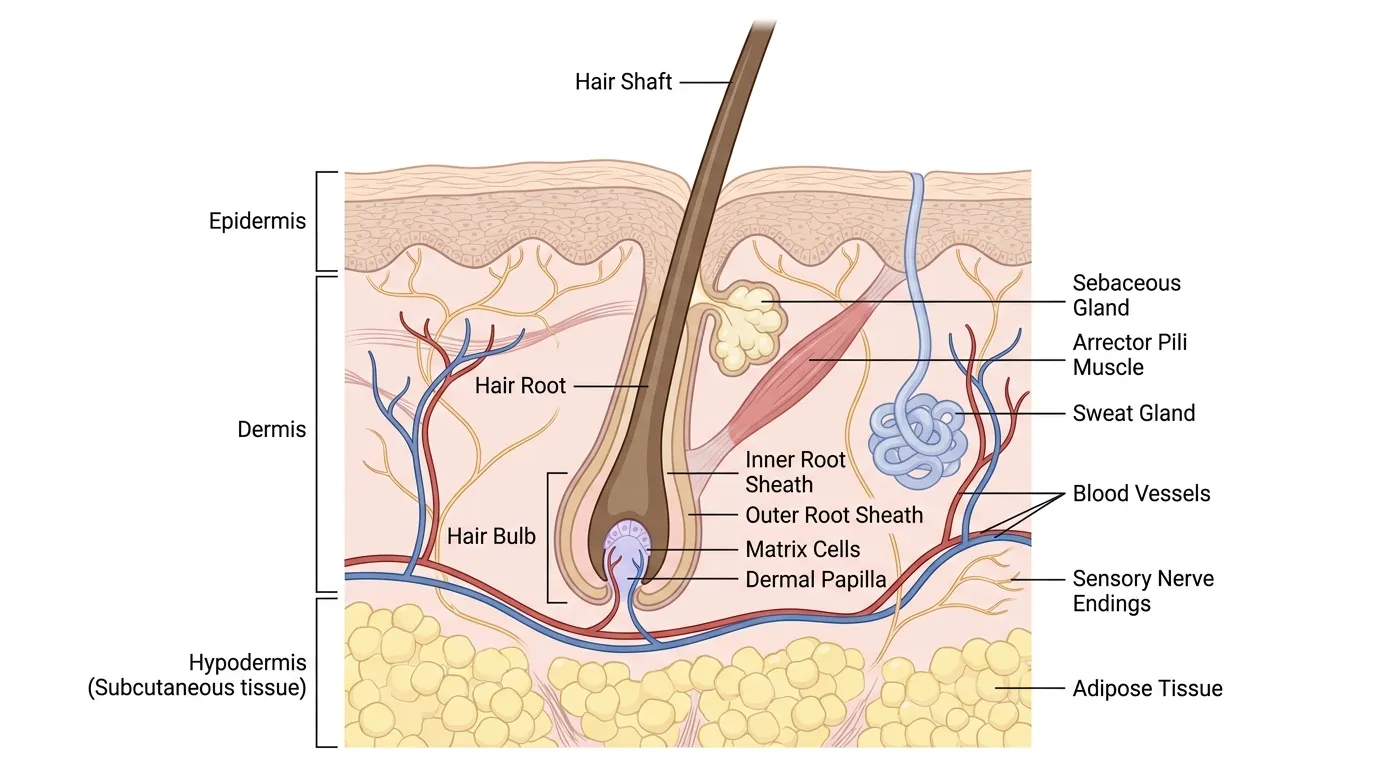
Figure 1: Structure of the skin and hair follicle
Hair is a filament of keratin which is produced by specialised epidermal invaginations called hair follicles. These complex mini-organs lie in the dermis and reach down into the hypodermis. Hair follicles are dynamic structures composed of several important parts. The hair bulb is the base of the follicle. It contains rapidly dividing matrix cells that produce hair. The dermal papilla is a collection of Mesenchymal Stem Cells found within the hair bulb. The dermal papilla plays an important role in regulating hair growth and differentiation. The sebaceous gland produces the sebum that lubricates the hair and skin. The arrector pili muscle is a small muscle that contracts to make the hair stand up. Keratin, a fibrous structural protein is the main constituent of the hair shaft, the visible portion of the hair and numerous disulphide bonds maintain its stability. Health and physiological condition of the skin and hair follicles are of critical importance in the efficacy and safety of any hair removal method.7,8
Hair Growth Phases
Hair growth is a highly controlled cyclic process with distinct phases. It is very important to know these stages in the development of effective hair removal techniques, particularly those preventing hair regrowth.
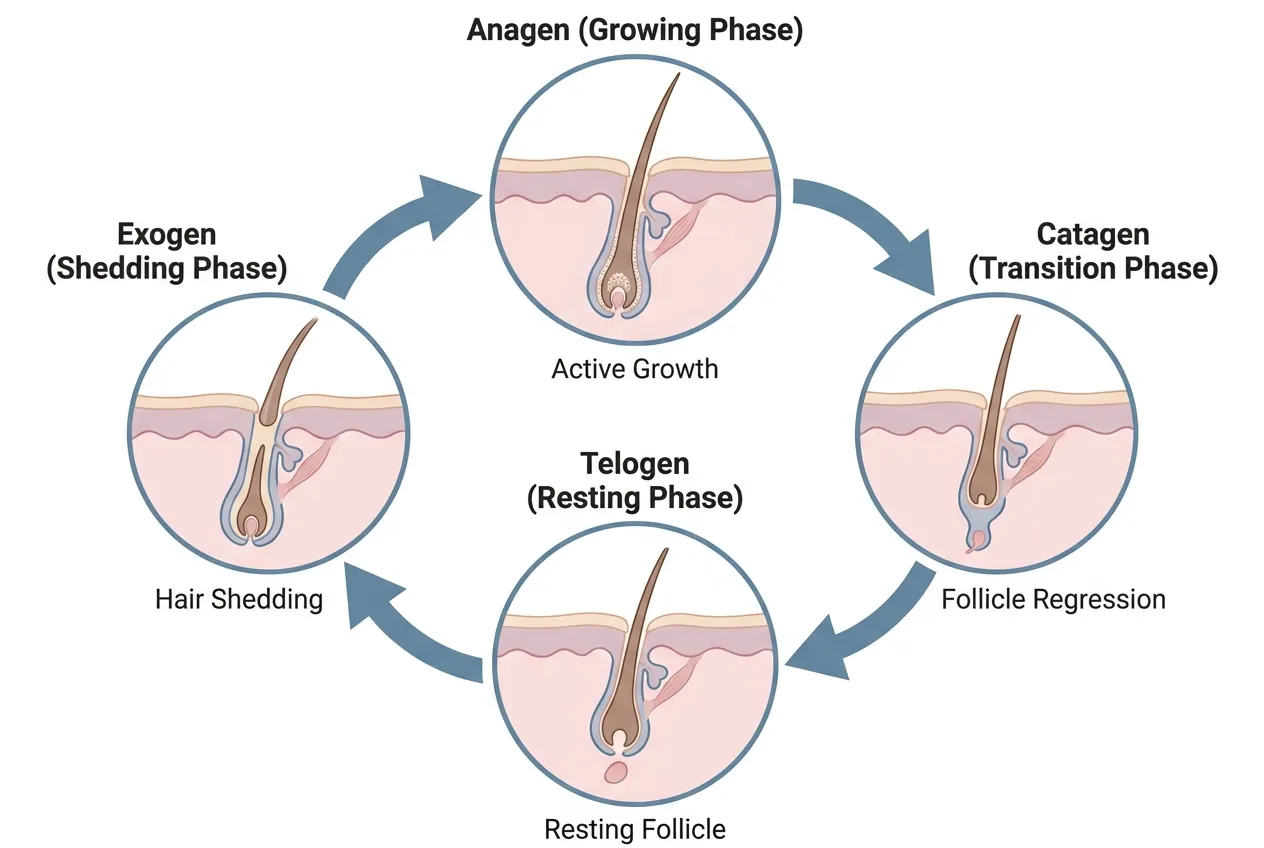
Figure 2: The hair growth cycle — anagen, catagen, telogen and exogen phases
Anagen (Growing Phase): The anagen phase represents the active growth phase, where matrix cells rapidly proliferate and the hair shaft elongates continuously. This phase can last several weeks to several years depending on the anatomical site. During this phase, the metabolic activity of the hair follicles makes many therapeutic agents effective for promoting hair growth during anagen.9,10
Catagen (Transition Phase): Catagen is described by the presence of a transient period that lasts for 2 to 3 weeks and represents the cessation of hair growth activity. In this stage, the hair follicle is subjected to programmed regression and apoptosis, reducing its size to about one-third of the size of the follicle during anagen. The lower part of the follicle is detached from the dermal papilla, while the hair follicle cells stop dividing.9,10
Telogen (Resting Phase): This is considered to be the resting phase, which lasts from two to three months. This phase is characterized by complete dormancy of the hair follicle and the presence of the club hair in the hair follicle that does not grow. The dermal papilla can be found underneath the atrophied hair follicle. As this phase reaches its completion, the anagen phase may begin and produce a new hair in the same follicle.9,10
Exogen (Shedding Phase): The Exogen phase is viewed as a subset of the telogen phase because it entails the shedding of the dead hair. When the hair in the anagen stage grows to become longer, it dislodges the existing hair in the telogen stage thus forcing it out.10
Herbal hair removal creams that are specifically designed for inhibiting hair regrowth usually strive to interfere with the anagen phase through reduction of follicle activity or prolonging the telogen phase, so as to reduce hair density and reduce the need for repeat treatment. On the other hand, chemical depilatory treatments generally work by interfering with the chemical composition of the hair strand by breaking down its keratin without regard to its life cycle stage. The objective of new herbal products is to remove hair while simultaneously improving skin quality.11
3. Need for Herbal Hair Removal Creams
The awareness is growing among consumers about the potential damaging effects of artificial chemicals contained in cosmetics; hence, the demand for the alternatives which come from natural sources has risen tremendously.12 The chemical hair removers are effective hair removers, but they contain harsh alkalis such as calcium thioglycolate, which can cause skin irritation, redness and even burns to sensitive skin. A problem with chemical hair removers is that they produce an unpleasant smell due to their contents.13
Hair removal creams made from herbs are thought to be less harsh and environmentally friendly alternatives. Herbal hair removal creams consist of herbs that are supposed to be used not just for hair removal but also for various other purposes such as moisturization, soothing effect, anti-inflammatory and antioxidant effects.14 Holistic approach towards hair removal, which involves not only getting rid of hair but also keeping the skin in perfect condition is one of the key factors that promotes the increasing popularity of herbal hair removal creams. Moreover, there are herbs that are thought to have anti-growth properties, making hair removal with the help of herbal hair removal creams more lasting than hair removal with the use of regular hair removal creams.15
4. Herbal Ingredients Used in Hair Removal Cream
A variety of herbs have been historically employed and researched for their use in hair removal and skin conditioning in depilatories. These herbs provide a multi-dimensional effect as they inhibit hair growth while simultaneously soothing and protecting the skin.
Cyperus rotundus
Cyperus rotundus L., commonly known as nut grass or purple nut sedge has been employed traditionally for many years. It has been utilized in many practices such as Ayurveda and Chinese traditional medicine for the management of various ailments. The most important thing about this herb is that its rhizome has a hair-removing effect.16
Synonyms: Nut grass, Purple nutsedge, Java grass, Nagarmotha (Ayurvedic).
Biological Source: The dried rhizomes of Cyperus rotundus L., belonging to the family Cyperaceae.
Chemical Constituents: The primary active constituents are essential oils (e.g., α-cyperone, cyperene, cyperotundone, trans-pinocarveol), flavonoids, sesquiterpenes and alkaloids.
Uses: The plant Cyperus rotundus is widely applied in the treatment of gastric disorders, inflammation, intestinal problems, as well as in the elimination of superfluous hair. Researches confirm that the use of Cyperus rotundus oil is able to reduce hair growth through inhibiting hair follicle function. The effect is achieved due to suppressing the activity of the cells which cause hair growth. Also, Cyperus rotundus affects hair growth and hair pigmentation. Thus, the oil influences hair follicles and prevents further hair growth.17
The application of preparations with Cyperus rotundus showed the efficacy of reducing hair growth after repeated use of the preparations. Some research data show hair reduction density similar to the effects provided by laser hair removal. Mostly, there were no serious side effects in the course of the experiments. Besides, Cyperus rotundus possesses antibacterial, anti-inflammatory, antioxidant, as well as wound healing abilities.17,16
Prosopis cineraria
The Shami plant, scientifically named Prosopis cineraria has found application in herbal medicines in natural removal of hair. The paste of fruits of this plant has been used in great abundance to remove hair. Moreover, ash prepared from leaves, bark and flowers of this plant has also been used for the same purpose.18,19,20
Synonyms: Shami, Jand, khejri, Banni.
Biological Source: The leaves, bark and fruits of Prosopis cineraria (L.) Druce, belonging to the family Fabaceae.19,20
Chemical Constituents: Rich in C-glycosyl flavones (e.g., schaftoside, isoschaftoside, vicenin II, vitexin), phenolic acids, alkaloids, fatty acids and tannins.19,20
Uses: Prosopis cineraria are widely applied to a variety of health-related benefits. The plant has been claimed to have an analgesic effect, lower body temperature, manage the concentration of fats in the bloodstream, treatment of asthma and prevent the growth of undesirable microorganisms. The fact that Prosopis cineraria is known as a remedy for hair removal implies that the plant can somehow affect undesirable hair or its growth. The current research studies include that, the plant in hair removal cream is used due to its hair removal properties.19,20
Thyme (Thymus vulgaris)
Thymus vulgaris, commonly known as thyme extract, is extensively used in the cosmetic industry due to the positive impact it has on the skin. The extract is made up of natural substances like thymol and carvacrol that prevent the growth of microorganisms which can be harmful to the skin.21,22
Synonyms: Common Thyme, Garden Thyme.21
Biological Source: The dried leaves and flowering tops of Thymus vulgaris L., belonging to the family Lamiaceae.21
Chemical Constituents: Major components include essential oils (rich in thymol, carvacrol, p-cymene, γ-terpinene, linalool), flavonoids (e.g., apigenin) and phenolic acids (e.g., rosmarinic acid).22
Uses: Although not being a depilatory ingredient itself, thyme extracts are an essential component of hair removal creams as they protect the skin from oxidative stress and infection, which is always an issue associated with depilatory creams. Thyme extracts have good antimicrobial activity, hence preventing any microbe growth and anti-inflammatory action to cool down the irritated skin during hair removal, making the experience better for the consumers.21,22
Aloe vera
It has a wide recognition in the field of dermatology and cosmetology owing to its multiple therapeutic uses. The gel of aloe vera is full of polysaccharides, vitamins, enzymes and amino acids which make it moisturizing, emollient, anti-inflammatory and wound-healing.23
Synonyms: Aloe barbadensis Miller, Indian Aloe, Ghee-kunwar, Kumari.23
Biological Source: The dried latex and gel from the leaves of Aloe vera, belonging to the family Asphodelaceae (formerly Liliaceae).23
Chemical Constituents: Contains over 200 biologically active substances, including polysaccharides, anthraquinones (e.g., aloin, aloe-emodin), aloesin, vitamins (A, C, E, B12), enzymes, minerals and amino acids.23,24
Uses: The role of Aloe vera in the hair removal cream is an important auxiliary ingredient which helps to protect and care for the skin. It helps to maintain the softness of the skin, keeps it moisturized and prevents irritation due to hair removal. It also helps to soothe redness and dryness due to hair removal components like thioglycolic acid. Moreover, the application of Aloe vera on the skin provides a protective layer and also promotes natural healing of the skin.23,24
Curcumin (from Turmeric)
Curcumin is the main active compound present in turmeric (Curcuma longa). It is well known for its antioxidant and anti-inflammatory properties. Many studies have reported its beneficial effects on the skin. It supports wound healing, helps reduce signs of skin aging and contributes to a brighter skin appearance.25
Synonyms: Turmeric, Indian Saffron, Haridra (Ayurvedic).25,26
Biological Source: The dried rhizomes of Curcuma longa Linn. (syn. Curcuma domestica Valeton), belonging to the family Zingiberaceae.25,26
Chemical Constituents: The main active compounds are curcuminoids, primarily curcumin, desmethoxycurcumin and bisdemethoxycurcumin, which are responsible for its yellow color and biological activities. Other constituents include volatile oils (e.g., turmerones), polysaccharides and resins.25,26,27
Uses: Curcumin won't remove the unwanted hair directly. However, it is an important ingredient in herbal hair removal creams as it protects the skin during and after hair removal. It also relieves irritation, redness and discomfort that may occur during the procedure. Its antioxidant benefits protect the skin from harm and its anti-inflammatory benefits help for quicker skin healing. Some studies suggest that turmeric oil may inhibit the growth of facial hair by affecting the activity of hair follicles. However, this effect must be confirmed by further studies.25,26,27
Mint (Mentha spp.)
The use of mint extracts and especially peppermint in skin care formulations is very common, due to their cooling and revitalising properties. Much of this benefit is due to menthol, a natural substance found in mint.28
Synonyms: Peppermint, Brandy Mint.28,29,30
Biological Source: The dried leaves and flowering tops of Mentha piperita L., belonging to the family Lamiaceae (or Labiatae).28,29
Chemical Constituents: The essential oil is rich in menthol (up to 40-70%), menthone, menthyl acetate, 1,8-cineole and other monoterpenes. Flavonoids and phenolic acids are also present.28,29,30
Uses: In herbal hair removal creams, mint extract improves the overall experience of using the product. It helps reduce unpleasant odours and provides a cooling feeling that can ease mild burning or discomfort after hair removal. Mint also has antiseptic and anti-inflammatory properties that help keep the skin clean and reduce irritation. These benefits leave the skin feeling fresh, comfortable and refreshed after use.28,29,30
5. Formulation Components of Herbal Hair Removal Cream
To create an effective herbal hair removal cream, careful selection of the herbal ingredients and supporting materials is required. Each ingredient is carefully selected to ensure consistent performance, safety and high-quality products. A typical formulation contains herbal hair removal ingredients, skin protecting agents, mixing agents, thickening agents, preservatives and fragrance.
TABLE 1: SUMMARY OF INGREDIENTS FREQUENTLY USED IN HERBAL HAIR REMOVAL CREAMS
|
Category |
Component |
Role / Function in Formulation |
|
Active Ingredients |
Cyperus rotundus oil |
Hair growth inhibitor; modulates hair follicle activity; aims for long-term hair reduction. |
|
|
Prosopis cineraria extract (Shami Plant) |
Traditional depilatory agent; potentially weakens hair structure or inhibits growth. |
|
|
Thyme extract |
Skin protectant; provides antimicrobial and anti-inflammatory properties to prevent infection and irritation. |
|
Excipients |
Aloe vera |
Moisturizer and soothing agent; hydrates skin, reduces redness and promotes healing. |
|
|
Beeswax |
Natural emulsifier and thickening agent; provides consistency, stability and forms a protective moisture barrier. |
|
|
Curcumin extract |
Antioxidant and anti-inflammatory agent; protects skin from oxidative stress and reduces inflammation. |
|
|
Distilled water |
Primary solvent and vehicle for water-soluble components; forms the aqueous phase of the emulsion. |
|
|
Glycerin |
Humectant; attracts and retains moisture, keeping the skin hydrated and supple. |
|
|
Lemon fragrance |
Fragrance; improves sensory appeal and masks undesirable odours from other ingredients. |
|
|
Thioglycolic acid |
Chemical depilatory agent; breaks disulfide bonds in hair keratin, weakening the hair for easy removal. |
|
|
Methylparaben |
Preservative; prevents microbial growth (bacteria, yeasts, moulds) and extends shelf life. |
|
|
Mint extract |
Cooling agent and fragrance; provides a refreshing sensation, masks odours and soothes the skin. |
|
|
NaOH (Sodium Hydroxide) |
pH adjuster; maintains the optimal alkaline pH (10-12) required for thioglycolic acid to effectively break down keratin. |
Table 1 classifies the herbal hair removal cream ingredients into active ingredients and supporting excipients and explains the role of each component in the formulation.31,32,33
6. Marketed Products Available in India and Globally
The market of hair removal creams is booming in India and in the world. Many consumers want products that will keep their skin healthy and soft, but also remove unwanted hair. In addition, an increasing emphasis is being placed on products with herbal ingredients since these are considered to be gentler on the skin. Although most commercial hair removal creams still use chemical hair removal agents, many brands have added herbal extracts to increase the skin care benefits and provide a more natural product.
Popular Brands and Products (India)
In India, several brands cater to the demand for hair removal creams, with some integrating herbal ingredients or marketing natural-inspired formulations.
Veet: A global leader with a strong presence in India, offering various formulations for different skin types, including those with Aloe vera and Vitamin E for sensitive and dry skin.
Nair: Another major global brand in India, known for its diverse range of depilatory products, including creams and sprays which uses thioglycolate based formulations.
Mama earth: Introduced the Ubtan Nourishing Hair Removal Cream, highlighting natural ingredients like turmeric and saffron. It is marketed as India's first Made Safe certified cream for hair removal.
Bombay Shaving Company: Offers modern grooming solutions, including hair removal creams and sprays that focus on rapid on set of action and skin comfort.
Sanfe: Specializes in intimate care and offers products like the Bikini Line Hair Removal Cream, enriched with Aloe vera and lavender.
Everteen: Focuses on feminine hygiene and offers specialized bikini line hair removal creams formulated for sensitive intimate areas.
GTB Cosmetics: Provides Ayurvedic hair removal solutions, focusing on natural, gentle and effective formulations.
Popular Brands and Products (Globally)
Globally, the depilatory market is dominated by major players who are increasingly incorporating natural-inspired variants.
Veet: The most recognized global brand, offering a vast array of products from creams to wax strips, often featuring soothing botanical extracts.
Nair: A primary competitor to Veet, offering various formulations like shower creams and sprays with ingredients like cocoa butter and charcoal.
Magic Shave: Specifically formulated for coarse hair, originally designed for Black men to prevent razor bumps, it is also used for body hair removal.
Olay: Known for its skin care expertise, Olay offers the Facial Hair Removal Duo, which combines a depilatory cream with a skin-soothing balm.
Bikini Zone: Specializes in products for the sensitive bikini area, offering creams that include anti-inflammatory ingredients like bisabolol and green tea.
Andrea: Offers a range of facial and body hair removal products, including bleaching creams and gentle depilatories.
Nad's: An Australian brand with a global presence, emphasizing natural ingredients and offering a variety of hair removal solutions.
Flamingo: A modern body care brand that offers effective hair removal creams with a focus on skin health and aesthetic packaging.
7. Mechanism of Hair Removal and Ideal Characteristics of Hair Removal Cream
Mechanism of Hair Removal
The primary function of hair removal cream is to get rid of unnecessary hair on the skin's surface. There are two ways by which the herbal hair removal creams achieve their goal. The first way is to soften the hair to an extent that it can be easily removed. The other way is to have herbs that can prevent hair growth.
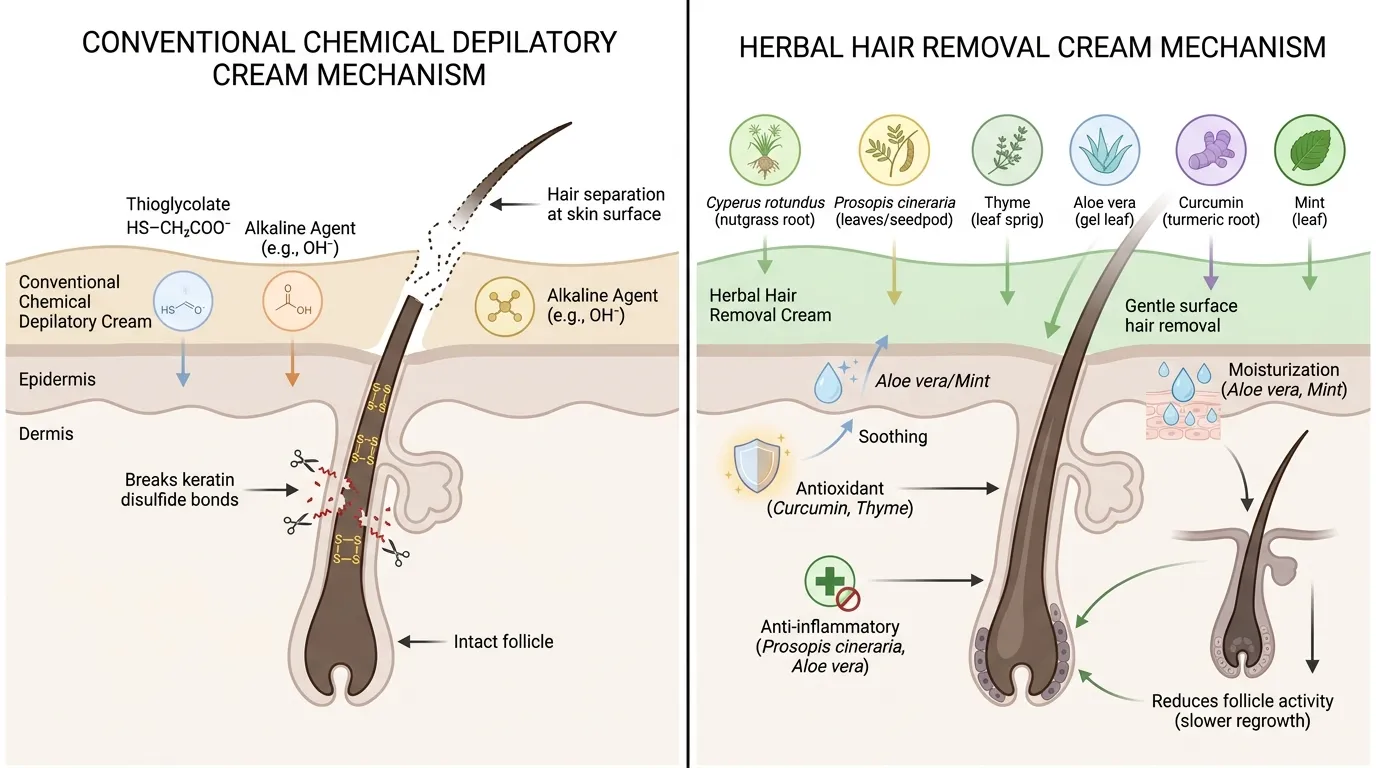
Figure 3: Mechanism of action — conventional chemical depilatory cream versus herbal hair removal cream
Chemical mechanism: Thioglycolic acid acts as the primary component responsible for hair removal in many depilatories creams. This acid attacks the hair's structural integrity by destroying its protein bonds which give it strength. Hair is made up of a protein known as keratin and these protein bonds are what hold hair together. Creams that use thioglycolic acid as their hair removal agent are made under alkaline conditions using sodium hydroxide in order to improve effectiveness of thioglycolic acid. This makes thioglycolic acid penetrate hair easily and make it fragile. In this case, hair becomes soft and swollen making its removal painless from skin. The hair removal action is affected by the concentration of thioglycolic acid in the cream, pH of the cream and application time on skin.35,36
Herbal Mechanism (Hair Growth Inhibition): Long-term hair growth inhibition can be achieved through herbal ingredients such as Cyperus rotundus and Prosopis cineraria. They don't remove hair right away like thioglycolic acid. Studies have demonstrated that Cyperus rotundus can influence the activity of hair roots and slow down the normal hair growth process. Regular use can cause thinner hair and less hair density. These herbal ingredients can also slow down new hair growth and thus increase the time between hair removal sessions. This means that they offer long-term support when used with chemical hair removal agents.37,18
Ideal Characteristics of a Hair Removal Cream
An effective hair removal cream, either based on herbal ingredients, chemical depilatory agents or a combination of both, should have several key attributes that provide for effective hair removal, safety to the skin and acceptability to the consumer.38
Effective Hair Removal: The formulation should remove excess hair efficiently during a short application period of 3 to 10 minutes without any residual hair and bald spots on the skin.38,39
Skin Safety and Compatibility: An excellent depilatory cream should be gentle for the skin without causing any irritation, burning, itching, redness or allergies. Inclusion of herbs like Aloe Vera, Thymus Vulgaris (Thyme) and Curcumin can help reduce any irritation caused due to chemicals by their soothing and antioxidant properties.38,39,40
Sensory Properties: Because of the foul smell of thioglycolate-based depilatories, the formulation should contain some appropriate fragrances that will make the use of the depilatory easier. Ingredients like mint extract and lemon fragrance can play a crucial role in improving the sensory characteristics of the cream.38,39
Acceptable Cosmetic Properties: The depilatory cream should have desirable cosmetic properties with an even consistency which makes application, dispersion and removal with water easy. Excipients such as beeswax and glycerine impart these characteristics to the formulation.39
Formulation Stability: The formulation should exhibit stability in terms of the physical nature, chemical composition and microbial status of the formulation up to its entire shelf life, under appropriate storage conditions.39,41
Appropriate pH: For depilation by using the chemical formulations, optimum alkaline pH of the formulation should be maintained because it aids in the cleavage of keratin disulfide bond necessary for removing hairs. Simultaneously, the pH should be within the controlled limit to prevent any kind of skin irritations and injuries.38,39
Moisturizing and Skin-Calming Effects: The addition of moisturizers and soothers is crucial for decreasing the dryness and irritation following hair removal process. Humectants like glycerine combined with Aloe vera will maintain skin hydration and skin comfort while restoring the protective layer of the skin.39,42
Reduction of Hair Regrowth: As far as herbal-based products are concerned, one more positive characteristic that should be included is the slowing down of hair regrowth process. Plant-based components with proven hair growth suppression effects will slowly decrease hair density and make the hair finer with repeated use.39,16
A combined formulation of fast hair removal with a conventional chemical agent and the protective, moisturising and potential hair growth inhibiting effects of selected herbal extracts could be a balanced formulation providing effective hair removal and improving the skin tolerance and the overall user experience.
8. Advantages and Disadvantages of Herbal Hair Removal Creams
Herbal Hair Removal Creams offer a viable alternative to traditional chemical depilatories and other hair removal methods with a unique set of benefits and some drawbacks.
Advantages
Reduced Skin Irritation and Enhanced Skin Health: Herbal depilatory formulations are generally associated with better skin compatibility as compared to conventional chemical -based depilatories. Bioactive constituents like Aloe vera, thyme (Thymus vulgaris) and curcumin possess moisturising, anti-inflammatory, antioxidant and skin-soothing properties that assist to reduce erythema, irritation, burning sensation and cutaneous dryness, which are commonly induced by chemical depilatory agents. These protective effects help preserve the integrity of the skin barrier and support overall skin health, making herbal formulations a promising alternative for those with sensitive or irritation-prone skin.43,44,16
Natural and Safer Profile: Herbal depilatory creams are gaining popularity as they match the rising consumer demand for plant-based and naturally derived personal care products. The use of botanical ingredients often relates to a better safety profile and less dependence on synthetic chemicals, which in turn increases consumer confidence and product acceptance. Hence, herbal formulations are becoming attractive alternatives to synthetic depilatory creams in the cosmetic and personal care market.45,46,47
Hair Growth Inhibition: Herbal ingredients like Cyperus rotundus and Prosopis cineraria are thought to have hair growth inhibitory properties. This can result in finer hair regrowth, less hair density and longer periods between depilation sessions, providing a more long-term solution than temporary hair removal methods.16,18
Pleasant Sensory Experience: The inclusion of natural fragrances, such as lemon and cooling agents, such as mint, can greatly enhance the sensory experience by covering up the often un-pleasant smell of chemical depilatories and by providing a refreshing sensation.46,47
Multifunctional Benefits: In addition to hair removal, herbal ingredients have other skin care benefits, such as moisturising, antiseptic and wound-healing properties, which help to improve the overall skin health and appearance.43,47
Disadvantages
Slower Action and Variable Efficacy: Herbal preparations might be less effective at the beginning of the depilatory activity, especially on coarse or dense hair and slower compared to conventional chemical depilatories. The hair removal efficacy of these formulations may vary from one preparation to another depending upon the type, quality, standardisation and concentration of the botanicals used in the preparation.48,49
Standardization Challenges: Differences in the plant species, geographical origins, cultivation conditions, harvesting time and extraction techniques can result in differences in the phytochemical compositions of herbal extracts. Such variability may impede standardisation of herbal formulations leading to batch-to-batch variations in the amounts of bioactive constituents which may in turn affect product quality, consistency and depilatory efficacy.48,49,50
Allergic Reactions: In general, herbal ingredients are considered to have a good safety profile but may cause hypersensitivity or allergic reactions in susceptible individuals. Bioactive compounds present in nature may induce skin reactions depending upon individual sensitivity. Therefore, it is advisable to perform a patch test prior to regular use to assess the skin's compatibility. The fact that an ingredient is of natural origin, does not make it non-allergenic.51
Formulation Complexity: One of the important formulation challenges is to prepare a single cream with the combination of multiple herbal extracts having different phytochemical composition and physicochemical properties. The bioactive constituents are kept stable and the unwanted interactions between ingredients are minimised to maintain the integrity, therapeutic performance and shelf life of the product. Therefore, the selection of excipients, formulation parameters and stability evaluation need to be optimised to ensure consistent efficacy and quality of the final herbal depilatory cream.52,50
Cost: The extraction and purification of high-quality herbal extracts can be more expensive than synthesizing chemical ingredients which is ultimately leading to higher product costs for consumers.49
Regulatory Guidelines: The regulatory scenario for herbal cosmetic formulations is ever changing and requires a lot of documentation to prove the quality, safety and efficacy of the product. Specifically, claims regarding hair growth inhibition must be supported by robust scientific evidence through suitable preclinical and clinical evaluations. Therefore, before such products can be marketed commercially, they must be subjected to extensive safety evaluations, efficacy investigations and quality control practices to meet regulatory standards.53,54
Despite these disadvantages, the continuous advancements in phytochemistry and formulation technology are addressing many of these challenges, opening the way for more effective and widely accepted herbal hair removal solutions.54,53,51
9. Limitations and Challenges
Herbal hair removal creams have a lot of therapeutic potential. There are many limitations and obstacles that limit the formulation, clinical use and general commercialisation of these creams. Systematic research and optimisation of formulations are necessary to overcome these problems and to improve their safety, efficacy and marketability.
Efficacy and Speed of Action
One of the primary disadvantages of herbal-based depilatory preparations lies in the delayed action compared to traditional depilatories. In contrast to chemical depilatories, which act immediately by breaking the keratin disulfide bonds, thus making hair removal easier, herbs mostly rely on their action through regulation of hair follicle function and prevention of hair regrowth. Thus, these preparations can fail to satisfy the consumer demands regarding hair removal. The development of a purely herbal formula capable of producing both depilatory and hair regrowth inhibition actions represents an important task.55,11
Standardization and Quality Control
The phytochemical profile of any herbal extract is naturally variable and this may be affected by numerous factors, such as plant type, geographic region, cultivation, harvesting and extraction process among others.56 This presents a considerable obstacle in attempts to standardize the bioactive components and leads to inconsistency in terms of quality, safety and efficacy of the products produced. Thus, the strict quality control processes and standardized extraction procedure are required for successful product performance.56,57,58
Formulation Stability
Integration of various extracts from herbs, each of which is a mixture of many phytochemicals, into an emulsion-based cosmetic product is a challenging process in terms of formulation. Issues such as oxidation, reduction in active ingredients, microbiological contamination and physical instability, such as phase separation and variation in viscosity, can have detrimental effects on the stability of the cosmetic product. Therefore, the preparation of an emulsion-based system that can maintain the integrity and efficacy of the herb-based phytochemicals needs to be done carefully.
Consumer Expectations
The consumer's expectation is one limitation of the use of herbal depilatories as some consumers expect similar levels of effectiveness as well as side effects similar to those associated with chemical hair removal cream or none at all. However, the delayed effectiveness of herbs makes them less suitable for meeting the expectations of the consumer. As such, educating consumers about the unique aspects of how herbal hair removal creams work is necessary.59
In conclusion, there are several limitations in the development of effective and reliable herbal hair removal creams. It is only through scientific research, appropriate formulation strategy, ingredient standardization and quality control that the limitations will be addressed. This is necessary in ensuring the safety, effectiveness and consumer acceptance of the products for commercial purposes.
FUTURE PROSPECTS
The development of herbal hair removal creams will continue to develop rapidly due to further advancements in phytochemistry, nanotechnology and pharmaceutical formulations. Further research into the discovery of new phytoconstituent molecules, delivery mechanisms and formulations can improve the efficiency and safety of these creams. Therefore, herbal hair removal creams have great scope for development in the future as there are various areas of research that can contribute towards their further development and growth.60,61
Enhanced Efficacy and Targeted Delivery
Future research will likely focus on identifying novel herbal extracts with more potent and rapid hair removal or hair growth inhibitory properties. This includes exploring a wider range of traditional medicinal plants and isolating specific active compounds responsible for depilatory effects. Nanotechnology such as liposomal or nanoemulsion delivery systems could be employed to enhance the penetration of active herbal ingredients into the hair follicle, thereby improving efficacy and reducing the required concentration of active compounds. This targeted delivery could lead to faster action and more localized effects, minimizing systemic exposure and potential side effects.62,63
Synergistic Formulations
The development of synergistic formulations utilizing combinations of various herbal extracts or blends of bioactive compounds of herbs along with low concentrations of chemical depilatory compounds can be viewed as an effective method of enhancing the efficiency of hair removal. The concept behind such formulations involves the exploitation of complementary modes of action through the integration of mild keratin disrupters and the use of herbs that inhibit hair follicular function, restrict hair growth and exhibit skin soothing properties. This concept may prove useful in obtaining efficient and fairly quick hair removal along with restricting the growth of new hair.64,65
Personalized Hair Removal Solutions
Innovations in dermatology diagnostics, molecular biology and genetics can contribute to creating custom hair removal creams for patients based on individual patient parameters. In the future, custom hair removal creams will be created taking into consideration particular skin type and hair characteristics including hair thickness, colour, growth speed and individual tolerance. Personalization of hair removal methods can provide an opportunity to improve the efficiency of the procedure, minimize possible negative skin effects and increase overall customer satisfaction.
Integration with Digital Health
The integration of herbal hair removal products with digital technologies has the potential to personalize the management of skincare treatments and improve outcomes of such interventions. Digital platforms and mobile apps will make it possible for the consumer to evaluate their skin and hair growth pattern in order to get individual recommendations for the most appropriate product choice based on the specific skin and hair characteristics. Moreover, these apps will be able to give evidence-based instructions regarding proper application, patch tests, treatment regime and skincare after the depilation procedure, which will help to increase the effectiveness and safety of products usage.
By addressing this, further improvements in phytochemistry, formulation technologies, digital health technologies and sustainable manufacturing processes are expected to facilitate the development of next-generation herbal hair removal creams. Solving the problems associated with current formulations will make these products effective, safe and environmentally friendly alternative to regular depilatory products.
CONCLUSION
Hair removal creams made from herbs constitute a recent breakthrough in cosmetic technology, offering a more favorable option to traditionally used chemical depilatories. The importance of the structural and functional aspects of the skin and hair along with the stages of hair growth cycle has been discussed in this review, forming the biological framework to comprehend the principle of operation of depilatories and hair growth inhibitors. Consumer demand for natural ingredients and plants in their cosmetic products has also contributed to the development of new cosmetic formulations based on traditional plants along with modern pharmacology and cosmetics technologies.
Some of the important ingredients in the herbs which give special advantages in the preparation include Cyperus rotundus, Prosopis cineraria, thyme, Aloe vera, curcumin and mint. While some of these may have hair growth inhibiting effects, the rest of them only offer the advantage of being skin soothing and protectants. They reduce the rough effect of the chemicals used in the depilatories such as the thioglycolic acid through the use of Aloe vera, thyme and curcumin.
Despite the benefits that herbal hair removal creams have, such as a reduced likelihood of skin irritation and other dermatological benefits, the use of these preparations is limited due to difficulties associated with hair removal effectiveness, phytochemical standardization, formulation stability and regulatory approval. Still, the prospects for these preparations look promising due to the current scientific research that focuses on enhancement of the therapeutic effectiveness using advanced drug delivery systems, combination of herbal bioactives, formulation personalization and green production technologies. In addition, well-conducted pre-clinical trials and clinical studies are essential in order to ensure the safety, effectiveness and scientific validity of herbal hair removal creams. Thus, in general, it can be stated that these preparations will become efficient, safe and natural hair removal solutions in the near future.
ACKNOWLEDGEMENT
The authors thank the Management, MVM Group of Institutions and Principal, MVM College of Pharmacy for supporting for the successful completion of the project.
REFERENCES







Ashly Merin George, Dr. Agilandeswari Devarajan, Venkatesh M, Monisha K, Tawseef Ahmad Wani, Zaker Ahmad Mir, Felix Tom Santosh, Herbal-Based Hair Removal Creams: A Comprehensive Review, Int. J. of Pharm. Sci., 2026, Vol 4, Issue 8, 2949-2966, https://doi.org/10.5281/zenodo.22026966
 10.5281/zenodo.22026966