

We use cookies to ensure our website works properly and to personalise your experience. Cookies policy
Shri Venkateshwara College of Pharmacy.
Impurity profiling is an important part of pharmaceutical testing that deals with the identification and estimation of organic, inorganic, and residual solvent impurities in APIs and formulations. Impurities could be formed during the process of synthesis, degradation, and manufacture since APIs and excipients are not always pure. USP, BP, IP, and Japanese Pharmacopoeia lay down stringent limits on impurities in order to ensure the safety of drugs. The limit set by the regulatory bodies is that any impurity that exceeds 0.1% has to be identified; in addition, advanced analytical methods such as HPLC, MS, and NMR can help identify impurities. This paper provides an overview of impurity profiling, including classification, regulatory requirements, and analytical methods. Hence, impurity profiling is necessary in pharmaceutical science.
The term "impurity profiling" refers to a collection of analytical procedures that are used to identify and quantify organic and inorganic contaminants as well as residual solvents in pharmaceutical formulations and bulk drugs. The various pharmacopoeias, including the United States Pharmacopoeia (USP) , British Pharmacopoeia (BP), Indian pharmacopoeia (IP) and the Japanese pharmacopoeia are gradually adding limits to the permissible amounts of impurities in the formulations or APIs. The Active Pharmaceutical Ingredients (APIs) and excipients used to make drugs are almost never 100% pure. This lack of purity is caused by the presence of different parts that come from the synthesis process, the excipients themselves, leftover solvents, or products that break down. These unwanted and unintentional substances are all called impurities. Both regulatory bodies and pharmaceutical companies have a strong demand for the impurity reference standards in addition to the API reference standards. One of the most significant areas of activity in modern pharmaceutical analysis is the estimation of impurity profiles in drug substances and related materials. For the following reasons, it is generally recommended to identify any impurities that are present in excess of 0.1%. An impurity profile is a list of the known and unknown impurities that are usually found in a batch of API made using a certain controlled production process. It is one of the most important areas of work in modern industrial pharmaceutical analysis. The primary reasons for the growing interest of pharmaceutical companies and drug registration authorities in the impurity profiles of bulk drug substances. Mass spectroscopy (MS), nuclear magnetic spectroscopy (NMR), and high-performance liquid chromatography (HPLC) are some of the different instrumental
methods that can be used to find and separate impurities and degradation products in a process. These methods have been used to make a summary of the problems and the different options that modern analytical chemistry offers.
REGULATORY GUIDELINES ON IMPURITIES IN AN APIs[1,4,5]:
It is important to keep an eye on contaminants in pharmaceutical products for moral, financial, competitive, safety, and effectiveness reasons. It is important to find and control impurities carefully because they can affect the quality and effectiveness of medications. But even in the pharmaceutical industry, people may have different ideas about what it means to monitor and control impurities. The US FDA follows the guidelines set by the International Council for Harmonization of Technical Requirements for Pharmaceuticals for Human Use to make sure that standards are always the same. These rules were made by people who work in business and government in the US and EU. They help regulatory reviewers correctly understand and apply pharmaceutical rules, and they help make sure that NDA and ANDA applications all have the same data submission requirements. The various regulatory guidelines regarding impurities are as follows.
The main objective of the Q3A (R2) guideline is to provide guidance for registration applications concerning the qualification and impurity content of new pharmacological compounds produced via chemical synthesis. Biological/biotechnological, peptide, oligonucleotide, radiopharmaceutical, fermentation products and semi-synthetic goods produced from them, herbal products, and crude items originating from plants or animals are not covered by this guideline. API impurity classification and identification, impurity listing in specifications (see also ICH Q6A, ICH Q6B), and relevant analytical procedures.
In a similar vein, ICH Q3B provides guidelines regarding the type, categorization, and number of contaminants in novel pharmaceuticals. ICH Q3B and ICH Q3A have comparable scopes. During manufacturing or storage, impurities (or degradation products) appear in newly developed pharmaceutical medications .These are typically the API's breakdown products or reaction products with a processing aid, an excipient (or an impurity inside an excipient), or the main packaging materials that are used immediately.
The Q3B (R2) guideline's primary goal is to suggest appropriate levels of residual solvents in medications for patient safety. The goal of providing acceptable residual solvent levels is to describe levels of residual solvents that are toxicologically acceptable in pharmaceutical products and to suggest the use of less toxic solvents.
The Q3D guideline's primary goal pertains both new and completed pharmaceutical products containing current pharmaceutical ingredients. purified proteins and polypeptides found in pharmaceutical products. Herbal products, radiopharmaceuticals, vaccines, cell metabolites, DNA products, allergenic extracts, cells, whole blood, cellular blood components, and blood derivatives are not covered by this rule . Alternatively, elemental impurities can appear as API or drug product impurities, such as leachable from primary or secondary processing equipment or packaging materials, drug product impurities in excipients, or API impurities in the active ingredient of a medication.
The US Department of Health and Human Services' U.S. Food and Drug Administration (FDA or USFDA) is in charge of regulating and overseeing the safety of pharmaceuticals, food supplements, vaccines, biological medical products, blood products, medical equipment, radiation-emitting devices, vertinary supplies and cosmetics.
The USFDAs impurity profiling guidelines are listed below:
Q3A: Impurities in novel drug substances
Q3B(R2) ANDAs: Drug substance impurities in new drug products.
ANDAs: Drug product impurities.
CLASSIFICATION OF IMPURITIES [5-10]:
Organic impurities are generated during the manufacturing process or storage of drug substance. These impurities mainly arise due to incomplete reaction, side reaction or degradation.
a) Starting material/intermediate impurities;
In multistep synthesis, impurities can form from unreacted starting material, reaction intermediates, by-products formed during chemical reaction. Proper control is essential, as these impurities may remain in the final product.
Example; while preparing aspirin, salicylic acid is treated with acetic anhydride, aspirin is obtained. If the reaction is incomplete, unreacted salicylic acid remains as a starting material impurity.
b) By-products:
In organic chemistry, rarely produce a fully pure product. By product generation can occur from or variety of side reaction such as incomplete reaction, rearrangement, dimerization, overreactions, isomerisation and unwanted interactions between starting materials.
Example: In the synthesis of paracetamol, diacetylated paracetamol can form as a by-product.
c) Degradation product:
Degradation product are impurities that form when a substance becomes chemically unstable during synthesis, storage or formulation. These changes may occur due to environment factors such as light, temperature and PH. For Chemically, degradation can happen through different process such as hydrolysis, oxidation, photolysis and thermal decomposition.
Example: β-lactam antibiotics such as penicillin’s and cephalosporins are highly prone to degradation . [5]
In the formulation of bulk medication, the impurities are also obtained during the manufacturing process and are generally known and identifiable.[6]
a) Reagents, Catalysts and ligands:
These impurities are rare and usually arise from material s used during synthesis. In certain cases, substance like pyridinium may act as catalyst but can persist as impurities in drug products.
Example: During Synthesis involving mazipredone and pyridine.[7]
b) Heavy Metals:
Heavy Metals can enter the manufacturing process mainly through water and reaction media. Heavy metals such as Ag, Cd, Na, Mn and Mg. These impurities can be removed by the use of demineralized water, reverse osmosis techniques that produces mineral free water.[5]
c) Other Materials (such as Charcoal, Filter aids etc.):.
Filters and filtering aids are commonly used in bulk drug manufacturing. Sometimes, activated charcoal is also used, but it can introduce impurities. Hence , regular monitoring of fibers and black particles is important to prevent contamination.[8]
Residual solvents are volatile organic chemicals used during formulation, which may remain in small amounts in the final product. Even a small amount of unwanted chemical can affect the safety and efficacy of drug products. [9]
According to ICH guidelines, they are classified into:
Class I solvents: Due to their intolerable toxic, these solvents should not be used in pharmaceutical substance and their use should be strictly limited
Class II solvents: Due to their inherent toxic, pharmaceutical product should limit the use of solvents and controlled by Permissible Daily Exposure (PDE) value.
Class III solvents: These solvents have low toxic potential and do not have any serious health hazard.[10]
Table 1: classification of residual solvent based on toxicity.
|
Class |
Toxicity level |
Description |
Solvents and Permissible limit (ppm) |
|
Class I |
High |
Highly toxic, carcinogenic or environmentally hazardous solvents. Should be avoided or used only in exception cases. |
Benzene (2ppm), Carbon tetrachloride (4ppm), Methanol (3000ppm), Toluene (890ppm), pyridine(200ppm). |
|
Class II |
Moderate |
Moderately toxic, generally non-genotoxic but may show carcinogenic or neurotoxic effects. Use is limited and controlled by PDE value. |
N, Dimethylformamide(880ppm), Acetonitrile(410ppm). |
|
Class III |
Low |
Low toxic potential solvents with minimal risk to human health. These solvents have permitted daily exposure of up to 50mg/day or 5000ppm. |
Acetic acid, ethanol, acetone(50mg). |
SOURCES OF IMPURITIES [11,12]:
INTRODUCTION:
Unwanted materials that may be found in active pharmaceutical ingredient or final formulation are known as impurities in pharmaceutical product. This contamination may affect a medication stability, efficacy, safety. As a result, pharmaceutical development and quality control depend heavily on their identification, control and monitoring.
The crystallization process which is frequently employed in the production of pharmaceutical, can be result in impurities. Many medications can be existed in several crystalline forms known as polymorphs in which the molecular arrangement varies but the chemical composition stays the same. Important characteristic like stability and solubility may be impacted by these variations. Solvent molecules integrate into the crystal structure during the solvato morphism, changing its composition. Differences in crystal form and overall product quality can result from variations in crystallization condition, such as temperature, cooling rate and impurity presence
Some medications are chiral molecules, which have two enantiomers-mirror images. These forms they exhibit different biological effects despite chemically identical. Often only one enantiomer has the intended therapeutic effect, the others may be detrimental or less effective. As a result, the undesirable enantiomer is regarded as an impurity and need to be carefully managed.
Volatile organic compounds used in manufacturing process that might still be present in the finished are known as residual solvents. If these solvents are present in excess of permissible limits, they may be harmful to health and do not contribute to therapeutic activity. They are divided into following categories according to toxicity:
Class 1: Extremely dangerous and best avoided
Class 2: Moderately toxic and needs to be controlled
Class 3: Generally regarded as safe in small amounts, with low toxicity
These solvents are frequently found and measured using methods like gas chromatography. Byproducts and synthetic intermediates; impurities can come from raw materials, intermediates or side reactions during synthesis of drug. Unwanted byproducts from incomplete or completely reactions may end up in the finished products. Furthermore, the purity of the medication may be impacted by contaminants in the starting material that persist throughout the synthesis process.
When the medications are mixed with the excipients during formulations impurities may also arise. These elements may interact with drugs active ingredients causing it to degrade or form undesirable byproducts. Solutions and suspensions are example of liquid formulations that are especially suspectable to chemical instability in hydrolysis, microbiological contamination stability is largely depended on factors such as ph., moisture and ingredient compatibility.
Environmental factors like heat, light, humidity and oxygen exposure can cause pharmaceutical product to deteriorate over time. Degradation products may arise as a result of these factors. In order to ensure that the medication is safe and effective for the duration of its intended shelf life, stability studies are carried out.
The manufacturing or process technique employed result in the introduction of certain impurities. For example, exposure to higher temperatures during sterilization may cause the drug to undergo chemical reaction that result in formation of impurities. Process may variable like temperature, pressure and pH have a significant effect on this contamination.
Ingredients may interact with one another in multicomponent formulation, leading to degradation or instability. This is particularly prevalent in vitamin rich formulations. Overtime, these interactions can lessen the drugs potency even though they may not always result in toxic substances.
Drug molecules with specific functional groups are more vulnerable to degradation reaction, such as hydrolysis is frequent in medication that contain esters. Compounds with reactive groups, like double bond or aromatic ring, or impact by oxidation. Degradation brought on by exposure to light is called photolysis. Decarboxylation is the process of taking carbon dioxide out of carboxylic acid. Drug stability and therapeutic efficacy may be greatly impacted by these reactions.
Substance leached from packaging material and left over metals from synthesis catalyst are examples of inorganic contamination. Example consist of; trace metal from production procedure chemical emitted from rubber or glass container because of their possible negative effects these impurities are tightly regulated.
STEREOCHEMISTRY-RELATED IMPURITIES [13,14]:
Stereochemistry is mostly about how atoms are arranged in the three dimensions inside a molecule. Sometimes, compound have some chemical structure, but their atoms are arranged differently in space. These are called stereoisomers, and even small changes in their shape can change how the drugs work in the body. Chirality is an important idea here. A molecule is chiral when a carbon atom is connected to four different groups, making two mirror image forms enantiomers. These mirror image may look the same, but they don’t line up perfectly, just like your left and right hands. Even though they have the same chemical formula, they can work in very different ways in the body, either be harmful or helpful. In the pharmaceutical sector, the distinction is vital. Usually only one enantiomer yields the desired outcome; the other may be less effective or even hazardous. As a result, the unwanted form is considered an impurity. Controlling such impurity becomes more challenging as the number of chiral centers in a molecule increases. Stereochemistry can arise in a variety of ways, including chiral centers, axial or planar arrangement, helical structure, and even rotation around bonds. All of this variation can have an impact on how a drug interact with the body. Regulatory agencies now place a high premium on controlling these pollutants. Many modern drugs are produced as single enantiomers to guarantee increased effectiveness and fewer side effects. Some well-known examples are levalbuterol, esomeprazole and levofloxacin. In short, even a small change in the three-dimensional structure of a molecule can have a big effect on how safe and effective a drug is. For this reason, pharmaceutics products that contain stereochemistry related contaminants need to be watched and controlled very carefully. As research continues, learning about stereochemistry will likely lead to even more creative ways to make drugs.
QUALIFICATION[15,16]:
Qualification is the method refers to the process of collecting and evaluating data to confirm the biological safety of a specific impurity present in a drug substance. The level of impurities is found in a drug substance/drug product that has be thoroughly tested for safety or clinical trials are usually regarded as qualified. Impurities that are also major metabolites observed in animal or human studies are usually taken as qualified. In most situations, the need for impurity qualification studies depends not only on the daily dose but also on factors like route of administration, type of patients, duration of administration. It is usually both to reduce the impurity level below the specified threshold instead of conducting additional safety studies. These studies may include tests for genetic toxicity and general toxicity over different duration, depending on the nature of the impurity. If sufficient safety data are already available in scientific literature, the further testing may not be necessary and the impurity can be considered qualified. In addition, computational approaches such as, QSAR models can also be used to predict the toxicity of impurities and support in vitro genotoxicity by studies.
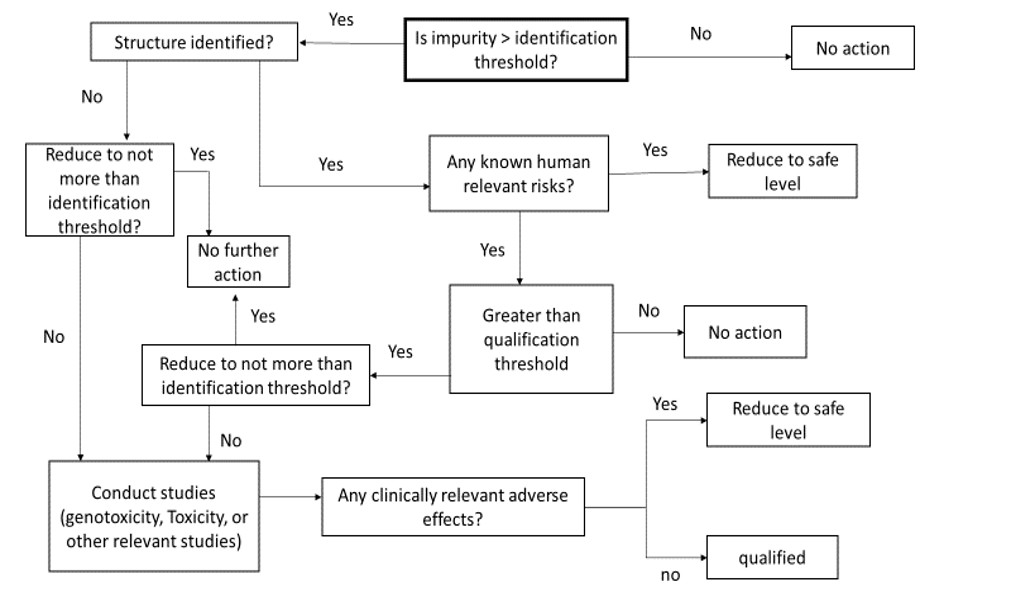
Figure.1 Decision Tree for Qualification of Impurities
VALIDATION OF IMPURITY PROFILING METHODS[17]:
The validation process involves confirming that a developed method works through laboratory studies, procedures and systems and gives accurate and reliable results within a specific range for its intended purpose. Validation means “ the process of providing documented evidence that the method perform exactly as it is intended to do” ,by United State Pharmacopeia.
Validation parameters:
1. Linearity:
Linearity refers to the ability of the analytical method to give results that are directly proportional to the concentration of the analyte present in the sample.
2. Specificity:
Specificity is the ability a method to accurately identify the presence of other components like excipient , degradation products etc. In High performance liquid chromatography (HPLC) identification test, peak purity evaluation is used to check the homogeneity of the peak which corresponds only to the analyte of interest
3. Calibration Model:
Selecting an appropriate calibration model is essential for reliable quantification of components. This involves sample analysis and plotting of analytical response against the corresponding concentration.
4. Precision and repeatability:
Repeatability means the closeness of agreement between multiple measurement under the same condition over a short time interval. It can be evaluated by analysing at least six replicates of a sample solution prepared at the 100% test concentration. The repeatability is also termed intra-assay precision and within day precision.
5. Intermediate precision:
Intermediate precision is performed to evaluate within-laboratory variations such as different analyte, different days and different equipment’s. It is also called between-day, between-run or inter-assay precision .
6. Reproducibility:
Reproducibility measures the consistency of results when the same method is used in different laboratories and it is usually applied to standardization of methodology.
7. Limit of Detection (LOD):
According to the ICH, LOD is the lowest concentration/amount of an analyte in a sample that can be detected but not necessarily quantified as an exact value. The LOD does not depend only on the analytical procedure , but also on the type of instrumentation used
8. Limit of quantification (LOQ)
LOQ is the lowest concentration/amount of an analyte in a sample that can be quantitatively determined with acceptable precision and accuracy. The quantification limit is mainly used for the determination of impurities and degradation products.
9. Robustness:
The Robustness is the measures of the analytical method to remain unaffected by small, deliberate changes in conditions such as mobile phase composition, temperature and PH value etc. It is especially useful during the method development/ pre-validation stages.
IDENTIFICATION TEST IN IMPURITY PROFILING[19-24]:
It is also known as liquid chromatography. HPLC is the best way to find out what impurities are in drugs. HPLC is different from other types of LC because it uses packing material made up of small, even particles. The small size of the particles gives the columns too much efficiency, which causes a high pressure drop across the columns. To get the desired flow rates, more pressure must be used. HPLC has many advantages for analysis, including high resolving power, fast separation, consistent results, and the ability to automate data handling and analytical procedures. With current trends in HPLC detection systems, new methods can be used based on what is needed. For example, Evaporating Light Scattering Detection and Refractive Index are both good for compounds with weak chromophores.HPLC has different kinds of stationary phases, a pump that moves the mobile phase, and a detector that tells you things about the compound, like its API and impurities. It is helpful to check the starting material for the API and look for possible contaminants. Instead of letting the solvent flow naturally down the column, it is pushed through at high pressures of up to 5000 psi. Because of this, column separation happens much faster and in a way that can be repeated. The use of many different types of detectors, such as UV, refractive index, fluorescence, electrochemical, MS, NMR, and others, has made this technology much more useful.
Thin-Layer Chromatography is a simple and cheap way to separate mixtures and figure out how pure a synthesized compound is or how far along a chemical reaction has come. Thin layer chromatography is a way to find different parts, even in very small amounts. This technique has been utilized to develop a stability-indicating analytical method. Its drawbacks are that it is variable and can't be measured. It is possible to make the simplest and easiest choice all at once. It can be used as a quantitative method, along with HPLC with densitometric detection (HPTLC), for difficult substances to do a different type of chromatography analysis because they have no chromophore. The foundation of TLC-based detection lies in the interaction of its components, serving as a detection tool. It is a useful method for separating compounds that works on the principle of adsorption. For separation, silica gel plates are usually the best choice. UV is the most common way to find things. To get the desired material out, the adsorbent from the plates is scraped off, and then the right solvents are used to get it out. TLC is used to find out what parts are in plants.
According to the theory of partition chromatography, column chromatography separates the parts of a sample as it moves through the stationary phase and is affected by the mobile phase. A lot of parts come out based on how much they like the mobile phase. different rates from the column when gravity is applied, which leads to effective division. Sadly, the solvent moves very slowly through the column, which is a bad thing. The best thing about column chromatography is that it can usually be sized to fit the job at hand. This is especially helpful if you want to separate and clean a reaction mixture, like when you're doing a series of reactions. The downside is that the column might take a while to load correctly. put together and use. According to the theory of partition chromatography, column chromatography separates the parts of a sample as it moves through the stationary phase and is affected by the mobile phase. A lot of parts come out based on how much they like the mobile phase. different rates from the column when gravity is applied, which leads to effective division. Sadly, the solvent moves very slowly through the column, which is a bad thing. The best thing about column chromatography is that it can usually be sized to fit the job at hand. This is especially helpful if you want to separate and clean a reaction mixture, like when you're doing a series of reactions.
Mass spectroscopy has been an important tool for a long time for finding contaminants in medicines that are wanted. The design that makes it work with separation methods has recently made it more effective. They provide opportunities to identify, measure, and keep track of the desirable pharmacological components in APIs and different formulations. It has many benefits, such as the ability to tell isotopes apart, the need for a small sample size, the quickness of the results, and the ability to use MS with IR or CC or run them together to find proteins. MS gives us information about the composition, but not about the structure. Even so, the information is still useful and often easy to spot. Over the past few decades, mass spectrometry (MS) has become an essential tool for identifying contaminants in pharmaceutical products. To make it possible to interact directly with separation techniques, new interfaces with cutting-edge design and better performance are being made. Mass spectroscopy has become more and more important in the last few decades for drug development. Improvements in interface design and efficiency are directly linked to Mass spectrometry (MS) separation techniques for monitoring, characterizing, optimizing, and quantifying active pharmaceutical compounds in pharmaceutical products or drugs have been reaffirmed. If one method doesn't give the right selectivity, you can use a combination of different chromatographic methods, like high-performance liquid chromatography (HPLC) and HPLC with capillary electrophoresis (HPLC) for rich spectroscopy, like HPLC-NMR. Gives information about the analysis. or HPLC-MS, which can be a one-of-a-kind way to check the quality of finished goods.
NMR is a more complete spectroscopic technique than IR. NMR is mostly used to study hydrogen and carbon nuclei. It tells you about the different kinds of magnetically distinct atoms that are being studied. Combining IR and NMR data is often enough to figure out the entire shape of a molecule. NMR is a useful and theoretically difficult analytical tool that lets you study compounds in both solution and solid form. It can be used for both structural and quantitative analysis. NMR's ability to give information about the specific bonding structure and stereochemistry of a molecule has made it very useful. Recent technological advancements in magnetic resonance have facilitated substantial enhancements in sensitivity levels. This becomes primarily essential in the structural characterization of drug impurities and degradants, which are frequently found only in very limited amounts. NMR spectroscopy is a useful tool because it doesn't damage or hurt anything. The identification of trace impurities and degradation products. Also, NMR can be thought of as a "universal detector." In NMR, quantitation is precise across a dynamic range of approximately 4 orders of magnitude. Although it is not as specific as that of other analytical instruments, particularly at lower ranges, it holds significant value in impurity profiling. The capacity to quantify We used standard mixtures of real materials that had both monomers and dimers to show that NMR-based diffusion coefficients could tell the difference between non-numeric and dimeric substances. It is unfortunate that NMR has historically been employed as a less sensitive technique relative to other analytical methods. For NMR analysis of drugs, a typical sample size is 10 mg, while for mass spectrometry, it is less than 1 mg.
When a substance is heated or compressed above its critical point, it becomes a supercritical fluid. This means that it can diffuse through solids like a gas and dissolve solids like a liquid. Because its critical temperature is so low (31.1°C), carbon dioxide is the best and most effective solvent for unstable chemicals. Unlike HPLC, it can be used with analytes that are not volatile or thermally stable, work with the universal flame ionization detector, and make peaks that are narrower because the analytes diffuse quickly. The benefits of SFC have not been enough to replace the widely used HPLC and GC in practice, except in a few cases, such as chiral separations and the analysis of high molecular-weight hydrocarbons. Recent research has shown that SFC can be used to separate impurities in pharmaceuticals. Researchers looked into using SFC as a way to find drug impurities in order to set up the starting conditions for developing a method to find drug impurities. A group of different stationary phases was tested at the same time. The ability to choose a group of different columns based on the retention factors (k-values) for 64 drugs was tested on 27 columns. The juxtaposition of ultra-high-performance techniques in liquid chromatography and supercritical fluid chromatography integrated with electrospray ionization-mass spectrometry for impurity profiling of drug candidates has been documented.
Gas chromatography is a very important method for measuring things. It can give you the right resolution, selectivity, and ease of quantitation. The main problem is that the sample must be volatile or made volatile through derivatization. This method works very well for organic volatile impurities. Timing APIs is important for finding contaminants, especially those that are unstable in the air and stable in heat. It can be used as a limit test for volatile substances that aren't supposed to be there, like solvent residue in drug compounds. It is also used to describe the raw materials needed to make drugs. Some of the benefits of GC are shorter run times, more samples per run, cheaper columns, and a better signal-to-noise ratio. But there are some problems, like how careful you have to be when using the instrument. Gas chromatography is only appropriate for situations where the compounds can be vaporized without breaking down and at a temperature that doesn't damage the column packing. The samples must be thermally stable so that they don't break when heated. It cannot be used to make samples for further testing once it has been separated. When injecting the sample, the following problems could happen: It is hard to accurately measure and inject such small samples (about 0.3 l) without the sample evaporating, for example. A leak in the rubber seal used to inject the sample could cause the sample to be lost. Small pieces of rubber septum may stick to the column and make "ghost peaks." To stop the sample from turning into vapor, it might be injected directly into the heated part of the injector. GC can be just as accurate and precise as HPLC when used with an internal standard.
FORMULATION RELATED IMPURITIES [26,27]:
Number of impurities found in the drug product could be attributed to the inert excipients which are used in formulating the drug substance. In the course of formulating the drug, the drug substance undergoes several stages where it might degrade or react adversely in other ways. Both solutions and suspensions are subject to degradation through hydrolysis. Environmental conditions that it may have to survive. Hydrolysis has the capability of breaking down suspending and dissolving mediums. The addition of water into the mixture can be harmful because it can add pollutants to the environment and also aid in hydrolysis and catalysis. There are other solvents that may affect the system. The water used for the formulation of the drug not only brings along some impurities but also presents an ideal condition for hydrolysis and catalysis. This could happen in any solvent used in the formulation. The impurities arising from the formulation include:
ENVIRONMENTAL RELATED IMPURITIES
The primary environmental factors that can reduce stability include the following
I. Exposures to adverse temperatures
II. Light-especially UV light
III. Humidity
DOSAGE FORM RELATED IMPURITIES
I. Mutual interaction amongst ingredients
II. Functional group- related typical degradation
Method related: The presence of an identified impurity in the manufacture of a parenteral formulation of diclofenac sodium if it undergoes autoclaving for terminal sterilization. Under the condition of the autoclaving technique (i.e., 123+2°C), it was possible to achieve the intramolecular cyclic reaction to form the indolinone derivative and sodium hydroxide of diclofenac sodium. The production of this impurity is dependent on the initial pH of the solution in the formulation. The level of impurity in the formulation in the ampoule is higher than the maximum limit of impurities in the API according to the BP.
Environmental related: Environmental agents that can cause instability include the following:
Exposure to adverse temperatures: There are many API’s that can become unstable when exposed to high or tropical temperatures. For instance, vitamins that can be used as drugs are extremely sensitive to heat and often experience reduced potencies due to heat degradation.
Light -especially UV light: Some research has indicated that ergometrine and methyl ergometrine injections are unstable under tropical conditions including light and heat and low levels of active ingredients were detected in the field samples. In 50% of the commercially available samples of ergometrine injection examined, the amount of active substance was within the limits specified by BP/USP, that is, in the range of 90-110% of the labeled amount. The custom manufactured injection of ergometrine (0.2mg/mL) was completely degraded after being stored for 42 hours in bright sunlight.
Humidity: Hygroscopic medicines can be adversely affected by moisture both in powder form and in tablet form. Aspirin and ranitidine are good examples of such drugs.
Dosage form dependent: Even when the pharmaceutical companies carry out the pre formulation studies and stability studies prior to commercialization of these medicines, sometimes factors in the dosage form itself lead to drug instability and consequently, the companies have to withdraw their medicines from the market. Growth of bacteria, fungi and yeast in a warm and moist environment could cause liquid oral formulations to be unfit for human consumption due to microbiological contamination. Contamination by microorganisms in the shelf-life and consumer life of multi dose preparations could occur due to improper use of some preservatives or permeability of primary packages
CURRENT CHALLENGES IN IMPURITY PROFILING [25]:
A number of difficulties concerning the impurities present in metronidazole and paracetamol pose significant problems in assuring their quality during their lifecycles as drugs. Difficulties affecting both firms and regulators include supply-chain, regulatory, and analytical problems which can be quite daunting.
1. Emergence of Impurities and Their Detection
The fact that impurities can appear in various stages of pharmaceutical drug manufacturing makes their control an immense challenge. The potential sources of impurities may range from starting material, synthetic intermediates, by-products, degradants, interactions between the drug substance and packaging material, among others. Research conducted on metronidazole shows that the impurity profile varies depending on the API sample and sometimes, unknown impurities have been detected in spite of total impurities being within the limits required. The difference could be because of varied synthesis processes or purification processes during production of the drug substance. A major concern regarding the impurity profile is identifying and detecting novel impurities. Despite analytical tools being usually developed for known impurities, failure to detect newly formed degradants or process-related impurities poses a challenge. The limitations necessitate the use of comprehensive analytical methods including forced degradation studies to discover new impurities.
2. Method Sensitivity and Regulatory Deficiencies:
The analytical methods continue to face the challenge of the increasing demand for method sensitivity in terms of impurity identification, especially in terms of genotoxic impurities, which may pose harm even in very minute concentrations. Despite improved technology in the field, it continues to be quite difficult, not to mention costly, to develop methods that can measure impurities at the ppm level or even the ppb level. There is also the problem of regulatory deficiencies where quality control measures might not be followed or might be lacking in some aspects, depending on certain factors. In terms of water monitoring with regards to pharmaceutical impurities, for example, the maximum allowable amounts for certain pharmaceutical chemicals are not defined by Brazilian water quality regulations. Developing countries suffering from infrastructural and financial constraints are particularly affected by poor quality pharmaceutical products with undesirable levels of impurities.
3. Supply Chain & Manufacturing Complications:
Due to globalization of the pharmaceutical supply chain, the problems associated with controlling the impurities become even more apparent. The impurities have exceeded allowable levels due to improper manufacturing practices in the manufacturing plants that manufacture active pharmaceutical ingredients. Moreover, the issue is further aggravated if any intentional reduction in costs occurs or if any lack of quality control exists. The issue becomes even more acute in unregulated areas where it becomes difficult to differentiate between intentionally produced fake drugs and substandard ones. There are a number of instances during production where contamination with impurities can occur since both the metronidazole and paracetamol compounds are manufactured using relatively sophisticated techniques. Using different reagents, solvents and catalysts during manufacture may lead to the inclusion of trace elements of these substances in the drugs. There may also be instances of deterioration in the two drugs due to improper storage conditions. Metronidazole, being a nitroimidazole derivative, is easily photochemically degraded, while paracetamol may deteriorate into other compounds.
RECENT TRENDS IN IMPURITY PROFILING [25]:
Impurity profiling is constantly evolving because of advancements in technology, increasing regulations, and improved quality standards. In the coming years, there will be some new methods developed which will help improve the prediction, detection, and control of impurities, particularly in pharmaceuticals like metronidazole and paracetamol.
1. Modeling and Predictive Impurities Profiling Approaches:
In the years to come, impurities profiling is expected to become more dependent on advanced modeling and prediction approaches. Modeling techniques like Bayesian Monte Carlo modeling have proven to be quite helpful in enhancing the accuracy and reliability of analyses. On the other hand, the use of AI and ML will facilitate predicting impurities by considering aspects such as the structure of chemicals, synthesis processes, and production environment. The notion referred to as predictive impurities profiling makes it easier to predict potential impurities and their effects, which can be evaluated by comparing with previously studied harmful substances.
2. Improvements in Analytical Technologies:
The constant improvement in analytical tools will improve the detection of impurities. Analytical technologies such as 2D-chromatography, ion mobility spectrometry, and high-resolution mass spectrometry will offer enhanced sensitivity and accuracy. Process analytical technology will be employed for the real-time detection of impurities during production, hence providing real-time solutions rather than postproduction corrections. Finally, the adoption of hyphenated analytical methods such as LC-HRMS will increase. Hyphenated analytical methods incorporate separation and detection technologies, thereby enhancing the identification of unknown impurities. The approach will be useful for complex drug products such as metronidazole and paracetamol.
3. Green Analytical Chemistry and Sustainability:
There has been a trend toward creating analytical techniques that are more environmentally sustainable. In future times, such analytical procedures will seek to minimize the consumption of solvents, energy usage, and waste creation. The use of TLC densitometric methods is seen as an environmentally sustainable alternative to traditional HPLC techniques. Furthermore, the application of green chemistry in drug synthesis will help minimize impurities from the start.
4. Regulatory Science and Global Harmonization:
Future regulatory science will see an effort towards increased globalization, which means less divergence in pharmacopeias and regional guidelines. Greater coordination between regulatory bodies will aid this endeavor. A risk-based approach to controlling impurities will take center stage, with a particular emphasis on classifying impurities according to their likelihood to affect the patient's safety, particularly genotoxic impurities. Scientific progress in the field of analysis and toxicology will result in stricter requirements for impurity identification and characterization. The regulatory authorities will also advocate for the application of a lifecycle approach, which is a continuous process of improving quality rather than validating it at one point. Increasing concern about the possible contamination of drinking water by drugs will increase attention to environmental impurities.
APPLICATION[28]:
Many applications are used for drug designing and for monitoring the quality, stability and safety of pharmaceutical compounds. These compounds are made either synthetically or naturally, using natural sources or recombinant techniques.
The applications include:
Alkaloids, amines, amino acids, analgesics, antimicrobials, anticonvulsants, antidepressant, tranquillizers, antineoplastic drugs, macromolecules, steroids etc.
CONCLUSION:
Impurity profiling is crucial in maintaining the quality and effectiveness of medicines. By employing effective analytical technologies and stringent guidelines, it is possible to efficiently manage impurities within drugs. Although there have been some hurdles in detecting low-level impurities as well as the challenges posed by globalization, new technologies are being developed to help in managing impurities within drugs. In general, it is important to adopt a systematic method of dealing with impurity profiling.
REFERENCES


Kanmani S, Swetha P, Yashica C, Varshya M, Impurity Profiling in Pharmaceuticals: An Overview, Int. J. of Pharm. Sci., 2026, Vol 4, Issue 6, 3673-3689. https://doi.org/10.5281/zenodo.20703996
 10.5281/zenodo.20703996