

We use cookies to ensure our website works properly and to personalise your experience. Cookies policy
Department of Pharmacology, St. Soldier Institute of Pharmacy, Lidhran Campus, Behind NIT (R.E.C.), Jalandhar –Amritsar by pass, NH-1, Jalandhar -144011, Punjab, India.
Objectives: To evaluate Antidepressant Activity of Ethanolic extracts of Piper betel Leaves in albino mice by using Forced swimming test (FST) and locomotors activity (Actophotometer) parameters. Method: Healthy, adult albino Swiss mice of either sex weighing (25-40 g), maintained under standard laboratory conditions, at temperature 250C ± 2°C and a 12 hr light-12 hr dark period will be employed for the experimentation. Food and water provided ad libitum. Results: Using the Tail Suspension test (TST) and locomotors parameters, both dosages of ethanolic extracts of Piper betel leaves demonstrated substantial findings as an antidepressant effect. Conclusion: In summary, we tested the antidepressant effects of an ethanolic extract of Piper betel leaves in this investigation. When given orally to albino Swiss mice, the doses were 300 and 600 mg/kg, respectively. Using the Tail Suspension test (TST) and locomotors parameters, both dosages of ethanolic extracts of Piper betel leaves demonstrated substantial findings as an antidepressant effect. This study's findings lend credence to the plants' traditional medicinal uses and point to the possibility that some of the plants' extracts have antidepressant chemicals that might be included into novel medications to treat neuropsychiatric disorders brought on by a wide range of causes. Additional pharmacological testing can be conducted on the most active extracts by isolating the therapeutic antidepressant.
Depression is a mood disorder that causes long-lasting sadness and loss of interest in daily activities. Depression can affect a person’s thoughts, feelings, behavior, motivation, and overall well-being. Common symptoms include sadness, difficulty concentrating, changes in appetite, and sleeping too much or too little. People with depression may also feel hopeless, helpless, or worthless, and in severe cases, may have suicidal thoughts. It can either be short-term or long-term.1
By influencing the brain's chemical imbalances of neurotransmitters, antidepressants help alleviate symptoms of depressive illnesses. Reuptake is the process by which neurotransmitters like serotonin, dopamine, noradrenalin, or epinephrine are taken in from the exonic end of one nerve and released into the other.2
Although synthetic antidepressant medicines are commonly used to treat depression, they may cause unwanted side effects such as dry mouth, tiredness, stomach problems, anxiety, drowsiness, and heart rhythm problems. They may also interact with other medicines. Therefore, medicinal plants are being explored as a possible alternative or supportive treatment for depression3.
Betel leaf (Piper betel) is an evergreen, perennial climbing plant with shiny, heart-shaped leaves and white flowers. It belongs to the Piperaceae family and mainly grows in tropical and subtropical regions.4
Many research investigations to date have given a lot of potential information about Piper betel and its activity, such as anti-malarial activity, anti-bacterial activity, anti-fungal activity, insecticidal activity, antioxidant activity, anti-diabetic activity, gastroprotective activity, anti-nociceptive activity, cytotoxic activity, anti-platelet, etc. 5
Among the many mental health issues that can impact anyone at any point in their lives, depression disproportionately impacts women. The effects on one's day-to-day existence, career, relationships, and overall quality of life can be substantial, and it can happen anywhere in the world.[9] Researchers from all over the globe have looked at the depression epidemiology. Epidemiology has proven that depression is a leading cause of illness globally. The United States has a lifetime prevalence estimate of 17% and Japan has a rate of 3%. Depression is more common in the Americas, South Asia, the Middle East, and North Africa compared to other regions, according to epidemiological data[10]. The amount of individuals who would experience depression at some point in their life fell within the 8-12% range in the majority of the 10 nations that were examined.[11-12]
Within a year, 3-5% of males and 8-10% of women in North America may suffer from a major depressive episode26-27.13-14
An alternative explanation for depression could be a decrease in activity in the regions of the brain responsible for emotion regulation and an increase in activity in regions that react negatively to negative information. Negative emotions and thoughts may become more prominent as a result.15
Because they target different parts of the brain and neurotransmitter systems more specifically, newer antidepressants including reboxetine, venlafaxine, mirtazapine, nefazodone, bupropion, and trazodone may be more effective and have fewer adverse effects.16
Traditional medicine has long made use of Schinus molle L. (Anacardiaceae) as a depressive herb. The hexane leaf extract of S. molle was utilized in this work to assess its effects on mice by the tail suspension test (TST). The results demonstrated that the extract had an antidepressant-like effect, comparable to that of certain conventional antidepressants, indicating that it may benefit from additional preclinical research.17
One popular natural remedy is curcuma longa, most popularly known as turmeric. In the tail suspension test and forced swimming test, mice that were given 140-560 mg/kg of its aqueous extract orally for 14 days showed a decrease in immobility period. The antidepressant activity was higher at the maximum dosage (560 mg/kg) compared to the gold standard antidepressant medicine, fluoxetine. The impact was dose-dependent. One possible explanation for this action is that it blocks monoamine oxidase-A (MAO-A) in the brains of mice.18
A person may exhibit a symptom or symptoms of mania during a manic episode. The inability to control one's thoughts, emotions, and actions in social circumstances is a hallmark of manic episodes, which can have disastrous consequences.19,20
METHOD
Mouse as a model for depression 6
• Parameters for depression in mice :-
Oral administration of a 14-day course of an acute or subacute pharmacological influence on behavior is required. Piper betel Leaves (300, 600 mg/kg) ethanolic extract will be evaluated in male and female Swiss mice in forced swim test (FST) and locomotor activity (Actophotometer). The mice were kept at room temperature in plastic pens with six animals per cage about 210+10 C, and with free access to water and food. Their day/night cycle was artificially set to 12 hours.
Tail suspension test 7:-
The observation that a mouse dangling by its tail exhibits phases of both movement and immobility provides the basis for this strategy. The apparatus consists of a metal stand, a nylon tube, and a hook suspended 350 mm above the ground. Using adhesive tape that is 20 mm from the mouse's tail tip, it is fastened to the hook. After that, we record every time the mouse moves or stays still.
The mouse was placed in an environment free of visual and auditory distractions, with a distance of 150 mm from any nearby objects. The movement of the mouse was transferred through a pneumatic system connected to a recording capsule. This movement was then recorded by a stylus on a black smoked rotating cylinder moving at a speed of 2 cm/min. The device produced a continuous record of the mouse's movements. The apparatus was adjusted to ignore breathing movements and record only the actual body movements of the mouse.
In this test, groups of 6 mice are given the test drug or vehicle orally 30 minutes before the experiment. A shelf about 58 cm above the table supports the tails of the mice, which are held aloft by adhesive tape placed about 1 cm from the tail's tip. The total immobility time is recorded for 5 minutes. A mouse is considered immobile when it hangs passively and remains completely still for at least 1 minute.
One popular approach for assessing the efficacy of novel antidepressants is the tail suspension test. Medication for human depression, including imipramine and fluoxetine, can reverse the immobilizing effects of a helpless state. In this experimental model, the index of depression is measured by the duration of immobility over a given amount of time.
• Actophotometer7:-
Locomotor activity-: Most drugs that act on the central nervous system (CNS) can affect locomotor activity in animals and humans. CNS depressant drugs, such as barbiturates and alcohol, generally reduce motor activity. Therefore, locomotor activity can be used as an indicator of alertness and wakefulness. The actophotometer is a simple tool for measuring locomotor activity; it uses photoelectric cells and a counter. When the animal interrupts the light beam falling on the photocell, the instrument records a count. The actophotometer may have a square or circular chamber, and both mice and rats can be used for testing.
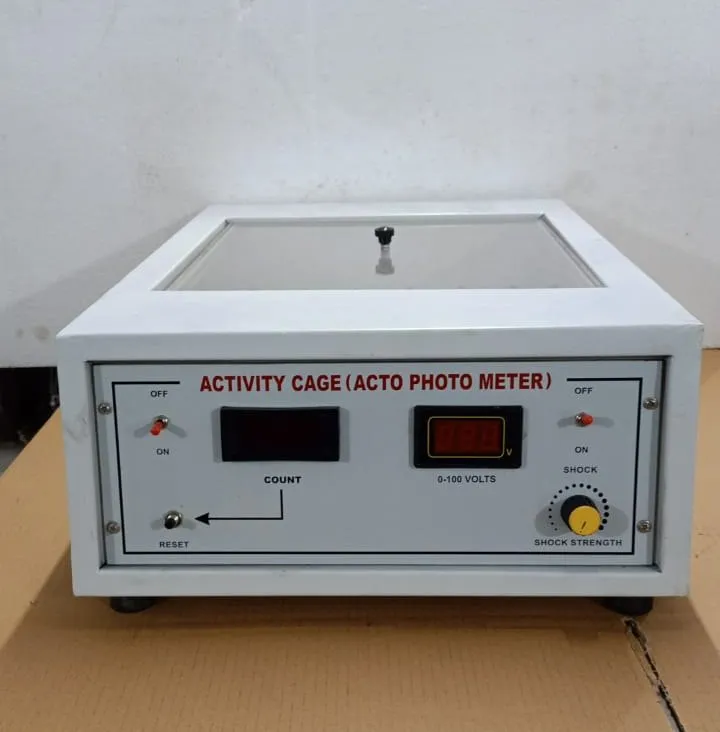
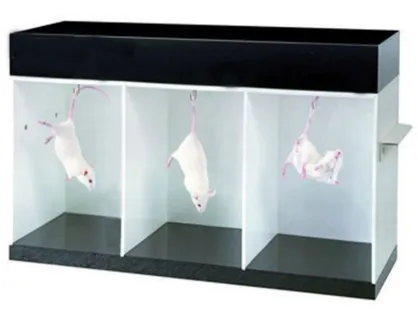
Figure 1: Actophotometer and TST
Biochemical estimation8:-
Collection of Blood Samples
A small amount of blood (0.3 ml) was collected from the tail vein of each group of mice on the fifteenth day. In order to estimate corticosterone levels, blood samples were sent to a chilled centrifuge (Paramount Scientific Works, Ambala cantt, India) and spun at 2500 rpm for 10 minutes to separate the plasma.
(a) Estimation of plasma corticosterone levels:
Following the protocol laid out by Bartos and Pesez, we were able to determine the plasma concentrations of corticosterone (1979). To begin, 1 milliliter of the sample in ethanol was mixed with half a milliliter of a 0.10% p-nitroso-N,N-dimethylaniline solution in ethanol. Before adding 0.5 mL of 0.10 N sodium hydroxide, the tubes were cooled in cold water for 5 minutes. After being shielded from light and maintained at 0°C for 5 hours, the tubes were sealed with cotton. Then, 2 mL of pH 9.8 buffer, 5 mL of 0.10% phenol solution in ethanol, and 0.5 mL of 1% aqueous potassium ferricyanide solution were added. The tubes were placed in a water bath at 20 ± 2°C for 10 minutes. Finally, the absorbance was measured at 650 nm using a UV-visible spectrophotometer (UV 3200, Somajiguda, Hyderabad).
STATISTICAL ANALYSIS
All the results were expressed as Mean ± SEM The data from each group was analyzed using Graph Pad Prism In Stat (Graph Pad Software Inc., USA) and a one-way ANOVA followed by Tukey's test.. A value of p<0.05 was considered to be significant.
RESULTS (TABLES AND GRAPHS)
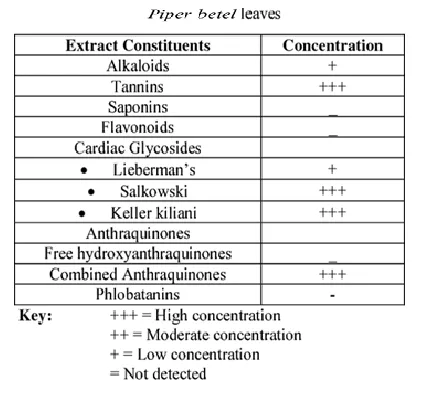
Figure 2: Phytochemical Properties of Piper Betel Leaf
Acute oral toxicity study
Effect of Piper betel extract on body weight (g) of mice
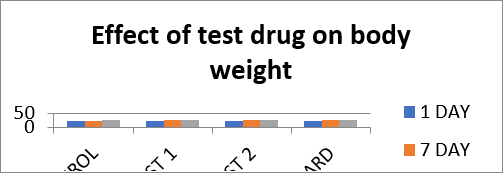
Figure 3: Graph Showing the Effect of Piper betel Extract on the Body Weight (G) of Mice.
Effect of Piper betel extract on Feed intake (g) of mice
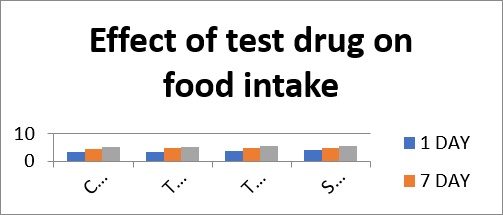
Figure 4: Graph Showing the Effect of Piper betel Extract on Feed Intake (G) of Mice
Effect of Piper betel extract on Water intake (ml) of mice
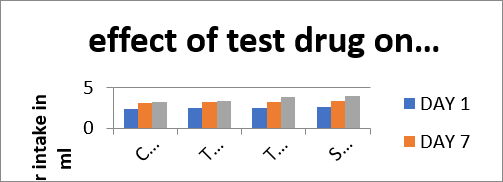
Figure 5: Graph Showing the Effect of Piper betel Extract on Water Intake (ml) of Mice
Evaluation of antidepressant effect of Piper betel leaves ethanolic extracts in TST & Actophotometer Models:
Tail Suspension Test (TST)
Table 1: Showing Effects of Different Doses of Piper betel leaves Ethanolic Extract on Antidepressant Activity as Compared to the Standard (Fluoxetine).
| S.N. | GROUP & DOSE | Immobility (sec.) | ||
|---|---|---|---|---|
| 1 day | 7 day | 14 day | ||
| 1. | Control 0.9% w/v sodium chloride Normal saline (10 ml/Kg) or (1ml / 100gm, p.o.) | 124±1.26 | 138 ± 3.617 | 145 ± 2.51 |
| 2. | EEPBL 300mg/kg (Test I) | 40.6 ± 1.26 | 45.6 ± 1.86 | 48.2 ± 1.64* |
| 3. | EEPBL 600mg/kg (Test II) | 32.7 ± 2.54 | 38.7 ± 2.64 | 42.5 ± 2.12** |
| 4. | Standard dose (Fluoxetine-10 mg/kg) | 16.4 ± 1.48 | 18.4 ± 1.68 | 20.4 ± 1.51*** |
EEMOL: ethanolic extract of Piper betel leaves
When compared with the control group. All values represent = Mean ± SEM, n = 6 in each group.
*P<0.05, **P<0.01, ***P<0.001
Effect of Piper betel extract on locomotors activity of mice
Table 2: Showing the Effect of Piper betel Extract on LA of Mice
| Groups | Locomotor Activity (Cross beam per 10min.) | ||
|---|---|---|---|
| 1 day | 7 day | 14 day | |
| Control | 250.4±1.25 | 240.4±1.98 | 238±1.22 |
| EEPBL 300 mg/kg (p.o) | 246.6±1.25 | 238.9±1.17 | 229±1.11* |
| EEPBL 600 mg/kg (p.o) | 248.4±1.42 | 242.4±2.24 | 235±1.23** |
| FXT (10 mg/kg p.o.) | 249.6±1.44 | 245.4±1.25 | 236±1.21*** |
EEPBL: ethanolic extract of Piper betel leaves
When compared with the control group. All values represent = Mean ± SEM, n = 6 in each group.
*P<0.05, **P<0.01, ***P<0.001
Effect of Ethanolic extract of Piper betel leaves on plasma corticosterone levels (CORT)
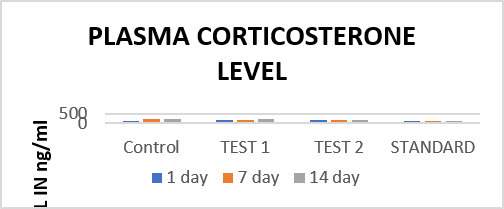
Figure 6: Effect of Piper betel Extract on Plasma Corticosterone Levels
EXPECTED NORMAL VALUES/ Range for mice is 47-159 (ng/mL)
# It is recommended that each laboratory establish its own normal range since corticosterone levels can vary due to handling and sampling techniques.
DISCUSSION
Depression is a common psychological disorder that affects mood, behavior, motivation, sleep, and daily activities. The study of depression and its treatment is an important area of psychopharmacology. Different animal models are used to study specific depression-like behaviors and to evaluate the possible antidepressant effects of new compounds and medicinal plants.
In the present study, Piper betel was selected to investigate its possible antidepressant activity in mice. Piper betel has been traditionally used for various health conditions and has been reported to possess several pharmacological properties. Previous investigations have also suggested antioxidant and possible neuroprotective effects, which provided a basis for selecting this plant for the present antidepressant study.
In the present investigation, male Swiss albino mice aged 6–8 weeks and weighing 20–35 g were used. The ethanolic extract of Piper betel was administered orally at doses of 300 and 600 mg/kg for 14 consecutive days. Tests for locomotor activity using an actophotometer and evaluation of plasma corticosterone level were administered to the animals on the fifteenth day. Measurement of plasma corticosterone was included to provide additional information related to stress responses.
Before the main pharmacological study, an acute oral toxicity study of the ethanolic extract of Piper betel was carried out. The extract was administered orally at doses of 100, 250, 500, and 1000 mg/kg. No major changes in behavioral responses or signs of acute oral toxicity were observed during the observation period. Based on these findings, doses of 300 and 600 mg/kg were selected for the antidepressant study. The use of two different doses also helped to determine whether the pharmacological effect increased with increasing dose. The absence of obvious acute toxicity at the tested doses supported the further evaluation of the extract in the experimental study.
The extraction method and solvent used can influence the type and amount of phytochemicals obtained from a medicinal plant. Different solvents extract different groups of compounds depending on their chemical properties. Traditional healers commonly use water for preparing herbal medicines, whereas ethanol can extract a wider range of plant constituents. In the present study, an ethanolic extract of Piper betel was used for pharmacological evaluation. The extract showed antidepressant-like activity in the behavioral tests, suggesting that ethanol was able to extract constituents that may contribute to the observed activity. However, some active compounds may not be efficiently extracted by ethanol. Therefore, future studies using solvents with different polarities may help determine which groups of constituents are mainly responsible for the observed activity.
The acute oral toxicity of the ethanolic extract of Piper betel leaves (EEPBL) was evaluated according to OECD Guideline 425 using five mice. The animals were fasted overnight before administration of the extract at doses starting from 5, 50, and 300 mg/kg, with dose levels up to 1000 mg/kg administered orally as per the study protocol. Initially, one mouse was dosed and observed closely, with food withheld for a further 4 hours. The animal was monitored during the first 24 hours and subsequently for 14 days for signs of toxicity, including changes in the skin, fur, eyes, mucous membranes, respiratory and circulatory functions, motor activity, and behaviour, as well as mortality. No noticeable behavioural changes or signs of acute oral toxicity were observed. The remaining four mice were then treated and monitored for 14 days. Based on these observations, the acute oral toxicity profile of EEPBL was assessed.
The mice in the Piper betel extract (300 & 600 mg/kg/p.o.) treated group showed significantly (p<0.05) increase in body weight as compared to the control group. Treatment with FXT (10 mg/kg p.o.) significantly increased body weight compared to the normal group..
The mice in the Piper betel extract (300 &600 mg/kg/p.o.) treated group showed significantly (p<0.05) increase in feed intake as compared to the control group. Treatment with FXT (10 mg/kg p.o.) significantly increased feed intake (p<0.05) increased as compared to the control
The mice in the Piper betel extract (300 &600 mg/kg/ p.o.) treated group showed significantly (p<0.05) increase in body water intake as compared to the control group. Treatment with FXT (10 mg/kg p.o.) significantly increased water intake (p<0.05) increased as compared to another group.
Group 1: The control animals received normal saline (10 ml/kg, p.o.). The immobility time increased from 124 ± 1.26 sec on day 1 to 145 ± 2.51 sec on day 14.
Group 2: Animals treated with EEPBL at 300 mg/kg showed a gradual reduction in immobility time, reaching 48.2 ± 1.64 sec on day 14.
Group 3: Animals treated with EEPBL at 600 mg/kg showed a greater reduction in immobility time, reaching 42.5 ± 2.12 seconds on day 14.
Group 4: Animals treated with Fluoxetine at 10 mg/kg exhibited the greatest reduction in immobility time, reaching 20.4 ± 1.51 seconds on day 14.
The results indicate that EEPBL reduced immobility time in a dose-dependent manner, with the 600 mg/kg dose showing a greater effect than the 300 mg/kg dose. Fluoxetine produced the greatest reduction among the tested treatments. These findings suggest that the ethanolic extract of Piper betel possesses potential antidepressant activity in the TST. However, statistical analysis is required to determine the significance of the differences between the treatment groups.
The mice of Piper betel extract (300 & 600 mg/kg/p.o.) showed significantly (p<0.05) difference in locomotor activity as compared to the control group. Treatment with FXT (10 mg/kg p.o.) also showed a significant change as compared to the control group.
The mice treated with Piper betel extract (300 & 600 mg/kg/p.o.) showed increased plasma corticosterone levels (p<0.05) as compared to normal control mice. However, pretreatment with FXT (10 mg/kg p.o.) for 14 days showed a significant increase (p<0.05) in plasma corticosterone.
The Tail Suspension Test was used to evaluate the antidepressant-like activity of the ethanolic extract of Piper betel. In this test, the duration of immobility is an important behavioral parameter. The control group receiving normal saline showed the expected behavioral response. Administration of the ethanolic extract at 300 mg/kg produced a significant change in immobility compared with the control group. The 600 mg/kg dose also produced a significant effect, and the higher dose showed greater activity than the lower dose. The effects of the extract were compared with the standard antidepressant fluoxetine at a dose of 10 mg/kg. Fluoxetine produced a more pronounced effect than the plant extract. Although the response to Piper betel was lower than that of fluoxetine, the significant effect observed with both doses suggests that the plant may contain constituents capable of influencing depression-related behavioral responses.
Locomotor activity was evaluated using an actophotometer, which measures the movement of animals by recording the number of photocells crossed during the observation period. This test provides information about general motor activity and can help support the interpretation of behavioral studies. The control group showed normal locomotor activity, while administration of the ethanolic extract of Piper betel at 300 mg/kg produced a significant response. The 600 mg/kg dose produced a greater response than the lower dose. Fluoxetine at 10 mg/kg also produced a significant effect and showed a stronger response compared with the plant extract. Among the tested extract doses, the 600 mg/kg dose showed the most remarkable activity. These findings, together with the TST results, support the possible antidepressant-like activity of the ethanolic extract of Piper betel. However, locomotor activity can be influenced by several factors, and therefore these results should be interpreted together with other behavioral and biochemical parameters.
An important finding of the present study was that the 600 mg/kg dose produced a greater effect than the 300 mg/kg dose. This suggests that increasing the dose within the tested range may increase the antidepressant-like activity of the extract. The greater activity at the higher dose may be related to the higher amount of active phytoconstituents reaching the biological system. However, a clear dose-response relationship cannot be established from only two doses. Further studies using a wider range of doses would be useful to determine the optimum effective dose and to understand the relationship between dose and antidepressant activity.
The antidepressant activity observed with Piper betel may be related to its phytochemical composition. The preliminary phytochemical screening showed the presence of phenolic compounds, tannins, glycosides, carbohydrates, proteins, vitamins, and minerals. These compounds may act through different mechanisms and may contribute to the overall pharmacological effect of the extract. Possible neuroprotective benefits may also be due to the antioxidant qualities of some plant components.Since the exact active compound responsible for the antidepressant effect was not isolated in the present study, the observed activity may be due to the combined action of several constituents. Further phytochemical studies are therefore required to isolate and identify the specific compounds responsible for the antidepressant activity of Piper betel.
The activity of a plant extract can be influenced by several factors, including plant variety, geographical location, environmental conditions, harvesting time, drying method, storage conditions, and extraction procedure. The concentration of active constituents may therefore vary between different samples of the same plant. It is also possible that some active compounds were not sufficiently soluble in the extraction solvent. In addition, drying or processing of plant material may affect certain chemical constituents. Another possibility is that an active compound may be present in the crude extract in an amount too low to produce a strong effect at the tested dose. The presence of other constituents may also influence the activity of the extract. Some compounds may enhance the activity of active constituents, while others may reduce or oppose their effects. Therefore, isolation and characterization of individual compounds are important for understanding the pharmacological activity of Piper.
ACKNOWLEDGMENT
It’s our privilege to express the profound sense of gratitude and cordial thanks to our respected Chairman Mr. Anil Chopra, Vice Chairperson Ms. Sangeeta Chopra and Managing Director Prof. Manhar Arora, St. Soldier Educational Society, Jalandhar for providing the necessary facilities to complete this review/research work.
CONFLICTS OF INTERESTS
There are no conflicts of interest.
FUNDING
Nil
AUTHORS CONTRIBUTIONS
All the authors have contributed equally.
REFERENCES

Captain Singh, Ajeet Pal Singh, Amar Pal Singh, Investigation of Anti-depressant Activity of ‘Piper Betel’ Ethanolic Leaves Extract in Mice, Int. J. of Pharm. Sci., 2026, Vol 4, Issue 10, 3827-3836. https://doi.org/10.5281/zenodo.23657790
 10.5281/zenodo.23657790