

We use cookies to ensure our website works properly and to personalise your experience. Cookies policy
Department of Pharmacy Practice, Nargund College of Pharmacy, Bengaluru-560085, Karnataka, India.
Geriatric patients are particularly vulnerable to medication-related problems because of polypharmacy, multiple comorbidities, and age-related changes in drug handling. This study aimed to evaluate the rationality and safety profile of pharmacotherapy among hospitalized geriatric patients, with assessment of medication administration practices, potentially inappropriate medications (PIMs), drug-drug interactions (DDIs), and adverse drug reactions (ADRs). A prospective cross-sectional observational study was conducted over six months in a tertiary care hospital in Bangalore, India. A total of 160 patients aged above 65 years who were hospitalized for at least 24 hours and prescribed at least two medications were included. Ethical clearance was obtained from the Institutional Ethics Committee. PIMs were assessed using the 2023 AGS Beers Criteria, medication appropriateness using the Medication Appropriateness Index (MAI), DDIs according to severity, and ADRs using the Naranjo causality scale. Among 160 patients, 186 PIM occurrences were identified, and 70% of patients received at least one PIM. Medication-to-avoid was the most frequent Beers category (46.2%), followed by medications to use with caution (29.6%). A total of 490 DDIs were identified, comprising 103 mild, 332 moderate, and 55 severe interactions. Two ADRs were identified, both classified as probable. MAI assessment showed generally appropriate prescribing, although drug-disease interactions and therapeutic duplication were identified. Regular medication review using Beers Criteria and MAI, together with clinical pharmacist and multidisciplinary involvement, may improve medication safety in hospitalized geriatric patients.
Ageing is a natural and progressive process associated with physiological, functional, and clinical changes that can increase susceptibility to disease and influence the response of older adults to pharmacological therapy. Geriatric patients frequently experience multiple chronic diseases and age-related health problems, resulting in the need for several medications simultaneously. These changes, together with the presence of multiple comorbidities, make medication management in older adults more complex than in younger populations. Appropriate selection, dosing, administration, monitoring, and review of medicines are therefore important components of safe and effective geriatric care.
The increasing prevalence of multimorbidity among older adults is one of the major factors contributing to polypharmacy. Polypharmacy refers to the use of multiple medications by an individual and is particularly common among elderly patients with several chronic conditions. Although multiple medicines may be clinically necessary, increasing medication burden can also increase the likelihood of medication-related problems, including adverse drug reactions (ADRs), drug-drug interactions (DDIs), medication errors, inappropriate prescribing, hospitalization, and other undesirable clinical outcomes. Regular medication review and appropriate optimization of pharmacotherapy are therefore important to minimize unnecessary medication-related risks while maintaining therapeutic benefit.
Rational pharmacotherapy involves selecting the appropriate medicine for an individual patient, together with an appropriate dose, route, duration, and monitoring plan according to the patient's clinical condition and therapeutic requirements. In geriatric patients, rational prescribing is particularly important because age-related physiological changes and the presence of multiple diseases can increase vulnerability to complications associated with medication use. The overall objective of rational pharmacotherapy is to maximize therapeutic benefits while minimizing adverse effects, drug interactions, medication errors, unnecessary medication use, and avoidable costs.
One important approach to identifying inappropriate prescribing in older adults is the American Geriatrics Society (AGS) Beers Criteria®. The Beers Criteria provides evidence-based recommendations for identifying potentially inappropriate medications (PIMs) in adults aged 65 years and older. It includes medications that should generally be avoided in older adults, medications that should be used with caution, clinically important drug-drug interactions, drug-disease interactions, and medications for which dose adjustment may be required according to renal function. The 2023 AGS Beers Criteria® provides an updated framework for healthcare professionals to recognize medication-related risks and support safer prescribing practices in geriatric patients.
Another important tool for evaluating prescribing quality is the Medication Appropriateness Index (MAI). The MAI is a validated instrument used to assess the appropriateness of individual medications. It evaluates medication therapy according to several criteria, including indication, effectiveness, dosage, directions for use, drug-drug interactions, drug-disease interactions, therapeutic duplication, duration of therapy, and cost. Assessment using these criteria can help identify inappropriate medication use and areas where pharmacotherapy may be optimized. The use of MAI alongside the Beers Criteria can provide a broader assessment of medication appropriateness in geriatric patients by identifying both potentially inappropriate medications and other problems related to prescribing quality.
Drug-drug interactions represent another important medication safety concern in geriatric pharmacotherapy. Patients receiving multiple medications are potentially exposed to interactions that may alter the effectiveness or safety of one or more medicines. The clinical significance of an interaction can vary according to the drugs involved, patient characteristics, and severity of the interaction. Therefore, identification and assessment of DDIs are important components of medication review, particularly among hospitalized geriatric patients receiving multiple medications.
Similarly, adverse drug reactions are an important component of medication safety. Older adults may be particularly vulnerable to adverse effects because of multiple medications, multiple disease conditions, and age-associated changes that can influence medication response. Early identification, documentation, assessment of causality, and appropriate management of ADRs can help reduce medication-related harm. In the present study, ADRs were monitored during hospitalization and their causality was assessed using the Naranjo ADR Probability Scale.
Medication administration practices also contribute substantially to medication safety. The Seven Rights of Medication Administration—right patient, right drug, right dose, right route, right time, right documentation, and right indication—provide a structured approach for reducing medication administration errors. Assessment of compliance with these principles can help identify potential gaps in medication administration practices and support safer medication use in hospitalized patients. The present study therefore incorporated assessment of these seven medication administration rights as one of its objectives.
India is experiencing a progressive increase in its elderly population, creating important challenges for healthcare delivery. According to the background presented in the thesis, approximately 75% of elderly individuals experience one or more chronic diseases, while 23.3% experience multimorbidity. Older adults may also experience nutritional, functional, and mobility-related problems that can adversely affect their physical, functional, and psychological well-being. These factors, together with multiple comorbidities and complex medication regimens, emphasize the need for systematic evaluation of geriatric patients and their pharmacotherapy.
Previous studies have demonstrated the usefulness of established prescribing assessment tools in identifying medication-related problems among elderly patients. Studies evaluating the Beers Criteria have reported varying prevalence of potentially inappropriate medication use among geriatric populations, while studies using the MAI have identified problems related to medication appropriateness and polypharmacy. The literature reviewed in the present study also indicates that polypharmacy is common among older adults and may be associated with increased medication-related risks.
Despite the availability of prescribing assessment tools and medication safety principles, medication-related problems remain an important concern in hospitalized geriatric patients. A comprehensive evaluation incorporating medication administration practices, PIM identification, medication appropriateness, DDIs, and ADR monitoring may help provide a more complete assessment of pharmacotherapy safety. Identification of such problems can support healthcare professionals in improving prescribing practices, optimizing medication therapy, and reducing preventable medication-related harm.
Therefore, the present study was undertaken to evaluate the rationality and safety profile of pharmacotherapy among hospitalized geriatric patients in a tertiary care hospital. The study assessed compliance with the Seven Rights of Medication Administration, identified PIMs using the 2023 AGS Beers Criteria®, evaluated the severity of DDIs, and monitored the incidence and causality of ADRs.
AIM
To evaluate the rationality and safety profile of pharmacotherapy in hospitalized geriatric patients.
OBJECTIVES
1. To assess compliance with the Seven Rights of Medication Administration: right patient, right drug, right dose, right route, right time, right documentation, and right indication.
2. To identify Potentially Inappropriate Medications (PIMs) using the 2023 AGS Beers Criteria®.
3. To detect and assess the severity of Drug-Drug Interactions (DDIs).
4. To monitor and report the incidence and causality of Adverse Drug Reactions (ADRs).
MATERIALS AND METHODS
Study Design and Study Setting
A hospital-based, prospective, cross-sectional observational study was conducted among hospitalized geriatric patients in a tertiary care hospital. The study was conducted over a period of six months.
Study Population
The study population consisted of hospitalized geriatric patients aged above 65 years. A total of 160 eligible patients were included in the study.
Inclusion Criteria
Patients were included in the study if they fulfilled the following criteria:
1. Patients of either gender aged above 65 years.
2. Patients admitted to the inpatient ward for at least 24 hours.
3. Patients prescribed a minimum of two medications.
4. Patients or caregivers willing to provide informed consent.
Exclusion Criteria
Patients were excluded if they:
1. Were admitted to the oncology or psychiatric departments.
2. Had incomplete medical records.
3. Were discharged against medical advice within 24 hours.
Sample Size
The sample size was calculated using the single-proportion formula:
n = Z² × p × (1 − p) / d²
where Z was 1.96 at a 95% confidence level, p was the expected prevalence of potentially inappropriate medication use (0.4339), and d was the allowable absolute precision of 10% (0.10). The calculated sample size was approximately 94.3. After considering a 10% dropout rate, the required sample size was estimated to be 105 patients. However, to obtain a larger study population, a total of 160 consecutive eligible cases were included in the present study.
Sampling Technique
A consecutive sampling technique was used. All consecutive cases fulfilling the inclusion criteria and willing to participate were included in the study.
Ethical Considerations
Ethical approval was obtained from the Human Ethics Committee of Nargund College of Pharmacy, Bengaluru, prior to commencement of the study. Written informed consent was obtained from all patients before their inclusion in the study. Patient confidentiality was maintained throughout the study.
Data Collection
After obtaining ethical approval and informed consent, patient information was collected from patient case sheets and medication administration charts using a structured patient data collection form developed in Google Sheets. The form included demographic characteristics, medical and medication history, allergy status, diagnosis, and treatment-related information.
Data collection for each enrolled patient began at hospital admission and continued daily until final discharge, allowing prospective monitoring of medication-related parameters throughout hospitalization.
Assessment of Medication Safety
The prescribed medications were evaluated using the 2023 American Geriatrics Society (AGS) Beers Criteria® to identify potentially inappropriate medications (PIMs). Medication appropriateness was further assessed using the Medication Appropriateness Index (MAI).
The MAI assessment included 10 criteria: indication, effectiveness, dosage, directions, practicality, drug-drug interactions, drug-disease interactions, therapeutic duplication, duration, and cost.
Assessment of Drug-Drug Interactions
Potential drug-drug interactions (DDIs) were identified using standard drug-interaction databases. The identified interactions were categorized according to their severity as mild, moderate, or severe.
Assessment of Adverse Drug Reactions
Patients were monitored throughout their hospital stay for the occurrence of adverse drug reactions (ADRs). Suspected ADRs were evaluated for causality using the Naranjo Adverse Drug Reaction Probability Scale and classified as definite, probable, possible, or doubtful.
Assessment of Medication Administration Practices
Compliance with the Seven Rights of Medication Administration was assessed: right patient, right drug, right dose, right route, right time, right documentation, and right indication. These parameters formed one of the predefined objectives of the study.
Statistical Analysis
The collected data were analyzed using IBM SPSS Statistics version 32.0.0.0. Descriptive statistics, including mean, standard deviation, frequency, and percentage, were used to summarize patient demographics, clinical characteristics, comorbidities, medication use, polypharmacy, PIMs, MAI findings, and DDIs.
The Chi-square test was used to evaluate associations between categorical variables, including age group, gender, polypharmacy, comorbidities, and occurrence of PIMs. A p-value <0.05 was considered statistically significant.
RESULTS
A total of 160 patients who fulfilled the inclusion and exclusion criteria were included in the study.
AGE-WISE DISTRIBUTION
The age distribution of the study participants is presented in Table 1. The mean age of the study population was 73.39 ± 6.29 years. The largest proportion of participants belonged to the 65–70 years age group (39.38%, n=63), followed by 71–75 years (25.00%, n=40) and 76–80 years (19.38%, n=31). Participants aged 81–85 years accounted for 12.50% (n=20), while those aged 86–90 years constituted 3.75% (n=6). No participants were recorded in the 91–95 years age group.
Table 1: Age-Wise Distribution of Study Participants
| Age group | Frequency (n=160) | Percentage (%) |
|---|---|---|
| 65-70 | 63 | 39.38% |
| 71-75 | 40 | 25.00% |
| 76-80 | 31 | 19.38% |
| 81-85 | 20 | 12.50% |
| 86-90 | 6 | 3.75% |
| 91-95 | 0 | 0.00% |
| TOTAL | 160 | 100% |
| Age (in years) | Mean ± SD 73.39 ± 6.29 | |
Notes n: Number of patients
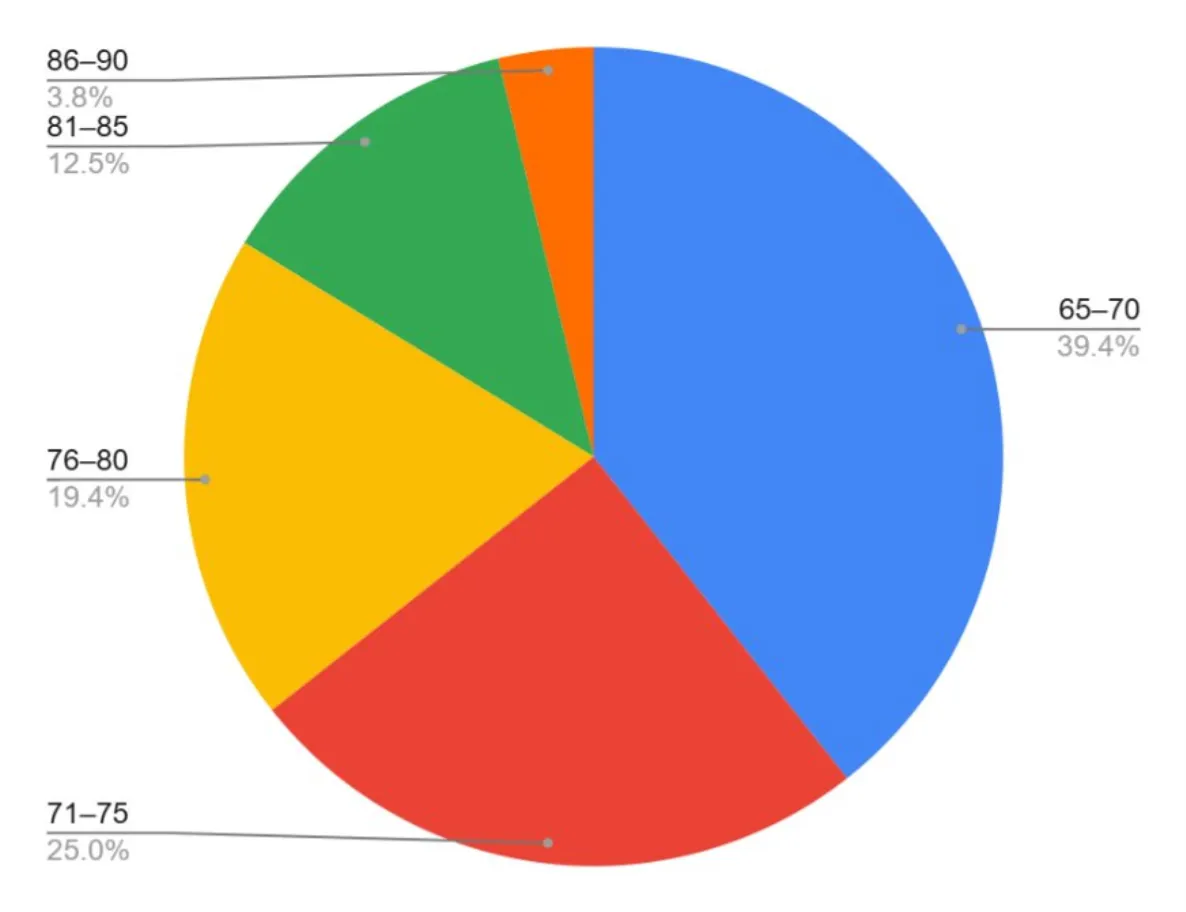
Figure 1: Age-Wise Distribution of Study Participants
GENDER DISTRIBUTION
Among the 160 study participants, 87 (54.4%) were male and 73 (45.6%) were female, indicating a slight predominance of male participants.
Table 2: Gender Distribution of Study Participants
| Gender | Frequency (n=160) |
Percentage (%) |
|---|---|---|
| Male | 87 | 54.4 |
| Female | 73 | 45.6 |
| Total | 160 | 100.0 |
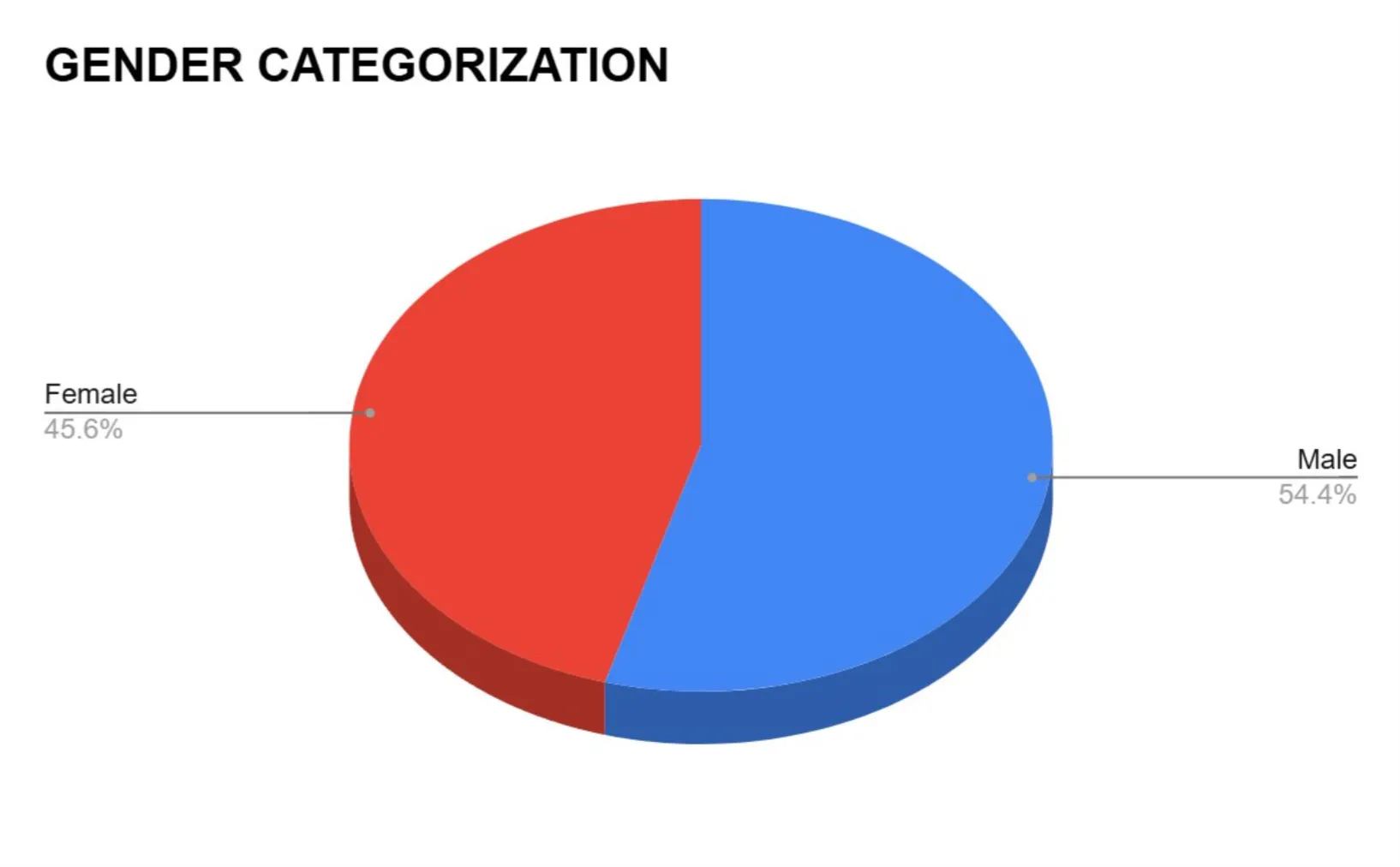
Figure 2: Gender Distribution of Study Participants
LENGTH OF HOSPITAL STAY
The majority of the study participants had a hospital stay of ≤5 days (56.875%, n=91), followed by 6–10 days (32.5%, n=52). A total of 17 patients (10.625%) had a hospital stay of ≥11 days.
Table 3: Distribution of Study Participants According to Length of Hospital Stay
| Length of Hospital Stay (Days) |
Number of Patients (n) |
Percentage (%) |
|---|---|---|
| ≤ 5 days | 91 | 56.875 |
| 6–10 days | 52 | 32.5 |
| ≥ 11 days | 17 | 10.625 |
| Total | 160 | 100.00 |
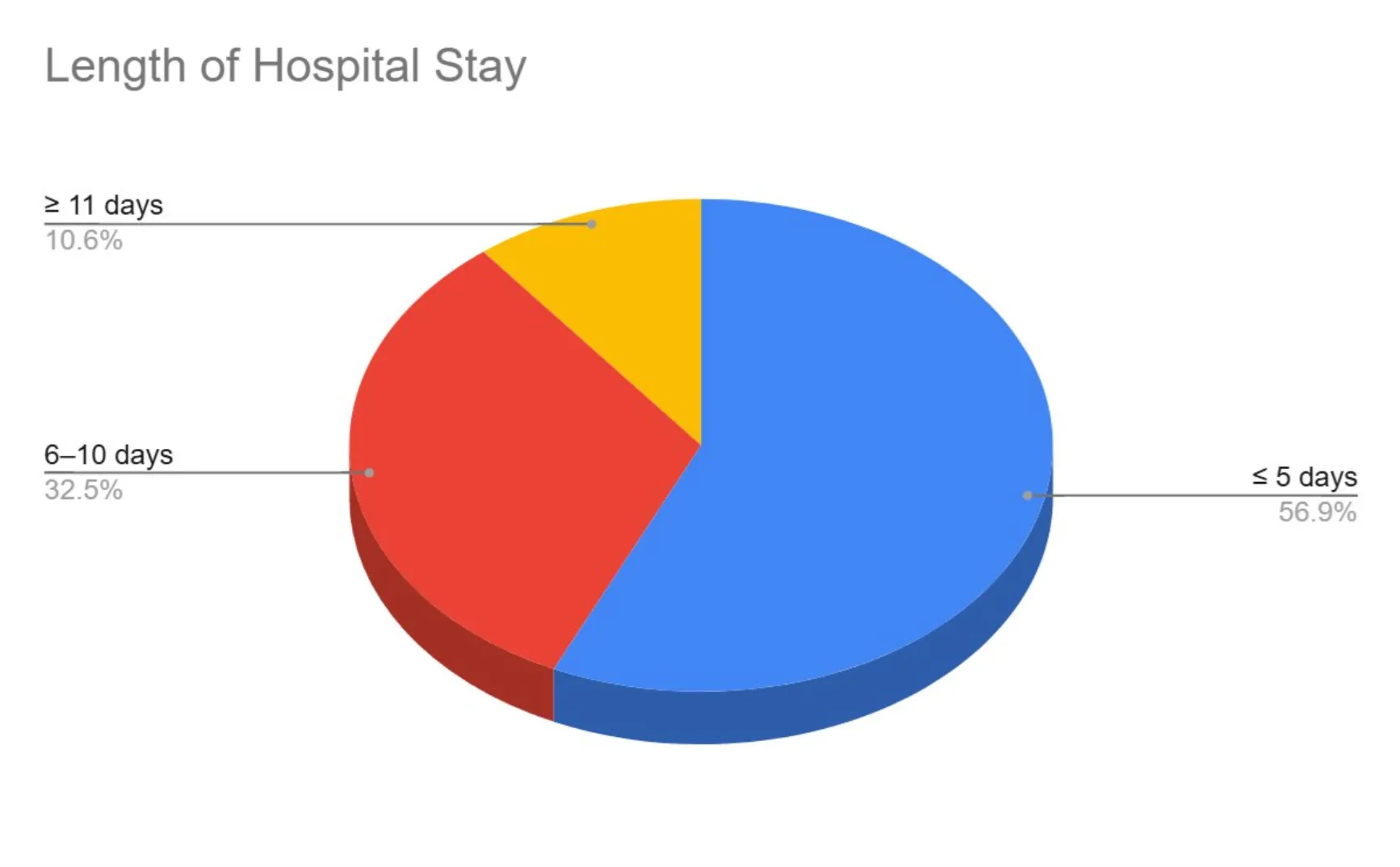
Figure 3: Distribution of Study Participants According to Length of Hospital Stay
POLYPHARMACY
Polypharmacy was highly prevalent among the study participants. Among the 160 patients, 152 (95.00%) were prescribed five or more medications, while 8 (5.00%) were prescribed fewer than five medications.
Table 4: Distribution of Study Participants According to Polypharmacy
| Number of Medications |
Number of Patients (n) |
Percentage (%) |
|---|---|---|
| < 5 medications | 8 | 5.00 |
| ≥ 5 medications | 152 | 95.00 |
| Total | 160 | 100.00 |
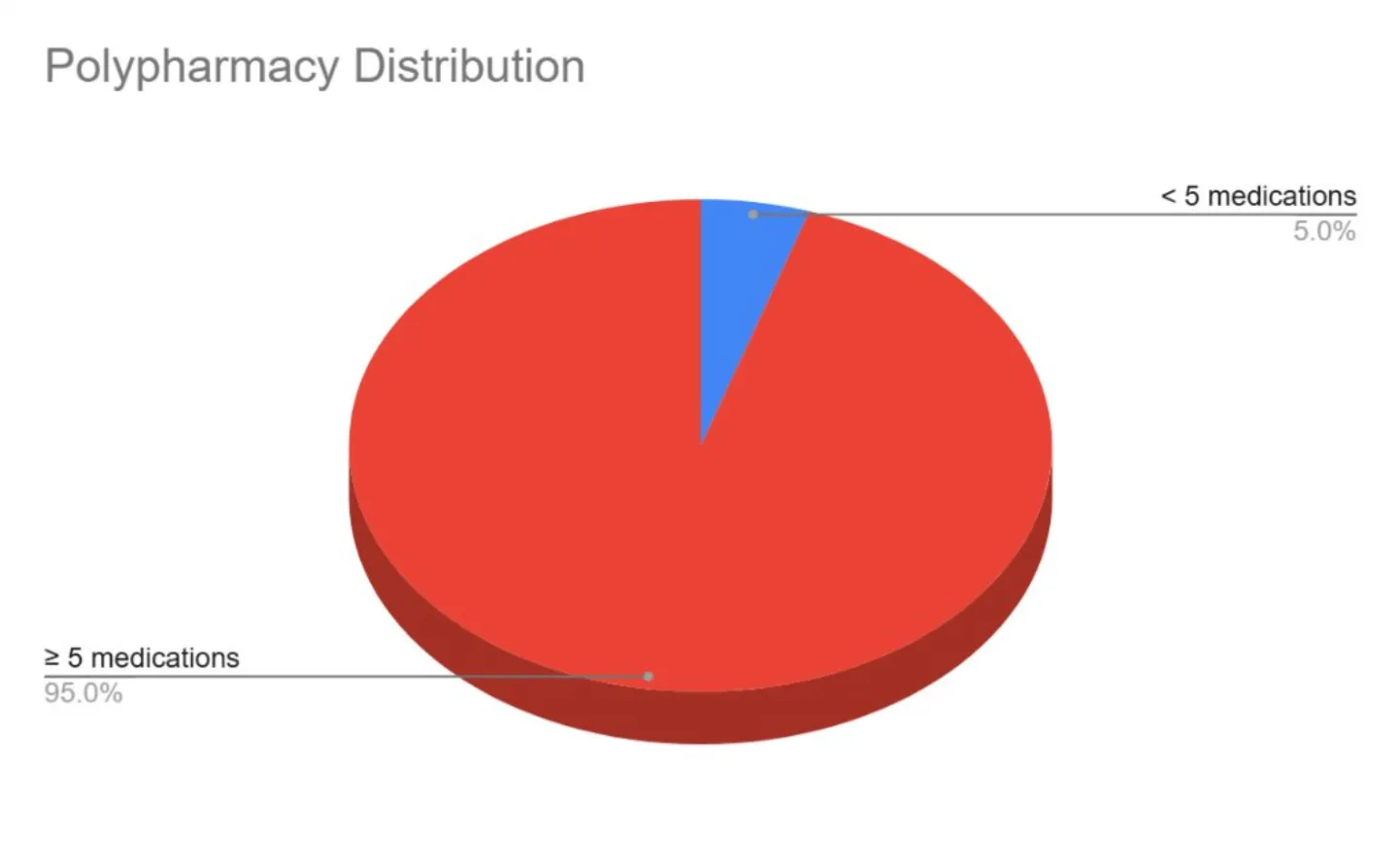
Figure 4: Distribution of Study Participants According to Polypharmacy
NUMBER OF DIAGNOSES
The majority of the study participants had multiple diagnoses. Among the 160 participants, 14 (8.80%) had one diagnosis, 30 (18.80%) had two diagnoses, and 116 (72.50%) had three or more diagnoses.
Table 5: Distribution of Study Participants According to the Number of Diagnoses
| Number of Diagnoses | Number of Patients (n) |
Percentage (%) |
|---|---|---|
| 1 diagnosis | 14 | 8.80 |
| 2 diagnoses | 30 | 18.80 |
| ≥ 3 diagnoses | 116 | 72.50 |
| Total | 160 | 100.00 |
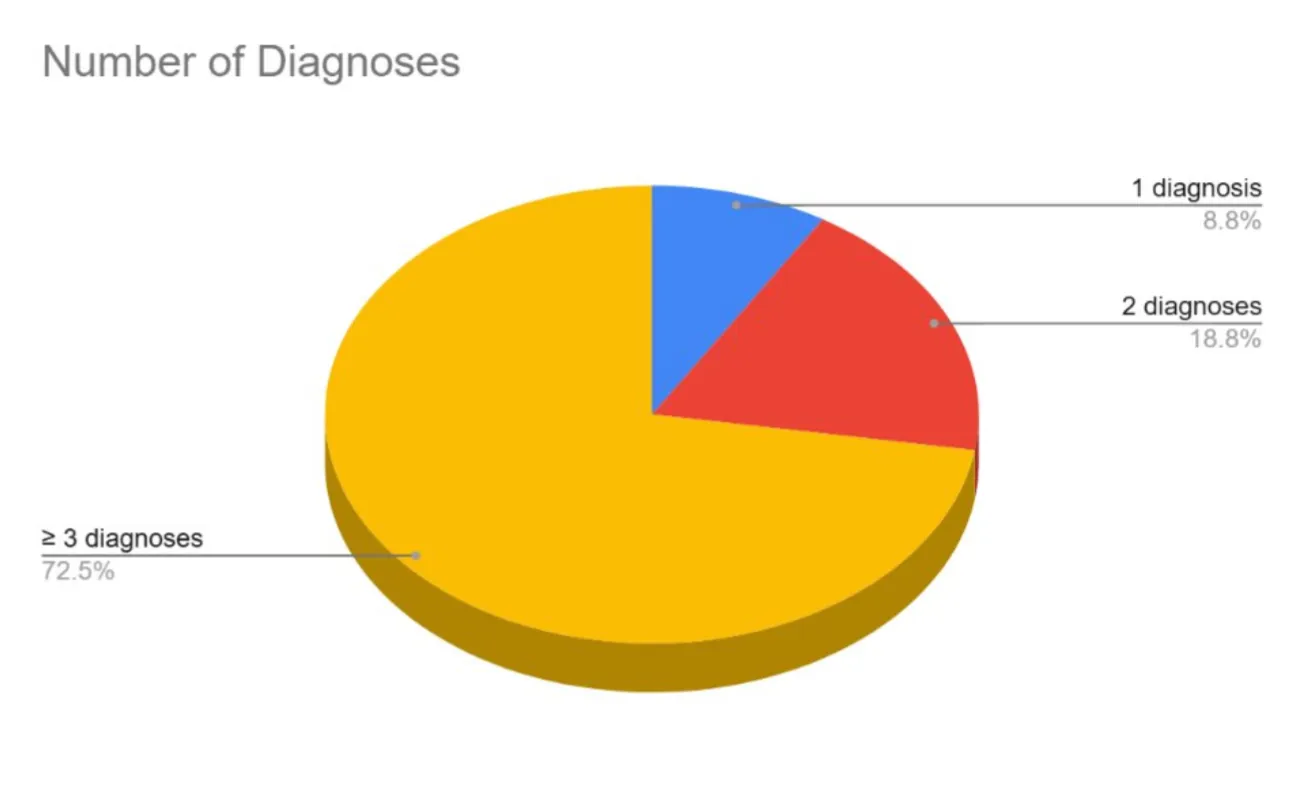
Figure 5: Distribution of Study Participants According to the Number of Diagnoses
DISTRIBUTION OF DISEASE CONDITIONS ACCORDING TO ORGAN SYSTEM
A total of 522 disease conditions were identified among the 160 study participants, indicating a high burden of multimorbidity. Cardiovascular system disorders constituted the largest proportion of disease conditions (34.10%, n=178), followed by endocrine system disorders (25.86%, n=135). Renal (urinary) system disorders accounted for 10.34% (n=54), while digestive system disorders represented 9.39% (n=49). Respiratory system disorders comprised 7.09% (n=37), followed by central nervous system disorders (5.94%, n=31). Hematological and musculoskeletal disorders were the least frequently observed, each accounting for 3.64% (n=19).
Table 6: Distribution of Disease Conditions According to Organ System Among the Study Participants
| Organ System | Number of Disease Conditions (n) |
Percentage (%) |
|---|---|---|
| Cardiovascular System | 178 | 34.10 |
| Endocrine System | 135 | 25.86 |
| Renal (Urinary) System | 54 | 10.34 |
| Digestive System (GIT) | 49 | 9.39 |
| Respiratory System | 37 | 7.09 |
| Central Nervous System | 31 | 5.94 |
| Hematological System | 19 | 3.64 |
| Musculoskeletal System | 19 | 3.64 |
| Total | 522 | 100.00 |
Note: Percentages were calculated based on the total number of disease conditions (N = 522). As participants could have more than one diagnosis, the total number of disease conditions exceeds the total number of study participants (n = 160).
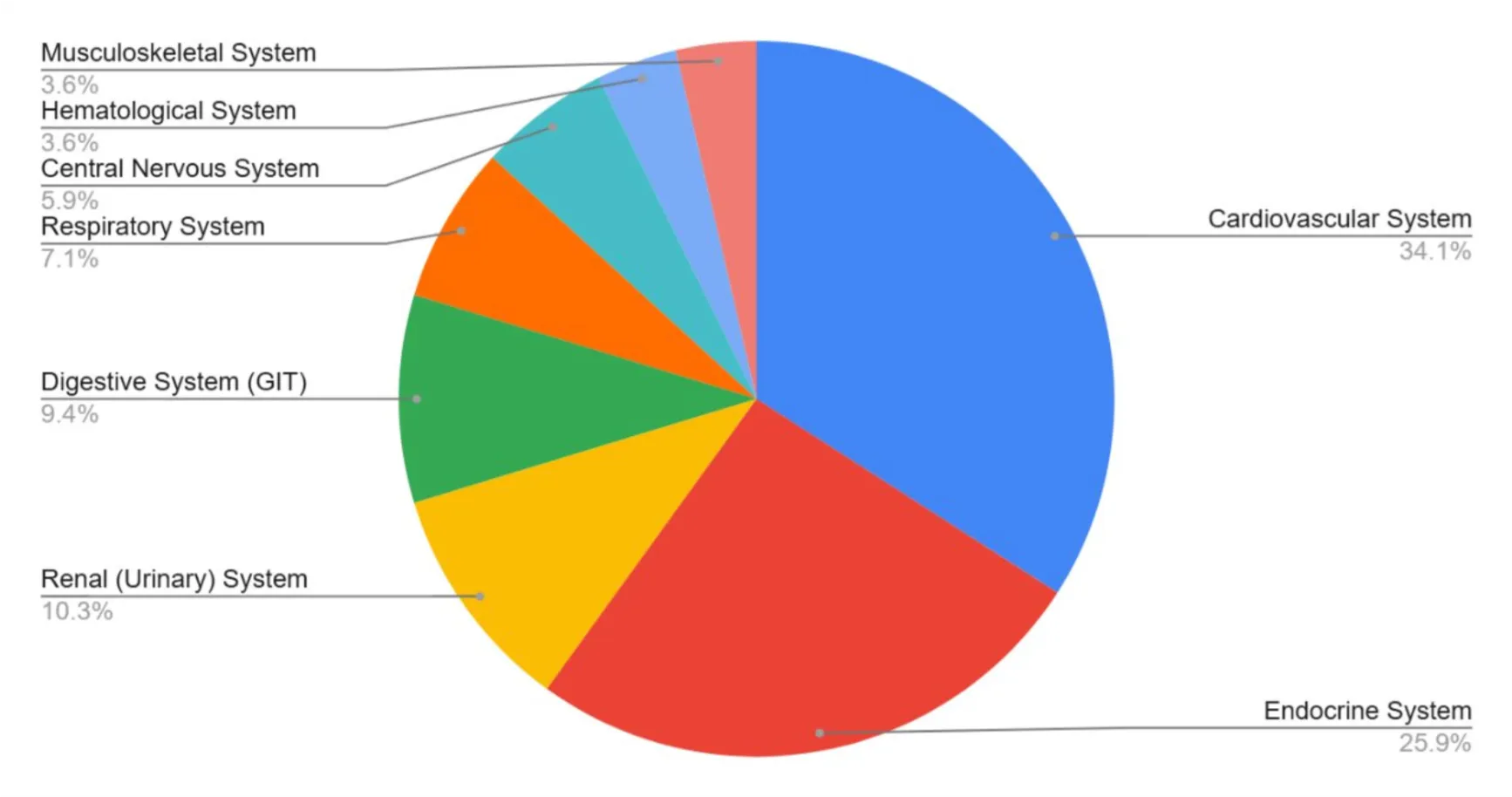
Figure 6: Distribution of Disease Conditions According to Organ System Among the Study Participants
POTENTIALLY INAPPROPRIATE MEDICATIONS ACCORDING TO THE 2023 AGS BEERS CRITERIA
A total of 186 potentially inappropriate medication (PIM) occurrences were identified among the 160 hospitalized geriatric patients using the 2023 AGS Beers Criteria®. Category 1 (drugs to be avoided) accounted for the highest proportion of PIMs (86; 46.24%), followed by Category 3 (drugs to be used with caution) (55; 29.57%). Category 5 (medications requiring dose adjustment based on kidney function) accounted for 23 (12.37%) PIMs, while Category 2 (drug–disease/syndrome interactions) and Category 4 (drug–drug interactions) each contributed 11 (5.91%) PIMs.
Table 7: Distribution of Potentially Inappropriate Medications According to the 2023 AGS Beers Criteria
| Beers Criteria Category | Frequency (n) | Percentage (%) |
|---|---|---|
| Category 1–Medication to avoid |
86 | 46.2 |
| Category 2 – Disease/syndrome interaction |
11 | 5.9 |
| Category 3 – Medication to use with caution |
55 | 29.6 |
| Category 4 – Clinically important drug–drug interaction |
11 | 5.9 |
| Category 5 – Dose adjustment based on kidney function |
23 | 12.4 |
| Total | 186 | 100.0 |
Note: Percentages were calculated based on the total number of potentially inappropriate medication occurrences (N = 186).
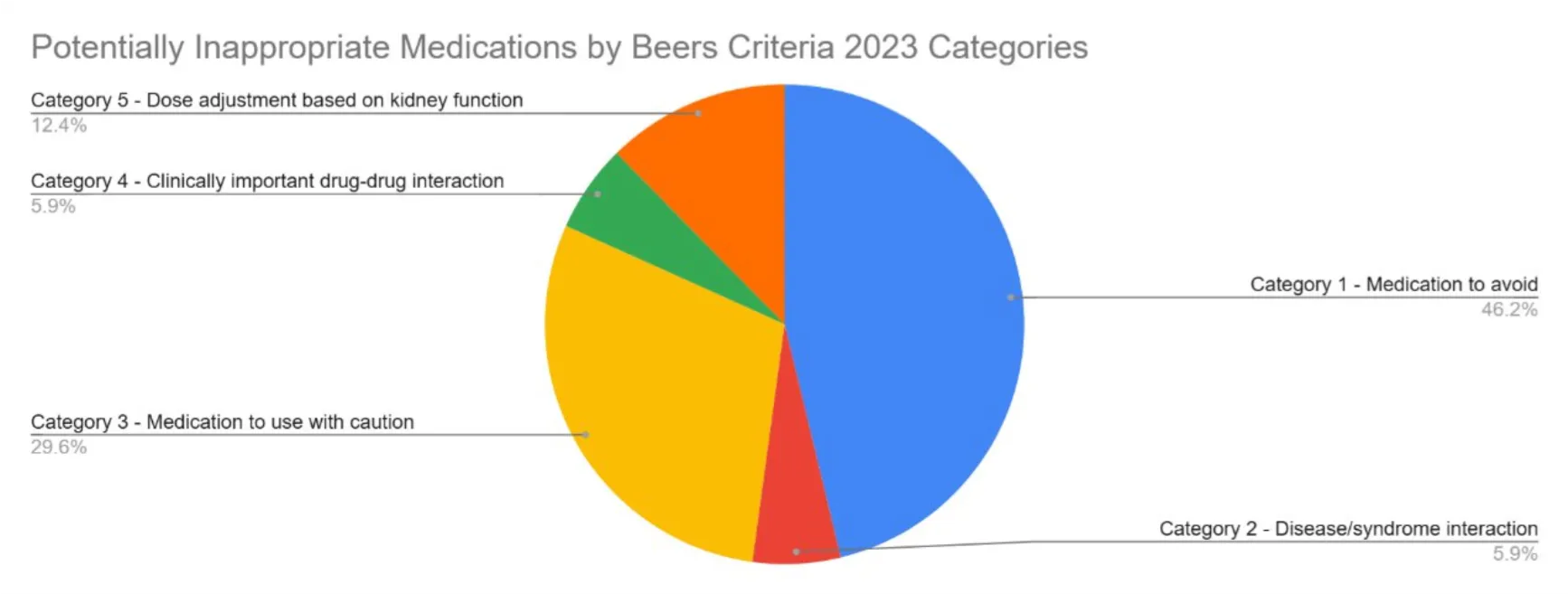
Figure 7: Distribution of Potentially Inappropriate Medications According to the 2023 AGS Beers Criteria
PREVALENCE OF POTENTIALLY INAPPROPRIATE MEDICATIONS ACCORDING TO INDIVIDUAL BEERS CRITERIA COMPONENTS (2023)
Among the 186 PIM occurrences identified according to the 2023 AGS Beers Criteria®, Category 1 (drugs to be avoided) accounted for the largest proportion (86, 46.24%). Category 3 (drugs to be used with caution) accounted for 55 (29.57%), followed by Category 5 (dose adjustment based on kidney function) with 23 (12.37%). Categories 2 and 4 each accounted for 11 (5.91%) PIM occurrences. Within Category 1, glimepiride was the most frequently identified medication (14, 16.28% of Category 1 PIMs), while tramadol was the most frequent medication in Category 3 (13, 23.64% of Category 3 PIMs).
Table 8: Prevalence of Potentially Inappropriate Medications According to Individual Beers Criteria Components (2023)
| Beers’ Criteria components | No. of PIMs (n=18 6) |
Percenta ge (%) | Prevalent drug | Frequen cy | Percenta ge of total PIMs (%) |
|---|---|---|---|---|---|
| Drugs to be avoided (Category 1) |
86 | 46.24 | Glimepiride | 14 (16.28 %) |
7.53 |
| Alprazolam | 10 (11.63 %) |
5.38 | |||
| Prazosin | 6 (6.98%) |
3.23 | |||
| Clonidine | 5 (5.81%) |
2.69 | |||
| Diclofenac | 5 (5.81%) |
2.69 | |||
| Chlorphenirami ne | 4 (4.65%) |
2.15 | |||
| Quetiapine | 4 (4.65%) |
2.15 | |||
| Gliclazide | 3 (3.49%) |
1.61 | |||
| Glycopyrrolate | 3 (3.49%) |
1.61 | |||
| Haloperidol | 3 (3.49%) |
1.61 | |||
| Aceclofenac | 2 (2.33%) |
1.08 | |||
| Baclofen | 2 (2.33%) |
1.08 | |||
| Clonazepam | 2 (2.33%) |
1.08 | |||
| Flavoxate | 2 (2.33%) |
1.08 | |||
| Nifedipine | 2 (2.33%) |
1.08 | |||
| Nitrofurantoin | 2 (2.33%) |
1.08 | |||
| Pheniramine | 2 | 1.08 |
| (2.33%) | |||||
|---|---|---|---|---|---|
| Solifenacin | 2 (2.33%) |
1.08 | |||
| Others | 13 (15.12 %) |
6.99 | |||
| Drugdisease/syndro me interaction (Category 2) |
11 | 5.91 | Donepezil | 2 (18.18 %) |
1.08 |
| Others | 9 (81.82 %) |
4.84 | |||
| Drugs to be used with caution (Category 3) |
55 | 29.57 | Tramadol | 13 (23.64 %) |
6.99 |
| Aspirin | 11 (20.00 %) |
5.91 | |||
| Furosemide | 10 (18.18 %) |
5.38 | |||
| Escitalopram | 3 (5.45%) |
1.61 | |||
| Fentanyl | 3 (5.45%) |
1.61 | |||
| Silodosin | 3 (5.45%) |
1.61 | |||
| Others | 12 (21.82 %) |
6.45 | |||
| Drug-drug interaction (Category 4) |
11 | 5.91 | Lorazepam | 3 (27.27 %) |
1.61 |
| Risperidone | 2 (18.18 %) |
1.08 | |||
| Others | 6 (54.55 %) |
3.23 | |||
| Based on kidney function (Category 5) |
23 | 12.37 | Amikacin | 5 (21.74 %) |
2.69 |
| Metformin | 4 (17.39 %) |
2.15 | |||
| Enoxaparin | 3 (13.04 %) |
1.61 | |||
| Gabapentin | 3 (13.04 | 1.61 | |||
| %) | |||||
| Pregabalin | 2 (8.70%) |
1.08 | |||
| Others | 6 (26.09 %) |
3.23 |
Note: Percentages in the second column were calculated using the total number of PIM occurrences (N=186). “% within category” represents the proportion of the respective Beers category, whereas “% of total PIMs” represents the proportion of all 186 PIM occurrences.
MOST FREQUENTLY IDENTIFIED POTENTIALLY INAPPROPRIATE MEDICATIONS
Among the potentially inappropriate medications identified according to the 2023 AGS Beers Criteria®, glimepiride was the most frequently identified PIM (n=14; 7.53%), followed by tramadol (n=13; 6.99%) and aspirin (n=11; 5.91%). Alprazolam and furosemide were each identified in 10 occurrences (5.38%). Other frequently identified PIMs included prazosin (n=6; 3.23%), diclofenac (n=5; 2.69%), clonidine (n=5; 2.69%), amikacin (n=5; 2.69%), and metformin (n=4; 2.15%).
Table 9: Most Frequently Identified Potentially Inappropriate Medications According to Beers Criteria 2023
| Drug | Frequency (n) | Percentage (%) |
|---|---|---|
| Glimepiride | 14 | 7.53 |
| Tramadol | 13 | 6.99 |
| Aspirin | 11 | 5.91 |
| Alprazolam | 10 | 5.38 |
| Furosemide | 10 | 5.38 |
| Prazosin | 6 | 3.23 |
| Diclofenac | 5 | 2.69 |
| Clonidine | 5 | 2.69 |
| Amikacin | 5 | 2.69 |
| Metformin | 4 | 2.15 |
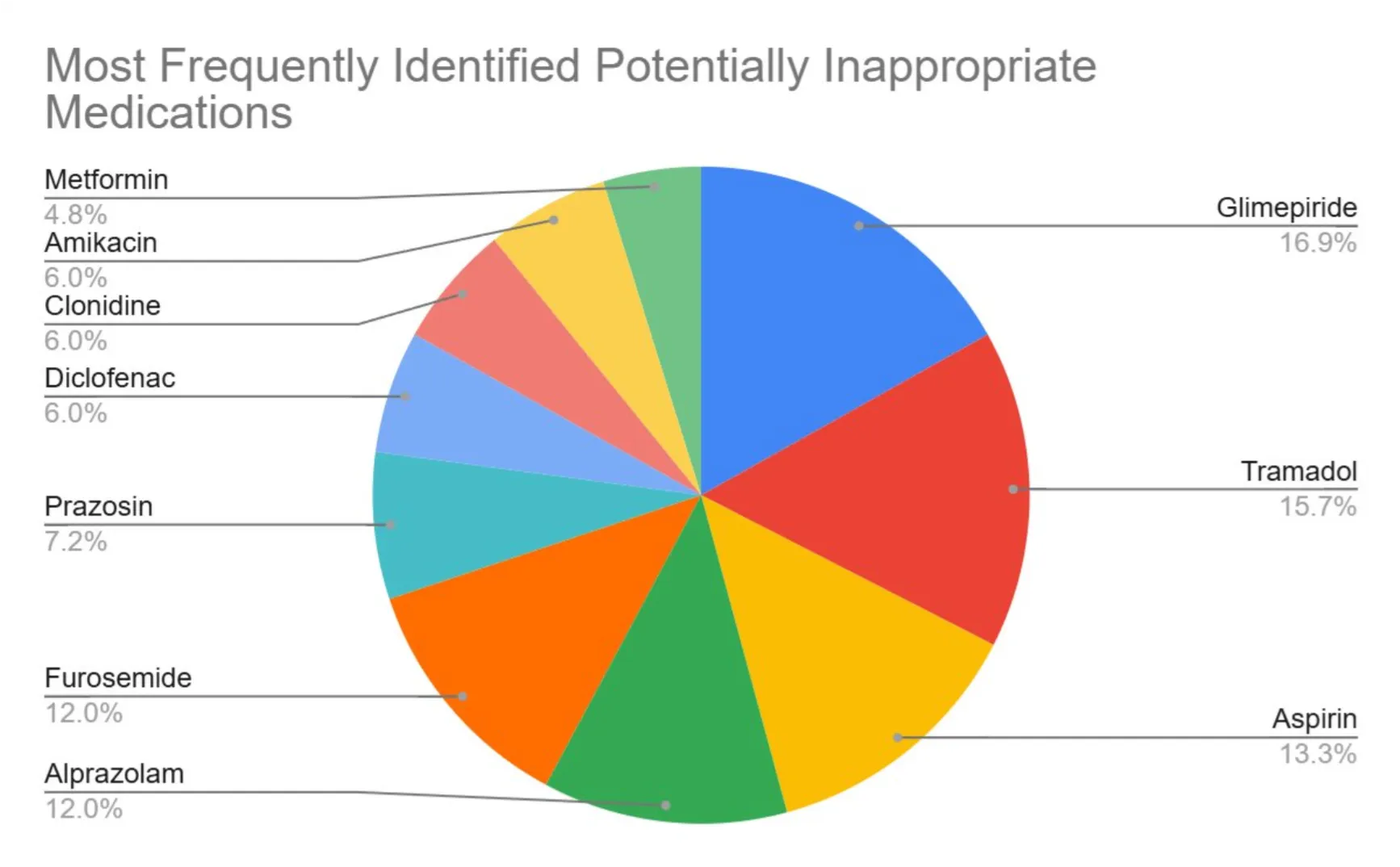
Figure 8: Most Frequently Identified Potentially Inappropriate Medications According to Beers Criteria 2023
DISTRIBUTION OF TOTAL INAPPROPRIATE MEDICATIONS PER PATIENT
Among the 160 study participants, 112 (70.0%) had at least one potentially inappropriate medication (PIM), while 48 (30.0%) had no inappropriate medications. The largest proportion of patients had one PIM (36.3%, n=58), followed by two PIMs (22.5%, n=36). Three PIMs were identified in 9.4% (n=15) of patients, while 1.9% (n=3) had four PIMs.
Table 10: Distribution of Total Inappropriate Medications per Patient
| Total Inappropriate Medications per Patient |
Number of Patients (n) |
Percentage (%) |
|---|---|---|
| 0 | 48 | 30.0 |
| 1 | 58 | 36.3 |
| 2 | 36 | 22.5 |
| 3 | 15 | 9.4 |
| 4 | 3 | 1.9 |
| Total | 160 | 100.0 |
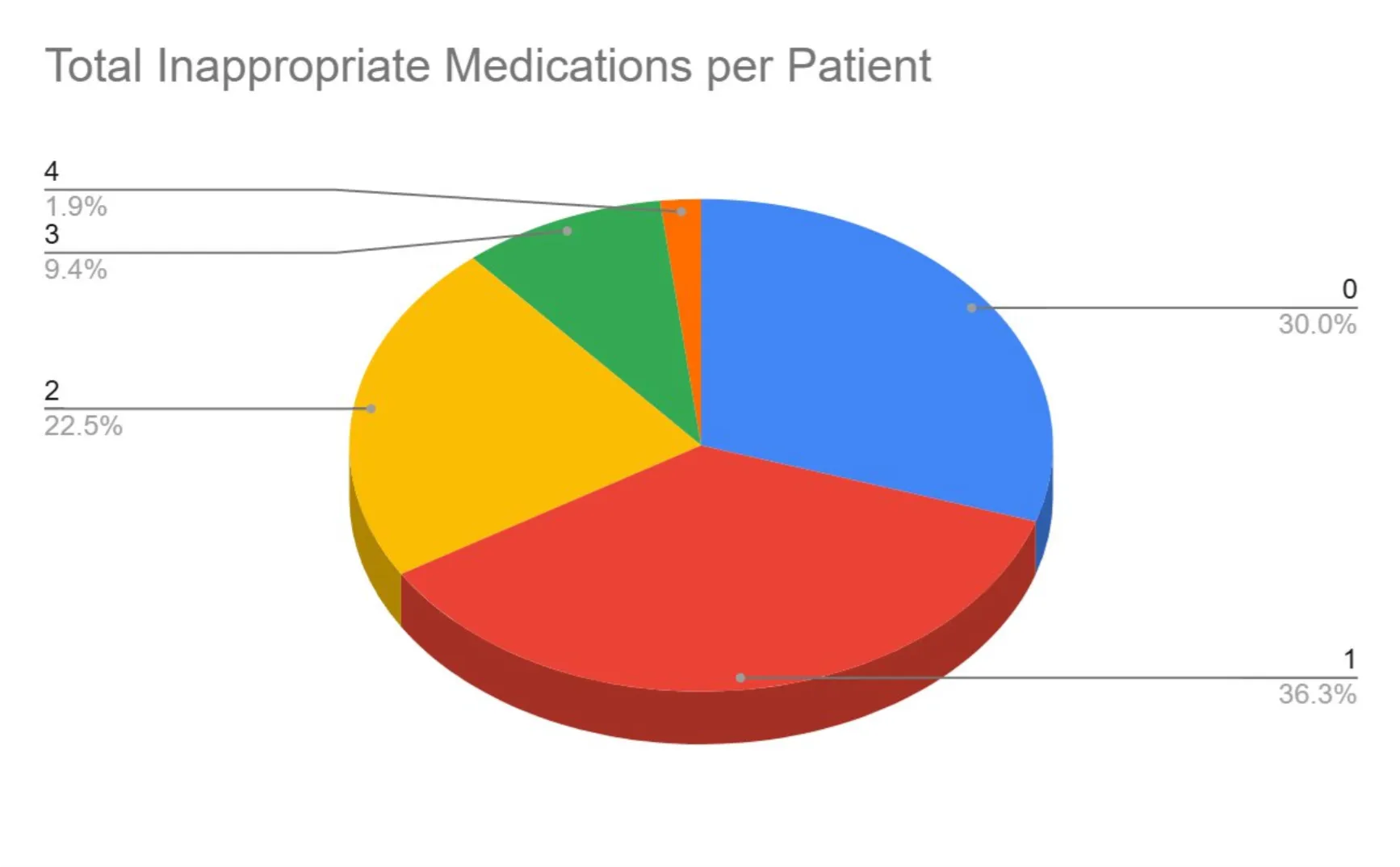
Figure 9: Distribution of Total Inappropriate Medications per Patient
MEDICATION APPROPRIATENESS INDEX (MAI) ASSESSMENT OF PRESCRIBED MEDICATIONS
The Medication Appropriateness Index (MAI) assessment showed that 16,373 (90.23%) medication assessments were rated as appropriate, 1,399 (7.71%) as marginally appropriate, and 215 (1.18%) as inappropriate. Among the individual MAI criteria, correct directions had the highest proportion of appropriate ratings (99.5%), followed by practical directions (96.3%) and dosage (93.5%). The highest proportion of inappropriate ratings was observed for potential drug–disease interactions (4.4%), followed by duplication (3.4%) and potential drug–drug interactions (1.5%).
Table 11: Medication Appropriateness Index (Mai) Assessment of Prescribed Medications
| MAI Criterion |
Appropria te n (%) | Marginally Appropria te n (%) | Inappropria te n (%) | Patients with Inappropria te MAI Criterion n (%) |
|---|---|---|---|---|
| Indication | 1815 (90.1) | 185 (9.2) | 6 (0.3) | 9 (0.4) |
| Effectivene ss | 1824 (90.05) | 178 (8.8) | 6 (0.30) | 7 (0.3) |
| Dosage | 1885 (93.50) | 120 (6.0) | 5 (0.2) | 5 (0.2) |
| Correct directions | 2005 (99.5) | 7 (0.3) | 0 (0.00) | 3 (0.1) |
| Practical directions | 1941 (96.3) | 71 (3.5) | 0 (0.00) | 3 (0.1) |
| Potential drug–drug | 1857 (92.2) | 128 (6.4) | 30 (1.5) | 0 (0.00) |
| interaction | ||||
| Potential drug–diseas e interaction | 1572 (78.0) | 261 (13.0) | 89 (4.4) | 93 (4.6) |
| Duplication | 1766 (87.6) | 158 (7.8) | 69 (3.4) | 22 (1.1) |
| Duration | 1708 (84.8) | 291 (14.4) | 10 (0.5) | 6 (0.3) |
| Overall Ratings |
16,373 (90.23) |
1,399 (7.71) | 215 (1.18) | 148 (0.79) |
DRUG–DRUG INTERACTIONS (DDIs)
A total of 490 drug–drug interactions (DDIs) were identified among the study participants. Moderate interactions constituted the largest proportion (332; 67.76%), followed by mild interactions (103; 21.02%) and severe interactions (55; 11.22%).
Table 12: Distribution of Drug–Drug Interactions According to Severity
| Severity | Number of DDIs |
|---|---|
| Mild | 103 |
| Moderate | 332 |
| Severe | 55 |
| Total | 490 |
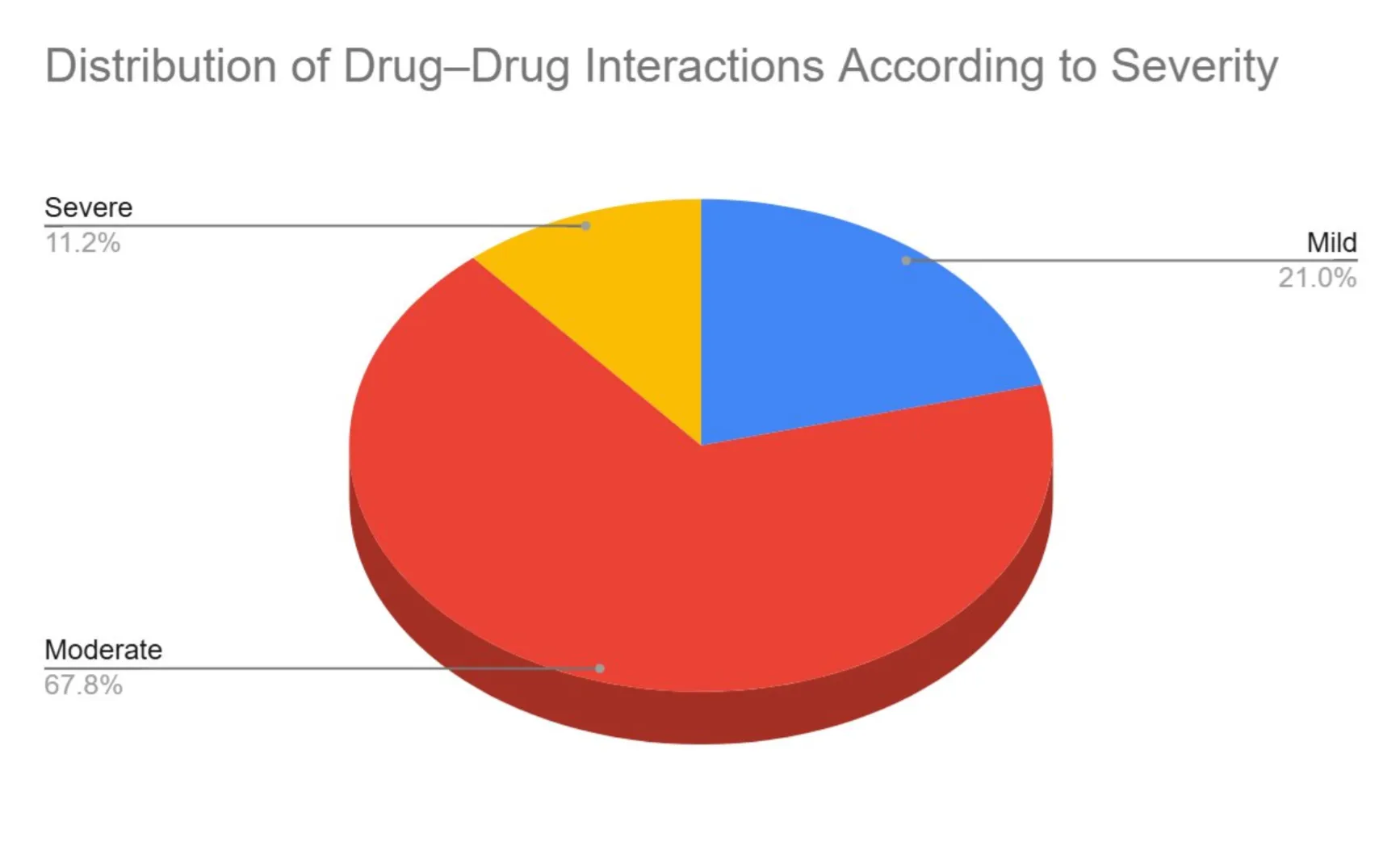
Figure 10: Distribution of Drug–Drug Interactions According to Severity
MOST FREQUENTLY IDENTIFIED DRUG–DRUG INTERACTIONS
Among the 490 drug–drug interactions (DDIs) identified in the study, aspirin + clopidogrel was the most frequently observed interaction (n=14; 2.86%). This was followed by ondansetron + tramadol, pantoprazole + budesonide, and pantoprazole + levothyroxine, each occurring in 6 cases (1.22%). Acetaminophen + enoxaparin and aspirin + insulin regular human were each identified in 5 cases (1.02%).
Table 13: Most Frequently Identified Drug–Drug Interactions
| Drug–Drug Interaction | Frequency |
|---|---|
| Aspirin + Clopidogrel | 14 |
| Ondansetron + Tramadol | 6 |
| Pantoprazole + Budesonide | 6 |
| Pantoprazole + Levothyroxine | 6 |
| Acetaminophen + Enoxaparin | 5 |
| Aspirin + Insulin Regular Human | 5 |
| Aspirin + Metoprolol | 5 |
| Budesonide + Insulin Regular Human | 5 |
| Clopidogrel + Rosuvastatin | 5 |
| Diclofenac + Amikacin | 5 |
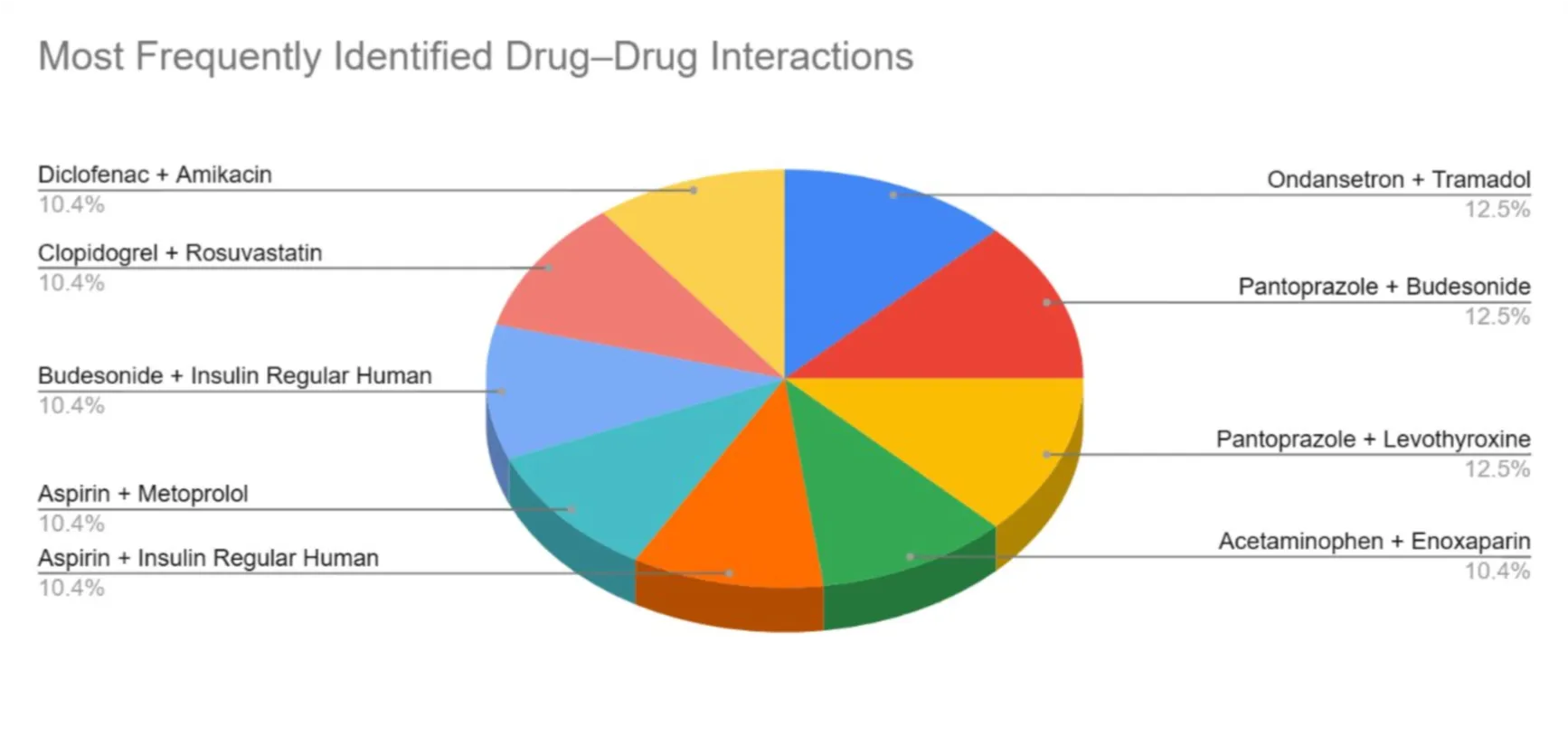
Figure 11: Most Frequently Identified Drug–Drug Interactions
MOST FREQUENTLY IDENTIFIED SEVERE DRUG–DRUG INTERACTIONS
Among the 55 severe drug–drug interactions (DDIs) identified, the most frequently observed severe interaction was fentanyl + propofol/midazolam/lorazepam/clobazam, occurring in 4 cases (7.3%), followed by clonidine + metoprolol in 3 cases (5.5%). Fentanyl + tramadol, labetalol + metoprolol, levothyroxine + heparin, tobramycin + atracurium/rocuronium, fentanyl + atracurium/rocuronium, and azithromycin + fondaparinux/heparin were each identified in 2 cases (3.6%).
Table 14: Most Frequently Identified Severe Drug–Drug Interactions
| Severe Drug–Drug Interaction | Frequency , n (%) | Major Clinical Consequence |
|---|---|---|
| Fentanyl + Propofol/Midazolam/Lorazepam/C lobazam |
4 (7.3) | Respiratory depression, profound sedation, hypotension |
| Clonidine + Metoprolol | 3 (5.5) | Increased risk of bradycardia |
| Fentanyl + Tramadol | 2 (3.6) | Respiratory depression, profound sedation |
| Labetalol + Metoprolol | 2 (3.6) | Additive antihypertensive effect causing hypotension/bradycardia |
| Levothyroxine + Heparin | 2 (3.6) | Increased anticoagulant effect |
| Tobramycin + Atracurium/Rocuronium | 2 (3.6) | Neuromuscular blockade leading to apnea |
| Fentanyl + Atracurium/Rocuronium | 2 (3.6) | Respiratory depression and profound sedation |
| Azithromycin + Fondaparinux/Heparin | 2 (3.6) | Increased bleeding risk |
| Tramadol + Tapentadol | 1 (1.8) | Opioid toxicity and withdrawal risk |
| Fentanyl + Tapentadol | 1 (1.8) | Markedly increased sedation |
ADVERSE DRUG REACTIONS (ADRs)
Among the 160 geriatric patients, a total of 2 adverse drug reactions (ADRs) were identified during the study period. One ADR was associated with pioglitazone, presenting as drug-induced pedal edema with facial puffiness. The second ADR occurred following packed red blood cell (PRBC) transfusion, presenting as an allergic transfusion reaction with back rash. Both ADRs were managed promptly, and causality assessment using the Naranjo ADR Probability Scale classified both events as probable, with scores of 6 and 7, respectively.
Table 15: Distribution and Causality Assessment of Adverse Drug Reactions (ADRs) Among Geriatric Patients
| Sl. No. |
Suspected Drug |
Adverse Drug Reaction |
Management | Naranjo Score |
Causality Assessment |
|---|---|---|---|---|---|
| 1 | Pioglitazone | Druginduced pedal edema with facial puffiness |
Pioglitazone was discontinued, and appropriate supportive management was initiated by the treating physician. |
6 | Probable |
| 2 | PRBC Transfusion |
Allergic transfusion reaction (back rash) | Blood transfusion was stopped immediately. The patient was treated with Inj. Levil and Inj. Hydrocortisone, following which the rash resolved. | 7 | Probable |
DISCUSSION
The present observational study evaluated medication use and prescribing appropriateness among 160 hospitalized geriatric patients, with particular emphasis on potentially inappropriate medications (PIMs), polypharmacy, medication appropriateness, drug–drug interactions (DDIs), and adverse drug reactions (ADRs). The findings demonstrate a substantial burden of multimorbidity and polypharmacy among hospitalized older adults, together with considerable exposure to PIMs and DDIs. These findings emphasize the importance of systematic medication review and appropriate prescribing practices in geriatric patients.
AGE-WISE DISTRIBUTION
The mean age of the study population was 73.39 ± 6.29 years, with the largest proportion of patients belonging to the 65–70-year age group (39.38%, n=63). This indicates that the younger segment of the geriatric population constituted the largest proportion of hospital admissions in the present study. A similar age distribution was reported by Nashiya F. et al. (2024), in which patients aged 65–74 years represented the majority of the study population (78.62%). Zhu X. et al. (2024) also reported that individuals aged 65–74 years constituted 60.87% of the study population and represented a population at increased risk of polypharmacy and PIM use. These findings suggest that medication-related problems are relevant even among the younger elderly population and should not be considered only a concern among the very old.
GENDER DISTRIBUTION
In the present study, males constituted a slightly higher proportion of the study population (54.4%, n=87) than females (45.6%, n=73). A similar male predominance was reported by Nashiya F. et al. (2024), where males accounted for 52.8% of participants, and by Zhu X. et al. (2024), where males constituted 60.14% of the study population. Although the proportion of males was higher in the present study, gender distribution alone does not establish a difference in the risk of PIMs or medication-related problems. The observed distribution may partly reflect the characteristics of the hospitalized population included during the study period.
LENGTH OF HOSPITAL STAY
Most participants had relatively short hospital stays, with 56.9% (n=91) hospitalized for ≤5 days, 32.5% (n=52) for 6–10 days, and 10.6% (n=17) for ≥11 days. Motallebzadeh N. et al. (2019) reported that patients with hospital stays of ≤5 days represented the largest group associated with PIM prevalence (16.16%), followed by those with stays of 6–10 days (9.66%). Nashiya F. et al. (2024) reported that patients hospitalized for 11 days or more had the highest prevalence of PIMs. These findings indicate that prolonged hospitalization may provide greater opportunity for exposure to multiple medications and medication-related problems. However, the present distribution primarily describes length of stay and should not by itself be interpreted as demonstrating an association between prolonged hospitalization and PIM occurrence unless supported by statistical analysis.
POLYPHARMACY
Polypharmacy was highly prevalent in the present study, with 153 (95.6%) of the 160 geriatric patients receiving five or more medications. This finding highlights the complexity of pharmacotherapy among hospitalized older adults. Polypharmacy increases the complexity of medication regimens and may increase the opportunity for inappropriate prescribing, drug–drug interactions, and medication-related adverse events.
Motallebzadeh N. et al. (2019) reported that 175 of 480 patients received ≥6 medications, demonstrating a considerable burden of polypharmacy. Similarly, Nashiya F. et al. (2024) reported that 130 of 159 patients (81.8%) were prescribed ≥5 medications. The prevalence observed in the present study was higher than that reported by Nashiya F. et al., suggesting a particularly high medication burden among the hospitalized geriatric population studied.
NUMBER OF DIAGNOSES
A high burden of multimorbidity was observed in the present study. The majority of geriatric patients had three or more diagnoses (76.3%, n=122), while 16.3% (n=26) had two diagnoses and 7.5% (n=12) had a single diagnosis. The presence of multiple coexisting diseases can substantially increase therapeutic complexity because several conditions may require simultaneous pharmacological management.
Motallebzadeh N. et al. (2019) reported that patients with one diagnosis had the highest prevalence of PIMs (25.92%), whereas Nashiya F. et al. (2024) reported the highest prevalence of PIMs among patients with three or more diagnoses (47.27%, n=52). The findings of the present study, together with these previous observations, emphasize the importance of considering the number of coexisting conditions when reviewing medication regimens in older adults.
DISTRIBUTION OF DISEASE CONDITIONS ACCORDING TO ORGAN SYSTEM
A total of 522 disease conditions were identified among the 160 study participants, demonstrating a substantial burden of multimorbidity. Cardiovascular disorders constituted the largest proportion (34.10%, n=178), followed by endocrine disorders (25.86%, n=135). Renal/urinary disorders accounted for 10.34% (n=54), digestive disorders for 9.39% (n=49), respiratory disorders for 7.09% (n=37), and central nervous system disorders for 5.94% (n=31). Hematological and musculoskeletal disorders were the least frequently observed, each accounting for 3.64% (n=19).
The predominance of cardiovascular and endocrine conditions indicates that chronic diseases requiring long-term pharmacological treatment represented a major component of the clinical burden in this population. The coexistence of multiple diseases also provides an important context for interpreting the high prevalence of polypharmacy and PIMs observed in the study. Because several patients had more than one diagnosis, medication regimens were likely influenced by the need to manage multiple concurrent conditions. Therefore, medication review in geriatric patients should consider not only individual drugs but also the interaction between the patient's diseases and the overall treatment regimen.
POTENTIALLY INAPPROPRIATE MEDICATIONS ACCORDING TO THE 2023 AGS BEERS CRITERIA
A total of 186 PIM occurrences were identified using the 2023 AGS Beers Criteria. Category 1, comprising drugs to be avoided, represented the largest proportion (46.24%), followed by Category 3, comprising drugs to be used with caution (29.57%). Category 5, involving medications requiring dose adjustment based on kidney function, accounted for 12.37%, while Categories 2 and 4 each accounted for 5.91%.
The predominance of Category 1 PIMs indicates that medications with established concerns in older adults continued to be used in the study population. Glimepiride was the most frequently identified Category 1 medication, followed by alprazolam. The identification of these medications is clinically important because older adults may be particularly vulnerable to medication-related complications. The presence of Category 5 PIMs also highlights the importance of assessing renal function before selecting or dosing medications in geriatric patients.
The findings support the usefulness of the 2023 AGS Beers Criteria as a structured tool for identifying potentially inappropriate prescribing. However, identification of a PIM does not necessarily mean that the medication is always inappropriate for an individual patient; clinical indication, treatment goals, monitoring, and patient-specific factors should also be considered.
MOST FREQUENTLY IDENTIFIED PIMS
Glimepiride was the most frequently identified PIM (n=14), followed by tramadol (n=13), aspirin (n=11), alprazolam (n=10), and furosemide (n=10). The frequent identification of these medications demonstrates that PIM exposure was not limited to a single therapeutic class but involved medications used for different clinical conditions.
The findings highlight the importance of medication review at the individual-drug level. Particular attention may be required when medications with risks relevant to older adults are prescribed in patients with multiple comorbidities or concurrent medications. Pharmacist-led medication review may therefore complement routine prescribing practices by identifying medications that warrant reconsideration, monitoring, dose adjustment, or substitution.
DISTRIBUTION OF TOTAL PIMS PER PATIENT
In the present study, 70.0% (n=112) of patients had at least one PIM, while 30.0% (n=48) had no PIM. Among those exposed to PIMs, one PIM was most common (36.3%, n=58), followed by two PIMs (22.5%, n=36). Three or four PIMs were less frequent.
The finding that seven out of every ten geriatric patients had at least one PIM demonstrates the substantial burden of potentially inappropriate prescribing in this hospitalized population. Although multiple PIM exposure was less frequent than single-PIM exposure, the presence of more than one potentially inappropriate medication may further increase medication-management complexity. These findings reinforce the value of systematic screening using validated criteria such as the 2023 AGS Beers Criteria.
MEDICATION APPROPRIATENESS INDEX
The MAI assessment demonstrated that the majority of medication assessments were classified as appropriate (90.23%), while 7.71% were marginally appropriate and 1.18% were inappropriate. Correct directions, practical directions, and dosage showed particularly high proportions of appropriate ratings.
Despite the overall high level of appropriateness, potential drug–disease interactions represented the largest proportion of inappropriate MAI ratings (4.4%), followed by duplication (3.4%) and potential drug–drug interactions (1.5%). These findings indicate that inappropriate prescribing may arise not only from the selection of individual medications but also from the relationship between medications and the patient's clinical conditions and concurrent therapy.
The present findings are comparable in terms of overall appropriateness with Al-Share Y.Q. et al. (2025), who reported an overall appropriateness rate of 89.56%. This similarity suggests that, although most prescriptions may satisfy general appropriateness criteria, specific areas such as drug–disease interactions and therapeutic duplication require continued attention.
DRUG–DRUG INTERACTIONS
A total of 490 DDIs were identified, of which 67.76% were moderate, 21.02% were mild, and 11.22% were severe. The predominance of moderate interactions indicates a considerable burden of clinically relevant interaction potential among the study population.
Aspirin + clopidogrel was the most frequently identified DDI, followed by ondansetron + tramadol, pantoprazole + budesonide, and pantoprazole + levothyroxine. The occurrence of multiple interactions in a population with a high prevalence of polypharmacy emphasizes the importance of reviewing the complete medication profile rather than assessing medications independently.
The presence of 55 severe DDIs is particularly important from a medication-safety perspective. Severe interactions involving fentanyl with sedative or anesthetic agents, clonidine with metoprolol, and other combinations may have clinically important consequences. These findings highlight the need for active monitoring and timely intervention when high-risk combinations are identified.
SEVERE DRUG–DRUG INTERACTIONS
Among the severe DDIs, fentanyl with propofol/midazolam/lorazepam/clobazam was the most frequently identified combination, followed by clonidine + metoprolol. Other severe interactions included fentanyl + tramadol, labetalol + metoprolol, levothyroxine + heparin, tobramycin + atracurium/rocuronium, fentanyl + atracurium/rocuronium, and azithromycin + fondaparinux/heparin.
These findings are clinically relevant because several of the identified combinations involve agents capable of producing additive effects such as sedation, respiratory depression, bradycardia, hypotension, or increased bleeding risk. The results therefore emphasize the importance of computerized interaction screening, pharmacist review, and clinical monitoring, particularly in patients receiving complex inpatient medication regimens.
ADVERSE DRUG REACTIONS
Only two ADRs were identified among the 160 patients. One was associated with pioglitazone and presented as pedal edema with facial puffiness, while the other was an allergic reaction following PRBC transfusion, presenting as a back rash. Both events were classified as probable according to the Naranjo ADR Probability Scale, with scores of 6 and 7.
Belhekar M.N. et al. (2014) similarly reported that 100% of ADRs in their study were classified as probable according to the Naranjo scale. Bajracharya S.R. et al. (2019) also reported pioglitazone and PRBC transfusion as suspected causes, accounting for 50.0% each in their findings. However, the low number of ADRs observed in the present study should be interpreted cautiously, as the occurrence of only two events limits the ability to draw broader conclusions regarding ADR frequency.
OVERALL INTERPRETATION
Taken together, the findings demonstrate a complex medication-use pattern among hospitalized geriatric patients. The population had a high burden of multimorbidity and polypharmacy, with 70.0% of patients exposed to at least one PIM and 490 DDIs identified. Although the MAI demonstrated a high overall proportion of appropriate medication assessments, specific problems involving drug–disease interactions, therapeutic duplication, PIM exposure, and severe DDIs remained evident.
These findings support the role of regular medication reconciliation, systematic PIM screening using the 2023 AGS Beers Criteria, assessment of renal function, DDI screening, and pharmacist involvement in medication review as important components of geriatric medication-safety practice.
CONCLUSION
This prospective cross-sectional observational study evaluated the rationality and safety of pharmacotherapy among 160 hospitalized geriatric patients in a tertiary care hospital. The study population demonstrated a high burden of multimorbidity and polypharmacy, with cardiovascular and endocrine disorders being the predominant disease categories. The frequent use of multiple medications reflects the complexity of pharmacotherapy in older adults and the consequent need for careful medication assessment.
Application of the 2023 AGS Beers Criteria identified 186 potentially inappropriate medication (PIM) occurrences, with 70% of patients having at least one PIM. The findings demonstrate that potentially inappropriate prescribing remains an important medication-safety concern among hospitalized geriatric patients and support the use of validated geriatric prescribing criteria as part of routine medication review.
Although the Medication Appropriateness Index (MAI) indicated a high overall level of prescribing appropriateness, drug–disease interactions, therapeutic duplication, and drug–drug interactions remained areas requiring attention. The identification of a substantial number of DDIs, including severe interactions, further emphasizes the importance of systematic medication reconciliation and continuous monitoring during hospitalization.
Overall, the findings support the integration of 2023 AGS Beers Criteria-based screening, MAI assessment, drug–drug interaction monitoring, and active clinical pharmacist involvement into multidisciplinary geriatric care. A structured and comprehensive medication-review process may help identify medication-related problems, optimize pharmacotherapy, reduce preventable medication-related harm, and promote safer and more rational medication use among hospitalized older adults.
ACKNOWLEDGMENT
The authors sincerely acknowledge DR. PRIYANKA N. for her valuable guidance, continuous support, and constructive suggestions throughout the study. The authors also express their gratitude to the Department of Pharmacy Practice and the clinical staff of the study hospital for their cooperation and support during the study. The authors are grateful to all the patients who participated in the study for their valuable cooperation.
CONFLICT OF INTEREST
The authors declare that there is no conflict of interest associated with this manuscript.
REFERENCES





Riyad Hossain, Dr. Priyanka N., Ranjitha K., Jit Sardar, Varuna P., Evaluating Safety Profile of Pharmacotherapy Among Geriatric Patients in a Tertiary Care Hospital, Int. J. of Pharm. Sci., 2026, Vol 4, Issue 10, 3917-3937. https://doi.org/10.5281/zenodo.23658618
 10.5281/zenodo.23658618