

We use cookies to ensure our website works properly and to personalise your experience. Cookies policy
Dept. of Pharmaceutics, TVMCP.
The goal of this study was to formulate and evaluate a solid shampoo bar enriched with moringa powder and flaxseed gel for effective hair cleansing and conditioning. The study involved the selection of suitable cleansing agents, conditioning agents, herbal ingredients and other excipients, followed by formulation, evaluation and comparison of the prepared solid shampoo bars with a marketed product. Moringa powder and flaxseed gel were prepared and subjected to preliminary phytochemical screening. Suitable formulation ingredients were selected, and three formulations, F1, F2 and F3, were prepared by varying the concentrations of selected surfactants while incorporating moringa powder and flaxseed gel. The prepared formulations were evaluated for their physical, physicochemical and performance characteristics, including appearance, pH, dirt dispersion, foamability, foam stability, moisture content, wetting ability, conditioning properties and surface tension. FTIR studies were also carried out to identify characteristic functional groups and assess the compatibility of the selected ingredients. Based on the combined performance of the evaluated parameters, Formulation F1 was selected as the optimized formulation. It delivered the most balanced performance across all physical and cleansing tests, presenting a skin-compatible pH of 5.23, an initial foam height of 9.5 cm with 90.6% stability, a practical wetting speed, and a high surface tension reduction of 34.90 dyn/cm. The findings also supported the chemical compatibility and integrity of the ingredients incorporated into this optimized formulation based on the FTIR study.
A shampoo bar is a solid hair cleanser that contains surfactants and conditioning agents that clean and nourish the hair and scalp effectively.
Hair is the thin, thread-like structure made primarily of a protein called keratin that grows from follicles embedded in the dermis of mammals. Hair helps with protection, temperature regulation, and sensory perception. The hair shaft itself is composed of three concentric layers of keratinised cells: the medulla, cortex, and cuticle.
Figure 01: Anatomy of Hair
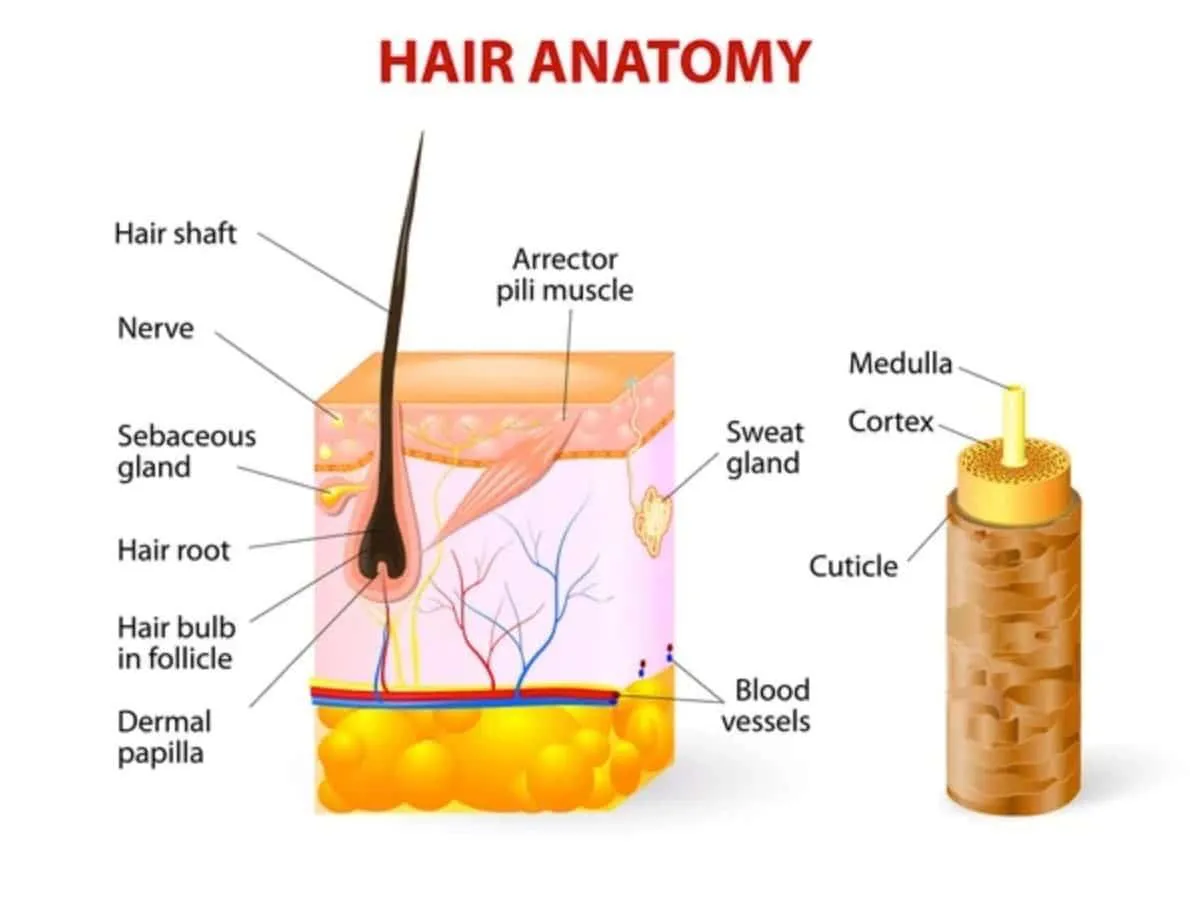
Figure 02: Hair root
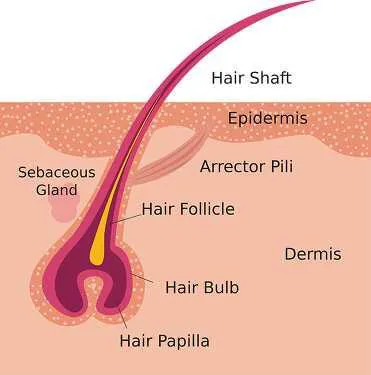
Figure 03: Hair shaft
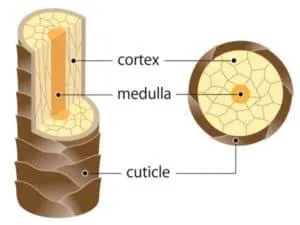
Figure 04: Scalp circulation and sensation
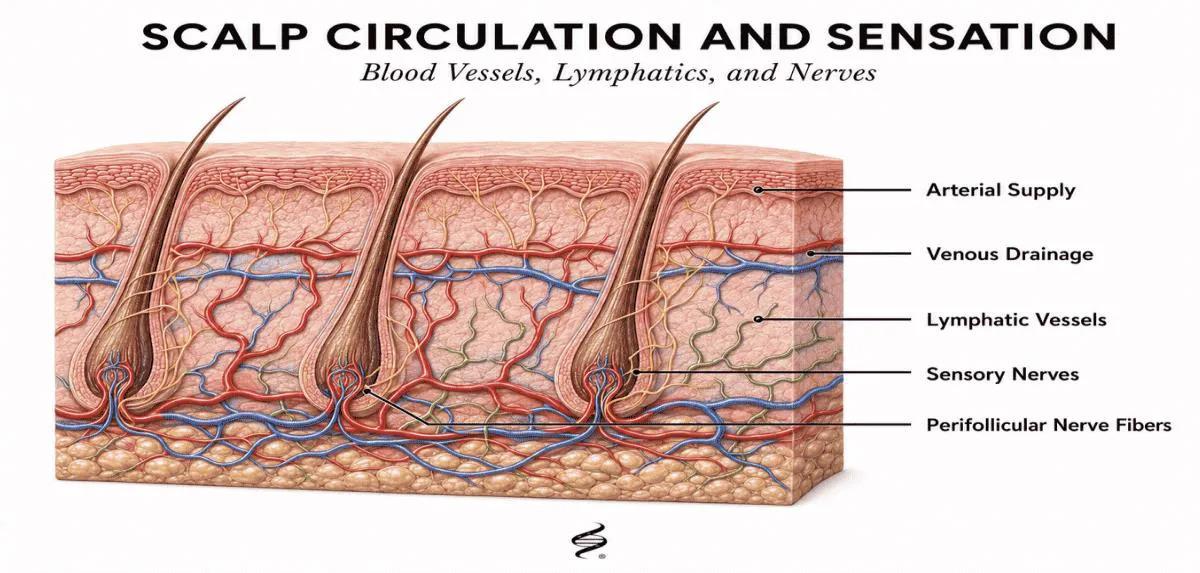
Figure 05: Sweat glands
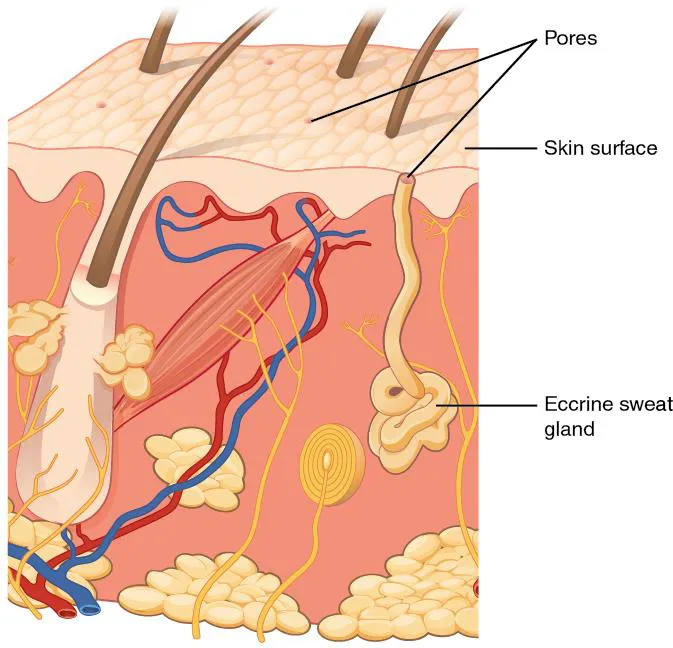
Figure 06: Hair growth cycle
Hair Cycle each sort of hair undergoes repeated cycle of active growth and rest. The cyclic phase of the follicle is identified by a lively growth period referred to as anagen, catagen and telogen a resting stage.
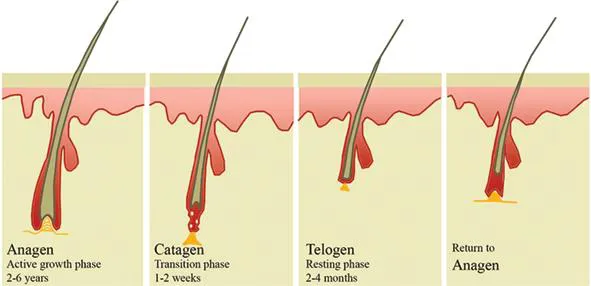
Figure 07: Types of split ends on hair
Hair breakage and split ends are common hair problems caused by weakening and damage to the hair shaft and protective cuticle. Frizz and roughness are common hair problems characterized by dry, coarse, uneven, and difficult-to-manage hair. Hair loss (also known as alopecia) for several men, it's getting to be male pattern balding. Dandruff is characterized by flaking of the scalp.
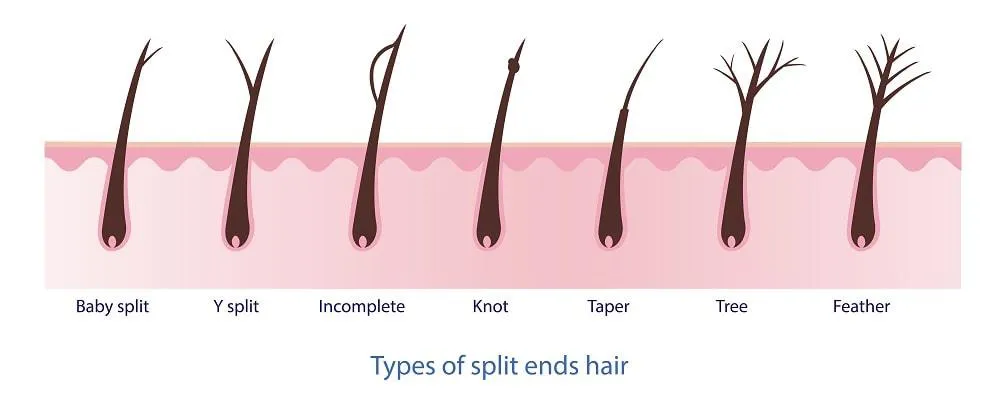
Figure 08: Frizzy and rough hair
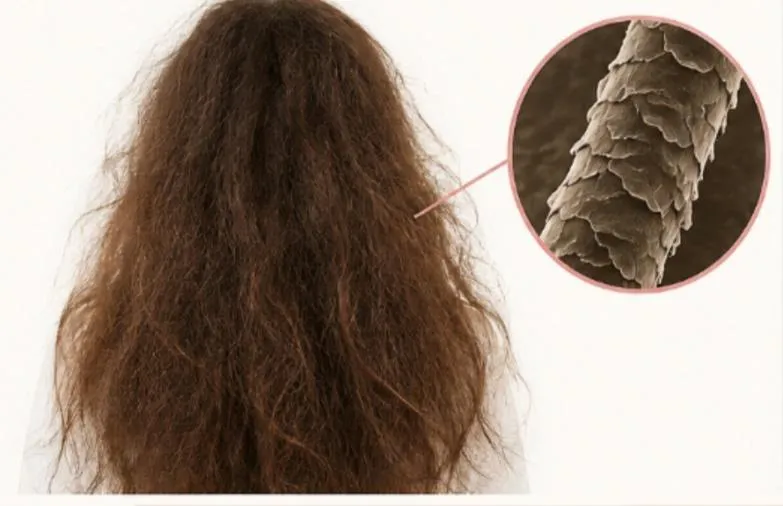
Figure 09: Hair loss pattern
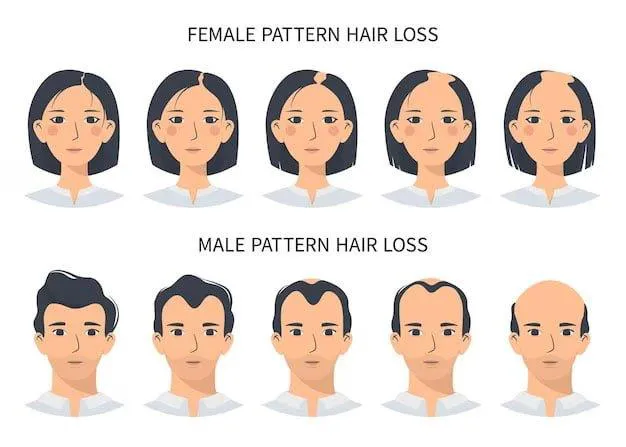
Figure 10: Healthy scalp v/s dandruff scalp
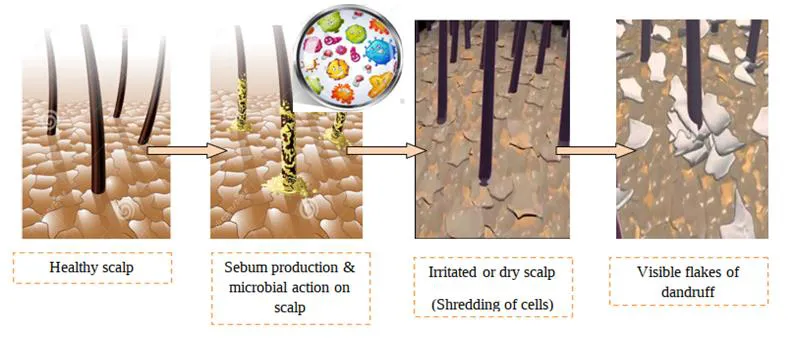
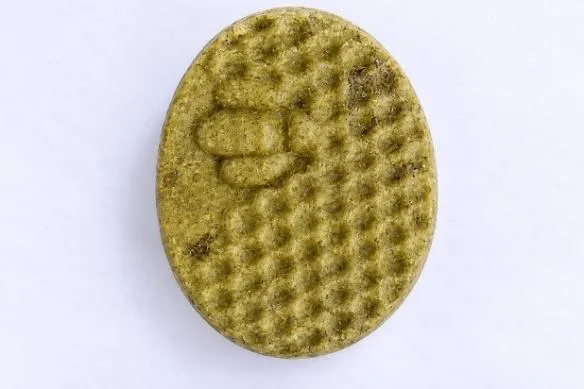
Figure 11: Solid shampoo bar
Ideal Characteristics of a Solid Shampoo Bar:
Aim and Objectives
To carry out formulation and evaluation of a solid shampoo bar enriched with moringa powder and flaxseed gel.
Review of Literature
Silva de Lima L. et al., have reviewed and evaluated the development of solid shampoo bars as an alternative to conventional liquid shampoos. This article mainly focuses on the formulation, stability, physical characteristics, and cleansing and conditioning performance of solid shampoo bars. Different formulations were prepared by varying the concentration of solid surfactants and were evaluated for their physical appearance, pH, foaming properties, cleansing ability, hardness, consistency, and hair combability. The study showed that the selected formulations remained stable under different storage conditions and exhibited good foam formation, cleansing, and conditioning properties. (9)
Patel H et al., formulated and evaluated a herbal solid shampoo bar using Psidium guajava (guava) leaf powder as an anti-dandruff agent. The study aimed to develop a herbal alternative to conventional shampoo bars with cleansing and conditioning properties. The shampoo bar was prepared using the hot-process method, followed by incorporation of guava leaf powder. The prepared formulations were evaluated for physical appearance, dirt dispersion, washability, foaming ability, pH, solid content, conditioning properties, and stability. (10)
Bawanthade et al., formulated and evaluated a polyherbal shampoo bar containing flaxseed and other herbal ingredients. The formulations showed satisfactory physical properties, cleansing, foaming, conditioning, and antimicrobial activity. The study concluded that polyherbal shampoo bars have potential as a natural and environmentally friendly alternative to conventional shampoos. (11)
Nandhini J et al., formulated and evaluated a naturally derived shampoo bar using ingredients obtained from natural sources. The prepared shampoo bars were evaluated for visual appearance, pH, foamability, stability, dirt dispersion, and surface tension. The results indicated satisfactory cleansing and physicochemical properties, showing that naturally derived ingredients can be successfully incorporated into solid shampoo bars. (12)
Akash Kumar Pal et al., formulated a herbal shampoo using Moringa oleifera leaves and flax seeds (Linum usitatissimum) for natural hair care. The formulation was prepared using a mild, sulphate-free base along with natural surfactants and conditioning agents. It was evaluated for pH, viscosity, foamability, wetting time, dirt dispersion, surface tension, and conditioning performance. The formulated shampoo showed satisfactory cleansing and conditioning properties, indicating the potential of moringa and flaxseed as useful herbal ingredients for hair-care formulations. (13)
Nandini Harish Thakare et al., reviewed the formulation and evaluation of shampoo bars as an alternative to conventional liquid shampoos. The study discussed the use of different ingredients such as surfactants, conditioning agents, and herbal ingredients in the preparation of solid shampoo. Various evaluation parameters, including pH, foam stability, dirt dispersion, and other physicochemical properties, were discussed. (14)
Snehal P. Patil et al., formulated and evaluated a multipurpose herbal solid shampoo and conditioner using herbal ingredients such as neem, amla, brahmi, jatamansi, shikakai and behada. The herbal extracts were incorporated into a solid base, and the prepared formulations were evaluated for their organoleptic and physicochemical properties. The study focused on properties such as pH, foaming ability and moisture content, along with the beneficial antimicrobial and conditioning effects of the herbal ingredients. (15)
MATERIALS AND METHODS
METHODOLOGY
Table 1: List of Materials
| Ingredients | Manufacture/Supplier |
|---|---|
| Sodium Cocoyl Isethionate (SCI) | BRM Chemicals, Delhi 110006 |
| Sodium Lauryl Sulphoacetate (SLSA) | Formulation Inc. Art Mart |
| Cocamidopropyl Betaine (CAPB) | BRM Chemicals, Delhi 110006 |
| BTMS-50 Conditioner | BRM Chemicals, Delhi 110006 |
| Cetostearyl Alcohol | Loba Chemie Pvt.LTD. |
| Cocoa Butter | yuccaenterprises@yahoo.com |
| Hydrolysed Protein (Wheat) | BRM Chemicals, Delhi 110006 |
| Panthenol (Vitamin B5) | BRM Chemicals, Delhi 110006 |
| Glycerine | Sd fine – chem limited |
| Fragrance or Essential Oil | yuccaenterprises@yahoo.com |
| Moringa Powder | Local market |
| Flaxseed Gel | Local market |
Table 2: List of Equipment’s
| Equipment | Model/company |
|---|---|
| Analytical weighing balance | Shimadzu Corporation, Japan |
| Digital pH meter | Systroniesnarods, Ahmedabad, India |
| Water bath | Jaideep engineers, gurudwara |
| Stalagmometer | Jain Scientific Glass Works (JSGW) |
| FTIR | PerkinElmer FTIR Spectrometer Spectrum two |
EXTRACTION METHODS
Figure 12: Moringa leaf powder
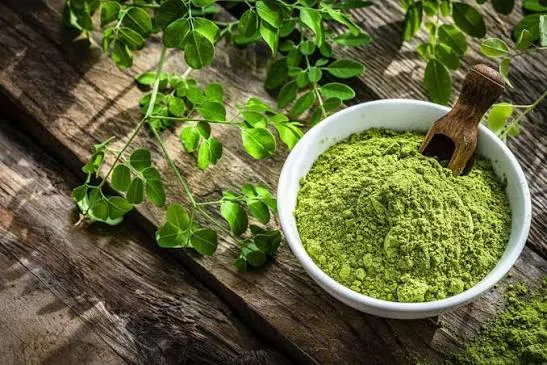
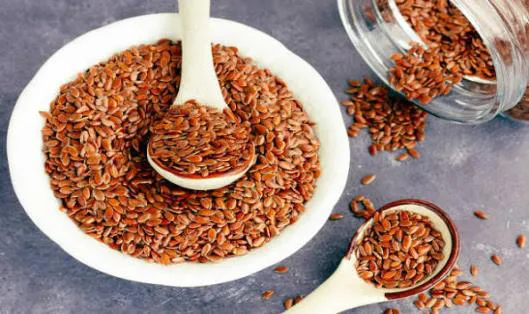
Figure 13: Flaxseed
1. Extraction of flaxseed
10g of flaxseed is weighed
Rinse with distilled water
Add purified water into 1:7 ratio
Boil it for 7 mins on a medium flame or until the gel forms
Strain it by using muslin cloth
Cool it to room temperature
Flax seed gel can be used for formulation. (32)
2. Extraction of moringa leaf powder
Collection of fresh Moringa oleifera leaves
↓
Thorough washing with distilled water
↓
Removal of stalks and damaged portions
↓
Shade drying at room temperature until completely dry
↓
Grinding of dried leaves into fine powder
↓
Sieving through a suitable sieve to obtain uniform fine powder
↓
Collection and storage of Moringa leaf powder in an airtight container
↓
Moringa powder used in solid shampoo bar formulation. (33)
FORMULATION
Collection and weighing of raw materials
Preparation of Phase A
SCI + CAPB → Heated at 80°C with continuous mixing until a homogeneous softened mass was obtained
Preparation of Phase B
Cetearyl alcohol + BTMS-50 + Cocoa butter → Heated at 75°C until completely melted
Addition of SLSA
SLSA was added to Phase B and mixed thoroughly
Preparation of Phase C
Panthenol + Hydrolyzed wheat protein + Glycerin + Sodium benzoate + Essential oil → Mixed uniformly
Incorporation of Phase C into Phase B
Phase C was gradually added to Phase B with continuous mixing
Incorporation of Phase B into Phase A
Phase B was gradually added to Phase A and mixed thoroughly
Incorporation of herbal ingredients
Moringa powder + Flaxseed gel → Gradually incorporated and mixed thoroughly
Moulding
The homogeneous mass was transferred into suitable moulds and compressed gently
Drying
The moulded shampoo bars were dried at room temperature for 24–48 h
Demoulding and storage
The dried shampoo bars were carefully demoulded and stored in suitable containers for further evaluation. (9)
Table 03: Solid Shampoo bar Containing Moringa Powder and Flaxseed Gel.
| Ingredients | F1 (100g) | F2 (100g) | F3 (100g) | Typical formulation range (%) |
|---|---|---|---|---|
| Sodium Cocoyl isethionate (SCI) | 44 | 40 | 47 | 30–60 |
| Sodium Lauryl Sulphoacetate (SLSA) | 14 | 12 | 15 | 5–30 |
| Cocamidopropyl Betaine (CAPB) | 6 | 12 | 2 | 2–15 |
| BTMS-50 Conditioner | 8 | 8 | 8 | 2–10 |
| Cetostearyl Alcohol | 8 | 8 | 8 | 1–10 |
| Cocoa butter | 5 | 5 | 5 | 1–10 |
| Moringa powder | 4 | 4 | 4 | 1–5 |
| Flaxseed gel | 4 | 4 | 4 | 1–5 |
| Glycerin | 4 | 4 | 4 | 1–10 |
| Hydrolyzed Protein | 1 | 1 | 1 | 0.5–5 |
| Panthenol (Vitamin B5) | 0.6 | 0.6 | 0.6 | 0.5–5 |
| Sodium Benzoate | 1 | 1 | 1 | 0.2–1.0 |
| Fragrance/essential oil | 0.4 | 0.4 | 0.4 | 0.3-2 |
IDENTIFICATION TESTS
1. Test for Flaxseed Mucilage
2. Test for Moringa Powder
1. Tests for Flaxseed Mucilage
a. Organoleptic Properties: These Characteristics were Physically examined like Colour, odour and Taste.
b. Omega-3 fatty acid test: Take 1 ml of bromine water and add 2 ml of flaxseed gel into test tube.
c. Phenolic compound: Take 1 ml of ferric chloride solution and add 2 ml of flaxseed gel.
d. Ruthenium red test: Take a 2 ml of non-hydrolyzed sample solution in a test tube add a few drops of ruthenium red solution and heat over a flame until the colour changes.
e. Phytosterol:
i. Salkowski test: Take a 2 ml of flaxseed gel add 5 ml of conc. H₂SO₄ slowly along the side of the test tube.
ii. Liebermann–Burchard test: Take a 2 ml of gel with chloroform add a few drops of acetic anhydride and add a few drops of conc. H₂SO₄.(34)
2. Test for Moringa Powder
a. Organoleptic properties: These characteristics were physically examined like colour, odour, and taste
B. Tests for moringa powder: Sample preparation
1gm of leaf powder + add 10ml of 70% ethanol + shake for 20-30 minutes and filtrate for the solution and use the filtrate for the phytochemical tests.
b. Ferric chloride test for phenolic compounds: A few drops of 5% ferric chloride solution were added to the prepared extract and mixed thoroughly.
c. Shinoda test for flavonoids: To the extract, a small amount of magnesium turnings was added, followed by a few drops of concentrated hydrochloric acid.
d. Foam test for saponins: The extract was diluted with water and shaken vigorously for approximately 10–15 min.
e. Dragendorff's test for alkaloids: A few drops of Dragendorff's reagent were added to the extract.
f. Molisch's test for carbohydrates: A few drops of Molisch's reagent were added to the extract. Concentrated sulfuric acid was then carefully added along the side of the test tube to form a separate layer.
g. Benedict's test for Proteins: To the 2ml of sample in a test tube add 2ml of sodium hydroxide followed by 4-5 drops of 1% copper sulphate.
h. Ninhydrin test for amino acids: A few drops of ninhydrin solution were added to the extract and the mixture was gently heated. (35)
EVALUATION OF SOLID SHAMPOO BAR ENRICHED WITH MORINGA POWDER AND FLAXSEED GEL
Organoleptic Properties
i) Colour: observed visually under normal light
ii) Appearance: Examined visually for shape and surface
iii) Odour: Assessed by smelling the sample
pH Determination
A 1% (w/v) solution of the formulated solid shampoo bar was prepared using distilled water. The Ph meter was calibrated using standard buffer solution of Ph 4.0 and Ph of the sample solution was measured at room temperature, and the readings were recorded
A 1% shampoo solution was prepared and two drops of Indian ink were added. The solution was shaken 10 times in a measuring cylinder. The distribution of ink in foam and water layer was observed and recorded.
A cotton disc (cotton fabric) with a diameter of 1 inch was placed on surface of a 1% shampoo bar solution. the time taken for the cotton disc to sink completely was recorded as wetting time
Foaming Ability
50 ml of a 1% shampoo bar solution was transferred into a 100ml measuring cylinder and shaken 10 times. after standing for 1minute, the height of the foam produced was measured and recorded.
Foam Stability
Foam stability was determined by the cylinder shake method. 50ml of 1 % (w/v) shampoo solution was transferred into 100ml measuring cylinder and shaken vigorously 10 times. The cylinder was allowed to stand undisturbed for 10min. The volume of foam remaining after 10 minutes was measured and recorded.
(Formula: Foam retention (%) = (Foam height at 10min ÷ Initial foam height) × 100)
Moisture Content
About 10g of the formulated shampoo bar was accurately weighed in a pre-weighed China dish. The sample was dried in a hot air oven at 105oC for 1 hour.
After cooling, the sample was weighed again. The moisture content was calculated from the loss in weight using the standard formula.
Formula:
Moisture content (%) =initial weight – final weight \initial weight ×100
After washing the hair with shampoo, the conditioning impact on hair was examined. Conditioning characteristics encompassed desirable hair benefits such as improved lustres, softness, and silkiness. The conditioning effects were graded on a scale of 1–5. 1 = Very poor, 2 = Poor, 3 = Moderate, 4 = Good, 5 = Excellent.
Surface Tension Measurement: Drop Count Method
Measurements were carried out using a 10% w/v shampoo bar thoroughly cleaned stalagmometer using purified water. Drops are counted as the liquid moves from point A to point B. the average value is obtained by repeating the procedure three times. (11) (36)
Density:
ρ2 = (W₃ − W₁) / (W₂ − W₁) × ρ
ρ1= Density of the water
W₁ = Weight of the empty pycnometer
W₂ = Weight of the pycnometer filled with water
W₃ = Weight of the pycnometer filled with the sample
ρ2= Density of sample
Surface tension:
γ2 = (ρ2 × n1) / (ρ1 × n2) × γ1
γ2 = Surface tension of sample
ρ2 = Density of sample
n1 = Number of drops of water
ρ1 = Density of water
n2 = Number of drops of sample
γ1 = Surface tension of water
Drug and Excipient Compatibility – IR Spectroscopy
IR Spectroscopy of Flaxseed gel
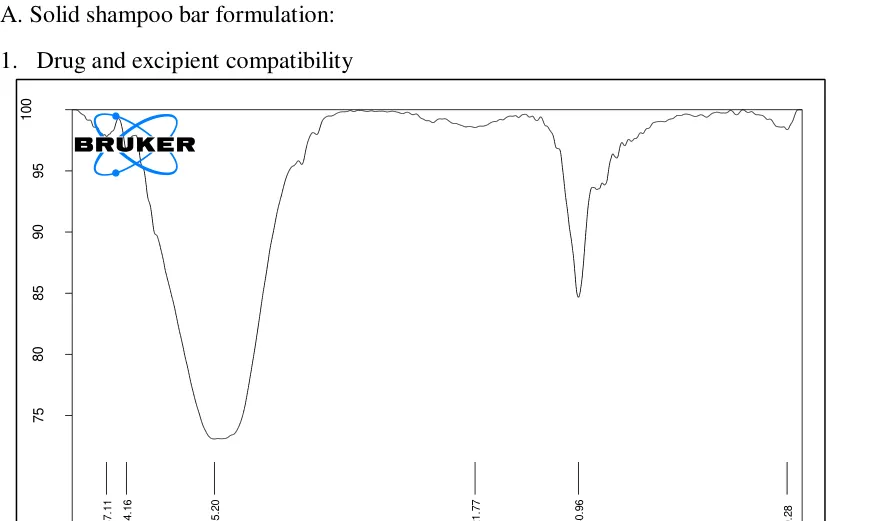
Figure 27: IR Spectroscopy of Flaxseed gel
Table 17: IR Spectroscopy of Flaxseed Gel
| Functional group | Standard peak (cm-1) | Observed peak (cm-1) |
|---|---|---|
| Free O-H stretching | 3800-3600 | 3744.16 |
| Hydrogen-bonded O-H stretching | 3600-3200 | 3335.20 |
| Weak combination/overtone bond | 2200-2000 | 2121.77 |
| H-0-H bending/C=C vibration | 1650-1600 | 1640.96 |
| 0-H out-of-plane/ skeletal vibration | 700-600 | 669.28 |
IR Spectroscopy of Sodium cocyl isethionate
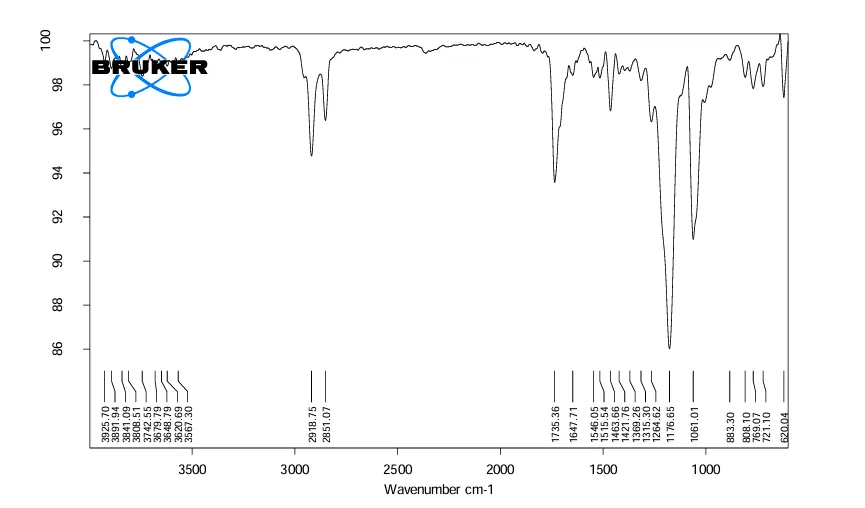
Figure 28: IR Spectroscopy of Sodium cocyl isethionate
Table 18: IR Spectroscopy of Sodium Cocoyl Isethionate
| Functional group | Standard peak (cm-1) | Observed peak (cm-1) |
|---|---|---|
| C-H stretching | 3000-2800 | 2918-2851 |
| C=O stretching | 1750-1700 | 1735 |
| O-H bending / H-O-H bending | 1680-1600 | 1648 |
| C-H bending | 1500-1400 | 1463 |
| S-O / C-O stretching | 1200-1100 | 1177 |
| C-O stretching | 1100-1000 | 1061 |
IR Spectroscopy of Moringa powder
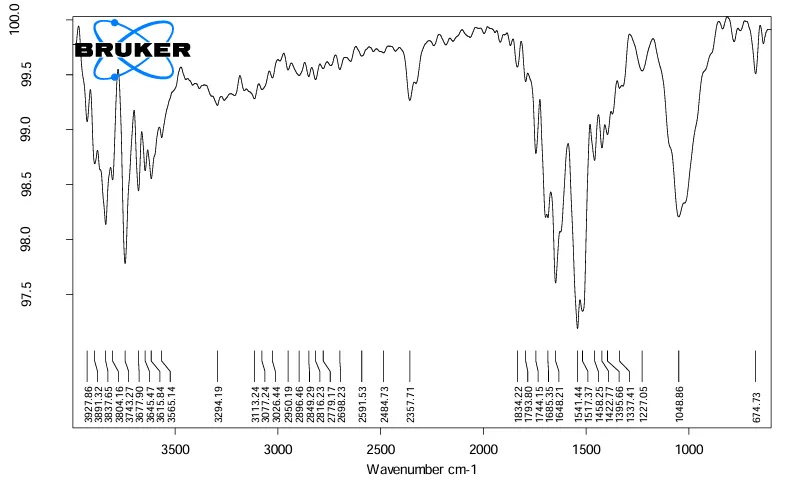
Figure 29: IR Spectroscopy of Moringa powder
Table 19: IR Spectroscopy of Moringa Powder
| Functional group | Standard peak (cm-1) | Observed peak (cm-1) |
|---|---|---|
| O-H stretching | 3600-3200 | 3294.19 |
| Aliphatic C-H stretching | 3000-2850 | 2950.60 |
| C=O stretching | 1750-1650 | 1744.15 |
| C=C / amide I | 1680-1600 | 1648.21 |
| Amide II / N-H bending | 1600-1500 | 1541.44 |
| C-O stretching | 1150-1000 | 1048.86 |
IR Spectroscopy of Sodium Lauryl Sulfoacetate
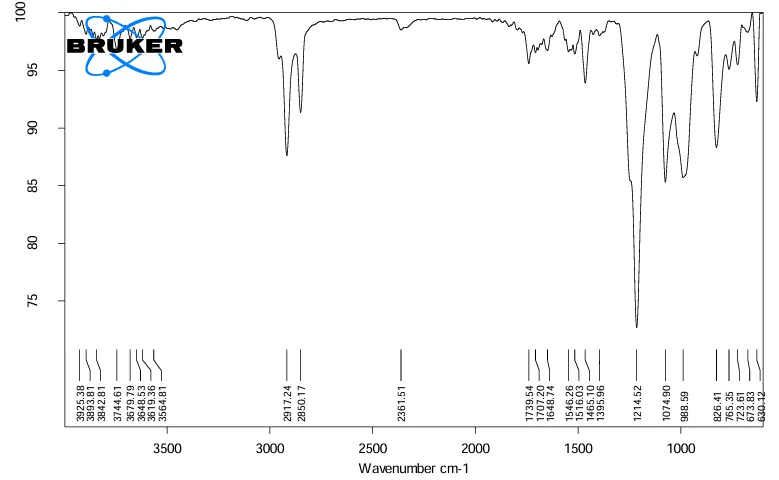
Figure 30: IR Spectroscopy of Sodium Lauryl Sulfoacetate
Table 20: IR Spectroscopy of Sodium Lauryl Sulfoacetate
| Functional group | Standard peak (cm-1) | Observed peak (cm-1) |
|---|---|---|
| Aliphatic C-H stretching | 3000-2850 | 2917.24 |
| Aliphatic C-H stretching | 2960-2850 | 2850.17 |
| C=O stretching | 1750-1700 | 1739.54 |
| C=C stretching associated vibration | 1680-1600 | 1648.77 |
| S=O /SO3- asymmetric stretching | 1250-1150 | 1214.52 |
| S=O /SO3- symmetric stretching | 1100-1000 | 1074.90 |
IR Spectroscopy of Excipient powder mix
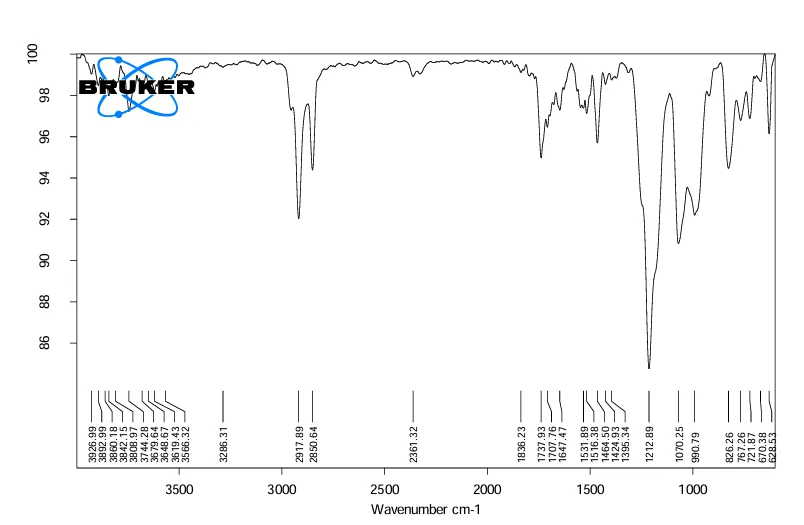
Figure 31: IR Spectroscopy of Excipient powder mix
Table 21: IR Spectroscopy of Excipient Powder Mix
| Functional group | Standard peak (cm-1) | Observed peak (cm-1) |
|---|---|---|
| O-H / N-H stretching | 3600-3200 | 3268.31 |
| Aliphatic C-H stretching | 3000-2850 | 2917.89 |
| Aliphatic C-H stretching | 2960-2850 | 2850.64 |
| C=O stretching | 1750-1650 | 1737.93 |
| C=C / amide I | 1680-1600 | 1647.17 |
| C-O stretching | 1150-1000 | 1070.25 |
IR Spectroscopy of Final Formulation (Solid shampoo bar)
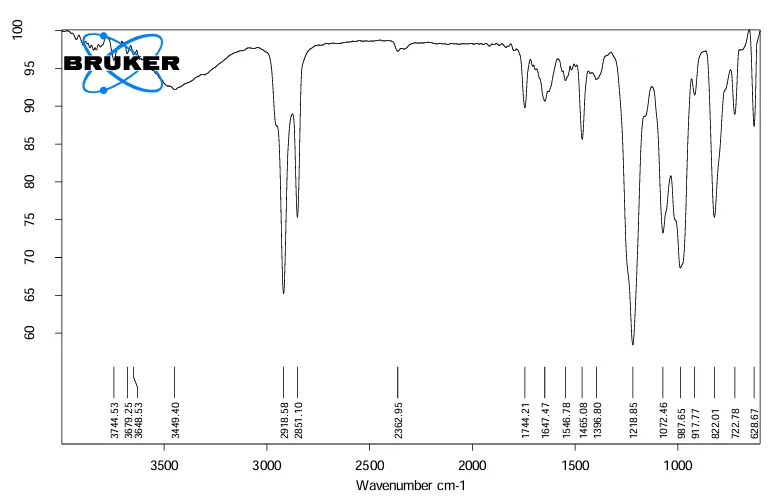
Figure 32: IR Spectroscopy of Final Formulation (Solid shampoo bar)
Table 22: IR Spectroscopy of Final Formulation (Solid Shampoo bar)
| Functional group | Standard peak (cm-1) | Observed peak (cm-1) |
|---|---|---|
| O-H stretching | 3600-3200 | 3449.40 |
| Aliphatic C-H Stretching | 3000-2850 | 2918.58 |
| Aliphatic C-H Stretching | 2960-2850 | 2851.10 |
| C=0 stretching | 1750-1650 | 1744.21 |
| C=C stretching / amide I | 1680-1600 | 1647.47 |
| C-O / C-N stretching | 1300-1000 | 1218.85 |
FTIR analysis of flaxseed gel, Moringa powder, SCI, SLSA and the final shampoo bar formulation confirmed the presence of characteristic functional groups such as O–H, C–H, C=O, amide, C–O/C–N and sulfonate groups.
The characteristic absorption bands observed in the individual ingredients were retained in the final shampoo bar formulation, indicating preservation of the principal functional groups during formulation.
No major new or unexpected peaks were observed in the FTIR spectrum of the final shampoo bar, suggesting the absence of any apparent major chemical interaction or incompatibility among the formulation components.
Overall, the FTIR findings support the chemical compatibility and integrity of the ingredients incorporated into the final shampoo bar formulation.
RESULTS AND DISCUSSION
The obtained flaxseed mucilage is pale yellow in colour, and having mild, slightly nutty odour, mild and neutral nutty in taste which was physically examined.
Test for Flaxseed Gel
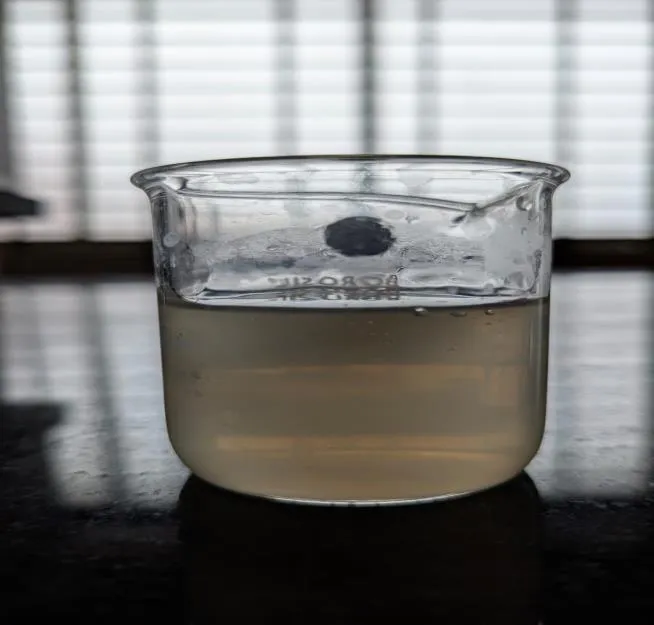
Figure 14: Flaxseed Gel
| Fig.15: Decolourization of brown colour | Fig.16: Green colour |
|---|
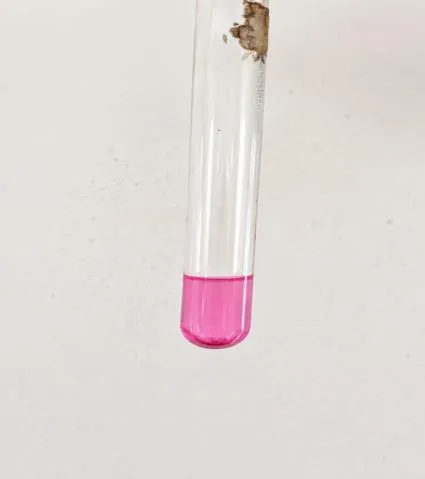
Figure 17: Pink color
| Test | Observation | Inference |
|---|---|---|
| 1ml Bromine water + 2ml of flaxseed gel | Decolorization of brown colour | Presence of omega-3-fatty acid |
| 1ml 1 %Fecl3 solution and 2ml flaxeed gel | Dark green colour | Presence of phenolic compounds |
| Take 2 ml of non-hydrolysed sample solution in a test tube add a few drops of ruthenium red solution and heat on flame until the color changes | Pink color is observed | Flaxseed gel is confirmed |
The moringa powder was found to have a characteristic green colour, mild herbal odour, and slightly bitter taste, indicating its typical organoleptic properties.
Test for Moringa Powder
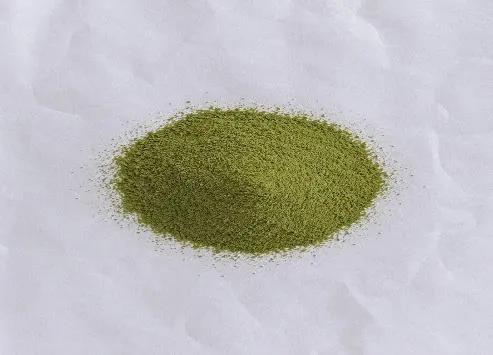
Figure 18: Moringa powder
| Fig.19: Dark green colour | Fig.20: Red colour |
|---|
| Fig.21: Foam Persists | Fig.22: Reddish-brown precipitation |
|---|
| Fig.23: Violet ring at junction | Fig.24: Violet colour |
|---|
| Fig.25: Blue color | Fig.26: Yellow precipitate |
|---|
| Test | Observation | Inference |
|---|---|---|
| Add a few drops of 5%ferric chloride to the extract | Dark Green color | Phenolic compounds and tannins present |
| Add magnesium turnings and a few drops of concentrated HCL to the extract | Red colour | Flavonoids are present |
| Shake the extract vigorously with water | Stable foam persist for 10-15 minutes | Saponins are present |
| Add dragendorff’s reagent to extract | Orange or reddish-brown precipitation | Alkaloids are present |
| Add molish’s reagent, then carefully add concentration H2SO4 | Violet ring at junction | Carbohydrates are present |
| Add NaoH followed by a few drops of Cuso4 solution | Violet color | Protiens are present |
| Heat the extract with Ninhydrin solution | Purple or blue color | Amino acids are present |
| Add 10 % lead acetate solution | White or yellow precipitate | Tannis are present |
FTIR analysis of flaxseed gel, Moringa powder, SCI, SLSA and the final shampoo bar formulation confirmed the presence of characteristic functional groups such as O–H, C–H, C=O, amide, C–O/C–N and sulfonate groups. The characteristic absorption bands observed in the individual ingredients were retained in the final shampoo bar formulation, indicating preservation of the principal functional groups during formulation. No major new or unexpected peaks were observed in the FTIR spectrum of the final shampoo bar, suggesting the absence of any apparent major chemical interaction or incompatibility among the formulation components. Overall, the FTIR findings support the chemical compatibility and integrity of the ingredients incorporated into the final shampoo bar formulation.
| Functional group | Standard peak (cm-1) | Observed peak (cm-1) |
|---|---|---|
| O-H stretching | 3600-3200 | 3449.40 |
| Aliphatic C-H Stretching | 3000-2850 | 2918.58 |
| Aliphatic C-H Stretching | 2960-2850 | 2851.10 |
| C=0 stretching | 1750-1650 | 1744.21 |
| C=C stretching / amide I | 1680-1600 | 1647.47 |
| C-O / C-N stretching | 1300-1000 | 1218.85 |
| Formulation | Colour | Odour | Shape |
|---|---|---|---|
| F1 | Dark olive green | Characteristic herbal odour | Oval shaped, hard, compact bar with a smooth surface. |
| F2 | Dark olive green | Characteristic herbal odour | Oval shaped, firm solid bar, slightly softer texture. |
| F3 | Dark olive green | Characteristic herbal odour | Oval shaped, very hard, highly compact solid bar. |
pH Test
| Formulation | pH |
|---|---|
| F1 | 5.23 |
| F2 | 4.85 |
| F3 | 5.63 |
| Marketed Shampoo Bar | 5.35 |
The pH values of F1 (5.23), F2 (4.85), and F3 (5.63) were found to be within a suitable range for shampoo formulations, with F1 showing a pH closest to the marketed product (5.35). All three formulations showed a mildly acidic pH, which is suitable for hair and scalp application.
Figure 33: pH determination for solid shampoo bar
| Sample Soap | Marketed Shampoo Bar |
Dirt Dispersion Test
| Dirt Dispersion Test | Shampoo Soln. Conc. | No. of Ink Drops | Observation | Grade |
|---|---|---|---|---|
| F1 | 1% | 2 | No ink | Excellent |
| F2 | 1% | 2 | Very little | Good |
| F3 | 1% | 2 | No ink | Excellent |
| Marketed shampoo bar | 1% | 2 | No ink | Excellent |
Dirt Dispersion Test
Figure 34: Dirt dispersion test for solid shampoo bar
| Sample Soap | Marketed Shampoo Bar |
Foam Ability Test
| Formulation | Trial 1 (cm) | Trial 2 (cm) | Trial 3 (cm) | Average |
|---|---|---|---|---|
| F1 | 9 | 10 | 9.5 | 9.5 |
| F2 | 8.5 | 8.7 | 8.3 | 8.5 |
| F3 | 9.8 | 10 | 10.1 | 9.9 |
| Marketed shampoo bar | 9 | 9.5 | 10.5 | 9.6 |
F1, F2, and F3 showed good foam ability, with average foam heights of 9.5, 8.5, and 9.9 cm, respectively. F3 produced the highest foam among the solid shampoo bar formulations. Overall, all formulations showed acceptable foam-producing ability, indicating good cleansing performance.
Figure 35: Foam ability test for solid shampoo bar
| Sample Soap | Marketed Shampoo Bar |
Foam Stability Test
| Formulation | Initial foam volume (cm) | Final foam volume after 10mins (cm) | Foam stability (%) |
|---|---|---|---|
| F1 | 9.5 | 8.7 | 90.6 |
| F2 | 8.5 | 7.5 | 89.5 |
| F3 | 9.9 | 9.1 | 91.9 |
| Marketed shampoo bar | 9.6 | 8.8 | 91.7 |
F1, F2, and F3 showed good foam stability, with retention above 89%. F3 showed the highest foam stability (91.9%), slightly higher than the marketed soap (91.7%). Overall, the solid shampoo bars demonstrated excellent foam retention and comparable performance to the marketed product.
Figure 36: Foam stability test for solid shampoo bar
| Sample Soap | Marketed Shampoo Bar |
Moisture Content Test
| Moisture Content | Initial Wt. (g) | Final Wt. After Drying (g) | Weight Loss (g) | Moisture Content (%) |
|---|---|---|---|---|
| F1 | 5 | 4.98 | 0.02 | 0.4 |
| F2 | 5 | 4.98 | 0.02 | 0.4 |
| F3 | 5 | 4.99 | 0.01 | 0.2 |
| Marketed shampoo bar | 5 | 4.97 | 0.03 | 0.6 |
The moisture content of F1, F2, and F3 was found to be 0.4%, 0.4%, and 0.2%, respectively. The low moisture values indicate proper drying and good physical stability of the solid shampoo bars.
Figure 37: Moisture content test for solid shampoo bar
| Sample Soap | Marketed Shampoo Bar |
Wetting Time Test
| Formulation | Trial 1 (sec) | Trial 2 (sec) | Trial 3 (sec) | Average (sec) |
|---|---|---|---|---|
| F1 | 124 | 128 | 119 | 123.6 |
| F2 | 168 | 175 | 164 | 169 |
| F3 | 74 | 79 | 71 | 74.6 |
| Marketed shampoo bar | 118 | 112 | 115 | 115 |
F3 showed the fastest wetting time (74.6 sec) among the formulations. F1 showed moderate wetting ability (123.6 sec) compared with the marketed product (115 sec). F2 showed the longest wetting time (169 sec), indicating slower wetting. F3 showed better wetting performance than the marketed product. Overall, the formulations demonstrated acceptable wetting ability for effective shampooing.
Conditioning Test
| Formulation | Allocated score | Grade |
|---|---|---|
| F1 | 4 | Good |
| F2 | 5 | Excellent |
| F3 | 3 | Moderate |
| Marketed shampoo bar | 4.5 | Excellent |
Conditioning Test
Figure 38: Conditioning test for solid shampoo bar
| Before washing | After washing |
Surface Tension Test (Drop Count Method)
| Formulation | Average no. of drops (n) | Density (ρ) | Surface Tension (dyn/cm) |
|---|---|---|---|
| Water | 60.0 | 0.997 | 72.0 |
| F1 | 129.6 | 1.046 | 34.9 |
| F2 | 114.0 | 0.991 | 36.61 |
| F3 | 139.3 | 1.046 | 32.47 |
| Marketed shampoo bar | 128.0 | 0.988 | 33.4 |
F1: Surface tension was 34.90 dyne/cm, indicating satisfactory wetting and cleansing ability. F2: Surface tension was 36.61dyne/cm, showing good surface activity. F3: Surface tension was 32.47 dyne/cm, indicating better wetting and cleansing action. Marketed product: Showed 33.4dyne/cm, which was comparable with the formulated batches. Overall, the solid shampoo bar formulations showed satisfactory surface-tension properties and were comparable with the marketed product.
Figure 39: Drop count test for water and solid shampoo bar
| Solid shampoo bar solution | Marketed Shampoo Bar |
CONCLUSION
The solid shampoo bar enriched with moringa powder and flaxseed gel was successfully formulated and evaluated. The prepared formulations showed satisfactory physicochemical and functional characteristics, demonstrating effective cleansing and conditioning performance. Among the three prepared formulations, Formulation F1 was selected as the optimized formulation because it achieved a superior balance between physical hardness and conditioning performance. While other formulations achieved higher individual readings, they compromised hair softness. Formulation F1 safely satisfied our target acceptance criteria, providing excellent structural stability, proper moisture control (0.4%), and performance results directly comparable to the premium marketed benchmark product. Thus, the study successfully confirms the feasibility of incorporating moringa powder and flaxseed gel into a solid shampoo bar and demonstrates their potential for use in sustainable, zero-plastic hair-care cosmetics.
Conflict of Interest
The authors declare that there is no conflict of interest associated with the present study.
Further Studies / Scope of the Study
REFERENCES





Dr. G. Govinda Reddy, K. Chethana, Jayashree, Mitai Krishna, Chaya P., Manishankar, Formulation and Evaluation of a Solid Shampoo bar Enriched with Moringa Powder and Flaxseed Gel, Int. J. of Pharm. Sci., 2026, Vol 4, Issue 10, 3874-3895. https://doi.org/10.5281/zenodo.23658187
 10.5281/zenodo.23658187