

We use cookies to ensure our website works properly and to personalise your experience. Cookies policy
School of pharmacy and research centre, Sanskriti University Chhata, Mathura, INDIA.
Without some understanding of the history of drug discovery, the different players involved, and the circumstances leading to the creation and introduction of novel medicinal agents, studies in the fields of forensic pharmacology and toxicology would be incomplete. Herbs, plants, roots, vines, and fungi were among the natural sources of the first pharmaceuticals. Up until the middle of the nineteenth century, the only remedies for human misery were those found in nature. Chloral hydrate, the first synthetic medication, was created in 1869 and first used as a sedative-hypnotic; certain nations still sell it today. The early pharmaceutical firms were spin-offs of the textile and synthetic dye industries, and they needed another rich source of organic compounds that came from the distillation of coal (coal-tar). The first analgesics and antipyretics, such as acetanilide and phenacetin, were straightforward chemical derivatives of p-nitrophenol and aniline, both of which were coal-tar byproducts. For generations, a variety of fevers and inflammations have been treated with an extract made from the bark of the white willow tree. White willow's main ingredient, salicin or salicylic acid, tasted bitter and irritated the stomach mucosa; however, a straightforward chemical change made it far more pleasant. This was the first blockbuster medication, acetylsalicylic acid, or Aspirin. The first member of the barbiturate family of medications entered the pharmacopoeia at the beginning of the twentieth century, and the rest, as they say, is history.
The word "drug" was originally used to refer to a kind of powder in Old German and is most likely Arabic in origin[1]. In fact, the first medications came from the vegetable kingdom as dried plant, herb, and shrub parts. The Old French word drogue and the Dutch word droog, which both refer to dry barrels filled with herbs, are the origins of the word "drug," according to Wikipedia. Pharmacologically active chemicals produced by plants, fungi, insects, and reptiles are abundant in nature[2,3]. The biosynthesis of these organic toxins served as a chemical defense mechanism, preventing predators from consuming the species. As a result, these xenobiotics have existed from the beginning of time. For better or worse, these compounds must have had an impact on the earliest humans in their never-ending search for sustenance and survival[4]. The earliest herbal remedies used to treat many kinds of illnesses, heal wounds, and relieve pain and suffering were made from crude extracts of wild herbs and bushes. The most important of these natural products was the juice from the opium poppy plant (Papaver somniferum), which dates back to approximately 3000 BC and contained morphine, the most potent analgesic[5–7]. The renowned Eberspapyrus, a 20-meter-long, 110-page medical scroll named for the German Egyptologist Georg Ebers, who purchased it in 1872, may contain the earliest recorded account of medical treatments (Figure 1). About 1500 BC, the Ebers papyrus detailed hundreds of remedies for the various ailments plaguing the ancient Egyptians. These were made by combining a variety of herbs, bushes, leaves, minerals, and
animal dung[1]. As evidenced by Greek, Roman, and Indian cultures as well as traditional Chinese medicine, these recipes and combinations represented the first known records of medicines in antiquity and must have had a significant impact on following generations when knowledge of herbal items became more structured[4, 8].
Nature's medications: Morphine from opium poppies, nicotine from tobacco plants, cannabinoids from cannabis leaves, caffeine from tea and coffee, cardiac glycosides (digoxin and digitoxin) from woolly foxglove, quinine from cinchona trees, and salicylates from white willow tree bark are a few examples of pharmacologically active compounds derived from plants[8]. In order to kill or stun wild animals, the first hunters discovered how to spike their darts and arrows with plant toxins (poisons), such as curare[9]. The Greek term toxikos, which literally means "bow for shooting arrows," is where the word "toxicology" originates[10]. Mescaline from the peyote cactus, psilocybin from mushrooms, and cocaine from coca leaves are only a few examples of other psychoactive chemicals that have been known since antiquity and were common in some civilizations[11–13]. For analytical chemists and apothecaries of the era, isolating and characterizing the active ingredients in medicinal plants was a significant task. Friedrich Willhelm Serturer, a 23-year-old apothecary (1783–1841), isolated morphine as the first pure plant alkaloid. In 1805, while employed as an apprentice at a drugstore in Einback, Germany, Meconic acid was extracted from raw opium by Serturner. He discovered a material with weak base characteristics the next year[11]. When Serturner gave this base to a dog, the dog went into a profound sleep, and Serturner believed he had found the true beneficial basis of raw opium (the particular narcotic constituent of opium)[11]. The new drug was named "morphine" in honor of the Greek god of dreams, Morpheus[10]. Serturner used exceptionally high amounts (1.5 grains ∼100 mg in three split doses) to investigate the pharmacological effects on himself and a few young pals[11]. Codeine and papaverine were among the other alkaloids that were soon separated from opium. These alkaloids' pharmacological activity and toxicity significantly increased when they were available in a pure form, and many of them were lethal poisons[14]. The discovery of appropriate techniques for the extraction and identification of the poison in biological materials signaled the start of forensic pharmacology and toxicology. These toxins were implicated in murderous crimes through poisoning[9, 15].

Figure 1: A Page from the Ebers Papyrus, an Approximately 1500 BC Egyptian Medical Scroll That Contains Recipes for Hundreds of Alleged Herbal Remedies.
Pharmacology and chemistry in animals: Apothecaries are likely the first pharmaceutical chemists tasked with blending and delivering various herbal remedies in the hopes of resolving their clients' medical issues. Among the first apothecaries was the Swede Carl Wilhelm Scheele (1742–1786), who is regarded as a true pioneer by all chemical historians[16]. Another trailblazing scientist was Jons Jacob Berzelius (1779–1848), who was born near Linkoping, Sweden, and made significant contributions to the chemical sciences, including authoring the first book on animal (physiological) chemistry [17, 18]. German chemists, like Friedrich Wohler (1800–1882), who is renowned for creating urea "without the help of a kidney" by heating ammonium cyanate, started to dominate the fields of analytical and organic chemistry by the middle of the 1800s[19]. The renowned Justus von Liebig (1803–1873), whose chemical discoveries are legendary, was Wohler's contemporary close friend and occasionally scientific rival. Many people regard Liebig as the father of organic and clinical chemistry (Figure 2)[20]. In the second part of the nineteenth century, individuals like Rudolf Buchheim (1820–1879), Oswald Schmiedeberg (1838–1921), Paul Ehrlich (1854–1915), and Henry Dale (1875–1968) founded pharmacology (Materia Medica) as a scientific study[11]. Louis Lewin (1850–1929) was another renowned pioneer in pharmacology and toxicology. His numerous published works and the textbook Phantastica attest to his status as one of the founding fathers of psychopharmacology[21]. He also authored the first book on hazardous medication responses[22].
Alkaloids: The German chemist Carl F. Wilhelm Meissner (1792–1853) first used the term "alkaloid" (Figure 3) in 1819. This class of organic molecules was crucial to the growth of forensic toxicology as a scientific field[23]. These naturally occurring bitter-tasting (alkaline) compounds are dangerous in their pure form and contain one or more nitrogen atoms in the molecule[24]. Several criminal convictions have linked the infamous alkaloid strychnine, which is derived from the plant Strychnos nux-vomica, to murder by poisoning[14]. The first analytical chemists found it challenging to extract alkaloids from bodily organs and tissue due to their complex chemical structure. It was impossible to prove that the poison was used in the murder without being able to remove and identify it from the body. Developing techniques that made it possible to identify plant alkaloids in human viscera and blood as proof of poisoning was a top priority for analytical chemists and early toxicologists. The most notable of these pioneers was Mathieu JB Orfila (1787–1853), who was born on the Spanish island of Minorca but lived and worked in Paris as a medical jurisprudence professor before becoming the dean of the medical faculty[25]. In addition to writing the first handbook on drugs and poisons in 1814, Orfila is regarded as the founder of forensic toxicology as a scientific field (Figure 4)[26]. Many of the earliest toxicologists and forensic chemists visited and studied under Orfila before starting their careers. Among them were the Belgian Jean-Servais Stas (1813–1881), the Scottish Robert Christison (1797–1882), and the London-born Alfred Swaine Taylor (1806–1880)[29].
Common alkaloids include morphine (papaver somniferum), LSD (ergot fungus), emetine (cephaelis ipecacuanha), strychnine (strychnos nux-vomica), physostigmine (calabar beans), scopolamine (scopolia carniolica), atropine (atropa belladona), ricinine (castor oil beans), and coniine (spotted hemlock).
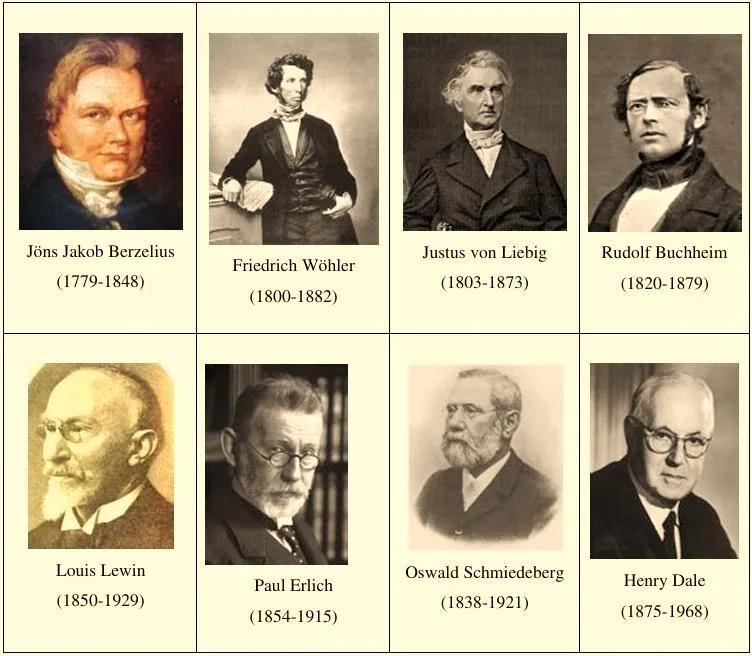
Figure 2: Some Pioneers in the Fields of Toxicology, Pharmacology, and Chemistry.
The earliest synthetic medications: Justus von Liebig (1803–1872), the esteemed Professor of Chemistry in Munich, was the doyen of German organic chemists during the majority of the nineteenth century[30]. Among his numerous discoveries was the volatile liquid chloroform (CHCl3), which subsequently gained significance as a medication for general anesthesia. James Young Simpson (1811–1870), a Scottish physician, is credited with using chloroform as a volatile anesthetic during surgery. Queen Victoria of England was one of Simpson's first patients in 1872 after he proved the effectiveness of chloroform in reducing the agony of childbirth[11]. Liebig also made chloral hydrate in 1832 and demonstrated how it could be transformed into formic acid and chloroform in an alkaline solution. This led Oscar Liebreich (1839–1908), a German physician and pharmacologist, to look into the possibility that the same reaction might take place directly in the blood, which would imply that chloral hydrate might also be a helpful anesthetic in the same manner as chloroform[11]. These studies' findings were presented in a classic monograph (Figure 5). Animals given chloral hydrate fell into a profound slumber without losing their ability to feel pain, indicating that its pharmacological effects were different from those of chloroform. Subsequent research revealed that chloral hydrate was a reasonably safe hypnotic sleep aid. It was added to the pharmacopeia in 1869 and is still available today (Noctec) in some nations. In fact, the accidental death of Playboy model Anna-Nicole Smith (1967–2007), who overdosed on a combination of medications, was linked to chloral hydrate. Bromide salts, paraldehyde, and urethanes were among the other early medications used as sedative hypnotics; however, these were mostly superseded when the barbiturate class of medications emerged in the first ten years of the twentieth century.
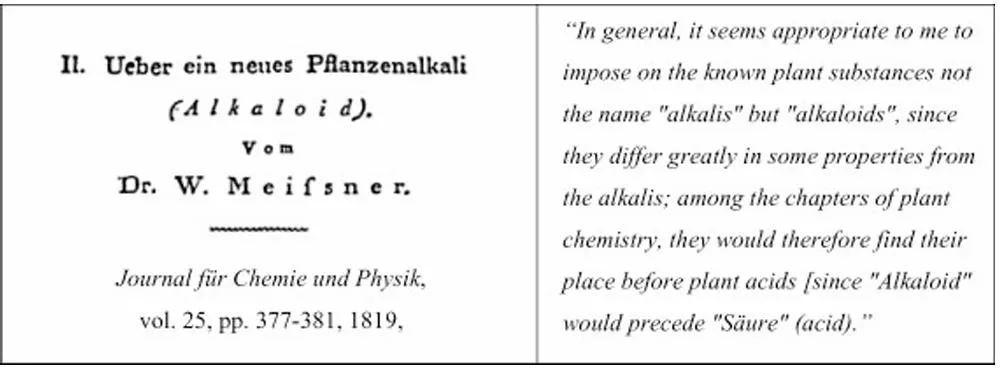
Figure 3: The Title of the Essay in Which Meissner First Used the Term "Alkaloid" and His Justification for Doing So.
Barbiturates: Barbiturates are an amazing class of medicinal drugs that serve as anesthetics, anticonvulsants, and sleep aids. In the first ten years of the twentieth century, they were included to the pharmacopoeia[31]. Adolf von Baeyer (1835–1917) created barbituric acid, the parent compound of barbiturates, in 1864 while conducting research for his thesis (habilitation)[32]. Although its chemical composition was unknown at the time, he created a novel substance with the empirical formula of C4H4N2O3 by reacting uric acid, an animal waste product, with malonic acid (from apples). The work of August Kekule (1829–1896) from Germany [33] and Archibald Scott Couper (1831–1892) from Scotland was necessary for the development of structural formulae, including aliphatic and aromatic rings[34]. These structural chemists published new theories about the tetravalent nature of the carbon atom and its capacity to self-link into chains and ring structures in 1857–1858, almost simultaneously.
Adolf Von Baeyer made numerous contributions to organic chemistry, of which the synthesis of barbituric acid was only a minor portion. He was rightfully awarded the Nobel Prize in 1905, primarily for his work on synthetic indigodyes[35]. We will never know if the term barbituric acid originates from St. Barbara, the patron saint of artillery officers, or if it was created in honor of a woman named Barbara that von Baeyer was purportedly seeing at the time[36, 37].
Subsequent research revealed that barbituric acid included a 6-membered pyrimidine ring (Figure 6), despite the fact that it was pharmacologically inactive due to its low pKa of 4.12, which indicated that it was poorly absorbed from the stomach. Following the clarification of barbituric acid's molecular structure, the doctor and pharmacologist Josef von Mering (1849–1908) came up with the concept of substituting two neighboring hydrogen atoms in the pyrimidinering with ethyl groups. He created diethyl barbituric acid because he knew from past studies that two alkyl groups bound to the same carbon atom gave pharmacological action. This diethyl derivative of barbituric acid was more readily absorbed from the stomach due to its higher pKa (7.9) and increased solubility in lipids, which made it easier for it to pass through the blood-brain barrier[38]. Since von Mering was a pharmacologist rather than a chemist, he sought Emil Fischer (1852–1919), Germany's recognized authority on organic chemistry at the time, to confirm the new compound's structure and purity[39]. Fischer and his students succeeded in creating a stronger barbituric acid derivative, which he patented in 1903 under

the trade name Veronal, purportedly named after the tranquil Italian city of Verona[40]. In 1903, Fischer and von Mering published the results of their clinical experiments using barbital as a sleep aid [11,40]. Due to barbital's efficacy as a hypnotic, numerous additional derivatives of barbituric acid were created by substituting alkyl, aryl, allyl, or aromatic groups for the two hydrogen atoms on the 5,5-position of the pyrimidine ring.Many of these substances were further developed into beneficial pharmaceutical drugs, such as phenobarbital (Luminal), an anticonvulsant that first emerged in 1909 and is still used today[36–38].
Following widespread prescriptions of the barbiturate class of medications, issues emerged, including reports of acute toxicity when used as sleep aids; the difference between a therapeutic and deadly dose was very small[41]. Barbiturates also have a significant potential for abuse, and some users grow tolerant of and dependent on their medicine.When used with other depressants like alcohol, toxicity is increased[41]. Among other well-known figures, pop singer Jimi Hendrix (1943–1970) passed away from asphyxia after inhaling vomit while drugged following a night of heavy drinking and the use of a prescription sleeping medication. Vesparax is a combination of two barbiturates, secobarbital and brallobarbital, with a tiny quantity of hydroxyzine. Without a doubt, the barbiturate family of medications marked a significant advancement in pharmacotherapy, and several of them are still in use today, such as thiopental, an intravenous anesthetic (such as sodium pentothal). In certain US states, thiopental is one of a trio of drugs used in conjunction with lethal injection as part of the death penalty[42]. In the field of analytical and forensic toxicology, the development of techniques for the extraction, identification, and quantitative analysis of barbiturates in blood and liver tissue is considered a classic operation[43].
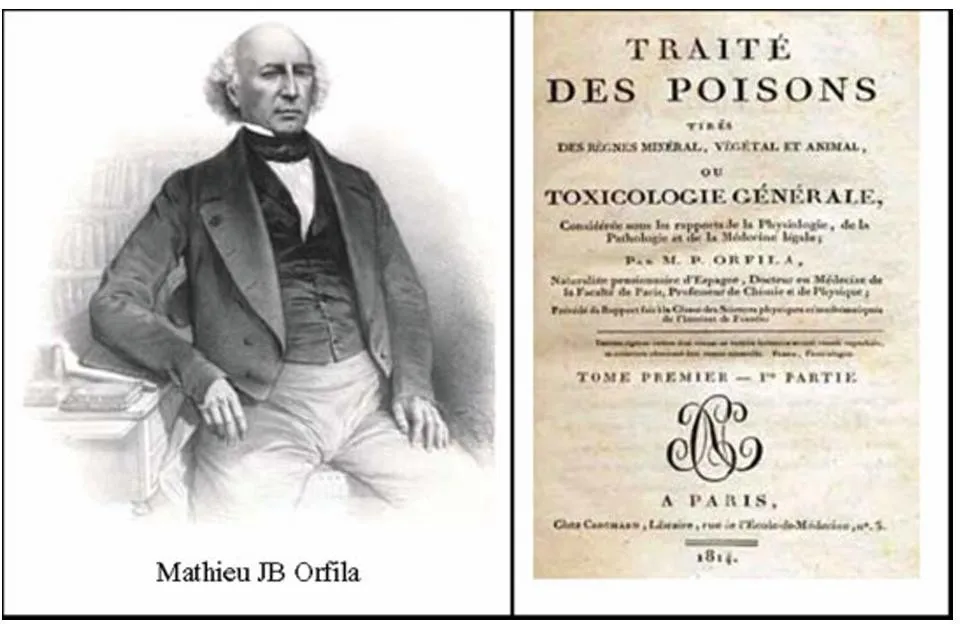
Figure 4: Mathieu JB Orfila's Portrait Is Placed Next to the Opening Page of His Well-Known 1814 Work on the General Toxicology of Poisons.
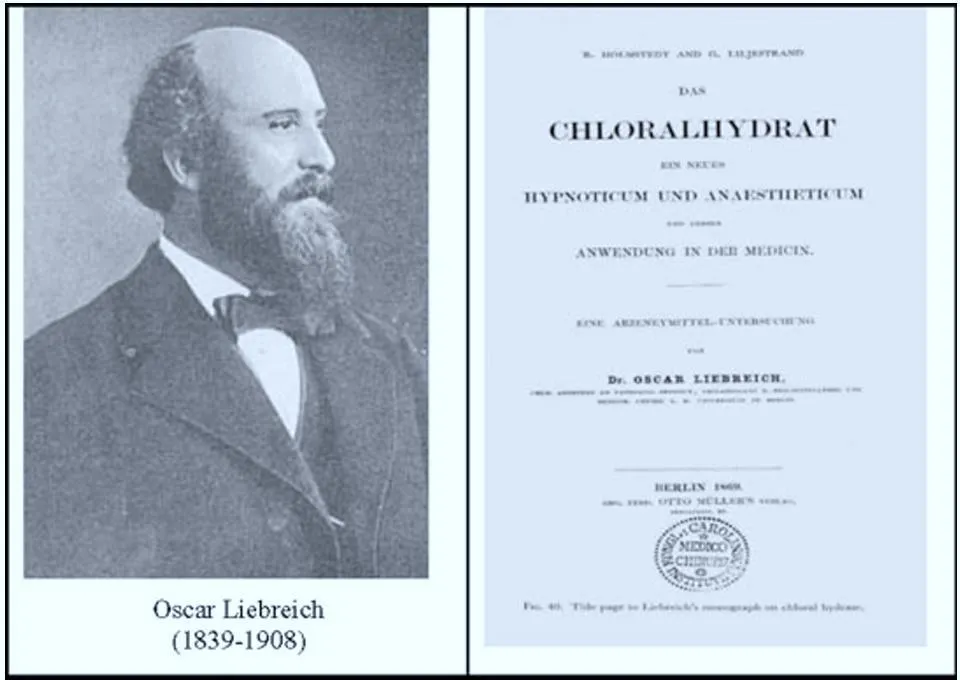
Figure 5: Oscar Liebreich's Portrait Is Placed Next to the First Page of His 1869 Monograph About the Hypnotic Properties of Chloral Hydrate.
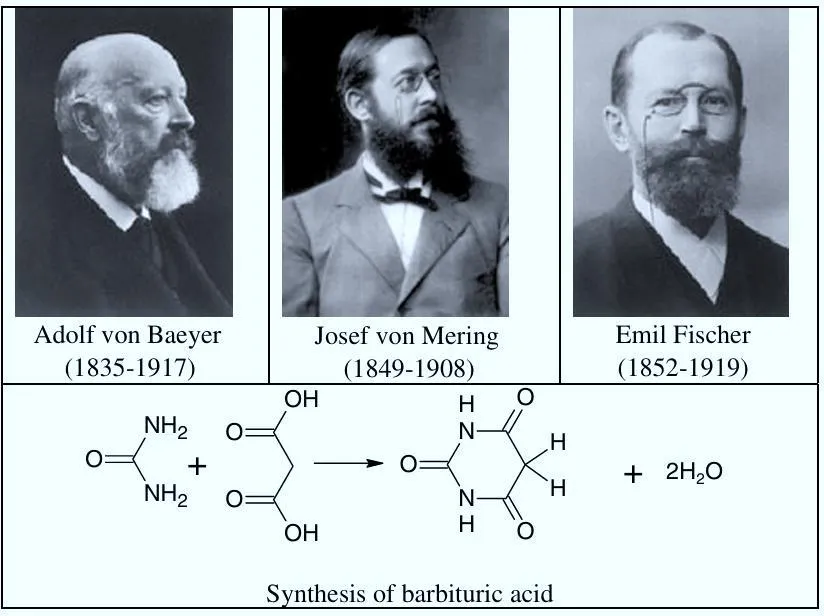
Figure 6: Adolf Von Baeyer Is Credited by Scientists with Developing Barbiturates and Creating Barbituric Acid by a Condensation Reaction Between Urea and Malonic Acid.
The earliest antipyretics and analgesics: Mauveine (mauve), which was developed by a young British chemist William Henry Perkin (1838–1907), is an example of how the earliest synthetic pharmaceuticals and, in fact, the entire pharmaceutical business can be connected to the creation of textiles and synthetic colors[44]. Founded in 1863 and initially based in Barmen, Germany (now in Leverkusen), the Friedrich Bayer Company was one of the first German chemical companies to express interest in pharmaceuticals. Benzene, naphthalene, phenol, and aniline were among the many aromatic compounds found in the black, sticky substance (tar) that remained after coal was distilled under vacuum[45]. Naphthalene, one of the numerous aromatic chemicals made from coal tar, was employed as an intestinal antiseptic for a variety of purposes, including the radiation of worms.When a patient with this illness who also had a fever was given naphthalene, the fever subsided but the worms did not[45]. Upon closer examination, it was discovered that the pharmacist had made a mistake and had prescribed acetanilide (Figure 7) instead of naphthalene, another coal-tar derivative. As a result, the Bayer Company created and sold acetanilide, the first synthetic antipyretic medication, under the brand name Antifebrin (fever-reducing).
Due to Antifebrin's success, the Bayer Company began looking for more chemicals in the dye industry's waste products that might be used as medicines. One such material was wasp-nitrophenol, which was readily transformed into the ethylester derivative of acetanilide (Figure 7) to produce phenacetin, another marketable chemical. The Bayer Company started producing phenacetin in 1887, and it finally proved to be a more effective analgesic-antipyretic than acetanilide[45]. N-acetyl-p-aminophenol, or paracetamol, was another acetanilide derivative that was produced at the same period, but it was disregarded as a commercial product in favor of phenacetin.
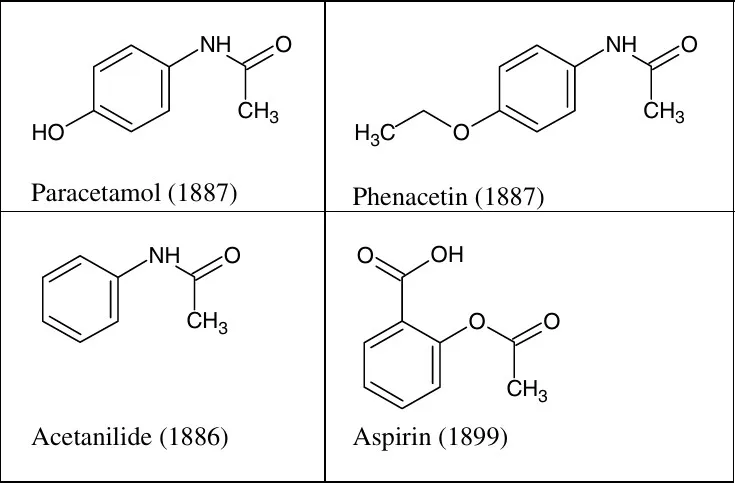
Figure 7: Early Analgesic and Anti-Pyretic Medication Chemical Structures.
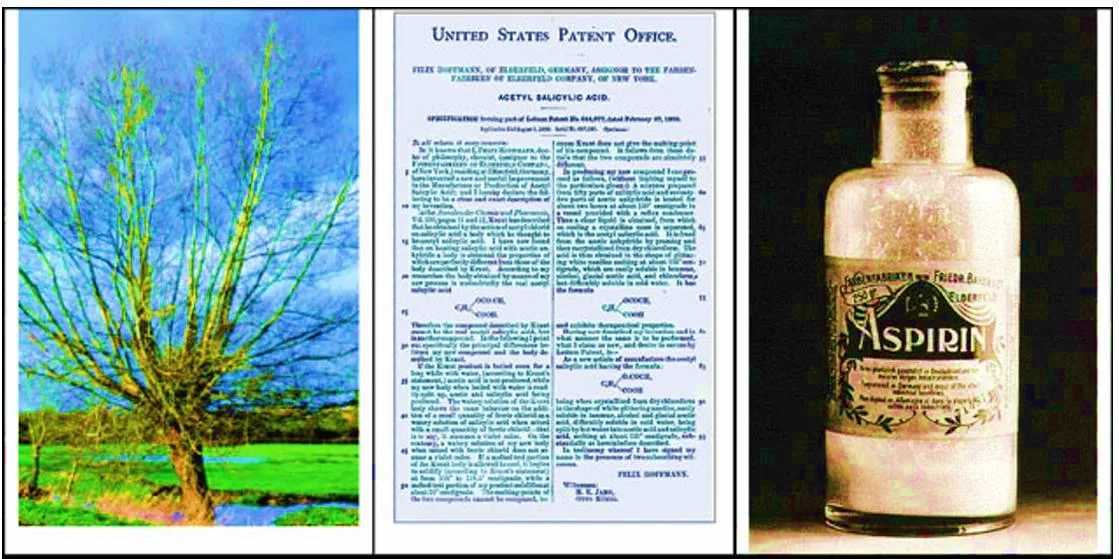
Figure 8: An Ancient Aspirin Bottle (Right), a Us Patent 1900 Awarded to Bayer's Felix Hoffmann for the Manufacture of Acetylsalicylic Acid (Center), and the White Willow Tree (Salixalba), Whose Bark Is Rich in Salicylates (Left).
Phenacetin was not without its drawbacks, as some individuals experienced the development of methemoglobinemia following prolonged usage of the medication.The patient's skin turns blue-purple (cyanosis) as a result of the red blood cells' diminished capacity to transfer oxygen. Two Americans, Julies Axelrod (1912–2004) and Bernard B. Brodie (1907–1989), looked into this issue and found that it was caused by aniline, a minor metabolite of phenacetin[45]. N-acetyl-p-aminophenol, also known as acetaminophen (USA) or paracetamol (Europe), was another metabolite they found. It had the antipyretic and analgesic qualities of the original medication but did not cause methemoglobinemia[45]. Tylenol Elixir, a new pharmaceutical product made from N-acetyl-p-aminophenol, was developed in the 1950s by McNeil Laboratories, a tiny US pharmaceutical company[45]. The Food and Drug Administration (FDA) approved this liquid formulation for use with children and the elderly in 1955. Soon after, Tylenol was also produced in 500 mg tablets, which quickly became a popular over-the-counter medication that could be found in almost every home's bathroom cabinet.
Aspirin- a wonder drug: Without discussing acetylsalicylic acid, commonly known globally as aspirin, this historical history of the early drug discoveries of mild analgesics and antipyretics would be incomplete. Although plant extracts high in salicylates have a considerably longer history and have been used to treat fevers and other illnesses since ancient times, aspirin was first introduced by the Bayer Company as a very successful pharmaceutical product in 1897[46]. Salicin, a naturally occurring glycoside of salicyl alcohol that hydrolyzes and oxidizes to produce salicylic acid, is found in many plants, shrubs, and trees belonging to the Spiraea genus.
The Reverend Edward Stone (1702–1768), an English priest, is credited with conducting the first known clinical trial of salicylates in medicine[47]. Reverend Stone, a resident of Chipping Norton, Oxfordshire, was curious about the health and welfare of his rural town. He was well aware of the long-running rumors regarding the therapeutic qualities of bark extracts from the white willow tree, which grows near rivers and streams in many nations and thrives in moist or wet conditions (Figure 8). Extracts from willow bark have been used to cure a variety of illnesses, such as fevers, chills, and aches and pains.
Around 1763, Reverend Stone made the decision to conduct a scientific study to evaluate the effectiveness and therapeutic qualities of white willow bark (Salix alba) as a herbal remedy. He administered willow bark extracts to fifty patients with fevers in a clinical experiment, but there was no control or placebo treatment to confirm any positive benefits. The first peer-reviewed report of willow bark's therapeutic qualities was delivered to the Royal Society of London and published in its Philosophical Transactions (Figure 9). An account of the effectiveness of willow bark in the treatment of ailments was the title of the article[47].
French, Italian, and German chemists tried to separate the active ingredient in willow bark (salicin or salicylic acid) in the early decades of the nineteenth century, but the resulting crude compounds were not much better than the raw material due to a lack of chemical purity[48]. French scientist Charles Frederic Gerhardt (1816–1856) successfully produced acetylsalicylic acid for the first time in 1853 by heating an extract of willow bark with acetyl chloride[49]. Nevertheless, acetylsalicylic acid was disregarded as a possible medicinal agent because the molecular structure of this derivative remained unknown.A significant advancement in the study of salicylates was made in 1860 when Hermann Kolbe (1818–1884), a professor of chemistry who first worked in Marburg and then Leipzig, established an effective method for creating salicylic acid while also determining its proper structure[50].
By 1874, salicylic acid was being produced on an industrial scale by Kolbe and his pupil Fredrich von Heyden. This synthetic substance was significantly less expensive than that made from willow bark[49].
Naturally, the competing substance salicylic acid and its sodium salt piqued the interest of the Bayer Company, which was already producing phenacetin. Heinrich Dreser (1860–1924), head of pharmacology, and Felix Hoffmann (1868–1946), a young chemist, were two of the key players in the invention of Bayer's Aspirin[49, 50].
According to legend, Hoffmann was motivated to create a better version of salicylic acid because his father had rheumatism for a long time and frequently complained about the bitter taste of his medication and the irritation it caused to his stomach's mucosa[50]. Hoffmann was successful in producing chemically pure acetylsalicylic acid, and he even submitted a patent for the discovery on behalf of the Bayer Company. The patent was approved in Germany in 1899 and the USA the following year (Figure 8).
The "a" in the well-known name Aspirin comes from acetyl, the "spir" from the Latin genus spiraea, which is the botanical name of the salicin-rich meadowsweet plant, and the "in" was added as a typical drug name ending at the time[49, 51]. In addition to treating fever, headaches, and rheumatic pain, aspirin has numerous other medical applications, most notably as an anti-clotting agent and a preventative treatment for thrombosis and stroke[52]. Every year, hundreds
or perhaps thousands of research articles about aspirin and its use in medicine and therapy are published.
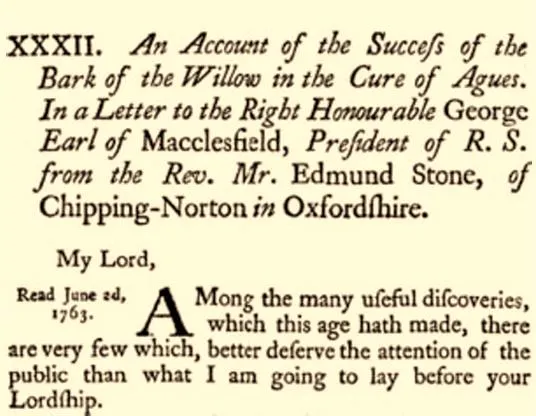
Figure 9: The Title and First Paragraph of the Letter That the Reverend Edward Stone Wrote to the Royal Society of London in 1765 to Let Them Know That Willow Bark Extracts Might Be Used to Treat a Variety of Fevers.
CONCLUSION
The human dimension of pharmacology, including the several chemists, doctors, and other scientists engaged, has been emphasized in this story of early drug discovery. In the words of renowned French microbiologist and chemist Louis Pasteur (1822–1895), We uplift and sustain the sacred flame of discovery by reading what discoverers have accomplished.
REFERENCES







Kumar Susheel, Gupta Divya, Gupta Deepesh, Bhardwaj Harsh, Soniya, Ganga, Yadav Roshani, Early Medication Discovery and the Development of Pharmaceutical Chemistry, Int. J. of Pharm. Sci., 2026, Vol 4, Issue 10, 3946-3955. https://doi.org/10.5281/zenodo.23658975
 10.5281/zenodo.23658975