

We use cookies to ensure our website works properly and to personalise your experience. Cookies policy
Department of pharmacology, east point College of pharmacy banglore karnataka.
Polyalthia cerasoides (Roxb.) Bedd., a medicinal plant belonging to the family Annonaceae, is known for its rich phytochemical composition and diverse pharmacological activities. The plant contains important bioactive compounds such as flavonoids, phenolic compounds, alkaloids, terpenoids, and labdane diterpenes, which possess antioxidant, anti-inflammatory, and cytoprotective properties. Since oxidative stress and inflammation are major contributors to nephrotoxicity and kidney injury, these phytochemicals may play a significant role in renal protection. This review summarizes the available information on the phytochemical profile, botanical characteristics, pharmacological activities, and potential nephroprotective mechanisms of Polyalthia cerasoides. The plant may exert nephroprotective effects by scavenging reactive oxygen species, enhancing antioxidant defense systems, inhibiting inflammatory pathways, and preventing cellular damage and apoptosis. Evidence from related species within the Annonaceae family further supports its potential role in protecting renal tissues. However, direct experimental studies evaluating the nephroprotective activity of Polyalthia cerasoides are limited, and most available evidence is based on phytochemical investigations and preclinical studies. Therefore, further in vivo studies, toxicity assessments, molecular investigations, and well-designed clinical trials are required to establish its efficacy and safety. Overall, Polyalthia cerasoides represents a promising natural source of bioactive compounds with potential applications in the prevention and management of kidney disorders.
Through processes like blood filtration, metabolic waste product excretion, and electrolyte balance management, the kidneys are vital organs that are crucial to preserving homeostasis in the human body [1]. Additionally, they support a number of physiological processes required for regular bodily function and help maintain fluid balance [1]. The kidneys are especially susceptible to injury because of their high metabolic activity and exposure to circulating pollutants.
Nephrotoxicity, which refers to the deterioration of kidney function due to exposure to harmful substances, has emerged as a significant clinical issue [1,2]. Drug-related nephrotoxicity ranks among the most prevalent causes of renal damage and is often linked to the administration of chemotherapeutic drugs, antibiotics, and other pharmaceuticals [2,3]. These medications can disrupt renal blood flow, trigger oxidative stress, and harm renal tubular cells, ultimately resulting in reduced kidney function [1,3]. The growing utilization of these treatments in medical practice has led to an increased occurrence of kidney-related conditions.
In recent times, there has been an increasing need for nephroprotective drugs that can avert or lessen kidney damage induced by medications and other harmful substances [4]. Traditional treatment methods frequently come with drawbacks, such as adverse effects and insufficient safeguarding against kidney injury. As a result, it is essential to investigate alternative methods that are both efficient and safe for prolonged application.
Medicinal plants are increasingly acknowledged as important sources of therapeutic compounds and have significantly contributed to both traditional and contemporary medicine [6,7]. Ethnopharmacological research underscores the importance of plant-derived substances in the discovery and development of drugs [6]. These plants possess a diverse array of bioactive components that demonstrate pharmacological properties such as antioxidant, anti-inflammatory, and cytoprotective activities [7]. Given their natural origins and relatively fewer side effects, medicinal plants are gaining attention for their potential in preventing and treating a variety of diseases, including renal disorders.
Polyalthia cerasoides (Roxb.) Bedd., a member of the Annonaceae family of medicinal plants, has drawn interest because of its varied pharmacological characteristics [8]. The plant is recognized to have important biological activity and has long been utilized for a variety of therapeutic applications. According to scientific research, Polyalthia cerasoides has antimutagenic, antiproliferative, and antioxidant qualities [8,9]. The presence of bioactive chemicals found in various plant sections is the main cause of these pharmacological actions.
Given that oxidative stress plays a significant role in the development of nephrotoxicity, Polyalthia cerasoides' antioxidant activity is especially significant [1]. Antioxidant substances can help shield renal cells from harm by scavenging free radicals and lowering oxidative damage. The plant's potential medicinal uses are further supported by its cytoprotective and antiproliferative qualities [9].
Although there aren't many direct research on Polyalthia cerasoides' nephroprotective benefits, its recognized pharmacological activity imply that it might be helpful in preserving kidney function. A solid foundation for additional research is provided by the existence of bioactive phytochemicals and their proven biological effects.
With an emphasis on Polyalthia cerasoides' phytochemical makeup, pharmacological characteristics, and possible function as a nephroprotective agent, this study attempts to gather and examine the body of research on the plant. The study also highlights the necessity of more investigation to confirm its effectiveness and investigate its mechanisms of action in kidney protection.
Phytochemical Profile:
|
Phytochemical / Compound Class |
Presence in Polyalthia cerasoides |
Pharmacological / Biological Activities |
Mechanism / Therapeutic Significance |
Reference No. |
|
Flavonoids |
Reported in Polyalthia cerasoides and related species |
Antioxidant activity |
Neutralize reactive oxygen species (ROS) and protect cells from oxidative damage |
[16] |
|
Phenolic compounds |
Present in the plant |
Antioxidant and free radical scavenging activity |
Reduce oxidative stress by scavenging free radicals |
[17] |
|
Alkaloids |
Identified in Polyalthia cerasoides |
Antimicrobial, anti-inflammatory, and cytoprotective activities |
Enhance medicinal importance through multiple pharmacological effects |
[14] |
|
Terpenoids |
Reported in the species |
Antioxidant and anti-inflammatory activities |
Contribute to biological and therapeutic effects |
[16] |
|
Labdane diterpenes |
Isolated from Polyalthia cerasoides |
Antiproliferative activity |
Potential role in inhibiting abnormal cell growth |
[10] |
|
Flavonoids and phenolic compounds |
Major phytochemicals contributing to antioxidant defense |
Protection against oxidative stress-related diseases |
Scavenge free radicals and enhance antioxidant defense mechanisms, especially in kidney tissues |
[17] |
|
Multiple bioactive compounds acting synergistically |
Combination of flavonoids, alkaloids, terpenoids, and phenolics |
Antioxidant, antiproliferative, and cytoprotective effects |
Compounds may act individually or synergistically to produce therapeutic effects |
[10,16] |
|
Phytochemicals in genus Polyalthia and related species |
Demonstrated in phytochemical studies |
Anti-inflammatory, anticancer, and chemopreventive effects |
Suggests similar pharmacological potential in Polyalthia cerasoides |
[16] |
|
Overall phytochemical profile |
Rich in diverse bioactive constituents |
Broad spectrum pharmacological activity |
Supports potential therapeutic applications in oxidative stress-related disorders including nephrotoxicity |
[17] |
Botanical Description:
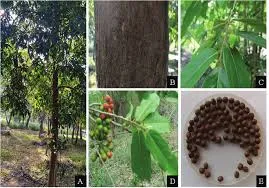
Figure 1. Photographic representation of Polyalthia cerasoides (Roxb.) Bedd. (A): Tree, (B): bark, (C): flower
Roxb. Polyalthia cerasoides The plant species Bedd. is found in many tropical areas and is a member of the Annonaceae family [18]. Polyalthia cerasoides is one of the important plants in the family Annonaceae, which is noted for its ecological and therapeutic value [18]. The plant grows naturally in forests in several regions of India and other tropical regions [18].
It is characterized as a medium-sized tree with typical Annonaceae family morphological traits [18]. The plant grows moderately and does well in tropical climates. The foliage and reproductive mechanisms of the tree are supported by a well-developed trunk and branching pattern [18].
Polyalthia cerasoides leaves are simple, meaning they don't split into smaller leaflets [18]. They enhance the tree's overall beauty and are typically positioned alternately. The smooth surface of the leaves is crucial to photosynthesis and other plant physiological functions [18].The plant's smooth bark is mentioned as a distinguishing characteristic that helps with identification [18]. The bark may also have significance in traditional medicinal practices, as different parts of the plant are utilized for therapeutic purposes. The bark's structural qualities help to protect and sustain the plant.
Another significant botanical characteristic of the plant is its tiny blooms [18]. Usually found in the Annonaceae family, these flowers are involved in reproduction. The floral structures ensure the survival of the species by participating in pollination and the subsequent production of fruit [18].In addition to these physical characteristics, Polyalthia cerasoides' leaves, bark, and other plant parts are utilized in traditional medicine [18]. The use of various plant parts confirms the plant's function in herbal therapies and demonstrates its ethnomedical significance. Scientists are becoming more interested in researching the plant's pharmacological qualities as a result of these ancient usage.Polyalthia cerasoides' general botanical traits, such as its categorization, growth habit, leaf structure, bark texture, and floral aspects, offer crucial details for its identification and research [18]. Comprehending these characteristics is crucial for both taxonomical categorization and investigating its therapeutic potential.As a result, Polyalthia cerasoides, a medium-sized, tropical tree belonging to the Annonaceae family with simple leaves, smooth bark, and tiny blooms, is important in traditional medicinal systems [18].
Pharmacological Activities Related to Nephroprotection:
Although there are few direct experimental trials assessing Polyalthia cerasoides' nephroprotective effect, the literature on its pharmacological characteristics indicates that it may be important for kidney protection [19]. According to reports, the plant contains a number of significant biological actions linked to defense against cellular harm. These actions offer a scientific foundation for thinking about its potential contribution to lessening kidney damage.
Polyalthia cerasoides's antioxidant activity is one of its pharmacological characteristics [16]. According to phytochemical research, the plant and allied species contain bioactive substances with strong antioxidant properties. By scavenging free radicals and averting cellular damage, these substances aid in lowering oxidative stress. In the context of nephroprotection, antioxidant activity is especially crucial since oxidative stress plays a significant role in kidney damage.
Polyalthia cerasoides exhibits anti-inflammatory activity in addition to antioxidant qualities [16, 17]. The development of kidney injury is directly linked to inflammation, particularly in situations involving chronic illness or exposure to toxins. Medicinal herbs include anti-inflammatory chemicals that minimize tissue damage and reduce inflammatory reactions. Thus, Polyalthia cerasoides's anti-inflammatory properties lend additional credence to its possible function in preserving renal tissues.
Nephrotoxicity is largely caused by oxidative stress [1]. It results from an imbalance between the body's antioxidant defense systems and the generation of reactive oxygen species. Overproduction of reactive oxygen species damages cellular constituents such proteins, lipids, and DNA, which eventually impacts kidney function. These reactive species can be neutralized and the degree of damage can be decreased by antioxidant substances [1].
Studies on similar species also provide evidence for the genus Polyalthia's nephroprotective properties. For example, in animal models, Polyalthia longifolia has been studied for its ability to prevent nephrotoxicity [20]. According to research, this plant's extracts can improve renal function metrics and lessen oxidative stress in situations like drug-induced kidney injury. These results suggest that plants of the same genus may have comparable pharmacological characteristics and bioactive substances.
The hypothesis that Polyalthia cerasoides may also have nephroprotective function is supported by the findings from similar species. Given that plants belonging to the same family or genus frequently have similar phytochemical profiles, it is sense to speculate that Polyalthia cerasoides may benefit from similar mechanisms as Polyalthia longifolia [20].
Additionally, Polyalthia cerasoides's anti-inflammatory and antioxidant qualities work together to lessen kidney damage. Together, these actions may shield kidney tissues against harm brought on by poisons, medications, or metabolic disorders. The plant is a possible subject for more research in nephroprotective investigations due to its capacity to lower inflammation and oxidative stress.
Overall, Polyalthia cerasoides' pharmacological activity, especially its anti-inflammatory and antioxidant properties, suggest a potential role in nephroprotection, despite the lack of direct experimental data [16,17,19]. This potential is further reinforced by supporting data from related species, which also emphasizes the necessity of thorough experimental and clinical research to verify its effectiveness [20].
Mechanism of Nephroprotection:
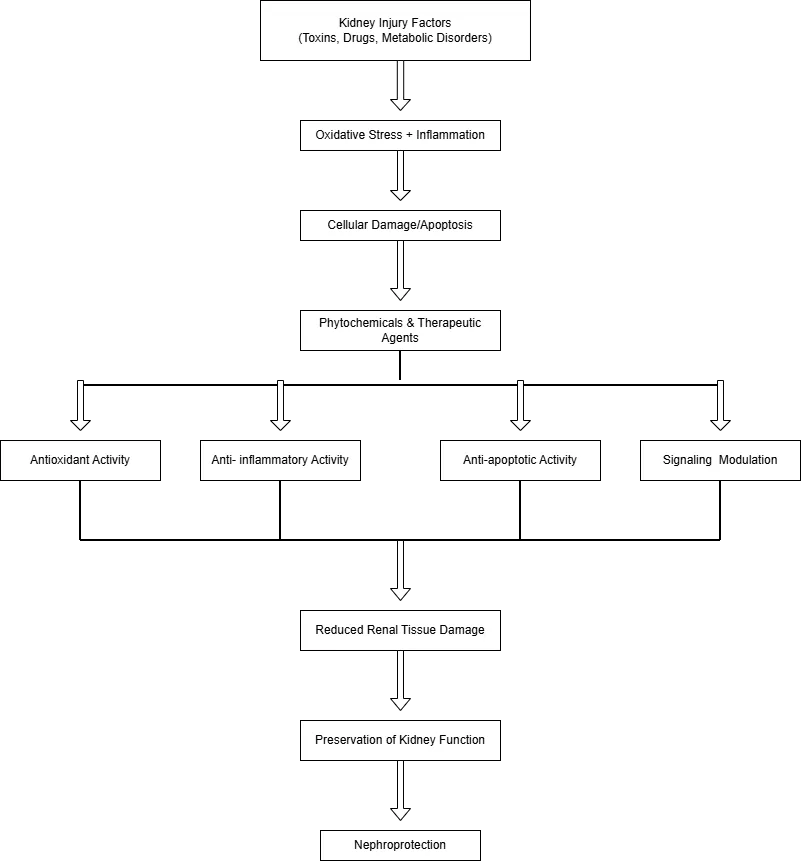
In order to prevent or lessen kidney injury, nephroprotection requires a number of biological processes. These methods mainly involve preventing cellular damage, reducing oxidative stress, and inhibiting inflammatory processes [22,24]. Exposure to toxic substances, metabolic disorders, and drug-induced effects are frequently linked to kidney damage. These factors affect normal cellular activities and compromise the structure and function of renal tissues [22].
Reducing oxidative stress is one of the main processes in nephroprotection [22]. An imbalance between the body's antioxidant defense system and the production of reactive oxygen species leads to oxidative stress. Reactive oxygen species overproduction damages cellular constituents such proteins, lipids, and DNA, which eventually impacts kidney function [22]. Thus, preventing nephrotoxicity and preserving kidney health depend on reducing oxidative stress.
Medicinal herbs include phytochemicals that are essential for strengthening antioxidant defense systems [24]. These substances aid in lowering oxidative damage to renal tissues by scavenging free radicals. Phytochemicals help maintain proper kidney function and protect cells by increasing the activity of natural antioxidant enzymes like catalase and superoxide dismutase [24]. One of the main ways that plant-based substances have nephroprotective effects is through this antioxidant process.The suppression of inflammation is another crucial mechanism [24]. Renal damage progresses as a result of inflammatory reactions, which are frequently seen in kidney illnesses. Cytokines and other mediators that cause tissue damage are released when inflammatory pathways are activated. These pathways are suppressed by phytochemicals with anti-inflammatory qualities, which lowers inflammation and stops more renal cell injury [24].
Another important component of nephroprotection is the prevention of apoptosis and cellular damage [22, 24]. Functional renal cells can be lost as a result of cell death pathways triggered by toxic substances and oxidative stress. Protective substances aid in preventing apoptosis, preserving membrane integrity, and stabilizing cellular structures. This helps to maintain the structure and functionality of the kidneys.
It has also been demonstrated that pharmacological and dietary therapies are crucial for kidney protection [23]. Numerous cellular pathways implicated in renal damage can be modulated by nutritional strategies and medicinal substances. These treatments may improve the kidney's defense mechanisms, lower oxidative stress, and affect metabolic processes [23]. These tactics are especially crucial in situations linked to aging and chronic renal disease, where the body's natural defenses may deteriorate.
Furthermore, one key method for achieving nephroprotection is the modification of signaling pathways [23]. Various molecular pathways regulate cell survival, inflammation, and oxidative stress responses. Renal damage can be decreased and overall renal function can be improved with interventions that target these pathways. This emphasizes how crucial it is to comprehend molecular pathways in order to create nephroprotective treatments that work.
In general, a variety of mechanisms, including as antioxidant activity, anti-inflammatory effects, and cellular injury prevention, are used to produce nephroprotection [22,24]. These defense systems are strengthened and renal health is supported by phytochemicals derived from medicinal plants [24]. By altering cellular pathways and minimizing damage, pharmacological and dietary methods can play a role [23]. The use of plant-based substances in the treatment and prevention of renal disorders is supported by these mechanisms.
Evidence from Related Plants
The pharmacological characteristics of medicinal plants in the Annonaceae family, including their possible role in nephroprotection, have been extensively researched [25]. According to a number of studies, plants in this family have bioactive chemicals that help prevent kidney injury. The significance of investigating related species for their therapeutic potential in renal diseases is supported by these findings.
Through various experimental techniques, such as in vitro, in vivo, and in silico studies, research on medicinal plants has shown that a number of species display nephroprotective action [25]. These studies demonstrate how chemicals originating from plants can lessen kidney damage brought on by medications, pollutants, and oxidative stress. These protective effects are largely due to the presence of phytochemicals that have anti-inflammatory and antioxidant properties.
Annona muricata, a significant member of the Annonaceae family, has demonstrated encouraging nephroprotective potential [26]. According to studies, this plant's phytochemicals help shield the kidneys from harm. The bioactive substances found in Annona muricata help to improve kidney function and lessen oxidative stress. These results imply that similar phytochemical compositions may provide plants in the same family similar medicinal qualities.
Annona muricata's nephroprotective capability lends credence to the idea that additional Annonaceae family members, like Polyalthia cerasoides, may have comparable biological activity [26]. It is fair to anticipate similar pharmacological effects because plants within a family frequently contain related classes of phytochemicals. This supports the theory that Polyalthia cerasoides may have nephroprotective qualities as well.
Numerous phytochemicals have been found to have important renal protective qualities in addition to particular plant research [27]. These substances include a number of classes of molecules derived from plants that have cytoprotective, anti-inflammatory, and antioxidant properties. The potential of these phytochemicals to prevent and treat kidney illnesses, such as renal cell carcinoma and other types of kidney damage, has been investigated.
Because they can target several pathways implicated in kidney damage, phytochemical-based treatments have drawn interest [27]. These substances can help preserve the kidneys by reducing oxidative stress, preventing inflammation, and controlling cellular functions. The application of these phytochemicals offers a crucial tactic for creating substitute medicinal substances for kidney-related illnesses.
Additionally, renal disorders have historically been treated using plant-based remedies in ancient medical systems [28]. Many medicinal plants have chemicals with nephroprotective potential, according to a classification of these plants based on their phytochemical composition. These plants' medicinal value is supported by the fact that they are utilized in a number of traditional methods for treating kidney-related disorders.
Important insights into the function of medicinal plants in the treatment of renal illness have been obtained through the merging of traditional knowledge with contemporary scientific study [28]. Research has shown that substances produced from plants may be viable options for creating novel nephroprotective medications. This emphasizes how crucial it is to carry out further study in this field.
The idea that plant-based chemicals have substantial nephroprotective potential is often supported by data from related plants, especially those in the Annonaceae family [25]. This data is further supported by the effects of Annona muricata that have been shown and the discovery of several phytochemicals that protect the kidneys [26,27]. The use of plant-based medicines in the treatment of renal illness is further supported by conventional medical procedures [28].
These findings collectively suggest that Polyalthia cerasoides, being a member of the same family and possessing similar phytochemical constituents, may also exhibit nephroprotective activity. To confirm its promise and determine its therapeutic uses, more experimental and clinical research is necessary.
Limitations of Current Evidence
The available scientific information about Polyalthia cerasoides' nephroprotective potential has significant limitations, despite the increased interest in medicinal plants for nephroprotection. The absence of direct experimental trials that explicitly assess its impact on renal function is one of the main drawbacks [29]. Rather than offering concrete proof of its function in nephroprotection, the majority of the material that is now accessible concentrates on broad pharmacological characteristics or research on related species. It is challenging to reach firm conclusions regarding its effectiveness in treating or preventing kidney disease because of this study gap.
The fact that a sizable amount of the current data comes from preclinical research is another key drawback [31, 32]. To assess biological activity and toxicity, these investigations are usually carried out utilizing animal models or in vitro systems. These investigations don't always accurately mimic human physiological conditions, even though they offer important preliminary insights into the mechanisms of action and possible treatment effects. Results may differ across experimental models and humans due to differences in metabolism, dose, and biological reactions. Because of this, results from preclinical research do not necessarily translate immediately to clinical settings.
Despite their widespread usage in medication research, preclinical animal models have intrinsic limitations when it comes to predicting human responses [31]. Results from animal experiments may not necessarily transition well to human trials, according to issues with external validity and reproducibility that have been brought to light. The trustworthiness of these investigations may also be impacted by variations in experimental design and methodology [32]. These restrictions highlight the importance of interpreting preclinical results cautiously when thinking about medicinal applications.
Additionally, a major obstacle to the confirmation of Polyalthia cerasoides' nephroprotective benefits is the lack of well-designed clinical trials [34, 35]. To assess the safety, effectiveness, and suitable dosage of medicinal medicines in people, clinical trials are crucial. It is impossible to produce conclusive proof for its usage in clinical practice without such research. Confirming the advantages found in preclinical research is hampered by the absence of human studies and randomized controlled trials.
Additionally, there are a number of difficulties with clinical research, such as problems with study design, sample size, and patient population diversity [34]. These elements may have an impact on the results and how they are interpreted. Furthermore, the reliability and generalizability of results may be impacted by limitations in the existing clinical trial methodology [35]. This makes it more difficult to validate plant-based treatments for renal disorders.
Another limitation is the lack of comprehensive data on safety and toxicity in humans. Despite the fact that medicinal plants are frequently regarded as harmless because of their natural nature, thorough toxicity assessments are required to guarantee their safe usage. The development of Polyalthia cerasoides as a therapeutic drug is limited by the lack of adequate clinical data on side effects and long-term safety profiles.
Overall, the current evidence regarding the nephroprotective potential of Polyalthia cerasoides is limited by the lack of direct experimental studies, reliance on preclinical data, and absence of well-designed clinical trials [29,31,32,34,35]. These drawbacks show that more thorough and methodical research is required to determine its effectiveness and safety, including controlled experimental experiments and clinical investigations. To advance Polyalthia cerasoides' development as a possible nephroprotective agent, these gaps must be filled.
FUTURE DIRECTIONS
Stronger scientific proof of Polyalthia cerasoides' nephroprotective potential should be the main goal of future study. Conducting in vivo investigations is a crucial prerequisite for assessing the biological activity of plant extracts in entire organisms [36]. Compared to in vitro investigations, in vivo studies offer a deeper comprehension of pharmacokinetics, pharmacodynamics, and total therapeutic benefits. The effectiveness of Polyalthia cerasoides in preventing or lessening kidney damage under experimental settings can be ascertained with the use of these research.
To confirm its therapeutic potential in people, well-designed clinical studies are required in addition to in vivo research [36]. Confirming the safety, effectiveness, and proper dosage of plant-based substances requires clinical research. These investigations will enhance the development of Polyalthia cerasoides as a nephroprotective drug by bridging the gap between experimental results and clinical applications.
The thorough examination of the molecular mechanisms underlying nephroprotection is another crucial subject for further research [37, 38]. To clarify how the plant protects kidney tissues, it is necessary to comprehend the underlying biochemical pathways. Research into gene expression, signaling pathways, and molecular targets might offer important insights into the mechanisms of action. These characteristics can be thoroughly investigated using sophisticated methods in pharmacology and molecular biology.
Another crucial area of study focus is the identification and isolation of Polyalthia cerasoides' active chemicals [37]. There are many different phytochemicals found in medicinal plants, but not all of them have the same therapeutic effects. Thus, identifying the involvement of particular bioactive chemicals in nephroprotection can be aided by isolating them and examining their individual actions. This strategy may also result in the creation of new medications based on substances produced from plants.Furthermore, research should focus on evaluating the toxicity and safety profile of Polyalthia cerasoides [39,40]. Systematic toxicity studies are required to guarantee the safe use of plant-based substances in humans, despite the fact that they are frequently regarded as safe. To evaluate any negative consequences, new toxicity testing techniques, such as contemporary prediction methodologies, can be used [39]. Before thinking about any therapeutic application, a thorough safety study is necessary.
The development of standardized extraction methods and quality control measures is also important for future studies. The composition and activity of phytochemicals might vary depending on plant material, extraction techniques, and environmental factors. Clinical development requires consistency and reliability in research findings, which standardization will help to ensure.Another essential stage in converting research into useful applications is clinical validation through well planned investigations [44,45]. Establishing the efficacy of Polyalthia cerasoides in human populations requires carefully planned clinical trials with suitable sample sizes, control groups, and validated outcome measures. Determining the application of study findings in actual healthcare settings is another benefit of validation studies.
Furthermore, integrating plant-based medicines with traditional treatment methods may be investigated in future studies. Combining natural compounds with existing drugs may enhance therapeutic outcomes and reduce side effects. These integrative methods may offer fresh approaches to better renal disease management.
Overall, future research on Polyalthia cerasoides should focus on conducting in vivo and clinical studies, understanding molecular mechanisms, identifying active compounds, and ensuring safety and toxicity evaluation [36–40]. Clinical validation through rigorous studies is essential for its successful application in healthcare [44,45]. The development of safe and efficient nephroprotective treatments based on medicinal plants will be aided by addressing these research topics.
DISCUSSION
Polyalthia cerasoides (Roxb.) Bedd. has drawn interest from scientists because of its varied pharmacological actions and rich phytochemical makeup, which may aid in nephroprotection. Important bioactive substances found in the plant include terpenoids, alkaloids, flavonoids, phenolic compounds, and labdane diterpenes, which have cytoprotective, anti-inflammatory, and antioxidant properties. By scavenging reactive oxygen species and shielding cellular components from harm, these phytochemicals are crucial in lowering oxidative stress. Since oxidative stress is one of the major mechanisms involved in nephrotoxicity, the antioxidant potential of Polyalthia cerasoides suggests its possible role in protecting kidney tissues from injury caused by drugs, toxins, and metabolic disturbances.
In addition to antioxidant activity, the anti-inflammatory properties of the plant may further contribute to renal protection by reducing inflammatory responses associated with kidney damage. Due to the presence of similar phytochemicals, studies on related species like Polyalthia longifolia and other members of the Annonaceae family also support the likelihood of similar nephroprotective benefits. By enhancing antioxidant defense systems, inhibiting inflammatory mediators, and preventing cellular damage and apoptosis, the combined action of these bioactive substances may aid in preserving renal function. Nevertheless, despite these encouraging results, the information that is now available is still scant and primarily derived from preclinical and phytochemical research. There are insufficient direct experimental and clinical investigations that explicitly assess Polyalthia cerasoides' nephroprotective efficacy. Therefore, to confirm its effectiveness and safety as a possible nephroprotective drug, more in vivo research, molecular studies, toxicity evaluations, and carefully planned clinical trials are needed.
CONCLUSION
The pharmacological actions of polyalthia cerasoides are attributed to a variety of phytochemical compounds, including terpenoids, alkaloids, phenolics, and flavonoids. Its anti-inflammatory and antioxidant qualities suggest possible defense against kidney damage brought on by inflammation and oxidative stress.
Additional evidence for its potential nephroprotective function comes from related annonaceae plants. The plant may protect the kidneys by preventing cellular damage, inhibiting inflammatory pathways, and scavenging free radicals. However, there is currently little direct experimental data on nephroprotection, and the majority of the evidence is based on phytochemical and preclinical investigations.one of the biggest obstacles to verifying its therapeutic efficacy and safety is the lack of standardized investigations and well-designed clinical trials. In order to confirm polyalthia cerasoides as a possible nephroprotective drug for upcoming therapeutic applications, more in vivo studies, molecular analyses, and clinical research are necessary.
REFERENCES


Preethi S M, Keshava Murthy S G, Nephroprotective Potential of Polyalthia cerasoides: A Phytochemical and Pharmacological Review, Int. J. of Pharm. Sci., 2026, Vol 4, Issue 6, 5394-5407, https://doi.org/10.5281/zenodo.20773223
 10.5281/zenodo.20773223