

We use cookies to ensure our website works properly and to personalise your experience. Cookies policy
Dayanand Institute of pharmacy, Latur
Infertility is a major reproductive health problem affecting both men and women and may arise from ovulatory dysfunction, diminished ovarian reserve, premature ovarian insufficiency, endometriosis, endometrial damage, tubal abnormalities, impaired spermatogenesis, non-obstructive azoospermia, testicular injury, hormonal disorders, genetic abnormalities and other factors. Conventional approaches, including hormonal treatment, surgery and assisted reproductive technologies, can assist conception but may not restore severely damaged reproductive tissues. Cell-based therapy has therefore emerged as an investigational regenerative strategy aimed at repairing the cellular and tissue environment involved in reproduction. The supplied project describes mesenchymal stem cells (MSCs), spermatogonial stem cells (SSCs), induced pluripotent stem cells (iPSCs) and related cell-free approaches such as exosomes. Proposed mechanisms include tissue regeneration, paracrine signaling, angiogenesis, immunomodulation, anti-inflammatory activity, reduction of oxidative stress, anti-apoptotic effects and improvement of the reproductive microenvironment. In female infertility, particular attention has been directed toward premature ovarian insufficiency, diminished ovarian reserve, thin endometrium and Asherman’s syndrome. In male infertility, research has focused on non-obstructive azoospermia, spermatogenic failure and testicular injury. Although preclinical and early clinical findings are encouraging, the supplied evidence indicates that most approaches remain experimental, with limited human data for pregnancy and live-birth outcomes. Major barriers include tumorigenicity, genetic and epigenetic instability, immune reactions, uncontrolled differentiation, ethical and regulatory concerns, high cost, lack of standardized protocols and limited long-term follow-up. Future progress is expected from exosome-based therapy, tissue engineering, gene-editing research, personalized regenerative medicine and larger multicenter clinical trials. Overall, cell-based therapy represents a promising but investigational direction for infertility and requires robust clinical validation before routine clinical adoption.
Infertility is defined in the supplied project as the inability to achieve pregnancy after 12 months or more of regular, unprotected sexual intercourse. It is presented as a major global health problem affecting approximately one in six people during their reproductive lifetime. Infertility may arise from male factors, female factors, combined factors or unexplained causes. Common causes described in the project include ovulatory disorders, diminished ovarian reserve, endometriosis, tubal abnormalities and impaired spermatogenesis.
Conventional management includes hormonal therapy, surgery and assisted reproductive technologies (ART), including in vitro fertilization (IVF) and intracytoplasmic sperm injection (ICSI). These approaches have improved reproductive outcomes, but the project emphasizes that they may assist fertilization without repairing the underlying cellular or tissue defect. Repeated treatment cycles can also increase financial, physical and emotional burden. These limitations have stimulated interest in regenerative medicine and cell-based approaches.
Cell-based therapy seeks to move beyond supportive reproduction toward restoration of reproductive tissues and their function. The proposed effects of stem and progenitor cells include tissue repair, angiogenesis, immunomodulation, anti-inflammatory effects, reduction of oxidative stress, protection from apoptosis and paracrine communication. The present review reorganizes the supplied project into a conventional narrative review format and integrates its discussion of mechanisms, cell sources, applications in female and male infertility, evidence status, limitations and future perspectives.
2. REVIEW APPROACH AND SCOPE
This article is a narrative review prepared from the supplied project document, its figures and its reference list. The material was reorganized into a review-paper structure, with overlapping descriptions consolidated and repeated points streamlined. No independent literature search was used to add evidence beyond the supplied material. Accordingly, statements about clinical effectiveness are presented cautiously and reflect the evidence level described in the source project.
3. GLOBAL BURDEN, CLINICAL IMPACT AND RATIONALE FOR REGENERATIVE THERAPY
The supplied project describes infertility as a shared reproductive health concern affecting both sexes. Its burden extends beyond failure to conceive and includes psychological, social, economic and healthcare consequences. Stress, anxiety, emotional distress, social pressure, stigma and the financial burden of repeated diagnostic and treatment cycles may affect individuals and couples. Increasing age may further reduce reproductive options, making timely diagnosis and management important.
Need for regenerative approaches: cell-based strategies are being investigated to address tissue dysfunction rather than only assist fertilization.
3.1 Limitations of Conventional Treatment
The project identifies several situations in which conventional treatment may not adequately address the underlying pathology. Hormonal therapy is useful for selected disorders but may not reverse severe tissue or germ-cell damage. Surgery can correct anatomical abnormalities but does not necessarily regenerate damaged reproductive cells. IVF and ICSI can overcome selected barriers to fertilization but do not necessarily repair ovarian, endometrial or testicular damage. Severe spermatogenic failure and non-obstructive azoospermia may remain particularly difficult to treat. Similarly, severe ovarian dysfunction or diminished ovarian reserve may limit the effectiveness of conventional approaches.
3.2 Rationale for Cell-Based Therapy
The rationale for cell-based therapy is therefore regenerative. The project proposes that stem cells or their secreted factors may support damaged reproductive tissues, improve the local microenvironment, protect reproductive cells and potentially restore gamete production. The principal strategies discussed are MSCs, SSCs, iPSCs and cell-free extracellular-vesicle approaches.
4. CAUSES AND PATHOPHYSIOLOGY OF INFERTILITY
4.1 Male Infertility
Male infertility is described as a multifactorial disorder involving sperm production, sperm function, reproductive anatomy, hormonal regulation and genetic factors. Spermatogenic disorders include oligozoospermia, asthenozoospermia, teratozoospermia and azoospermia. Non-obstructive azoospermia is particularly important to regenerative research because the primary defect is impaired sperm production rather than a physical obstruction.
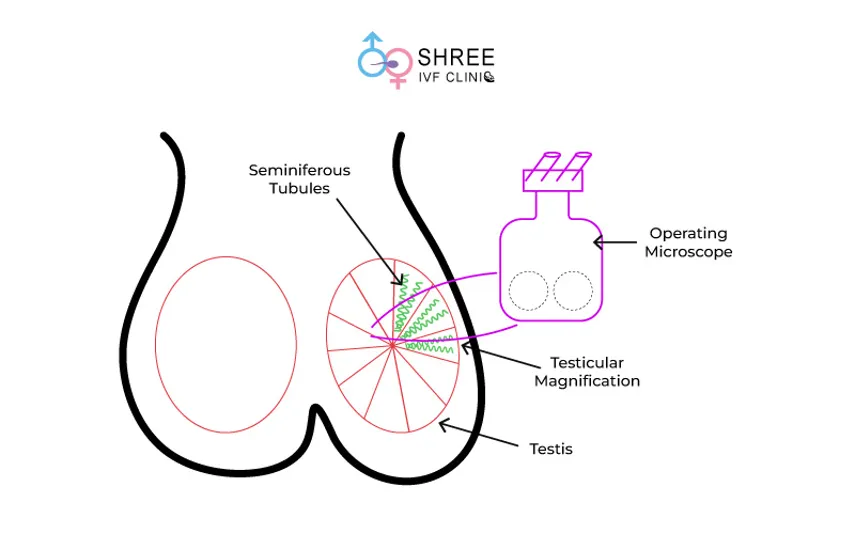
Figure 1. Non-obstructive azopermia and impaired sperm production. Source: supplied project document.
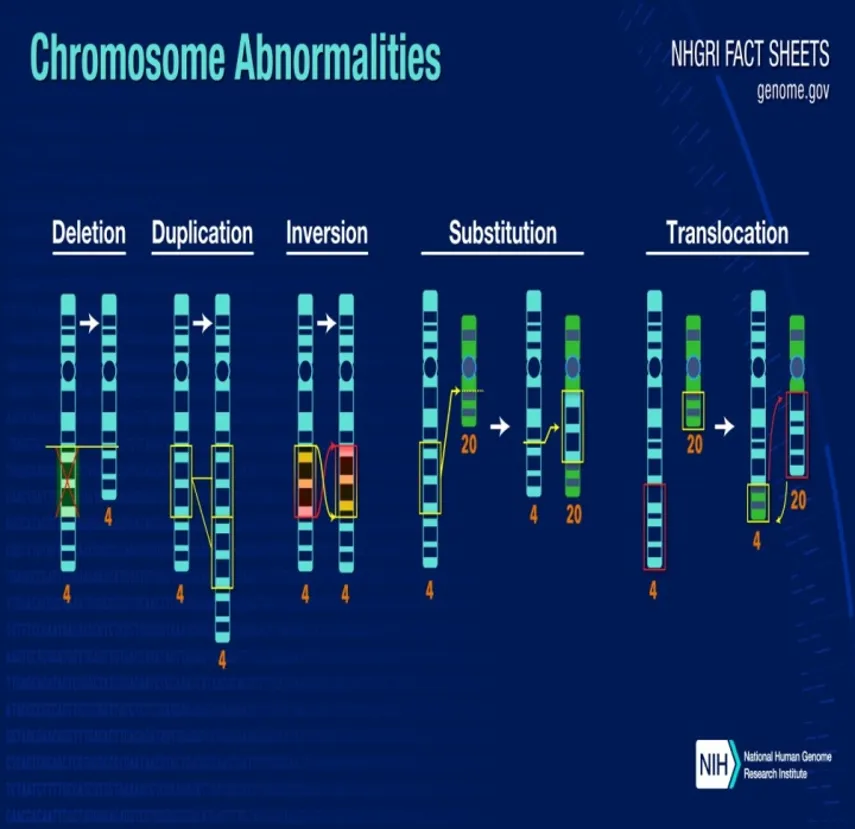
Figure 2. Genetic and chromosomal abnormalities associated with infertility. Source: supplied project document.
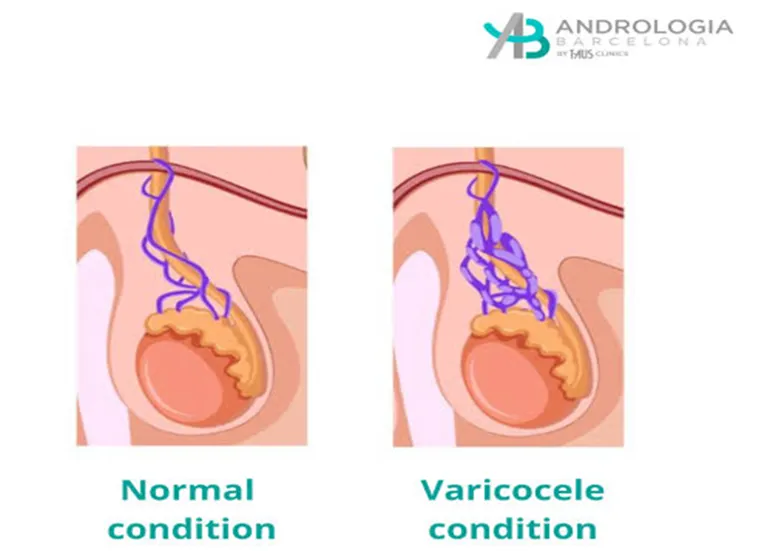
Figure 3. Varicocele and its relationship to testicular dysfunction. Source: supplied project document.
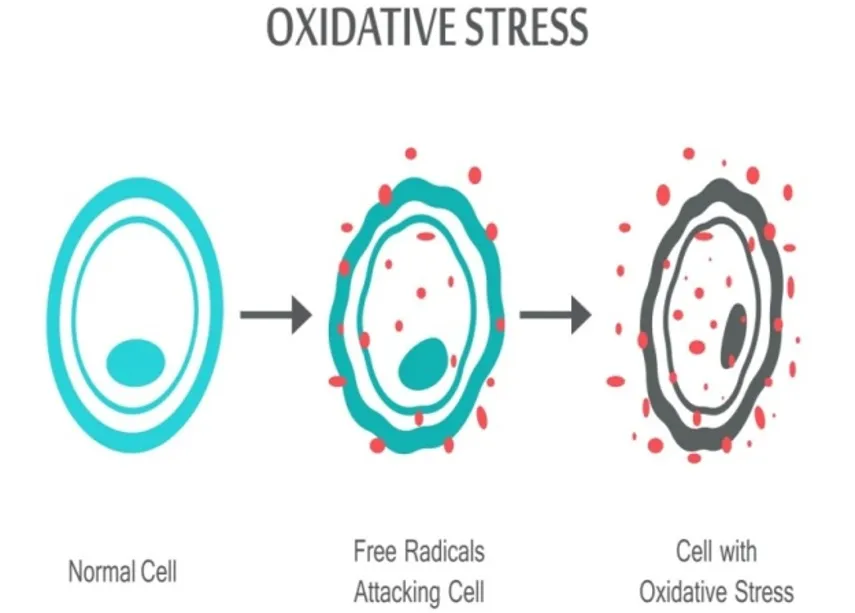
Figure 4. Oxidative stress and cellular damage in reproductive tissues. Source: supplied project document.
4.2 Female Infertility
Female infertility may result from abnormalities affecting ovulation, ovarian reserve, ovarian function, fallopian tubes, uterus, endometrium, hormonal regulation or reproductive function. The supplied project highlights ovulatory disorders, diminished ovarian reserve, premature ovarian insufficiency, tubal abnormalities, endometriosis, uterine and endometrial abnormalities, endocrine disorders, age-related changes and genetic or lifestyle factors.
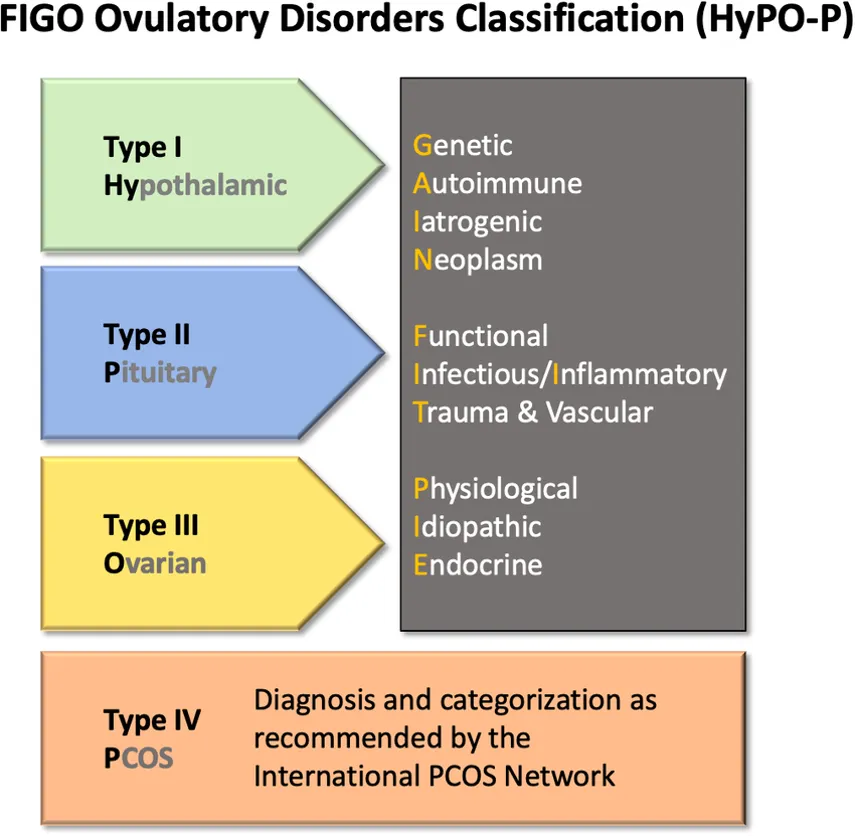
Figure 5. Ovulatory disorders and their classification. Source: supplied project document.
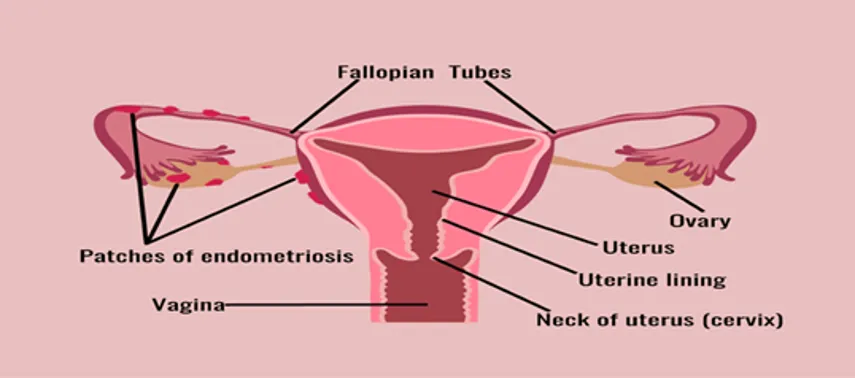
Figure 6. Endometriosis as a cause of female infertility. Source: supplied project document.
Hormonal and endocrine disorders involving reproductive hormones, thyroid function or prolactin may disturb follicular development and ovulation
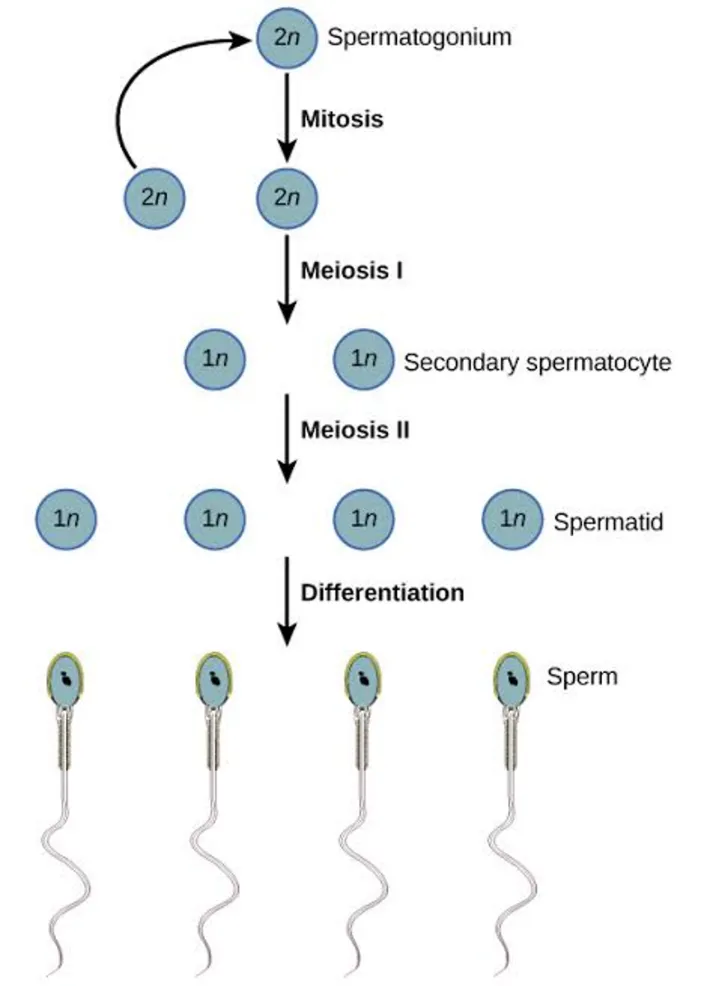
Figure 7. Impaired spermatogenesis and sperm production. Source: supplied project document.
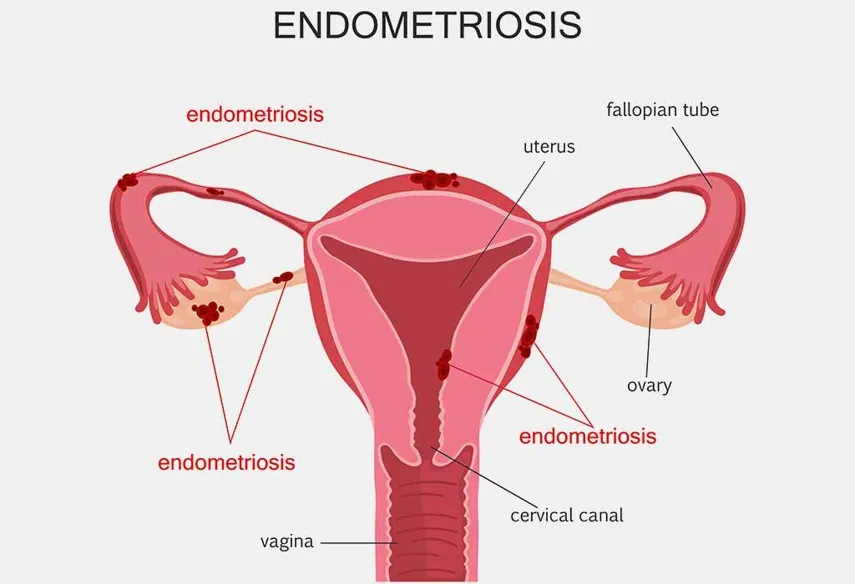
Figure 8. Female infertility and associated reproductive abnormalities. Source: supplied project document.
4.3 Cellular and Molecular Basis for Regenerative Intervention
At the cellular level, the project identifies oxidative stress, mitochondrial dysfunction, DNA damage, chronic inflammation, apoptosis, impaired angiogenesis, altered cell-to-cell signaling and disruption of the reproductive tissue microenvironment as important mechanisms associated with infertility. These processes provide a rationale for regenerative interventions that aim to improve tissue survival and function rather than simply overcome fertilization barriers.
5. CELL-BASED THERAPY: CONCEPT AND MECHANISMS
Cell-based therapy is described as a regenerative medicine approach in which living cells are introduced or manipulated to repair damaged tissues, replace dysfunctional cells or improve the local cellular environment. In infertility, the goal is to restore reproductive tissue function and support gamete production or maturation.
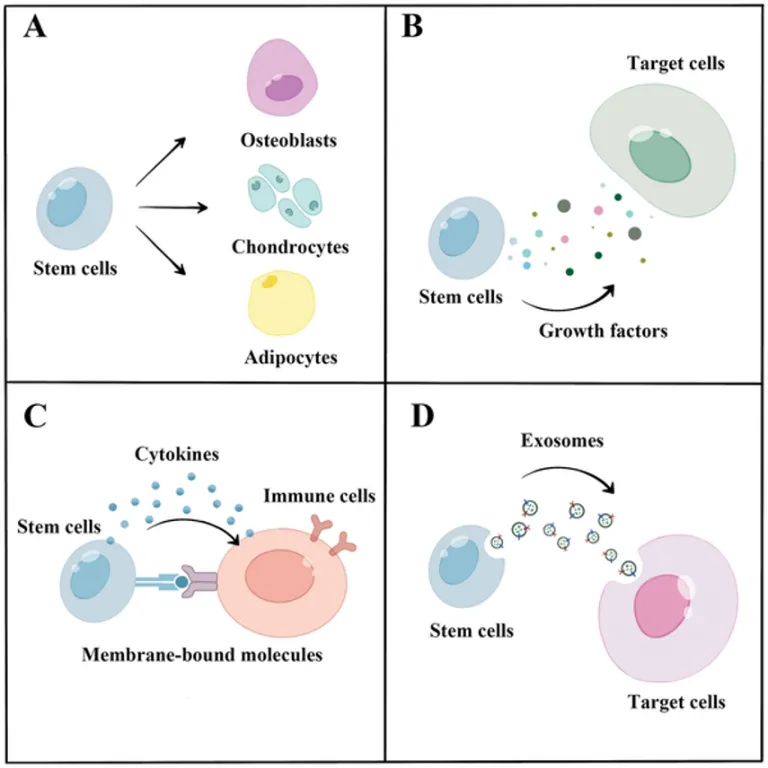
Figure 9. Conceptual representation of cell-based therapy and regenerative mechanisms. Source: supplied project document.
5.1 Major Mechanisms
Tissue regeneration: Stem cells may support repair of damaged testicular, ovarian and endometrial tissues and stimulate endogenous repair processes.
Paracrine signaling: Cells release growth factors, cytokines and extracellular vesicles that influence nearby reproductive cells.
Angiogenesis: Release of angiogenic mediators such as VEGF may improve blood supply, oxygenation and nutrient delivery to injured tissue.
Immunomodulation: MSCs may regulate macrophages, T cells and other immune components and reduce excessive inflammatory signaling.
Anti-inflammatory activity: MSCs may reduce pro-inflammatory mediators such as TNF-α, IL-1β and IL-6 and thereby create a more favorable tissue environment.
Anti-apoptotic activity: Cell-derived survival factors may reduce excessive apoptosis and protect germ cells, Sertoli cells, Leydig cells and ovarian cells.
Reduction of oxidative stress: Stem-cell-derived factors may reduce oxidative damage and protect reproductive cells from cellular stress.
Exosome-mediated communication: Extracellular vesicles may transfer proteins, lipids, mRNA and microRNAs to recipient cells and modify their survival, inflammatory and regenerative responses.
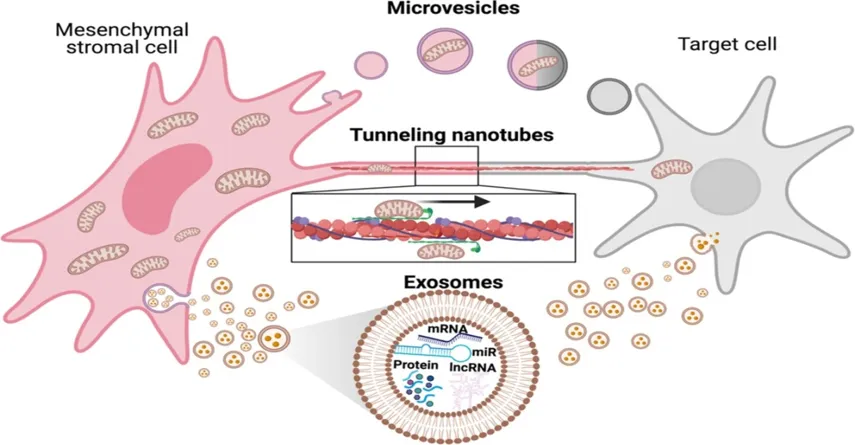
Figure 10. Mesenchymal stem cell communication with target cells. Source: supplied project document.
5.2 Integrated Mechanistic Pathway
The overall regenerative pathway proposed in the project can be summarized as: cell administration → interaction with damaged reproductive tissue → paracrine and/or cell-mediated signaling → reduction of inflammation, oxidative stress and apoptosis with improved angiogenesis → tissue repair and restoration of the reproductive microenvironment → potential improvement in reproductive function.
6. STEM CELL SOURCES AND CELL-BASED PLATFORMS
The supplied project discusses several cell types and sources. MSCs are the most extensively discussed because of their paracrine, immunomodulatory, anti-inflammatory and angiogenic properties. SSCs are specifically relevant to restoration of sperm-producing germ cells, while iPSCs provide a pluripotent platform for experimental generation of germ-cell-like cells. Exosomes represent a cell-free regenerative strategy.
|
Cell type/ platform |
Major application |
Principal proposed actions |
Major limitations |
Evidence status in supplied project |
|
MSCs |
Ovarian, endometrial and testicular injury |
Paracrine signaling, angiogenesis, immunomodulation, anti-inflammatory and anti-apoptotic effects |
Cell source, dose, delivery and long-term safety not standardized |
Mainly preclinical; limited early human evidence |
|
BM-MSCs |
Reproductive tissue damage |
Regenerative cytokines, angiogenesis, reduced inflammation and apoptosis |
Invasive harvesting; low yield; age-related decline in cell quality |
Preclinical and early human research |
|
AD-MSCs |
Ovarian/ endometrial and testicular injury |
Angiogenesis, growth-factor secretion, anti-inflammatory and anti-apoptotic effects |
Donor variability; limited long-term evidence |
Encouraging preclinical research |
|
UC-MSCs |
POI, thin endometrium, Asherman's syndrome; testicular repair |
Angiogenesis, anti-fibrotic and immunomodulatory effects |
Processing/ storage standardization and limited long-term data |
Promising preclinical/ early clinical research |
|
SSCs |
NOA, spermatogenic failure, fertility preservation |
Self-renewal and differentiation toward spermatozoa |
Isolation/ expansion difficulty, contamination risk, genetic and safety concerns |
Experimental |
|
iPSCs |
Germ-cell-like cell generation; reproductive regeneration |
Pluripotent differentiation and patient-specific approaches |
Tumorigenicity, genetic/ epigenetic instability, cost and complex manufacturing |
Laboratory/ experimental |
|
Exosomes |
Cell-free reproductive tissue repair |
Transfer of proteins, lipids and microRNAs; angiogenic, anti-inflammatory and anti-apoptotic signaling |
Purification, dosage, targeting and long-term safety |
Experimental |
6.1 Bone Marrow-Derived MSCs
Bone marrow-derived MSCs are presented as a well-characterized source with substantial regenerative potential and clinical experience in regenerative medicine. Their proposed actions in infertility include secretion of regenerative cytokines, promotion of angiogenesis, inhibition of apoptosis and reduction of inflammation. The project notes invasive harvesting, low cell yield and declining cell quality with age as important limitations.
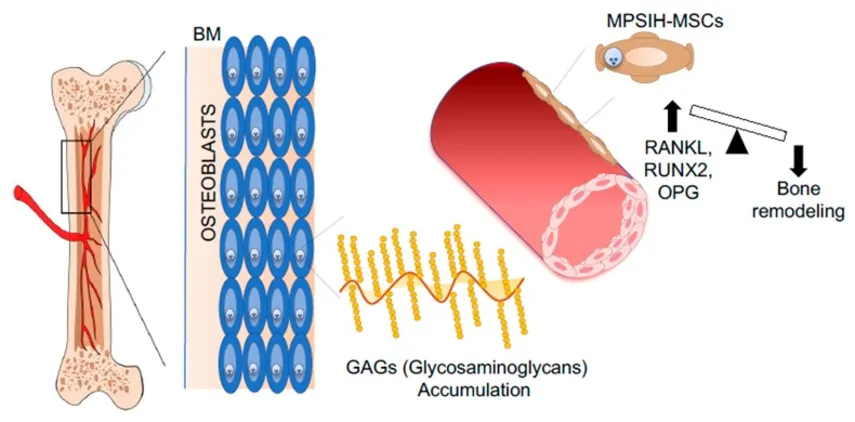
Figure 11. Bone marrow-derived mesenchymal stem cells and regenerative applications. Source: supplied project document.
6.2 Adipose-Derived MSCs
Adipose-derived MSCs are described as an abundant and comparatively accessible source with minimally invasive collection, high proliferation and rapid expansion in culture. Their proposed effects include enhanced angiogenesis, suppression of inflammation, inhibition of apoptosis and secretion of growth factors. Donor-to-donor variability and limited long-term clinical evidence remain concerns.
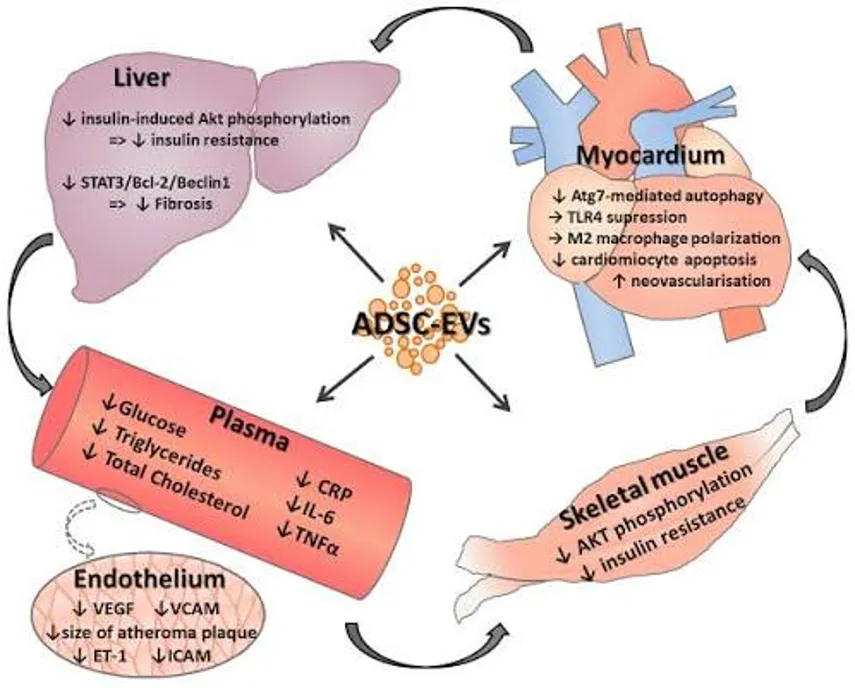
Figure 12. Adipose-derived mesenchymal stem cells and paracrine effects. Source: supplied project document.
6.3 Umbilical Cord-Derived MSCs
Umbilical cord-derived MSCs are described as having non-invasive collection, high proliferative capacity, low immunogenicity and strong immunomodulatory properties. Their proposed regenerative actions include enhanced angiogenesis, reduced fibrosis, immune modulation and stimulation of endogenous tissue repair. Standardized processing and storage and longer clinical follow-up are needed.
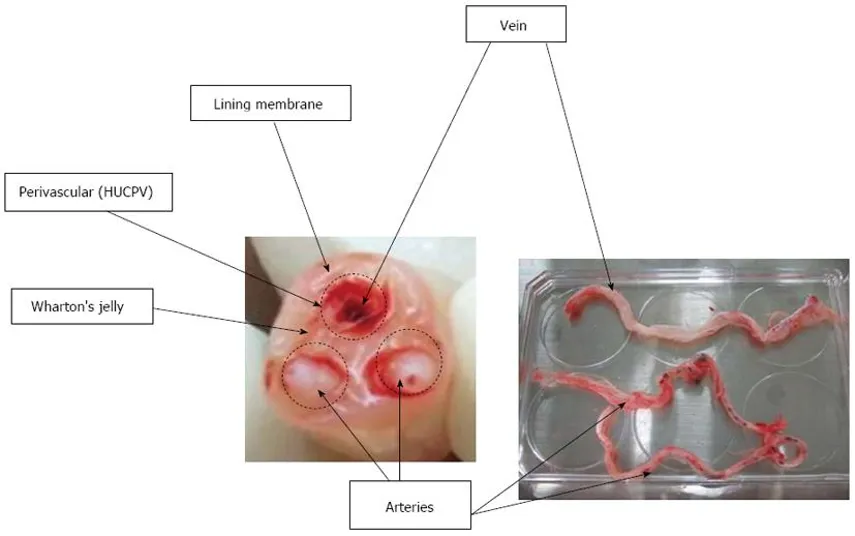
Figure 13. Umbilical cord-derived mesenchymal stem cells and tissue-repair concept. Source: supplied project document.
6.4 Induced Pluripotent Stem Cells
iPSCs offer pluripotent differentiation capacity and may be generated in patient-specific formats. In infertility research, the supplied project describes their investigation for generating germ-cell-like cells and potentially restoring reproductive function. However, tumorigenicity, genetic and epigenetic instability, high production cost and complex manufacturing remain major barriers.
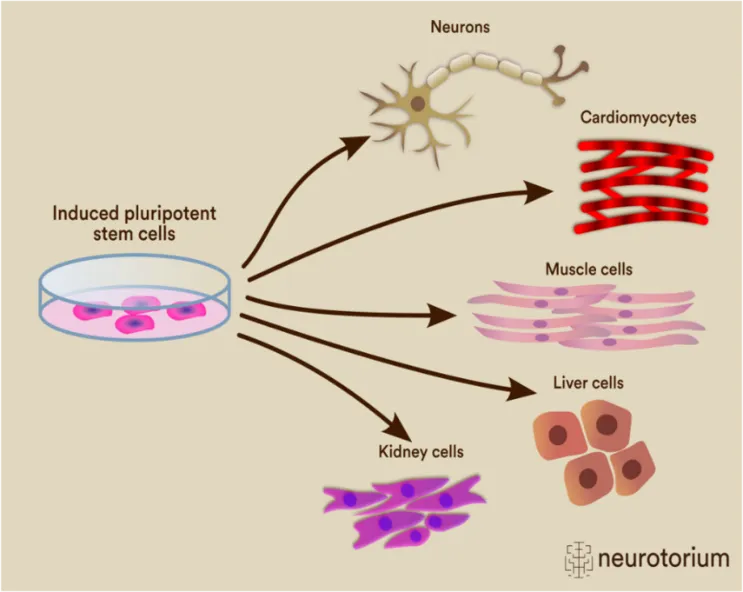
Figure 14. Induced pluripotent stem cells and differentiation potential. Source: supplied project document.
6.5 Spermatogonial Stem Cells
SSCs are directly relevant to male fertility because they form the germ-cell population responsible for ongoing sperm production. The project describes SSC self-renewal, expansion under controlled conditions and transplantation into seminiferous tubules as a potential route to repopulate the testes and restore spermatogenesis. Difficult isolation and expansion, limited availability, possible malignant-cell contamination in cancer survivors, genetic stability and limited human evidence remain important challenges.
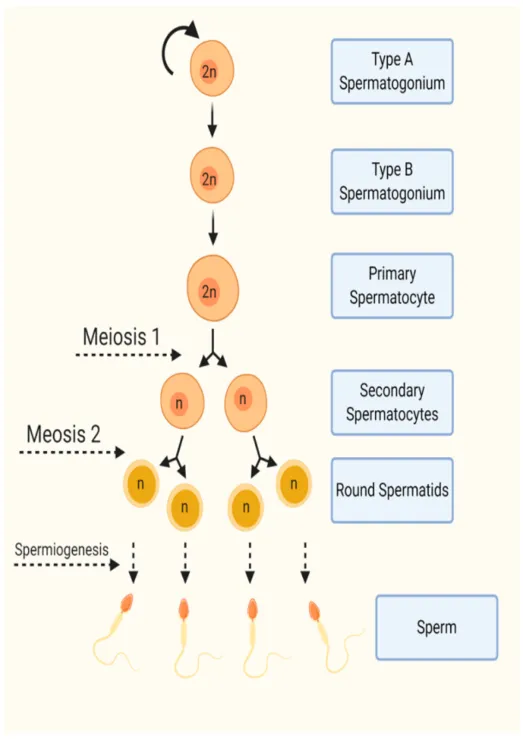
Figure 15. Spermatogonial stem cells and spermatogenic differentiation. Source: supplied project document.
7. CELL-BASED THERAPY IN FEMALE INFERTILITY
Female infertility applications discussed in the supplied project center on restoration of ovarian function and regeneration of the endometrium. MSCs from bone marrow, adipose tissue and umbilical cord are the principal cell types described. Their proposed effects include paracrine signaling, growth-factor secretio, angiogenesis, inhibition of apoptosis, reduction of inflammation and stimulation of endogenous tissue repair.
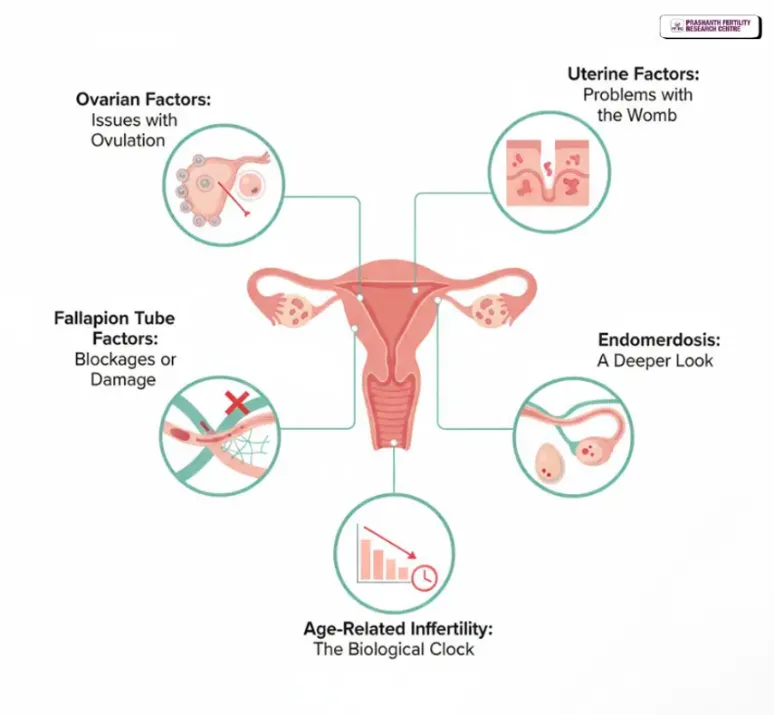
Figure 16. Cell-based therapy in female infertility. Source: supplied project document.
7.1 Premature Ovarian Insufficiency
Premature ovarian insufficiency (POI) is characterized in the project by loss of ovarian function before 40 years of age, with depletion or dysfunction of ovarian follicles and associated reproductive impairment. MSC-based approaches are described as potentially promoting follicular development, reducing granulosa-cell apoptosis, enhancing angiogenesis and increasing estrogen secretion. Preclinical studies are described as showing improvements in ovarian reserve and hormone levels, while early clinical observations suggest possible menstrual and ovarian-function recovery.
7.2 Diminished Ovarian Reserve
Diminished ovarian reserve involves reduction in the quantity and quality of ovarian follicles. The supplied project describes cell-based strategies as potentially improving follicular survival, reducing oxidative stress, promoting angiogenesis and stimulating ovarian tissue repair. Experimental findings summarized in the project include changes in ovarian reserve markers such as anti-Müllerian hormone (AMH) and antral follicle count (AFC).
7.3 Thin Endometrium
Thin endometrium is associated with impaired receptivity and implantation. The project describes MSC-based approaches as promoting endometrial-cell proliferation, increasing vascularization, reducing fibrosis and improving the endometrial microenvironment. Selected clinical studies are described as reporting increased endometrial thickness and possible improvements in uterine blood flow, implantation and pregnancy outcomes; however, the overall evidence remains insufficient for routine use.
7.4 Asherman's Syndrome
Asherman's syndrome involves intrauterine adhesions and fibrosis that can impair implantation and pregnancy. The supplied project describes MSC-based therapy as acting through anti-fibrotic, anti-inflammatory and angiogenic mechanisms. Encouraging findings include restoration of the uterine cavity, increased endometrial thickness, reduced scar formation and improved menstrual or fertility-related outcomes in selected studies.
7.5 Summary of Female Infertility Applications
Overall, cell-based therapy is presented as a regenerative strategy for female infertility rather than merely an aid to fertilization. The most prominent targets are ovarian dysfunction and endometrial injury. Despite encouraging preclinical and early clinical findings, larger randomized trials and long-term safety studies are required before routine clinical application.
8. Cell-Based Therapy in Male Infertility
Male infertility research within the supplied project focuses on non-obstructive azoospermia, spermatogenic failure and testicular injury. The therapeutic objective is to restore the germ-cell population or improve the testicular microenvironment supporting spermatogenesis. MSCs, SSCs, iPSCs and exosomes are the principal platforms discussed.
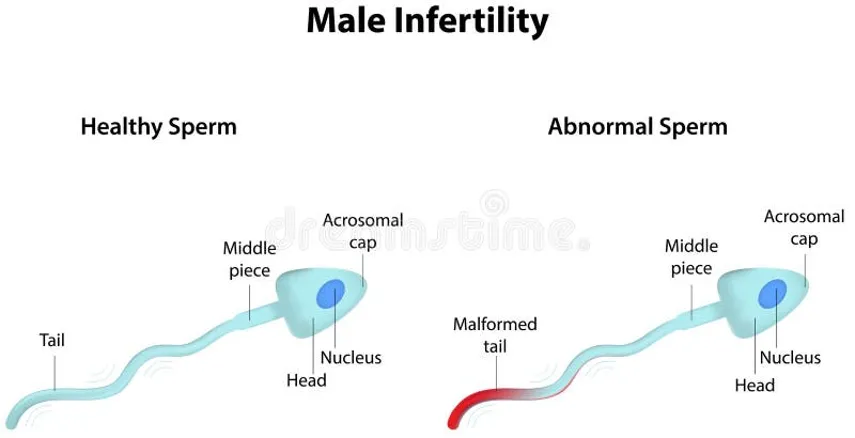
Figure 17. Cell-based therapy in male infertility. Source: supplied project document.
8.1 Non-Obstructive Azoospermia
NOA is characterized by absence of sperm in the ejaculate because of impaired testicular sperm production rather than obstruction. The project describes SSCs as a strategy to restore sperm-producing cells and MSCs as a strategy to repair the testicular tissue environment. BM-MSCs, AD-MSCs and UC-MSCs may provide paracrine, anti-inflammatory and regenerative support, while iPSCs and exosomes remain experimental approaches.
8.2 Spermatogenic Failure
Spermatogenic failure involves defective or incomplete sperm production within the seminiferous tubules. The supplied project proposes SSCs for restoration of the germ-cell population and MSCs for repair of the testicular microenvironment. Potential benefits include improved support for Sertoli and Leydig cells, reduced inflammation and oxidative stress, and improved tissue regeneration. Most evidence remains laboratory- or animal-based.
8.3 Testicular Injury
Testicular injury can damage Sertoli cells, Leydig cells and germ cells. The project describes MSCs as potential mediators of repair through paracrine signaling, reduction of inflammation and oxidative stress, and protection of germ cells. SSCs may help restore the germ-cell population, while exosomes may provide regenerative signals without direct transplantation of whole cells.
8.4 SSC Therapy
SSC therapy involves isolation and expansion of sperm-producing stem cells followed by transplantation into seminiferous tubules. The proposed sequence is SSC self-renewal → transplantation → repopulation of seminiferous tubules → restoration of spermatogenesis. Potential applications include NOA, testicular injury and fertility preservation following cancer treatment. Major challenges include efficient isolation, long-term culture, transplantation success, genetic stability, safety and ethical concerns.
8.5 MSC Therapy
MSC therapy in male infertility is primarily directed toward restoration of the testicular environment. MSCs may promote repair of seminiferous tubules, reduce inflammation and oxidative stress, support Sertoli and Leydig cells and improve the microenvironment required for spermatogenesis. The supplied project emphasizes that this approach remains mainly experimental or preclinical.
9. CLINICAL EVIDENCE AND TREATMENT OUTCOMES
The supplied project distinguishes promising biological effects from established clinical outcomes. Early studies are described as suggesting possible improvements in sperm production, sperm count, motility, morphology and testicular function after selected cell-based interventions. However, evidence for consistent improvements in natural pregnancy and live-birth rates is limited. For SSC therapy, the principal research endpoint is restoration of spermatogenesis, while MSC research emphasizes tissue repair and microenvironmental improvement. iPSC and exosome approaches remain largely experimental.
|
Approach |
Target condition/ application |
Reported or proposed outcome |
Evidence level described in project |
|
SSCs |
NOA; spermatogenic failure |
Restoration of spermatogenesis and sperm production |
Mainly experimental/ preclinical |
|
MSCs |
Testicular injury; spermatogenic failure |
Testicular repair and support of sperm production |
Mainly preclinical; limited human evidence |
|
BM-MSCs |
Testicular damage; ovarian/ endometrial injury |
Improved tissue function and regenerative environment |
Preclinical and early human research |
|
AD-MSCs |
Ovarian/ endometrial injury; testicular injury |
Tissue regeneration and cellular protection |
Encouraging preclinical research |
|
UC-MSCs |
POI; thin endometrium; Asherman's syndrome; testicular injury |
Improved reproductive tissue environment |
Preclinical/ early clinical research |
|
iPSCs |
Germ-cell generation |
Generation of germ-cell-like cells and potential reproductive regeneration |
Laboratory/ experimental |
|
Exosomes |
Reproductive tissue injury |
Cellular repair and regenerative signaling |
Experimental |
9.1 Pregnancy and Live-Birth Outcomes
The project explicitly notes that reliable pregnancy and live-birth data remain insufficient. If viable sperm production can eventually be restored, the recovered sperm may potentially be used with IVF or ICSI, but this does not establish that cell-based therapy itself improves pregnancy or live-birth rates. Consequently, pregnancy and live birth should be evaluated as important clinical endpoints in future trials rather than assumed outcomes.
9.2 Safety Evidence
10. CHALLENGES AND LIMITATIONS
The translation of cell-based infertility therapy from experimental research to routine clinical practice is constrained by biological, technical, ethical, regulatory and economic barriers. The supplied project identifies the following major limitations.
10.1 Ethical and Regulatory Considerations
Manipulation of human germ cells raises specific ethical concerns because genetic or epigenetic alterations may have implications for future generations. The project emphasizes informed consent, transparency about experimental status, offspring safety, strict regulatory oversight and protection against commercialization of unproven treatments. Equitable access is also relevant because high treatment costs may restrict availability.
10.2 Standardization and Long-Term Follow-Up
Different studies may use different cell sources, preparation methods, doses, administration routes and transplantation sites. Such heterogeneity makes comparison difficult and limits reproducibility. The project therefore emphasizes the need for uniform protocols, validated cell characterization, defined potency and quality-control criteria, and extended follow-up to assess delayed adverse effects, durability of reproductive improvement and potential effects on offspring.
11. FUTURE PERSPECTIVES
11.1 Exosome-Based Regenerative Therapy
Exosome therapy is proposed as a cell-free alternative to transplantation of living cells. Exosomes can carry proteins, lipids, mRNA and microRNAs and may influence recipient cells through anti-inflammatory, anti-apoptotic, angiogenic and regenerative signaling. Potential applications include spermatogenic failure, testicular injury and azoospermia. However, purification, characterization, dose, targeting and long-term safety remain unresolved.
11.2 Gene-Editing Research
Gene-editing systems such as CRISPR-Cas are discussed as potential research tools for understanding and correcting genetic defects associated with male infertility. Possible combinations with SSCs or iPSCs may support personalized research. However, off-target changes, unintended mutations, germline effects and heritable consequences create substantial safety, ethical and regulatory concerns. Gene editing therefore remains experimental in the context described by the project.
11.3 Tissue Engineering and Organoids
Tissue engineering may recreate elements of the reproductive microenvironment using three-dimensional culture systems, biomaterial scaffolds and testicular organoids. Combining engineered environments with SSCs or MSCs may support tissue regeneration and in-vitro spermatogenesis. These approaches remain experimental and require further validation in humans.
11.4 Personalized Regenerative Medicine
Patient-specific regenerative medicine may use the cause and severity of infertility, genetic profiling and individual treatment response to guide cell selection and therapeutic design. Potential strategies include patient-derived iPSCs, selection of SSCs or MSCs, combination with exosomes or tissue engineering, and individualized monitoring of sperm parameters, tissue function and safety. Clinical validation is still required.
11.5 Larger Multicenter Clinical Trials
The project identifies large, well-designed multicenter trials as essential for establishing efficacy and safety. Future studies should evaluate sperm count, motility, morphology, spermatogenesis, testicular function, natural and ART-associated pregnancy, live birth, tumorigenicity, genetic stability, immune reactions and long-term reproductive outcomes. Standardized protocols and consistent outcome measures will be necessary to support regulatory evaluation.
12. SUMMARY
Cell-based therapy represents a shift from simply assisting fertilization toward attempting to repair or regenerate the reproductive tissue environment. MSCs are the most extensively discussed platform because they may act through paracrine signaling, angiogenesis, immunomodulation, anti-inflammatory effects, reduction of oxidative stress and anti-apoptotic mechanisms. SSCs are particularly relevant to restoration of spermatogenesis, while iPSCs provide a pluripotent platform for experimental germ-cell generation. Exosomes may provide a cell-free alternative that reproduces some of the signaling effects of stem cells.
In female infertility, the principal regenerative targets described are premature ovarian insufficiency, diminished ovarian reserve, thin endometrium and Asherman's syndrome. In male infertility, research focuses on non-obstructive azoospermia, spermatogenic failure and testicular injury. Across these applications, the most consistent signal in the supplied project is biological and tissue-level regeneration rather than definitive evidence of improved pregnancy or live-birth rates.
The field remains investigational. Safety concerns, tumorigenicity, genetic and epigenetic stability, immune reactions, ethical issues, high cost, lack of standardized protocols and limited long-term follow-up must be addressed. The future of the field will depend on better-characterized cell products, standardized manufacturing and delivery, clinically meaningful endpoints, long-term monitoring and large multicenter trials.
13. CONCLUSION
Cell-based therapy has significant potential as a regenerative approach to infertility because it aims to repair damaged reproductive tissues and restore their functional environment. The supplied project identifies MSCs, SSCs and iPSCs as important cellular platforms and describes tissue regeneration, angiogenesis, immunomodulation, anti-inflammatory activity, anti-apoptotic effects, oxidative-stress reduction and paracrine signaling as major therapeutic mechanisms. Encouraging findings have been reported in experimental models and selected early clinical studies involving ovarian dysfunction, endometrial injury and male spermatogenic disorders.
Nevertheless, the available evidence summarized in the project is not sufficient to establish cell-based therapy as routine infertility treatment. Pregnancy and live-birth outcomes remain inadequately demonstrated, while long-term safety and reproductive consequences are not fully known. Rigorous clinical trials, standardized protocols, validated manufacturing procedures, ethical oversight and prolonged follow-up are therefore essential. Exosome-based therapy, tissue engineering, gene-editing research and personalized regenerative medicine may broaden future possibilities, but each remains subject to substantial experimental and regulatory requirements.
REFERENCES


Dr. Sachitanand Biradar, Vaishnavi Dhore, Sai Kondlyade, Cell-Based Therapy in Infertility: Mechanisms, Stem Cell Sources, Clinical Applications, Challenges and Future Perspectives, Int. J. of Pharm. Sci., 2026, Vol 4, Issue 8, 3451-3470. https://doi.org/10.5281/zenodo.22049992
 10.5281/zenodo.22049992