

We use cookies to ensure our website works properly and to personalise your experience. Cookies policy
1KES's Late Shri P.C.B.College of D.Pharmacy & Late Prof.R.K.kele College of B.Pharmacy, Amalner, Dist Jalgaon, India
2Assistant Professor, KES's Late Shri P.C.B.College of D.Pharmacy & Late Prof.R.K.kele College of B.Pharmacy, Amalner, Dist Jalgaon, India
Medical oncology continues to play a significant role in the treatment of cancer patients, especially those with systemic disease, using both targeted medications and traditional chemotherapy. Drug resistance and severe normal tissue toxicity are two issues that still exist despite advancements in every aspect of medical oncology. Healthcare professionals can customize medication therapy for each patient based on their genetic composition by incorporating pharmacogenomic data into clinical decision-making processes. This maximizes treatment results while reducing side effects. Pharmacogenomic testing is essential in oncology for identifying targeted medicines based on patients' genetic profiles, predicting chemotherapy response, and customizing cancer treatment.Ongoing research in polygenic risk scores, liquid biopsies, gene–drug interaction networks, and immunogenomics promises to further refine pharmacogenomic applications, improving patient outcomes and reducing treatment-related adverse events.This review also discusses the challenges and future directions in pharmacogenomics, including the integration of computational models and CRISPR-based gene editing to better understand gene–drug interactions and resistance mechanisms. The clinical implemen-tation of pharmacogenomics has the potential to optimize cancer treatment by tailoring therapies to an individual’s genetic profile, ultimately enhancing therapeutic efficacy and minimizing toxicity.
All medication-related treatments used to treat cancer are included in medical oncology. Medical oncology is an essential aspect of the therapeutic process for all malignancies, especially for systemic, disseminated cancer when surgery and/or radiation therapy are not practical possibilities.(13) the oldest area of medical oncology is conventional chemotherapy, which is followed by immunotherapy and targeted therapies, the latter of which are more focused on specific targets. However, as a component of the majority of solid and haematological cancer treatments, conventional chemotherapy continues to remain the mainstay of medical oncology. Drug-based therapies have a number of drawbacks that frequently restrict their use, making treatment less effective. Clinical research over the years has shown that although one proportion of patients gets long-term control without significant toxicities, another subgroup consistently experiences severe side effects and/or suboptimal treatment response. Investigations into these issues revealed that certain genes and gene variations cause substantial normal tissue damage in a variety of cancer forms as well as specific medication resistance.In order to (13) create a more individualized approach to treatment based on the genetic makeup of the patient and eliminate the one-size-fits-all approach, (9) stratify patients based on genetic evidence in clinical trials, and (8) reduce trial-and-error associated with drug administration, a new research field was created to examine the associations between genes and response to drug therapy . By utilizing extensive drug and gene databases and applying algorithms for identifying correlations between drug–gene pair interactions, pharmacogenomics—often confused with pharmacogenetics, which primarily refers to genetic causes of individual rather than multiple genetic variations in drug response—is a very promising field that can address the aforementioned chemotherapy-related challenges. The purpose of this narrative review is to outline the function and developments in pharmacogenomics.(37)
Insights into Pharmacogenomics
Pharmacogenomics studies the effects of genetic differences on pharmacological responsiveness, effectiveness and side effects. Variability in medication efficacy and toxicity can result from genetic variants in drug-metabolizing enzymes, drug transporters, and drug targets that change pharmacokinetics and pharmacodynamics.
Important Advances in Pharmacogenomics for Oncology:-
In order to reduce toxicity, germline pharmacogenomics finds inherited genetic variations that affect drug pharmacokinetics, or how the body breaks down medication, and pharmacodynamics, or how the drug affects the body.(47) By focusing on acquired mutations in tumor DNA, somatic pharmacogenomics assists medical professionals in determining specific therapeutic targets and forecasting a tumor's response.
Principal Clinical Applications:
DPYD Testing:-To prevent serious, potentially fatal toxicities, testing for DPYD variations is essential for patients using fluoropyrimidines (such as capecitabine and 5-fluorouracil).TPMT/NUDT15 testing is essential for controlling thiopurine dosage in leukemias in order to prevent toxicity.(1)
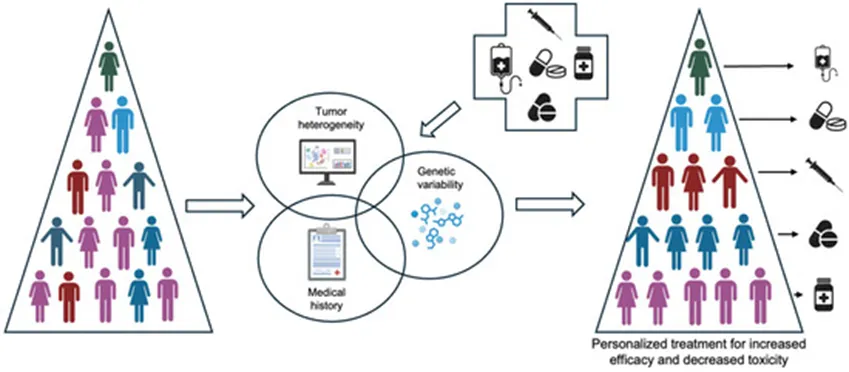
Figure 1. The aims of personalized medicine include the understanding of genetic variability, tumor heterogeneity, and medical context (health records, medical imaging, staging).
Historical milestone of pharmacogenomics in medical oncology:-
Table: 1 Timeline of key milestone.(43,54)
|
Year |
Milestone |
Significance in Medical Oncology |
|
1950's |
Glucose-6-phosphate dehydrogenase deficiency & primaquine hemolysis |
First link between genetics and drug toxicity. Concept of “pharmacogenetics” born. Laid groundwork for oncology PGx |
|
1980 |
Glucose-6-phosphate dehydrogenase deficiency & primaquine hemolysis |
Weinshilboum & Sladek identify TPMT deficiency causing fatal myelosuppression in leukemia patients on 6-MP. First oncology PGx test |
|
1998 |
HER2/neu & Trastuzumab approval by FDA |
First “companion diagnostic” in oncology. IHC/FISH for HER2 guides Herceptin use in breast cancer. Start of targeted PGx |
|
2000 |
Human Genome Project draft completed |
Enabled large-scale discovery of germline + somatic variants relevant to drug response |
|
2004 |
UGT1A1*28 & Irinotecan label update by FDA |
FDA mandates PGx testing warning for Gilbert syndrome patients: risk of severe neutropenia. First oncology drug with PGx in label |
|
2005 |
EGFR mutations & Gefitinib response |
Lynch et al. show EGFR exon 19/21 mutations predict response in NSCLC. Shift from histology to genotype-guided therapy |
|
2008 |
KRAS mutations & Cetuximab resistance |
Amado et al. prove KRAS-mutant colorectal cancer does not benefit from anti-EGFR. FDA mandates KRAS testing |
|
2009 |
PharmGKB & CPIC founded |
Curated knowledgebase + clinical guidelines for PGx. Oncology drugs get level 1A evidence |
Pharmacogenomics Principles:
The study of how genetic diversity impacts a person's reaction to medications is known as pharmacogenomics, and it includes both pharmacokinetics (PK), or how a drug affects the body, and pharmacodynamics (PD), or how a drug affects the body. (19)The effectiveness and safety of a particular medication can be determined by these genetic variations, which can have a substantial impact on drug absorption, distribution, metabolism, excretion (ADME), and interaction with biological targets.(18)
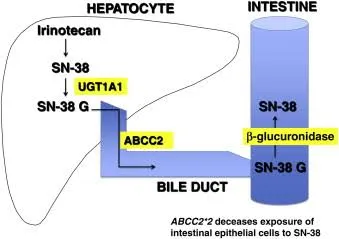
Figure 2: Pharmacogenomics Principles
Drug Metabolism and Genetic Variability:
Genetic polymorphisms in drug-metabolizing enzymes, especially the cytochrome P450 (CYP450) family, are one of the most well-established areas of pharmacogenomics. (58,59) About 75% of all prescription medications undergo oxidative metabolism due to these enzymes.(30,44)
Important polymorphic enzymes consist following:
Drug Targets and Pharmacodynamics:
Genetic variations in drug targets, such as receptors, enzymes, and ion channels, can affect drug sensitivity and treatment results in addition to metabolism and transport. Examples consist of:
VKORC1: By changing the target enzyme of vitamin K antagonism, variants impact warfarin sensitivity.(26,36)
Principal Advantages of Big Data & Pharmacogenomics in Oncology:-
Personalized Cancer Treatment: Instead of using "one-size-fits-all" chemotherapy, PGx enables medical professionals to customize cancer treatments depending on a patient's genetic composition. (38) Decreased Toxicity and Better Results: Physicians can anticipate drug metabolism and lessen severe adverse drug reactions (ADRs) and treatment failures by discovering genetic markers such as CYP2D6 for tamoxifen. (57)
Enhanced Drug Efficacy (focused Therapy): By identifying actionable mutations (such as BCR-ABL for imatinib) through genomic testing, highly focused medicines can be used with greater efficacy.(56)
Cost-Effectiveness and Efficiency: Pharmacogenomics reduces hospitalizations for adverse events and trial-and-error prescriptions, which lowers healthcare costs. For example, identifying patients at risk of toxicity using DPYD variant testing can save therapy management expenses.(49)
Role of Big Data Integration:Big data mining supports the discovery of new drug-gene interactions and helps clinical decision-making by aggregating data from electronic health records.(55) Optimized Drug Development:Pharmacogenomic research, supported by big data, improves the safety and efficacy of new drug trials. (29)
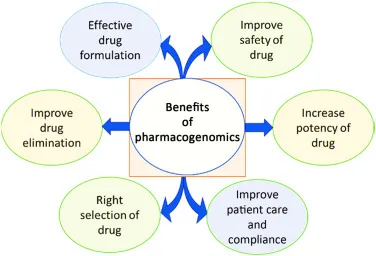
Figure 2: Benefits of pharmacogenomics
Chemotherapy's function and drawbacks in the treatment of cancer:-
Chemotherapy involves the use of cytotoxic or cytostatic medications that are either cell cycle-specific or do not target a specific stage of the mitotic cycle. This feature is crucial for combination treatments where it is anticipated that chemotherapy may enhance the effects of radiation, most frequently through cellular sensitization.(11,28)The pharmacology, clearance, adverse effects, molecular mode of action, and biochemical structure of drugs vary. These qualities make them suitable for aspecific histology or anatomical location. Different medication classes have distinct cytotoxic processes, and it is anticipated that their combination with radiation may increase radiotherapy's anti-tumor efficacy. (6) Although there have been significant advancements in chemotherapeutic agents over the past few decades, there are still a number of issues that limit their effectiveness in solid tumors: optimal dosage, drug resistance and cross-resistance to multiple agents, side effects (some of which are irreversible), optimal timing between chemotherapy and other treatments (such as surgery, radiotherapy,
immunotherapy, etc.), repopulation between cycles of chemotherapy, and incomplete knowledge of the pharmacokinetics and pharmacodynamics of a particular agent (Figure 2). Among the aforementioned difficulties, normal tissue toxicity and resistance to chemotherapeutic drugs are arguably the most frequent barriers to attaining the best outcomes.(2)Chemotherapeutic agents from various pharmacological classes (see Table 1) are frequently combined in so-called cocktails to prevent poor tumor response to a particular agent caused by drug resistance. Increased normal tissue toxicity is a drawback of multi-agent chemotherapy, and when paired with radiation-induced toxicity, it frequently results in serious side effects. varied drug classes typically have varied adverse effects, but they all have an impact on quickly reproducing cells regardless of whether they are malignant or healthy. (2) Furthermore, it has been demonstrated that alkylating agents raise the risk of leukemia five to ten years after treatment, anthracyclines can result in permanent cardiac lesions when taken in high doses, topoisomerase inhibitors raise the risk of second cancers,and taxases are associated with an increased risk of nerve damage.
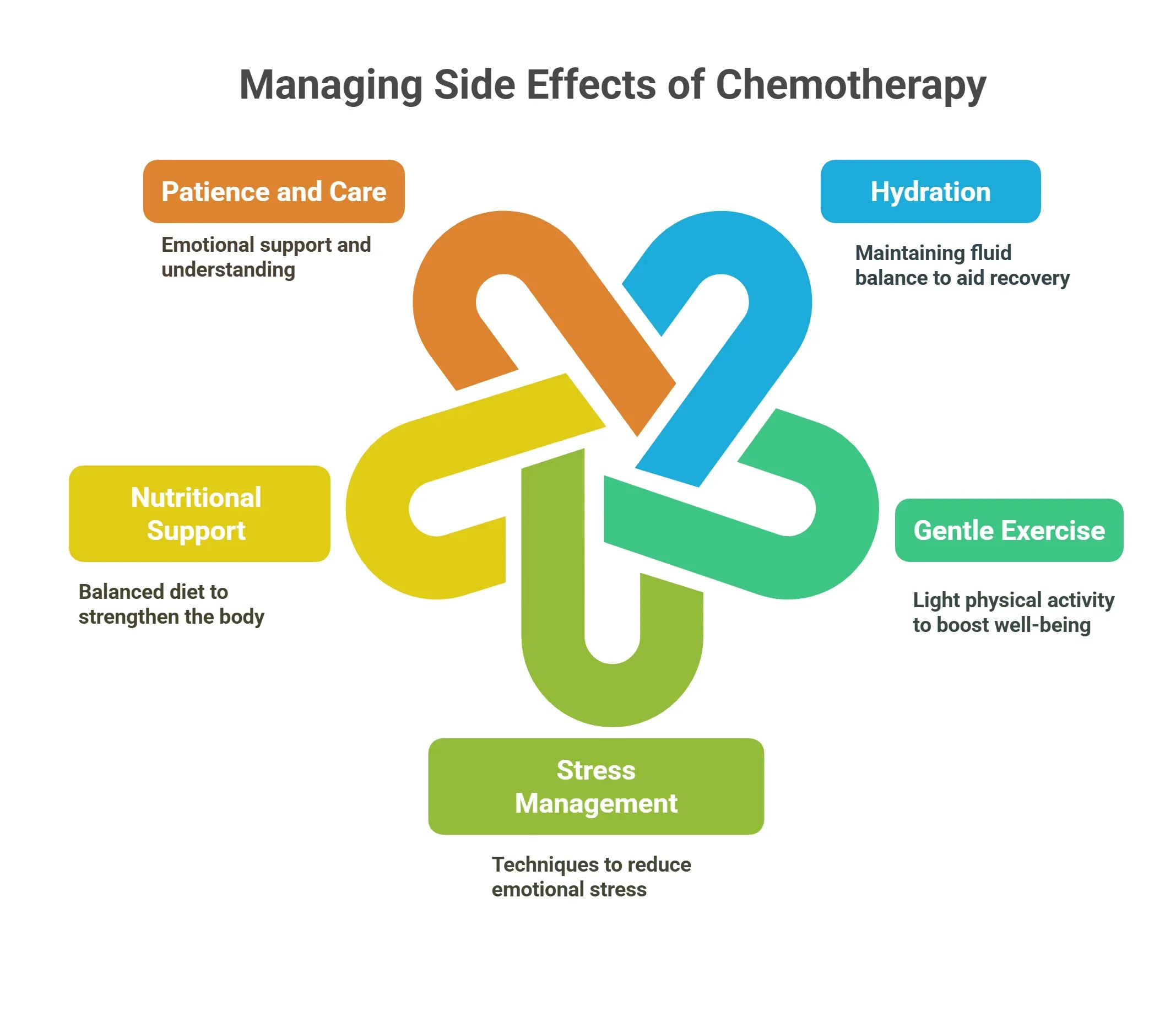
Figure 2:- managing side effects of chemotherapy
Which have improved sparing of nearby vital organs and increased dosage conformality, but this is not the case with chemotherapy, where drug-related side effects continue to be a dose-limiting factor. (31)Furthermore, the use of chemotherapy in conjunction with radiation therapy frequently results in extra side effects due to drug-radiation interaction, a problem with a number of gaps that need to be filled. Preclinical evidence is either insufficient or nonexistent, or preclinical results are not adequately translated into clinical settings, which leads to suboptimal outcomes from trials using specific drug–radiation combos.(27)Chemotherapy is thought to have reached a plateau based on the state of systemic drug therapy and will not advance further unless research directions are shifted to individualized and biomarker-guided therapeutic techniques.(29).The results of clinical trials have demonstrated that, despite the stringent eligibility requirements used by the trial, there is typically a subgroup of patients that responds to therapy optimally with minimal toxicity, while another category of patients exhibits crippling side effects and/or poor tumor control. (6,28) An important question about patient classification and treatment personalization is raised by the fact that cancer patients with the same histological and immuno histochemical markers have varying treatment outcomes. In order to advance the field of individualized therapy, it is essential to identify all clinical and patient-related factors that affect how well a patient responds to treatment (like chemotherapy) and to compile the data into databases that are accessible to all interested researchers for additional processing and interpretation.(27,31)
Difficulties and restrictions:-
Widespread adoption of pharmacogenomics confronts many obstacles, despite mounting evidence of its therapeutic value and revolutionary possibilities in personalized medicine. These restrictions apply to the fields of science, medicine, economics, ethics, and infrastructure. For pharmacogenomics to be successfully incorporated into standard treatment, these obstacles must be recognized and addressed. (51)
1. Limited Clinical Implementation:-
Despite the availability and validation of a number of pharmacogenomic assays, many healthcare systems have been sluggish to incorporate them into standard practice. (27,51) Among the reasons are:
• Lack of clinician education and awareness: Many doctors and pharmacists are either untrained in genetics or lack confidence when interpreting the results of genetic tests.
• Uncertain clinical guidelines: Standardized guidelines are either nonexistent or neglected, and data for many gene-drug pairings is still developing.(32)
• Problems with workflow integration: Without specialized infrastructure, integrating genetic testing into hectic clinical environments can be difficult and time-consuming.
2. Cost and Reimbursement Issues:
Pharmacogenomic testing is still very expensive, especially in environments with limited resources. Many tests are not covered by insurance, particularly when the clinical benefit is still being studied.
3. Ethical, Legal, and Social Implications (ELSI):
Using genetic data presents difficult ethical and legal issues, especially in relation to permission, privacy, and possible discrimination.
• Genetic data privacy: Patients may be worried about how their genetic data is shared or preserved, as well as who can access it. (34)
• Informed consent: It's still difficult to make sure people are completely aware of the consequences of genetic testing.
• Discrimination risks: Fear of discrimination by employers or insurers endures despite legal protections in many nations (such as the Genetic Information Non-discrimination Act in the United States).
4. Population Diversity and Generalizability:
Studies largely targeting people of European ancestry have produced a large portion of the pharmacogenomic data used to inform treatment decisions. As a result, there is a significant application gap for populations with different ethnic backgrounds.(32)
•Variability in Allele Frequencies: The incidence of significant pharmacogenetic variations varies among populations, and some may be completely population-specific.
6. Regulatory and Policy Barriers:
Various regional regulatory frameworks impede the development of pharmacogenomic tests and their incorporation into healthcare.
• Lack of international standardization: Different regulatory agencies' (such as the FDA, EMA, and PMDA) guidelines may cause misunderstandings or implementation delays.
• Approval procedure: Companion diagnostics must be connected to particular medication labels and may necessitate intricate, drawn-out approval procedures. (31)
7. Infrastructure and Data Management:
A strong infrastructure is needed to implement pharmacogenomics at scale, including:
• Integration of electronic health records (EHRs): The majority of healthcare systems are currently unable to instantly integrate genetic data into patient records.
• Clinical decision support systems (CDSS): In order to evaluate genetic results and make well-informed treatment decisions, doctors require these tools.
8. Gaps in Training and Education:
Education at all levels—medical students, practicing physicians, pharmacists, and patients—is crucial to bridging the gap between genetic science and clinical practice.
• Limited inclusion in medical curricula: Pharmacogenomics is not taught to many medical professionals during their training.
• Continuing education needs: Ongoing professional development opportunities are necessary to keep pace with rapidly evolving knowledge(34)
The secret to customized chemotherapy is pharmacogenomics: -
Pharmacogenomics may be crucial in managing cancer by tailoring chemotherapy to a patient's genetic composition and addressing the variety of acute and long-term adverse effects that arise from both anticipated and unexpected reactions to chemotherapeutic drugs. Furthermore, a wide variety of healthy tissues are impacted by the cocktail-style administration of cancer medications for improved tumor response, making side effect management more challenging.(14) As previously indicated, identifying patient-specific characteristics that contribute to inter-patient heterogeneity in treatment response is crucial to research advancements in tailored chemotherapy. NCI-MATCH (National Cancer Institute – Molecular Analysis for Therapy Choice) and NCI-ComboMATCH, two sizable precision medicine clinical studies that seek to match the therapeutic medication with the individual's genetic characteristics, should be mentioned in this context. As a result, patients enrolled in these trials are assigned a treatment according to the genetic alterations found in their cancer cells using genomic sequencing, with the main purpose being to ascertain the objective response rate and progression-free survival/side effects as secondary goals.(48,60) The two trials look at targeted medications instead of traditional medications.Overcoming drug resistance to single-agent treatment through genomic-specific targeting with combination medicines is a major objective of this latter trial. Numerous medications and malignancies have already had results from NCI-MATCH trial arms published; the most recent studies, which are compiled in Table 2, show mixed results, some of which call for additional research. It is anticipated that developments in DNA technology, such as next-generation sequencing (also known as massively parallel sequencing, a high-throughput DNA sequencing that allows the evaluation of a patient's entire genomic sequence through parallel processing), will transform cancer genomics and enable a better understanding of carcinogenesis through the identification of new driver genes and mutagenetic patterns.(27,51) Conventional chemotherapy is also the subject of genetic study, which focuses on two key features of chemotherapy effects: drug resistance and normal tissue damage. Numerous genetic changes and pathways unique to cancer have been linked to drug resistance, but the function of other genetic mechanisms in drug resistance still needs to be clarified.(60) Similarly, the genes responsible for severe toxicity of a number of chemotherapeutic drugs have been identified, and efforts are being made to update treatment protocols with genotype testing criteria for treatment advice and adaptation.
Table: 2 Summary of drug-cancer matching studies for personalized therapy based on the NCI-MATCH trial.
|
Drug/reference |
Cancer type/characteristics |
Trial results/observations |
|
Erdafitinib28 |
Cancers with FGFR1–4 mutations or fusions |
Primary endpoint (objective response rate) was met in patients with pretreated solid tumours; erdafitinib showed effectiveness in patients with FGFR-altered cancers outside of currently approved indications. |
|
Trastuzumab/ Pertuzumab29 |
HER2-amplified cancers (non-breast/ gastroesophageal) |
The combined drug was active without meeting the set efficacy goal. Further research into resistance pathways and HER2 targeting strategies is justified. |
|
Osimertinib30 |
Cancers with EGFR mutations (T790M or rare activating) |
Primary endpoint was not met for efficacy; responses were observed in neuroendocrine and epithelial carcinoma with rare EGFR mutations. |
|
Palbociclib31 |
Cancers with CCND1, 2 or 3 amplification and expression of the retinoblastoma protein |
Palbociclib was not effective at treating non-breast solid cancers with a CCND1, 2 or 3 amplification; further research is not warranted with palbociclib as single agent. |
|
Trametinib32 |
Cancers with NF1 or GNA11/Q-mutations |
Primary endpoint was not met for efficacy; yet, significant responses and prolonged stable disease in some disease subtypes warrant further investigation. |
Medical oncology using big data since the late 1990s:-
A collection of data that is "too large for traditional tools and approaches" has been referred to as "big data." The aforementioned description is purposefully ambiguous because the boundaries of what is deemed "too large" are continually shifting due to ongoing technological advancements. Big Data, in its broadest sense, includes not only the data itself but also the techniques employed for data analysis and information extraction. Although Big Data sets are collections of structured, semi-structured, and unstructured data, it is simple to conceive of Big Data as an expanded ordinary database. in medical oncology studies.(23) A Big Data set's volume of information is its primary feature. It's interesting to remember that while information has always existed historically, data has not because the information was not being recorded. Fitness equipment and personal monitoring are only two of the many new facets of healthcare that have been captured and stored in the digital era. The amount of data being gathered is growing quickly, not just due to theincorporation of these new sources as well as the increasingly thorough information gathering from conventional sources, resulting in a data pool that is both larger and more finely defined in its representation of the information. A Big Data set's diversity in kind and nature is another feature.(12) Like semi-structured data (such as medical photographs kept in a structured database but representing an unstructured source of information), structured data, such as test findings, is a part of a data set. The electronic health records (EHRs), which store text-based data entered by numerous medical experts over an extended period of time for each patient, are a vital and rich source of information that is completely unstructured. Studies conducted on datasets often use a snapshot of the data, treating it as a static collection of information. However, in reality, new data is constantly being added, therefore the storage infrastructure must be able to handle this.
Doug Laney44 first proposed the three V-s of big data—volume, variety, and velocity—in a 2001 Meta Group research publication (Figure 3). (50)Since then, additional attributes have been added to more fully characterize a Big Data set, such as value (the importance of the stored information in relation to the dataset goals), veracity (the accuracy and dependability of the information), and variability (the irregularity of the information structure ) It is clear from the features of a Big Data collection that the storage infrastructure is one of the key components of a Big Data project. The relational architecture of a database has historically been used for information storage, offering a somewhat simple notion and a clear method of interaction through the Structured Query Language (SQL) language. The constraints of relational databases that strictly follow the ACID transactions principle have come to light with the emergence of Big Data sets.(7,25). This schema-oriented paradigm expects data to be organized in accordance with the specified schema, which is not necessarily the case in a Big Data collection with several information sources. The three V-s, which indicate that a parallel infrastructure that can scale horizontally on numerous devices or the cloud is more suitable for the task, are completed by the velocity of the incoming data for a Big Data collection.(50) These restrictions can be circumvented using a novel database paradigm known as NoSQL. This architecture can grow over massive computing infrastructures and lacks a predetermined schema. For instance, the NoSQL key-value store approach is similar to a dictionary in which a value is linked to a unique key. Parallel operations spread across massive infrastructures are a good fit for this architecture.(12)
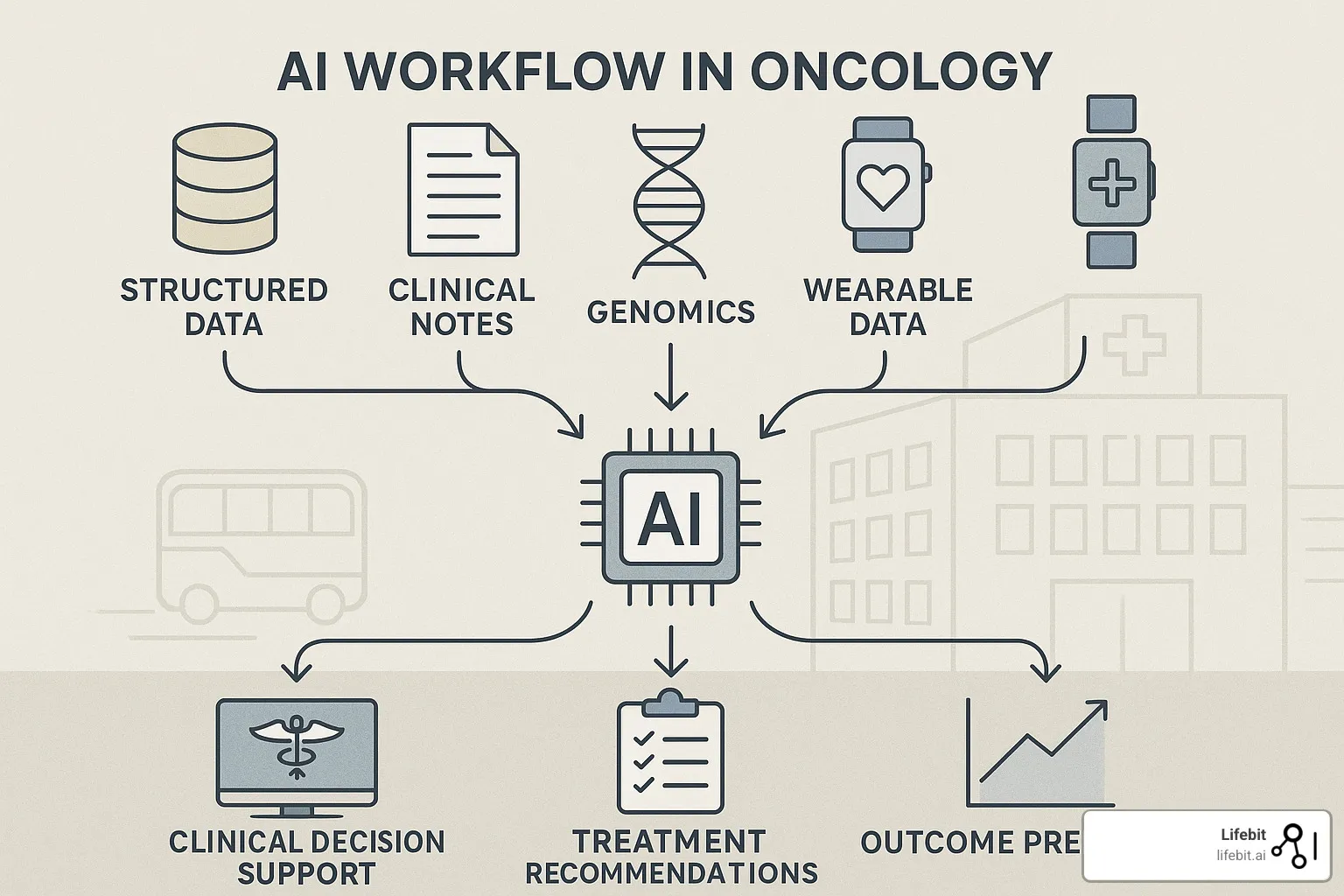
Figure 3:- Big data in oncology flow.
New technologies and future paths:
Pharmacogenomics is moving from research settings into standard clinical practice as our knowledge of gene-drug interactions expands and the cost of genetic analysis keeps falling. This section examines new technologies that are expanding pharmacogenomics' capabilities and highlights major developments that will probably influence its future.(33)
1. Artificial Intelligence and Machine Learning:
The interpretation of complicated genomic data and the prediction of medication responses are becoming more and more dependent on artificial intelligence (AI) and machine learning (ML).
• To customize treatment regimens, predictive modeling can incorporate environmental, clinical, and genomic data. (52)
• Clinical decision support systems (CDSS) powered by AI are being developed to offer evidence-based, real-time suggestions at the point of care.
• By examining big datasets from biobanks and clinical trials, machine learning algorithms are also helping to find new pharmacogenomic biomarkers.(29)
2. Electronic Health Records (EHR) Integration:
To convert genomic insights into therapeutic action, pharmacogenomic data must be integrated into electronic health records.
• To store, update, and flag pertinent genetic data, EHR systems are being improved.
• These methods have been pioneered by organizations including St. Jude Children's Research Hospital and Vanderbilt University Medical Center, which have shown increased prescribing efficiency and safety.(61)
3. Multi-omics and Pharmacoepigenomics:
Methods:Beyond genetics, further understanding of interindividual variation in medication response is provided by transcriptomics, proteomics, metabolomics, and epigenetic changes.
• Pharmacoepigenomics examines how gene expression linked to medication metabolism and efficacy is impacted by DNA methylation, histone modification, and non-coding RNAs.
• By improving current pharmacogenomic models and finding new predictive biomarkers, multi-omics integration may result in more precise, individualized treatments.(33)
4. DTC, or direct-to-consumer Genetic Testing:
As DTC genetic tests become more widely available, pharmacogenomics is becoming more widely known, and people are becoming empowered to make their own health decisions.
• Although their clinical value may vary, companies like 23andMe provide customers with limited pharmacogenomic data directly.
• Although DTC testing makes genomic data more accessible to the general public, it also raises questions about regulatory supervision, accurate interpretation, and making educated decisions without medical advice.(4)
5. Pharmacogenomics in Global Health:
Attempts are being made to extend the advantages of pharmacogenomics outside of wealthy nations.
• Recognizing that genetic variation varies greatly among ethnic groups, global pharmacogenomics programs seek to create population-specific databases.
• Collaborations between governments, academic institutions, and international organizations are assisting in the development of capacity in low- and middle-income nations.(66,39)
Pharmacogenomics application in clinical settings Present situation:-
The application of pharmacogenomics in clinical settings is the goal of contemporary pharmacological research. Numerous organizations in the US, Europe, and Asia have started initiatives in this area.(65,66)The University of Colorado undertook research to enable a preemptive return of clinical pharmacogenomic data utilizing a research biobank. This study is among the most recent single-institution publications on the clinical implementation of pharmacogenomics.. There are also large-scale initiatives to encourage implementation of pharmacogenomics research results in clinical practice. The CPIC in the United States(52,53) and the Ubiquitous Pharmacogenomics programme in Europe are two extensive pro-jects that aim to establish a healthcare system that will allow effective treatment optimization based on pharmacogenomics results. The CPIC was established in 2009 as a shared project between PharmGKB and the National Institute of Health (NIH) to overcome one of the greatest obstacles in clinica pharmacogenomics: the translation of genetic testing results into actionable prescribing decisions for a specific drug. Their key aim was to create, curate and dis-tribute freely available, evidence-based and peer-reviewed clinical practice guidelines regarding drug–gene interaction to facilitate bench-to-bed-side translation of knowledge.78 Until 2020, CPIC has published 23 guidelines encompassing data on 19 genes and 46 drugs, covering various therapeu-tic areas.(42) The Consortium is now known as the gold standard source for clinical pharmacogenetics implementation due to the extensive usage of their resources and the international application of their guidelines, which have resulted from the exposure and recognition of their scientific achievement over the previous decade.(66) The creation of prioritization recommendations, which determine which pharmacogenetic tests and medications should be put into clinical use based on the degrees of actionability attributed to drug-gene pairings, is a significant factor taken into account by the Consortium. Additionally, CPIC offers the most recent data on drug-gene.(62)
CONCLUSION: -
Pharmacogenomics has the potential to revolutionize contemporary medicine by improving the safety, efficacy, and personalization of medication therapy. Even if there are still obstacles to overcome, systemic healthcare changes, ongoing research, and technological advancements will hasten its acceptance. Personalized medicine is a developing reality that is changing the therapeutic landscape, not some far-off future. Pharmacogenomics holds tremendous promise for revolutionizing personalized medicine by tailoring drug therapy toindividual patients based on their genetic makeup. Despite challenges in implementation and ethical considerations, ongoing research and innovation in pharmacogenomics can improve treatment outcomes, enhance patient safety, and transform healthcare delivery. By addressing these challenges and advancing our understanding of the genetic basis of drug response, pharmacogenomics has the power to usher in a new era of precision medicine. Pharmacogenomics is a cornerstone of modern precision oncology, with the potential to transform cancer treatment by personalizing therapy based on genetic profiles. The critical roles that genetic markers including CYP2D6, DPYD, and UGT1A1 play in affecting drug metabolism, effectiveness, and toxicity have been emphasized in the review. In the treatment of lung, gastrointestinal, and breast cancers, among other conditions, pharmacogenomic testing can direct treatment and reduce the possibility of serious side effects, demonstrating the therapeutic significance of these biomarkers. The increasing significance of DPYD and UGT1A1 testing to enhance medication safety, especially in patients on regimens based on irinotecan and fluoropyrimidines, is one of the main conclusions. A more thorough assessment of drug response and toxicity risks is provided by novel multi-gene techniques that combine indicators like TYMS and MTHFR with DPYD testing. Furthermore, the advancement of sophisticated computational models and liquid biopsies shows potential for non-invasive pharmacogenomic testing.
REFERENCES



Dhanashree Somawanshi*, Dhanashri Gosavi, Devesh Bhavsar, Pharmacogenomics and Big Data in Medical Oncology: - Development, Integration Challenges and Future Perspectives., Int. J. of Pharm. Sci., 2026, Vol 4, Issue 5, 7033-7049. https://doi.org/10.5281/zenodo.20403803
 10.5281/zenodo.20403803