

We use cookies to ensure our website works properly and to personalise your experience. Cookies policy
Victoriya College of Pharmacy.
Cystic Fibrosis (CF) is a critical genetic condition resulting from CFTR gene mutations, which disrupt chloride ion movement and cause abnormally thick mucus to build up in various organs, most notably the lungs. In recent years, the clinical approach has transitioned from merely managing symptoms to utilizing targeted molecular therapies.The introduction of CFTR modulators—including Ivacaftor, Lumacaftor, and Elexacaftor—has revolutionized patient prognosis by addressing the underlying protein defect. Modern research is now shifting toward personalized medicine and gene therapy to provide solutions for all patients, regardless of their specific mutation type
Cystic Fibrosis (CF) stands as a common autosomal recessive condition that has traditionally affected Caucasian populations most heavily, though its global footprint is now more widely understood. This multisystem disease is defined by chronic lung infections, a steady loss of respiratory capacity, and pancreatic dysfunction, all of which have historically led to severe illness and shortened lifespans. However, the emergence of targeted drug therapies has fundamentally changed the prognosis. Today, CF is transitioning from a terminal childhood illness into a manageable chronic condition, allowing patients to achieve significantly better clinical outcomes and longer lives.
2. Pathophysiology of Cystic Fibr
Figur:1. Pathophysiology of Cystic Fibrosis
The underlying mechanism of Cystic Fibrosis is rooted in mutations within the CFTR gene, which is responsible for a protein channel that regulates the flow of chloride ions to maintain fluid balance on cell surfaces. When this protein fails, it disrupts the transport of chloride and bicarbonate, leading to the dehydration of surface fluids and the development of abnormally sticky mucus.
This thick secretion prevents the body from effectively clearing debris and bacteria (mucociliary clearance), providing a breeding ground for chronic infections. Consequently, a destructive cycle of persistent inflammation and recurrent infection develops, leading to the gradual deterioration of lung tissue and overall respiratory function.
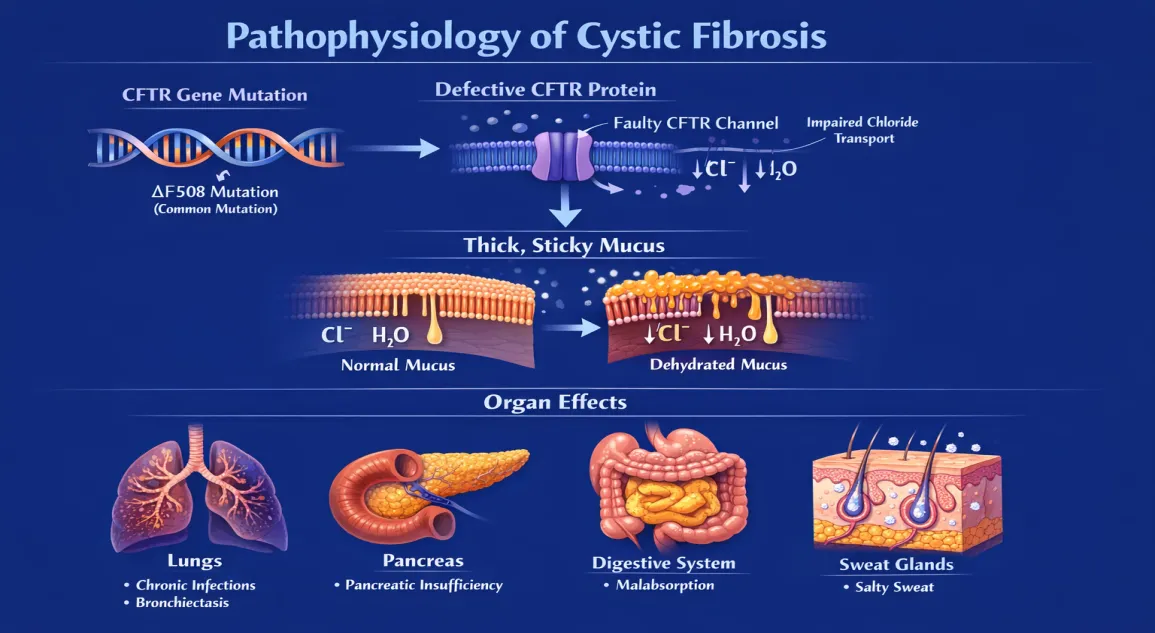
Figure:2 CFTR Dysfunction and Its Systemic Impact in Cystic Fibrosis
3. Conventional Pharmacological Management
Conventional pharmacological management of Cystic Fibrosis focuses primarily on symptomatic relief and the prevention of disease progression. Mucolytic agents, such as Dornase alfa, play a crucial role in degrading extracellular DNA within airway secretions, thereby reducing mucus viscosity and facilitating clearance. Bronchodilators are routinely administered to enhance airway patency and are often used prior to inhaled therapies to optimize drug delivery. Chronic and recurrent pulmonary infections are managed with targeted antibiotic therapy, including inhaled agents like Tobramycin, as well as oral or intravenous regimens depending on disease severity. Anti-inflammatory agents, particularly high-dose Ibuprofen in pediatric populations, are employed to mitigate airway inflammation and slow the decline in lung function. Additionally, pancreatic enzyme replacement therapy (PERT) is essential for correcting exocrine pancreatic insufficiency, thereby improving nutrient digestion, absorption, and overall nutritional status
4. CFTR Modulator Therapy (Revolutionary Advances)
4.1 Potentiators
CFTR modulator therapy represents a transformative advancement in the management of Cystic Fibrosis, as it directly targets the underlying molecular defect rather than merely alleviating symptoms. Among these, potentiators are designed to enhance the functional activity of the cystic fibrosis transmembrane conductance regulator (CFTR) protein at the cell surface. Ivacaftor, the first-in-class CFTR potentiator, increases the gating activity of the defective CFTR channel, thereby improving chloride ion transport across epithelial membranes. This leads to restoration of airway surface hydration, improved mucociliary clearance, and reduction in mucus viscosity. Clinically, ivacaftor has demonstrated significant improvements in lung function, reduction in pulmonary exacerbations, and enhanced quality of life, particularly in patients with gating mutations such as G551D. Its success has paved the way for the development of combination therapies, marking a paradigm shift toward precision medicine in cystic fibrosis management.
4.2 Correctors
Correctors constitute a key class of CFTR modulators that address defects in protein folding and intracellular trafficking associated with mutations in the cystic fibrosis transmembrane conductance regulator (CFTR). In Cystic Fibrosis, particularly in patients harboring the common F508del mutation, misfolded CFTR protein is recognized by the cellular quality control system and targeted for degradation before reaching the cell surface. Corrector molecules such as Lumacaftor and Tezacaftor function by stabilizing the CFTR protein during its folding process, facilitating its proper conformational maturation and enhancing its transport to the epithelial cell membrane. This results in an increased quantity of functional CFTR channels at the cell surface, partially restoring chloride ion transport. Clinically, correctors are most effective when used in combination with potentiators, as they not only increase the number of CFTR proteins available but also allow subsequent enhancement of channel activity. These agents have significantly improved clinical outcomes, including lung function and exacerbation rates, and represent a critical component of mutation-specific, precision-based therapy in cystic fibrosis.
4.3 Triple Combination Therapy
Triple combination CFTR modulator therapy represents a major breakthrough in the treatment of Cystic Fibrosis, integrating the synergistic effects of two correctors and one potentiator to comprehensively address the underlying molecular defect. This therapeutic strategy typically combines Elexacaftor and Tezacaftor with the potentiator Ivacaftor. The dual correctors act at distinct sites on the CFTR protein to enhance its folding, stability, and trafficking to the cell surface, thereby increasing the quantity of functional channels. Concurrently, ivacaftor potentiates the gating activity of these channels, significantly improving chloride ion transport. This combinational approach leads to substantial restoration of CFTR function, resulting in improved airway hydration, enhanced mucociliary clearance, and reduced mucus plugging. Clinically, triple therapy has demonstrated remarkable improvements in lung function, reduction in pulmonary exacerbations, and overall quality of life across a broad spectrum of CFTR mutations, including those previously unresponsive to earlier treatments. Importantly, this strategy exemplifies a shift from symptomatic management to disease-modifying therapy, directly targeting the root cause of cystic fibrosis and advancing the field toward precision medicine.”
5. Limitations of Current Therapies
Despite significant therapeutic advancements, the current management of Cystic Fibrosis remains constrained by several important limitations. One of the most critical challenges is the high cost associated with CFTR modulator therapies, which restricts accessibility, particularly in low- and middle-income settings. Furthermore, these treatments exhibit variable efficacy across different genetic mutations, with limited or no benefit observed in patients harboring rare or minimal-function CFTR variants. Safety concerns also persist, including potential adverse effects such as elevated hepatic transaminases and clinically relevant drug–drug interactions, necessitating careful monitoring during therapy. In addition, current pharmacological interventions do not provide a definitive cure, requiring lifelong administration to maintain therapeutic benefits. These limitations underscore the need for more universally effective, affordable, and curative strategies, driving ongoing research into next-generation therapies including gene editing and mutation-agnostic approaches.”
6. Emerging and Future Pharmacological Strategies
6.1 Gene Therapy
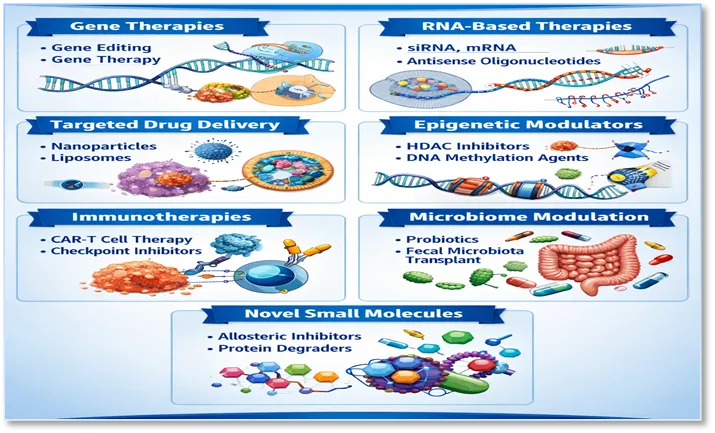
Gene therapy represents a promising frontier in the management of Cystic Fibrosis, aiming to correct the underlying genetic defect by delivering a functional copy of the cystic fibrosis transmembrane conductance regulator (CFTR) gene to affected cells. This approach typically utilizes viral vectors, such as adeno-associated viruses (AAV) or lentiviral systems, as well as non-viral delivery platforms to facilitate targeted gene transfer into airway epithelial cells. By restoring CFTR expression at the molecular level, gene therapy has the potential to re-establish normal chloride ion transport, improve airway surface hydration, and reverse key pathological features of the disease. Unlike conventional therapies that require lifelong administration, gene therapy offers the possibility of a long-term or even one-time curative intervention. However, challenges such as efficient gene delivery, sustained expression, immune responses, and safety concerns remain critical barriers. Ongoing research and clinical trials are focused on optimizing vector design, improving targeting efficiency, and enhancing the durability of therapeutic effects, thereby advancing gene therapy toward a viable and transformative treatment strategy for cystic fibrosis.
6.2 mRNA-Based Therapy
mRNA-based therapy has emerged as a cutting-edge and mutation-agnostic approach for the treatment of Cystic Fibrosis, focusing on the direct delivery of synthetic messenger RNA encoding the functional cystic fibrosis transmembrane conductance regulator (CFTR) protein into target cells. Unlike DNA-based gene therapy, this strategy bypasses the need for nuclear entry and genomic integration, enabling rapid translation of the delivered mRNA into functional CFTR protein within the cytoplasm. Typically administered via inhalation using lipid nanoparticle (LNP) delivery systems, mRNA therapy aims to restore chloride ion transport and improve airway hydration at the epithelial surface. Its mutation-independent mechanism allows it to be applicable across a broad spectrum of CFTR mutations, including those unresponsive to existing modulators. However, the transient nature of mRNA expression necessitates repeated dosing, and challenges such as delivery efficiency, stability of mRNA, and potential immune activation remain areas of active investigation. Ongoing advancements in RNA engineering and delivery technologies are expected to enhance therapeutic durability and safety, positioning mRNA-based therapy as a promising component of next-generation precision treatments for cystic fibrosis.
6.3 Gene Editing (CRISPR/Cas9)
Gene editing technologies, particularly the CRISPR/Cas9 system, represent a revolutionary approach in the treatment of Cystic Fibrosis by enabling precise correction of disease-causing mutations at the genomic level. This strategy involves the use of a guide RNA to direct the Cas9 endonuclease to specific sites within the CFTR gene, where targeted DNA cleavage allows for the repair or replacement of defective sequences. By directly correcting mutations such as the common F508del variant, CRISPR/Cas9 has the potential to restore normal CFTR gene function and achieve sustained expression of the functional protein. Unlike conventional pharmacotherapies, gene editing offers the possibility of a one-time, curative intervention by addressing the root genetic defect. However, significant challenges remain, including efficient and targeted delivery to airway epithelial cells, potential off-target effects, immune responses, and ethical considerations. Ongoing advancements in genome editing technologies, including base editing and prime editing, are expected to enhance precision, safety, and clinical applicability, positioning CRISPR-based strategies as a promising future direction in cystic fibrosis therapeutics.”
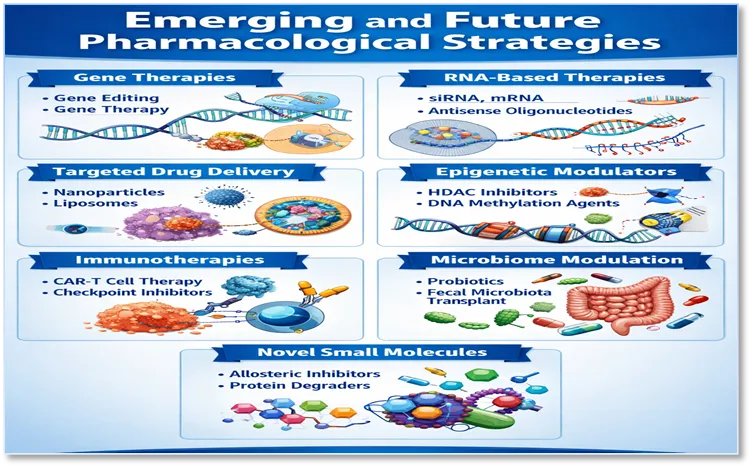
Figure:3 Emerging and future pharmacological strategies
6.4 Novel Anti-inflammatory Drugs
Novel anti-inflammatory therapies are emerging as an important adjunct in the management of Cystic Fibrosis, aiming to selectively modulate the dysregulated inflammatory response that contributes to progressive lung damage. In cystic fibrosis, chronic airway infection triggers a persistent neutrophil-dominated inflammatory cascade, characterized by excessive release of proteases, cytokines, and reactive oxygen species, ultimately leading to tissue destruction and decline in pulmonary function. Unlike conventional anti-inflammatory agents, next-generation therapies are designed to target specific molecular pathways, including inhibition of neutrophil elastase, modulation of cytokine signaling (such as interleukin-8), and regulation of nuclear factor-kappa B (NF-κB) activation. These targeted approaches seek to attenuate harmful inflammation while preserving host defense mechanisms. Additionally, specialized pro-resolving mediators and small-molecule inhibitors are being explored to promote resolution of inflammation rather than broad immunosuppression. Although still under investigation, these therapies hold promise in reducing exacerbations, slowing disease progression, and complementing CFTR modulator treatments, thereby contributing to a more comprehensive and precision-based therapeutic strategy for cystic fibrosis.
6.5 Personalized Medicine
Personalized medicine represents a paradigm shift in the management of Cystic Fibrosis, emphasizing the customization of therapeutic strategies based on an individual’s genetic profile, particularly the specific CFTR mutation. Given the extensive heterogeneity of CFTR gene variants, treatment responses to conventional and modulator therapies can vary significantly among patients. Precision-based approaches utilize genetic screening and molecular diagnostics to guide the selection of targeted therapies, such as mutation-specific CFTR modulators, thereby optimizing clinical outcomes. This strategy not only enhances therapeutic efficacy but also minimizes adverse effects and avoids ineffective treatments. Furthermore, personalized medicine integrates patient-specific factors including age, disease severity, and comorbidities to refine treatment regimens. Advances in pharmacogenomics, biomarker identification, and real-time monitoring are expected to further enhance individualized care. Ultimately, personalized medicine holds the potential to maximize therapeutic benefit, improve quality of life, and pave the way toward more efficient and patient-centric management of cystic fibrosis.
7. FUTURE PERSPECTIVES
The future landscape of Cystic Fibrosis therapeutics is poised for significant transformation, driven by ongoing advancements in molecular medicine and precision healthcare. One of the primary goals is the expansion of CFTR modulator therapies to achieve efficacy across the full spectrum of CFTR mutations, including rare and currently unresponsive variants. Concurrently, there is an urgent need to develop cost-effective treatment strategies to enhance global accessibility, particularly in resource-limited settings. The integration of gene-based therapies, including gene replacement and genome editing technologies, into routine clinical practice holds promise for long-term disease modification and potential cure. In parallel, the implementation of early diagnostic approaches, especially through widespread newborn screening programs, is expected to facilitate timely intervention before irreversible organ damage occurs. Collectively, these advancements are anticipated to shift cystic fibrosis management toward more inclusive, curative, and preventive paradigms, ultimately improving patient survival and quality of life.”
Mechanism-Based CFTR Modulator Therapy in Cystic Fibrosis
CFTR modulators, including Ivacaftor, Lumacaftor, and Elexacaftor, represent a major advancement in the targeted treatment of Cystic Fibrosis by addressing distinct defects in the CFTR protein. Ivacaftor, a first-in-class potentiator, enhances the gating activity of the CFTR channel at the cell surface, thereby facilitating increased chloride ion transport and improving epithelial fluid balance, particularly in patients with gating mutations such as G551D. In contrast, lumacaftor functions as a corrector by promoting proper folding and conformational stability of the misfolded CFTR protein, especially in individuals carrying the F508del mutation, enabling its trafficking to the plasma membrane and reducing premature degradation. Building upon this mechanism, elexacaftor, a next-generation corrector, acts at a distinct binding site on the CFTR protein to further enhance folding efficiency, stability, and surface expression. When used in combination with other modulators, elexacaftor demonstrates synergistic effects, leading to a substantial restoration of CFTR function. Collectively, these agents exemplify a mutation-specific, mechanism-based therapeutic strategy that not only improves clinical outcomes but also signifies a shift toward precision medicine by directly targeting the underlying molecular pathology of cystic fibrosis.”
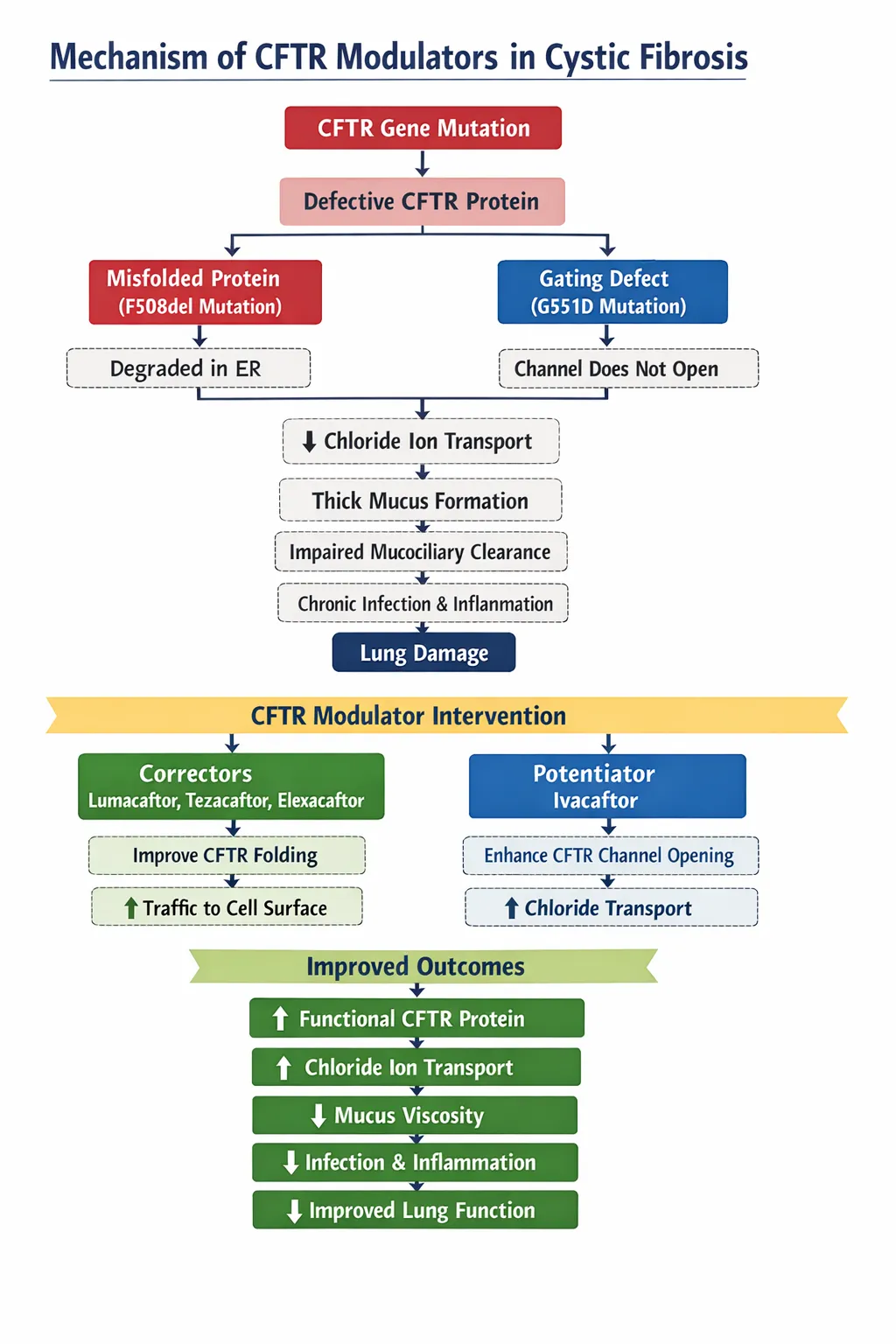
Figure: 4 Mechanism-based cftr modulator therapy in cystic fibrosis
CONCLUSION
The pharmacological management of Cystic Fibrosis has undergone a profound transformation over the past decade, evolving from predominantly symptomatic interventions to highly targeted, mechanism-based therapies. The advent of CFTR modulators has revolutionized the therapeutic landscape by directly addressing the underlying molecular defect, leading to substantial improvements in pulmonary function, reduction in exacerbation frequency, and enhanced overall survival and quality of life. Despite these advancements, challenges such as variable mutation responsiveness and long-term accessibility remain. Looking ahead, emerging strategies including gene therapy, mRNA-based interventions, and precision medicine approaches are poised to further redefine disease management by offering mutation-independent and potentially curative solutions. Collectively, these innovations signify a transition toward a more personalized, disease-modifying, and ultimately curative paradigm in cystic fibrosis care.”
REFERENCES

Ch. Vasanthi, S. Jyotsna Rani. D. Nagi Reddy, K. Ashok, K. Gayathri S. Jyotsna Rani, Pharmacological Advances in the Management of Cystic Fibrosis: Current and Future Perspectives, Int. J. of Pharm. Sci., 2026, Vol 4, Issue 9, 3874-3882, https://doi.org/10.5281/zenodo.23037880
 10.5281/zenodo.23037880