

We use cookies to ensure our website works properly and to personalise your experience. Cookies policy
Late Laxmibai Phadtare College of Pharmacy A/P-Kalamb-Walchandnagar,Tal : Indapur Dist : Pune
Background: Diabetes mellitus, a metabolic pandemic, is fundamentally linked to chronic hyperglycemia and resultant systemic oxidative stress, which drives the pathogenesis of its severe secondary complications. The limitations of conventional antidiabetic agents have catalyzed a paradigm shift towards exploring phytomedicines. Plant extracts, rich in a diverse arsenal of bioactive compounds, offer a multi-target therapeutic approach. The streptozotocin (STZ)-induced diabetic rat is the preeminent preclinical model for validating the efficacy of these natural products.Objective: This review aims to provide a definitive, in-depth methodological and mechanistic framework for the pharmacological evaluation of plant extracts' antidiabetic and antioxidant potential using the STZ-induced diabetic model. We seek to synthesize best practices for experimental design, data interpretation, and understanding the molecular underpinnings of both the disease model and the therapeutic interventions.Methods: We conduct a comprehensive analysis of the literature, beginning with a detailed elucidation of the molecular cascade of STZ-induced ?-cell necrosis, including its selective GLUT2-mediated uptake, DNA alkylation, PARP-1 hyperactivation, and NAD+ depletion. A granular guide to experimental design is presented, covering animal selection, STZ dosing paradigms, and appropriate control groups. A major focus is placed on a multi-tiered evaluation strategy, detailing a comprehensive panel of biomarkers: (i) glycemic control (FBG, OGTT, HbA1c, insulin), (ii) lipid homeostasis (TC, TG, HDL), (iii) oxidative stress (MDA, GSH, SOD, CAT), and (iv) organ integrity (ALT, AST, creatinine). The importance of corroborative histopathological analysis of the pancreas, liver, and kidneys is emphasized. Furthermore, we explore the sophisticated mechanisms of action of phytochemicals, from direct ROS scavenging to the pivotal role of activating the Nrf2-ARE antioxidant response pathway.Conclusion: The STZ-induced diabetic rat model remains an invaluable and indispensable tool for preclinical research. This comprehensive review establishes that a rigorous, multi-parametric evaluation is essential to scientifically validate the therapeutic potential of plant extracts. These natural agents demonstrate profound efficacy by not only ameliorating hyperglycemia but also by combating the underlying oxidative stress that fuels diabetic pathology. Future success in translating these promising preclinical findings hinges on meticulous extract standardization, robust pharmacokinetic/pharmacodynamic profiling, and a clear understanding of potential herb-drug interactions.
.1. The Global Burden of Diabetes Mellitus
Diabetes mellitus has escalated from a manageable condition to a global pandemic. According to the International Diabetes Federation (IDF), hundreds of millions of people live with diabetes worldwide, and this number is projected to rise dramatically [1]. This chronic metabolic disorder, defined by persistent hyperglycemia, imposes an immense socioeconomic burden due to its association with severe and life-threatening complications.
1.2. Oxidative Stress: The Common Denominator in Diabetic Complications
At the heart of diabetic pathophysiology lies a state of profound and systemic oxidative stress. Chronic hyperglycemia overwhelms cellular metabolic pathways, leading to the excessive production of reactive oxygen species (ROS) through glucose autoxidation, the polyol pathway, and the formation of advanced glycation end-products (AGEs) [2]. This imbalance between ROS generation and the body's antioxidant defenses damages lipids, proteins, and DNA, directly contributing to the development of microvascular (nephropathy, retinopathy, neuropathy) and macrovascular (atherosclerosis, cardiovascular disease) complications [3]. Therefore, any truly effective antidiabetic therapy must address not only glycemic control but also this underlying oxidative burden.
1.3. Limitations of Conventional Therapies and the Rise of Phytomedicine
Current pharmacological interventions, including insulin therapy and oral hypoglycemic agents (e.g., biguanides, sulfonylureas), are the cornerstone of diabetes management. However, they are not without limitations, which include the risk of hypoglycemia, gastrointestinal side effects, weight gain, secondary treatment failure, and high costs [4]. These challenges have created a compelling case for exploring alternative or complementary therapeutic strategies. Phytomedicine, the use of plant-derived substances for therapeutic benefit, has emerged as a particularly promising frontier. Plants produce a vast and complex array of secondary metabolites—such as flavonoids, alkaloids, terpenoids, and polyphenols—which have been shown in numerous studies to possess potent antidiabetic and antioxidant activities [5, 6].
1.4. The Streptozotocin (STZ) Model: A Cornerstone of Preclinical Research
To transition a traditional herbal remedy into a scientifically validated medicine, rigorous preclinical evaluation is mandatory. The streptozotocin (STZ)-induced diabetic rat model has long been established as the gold standard for this purpose. STZ, a naturally derived compound, induces a state of diabetes that reliably mimics many key features of the human condition, particularly the hyperglycemia and oxidative stress characteristic of Type 1 diabetes, or aspects of Type 2 diabetes under specific protocols [7]. Its reliability and reproducibility have made it an indispensable tool for screening and mechanistically investigating new antidiabetic agents.
1.5. Scope and Objective of the Review
This review provides a comprehensive, detailed, and state-of-the-art guide for researchers aiming to evaluate the antidiabetic and antioxidant potential of plant extracts using the STZ model. We will dissect the molecular mechanism of STZ-induced toxicity, present a robust framework for experimental design and multi-parametric evaluation, explore the sophisticated mechanisms by which phytochemicals exert their effects, and discuss the critical challenges for clinical translation.
2. THE STREPTOZOTOCIN-INDUCED DIABETIC MODEL: MECHANISMS AND NUANCES
2.1. The Chemistry and Selectivity of STZ
STZ's remarkable selectivity for pancreatic β-cells is the key to its utility. As a glucosamine-nitrosourea compound, its glucose moiety is recognized by the Glucose Transporter 2 (GLUT2), which is abundantly expressed on the surface of rodent β-cells but has low expression in most other tissues. This ensures that STZ is preferentially taken up by its target cells [7].
2.2. Molecular Cascade of β-Cell Toxicity (as depicted in Figure 1)
FIGURE 1: MOLECULAR CASCADE OF STZ-INDUCED β-CELL NECROSIS
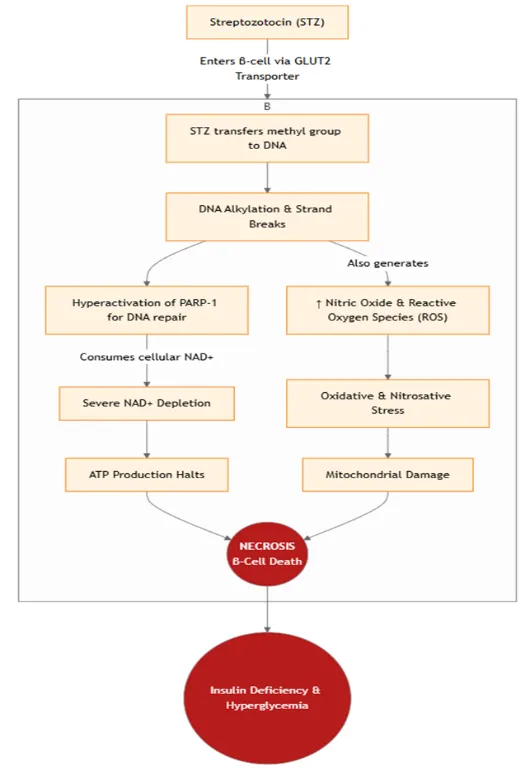
Figure 1: Molecular Cascade of STZ-Induced β-Cell Necrosis
This diagram details the step-by-step molecular events inside the pancreatic β-cell following STZ exposure. The cascade shows how STZ's primary action on DNA leads to a catastrophic energy crisis and overwhelming oxidative stress, culminating in cell death.
2.3. Dosing Paradigms and Model Variations
The experimental outcome can be tailored by adjusting the STZ dose:
2.4. Advantages and Limitations of the STZ Model
|
Advantages |
Limitations |
|
High Reproducibility: Consistently induces diabetes with a well-defined onset. |
Not an Autoimmune Model: Does not replicate the autoimmune insulitis of human Type 1 diabetes. |
|
Well-Characterized: The mechanism of toxicity is thoroughly understood. |
Species Differences: Rodent β-cells have high GLUT2 expression, making them more sensitive than human β-cells. |
|
Cost-Effective and Rapid: Induces diabetes within days. |
Potential Extra-Pancreatic Toxicity: High doses can cause some renal and hepatic toxicity. |
|
Excellent for Screening: Ideal for evaluating the efficacy of new antidiabetic and antioxidant compounds. |
Focus on Insulin Deficiency: The primary high-dose model does not capture the insulin resistance aspect of Type 2 diabetes unless modified. |
3. A FRAMEWORK FOR PHARMACOLOGICAL EVALUATION
A rigorous pharmacological evaluation requires a multi-pronged approach, assessing everything from glycemic control to organ-specific damage.
3.1. Experimental Design and Animal Husbandry
3.2. Glycemic Control Assessment
3.3. Lipid Profile Analysis
Diabetes induces profound changes in lipid metabolism. Serum is analyzed for:
3.4. Evaluation of Oxidative Stress
This is a critical component of the evaluation. Tissue homogenates (typically from the liver, kidney, or pancreas) are used.
3.5. Assessment of Organ Damage
Serum is analyzed for biomarkers of liver and kidney function:
3.6. Histopathological Examination
This provides the definitive visual confirmation of the biochemical findings.
4. MECHANISMS OF ACTION OF PHYTOCHEMICALS
The therapeutic efficacy of plant extracts stems from the synergistic action of their diverse bioactive constituents.
4.1. Direct vs. Indirect Antioxidant Effects (The Nrf2 Pathway)
Phytochemicals combat oxidative stress in two primary ways:
FIGURE 2: MULTI-TARGET PHARMACOLOGICAL ACTIONS OF ANTIDIABETIC PLANT EXTRACTS
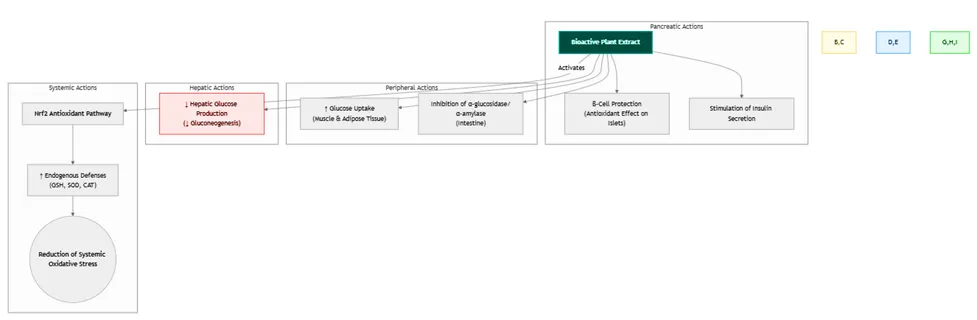
Figure 2: Multi-Target Actions of Antidiabetic Phytochemicals
This diagram illustrates the sophisticated and holistic manner in which plant extracts can combat diabetes. They don't just affect one target but exert beneficial effects on the pancreas, peripheral tissues, liver, and the body's systemic defense mechanisms, leading to a more comprehensive therapeutic outcome.
4.2. Modulation of Insulin Secretion and β-Cell Function
Certain alkaloids and terpenoids can directly stimulate the surviving β-cells to secrete more insulin. More importantly, the potent antioxidant effects of flavonoids and polyphenols protect the remaining β-cells from further glucose-induced oxidative damage, preserving their function over the long term.
4.3. Enhancement of Peripheral Glucose Utilization
Compounds like berberine are well-known activators of AMP-activated protein kinase (AMPK), the cell's master energy sensor. Activating AMPK in muscle and adipose tissue promotes the translocation of GLUT4 transporters to the cell surface, increasing glucose uptake from the blood in an insulin-independent manner [10].
4.4. Inhibition of Carbohydrate-Digesting Enzymes
Tannins and other polyphenols can act as non-competitive inhibitors of α-amylase and α-glucosidase in the small intestine. By slowing the digestion of complex carbohydrates into simple sugars, they blunt the postprandial glucose spike, easing the metabolic burden on the pancreas.
TABLE 4: MAJOR CLASSES OF PHYTOCHEMICALS AND THEIR DEMONSTRATED ACTIONS
|
Phytochemical Class |
Key Examples |
Primary Antidiabetic & Antioxidant Mechanisms |
|
Flavonoids |
Quercetin, Kaempferol, Catechins |
Potent Nrf2 activators, ROS scavengers, α-glucosidase inhibitors, β-cell protective. |
|
Alkaloids |
Berberine, Piperine |
AMPK activators, enhance glucose uptake, reduce hepatic gluconeogenesis. |
|
Phenolic Acids & Polyphenols |
Resveratrol, Caffeic Acid, Gallic Acid |
Strong direct antioxidants, potent anti-inflammatory agents (NF-κB inhibition). |
|
Terpenoids & Saponins |
Ginsenosides, Asiaticoside, Oleanolic Acid |
Enhance insulin secretion, protect against lipid peroxidation, regenerative properties. |
|
Tannins |
Ellagic Acid, Tannic Acid |
Potent inhibitors of α-amylase and α-glucosidase, antioxidant. |
5. DATA INTERPRETATION, TRANSLATIONAL CHALLENGES, AND FUTURE DIRECTIONS
5.1. Data Interpretation
A successful outcome is characterized by a statistically significant improvement across multiple parameters compared to the diabetic control group. The ideal plant extract would not only lower FBG and HbA1c but also normalize the lipid profile, restore antioxidant enzyme levels, and show clear evidence of pancreatic islet preservation in histopathology. The effect should ideally be dose-dependent.
5.2. Translational Challenges
FUTURE DIRECTIONS
Future research will likely focus on isolating novel bioactive compounds, using multi-omics approaches (genomics, proteomics, metabolomics) to elucidate precise molecular targets, and developing advanced drug delivery systems to enhance bioavailability.
CONCLUSION
The STZ-induced diabetic rat model provides a robust, reliable, and mechanistically well-understood platform for the preclinical pharmacological evaluation of potential antidiabetic agents. This comprehensive review underscores the necessity of a multi-parametric approach, combining glycemic, lipid, oxidative stress, and histopathological assessments to generate a complete picture of an agent's efficacy. Plant extracts, with their rich and diverse phytochemical content, consistently demonstrate remarkable therapeutic potential in this model. They achieve this not through a single mechanism but through a sophisticated, multi-target strategy that ameliorates hyperglycemia while simultaneously combating the root cause of diabetic complications—oxidative stress. While significant translational hurdles remain, particularly in standardization and safety profiling, the continued rigorous investigation of phytomedicines using this framework holds immense promise for developing the next generation of safer and more holistic therapies for diabetes mellitus.
REFERENCES

Srushti kale, Ulka Mote, Dr. Pravin Uttekar, Sagar Daitkar, Pharmacological Evaluation of the Antidiabetic and Antioxidant Potential of Plant Extracts in a Streptozotocin-Induced Diabetic Rat Model: A Comprehensive Methodological and Mechanistic Review, Int. J. of Pharm. Sci., 2026, Vol 4, Issue 6, 2281-2288, https://doi.org/10.5281/zenodo.20609593
 10.5281/zenodo.20609593