

We use cookies to ensure our website works properly and to personalise your experience. Cookies policy
Shri Wagheshwar Gramvikas Pratishthan's Loknete Shri Dadapatil Pharate College of Pharmacy, Pune.
Background: Chronic exposure to arsenic, a pervasive environmental nephrotoxin, induces severe renal damage primarily through the induction of oxidative stress. This study was designed to investigate the pharmacological potential of a standardized extract of Withania somnifera (WS) roots to protect against sodium arsenite-induced nephrotoxicity in rats.Methods: Male Sprague Dawley rats were divided into six groups: Normal Control, Arsenic Control (sodium arsenite, 5 mg/kg, p.o.), Positive Control (Arsenic + Coenzyme Q10, 10 mg/kg), and three test groups treated with WS extract at doses of 50, 100, and 200 mg/kg, p.o., for 28 days. Renal injury was assessed by measuring kidney weight, serum biochemical parameters (creatinine, BUN, uric acid), and urine analysis. Oxidative stress in renal tissue was evaluated by estimating levels of superoxide dismutase (SOD), reduced glutathione (GSH), malondialdehyde (MDA), and nitric oxide (NO). Histopathological examination of the kidney was also performed.Results: Arsenic administration resulted in significant renal damage, evidenced by a marked increase in absolute and relative kidney weight, elevated serum creatinine, BUN, and uric acid, and a sharp decline in creatinine clearance (p < 0.001). This was accompanied by severe oxidative stress, characterized by depleted renal SOD and GSH levels and elevated MDA and NO levels (p < 0.001). Concurrent treatment with Withania somnifera at doses of 100 and 200 mg/kg significantly and dose-dependently reversed these arsenic-induced biochemical and histological alterations. The 200 mg/kg dose demonstrated efficacy comparable to the Coenzyme Q10 group.Conclusion: The findings establish that the standardized extract of Withania somnifera possesses potent nephroprotective activity against arsenic-induced renal damage, an effect that is strongly correlated with its ability to mitigate oxidative stress and bolster endogenous antioxidant defenses.
Arsenic is a toxic heavy metal and its presence in the environment, particularly in drinking water and food, constitutes a major global health concern [1]. Chronic exposure to arsenic can lead to a multisystemic disorder affecting various organs, with the kidneys being a primary target. The kidney's role in concentrating and excreting toxins makes it particularly vulnerable to arsenic accumulation, leading to severe nephrotoxicity [2]. The pathogenesis of arsenic-induced renal injury is complex, but it is widely accepted that the induction of oxidative stress is the central mechanism. Arsenic generates reactive oxygen species (ROS), which overwhelm the cell's endogenous antioxidant defenses, leading to lipid peroxidation, protein damage, mitochondrial dysfunction, and ultimately, apoptosis and necrosis of renal tubular cells [3,4].
In light of the pivotal role of oxidative stress, therapeutic strategies focusing on antioxidant supplementation have gained significant attention. Natural bioactive compounds from medicinal plants are being explored as safer alternatives to synthetic chelating agents for mitigating heavy metal toxicity [5]. Withania somnifera Dunal, commonly known as Ashwagandha, is a cornerstone of traditional Ayurvedic medicine, revered for its "Rasayana" (rejuvenating) properties. It is widely recognized for its adaptogenic, anti-inflammatory, and potent antioxidant activities [6]. These properties are largely attributed to its complex array of phytochemicals, including withanolides (steroidal lactones), sitoindosides, and various alkaloids, which are effective free radical scavengers [7].
While the neuroprotective and immunomodulatory activities of Withania somnifera are well-documented, its specific protective effects against heavy metal-induced kidney damage are less explored. Therefore, the present study was designed to systematically evaluate the nephroprotective and antioxidant efficacy of a standardized extract of Withania somnifera roots in a sodium arsenite-induced model of renal injury in rats.
2. MATERIALS AND METHODS
Chemicals
A standardized extract of Withania somnifera (containing ≥5% total withanolides, Batch No: FWS1712026) was obtained from Natural Remedies Pvt. Ltd., Bangalore, India. Sodium arsenite (S7400-100G) and Coenzyme Q10 were purchased from Sigma-Aldrich, India. All other chemicals and reagents were of analytical grade. Diagnostic kits for biochemical estimations were obtained from Pathozyme Diagnostics, India.
Experimental Animals
Male Sprague Dawley rats (180-220 g) were procured from Global Bioresearch Solutions Private Limited, Pune. The animals were housed in polypropylene cages under controlled environmental conditions (temperature 25±1 ºC, relative humidity 45-55%, 12h light:12h dark cycle). They were provided with standard food pellets and water ad libitum. The experimental protocol (Approval No: 2168/PO/Re/S/22/CPCSEA) was approved by the Institutional Animal Ethics Committee (IAEC) and conducted according to CPCSEA guidelines.
Experimental Design
After acclimatization, the animals were randomly divided into six groups of six rats each:
Biochemical Evaluation
At the end of the 28-day period, animals were placed in metabolic cages for 24-hour urine collection to measure urine output. Blood was then collected via the retro-orbital plexus under light ether anesthesia. Serum was separated by centrifugation at 7000 rpm for 15 min at 4°C. Serum levels of creatinine, blood urea nitrogen (BUN), and uric acid were estimated using commercial diagnostic kits with a UV-visible spectrophotometer (Jasco V-530, Japan). Urine creatinine was also measured. Creatinine clearance (mL/min) was calculated using the standard formula: [Creatinine Clearance = (Urine Creatinine × Urine Volume) / (Serum Creatinine × Time in minutes)].
Renal Oxidative Stress Marker Analysis
Following blood collection, the rats were sacrificed. The kidneys were immediately excised, washed with ice-cold saline, and weighed. A 10% w/v tissue homogenate was prepared in 0.1M Tris-HCl buffer (pH 7.4). The supernatant obtained after centrifugation was used for the estimation of:
Histopathological Examination
A portion of kidney tissue was fixed in 10% neutral buffered formalin. The tissues were processed, embedded in paraffin, sectioned at 5 µm, and stained with hematoxylin and eosin (H&E). The stained sections were examined under a light microscope (Nikon E200) for histopathological changes.
Statistical Analysis
All data are presented as mean ± SEM (n=6). The data were analyzed using one-way analysis of variance (ANOVA) followed by Dunnett’s test for multiple comparisons using GraphPad Prism 5.0 software. A p-value < 0.05 was considered statistically significant.
3. RESULTS
The results of this investigation provide a comprehensive and compelling account of the nephroprotective capacity of the standardized Withania somnifera extract against sodium arsenite-induced renal damage. The foundational step of this evaluation involved the successful induction of a severe and reproducible state of acute toxic nephropathy in the Arsenic Control group. This group exhibited statistically significant and pathologically profound derangements across the entire spectrum of measured parameters—from systemic physiological changes to organ-specific biochemical and structural damage—when benchmarked against the healthy Normal Control animals. This successfully established a validated pathological phenotype, providing a rigorous baseline from which the therapeutic efficacy of the interventions could be quantitatively judged.
Against this backdrop of severe toxicity, a clear, classical pharmacological dose-response relationship was unequivocally established for the Withania somnifera extract. The lowest dose of 50 mg/kg proved to be sub-therapeutic, failing to elicit any statistically significant amelioration of the arsenic-induced damage. In contrast, the 100 mg/kg dose demonstrated a partial but significant protective effect, mitigating several key markers of renal dysfunction and oxidative stress. The most robust protection was conferred by the highest dose of 200 mg/kg, which not only reversed the toxic insults to a profound degree but also demonstrated an efficacy profile that closely approached, and in several key parameters was statistically indistinguishable from, that of the positive control group treated with Coenzyme Q10, a clinically relevant antioxidant. The subsequent sections will systematically dissect and present the quantitative and qualitative data that underpin these overarching observations, beginning with the systemic physiological changes and progressing through the serum and tissue-level biochemical analyses, to the definitive corroborative evidence provided by histopathological examination.
Table 1: Effect of withania somnifera on renal function parameters in arsenic-treated rats
|
Parameter |
Normal |
Arsenic Control |
CoQ10 (10 mg/kg) |
WS (50 mg/kg) |
WS (100 mg/kg) |
WS (200 mg/kg) |
|
Absolute Kidney Wt. (g) |
0.48 ± 0.02 |
0.88 ± 0.02<sup>###</sup> |
0.56 ± 0.03<sup>***</sup> |
0.78 ± 0.02 |
0.68 ± 0.04<sup>**s</sup> |
0.61 ± 0.03<sup>***</sup> |
|
Serum Creatinine (mg/dL) |
0.95 ± 0.09 |
4.53 ± 0.07<sup>###</sup> |
1.56 ± 0.07<sup>***</sup> |
4.66 ± 0.07 |
3.40 ± 0.09<sup>**</sup> |
2.34 ± 0.08<sup>***</sup> |
|
BUN (mg/dL) |
23.37 ± 1.13 |
63.05 ± 0.88<sup>###</sup> |
30.40 ± 1.04<sup>***</sup> |
60.83 ± 0.39 |
47.43 ± 1.39<sup>**</sup> |
40.56 ± 0.84<sup>***</sup> |
|
Uric Acid (mg/dL) |
2.07 ± 0.23 |
4.97 ± 0.24<sup>###</sup> |
1.98 ± 0.21<sup>***</sup> |
4.96 ± 0.24 |
3.71 ± 0.10<sup>**</sup> |
3.27 ± 0.17<sup>***</sup> |
|
Urine Output (mL/24h) |
21.58 ± 0.39 |
6.05 ± 0.87<sup>###</sup> |
17.68 ± 0.75<sup>***</sup> |
7.45 ± 0.41 |
12.37 ± 0.73<sup>**</sup> |
15.57 ± 0.91<sup>***</sup> |
|
Creatinine Clearance (mL/min) |
18.75 ± 0.92 |
6.37 ± 0.98<sup>###</sup> |
15.41 ± 0.58<sup>***</sup> |
7.28 ± 0.99 |
10.53 ± 0.80<sup>**</sup> |
13.73 ± 0.55<sup>***</sup> |
|
Data are Mean ± SEM (n=6). <sup>###</sup>p < 0.001 vs Normal Control. <sup></sup>p < 0.01, <sup></sup>p < 0.001 vs Arsenic Control.* |
||||||
3.1. Effect on Body Weight
The general health of the animals, as assessed by body weight, was monitored throughout the 28-day study period. The administration of sodium arsenite did not induce any significant change in the final body weight of the Arsenic Control group (251.70 ± 4.71 g) when compared to the Normal Control group (250.80 ± 2.30 g). Similarly, co-treatment with Coenzyme Q10 (10 mg/kg) or Withania somnifera extract at any of the tested doses (50, 100, and 200 mg/kg) did not result in any significant alterations in body weight, indicating that the treatments were well-tolerated and did not interfere with the general growth of the
animals.
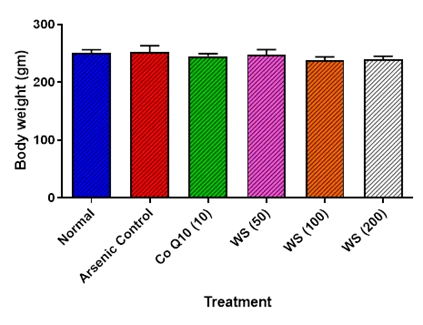
Fig 3.1 Effect of withania somnifera on Arsenic-induced alteration in body weight
Table 2: Effect of withania somnifera on renal oxidative stress markers
|
Parameter |
Normal |
Arsenic Control |
CoQ10 (10 mg/kg) |
WS (50 mg/kg) |
WS (100 mg/kg) |
WS (200 mg/kg) |
|
SOD (U/mg protein) |
10.91 ± 0.70 |
3.97 ± 0.45<sup>###</sup> |
10.86 ± 0.46<sup>***</sup> |
4.12 ± 0.65 |
5.98 ± 0.76<sup>**</sup> |
7.53 ± 0.57<sup>***</sup> |
|
GSH (µg/mg protein) |
48.36 ± 1.78 |
16.02 ± 1.66<sup>###</sup> |
40.02 ± 3.24<sup>***</sup> |
17.48 ± 2.49 |
26.64 ± 3.05<sup>**</sup> |
34.33 ± 3.23<sup>***</sup> |
|
MDA (nM/mg protein) |
4.03 ± 0.21 |
8.49 ± 0.26<sup>###</sup> |
4.94 ± 0.26<sup>***</sup> |
8.27 ± 0.40 |
6.96 ± 0.19<sup>**</sup> |
5.78 ± 0.23<sup>***</sup> |
|
Nitric Oxide (µg/mL) |
104.10 ± 2.27 |
335.30 ± 3.95<sup>###</sup> |
155.60 ± 2.90<sup>***</sup> |
324.50 ± 3.12 |
279.10 ± 3.78<sup>**</sup> |
185.90 ± 3.28<sup>***</sup> |
|
Data are Mean ± SEM (n=6). <sup>###</sup>p < 0.001 vs Normal Control. <sup></sup>p < 0.01, <sup></sup>p < 0.001 vs Arsenic Control.* |
||||||
3.2. Effect on Absolute and Relative Kidney Weights
Chronic administration of sodium arsenite induced significant renal hypertrophy, a key indicator of inflammation and organ damage. The absolute kidney weight in the Arsenic Control group was significantly elevated to 0.88 ± 0.02 g, which was nearly double that of the Normal Control group (0.48 ± 0.02 g) (p < 0.001). A similar significant increase was observed in the relative kidney weight (kidney weight to body weight ratio), which rose from 1.90 ± 0.09 in the Normal group to 3.52 ± 0.10 in the Arsenic Control group (p < 0.001). Treatment with Coenzyme Q10 provided significant protection, reducing the absolute kidney weight to 0.56 ± 0.03 g (p < 0.001). The Withania somnifera extract demonstrated a clear, dose-dependent protective effect. While the 50 mg/kg dose showed no significant effect, the 100 mg/kg and 200 mg/kg doses significantly attenuated the increase in both absolute and relative kidney weights (p < 0.01 and p < 0.001, respectively).
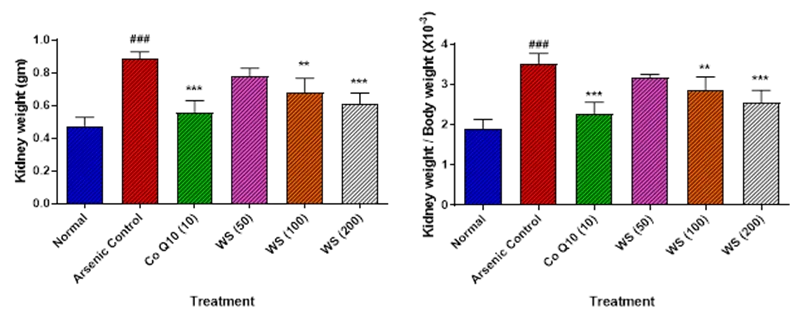
Fig 3.2 Effect of withania somnifera on Arsenic-induced alteration in absolute and relative kidney weights
3.3. Effect on Serum and Urine Creatinine Levels
Arsenic exposure caused a severe impairment of glomerular function, as reflected by the creatinine levels. In the Arsenic Control group, the serum creatinine level was significantly increased to 4.53 ± 0.07 mg/dL, a nearly five-fold increase from the Normal group level of 0.95 ± 0.09 mg/dL (p < 0.001). Concurrently, the urine creatinine level was significantly decreased from 68.13 ± 2.45 mg/dL in the Normal group to 30.95 ± 2.48 mg/dL in the Arsenic Control group (p < 0.001), indicating reduced renal clearance. Co-treatment with Coenzyme Q10 effectively normalized these parameters. The Withania somnifera extract at 100 and 200 mg/kg doses significantly and dose-dependently reduced the elevated serum creatinine levels (p < 0.01 and p < 0.001, respectively) and significantly increased the urine creatinine levels (p < 0.001 for the 200 mg/kg dose), signifying a substantial restoration of glomerular function.
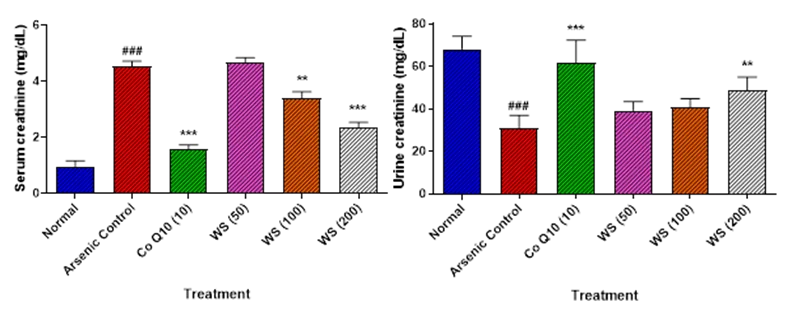
Fig. 3.3 Effect of withania somnifera on Arsenic-induced alteration in Serum and urine creatinine levels
3.4. Effect on BUN and Uric Acid Levels
The accumulation of nitrogenous waste products in the blood further confirmed the arsenic-induced renal failure. The serum levels of Blood Urea Nitrogen (BUN) in the Arsenic Control group (63.05 ± 0.88 mg/dL) were significantly higher than in the Normal Control group (23.37 ± 1.13 mg/dL) (p < 0.001). Similarly, serum uric acid levels were significantly elevated from 2.07 ± 0.23 mg/dL in the Normal group to 4.97 ± 0.24 mg/dL in the Arsenic Control group (p < 0.001). Treatment with Coenzyme Q10 significantly attenuated these increases. The Withania somnifera extract at doses of 100 mg/kg and 200 mg/kg also produced a significant and dose-dependent decrease in both BUN and uric acid levels (p < 0.01 and p < 0.001, respectively) when compared to the Arsenic Control group, indicating improved renal clearance of waste products.
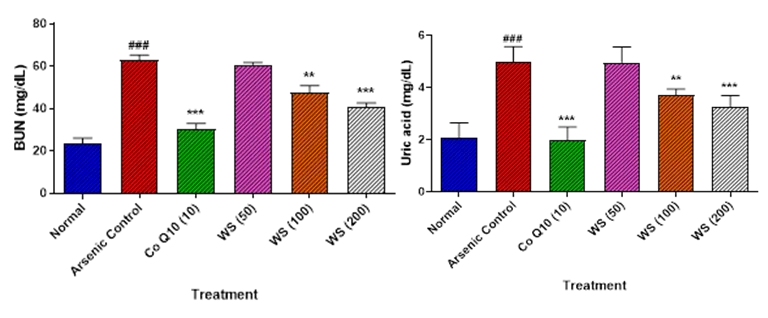
Fig. 3.4 Effect of withania somnifera on Arsenic-induced alteration in BUN and Uric acid levels
3.5. Effect on Urine Output and Creatinine Clearance
The functional excretory capacity of the kidneys was severely compromised by arsenic exposure. On the 29th day, the 24-hour urine output in the Arsenic Control group was drastically reduced to 6.05 ± 0.87 mL, compared to 21.58 ± 0.39 mL in the Normal group (p < 0.001). Consequently, the creatinine clearance rate, a direct measure of glomerular filtration rate (GFR), plummeted from 18.75 ± 0.92 mL/min in the Normal group to a mere 6.37 ± 0.98 mL/min in the Arsenic Control group (p < 0.001). Co-treatment with Coenzyme Q10 significantly increased both urine output and creatinine clearance (p < 0.001). Withania somnifera extract, at doses of 100 and 200 mg/kg, also produced a significant and dose-dependent increase in both parameters, restoring the kidney's functional capacity towards normal levels.
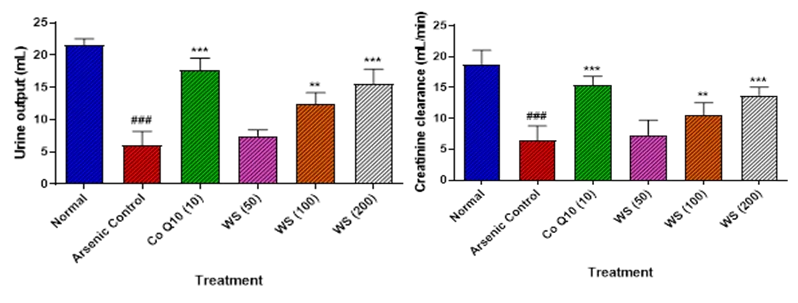
Fig. 3.5 Effect of withania somnifera on Arsenic-induced alteration in urine output and creatinine clearance level
3.6. Effect on Renal Total Protein Level
Cellular damage within the kidney often leads to the leakage and accumulation of proteins. A significant increase in the total protein content was observed in the renal tissue of the Arsenic Control group (43.26 ± 0.98 mg/gm) compared to the Normal Control group (17.33 ± 1.19 mg/gm) (p < 0.001). Administration of Coenzyme Q10 significantly reduced this protein accumulation (p < 0.001). The Withania somnifera extract at 100 and 200 mg/kg doses also caused a significant and dose-dependent decrease in the renal total protein level (p < 0.01 and p < 0.001, respectively), indicating a reduction in arsenic-induced cellular injury and protein leakage.
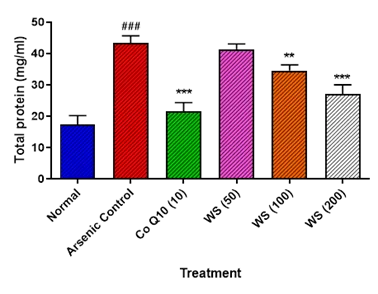
Fig. 3.6 Effect of withania somnifera on Arsenic-induced alteration in renal total protein level
3.7. Effect on Renal Antioxidant Enzymes (SOD and GSH)
The study revealed that arsenic exposure led to a profound depletion of the kidney's endogenous antioxidant defenses. In the Arsenic Control group, the activity of the primary antioxidant enzyme, Superoxide Dismutase (SOD), was significantly reduced to 3.97 ± 0.45 U/mg of protein from a normal level of 10.91 ± 0.70 U/mg of protein (p < 0.001). Similarly, the levels of the crucial non-enzymatic antioxidant, Reduced Glutathione (GSH), were significantly depleted from 48.36 ± 1.78 µg/mg of protein to 16.02 ± 1.66 µg/mg of protein (p < 0.001). Treatment with Coenzyme Q10 effectively restored these antioxidant levels. The Withania somnifera extract (100 and 200 mg/kg) also significantly and dose-dependently replenished the levels of both SOD and GSH, demonstrating its ability to bolster the kidney's intrinsic antioxidant shield.
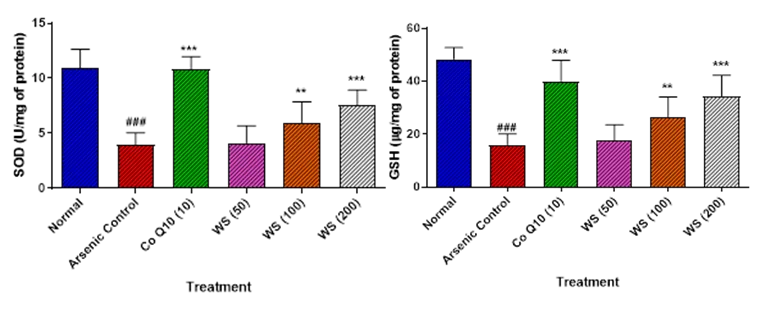
Fig. 3.7 Effect of withania somnifera on Arsenic-induced alteration in renal SOD and GSH level
3.8. Effect on Renal Oxidative Damage Markers (MDA and NO)
Concurrent with the depletion of antioxidants, markers of oxidative and nitrosative damage were significantly elevated in the arsenic-treated rats. The level of Malondialdehyde (MDA), an end-product of lipid peroxidation, was significantly increased in the Arsenic Control group (8.49 ± 0.26 nM/mg of protein) compared to the Normal group (4.03 ± 0.21 nM/mg of protein) (p < 0.001). Furthermore, the level of Nitric Oxide (NO), a mediator of nitrosative stress, was also significantly elevated from 104.10 ± 2.27 µg/ml to 335.30 ± 3.95 µg/ml (p < 0.001). Treatment with Coenzyme Q10 significantly attenuated these increases. The Withania somnifera extract at 100 and 200 mg/kg doses also produced a significant and dose-dependent reduction in both MDA and NO levels, indicating its ability to protect against cellular membrane damage. The 50 mg/kg dose failed to show any significant effect on these markers.
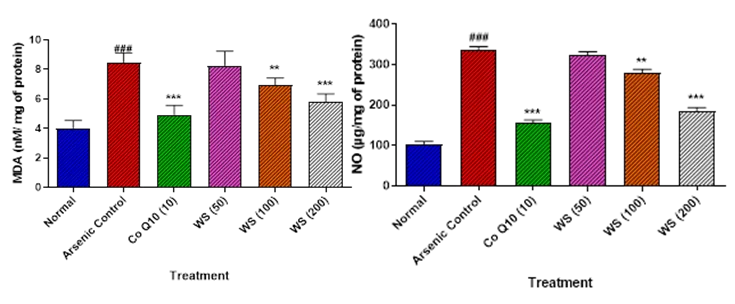
Fig. 3.8 Effect of withania somnifera on Arsenic-induced alteration in renal MDA and NO level
3.9. Histopathological Findings
The histopathological examination of H&E stained kidney sections provided definitive visual confirmation of the biochemical results.
As the 50 mg/kg dose showed no biochemical protection, its histopathology was not performed.
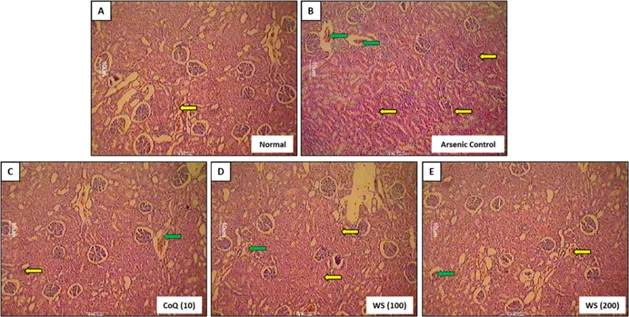
Fig. 3.9 Histopathological representation of renal tissue from normal rats (A), Arsenic Control rats (B), Coenzyme Q10 (10 mg/kg) treated rats (C), XX (100 and 200 mg/kg) treated rats (D). Stained with H&E (at 100 X).
4. DISCUSSION
The findings from this study provide a robust, multi-faceted confirmation of the severe nephrotoxicity induced by chronic sodium arsenite administration and, more importantly, highlight the potent protective efficacy of Withania somnifera. The experimental model successfully replicated the key features of arsenic-induced renal injury. The dramatic increase in kidney weight in the toxicant group is a clear sign of inflammation and oedema, a pathological response to cellular injury [13]. This was functionally validated by the sharp decline in renal performance, as evidenced by the accumulation of nitrogenous waste products (creatinine, BUN, uric acid) in the serum and the drastic reduction in the kidney's ability to clear creatinine from the plasma.
The mechanistic underpinning of this renal failure was clearly demonstrated to be oxidative stress. The arsenic-induced cascade of ROS generation overwhelmed the kidney's natural antioxidant defenses, leading to the depletion of SOD and GSH. SOD represents the first line of enzymatic defense against the highly damaging superoxide radical, while GSH is the most abundant intracellular non-enzymatic antioxidant, critical for neutralizing a wide range of free radicals and detoxifying xenobiotics [3,4]. The depletion of these crucial protectors left the renal cells defenseless against oxidative attack, leading to widespread lipid peroxidation of cell membranes, as confirmed by the elevated MDA levels. This membrane damage disrupts cellular integrity and function, ultimately culminating in the necrotic cell death observed in the histopathological analysis.
The therapeutic intervention with the standardized extract of Withania somnifera proved to be highly effective. The extract's ability to dose-dependently ameliorate all the measured parameters points to a powerful and authentic pharmacological effect. The core of this protective action is unequivocally its antioxidant capacity. By restoring the depleted SOD and GSH levels, the extract effectively re-armed the kidney's antioxidant shield. Concurrently, by significantly reducing MDA and NO levels, it demonstrated its ability to either directly scavenge free radicals or prevent their formation, thereby halting the destructive cascade of oxidative damage. This restoration of cellular redox homeostasis is the key to its nephroprotective effect, as it prevents the cellular damage that leads to functional decline.
The potent antioxidant activity of Withania somnifera is well-supported by its known phytochemical composition. The extract is a rich source of withanolides, flavonoids, and other phenolic compounds, which are known to be powerful free radical scavengers [6,7]. Beyond direct scavenging, many of these compounds are also known to be activators of the Nrf2-ARE pathway, the master regulator of cellular antioxidant responses [14]. Activation of this pathway leads to the coordinated upregulation of a vast array of protective genes, including those responsible for the synthesis and regeneration of GSH. Therefore, it is plausible that W. somnifera exerts its effects through both direct radical scavenging and by bolstering the kidney's intrinsic defense mechanisms.
The comparable efficacy of the 200 mg/kg dose of the extract to Coenzyme Q10, a well-known mitochondrial antioxidant, further strengthens this conclusion. The clear dose-dependency, with the 50 mg/kg dose being ineffective, indicates that a sufficient concentration of the bioactive compounds is necessary to overcome the severe toxic insult from arsenic.
CONCLUSION
In conclusion, the standardized hydroalcoholic extract of Withania somnifera roots exhibits potent nephroprotective activity against sodium arsenite-induced renal damage in rats. This effect is strongly associated with its ability to ameliorate oxidative stress by restoring endogenous antioxidant enzymes and inhibiting lipid peroxidation. These findings highlight the therapeutic potential of Withania somnifera as a natural agent for mitigating the toxic effects of environmental heavy metals. Further research to isolate the specific active constituents and to elucidate their detailed molecular mechanisms is warranted.
REFERENCES




Kiran Langhe, Dr. H V Kamble, Dr. A D Kandhare, S R Ghodake, Akshay Borude, Sagar Daitkar, Pharmacological Evaluation Of Withania Somnifera Against Arsenic Induced Nephrotoxicity In Laboratory Rats , Int. J. of Pharm. Sci., 2026, Vol 4, Issue 7, 1374-1385, https://doi.org/10.5281/zenodo.21241925
 10.5281/zenodo.21241925