

We use cookies to ensure our website works properly and to personalise your experience. Cookies policy
Department of Pharmacy Practice, Nargund College of Pharmacy, 2nd Main Dattatreyanagar, 100 Ft. Ring Road, Banashankari 3rd Stage, Bangalore – 560085, Karnataka, India.
Background: The NLRP3 inflammasome has been implicated in neuroinflammatory pathways associated with Parkinson’s disease (PD) (Gordon et al., 2018). This systematic review and meta-analysis evaluated the effects of direct pharmacological NLRP3 inhibition in experimental rodent models of PD. Methods: PubMed/MEDLINE, Embase, and Web of Science Core Collection were searched for controlled in vivo rodent studies investigating direct small-molecule NLRP3 inhibitors. Risk of bias was assessed using the SYRCLE tool. Standardized mean differences were expressed as Hedges’ g and pooled using random-effects models. Results: Three publications comprising four experimental cohorts, all evaluating MCC950, were included. The pooled estimates favored MCC950 for substantia nigra pars compacta tyrosine hydroxylase-positive (TH-positive) neuronal outcomes (Hedges’ g = 3.18; 95% CI, 1.98–4.38), rotarod performance (Hedges’ g = 2.76; 95% CI, 1.90–3.63), and midbrain mature interleukin-1? (IL-1?) levels (Hedges’ g = ?4.28; 95% CI, ?5.32 to ?3.23). Conclusion: These findings suggest that NLRP3 inhibition may improve dopaminergic, inflammatory, and motor outcomes in experimental PD models. The limited number of publications and reliance on MCC950 warrant further investigation across independent studies and pharmacological agents.
Parkinson’s disease (PD) is a progressive neurodegenerative disorder and a major cause of movement-related disability in older adults. Its cardinal motor manifestations—bradykinesia, rigidity, resting tremor and postural instability—reflect dysfunction of basal ganglia circuits associated with degeneration of nigrostriatal dopaminergic neurons. The characteristic neuropathology includes loss of dopaminergic neurons in the substantia nigra pars compacta (SNpc) and accumulation of α-synuclein-containing Lewy bodies and neurites. PD is also a multisystem disorder: sleep disturbance, autonomic dysfunction, olfactory impairment, mood changes and cognitive impairment may precede or accompany motor symptoms. Although levodopa and other dopaminergic treatments provide substantial symptomatic benefit, currently available therapies do not reliably halt the underlying neurodegenerative process.(Bloem et al., 2021; Kalia & Lang, 2015; Poewe et al., 2017; Schapira & Jenner, 2011)
The pathogenesis of PD is heterogeneous and involves interactions among ageing, genetic susceptibility, environmental exposures, protein misfolding, impaired proteostasis, mitochondrial dysfunction, oxidative stress, lysosomal impairment and immune signalling. Familial forms have been associated with variants in genes including SNCA, LRRK2, PRKN, PINK1, PARK7 and GBA. Studies of these genes have highlighted the importance of mitochondrial quality control, autophagy-lysosomal function and intracellular protein handling. Environmental toxicants such as MPTP and rotenone have been used to model selected aspects of dopaminergic injury, but no single experimental model reproduces the complete clinical and pathological course of human PD.(Bloem et al., 2021; Kalia & Lang, 2015; Pickrell & Youle, 2015; Poewe et al., 2017; Ryan et al., 2015; Sanfeliu et al., 2024; Schapira & Jenner, 2011)
Neuroinflammation is increasingly considered a potential modifier of PD progression. Post-mortem studies have reported activated microglia in affected brain regions, while experimental work has implicated cytokines, reactive oxygen species and innate immune pathways in dopaminergic injury. Microglia are resident immune cells of the central nervous system and perform important homeostatic functions, including surveillance, phagocytosis and clearance of cellular debris. (Colonna & Butovsky, 2017) Their responses are heterogeneous and context-dependent; consequently, microglial activation should not be treated as synonymous with neuronal toxicity. Inflammatory signalling may be harmful when excessive or persistent, but immune responses can also contribute to tissue repair and the removal of pathological proteins.(Badanjak et al., 2021; Heneka et al., 2018; Hirsch & Hunot, 2009; Ransohoff, 2016; Tansey & Goldberg, 2009)
α-Synuclein is a presynaptic protein that can misfold and aggregate into oligomeric and fibrillar species. Extracellular α-synuclein species may be taken up by microglia and engage pattern-recognition receptors, including Toll-like receptors, thereby stimulating NF-κB-dependent inflammatory priming. Experimental studies have demonstrated that aggregated α-synuclein can activate microglia and promote dopaminergic neurotoxicity. Fibrillar α-synuclein has also been linked to NLRP3 inflammasome activation and IL-1β release (Gordon et al., 2018). Caspase-1-mediated α-synuclein cleavage has been proposed as a potential mechanism that may increase aggregation propensity (Wang et al., 2016), suggesting a possible feed-forward interaction between inflammatory signalling and protein pathology. These findings support biological plausibility but do not establish that NLRP3 activation is the initiating event in human PD.(Lee et al., 2010, 2014; Luk et al., 2012; Volpicelli‐Daley et al., 2011; Zhang et al., 2005)
The NLRP3 inflammasome is a cytosolic multiprotein signalling platform composed principally of NLRP3, the adaptor apoptosis-associated speck-like protein containing a CARD (ASC/PYCARD), and pro-caspase-1. Canonical activation is commonly described as a two-step process. The priming signal is often mediated by Toll-like receptors or cytokine receptors and activates nuclear factor-κB (NF-κB), increasing the expression of NLRP3 and pro-IL-1β. A second activation signal may arise from potassium efflux, mitochondrial dysfunction, reactive oxygen species, lysosomal damage or other cellular stress. These signals promote NLRP3 activation and assembly, recruitment of ASC, formation of ASC specks and activation of caspase-1. Active caspase-1 processes pro-IL-1β and pro-IL-18 into mature cytokines and can cleave gasdermin-D (GSDMD), whose N-terminal fragment forms membrane pores associated with inflammatory cytokine release and pyroptotic cell death.(Bauernfeind et al., 2009; He et al., 2016; Mariathasan et al., 2006; Martinon et al., 2002; Swanson et al., 2019)
Mitochondria provide a potential link between PD-associated cellular stress and inflammasome activation. Impaired respiratory-chain function, mitochondrial reactive oxygen species, mitochondrial DNA release and defective mitophagy can contribute to innate immune signalling. PINK1 and Parkin are involved in mitochondrial quality control, and impaired removal of damaged mitochondria may increase the persistence of danger-associated molecular patterns. Parkin has also been implicated in the regulation of NLRP3 abundance and inflammatory responses (Pereira et al., 2023). These observations suggest that mitochondrial dysfunction and inflammasome activation may reinforce one another, although the direction and magnitude of these effects may differ across cell types and experimental models.(Han & Le, 2023; Heneka et al., 2018; Pickrell & Youle, 2015; Ryan et al., 2015)
MCC950 (CRID3/CP-456,773) is a small-molecule inhibitor widely used as a pharmacological probe of NLRP3. Biochemical and structural studies indicate that MCC950 interacts with the NACHT domain and inhibits NLRP3 activation, thereby preventing inflammasome assembly and downstream cytokine maturation. Gordon and colleagues reported that MCC950 reduced α-synuclein-associated inflammasome activation, dopaminergic degeneration and motor deficits in experimental PD models (Gordon et al., 2018). Subsequent studies have investigated inflammasome inhibition in additional α-synuclein and neurotoxin paradigms (Grotemeyer et al., 2023). Nevertheless, the available literature is pharmacologically heterogeneous: compounds differ in target selectivity, potency, pharmacokinetics and brain exposure, while some studies use indirect anti-inflammatory agents rather than direct NLRP3 inhibitors. These distinctions are essential when interpreting target-specific efficacy.(Coll et al., 2019; Tapia‐Abellán et al., 2019)
Systematic synthesis of preclinical evidence requires careful attention to experimental design. Animal models differ in species, strain, sex, age, induction protocol, disease severity, intervention timing and outcome measurement. Studies may report multiple doses, time points or outcomes using shared control animals, creating a risk of unit-of-analysis errors if each comparison is treated as independent. Standardized mean differences such as Hedges’ g permit synthesis of outcomes measured on different scales, but they cannot correct for inaccurate data extraction, selective reporting or inadequate experimental design. Risk-of-bias assessment, transparent search reporting and access to extraction data are therefore essential.(Gøtzsche et al., 2007; Hooijmans et al., 2014)
This review evaluated the effects of direct small-molecule NLRP3 inhibition in controlled in vivo rodent models of PD. The outcomes of interest were (i) SNpc tyrosine hydroxylase-positive (TH-positive) neuronal outcomes, (ii) motor performance measured by accelerating rotarod latency, and (iii) mature midbrain IL-1β protein concentrations. The objectives were to summarize the direction and magnitude of effects, describe methodological limitations, and identify translational considerations.
MATERIALS AND METHODS
2.1 Review design and reporting
The review was conducted in accordance with PRISMA 2020 reporting guidance and established principles for preclinical evidence synthesis. (Page et al., 2021; Vesterinen et al., 2013)
2.2 Information sources and search strategy
PubMed/MEDLINE, Embase, and Web of Science Core Collection were searched from database inception. The search strategy combined terms for Parkinson’s disease and experimental models (including MPTP, 6-hydroxydopamine, rotenone, α-synuclein, and preformed fibrils) with terms for NLRP3, inflammasome, MCC950/CRID3, and candidate inhibitors. (Page et al., 2021)
2.3 Eligibility criteria
Eligible studies were described as controlled in vivo rodent experiments using a Parkinsonian model and a direct pharmacological small-molecule NLRP3 inhibitor, with a concurrent vehicle-treated disease control. Models listed in the source included MPTP, 6-OHDA, rotenone, α-synuclein preformed fibrils, and AAV-mediated α-synuclein overexpression. Studies limited to in vitro systems, non-PD inflammatory models, non-specific botanical compounds without demonstrated direct NLRP3 inhibition, or genetic manipulation without a pharmacological inhibitor arm were excluded.
2.4 Outcomes
The primary outcome was SNpc tyrosine hydroxylase-positive (TH-positive) neuronal survival. Secondary outcomes were accelerating rotarod latency and mature midbrain IL-1β protein concentration.
2.5 Data extraction and risk of bias
Animal model characteristics, inhibitor dose and route, group sample sizes, means, and standard deviations were extracted from full-text articles and supplementary materials. Graph-derived values were digitized using WebPlotDigitizer (Rohatgi, 2014). Risk of bias was assessed using the SYRCLE tool. (Hooijmans et al., 2014)
The SYRCLE tool was developed for assessing risk of bias in animal intervention studies. (Hooijmans et al., 2014)
2.6 Statistical analysis
Standardized mean differences were calculated using Hedges’ g and pooled with inverse-variance DerSimonian–Laird random-effects models. Heterogeneity was summarized using Cochran’s Q, I², and τ². (DerSimonian & Laird, 1986; Higgins et al., 2003; V. & Olkin, 1985) Shared control groups were adjusted when multi-arm comparisons were present. (Rücker et al., 2017)
The meta-analysis evaluated the effects of direct NLRP3 inhibition across dopaminergic neuronal, motor, and inflammatory outcomes using standardized mean differences and random-effects pooling.
2.7 Ethical considerations
Ethics approval was not applicable because this work is a systematic review of previously published animal experiments.
RESULTS
3.1 Study selection
A total of 184 records were identified through searches of three databases. After removal of 46 duplicates, 138 records underwent title and abstract screening, and 119 were excluded. Nineteen full-text articles were assessed for eligibility, of which 16 were excluded. Three publications comprising four experimental cohorts were included. (Page et al., 2021)
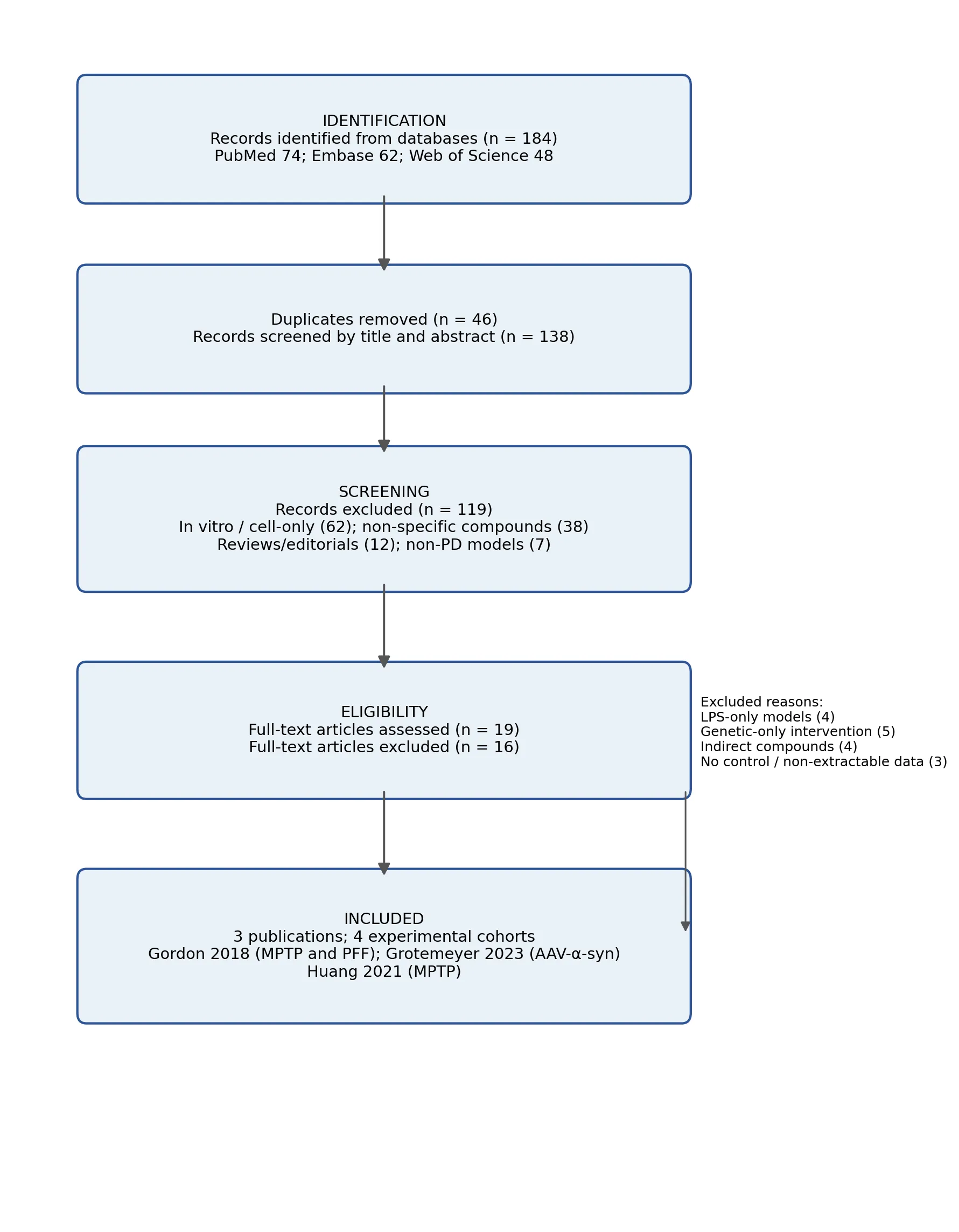
Figure 1: PRISMA 2020 Flow Diagram Illustrating the Study-Selection Process.
3.2 Characteristics of included studies
Three publications comprising four experimental cohorts were included. MCC950 was evaluated across all cohorts. Experimental characteristics, including animal models, treatment regimens, and outcome measures, are summarized in Table 1. (Gordon et al., 2018; Grotemeyer et al., 2023; Huang et al., 2021)
Table 1: Characteristics of Included Experimental Cohorts
| STUDY | MODEL | INTERVENTION | MCC950 / VEHICLE n | REPORTED OUTCOMES | SOURCE LOCATIONS |
|---|---|---|---|---|---|
| Gordon et al. (2018) | MPTP subacute mouse model | MCC950, 10 mg/kg orally; reported daily | 8 / 8 | SNpc TH-positive neurons; rotarod; midbrain IL-1β | Figures 1F, 2C, 2D (as reported) |
| Gordon et al. (2018) | Intrastriatal α-synuclein PFF mouse model | MCC950, 10 mg/kg orally; reported therapeutic dosing | 8 / 8 | SNpc TH-positive neurons; rotarod; midbrain IL-1β | Figures 5B, 5D, 5F (as reported) |
| Grotemeyer et al. (2023) | AAV1/2-A53T-α-synuclein mouse model | MCC950, 10 mg/kg intraperitoneally, 3 times/week (as reported) | 7 / 7 | SNpc TH-positive neurons; motor tests | Figure 3C and Supplementary Table 1 (as reported) |
| Huang et al. (2021) | MPTP subacute mouse model | MCC950, 10 mg/kg intraperitoneally (as reported) | 6 / 6 | SNpc TH-positive outcome; rotarod; midbrain IL-1β | Figures 2C, 3B, 4 (as reported) |
3.3 Risk-of-bias assessment
The risk-of-bias assessment indicated that most domains were rated as low or unclear risk. Allocation concealment, random housing, blinding of personnel, and random outcome assessment were frequently unclear.
Table 2: SYRCLE Risk-Of-Bias Assessment of the Included Experimental Studies.
| COHORT | D1 SEQUENCE | D2 BASELINE | D3 CONCEALMENT | D4 HOUSING | D5 PERSONNEL BLINDING | D6 RANDOM ASSESSMENT | D7 ASSESSOR BLINDING | D8 INCOMPLETE DATA | D9 SELECTIVE REPORTING | D10 OTHER |
|---|---|---|---|---|---|---|---|---|---|---|
| Gordon 2018 (MPTP) | Low | Low | Unclear | Unclear | Unclear | Unclear | Low | Low | Low | Low |
| Gordon 2018 (PFF) | Low | Low | Unclear | Unclear | Unclear | Unclear | Low | Low | Low | Low |
| Grotemeyer 2023 | Low | Low | Unclear | Low | Unclear | Unclear | Low | Low | Low | Low |
| Huang 2021 | Unclear | Low | Unclear | Unclear | Unclear | Unclear | Low | Low | Low | Low |
3.4 Quantitative synthesis
The quantitative synthesis evaluated NLRP3 inhibition effects on dopaminergic neuronal outcomes, motor performance, and midbrain mature IL-1β levels. The pooled estimates and confidence intervals are presented in Figures 2–4.
Table 3: Summary of Quantitative Synthesis
| OUTCOME | COHORTS | POOLED HEDGES’ g (95% CI) | HETEROGENEITY | INTERPRETATION AS REPORTED |
|---|---|---|---|---|
| SNpc TH-positive neuronal outcome | 4 | +3.18 (1.98 to 4.38) | Q=4.41; df=3; p=0.220; I²=31.9%; τ²=0.521 | Favours MCC950 |
| Rotarod latency | 3 | +2.76 (1.90 to 3.63) | Q=0.01; df=2; p=0.995; I²=0%; τ²=0 | Favours MCC950 |
| Midbrain mature IL-1β | 3 | −4.28 (−5.32 to −3.23) | Q=0.90; df=2; p=0.638; I²=0%; τ²=0 | Favours MCC950 |
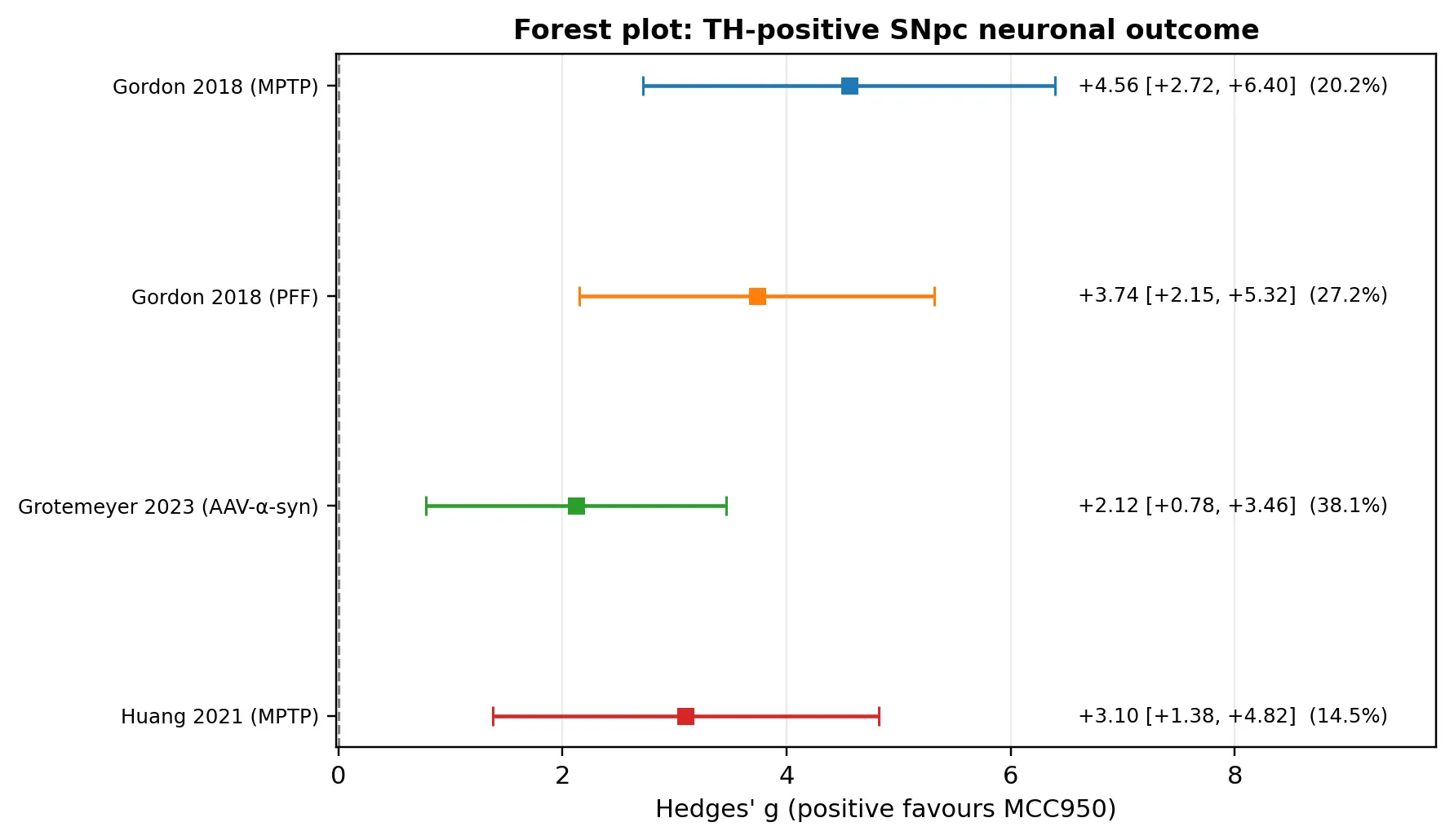
Figure 2: Forest Plot of the Pooled Effect of MCC950 on TH-positive SNpc Neuronal Outcomes.
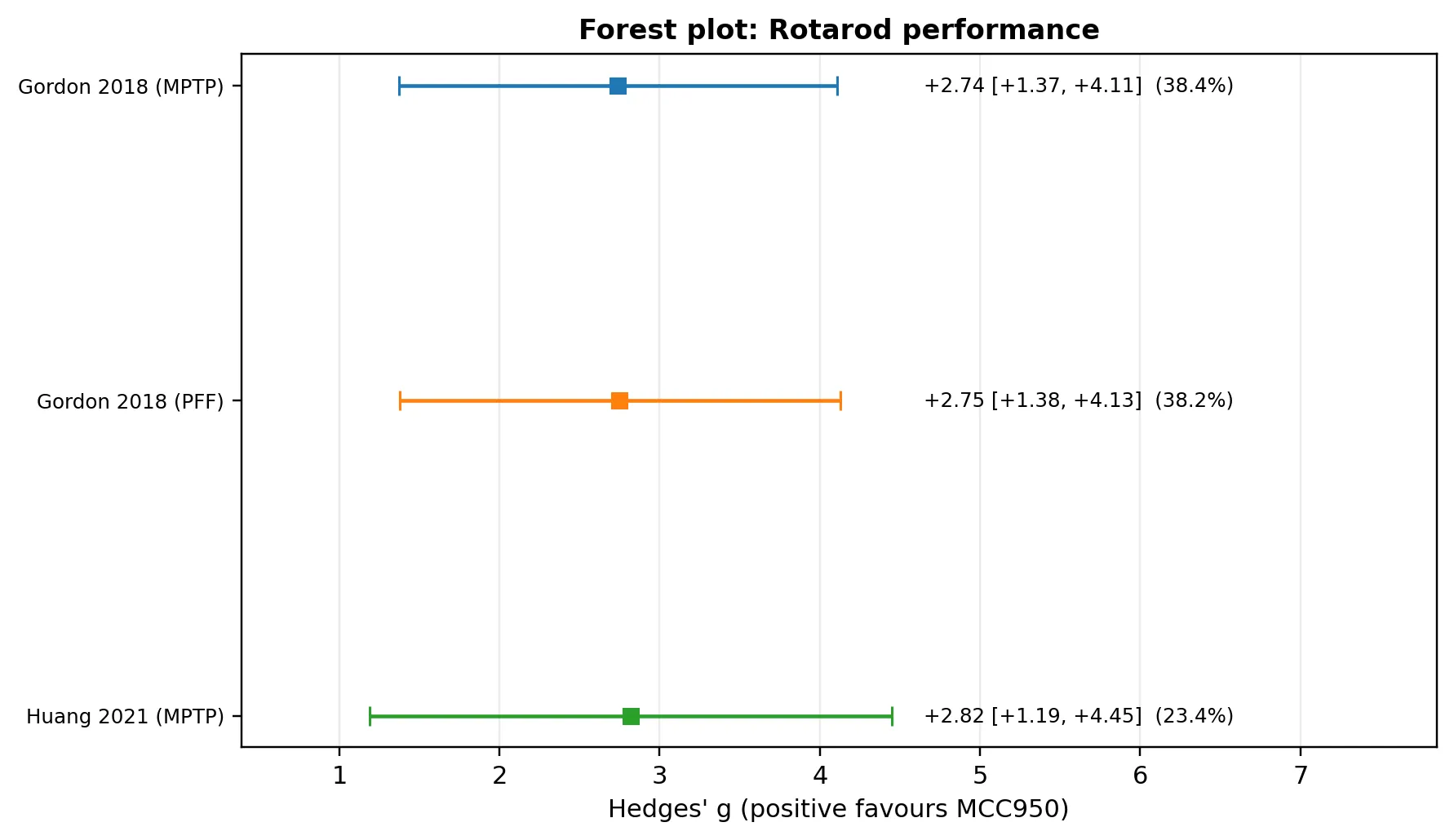
Figure 3: Forest Plot of the Pooled Effect of MCC950 on Rotarod Performance.
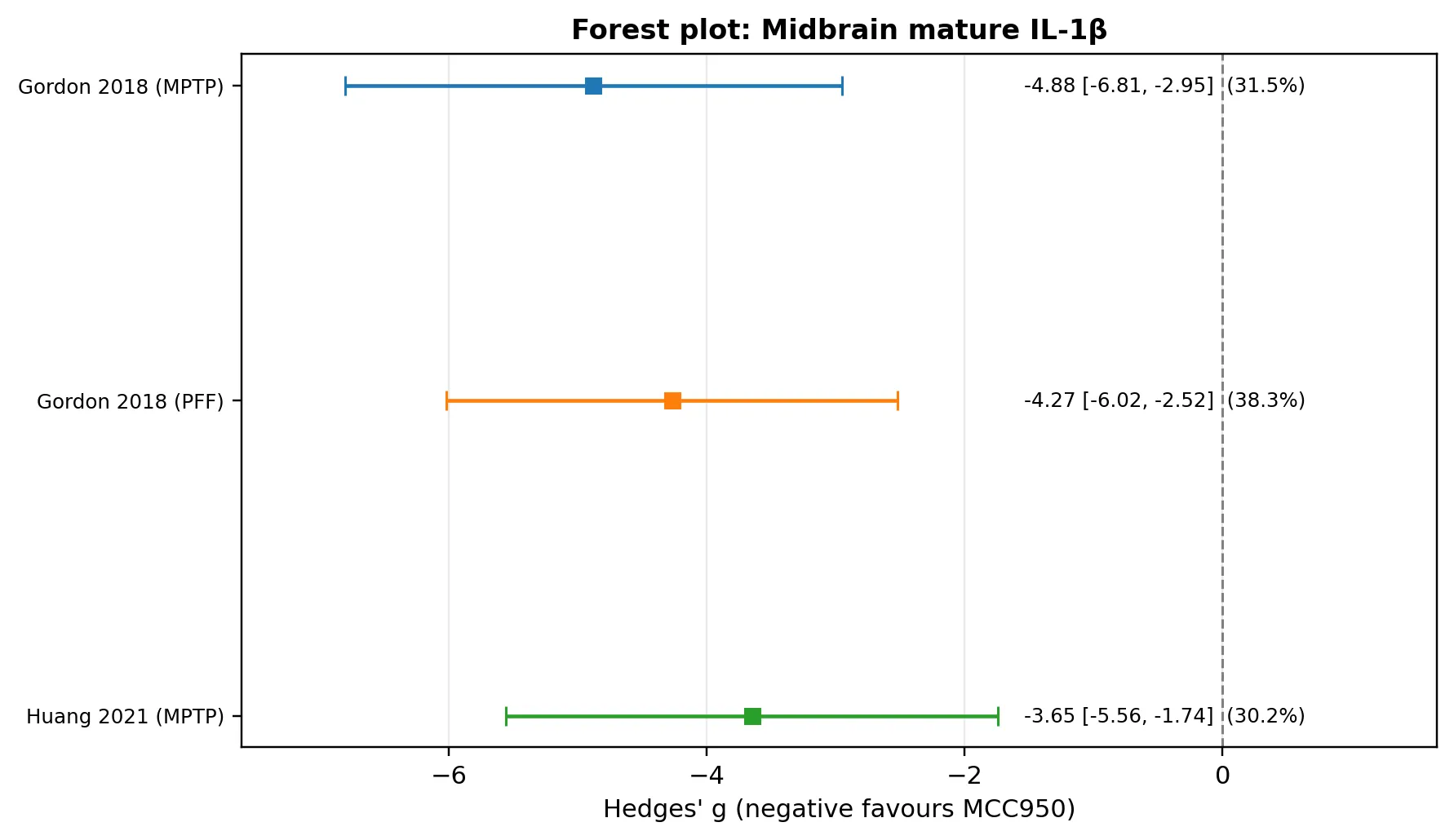
Figure 4: Forest Plot of the Pooled Effect of MCC950 on Midbrain Mature IL-1Β Levels.
DISCUSSION
4.1 Principal findings
The systematic review and meta-analysis included three publications comprising four experimental cohorts in which MCC950 was evaluated in rodent models relevant to PD. The findings favoured MCC950 for SNpc TH-positive neuronal outcomes, rotarod performance, and midbrain mature IL-1β levels. These observations are consistent with the hypothesis that NLRP3-associated inflammatory signalling contributes to dopaminergic neuronal injury in selected experimental settings. (Gordon et al., 2018) The limited number of publications, the predominance of a single pharmacological inhibitor, and the inclusion of multiple cohorts from the same publication warrant cautious interpretation. (Grotemeyer et al., 2023)
A distinction is required between experimental cohorts and independent publications. The four cohorts originated from three papers, with two cohorts reported by Gordon et al. Cohort-level forest plots may be informative when experimental groups and comparators are independent. However, dependencies arising from shared animals, common control groups, multiple treatment doses, or repeated outcome measurements should be considered. Splitting a shared control group may be appropriate in certain multi-arm comparisons, but it does not necessarily eliminate all within-study dependence. Multilevel meta-analysis or robust variance estimation may provide alternatives when sufficient studies are available. (Hedges et al., 2010; Noortgate et al., 2012)
4.2 Interpretation of dopaminergic neuronal outcomes
The reported positive standardized mean difference for TH-positive SNpc outcomes suggests greater preservation of dopaminergic phenotype in MCC950-treated animals than in vehicle-treated disease controls. TH immunoreactivity is commonly used to identify dopaminergic neurons, but changes in TH expression do not invariably represent changes in neuronal number. (Negrini et al., 2022) Unbiased stereological counting is generally more robust than profile counts or optical density, particularly when treatment may alter enzyme expression. (Park & Ahmad, 2013) The original method, anatomical sampling, counting protocol and definition of the reported measure—total neuron number, density, percentage of baseline or immunoreactivity—should therefore be checked before combining data.
The experimental paradigms also differ biologically. MPTP produces mitochondrial complex-I-associated dopaminergic toxicity and is useful for studying acute or subacute nigrostriatal injury. Intrastriatal α-synuclein preformed fibril models initiate seeded protein aggregation and can reproduce aspects of progressive α-synuclein pathology. AAV-mediated α-synuclein overexpression provides another proteopathic paradigm, but phenotype depends on vector design, promoter, titre, injection coordinates and follow-up. (Negrini et al., 2022) A pooled estimate across these models represents an average across distinct experimental contexts rather than one common biological effect. (Luk et al., 2012; Pickrell & Youle, 2015; Poewe et al., 2017; Ryan et al., 2015; Volpicelli‐Daley et al., 2011)
4.3 Interpretation of motor outcomes
Rotarod performance was higher in MCC950-treated groups. Rotarod testing is a useful measure of motor coordination and balance; however, it may be influenced by training, motivation, body weight, strain, apparatus acceleration profile, and assessor blinding. It does not capture the full range of parkinsonian motor symptoms, and results may not be directly comparable across differing protocols. (Eltokhi et al., 2021; Shan et al., 2023)
4.4 IL-1β and inflammasome target engagement
Reduced mature IL-1β is mechanistically compatible with inhibition of NLRP3-dependent caspase-1 activation. However, IL-1β is not an exclusive biomarker of NLRP3 activity (Netea et al., 2010). Its measured concentration may be influenced by transcriptional priming, other inflammasome platforms, alternative proteases, tissue composition and assay characteristics. Total IL-1β, pro-IL-1β and mature cleaved IL-1β are distinct analytes and should not be pooled as interchangeable outcomes. The original reports must be checked to establish whether assays specifically measured mature IL-1β, total protein or immunoreactivity. Stronger target-engagement evidence would include NLRP3/ASC assembly, ASC specks, caspase-1 cleavage, GSDMD-N, IL-18 and mature IL-1β, together with evidence of CNS drug exposure.(Herring et al., 2024; Tengesdal et al., 2024)
4.5 Potential cellular and molecular mechanisms
A plausible model is that extracellular α-synuclein aggregates and cellular stress activate microglial pattern-recognition and inflammatory pathways. NF-κB-dependent priming increases NLRP3 and pro-IL-1β availability (Schroder & Tschopp, 2010), while mitochondrial dysfunction, lysosomal damage and potassium efflux provide activation signals. NLRP3 assembly recruits ASC and pro-caspase-1, promoting caspase-1 activity and maturation of IL-1β and IL-18. MCC950 may interrupt this process by inhibiting NLRP3 activation at the NACHT domain (Ma, 2023). This proposed pathway is supported by biochemical studies of MCC950 and experimental work in α-synuclein-related systems.(Pike et al., 2022; Zhang et al., 2005)
The downstream effects are likely more complex than a single microglial pyroptosis pathway. GSDMD cleavage can contribute to membrane permeabilization and inflammatory cell death, but cytokine release may also occur through non-lytic or alternative pathways. Not all inflammasome activation culminates in complete pyroptotic lysis, and GSDMD involvement may vary by cell type and experimental condition. The manuscript should therefore avoid asserting that microglial pyroptosis is the universal or primary mechanism of MCC950-mediated neuroprotection unless the included studies directly measured GSDMD cleavage, membrane pore formation and lysis in the relevant cell populations.(Kayagaki et al., 2015; Shi et al., 2015)
Microglia and dopaminergic neurons interact bidirectionally. Microglia can remove extracellular α-synuclein and cellular debris, but excessive or sustained inflammatory activation may expose nearby neurons to cytokines, oxidants and other potentially damaging mediators. Astrocytes also respond to inflammatory signals and influence glutamate handling, metabolic support and neuronal survival. The proposed microglia–astrocyte–neuron cascade is a useful conceptual framework, but the designation of a uniform ‘A1 neurotoxic’ astrocyte state can oversimplify astrocyte heterogeneity. Reactive astrocyte responses should be discussed as context-dependent rather than as a single fixed phenotype.(Choi et al., 2020; Liddelow et al., 2017)
4.6 Mitochondrial quality control and Parkin-related signalling
Mitochondrial dysfunction is relevant to PD because dopaminergic neurons have substantial energetic demands and are exposed to oxidative stress (Ni & Ernst, 2022). PINK1 and Parkin contribute to the recognition and removal of damaged mitochondria through mitophagy. Defects in this pathway may increase the burden of dysfunctional mitochondria and potentially sustain inflammatory signalling. Experimental evidence also links Parkin to regulation of NLRP3, suggesting an interface between familial PD-associated genes and innate immunity. However, the present review’s eligibility criteria focus on direct pharmacological NLRP3 inhibition; genetic knockdown or indirect manipulation of Parkin should not be combined quantitatively with MCC950-treated cohorts.(Pickrell & Youle, 2015; Zhong et al., 2016)
4.7 Pharmacological specificity and translational development
MCC950 is a valuable experimental probe, but evidence obtained with one tool compound cannot establish that all NLRP3 inhibitors will have equivalent effects. The pharmacological profile of each compound should be evaluated for target selectivity, potency, exposure, CNS penetration, duration of inhibition, tolerability and potential off-target activity. A compound may suppress peripheral inflammasome activity yet achieve inadequate concentrations in the brain. Conversely, a brain-penetrant inhibitor may have distinct safety liabilities during chronic administration. These issues are particularly important for PD, where a disease-modifying therapy would likely require long-term exposure.(Albornoz et al., 2025; Gordon et al., 2018)
Treatment timing also affects interpretation. Preventive administration before toxin exposure tests whether an inhibitor can reduce acute injury, whereas delayed treatment after α-synuclein seeding more closely addresses intervention after pathology has begun. Neither design fully reproduces treatment of clinically diagnosed PD, when substantial nigrostriatal dysfunction may already be present. Future studies should include delayed-treatment designs, dose–response analyses, both sexes, aged animals, clinically relevant comorbidities and pharmacokinetic/pharmacodynamic measurements.(Albornoz et al., 2025)
4.8 Strengths and limitations
The narrow focus on direct small-molecule NLRP3 inhibition improves pharmacological specificity compared with reviews that combine canonical inhibitors and pleiotropic natural products. A structured eligibility framework, SYRCLE domains and standardized effect measures are appropriate in principle. However, only three publications and four cohorts are reported, restricting the ability to assess publication bias, small-study effects or between-laboratory reproducibility. All included cohorts reportedly used MCC950, so findings cannot be generalized to the broader class of NLRP3 inhibitors. Animal models, intervention schedules and outcome methods may also differ substantially.(Hooijmans et al., 2018)
Risk-of-bias judgments depend on the methodological reporting available in each primary study. Methods that are insufficiently reported should generally be classified as unclear rather than low risk. The limited number of included studies also constrains assessment of between-study variability. (Hooijmans et al., 2018; Leenaars et al., 2024)
4.9 Implications for future research
Future preclinical studies should use transparent randomization, allocation concealment where feasible, blinded outcome assessment, a priori sample-size calculations, prespecified exclusion criteria and complete reporting of attrition. Protocols should follow ARRIVE 2.0 recommendations, and evidence syntheses should provide complete search strings, screening records, extraction sheets and analysis code. NLRP3-targeted studies should demonstrate brain exposure and target engagement, distinguish pro- from mature cytokines, and measure GSDMD/caspase-1 activation when pyroptosis is claimed. Replication by independent laboratories and evaluation in aged animals of both sexes would strengthen confidence in translational relevance.(Landis et al., 2012; Sert et al., 2020)
4.10 Overall interpretation
The reported findings provide a rationale for further investigation of NLRP3 inhibition in experimental PD, but they do not establish clinical efficacy or prove that NLRP3 is a universal driver of human disease. The most defensible conclusion is that MCC950 has shown promising effects in a small number of preclinical paradigms and that a more complete, independently reproducible evidence base is needed. Clinical relevance will depend on whether selective, brain-penetrant inhibitors can achieve sustained target engagement with acceptable safety and demonstrate benefit when administered after disease-associated pathology is established.(Gordon et al., 2018; Grotemeyer et al., 2023)
Table 4: Key STAGES of NLRP3 Inflammasome Activation (Shi Et Al., 2015; Swanson Et Al., 2019)
| ACTIVATION STAGE | KEY COMPONENTS | BIOLOGICAL EVENT | POTENTIAL PD RELEVANCE |
|---|---|---|---|
| Priming | TLR2/TLR4, MyD88, NF-κB | Increased NLRP3 and pro-IL-1β expression | Increases readiness for inflammasome activation |
| Activation | K⁺ efflux, mitochondrial ROS, lysosomal stress, NEK7 | NLRP3 activation and oligomerization | Connects cellular stress to innate immune signalling |
| Assembly | NLRP3, ASC/PYCARD, pro-caspase-1 | ASC speck formation and caspase-1 activation | Enables maturation of inflammatory cytokines |
| Effector phase | Caspase-1, IL-1β, IL-18, GSDMD | Cytokine processing and possible membrane permeabilization | May amplify local inflammatory signalling |
| Pharmacological inhibition | MCC950 | Inhibits NLRP3 activation at the NACHT domain (Grotemeyer et al., 2023) | Potentially reduces downstream inflammasome signalling |
Table 5: NLRP3 Inflammasome Activation STAGES and Potential PD Relevance (Gordon Et Al., 2018; Grotemeyer Et Al., 2023)
| MODEL | INDUCTION PRINCIPLE | STRENGTH | IMPORTANT LIMITATION |
|---|---|---|---|
| MPTP | Mitochondrial complex-I toxicant | Reproducible nigrostriatal dopaminergic injury | Often acute/subacute; incomplete α-synuclein pathology (Gao & Hong, 2011) |
| α-Synuclein PFF | Intrastriatal preformed fibrils | Models seeded aggregation and propagation (Chung et al., 2019) | Depends on fibril preparation, dose and follow-up |
| AAV-α-synuclein | Viral-vector-mediated expression | Allows targeted sustained protein expression | Vector titre, promoter and coordinates affect phenotype |
| 6-OHDA | Catecholaminergic neurotoxin | Useful unilateral lesion model | Does not reproduce α-synuclein pathology (Duty & Jenner, 2011) |
| Rotenone | Mitochondrial complex-I inhibitor | Models mitochondrial stress | Systemic toxicity and variable lesion severity (Duty & Jenner, 2011) |
Table 6: Translational GAPS for Cns-Directed NLRP3 Inhibitors (Gordon Et Al., 2018; Grotemeyer Et Al., 2023)
| TRANSLATIONAL ISSUE | WHY IT MATTERS | RECOMMENDED REPORTING |
|---|---|---|
| CNS exposure | Peripheral inhibition may not ensure brain target engagement (Clénet et al., 2023) | Plasma and brain concentration-time profiles |
| Target specificity | Anti-inflammatory effects may be off-target | Biochemical target engagement and selectivity data |
| Treatment timing | Preventive dosing may overestimate clinical relevance (Bézard et al., 2012) | Include delayed treatment after pathology induction |
| Sex and age | PD is age-related and affects both sexes (Wirdefeldt et al., 2011) | Include aged animals and both sexes or justify restrictions |
| Outcome validity | TH expression may not equal neuronal survival (Alam et al., 2017) | Unbiased stereology plus dopamine and motor outcomes |
| Safety | Chronic treatment requires long-term tolerability | Clinical chemistry, liver safety and histopathology |
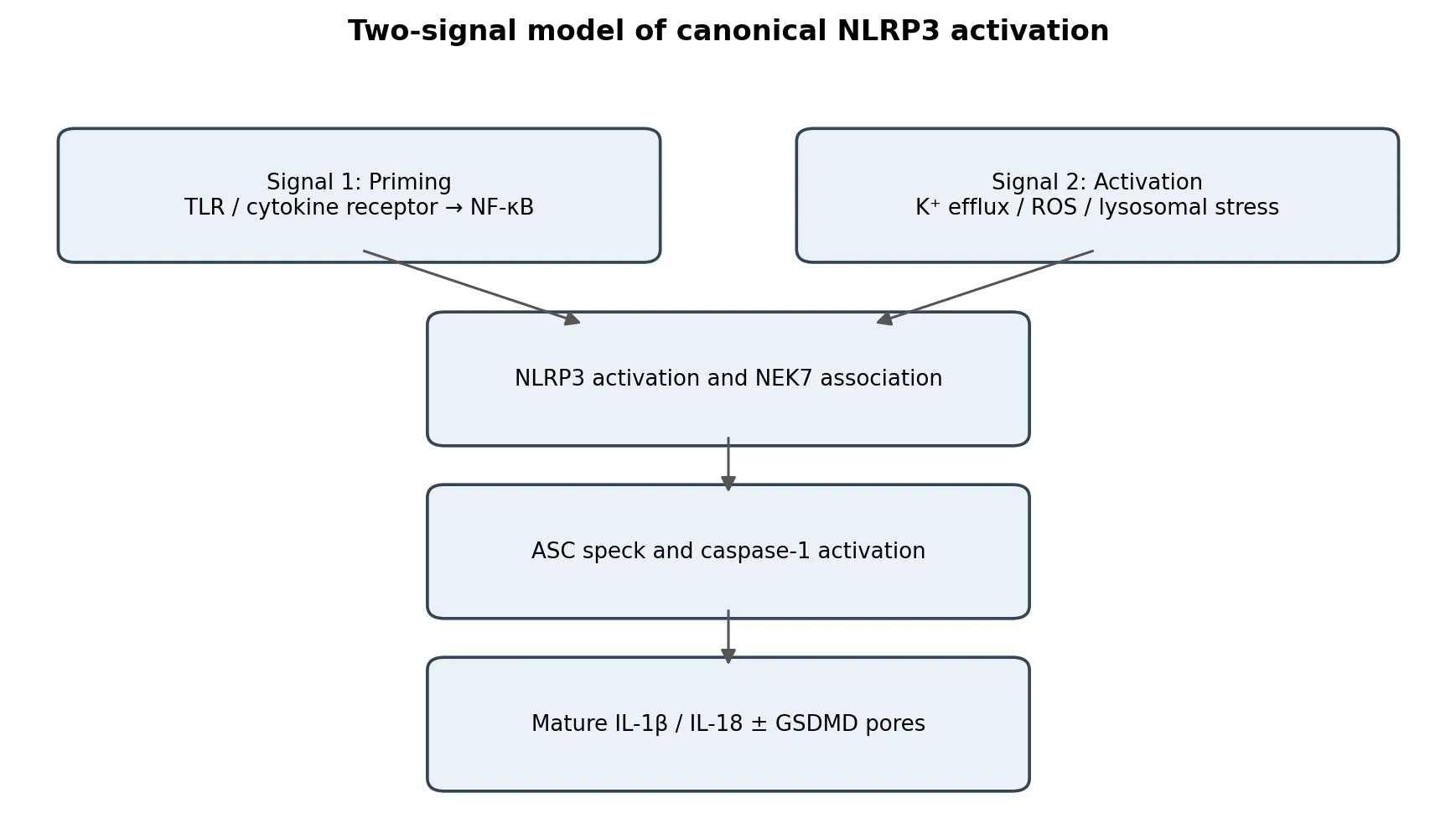
Figure 5: Canonical Two-Signal Model of NLRP3 Inflammasome Activation; Conceptual Synthesis.
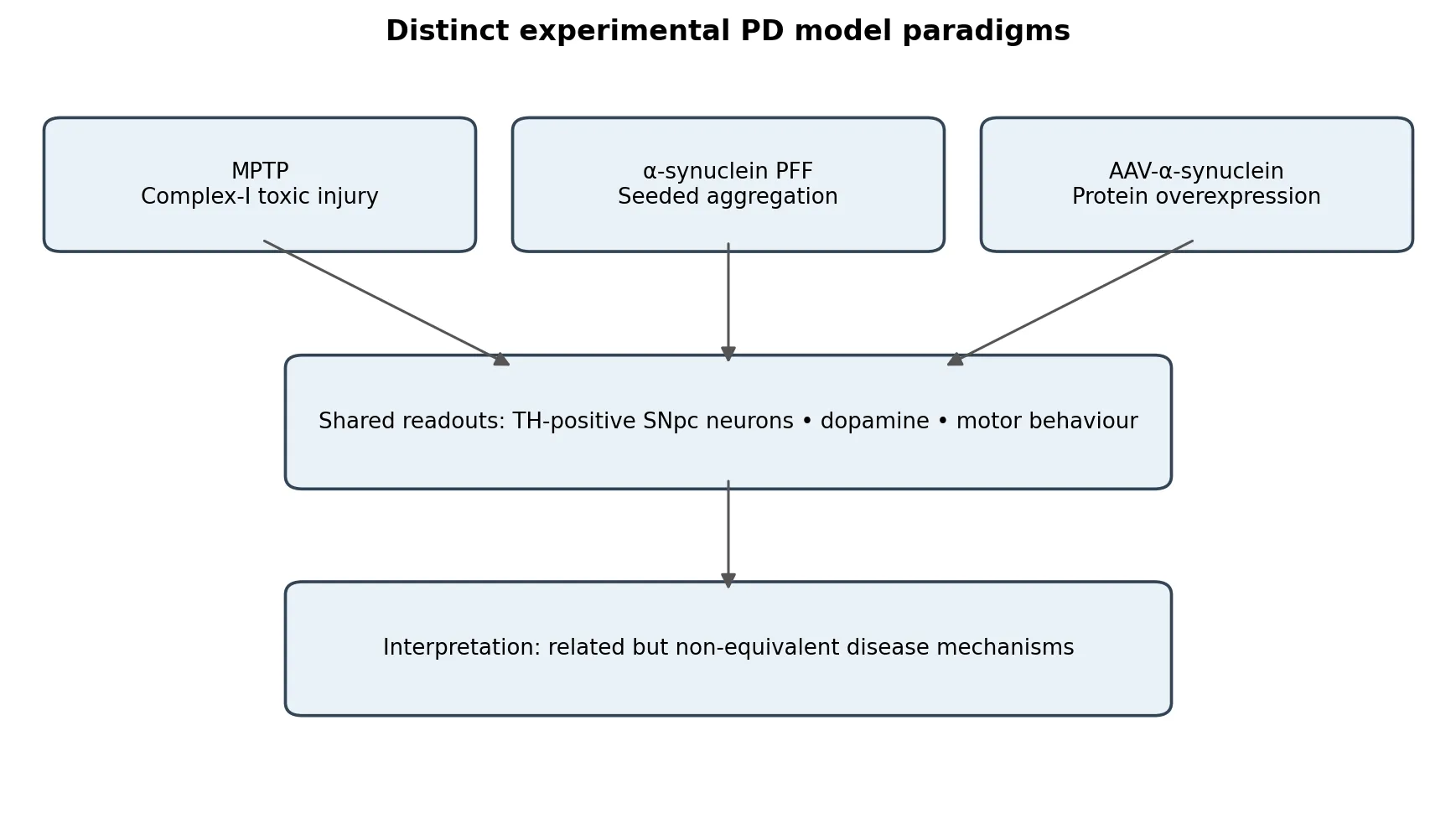
Figure 6: Major Experimental Parkinson’s Disease Model Paradigms; Models Represent Distinct Pathological Triggers.
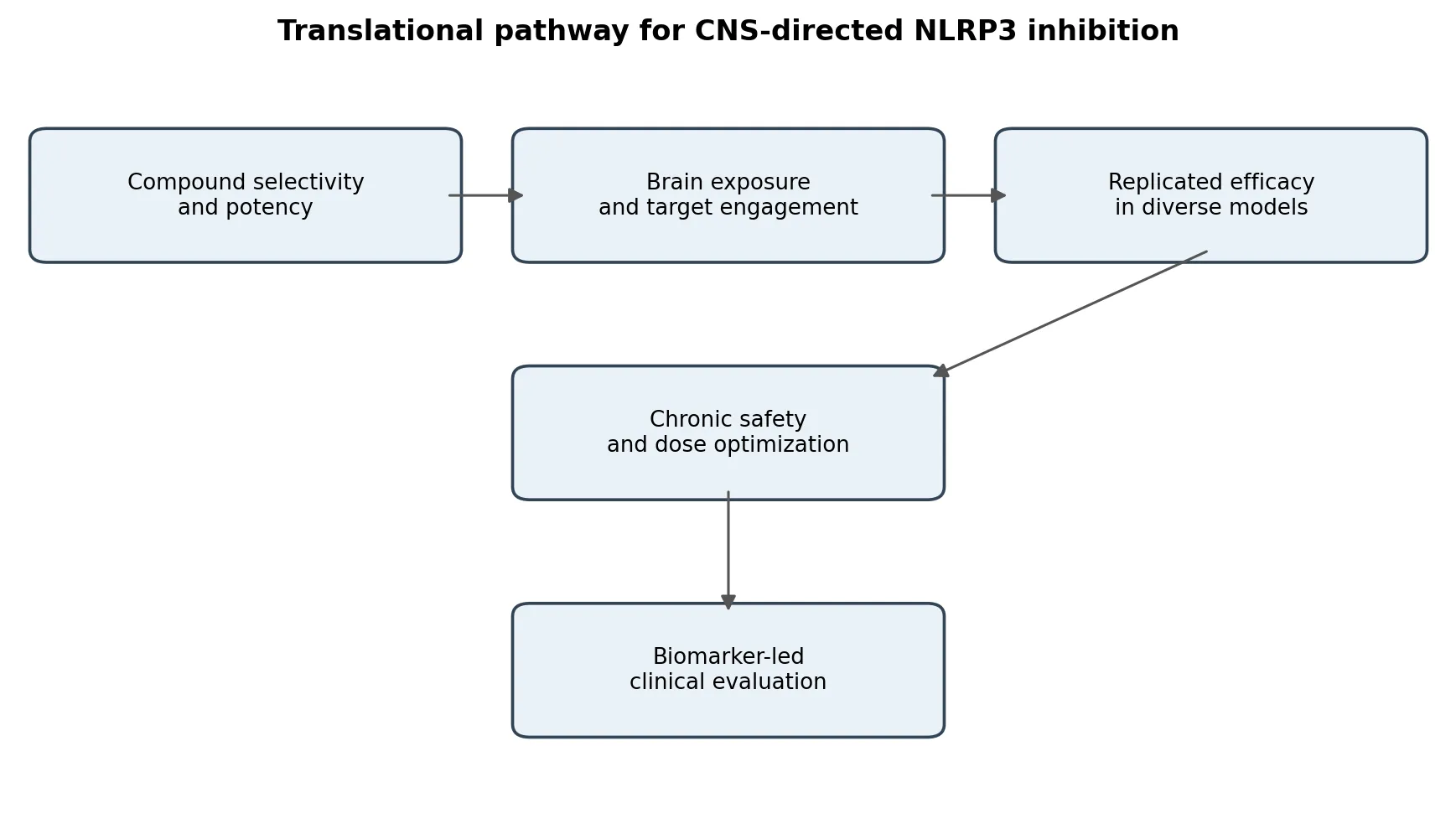
Figure 7: Proposed Translational Pathway for CNS-directed NLRP3 Inhibitors; Conceptual Framework.
CONCLUSION
This systematic review and meta-analysis suggests that direct pharmacological inhibition of the NLRP3 inflammasome with MCC950 may be associated with improved dopaminergic neuronal outcomes, motor performance, and reduced midbrain mature IL-1β levels in experimental rodent models of Parkinson’s disease. The pooled estimates were favourable across the evaluated outcomes; however, the evidence base was limited to three publications and four experimental cohorts, all investigating the same inhibitor. The findings should therefore be interpreted as preliminary preclinical evidence rather than proof of a disease-modifying effect or clinical efficacy in humans. Differences among toxin-induced and α-synuclein-based models, outcome measurement methods, treatment schedules, and study-level reporting may limit generalizability. Further research should include independent replication, additional selective and brain-penetrant NLRP3 inhibitors, delayed-treatment paradigms, both sexes and aged animals, robust blinded outcome assessment, and pharmacokinetic/pharmacodynamic evidence of central target engagement. Future studies should also distinguish TH expression from neuronal survival and pro-IL-1β from mature cytokine measurements. Overall, NLRP3 remains a promising investigational target, but stronger, transparent, and reproducible preclinical evidence is needed before clinical translation can be justified. (Gordon et al., 2018; Grotemeyer et al., 2023)
ACKNOWLEDGMENT
Not applicable.
DECLARATIONS
Ethics approval: Not applicable; this review used previously published animal studies.
Consent for publication: Not applicable.
Funding: No funding was received for this work.
Conflict of interest: The authors declare no conflict of interest.
Authors’ contributions:
Riyad Hossain: Conceptualization, study design, methodology, research leadership, development of the research framework, supervision of the review process, manuscript writing, critical revision, and final manuscript approval.
Abhisek Chaudhary: Literature search, database screening, study selection, data extraction, and manuscript drafting.
Dhruva Narayan K: Data extraction, methodological assessment, statistical analysis, interpretation of findings, and preparation of analytical tables.
Saheli Patra: Data organization, preparation of figures and tables, visualization of results, literature synthesis, and manuscript editing.
Onkar Kumar Yadav: Risk-of-bias assessment, interpretation of study findings, critical review of the manuscript, and scientific editing.
Ronic Saha: Methodological review, validation of extracted data, critical appraisal of the scientific content, manuscript revision, and final review.
REFERENCES

Riyad Hossain, Abhisek Chaudhary, Dhruva Narayan K., Saheli Patra, Onkar Kumar Yadav, Ronic Saha, Pharmacological Modulation of NLRP3 Inflammasome–Mediated Neuroinflammatory Pathways in Experimental Parkinsonian Models: A Systematic Review and Meta-Analysis, Int. J. of Pharm. Sci., 2026, Vol 4, Issue 11, 536-550. https://doi.org/10.5281/zenodo.23938104
 10.5281/zenodo.23938104