

We use cookies to ensure our website works properly and to personalise your experience. Cookies policy
P.S.G.V.P. Mandal’s College of Pharmacy, Shahada, Maharashtra, India.,.
Premenstrual syndrome (PMS) and premenstrual dysphoric disorder (PMDD) are menstrual-cycle-related conditions characterized by physical, emotional, and behavioral symptoms that can impair daily functioning and quality of life. This review examines the neurobiological role of progesterone-derived neurosteroids, particularly allopregnanolone (ALLO), and their interaction with gamma-aminobutyric acid type A (GABA-A) receptors. Evidence discussed suggests that, in susceptible individuals, altered sensitivity and adaptive changes in GABA-A receptor function in response to normal ovarian hormone fluctuations may contribute to mood instability, anxiety, irritability, and depressive symptoms. The review also considers interactions with other neurotransmitter systems, molecular and genetic mechanisms, clinical manifestations, diagnosis, and current treatment approaches. Established options, including selective serotonin reuptake inhibitors and hormonal therapies, are considered alongside emerging strategies such as sepranolone, modulation of neurosteroid synthesis, and progesterone-receptor targeting. These investigational approaches are promising but require further evidence on efficacy, safety, and long-term outcomes, and improve patient-centered therapeutic decision-making in clinical practice.
Reproductive health problems known as premenstrual syndrome (PMS) and premenstrual dysphoric disorder (PMDD) are linked to recurrent behavioral, emotional, and physical symptoms during the luteal phase of the menstrual cycle. These symptoms usually start before to menstruation and get better soon after menstrual bleeding starts. Abdominal bloating, breast discomfort, headaches, exhaustion, irritability, mood swings, and trouble focusing are some of the symptoms of PMS. Significant mood disorders, such as despair, anxiety, emotional instability, irritability, and decreased interest in everyday activities, are the main characteristics of PMDD, a more severe type of premenstrual illness. Interpersonal connections, academic achievement, professional productivity, and general quality of life can all be adversely impacted by these problems. Research indicates that increased sensitivity to typical changes in ovarian hormones has a significant role, even if the precise pathophysiology of PMS and PMDD is still unclear. The interaction between progesterone and its neuroactive metabolite allopregnanolone (ALLO) and gamma-aminobutyric acid type A (GABA-A) receptors has garnered significant interest. Allopregnanolone affects neuronal excitability, anxiety, stress responses, and emotional modulation. It is a strong positive allosteric modulator of GABA-A receptors. In susceptible people, variations in allopregnanolone concentrations during the menstrual cycle may be a factor in altered GABAergic neurotransmission. As a result, the GABA-A receptor system is regarded as a crucial therapeutic target in comprehending the neurobiological processes causing PMDD. Evidence suggests that rather than just having aberrant circulating hormone concentrations, impacted people may show an altered or paradoxical response to neurosteroids. Premenstrual symptoms may arise as a result of changes in receptor subunits, neurosteroid sensitivity, and interactions between hormonal and neuronal pathways.Gonadotropin-releasing hormone (GnRH) agonists, hormonal contraceptives, and selective serotonin reuptake inhibitors (SSRIs) are examples of conventional therapeutic methods. Although these treatments can provide symptom relief, differences in individual response, adverse effects, and limitations associated with long-term treatment highlight the need for additional therapeutic strategies.Neurosteroid-targeted strategies, such as sepranolone and other drugs that alter neurosteroid activity or GABA-A receptor signaling, have been the subject of recent studies. The involvement of progesterone-related pathways in PMDD has also been investigated experimentally with drugs like ulipristal acetate.Recent developments in neurosteroid–GABA-A signaling, the role of progesterone and allopregnanolone in PMS and PMDD, and the underlying molecular and neurobiological mechanisms are all covered in this review. It also looks at clinical research, new focused therapeutic methods, well-established pharmaceutical medications, and future prospects for creating more customized and successful treatment plans. [1,3,4,8,10,12]
Menstrual Cycle and Neuroendocrine Regulation:
The hypothalamus, pituitary gland, and ovaries work together to regulate the menstrual cycle, a complicated physiological mechanism known as the hypothalamic-pituitary-ovarian (HPO) axis. Gonadotropin-releasing hormone (GnRH), follicle-stimulating hormone (FSH), luteinizing hormone (LH), estrogen, and progesterone are among the reproductive hormones that undergo periodic changes during a normal menstrual cycle, which lasts between 21 and 35 days. In addition to affecting central nervous system activity and emotional reactions, these hormonal changes control follicular development, ovulation, endometrial alterations, and menstruation.The menstrual phase, follicular phase, ovulatory phase, and luteal phase are the four main stages of the menstrual cycle. FSH promotes the growth of ovarian follicles during the follicular phase, which raises the production of estrogen. Increasing estrogen levels help control gonadotropin release and encourage endometrial growth. Ovulation and the release of the mature oocyte are caused by an LH surge that is triggered by persistently high estrogen concentrations around the middle of the cycle.
The ruptured follicle grows into the corpus luteum, which generates progesterone and a moderate quantity of estrogen after ovulation. Progesterone has significant impacts on the central nervous system and prepares the endometrium for potential implantation during the luteal phase. The corpus luteum regresses in the absence of fertilization, which lowers progesterone and estrogen levels. Menstruation is triggered by this hormonal withdrawal, which also signifies the start of a new menstrual cycle.Because progesterone is converted into neuroactive steroids, specifically allopregnanolone (ALLO), via enzymatic routes including 5α-reductase and 3α-hydroxysteroid dehydrogenase, it also plays a significant role in neuroendocrine regulation. As a positive allosteric modulator of GABA-A receptors, allopregnanolone improves inhibitory neurotransmission and affects mood, anxiety, stress reactions, and neuronal excitability.GABAergic signaling in the brain may therefore be impacted by changes in progesterone and allopregnanolone during the menstrual cycle.
The symptoms of premenstrual dysphoric disorder (PMDD) are not always brought on by aberrant ovarian hormone production. Rather, evidence indicates that symptoms may arise as a result of decreased sensitivity to typical changes in hormones and neurosteroids. Particularly during the luteal phase and the transition to menstruation, changes in GABA-A receptor responsiveness and allopregnanolone concentrations may impact emotional control, irritability, anxiety, and depressive symptoms.Therefore, a key basis for comprehending the neurobiological underpinnings of PMS and PMDD is the interaction between ovarian hormones, neuroactive steroids, and neurotransmitter systems. The neurosteroid-GABA-A signaling pathway and the HPO axis are especially important for determining possible therapeutic targets and creating more targeted pharmaceutical treatments for premenstrual illnesses. [10,11,21,23]
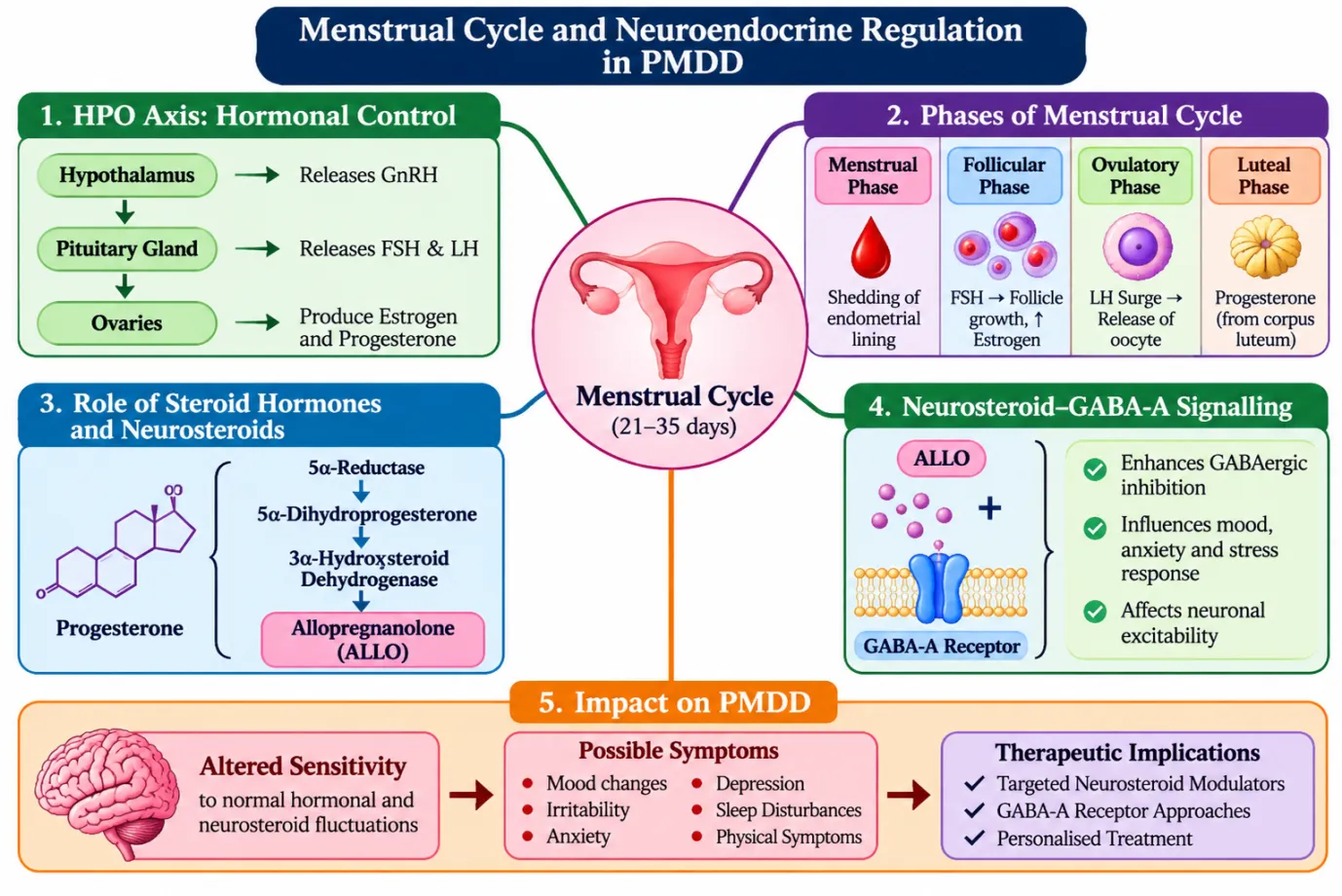
Figure 1: Schematic Representation of the Menstrual Cycle and Neurosteroid–GABA-A Signalling Pathway in Premenstrual Dysphoric Disorder (PMDD).
Neurosteroid in PMS and PMDD:
Neurosteroids are steroid chemicals that operate on the brain after being generated in peripheral tissues or manufactured within the central nervous system. Neuronal activity, emotion, anxiety, stress reactions, cognition, and behavior are all significantly influenced by them. Allopregnanolone (ALLO), a metabolite of progesterone, has drawn significant interest among the several neurosteroids in the pathophysiology of premenstrual syndrome (PMS) and premenstrual dysphoric disorder (PMDD).Progesterone is converted into allopregnanolone via an enzymatic two-step mechanism. First, the enzyme 5α-reductase transforms progesterone into 5α-dihydroprogesterone. 5α-dihydroprogesterone is then transformed into allopregnanolone by 3α-hydroxysteroid dehydrogenase. This neurosteroid enhances the inhibitory effects of GABA and controls neuronal excitability by acting as a strong positive allosteric modulator of gamma-aminobutyric acid type A (GABA-A) receptors.
Progesterone and allopregnanolone levels vary throughout the menstrual cycle, especially in the luteal phase. These variations typically take place in healthy people without causing noticeable changes in behavior or mood. On the other hand, people with PMDD might be less sensitive to variations in neurosteroid levels. Emotional symptoms like impatience, anxiety, depression, mood swings, and heightened stress response may be exacerbated by this aberrant sensitivity.Crucially, PMDD is not just linked to either excessive or insufficient synthesis of progesterone or allopregnanolone. There is evidence that the central nervous system's abnormal reaction to typical hormone changes could be a significant contributing element. The equilibrium between neuronal excitation and inhibition may be upset by modifications in GABA-A receptor sensitivity, receptor subunit composition, and neurosteroid-mediated regulation.
In addition to allopregnanolone, other neurosteroids that may affect neuronal signaling and emotional regulation include pregnanolone, dehydroepiandrosterone (DHEA), and its sulfated counterpart DHEA-S. Their chemical makeup, concentration, and interactions with various neurotransmitter receptors determine their effects. Allopregnanolone's role in PMS and PMDD is more well-established than that of these neurosteroids.The development of focused pharmaceutical strategies has also been aided by the connection between neurosteroids and GABA-A receptor signaling. For instance, the potential of sepranolone (isoallopregnanolone) to mitigate some of the effects of allopregnanolone has been studied. Instead of completely inhibiting the production of ovarian hormones, these methods seek to alter aberrant neurosteroid signaling. [10,11,17,18,19,20]
GABA-Receptor Biology:
The primary inhibitory neurotransmitter in the central nervous system, gamma-aminobutyric acid (GABA), is crucial for controlling behavioral processes, emotional reactions, anxiety, stress, and neuronal excitability. GABA-A and GABA-B receptors are the two main types of receptors that mediate its effects. Due to their direct modulation by neuroactive steroids like allopregnanolone, GABA-A receptors are particularly significant in the pathophysiology of premenstrual syndrome (PMS) and premenstrual dysphoric disorder (PMDD).Five protein subunits are grouped around a central pore to form GABA-A receptors, which are ligand-gated chloride ion channels. Although certain receptor populations also contain additional subunits, such as δ, these receptors are typically built from various combinations of α, β, and γ subunits.Receptor location, pharmacological characteristics, GABA sensitivity, and reactions to neurosteroids are all influenced by the makeup of these subunits. The chloride channel opens when GABA binds to the receptor, which often results in neural inhibition by decreasing the possibility of action potential production.Based on their location and functional characteristics, GABA-A receptors are often divided into synaptic and extrasynaptic receptors. Phasic inhibition is mainly mediated by synaptic GABA-A receptors after brief exposure to high GABA concentrations produced by presynaptic terminals. Conversely, extrasynaptic receptors—which often have δ subunits—respond to ambient GABA at low concentrations and help maintain tonic inhibition. The equilibrium between neuronal excitation and inhibition depends on both types of inhibition.Through allosteric binding sites, neurosteroids, especially allopregnanolone (ALLO), control the activation of GABA-A receptors. Neurosteroids do not require binding to the major GABA-binding site, in contrast to GABA. Rather, they improve GABA-mediated chloride ion channel function by interacting with specific locations on the receptor. While allopregnanolone can directly activate GABA-A receptors at greater concentrations, it usually increases GABAergic inhibition at relatively low concentrations. Its anxiolytic, sedative, anticonvulsant, and stress-modulating qualities are a result of these effects.In PMDD, the normal fluctuations of progesterone and allopregnanolone during the menstrual cycle may produce an altered neurobiological response in susceptible individuals. Research suggests that changes in GABA-A receptor sensitivity, subunit expression, and neurosteroid responsiveness may contribute to abnormal emotional regulation. In particular, the response to rising or declining allopregnanolone concentrations may differ in individuals with PMDD, potentially resulting in irritability, anxiety, depressive symptoms, and increased sensitivity to stress during the luteal phase.The interaction between neurosteroids and GABA-A receptors provides an important foundation for targeted pharmacological research. Sepranolone (isoallopregnanolone), an endogenous neurosteroid that has been investigated as a functional antagonist of certain allopregnanolone effects, represents one such therapeutic approach. This approach attempts to lessen premenstrual symptoms by altering neurosteroid-mediated GABA-A receptor activation without necessarily inhibiting the regular ovarian hormonal cycle. [11,14,15,22]
Neurosteroid–GABA-A Signaling in PMDD:
An essential neurobiological mechanism in the development of premenstrual dysphoric disorder (PMDD) involves neurosteroid–gamma-aminobutyric acid type A (GABA-A) receptor signaling. This system links changes in neural inhibition, emotional control, and stress responsiveness to variations in ovarian hormones. Allopregnanolone (ALLO), a metabolite of progesterone, is one of the several neurosteroids that is thought to be a primary regulator of GABA-A receptor function and has drawn a lot of interest in PMDD research.Progesterone levels rise after ovulation during the luteal phase of the menstrual cycle. 5α-reductase and 3α-hydroxysteroid dehydrogenase work sequentially to transform progesterone into allopregnanolone. Allopregnanolone increases the inhibitory effects of GABA by acting as a positive allosteric modulator of GABA-A receptors. This process helps regulate anxiety, stress reactions, sleep, and mental stability under normal physiological settings.
However, the central nervous system may react differently to typical variations in allopregnanolone concentrations in those with PMDD. PMDD is linked to heightened sensitivity to variations in ovarian steroid levels and their neuroactive metabolites, rather than being exclusively explained by aberrant hormone synthesis. During the premenstrual phase, altered GABA-A receptor responsiveness may disrupt inhibitory neurotransmission and contribute to mood instability, irritability, anxiety, and depressive symptoms.Changes in the composition and flexibility of GABA-A receptor subunits are one suggested mechanism. The expression and functional characteristics of receptor subunits, especially those implicated in tonic and phasic inhibition, may be impacted by variations in allopregnanolone. The balance between excitatory and inhibitory neurotransmission may be impacted by such alterations, which could alter how neurons react to GABA and neurosteroids.The specific receptor-level changes that cause PMDD are still being studied, though.
The paradoxical reaction to neurosteroids is another crucial factor. Even though allopregnanolone often has anxiolytic and inhibitory effects, in vulnerable people, variations in its concentration may be linked to symptoms of depression. Neurosteroid levels can change quickly, especially during the luteal phase and the menstrual transition. This can lead to alterations in emotional reactions and neural adaptability. This could help explain why, even if their ovarian hormone concentrations are within the normal physiological range, people with PMDD have severe psychological symptoms.Additionally, the neurosteroid–GABA-A signaling pathway has emerged as a key target for the creation of innovative pharmaceutical therapies. The potential of sepranolone (isoallopregnanolone) to mitigate some of the effects of allopregnanolone has been studied.Neurosteroid-targeted therapies seek to alter aberrant neurosteroid-mediated receptor responses, in contrast to traditional therapies that mainly affect serotonin signaling or inhibit ovarian hormone action. Modulation of neurosteroid production, metabolism, and GABA-A receptor sensitivity are other possible tactics. [10,12,13,16,19,43]
GABA-A Receptor Plasticity and Neurosteroid Sensitivity:
The ability of GABA-A receptors to change structurally and functionally in response to physiological circumstances, hormonal variations, and shifts in neuronal activity is known as GABA-A receptor plasticity. Receptor subunit composition, receptor expression, membrane trafficking, and modulator sensitivity may all be affected. The central nervous system is able to maintain a proper balance between neuronal excitement and inhibition thanks to this plasticity.GABA-A receptor function can be affected by changes in progesterone and its neuroactive metabolite allopregnanolone (ALLO) during the menstrual cycle. By acting as a positive allosteric modulator of GABA-A receptors, ALLO increases GABA's inhibitory effects. Receptor expression and function may adjust to repeated variations in ALLO concentrations. Changes in the distribution or number of receptor subunits, such as α4 and δ subunits, which are linked to modified receptor responsiveness, may be part of these adaptations.The GABA-A receptor system may react differently to typical hormonal changes in women with premenstrual dysphoric disorder (PMDD). Affected people may exhibit enhanced or atypical sensitivity to variations in neurosteroid levels instead of continuously having aberrant progesterone or ALLO concentrations. During the luteal phase, this changed sensitivity may be a factor in mood swings, irritability, anxiety, and heightened stress response.Neurosteroid sensitivity and receptor plasticity have a complicated relationship. It has been suggested that the paradoxical mood reactions seen in PMDD may be caused by changes in the composition and function of receptor subunits. Further investigation is necessary to elucidate the precise receptor-level changes in afflicted people.Gaining insight into GABA-A receptor plasticity could lead to the discovery of novel PMDD treatment strategies. To lessen the impact of increased neurosteroid sensitivity, treatments that target neurosteroid interactions with GABA-A receptors, such as sepranolone (isoallopregnanolone), are being researched. Based on the neurological underpinnings underlying PMDD, such techniques may offer prospects for more focused treatment. [11,15,16,28,29]
Interaction with Other Neurotransmitter Systems:
Numerous neurotransmitter systems involved in mood regulation, emotional processing, stress responses, and behavioral control interact with the neurosteroid–GABA-A signaling pathway. Premenstrual syndrome (PMS) and premenstrual dysphoric disorder (PMDD) may emerge as a result of these interactions, especially in those who exhibit heightened sensitivity to typical hormonal changes during the menstrual cycle.
1.The Serotonergic System:
Anxiety, appetite, sleep, mood, and emotional stability are all significantly influenced by serotonin (5-HT). PMDD has been linked to altered serotonergic function. By altering GABA-A receptor activation and neuronal excitability, neurosteroids like allopregnanolone may indirectly affect serotonergic neurotransmission. The role of serotonin in the pathophysiology of PMDD is further supported by the efficacy of selective serotonin reuptake inhibitors (SSRIs) in lowering symptoms.
2.The Dopaminergic System:
Dopamine has a role in reward processing, motivation, emotional control, and attention. Ovarian hormone fluctuations may have an impact on dopaminergic signaling and how it interacts with inhibitory GABAergic pathways. Symptoms including decreased motivation, exhaustion, trouble focusing, and altered emotional reactions could be caused by alterations in this equilibrium. Dopamine's exact role in PMDD is still being studied, though.
3.The Glutamatergic System:
In the central nervous system, glutamate is the primary excitatory neurotransmitter, while GABA mainly facilitates inhibitory signaling. Normal neural activity depends on the equilibrium between these systems. Glutamatergic neuronal activity may be indirectly impacted by neurosteroid-mediated improvement of GABA-A receptor function. In people with PMDD, alterations in this excitatory–inhibitory balance may have an impact on neuronal excitability, stress response, and emotional processing.
4.The Noradrenergic System:
Attention, arousal, alertness, and the body's reaction to stress are all influenced by noradrenaline. Anxiety, irritability, sleep problems, and stress sensitivity may be influenced by interactions between the noradrenergic and GABAergic pathways. Although there is little direct evidence in PMDD, altered inhibitory control of noradrenergic activity has been suggested as a potential contributory factor in premenstrual mood disorders.
5.The hypothalamic-pituitary-adrenal (HPA) axis:
Through the secretion of cortisol, adrenocorticotropic hormone, and corticotropin-releasing hormone, the HPA axis controls the body's reaction to stress. Neurosteroids like allopregnanolone and GABA-A receptor activation can affect neuronal circuits linked to stress. The control of stress responses may be impacted by altered neurosteroid sensitivity, which may also be a factor in PMDD emotional symptoms. [12,22,24,25]
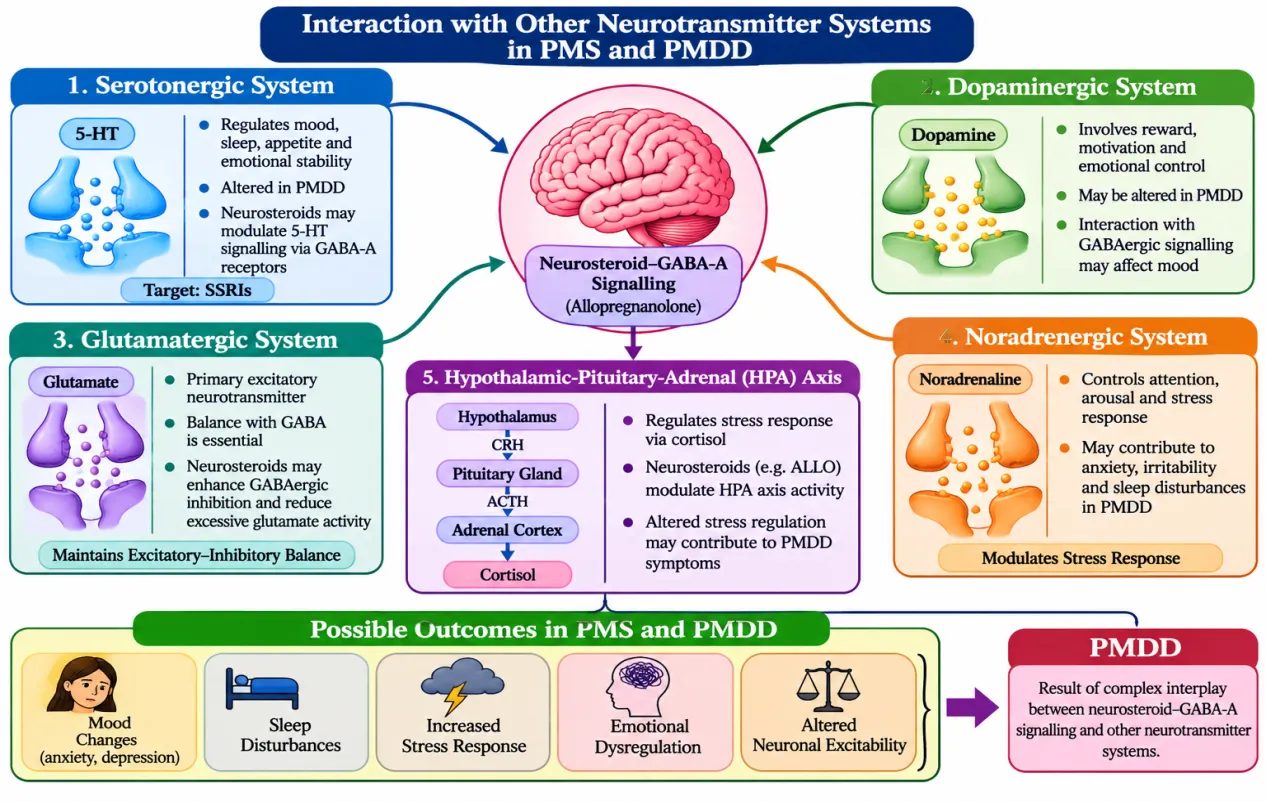
Figure 2: Interaction of Neurosteroid–GABA-A Signalling with Other Neurotransmitter Systems in PMS and PMDD.
Molecular and Genetic Mechanisms in PMDD:
Genetic predisposition, ovarian hormone variations, neurosteroid signaling, and changes in central nervous system function are all thought to interact in premenstrual dysphoric disorder (PMDD). Research indicates that genetic and epigenetic variables may affect an individual's sensitivity to typical hormone changes during the menstrual cycle, even though the precise molecular pathways are still unclear. 1.Genetic Vulnerability:
Individual variations in PMDD susceptibility may be influenced by genetic factors. Premenstrual symptoms may be influenced by differences in genes related to steroid hormone control, neurotransmitter signaling, and stress responses, according to studies. Nevertheless, there isn't a single genetic variation that has been proven to be the only cause of PMDD.
2.Signaling Via Estrogen and Progestrone Receptors:
Through their distinct intracellular receptors, estrogen and progesterone control a number of physiological processes. Gene expression and neuronal activity can be impacted by variations in ovarian hormone levels throughout the menstrual cycle. Changes in mood, emotional control, and stress sensitivity may be caused by abnormal reactions to these hormonal variations in people with PMDD. This implies that consistently aberrant circulating hormone concentrations may not be as significant as impaired sensitivity to hormonal signaling.
3.Enzyme Regulation and Neurosteroid Metabolism:
Through a series of enzymatic processes involving 5α-reductase and 3α-hydroxysteroid dehydrogenase (3α-HSD), progesterone is transformed into allopregnanolone (ALLO). Neurosteroid availability and production may be impacted by changes in these enzymes' activity or control. Changes in neurosteroid dynamics may impact GABA-A receptor regulation and exacerbate PMDD's emotional and behavioral symptoms. Further research is necessary to determine the precise role of these enzymatic pathways.
4.Regulation of Epigenetics:
Without altering the underlying DNA sequence, epigenetic processes such as DNA methylation, histone modifications, and non-coding RNA control can affect gene expression. Genes related to hormone responsiveness, neurotransmitter signaling, and stress control may be impacted by these processes. Certain epigenetic alterations have not yet been proven to be diagnostic indicators, and their possible relevance in PMDD is a developing field of study.
5.Molecular Alterations Associated with GABA-A Receptors:
The composition and functional characteristics of GABA-A receptors may be influenced by the genes that encode their subunits. Inhibitory neurotransmission may be altered by shifts in receptor expression, subunit distribution, or neurosteroid sensitivity. Although there is currently little direct genetic evidence connecting particular GABA-A receptor variations to PMDD, these pathways have been suggested as potential causes of increased neurosteroid sensitivity. 6.Neuroinflammatory and Stress-Response Pathways:
Individual reactions to physiological and psychological stress may be influenced by molecular mechanisms controlling the hypothalamic-pituitary-adrenal (HPA) axis. Neurosteroids may alter how neurons react to stress by interacting with brain circuits linked to stress. Furthermore, although its precise significance in PMDD is yet unknown, inflammatory signaling has been studied as a potential contributing component in mood-related illnesses. [12,13,24,26,29]
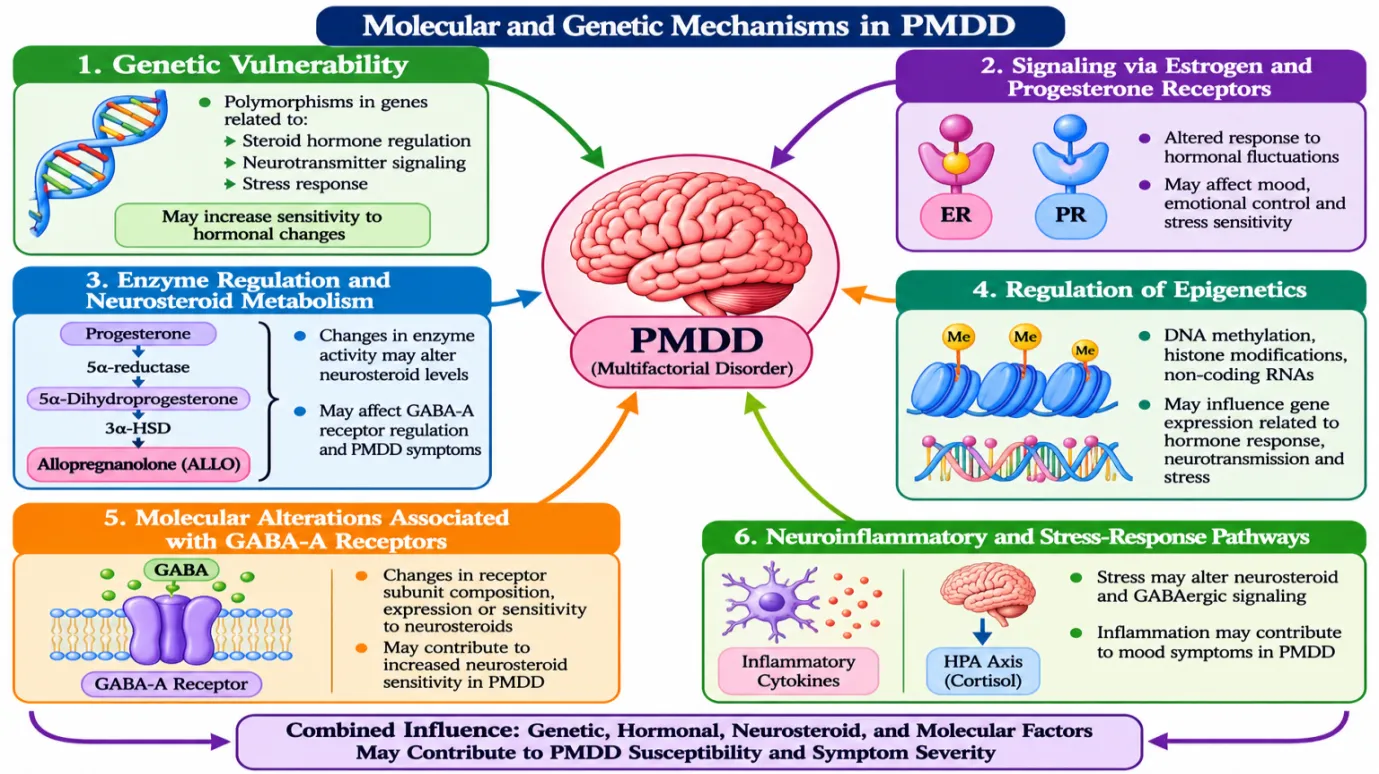
Figure 3: Molecular and Genetic Mechanisms Involved in PMDD.
Clinical Manifestations of PMS and PMDD:
Recurrent menstrual cycle-related physical, mental, and behavioral symptoms are the hallmark of premenstrual syndrome (PMS) and premenstrual dysphoric disorder (PMDD). These symptoms typically appear during the luteal phase, intensify prior to menstruation, and get better a few days after menstrual bleeding starts. Individual differences exist in the impact and intensity of symptoms.
1.Physical Signs: -Both PMS and PMDD frequently exhibit physical symptoms. They could consist of:Breast swelling and discomfort. -Bloating and fluid retention in the abdomen. -A migraine or headache. -Joint and muscle soreness. -Weariness and diminished vitality. -Appetite and food desires might change. -Insomnia and excessive drowsiness are examples of sleep disorders.Intestinal distress.
2. Symptoms of Emotion and Psychology: In PMDD, emotional symptoms are especially noticeable and can seriously disrupt day-to-day activities. Typical expressions consist of: -Anger and abrupt mood swings. -Excessive stress and anxiety. -Sadness and a depressed state of mind. -Frequent sobbing and emotional sensitivity. -Anger or interpersonal disputes have increased.Stress management is difficult. -A decrease of enthusiasm for daily tasks. -In extreme situations, feelings of despair.
3. Cognitive and Behavioral Symptoms Changes in behavior and cognition may have an impact on social interactions, professional functioning, and academic achievement. Among them are:
-Reduced concentration and difficulty focusing. -Reduced drive and output. -Social disengagement. -Sleep patterns have changed.A greater desire or a change in eating habits. -Decreased enthusiasm for both personal and professional pursuits. -Making decisions is difficult.
4. Differences Between PMS and PMDD
Although PMS and PMDD share several symptoms, they differ mainly in severity, symptom pattern, and functional impairment.
| Feature | PMS | PMDD |
|---|---|---|
| Symptom severity | Mild to moderate in many cases | Severe and potentially disabling |
| Emotional symptoms | May occur | Often prominent |
| Mood changes | Usually less intense | Marked mood instability |
| Physical symptoms | Common | May also occur |
| Daily functioning | Usually limited impairment | Significant impairment may occur |
| Diagnostic criteria | Clinical assessment of recurring premenstrual symptoms | At least five symptoms, including at least one core mood symptom |
| Impact on relationships | Variable | May cause substantial interpersonal difficulties |
5.Effect on Life Quality:
Physical comfort, emotional health, scholastic achievement, productivity at work, and interpersonal relationships can all be impacted by PMS and PMDD. Severe symptoms may make it difficult for a person to continue social interactions and daily activities. Significant psychological discomfort and, in certain situations, suicidal thoughts or sentiments might be brought on by PMDD. As a result, prompt action and adequate clinical evaluation are crucial. [1,3,6,7,42,44]
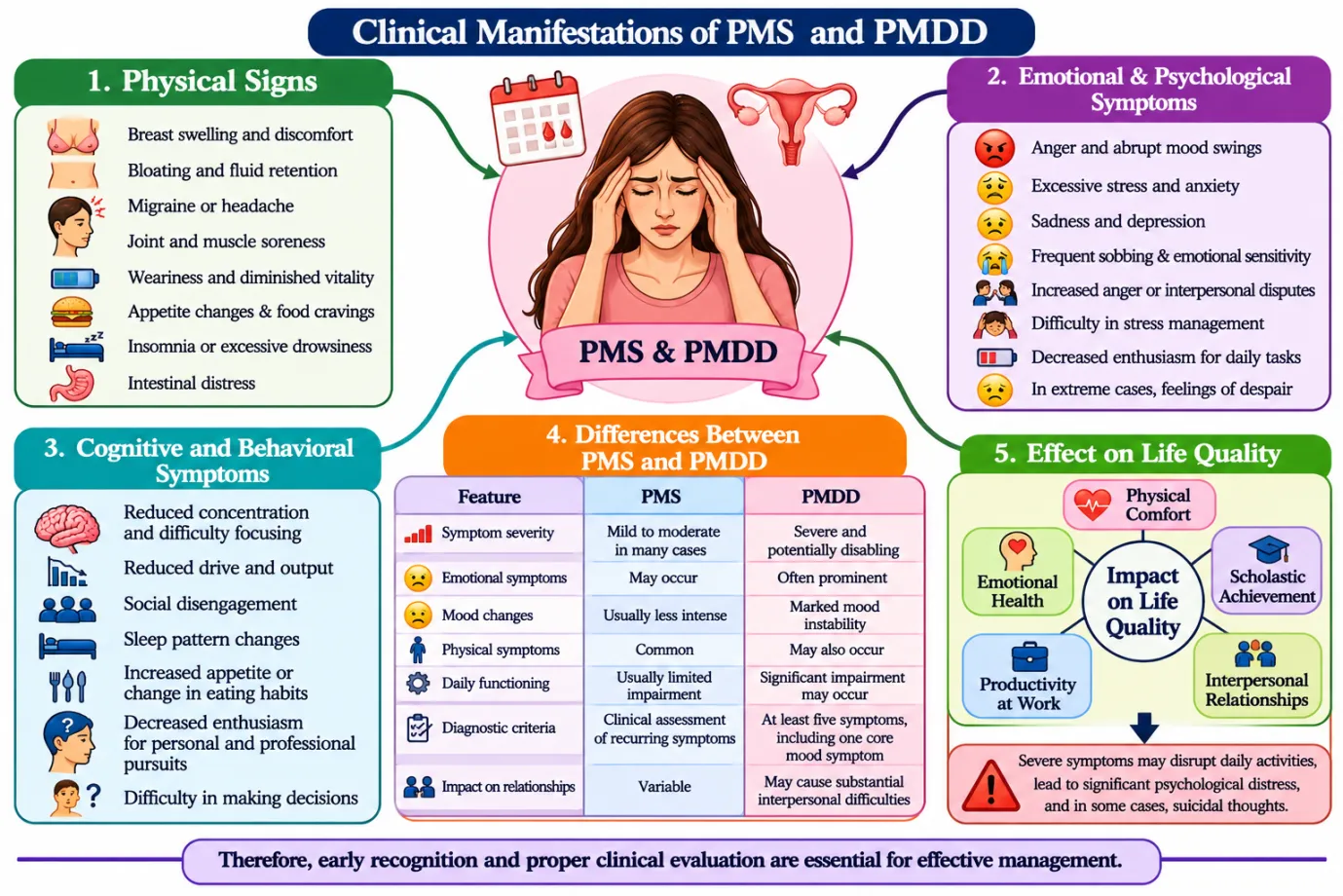
Figure 4: Clinical Manifestations of PMS and PMDD.
Diagnosis and Differential Diagnosis:
The main criteria used to diagnose premenstrual syndrome (PMS) and premenstrual dysphoric disorder (PMDD) include clinical evaluation, symptom patterns, severity, and how the symptoms relate to the menstrual cycle. As of right now, neither illness can be independently confirmed by a single laboratory test or biomarker. To differentiate these disorders from other medical and psychological conditions that may cause similar symptoms, an accurate diagnosis is crucial.
1.Clinical Evaluation:
Getting a thorough menstrual, medical, psychiatric, and pharmaceutical history is part of the clinical assessment process. The medical practitioner assesses the kind, frequency, duration, and intensity of behavioral, emotional, and physical symptoms. The question of whether symptoms start during the luteal phase and get better once menstruation starts is given special consideration.
2.PMS Diagnostic Criteria:
Physical, emotional, or behavioral symptoms that reoccur during the premenstrual phase are indicative of PMS. These signs ought to:-
-Take place in the days leading up to menstruation. -Improve soon after monthly bleeding starts. -During the postmenstrual phase, they become mild or nonexistent. -Recur during menstrual cycles.In clinically important circumstances, cause distress that is clinically meaningful or interfere with day-to-day activities.
3. PMDD Diagnostic criteria:
PMDD is a more severe type of premenstrual illness. The following characteristics are taken into account in accordance with the DSM-5-TR diagnostic criteria: The last week prior to menstruation must include at least five symptoms. -Significant mood swings, irritability or hostility, depression, or tension and anxiety must be present in at least one of the symptoms. -Within a few days of the start of the menstrual cycle, symptoms should lessen or disappear within the next week. -The symptoms must interfere with job, school, social activities, or relationships, or they must cause clinically substantial discomfort. -The disruption shouldn't be a worsening of another mental illness. -Prospective daily ratings should be used to validate symptoms across a minimum of two menstrual cycles.A tentative diagnosis may be taken into consideration prior to potential confirmation.
4. Tools for Monitoring and Assessing Symptoms: Because retrospective reporting may be impacted by memory and present emotional state, prospective symptom monitoring is a crucial component of PMDD diagnosis. Frequently employed evaluation techniques consist of: -A validated daily rating tool called the Daily Record of Severity of Problems (DRSP) is used to document the intensity of behavioral, physical, and emotional symptoms during the menstrual cycle. -Menstrual and Symptom Diary: Assists in determining the connection between various stages of the menstrual cycle and the incidence of symptoms. -Clinical Psychiatric Assessment: Assists in the evaluation of anxiety disorders, mood disorders, and other psychological illnesses that may be similar to PMDD.
5. Hormonal and Laboratory Studies: The diagnosis of PMS or PMDD cannot be established by a particular hormone concentration.
-Levels of progesterone, estrogen, and allopregnanolone are not frequently employed as biomarkers for diagnosis.
-However, when clinically necessary, specific tests may be carried out to rule out other illnesses. -These could consist of:Thyroid function tests are used to evaluate potential thyroid conditions. -When anemia is suspected, a complete blood count (CBC) should be performed. -Testing for pregnancy when clinically necessary.Further research based on the patient's medical history and symptoms.
6. Differential Diagnosis:
Cyclical premenstrual symptoms can be distinguished from diseases that last the entire menstrual cycle by using differential diagnosis. PMS and PMDD symptoms can be caused by a number of medical and psychological conditions.
| Condition | Similar clinical features | Distinguishing features |
|---|---|---|
| Major depressive disorder | Depressed mood, fatigue, sleep disturbances | Symptoms are generally not restricted to the premenstrual phase |
| Generalized anxiety disorder | Excessive worry, irritability, tension | Anxiety is usually persistent rather than limited to the luteal phase |
| Bipolar disorder | Mood changes, irritability, depression | May involve distinct episodes of mania, hypomania, or depression |
| Thyroid disorders | Fatigue, mood changes, sleep disturbances | May be associated with abnormal thyroid function |
| Polycystic ovary syndrome (PCOS) | Menstrual irregularity and mood-related symptoms | Often associated with irregular ovulation and features of androgen excess |
| Endometriosis | Pelvic pain, abdominal discomfort, fatigue | Pain may be associated with menstruation and other phases of the cycle |
| Perimenopause | Mood changes, sleep disturbances, irregular menstruation | Associated with the menopausal transition and irregular hormonal fluctuations |
7. The Value of Precise Diagnosis: Precise diagnosis facilitates the choice of appropriate therapy approaches and helps avoid incorrect treatment. It's crucial to distinguish PMDD from other mood disorders since different treatment modalities may be used. A solid foundation for diagnosis and treatment is provided by prospective symptom collection, clinical assessment, and the exclusion of other illnesses [4,8,9,42,44].
Progesterone and Other Hormonal Approaches:
Premenstrual syndrome (PMS) and premenstrual dysphoric disorder (PMDD) have been treated using hormonal treatments since premenstrual symptoms are intimately linked to changes in ovarian hormones. These strategies seek to suppress ovulation, alter ovarian hormonal activity, or lessen the impact of cyclical hormonal fluctuations. However, not all hormonal therapies are advised for routine care, and the clinical efficacy of specific hormonal therapy varies.
1.ProgesteroneTreatment: A naturally occurring ovarian hormone, progesterone rises during the menstrual cycle's luteal phase. It is broken down into neuroactive steroids, such as allopregnanolone (ALLO), which affects the central nervous system's GABA-A receptor activation.Because premenstrual symptoms may be caused by hormonal shifts, progesterone supplementation has been studied as a therapy for PMS. However, clinical evidence has not consistently demonstrated that progesterone supplementation provides reliable symptom relief. Furthermore, progesterone administration may produce adverse effects such as breast tenderness, headache, dizziness, fatigue, and mood changes in some individuals.Therefore, progesterone is not considered an established first-line treatment for PMDD, and its routine use for this condition is not supported by strong clinical evidence.
2. Oral contraceptives in combination: A progestin and an estrogen are found in combined oral contraceptives (COCs). They alter the regular menstrual hormonal cycle and reduce ovulation. By reducing ovarian hormonal fluctuations, these preparations may improve certain premenstrual symptoms.For PMDD, formulations comprising ethinylestradiol and drospirenone have been investigated. Because of its progestogenic and antimineralocorticoid qualities, drospirenone may help lessen symptoms like bloating and fluid retention. In clinical trials, several preparations that include a 4-day hormone-free regimen and a 24-day active tablet have shown relief in PMDD symptoms.
3. Agonists of Gonadotropin-Releasing Hormone (GnRH): Leuprolide and other GnRH agonists reduce pituitary gonadotropin production following an initial stimulatory phase. This results in a reversible condition of ovarian suppression and decreases the production of progesterone and estrogen in the ovaries.In certain patients with severe PMDD who do not respond well to traditional treatments, they might be taken into consideration. GnRH agonists can lessen cyclical hormonal changes and related symptoms by inhibiting ovarian function.
4. Estrogen Treatment: In order to inhibit ovarian activity and lessen hormonal swings linked to premenstrual symptoms, estrogen treatment has been studied. Transdermal estrogen may be used to reduce ovulation and alleviate discomfort in some situations.An suitable progestogen is typically needed to protect the endometrium from excessive estrogen stimulation when systemic estrogen is given to those with an intact uterus. Because hormone add-back may occasionally reintroduce premenstrual symptoms in vulnerable individuals, the dosage and treatment regimen necessitate close physician management.
5. Modulators of Progesterone Receptors Compounds that alter progesterone receptor activity are known as progesterone receptor modulators. The possible role of ulipristal acetate, a selective progesterone receptor modulator, in PMDD has been studied.This strategy is predicated on the idea that premenstrual symptoms are caused by progesterone-related signaling. These substances may affect the biological reactions linked to variations in ovarian hormones by altering progesterone receptor function. However, ulipristal acetate is not a recognized, approved treatment for PMDD; rather, it is still an experimental strategy.
6. Hormonal Approaches' Limitations: While some people may benefit from hormone treatments, their efficacy and tolerance differ. Significant restrictions consist of: • Individual reactions to hormone suppression vary. • Progestogens may have negative consequences relating to mood. • Prolonged ovarian suppression increases the risk of decreased bone mineral density. • Possible thromboembolic and cardiovascular hazards associated with some preparations containing estrogen. • Appropriate patient selection and medical supervision are necessary. • There is little evidence to support several experimental hormonal strategies [1,2,9,21,23,33–37].
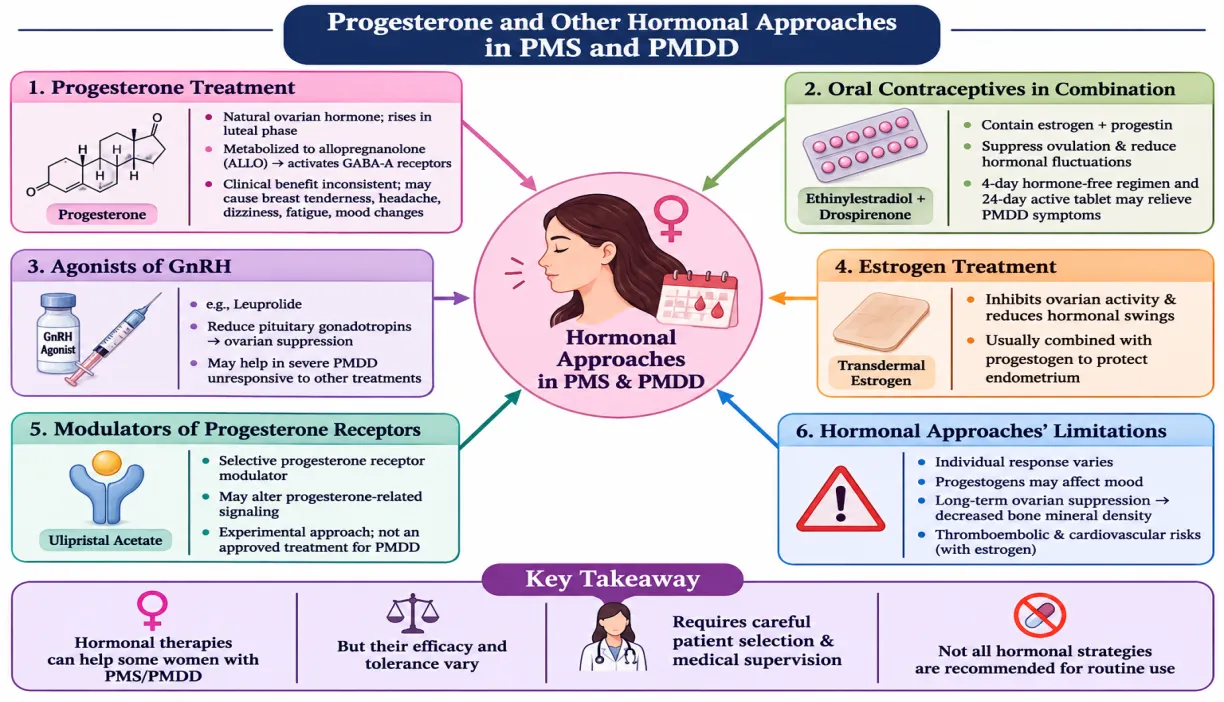
Figure 5: Progesterone and Other Hormonal Approaches in PMS and PMDD
Targeted Neurosteroid-Based Pharmacotherapy:
One new treatment option for premenstrual dysphoric disorder (PMDD) is targeted neurosteroid-based medication. These methods seek to alter neurosteroid signaling and its interaction with gamma-aminobutyric acid type A (GABA-A) receptors, in contrast to traditional therapies that mainly affect serotonin or ovarian hormone synthesis. Reducing aberrant reactions to typical hormonal changes, especially those involving allopregnanolone (ALLO), is the primary goal.
1.Isoallopregnanolone, or sepranolone: Isoallopregnanolone, another name for sepranolone, is an experimental neurosteroid-based medication being researched for PMDD. It is a stereoisomer of allopregnanolone, and its potential to mitigate some of ALLO's effects on GABA-A receptor-mediated neurotransmission has been studied.Sepranolone is regarded as a selective neurosteroid-modulating substance, in contrast to traditional GABA-A receptor antagonists. It may lessen the negative mood-related effects linked to increased neurosteroid sensitivity because it has been studied as a functional antagonist of allopregnanolone.Its potential to alleviate premenstrual symptoms, such as irritability, anxiety, and mood instability, has been assessed in clinical studies. Clinical results, however, have not made it a recognized standard treatment for PMDD. To ascertain its long-term effectiveness, ideal dosage, safety, and suitable patient population, more research is necessary.
2. Allopregnanolone Synthesis Modulation: Controlling the production of allopregnanolone is another focused treatment approach. Progesterone is converted into ALLO by a series of biochemical processes involving 5α-reductase and 3α-hydroxysteroid dehydrogenase. Changing these enzymatic pathways could affect ALLO availability in the central nervous system and possibly lessen aberrant neurosteroid-related signaling. Directly blocking neurosteroid synthesis, however, may also disrupt their regular physiological processes, including as sleep, stress management, and neural inhibition. As a result, this strategy necessitates a thorough assessment of its therapeutic advantages and safety.
3. Control of the Metabolism of Neurosteroids: Another possible pharmaceutical target is neurosteroid metabolism. The concentration and duration of effect of ALLO in the brain may be affected by modifications in its conversion and clearance. More constant GABA-A receptor activity may be maintained by therapeutic strategies targeted at altering neurosteroid metabolism.However, it is still unclear exactly which biochemical anomalies cause PMDD. As a result, medications that target these pathways are still being researched rather than being a proven clinical treatment.
4. GABA-A Receptor-Based Treatment Strategies Because they mediate allopregnanolone's inhibitory effects in the central nervous system, GABA-A receptors are significant targets. Abnormal reactions to neurosteroid variations in PMDD may be caused by altered receptor sensitivity or adaptive changes in receptor subunit composition.Future treatment strategies might concentrate on maintaining regular GABAergic neurotransmission while specifically altering neurosteroid interactions with GABA-A receptors. These tactics may be able to lessen mood-related symptoms without causing extensive inhibition of neuronal activity or excessive drowsiness.
5. Potential for Future Therapy: A possible approach to creating mechanism-based therapies for PMDD is targeted neurosteroid-based medication. Future studies could concentrate on: • Creating safer, more selective neurosteroid modulators. • Determining which patients might profit from medication that targets neurosteroids. • Recognizing the connection between GABA-A receptor sensitivity and ALLO variations. • Examining the best time to start treatment in respect to the menstrual cycle. • Assessing symptom recurrence, tolerance, and long-term effectiveness [27,30,31,32,43].
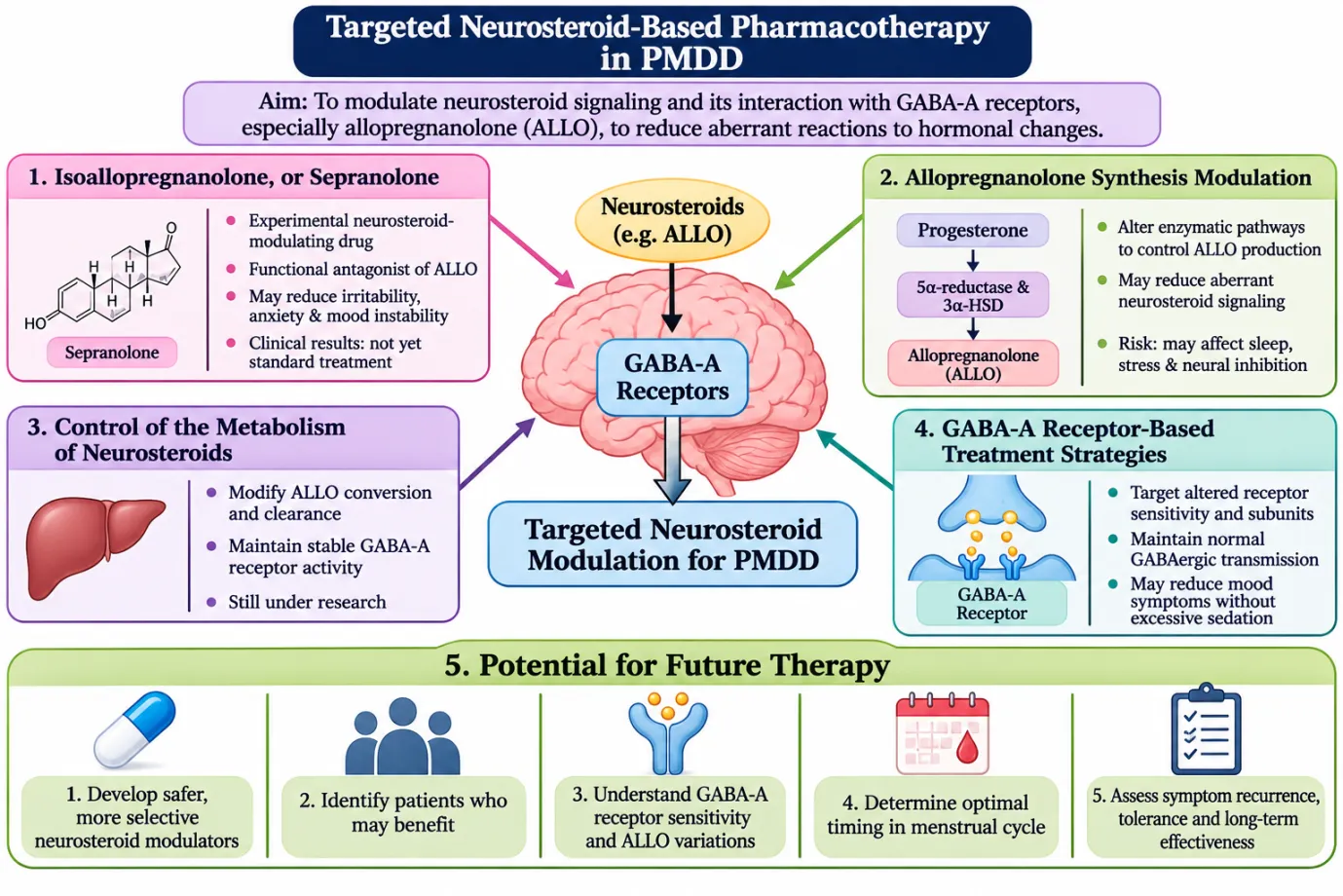
Figure 6: Targeted Neurosteroid-Based Pharmacotherapy in PMDD
Emerging Targeted Therapies:
Premenstrual dysphoric disorder (PMDD) has emerging tailored medicines that target particular molecular, hormonal, and neurological pathways. While more recent methods seek to alter neurosteroid signaling, GABA-A receptor function, and individual sensitivity to hormonal variations, conventional treatments mostly work through serotonergic pathways or reduction of ovarian hormone activity. These approaches are being researched and could eventually lead to more individualized care.
1. Modulators of Neurosteroid Receptors: One significant area of therapeutic research in PMDD is neurosteroid receptor regulation. As a positive allosteric modulator of GABA-A receptors, allopregnanolone (ALLO) affects neuronal inhibition. In those who are vulnerable, altered sensitivity to ALLO may be a factor in mood-related disorders. Sepranolone, also known as isoallopregnanolone, has been studied as a neurosteroid modulator that might mitigate some of ALLO's effects. This strategy seeks to control neurosteroid-mediated signaling without directly inhibiting ovarian hormone synthesis. To determine its therapeutic efficacy and safety, more clinical research is needed.
2. GABA-A Receptor Selective Modulation: Another possible therapeutic approach is the selective modification of GABA-A receptor function. The response to neurosteroids during the menstrual cycle may be influenced by variations in receptor sensitivity and subunit composition. It may be possible to restore normal inhibitory signaling and lessen emotional symptoms by creating substances that specifically alter neurosteroid interactions with GABA-A receptors.
3. Modulators of Progesterone Receptors: Because progesterone metabolism leads to the production of neuroactive hormones involved in PMDD, progesterone receptor modulators are being studied. By altering progesterone-related signaling, ulipristal acetate, a selective progesterone receptor modulator, has been investigated for its potential to lessen premenstrual symptoms. This method works mostly through progesterone receptors and ovarian hormonal pathways, which sets it apart from direct GABA-A receptor regulation. Its clinical significance in PMDD is still under investigation, and more data is required to determine its effectiveness, safety, and long-term appropriateness.
4. Modification of the Synthesis and Metabolism of Neurosteroids: Progesterone is converted to allopregnanolone by enzymes such 5α-reductase and 3α-hydroxysteroid dehydrogenase. By focusing on these enzymes, it would be possible to control the availability of neurosteroids and affect GABA-A receptor function.
5. Tailored and Biomarker-Based Therapy: Finding individual variations in hormonal sensitivity, neurosteroid metabolism, hereditary vulnerability, and neurotransmitter activity may be part of future therapy approaches. Patients who are more likely to respond to particular therapeutic measures may be identified with the use of biomarker-guided techniques. Research into molecular and neuroendocrine indicators may aid in the creation of tailored pharmacotherapy, even though there is presently no validated biomarker for routine PMDD diagnosis or treatment selection.
6. Prospects for Further Research: By treating certain biological systems rather than depending solely on traditional symptom-based treatment, emerging targeted treatments may enhance our understanding of and ability to manage PMDD. Among the crucial research priorities are: • The creation of specific neurosteroid modulators. • Research on medication targets unique to GABA-A receptor subunits. Progesterone receptor modulators are evaluated. • Control of the production and metabolism of neurosteroids. • Finding biomarkers that predict how well a treatment will work. • Long-term assessment of tolerance, safety, and effectiveness. [13,27,29–33,43]
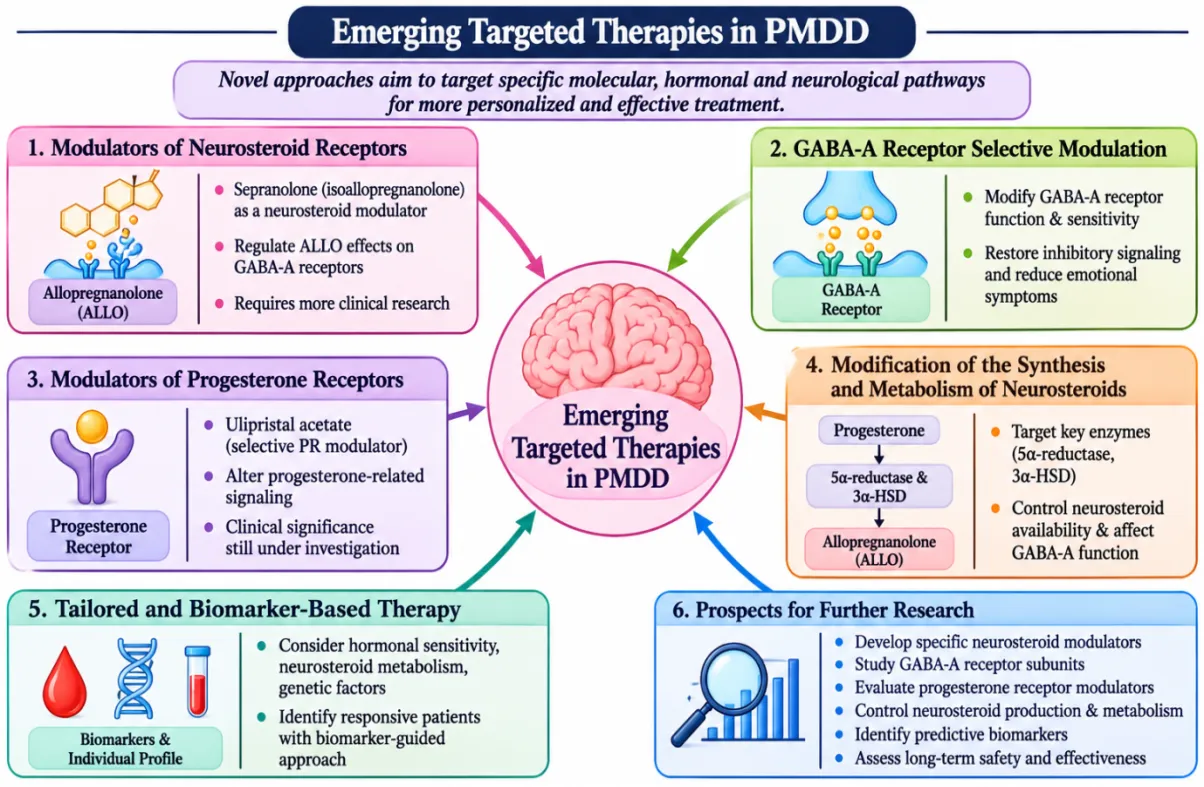
Figure 7: Targeted Therapies in Premenstrual Dysphoric Disorder (PMDD)
Safety, Adverse Effects and Treatment Limitations:
When managing premenstrual syndrome (PMS) and premenstrual dysphoric disorder (PMDD), the safety and tolerability of pharmaceutical therapies are crucial factors. There are a number of therapy alternatives, but each person's appropriateness, efficacy, and adverse-effect profiles are different. Different safety issues apply to conventional medicines such gonadotropin-releasing hormone (GnRH) agonists, hormonal contraceptives, and selective serotonin reuptake inhibitors (SSRIs). Before routine use of emerging neurosteroid-based therapies may be advised, more clinical evaluation is also necessary.
1. SSRI side effects: Because they can alleviate both physical and emotional symptoms, selective serotonin reuptake inhibitors are frequently used for PMDD. Nevertheless, they could have negative consequences, such as: • Digestive issues and nausea. • Dizziness and headache. • Sleepiness or insomnia. • Changes in appetite and fatigue. • Sexual dysfunction. • Sweating and anxiety have increased.
Each person has negative affects to varying degrees. While intermittent luteal-phase medication may be appropriate in certain situations under physician supervision, other patients may find it difficult to tolerate continuous treatment.
2. Hormonal Treatment Safety For some PMDD patients, hormonal contraceptives—especially those that contain drospirenone and ethinyl estradiol—may alleviate symptoms. Nonetheless, potential negative consequences consist of: • Breast soreness and nausea. • Mood swings and headaches. Menstrual bleeding that is irregular. • Retention of fluid.• Combining hormonal contraceptives increases the risk of venous thrombosis. Individual medical history and risk factors determine whether hormonal treatment is appropriate. People with a history of thromboembolic illnesses or certain cardiovascular conditions should use combined hormonal contraceptives with extra caution.
3. GnRH Agonists' Adverse Effects GnRH agonists inhibit the production of ovarian hormones and may be used in extreme situations where traditional therapy is insufficient. Long-term use, however, may result in a hypoestrogenic condition, which can cause: • Nite sweats and hot flushes. • A dry vagina. • A decrease in bone mineral density.• Problems with sleep. • Mood and sexual function changes. Some side effects, especially bone loss and vasomotor symptoms, may be lessened by add-back therapy using the right hormone combinations. Specialized monitoring is necessary for these procedures.
4. Safety Issues with Neurosteroid-Based Treatments: The goal of neurosteroid-based treatments is to alter GABA-A receptor signaling associated with allopregnanolone. The possible involvement of sepranolone (isoallopregnanolone) in PMDD has been studied. However, more proof of its safety and therapeutic efficacy is needed in clinical trials with sufficient power. Neurosteroid-targeted therapies may raise the following issues: • Potential consequences for alertness and sleep. • Modifications in anxiety and mood control. • Unexpected consequences for regular GABAergic transmission. • Uncertainty about long-term security.• Insufficient data regarding the ideal dosage and length of treatment. Because the adverse-effect profile of investigational neurosteroid treatments is not yet sufficiently established for routine clinical usage, these factors should be read with caution.
5. Drawbacks of Present Therapy Methods: The treatment of PMS and PMDD has significant limits even if there are numerous therapeutic approaches available: • Individual variability: Patients' responses to treatment vary greatly. • Inadequate symptom control: Despite receiving the right care, some people still have symptoms. • Side effects: Treatment adherence may be impacted by medication-related side effects. • Hormonal sensitivity: Not every patient will benefit from suppressing ovarian hormonal swings. • Limited targeted therapies: There is not enough data to support routine clinical use of neurosteroid-based medicines, thus they are still in the research stage. • Long-term safety: To fully comprehend the long-term advantages and hazards of more recent therapy techniques, more research is needed. • Diagnostic difficulties: The diagnosis and choice of treatment may be hampered by symptom overlap with other mental and physical disorders.
6. Future Safety Issues: Improving therapeutic selectivity, lowering side effects, and preserving normal physiological neurosteroid functions should be the key goals of future medication development. Appropriate dosage, treatment duration, reproductive safety, pharmacological interactions, and long-term acceptability should all be assessed in clinical trials. Finding patients who are most likely to benefit from targeted neurosteroid-based therapies should receive special emphasis [9,30,31,36,37,40].
Future Therapeutic Perspective:
It is anticipated that more specialized, individualized, and mechanism-based pharmaceutical treatments may be used in the future to treat premenstrual dysphoric disorder (PMDD). New therapeutic approaches may benefit from a better understanding of neurotransmitter connections, ovarian hormone sensitivity, neurosteroid–GABA-A signaling, and hereditary vulnerability. Instead of believing that aberrant circulating hormone concentrations are the cause of the condition, current research increasingly focuses on understanding why some people have severe symptoms in response to typical hormonal changes.The creation of specific neurosteroid modulators is a crucial topic for further study. The potential of sepranolone (isoallopregnanolone) to mitigate some of allopregnanolone's effects on GABA-A receptor-mediated neurotransmission has been studied. This strategy may lessen aberrant mood reactions linked to neurosteroids without directly reducing the synthesis of ovarian hormones.However, more research is required to ascertain sepranolone's effectiveness, ideal dosage, and long-term safety because clinical results have not yet established it as a conventional treatment for PMDD.The creation of treatments that target GABA-A receptor activity is another exciting avenue. PMDD may be caused by modifications in receptor subunit composition, receptor plasticity, and neurosteroid sensitivity. The creation of substances that specifically affect neurosteroid interactions with GABA-A receptors while maintaining regular inhibitory neurotransmission may benefit from a deeper comprehension of these mechanisms. The precise receptor changes that cause PMDD are still being studied, though.Potential therapeutic prospects may potentially arise from regulation of neurosteroid production and metabolism. Progesterone is converted to allopregnanolone by enzymes such 5α-reductase and 3α-hydroxysteroid dehydrogenase. Changing these pathways may affect the availability of neurosteroids and the GABA-A receptor activation that follows. However, significant disruption of neurosteroid synthesis may impact critical physiological processes such as neural inhibition, stress responses, and sleep regulation.Therefore, more research is needed to selectively modulate these pathways.
Another significant avenue for the future is personalized medication. PMDD exhibits significant diversity in clinical presentation, treatment response, and symptom severity. Investigations into molecular signaling, neurosteroid metabolism, hormonal sensitivity, and genetic vulnerability may help find biological markers linked to specific therapy outcomes. Future advancements may enable more individualized use of proven medications such selective serotonin reuptake inhibitors and hormone treatments, as well as experimental neurosteroid-based drugs, even if there is presently no validated biomarker for routine treatment selection.For patients who do not respond well to traditional treatment, combination therapy options may also be investigated. In certain situations, combining drugs that work through distinct mechanisms—such as hormone regulation and serotonergic modulation—may offer further advantages.Clinical research may also focus on combining neurosteroid-targeted medicines with well-established treatments. However, unless their effectiveness, safety, and possible drug interactions are sufficiently assessed, such combinations shouldn't be regarded as proven therapeutic approaches.PMDD management may be further enhanced by developments in digital health technologies and clinical research. Using digital menstrual diaries and established evaluation tools, prospective daily symptom recording can be used to track treatment responses, detect symptom patterns, and evaluate changes over the course of menstrual cycles. Long-term efficacy, reproductive safety, treatment scheduling, and identifying patients most likely to benefit from novel medicines should all be the focus of future clinical research [12,13,29–33,42,43].
CONCLUSION:
PMS and PMDD are complex menstrual cycle-related disorders in which sensitivity to ovarian hormone fluctuations and altered neurosteroid–GABA-A signaling may contribute to physical and emotional symptoms. Allopregnanolone is an important link between progesterone changes and inhibitory neurotransmission, while receptor plasticity and interactions with other neurotransmitter and stress-response systems may further influence symptom expression. Accurate diagnosis, including prospective symptom monitoring and exclusion of other conditions, is essential for appropriate management. SSRIs and selected hormonal treatments remain established therapeutic options, although variable responses and adverse effects limit their suitability for some individuals. Neurosteroid-targeted approaches, particularly sepranolone and strategies affecting GABA-A receptors or allopregnanolone metabolism, are promising but remain investigational. Future studies should clarify underlying mechanisms, identify reliable biomarkers, and assess treatment timing, effectiveness, reproductive safety, and long-term outcomes to support more selective, personalized clinical care. Digital symptom tracking may improve assessment and help evaluate individual treatment responses prospectively across successive menstrual cycles.
REFERENCES





Nivedita Patil, Mrunal Pendharkar, Neha Patil, Jayshri Chavan, Dr. Sunil Pawar, Recent Advances in Neurosteroid-GABA-A-Signaling and Targeted Pharmacotherapy of Premenstrual Dysphoric Disorder and Premenstrual Syndrome, Int. J. of Pharm. Sci., 2026, Vol 4, Issue 11, 5050-5070. https://doi.org/10.5281/zenodo.24549491
 10.5281/zenodo.24549491