

We use cookies to ensure our website works properly and to personalise your experience. Cookies policy
1Department of Pharmaceutics, Mewar University. Gangrar, Chittorgarh, Rajasthan-312901
2,3Faculty of Pharmaceutical Sciences, Mewar University. Gangrar, Chittorgarh, Rajasthan-312901
Background: Targeted drug delivery systems (TDDSs) are revolutionary systems that improve the efficacy and safety of?therapeutic agents in the field of pharmaceutical science. The goal of these systems is to enable drug delivery only to the target site in the body where it is required thus enhancing therapeutic outcomes?while avoiding unwanted systemic side effects. Action Mechanisms:?TDDSs facilitate site-specific drug release through different mechanisms such as bioconjugation and the utilization of nanoparticle technology. On the one hand, folate-targeted delivery takes advantage of the?overexpression of folate receptors on cancer cells to increase internalization of the therapeutic agents. Moreover, TDDSs can also be designed to respond to certain stimuli, such as pH, temperature, or even enzymatic activity, allowing?for controlled and prolonged drug liberation. Advantages Over Conventional Systems: TDDSs present certain benefits over conventional systems with the advantages of decreasing toxicity,?enhancing bioavailability, and increasing patient compliance. These systems enhance the therapeutic index and reduce dosing frequency by minimizing unwanted off-target?effects while maximizing drug concentration at the on-target site. Challenges and Future Directions: TDDS methodologies will likely lead to breakthroughs in drug delivery and therapy, opening up new opportunities in the healthcare domain. Current efforts are aimed at optimizing nanocarriers, employing intelligent delivery strategies, and enhancing personalized medicine?approaches. Innovations in TDDSs have the potential to extend the application of TDDSs into diverse therapeutic areas, ranging from cancer therapy to?vaccine development and gene delivery. Conclusion: The persistent progress of TDDSs is revolutionizing the modern medicine, providing more safe, effective, and highly specific therapeutic?strategies for a diversity of diseases.
Drug delivery (DD) denotes the approaches, formulations, technologies, and pro-cesses employed in moving a drug within an organism to obtain the desired therapeutic influence. 1 It includes the methods of administering the active substances to humans and animals to provide therapeutic efficacy. Smart drug delivery approaches focusing on drug delivery at the right time, dose, and place with high safety and efficiency have recently dominate the drug delivery systems (DDSs). 2 Recent years have seen significant attention on the novel DDSs (NDDSs) developments. Such systems can improve the therapeutic capabilities of novel and currently available drugs with localized, controlled, and sustained delivery while satisfying both actual and/or relative drug requirements. 1- DD is a developing area in pharmaceutical science. DDSs can be divided into five generations as shown in Table 1, and those based on targeted delivery are known as fourth generation. 3Generations of DDSs are shown in Figure 1. Sustained or controlled DDSs are also one of the hotspots in drug delivery, no-tably, with the goal of controlling and/or maintaining drug release, decreasing dose frequency, or improving the efficacy of drugs over conventional delivery over the past several decades. For example, the NDDS approach, with the modification of traditional drug-preparation and -delivery processes, bilayer tablets are prepared. Zero-order Rate front drug delivery Systems: Zero-Order Drug Delivery Systems consist of two identical or different drugs plugged in their own distinct dose for sequential release of the two drugs increasily and constant and fast release of the same drug, one as the loading dose and the others the maintenance dose. 4 Although these modifications in all types of traditional DD are considered a great improvement, there are still types of DDSs that need to be improved, including the delivery of poorly absorbed drug formulations, protein delivery, self-regulated insulin delivery, TDDSs, etc. The another advancement that can be achieved with nanotechnology based DSs is a targeted delivery to tumours. Nanoparticle (NP) based DD offers a chance force on trolled release of drug leading to enough time for higher responsive the drugs to act with enhanced therapeutic activity and respond through it to damage specific stimuli, like pH, light, heat, or enzymes. 6TDDSs are methods of delivering drugs to a location rather than the whole body or organ, and they combine various disciplines of science such as polymer science, pharmacology, bioconjugate chemistry, and molecular biology. In general, TDD is focused on the proper management and controlled delivery of the therapeutically active principles (the pharmaco-kinetics, pharmacodynamics, and specific toxicity and immuno-gentility) ? with the biorecognition of the therapeutic agents. 7 The ultimate aim is enhance the efficacy of therapy and reduce side effects. Unlike conventional or traditional DDSs, TDDSs gain site-specific release of drugs from a dosage form, while the latter relies heavily on drug absorption across biological membranes. 8
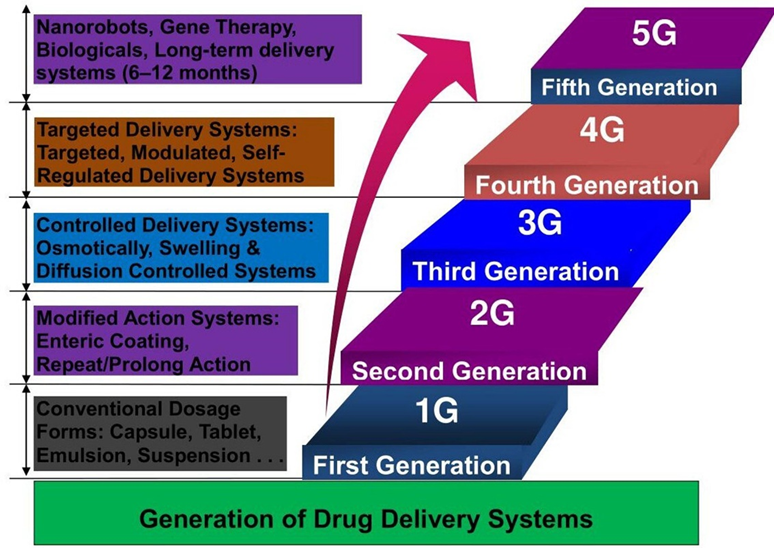
Figure 1 Generation of drug-delivery systems.
The Need for Targeted Drug Delivery:
Four reasons for TDD as opposed to conventional DSs is where conventional delivery of drugs fails in terms of their pharmacodynamic, pharmacokinetic, pharmaceutical, and pharmacotherapeutic features as shown in Fig 2. Targeting of drugs to a region via optimized DD methods is significant not only to increase therapeutic effectiveness but also to minimize dose-dependent toxicity associated with a narrow therapeutic index and relatively high doses. 15 To overcome these limitations and intrinsic disadvantages of conventional DDSs, targeting is required. Parenteral administration is very invasive, oral administration cannot be applied for protein- or peptide- derived drugs, and topical cream and ointment can only exert local actions [2], [3]. Moreover, efficacy of drug–target interactions is nullified unless drug delivery to its site of action is at a dose and rate that minimizes off-target effects and maximizes on-target effects. 8 Furthermore, streamlined drug-administration methods that use smaller amounts of drug, thus lowering therapeutic expenditures, as well as the potential to markedly elevate drug levels in target compartments without negative consequences in nontarget compartments, also are among the potential advantages of TDD. Drug targeting has been achieved with can enhance, modulation pharmacokinetics, controlled biodistribution, having more specificity of localization, reduced toxicity, less dose, and improved patient compliance. 8,16
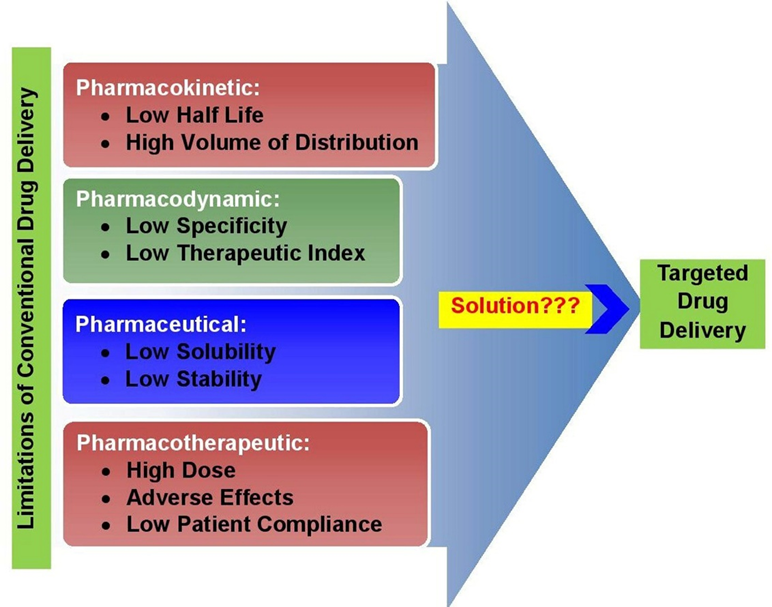
Figure 2 The need for targeted drug delivery.
Basic Principles and Applications of Targeted Drug-Delivery Systems:
An important principle of drug targeting is achieving high concentration of drug in the targeted site while maintaining the low concentration of drug to nontargeted region. This principle helps in maximizing the therapeutic action of the drug while minimizing its side effects caused by multitarget interactions, increasing dose, and concentration in nontarget tissues. 17 Furthermore, targeting also mitigates the interactions of the drug that are not desired with bioenvironmental factors that influence drug accessibility to targeted sites in the organism, as illustrated in Figure 3 Drug targeting involves concomitance of drug behaviour, site of targeting, and pharmaceutical carrier. The target is the specific organ, a cell, or group of cells suffering from chronic or acute condition that requires treatment and is going to interact with the drug. The carrier is a specially engineered molecule or system that is an essential element for effective transportation of the drug once loaded into the carrier to preselected sites. 19 In principle, the drug-targeting complex should be atoxic, nonimmunogenic and biochemically inert and should be biodegradable, biocompatible and physiochemically stable in vivo and in vitro. It should also exhibit a well-defined and controllable drug release profile, easy, reproducible and inexpensive fabrication and elimination from the body and contain lowest leakage of drug during transit. 16,20 To ensure the presence of these ideal characteristics, focus should be on designing drug products that are tailored to the properties of the target cells and the mode of transport carriers or vehicles transporting the drug to specific receptor(s). Such dictated para- meters are drug concentration, particulate site of action and distribution, molecule weight, physicochemical properties, enzymes, electric fields, physiological environment, nature/concentration of polymers/excipients, and surface morphology (shape, charge, size, and density) of the carrier system. Physiological features, including but not limited to blood perfusion for IV (intravenous) drug delivery, and tissue architecture, as well as physicochemical parameters (carrier geometry, avidity, composition, and functionalization) must be controlled to adequately target cells or tissue of interest. 21 Furthermore, relevant measures such as the clinical enhanced permeability and retention (EPR) effect, extravasation, and intratumorally distribution are other characteristics that influence effective tumor targeted treatment based on tumor heterogeneity and overexpression. 14 If those ideal proper- ties are met appropriately and the formulation factors are considered well enough, TDD may be applied potently in innovative nanomedicine and therapeutics. TDD can be utilized for treatment of many different chronic and infectious diseases, but cancerous tumors are its major application area owing to its superior microphage penetration and higher concentration at the infection site. Future directions for TDD for cancer therapy, as a vaccine adjuvant, ocular and brain delivery systems, DNA and oligonucleotide delivery systems, intracellular and systemic targeting, oral and transdermal delivery systems, enzyme immunoassays, and radio imaging. The outcomes associated with these applications are usually reported as reduced toxicity, improved uptake, increased systemic circulation, and improved bioavailability and drug action, enhanced immune response, improved drug absorption and permeation or improved drug retention or reduced washout [2]. 20
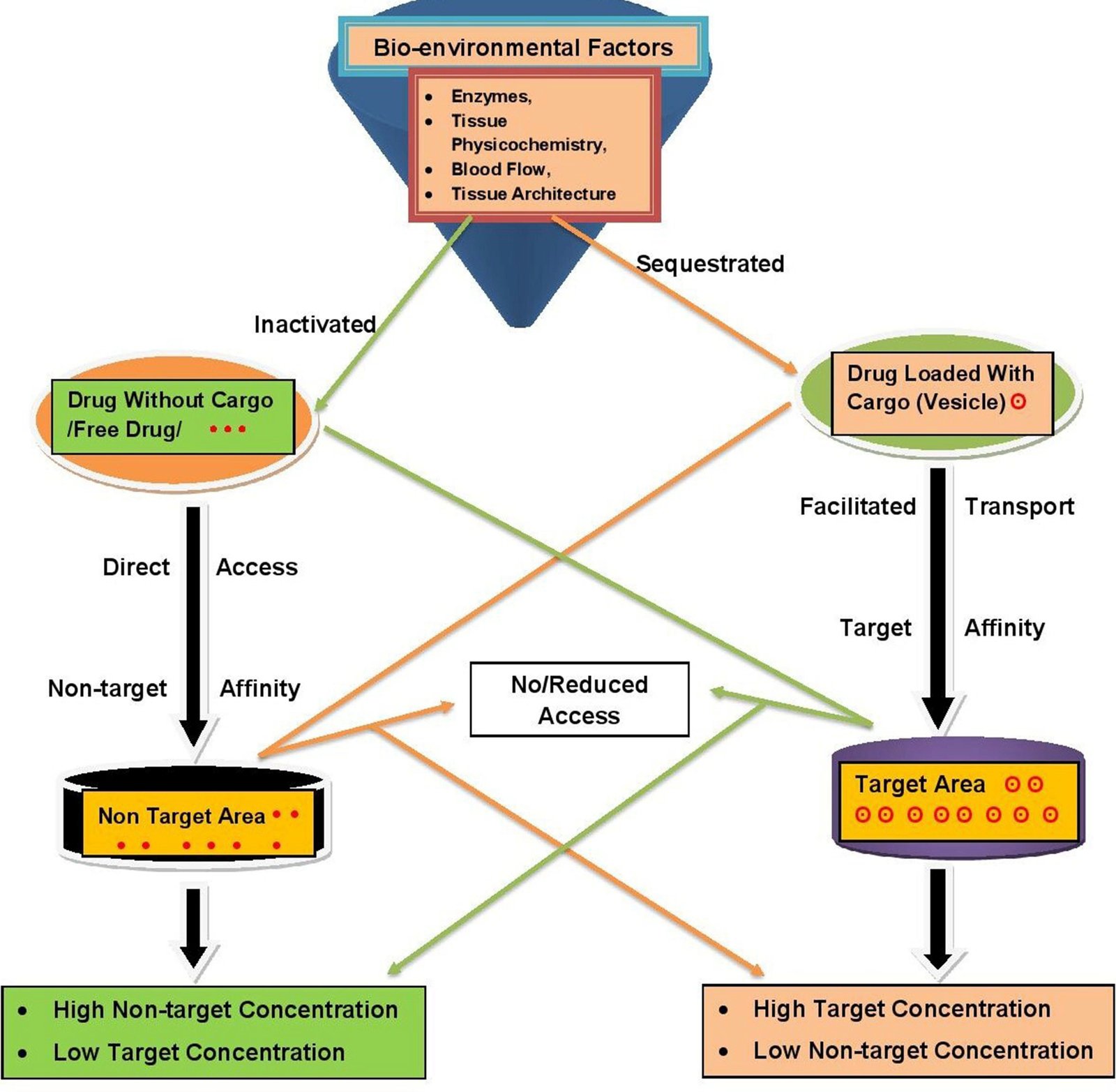
Figure 3 Principles of drug targeting.
Recent approaches
Quantam dots:
A quantum dot is a semiconductor nanostructure confined the movement in led conduction band electrons, and valence band holes, or excitons (bound pairs of conduction conduction band electrons and valence band holes) in 3 spatial directions. This confinement may arise from the electrostatic potentials created by external electrodes, structural doping, mechanical strain, or impurities, by a semiconductor interface (such as in core-shell nanocrystal systems), by a semiconductor surface (as in semiconductor nanocrystal), or by a combination of these. The optical properties of quantum dots in particular are very important since they have theoretically very high quantum yield. Tuning the size of quantum dots gives them several advantages for various applications and is one of the most hopeful the building block for solid-state quantum computation and diagnosis , drug delivery, Tissue engineering, catalysis, filtration as well as the textiles technologies.

Figure 4: Quantam dots
Transdermal Approach:
Transdermal drug delivery system medicaments are administered topically by using patches that deliver drugs systemically in a predetermined and controlled rate. Transdermal drug delivery deviceActive or passive, a transdermal drug delivery device provides an alternative route of administration of medication. These devices enable pharmaceuticals to penetrate the skin barrier. The mechanics of transdermal patches are theoretically simple. A drug in a relatively high dose is applied to the inside of a patch that is worn against the skin for an extended time. The drug, through a diffusion process directly enters the skin and into the blood stream. Due to high concentration on the patch and low concentration in blood, the drug will keep diffusing into the blood for much longer time period maintaining the constant concentration of drug in blood flow.
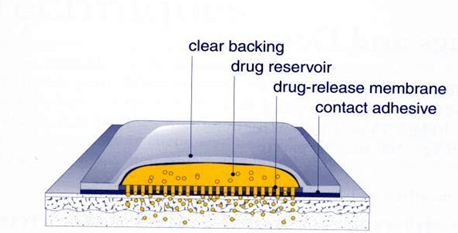
Figure 5: Transdermal Approach
Folate Targeting:
Folate targeting is a biological technique of drug delivery. This is the process of attaching the vitamin, folate (folic acid), to a molecule/drug to create a "folate conjugate". Folate-drug conjugates also tightly bind to the FR and facilitate endocytosis-mediated cellular internalization by virtue of the natural high-affinity interaction between folate and the FR, which is abundantly expressed on the surface of many human cancers. A wide range of molecules, which encompasses small radiodiagnostic imaging agents to large DNA plasmid formulations, has been successfully delivered into FR-positive cells and tissues. FA also has a high affinity for the folate receptor (FR), a glycosylphosphatidyinositol-linked protein that captures its ligands from the surrounding extracellular space and internalizes them into the cell through a non-destructive, recycling endosomal route. FR was already known as a tumor antigen/biomarker. This has led to the development of diagnostic and therapeutic approaches that exploit the FR’s functionality for cancer.
Brain targeted drug delivery system:
The brain is a sensitive organ, and evolution created extremely effective methods to safeguard it. Treatment of neurological disorders has its challenges, especially in relation to the delivery of drugs to the central nervous system (CNS). [21] drugs are either administered in directly to the CNS or given systematically (for example, IV injection) in order to act in target sensitive sites in CNS. Blood-brain barrier (BBB), which restricts the entry of drugs into brain tissue, is the most serious hindrance for CNS drug development. Recent advances in understanding the cell biology of the BBB have provided innovative pathways and opportunities for better drug delivery to the CNS; however,? there remains a ferment of ideas due to the growing number of novel technologies available to these ends. These various approaches for permeating the epithelial barrier have been exploited for manipulating the blood-brain barrier in CNS drug delivery, including osmotic and chemical opening of the blood-brain barrier and the use of transport/carrier systems. Bypassing the BBB is one of the other drug delivery strategies to cross the BBB. Different pharmacological agents have been employed to open the RRR and invasive procedures can deliver therapeutic agents into brain substance. Not only net delivery of the agent to the CNS, but also the access of the agent to the specific target site in the CNS is important to consider. Different routes of administration and drug-activator conjugations are also considered.
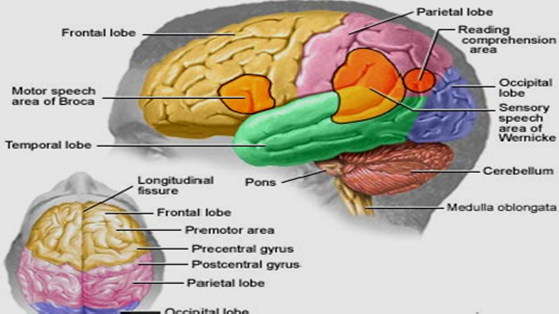
Figure 6: Brain targeted drug delivery system.
Liposomes:
They are vesicular concentric structures that can measure from a nanometre to several micrometres, containing a phospholipids bilayer and are biocompatible, biodegradable and non-immunogenic. Due to their versatility, liposomes have attracted considerable attention and had a wide impact on development of effective drugs in therapeutics.22 A number of drug classes, from antitumor agents to antiviral to antimicrobials to vaccines and gene therapeutics, have been made safer and more efficient with the aid of liposomes, which have recently been used in the drug to reduce toxicity and side effect. Liposomes provide numerous opportunities for the investigators to explore the unrecognized breakthrough in the field of pharmaceutical technology to fulfil the different problems of poor solubility, short half- life and poor bioavailability, serious side effect of various drugs especially in different disease paradigms like cancer etc.23

Figure 7: Liposomes for drug delivery
CONCLUSION
The cutting-edge developments in pharmaceutical science have led to the ever-growing evolution of targeted drug delivery systems (TDDSs), overcoming various limitations associated with traditional drug delivery approaches. At first, conventional drug delivery strategies were restricted by inadequate specificity, arraying systemic side effects and insufficient therapeutic effect. The formulation of TDDSs was targeted to address these drawbacks, with the aim of enhancing both localization and controlled release of the drug. Targeted drug delivery approaches have proven to substantially improve therapeutic efficacy by specifically delivering drugs to their site of action. Accurate site-targeting drug delivery is especially advantageous in chronic disease and cancer therapy, as it can significantly reduce side effects and enhance therapeutic efficacy through focused drug accumulation. Over this time, as TDDSs were developed, they helped reduces considering dose dependent toxicity, an important advancement in general, but particularly for narrower therapeutic indices. These systems have much lower systemic drug distribution and have thus helped defuse drug-related systemic toxicity risk by ensuring higher concentration at target the site and sparing healthy tissues from drug exposure. The applications of TDDSs have extended beyond oncology and led to their use in vaccine delivery, ocular therapy, and transdermal systems. Recent advances have realised intracellular targeting and realised intervention delivery using nanomedicine, adding to the breadth of what TDDSs can offer in contemporary therapy. Also, biodistribution and bioavailability have increased due to improvements in drug stability and absorption, so drugs have longer therapeutic effects while preventing frequent dosing. The ever evolving ecosystem of TDDSs will continue to be honed through research. New Frontiers of Drug Delivery : Integration of Nanotechnology, Bioconjugate Chemistry and Other Emerging Approaches Styles with these developments, we are poised to improve treatment outcome with decreased side effects an important step towards a future of more successful, patient-friendly therapies. In conclusion, the innovative advancements in targeted drug delivery systems have transformed the landscape of drug administration, and each stage of development has played a vital role in developing safer, more effective, and highly specific treatment modalities. Developments in this area will be critical to designing future technologies based on precision medicine.
CONSENT FOR PUBLICATION
Not Applicable
CONFLICTS OF INTEREST
The authors declare that there are no conflicts of interest, whether financial or otherwise.
ACKNOWLEDGEMENTS
The author is sincerely grateful to Mr. Pankaj Chasta, (Supervisor) And Dr. Peeyush Jain (Co- Supervisor) Department of pharmacy, Mewar University, Chittorgarh, Rajasthan for constant support and guidance during the review. They offered such thoughtful commentary and support, without which this work would not be possible. Also, shall the author thank Mewar University to provide its opportunity and resources which greatly helped in completing this project
REFERENCES


Parbati Kumari Shah*, Pankaj Chasta, Dr. Peeyush Jain, Review on Targeted Drug Delivery System, Int. J. of Pharm. Sci., 2025, Vol 3, Issue 3, 148-156. https://doi.org/10.5281/zenodo.14964795
 10.5281/zenodo.14964795