

We use cookies to ensure our website works properly and to personalise your experience. Cookies policy
Department of Pharmaceutical Chemistry, Priyadarshini J. L. College of Pharmacy, Electronic Zone Building, Hingna Road, Nagpur, Maharashtra, India 440016
Analytical chemistry plays a major role in the identification and measurement of chemicals in pharmaceutical formulations. Two active ingredients, rosuvastatin and clopidogrel, which treat dyslipidemias, lower the risk of atherosclerosis and heart disease, and belong to the P2Y12 ADP platelet receptor inhibitor class of medications, are synchronously estimated in a combined dosage form using a range of analytical techniques examined in this study. Detecting the active pharmaceutical components as well as contaminants and other chemical entities that always find their way into formulations for a variety of reasons is an exceptional analytical method. To ascertain the concentration of these medications in bulk and therapeutic dosage forms, this review emphasizes the employment of methods such as ultra-visible spectroscopy, High-Performance Thin-Layer Chromatography and High-Performance Liquid Chromatography. These methods undergo extensive Method Validation for qualities like accuracy, precision, specificity, and robustness in accordance with ICH Q2 (R1) requirements. The review focus on the various methodologies developed over the years to effectively analyze the combined drug formulations of Rosuvastatin and Clopidogrel as per the ICH guidelines. All things considered, the study shows how noteworthy developments in analytical techniques support continuous drug analysis improvement, assuring safer and more potent pharmaceutical formulations.
Cardiovascular diseases include both heart disease and stroke. Heart disease is the main cause of death for both men and women. Your blood vessels and heart are impacted by these illnesses. An inadequate blood supply to the brain causes a stroke. This occurs as a result of clogged or burst blood arteries that supply the brain. These medications are known to lower low-density lipoprotein cholesterol levels without sacrificing safety, which brings about the required pharmaceutical outcome. Consequently, statin drugs are commonly recommended to reduce cholesterol levels in the low-density lipoprotein (LDL) in the circulation cholesterol.[1]
Rosuvastatin belong to a class called statin. Dyslipidemia is treated with this specific and HMG-CoA reductase competitive inhibitor. It is chemically (E)-(3R,5S)-7-{4-(4-fluorophenyl) 6-isopropyl-2{methyl (methyl sulphonyl amino)] pyrimidin5-yl}-3,5 dihydroxyhepten -6-oic acid with empirical formula C22H28FN3O6S and molar mass of 481.54 g/mol. [2] In the treatment of hyper lipidaemias, it raises levels of high-density lipoprotein while decreasing levels of low-density lipoprotein, apolipoprotein B, and triglycerides in the blood. Rosuvastatin is recognized for having a strong ability to reduce LDL cholesterol levels. Rosuvastatin is a key component in lowering the risk of cardiovascular events in addition to lowering cholesterol, as clinical trials have shown. Regarding the control of cholesterol and cardiovascular health, rosuvastatin offers outstanding assistance. [3]
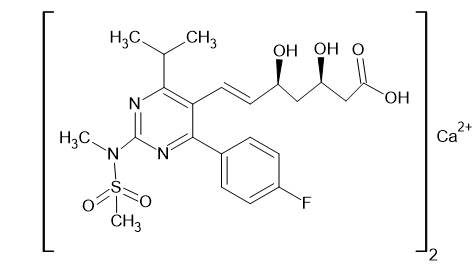
Figure 1: Molecular Structure of Rosuvastatin Calcium
Strategies for preparing samples:
Methanol (MeOH) is a common solvent used in spectrophotometry to establish standard and test arrangement series. A C18 analytical column is commonly used as the stationary phase in HPLC with UV detection techniques, along with methanol and/or acetonitrile (ACN) as the organic solvent and water with a pH 3.0 buffer. The majority of mobile phases in HPTLC are a mixture of methanol, toluene, and n-butanol. To test the responsiveness of the developed strategy, the LCMS/MS procedure was carried out using a mobile phase made up of water containing volatile components, such as ammonium acetate and formic acid, and MeOH/ACN as the organic solvent. The C18 analytical column was used as the stationary phase in the great majority of the investigations in various courses.[4]
ANALYTICAL METHOD
1. SPECTROPHOTOMETRY
1.1 Gandla Kumaraswamy, Repeudi Lalitha, K. Vijayaprakash reported the study developed and validated a UV-spectrophotometric method in order to estimate simultaneously of tablet quantities of aspirin, rosuvastatin calcium form. The method used 0.1N NaoH solvent, with λmax of 232 nm and 222 nm respectively. The method was validated statistically and by recovery The method was validated statistically and by recovery studies. Percentage Assay and Recovery were found to be 95-105% with LOD and LOQ ranges of 0.177 and 0.539µg/mL and .298 and 0.903µg/mL for Rosuvastatin Calcium and Aspirin respectively.[5]
1.2 Alka Gupta, P. Mishra and K. Shah presented the results of a straightforward UV spectrophotometric analysis of RS devised. Rosuvastatin's apparent molar absorptivity in methanol is 7.2345 x10⁴ L/mol.cm, with peak absorption at 244 nm. It was discovered that Beer's rule was followed in the concentration range of 2–18 µg/ml. The technique is economical, accurate, and exact.[6]
2. CHROMATOGRAPHY
2.1 HPLC
2.1.1 Chirag B. Pandya, K.P. Channabasavaraj, Jaydeep D. Chudasama and T.T. Mani reported a reverse phase high performance liquid chromatographic (RP-HPLC) method was developed to estimate rosuvastatin calcium in pharmaceutical dosage forms. A Thermohypersil phase C18 in reverse, 5 µm column with in gradient mode4.6 x 100 mm i.d. was employed, and the mobile phase contained HPLC-grade acetonitrile: the potassium dihydrogen orthophosphate (pH 3, 50:50 v/v). At a 0.5 ml flow rate per minute, the effluents were observed at a wavelength of 243 nm. The chromatogram displayed the primary peak of Rosuvastatin at 3.333 ± 0.004 minutes of retention time.[7]
2.1.2 Hasumati A. Raj, Sadhana J. Rajput, Jayant B. Dave and Chaggan N. Patel reported the two brand-new, straightforward, sensitive, and precise stability-indication techniques were created for the quantitative assessment of rosuvastatin in the presence of its degradation products in raw material. The first is a High-Performance Liquid Chromatography (HPLC) method in which separation was achieved on Phenomenex C18 column (250 mm, i.e. 4.6 mm, 5 µm) using acetonitrile: 0.5 % formic acid (50 + 50, v/v) as the mobile phase at a flow rate of 1.0 mL/min at ambient temperature (22 – 27 °C) with ultraviolet detection at 248 nm over a concentration range of 5 – 300 µg/ml with mean recovery of 99.51 – 100.66 %.[8]
2.1.3 Seetharaman Rathinam, Lakshmi Karunanidhi Santhana reported the prime focus of the existing study was to develop analytical quality by design aided stability indicating green high performance liquid chromatography (HPLC) procedure for calculating the amount of rosuvastatin calcium (RC) in a tablet dosage. The study used a ZorbaxC18 column with 0.5% v/v ethanol and acetic acid to optimize chromatographic separation using a rotating central composite design. The technique included photodiode array detection at 246 nm and components of a mobile phase flowing at 0.978 ml/minute.[9]
2.1.4 Mohammed Ishaq Beludari, Karanam Vanitha Prakash b, Ghanta Krishna Mohan reported the RP-HPLC method is used to estimate Rosuvastatin and Ezetimibe from their combined tablet dosage form. The method uses a reverse phase column using Water’s C18 250 4.6 mm, 5m column maintained at an ambient temperature and an optimum mobile phase consisted of Acetonitrile: water: 0.02 M phosphate buffer pH 8 (40:10:50 v/v). Validated according to ICH guidelines, linearity was achieved in concentration ranges of 30-90 mg mL1 and mean percent recovery ranged from 98% to 100%.[10]
2.2 HPTLC
2.2.1 Pallavi H. Tank, K reported rosuvastatin calcium and aspirin dosage form simultaneous estimation using the HPTLC method, which was developed and validated. ASP and ROSU in capsule dose form were estimated using a verified thin-layer liquid chromatography with high performance (HPTLC) method. Using a combination of n-Hexane and TLC, components were separated on a precoated silica gel 60 F254. Ethyl acetate: Acetone Using formic acid as a mobile phase (6:3:1:0.2 v/v). Spots were found at 240 nm for both aspirin and rosuvastatin calcium.[11]
2.2.2 Dipak R Supe, Padmanabh B. Deshpande, Saurabh Jadhav and Sandeep Swami reported the study presents a high-performance thin layer chromatographic method (HPTLC) for estimating Rosuvastatin calcium in tablet dosage form. Best chromatographic separation was achieved with use of Silica gel for 60 F254 precoated aluminum plates as stationary phase with a blend of methanol, ethyl acetate, and toluene (2: 3: 5, v/v/v) as mobile phase. It demonstrated linearity over a concentration range of 500-2500 ng band.[12]
2. CLOPIDOGREL BISULPHATE: A REVIEW OF ANALYTICAL METHODS
Clopidogrel is a thienopyridine class antiplatelet agent, chemically Methyl 2-(2- Chlorophenyl) -2-(6, 7-dihydro thieno [3, 2-C] Pyridine-5(4H)-yl) Acetate sulphate with empirical formula C16H18ClNO6S2 and molar mass of 419.9 g/mol. It is an Anti-platelet agent as an ADP receptor blocker mainly to provide acute coronary syndrome treatment to patients, myocardial infarction (MI), peripheral vascular disease and some stroke (Ischemic type) patients. It is an irreversible inhibitor of P2Y12, an adenosine diphosphate ADP chemoreceptor1. By preventing activation of the glycoprotein IIb/IIIa pathway, inhibiting this receptor will prevent platelet aggregation.[13]
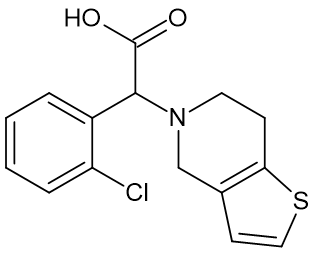
Figure 2: Molecular Structure of Clopidogrel Bisulfate
ANALYTICAL METHODS
3. SPECTROPHOTOMETRY
3.1 Laxmileena D. Patil, Sachin V. Gudi, reported the two UV-spectrophotometric Techniques for the simultaneous measurement of clopidogrel bisulfate and amlodipine besylate in tablet dose form have been developed. The wavelengths chosen for AB and CPS, respectively, are 360 and 270 nm. The simultaneous equation approach is method (I). Using Beer's law and the absorption maxima of amlodipine besylate at 360 nm and the iso absorptive point at 329 nm, Method (II) is the absorbance ratio method. It is based on the calculation of the graphical absorbance ratio at two chosen wavelengths.[14]
3.2 Pravin Cholke, S. Z. Chemate reported the family of ADP P2Y12 platelet receptor inhibitors include clopidogrel bisulfate. Developing a straightforward, sensitive, economical, accurate, precise, and quick UV spectrophotometric technique for estimating clopidogrel bisulfate in its unadulterated state and its compositions was the goal of this work. Clopidogrel bisulfate was quantified using triple distilled water with a pH of 1 as the solvent as an alternative to acetonitrile, and the detecting wavelength was 222 nanometers. To determine the total drug concentration, the proposed approach was applied to commercially available clopidogrel bisulfate tablet formulations.[15]
3.3 Kajal, Meenu, Praveen Kumar reported the “UV-Visible Spectrophotometric Method Development and Validation of Assay of Clopidogrel Tablet Formulation”. A spectrophotometric estimate technique in the UV region that is safe, robust, accurate, precise, and sensitive has been developed for the Clopidogrel assay. 0.1N ethanolic HCl was used to design and validate the procedure, and spectrophotometric estimations reveal negligible interference. Using RSD and %RSD, all of the ICH Q2R1 parameters for the analytical process and validation were carried out and statistically validated.[16]
4. CHROMATOGRAPHY
4.1 HPLC
4.1.1 Mohamad Ammar Al?Khayat, reported the “Development and validation of rp?hplc method for analysis of clopidogrel in tablets”. To determine the amount of clopidogrel in tablets, the RP-HPLC method was created and verified. Isocratic chromatography was performed on a C18 column with acetonitrile?methanol?phosphate buffer 0.1M 80:10:10 (v/v/v) as mobile phase at a flow rate of 0.9 ml/min. UV detection was set at 240 nm. The accuracy, linearity, precision, selectivity, and robustness of the approach were all validated. All the parameter examined met the current recommendations of U.S.P (30) for analytical method validation. The method can be reliably used for routine quality control analysis and to determine the clopidogrel content of marketed tablets.[17]
4.1.2 Dr. U.C.Mashelkar reported the “A LCMS Compatible Stability Indicating HPLC Assay Method for Clopidogrel bisulphate”. The study presents Clopidogrel bisulfate can be quantitatively determined using an HPLC approach that indicates stability. Separation was achieved on a Inertsil C8 HPLC column using a mobile phase which consists of a mixture of 0.1 % trifluoroacetic acid (Solvent A) and acetonitrile (Solvent B). Studies on the degradation of Clopidogrel bisulfate were conducted on large samples. under the following conditions: oxidative (6% v/v hydrogen peroxide), neutral (water: acetonitrile combination 1:1), basic (0.1 N sodium hydroxide), acidic (0.5 N hydrochloric acid), thermal (105 °C), and photolytic (UV light -254 nm). Degradation was observed under various conditions, including hydrolysis that is neutral, basic, and acidic, as well as oxidative degradation.[18]
4.2 HPTLC
4.2.1 Jose Kurien reported the "A verified HPTLC technique for clopidogrel measurement in pharmaceutical dosage forms." The method makes use of aluminum and silica gel 60F-254 as the stationary phase, plates that have already been treated with hexane: The solvent system is methanol, chloroform, and ammonia (16:2:1.5:0.5, v/v/v/v). This system gave compact spot for Clopidogrel (Rf: 0.65 ± 0.02). Clopidogrel's densitometric analysis was carried out at 254 nm using the absorbance mode. The calibration plot's linear regression analysis results revealed a strong linear relationship throughout a concentration range of 1 – 10 µg spot-1. The method was validated for precision, robustness and recovery. The limit of detection and limit of quantification were 0.0786 and 0.785 µg spot-1, respectively.[19]
4.2.1 Purushotam K. Sinha, Mrinalini C. Damle reported the “A Validated Stability Indicating HPTLC Method for Determination of Aspirin and Clopidogrel Bisulfate in Combined Dosage Form”. Stability indicating according to International Council of Harmonization High Performance Thin Layer Chromatographic method of analysis for Aspirin and Clopidogrel bisulfate was developed, to resolve drugs response from that of their degradation products. Silica gel 60 F254 precoated TLC aluminum plates were used as the stationary phase in the procedure. The solvent system was composed of acetone and carbon tetrachloride (6: 2.4 v/v). Both drugs were subjected to stress test settings, which included oxidation, dry heat treatment, acid/alkali/neutral hydrolysis, and photodegradation.[20]
3. ROSUVASTATIN-CLOPIDOGREL COMBINATION: REVIEW ON ANALYTICAL METHODS
Rosuvastatin and Clopidogrel together are not recognized by any official pharmacopoeia. Clinically a combination is being used in the treatment of Acute coronary syndrome, Myocardial infraction, Stroke and Angina for better therapeutic effect. Low-density lipoprotein, or LDL, cholesterol levels are decreased and the body produces less cholesterol when rosuvastatin is taken. By preventing platelet aggregation, clopidogrel stops blood clots from forming. When combined, they aid in the management of blood clot risk and cholesterol levels.[21]
According to a review of the literature, different spectrophotometric, LCMS, and HPLC techniques have been described for determining the combined doses of rosuvastatin and clopidogrel in both pharmaceutical formulations and pure forms. Numerous other techniques, including spectrofluorometric analysis, HPTLC, capillary zone electrophoresis, and others, have also been documented for the identification of combination medication formulations. With the highest assay accuracy, the HPLC procedures continue to be the most dependable and unchallenged analytical instrument for the assessment of pharmaceutical drug compositions.[22]
Table 1: Rosuvastatin and Clopidogrel combination brands
|
Brand Name |
Amount of Rosuvastatin |
Amount of Clopidogrel |
|
Rosuwell CV |
10mg |
75mg |
|
Statpure-CV |
20mg |
75mg |
|
Conchole-C |
10mg |
75mg |
|
Rosuvas-CV |
10mg |
75mg |
|
Rozatoss |
10mg |
75mg |
|
Crevasta-CV |
10mg |
75mg |
|
Roswow-CV |
20mg |
75mg |
|
Rozat-CV |
10mg |
75mg |
|
Rosufit-CV |
10mg |
75mg |
ANALYTICAL METHODS FOR THE COMBINED FORMULATIONS
5. CHROMATOGRAPHY
5.1 HPLC
5.1.2 Harshana Rothekar and Roshan Telrandhe reported the study validated the RP-HPLC method for administering calcium rosuvastatin and clopidogrel bisulfate. It was discovered that the λ max of CLOP and ROSU was 240 nm. Coefficient correlation of 0.999, Beer's Law limit of 50-150 µg/ml; four trials with varying mobile phase concentrations were chosen, Methanol: Water 80:20 v/v, pH 3.0 at 240nm, sample inlet 20 µL, C 18 Prontosil, flow rate 1 ml/min, % RSD of theoretical plates CLOP 0.173 and ROSU 1.017 Retention time ROSU 3.483min and CLOP 4.983min Precision ROSU 7797.53 and ROSU 8257.53 Tailing factor ROSU 1.1787 and CLOP 1.074 Limitations 2 NMT ROSU 0.37 %RSD, Recovery 99.59%, and CLOP 0.18 %RSD, Recovery 100.41%, both showed good efficacy and results.[23]
5.1.2 Pooja Pisal reported the creation and verification of the Rp-Hplc stability-indicating technique for simultaneous measuring of clopidogrel, rosuvastatin, and aspirin in pharmaceutical dosage forms and bulk. A BISCOF HPLC C18 column (250 mm ×4.6, 5 µm) and a mobile phase made of water at pH 2.51 with 0.1% (v/v) orthophosphoric acid (OPA): acetonitrile in a 50:50 ratio, at a 1 ml/min flow rate, were used in the current work to accomplish good chromatographic separation utilizing an isocratic approach. The UV-visible detector was used to monitor the effluents at 237 nm. The developed stability indicating analytical approach was proven to be appropriate for determining the percentage of drug degradation in pharmaceutical dosage form and may be used to verify the stability of the compounds.[24]
Table 2: Analytical method development and validation of ROS and CLO by using UV
|
Sr. No. |
Method |
Solvent |
Wavelength |
Linearity range |
Ref. No. |
|
1 |
Analytical Method Development and Validation for the Estimation of Rosuvastatin Calcium in Raw Material and Tablet Formulation by UV Spectrometric Method |
0.1N sodium hydroxide |
240nm |
2-18 µg /ml |
25 |
|
2 |
Determination of Rosuvastatin Calcium in bulk and pharmaceutical dosage forms by using UV-Spectrophotometric method. |
Methanol. |
244 nm |
2-18µg /ml |
26 |
|
3 |
Green Solvent Assisted UV-Spectrophotometric Method for Estimation of Rosuvastatin in Bulk |
2% Sodium Lauryl Sulfate |
242nm |
5-25µg/ml |
27 |
|
4 |
Spectroscopic Determination and Validation of Rosuvastatin Calcium Concentration in Bulk and Dosage form |
Methanol |
242.8nm |
8-32µg/ml
|
28 |
Table 2: Analytical method development and validation of ROS and CLO by HPLC
|
Sr. No. |
Drug/Drugs |
Method |
Description |
Ref. No. |
|
1 |
Rosuvastatin and Clopidogrel |
Development and validation of a stability-indicating method for the simultaneous measurement of clopidogrel bisulfate and rosuvastatin calcium in pharmaceutical dosage form by reverse-phase high-performance liquid chromatography |
Wavelength: 240 nm Mobile phase: pH 3.0, adjusted with orthophosphoric acid), and methanol Ration: 20:80 (v/v) Linearity: 6–16 µg/ml and 45–120 µg/ml for RSV calcium and CLO |
29 |
|
2
|
Rosuvastatin and Clopidogrel |
Development and Validation of-HPLC method for simultaneous determination of Rosuvastatin and Clopidogrel in Tablet dosage form |
Wavelength: 240 nm Mobile Phase: Methanol: Water 80:20 v/v, pH 3.0 Linearity: 50-150 µg/ml
|
30
|
|
3
|
Clopidogrel |
Development and Validation for the Estimation of Clopidogrel Bisulfate in Pharmaceutical Dosage Form by Reverse-Phase High-Performance Liquid Chromatography |
Wavelength: 240 nm Mobile Phase: water (pH 3.0, adjusted with orthophosphoric acid) and methanol in the ratio (20:80) v/v Linearity:45- 120 µg/ml |
31 |
|
4 |
Rosuvastatin Calcium |
Stability Indicating New Rp-HPLC Method for The Determination of Rosuvastatin Calcium in Pure and Tablets Dosage Forms
|
Wavelength: 245 nm Mobile Phase: pH 4.5 containing 0.05M sodium dihydrogen phosphate: acetonitrile (50:50 v/v) Linearity: 5-100 µg/mL |
32 |
Table 3: Analytical method development and validation of ROS and CLO by using HPTLC method.
|
Sr. No. |
Drug/Drugs |
Method |
Description |
Ref. No. |
|
Clopidogrel |
Using the HPTLC Method to Determine Clopidogrel in Pharmaceutical Dosage Forms
|
Wavelength: 254nm Mobile Phase: Hexane: Methanol: Chloroform: Ammonia (16:2:1.5:0.5, v/v/v/v) Linearity: 1 – 10 µg spot-1 |
33 |
|
|
Aspirin and Clopidogrel |
Aspirin and Clopidogrel Bisulphate Determination in Combined Dosage Form: A Validated Stability Indicating Hptlc Method |
Wavelength: 220 nm Mobile Phase: Carbon tetrachloride-acetone (6: 2.4 v/v) Linearity: 200-600 ng/spot and 300-600 ng/spot for Aspirin and Clopidogrel bisulphate |
34 |
|
|
3 |
Rosuvastatin Calcium and Aspirin |
The HPTLC Method for the Concurrent Estimation of ROSU and ASP in Capsule Dosage Form: Development and Validation
|
Wavelength: 240 nm Mobile Phase: n-Hexane: Acetone: Ethyl acetate: Formic acid (6:3:1:0.2 v/v) Linearity: 1000 ng/spot and 3750-7500 ng/spot for Rosuvastatin calcium and Aspirin |
35 |
|
4 |
Rosuvastatin |
Development And Validation of Two Chromatographic Stability-Indicating Methods for Determination of Rosuvastatin in Pure Form and Pharmaceutical Preparation |
Wavelength: 243nm Mobile phase: Ethylacetate: toluene: acetonitrile: formic acid (6 + 3.5 + 0.5 + 0.2 v/v/v/v) Linearity: 318 - 3816 ng/spot |
36 |
CONCLUSION
This thorough review concludes by highlighting the variety and development of analytical techniques for the analysis of rosuvastatin calcium and clopidogrel bisulfate. Depending on their unique analytical goals, researchers and pharmaceutical experts can select the best approach by taking sample complexity, sensitivity, accuracy, and cost into account.
ACKNOWLEDGEMENTS
We would like to express our sincere gratitude to Priyadarshini J. L. College of Pharmacy, Nagpur, Maharashtra, for important support and direction during the writing of this review article.
REFERENCES


Madhuri Fating*, Alpana Asnani, Nandani Sonwane, Vaibhavi Meshram, Vaishnavi Nikhade, Sakshi Vyawahare, Rosuvastatin and Clopidogrel: A Review on the Analytical Methods Development in Bulk Drug and Pharmaceutical Formulations, Int. J. of Pharm. Sci., 2025, Vol 3, Issue 6, 4144-4154. https://doi.org/10.5281/zenodo.15735395
 10.5281/zenodo.15735395