

We use cookies to ensure our website works properly and to personalise your experience. Cookies policy
Vidyaniketan College of Pharmacy, Anjangaon Surji, Amravati, Maharashtra 444705
Nanoparticles are microscopic materials which are highly sensitive but more beneficial compared to the other substances using in various dosages. In the modern era highly advanced drug delivery systems were designed with numerous variations according to the various administration routes as oral, lingual and buccal cavity, and dermal routes. Even novel drug delivery systems have numerous advancement as compared to the conventional delivery systems, though they sometimes fall under the limitations so the differential delivery systems were designed to meet the required adoptions and advancements, this article will revels the various information about the evolution, mucus barriers, and the challenges faced by the nanomedicine or nanodelivery systems while reaching the target site. In this article we will understand the material to be used and the mechanism of Mucoadhesive and Muco-penetrating nanoparticle based drug delivery systems.
The European Commission recommended that, nanomaterial is a substance refers to the superior properties such as natural, manufactured material comprising the particles, either in an unbound state or an aggregate wherein the size ranges from 1– 100 nm for ≥50% of the particles, according to the distribution of number sizes. The conventional range is 1-100nm but there is a bright line to set the limits [1].The framework of nanotechnology was presented in front of the public in the year of 1986 in the book Engines of Creation. Around 900 AD, Cementite nanowires were presented in Damascus steel but this was unknown [2]. Tablets and capsules like traditional delivery systems face several challenges such as poor bioavailability, insufficient tissue penetration, and but with Manipulation at a nanoscale in case of matter overcome the limitations of the drug delivery systems. The Intelligent drug delivery systems supporting our biological functioning help to reach the target specified tissues, and maintain the therapeutic concentrations of the drug substances [3]. Mucosal drug delivery bypasses or overcomes the first-pass of metabolism at the hepatic site therefore it avoids the degradation by enzymes present in the gastrointestinal tract. Mucoadhesive substances are not only used for the effects on systemic circulations but are also enhanced the local therapeutic actions like to coat, protect and soothe the injured tissues (lesions in the oral mucosa) or as lubricants (in the oral cavity, eye and vagina) [4]. The American Society of Testing and Materials has presented the definition of adhesion as a state where two surfaces are bound together through the means of interfacial forces with interlocking action, valence forces, or both. Mucoadhesion has been using in the pharmaceutical industry since 1980’s, professor Joseph R. Robinson from the Wisconsin University was considered as the father of the term Mucoadhesion which was found helpful in extending the residence time of the drugs used for the ocular treatment [5].The term nanomedicine sounds simple, but several main funding agencies around the world, there is no internationally accepted uniform definition of nanomedicine yet [6].
EVOLUTION OF NANOMEDICINE
Richard Feynman, the American physicist, introduced the concept of nanotechnology in the year of1959. Feynman sir presented a lecture entitled “There’s Plenty of Room at the Bottom” at the California Institute of Technology in the annual meeting of the American Physical Society. Feynman sir made the hypothesis “Why can’t we write the entire 24 volumes of the Encyclopedia Britannica on the head of a pin?” where he described a vision to construct smaller machines to reach the molecular level. In the year of 1986, K. Eric Drexler published his first book on nanotechnology “Engine of Creation: The Coming Era of Nanotechnology”, and further in 1991 Drexler, Peterson and Pergamit published another book as “Unbounding the Future: the Nanotechnology Revolution” that comprises of “nanobots”or “assemblers” like terms for the nano processes [7]. The residence time of the dosage forms at the site of the drug administration promoted for the absorption by the Mucoadhesive drug delivery systems. They maintain the close interaction between the dosage forms and the underlying absorption surface that improves the drug's therapeutic efficacy and the control release of drugs. In recent years, mucoadhesive drug delivery systems have been developed for nasal, buccal, ocular, and vaginal or rectal routes for both local and systemic efficacy. For example, the nasal mucoadhesive microsphere of lercanidipine has been made to improve the systemic bioavailability and antihypertensive activities [5]. The limitations of the conventional drug delivery systems results in the breakout for the evolution of the modern nanomedicine drug delivery systems. The therapeutic efficacy of conventional systems was limited due to the lack of selective delivery at the desired site of action. Therapeutic efficacy must overcome the undergoing biological barriers before reaching the selected target cells and tissues when administered by any of the common routes [8].
Mucous membrane structure Mucous membranes are defined as the moisture-containing surfaces that cover the various walls of body cavities of the respiratory tract and gastrointestinal tract, etc (Fig. 1). Mucus membrane is a protective barrier against infectious agents such as fungi, bacteria, and viruses. As a barrier mucus membrane controls the absorption of the drugs, efficiency of the drug's bioavailability. Mucus is a slime-like layer but has strong adhesion properties and readily binds to the surface of the epithelial cells. It acts as a lubrication to keep the mucus membrane moist. They are designed for different routes and classified into special dosage forms as- Mucoadhesive tablets, Gels and ointments, Films, and Patches [5].
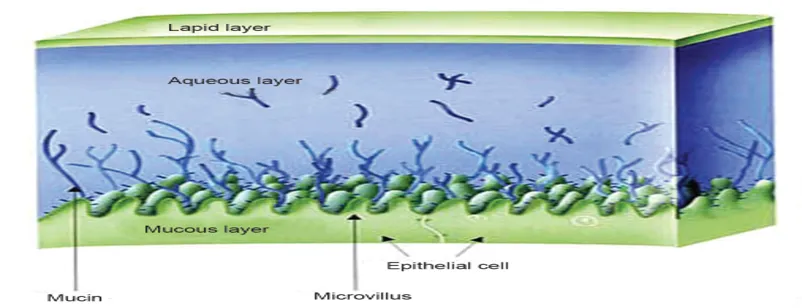
Fig. 1 Mucus barrier [9].
Mucoadhesive systems The mucoadhesive delivery systems were designed for improving the residence time of the drug substances at the absorption surfaces or at the site of administration. These dosage forms are used to deliver the drugs to the epithelial surfaces such as buccal cavity, sublingual cavity, oral cavity, eye or ocular cavity, nasal cavity, lung etc. There is various dosage forms designed according to the mucoadhesive systems as-
Mucus penetrating nanoparticles system
Mucopenetration is the ability of a material to traverse the mucus gel layer and reach the epithelial surface by countering physical, chemical, or physicochemical interactions. The design of therapeutics that will interact with the mucus a critical area of research, where the strategies are required to be ranging or modifying the particle’s surface chemistry that will help to withstand the adhesive interactions, the engineering of mucus-penetrating nanoparticles are capable of reaching the dense mucin network to show their actions and nanoparticle –mucus interactions. There are various techniques such as DLS (Dynamic Light Scattering), QCM-D (Quartz Crystal microbalance with Dissipation monitoring), and ITC (Isothermal Titration Calorimetry) to detect the nanoparticle-mucus interactions between the different layers as shown in Fig. 2 [10]. Mucoinert nanosuspensions (NS) is commonly used for the drug delivery of the hydrophobic drugs, these particles having a large number of pure drugs that will allow a higher loading dose. Nanosuspension is prepared with the different “top down” and “bottom up” techniques [13].
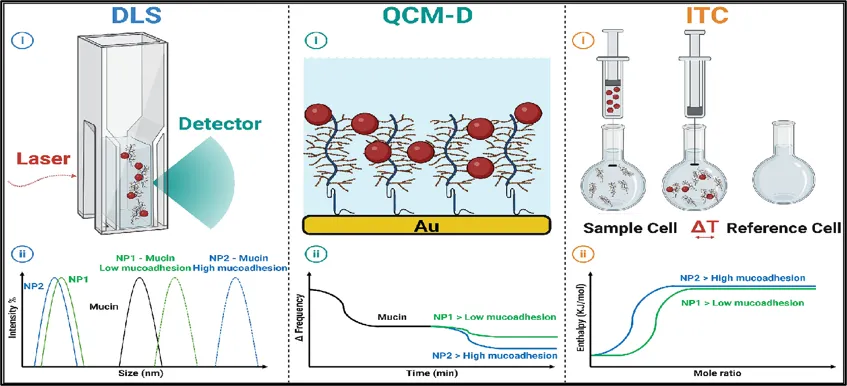
Fig. 2 Techniques to detect nanoparticle-mucus interactions [11].
Materials in mucoadhesive and mucopenetrating nanoparticles
The types of materials used in the preparation of mucoadhesive and mucopenetrating nanoparticles along with their uses are mentioned in the shown table no. 1.
Table 1. The materials commonly used for the mucoadhesive and mucopenetrating mucus based nanodosage forms [18].
|
Sr.no. |
Type of materials |
Uses |
|
1 |
Chitosan (75-85% deacetylated) |
Primary mucoadhesive polymer |
|
2 |
Trifluoroacetic acid (TFA) |
Solvent as well as catalyst |
|
3 |
1-ethyl-3-(3-dimethylaminopropyl)-carbodiimide hydrochloride (EDAC) |
Cross linker to activate carboxyl group |
|
4 |
Nhydroxysuccinimide (NHS) |
Improves efficacy and coupling reactions |
|
5 |
Mucin (Bovine sub-maxillary glands Type I-S) |
Help in in-vitro mucoadhesion testing |
|
6 |
Sodium tripolyphosphate (TPP), |
Ionic cross linker |
|
7 |
6-diamidino-2-phenylindole dihydrochloride (DAPI) |
Fluorescent stain |
|
8 |
D-(+) glucosamine hydrochloride |
Uses as building blocks or monomer |
|
9 |
Uranyl acetate dihydrate |
Negative stain for transmission electron microscopy (TEM) |
|
10 |
Sodium acetate trihydrate |
Buffering agent |
|
11 |
Glacial acetic acid |
Solvent to dissolve chitosan |
|
12 |
Dimethyl sulfoxide (DMSO) |
Solvent to dissolve hydrophobic drugs |
|
13 |
Sodium hydroxide (NaOH) |
Uses for pH adjustment |
|
14 |
Phosphotungstic acid hydrate |
Alternative negative stain for TEM |
|
15 |
Hydroxyethyl acrylate (HEA) |
Monomer used to synthesize hydrogels |
THE MUCUS LEVEL BARRIERS
Mucus lines are the wet epithelial surfaces of the respiratory, vaginal, and gastrointestinal tract that act as a barrier against foreign particles. Mucin is the main structural composition in mucus, the mucin comprised of a protein as a backbone with cysteine rich regions that allows mucin-mucin interactions along with the disulfide bonds, and threonine, serine, and proline as a central region. Agents or factors such as exogenous and endogenous agents, in food and cholinergic drugs explored the potential use as prophylactic or therapeutic agents to control or prevent the disease state [11].
Structure and Composition of the mucus barriers
Mucous membrane is the primary site of administration for the bioadhesive systems.
A mucosa comprises two or three layers as an epithelium, lamina propria, a smooth muscle layer (muscularis). The surface of the epithelium layer is covered by mucus. Mucin, a glycoprotein, the structure of mucus membrane is depending upon the mucus and mucin is their main component which is a glycoprotein. The structure of the mucus membrane is shown in Fig. 1. It also consists of fats, salts and about 95% of water, therefore it is a highly hydrophilic system. Its glycoproteins are of high molecular weight proteins attached with oligosaccharide units (L-fructose, D-galactose, N-acetyl-Dglucosamine, N-acetyl-D-galactosamine and Sialic acid) [12].
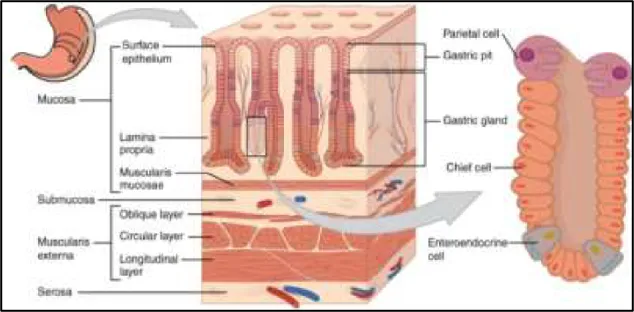
Fig. 1 Structure and composition of mucus membrane [12].
Fluid dynamics or rheology of the mucus at barriers
Fluid dynamics and rheology are the interconnected branches of physics and the continuum mechanics, the volume of mucus per vortex is 40 nL (V = πR2h with R ~ 400 μm and h ~ 75 μm); There are various method for the examination of the deep penetration of but Passive microrheology is suited the most for a local rheological in small volumes but it depends upon the tracing of the Brownian particles. Fluorescent carboxylate-modified polystyrene beads (Invitrogen) with 200 nm diameter are being use for the passive microrheology. The mucus mesh beads are required to be coated with polyethylene glycol (PEG) evenly, and the Mean-Square Displacement (MSD) is calculated from particle trajectories to understand the rheological properties [15]. The symmetry analysis provides the demonstration of the existence of two equal and opposite propulsion states or forces at the rotation axis. The corroborative mechanism of propulsion for spherical microparticles, leads to a nonlinear viscoelastic effects for flows by following the rod-climbing effect, the time-reversal symmetry of Stokes flow is applicable for the Newtonian fluids, force- and torque-free biological swimmers that results in the Scallop theorem [16]. In recent times, pharmaceuticals are shifted towards using intranasal solutions that consist of mucoadhesive pharmaceutical excipients as carriers for drug delivery systems to reach the CNS (Central Nervous System). Stimuli such as temperature, pH, or ion concentration can be countered with the use of In situ gelling systems which are being administered in a liquid or semi-liquid state that made dosage to get convert into the gel form over the mucus surface for the proper accumulation of the drug substances from the administered dose [17].
The transport mechanism of the mucus
The clearing and renewal of mucus is done on a daily basis for multiple times that helps to maintain a defensive barrier that changes with the viscosity, pH, and composition. The clearance rates and composition of mucus varies with an anatomical position. Cysteine-rich proteins and resistin like molecule-beta are secreted from goblet cells along with an increase in mucus viscosity or mucin secretion. Mucus is a complex network of crosslinked proteins such as proteolytic enzymes that is utilized to disturb the peptide bonds and form a non-glycosylated mucin domain to degrade mucin protein backbone and/or proteins to enhance the permeability of the mucus gel [11].
MUCOADHESIVE NANOPARTICLES
Mechanism of mucoadhesive nanoparticles
There are various theories that are followed by the nanoparticles while showing the Mucoadhesion as [5]-
MUCUS PENETRATING NANOPARTICLES
Mechanism of Mucus penetrating nanoparticles
Nanoparticles are not eligible to directly reach the targeted epithelial tissue due to the mucus barrier. The mucus layer recovers regularly, which may result in the removal of nanoparticles from the mucus surface. It’s very difficult to increase the residence time for these layers. One of the majorly used strategies to enhance the residence time is by elevating the adsorptive interactions between nanoparticles and the mucus layer; positively charged ligands are used for engineering the surface of the drugs that will further induce the electrostatic interactions.
Mucus-penetrating drugs are coated with hydrophilic and net-neutral ligands, the slippery effect will be produced due to the coating over the surface of delivery systems with the help of densely packed Polyethylene glycol (PEG) chains the molecular weight of the PEG should be adjustable as it may show changes in interaction and/ or breaking of a chain on the surface. The preferred molecular weight of PEG chain ranges from 5000-6000 Da [19].
CHALLENGES IN ADOPTION OF MUCOADHESIVE AND MUCUS-PENETRATING NANOMEDICINE
The prolonged use of the mucoadhesive oral drug delivery system can lead to the ulcerogenetic properties as well as the unwell taste and irritancy, one of the major challenge for mucoadhesive drug delivery systems is the lack of good model for in vitro screening [14].The host, viruses, and microbes secrete the enzymes which can further degrade the mucus layer by inhibiting the oligosaccharides and/or mucin protein [11].There are many challenges which can be counter by Microwell-based microfluidic devices. The size and shape of spheroids are uniform in these devices; however, there is a requirement of customized instruments and fabrication process optimization along with the trained users [19]. Biological activity and certain unsustainable approaches are difficult to estimate, resulting in the inadequate quality assurance, high cost, requirement of expertise and interactions with modern medicine [21].
FUTURE DIRECTION
Highly efficient nanocarriers can be designed by considering the predictive analytics and machine-learning algorithms. These algorithms can produce predictable future data, which can be applied for prediction of cellular uptake, activity, and cytotoxicity of nanoparticles. The different fields of science are expanding in various directions with the various processes in Nanoscience and nanotechnology that will help to reach from micro to nano. The smaller scale sizes determined by the different microscopes in physics i.e., micro size matter to the small size dots in chemistry, that will help to observe the behavior of the cell’s nucleus and the study of nano level biomolecules is possible [7]. Targeting and localization at a specific site depends upon the contact angle provided by the mucoadhesive systems that results in high drug flux at the tissue. Also it can improve the quality and efficacy of the dosage forms[9]. The dosage forms with nanoparticles can reach a higher level in the field of pharmaceuticals by collaborating it with the artificial intelligence and/or machine learning models such as CNN (Convolutional Neural Network), RNNs (Recurrent Neural Networks), and DNDD (De novo drug design) for the target identification and optimization [20]. The mucoadhesives and mucopenetrating nanoparticle can be varied or modify into the dosage form according to the compositions liposomes, neosomes, phytosomes in respect of herbal or semi-synthetic drug substances according to the omics (Genomics, Metabolomics, Phenomics, and proteomics, etc), whereas transdermal patches, semi-solid films and gels or ointments for synthetic or semi-synthetic drug substances [21].
CONCLUSION
The review article presented above states that the nanotechnology plays a vital role in the preparation of the NDDS (Novel Drug Delivery System) specially the mucoadhesive and mucopenetrating delivery systems through the means of patches, films, gels, and ointments that could be applied over the skin or mucus surfaces such as sublingual’s or buccal cavity. There are mostly the advantages of using the nanoparticle based mucoadhesive and mucopenetrating drug delivery systems but by considering the limitations such as the ulcerogenetic properties and the patient’s compliance or acceptance shows there is a requirement of several developments according to the changing time and usage.
ACKNOWLEDGEMENT
The author(s) would like to thank Mr.Gaurav Rahul Kirdak for their comprehensive support in bringing this review article to fruition. Specifically, we appreciate their diligent work on the initial draft writing, meticulous editing, strict formatting according to journal guidelines, and thorough plagiarism correction. We also thank them for their invaluable guidance during the submission and publishing phases.
REFERENCES




Pallavi Bilwe, Samiksha Sonwal, Gayatri Badode, Ayush Papadkar, The Next Frontier Mucoadhesive and Mucus-Penetrating Nanoparticles: Overcoming the Barriers, Int. J. of Pharm. Sci., 2026, Vol 4, Issue 6, 3705-3714. https://doi.org/10.5281/zenodo.20704556
 10.5281/zenodo.20704556