
Shri K R Pandav Institute of Pharmacy
Mucuna pruriens (MP), commonly known as the velvet bean, is an underutilized leguminous plant belonging to the Fabaceae family. This review explores its significant nutritional profile, characterized by high protein content (23–35%) and essential fatty acids, vitamins, and minerals. MP is most notable for its high concentration of L-DOPA, a precursor to dopamine, making it a vital natural resource for managing Parkinson’s disease and other neurological disorders. The plant exhibits a broad spectrum of pharmacological activities, including antioxidant, anti-inflammatory, anti-diabetic, neuroprotective, and aphrodisiac properties. Traditional applications span various cultures, particularly in Indian Ayurveda, where it is used to treat snakebites, infertility, and chronic pain. Despite its therapeutic potential and utility in sustainable agriculture as green manure, its use as a primary food source remains limited due to antinutritional factors like tannins and polyphenols. This paper synthesizes current knowledge on the phytochemical composition, extraction methods (such as Soxhlet extraction), and diverse clinical applications of MP while highlighting the need for further biotechnological research to fully exploit its medicinal and agronomic benefits.
The velvet bean, or Mucuna pruriens, is a leguminous plant. The Fabaceae family, subfamily Papilionaceous, contains the genus Mucuna, which comprises about 150 species of annual and perennial legumes. Mucuna pruriens, a velvet bean that grows widely in tropical and subtropical regions of the world, is one of the many underutilized wild legumes. In comparison to other pulses like soybeans, rice, and lima beans, it has a high protein content (23–35%) and is digestible, making it a good source of dietary proteins. Alkaloids, flavonoids, tannins, and phenolic compounds are the most significant of these plant bioactive substances. The chemical components have a variety of uses, including being non-toxic to harmful bacteria.
It is rich in proteins and vitamins, including niacin, ascorbic acid, amino acids, glutathione, lecithin, gallic acid, beta-sitosterol, and L-DOPA, which synthesizes dopamine, which is linked to mood and sex. Palmitic, oleic, stearic, behenic, linoleic, and linolenic acids are among the fatty acids found. It possesses antioxidant, hypoglycemic, lipid-lowering, and neuroprotective activities
Florida velvet bean, Mauritius velvet bean, Yokohama velvet bean, cowage, cowitch, Lacuna bean, and Lyon bean are some of its common English names.
In many parts of the world, M. pruriens is an important crop for fallow, green manure, and fodder. The plant, which belongs to the legume family (peas and beans), absorbs nitrogen gas from the atmosphere and combines it with other chemicals to create fertilizer and enhance the soil with the aid of nitrogen-fixing bacteria. In the tropics, M. pruriens is a common fodder plant. This is accomplished by feeding the entire plant to animals as dead seeds, silage, or dried hay. The dried beans have 20–35% crude protein, 11–23% crude protein, and 35–40% crude fiber in M. pruriens silage.
Mucuna pruriens is used to cure impotence, diabetes mellitus, and cancer, whereas the seeds have multi-diversified functions such as the management of several free radical-mediated diseases, rheumatoid arthritis, diabetes, atherosclerosis, nervous disorders, analgesic and antipyretic activity, and the management of Parkinsonism. The hairs lining the seed pods contain 5-hydroxytryptamine (serotonin), which causes severe itching (pruritus). Itching powder frequently contains the hairs on the outside of M. pruriens pods.
Mucuna is used extensively as an anti-inflammatory, anti-hypertensive, antiviral, anticarcinogenic, anti-nervous disorder, and anti-Parkinson's agent. Several reports have explored its utilization in Indian Ayurveda, which prescribes it as an effective medicine for the treatment of worms, loose bowels, the runs, snakebite, sexual debility, tuberculosis, ineptitude, rheumatic issues, aches, gonorrhea, sterility, gout, tumors, wooziness, dysmenorrhea, and diabetes.
The tribes of Northeast India include the Khasi, Naga, Kuki, Jaintia, Chakma, and Mizo; the tribes of Northwestern Madhya Pradesh include the Abujh-Maria, Maria Muría, Gond, and Halba; the tribes of South India include the Mundari and Dravidan; Kani, Kader, and Muthuvan; and Savera Jatapu, Gadebe, and Kondadora.
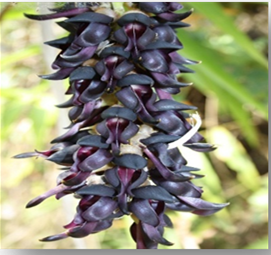
Figure 1
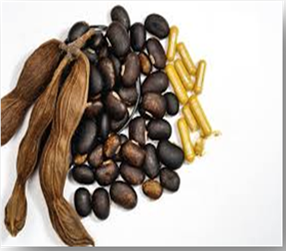
Figure 2
|
Table 1: Taxonomical Classification |
|
|
Kingdom |
Plantae |
|
Division |
Magnoliophyte |
|
Class |
Magnoliopsida |
|
Order |
Fabales |
|
Family |
Fabaceae |
|
Subfamily |
Faoideae |
|
Tribe |
Phaseoleae |
|
Genus |
Mucuna |
|
Species |
Mucuna Prurience |
|
Table 2: Common names |
|
|
Sanskrit |
Atma Gupta, Kapikacch |
|
Hindi |
Kiwanch or Konch |
|
Marathi |
Khaajkuiri |
|
Bengali |
Alkushi |
|
Tamil |
Poonaikkali |
|
English |
Velvet bean, Cowitch, Cowhage |
|
German |
Juckbohne, Itch bean |
|
Portuguese |
Mad Bean |
|
Malayalam |
Naykaranam |
|
Thai language |
Mahmui |
GEOGRAPHICAL DESCRIPTION:
Mucuna pruriens is a widely used medicinal plant in India that has been used in various forms since ancient times across most of the subcontinent. Usually found in tropical areas, the Ayurvedic medical system is used for a variety of traditional medicines in several countries. It is common throughout the Indian plains, growing over the majority of bushes, hedges, and dry deciduous low forest types. It is grown naturally throughout the entire tropical plains of India as well as the lower Himalayan range.
There are 100 species of climbing vines and shrubs in the genus Mucuna. With roughly 12,000 species and 600 genera, this is the second largest family of flowering plants. Africa, India, and the West Indies are the primary tropical and subtropical regions where MUCUNA PRURIENS (MP) is found. Despite this, it can be found in a variety of tropical habitats, including hedges, forests, grasslands, and even coastal areas.
This plant is widely distributed throughout the world, but more so in tropical regions, especially Asia, Africa, the West Indies, tropical America, the Pacific Islands, and the USA. It grows naturally in the entire tropical plains of India from the lower Himalayan range. Mainly in India, this legume has been considered as a medicinal plant grown in some parts of Madhya Pradesh, Uttar Pradesh, Andaman, and the Nicobar Islands.
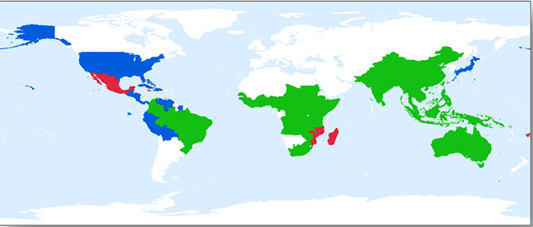

Figure 3: - Geographical distribution
MORPHOLOGICAL DESCRIPTION:
Leaflets are 2-3 mm long, and the leaves are almost always alternating and can be simple or bipinnately or palmately compound. In order to help with leaf orientation, the petiole base is frequently enlarged into a pulvinus. Usually found in racemes, spikes, or heads, the flowers are bisexual, actinomorphic to zygomorphic, and slightly to strongly perigynous. The perianth typically consists of one or more stamens that are occasionally united in different ways. A simple pistil typically consists of a superior ovary with a single locule that contains two or numerous marginal ovules, as well as a single style and stigma. The fruit is typically a legume, but it can also be an achene, drupe, berry, aliment, follicle, or indehiscent pod. At the 0.5 min. ripening stage, a 4 to 13 cm long and 1 to 2 cm wide unwinged leguminous fruit develops. The seeds are ovoid or unevenly oblong, slightly laterally compressed, with a polar dark brown or black or occasionally mottled hilum that is noticeable and ranges from white to pale yellow.
EXTRACTION:
SOXHLET’S EXTRACTION METHOD -
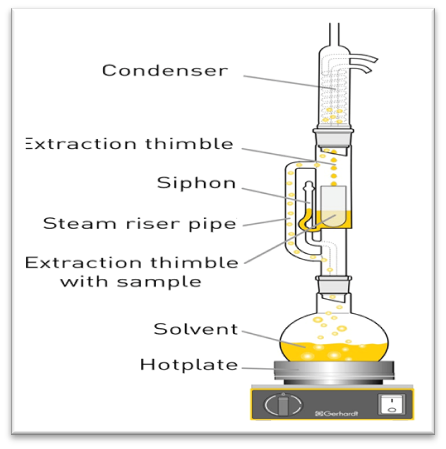
Figure 4: - Soxhlet extraction apparatus
PHYTOCHEMICAL CONSTITUENTS:
The proteins and amino acids present in Mucuna pruriens are as follows:
The chemical composition of Mucuna varies from:
Table 3: - Nutritional properties and composition
|
NUTRITIONAL PROPERTIES |
COMPOSITION |
|
Crude protein |
24-31.44% |
|
Crude carbohydrate |
42.79-64.88% |
|
Crude lipid |
4.1-14.39% |
|
Crude fiber |
5.3-11.5% |
|
Ash |
2.9-5.5% |
|
Potassium |
0.806-2.790% |
|
Sodium |
4-70 mg/100 g |
|
Calcium |
104-900 mg/100 g |
|
Phosphorus |
98-498 mg/100 g |
|
Magnesium |
85-477 mg/100 g |
|
Iron |
1.3-15 mg/100 g |
|
Copper |
0.33-4.34 mg/100 g |
|
Zinc |
1-15 mg/100 g |
PHYTOCHEMICAL COMPOSITION OF MUCUNA PRURIENS
Active constituents
Numerous active ingredients found in Mucuna pruriens (L) DC contribute to its pharmacological characteristics and possible health advantages. Levodopa, or L-DOPA, is a significant bioactive compound among these constituents because of its connection to neurological health and Parkinson’s disease treatment. Nonetheless, the plant has a number of additional physiologically active compounds that support both its traditional uses and possible medical uses. Mucuna pruriens contains the following significant active ingredients:
L-DOPA (Levodopa):
The neurotransmitter dopamine, which is necessary for many neurological processes, is derived from L-DOPA. Because it helps treat Parkinson’s disease, a neurological condition marked by dopamine deficiency, L-DOPA is particularly interesting. Because of the high concentration of L-DOPA in Mucuna pruriens seeds, this compound is being studied as a natural source for possible medical applications.
Phytosterols:
Plant-derived substances called phytosterols share structural similarities with cholesterol. They have been linked to possible health advantages, such as lowering cholesterol.
Serotonin:
A neurotransmitter called serotonin is involved in mood regulation, sleep, and other bodily functions. Serotonin, a substance found in Mucuna pruriens, may be responsible for the plant’s purported ability to elevate mood and lessen stress.
Flavonoids:
A class of polyphenolic compounds known as flavonoids has anti-inflammatory and antioxidant qualities. Quercetin and kaempferol are two of the flavonoids found in Mucuna pruriens that may have anti-inflammatory and antioxidant properties.
Alkaloids:
Alkaloids like prurienidine, mucunine, and mucunadine are found in the plant. It is thought that these alkaloids support the plant’s various pharmacological actions, including its possible neuroprotective benefits. Terpenes and Sterols: These organic substances, which have a variety of biological activities, are also present in Mucuna pruriens. These substances may be involved in the plant’s purported medicinal benefits.
Proteins and Amino Acids:
Proteins and amino acids, which are abundant in Mucuna pruriens seeds, are vital for a number of physiological functions. These components may help the plant fulfil its potential as a tonic and nutritive agent.
Fatty Acids:
Fatty acids, such as oleic and linoleic acids, are found in Mucuna pruriens seeds. These fatty acids are vital parts of cellular membranes and are crucial for preserving general health. The precise makeup of Mucuna pruriens’ active ingredients can change depending on a number of variables, including the plant’s origin, growing environment, and processing techniques. The plant’s reported multifaceted pharmacological activities may be attributed to the synergistic interactions between these compounds. Although the existence of these active ingredients provides information about Mucuna pruriens' possible therapeutic benefits, more study is required to completely comprehend their modes of action and their uses in contemporary medicine.
PROXIMATE COMPOSITION OF MUCUNA PRURIENS:
Figure 4: -Proximate composition
|
PROXIMATE COMPOSITION |
FLOUR |
EXTRACT |
|
Protein (%) |
43.12 |
43.40 |
|
Starch (%) |
37.19 |
33.33 |
|
Crude fiber (%) |
5.64 |
2.36 |
|
Lipids (%) |
7.00 |
7.60 |
|
Moisture (%) |
8.20 |
9.90 |
|
Ash (%) |
3.10 |
2.90 |
|
Total energy (Kcal) |
384.24 |
375.32 |
PHYTOCHEMICAL SCREENING
In accordance with methodology, MP flour and extract underwent phytochemical screening to find flavonoids, saponins, tannins, sterols, and alkaloids. Chloroform was added to separate the layers in order to detect flavonoids. After that, methanol was added, and the rotary evaporator was used to carry out the evaporation process. Magnesium tape and 10% HCI solution were added to two test tubes containing the dissolved material. After that, the tubes were left to react until the tape disappeared and a pink hue emerged, signifying a successful test. In the second tube, acetone, oxalic acid, and boric acid were added. After drying the mixture in a water bath and adding ethyl ether, the fluorescence was detected using a UV spectrophotometer set to 510 nm.
The foam test, which involved dissolving the sample in water in a test tube, stirring for one minute, and then letting it rest for ten minutes, was used to qualitatively analyze saponin. The foam vanished after the remainder, indicating a negative test result for this phytochemical. Samples were allowed to completely dry by evaporation before being filtered through a cotton funnel as part of the tannin test. Six test tubes were filled with the filtrate; the first three were tested with 0.5% gelatin, and the remaining tubes were tested with 2% iron chloride at varying concentrations (0.5, 1.0, and 2.0 mL). The formation of precipitates, a sign of the presence of tannins, was observed in the test tubes. Samples were dried completely by evaporation before being dissolved with chloroform for the steroid analysis. The samples were then separated into three 0.12, 0.25, and 0.5-mL test tubes. Each tube was filled with concentrated sulfuric acid, acetic anhydride, and chloroform. The color standard was used to observe the results, and the presence of steroids was indicated by the color blue.
By completely drying the alcoholic extract through evaporation and alkalinizing the medium with 1% sodium hydroxide, the alkaloids were qualitatively analyzed. After adding chloroform-infused distilled water, the mixture was filtered through a cotton filter, and the extract was extracted from the chloroform layer. The chloroform layer was then mixed with 1% hydrochloric acid, stirred, and left to settle until it turned clear. Following its distribution into four 1 mL test tubes, it was tested using the following reagents: silicotungstic acid, Mayer, Bouchardat, and Dragendorff. If the results were positive, the precipitate formation was observed.
Figure 5: -Phytochemical Test
|
Sr. No |
Phytochemical |
Test |
Result |
|
1. |
Test for steroids |
Salkowski test |
Present |
|
Lieberman–Burchard test |
Present |
||
|
2. |
Test for Flavonoids |
Shinoda test |
Absent |
|
Lead acetate test |
Absent |
||
|
Alkaline reagent test/ NaOH test |
Absent |
||
|
3. |
Test for Alkaloids |
Hager’s test |
Present |
|
Wagner’s test |
Present |
||
|
Mayer’s test |
Present |
||
|
Dragendorff’s reagent |
Present |
||
|
4. |
Test for Tannins |
Gelatin test |
Present |
|
Ferric chloride test |
Present |
||
|
5. |
Test for Saponins |
Foam test |
Absent |
|
Froth test |
Absent |
||
|
6. |
Test for Carbohydrates |
Molisch’s test |
Present |
|
Benedicts test |
Present |
||
|
Fehling’s test |
Present |
||
|
7. |
Test for Amino acid/ Protein |
Ninhydrin test |
Present |
|
Biuret test |
Present |
||
|
Millon’s reagent test |
Present |
||
|
8. |
Test for Resins |
|
Present |
|
9. |
Test for starch |
|
Present |
PHARMACOLOGICAL ACTIVITY
Effect against snake venom poisoning
One plant that has been demonstrated to be effective against snake venom is M. pruriens. In fact, traditional medicine uses its seeds to stop the harmful effects of snake bites, which are primarily caused by strong toxins like neurotoxins, cardiotoxins, cytotoxins, phospholipase A2 (PLA2), and proteases. Traditional practitioners in Plateau State, Nigeria, prescribe the seed as a preventative oral anti-snakebite remedy. It is said that if the seeds are swallowed whole, the person is shielded from the effects of any snake bite for a full year. In a study examining the effects of Echis carinatus venom (EV), the mechanisms underlying the protective effects of M. pruriens seed aqueous extract (MPE) were thoroughly examined. Mice in in vivo experiments showed protection against the poison within 24 hours (short-term) and one month (long-term) following an injection of MPE. Through an immune mechanism, MPE shields mice from the harmful effects of EV. A multiform glycoprotein, an immunogenic component of MPE, promotes the development of antibodies that bind to specific venom proteins through cross-reaction. Seven distinct isoforms of this glycoprotein, known as gpMuc, have molecular weights ranging from 20.3 to 28.7 kDa and pI values between 4.8 and 6.5.1
Anti-microbial activity
More research on plant-based antimicrobials is required because they represent a huge untapped source of medications. Plant-based antimicrobials have a vast array of therapeutic applications. According to reports, some plants’ antimicrobial qualities are caused by phytochemical compounds. Although whole plants are frequently used to extract bioactive compounds, the concentration of these compounds varies depending on the plant’s part. For medicinal purposes, parts that are known to have the highest concentration of the compounds are favored. Some of these active ingredients work alone, while others work in concert to prevent microorganisms, especially pathogens, from carrying out their daily functions.
Neuroprotective effect
The seeds of M. pruriens have long been used in India as an aphrodisiac to increase male virility and as a nervine tonic. The seeds have anti-inflammatory properties, and the pods have anthelmintic properties. L-dopa, a precursor of the neurotransmitter dopamine, may be the cause of the antiparkinsonian effects of powdered seeds. Dopamine is a neurotransmitter, as is widely known. Blocking the conversion of tyrosine to L-dopa lowers the amount of dopamine in brain tissue. Neurotransmission can be restored by L-dopa, the precursor of dopamine, converting to dopamine after crossing the blood-brain barrier. Using EtOH-H?O (1:1) and ascorbic acid as a protective agent, M. pruriens seeds can yield good amounts of L-dopa. In neuroprotective tests that measure the growth and survival of DA neurons in culture, an n-propanol extract of M. pruriens seeds produces the best results.
Anti-diabetic effect
The ability of Mucuna pruriens to control blood sugar levels has been studied. According to certain research, its bioactive components might improve glucose metabolism and insulin sensitivity. Because it helps regulate blood sugar levels and lessen complications related to the disease, it may be used as an adjunct in the management of type 2 diabetes.
Antioxidant Properties:
Antioxidants like flavonoids, phenolic compounds, and other bioactive substances are abundant in Mucuna pruriens. By scavenging the body’s reactive oxygen species and free radicals, these antioxidants lessen oxidative stress and shield cells from harm. Mucuna pruriens may help prevent a number of chronic illnesses, such as cancer, neurodegenerative diseases, and cardiovascular diseases, by shielding cells from oxidative damage.
Antibacterial Properties:
Mucuna pruriens methanolic extract has been shown to have broad-spectrum antibacterial activity against both Gram-negative Proteus vulgaris and Gram-positive Bacillus cereus and Staphylococcus. High antibacterial activity against Erwinia carotovora, Pseudomonas syringae, P. marginalis, P. acruginosa, and Xanthomonas campestris was demonstrated by methanolic extract.
Aphrodisiac and Reproductive Health Benefits:
Mucuna pruriens has long been known for its aphrodisiac and fertility-boosting properties. It is thought to improve sperm quality and promote testosterone release, both of which may enhance male reproductive health. Furthermore, it indirectly promotes sexual well-being through its capacity to elevate mood and lower stress.
Anti-inflammatory Activities:
The anti-inflammatory qualities of Mucuna pruriens’ bioactive compounds can aid in regulating the immune system and lowering inflammation. In diseases like arthritis and other autoimmune disorders, where chronic inflammation is a contributing factor, these effects are especially pertinent. Mucuna pruriens may help reduce the pain and discomfort brought on by inflammatory conditions by inhibiting inflammatory pathways.
Adaptogenic and Antistress Effects:
Mucuna pruriens may aid in the body’s ability to adjust to stressors and preserve homeostasis. By controlling cortisol levels and bolstering the central nervous system, it has been shown to lessen stress. Additionally, mood regulation and anxiety reduction may be influenced by the L-DOPA content. To sum up, Mucuna pruriens demonstrates a broad range of pharmacological properties that have been investigated and identified in both contemporary scientific studies and traditional medical systems. It is a multipurpose plant with potential uses in a range of medical conditions due to its neuroprotective, antioxidant, anti-inflammatory, antidiabetic, aphrodisiac, antimicrobial, and adaptogenic properties. Despite the potential health benefits of Mucuna pruriens, it is still advisable to speak with a healthcare provider before using it medicinally, particularly if you are taking medication or have underlying medical conditions.
Skin treatment:
Numerous exogenous insults, including cigarette smoke, UV light, and oxygen, all cause oxidative stress, which makes the skin one of their primary targets. Increased oxidative stress and ROS production are linked to a number of skin conditions, including psoriasis, dermatitis, and eczema.As a result, research into new natural compounds with antioxidant properties is growing. As was already mentioned, some compounds derived from plants have been used traditionally to treat a variety of illnesses. In more recent years, these compounds have drawn a lot of attention because of their many pharmacological properties.
Hepatoprotective effect:
When albino rats were exposed to carbon tetrachloride (CCl?)-induced hepatotoxicity, the methanolic extract of Mucuna pruriens’ natural roots was examined for potential hepatoprotective benefits. Biochemical parameters such as serum glutamate oxaloacetate transaminase, serum glutamate pyruvate transaminase, total protein, and serum bilirubin level were estimated in order to gauge the level of protection. Protection from MP treatment supported the findings of biochemical investigations. Additionally, all of the effects of the MP methanolic extract were similar to those of the well-established hepatoprotective medication silymarin.
Anti-tumor effect:
Numerous studies assessed M. pruriens’ antitumor activity. In their quest for anticancer plants, Gupta et al. documented the antineoplastic efficacy. The impact of a methanolic extract of Mucuna pruriens seeds on tumor growth and host survival time in Swiss albino mice with Ehrlich ascitic carcinoma. Mucuna pruriens decreased the volume of tumors, packed cell volumes, and viable cell counts while increasing the mean survival time in comparison to the control group. Comparing extract-treated animals to the control, hematological investigations showed that the Hb content was restored to almost normal levels, the RBC count significantly decreased, and the WBC count increased. M. pruriens raised glutathione, superoxide dismutase, and catalase levels while lowering lipid peroxidation levels.
Hypoglycemic and hypocholesterolemic activity:
Mucuna pruriens has hypoglycemic and hypocholesterolemic effects in normal rats,. Rats given Mucuna pruriens had a 39% reduction in blood sugar and a 61% reduction in blood cholesterol.
Learning and memory enhancement:
In Wistar male rats, Mucuna pruriens significantly improved memory and learning abilities. Animals that received extract only during the memory retrieval session and those that received extract during both training and memory retrieval showed increases in memory retrieval of 15% and 35%, respectively, according to results on memory retrieval evaluated on the seventeenth day.
Anti-Parkinson’s activity:
M. pruriens has long been used to treat nervous system disorders as a nerve tonic. The seeds’ high L-dopa content has led to research into its potential application in Parkinson’s disease. Humans and rats have also been the subject of numerous in vivo investigations. In an animal model of Parkinson’s disease, Hussain et al. demonstrated that Mucuna pruriens is more effective than L-DOPA. Significant antiparkinsonian activity was even seen in the seed’s L-Dopa-free fraction. According to these studies, Mucuna powder modulates dopaminergic pathways similarly to L-DOPA at equivalent doses, while the presence of other constituents improves antiparkinsonian activity and increases animal tolerability.
Antiprotozoal effect:
Goldfish treated with 200 mg/liter of plant extract baths showed a significant reduction in parasite-induced fish mortality, and a methanolic extract of Mucuna pruriens leaves was effective in eliminating 90% of Ichthyophthirius multifiliis infections.
Effect on Fertility:
Mucuna pruriens acts on the hypothalamus-pituitary-gonadal axis to increase male fertility. Infertile men's serum levels of testosterone, luteinizing hormone, dopamine, adrenaline, and noradrenaline were considerably raised by M. pruriens, while follicle-stimulating hormone (FSH) and prolactin hormone (PRL) were decreased. Infertile men showed a significant recovery in sperm motility and count. After administering M. pruriens seed powder orally at a dose of 5 g per day, the quality of seminal changes brought on by psychological stress was evaluated. Semen samples were taken twice for morphological and biochemical analysis: once prior to treatment initiation and again three months later. The findings showed that subjects experiencing psychological stress had lower sperm counts and motility. Along with lower seminal plasma glutathione (GSH) and ascorbic acid contents, as well as lower superoxide dismutase (SOD) and catalase activity, it was also discovered that serum cortisol and seminal plasma lipid peroxide levels were elevated. In addition to improving sperm motility and count, treatment with M. pruriens markedly reduced psychological stress and seminal plasma lipid peroxide levels. SOD, catalase, GSH, and ascorbic acid levels in the seminal plasma of infertile men were also restored by treatment. In addition to helping infertile men reactivate their antioxidant defense system, M. pruriens also helps them manage stress and enhances the quality of their semen. Even at a lower dosage of 70 mg/kg, M. pruriens was found to have potential as a male antifertility agent based on its effects on the gonads of male guinea pigs. The relative weight of the testis, serum and testicular testosterone levels, testicular cholesterol levels, testicular and epididymal protein levels, and epididymal alkaline phosphatase levels were all markedly elevated by the methanolic extracts of M. pruriens.
Alternative Food/Feed Perspectives and Cultivation:
The velvet bean, Mucuna pruriens, is a valuable feed resource due to its high protein, total ash, and phosphorus content. The proximate nutritional composition, total protein content, and in vitro protein digestibility of M. pruriens seeds is analogous to other edible legumes. Physical and biochemical methods used to process M. pruriens beans include soaking, cooking, and dehulling, followed by drying and milling into flours.
Recently, the velvet beans are exploited as a protein source in the diets of fish, poultry, pigs, and cattle after being subjected to appropriate processing methods. Although the velvet beans contain high levels of protein and carbohydrate, their utilization is limited due to the presence of a number of antinutritional/antiphysiological compounds, phenolics, tannins, L-Dopa, lectins, protease inhibitors, etc. M. Pruriens is rich in protein (23–35%) and has a nutritional quality comparable to that of other pulses like soybean, rice bean, and lima bean. Mucuna bean remains a minor food crop. It is poorly adopted in agricultural systems due to the presence of anti-nutritional and toxic compounds. The major toxicant in Mucuna beans is a non-protein amino acid, 3, 4-dihydroxy-L-phenylalanine (L-Dopa).
Mucuna pruriens has been reported to be disease resistant, though it is vulnerable to several pests and diseases. M. Pruriens suppresses weeds through physically smothering and through a certain degree of allelopathy. Among the antinutrients, polyphenols, phytic acid, and antitrypsin have been reported in M. pruriens beans. It is cultivated as a green manure or cover crop and accumulates nutrients in various environments. From an agronomic point of view, it is known to produce a seed yield of 2000 kg/ha, perform well under dry farming and low soil fertility conditions, show resistance against a wide range of diseases, exhibit allelopathic properties, and be effective in lowering nematode populations. Its positive impacts as a green manure cover crop are documented in earlier studies.
Genetic mapping markers:
According to these studies, Mucuna powder modulates dopaminergic pathways similarly to L-DOPA at equivalent doses, while the presence of other constituents improves antiparkinsons activity and increases animal tolerability. With the exception of a single published linkage map based on amplified fragment length polymorphism (AFLP) markers and a few studies using molecular markers in M. pruriens. An intraspecific genetic linkage map of Indian M. pruriens has been created using amplified fragment length polymorphism (AFLP) markers and 200 F2 progenies obtained from a cross between wild and cultivated genotypes in order to clarify the genetic regulation of agronomic traits. Several studies have tried to remove antinutritional factors using straightforward processing methods in an effort to increase M. pruriens utilization.
Non-medical and commercial uses:
The leaves of Mucuna Pruriens have also been shown to be an effective adsorbent. According to studies, M. longifolia leaves and polyaniline can be used for purification because they can adsorb lead and cadmium from water. Additionally, some research indicates that its leaves are anticorrosive. It prevents corrosion on mild steel in a 1 mol/L HCl solution. The moth Antracea paphia, which yields Tassar silk, a wild silk used for commercial purposes, consumes the leaves of M. longifolia. For the preparation of distilled liquor, flowers are utilized. The seed kernel yields mahua oil, which is utilized for cooking and fuel purposes.
Mucuna pruriens in preclinical and clinical studies
40 individuals with oligospermia participated in an open clinical trial to examine the safety and effectiveness of Chandrakanthi chooram. Chandrakanthi chooram is a mixture of 25 ingredients, including Mucuna flowers. Sperm count, morphology, and motility were the main results of this investigation. Mucuna pruriens has also been the subject of clinical research and surveys due to its anti-venom properties and its ability to treat dyslipidaemia in Santhal tribes. According to the study, Santhal tribes’ blood sugar and lipid profiles are improved when they regularly consume Madhuca drink. Preclinical testing has be22en done on various parts of MP for a variety of pharmacological properties, including hepatoprotective, anti-epileptic, antimicrobial, analgesic, and anti-diabetic. One of the marketed ayurvedic products that contains M. longifolia is Kutajarista, which is used to treat bloody diarrhea, amoebic dysentery, bacterial dysentery, and amoebiasis. Male Sprague Dawley rats were used in a preclinical study of kutajarista, and a dose of 40 mL/kg was given. The experiment led to the conclusion that a higher dose cannot be given for an extended period of time because it will change the biochemical profile.
Mucuna as food and feed
Mucuna beans are most frequently consumed in Asia and Africa. Many different ethnic groups in India eat Mucuna beans; Mucuna pruriens and Mucuna utilis are frequently used. There have also been reports of Mucuna bean use in Indonesia, the Philippines, and Sri Lanka. Use as food has been documented in Sub-Saharan Africa, at least in Ghana, Mozambique, Malawi, Zambia, and eastern Nigeria (several species). Mucuna is regarded as a poor man’s crop and a minor food crop in most of Africa; at least in eastern Nigeria, its use as a food crop appears to be declining. Mucuna was brought to Latin America as a cover crop, but it hasn’t been used for food. Rather, it is said to be used as a coffee substitute in southern Mexico and Guatemala.19
FUTURE PROSPECTS
Mucuna has a well-established beneficial effect on soil quality and weed suppression, and it yields a lot of nutritious foliage and seed. It is still a crop that is underutilized, but it has a lot of potential for use in developing nations’ agricultural development in the future. For the rural poor to have sustainable means of subsistence, small farms, mixed cropping systems, and reliance on crops for their many advantages are crucial. Because L-dopa synthesis has the potential to treat Parkinson’s disease, biotechnology research on it will continue. Additionally, there is a lot of room for more biotechnology research on Mucuna to better utilize its beneficial properties as a weed suppressant and nematicide in smallholder farming in developing nations (as an inexpensive substitute for pesticides), as well as in extensive farming. Understanding the mechanism of action and examining its effects on various species are made possible by in vitro testing. Likewise, more research could be done on its anthelmintic properties, and the active components could be found in cultured cells.
CONCLUSION
With a wide variety of phytochemicals, therapeutic qualities, and agricultural advantages, Mucuna pruriens emerges as remarkable. It is one of the most scientifically valuable underutilized legumes because of its abundance of L-DOPA, proteins, essential amino acids, antioxidants, alkaloids, flavonoids, and minerals. Ayurveda has long praised it for its ability to treat neurological conditions, infertility, snake envenomation, inflammation, and metabolic diseases. Many of these applications have been thoroughly confirmed by contemporary research.
According to the review, M. pruriens is a versatile therapeutic agent with notable neuroprotective, anti-inflammatory, antidiabetic, antimicrobial, antioxidant, hepatoprotective, anti-tumor, and fertility-enhancing properties.
Beyond its therapeutic value, M. pruriens is extremely valuable in sustainable agriculture as a crop that fixes nitrogen, a natural weed suppressant, a nematicide, and an ingredient in feed that is high in protein. All things considered, the plant has enormous potential for advancements in biotechnology, pharmacology, nutraceutical development, and environmentally friendly farming practices. It will take continued scientific research, including molecular studies, clinical validations, and the development of low-toxin cultivars, to fully realize its therapeutic and financial potential. Therefore, Mucuna pruriens is a promising natural resource whose uses can greatly advance both sustainable agricultural practices and contemporary healthcare.
REFERENCES




Sofiya Naaz Mohd Bashir Ansari, Mohd Jafar I. Sheikh, Ayush N. Gaiki, Ramsha N. Khan, Aryan S. Helonde, Aditya B. Kedam, Rutuja Thakre, A Comprehensive Review of the Therapeutic Application and Future Prospects of Mucuna Pruriens (MP), Int. J. of Pharm. Sci., 2026, Vol 4, Issue 3, 720-734. https://doi.org/10.5281/zenodo.18906465
 10.5281/zenodo.18906465
