

We use cookies to ensure our website works properly and to personalise your experience. Cookies policy
Ezhuthachan College of Pharmaceutical Sciences, Marayamuttom, Thiruvnanthapuram
Promoting healthy aging and improving the quality of life (QOL) in the elderly has emerged as a significant public health priority. Aging is often associated with physiological, psychological, and social changes that can adversely affect overall well-being. The gut microbiota have a large influence on various aspects of health, including digestion, immune function, cognition, and mood. Probiotics are live microorganisms that provide health benefits when consumed in adequate amounts helps to modulate gut microbiota and subsequently support overall health.In older adults, age-related alterations in gut microbiota composition, weakened immune responses, decline in cognitive functions and a higher burden of chronic diseases can contribute to a diminished quality of life. Probiotic supplementation has been proposed as a non-pharmacological strategy to restore microbial balance, strengthen immune function, and potentially enhance mood and cognitive abilities. Collectively, these effects may lead to an improved sense of well-being and greater life satisfaction. The World Health Organization Quality of Life-BREF (WHOQOL-BREF) questionnaire is a widely used tool that evaluates QOL across four key domains: physical health, psychological health, social relationships, and environmental factors. Its use in studies assessing probiotic interventions provides valuable insights into the broader connection between gut health and well-being in the geriatric population. This review aims to explore the impact of probiotics on quality of life among older adults, specifically assessed through the WHOQOL-BREF instrument. By analyzing available evidence, this review seeks to clarify the potential role of probiotics in fostering healthy aging and enhancing QOL in the elderly.
Aging is a natural and ongoing part of life, where the body gradually changes over time. It's a process every living being goes through, marked by physical, functional, and sometimes cognitive shifts that reflect the passage of time. In humans, it involves the progressive decline in physiological function, cellular repair, and regeneration. This can lead to increased vulnerability to diseases, decreased physical, mental, social and cognitive abilities, and ultimately leads to death [1]. Conditions linked to aging can lead to a decline in physical, social, cognitive and mental functions, impair the ability to carry out daily activities, and result in the loss of roles within the society and personal contentment [2]. Elderly population often face multiple chronic conditions, functional limitations, and age-related physiological changes that significantly impact their quality of life. Targeting this group can yield more noticeable improvements in daily living and overall well-being [3]. Probiotic use has been proposed as a natural as well as synthetic source in the way to improve gut health, boost immunity, and support better mood and mental clarity. These benefits may work together to improve overall well-being and satisfaction with life. Hence, it is essential to implement probiotics supplementation as treatment strategies that accurately improves health and preserve quality of life [4,5,6]. Quality of Life is a dynamic and subjective state of well-being that encompasses an individual's overall satisfaction with life, shaped by the harmony between their physical condition, emotional resilience, meaningful relationships, sense of purpose, and the ability to engage with and adapt to their environment in a way that aligns with personal values and aspirations [7]. Health-Related Quality of Life (HRQOL) describes how people feel about their overall well-being, considering their cultural background, personal values, life goals, and what matters most to them. This is a comprehensive concept influenced by various factors, including physical health, psychological state, level of independence, social relationships, and interactions with key aspects of their environment [8]. Life satisfaction assessment is essential in measuring the effectiveness of healthcare, particularly in older adults. One common tool for this purpose is the WHOQOL-BREF, developed by the World Health Organization. This scale evaluates various aspects of life, such as physical health, mental well-being, social relationships, and the environment. For older populations, it’s a practical and adaptable tool that helps gauge how interventions or treatments impact their overall well-being and satisfaction with life [9,10].
Aging
Aging represents a normal, enduring phase of life common to all people. It brings about gradual changes in the body and mind, making individuals more prone to illnesses and reducing their ability to recover quickly. This process is influenced not only by biology but also by one’s genetics, lifestyle, environment, and socioeconomic status. Everyone ages differently, and the effects of aging vary from person to person [11,12]. Over the course of aging, various aspects of their health and daily life are affected, as shown in (Figure 1.) These changes occur across several key areas:
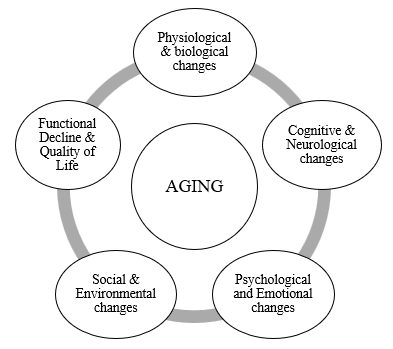
Figure 1. Changes during aging
1. Physical and Biological Changes
2. Cognitive and Neurological Changes:
3. Psychological and Emotional Changes:
4. Social and Environmental Changes:
5. Functional Decline and Quality of Life:
Advancing age affects far more than just the body it shapes every part of a person’s life. Being aware of these shifts is vital for ensuring a positive and enriched aging experience. With the right care, understanding, and resources, older adults can continue to live with dignity, purpose, and a good quality of life [23].
Geriatric Population
The geriatric population comprises individuals aged 65 years and above, marked by age-related physiological, functional, and cognitive changes that impact their healthcare needs [24,25]. This group is commonly classified into two: age based classification and functional classification as shown in (Figure 2.)
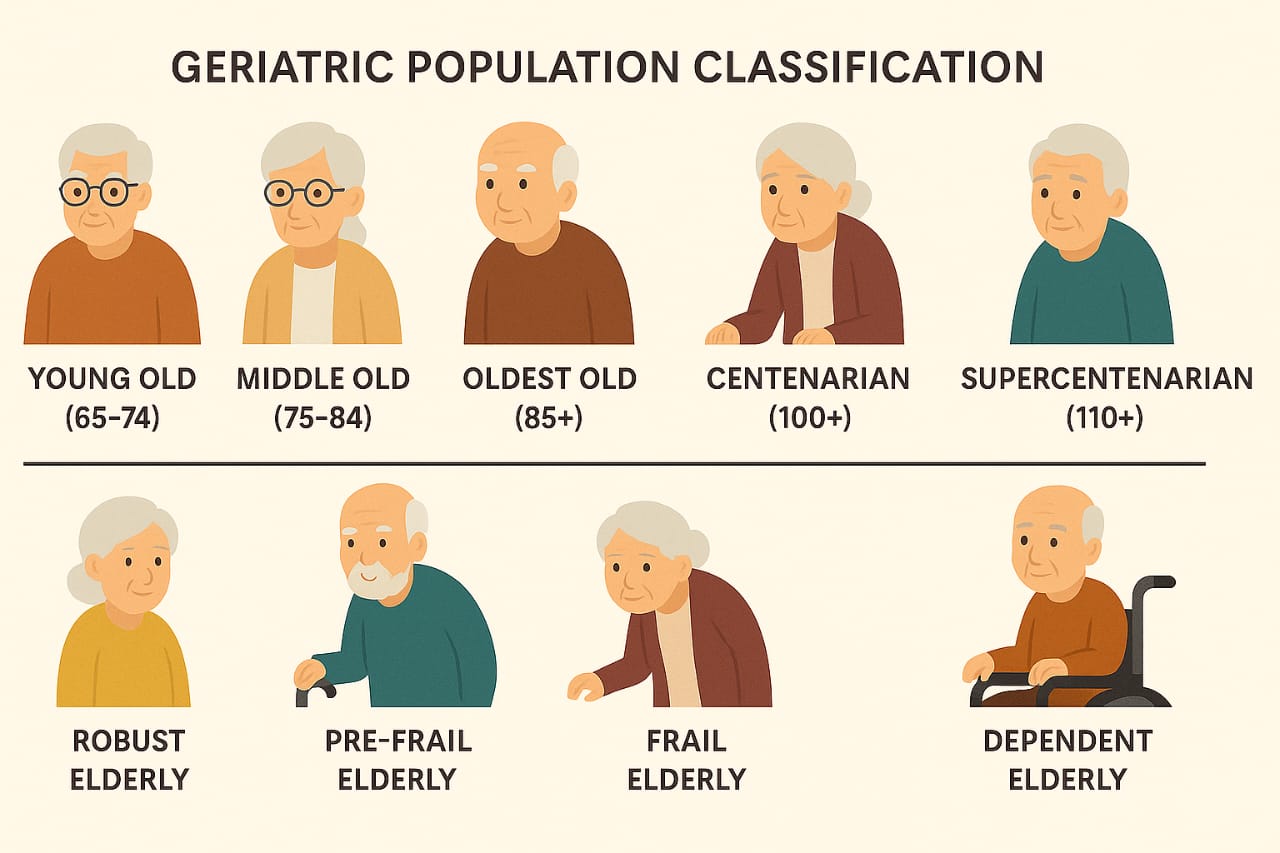
Figure 2. Geriatric population classification based on age and functionality
1. Age-Based Classification
During aging, their experiences, health, and abilities can vary greatly. Here’s a look at the different age groups within the older population and what typically characterizes them:
2. Functional Classification
As people grow older, their ability to live independently and handle everyday tasks can differ greatly from one person to another. This classification helps us understand the different stages of functional ability among older adults:
Impact of Aging On Drug Kinetics
The natural changes in our bodies can have a big impact on how medications work and how our body responds to them. These changes affect every stage from how drugs enter the body to how they’re removed [30,31].
Absorption
Distribution
Metabolism
Excretion:
Impact Of Aging On Drug Response
Pharmacodynamics is the study of how the body reacts to medications and how those drugs produce their effects. During aging, these responses can shift noticeably[32,33].
Role of Probiotics In Improving Quality Of Life In Geriatric Population
Probiotics are viable microorganisms that, when taken adequately enhance the health of the host. They are inherently non-pathogenic and contribute positively to host well-being. Aging-related dysbiosis refers to an imbalance or disturbance in the structure and function of the gut microbiota. This condition is characterized by a reduction in microbial diversity, an excessive proliferation of potentially harmful bacteria, accompanied by a reduction in beneficial microbes. Thus, the probiotics play a vital role in enhancing digestive health, immune function and cognitive function by maintaining a balanced gut microbiota [34]. Gut microbial enhancers support digestive health by reinforcing the gut epithelial barrier, strengthening the intestinal lining, stimulating the secretion of mucins and defensins, and preventing harmful substances from leaking into the bloodstream (a condition known as leaky gut). They also enhance adhesion to the intestinal mucosa by binding to the intestinal surface, promoting colonization and stability, and inhibit pathogen attachment to epithelial cells by occupying available binding sites [35]. Competitive exclusion of pathogenic microorganisms by outcompete with the harmful microbes for nutrients and space, reducing gastrointestinal symptoms like constipation and diarrhea in conditions like IBD, Clostridium difficile or helicobacter pylori associated infections, gastroenteritis, gastritis and enteric fever. It generates the lactase enzyme, facilitating the digestion of dairy products in individuals with lactose intolerance, while also enhancing nutrient absorption [36]. Production of anti-microorganism substances by secreting antimicrobial compounds that inhibit pathogen growth. Immune system modulation occurs through interactions with dendritic cells (DCs) and macrophages in the lamina propria, influencing the production of cytokines (such as IL-10 and TGF-β), which in turn regulate the differentiation of immune cells (Treg, Th1, Th2, Th17), thereby shaping immune responses.Normal flora balancers strengthen immune function by stimulating the production of immune cells like macrophages, dendritic cells, and natural killer (NK) cells and boosting the body’s ability to fight infections. They also reinforce the intestinal barrier, preventing the entry of harmful pathogens and toxins into the bloodstream. Probiotic strains modulate the production of pro-inflammatory and anti-inflammatory cytokines, helping control chronic inflammation and promoting immune balance [37]. Live beneficial microorganisms can increase the levels of immunoglobulin A (IgA) in the mucosa, which is important for neutralizing pathogens at entry points like the gut and respiratory tract. This flora- friendly microbes can assist the immune system in distinguishing between harmful and harmless agents, thereby potentially minimizing allergic reactions and autoimmune responses. Probiotic supplementation also enhance the efficacy of vaccines by improving the body's immune response to the antigens [38]. Functional microbes improve cognitive function by influencing the gut-brain axis, the bidirectional communication network between the gut and the brain by enhancing the gut barrier and blood-brain barrier integrity by preventing harmful substances from reaching the brain and affecting neurological function. It can produce or influence neurotransmitters like serotonin, dopamine, and GABA, which regulate mood, memory, and cognition and immune responses through inflammatory cytokines and immune cells [39]. Within the gut lumen, short-chain fatty acids (SCFAs) and neurotransmitters are also produced by the intestinal epithelium, contributing to this complex interaction. It can also can modulate the HPA (hypothalamic-pituitary-adrenal) axis, reducing stress hormone (cortisol) levels and improving resilience to stress[40].
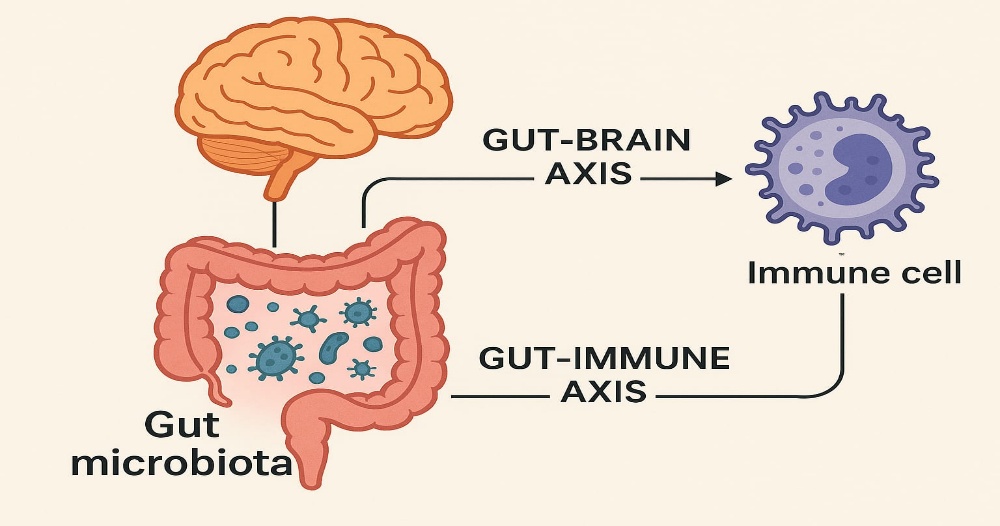
Figure 3. Demonstration of interconnected benefits of probiotics
Together, these effects demonstrate the interconnected benefits of probiotics (Figure 3.) across multiple systems. This results in improved quality of life and better overall health particularly beneficial in elderly individuals [41,42].
Assessment of Quality Of Life In Geriatric Population Using Whoqol- Bref Scale
Quality Of Life And Health Related Quality Of Life
Quality of Life (QoL) pertains to holistic wellbeing, spanning bodily health, emotional balance and social engagement. Health-Related Quality of Life (HRQoL) specifically focuses on how health status that is both physical and mental aspect impacts on a person’s ability to live a fulfilling life. It is a key indicator used to assess the effectiveness of healthcare interventions and the overall burden of disease [43,44].
Need Of Improvement Of Quality Of Life In Geriatric Population When Compared To Other Populations
The geriatric population generally includes individuals who are 65 years of age or older. The geriatric population is widely recognized as one of the most vulnerable groups when it comes to quality of life. Aging is often accompanied by multiple chronic health conditions, reduced physiological reserve, cognitive decline, and functional impairments, all of which can negatively impact daily living and independence. In addition, older adults are more susceptible to psychosocial challenges such as social isolation, bereavement, depression, and reduced economic stability following retirement [45]. They faces unique challenges that significantly impact their quality of life more than other age groups. The geriatric population experiences a range of age-related physiological, psychological, and social changes that significantly affect their quality of life, more so than other age groups [46]. With advancing age, the prevalence of chronic illnesses such as hypertension, diabetes, arthritis, and cognitive impairments like dementia increases. These health challenges often lead to reduced mobility, dependency, and frequent hospital visits. Unlike younger populations who typically enjoy better physical health and social integration, elderly individuals often face functional decline and a loss of independence. This makes it imperative to focus on improving their overall well-being through appropriate medical care, rehabilitation, and social support systems [47]. Enhancing the quality of life in older adults is essential because:
The people in later adult hood often face a compression of support, a shrinking social circle due to the loss of peers and changing family dynamics making them more susceptible to neglect, depression, and dependency. In contrast, other age groups typically benefit from stronger social networks and better health reserves. Improving the quality of life in geriatric individuals thus requires a multidimensional strategy that is integrating palliative care, geriatric mental health, accessibility improvements, age-friendly environments, and policies that prioritize aging in place with dignity and purpose [49] In addition to physical health concerns, the elderly frequently encounters mental health issues such as depression, anxiety, and loneliness, often exacerbated by the loss of a spouse or reduced family interaction. These psychosocial factors further deteriorate their quality of life and may go unnoticed or untreated [50]. Enhancing quality of life in the elderly, therefore, requires a holistic approach that addresses not only medical needs but also emotional and social well-being. Compared to other populations, the geriatric group has unique needs that demand specialized care models, community-based support, and policy-level interventions to promote healthy and dignified aging [51]. These combined physical, mental, and social factors increase the risk of diminished well-being and life satisfaction in later years. Moreover, the geriatric population often faces barriers to accessing healthcare, nutritional support, and social services, making them more reliant on public health interventions and caregiving systems. Given their increased needs and limited adaptability, improving the quality of life in elderly individuals is a public health priority that requires a multidimensional, patient-centered approach [52].
WHO QOL- BREF SCALE
The WHO developed WHOQOL-BREF is a globally recognized tool developed by the World Health Organization to explore how individuals feel about different aspects of their lives. It's designed to be used across various cultures and health conditions, offering a broad and inclusive understanding of a person's overall well-being from physical and emotional health to social relationships and daily environment [53]. It is a shortened version of the original WHOQOL-100 and consists of 26 items, covering four key domains as shown in the (table 1.) that is physical health, physiological health, social relationships and environmental quality of life. Additionally, the WHO-BREF includes two global questions that is one assessing the individual’s general perception of quality of life and the other evaluating overall well-being and health [54]. The quality of assessment tool is culturally sensitive and has been validated in multiple languages, making it suitable for global use in both clinical and research settings. The WHOQOL-BREF is designed to capture the individual's subjective perspective on their life, rather than relying solely on objective health indicators [55].
Table 1. Domains of WHOQOL BREF Scale
|
Domain |
Facet |
Question number in the WHOQOL- BREF |
|
Global items |
Overall quality of life |
1 |
|
Physical health |
General health |
2 |
|
Pain and discomfort |
3 |
|
|
Dependence on medical substances and medical aids |
4 |
|
|
Energy and fatigue |
10 |
|
|
Mobility |
15 |
|
|
Sleep and rest |
16 |
|
|
Activities of daily living |
17 |
|
|
Work capacity |
18 |
|
|
Physiological health |
Positive feelings |
5 |
|
Spirituality, religion and personal beliefs |
6 |
|
|
Thinking, learning, memory and concentration |
7 |
|
|
Bodily image and appearance |
11 |
|
|
Self-esteem |
19 |
|
|
Negative feelings |
26 |
|
|
Social relationships |
Personal relationships |
20 |
|
Sexual activity |
21 |
|
|
Social support |
22 |
|
|
Environmental Quality of life |
Freedom, physical safety and security |
8 |
|
Physical environment (pollution/noise/traffic/climate) |
9 |
|
|
Financial resources |
12 |
|
|
Opportunities for acquiring new information and skills |
13 |
|
|
Participation in and opportunities for recreation |
14 |
|
|
Home environment |
23 |
|
|
Health and social care; accessibility and quality |
24 |
|
|
Transport |
25 |
It provides a holistic view of well-being by encompassing not only physical health but also emotional status, social support, and environmental factors such as financial security and access to healthcare. The questionnaire is meant to be filled out by individuals themselves and typically takes less than 10 minutes to complete. Its psychometric strength, ease of use, and global adaptability make it a valuable tool in assessing quality of life among diverse populations, including patients with chronic illness, the elderly, and the general public [56].
All these domains work together to shape a person’s overall sense of well-being and daily functioning, with positive changes in any area contributing to a more fulfilling and comfortable life[58]. This scale provides a clear way to assess quality of life by considering physical health, mental state, social relationships, and the living environment. Focusing on these key areas allows for a fuller understanding of an individual's well-being, highlighting the importance of improving all aspects of life [59]. The scoring and interpretation is based on the measure of response on a 5-point scale ranging from 1-5, with higher scores indicating better quality of life. The scores for each domain’s score is determined by computing the average of the responses to the items it contains. It generates a composite score reflecting each of the four dimensions. Except pain and discomfort (3), dependence on medical substances and medical aids (4) and negative feelings (26) sub domains are reverse or back scored and other sub domains are orginal scoring domains [60]. Each item is scored on a 5-point Likert scale (1 = very poor/dissatisfied to 5 = very good/satisfied). To get the score for each area, the individual responses within that section are added together. The raw scores are standardized on a scale from 0-100, where higher scores indicating a more favourable quality of life [61]. The (Table 2.) shows the formula for calculating each domain:
Table 2. Each domains score calculating formula
|
Domains |
Scoring |
|
Physical Domain |
{Sum of individual scores of sub domain – 7} divided by 28 and multiplied with 100 |
|
Physiological Domain |
{Sum of individual scores of sub domain – 6} divided by 24 and multiplied with 100 |
|
Social Relationships |
{Sum of individual scores of sub domain – 3} divided by 12 and multiplied with 100 |
|
Environmental Quality of life |
{Sum of individual scores of sub domain – 8} divided by 32 and multiplied with 100 |
Higher domain specific scores are associated with a strong sense of life quality. Lower scores suggest limitations, dissatisfaction, or poor functioning in the respective domain. Domain scores are interpreted individually; there is no single total score. Results can be compared across populations, used to monitor changes over time, or evaluate the effectiveness of interventions [62]. For the geriatric population, achieving balance across these domains is crucial for enhancing quality of life. Tackling physical health issues, promoting psychological well-being, nurturing social connections, and improving environmental factors all play a role in fostering better aging experiences, enabling older adults to sustain independence and a high quality of life [63]. The WHOQOL-BREF scale plays a crucial role in evaluating the impact of probiotics on the quality of life in the geriatric population by assessing improvements across physical, psychological, social, and environmental domains. Probiotics can enhance gut health, which may lead to better digestion, mood, and overall well-being, thus improving scores in the physical and psychological health domains. By monitoring these changes with the WHOQOL-BREF, can analyze the impact of probiotic intervention in the quality of life of geriatric population and that foster greater independence and life satisfaction in older adults[64,65].
DISCUSSION
With the global increase in aging populations, maintaining quality of life (QoL) in the elderly has become a priority. Aging is associated with physiological changes, immune decline, and gut microbiota dysbiosis, all of which can impact health outcomes and overall wellbeing. Probiotics have shown potential in restoring gut microbial balance, enhancing immune responses, and reducing gastrointestinal symptoms, which are common among the elderly. Multiple studies have evaluated the role of probiotics in mitigating age-related health issues, including irritable bowel syndrome, depression, and inflammation. These effects contribute positively to both physical and psychological domains of QoL. Moreover, the gut-brain axis highlights a strong link between microbial health and mental well-being, suggesting that probiotics may influence mood and cognition in older adults. To measure these multidimensional impacts, the WHOQOL-BREF scale developed by the World Health Organization is widely used for assessing QoL across physical, psychological, social, and environmental domains. Its validated versions in different cultural contexts make it a reliable tool for elderly populations globally. Several pilot and clinical studies have employed WHOQOL-BREF to quantify the benefits of probiotic supplementation, reporting improvements in digestive comfort, mood, energy levels, and social engagement among older adults. These findings support the integration of probiotics into geriatric care as a non-invasive, adjunctive approach to improve QoL. These evidences suggest that probiotics may serve as a supportive intervention to enhance the quality of life in elderly populations. The WHOQOL-BREF scale provides a validated framework to evaluate these benefits holistically.
CONCLUSION
Assessing the impact of probiotics on the quality of life in the elderly using the WHOQOL-BREF scale provides valuable insights into how gut health influences overall well-being. Probiotic supplementation may contribute to improvements in physical health, psychological stability, and social functioning. The WHOQOL-BREF scale, with its multidimensional approach, serves as an effective tool for measuring these changes, highlighting the potential role of probiotics in enhancing health-related quality of life among the aging population.
REFERENCES


Ardra S. A., Amina S. N., Sam Jeeva Kumar*, Chintha Chandran, Shaiju S. Dharan, A Review on Assessment of Probiotics Impact on Quality of Life in Elderly Population Using Whoqol-Bref Scale, Int. J. of Pharm. Sci., 2025, Vol 3, Issue 6, 3939-3956. https://doi.org/10.5281/zenodo.15730302
 10.5281/zenodo.15730302