

We use cookies to ensure our website works properly and to personalise your experience. Cookies policy
Siddhi College of Pharmacy, Chikhali- 411062.
The present study was undertaken to formulate and evaluate a herbal antibacterial cream using plant-derived bioactive constituents with enhanced therapeutic efficacy. The formulation incorporates aloe vera extract, neem extract, turmeric extract, and Butea monosperma as a novel ingredient, selected for its potent antibacterial, anti-inflammatory, and wound-healing properties. The cream base was developed using liquid paraffin and sweet almond oil as emollients, cetyl alcohol as a consistency enhancer, glycerine as a humectant, and distilled water as the aqueous phase. Acacia Gum was employed as an emulsifying agent, while carbopol functioned as a stabilizing agent. Methyl paraben and propyl paraben were added as preservatives to ensure microbial stability, sodium hydroxide was used for pH adjustment, and vitamin E was incorporated as an antioxidant. Three formulations (F1, F2, and F3) were developed and evaluated for various physicochemical and biological parameters including physical appearance, pH, spreadability, irritancy, viscosity, stability, ease of removal, and antibacterial activity. The results indicated that all formulations showed acceptable characteristics for topical application. Among them, formulation F1 exhibited superior properties with optimum viscosity, excellent spreadability, ideal pH (6.8), good stability, easy washability, absence of irritation, and maximum antibacterial activity against tested microorganisms. The presence of flavonoids, tannins, and phenolic compounds in the herbal extracts contributed significantly to the antibacterial and skin-protective properties of the cream. The study concluded that the formulated herbal antibacterial cream possesses promising therapeutic potential and can be safely used for topical treatment of minor skin infections and protection against microbial contamination.
Skin illnesses are caused by poor hygiene, overpopulation, malnutrition, a lack of safe drinking water, and excessive temperatures and humidity. Furthermore, the treatments used to treat them are antibiotics, steroids, and sulfonamides, which are not only out of reach for the local population in remote locations, but also associated with considerably more serious side effects such as atrophy, telangiectasia, hirsutism, and sensitizing dermatitis. Indigenous medicinal plants have been a widely available source of medications since ancient times, and over half of new drugs are still based on phytochemicals. The majority of people in underdeveloped nations, as well as around 25% of individuals in affluent countries, use herbal medicine to prevent and treat disease. Recognizing the medical significance of indigenous plants, the World Health Organization (WHO) recommends that “effective locally accessible botanicals be employed as alternatives for medicines. Research on medical plants and the exchange of information collected will go a long way in scientific research of medicinal plants for the benefit of man, and is likely to minimize dependence on imported pharmaceuticals” [1]
Semisolid emulsions intended for external application are referred to as creams. They can be oil in water (o/w) or water in oil (w/o) emulsions. Its ability to remain at the application site for a longer period of time is its main characteristic.[2]
These are topical remedies that are typically employed for therapeutic or cosmetic purposes. Topical delivery is the direct treatment of skin conditions by applying formulations containing active pharmaceutical ingredients topically or the outward signs of a general illness (like psoriasis). To achieve therapeutic or preventive effects, a variety of medications, such as antimicrobials, antibacterials/anti-inflammatories, analgesics/anti-inflammatories, antiaging medications, and antioxidants, have been added to creams. Both synthetic and herbal medications may be included.[3]
Several hundred plants have been identified in Indian ethnobotanical literature as having the ability to heal a variety of ailments, one of which being Butea monosperma (Lam.) Kuntz. Butea frondosa Roxb. ex Willd. & Erythrina monosperma Lam.
This tree is also known as 'Flame of the Forest' or Bastard Peak in English.
This plant is widely used in India to treat a variety of ailments. The flowers are used to treat hepatic diseases, viral hepatitis, diarrheoa, as an anti-inflammatory, anticonvulsant, and tonic. The roots can heal night blindness, piles, ulcers, tumors, and have antispermatic properties. The gum is a potent astringent.
Stem bark has antifungal and wound-healing properties. [4]
• Mechanism of action
Because Butea monosperma contains flavonoids, tannins, and phenolic chemicals, herbal antibacterial creams containing it function through numerous methods. Flavonoids damage bacterial cell membranes, allowing intracellular contents to flow out, whereas tannins precipitate microbial proteins and block enzymes.[5][6]
Within bacterial cells, phenolic chemicals cause oxidative stress, which damages cellular components and ultimately results in cell death.[7]
This multi-target action reduces the risk of microbial resistance development and provides broad-spectrum antibacterial activity.[5][7]
• Effect on skin
Wound healing is facilitated by herbal antibacterial creams, which stimulate collagen synthesis and tissue regeneration.[5] Their anti-inflammatory properties are responsible for the reduction of inflammation, redness, and irritation, while antioxidants safeguard the skin from oxidative injury. [8]
These creams are also good for long-term topical usage because they help keep skin hydrated, enhance texture, and are often non-irritating. [5][8]
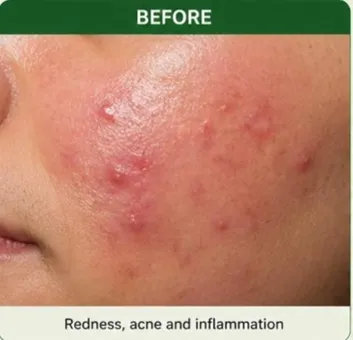
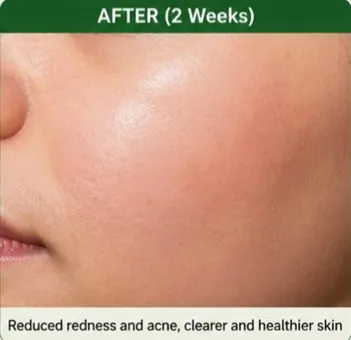
Fig 1: Effect of Herbal Antibacterial cream on skin
• The skin's natural defenses
MATERIALS AND METHOD
• MATERIALS [10]
|
Sr.No |
Ingredients |
Role |
|
1. |
Aloe vera Extract |
Active Herbal Ingredients |
|
2. |
Neem Extract |
Active Herbal Ingredients |
|
3. |
Butea monosperma Extract |
Active Herbal Ingredients |
|
4. |
Sweet almond oil |
Emollient |
|
5. |
Stearic acid |
Emulsifying agent |
|
6. |
Glycerine |
Humectant |
|
7. |
Light liquid paraffin |
Emollient |
|
8. |
Self Emulsifying Gum |
Stabilizer |
|
9. |
Carbapol |
Thickener |
|
10. |
Methyl Paraben |
Preservative |
|
11. |
Propyl paraben |
Preservative |
|
12. |
Triethanolamine |
pH balancer |
|
13. |
Vitamin E |
Antioxidant |
|
14. |
Distilled water |
Aqueous phase |
|
15. |
Rose water |
Fragnance |
1.Aloe vera gel
Family : Liliaceae
Synonyms : Aloe barbadensis, Aloe indica, Aloe barbados [11]
Biological Source : Aloe is the dried latex from the leaves of several different species including:
Aloe barbadensis Miller (or Curacao Aloe)[12]
Description : It is a stemless or very short-stemmed plant that grows to a height of 80–100 cm and spreads through root sprouts and offsets. The lanceolate leaves have a serrated edge, are robust and meaty, and range in color from green to grey-green. Each pendulous flower has a yellow tubular corolla that is two to three centimeters long, and the flowers are produced on a spike that can reach a height of ninety centimeters. Aloe vera or aloe gel is produced by a gel found in the tissue in the middle of the aloe leaf. [11]
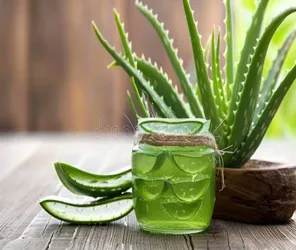
Fig 2 : Aloevera Gel
2. Neem Extract
Family: Meliaceae
Scientific name: Azadirachta indica
Chemical Composition: Ascorbic acid, nimbin, nimbanene, 6-desacetylnimbinene, nimbandiol, nimbolide, n-hexa cosanol, and amino acid. Neem is an infectious antibacterial agent against the bacterial infection V. vulnisificus and was found to be non-toxic at lower concentrations to human lymphocytes. Neem significantly increased DNA damage in human lymphocytes when compared to control. [13]
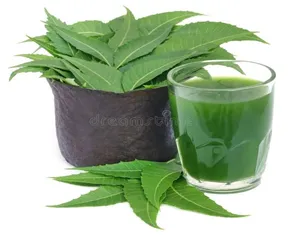
Fig 3: Neem Extract
3. Butea Monosperma
Synonyms: Palash, dhak, flame of the forest, bastard teak, bijasneha, khakara, chichara, and Bengal kino. [14]
Family: Fabaceae
Subfamily: Caesalpinioideae
Active Constituents: butein, butrin, flavonoid, steriods [15]
Description: The medium-sized, upright, deciduous Butea monosperma tree grows to a height of 12 to 15 meters. Its diameter at breast height (DBH) can reach up to 43 cm. Young trees only grow a few feet a year.
Flowers range in length from 5 to 40 cm, while corollas are 5 to 6 cm long, have semi-circular keels, beaks, and veins, and are covered in silky hairs on the outside. The calyx is roughly 12 mm long, dark olive green, and has small teeth with two connate upper teeth and three equal, triangular bottom teeth. It also has silky hairs on the inside. They have a high pubescent density. [16]
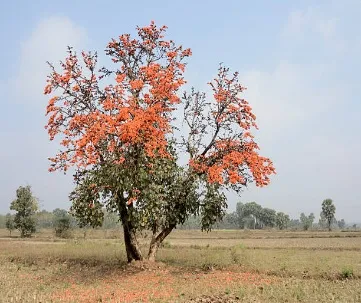
Fig 4: Butea monosperma
4. Stearic acid
One of the most prevalent fatty acids is stearic acid, also known as octadecanoic acid (CH3(CH2)16COOH. [17]
Stearic acid is used as a primary emulsifying agent and oil phase component in antibacterial cream.
It significantly affects viscosity, spreadability, and stability of the cream.[18]
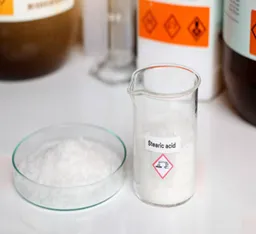
Fig 5: Stearic Acid
5. Glycerine
Glycerol, also known as glycerine or propane-1,2,3-triol, is a significant component of lipids called glycerides and is found in the membranes of nearly all living cells. [19]
Fig 6 : Glycerine
6. Light liquid paraffin
A transparent, colorless, odorless, or nearly odorless, oily liquid made of saturated hydrocarbons derived from petroleum is known as liquid paraffin or mineral oil.[20]
Its primary application has been as a lubricating laxative, but due to its side effects, it is not advised. [21]
Fig 7: Light Liquid Paraffin
7. Self Emulsifying Gum (Acacia gum)
One of the most widely used products for a variety of uses in various pharmaceutical dosage forms is Acacia Gums, generally referred to as Gum Arabic (GA).
GA is a mildly acidic substance that is mostly made up of polysaccharides, glycoproteins, and the salts of magnesium, calcium, and potassium. [22]
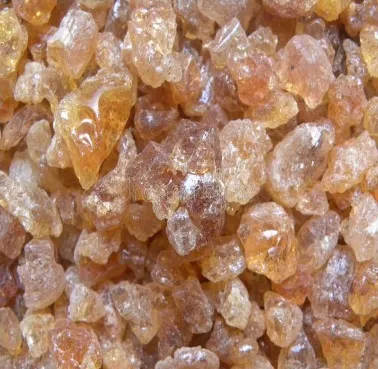
Fig no 8: Acacia gum
8. Carbapol
Carbopols are defined as dry, white, fluffy powders that have a hint of acidity. [23]
High molecular weight, cross-linked polymers based on acrylic acid are known as carbopol polymers.[24]
Carbopols are widely used as thickening and viscosity agents in pharmaceutical formulations, including gels, suspensions, and emulsions, to alter flow properties and produce desired effects.[23]
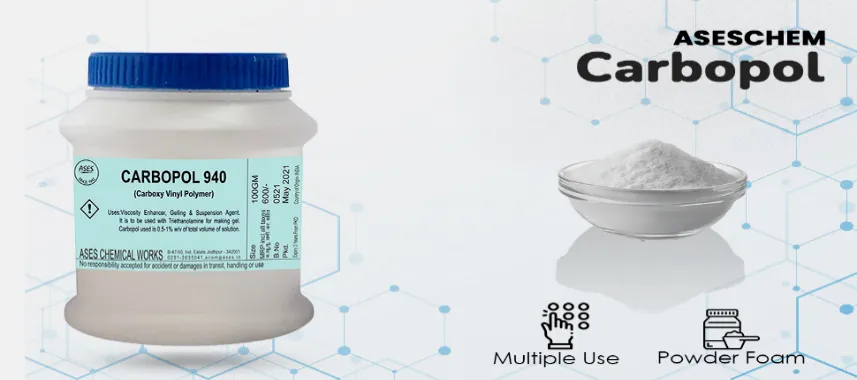
Fig no 9: Carbopol
9. Methyl Paraben
The methyl ester of p-hydroxybenzoic acid, also known as methyl 4-hydroxy benzoate in IUPAC, is one of the paraben compounds with the chemical formula C8H8O3.
For almost 100 years, the food, pharmaceutical, cosmetic, and personal care industries have safely employed parabens as preservatives. Products like makeup, moisturizers, hair care products, and shaving products may contain parabens, which include methylparaben, ethyl paraben, propylparaben, butylparaben, isopropylparaben, and isobutylparaben. [25]
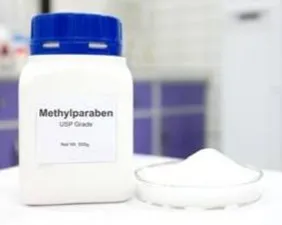
Fig 10: Methyl Paraben
10. Propyl Paraben
A propyl ester of the phenol para-hydroxybenzoic acid is called propylparaben.
They are either white crystalline powders or odorless, nearly colorless crystals. Alkyl chain length has an inverse relationship with water solubility. Their antibacterial activity is mostly directed against bacteria and fungus, with a pH range of 3–8. [26]
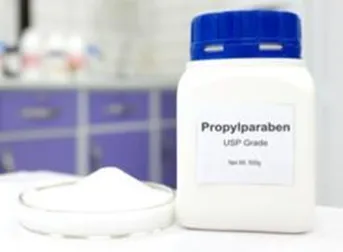
Fig 11: Propyl Paraben
11. Triethanolamine
Triethanolamine is widely utilized in the formulation of consumer goods like cosmetics, detergents, shampoos, and other personal products as emulsifiers, thickeners, and wetting agents.[27]
According to reports, TEA can be utilized in perfumes and serves as a surfactant or pH adjuster in cosmetics. According to reports, the majority of the other TEA constituents serve as surfactants, skin conditioners, or hair conditioners in cosmetics.[28]
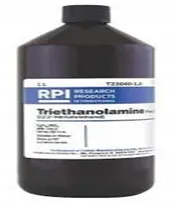
Fig no 12 : Triethanolamine
12. Vitamin E
For over fifty years, dermatologists have utilized vitamin E, a significant fat-soluble antioxidant. It is a crucial component of a lot of cosmetics. By scavenging free radicals, it shields the skin from a variety of harmful effects caused by sun radiation.[29]
13. Sweet Almond Oil
In the cosmetics industry, skin creams and antiaging products frequently contain almond oil. It has been used to improve skin tone and complexion since it is said to have good emollient and sclerosant qualities.[30]
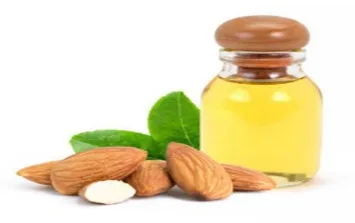
Fig 13: Sweet almond oil
14. Distilled Water
This is the most crucial and frequently utilized ingredient in any cream recipe. These are the most affordable and readily accessible. Water is used as a solvent in skin treatments to dissolve other ingredients. Creams are made with water, which is devoid of all poisons, pollutants, microorganisms, etc. [31]
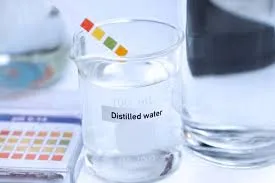
Fig 14: Distilled Water
15. Rose Water
The rose is a blooming shrub that belongs to the Rosaceae family. Its name comes from the Latin word Rosa.
The Damask Rose, Rosa damascena Mill., is well-known for its exquisite scent and is a source of rose oil used to manufacture rose water in perfumery. [32]
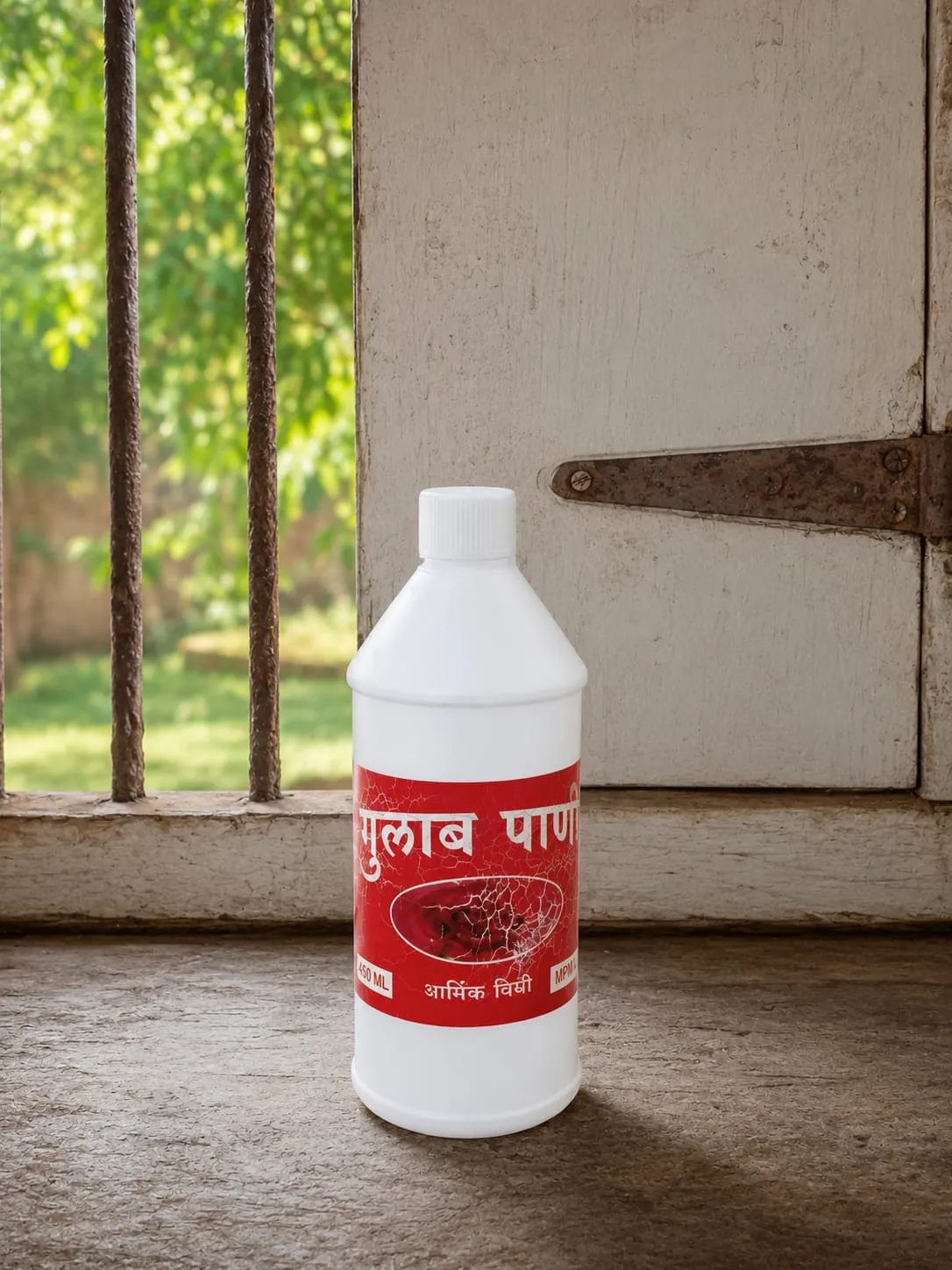
Fig 15: Rose water
• METHOD OF PREPARATION
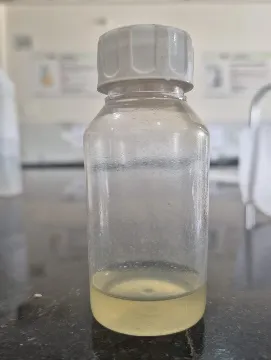
Extraction of Aloevera Gel : After choosing ripe, healthy, and fresh leaves, they were cleaned with distilled water. After a sterile knife was used to cut the outer part longitudinally. The sterile knife was then used to extract the colorless parenchymatous tissue that makes up aloe vera gel. After that, the fibers and impurities were filtered out using muslin cloth. The process then used a translucent aloe vera gel called the filtrate or filter product.
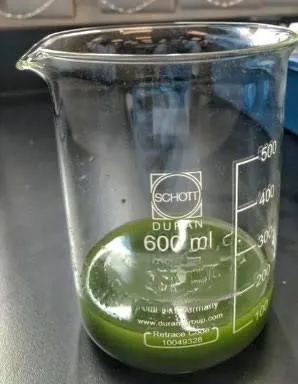
Extraction of Neem : Gather fresh neem leaves and thoroughly wash them with distilled water. 5 g of neem powder were dried in a hot air oven, and 20 ml of dimethyl sulfoxide were heated to 100 degrees Celsius for five to ten minutes. To get a clear solution, strain it through filter paper after that. [2]
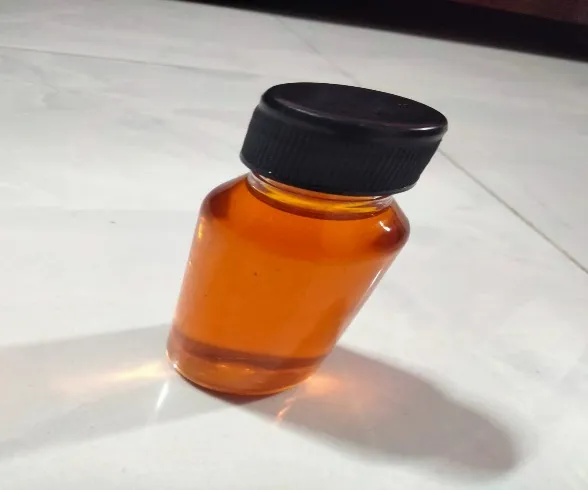
Extraction of Butea monosperma : 40 grams of fresh Butea monosperma (Lam.) Taub flowers were boiled in 200 milliliters of distilled water at 100 degrees Celsius until all orange pigments were dissolved and the flowers turned colorless. The solution is then filtered and used for additional study. [33]
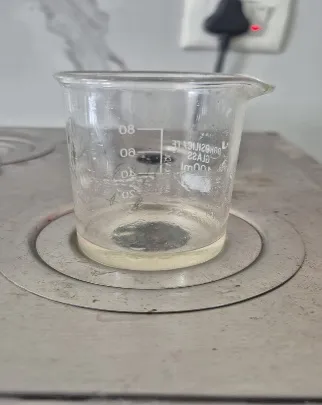
• Method
Prepare oil phase:
Melt stearic acid, sweet almond oil, liquid paraffin, and polysorbate 60 at 70–75°C.
Prepare aqueous phase:
Dissolve glycerine in distilled water and add xanthan gum with stirring. Heat to 70–75°C.
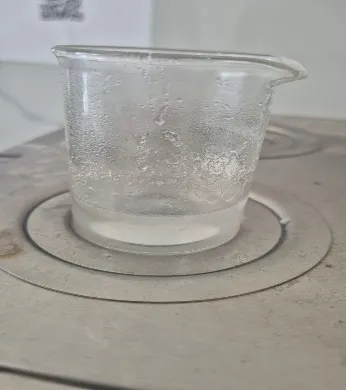
Emulsification:
Add oil phase slowly into aqueous phase with continuous stirring to form an emulsion.
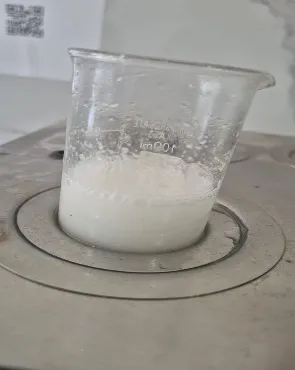
Add triethanolamine:
Mix to form a smooth cream base.
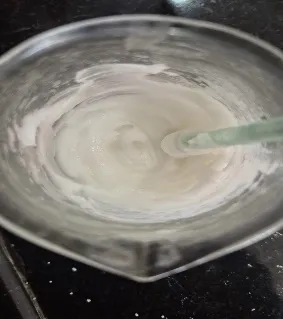
Cooling:
Allow to cool below 40°C.
Add actives:
Add aloe vera gel, neem extract, turmeric extract, Butea extract, vitamin E, preservatives, and fragrance.
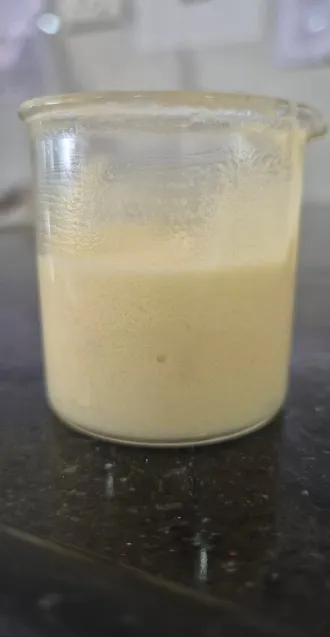
Mix & pack:
Stir well to get a smooth cream and transfer into container. [2]
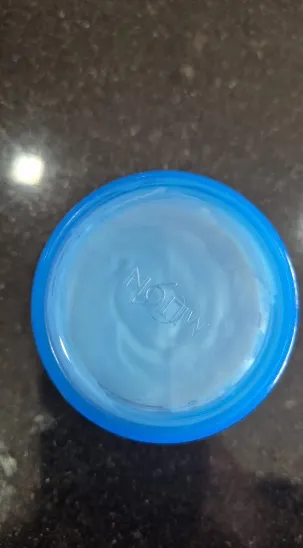
• Formulation Table
|
Sr.No |
Ingredients |
F1 |
F2 |
F3 |
|
1. |
Aloe vera gel |
2 ml |
3 ml |
4 ml |
|
2. |
Neem Extract |
1 ml |
2 ml |
3 ml |
|
3. |
Butea monosperma Extract |
0.5 ml |
1 ml |
2 ml |
|
4. |
Sweet almond oil |
5 ml |
6 ml |
7 ml |
|
5. |
Stearic Acid |
4 g |
5 g |
6 g |
|
6. |
Glycerine |
3 ml |
4 ml |
5 ml |
|
7. |
Light liquid paraffin |
4 ml |
5 ml |
6 ml |
|
8. |
Emulsifying gum (Acacia gum) |
2 g |
2.5 g |
3 g |
|
9. |
Carbopol |
0.4 g |
0.5 g |
0.6 g |
|
10. |
Methyl Paraben |
0.1 g |
0.1 g |
0.1 g |
|
11. |
Propyl Paraben |
0.05 g |
0.05 g |
0.05 g |
|
12. |
Triethanolamine |
0.4 ml |
0.5 ml |
0.6 ml |
|
13. |
Vitamin E |
0.5 ml |
0.7 ml |
1 ml |
|
14. |
Distilled Water |
25 ml |
18 ml |
10 ml |
|
15. |
Rose Water |
2 ml |
2 ml |
2 ml |
|
|
Total |
50.0 g |
50.0 g |
50.0 g |
EVALUATION PARAMETERS
1.Physical Appearance
Color, odour, appearance and phase separation are examples of organoleptic characteristics.(34)
Visual inspection and application of the cream on human skin were used to assess its overall look[35]
2.pH
The pH of a cream was determined by using digital pH meter . Accurately weighed 5 g of the cream was dispersed in 45 ml of water to determined the pH of the suspension at 27°C using digital pH meter[36]. A topical preparation’s pH should fall within the range that was calibrated using standard buffer solutions prior to each usage. (The skin’s PH ranges from 4.5 to 7.)[37]
3.Spreadibility
By measuring the spreading diameter of one gram of sample between two horizontal glass plates (10 cm x 20 cm) after one minute, the formulations’ spreadability was assessed. The upper plate was often given a weight of 25 g. Three tests were conducted on each formulation.[38] Two sets of standard-sized glass slides were collected. One of the slides was covered with the herbal cream formulation. The cream was sandwiched between the two slides when the other slide was positioned on top of the formulation. Weight was applied to the upper slides to ensure that the cream between the two slides was uniformly compressed to form a thin layer. The extra mixture sticking to the slides was scraped off once the weight was removed. The power of the weight attached to the upper slide made it possible for it to glide off freely. The highest slide’s duration was recorded[39]
4.Irritancy
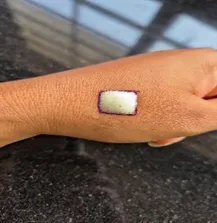
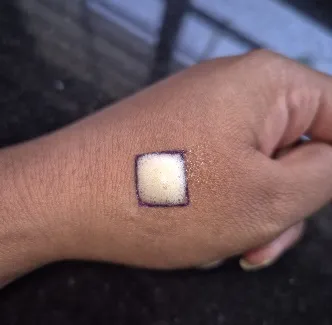
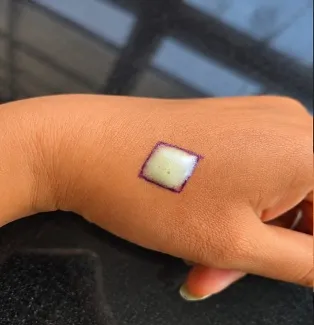
On the dorsal surface of the left hand, mark a 1 square centimeter area. After applying the cream to the designated area, the time was recorded. After 30 minutes, irritability was assessed and reported.[40] During irritancy tests, the formulations did not exhibit any redness, edema, inflammation, or irritation. The compositions are therefore safer for the skin. [41]
5.Antibacterial test
The agar disk diffusion method was used to test the leaf extract’s antibacterial activity. In this procedure, test organisms are grown on solid agar medium plates. Once the test organism has developed, the extract is put into the paper discs and put on the firm agar plate. An antibiotic zone reader will be used to measure the zone of inhibition, which is the area where the extract stops the growth of bacteria after it diffuses into the agar plate. Aureus Staphylococcus and Escherichia coli are the two most often used bacterial strains employed in this antibacterial investigation. The solid agar plates were made by dissolving the necessary amounts of peptone, beef extract, sodium chloride, and agar in heated water, The liquid agar medium was autoclaved for sterilization, and it was then allowed to harden in a Petri dish.[42]
6.Viscosity
The CAP-2000 Brookfield viscometer was used to measure the viscosity. The test sample was placed in a dry, clean 50 ml beaker, and its viscosity was measured using spindle numbers 1–4 and the Viscometer’s usual operating protocol. The sample’s viscosity was determined using each spindle at speeds of 0.3, 0.6, 1.5, 3, 6, 12, 30, and 60 r.p.m. Using a Brookfield viscometer, their rheological properties were also examined at 250 C.[43]
7.Stability testing
For roughly five weeks, all of the generated formulations underwent rapid stability testing. The temperature of the rooms was kept in accordance with the 1993 ICH recommendations. For every composition, parameters like color, texture, spreadability, pH, phase separation, skin irritation, and viscosity were measured. [44]
8. Ease of removal
By washing the applied area with tap water, the creams’ ease of removal was assessed. [45]
RESULT AND DISCUSSION
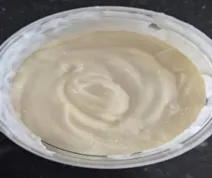
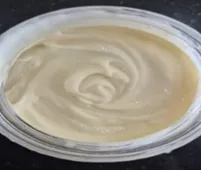
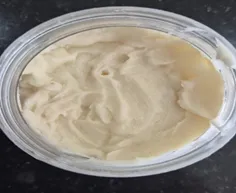
1.Physical Appearance
|
Sr.No |
Parameters |
F1 |
F2 |
F3 |
|
1. |
Colour |
Off- white |
Off- white |
Off- white |
|
2. |
Odour |
Pleasant |
Pleasant |
Pleasant |
|
3. |
Appearance |
Great |
Good |
Good |
|
4. |
Phase separation |
No separation |
No separation |
No separation |
F1 F2 F3
Discussion: From above observation table we can conclude that F1 have ideal physical characteristics.
2. pH determimation
|
Sr.No |
Parameters |
F1 |
F2 |
F3 |
|
1. |
pH |
6.83 |
6.60 |
5.88 |
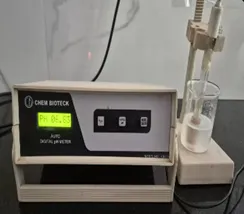
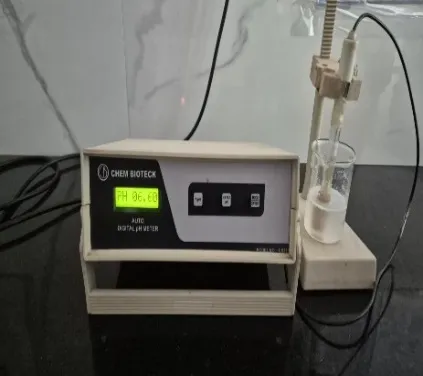
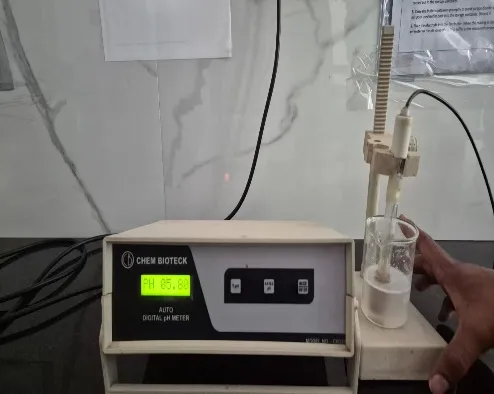
F1 F2 F3
Discussion: The pH of all formulations was found to be suitable for topical application and within the acceptable skin pH range (4.5-7.0). Among them, F1 showed the most ideal pH (6.8), indicating better skin compatibility and reduced chances of irritation.
3. Spreadibilty
|
Sr.No |
Parameters |
F1 |
F2 |
F3 |
|
1. |
Spreadibility |
Excellent |
Good |
Moderate |
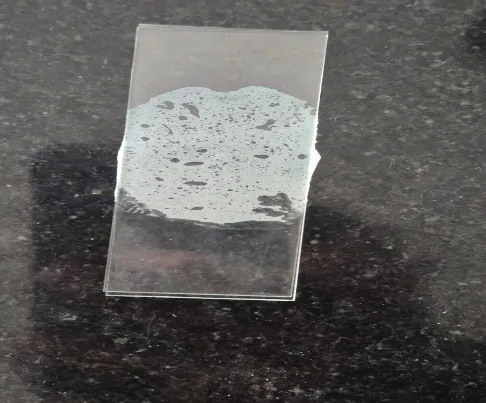


F1 F2 F3
Discussion: All the formulations showed acceptable spreadability. Among them, F1 exhibited excellent spreadability, which indicates ease of application and uniform distribution on the skin surface.
4. Irritancy
|
Sr.No |
Parameters |
F1 |
F2 |
F3 |
|
1. |
Irritancy |
No irritation |
No irritation |
Slight irritation |
F1 F2 F3
Discussion: The irritancy study revealed that F1 and F2 did not produce any signs of redness, itching, or irritation on the skin, whereas F3 showed slight irritation. Hence, F1 and F2 were considered safe for topical application.
5.Viscosity
|
Sr.No |
Parameters |
F1 |
F2 |
F3 |
|
1. |
Viscosity |
Optimum |
High |
Low |
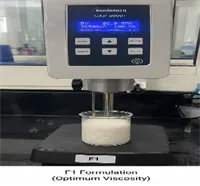
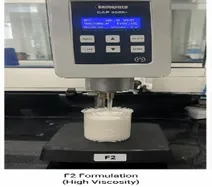
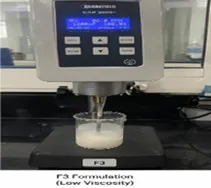
Discussion: The viscosity of all formulations was found to be satisfactory. F1 showed optimum viscosity, providing better consistency and ease of application compared to F2 and F3.
6.Stability testing
|
Sr.No |
Parameters |
F1 |
F2 |
F3 |
|
1. |
Stability |
Stable |
Stable |
Slight phase separation |
Discussion: During stability testing, F1 and F2 remained stable without any significant change in color, odor, consistency, or phase separation, whereas F3 showed slight phase separation. Therefore, F1 was considered the most stable formulation.
8. Ease of removal
|
Sr.No |
Parameters |
F1 |
F2 |
F3 |
|
1. |
Washability |
Easily washable |
Moderately washable |
Difficult to wash |
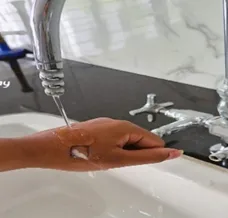
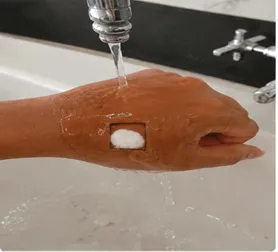
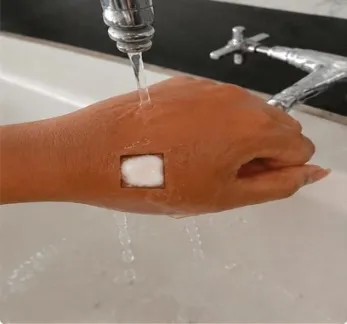
Discussion: All formulations showed acceptable washability. F1 was easily washable with water and showed better ease of removal compared to F2 and F3.
9.Antibacterial test
|
Sr.No |
Parameters |
F1 |
F2 |
F3 |
|
1. |
Antibacterial activity |
Excellent |
Good |
Moderate |
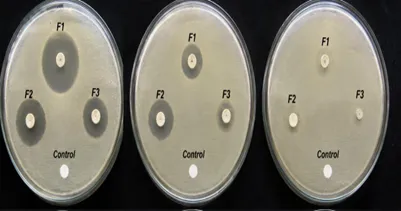
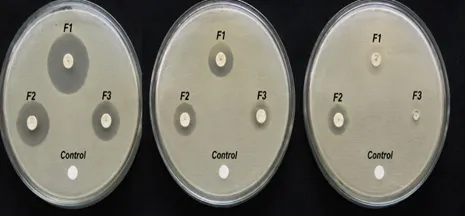
Staphylococcus aureus Eschertichia coli
Discussion: The antibacterial study showed that all formulations possessed antibacterial activity against the test organisms. Among them, F1 exhibited maximum antibacterial activity compared to F2 and F3, indicating better therapeutic effectiveness
DISCUSSION
The present investigation focused on the preparation and evaluation of a herbal antibacterial cream using extracts of Butea monosperma, Aloe vera, and Azadirachta indica. Herbal medicines are increasingly preferred due to their safety, cost-effectiveness, and lower incidence of adverse effects compared to synthetic drugs. The selected herbal ingredients are well known for their antibacterial, anti-inflammatory, antioxidant, and wound-healing properties, making them suitable candidates for topical formulations.
Three different formulations (F1, F2, and F3) were prepared and evaluated for physicochemical and biological characteristics. The physical appearance study revealed that all formulations possessed acceptable color, odor, and consistency without any phase separation. However, formulation F1 showed the best overall appearance and stability, indicating proper emulsification and compatibility among ingredients.
The pH values of all formulations were found within the acceptable skin pH range of 4.5–7.0, suggesting suitability for topical application without causing skin damage or irritation. Formulation F1 exhibited a pH of 6.8, which is considered ideal for maintaining skin compatibility and minimizing irritation.
Spreadability is an important parameter that determines the ease of application and uniform distribution of cream on the skin surface. Among all formulations, F1 demonstrated excellent spreadability, indicating better patient compliance and enhanced therapeutic performance. Irritancy testing showed that F1 and F2 did not produce redness, itching, or inflammation, whereas F3 caused slight irritation, possibly due to variation in ingredient concentration and viscosity.
Viscosity evaluation indicated that F1 possessed optimum consistency, ensuring easy application and prolonged retention at the site of action. Stability studies conducted over five weeks demonstrated that F1 and F2 remained stable without significant changes in physical characteristics, while F3 exhibited slight phase separation, indicating comparatively lower stability.
The antibacterial activity study confirmed that all formulations possessed inhibitory effects against the tested bacterial strains. Formulation F1 exhibited maximum antibacterial activity, which may be attributed to the synergistic effect of phytoconstituents such as flavonoids, tannins, phenolic compounds, and antioxidants present in the herbal extracts. These phytochemicals act by disrupting bacterial cell membranes, inhibiting microbial enzymes, and inducing oxidative damage in microbial cells.
Overall, the study demonstrated that formulation F1 showed the most satisfactory results among all prepared formulations and can be considered an effective herbal antibacterial cream for topical use.
CONCLUSION
The present study successfully formulated and evaluated a herbal antibacterial cream containing extracts of Butea monosperma, Aloe vera, and Azadirachta indica. The prepared formulations were evaluated for different physicochemical and biological parameters such as physical appearance, pH, spreadability, irritancy, viscosity, stability, washability, and antibacterial activity.
Among all formulations, F1 demonstrated the best overall performance with ideal pH, excellent spreadability, optimum viscosity, good stability, easy washability, absence of skin irritation, and superior antibacterial activity. The antibacterial effectiveness of the cream may be attributed to the presence of bioactive phytoconstituents including flavonoids, tannins, and phenolic compounds, which provide broad-spectrum antimicrobial action along with anti-inflammatory and wound-healing properties.
The study concludes that the formulated herbal antibacterial cream is safe, stable, effective, and suitable for topical application. It may serve as a promising alternative to synthetic antibacterial creams with fewer side effects and improved patient acceptability. Further clinical and microbiological studies may be carried out to establish its therapeutic efficacy on a larger scale.
REFERENCES





Hiteksha Kajale, Tanzila Pathan, Sushant Surekar, Arti Ingole, P Sable, Preparation, Evaluation and Antibacterial Assessment of Polyherbal Face Cream Enriched with Butea Monosperma, Int. J. of Pharm. Sci., 2026, Vol 4, Issue 6, 1356-1371, https://doi.org/10.5281/zenodo.20556364
 10.5281/zenodo.20556364