

We use cookies to ensure our website works properly and to personalise your experience. Cookies policy
School of pharmacy, Lincoln University College, Selangor, Malaysia.
Melanoma is an aggressive form of skin cancer characterized by rapid progression, high metastatic potential, and poor clinical prognosis in advanced stages. A key molecular event underlying melanoma invasion and metastasis is the overexpression of matrix metalloproteinases (MMP-2 and MMP-9), which facilitate extracellular matrix degradation and tumor cell dissemination. Conventional therapeutic strategies often face limitations such as drug resistance, systemic toxicity, and inadequate tumor targeting. In this context, natural bioactive compounds such as terpenoids have gained significant attention due to their intrinsic anticancer, antioxidant, and anti-inflammatory properties, particularly their ability to modulate MMP-related signaling pathways including NF-?B, PI3K/Akt, and MAPK cascades. However, their clinical application is limited by poor aqueous solubility and low bioavailability. Nanoemulgel-based drug delivery systems have emerged as a promising strategy to overcome these challenges by enhancing dermal penetration, improving physicochemical stability, and enabling controlled release of therapeutic agents. The integration of terpenoids into nanoemulgel formulations provides a synergistic platform for targeted melanoma therapy, ensuring improved localization within tumor tissues and enhanced inhibition of MMP-mediated invasion. Preclinical evidence from in vitro and in vivo studies demonstrates that terpenoid-loaded nanoemulgels significantly reduce melanoma cell proliferation, suppress angiogenesis, and induce apoptosis through modulation of oxidative stress and apoptotic signaling pathways. This review comprehensively highlights the molecular role of MMPs in melanoma progression, the therapeutic potential of terpenoids as natural MMP inhibitors, and the advantages of nanoemulgel-based delivery systems. Furthermore, it discusses recent advances in formulation strategies, nanotechnology-driven innovations, and future translational prospects. Overall, terpenoid-loaded nanoemulgels represent a promising and multifunctional nanotherapeutic approach for effective suppression of melanoma metastasis and improvement of targeted skin cancer therapy outcomes
Melanoma is one of the most aggressive and life-threatening forms of skin cancer, arising from the malignant transformation of melanocytes. Although it accounts for a smaller proportion of skin cancers compared with basal cell carcinoma and squamous cell carcinoma, melanoma is responsible for the majority of skin cancer-related deaths because of its rapid progression, high metastatic potential, and resistance to therapy [1]. The global incidence of melanoma has increased considerably over recent decades, particularly due to excessive ultraviolet (UV) radiation exposure, oxidative stress, genetic susceptibility, and environmental factors. Mutations in genes such as BRAF, NRAS, and PTEN contribute significantly to melanoma initiation and progression by promoting uncontrolled proliferation, angiogenesis, and metastatic dissemination [2]. In addition, the melanoma tumor microenvironment (TME), characterized by chronic inflammation, extracellular matrix (ECM) remodeling, and immune evasion, further accelerates disease progression and therapeutic resistance [3].
Despite major advances in melanoma treatment, conventional therapeutic approaches remain associated with several limitations. Surgical excision is effective mainly in early-stage melanoma, whereas advanced metastatic melanoma often exhibits poor responsiveness to chemotherapy and radiotherapy. Although targeted therapies and immune checkpoint inhibitors have improved patient survival, their long-term effectiveness is limited by adverse effects, tumor heterogeneity, immune-related complications, and the development of drug resistance [4]. Consequently, the inhibition of melanoma metastasis has emerged as a crucial therapeutic strategy because metastatic spread is the primary cause of melanoma-associated mortality. Tumor invasion and metastasis are strongly associated with the degradation of ECM components, a process mainly mediated by matrix metalloproteinases (MMPs). Among them, MMP-2 and MMP-9 play vital roles in melanoma progression by degrading type IV collagen in the basement membrane, thereby facilitating tumor migration, angiogenesis, and epithelial-mesenchymal transition. Overexpression of these enzymes is closely linked with poor prognosis and enhanced metastatic behavior in melanoma patients [5].
In recent years, naturally derived terpenoids have gained substantial attention as promising anticancer agents because of their antioxidant, anti-inflammatory, anti-proliferative, and anti-metastatic properties [6]. Several terpenoids, including limonene, ursolic acid, thymoquinone, betulinic acid, and farnesol, have demonstrated the ability to suppress melanoma cell invasion and inhibit MMP expression through modulation of signaling pathways such as NF-κB, PI3K/Akt, and MAPK/ERK. However, their clinical application is often limited by poor aqueous solubility, low bioavailability, rapid degradation, and inadequate skin penetration [7]. To overcome these limitations, nanoemulgel-based delivery systems have emerged as an innovative strategy for topical melanoma therapy. Nanoemulgels combine the advantages of nanoemulsions and hydrogels, providing enhanced drug solubility, improved dermal permeation, controlled drug release, prolonged retention, and targeted delivery to melanoma tissues [8]. Terpenoid-loaded nanoemulgels can significantly enhance local drug accumulation, improve MMP inhibition, reduce oxidative stress, and suppress melanoma metastasis while minimizing systemic toxicity [9].
The novelty of terpenoid-loaded nanoemulgels lies in their multifunctional therapeutic potential that integrates natural bioactive compounds with advanced nanocarrier technology for targeted melanoma management. Unlike conventional therapies that mainly focus on tumor destruction, terpenoid nanoemulgels simultaneously target multiple pathways involved in oxidative stress, inflammation, angiogenesis, and MMP-mediated metastasis. Furthermore, the combination of phytochemical-mediated molecular inhibition with nanotechnology-driven enhanced skin delivery offers a promising approach for improving therapeutic efficacy and reducing adverse effects in melanoma treatment. Therefore, terpenoid-based nanoemulgels represent a novel and emerging platform for the development of safer, more effective, and targeted anti-metastatic therapies against melanoma.
MOLECULAR PATHOPHYSIOLOGY OF MELANOMA AND ROLE OF MMPS:
Melanoma Initiation and Progression:
Melanoma arises from the malignant transformation of melanocytes and represents one of the most aggressive forms of skin cancer due to its high metastatic potential and resistance to conventional therapies. A critical initiating factor in melanoma development is UV radiation, which induces direct DNA damage through the formation of cyclobutane pyrimidine dimers and 6-4 photoproducts, as well as indirect damage via excessive generation of reactive oxygen species (ROS) [10]. Persistent oxidative stress disrupts cellular redox homeostasis, leading to lipid peroxidation, protein dysfunction, and genomic instability, thereby promoting mutagenic events that drive melanomagenesis. Among the most frequently altered oncogenic drivers in melanoma are mutations in the MAPK pathway, particularly in BRAF (most commonly V600E), which results in constitutive activation of downstream signaling and uncontrolled cell proliferation [11]. Similarly, mutations in NRAS contribute to sustained MAPK and PI3K pathway activation, while KIT mutations are often associated with specific melanoma subtypes such as acral and mucosal melanoma. These genetic alterations collectively enhance survival signaling, promote resistance to apoptosis, and facilitate early tumor progression from benign melanocytic lesions to invasive melanoma phenotypes [12].
TME In Melanoma:
The progression of melanoma is strongly influenced by a dynamic TME, which consists of stromal cells, immune cells, endothelial cells, and ECM components that collectively regulate tumor behavior. Chronic inflammatory signaling within the TME plays a pivotal role in melanoma progression, driven by elevated levels of cytokines such as TNF-α, IL-6, and IL-1β, which activate transcriptional programs that support tumor survival and invasion [13]. Tumor-associated macrophages and neutrophils further amplify this inflammatory milieu by secreting growth factors and proteolytic enzymes that enhance tumor aggressiveness. In parallel, angiogenesis is a hallmark of melanoma progression, primarily mediated by vascular endothelial growth factor (VEGF), which stimulates the formation of abnormal, leaky vascular networks that facilitate tumor growth and dissemination [14]. ECM remodeling within the TME is equally critical, as structural reorganization of collagen, fibronectin, and laminin provides a permissive scaffold for melanoma cell migration. This continuous interplay between inflammatory mediators, angiogenic signaling, and ECM remodeling creates a pro-tumorigenic niche that supports melanoma invasion and metastasis [15].
MMPs In Melanoma Metastasis:
MMPs, particularly MMP-2 and MMP-9, are key enzymes implicated in melanoma metastasis due to their ability to degrade structural components of the ECM and basement membrane. These gelatinases are frequently overexpressed in aggressive melanoma phenotypes and are strongly associated with poor prognosis and enhanced metastatic potential. MMP-2 and MMP-9 facilitate the breakdown of type IV collagen, a major constituent of the basement membrane, thereby enabling tumor cells to breach tissue boundaries and invade surrounding stroma. Beyond structural degradation, MMPs also regulate bioavailability of growth factors and cytokines sequestered within the ECM, further amplifying pro-tumorigenic signaling [16]. The proteolytic remodeling mediated by MMPs is a critical step in tumor invasion and intravasation, allowing melanoma cells to enter the systemic circulation and establish secondary metastatic sites. Additionally, MMP activity is tightly regulated at the transcriptional and post-translational levels, and dysregulation of this balance contributes significantly to the aggressive and invasive nature of melanoma [17].
Signaling Pathways Associated with MMP Activation:
The expression and activation of MMPs in melanoma are governed by multiple interconnected intracellular signaling pathways that collectively drive tumor progression and metastasis. The NF-κB signaling pathway is a central regulator of inflammatory and stress responses, and its activation leads to transcriptional upregulation of MMP-2 and MMP-9, thereby promoting ECM degradation and tumor invasion. Similarly, the MAPK/ERK pathway, frequently activated by BRAF and NRAS mutations, enhances MMP expression through downstream transcription factors such as AP-1, reinforcing melanoma cell proliferation and migratory capacity [18]. The PI3K/Akt signaling cascade contributes to melanoma progression by promoting cell survival, inhibiting apoptosis, and synergistically increasing MMP secretion under hypoxic and inflammatory conditions. In addition, VEGF-mediated angiogenesis not only supports neovascularization but also indirectly enhances MMP activity by stimulating endothelial and tumor cell cross-talk within the microenvironment. Together, these signaling networks form an integrated regulatory system that coordinates MMP expression, ECM remodeling, and angiogenesis, ultimately facilitating melanoma invasion and metastatic dissemination [19]. The molecular mechanisms involved in melanoma progression and MMP-mediated metastasis are shown in Figure 1.
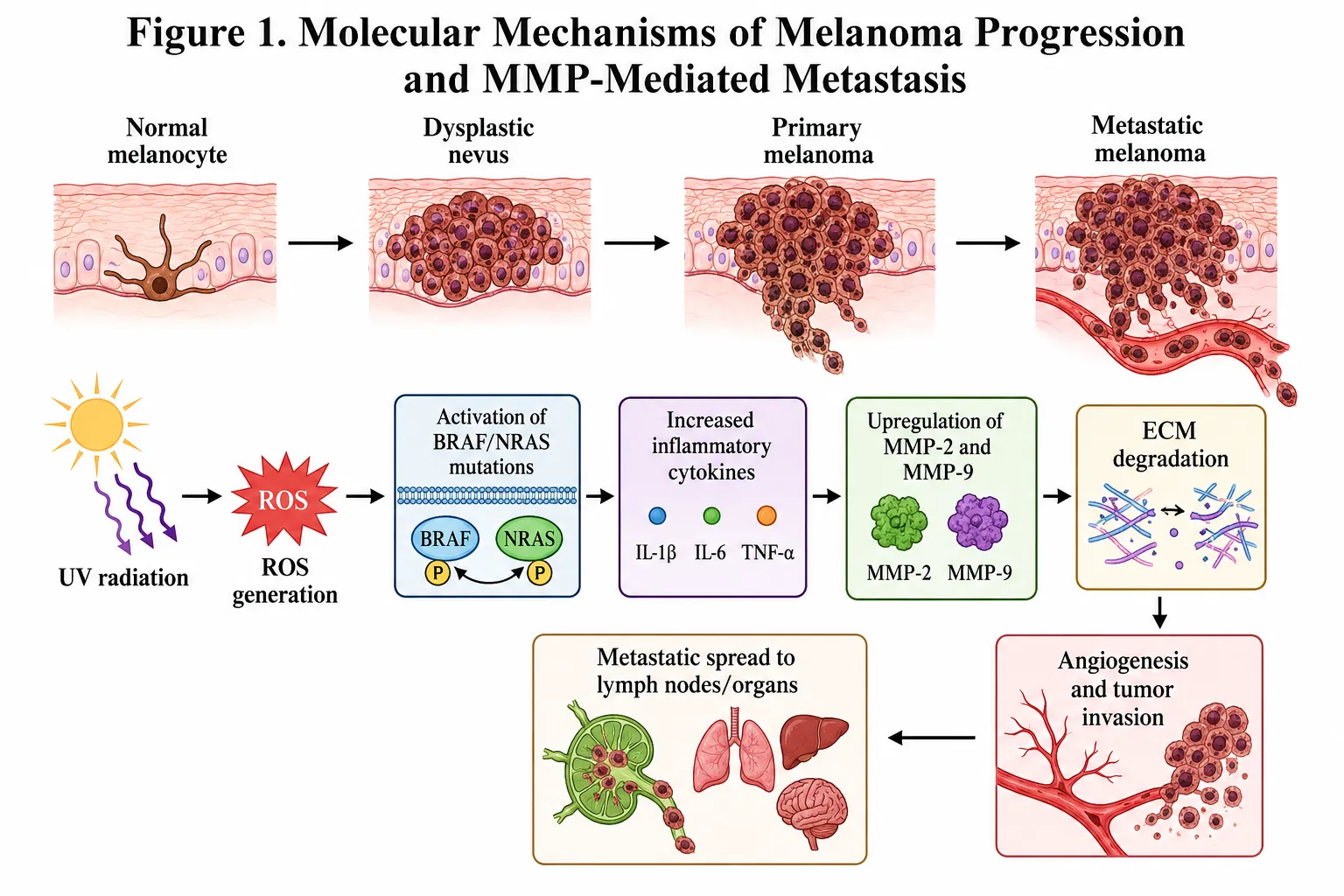
Figure 1: Molecular Mechanisms of Melanoma Progression and MMP-mediated Metastasis
TERPENOIDS AS NATURAL ANTI-MELANOMA AGENTS:
Overview Of Terpenoids:
Terpenoids represent one of the largest and most structurally diverse classes of naturally occurring phytochemicals, widely distributed in medicinal plants, essential oils, and resins, and extensively investigated for their pharmacological relevance in cancer biology. They are biosynthetically derived from isoprene units and are broadly classified into monoterpenoids (C10), sesquiterpenoids (C15), diterpenoids (C20), and triterpenoids (C30), each exhibiting distinct physicochemical properties and biological activities [20]. Monoterpenoids, such as limonene and geraniol, are characterized by low molecular weight and high volatility, enabling rapid cellular permeability [21]. Sesquiterpenoids, including farnesol derivatives, demonstrate enhanced lipophilicity and membrane interaction capacity [22]. Diterpenoids, such as taxane-related compounds, are structurally more complex and often associated with potent cytotoxic effects in malignant cells [23]. Triterpenoids, including ursolic acid and betulinic acid, exhibit strong bioactivity due to their pentacyclic scaffold, contributing to membrane stabilization and modulation of intracellular signaling pathways [24]. Collectively, these subclasses provide a chemically versatile platform for anticancer drug discovery, particularly in melanoma where multifactorial signaling governs tumor progression and metastasis.
Anticancer Properties of Terpenoids:
Terpenoids exert broad-spectrum anticancer effects through multi-targeted mechanisms that interfere with tumor initiation, progression, and metastatic dissemination. A major contributing property is their potent antioxidant activity, wherein terpenoids scavenge ROS and restore redox homeostasis, thereby mitigating oxidative DNA damage that drives melanoma initiation. In addition, they exhibit strong anti-inflammatory effects by suppressing pro-inflammatory mediators such as TNF-α, IL-6, and COX-2, which are known to facilitate TME remodeling and melanoma progression [25]. Terpenoids also demonstrate significant anti-proliferative activity by inducing cell cycle arrest at G0/G1 or G2/M phases through modulation of cyclins and cyclin-dependent kinases, thereby inhibiting uncontrolled melanoma cell growth. Furthermore, their pro-apoptotic mechanisms involve activation of intrinsic mitochondrial pathways, characterized by upregulation of Bax, downregulation of Bcl-2, and subsequent caspase cascade activation [26]. These combined effects highlight terpenoids as pleiotropic anticancer agents capable of simultaneously targeting oxidative stress, inflammation, proliferation, and programmed cell death pathways in melanoma pathology.
Mechanisms Of MMP Inhibition by Terpenoids:
A critical aspect of terpenoid-mediated anti-melanoma activity is their ability to suppress MMPs, particularly MMP-2 and MMP-9, which play central roles in ECM degradation and metastatic invasion. Terpenoids achieve this through transcriptional downregulation of MMP gene expression and inhibition of upstream signaling cascades that regulate MMP activation. One of the principal mechanisms involves suppression of the NF-κB signaling pathway, a key transcription factor responsible for regulating inflammatory and metastatic gene expression, including MMPs. By inhibiting NF-κB nuclear translocation, terpenoids effectively reduce MMP transcription and subsequent proteolytic activity [27]. Additionally, terpenoids suppress angiogenesis by downregulating VEGF expression, thereby limiting tumor vascularization required for melanoma progression. Another important mechanism involves modulation of epithelial mesenchymal transition (EMT), wherein terpenoids restore epithelial markers such as E-cadherin while inhibiting mesenchymal markers like N-cadherin and vimentin, ultimately reducing migratory and invasive potential of melanoma cells. Through these interconnected pathways, terpenoids act as potent regulators of MMP-driven metastatic processes [28].
Examples Of Promising Terpenoids:
Several naturally derived terpenoids have demonstrated significant anti-melanoma potential through experimental and preclinical studies. Curcumin, a polyphenolic diterpenoid derived from Curcuma longa, exhibits strong MMP-2 and MMP-9 inhibitory activity through NF-κB pathway suppression and is widely recognized for its anti-invasive properties. Limonene, a monoterpenoid present in citrus oils, has been shown to reduce melanoma cell proliferation and oxidative stress while modulating apoptotic signaling pathways. Thymoquinone, a bioactive compound from Nigella sativa, demonstrates potent anti-angiogenic and anti-metastatic effects through inhibition of PI3K/Akt and MAPK signaling cascades [29]. Ursolic acid, a pentacyclic triterpenoid found in various medicinal herbs, suppresses melanoma invasion by downregulating MMP expression and enhancing apoptotic activity. Betulinic acid, derived from birch bark, selectively induces apoptosis in melanoma cells via mitochondrial dysfunction and caspase activation while concurrently inhibiting MMP-mediated invasion. Farnesol, a naturally occurring sesquiterpenoid, interferes with EMT progression and reduces metastatic potential by modulating Ras-related signaling pathways [30]. Collectively, these terpenoids represent promising natural scaffolds for the development of targeted anti-melanoma therapies focused on MMP inhibition and metastatic control.
NANOEMULGEL SYSTEMS FOR MELANOMA THERAPY:
Nanoemulgels:
Nanoemulgels represent a hybrid colloidal drug delivery system that integrates the advantages of nanoemulsions and hydrogel-based formulations into a single platform, thereby improving dermal and transdermal drug delivery efficiency. A nanoemulgel typically consists of an oil-in-water nanoemulsion incorporated into a structured gel matrix, allowing the system to combine high solubilization capacity for lipophilic compounds with improved topical retention and patient acceptability. The internal phase generally comprises a lipidic oil phase capable of solubilizing hydrophobic anticancer agents, while surfactants and co-surfactants stabilize the interfacial tension between the oil and aqueous phases, resulting in nanoscale droplet formation with enhanced thermodynamic stability [31]. The outer gel matrix, commonly composed of biocompatible polymers such as carbomers, poloxamers, or natural polysaccharides, provides desirable rheological properties, including viscosity modulation, spreadability, and prolonged residence time on the skin surface. In the context of melanoma therapy, nanoemulgels offer a promising strategy for localizing therapeutic agents within cutaneous tumor environments, thereby minimizing systemic exposure and improving site-specific drug accumulation [32].
Advantages of Nanoemulgels:
Nanoemulgel-based delivery systems offer several pharmacotechnical and biopharmaceutical advantages that make them highly suitable for the treatment of melanoma. One of the primary benefits is the significant enhancement in the solubility of poorly water-soluble anticancer compounds, particularly phytochemicals and terpenoids, which often exhibit limited clinical applicability due to their hydrophobic nature. The nanoscale droplet size increases the surface area available for dissolution and facilitates improved drug dispersion within biological membranes. Additionally, nanoemulgels enhance skin penetration by improving drug partitioning into the stratum corneum and promoting deeper epidermal and dermal permeation. This is particularly relevant in melanoma, where tumor cells are localized within or beneath the dermal layer [33].
Furthermore, nanoemulgels enable controlled and sustained drug release, thereby maintaining therapeutic concentrations at the tumor site over extended periods and reducing dosing frequency. The incorporation of the gel matrix also improves formulation stability by preventing coalescence and phase separation of nanoemulsion droplets. From a pharmacokinetic perspective, nanoemulgels enhance local bioavailability while minimizing systemic absorption, which reduces the risk of off-target toxicity. Collectively, these advantages position nanoemulgels as a versatile and efficient platform for topical anticancer therapy, especially in diseases requiring localized yet deep tissue drug delivery such as melanoma [34].
Mechanism of Dermal Penetration:
The dermal penetration of nanoemulgels is governed by multiple interconnected mechanisms involving physicochemical interaction with the skin barrier, follicular transport, and modulation of lipid pathways within the stratum corneum. The stratum corneum, being the primary barrier of the skin, restricts the entry of most hydrophilic and macromolecular drugs; however, nanoemulsions within the gel matrix facilitate enhanced penetration by disrupting lipid packing and increasing drug partitioning into intercellular lipid domains. The small droplet size of nanoemulsions further allows closer interaction with the skin surface, thereby increasing the probability of diffusion-driven transport [35].
In addition to intercellular pathways, follicular delivery plays a significant role in nanoemulgel-mediated penetration. Hair follicles and associated sebaceous glands act as reservoirs for nanosized droplets, enabling prolonged drug retention and localized release within deeper dermal compartments. This follicular targeting is particularly relevant in melanoma, where tumor progression often extends into follicle-rich dermal regions. Moreover, nanoemulgels may indirectly contribute to enhanced permeation and retention within tumor tissues by improving drug localization and limiting systemic washout, thereby maintaining higher local concentrations in the tumor microenvironment. These combined mechanisms collectively contribute to efficient and targeted dermal delivery of therapeutic agents [36].
Methods of Preparation:
Nanoemulgels are typically formulated using a two-step approach involving the preparation of a stable nanoemulsion followed by its incorporation into a gel base. High-energy emulsification techniques are widely employed for nanoemulsion formation, wherein mechanical forces such as high-pressure homogenization are used to reduce droplet size to the nanometer scale, resulting in thermodynamically stable dispersions. Ultrasonication is another commonly used method that employs acoustic cavitation to break down larger droplets into uniform nanosized particles, thereby improving system stability and drug loading efficiency [37].
The phase inversion method represents an alternative approach in which the system undergoes a transition from water-in-oil to oil-in-water emulsions (or vice versa) due to controlled changes in composition or temperature, leading to spontaneous formation of fine nano-sized droplets. Following nanoemulsion formation, the dispersion is incorporated into a gel matrix under continuous stirring to ensure uniform distribution and appropriate rheological behavior. The choice of gelling agents and processing conditions significantly influences the final texture, stability, and drug release characteristics of the nanoemulgel system. Together, these methods provide flexible and scalable approaches for developing nanoemulgels suitable for topical melanoma therapy [38].
TERPENOID-BASED NANOEMULGELS FOR MMP INHIBITION:
Rational Design of Terpenoid Nanoemulgels:
The rational design of terpenoid-loaded nanoemulgels is fundamentally guided by the physicochemical properties of terpenoids, particularly their hydrophobicity, volatility, and susceptibility to degradation. Encapsulation within nanoemulsion droplets significantly enhances the stability of these bioactive compounds while improving their solubility and dermal bioavailability. Selection of appropriate oil phases plays a crucial role in maximizing drug loading capacity, with medium-chain triglycerides and natural oils often being preferred due to their biocompatibility and solubilization efficiency for lipophilic terpenoids. Surfactants and co-surfactants are carefully selected based on their hydrophilic-lipophilic balance (HLB) values to ensure optimal emulsification and stabilization of nanoscale droplets [39].
In addition, polymeric gel matrices are strategically incorporated to regulate viscosity and enhance skin adhesion, thereby prolonging residence time at the application site. The design strategy also considers controlled release behavior, ensuring sustained delivery of terpenoids to melanoma-affected tissues. Such formulation approaches aim not only to improve physicochemical stability but also to optimize biological interaction with tumor microenvironments, thereby enhancing the therapeutic potential of terpenoid-based nanoemulgels [40].
Mechanistic Action in Melanoma:
Terpenoid-loaded nanoemulgels exert multifaceted anticancer effects in melanoma through enhanced delivery, modulation of signaling pathways, and inhibition of tumor invasion processes. The nanoscale architecture facilitates efficient penetration into melanoma lesions, ensuring higher intracellular accumulation of terpenoid compounds compared to conventional formulations [41]. Once delivered, terpenoids exhibit potent inhibitory effects on MMPs, particularly MMP-2 and MMP-9, which are critically involved in extracellular matrix degradation and tumor metastasis. Suppression of these enzymes leads to reduced invasive potential of melanoma cells and stabilization of the surrounding tissue architecture [42].
In addition to MMP inhibition, terpenoids contribute to the regulation of oxidative stress by scavenging reactive oxygen species, thereby restoring redox balance within tumor cells. This antioxidant effect is closely associated with the modulation of pro-apoptotic signaling pathways, including mitochondrial dysfunction and caspase activation. Consequently, terpenoid nanoemulgels promote apoptosis in melanoma cells while simultaneously inhibiting proliferation and migration. These combined effects establish a strong mechanistic basis for their potential application in targeted melanoma therapy [43].
Synergistic Therapeutic Potential:
Terpenoid-based nanoemulgels demonstrate significant potential for synergistic therapy when combined with conventional anticancer modalities. In combination with chemotherapeutic agents, these systems can enhance drug permeability and reduce resistance mechanisms often associated with melanoma treatment. The ability of terpenoids to modulate multiple signaling pathways further enhances the cytotoxic effects of chemotherapeutic drugs, leading to improved therapeutic efficacy at lower doses [44].
Moreover, integration with immunotherapeutic strategies may provide additional benefits by modulating tumor-associated immune responses and reducing immunosuppressive signaling within the tumor microenvironment. Nanocarrier-based targeting approaches further enhance this synergy by enabling site-specific delivery, thereby minimizing systemic toxicity and maximizing tumor exposure. Collectively, these combinational strategies position terpenoid nanoemulgels as promising platforms for multimodal melanoma therapy [45].
Challenges in Formulation:
Despite their promising therapeutic potential, the development of terpenoid-based nanoemulgels faces several formulation-related challenges. Stability remains a critical concern, as nanoemulsion systems are thermodynamically unstable and may undergo phase separation, droplet aggregation, or Ostwald ripening over time if not properly stabilized. The incorporation of terpenoids further complicates stability due to their volatile and chemically sensitive nature [46].
Skin irritation is another potential limitation, particularly when high concentrations of surfactants are used to stabilize nanoemulsions, which may disrupt skin barrier integrity upon prolonged application. Additionally, large-scale production of nanoemulgels poses significant challenges due to difficulties in maintaining batch-to-batch reproducibility, scalability of high-energy processes, and cost-effectiveness of formulation components. Addressing these limitations requires further optimization of formulation parameters and advancement in scalable nanomanufacturing techniques to facilitate clinical translation of terpenoid-based nanoemulgels [47]. The integrated mechanisms underlying terpenoid-loaded nanoemulgel-mediated melanoma suppression are illustrated in Figure 2.
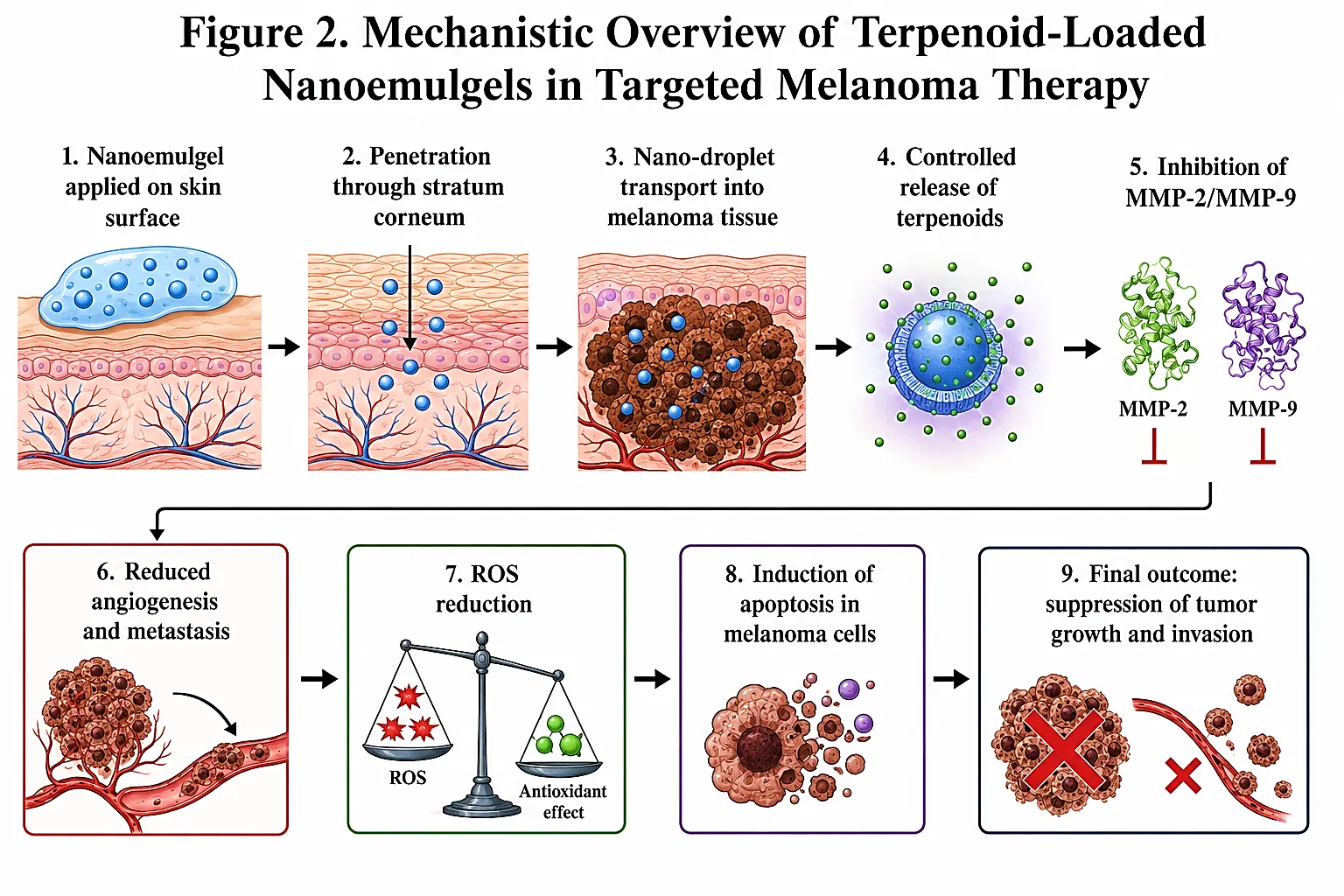
Figure 2: Mechanistic overview of Terpenoid loaded Nanoemulgels in Targeted melanoma therapy
RECENT RESEARCH ADVANCES AND PRECLINICAL STUDIES:
In Vitro Studies:
Recent in vitro investigations have extensively demonstrated the anticancer potential of terpenoid-based nanoformulations in melanoma models, particularly through their ability to suppress MMP-mediated invasion and proliferation. Cytotoxicity studies conducted in human melanoma cell lines such as A375 and B16F10 have consistently shown that terpenoids including curcumin, ursolic acid, and thymoquinone exhibit dose-dependent reduction in cell viability, primarily through induction of apoptosis and cell cycle arrest at the G0/G1 or G2/M phase [48]. When incorporated into nanoemulgel systems, these compounds demonstrate significantly enhanced cellular uptake due to improved solubility and membrane permeability, resulting in greater cytotoxic efficacy compared to their free forms. Peer-reviewed studies have further confirmed that nanoemulgel-based delivery systems enhance intracellular ROS modulation, thereby amplifying mitochondrial dysfunction and activating caspase-dependent apoptotic pathways in melanoma cells [49].
In addition to cytotoxicity, cell migration inhibition assays such as scratch wound healing and transwell invasion studies have revealed that terpenoid-loaded nanoemulgels markedly suppress melanoma cell motility. This inhibitory effect is strongly associated with downregulation of MMP-2 and MMP-9 expression, which are key enzymes responsible for extracellular matrix degradation and metastatic dissemination [50]. Curcumin and ursolic acid formulations, in particular, have shown significant suppression of epithelial mesenchymal transition (EMT) markers, including vimentin and N-cadherin, while restoring E-cadherin expression. These molecular alterations collectively contribute to reduced invasive potential of melanoma cells, highlighting the therapeutic relevance of terpenoid nanoemulgels in controlling early metastatic events [51].
In Vivo Melanoma Models:
In vivo preclinical studies using murine melanoma models have provided strong evidence supporting the anti-tumor efficacy of terpenoid-based nanoemulgels. Experimental models such as B16F10 tumor-bearing mice have demonstrated significant tumor volume reduction following topical or transdermal administration of nanoemulgel formulations containing terpenoids. This tumor suppression is primarily attributed to enhanced dermal penetration, sustained release behavior, and localized accumulation of bioactive compounds within tumor tissues. Studies have shown that betulinic acid and thymoquinone-loaded nanoemulgels significantly reduce tumor burden by modulating angiogenic signaling pathways and suppressing MMP-mediated extracellular matrix remodeling [52].
Histopathological analyses of treated tumor tissues reveal marked restoration of normal cellular architecture, reduced necrotic regions, and decreased mitotic activity compared to untreated controls. Furthermore, immunohistochemical studies consistently demonstrate downregulation of MMP-2 and MMP-9 expression, along with reduced VEGF levels, indicating suppression of angiogenesis (Table 1). In addition, increased apoptotic index, as evidenced by TUNEL assay and caspase activation, has been reported in nanoemulgel-treated groups. Collectively, these findings validate the dual role of terpenoid nanoemulgels in inhibiting both tumor growth and metastatic progression in melanoma in vivo models [53].
Table 1: Reported Terpenoids with MMP-Inhibitory Activity in Melanoma Therapy
|
Terpenoid |
Source |
Targeted MMP |
Mechanism of Action |
Therapeutic Effect |
References |
|
Curcumin |
Curcuma longa |
MMP-2, MMP-9 |
NF-κB pathway inhibition leading to suppression of transcriptional activation of MMP genes, along with modulation of oxidative stress signaling |
Reduction in tumor cell invasion and metastatic potential in melanoma models |
[57] |
|
Ursolic acid |
Medicinal herbs (e.g., Rosmarinus officinalis) |
MMP-9 |
Downregulation of pro-inflammatory cytokines and inhibition of AP-1 mediated MMP expression |
Suppression of melanoma cell migration and anti-metastatic activity |
[58] |
|
Betulinic acid |
Birch bark (Betula spp.) |
MMP-2 |
Induction of mitochondrial apoptosis and regulation of Bax/Bcl-2 ratio leading to reduced ECM degradation |
Significant tumor growth inhibition and apoptosis induction |
[59] |
|
Limonene |
Citrus essential oils |
MMP-9 |
Modulation of intracellular ROS levels and inhibition of oxidative stress-mediated signaling pathways |
Decreased melanoma cell motility and invasion |
[60] |
|
Thymoquinone |
Nigella sativa |
MMP-2, MMP-9 |
Inhibition of PI3K/Akt signaling pathway resulting in suppression of survival and invasion cascades |
Anti-angiogenic and anti-proliferative effects in melanoma progression |
[61] |
|
Farnesol |
Essential oils (various plants) |
MMP-9 |
Suppression of EMT through regulation of transcription factors such as Snail and Twist |
Reduced metastatic dissemination and invasion capacity |
[62] |
Nanotechnology-Driven Innovations:
Recent advancements in nanotechnology have significantly enhanced the therapeutic potential of terpenoid-based nanoemulgels in melanoma treatment. One of the most promising developments includes stimuli-responsive nanoemulgels that respond to environmental triggers such as pH, temperature, or enzymatic activity within the tumor microenvironment. These systems enable site-specific drug release, thereby improving therapeutic precision while minimizing systemic toxicity. pH-sensitive formulations, in particular, have demonstrated efficient drug release under acidic tumor conditions, leading to enhanced MMP inhibition and tumor regression [54].
Ligand-targeted nanoemulgels represent another important innovation, where surface modification with targeting moieties such as folate, transferrin, or peptides allows selective binding to melanoma cells overexpressing specific receptors. This active targeting strategy significantly enhances cellular uptake and intracellular drug concentration, resulting in superior suppression of invasion-related signaling pathways [55]. Additionally, combination nano therapy approaches integrating terpenoids with chemotherapeutic agents or natural phytochemicals have shown synergistic effects in inhibiting melanoma progression. Such systems simultaneously target multiple signaling cascades including NF-κB, PI3K/Akt, and MAPK pathways, thereby offering a multifaceted approach to MMP regulation and metastatic control [56].
CURRENT CHALLENGES AND FUTURE PERSPECTIVES:
Clinical Translation Challenges:
Despite promising preclinical outcomes, the clinical translation of terpenoid-loaded nanoemulgels for melanoma therapy remains limited by several critical challenges. One of the major barriers is the lack of standardized regulatory frameworks specifically addressing complex nanoformulations containing phytochemicals. Variability in raw material composition, formulation methods, and scale-up processes often leads to inconsistencies in product quality and therapeutic efficacy. Additionally, the safety profile of long-term topical or systemic exposure to nano-sized carriers requires further comprehensive toxicological evaluation, particularly with respect to skin irritation, immunogenicity, and potential systemic absorption [63].
Another significant limitation is the reproducibility of experimental findings across different studies, which is often influenced by differences in melanoma cell lines, animal models, and formulation techniques. Moreover, the stability of nanoemulgels under varying environmental conditions such as temperature and humidity poses challenges for commercial development, especially in tropical regions. The absence of well-designed clinical trials further restricts the validation of preclinical efficacy, thereby delaying translation from laboratory research to clinical application [64]. Collectively, these issues highlight the need for harmonized regulatory guidelines, robust safety profiling, and standardized formulation protocols to facilitate successful clinical adoption.
Future Opportunities:
The future of terpenoid-based nanoemulgels in melanoma therapy is highly promising, particularly with the emergence of personalized nanomedicine approaches. By integrating patient-specific molecular profiling, nanoemulgel systems can be tailored to target distinct melanoma subtypes characterized by unique MMP expression patterns and signaling pathway alterations. This precision-based strategy has the potential to significantly enhance therapeutic outcomes while minimizing off-target effects [65].
Furthermore, the development of smart nanoemulgel systems capable of responding to tumor microenvironmental cues offers a powerful avenue for controlled and on-demand drug release. Advances in ligand-functionalized and stimuli-responsive nanocarriers are expected to further enhance targeting efficiency and therapeutic selectivity. Combination targeted therapy, involving the co-delivery of terpenoids with chemotherapeutic agents, immune modulators, or gene-regulating molecules, represents another promising direction for overcoming drug resistance and tumor heterogeneity [66]. Additionally, the integration of artificial intelligence (AI) and machine learning in formulation design and optimization is anticipated to accelerate the development of highly efficient nanoemulgel systems by predicting stability, permeability, and biological activity with improved accuracy [67].
CONCLUSION
Melanoma remains one of the most aggressive forms of skin cancer, primarily due to its high metastatic potential driven by MMPs-mediated extracellular matrix degradation. The evidence summarized in this review highlights the significant therapeutic promise of terpenoid-based nanoemulgels as multifunctional platforms capable of targeting key molecular pathways involved in melanoma progression. These systems not only enhance the solubility and bioavailability of bioactive terpenoids but also enable efficient dermal delivery and sustained release, resulting in improved inhibition of MMP-2 and MMP-9 expression.
The integration of nanotechnology with naturally derived terpenoids offers a synergistic approach that combines antioxidant, anti-inflammatory, and anti-metastatic properties, thereby addressing multiple hallmarks of cancer simultaneously. Preclinical studies strongly support their ability to suppress tumor growth, reduce angiogenesis, and induce apoptosis in melanoma models. However, despite these encouraging findings, clinical translation remains limited and requires further investigation through well-structured clinical trials and standardized formulation strategies.
Overall, terpenoid-loaded nanoemulgels represent a promising frontier in melanoma therapy, offering a potential shift toward more targeted, efficient, and less toxic treatment strategies. With continued advancements in nanotechnology, molecular targeting, and translational research, these systems may eventually play a significant role in future clinical management of metastatic melanoma.
ABBREVIATIONS:
Akt - Protein Kinase B
AP-1 - Activator Protein-1
A375 - Human melanoma cell line
B16F10 - Murine melanoma cell line
Bax - Bcl-2-associated X protein
Bcl-2 - B-cell lymphoma 2 protein
DNA - Deoxyribonucleic Acid
ECM - Extracellular Matrix
EMT - Epithelial–Mesenchymal Transition
ERK - Extracellular signal Regulated Kinase
GPx - Glutathione Peroxidase
MAPK - Mitogen-Activated Protein Kinase
MDA - Malondialdehyde
MMPs - Matrix Metalloproteinases
NF-κB - Nuclear Factor kappa-light-chain-enhancer of activated B cells
NRAS - Neuroblastoma RAS viral oncogene homolog
PI3K - Phosphoinositide 3-Kinase
ROS - Reactive Oxygen Species
SOD - Superoxide Dismutase
STAT3 - Signal Transducer and Activator of Transcription 3
TUNEL - Terminal deoxynucleotidyl transferase dUTP nick end labelling
UV - Ultraviolet radiation
VEGF - Vascular Endothelial Growth Factor
Acknowledgement: The authors gratefully acknowledge their sincere appreciation to Lincoln University College, Petaling Jaya, Malaysia, for their guidance and continuous encouragement throughout the course of this research.
Competing Interest: Authors declare that there is no potential conflict of interest in this paper.
Author Contribution: Marimuthu Yuvaraja was involved in the conception, planning of the study and drafted the original version of the manuscript. Satheesh Babu Natarajan reviewed the manuscript. All authors read and approved the final version of the manuscript.
Funding statement: This research did not receive any specific grant from funding agencies.
Availability of data and materials: None
REFERENCES


Marimuthu Yuvaraja, Satheesh Babu Natarajan, Terpenoid-Loaded Nanoemulgels for Targeted MMP Suppression in Melanoma: Emerging Nanotherapeutic Approaches for Anti-Invasive Skin Cancer Therapy, Int. J. of Pharm. Sci., 2026, Vol 4, Issue 6, 1325-1343, https://doi.org/10.5281/zenodo.20556168
 10.5281/zenodo.20556168