

We use cookies to ensure our website works properly and to personalise your experience. Cookies policy
RJS College Of Pharmacy, Kokamthan, Kopargaon.
The present research work was carried out to formulate and evaluate a polyherbal gastroprotective suspension using natural herbal ingredients such as ginger, turmeric, bael fruit extract, and isabgol mucilage. Herbal medicines are widely used due to their safety, effectiveness, and minimal side effects compared to synthetic drugs. The prepared suspension was evaluated for various physicochemical parameters including colour, odour, pH, viscosity, sedimentation volume, redispersibility, particle size analysis, and stability study. Phytochemical screening confirmed the presence of flavonoids, tannins, alkaloids, and phenolic compounds responsible for gastroprotective activity. The formulation showed satisfactory stability, good redispersibility, acceptable pH, and suitable organoleptic properties. The synergistic action of herbal ingredients provided promising gastroprotective potential and improved gastric protection. The study concluded that the prepared polyherbal suspension can be considered as a safe and effective herbal formulation for management of gastric disorders and gastrointestinal irritation
Gastrointestinal disorders such as gastric irritation, acidity, indigestion, gastric ulcer, and gastritis are among the most common health problems affecting people worldwide. These disorders may occur due to unhealthy food habits, stress, alcohol consumption, smoking, Helicobacter pylori infection, or prolonged use of non-steroidal anti-inflammatory drugs (NSAIDs). Conventional synthetic drugs used for the treatment of gastric disorders may produce side effects on long-term use. Therefore,
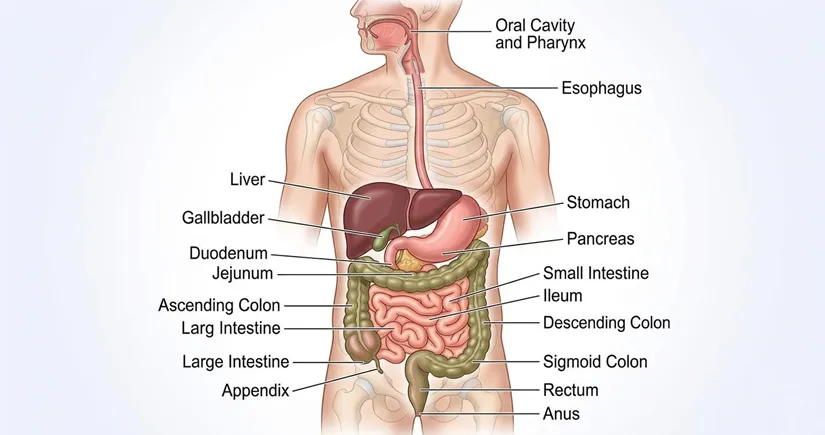
Fig No 1.1 Human Digestive System
there is an increasing interest in herformulations due to their safety, effectiveness, affordability, and fewer adverse effects (1).
Herbal medicines have been used traditionally for the treatment of digestive disorders since ancient times. Medicinal plants contain various phytochemicals such as flavonoids, tannins, alkaloids, saponins, and phenolic compounds which exhibit antioxidant, anti- inflammatory, antimicrobial, and gastroprotective properties. Polyherbal formulations are gaining importance because the combined action of multiple herbs may provide better therapeutic activity than a single herb (2).
The present study focuses on the formulation and evaluation of a polyherbal gastroprotective suspension using Aegle marmelos (Bael fruit extract) and Plantago ovata (Isabgol mucilage) along with Zingiber officinale extract. These herbs are traditionally known for their beneficial effects on the gastrointestinal tract(3).
Aegle marmelos is an important medicinal plant belonging to the family Rutaceae. Bael fruit has been widely used in Ayurveda for the management of digestive disorders such as diarrhea, dysentery, gastric irritation, and ulcer conditions(4). The fruit contains
phytoconstituents such as tannins, flavonoids, marmelosin, and phenolic compounds which exhibit antioxidant and gastroprotective activities. These compounds help in reducing oxidative stress and protecting the gastric mucosa from damage.Plantago ovata, commonly known as Isabgol, is rich in mucilage and dietary fibers. The mucilage forms a soothing protective layer over the gastric mucosa and helps reduce irritation and inflammation in the stomach. It also improves bowel movement and supports digestive health. Due to its soothing and protective nature, isabgol is widely used in various gastrointestinal preparations (5).Zingiber officinale is another well-known medicinal herb used for digestive disorders. Ginger contains active constituents such as gingerols and shogaols which possess anti- inflammatory, antioxidant, and digestive stimulant properties. Ginger helps improve digestion, reduce nausea, and relieve gastric discomfort.Suspensions are biphasic liquid dosage forms in which insoluble solid particles are dispersed uniformly in a liquid medium. Herbal suspensions are preferred for gastroprotective preparations because they provide easy administration, improved patient compliance, better dispersion of herbal extracts, and soothing action on the gastrointestinal tract. Suspensions are especially useful for patients who experience difficulty swallowing.(6) A stable suspension should possess good sedimentation characteristics, easy redispersibility, acceptable viscosity, uniform particle distribution, and physical stability. In the present formulation, suitable excipients such as suspending agents, wetting agents, sweeteners, preservatives, and vehicles are used to improve the stability and acceptability of the formulation (7).
1.2 Types of Suspension
Suspensions are classified into different types based on particle size, route
administration, degree of flocculation. The main types of suspensions are as follows:
1. Flocculated Suspension:
In flocculated suspensions, particles form loose aggregates known as flocs. These flocs settle rapidly but can be easily redispersed on shaking. Flocculated suspensions prevent the formation of hard cake and improve redispersibility.
2. Deflocculated Suspension:
In deflocculated suspensions, particles remain separate and settle slowly. However, they may form a compact sediment or cake at the bottom, which becomes difficult to redisperse (9).
3. Oral Suspension:
Oral suspensions are liquid preparations intended for oral administration. They are commonly used for pediatric and geriatric patients because they are easy to swallow and provide better patient compliance.
4. Topical Suspension:
Topical suspensions are applied externally on the skin for local action. These suspensions help in delivering drugs directly to the affected area.
5. Parenteral Suspension:
Parenteral suspensions are sterile preparations administered by injection. They are prepared under aseptic conditions and should possess uniform particle size and stability.
6. Dry Suspension:
Dry suspensions are supplied in dry powder form and require reconstitution with water before use. These preparations provide improved stability during storage(10).
Gastrointestinal disorders such as gastric ulcer, acidity, indigestion, gastric irritation, and inflammation are common health problems affecting millions of people worldwide. These disorders mainly occur complications.
Synthetic antiulcer and antacid drugs are commonly used for the treatment of gastric disorders. However, prolonged use of synthetic medicines may produce adverse effects such as headache, constipation, diarrhea, nausea, and hormonal imbalance. Because of these limitations, herbal due to stress, irregular eating habits, spicy food consumption, smoking, alcohol intake, Helicobacter pylori infection, and prolonged use of non-steroidal anti-inflammatory drugs (NSAIDs). Gastric mucosal damage caused by these factors may lead to ulcer formation and digestive complications. Therefore, proper gastroprotective therapy is essential for maintaining gastric health and preventingmedicines are gaining importance due to their natural origin, safety, effectiveness, affordability, and minimal side effects. Herbal medicines have been used since ancient times in traditional systems of medicine such as Ayurveda for the treatment of various gastrointestinal disorders(11).
Medicinal plants contain several phytoconstituents including flavonoids, tannins, alkaloids, saponins, glycosides, and phenolic compounds which possess antioxidant, anti- inflammatory, antiulcer, and gastroprotective activities. These phytochemicals help in reducing gastric irritation and protecting the gastric mucosa from damage.The present study focuses on the formulation and evaluation of a polyherbal gastroprotective suspension using natural herbal ingredients such as bael fruit extract, ginger extract, and isabgol mucilage. Bael fruit possesses antiulcer, antioxidant, antimicrobial, and digestive properties. Ginger is widely used for its anti-inflammatory, antiemetic, antioxidant, and digestive stimulant activities. Isabgol mucilage acts as a soothing and protective agent for the gastric mucosa and also works as a natural suspending agent.Suspension is a biphasic liquid dosage form in which finely divided insoluble particles are
dispersed uniformly in a liquid medium. Suspensions are commonly used for herbal formulations because they improve patient compliance, enhance stability, and allow easy administration(12). A good suspension should possess slow sedimentation rate, easy redispersibility, acceptable viscosity, and physical stability.Herbal suspensions are becoming increasingly popular due to their therapeutic benefits and natural composition. The use of herbal ingredients in suspension dosage forms provides better patient acceptability and improved medicinal value. Herbal formulations are considered safer alternatives to synthetic medicines and are widely used for long-term treatment(13).
Advantages of Herbal Formulations:
• Natural and safe in nature
• Less toxic compared to synthetic drugs Economical and easily available
• Better patient compliance Suitable for long-term therapy
• Possess multiple therapeutic activities
Importance of Herbal Formulations :
Herbal formulations play an important role in modern healthcare because they are prepared from natural sources and possess fewer adverse effects. Herbal medicines have been used since ancient times for the prevention and treatment of various diseases. They are economical, easily available, and generally safer for long-term use. Due to increasing awareness about natural therapy, herbal formulations are gaining popularity worldwide. Herbal preparations also contain multiple phytoconstituents that provide synergistic therapeutic effects (14).
Advantages of Herbal Medicines:
Herbal medicines possess several advantages over synthetic drugs. They are natural, biodegradable, and produce minimal side effects. Herbal drugs are cost-effective and suitable for chronic therapy. They improve overall body health and immunity. Herbal medicines are easily available and culturally accepted in many countries. Most herbal preparations contain antioxidants, flavonoids, alkaloids, and tannins which contribute to therapeutic activity. Their long history of traditional use also supports their safety and effectiveness.Gastroprotective formulations are required to protect the gastric mucosa from damage caused by stress, alcohol, spicy food, infections, and excessive use of NSAIDs. Gastric ulcers and irritation are common health problems affecting many people. Herbal gastroprotective formulations help inreducing acidity, inflammation, and ulcer formation naturally. These formulations also promote healing of the gastric lining and reduce oxidative stress in the stomach. Common symptoms of gastric irritation include burning sensation in the stomach, abdominal discomfort, acidity, bloating, nausea, vomiting, and loss of appetite. Severe ulcers may cause bleeding, weight loss, and sharp stomach pain. Continuous gastric irritation can damage the protective mucosal lining of the stomach. Herbal gastroprotective agents help in reducing these symptoms naturally and improve gastric health(15).
MATERIAL AND METHODS
Requirements:
Active Ingredients : Bael Extract
Ginger Extract Isabgol Mucilage
Chemicals: Xanthan Gum
Honey Glycerin
Sodium Benzoate
Apparatus: Beaker
Test Tube
Measuring Cylinder Wire
Guaze Waterbath
PLANT PROFILE :
1) AEGLE MARMELOS(BAEL FRUIT):
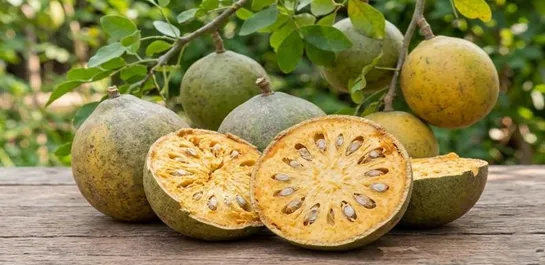
Fig No 02 Bael Fruit
Biological Source: Aegle marmelos Linn.
Family: Rutaceae Kingdom:Plantae Division: Magnoliophyta Class: Magnoliopsida Genus: Aegle
Species: Aegle marmelos
Chemical Constituents: Bael fruit contains tannins, flavonoids, marmelosin, coumarins, alkaloids, phenolic compounds, pectin, and essential oils
Uses: Possesses gastroprotective activity
Helps reduce gastric irritation
• Acts as antioxidant and anti-inflammatory agent Improves digestion
• Protects gastric mucosa
2) PLANTAGO OVATA (Isabgol):
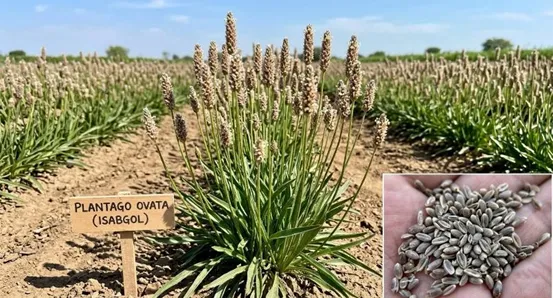
Fig No 03 Plantago Ovata (Isabgol)
Biological Source:Plantago ovata Forssk.
Family: Plantaginaceae Kingdom: Plantae Division: Magnoliophyta Class: Magnoliopsida Genus: Plantago Species: Plantago ovata
Chemical Constituents: Isabgol contains mucilage, hemicellulose, polysaccharides, fiber, proteins, fixed oils, and glycosides.
Uses: Forms protective layer on gastric mucosa Soothes gastric irritation
Improves bowel movement Supports digestive health Acts as demulcent agent
3) ZINGIBER OFFICINALE(Ginger):
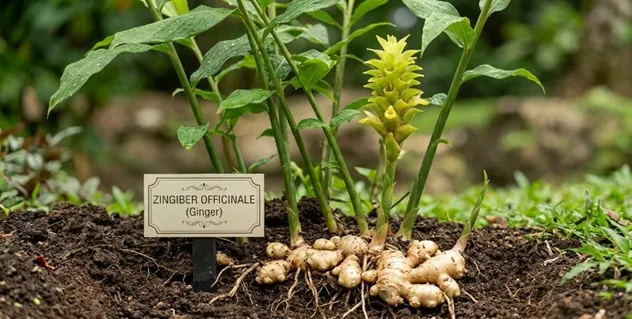
Fig No 04 Zingiber Officinale (Ginger)
Biological Source: Zingiber officinale Roscoe
Family: Zingiberaceae Kingdom: Plantae Division: Magnoliophyta Class: Liliopsida Genus: Zingiber
Species: Zingiber officinale
Chemical Constituents: Ginger contains gingerols, shogaols, volatile oils, zingiberene, flavonoids, phenolic compounds, and resins.
Uses: Improves digestion Reduces gastric discomfort
Possesses anti-inflammatory activity Acts as antioxidant agent
EXCIPIENT PROFILE :
1) XANTHAN GUM:
Category : Suspending agent / Thickening agent
Properties:
White to cream coloured powder Odourless and tasteless
Soluble in water Produces viscous solution
Uses: Used as suspending agent
Used in pharmaceutical and food formulations
2) HONEY:
Category : Sweetening agent
Properties :Yellowish brown viscous liquid Sweet taste
Pleasant odour Water soluble
Uses:
Used in herbal syrups and suspensions Used as flavouring and sweetening agent
3) SODIUM BENZOATE:
Category: Preservative
Properties:
White crystalline powder Odourless
Freely soluble in water
Uses: Used as preservative in oral liquid preparations
• Formulation Of Polyherbal Gastroprotective Suspension:
|
SR.NO |
INGRIDIENTS |
ROLE OF INGRIDIENTS |
|
1 |
Bael Extract |
Gastroprotective Active |
|
2 |
Isabgol Mucilage |
Mucosal Protective Agent |
|
3 |
Ginger Extract |
Digestive Synergistic Herb |
|
4 |
Xanthan Gum |
Suspending Agent |
|
5 |
Glycerin |
Wetting Agent |
|
6 |
Sodium Benzoate |
Preservative |
|
7 |
Distilled Water |
Vehicle |
FORMULATION BATCHES OF GASTROPROTECTIVE SUSPENSION
|
SR.NO |
INGRIDIENTS |
BATCH 1 |
BATCH 2 |
BATCH 3 |
|
1 |
Bael Extract |
5ml |
5ml |
5ml |
|
2 |
Isabgol Mucilage |
3ml |
4ml |
5ml |
|
3 |
Ginger Extract |
1ml |
1ml |
1ml |
|
4 |
Xanthan Gum |
0.2 g |
0.3 g |
0.4 g |
|
5 |
Glycerin |
5ml |
7ml |
9ml |
|
6 |
Sodium Benzoate |
0.1 g |
0.1g |
0.1g |
EXPERIMENTAL WORK:
PROCEDURE :
Step 1 : Preparation of Bael Fruit Extract
The dried bael fruit powder was taken and extracted by decoction method. The powder was boiled with distilled water for 15–20 minutes. The extract obtained was filtered using filter paper and the filtrate was collected.
Step 2 : Preparation of Ginger Extract
Ginger powder was boiled with distilled water for 10–15 minutes. The mixture was filtered using filter paper and the filtrate was collected as ginger extract.
Step 3 : Preparation of Isabgol Mucilage
Isabgol was soaked in distilled water and kept for swelling. After complete swelling, the mucilage formed was collected and used in formulation.
Step 4 : Preparation of Suspending Agent Dispersion
Xanthan gum was dispersed separately in a small quantity of distilled water with continuous stirring to form a smooth dispersion without lumps.
Step 5 : Preparation Of Suspension
Bael extract, ginger extract, and isabgol mucilage were mixed together in a beaker. Honey and glycerin were added with continuous stirring. Sodium benzoate solution was added as preservative. The xanthan gum dispersion was then added slowly with constant stirring to
obtain a uniform suspension.
Polyherbal Gastroprotective Suspension
Step 6 : Volume Adjustment
Finally, distilled water was added quantity sufficient (q.s.) to make the final volume. The prepared
suspension was transferred into a clean container and stored properl(16)
RESULT AND DISCUSSION
PHYTOCHEMICAL SCREENING OF POLYHERBAL GASTROPROTECTIVE SUSPENSION:
Procedure For Phytochemical Tests:
1) Test For Flavonoids :
Procedure:
Take 2 ml of suspension sample in a test tube and add few drops of dilute sodium hydroxide solution. Formation of intense yellow colour indicates presence of flavonoids.
Observation:
Yellow colour observed.
Result:
Flavonoids present.
2) Test for Tannins Procedure:
Take 2 ml of suspension sample and add few drops of ferric chloride solution. Formation of dark blue or greenish black colour indicates presence of tannins.
Observation:
Greenish black colour observed.
Result:
Tannins present.
3) Test for Phenolic Compounds
Procedure:
Add few drops of ferric chloride solution to 2 ml of sample. Appearance of bluish black colour indicates presence of phenolic compounds.
Observation:
Bluish black colour observed.
Result:
Phenolic compounds present.
4) Test For Saponins:
Procedure:
Take 2 ml of suspension and shake vigorously with distilled water. Formation of stable foam indicates presence of saponins.
Observation:
Stable foam observed.
Result:
Saponins present.
5) Test for Alkaloids Procedure:
Add few drops of Mayer’s reagent to 2 ml of suspension sample. Formation of cream col-
oured precipitate indicates presence of alkaloids.
Observation:
Cream coloured precipitate observed.
Result:
Alkaloids present.
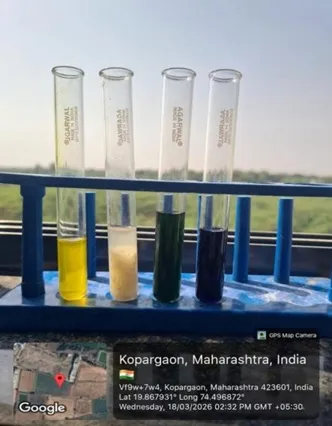
Fig No 08 : Phytochemical Screening
The phytochemical screening of the prepared polyherbal gastroprotective suspension confirmed the presence of flavonoids, tannins,phenolic compounds, saponins, and alkaloids. These phytoconstituents are responsible for antioxidant, anti-inflammatory, and gastroprotective activities of the formulation and support the therapeutic potential of the prepared suspension.
EVALUATION PARAMETERS OF SUSPENSION :
FORMULATION (BATCH 1)
|
SR.NO |
TEST |
OBSERVATION |
|
1 |
Colour |
Light Brown |
|
2 |
Odour |
Smooth Suspension |
|
3 |
Nature |
Characteristic Herbal Odour |
|
4 |
Taste |
Sweet & Slightly Pungent |
|
5 |
pH |
6.34 |
|
6 |
Sedimentation Volume |
0.70 |
|
7 |
Redispersibility |
Easily Redispersed |
|
8 |
Viscosity |
Moderate |
|
9 |
Particle Size Analysis |
Uniform Distribution |
|
10 |
Stability Study |
Stable |
FORMULATION (BATCH 2)
|
SR.NO |
TEST |
OBSERVATION |
|
1 |
Colour |
Brown |
|
2 |
Odour |
Uniform Suspension |
|
3 |
Nature |
Mild Herbal Odour |
|
4 |
Taste |
Sweet |
|
5 |
pH |
6.20 |
|
6 |
Sedimentation Volume |
0.75 |
|
7 |
Redispersibility |
Redispersed in 3 Shakes |
|
8 |
Viscosity |
Slightly High |
|
9 |
Particle Size Analysis |
Fine and Uniform |
|
10 |
Stability Study |
Physically Stable |
FORMULATION (BATCH 3)
|
SR.NO |
TEST |
OBSERVATION |
|
1 |
Colour |
Brownish Yellow |
|
2 |
Odour |
Pleasant Herbal Odour |
|
3 |
Nature |
Smooth and Homogeneous |
|
4 |
Taste |
Slightly Sweet Pungent |
|
5 |
pH |
6.10 |
|
6 |
Sedimentation Volume |
0.72 |
|
7 |
Redispersibility |
Easily Redispersed in Gentle Shaking |
|
8 |
Viscosity |
Moderate |
|
9 |
Particle Size Analysis |
Uniform Particle Distribution |
|
10 |
Stability Study |
No Significant Change Observed |
EVALUATION PARAMETER (TESTING):
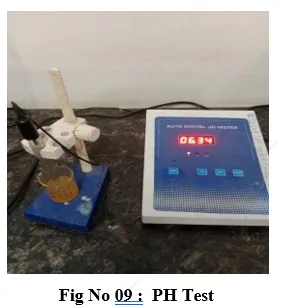
1)PH : 10 ml of suspension was diluted with distilled water and pH was measured using pH paper or pH meter.
Purpose:
pH determination helps evaluate stability and compatibility of formulation.
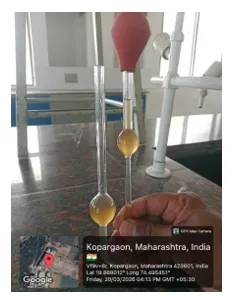
2 )Viscosity Test: Viscosity of suspension was determined using Ostwald viscometer.
Purpose: Viscosity helps prevent rapid settling of particles and improves stability.
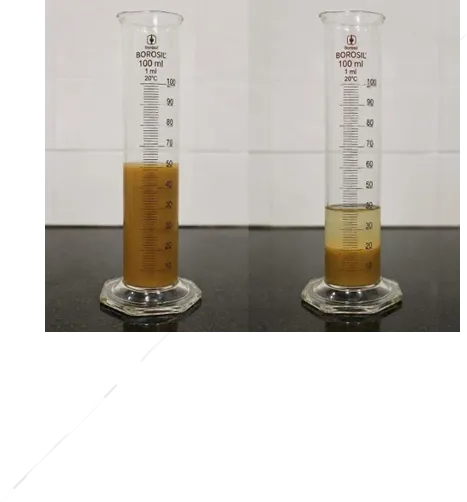
3) Sedimentation Test :
50 ml of suspension was transferred into a graduated cylinder and kept undisturbed for 24 hours.
Sediment volume was observed.
Formula:
F = Vu / Vo Where:
F = Sedimentation volume
Vu = Ultimate volume of sediment
Vo = Original volume of suspension
Purpose:
This test evaluates physical stability of suspension.
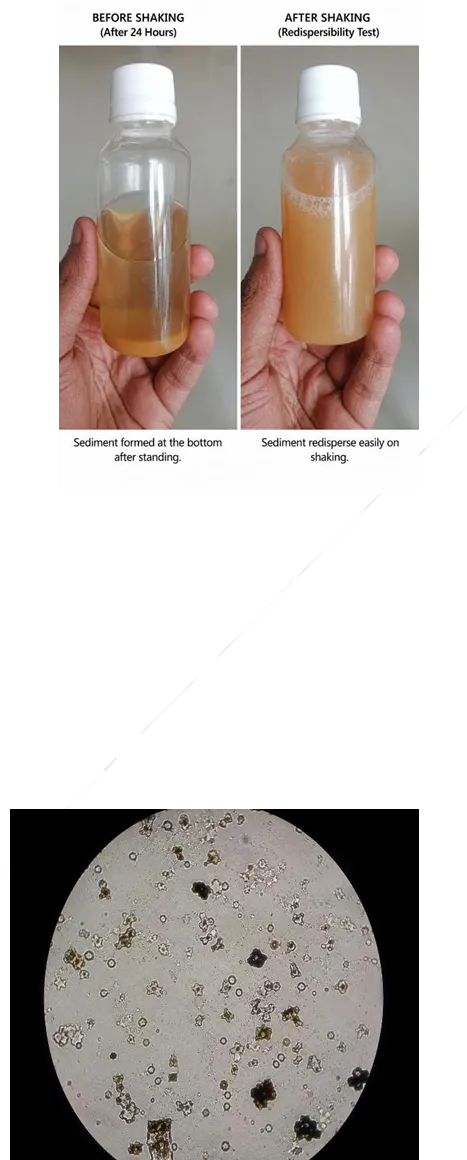
4) Redispersibility Test :
The sedimented suspension was shaken manually and number of shakes required for uniform dispersion was observed.
Purpose: This test determines ease of redispersion of settled particles.
5) Particle Size Analysis :
A small quantity of suspension was observed under microscope to evaluate particle distribution.
Purpose:
Uniform particle size improves stability and appearance of suspension
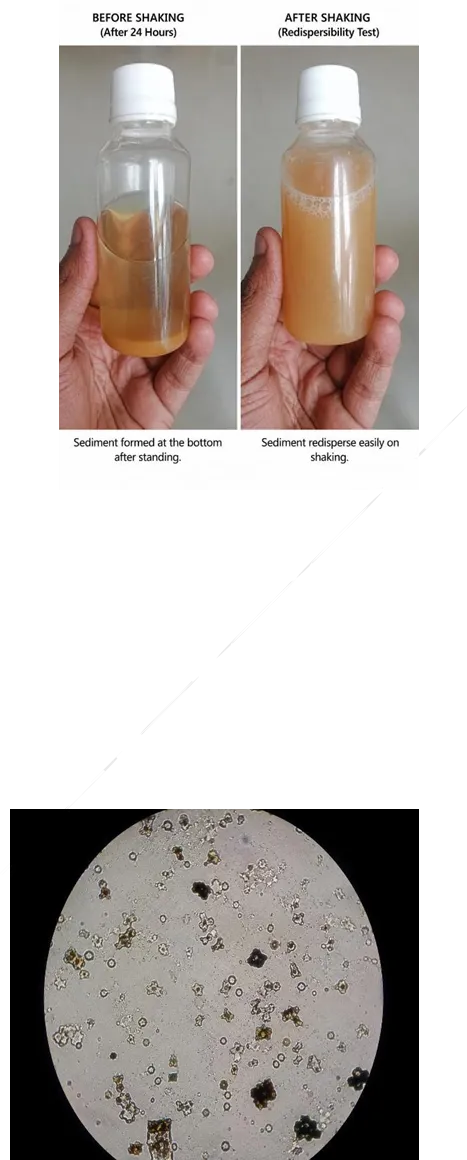
Fig No 13 : Particle Size Analysis
COMPARATIVE RESULTS OF BATCHES :
|
EVALUATION |
BATCH 1 |
BATCH 2 |
BATCH 3 |
|
Colour |
Light Brown |
Brown |
Brownish Yellow |
|
|
Characteristic Herbal |
Mild Herbal |
Pleasant Herbal |
|
Taste |
Sweet and Slightly Pungent |
Sweet |
Slightly Sweet and Pungent |
|
pH Determination |
6.34 |
6.20 |
6.10 |
|
Sedimentation Volume |
0.70 |
0.75 |
0.72 |
|
Redispersibility |
Easily Redispersed |
Redispersed in 3 Shakes |
Easily Redispersed |
|
Viscosity |
Moderate |
Slightly High |
Moderate |
|
Particle Size Anal- ysis |
Uniform Distribu- tion |
Fine and Uniform |
Uniform Distribu- tion |
|
Stability Test |
Stable |
Physically Stable |
No Significant Change |
|
Appearance |
Smooth Suspension |
Uniform Suspen- sion |
Homogenous Sus- pension |
The comparative evaluation study of all formulations showed satisfactory results for the prepared polyherbal gastroprotective suspension. All batches exhibited acceptable organ- oleptic properties, good stability, and suitable pH range. Among all formulations, Batch 2 showed comparatively better sedimentation volume, viscosity, and redispersibility charac- teristics indicating improved physical stability of suspension. No significant phase separa- tion or instability was observed during the study period. Therefore, Batch 2 was considered as the optimized formulation for the prepared gastroprotective suspension.
The polyherbal gastroprotective suspension containing Aegle marmelos extract, Plantago ovata mucilage, and Zingiber officinale extract was prepared successfully using suitable excipients. The prepared formulation showed satisfactory physical appearance and ac- ceptable stability.
The organoleptic evaluation indicated that the suspension was brown in colour with char- acteristic herbal odour and sweet, slightly pungent taste. The formulation appeared mooth, uniform, and free from large aggregates or phase separation.
The pH of the prepared suspension was found within acceptable range suitable for oral administration. The viscosity study showed that the suspension possessed appropriate
flow property which helped maintain uniform dispersion of particles and prevented rapid sedimentation.
Sedimentation study revealed moderate sediment formation after storage, but the sedi- ment was easily redispersed on gentle shaking, indicating good physical stability of the formulation. The redispersibility test confirmed that the suspension could be uniformly dispersed without difficulty.
Particle size analysis showed that the particles were uniformly distributed throughout the formulation without formation of large aggregates. Stability studies carried out at room temperature showed no significant changes in colour, odour, pH, or appearance during the study period.
Phytochemical screening confirmed the presence of flavonoids, tannins, phenolic com- pounds, saponins, and alkaloids in the prepared formulation. These phytoconstituents are known for antioxidant, anti-inflammatory, mucosal protective, and gastroprotective activ- ities. The presence of these constituents supports the potential gastroprotective activity of the prepared suspension.
Overall, the results indicated that the formulated polyherbal gastroprotective suspension possessed satisfactory evaluation parameters, good stability, and potential therapeutic ac- tivity for gastric protection and digestive health
SUMMARY AND CONCLUSION
The present study was carried out to formulate and evaluate a polyherbal gastroprotective suspension using Aegle marmelos fruit extract, Plantago ovata mucilage, and Zingiber officinale extract. Herbal formulations are gaining importance because of their safety, effectiveness, and lesser side effects compared to synthetic medicines.
The prepared suspension was evaluated for various parameters such as organoleptic properties, pH, viscosity, sedimentation volume, redispersibility, and stability. The formulation showed acceptable physical appearance, good stability, easy redispersion, and suitable pH for oral administration.
Phytochemical screening confirmed the presence of flavonoids, tannins, phenolic compounds, and other phytoconstituents responsible for antioxidant and gastroprotective activity. The combined action of herbal ingredients may help protect gastric mucosa and improve digestive health.
From the overall study, it was concluded that the prepared polyherbal gastroprotective
suspension showed satisfactory evaluation parameters and potential gastroprotective activity. Thus, the formulation may be useful as a natural and effective herbal preparation for gastric protection and digestive disorder
REFERENCES
of Drug Delivery and Therapeutics. 2020;10(4):98-104.
of Drug Delivery and Therapeutics. 2020;10(4):98-104.






Varad Lad, Shivam Limbore, Chaitanya Dhamale, Hrutuja Chawan, Sapna Waghmare, Snehal kadam, Formulation and Evaluation of Polyherbal Gastroprotective Suspension using Bael Fruit Extract, Int. J. of Pharm. Sci., 2026, Vol 4, Issue 6, 1313-1324, https://doi.org/10.5281/zenodo.20556045
 10.5281/zenodo.20556045