

We use cookies to ensure our website works properly and to personalise your experience. Cookies policy
Department Of Pharmacognosy, Bharathi College of Pharmacy, Bharathinagara, Mandya- 571 422, Karnataka, India.
Alternanthera sessilis (family Amaranthaceous) is an edible medicinal herb traditionally used in Asian countries for treating various ailments. In recent years, it has attracted attention of scientific community due to its potent antioxidant and anti-inflammatory properties. Phytochemical analyses reveal that the plant is rich in flavonoids, phenolic compounds, alkaloids, terpenoids, and other bioactive metabolites, which collectively contribute to its pharmacological activities. Antioxidant studies have shown that different extracts of A. sessilis exhibit the strong free radical scavenging ability, inhibit lipid peroxidation, and enhance endogenous antioxidant enzymes such as superoxide dismutase, catalase, and glutathione peroxidase. These mechanisms do help in reducing the oxidative stress, which is implicated in the pathogenesis of chronic disorders including cardiovascular disease, neurodegeneration, and diabetes. In parallel, A. sessilis also demonstrates notable anti-inflammatory activity. Both in vitro and in vivo studies indicate that the plant suppresses the production of pro-inflammatory mediators such as nitric oxide, tumour necrosis factor-?, interleukin-6, and cyclooxygenase-2. By modulating these inflammatory pathways, the plant reduces tissue injury and promotes recovery. The dual antioxidant and anti-inflammatory potential of A. sessilis supports its traditional use and highlights its promise as a natural therapeutic agent. Nevertheless, most findings till date are limited to its preliminary laboratory and animal studies. More detailed investigations focusing on bioactive compound isolation, mechanistic pathways, safety evaluation, and clinical validation are essential to fully establish its therapeutic role.
Noxious weed (Alternanthera sessilis) is a perennial herb belonging to Amaranthaceous family. It has been used as food since the ancient times. The genus Alternanthera contains a range of 80–200 species. The native range of this genus is uncertain but it is stated in few studies that this genus was first grown in North America as well as tropical and sub-tropical areas and open forests of South America1. It is commonly eaten as a vegetable and taken in soups in several Asian countries particularly in India. Besides, it has also been used by the folk healers to cure headaches, heal burns, wash eyes, and deal with snakebites2. Usually, decoction of A. sessilis is recommended as an herbal remedy to treat wounds, flatulence, nausea, vomiting, cough, bronchitis, diarrhoea, dysentery and diabetes. Its root can relieve inflamed wounds. It is used as a local medicine often in mixtures with other medicinal plants, to treat hepatitis, tight chest, bronchitis, asthma and other lung troubles. The leaves and shoots are boiled and drunk as antihypertensive remedy3.
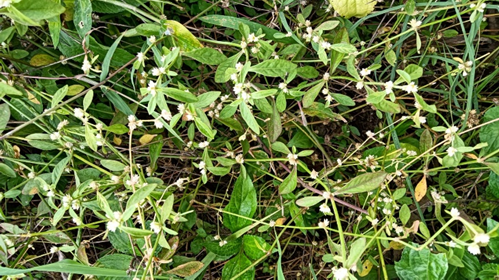
Figure 1: Alternanthera sessilis green variety
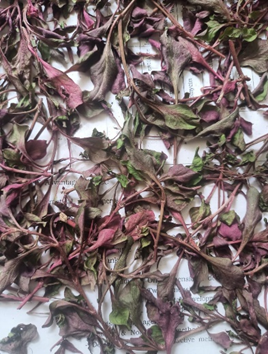
Figure 2: Alternanthera sessilis red variety
Habitat:
A. sessile is a common pantropical weed of shady, damp soils in cultivated and waste areas. It is commonly associated with roadsides, pathways, wasteland, irrigation canals, ditches, dykes, gardens, swamps, and fallow ground. It can be found in hydromorphic rice fields in West Africa and Asia, and in the following cultivated areas: maize crops in Nigeria; sorghum, millet, Eleusine sp., maize, cotton, cassava, groundnuts and cash crops in Zaire; and tobacco, dryland field crops, pastures and vegetable farms in the Philippines. While it is typically found growing on disturbed parts of a variety of wetland habitats, including in water up to 1 m deep, the plant is adapted to both hydric and xeric conditions4.
Biology and Ecology:
Reproductive biology and Phenology:
A. sessile is an annual or perennial herb, 0.2-1 m high, with strong creeping tap roots. The stems are generally prostrate, often rooting at the nodes, sometimes floating, creeping or ascending at the tips, cylindrical and slightly hairy, with numerous erect branches. It is propagated by vegetative fragments, and seeds, and fruits which are dispersed myrmechorously (by ants). The average number of seeds produced per plant is ca 20004. A. sessilis has been recorded flowering and fruiting all year in some areas. In India, the plants bear the flowers and fruit throughout the year with most vigorous vegetative growth at the onset of the monsoon season, and most vigorous reproductive growth at the end of the season. Flowers are self-pollinated and the fruits are dispersed by both wind and water. Whereas in Java, Indonesia, it flowers from January to December. In China these species bear flowers from May to July and fruits from July to September. In North America it has been recorded that flowering happens during summer or early autumn4.
Environmental Requirements:
A. sessilis can grow on a wide range of soil types, preferring wet conditions. It can be found at low and medium altitudes in the Philippines and Indonesia. It prefers loamy, alkaline soils, low in exchangeable calcium and rich in total nitrogen. This species is able to grow in flooded areas (up to 90 cm deep), but it is also tolerant of extreme dry conditions4. This species is often present in species-rich associations with a range of aquatic and wetland plants in disturbed wetlands. It grows in the drawdown zones of water bodies or in water up to 1 m deep, where it may be part floating and part emergent or even grow in mats of floating vegetation, but can also grow in relatively dry situations4.
Plant Profile: -
Kingdom: Plantae
Subkingdom: Trophobionts
Super division: Spermatophyta
Division: Magnoliophyte
Class: Magnoliopsida
Sub Class: Caryophyllid
Order: Caryophyllales
Family: Amaranthaceous
Genus: Alternanthera
Species: Alternanthera sessilis (L.) R.Br.
Synonym: Alternanthera denticulata R5.
Chemical constituents:
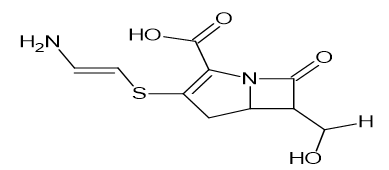
The plant contains an array of chemical constituents viz β sitosterol, stigmasterol, campest Erol, α-spina sterol, olivanic acid, rhamnoside,24- methylene cycloartenol, cycloeucalenol, lupeol,5-α-stigasta-7-enol and its palmitate, nonacosane,16-hentriacontane, handianol. oxalic acid, saturated aliphatic hydrocarbon, ester and saturated ester. Katya Kini Muniandy et al., reported that the hydroethanolic extract of Alternanthera sessilis showed 50 prominent peaks in GC-MS analysis. The most post prevailing compounds were identified as 2,4 –dihydroxy2,5-dimethyl-3(2H)-furan-3-one, hexadecenoic acid ,2-1,2,4-trioxolane,3 phenyl-palmitate and L-glutamic acid. Saipraasad Gothai et al., identified higher hydrocarbons, alkanes, esters terpenes, flavonoids, organic compounds, steroids and fatty acids among 13 Phyto-constituents isolated by GC-MS analysis Khan et al., isolated the major compounds of essential oil of flower based on the prominent peaks were 1,1,1, 5,5,5,-hexa methyl-3-3-bis[trimethylsilyl)oxy] Tri siloxane,trans4-ethyl-5-octyl-2,2-bis (trifluoromethyl)-1,3-dioxolane and tetrahydro-2,5-dimethoxy furan. The major components of essential oil of leaves were identified as 1,1,1,5,5,5 – hexamethyl-4-Npentylthiane, didodecylphthalate and tetrahydro-2,5, - dimethoxy furan by GC-MS analysis6.
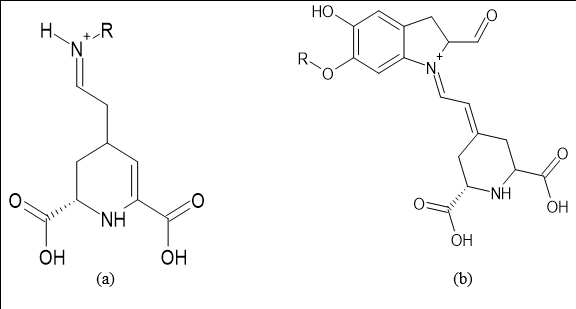
Table 1: Phyto-chemical constituents of Alternanthera sessilis6.
|
Chemical Name |
Structure |
|
b - carotene |
. 
|
|
α- Spina sterol |

|
|
Stigmasterol |

|
|
Campesterol |

|
|
Olivanic Acid |
|
|
Betalain |
|
Uses:
Alternanthera sessilis is used for simple stomach disorders, diarrhoea and dysentery, and as a plaster used for diseased or wounded skin. In Nigeria the pounded plant is used for headache and vertigo. In Senegal and India leafy twigs are ground to a powder, are applied for snakebite. A. sessilis is a popular folk medicine in Taiwan, often in mixtures with other medicinal plants to treat hepatitis, tight chest, bronchitis, asthma and other lung problems. In Thailand and Sri Lanka, it is used as a galactagogue (a substance that induces lactation)7. A. sessilis has antisecretory and cytoprotective effects that may be related to the presence of various phytochemicals present in it and detected during phytochemical analysis8. Anthelmintic activity is known to be produced when the juice of A. sessilis is administered with the two spoons of warm water in an empty stomach9. A. sessilis plant parts possess anticancer activities. Ethanolic leaf extracts of A. sessilis is utmost active for the treatment of colon cancer10. This herb has been reported to be used as a galactagogue, cholagogue and febrifuge and in indigestion11. The leaf sap of A. sessilis is used for the treatment of neuralgia. A. sessilis is also used for the treatment of gastrointestinal troubles, chronic liver obstruction, leucorrhoea, gonorrhoea and to reduce body temperature12.
Pharmacological Activities:
A. sessilis has been proved through in-vitro and in-vivo studies that it has proven anti-microbial, wound healing activities, anti-oxidant activities, antipyretic activity, nootropic activity, hepato-protective activity, hematinic activity, anti-ulcer activity, hypoglycaemic activity, anti-diarrhoeal property, and anti-Inflammatory activity. A. sessile has been reported the in vivo antiulcer activity of the chloroform insoluble ethanolic extract of whole plant of A. sessilis using different models of ulceration in rats, viz. pylorus ligature, aspirin induced and cold-restraint stress-induced gastric lesions in rats. Therapeutic benefits of the A. sessilis include anti-inflammatory effect, the nootropic activity, cytotoxic effect towards pancreatic cancer cell lines, and the free radical-scavenging ability. The ethanolic extract of Alternanthera sessilis Linn. shows a significant antimicrobial activity against microorganisms like Bacillus polymedia, Salmonella typhi, Candida albicans etc. One of the studies demonstrated that ASEAF (Alternanthera sessilis red ethyl acetate fraction) possesses anti-hyperglycaemic effect, anti-triglyceridemic effect, and pancreatic protective effect in obese type 2 diabetic rats. It is a good adjuvant with sex tonics and for females a natural galactagogue. It has been reported the anti-diarrhoeal activity of the aqueous extract of dried entire plant material of A. sessilis. The hematinic activity of A. sessilis (L.) R. Br. was evaluated by monitoring the change in serum ferritin and haemoglobin levels of mice and rats13.
Pharmacological Properties of ASG and ASR
“From the listed pharmacological properties of Alternanthera sessilis, anti-oxidant activity and anti-inflammatory activity were selected for further evaluation. These two activities are of particular interest because oxidative stress and inflammation are interrelated biological processes that play a central role in the development of chronic diseases such as cancer, diabetes, cardiovascular disorder, and neurodegenerative conditions. Anti-oxidant property helps in neutralizing free radicals and preventing cell damage, while anti-inflammatory activity reduces tissue injury caused by prolonged inflammatory responses. Therefore, focusing on these activities provide a strong basis for exploring the therapeutic potential of Alternanthera sessilis”13.
Antioxidant Activity
It is increasingly being realized that many of today's diseases are due to the "oxidative stress" that results from an imbalance between formation and neutralization of pro-oxidants. Oxidative stress is initiated by free radicals, which seek stability through electron pairing with biological macromolecules such as proteins, lipids and DNA in healthy human cells and cause protein and DNA damage along with lipid peroxidation. These changes contribute to cancer, atherosclerosis, cardiovascular diseases, ageing and inflammatory diseases. All human cells protect themselves against free radical damage by enzymes such as superoxide dismutase (SOD) and catalase, or compounds such as ascorbic acid, tocopherol and glutathione. Sometimes these protective mechanisms are disrupted by various pathological processes and antioxidant supplements are vital to combat such oxidative damage. Recently, much attention has been directed towards the development of ethnomedicines with strong antioxidant properties but low cytotoxicity. Alternanthera sessilis (L.) DC. (Amaranthaceae), commonly known as Matyakshika is an ayurvedic medicine. It has been used in Indian traditional system of medicine since a long time in diseases due to vitiated blood, skin diseases and ulcers14. The leaves and shoots are boiled and drunk as an antihypertensive remedy. Phytochemical studies till have reported the isolation of flavanols, triterpenoids, steroids and tannins; β-sitosterol, stigmasterol, campesterol, lupeol being few of its important constituents. The petroleum ether and benzene extracts reported to inhibit the growth of some human and plant pathogenic bacteria14. Moreover, the antioxidant properties of ASR could also be due to its betalain pigment. Betalain is a secondary metabolite derived from the amino acid L-tyrosine via the formation of L-dihydroxyphenylalanine (L-DOPA). It can be categorised into betacyanin and betaxanthins. Betacyanin’s include the reddish to violet betalain pigments, while betaxanthins are those betalain pigments that appear yellow to orange. In a study, betalain extract of Talinum triangulare had successfully inhibited DPPH radical. However, the relationship between betalain content in ASR and its antioxidant capacity is yet to be known15. Increased production of oxygen radicals may result in Deoxyribonucleic Acid (DNA) degradation and alteration that could potentially cause aging-related diseases and cancers. Natural remedies, particularly herbal antioxidants, have been effectively used as rejuvenators to cure illnesses or diseases driven by oxidative stress for many years. This is due to antioxidants being a highly valuable compound in defending the body from harm induced by free radical oxidative stress. The antioxidant properties of ASG and ASR extracted using various solvents have been examined using a number of different techniques. A number of investigations found a favourable link between flavonoid and polyphenol phytoconstituent with effects of antioxidants, hinting that A. sessilis' antioxidant activity which might be attributable to these polyphenolic substances. Various extracts from ASG and ASR can reduce oxidants in vitro listed in Table respectively. Aerial ASR ethanolic extract demonstrated more antioxidant capability in comparison to the other three (the water extract of ASR and ASG with the ethanol extract of ASG) using Oxygen Radical Absorbance Capacity (ORAC), beta-carotene bleaching, Ferric Reducing Ability Assays (FRAP) and 2,2′-azino-bis-3-ethylbenzothiazoline-6-sulfonic acid (ABTS). Although the ethanol extract of ASG exhibited a higher antioxidant percentage in the 2,2-diphenyl-1-picryl-hydrazyl-hydrate (DPPH) assay, it was not significant compared to the ethanol extract of ASR. In another study conducted, activity of catalase and superoxide dismutase enzymes in human aortic endothelial cells increased following the administration of ethanol extracted whole-plant ASG at concentrations 25–200 g/mL and 50–200 g/mL respectively. These enzymes had previously decreased due to oxidative stress brought on by H?O?. On the other hand, Chai et al. (2016) conducted an extensive study to compare the DPPH radical scavenging activities of leaf and callus solvent fractions of ASR. By comparing the leaf and callus extracts of ASR, the callus water fraction had a greater scavenging ability with an EC?? value of 354.64 ± 29.12 μg/mL followed by the callus hexane fraction. With an EC?? value of 115.51 ± 7.56 g/mL, the leaf chloroform extract demonstrated the greatest scavenging activity of all the leaf solvent extracts. Khan et al. (2016) conducted a comparable study involving the scavenging potential of ASR flowers and leaves with the leaves showing slightly higher DPPH activity compared to the flower, 179 ± 0.06 μg/mL and 170 ± 0.02 μg/mL IC?? values respectively. The ferric reduction activity of ASR leaf extracts from ethyl acetate and ethanol on hepatocellular carcinoma HepG2 cells was observed in dose-dependent manner (5-20 μg/mL). 5 μg/mL of ethyl acetate ASR leaf extract successfully suppressed oxygen radicals and lowered peroxidation of lipids triggered in HepG2 by H?O?16.
Table 2: Antioxidant properties of ASG16.
|
Part use |
Type of extraction |
Type of assays |
Concentrations used |
IC?? |
Result |
|
Aerial |
Aqueous |
β-carotene bleaching |
NA |
NA |
34% antioxidant activity |
|
ORAC |
NA |
NA |
0.1mmol TE/100g FW sample |
||
|
DPPH |
0.02-0.1 mg/mL |
NA |
27.50% |
||
|
ABTS |
NA |
NA |
NA |
||
|
FRAP |
NA |
NA |
0.4mmol FeSO4 .7H2 O/100g FW sample |
||
|
Ethanol |
β-carotene bleaching |
NA |
NA |
36% antioxidant activity |
|
|
ORAC |
NA |
NA |
1.5 mmol TE/ 100g FW sample |
||
|
DPPH |
0.02 -0.1 mg/mL |
NA |
86.90% |
||
|
ABTS |
NA |
NA |
70% |
||
|
FRAP |
NA |
NA |
2.9 mmol FeSO4 .7H2 O/100g FW sample. |
||
|
Whole plant |
Ethanol |
SOD activity |
50, 100 and 200 µg/mL |
> 400 µg/ mL |
Increased effect of SOD in dose-dependent manner (120.7±3.15%, 123.2±6.67%, and 136.1±4.01% of control). |
|
CAT activity |
25, 50 and 200 µg/mL |
Increased effect CAT in a non-dose dependent manner (112.5±8.65%, 96.84±8.46%, and 110.1±1.28% of control). |
Note: ASG: Alternanthera sessilis green; NA: Not available; IC50: Half maximal inhibitory concentration; DPPH: 2,2-diphenyl-1-picryl-hydrazyl-hydrate; FRAP: Feric reducing ability of plasma; ORAC: Oxygen Radical Antioxidant Capacity; ABTS: 2,2′-azino-bis (3-ethylbenzothiazoline-6-sulfonic acid); SOD: Superoxide dismutase; CAT: Catalase.
Anti-inflammatory Activities
Inflammation in tissues is an important aspect indicating the body’s response towards harmful substances. It is part a of the body’s defines system that limits the invasion or elimination of harmful substances from the body. Cytokines being the inflammation regulatory molecules regulate an intricate network involving the immunological, physiological and behavioural events to generate inflammatory responses. Eicosanoids, vasodilating amines and peptides, cytokines and proinflammatory mediators are the only a few of the signalling molecules implicated in the inflammatory response. By preventing additional tissue injury, they can promote healing and reintroduce the functions of the tissues. Although it is a protective mechanism, there are complex events and pathways, which may also induce, maintain, or aggravate many diseases. Scientific investigations that discover the capability of ASG in expressing its anti-inflammatory effect are presented in Table 3. According to Babu et al. (2018), the cooked ASG exhibited lower anti-inflammatory properties compared to uncooked ASG when 20 mg/mL concentration of each sample was tested for protein denaturation assay. The difference in efficacy of the cooked and uncooked ASG might be due to some of the compounds denatured during the cooking process that eventually caused a reduced anti-inflammatory activity. Protein denaturation is associated with an inflammatory reaction contributing to various inflammatory disorders including diabetes, cancer and rheumatoid arthritis. Hence, a compound's apparent capacity for anti-inflammation is indicated by its ability to halt protein degradation. Anti-inflammatory activity by ethanol extracts of ASG via membrane stabilization and protein denaturation assays, in vitro, were revealed as well. The study showed that ASG possessed anti-inflammatory activities in all the assays in a concentration-dependent manner (100–500 ug/mL). Two other studies documented the anti-inflammatory properties of ASG in animal models having paw edema initiated by carrageenan. Given that this model of inflammation comprises a number of inflammatory mediators including bradykinin, histamine, prostaglandins, and serotonin, it is commonly employed to assess the anti-inflammatory efficacy of medicinal plants, as well as manufactured medications. Suppression of paw edema have indicated that the tested sample inhibited inflammatory mediators thus preventing inflammation. Both studies proved that aqueous, ethanolic, chloroform, and petroleum ether extracts could suppress the carrageenan-induced paw edema. Also, 200 μg/ mL concentration of ASG extracted using ethanol solvent has significantly (p<0.05) decreased the hyperpermeability of human aortic endothelial cells caused by TNF- alpha when compared to its control group. Evidently, ASG's significant anti-inflammatory qualities are the main reason it is employed in the traditional system of medicine. Gibberellin, an anti-inflammatory terpene, and polyphenols including p-hydroxybenzoic acid, kaempferol monosulfate, daidzein, protocatechuic acid and apigenin-6,8-di-C-D-glucopyranoside were discovered from extracted ASG stem. However, no study has determined the anti-inflammatory properties of ASR till date16.
Table 3: Anti-inflammatory effects of ASG16.
|
Part Use |
Type of extraction |
Type of assays |
Concentrations used |
Duration of treatment |
IC?? |
Result |
|
Leaf |
Cooked and extracted with methanol. |
Protein denaturation assay |
NA |
NA |
NA |
uncooked > cooked. |
|
Uncooked and extracted with methanol. |
||||||
|
Leaf |
Ethanol
|
Membrane stabilization assay
|
100, 200, 300, 400 and 500 µg/mL
|
30 min
|
NA |
73.8% rate of suppression for 500 μg/mL. |
|
Bovine serum denaturation assay |
100, 200, 300, 400 and 500 µg/mL |
23 min |
|
75.43% rate of suppression for 500 μg/mL. |
||
|
Egg albumin denaturation assay |
100, 200, 300, 400 and 500 µg/mL |
20 min |
NA |
84.34% rate of suppression for 500 μg/mL. |
||
|
Leaf |
Chloroform |
Edematous Paw initiated by Carrageenan. |
100 and 200 mg/kg |
60 min |
NA |
67% and 50% rate of suppression for 200 and 100 mg/ kg respectively |
|
Petroleum ether |
|
100 and 200 mg/kg |
|
|
47% and 38% rate of suppression for 200 and 100 mg/ kg respectively |
|
|
Aerial |
Aqueous |
Edematous Paw initiated by Carrageenan. |
200 and 400 mg/kg |
60 min |
NA |
57% highest suppression rate for 400 mg/kg |
|
90% ethanol |
|
200 and 400 mg/kg |
|
|
64% highest inhibition rate at 400 mg/kg |
|
|
Whole plant |
Ethanol |
64% highest inhibition rate at 400 mg/kg |
25, 50, 100 and 200 μg/ mL |
24 hr |
NA |
Impediment of enhanced permeability induced by TNF-alpha at 200 μg/mL. |
Note: ASG: Alternanthera sessilis green; NA: Not available; IC50: Half maximal inhibitory concentration
CONCLUSION
Alternanthera sessilis is a valuable medicinal herb with proven antioxidant and anti-inflammatory potential. Its phytoconstituents, particularly flavonoids and phenolics, contribute to free radical scavenging, enhancement of endogenous antioxidant defence systems, and inhibition of lipid peroxidation. In addition, the plant effectively modulates inflammatory pathways by downregulating mediators such as nitric oxide, TNF-α, IL-6, and COX-2. These dual activities support its traditional use in the management of oxidative stress and inflammatory disorders. Although preclinical studies provide promising evidence, the lack of standardized extracts, toxicity data, and well-designed clinical trials limits its current therapeutic application. Future research should focus on compound isolation, molecular mechanisms, and human studies to validate the safety and efficacy of A. sessilis as a potential phototherapeutic agent.
REFERENCES






Vageesh Revadigar*, Aishwarya K. P., Chiranthana H. R., Nisha S. S., Charan M., Kishan K. N., Alternanthera Sessilis’ A Possible Promising Herb for The Cure of Chronic Diseases Mediated by Oxidative Damage, Int. J. of Pharm. Sci., 2025, Vol 3, Issue 9, 1033-1044 https://doi.org/10.5281/zenodo.17084201
 10.5281/zenodo.17084201