

We use cookies to ensure our website works properly and to personalise your experience. Cookies policy
Dr. Vedprakash Patil Pharmacy College, Georai Tanda, Paithan Road, Ch. Sambhajinagar 431001
Lips are highly sensitive and prone to dryness, cracking, and damage because they lack sebaceous glands and natural protective pigmentation. As a result, there is an increasing demand for natural lip care products that provide moisture, nourishment, and protection without relying on synthetic ingredients. Herbal lip serums have gained popularity due to their lightweight texture, rapid absorption, and ability to deliver concentrated active compounds directly to the lips. This study focuses on developing a herbal lip serum using almond oil, rose oil, vitamin E, glycerin, lecithin, dragon fruit juice, and aloe vera gel. These ingredients were selected for their moisturizing, soothing, antioxidant, and healing properties. Almond oil acts as a nourishing emollient, rose oil provides calming effects, vitamin E supports antioxidant protection, and glycerin enhances moisture retention. Aloe vera gel contributes cooling and repairing benefits, while dragon fruit juice offers natural pigmentation and additional antioxidant activity. Lecithin serves as a natural emulsifier that improves the serum’s texture and stability. A key novelty of this formulation is the incorporation of dragon fruit juice, a vibrant botanical source rich in betalains, vitamin C, and polyphenolic antioxidants. These compounds contribute not only to antioxidant protection but also to a naturally tinted aesthetic effect desirable in cosmetic lip care. Aloe vera gel, known for its healing, cooling, and moisture-binding properties, further enhances the therapeutic value of the serum by supporting barrier repair and reducing irritation. The combination of these ingredients creates a synergistic herbal profile targeted at nourishment, protection, and mild coloration. The serum was prepared through a two-phase emulsification process and evaluated for physical appearance, pH, spreadability, homogeneity, and stability. The final formulation showed a smooth consistency, pleasant color, good spreadability, and overall stability under different storage conditions. It demonstrated effective moisturizing properties and left the lips soft, hydrated, and refreshed. At last, the formulated herbal lip serum is a safe, stable, and effective natural product suitable for daily lip care, offering hydration, nourishment, and antioxidant protection. Further optimization may enhance its long-term stability and functional benefits.
Lips are an essential and highly sensitive part of the human body, yet they are often exposed to environmental factors that make them vulnerable to dryness, cracking, pigmentation, and premature aging. Unlike the rest of the skin, the lips lack sebaceous glands, have a thinner protective barrier, and contain very little melanin, making them more prone to dehydration and UV-induced damage. Because of these factors, maintaining lip health through effective and natural lip care products has become increasingly important.
Herbal ingredients such as plant oils, emollients, humectants, antioxidants, and botanical extracts are widely used in modern cosmetic preparations due to their therapeutic properties and minimal side effects. Textbooks on natural cosmetic formulation describe that combining multiple herbal components enhances the overall activity of a formulation because of synergistic interactions between vitamins, fatty acids, phytochemicals, and mineral
Herbal lip serums are advanced lip-care formulations specifically designed to deliver deep hydration, nourishment, and antioxidant protection. They are typically lightweight, rich in active natural compounds, and easily absorbed into the skin, making them more effective than traditional lip balms. Ingredients such as almond oil, rose oil, glycerin, vitamin E, aloe vera gel, and fruit extracts are widely recognized for their beneficial properties. Almond oil provides deep nourishment and softening effects, while rose oil offers soothing, anti-inflammatory, and aromatic benefits. Vitamin E functions as a powerful antioxidant that protects against oxidative stress and improves skin repair. Glycerin acts as an excellent humectant, drawing moisture into the lips, and aloe vera gel contributes cooling, healing, and hydrating effects. Dragon fruit juice, and lecithin provide nourishment, healing, and natural coloration without synthetic additive
With increasing consumer awareness about the harmful effects of synthetic chemicals, artificial colors, and petroleum-based lip products, herbal lip serums have gained popularity for being safe, non-toxic, and derived from natural plant sources. They offer a holistic approach to lip care by combining moisturization, protection, healing, and aesthetic enhancement. In pharmacy and cosmetic science education, the formulation of herbal lip serums also helps students understand the principles of natural ingredient selection, emulsification, stability evaluation, and therapeutic benefits of botanical extracts
Anatomy of lips
The lips serve as organs of prehension, suction and speech. It is composed of the skin, superficial fascia, orbicularis muscleand the muscles inserted around it (areolar tissue & mucousmembrane). The margins of the lips are covered with dry, redmucous membrane, continuous with the skin and containing numerous vascular papillae and touch corpuscles. The mucous membrane internally is reflected from the upper andlower lip upon the gums, and in the median line forms two folds of superioris and inferioris the areolar tissue or submucous layer contains the coronary vessels which completely encircle the buccal orifice near the free margin of the lips. The coronary vessels are the superior and inferior coronary arteries which arise from the facial. The superior coronary is larger than the inferior, and anastomoses with its fellow of the opposite side and gives off a small artery to the septum arteriaseptinasi. Compression of this artery will sometimes control nasal hemorrhage. The superior labial or coronary vein begins as a plexus in the orbicular is muscle of the upper lip, passes with the coronary artery and drains into the facial vein a little below the alae of the nose of the veins which drain the lower lip the inferior coronary empties into the facial a little below the superior
labial; but the chief branch from the lower lip descends as a rule to the submental vein, thence to the facial or often to the anterior jugular. The nerves supplying the lower lip are derived from the mental which emerges from the bone through the mental foramen and sends large twigs to the mucous membrane, the integument and the fascia of the lip and chin. Some of the lymphatic vessels of the lips pass to a gland just above the body of the hyoid bone, while others pass to the sub maxillary glands. The labial glands are in the submucous layer of the lips around the orifice of the mouth. They secrete a mucous fluid. Mucous retention cysts develop when the ducts of these glands become occluded.
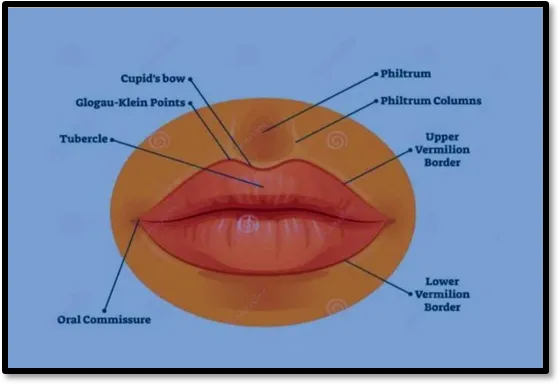
Lip Disorders:
Advantages of Lip Serum
Many lip serums have humectant ingredients like hyaluronic acid, which can draw in moisture and hydrate more deeply than a simple balm. This helps keep lips plumper and less prone to cracking.
Serums are often “active-rich”: they may contain peptides, vitamin E, antioxidants, or oils that help repair and strengthen lip skin. This means you can address specific lip concerns for instance, pigmentation, dryness, fine lines, or loss of volume.
Ingredients like peptides can stimulate collagen or improve elasticity, giving a plumper lip appearance over time without harsh plumping agents. Some serums protect against environmental aging (sun, pollution) with antioxidants.
According to CosMedical, a lip serum with tripeptides can help increase lip volume, reduce perioral lines, and improve tone.
Because the actives penetrate deeper, the benefits (hydration, smoothing, repair) can last longer than a simple emollient. Regular use can lead to sustained improvement in lip texture and health.
Serums often include oils or waxes that help restore or reinforce the lip barrier, making lips more resilient to wind, cold, or drying weather.
Antioxidants in serums also protect lips from free radical damage.
Unlike thick balms, serums are typically lightweight and non-greasy.
This makes them good for layering (e.g., applying serum first, then balm or lipstick) without feeling heavy.
Some lip serums are formulated to reduce pigmentation or dark lips, giving a more even, natural lip color over time.
Ingredients like Vitamin C, niacinamide, or plant extracts can help brighten lip color.
You can use lip serums as a base (before lipstick) or a treatment (overnight or in the day). For example, a plumping or hydrating serum can act like a primer.
Some are also marketed for protection, smoothing, or enhancing lip definition.
Disadvantages of lip serum:
Lip serums often provide short-term benefits, such as hydration and plumping, but the effects usually wear off after a few hours, requiring frequent reapplication. This can be inconvenient if you're looking for something longer-lasting.
Some lip serums contain active ingredients like peptides, hyaluronic acid, or collagen boosters. While these can be great in moderation, overuse can lead to irritation or sensitivity, especially if the formula is strong or if your lips are already prone to dryness or allergies.
Depending on the formulation, some lip serums can feel sticky, greasy, or heavy on the lips, which might not be comfortable for some people. If you're sensitive to texture, this could be a downside.
If you apply lip serum too often or in thick layers, it can lead to product build-up. This can cause your lips to feel slick and uncomfortable, or it can block pores around the lip area, leading to breakouts or clogged skin.
People with sensitive skin might experience irritation, allergic reactions, or a tingling sensation if the serum contains fragrances, alcohol, or certain active ingredients. Always patch-test first to avoid unwanted reactions.
While lip serums hydrate and add a plumping effect, they don’t necessarily provide long-lasting moisture like a thicker lip balm or ointment. If you're dealing with very dry lips, you may need a more substantial treatment alongside the serum.
Some lip serums can be pricey, especially those marketed with fancy ingredients or claims like "anti- aging" or "plumping." If you're not seeing significant long-term benefits, it can feel like you're spending money on something that doesn't justify the cost.
While lip serums can help keep your lips hydrated, they may not be the best choice for severely chapped or cracked lips. A thicker balm or ointment with a healing component (like petroleum jelly or beeswax) may be more effective in that case.
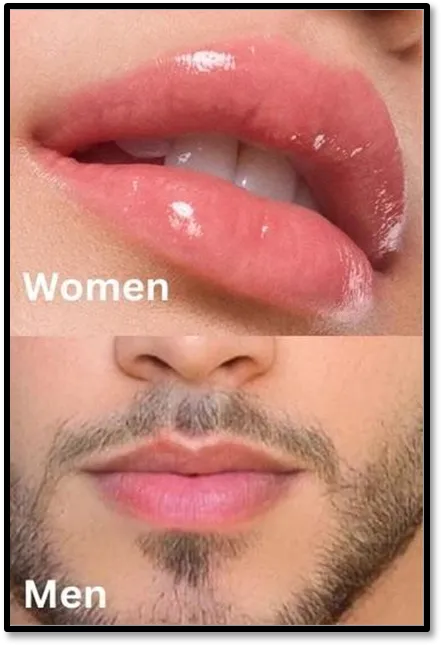
Applications of lip serum:
Ideal properties of lip serum:
Factors bioavailability of lip serum:
2. LITERATURE REVIEW
|
Sr. No. |
Ingredients |
Extraction methods |
Reference |
|
1 |
Honey, Coconut Oil, Almond Oil, Beeswax |
Centrifugation, staining Cold pressing, solvent extraction Cold pressing Steam distillation |
Formulation, Development and Evaluation of Lip Serum Authors: A. S. Jadhav, P. B. Sutar, S. K. Mohite International journal of pharmaceutical science (IJPS)2025 vol3 issue 4,1891-1896 |
|
2 |
Carrot Extract, Glycerin, Vitamin E |
Cold pressing, Solvent extraction safonification (ethanol or water) Mechanical crushing |
Preparation of Antioxidant Lip Serum from Daucus carota L. (Carrot) Author: N. A. H. Binti Norfharizal (UITM) university research project |
|
3 |
Argan Oil, Vitamin E, Essential Oils (Peppermint) |
Cold pressing or maceration for oils Mechanical crushing Maceration of oil |
Formulation of Lip Serum with Argan Oil Authors: Devilke Yandriyani Universitas Ma Chung Indonesia research paper |
|
4 |
Lycopene (Tomato),
Honey Aloe Vera |
Solvent extraction (acetone for lycopene) Centrifugation, staining Gel pressing and solvent extraction |
Design and Development of Antioxidant Lip Care Formulations (including Lip Serum) Authors: Vivek Bundhada et al. Abhijit saigaonkar International journal of all research education and scientific method vol12 issued 5 may 2024 |
|
5 |
Levan, Sophorolipids, Essential Oils (Rosemary, Lavender) |
By Fermentation Lipid extraction (from yeast) Steam distillation and maceration |
Multifunctional Biotechnological Lip Moisturizer for Lip Repair and Hydration Authors: Thays Amélio Bergamini, et al. Journal of cosmetic (MDPI)2023 10 (6) |
|
6 |
Sunflower Oil, Argan Oil, Vitamin E, Aloe Vera |
Cold pressing and steam distillation Mechanical pressing Mechanical crushing By maceration |
Formulation and SPF Evaluation of a Lip Oil Serum Authors: N. Salsabila et al. Journal of cosmetic science |
|
7 |
Chamomile, Aloe Vera, Green Tea Extract |
Water extraction or Cold pressing and filtration decoction for herbal extracts |
Randomized Double-Blind Controlled Evaluation of a Polyherbal Lip Hydrant Authors: P. Sutthiboonyapan et al. journal of cosmetic dermatology 2025 24 (3) |
|
8 |
Jojoba oil Almond oil coconut oil vitamin e vitamin c hyaluronic acid glycerin green tea extract aloe vera |
Cold pressing from jojoba seed Cold pressing Cold pressing Extracted from vegetable oils Esterification of ascorbic acid By biotechnological fermentation By hydrolysis of plant oil Water extraction from tea leaves Cold pressing and filtration aloe leaves |
A Review of Formulations, Ingredients, Advances, and Future Perspectives in Lipcare Cosmetics. Authors: Veludurthi PA, Vadaga AK. Journal of Pharma Insights & Research. 2024;2(3):123–128. |
|
9 |
Shea butter Zinc oxide Coconut oil Carrot seed oil Bees wax Vit e Aloe vera gel |
Mechanical pressing Mechanical crushing Cold pressing Cold pressing Steam distillation Mechanical crushing Gel pressing and solvent extraction |
Formulation and evaluation of herbal lip serum with Spf Authors: Sandra Jomon,nainunus, Alif S International journal of creative research thought (IJCRT) vol 13 issue April 2025 |
|
10 |
Almond oil Calendula Rose oil Kumkumadi |
Cold pressing Solvent extraction Steam distillation & water extraction Herbal oil infusion |
Advanced beet root lip serum Mfg by: Intimify |
|
11 |
Orange oil Vitamin e Shea butter Olive oil Lemon oil |
Cold pressing Mechanical crushing Mechanical pressing Cold press and centrigugation Steam distillation |
Lip serum rolls on Mfg by: Elibliss |
|
12 |
Extra Virgin Olive Oil Peppermint Oil Vitamin E Aloe Vera Licorice Extract Camellia Japonica Seed Oil |
Steam distillation of olea europaea Steam distillation, water extraction Mechanical crushing Gel pressing Centrifugation and staining Cold pressing, solvent extraction |
Namaya natural lip serum Mfg by: R G biocosmetic Pvt Ltd |
List of Marketed products:
|
Sr. No |
Marketed product |
Manufacturer |
|
1 |
House of Beauty Lip Color Corrector Serum |
HOB Cosmetics Pvt Ltd. |
|
2 |
7 Days Lip Lightening Serum |
7 Days Organics Pvt Ltd. |
|
3 |
Namyaa Natural Lip Serum |
R G Biocosmetic Pvt Ltd. |
|
4 |
Elibliss Hydrating Lip Serum |
Elibliss |
|
5 |
Biocule Plump Lip Serum |
Biocule |
|
6 |
Laneige Glaze Craze Tinted Lip Serum |
Amorepacific Corporation |
|
7 |
Pilgrim Squalane Bubblegum Lip Serum |
Naturis cosmetic Pvt Ltd. |
|
8 |
Bobbi Brown Extra Plump Lip Serum |
The Estee Lauder companies Inc |
|
9 |
Namyaa Lip Serum Advanced Brightening Therapy |
R G Biocosmetic Pvt Ltd. |
|
10 |
Kumkumadi Lip Serum |
AG Organica |
|
11 |
Nourishing Lip Serum (Labangerry) |
The Rich Daddy International, Gujarat, India. |
|
12 |
Fixderma brightening lip serum |
Derma co |
|
13 |
Bee and beauty honey ceramide lip serum |
Bee and beauty |
|
14 |
Juicy Chemistry Lip Conditioning Serum |
:Juicy Chemistry Pvt Ltd. |
Common ingredients used in natural lip serum:
|
Base |
Oils |
Coloring Agent |
Flavouring Agent |
|
Cocca butter |
Coconut oil |
Beet root |
Strawberry |
|
Bees Wax |
Olive oil |
Pomegranate |
Honey |
|
Shea Wax |
Almond Oil |
Marigold |
Orange |
|
Shea butter |
Vitamin E oil |
Tomato |
Saffron/Kesar |
|
White bees wax |
Peanut Oil |
Jabul |
Raspberry |
|
Yellow bees wax |
Tea tree oil |
Watermelon |
Vanilla |
|
Carnauba wax |
Glycerin |
Honey |
Mango |
|
Candelilla wax |
Castor oil |
Saffron |
Rose oil |
|
Mango butter |
Jojoba oil |
Turmeric |
Sandalwood |
|
Avocado butter |
Corn oil |
Capsicum |
Jasmine |
|
Olive wax |
Arachis oil |
Cherry |
Cherry |
|
Jojoba wax |
Lemon oil |
Orange |
Apple |
|
Olive butter |
Avocado oil |
Strawberry |
Lemon |
|
Sweet Almond butter |
Sesame oil |
Mango |
Apricot |
|
Sweet almond wax |
Sunflower oil |
Carrot |
Rosemary |
|
Raspberry butter |
Grape seed oil |
Lemon |
Pineapple |
Need for the Study
In today’s environment, the lips are constantly exposed to dryness, pollutants, temperature changes, and cosmetic chemicals that can lead to cracking, discoloration, and irritation. Individuals of all age groups commonly experience lip dryness due to dehydration, nutritional deficiencies, excessive sun exposure, and environmental stressors. There is a growing demand for natural lip care products that provide safe, effective, and long-lasting hydration without dependence on synthetic additives.
A herbal lip serum formulated with natural oils, plant extracts, and antioxidants offers a gentle yet effective solution for maintaining lip moisture, enhancing repair, and improving overall lip appearance. Serums are preferred over traditional balms because of their lightweight consistency, faster absorption, deeper nourishment, and higher concentration of active ingredients. They are suitable for adolescents, adults, and elderly individuals seeking smooth, healthy, and naturally enhanced lips.
Therefore, the present study aims to formulate and evaluate a herbal lip serum that supports hydration, protection, and natural lip healing using safe, traditional botanical ingredients supported by functional benefits.
3. AIM AND OBJECTIVES
Aim:
To formulate and evaluate a stable and effective Herbal Lip Serum using natural plant-based ingredients that provide hydration, nourishment, and protection to the lips.
Objectives:
Plan of Work:
Literature Survey
↓
Selection of Herbal Ingredients
↓
Procurement of Materials
↓
Preparation of Herbal Components
↓
Formulation of Lip Serum
↓
Evaluation Test
↓
Discussion & Conclusion
↓
Result
4. MATERIALS USED:
Almond Oil (Prunus dulcis)
Biological Source: Obtain from dried Seeds of the almond tree (prunus dulcis)
Constituents: Fatty acids (oleic acid, linoleic acid), vitamin E, phytosterols, proteins.
Action: Almond oil is widely recognized as a natural emollient that softens, nourishes, and conditions the skin
It supports barrier repair, reduces dryness, and enhances smoothness.
Cosmetic science literature highlights its ability to restore moisture, improve texture Protect delicate tissues such as the lips.
Its vitamin E content aids healing and protects against oxidative stress
Rose Oil (Rosa damascena)
Biological Source: Obtained from the petals of certain rose species (Rosa damascene) Constituents: Citronellol, geraniol, nerol, phenolic compounds, flavonoids.
Action: Rose oil is known for its soothing, calming, and aromatic properties.
It reduces irritation, supports healing of minor cracks or dryness. Provides a pleasant natural fragrance.
Rose oil as a gentle skin rejuvenator with anti-inflammatory and toning effects,
Vitamin E (Tocopherol)
Source: Natural oils and seeds
Constituents: Tocopherols and tocotrienols (fat-soluble antioxidants).
Action: Vitamin E is a powerful antioxidant widely used in dermatology and cosmetic Formulations.
It protects the lips from oxidative stress, pollution, and environmental damage. Vitamin E enhances healing, prevents dryness, reduces cracking,
Improves moisture retention. It also stabilizes oils in the formulation and improves shelf life
Glycerin
Source: Plant-based oils; natural humectant Constituents: Polyhydric alcohol (glycerol).
Action: Glycerin is a highly effective humectant that attracts moisture from the environment Helps retain hydration in the skin. It enhances softness, smoothness, and prevents dryness.
Glycerin improves product spread ability supports moisture balance. Protects the delicate lip surface from dehydration.
Aloe Vera Gel (Aloe barbadensis)
Biological Source: Obtained from the dried juice of (aloe barbadensis miller)
Constituents: Polysaccharides, vitamins (A, C, E, B12), amino acids, minerals, enzymes.
Action: Aloe vera is widely documented for its cooling, soothing, and healing properties. It reduces irritation, inflammation, and supports the repair of dry or chapped lips.
Standard herbal texts describe aloe vera gel as a hydrating agent that improves moisture and cell regeneration. provides protective antioxidant benefits.
Dragon Fruit Juice (Hylocereus spp.)
Biological Source: Obtained from the pulp of the dragon fruit by juicing
Constituents: Vitamins (C, B-complex), antioxidants, betalains, phenolic compounds, minerals.
Action: Dragon fruit is rich in antioxidants and natural pigments.
It helps brighten, protect, and nourish the lips.
The presence of betalains and vitamin C supports tissue repair and protects against environmental damage
Reference materials on natural pigments highlight dragon fruit’s use in cosmetic formulations for its safe, natural coloring and antioxidant properties.
Beeswax
Source: Obtained naturally from honeycombs produced by honey bees (Apis mellifera).
Constituents: Contains esters of fatty acids and long-chain alcohols, hydrocarbons, free fatty acids, and natural wax compounds.
Action: Beeswax acts as a natural thickening agent, stabilizer, and emollient in cosmetic formulations. It improves the texture, consistency, and stability of the lip serum.
Cosmetic science literature explains that beeswax forms a protective barrier on the lips, helping to prevent moisture loss and dryness.
It provides smoothness, glossiness, and enhances the long-lasting effect of the formulation. Beeswax also contributes to healing cracked lips and improves the overall softness of the lips
Formulation table:
|
Sr no. |
Ingredients |
Quantity F1 |
Quantity F2 |
Quantity F3 |
Properties |
|
1 |
Almond oil |
5 ml |
4 ml |
2 ml |
Deep moisturization, softening, lightens lip pigmentation |
|
2 |
Rose oil |
2 drops |
2 drops |
2 drops |
Soothing, fragrant, anti-inflammatory, repairs chapped lips |
|
3 |
Vitamin e capsule |
0.4 ml |
0.4 ml |
0.4 ml |
Antioxidant, healing, increases moisture retention |
|
4 |
Glycerin |
1 ml |
1.5 ml |
2 ml |
Hydrating, locks in moisture, smooths lips |
|
5 |
Aloe vera gel |
1 ml |
2 ml |
2 ml |
Cooling, healing, reduces dryness and cracks |
|
6 |
Dragon fruit juice |
2 ml |
2 ml |
3 ml |
Natural pink tint, antioxidant-rich, hydrating |
|
7 |
Beeswax |
0.5 g |
0.5 g |
0.5 g |
Thickener and Stabilizing agent |
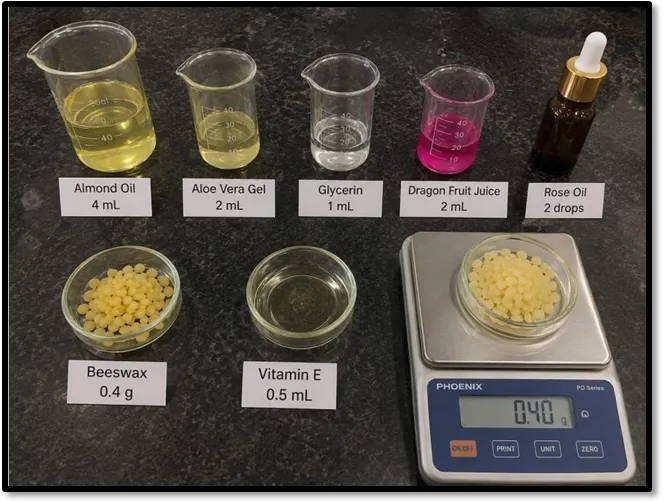
Equipment and Instrument used:
|
Sr. No. |
Equipment / Instrument |
Purpose / Use |
|
1. |
Beaker |
Preparation and mixing of oil and gel phases |
|
2. |
Glass Rod |
Continuous stirring and mixing |
|
3. |
Measuring Cylinder |
Measuring liquids accurately |
|
4. |
Dropper / Pipette |
Addition of rose oil and dragon fruit juice dropwise |
|
5. |
Digital Weighing Balance |
Accurate weighing of beeswax and other ingredients |
|
6. |
Water Bath |
Gentle heating and melting of beeswax |
|
7. |
Blender / Mortar and Pestle |
Crushing or blending dragon fruit pulp |
|
8. |
Fine Sieve / Muslin Cloth |
Filtration of dragon fruit juice |
|
9. |
Magnetic Stirrer |
Uniform emulsification and mixing |
|
10. |
pH Meter |
Determination of pH of lip serum |
|
11. |
Viscometer |
Measurement of viscosity |
|
12. |
Glass Plates |
Spreadability test |
|
13. |
Microscope |
Observation of consistency and particulate matter |
|
14. |
Sample Containers |
Filling and storage of prepared lip serum |
|
15. |
Spatula |
Transfer and handling of formulation |
|
16. |
Thermometer |
Monitoring temperature during heating |
|
17. |
White Light Source |
Physical appearance and clarity observation |
|
18. |
Stopwatch / Timer |
Recording time during spreadability and mixing tests |
5. METHOD OF PREPARATION:
Step 1: Prepare Dragon Fruit Juice

Step 2: Prepare the Oil Phase
4 mL Almond Oil, 2 drops Rose Oil
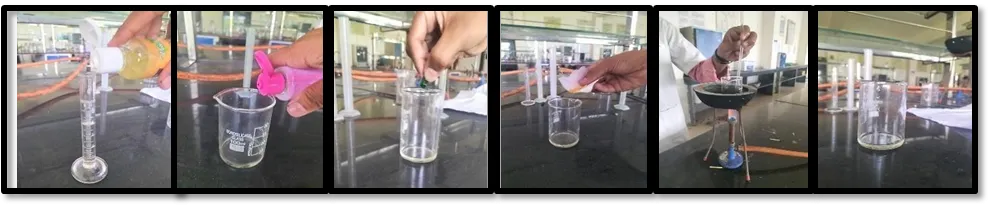
Step 3: Prepare the Water/Gel Phase
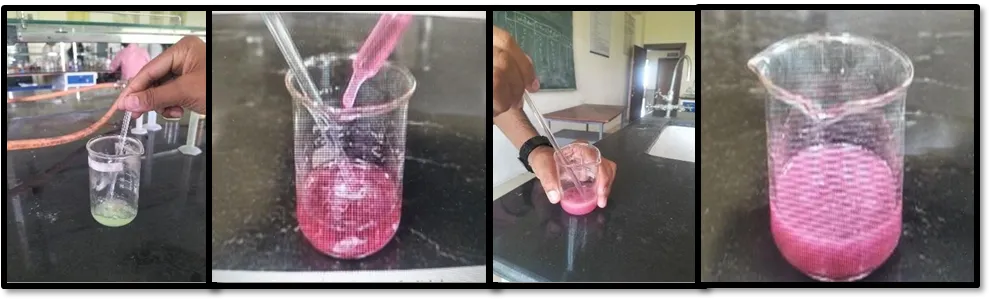
Step 4: Emulsification
Step 5: Filling
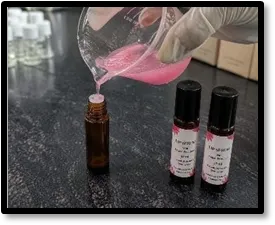
Step 6: Labelling and Storage:
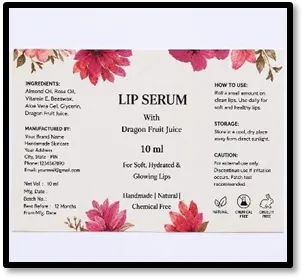
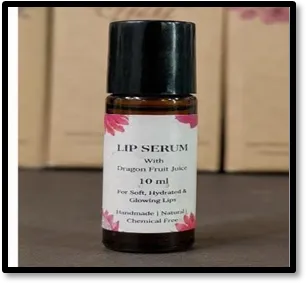
6. EVALUATION PARAMETER OF LIP SERUM:
|
Sr. no. |
Evaluation parameter |
Description |
Acceptance Criteria |
|
1. |
pH Evaluation |
The pH of the lip serum was determined using a digital pH meter to ensure compatibility with lips and to avoid irritation. |
pH should be between 5.5–6.5 |
|
2. |
Viscosity Test |
The viscosity of the formulation was evaluated to determine flow property and ease of application on lips. |
Medium viscosity with smooth flow |
|
3. |
Spreadability Test |
Spreadability was checked to evaluate the ease and uniformity of serum spreading over the lip surface. |
Should spread easily and uniformly without runniness |
|
4. |
Consistency Evaluation |
The formulation was observed for uniformity, smooth texture, absence of lumps, and phase separation. |
Smooth, homogeneous, and stable formulation |
|
5. |
Moisturizing Ability |
The moisturizing effect of the serum was evaluated based on hydration, smoothness, and reduction in dryness after application. |
Should provide good hydration and reduce dryness |
|
6. |
Physical Appearance |
The prepared serum was visually examined for colour, odour, clarity, texture, and overall appearance. |
Light pink colour, pleasant odour, smooth texture |
|
7. |
Sensory Evaluation |
Sensory properties such as fragrance, feel, smoothness, and stickiness were assessed after application. |
Non-sticky feel with pleasant fragrance and smooth application |
The prepared herbal lip serum formulations (F1, F2, and F3) were evaluated for various physicochemical and sensory parameters such as pH, viscosity, spreadability, consistency, moisturizing ability, physical appearance, and sensory characteristics to determine the quality, stability, and suitability of the formulation for lip application.
Result Table of Evaluation Parameters:
|
Sr. No. |
Evaluation Parameter |
F1 |
F2 |
F3 |
|
1. |
pH |
5.4 |
5.8 |
6.3 |
|
2. |
Viscosity |
Low viscosity |
Medium viscosity |
High viscosity |
|
3. |
Spreadability |
Good |
Excellent |
Moderate |
|
4. |
Consistency |
Slightly thin |
Smooth & homogeneous |
Thick consistency |
|
5. |
Moisturizing Ability |
Good hydration |
Excellent hydration |
Moderate hydration |
|
6. |
Physical Appearance |
Light pink, smooth |
Attractive pink, glossy |
Dark pink, slightly thick |
|
7. |
Sensory Evaluation |
Pleasant |
Highly pleasant |
Slightly sticky |
Optimized Formulation
Among all the prepared formulations, F2 was selected as the optimized formulation because it showed suitable pH, medium viscosity, excellent spreadability, good consistency, enhanced moisturizing ability, attractive appearance, and better sensory acceptability without stickiness. Therefore, F2 was considered the most stable and suitable herbal lip serum formulation for lip application.
The herbal lip serum was successfully prepared using natural ingredients such as dragon fruit juice, almond oil, aloe vera gel, glycerin, rose oil, vitamin E, and beeswax. The formulation showed a smooth texture, light pink colour, pleasant aroma, and good consistency without phase separation.
The evaluation results indicated that the lip serum had suitable pH, good spreadability, medium viscosity, and excellent moisturizing property. The formulation was found to be smooth, non-sticky, and acceptable for lip application, indicating its potential as an effective herbal lip care product.
A highly effective herbal lip serum was successfully formulated using natural oils, botanical extracts, and antioxidants. The product demonstrated excellent moisturizing, healing, and sensory properties and can be used as a natural alternative to chemical-based lip care formulations.
A lip serum is a more powerful, treatment-focused lip care product compared to a simple balm. It helps with deep hydration, anti-aging, plumping, protection, and targeted concerns like pigmentation or fine lines. If you want long-term improvement in lip texture and health (not just surface moisture), a lip serum is a very good addition to your routine.
REFERENCES




Dattatray Parihar, Samiksha Shinde, Sakshi Ghodke, V. S. Mundhe, Formulation and Evaluation of Herbal Lip Serum, Int. J. of Pharm. Sci., 2026, Vol 4, Issue 5, 8251-8267. https://doi.org/10.5281/zenodo.20472384
 10.5281/zenodo.20472384