

We use cookies to ensure our website works properly and to personalise your experience. Cookies policy
1Department of Pharmacy, Siddhi College of Pharmacy, Chikhali, Pune
2Assistant Professor, Department of Pharmacology, Siddhi College of Pharmacy, Chikhali, Pune
3Principal, Siddhi College of Pharmacy, Chikhali, Pune
Numerous microorganisms, such as bacteria, fungus, and viruses, inhabit human skin. This intricate ecology is essential for preserving skin homeostasis, defending the integrity of skin barriers, and preventing pathogenic incursions. Utilizing skin microorganisms to enhance dermatological and cosmetic outcomes has garnered increasing attention in recent years. Pre-, pre-, and post-biotics are the three basic techniques used in microorganism-based cosmetic compositions. Probiotics involve the administration of live helpful microbes to restore the microorganism balance, whilst prebiotics act as a substrate for the growth of beneficial microorganisms. These microbes produce bioactive compounds called postbiotics, which have a variety of beneficial effects on skin health. These techniques have been demonstrated to enhance skin barrier function, lower inflammation, and enhance skin attractiveness. The action mechanisms, therapeutic potential, and new developments in skin care are highlighted in this review of prebiotics, probiotics, and postbiotics in contemporary cosmetics. Understanding and applying the skin microbiota has exciting prospects for the creation of novel, safe, and efficient cosmetics.
The skin is a multilayered, intricate organ that acts as the body's main interface with the outside world. The epidermis, dermis, and subcutis (hypodermis) are its three primary layers. The outermost layer, the epidermis, is primarily made up of highly structured keratinocytes, which contribute to its function as a chemical and physical barrier.[1] The ongoing regeneration of the epidermis is caused by the basal cell layer, which is situated atop the basement membrane at the contact between the dermis and epidermis. The dermis, a matrix of connective tissue, collagen, and elastin fibers, is located beneath the epidermis and offers structural support. The subcutis, also known as the hypodermis, is the deepest layer. It is primarily made up of loose connective tissue and adipose tissue, which serves as a heat insulator and energy storage. When combined, these layers preserve the integrity of the skin and are essential for defense against environmental stresses.[2] The skin serves a number of vital physiological purposes in addition to its structural role, such as defense against infections, prevention of excessive trans-epidermal water loss, thermoregulation, sensory perception, vitamin D synthesis, and folate preservation. When the skin is injured, it starts intricate healing processes that could leave scars.[3] The skin can be thought of as a dynamic ecosystem in addition to its physical and metabolic activities, with various anatomical areas acting as unique microenvironments for a variety of microbial populations, such as bacteria, fungus, viruses, and archaea. These microbes interact with the host immune system after colonizing the skin's surface in a site-specific manner. They aid in immunological regulation and offer defense against pathogenic invasion by producing a variety of bioactive substances.[4]
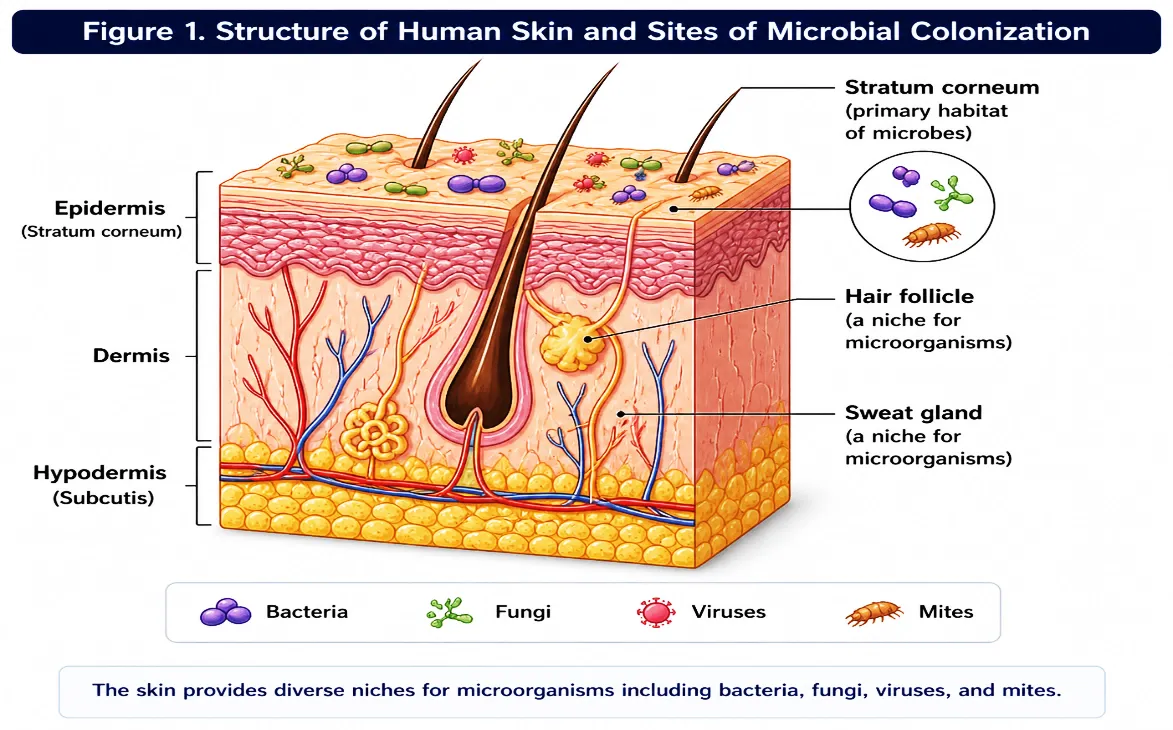
Figure 1: Structure of Human Skin and Sites of Microbial Contamination
Skin Microbiome
The largest organ in the human body, the skin, is home to a complex and varied population of microorganisms known as the skin microbiome, which includes bacteria, fungus, viruses, and mites. The stratum corneum of the epidermis and skin appendages like sweat glands and hair follicles are mostly colonized by these microorganisms. distinct anatomical areas have distinct skin microbiota compositions and distributions, which are impacted by things like wetness, sebum concentration, and exposure to the environment. While the gut microbiome's involvement in nutrition and illness has been thoroughly investigated, research on the skin microbiome is still relatively new but is growing quickly. It has become a major area of interest for both dermatological research and the cosmetics sector. Its function in preserving skin homeostasis, regulating immunological responses, and defending against harmful microbes is becoming more and more supported by scientific research. Microbiome-based skincare is becoming more and more popular, as evidenced by recent research and market trends. Industry sources state that the use of probiotic-based formulations in microbiome-based cosmetic products has grown significantly on a global scale. Procter & Gamble, Johnson & Johnson, BASF, and L'Oréal are among the major cosmetic businesses that are actively investing in the development of products targeted at altering the skin microbiome, indicating its potential to advance tailored and novel cosmetic treatments.[5] In addition to occupying certain skin niches, symbiotic microbes provide protection by keeping harmful species from colonizing.[6] These microbial communities support the preservation of skin structural integrity and the control of immune responses through intricate interactions with skin cells and external elements. Thus, maintaining skin homeostasis and barrier function depends on the skin microbiota.
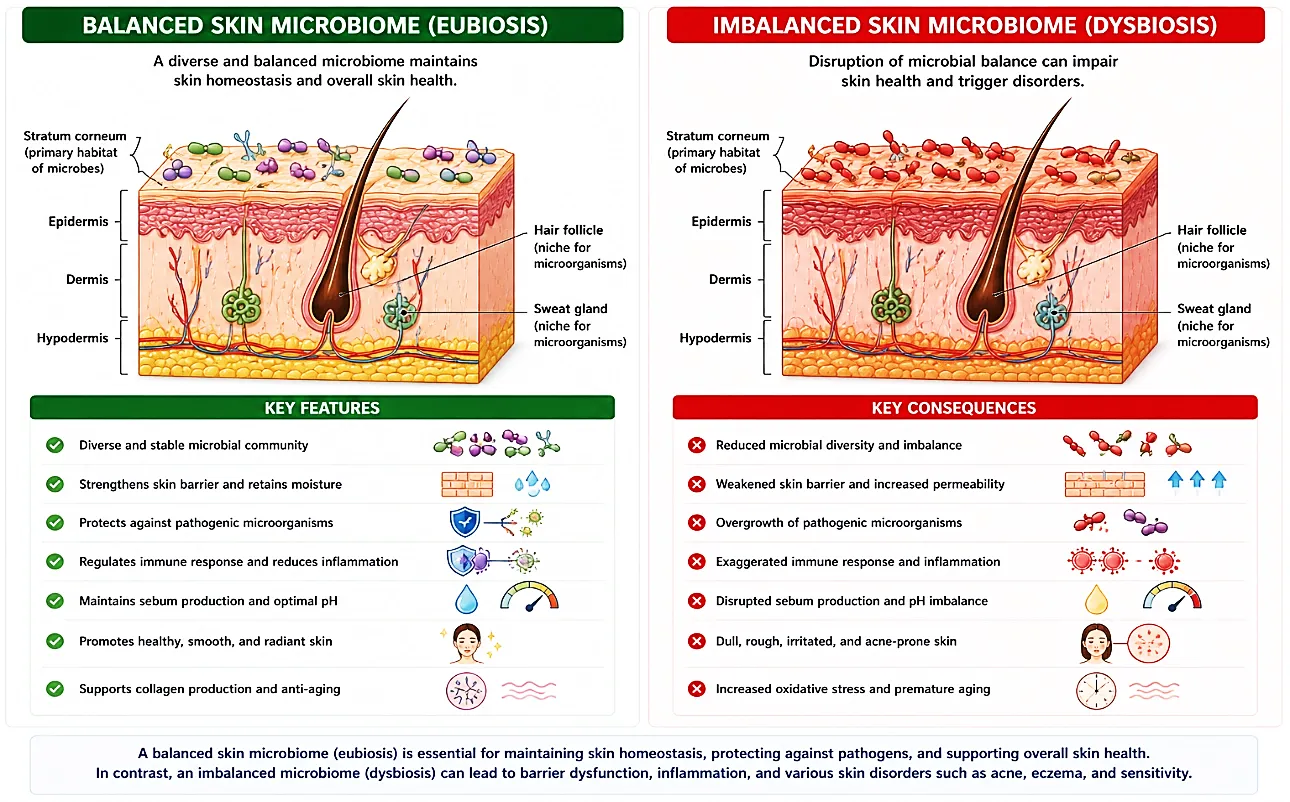
Figure 2: Comparative Overview of Skin Microbiome: Eubiosis vs. Dysbiosis
Psoriasis, eczema, and acne are just a few of the dermatological diseases that have been linked to disruption of this regulated microbial environment, also known as dysbiosis. These results emphasize the significance of microbial balance as a therapeutic target in dermatology and cosmetic science, as well as its crucial role in preserving healthy skin. The significance of preserving a balanced skin microbiome for the best possible skincare and dermatological health is demonstrated in the following table. Several skin conditions, such as acne, erythema (redness), and pruritus (itching), are linked to disruption of microbial equilibrium (dysbiosis).[7]
Table 1. Importance of Skin Microbiome Balance in Dermatological Health
|
Aspect |
Balanced Microbiome |
Imbalanced Microbiome (Dysbiosis) |
Impact on Skin Health |
|
Skin Barrier Protection |
Strengthens the skin’s natural defense, maintains hydration, and prevents pathogen entry |
Weakens the barrier, increasing permeability and trans-epidermal water loss |
Dryness, irritation, and increased sensitivity |
|
Defense Against Pathogens |
Beneficial microbes inhibit the growth of harmful microorganisms |
Allows pathogenic microbes to proliferate |
Acne, eczema, and skin infections |
|
Inflammatory Response |
Regulates immune responses and reduces inflammation |
Triggers excessive immune activation |
Erythema, pruritus, and inflammation |
|
Sebum and pH Balance |
Maintains optimal sebum production and skin pH |
Disrupts oil secretion and alters skin pH |
Oily or excessively dry skin, acne-prone conditions |
|
Skin Appearance |
Promotes smooth, healthy, and radiant skin; reduces oxidative stress |
Leads to dull, rough, and uneven skin texture |
Compromised cosmetic and aesthetic appearance |
|
Anti-aging Role |
Supports collagen synthesis and cellular regeneration |
Increases oxidative stress and cellular damage |
Premature aging and wrinkle formation |
Function and composition of skin microbiome:
The skin microbiota, sometimes referred to as skin flora, is the collective term for microorganisms that live on the skin. One of the human body's largest and most varied microbial homes is the skin. Microbial colonization is supported by the stratum corneum, the outermost layer of the epidermis, which offers a nutrient-rich environment. It is mostly made up of proteins (75–80%, mostly keratins and structural proteins), lipids (5–15%, including ceramides and cholesterol), and water in lower amounts. These substances together support the development and upkeep of microbial communities. The skin microbiome shows considerable temporal and geographic variability when compared to other body regions like the gastrointestinal tract and oral cavity. This variability is controlled by host physiology, environmental exposure, and anatomical position. More than 1,000 different types of bacteria have been found on the skin's surface and its appendages, according to studies. Maintaining skin homeostasis and general dermatological health depends heavily on this diversity.[8] The skin microbiome's bacterial populations have been thoroughly studied, but viruses and fungi are also important microbial constituents. Fungi are known to be major members of the skin mycobiome, especially those of the genus Malassezia (e.g., M. restricta, M. globosa, and M. sympodialis). Their quantity and distribution differ in various skin microenvironments due to variables like moisture levels and sebum content. Another significant but poorly understood aspect of the skin microbiome is the skin virome, which is mainly made up of eukaryotic and bacteriophage viruses. Common bacterial inhabitants like Cutibacterium spp., Corynebacterium spp., and Staphylococcus spp. are infected by bacteriophages, which are involved in controlling microbial populations and preserving ecological equilibrium. Furthermore, viral families including Poxviridae and Papillomaviridae have been found on human skin, and their composition frequently exhibits significant inter-individual heterogeneity.[9] Microscopic arthropods, namely mites of the genus Demodex, are part of the skin microbiome together with bacteria, fungi, and viruses. Demodex folliculorum and Demodex brevis, the two most prevalent species, are thought to be persistent ectoparasites of human skin. These mites feed on sebum and cellular detritus in pilosebaceous units, such as hair follicles and sebaceous glands. Diverse eukaryotic viruses have also been found in skin samples, adding to the complexity of the skin virome. These microbes' spread varies greatly depending on the host and environmental conditions. Interestingly, Demodex mites and Malassezia species frequently coexist in comparable skin niches, especially in sebaceous-rich areas, underscoring the complex interactions within the skin ecosystem.[10]
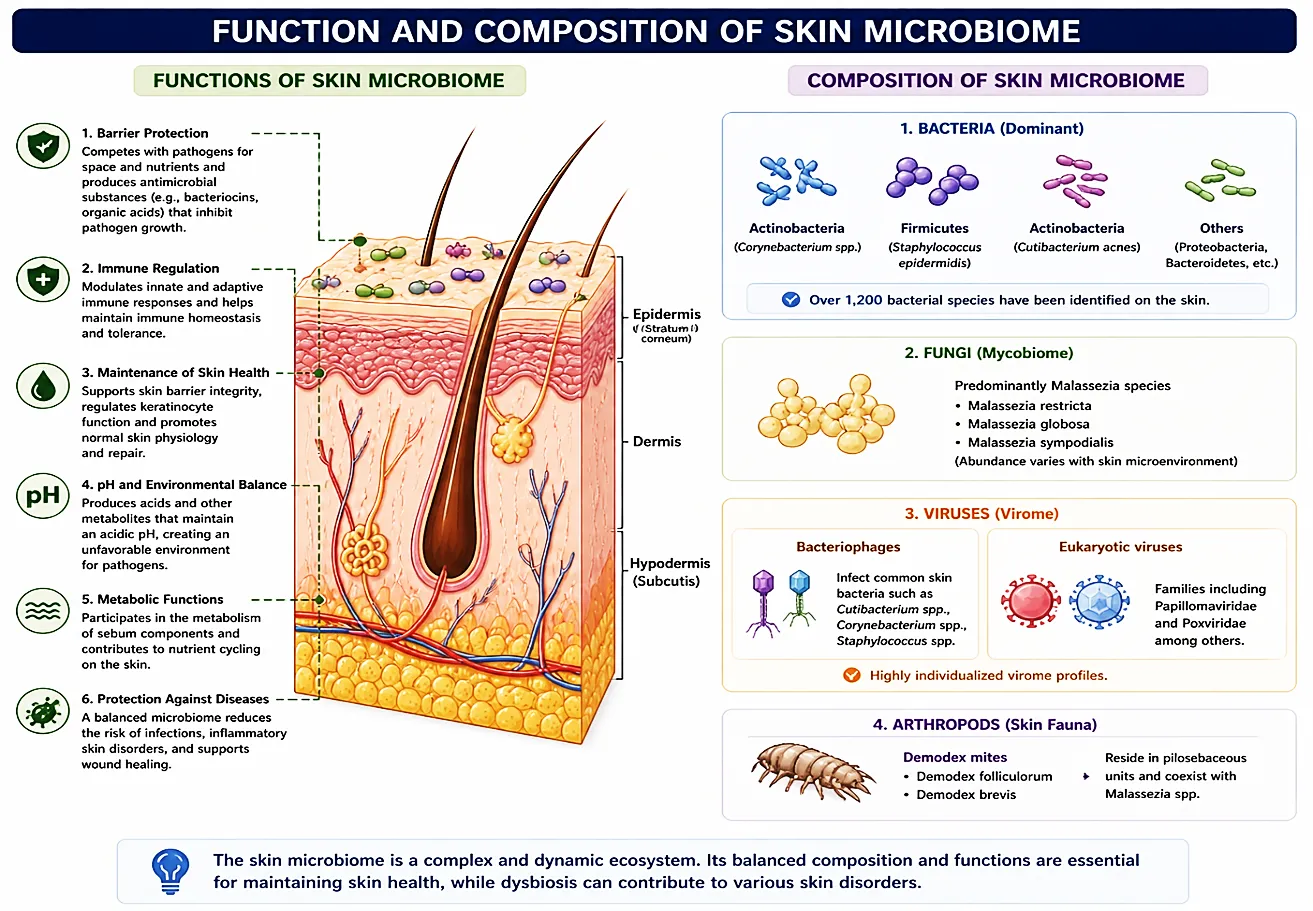
Figure 3: Function and Composition of Skin Microbiome
varied anatomical sites have very varied skin microbiota compositions, which are mostly caused by differences in local skin physiology and microenvironmental circumstances. Lipophilic bacteria, especially Cutibacterium species (previously Propionibacterium), which flourish in lipid-rich environments, are primarily found in sebaceous areas like the face and back. On the other hand, wet places like the axilla, elbow creases, and foot areas encourage the growth of microorganisms linked to moisture, like Staphylococcus and Corynebacterium species. Microbial diversity is higher in dry skin areas, such the forearm, where Proteobacteria and Corynebacterium species frequently predominate. Interestingly, differences in microbial composition are often more noticeable between various skin sites within the same person than between identical sites in different people. These findings highlight how important the local skin microenvironment is in determining the composition and diversity of the skin microbiome.[11]
Role of Key Skin Microorganisms
In order to preserve skin homeostasis and affect dermatological health, a number of dominant microbial species are essential.
1. Staphylococcus epidermidis
It is extensively found on the skin and mucosal surfaces and makes up a significant portion of the aerobic resident skin flora.[12] It is crucial for preserving the integrity of the skin barrier, regulating immunological responses, and offering protection from harmful microbes. Its importance in wound healing and possible defense against some skin cancers has also been emphasized by recent research.[13]
2. Cutibacterium acnes
The Gram-positive, anaerobic, aerotolerant, non-spore-forming bacteria Cutibacterium acnes is primarily found in pilosebaceous units. Because it co-evolved with the host to survive in situations with limited nutrients and oxygen, it plays a crucial role in skin homeostasis.[14] Crucially, different strains of Candida acnes have varied functional roles; some are linked to the pathophysiology of acne, while others support the preservation of healthy skin. Changes in virulence factors, like surface enzymes and adhesion proteins, affect inflammation and host immunological responses. These results underline the significance of preserving a balanced microbial community and point to microbiome modification as a potentially effective acne treatment method.[7]
3. Corynebacterium spp.
Corynebacterium species are frequently found in areas with wet skin and play a role in controlling skin immunological responses. Mycolic acids, which are involved in host-microbe interactions and immunological activation, are a characteristic of these bacteria's cell envelopes. This species becoming more widely acknowledged for their function in preserving skin immunological homeostasis, even though the exact processes are still being worked out.[15]
Prebiotic, probiotic, and postbiotic approaches in cosmetics:
1. Prebiotics
Prebiotics are indigestible substrates that specifically encourage the development and activity of good microorganisms, improving the health of the host. Prebiotics are added to topical formulations for skin care in order to promote the development of commensal skin microbiota, increase microbial diversity, and prevent the colonization of pathogenic organisms. Thus, skin homeostasis and the integrity of the skin barrier are preserved.[16] Inulin, α-glucan oligosaccharides, fructo-oligosaccharides (FOS), galacto-oligosaccharides (GOS), and other plant-derived extracts are common prebiotic components used in cosmetic formulations. These substances support a healthy microbial environment by serving as sources of nutrients for good skin microbes. Because they can alter the skin microbiome, prebiotic oligosaccharides, which are usually made up of two to twenty monosaccharide units, have showed promise in dermatology. Emerging prebiotic substances such gluco-oligosaccharides (GlcOS), xylo-oligosaccharides (XOS), chitosan oligosaccharides (COS), and agaro-oligosaccharides (AOS) have also been the subject of recent research. These substances are useful for sophisticated skincare formulations since they have a variety of biological activities, including as anti-aging, anti-inflammatory, and antioxidant properties. Furthermore, the possible prebiotic effects on the skin of bioactive compounds like polyphenols and certain polysaccharides (such fucoidans) are being studied.[8] Prebiotics have been thoroughly investigated in relation to gut health, but research on their use in dermatology is still in its infancy. Topical prebiotics may significantly improve skin disorders, including atopic dermatitis, by increasing skin barrier function and restoring microbial balance, according to mounting data from in vitro and in vivo investigations.[17]
2. Probiotics
"Live microorganisms which, when administered in adequate amounts, confer a health benefit to the host" are the definition of probiotics. Probiotics have received a lot of attention over the last 20 years because of their positive benefits on human health. Their use in dermatology and skincare has grown dramatically in recent years, despite their traditional association with gastrointestinal health. Lactobacillus and Bifidobacterium species are common probiotic bacteria used in a variety of formulations.[18] Probiotics can be applied topically or taken orally to improve barrier function, control immunological responses, and modify the skin microbiome. These microbes produce antibiotic compounds, suppress harmful bacteria, and alter inflammatory pathways, among other strategies.[19] Probiotics may be used to treat a number of dermatological disorders, including as rosacea, acne, and atopic dermatitis, according to recent research. Certain probiotic strains, like Lactobacillus plantarum and Lactobacillus reuteri, may have anti-inflammatory, antibacterial, and regenerative qualities, according to clinical and experimental data.[13] By increasing fibroblast proliferation, promoting angiogenesis, and lowering microbial burden, these strains have been demonstrated to aid in wound healing. Furthermore, Bifidobacterium bifidum has shown promise in enhancing skin regeneration mechanisms and lowering infection rates.[20] Additionally, new research suggests that oral probiotics may enhance skin hydration, elasticity, and general look, which may contribute to anti-aging benefits. Despite these encouraging results, more extensive clinical research is needed to determine the effectiveness, safety, and long-term benefits of probiotics in dermatological applications.[20]
3. Postbiotics
The International Scientific Association of Probiotics and Prebiotics defines postbiotics as "preparations of non-living microorganisms and/or their components that confer a health benefit to the host." In contrast to probiotics, postbiotics are made up of bioactive substances that come from cell components or microbial metabolism rather than live microbes. Short-chain fatty acids, antimicrobial peptides, enzymes, pieces of cell walls, and microbial lysates are all examples of postbiotics. Improved skin health is a result of these components' numerous biological actions, which include antibacterial, anti-inflammatory, antioxidant, and immunomodulatory properties. Postbiotics have important benefits in cosmetic formulations because they are non-viable, such as improved stability, safety, and storage convenience.[21] Postbiotics have drawn more and more interest in dermatology and skincare due to their ability to improve skin resilience, build the skin barrier, and restore microbial equilibrium. To enhance skin hydration, lower inflammation, and promote general skin homeostasis, they are added to a variety of cosmetic products, including moisturizers, serums, and cleansers. Recent preclinical and clinical research indicates that they may be useful in treating skin disorders like eczema and acne.[22]
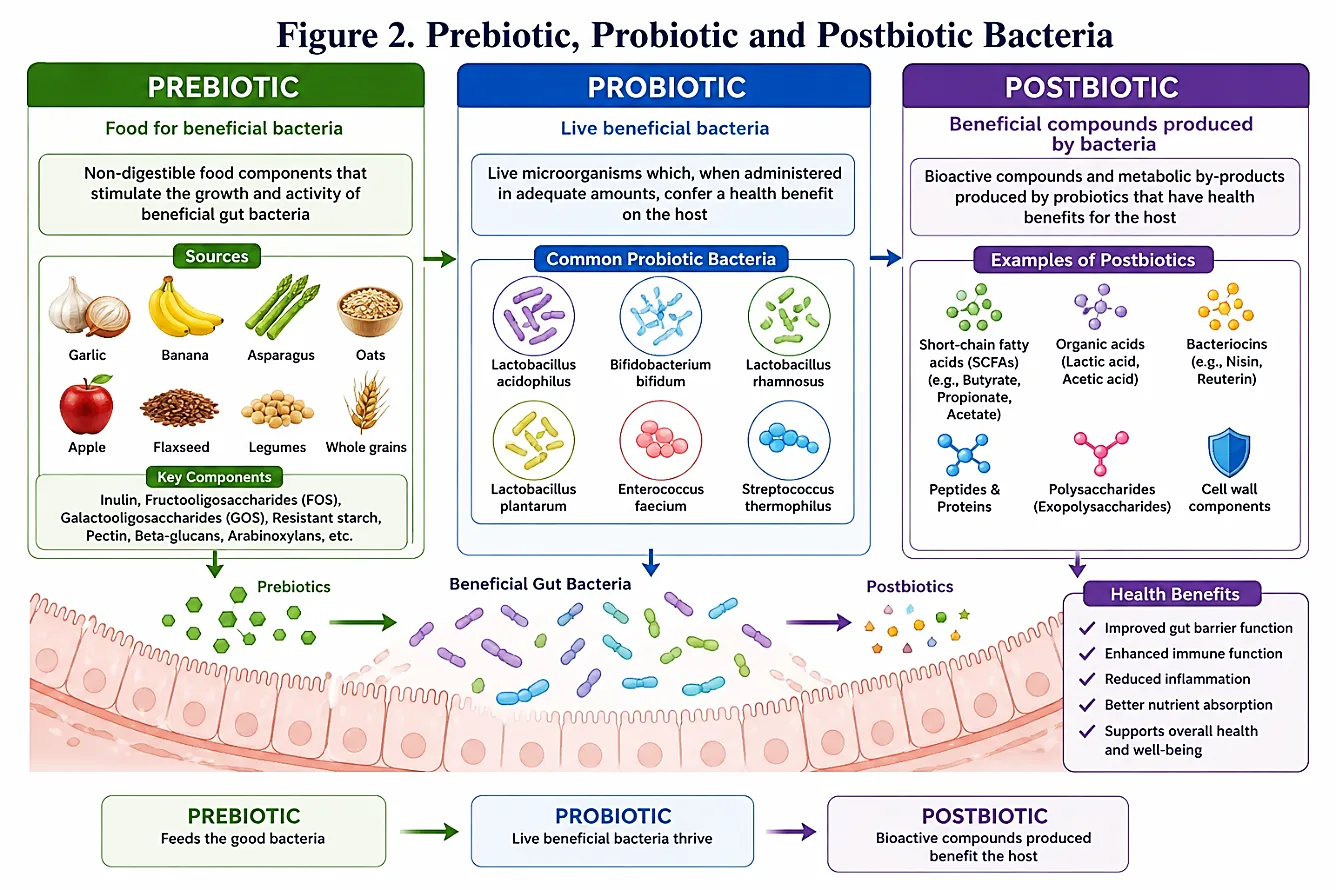
Figure 4: Overview of Prebiotics, Probiotics, and Postbiotics and Their Roles in Host Health
Postbiotics are better suited for topical applications because they have more formulation flexibility and fewer safety issues than probiotics. Their promise as next-generation ingredients in microbiome-based cosmetics is highlighted by ongoing research into their modes of action and therapeutic potential.[7]
Table 2. Comparative Overview of Prebiotics, Probiotics, and Postbiotics in Skin Microbiome Modulation
|
Parameter |
Prebiotics |
Probiotics |
Postbiotics |
|
Definition |
Non-digestible substrates that selectively stimulate growth of beneficial microorganisms |
Live microorganisms that confer health benefits when applied in adequate amounts |
Non-viable microbial cells, components, or metabolites that provide health benefits |
|
Nature |
Non-living compounds (e.g., oligosaccharides, fibers) |
Live microorganisms |
Non-living microbial products or cell fragments |
|
Mechanism of Action |
Serve as nutrients for beneficial microbes, promoting their growth |
Directly interact with skin microbiota and host cells |
Act via bioactive metabolites and microbial components |
|
Stability |
High stability |
Low stability (sensitive to temperature, pH) |
Very high stability |
|
Safety |
Generally safe |
Potential safety concerns in immunocompromised individuals |
Highly safe due to non-viable nature |
|
Skin Microbiome Effect |
Enhances growth of commensal bacteria |
Restores microbial balance by introducing beneficial strains |
Modulates microbiome via bioactive compounds |
|
Key Components/Examples |
Inulin, FOS, GOS, α-glucan oligosaccharides |
Lactobacillus spp., Bifidobacterium spp. |
Short-chain fatty acids, antimicrobial peptides, enzymes, cell lysates |
|
Biological Activities |
Supports barrier function, reduces inflammation |
Antimicrobial, anti-inflammatory, immune modulation |
Antimicrobial, anti-inflammatory, antioxidant, immunomodulatory |
|
Application in Cosmetics |
Used as functional ingredients in creams and serums |
Used in topical and oral formulations |
Widely used in stable cosmetic formulations |
|
Advantages |
Promotes natural microbiota |
Direct therapeutic effects |
High stability, safety, and formulation flexibility |
|
Limitations |
Indirect action |
Stability issues, viability concerns |
Limited long-term clinical data |
Mechanism of Action of Microbiome-Based Skincare
Prebiotics, probiotics, and postbiotics are examples of microbiome-based cosmetic techniques that improve skin health through a variety of interrelated pathways.
1. Restoration of Microbial Balance
By delivering probiotics that replenish commensal bacterial populations or prebiotics that selectively nourish beneficial microorganisms, microbiome-based products aid in the restoration and maintenance of a balanced skin microbiota. This equilibrium lowers the risk of infections, inflammation, and skin conditions including eczema, rosacea, and acne by preventing the overgrowth of harmful microorganisms.[23]
2. Enhancement of Skin Barrier Function
By lowering trans-epidermal water loss (TEWL) and enhancing hydration, probiotics and postbiotics help to fortify the skin barrier. It has been demonstrated that some probiotic bacteria, such Lactobacillus plantarum, boost ceramide synthesis by downregulating ceramidase activity and upregulating serine palmitoyl transferase (SPT) expression. Increased ceramide levels promote moisture retention and strengthen the epidermal barrier's structural integrity. Furthermore, enhanced synthesis of skin constituents like hyaluronic acid promotes hydration and barrier function.[16]
3. Antioxidant Activity
Strong antioxidant qualities are displayed by postbiotics, such as bioactive peptides and short-chain fatty acids (SCFAs). Reactive oxygen species (ROS) are neutralized by these substances, which lowers oxidative stress. This stops cellular damage that causes wrinkles, loss of elasticity, and pigmentation, such as lipid peroxidation, protein oxidation, and collagen breakdown. Additionally, endogenous antioxidant enzymes like glutathione peroxidase, catalase, and superoxide dismutase are made more active by postbiotics.[24]
4. Anti-inflammatory and Immunomodulatory Effects
Interventions based on the microbiome are essential for controlling inflammatory reactions and preserving immunological homeostasis. Probiotics can increase anti-inflammatory mediators like IL-10 and decrease pro-inflammatory markers like IL-6 and IL-17.[25] By affecting regulatory mechanisms, such as FOXP3 expression, postbiotics like sodium butyrate have also shown promise in restoring immunological equilibrium. Furthermore, by increasing tight junction proteins, these substances strengthen the epithelial barrier, lowering inflammation and boosting skin resilience.[26] When taken as a whole, these mechanisms demonstrate the therapeutic promise of microbiome-based approaches for addressing a range of dermatological diseases and enhancing skin health.[27]
Applications in Cosmetic Formulations
Because postbiotics don't need to maintain microbial viability throughout storage and transit, they are more stable, safe, and affordable than probiotics, which has attracted a lot of interest in cosmetic formulations. For example, topical formulations containing lyophilized supernatants from Bacillus subtilis, Lactobacillus fermentum, and Lactobacillus reuteri have shown encouraging wound-healing properties in experimental settings.[28] They are ideal for cosmetic applications because of their non-viable nature, which also lowers production costs and improves formulation stability.[29] Short-chain fatty acids, antimicrobial peptides, enzymes, and exopolysaccharides are among the bioactive substances generated during microbial metabolism that make up postbiotics. These substances have a variety of biological properties, including regenerative, anti-inflammatory, and antioxidant properties. Research has demonstrated that when added to topical formulations, postbiotics made from probiotic species like Saccharomyces cerevisiae and Lactobacillus spp. can effectively promote skin repair and wound healing.[30]
Table 3. Examples of Prebiotic-, Probiotic-, and Postbiotic-Based Cosmetic Products Formulated to Improve Skin Health
|
Type |
Product Name |
Key Ingredients |
Function and Benefits |
|
Cleanser |
Gallinée Foaming Face Cleanser |
Lactic acid, Prebiotic |
Supporting the skin's natural barrier with prebiotics and improving skin texture and brightness with lactic acid. |
|
Moisturizer |
Gallinée Hydrating Face Cream |
Prebiotic + Probiotic extract + Lactic acid (Postbiotic) |
Hydrating, soothing, brightening, and protecting the skin, while improving hydration, strengthening the skin barrier, and promoting a more radiant complexion, even for sensitive skin. |
|
Serum |
Aurelia London Probiotic Concentrate |
Probiotic peptides |
Reduces inflammation and redness, targets signs of aging, promotes an even tone, and fights blemishes. |
|
Balm/Lotion |
La Roche-Posay Lipikar Balm AP+M |
Postbiotic (Aqua Posae Filiformis), Niacinamide |
Provides long-lasting (48-hour) hydration, offers daily relief for dry to very dry skin, rebalances the skin microbiome, soothes skin immediately, reduces scratching, and restores the skin barrier. |
|
Mist/Spray |
Mother Dirt AO+ Mist |
Live Probiotic (Nitrosomonas eutropha) |
Restores clarity and balances the skin within 4 weeks and helps restore a healthy skin microbiota. |
|
Moisturizer |
ESK Biome Hydrating Moisturizer |
Prebiotic (α-glucan oligosaccharide) |
Feeds beneficial microbes and improves hydration; suitable for dry and sensitive skin. |
|
Serum/Cream |
Skeyndor Multibiotic Restoring Complex |
Multi-biotic complex (includes postbiotics) |
Comforts and repairs the skin’s microbiome by creating a protective, invisible film that soothes, moisturizes, and strengthens the skin's natural defenses. |
|
Toner |
Manyo Bifida Biome Ampoule Toner |
Bifida ferment lysate (probiotics), 10 types of hyaluronic acid, ceramide NP |
Strengthens the skin barrier, provides deep hydration, and gently exfoliates, resulting in a smoother, more radiant complexion. It utilizes a Bifida Biome™ complex to balance the skin microbiome, multiple forms of hyaluronic acid for layered hydration, and PHA (gluconolactone) to remove dead skin cells. |
Cosmetic goods use prebiotics, such as oligosaccharides like fructooligosaccharides (FOS) and galactooligosaccharides (GOS), to specifically promote the development of beneficial skin microbiota. By promoting commensal bacteria and preventing the growth of harmful microbes, these substances aid in the maintenance of microbial balance.[31] Additionally, postbiotics have been investigated as possible treatment agents for a number of dermatological disorders, such as alopecia, acne vulgaris, atopic dermatitis, and wound healing. In addition to various bacteria and fungi including Bifidobacterium, Lactococcus, Leuconostoc, Pediococcus, Weissella, Enterococcus, Fructobacillus, and Saccharomyces species, they can come from well-defined microbial strains or mixed cultures from genera like Bacillus and Lactobacillus. These bioactive substances are frequently administered via encapsulated systems or added to topical formulations.[32] Probiotics have shown great promise in cosmetic applications, in addition to postbiotics. Bifidobacterium longum lysate applied topically has been shown to lessen dryness, sensitivity, and aging symptoms.[33] Furthermore, because they improve skin moisture and elasticity, probiotic-based substances including Bacillus coagulans, Bifidobacterium lactis, and Lactobacillus plantarum are frequently used in moisturizers and anti-aging treatments. The creation of formulations that reduce harsh additives like alcohol and artificial perfumes has also been aided by the growing usage of microbiome-based compounds.[34] Further evidence of postbiotics' potential to improve wound healing has come from experimental research. For instance, in animal models, formulations including postbiotics from Bacillus subtilis sp. natto, Lactobacillus fermentum, and Lactobacillus reuteri shown notable increases in healing rates. A crucial component of collagen, hydroxyproline, was found in higher concentrations, suggesting improved collagen synthesis and quicker tissue regeneration.[35–37]
Future Perspectives
The creation of next-generation cosmetic formulations is anticipated to be greatly impacted by developments in microbial science. To improve their functioning, future prebiotic chemicals may undergo chemical and structural changes employing methods like oxidation, enzymatic treatment, high-pressure processing, and sonication. Furthermore, the creation of optimal prebiotic combinations may result in new formulations with enhanced and focused advantages.[38] Probiotics' potential for targeted antibacterial action and microbiome regulation has been brought to light by recent studies. Research has shown that some probiotic strains and their cell-free culture supernatants (CFCS) have inhibitory effects against pathogens including Pseudomonas aeruginosa, Escherichia coli, and Cutibacterium acnes, although they are still ineffective against species like Staphylococcus aureus. Probiotics may potentially lower the likelihood of colonization and infection by competitively preventing pathogen attachment to the skin's surface.[39] Future microbiome-based cosmetics are expected to concentrate on targeted bacteriotherapy, which uses particular advantageous or modified microbial strains to treat skin conditions including psoriasis and acne. It is anticipated that innovations like skin microbiome transplantation, synthetic biology methods for producing bioactive compounds, and AI-driven customized cosmetics would revolutionize the industry. The creation of safer, more efficient, and customized skincare products will be made possible by the integration of data science and biotechnology.[40] Microbiome-targeted approaches are being investigated in more general therapeutic contexts, such as transplantation medicine, in addition to dermatological uses. Probiotics, prebiotics, postbiotics, and fecal microbiota transplantation (FMT) can modify the microbiome and enhance long-term clinical outcomes by reducing graft rejection, improving immune control, and managing infections more effectively.[41] Future studies are anticipated to tackle issues with the viability and formulation stability of probiotic-based products. The development of more stable substitutes, like postbiotics, bacterial lysates, and encapsulated probiotics, is becoming more popular due to the short shelf life of live microorganisms. The safe and efficient integration of microbiome-based compounds into cosmetic formulations will be made easier by cutting-edge technologies including microencapsulation, freeze-drying, and targeted delivery systems. Additionally, individualized skincare based on microbiota analysis is probably going to become a major trend, allowing for customized cosmetic and therapeutic treatments.[5] The therapeutic potential of postbiotics and microbial metabolites, such as lactate, butyrate, and acetate, in reducing inflammation and promoting skin health has been highlighted by recent research. These substances have demonstrated potential as next-generation bioactive agents in the treatment of dermatological disorders such acne, skin inflammation, and wound healing.[5] It is also anticipated that the regulatory environment for microbiome-based products would change dramatically. Standardized standards for microbial-based product classification, safety evaluation, donor screening, traceability, and quality control may be included in future frameworks. To guarantee safety and effectiveness, regulatory agencies are expected to provide uniform clinical and manufacturing criteria as well as particular paths for medicines, biologics, and cosmetics.[42] From an industry standpoint, the market for microbiome-based cosmetics is growing quickly. The demand for safe, efficient, and customized skincare products is expected to expand significantly on a global scale. Cosmetic safety, labeling, and compliance are currently governed by regulatory frameworks including the EU Regulation (EC) No. 1223/2009 and FDA guidelines; new specialized regulations for microbiome-based products are being developed.[43,44]
CONCLUSION
Skin microorganisms play a vital role in maintaining skin health by contributing to barrier function, immune regulation, and protection against pathogenic organisms. Recent advances in microbiome-based cosmetics have demonstrated that prebiotics, probiotics, and postbiotics offer promising strategies for improving skin hydration, reducing inflammation, and managing dermatological conditions such as acne, atopic dermatitis, and age-related changes. Among these approaches, prebiotics and postbiotics are gaining increasing attention due to their superior stability, favorable safety profiles, and ease of incorporation into cosmetic formulations compared to live probiotic systems. However, several challenges remain, including issues related to formulation stability, strain selection, maintenance of microbial viability, and the lack of standardized methods for efficacy evaluation, which currently limit their widespread commercialization. Furthermore, regulatory frameworks governing microbiome-based cosmetic products are still evolving, particularly with respect to claims related to microbiome modulation and therapeutic benefits. The establishment of clear guidelines and harmonized international regulations is essential to ensure product safety, efficacy, and consumer confidence. Overall, microbiome-based skincare represents an emerging and highly promising field with significant potential for the development of personalized and targeted cosmetic solutions. Continued research integrating multi-omics technologies, advanced delivery systems, and robust clinical validation will further strengthen the scientific foundation and facilitate the successful translation of these innovations into commercial applications.
REFERENCES


Sayli Jadhav, Pooja Ligade, Seema Munjewar*, Pravin Sable, Harnessing The Skin Microbiome: Prebiotic, Probiotic, And Postbiotic Approaches in Cosmetic Applications, Int. J. of Pharm. Sci., 2026, Vol 4, Issue 5, 6667-6682. https://doi.org/10.5281/zenodo.20391271
 10.5281/zenodo.20391271