

We use cookies to ensure our website works properly and to personalise your experience. Cookies policy
Department of Pharmacology, SBNM College of Pharmacy, Alni, Dharashiv, Maharashtra, India 413501
Type 2 diabetes mellitus (T2DM) has traditionally been managed as a chronic, progressive disease, but accumulating clinical evidence indicates that sustained remission is achievable in a substantial subset of patients. This review synthesizes 38 peer-reviewed studies published up to December 2024, covering six intervention domains: dietary modification, weight management, bariatric surgery, pharmacotherapy (SGLT2 inhibitors and GLP-1 receptor agonists), intermittent fasting, and regenerative/genetic approaches, with evidence quality assessed using a GRADE-informed framework. Ectopic fat accumulation in the liver and pancreas - the Twin Cycle Hypothesis - emerged as the central, reversible mechanism underlying T2DM. Bariatric surgery and intensive caloric restriction provided the strongest and most durable evidence for remission, with remission rates of 30-60% at five to ten years post-surgery, and approximately 46% and 36% at 12 and 24 months, respectively, following the DiRECT dietary protocol. SGLT2 inhibitors and GLP-1 receptor agonists offered substantial cardiorenal and metabolic benefit without, in isolation, producing complete remission. Stem cell and CRISPR-based interventions remain preclinical or early-phase, with evidence graded as very low. T2DM should be reconceptualized as a metabolically reversible disease in many patients when intervention targets ectopic fat accumulation directly; a precision-medicine framework integrating disease duration, residual beta-cell function, adiposity, and psychosocial context is proposed to guide selection of remission-oriented therapy.
Diabetes mellitus is a complex metabolic disorder characterized by chronic hyperglycemia resulting from impaired insulin secretion, insufficient insulin action, or both, producing widespread disturbances in carbohydrate, lipid, and protein metabolism1. The global prevalence of type 2 diabetes mellitus (T2DM) has risen sharply in recent decades, driven by urbanization, sedentary lifestyles, dietary transition, and population aging2. T2DM accounts for more than 90% of all diabetes cases and is closely associated with obesity, insulin resistance, and polygenic susceptibility3.
Persistent hyperglycemia contributes to microvascular complications - retinopathy, nephropathy, and peripheral neuropathy - as well as macrovascular disease, including coronary artery disease, cerebrovascular disease, and peripheral arterial disease4. Despite advances in pharmacotherapy and glucose monitoring, diabetes-related morbidity and mortality remain high, underscoring the limitations of conventional stepwise management5.
T2DM has historically been framed as progressive and irreversible, with care centered on stepwise pharmacological escalation. This approach does not directly address the underlying drivers of disease progression - insulin resistance, ectopic fat accumulation, and beta-cell dysfunction6,7 - and many patients experience progressive deterioration in glycemic control, ultimately requiring insulin therapy8.
This paradigm is now being reconsidered. Emerging evidence demonstrates that T2DM is, in many individuals, a reversible metabolic condition when interventions target root-cause mechanisms rather than hyperglycemia alone6,8. Sustained normoglycemia without glucose-lowering pharmacotherapy - diabetes remission - has been documented following intensive lifestyle modification, substantial weight loss, bariatric surgery, and selected pharmacological interventions8. This review synthesizes the evidence base for T2DM remission across lifestyle, pharmacological, surgical, cellular, and genetic modalities, and proposes a precision-medicine framework for remission-oriented clinical practice.
MATERIALS AND METHODS
This review was conducted in accordance with PRISMA (Preferred Reporting Items for Systematic Reviews and Meta-Analyses) 2020 guidelines. PubMed/MEDLINE, EMBASE, Cochrane Library, and Google Scholar were searched up to December 2024 using the terms: type 2 diabetes mellitus, diabetes remission, diabetes reversal, glycemic control, lifestyle modification, bariatric surgery, SGLT2 inhibitors, GLP-1 receptor agonists, stem cell therapy, gene therapy, CRISPR-Cas9, and Twin Cycle Hypothesis.
Studies were included if they reported outcomes related to glycemic control (HbA1c, fasting plasma glucose, or C-peptide levels); evaluated lifestyle, pharmacological, surgical, cellular, or genetic interventions relevant to T2DM remission; enrolled adults (≥ 18 years) with confirmed T2DM; and provided quantitative or mechanistic outcomes relevant to remission or sustained metabolic health. Remission was defined per the American Diabetes Association consensus9 as HbA1c <6.5% sustained for at least three months without glucose-lowering pharmacotherapy. Studies were excluded if they focused exclusively on pediatric populations, investigated non-diabetic conditions, were editorials without original data, or were non-English without a translated abstract.
Two independent reviewers screened titles, abstracts, and full texts against the eligibility criteria; disagreements were resolved by consensus. Eligible studies (n = 38) were categorized into six intervention domains, and data were extracted on study design, sample size, intervention type, duration, and reported remission rates. Study quality was assessed using the Cochrane Risk of Bias Tool (RoB 2.0) for randomized trials and the Newcastle-Ottawa Scale for observational studies, and graded using a GRADE-informed framework. Owing to substantial heterogeneity across studies, meta-analysis was not performed; a narrative synthesis was undertaken instead.
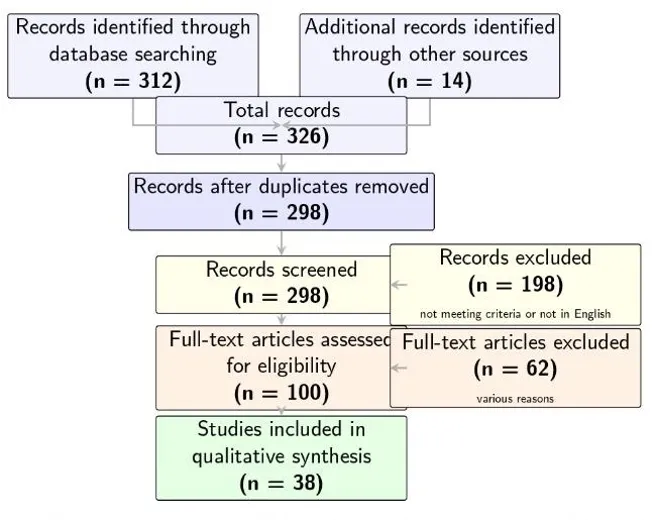
Figure 1: PRISMA 2020 flow diagram of study identification, screening, and inclusion (n = 38 studies in the final qualitative synthesis)
RESULTS AND DISCUSSION
Pathophysiological Basis: The Twin Cycle Hypothesis
An understanding of the pathophysiological substrate on which remission operates is essential before evaluating therapeutic interventions. The prevailing mechanistic framework for T2DM reversibility is the Twin Cycle Hypothesis, proposed by Taylor and colleagues, which posits that excess caloric intake drives progressive accumulation of ectopic fat in two key metabolic organs: the liver and the pancreas8. In the hepatic cycle, surplus dietary energy drives de novo lipogenesis, producing abnormal triglyceride deposition within hepatocytes; this hepatic steatosis impairs the ability of insulin to suppress hepatic glucose production, driving fasting hyperglycemia. Elevated hepatic VLDL triglyceride export subsequently delivers excess lipid to the pancreas, initiating the pancreatic cycle, which is directly toxic to beta-cell function and establishes the postprandial hyperglycemia characteristic of overt T2DM.
The critical therapeutic implication of this model is that both cycles are potentially reversible: sustained caloric restriction sufficient to deplete ectopic fat stores can restore insulin sensitivity and recover beta-cell responsiveness, particularly in patients with shorter disease duration and preserved beta-cell reserve8,10. Evidence for remission is most robust in patients with T2DM of fewer than six years' duration and residual beta-cell secretory capacity, as assessed by fasting or stimulated C-peptide levels.
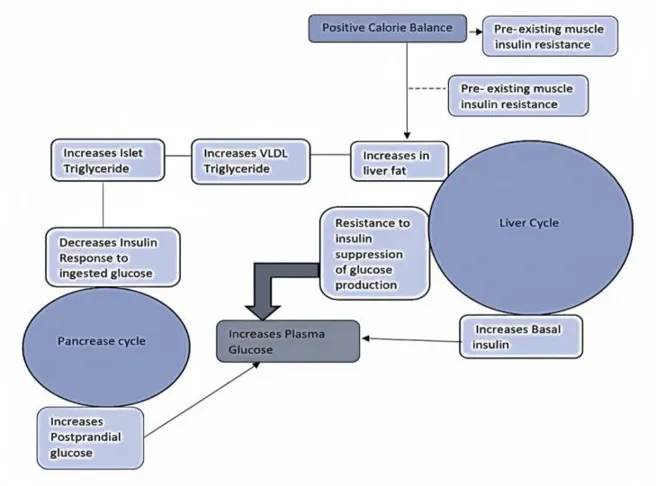
Figure 2: The Twin Cycle Hypothesis - pathophysiological basis of T2DM and its reversibility
Dietary Modification and Caloric Restriction
Dietary interventions consistently produced rapid, clinically meaningful improvements in glycemic control, including complete T2DM remission without pharmacotherapy in selected individuals6,11,12. Structured very-low-calorie programs, most notably the DiRECT protocol, achieved remission in approximately 46% of participants at 12 months and 36% at 24 months8, through hepatic fat clearance occurring within days of caloric restriction. Low-carbohydrate and ketogenic approaches have produced HbA1c reductions of 1.0-1.5%, with some studies reporting insulin discontinuation13,14,15. Fasting-mimicking dietary protocols have shown restoration of insulin secretion through beta-cell regeneration pathways involving neurogenin-3 (Ngn3)11.
Weight Management and Physical Activity
Exercise-based interventions consistently produced HbA1c reductions of 0.5-1.5%, improved insulin sensitivity, and sustainable weight reduction16,17, with combined aerobic and resistance training superior to either modality alone17. Sustained reductions of 10-15% of initial body weight are associated with the largest improvements in insulin sensitivity and beta-cell function8,12, and remission rates are demonstrably higher with shorter disease duration and better-preserved beta-cell reserve.
Bariatric Surgery
Bariatric surgery provides the strongest and most durable evidence for T2DM remission. Roux-en-Y gastric bypass and sleeve gastrectomy consistently achieve HbA1c normalization below 6.5% and sustained weight loss exceeding 25-30% within 12 months18,19,20, with long-term remission rates of 30-60% at five to ten years. Glycemic improvement frequently precedes weight loss, implicating weight-independent mechanisms including rapid changes in incretin hormone secretion, altered bile acid metabolism, and gut microbiota remodeling19,20.
Pharmacotherapy: SGLT2 Inhibitors and GLP-1 Receptor Agonists
SGLT2 inhibitors reduce hyperglycemia via renal glycosuria and provide robust cardiorenal protection, including reductions in cardiovascular mortality, heart failure hospitalization, and hyperkalemia risk21,22. GLP-1 receptor agonists enhance glucose-dependent insulin secretion and promote weight loss with minimal hypoglycemia risk; combined therapy shows synergistic metabolic and cardiovascular benefit23, representing the most pharmacologically sophisticated approach currently available for remission-supportive therapy, though neither class reliably produces complete remission in isolation.
Intermittent Fasting and Time-Restricted Feeding
Intermittent fasting protocols, including alternate-day fasting and time-restricted feeding, have emerged as accessible interventions capable of improving insulin sensitivity. Case series have demonstrated insulin discontinuation and glycemic normalization without hypoglycemic episodes6, though optimal protocols and precise molecular mechanisms remain under investigation24.
Stem Cell Therapy and Regenerative Medicine
Autologous bone-marrow-derived stem cell transplantation has produced improved glycemic control and temporary insulin independence in small-scale studies without major adverse events25,26. Human embryonic stem cells possess pluripotency and self-renewal capacity, enabling directed differentiation into pancreatic beta-like cells (Figure 3), though immune encapsulation, long-term viability, and scalable clinical translation remain unresolved challenges3,26.
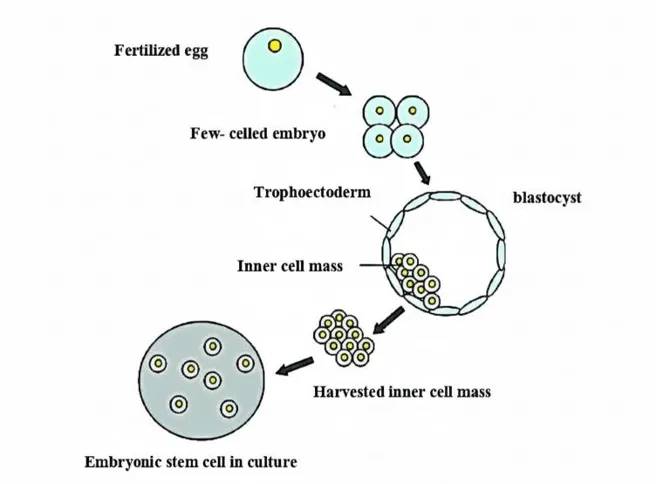
Figure 3: Generation of human embryonic stem cells (hESCs) for potential diabetes cell-replacement therapy
Gene Therapy and CRISPR-Based Innovations
Adeno-associated viral (AAV) vectors offer efficient, relatively low-immunogenicity delivery of gene therapy constructs, though beta-cell tropism and transduction efficiency remain technical challenges27,28. CRISPR-Cas9 gene-editing technology enables precise, targeted manipulation of genes involved in insulin signaling and beta-cell development; in experimental models, CRISPR-mediated modification of beta-cell transcriptional regulators, including PDX1, MAFA, and PAX6, has improved insulin secretion and glucose homeostasis29. Genetic risk profiling is emerging as a preventive strategy, enabling early, targeted behavioral intervention in individuals with high-risk polygenic scores27,30.
Strength of Evidence
Overall evidence quality varied substantially across intervention domains, as summarized in Table 1. Bariatric surgery and pharmacotherapy studies showed low-to-moderate risk of bias, supported by standardized outcome definitions and longitudinal follow-up. Lifestyle and weight-management studies showed moderate risk of bias, attributable to heterogeneity in adherence and self-reporting. Stem cell and gene therapy studies carried high risk of bias, reflecting small sample sizes and experimental designs; findings from these advanced modalities should be interpreted as hypothesis-generating.
TABLE 1: STRENGTH OF EVIDENCE - GRADE-INFORMED SUMMARY
|
Intervention |
Key Outcomes |
Risk of Bias |
GRADE |
|
Dietary Modification / Caloric Restriction |
HbA1c reduction; hepatic fat clearance; complete remission in early T2DM |
Moderate |
Moderate |
|
Physical Activity / Weight Management |
1-2% HbA1c reduction; improved insulin sensitivity |
Moderate |
Moderate |
|
Bariatric Surgery |
HbA1c normalization (<6.5%); >25% weight loss; remission at 5 years |
Low to moderate |
High |
|
SGLT2 Inhibitors |
Glycemic control; weight loss; cardiorenal protection |
Low |
High |
|
GLP-1 Receptor Agonists |
Insulin release; weight reduction; minimal hypoglycemia |
Low |
High |
|
Intermittent Fasting / TRF |
Insulin discontinuation; metabolic flexibility |
Moderate to high |
Low |
|
Stem Cell Therapy |
Partial insulin independence; beta-cell regeneration |
High (small samples) |
Very low |
|
Gene Therapy / CRISPR-Cas9 |
Experimental glycemic improvement |
High (experimental) |
Very low |
Toward a Precision-Medicine Framework
The convergence of evidence across intervention types on a common endpoint - depletion of ectopic fat, restored hepatic insulin sensitivity, and recovered beta-cell function - suggests that beta-cells in early-to-moderate T2DM are suppressed rather than irreversibly destroyed8. Bariatric surgery currently occupies the apex of the evidence hierarchy, with robust data demonstrating durable normoglycemia at five to ten years in patients with severe obesity18,19,20. For clinicians managing patients with BMI ≥35 kg/m² and inadequately controlled T2DM, early referral for metabolic bariatric surgery should be considered disease-modifying rather than a last resort. Intensive lifestyle modification remains the most accessible pathway for the broader population, though adherence and behavioral support infrastructure remain the central barriers to population-level impact8.
A dimension frequently underappreciated in remission discussions is the hypothalamic-pituitary-adrenal (HPA) axis (Figure 4). Chronic psychological stress drives sustained cortisol hypersecretion, which antagonizes insulin action, promotes visceral adiposity, and impairs beta-cell function31, underscoring that remission cannot be achieved through dietary and pharmacological intervention alone in patients experiencing chronic psychosocial stress. While evidence for regenerative and genetic modalities remains very low, CRISPR-Cas9 offers the theoretical possibility of a one-time, curative intervention in genetically defined diabetes subtypes; the primary remaining challenges are translational specificity and long-term safety rather than conceptual feasibility26,28.
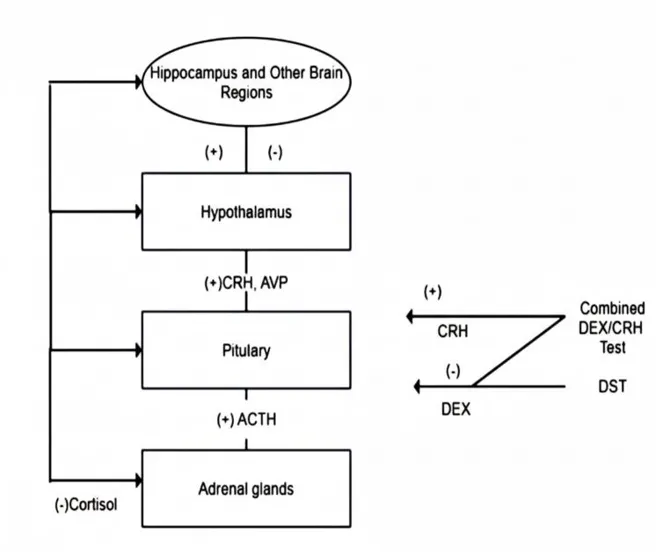
Figure 4: The hypothalamic-pituitary-adrenal (HPA) axis and its role in opposing T2DM remission
The synthesis presented here argues for a precision-medicine framework in place of a one-size-fits-all approach: patient phenotyping, encompassing disease duration, residual beta-cell function, degree of ectopic adiposity, polygenic risk, and psychosocial context, should guide selection and sequencing of remission-oriented interventions. Patients with short disease duration, elevated C-peptide, and significant obesity represent the highest-probability remission candidates for lifestyle intervention or bariatric surgery; those with longer disease duration may benefit most from combination pharmacotherapy as a bridge to lifestyle modification.
This review has limitations. The included literature is heterogeneous in design, protocol, and outcome definition, precluding meta-analysis. 'Remission' was not applied uniformly across primary studies, and most long-term remission data derive from high-income settings, limiting generalizability. The evidence base for regenerative and genetic interventions remains predominantly preclinical. This review was not prospectively registered (e.g., with PROSPERO), and inter-rater agreement during screening was not statistically quantified - both should be addressed in future updates.
CONCLUSION
Type 2 Diabetes Mellitus is not the inexorably progressive condition it was long assumed to be, but a metabolically reversible disease whose trajectory can be substantially altered, and in many patients reversed, through targeted, mechanism-based intervention. The Twin Cycle of hepatic and pancreatic ectopic fat accumulation is the central, remediable driver of T2DM, and its disruption through dietary modification, sustained weight loss, or bariatric surgery currently provides the most robust pathway to durable remission. Newer pharmacological agents have expanded the clinician's toolkit through metabolic and cardiorenal benefit that synergizes with lifestyle-based strategies, while stem-cell-derived beta-cell therapies and CRISPR-mediated gene editing offer longer-term prospects contingent on overcoming translational barriers. Early intervention, sustained weight reduction, multidisciplinary support, and personalized matching of intervention to patient phenotype are the critical determinants of remission success.
ACKNOWLEDGMENT
The authors declare that this work received no external funding. The authors would like to thank the management of SBNM College of Pharmacy for providing the necessary facilities and support during the preparation of this manuscript.
CONFLICT OF INTEREST
No conflict of interest.
REFERENCES


Sohel Tamboli, Madhura Mundhe, Suraj Nanaware, Therapeutic Approaches to Type 2 Diabetes Remission: Challenges, Lifestyle Modifications, and Genetic Innovations, Int. J. of Pharm. Sci., 2026, Vol 4, Issue 8, 2304-2312. https://doi.org/10.5281/zenodo.21927152
 10.5281/zenodo.21927152