

We use cookies to ensure our website works properly and to personalise your experience. Cookies policy
Department of Pharmacology, IPS Academy College of Pharmacy, Indore.
Neuroscience, pharmacology, toxicology, and translational research rely on behavioural and cognitive testing in experimental animal. Behaviour represents a measurable output of central nervous system and dysfunction. Numerous paradigms have been developed to assess domain such as learning and memory, anxiety, depression, social behaviour, and executive function. These assays are widely used to study disease pathology, drug effect, and neurotoxicity. However, variability in test protocols, limited construct validity, and poor reproducibility remain major challenges, requiring careful selection and interpretation of screening methods. This review provides an overview of behavioural screening techniques in rodents, including principle of test design, classification of behavioral domains, commonly used methods, methodological limitations, and translational relevance. It also highlights future direction in behavioural research. Overall, the use of standardized protocol and complementary test batteries is essential for generating reliable and reproducible behavioural data.
Cognition (the processes that are performed by the brain) and behaviour (the set of actions that make use of the cognitive processes) are two of the most significant spheres of brain activity. They are also the key outcome measures in the disciplines of experimental or clinical neuroscience, pharmacology and toxicology by employing appropriate animal models. Some of the examples of cognitive processes include perception, learning, memory, attention, and decision-making. Examples of behaviour would consequently be any expression of all (or some) of those activities which happened when a person has been stimulated, either internally or externally. In experimental models (primarily rodents), behavioural phenotyping is an important connection between changes in molecules or cells and the functional outcome in the organism.[1,2]
Rodent models have been widely used to conduct research on neurological, neurodevelopmental and psychiatric disorders. This is due to the fact that their genetic similarity to humans is high, their neuroanatomy is well characterised, and that they can be controlled in experiments.[3,4] There are many applications of behavioural assays to model a variety of conditions including, but not limited to, anxiety disorders, depression, autism spectrum disorder, schizophrenia, stroke, traumatic brain injury, and neurodegenerative disorders. The effectiveness and safety of treatments are also commonly tested on animal models.[5,6] It is presumed that behaviour is the end-result of the activity of central nervous systems, and behavioural changes tend to be one of the earliest and most vulnerable factors of neural dysfunction.
Over the last few years, numerous types of behavioral and cognitive tests have been created by the researchers to measure different function areas (e.g., spatial and recognition memory, executive function, emotional reactivity, motivation, social interaction). Some of the common types of tests which are currently popular in preclinical research are Morris water maze, novel object recognition test, elevated plus maze, open field test, forced swim test and three-chamber social interaction test.[7,8] All these tests are designed on the basis of natural behavioral principles of rodents (e.g., the desire to explore new surroundings, avoid open and brightly lit areas, show interest in socializing with other rodents), which presents the justification of using them as models of human cognitive and emotional states. [9,10]
Applications of behavioural tests are familiar but are limited. As an example, the performance in any test may rely on such factors that are not concerned with a particular type of cognitive/affective processes estimated by the test; e.g., locomotor activity, sensory functions, attentional differences, motivational state, etc. There will be also a significant amount of variance between tests depending on the various strains of animals under test, gender, age, condition of housing, manipulations of handling animals, and the differences in how the experiment was conducted.[11] This kind of variation will lead to the inability of researchers to replicate the test results and hence it will be hard to compare the results with other labs. It is thus extremely hard to administer only a single behavioural test and make the bold conclusions concerning the performance of an animal in a given cognitive or behavioural task.
Due to a heightened sensitivity to the issues of behavioural tests, scientists are moving towards the multiple behavioural test to measure many domains of behaviour as well as to exploit many circuits. An example of this would be tests of spatial navigation that would capitalize on tests involving functions related to the hippocampus and entorhinal cortex and tests that are egocentric in nature or operations that are reliant on the striatal loops. With the combination of these tests, it is possible to make a wider evaluation of learning and memory. Similarly, a set of complementary paradigms can assess anxiety-related behaviours, depression behaviour and social behaviours, as they capture various elements of emotional and social behaviour.[12]
Whenever formulating behavioural assays, they must, as far as possible, bear resemblances to human cognitive and emotive behaviours and be individually responsive to clinically tested therapies. This is more so accurate to regulatory neurotoxicity studies, whereby the behavioural endpoints will be important to risk assessment and the public health policies. Meanwhile, the number of behavioural paradigms being refined to enhance animal welfare (i.e. reduce stress), is growing, and a number of new paradigms have developed, such as home-cooped based measurements, and a variety of automated monitoring.[13]
The rationale behind any behavioural experiment and its interpretation is that it is important to have a full picture of the available screening tools, their scientific basis, and their pros and cons when it comes to their use. This review aims to provide a systematic presentation and review of the key screening techniques used to measure both the cognition and behaviour of rodents. Evidence found in the current literature will also be included in this review to ensure that it gives practical information about the choice of proper behavioural assays and how one should develop and implement valid and reliable translational behavioural screening strategies.[14]
PRINCIPLES OF BEHAVIOURAL AND COGNITIVE SCREENING
Behavioural Screening relies on measurable outputs reflecting brain function. Interpretation depends on appropriate test design, biological consideration and methodology. The key criterion for a valid behavioural assay is that it reproducibly reflects the neural process under investigation with minimal confound from non-specific factors such as locomotion or stress.[15]
Validity of Behavioural Assay
Tress type of validity are essential: construct, face, and predictive validity. Together, these three forms of validity provide the scientific justification for using any given rodent paradigm as a proxy for the human condition being studied.[14]
Construct validity reflects whether a test measures the intended cognitive function (e.g., Morris water maze for hippocampal memory). Face validity refers to similarity between animal behaviour and human symptoms.[10] Predictive validity indicates responsiveness to clinically effective drugs.[12]
Reliability and Reproducibility
Reliability depends on consistent results across trials and laboratories. It is influenced by factors such as apparatus, lighting and protocol variation . Carryover effects from prior tests can affect outcomes; therefor proper test sequencing ad washout periods are required. [11]
Biological variable and Influencing Behaviour
Biological variables such as species, Strain, sex, and age significantly influence behavioural outcome. Developmental stage also affect cognitive and emotional responses.[16]
Influence of Stress, Handling, Housing
Stress, handling and environmental condition significantly affect behavioural outcome. Home cage testing reduces Stress related Variability. Housing conditions and environmental enrichment influence cognition and emotional behaviour Regular, gentle handling by the experimenter before testing is therefore recommended to habituate animals and reduce stress-induced variability in performance. [9]
CLASSIFICATION OF BEHAVIOURAL AND COGNITIVE DOMAINS
Behavioural screening methods are most commonly classified by domains based on psychological constructs and underlying neural circuits. This classification helps in selecting appropriate testes and obtaining comprehensive phenotypic data. [1,2]
Learning and Memory
Spatial learning and memory rely on the hippocampus and entorhinal cortex and are assessed using tasks such as Moris water maze and Radial arm maze.[8] Recognition memory involve the perirhinal cortex and is evaluated using object recognition paradigms. [17,13] Procedural memory is mediated by the striatum and assessed using tasks like cincinnati water maze. Complementary tests are required for comprehensive assessment.
Emotional Behaviour
Emotional behaviour such as anxiety like and depression like behaviour are widely studies in rodents. Anxiety is assessed using tests like elevated plus maze and open field. Depression like behaviour is evaluated using forced swim an tail suspension test involving limbic circuitry. [12,18]
Social Behaviour and Social Cognition
Social behaviour includes sociability, social recognition, which are impaired in disorders such as autism spectrum disorder5. These are assessed using tests like thee three chambered social interaction test and reciprocal interaction paradigms.[19]
Locomotor and Exploratory Activity
Locomotor and exploratory behaviour are assessed using open filed tests , Baseline locomotor measures are essential before cognitive testing, as motor or sensory deficits can confound interpretation of performance on spatial and recognition tasks.[20]
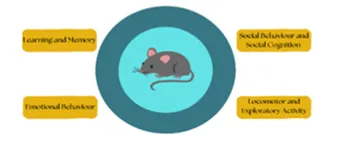
Fig 1: Type of Behavioural and Cognitive Domian
SCREENING METHOD FOR LEARNING AND MEMORY
Cognition includes two major components: learning and memory; both are also the two domains that receive more experimental neuroscientific attention than any other domains. Learning is typically described as part of a series of experiences that alter behaviour and memory, which is a multifaceted process that refers to the processes of encoding, consolidation, storage, and retrieval of information that is acquired through experience. Learning and memory involve a variety of interactive systems in the central and peripheral nervous systems, including the hippocampus, cortex, and striatum, and each of these systems mediates one or more different types of memory. Therefore, the behaviour when examining the learning and memory of subjects requires the use of many different types of tests that would allow researchers to examine the spatial memory, recognition memory, working memory and procedural memory of their specimens.[1,2] A systematic evaluation of available cognitive tools confirms that no single test captures the full spectrum of cognitive processes, reinforcing the rationale for multi-paradigm test batteries.[21]
Morris Water Maze
Principle: The Morris water maze relies on the way rats learn the location of a submerged escape platform through visual cues outside of the maze. Rodents are naturally motivated to escape water and quickly learn where to find a safe place to get dry without needing to be deprived of food or punished for not escaping.[8]
Procedure: Rats are placed into circles at different starting positions around the circle and given time to swim until they find the hidden platform that they were trained on. Typically, rats receive numerous trials over several days until they learn where they are going. Rats' long-term memory retention is tested in a probe trial by removing the escape platform and measuring how long they spent in the quadrant where the escape platform was located . Inter-trial intervals and cue availability are carefully controlled to distinguish spatial from non-spatial search strategies.[22]
Parameters Measured: Escape latency, path length, swim speed, search strategy and time spent in target quadrant. Search strategy classification, ranging from thigmotaxis to direct navigation, provides additional qualitative information about the progression of spatial learning across trials.[23]
Cognitive Domains: Hippocampal-dependent spatial learning and reference memory. Disruption of hippocampal circuitry, whether by lesion, pharmacological challenge, or transgenic modification, reliably impairs performance in the MWM, confirming its strong construct validity.[24]
Usage of the test is common for studying models of Alzheimer’s Disease and other conditions such as post stroke cognitive impairment, traumatic brain injury, or developmental disorders. [6,4]
Limitations to performance on the test include stressors, visual deficits, poor motor skills . Swim speed should always be recorded as a motor control variable, and visible platform trials are recommended to exclude animals with visual or motor impairments from the spatial analysis.[25]
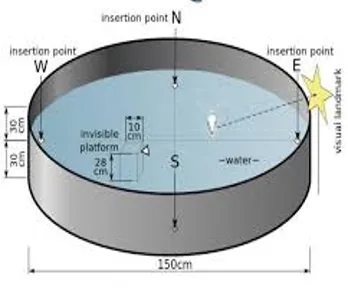
Fig 2: Morris Water Maze
Novel Object Recognition (NOR) Test – Recognition and Accidental Memory
Principle: The NOR test is based on the natural tendency of rodents to explore novel objects over familiar ones, reflecting recognition memory and incidental learning.[17,13]
Apparatus and Design: The test is conducted in an open filed or home cage using objects differing in shape or texture but similar in size to avoid bias. The arena and objects must be thoroughly cleaned between subjects to eliminate olfactory cues that could bias exploration behaviour.[26]
Working Procedure: The paradigm consist of three phases: habituation, familiarization with two identical object objects, and testing, where one object is replaced by a novel one. The inter-trial retention interval can be adjusted from minutes to 24 hours or more to selectively probe short-term or long-term recognition memory.[27]
Parameter Measured: Exploration time, discrimination index, and recognition index.
Cognitive domain and Neural Basis: Assesses recognition memory, primarily involving the perirhinal cortex and hippocampus.[28]
Application: The NOR is routinely used in studies looking at aging, Alzheimer’s, TBI, stroke, and developmental neurobehavioral disorders. Comparative evaluation across disease models confirms that the NOR task reliably detects perirhinal cortex-dependent recognition deficits, with sensitivity varying by inter-trial interval and model severity.[29]
Advantages: simple, low cost, minimally stressful; sensitive to pharmacological and genetic manipulation.
Limitations: Performance may be influenced by anxiety, locomotor activity, object preference, and odor cues,. A discrimination index greater than 0.20 is generally accepted as evidence of intact recognition memory, though this threshold may vary with the inter-trial interval and species.[30]
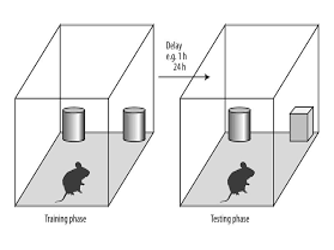
Fig 3: Novel Object Recognition Test
Y Maze- Working Memory and Spatial Region
Principle: The Y-maze uses the natural behaviour of rodents to enter an arm they have not been in for a while and are referred to as spontaneous alternation behaviour to gather information on memory in rodents. This intrinsic motivation makes the Y-maze particularly suitable for high-throughput screening without the confounds of hunger or thirst that accompany food- or water-motivated tasks.[31]
Conceptual Basis: Spontaneous alternation behaviour represents short-term working memory and the ability to spatially identify.
Procedure: Rodents are put in the center of the maze and can explore all of the arms freely. The total number of arm entries are recorded, and the amount of spontaneous alternation behaviour is calculated based on the total arm entries. A minimum of eight arm entries per session is recommended to ensure statistical validity of the alternation percentage, with chance-level performance defined as 50%.[32]
Parameters Measured: Total arm entries, spontaneous alternation behaviour, amount of time spent in each arm. The spontaneous alternation percentage is calculated as (number of alternations / total possible alternations) × 100, providing a simple and objective index of working memory.
Cognitive Domain: Memory and spatial recognition. Hippocampal and septal cholinergic systems are particularly critical for spontaneous alternation, making the Y-maze sensitive to cholinergic antagonists and neurodegeneration models.
Why the Y-maze: The Y-maze is a fast, low-cost measure of spontaneous alternation behaviour and does not rely on food or water deprivation to motivate animals to enter an arm. Additionally, the forced alternation variant, using a blocked arm during acquisition, enables assessment of spatial reference memory independently of spontaneous exploration.
Applications: Used in studies relating to Alzheimer's disease, stroke, and aging,. The test also demonstrates sensitivity to hippocampal lesions and amyloid pathology, making it a reliable first-line screen for cognitive decline in transgenic disease models.
Limitations: The Y-maze can be sensitive to changes in locomotor and anxious behaviours. Total arm entries should always be reported as an internal locomotor control, and animals falling below a minimum entry threshold should be excluded from alternation analysis.
Table 1: Summary of Screening Methods for Learning and Memory in Experimental Animal
|
Test |
Memory Domain Assessed |
Principle |
Key Parameters |
Strength |
Limitations |
Reference |
|
Moris Water Maze (MWM) |
Spatial learning and reference memory |
Learn location of hidden platform using distal cues |
Escape Latency, path length, swim speed, probe time |
Highly validated sensitive |
Stress motor/visual confounds |
33,28 |
|
Novel Object Recognition (NOR) |
Recognition and Incidental memory |
Prefer novel over familiar objects |
Discrimination index, exploration time |
Simple, low stress |
Anxiety and object bias |
13,19,34 |
|
Y-Maze |
Working memory, spatial recognition |
Spontaneous alteration |
Alteration %, arm entries |
Simple, flexible |
Motivation dependent |
13,28 |
SCREENING METHODS FOR ANXIETY LIKE BEHAVIOUR
Elevated Plus Maze (EPM)
Principle: The design of the elevated plus maze is based on the natural instinct of rodents to avoid open elevated areas and their preference for enclosed arms7. Recent circuit-dissection studies identify distinct GABAergic and glutamatergic projections whose activity bidirectionally modulates open-arm avoidance and unconditioned anxiety states.[35]
Apparatus and Design: The EPM consists of two open arms and two closed arms arranged in a "plus" sign shape and elevated off the ground. The apparatus is typically elevated 50 cm above the floor and constructed with arms of standard dimensions (50 × 10 cm), with 40 cm-high walls on the enclosed arms.[36]
Working Procedure: The animal starts in the centre of the EPM and is allowed to explore freely for a predetermined length of time (5–10 minutes).[7]
Parameters Measured: Time spent in the open arms; number of open-arm entries; number of closed-arm entries; overall distance moved . The open-arm time ratio (time in open arms divided by total time in open plus closed arms) is the primary index, as it normalises for individual differences in overall activity.[37]
What Does it Measure? The EPM measures anxiety-like behaviour; reduced time exploring the open arms reflects increased anxiety . The unconditioned nature of the conflict, relying on innate approach-avoidance behaviour rather than conditioning, means the EPM requires no prior training and is applicable across species.
Used: The EPM is a rapid, sensitive, and well-established method for measuring the effects of anxiolytics and anxiogenics.[14] Dissecting these circuits using optogenetics and chemogenetics has refined our understanding of how specific cell populations gate anxiety-like states in the EPM and related paradigms.[38]
Applications: The EPM is widely used in both basic and clinical research to study anxiety, depression, neurodevelopmental disorders, and stress-related disorders. [3,6]
Limitations: Performance may vary with locomotor activity and prior experience of the EPM.[11]
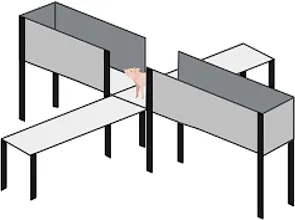
Fig 5: Elevated Plus Maze Apparatus
Open Field Test (OFT)
Principle: The open field test takes advantage of the tendency of rodents to avoid being exposed to areas that are lit and open while preferring the safety that a perimeter wall offers.
Apparatus and Design: The device comprises an arena consisting of either a square or circular shape divided into central zone (or middle of) and peripheral zone (or circular edge). The arena dimensions, typically 40–50 cm per side for mice and 60–100 cm for rats, should be standardised within a study to ensure comparable locomotor data across cohorts.[39]
Working Procedure: Rodents can be placed either in the centre or perimeter of the arena and allowed to explore freely within the arena for a set period of time. Placement in the centre of the arena is standard practice, as peripheral placement artificially increases the latency to enter the centre zone.[20]
Parameters Measured: Duration spent in central zone, number of central zone entries, total distance travelled, and behaviour. Rearing frequency and defecation count are additional measures that can supplement standard locomotor indices as indicators of exploratory drive and stress reactivity, respectively.
Measures: Similar to anxiety-like behaviours but also measure activation or locomotor activity in general.[1]
Used: Allows for a common simultaneous measure of both activity levels and emotionality. This dual-utility makes the OFT particularly valuable as a first-pass screen, helping identify locomotor or motivational confounds before more specialised cognitive or emotional tests are applied.
Limitations: High locomotive levels will mask or suggest lower levels of anxiety/hyperactivity.
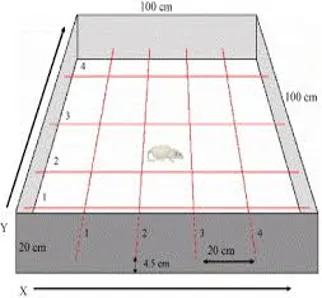
Fig 6: Open Field Apparatus
Light/Dark Box Test
Principle: Rodents are naturally averse to areas that are brightly illuminated and will usually gravitate to lower-light enclosed spaces. This natural thigmotactic and photophobic tendency creates an unconditioned conflict between exploration of the novel environment and avoidance of the aversive lit compartment.[40]
Apparatus/Design: A box will have a compartment that contains an area that is illuminated (light compartment) and an area that does not have illumination (dark compartment), connected by a small aperture. The light compartment is typically illuminated at 400–600 lux, and the aperture between compartments is approximately 7 × 7 cm, allowing free bidirectional movement.
Working Procedure: A rodent is placed in one of the compartments and allowed to move back and forth freely between the two compartments. Animals are usually introduced into the dark compartment to avoid novelty-induced freezing at trial onset, and the test session lasts 5 to 10 minutes.
Parameters Measured: Time spent in the light compartment, number of transitions and latency to enter the light compartment.
Used: The paradigm is simple and is sensitive to the effects of anxiolytics, such as benzodiazepines and SSRIs.
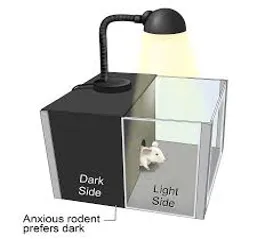
Fig 7: Light/Dark Box Apparatus
Table2: Summary of Screening Methods for Anxiety Like Behaviour
|
Test |
Principle |
Apparatus |
Working |
Parameters Measured |
Application |
Limitations |
Ref |
|
Elevated Plus Maze (EPM) |
Rodents void open, elevated spaces and prefer enclosed arms. |
Two open and two closed arms arranged in a plus shaped, elevated above floor |
Animal placed at centre; free exploration for 5-10 min |
Time in open-arm entries, closed-arm entries, total locomotion |
Anxiety, depression, neuro-developmental and stress models. |
Influenced by locomotion and prior test exposure |
12, 17 |
|
Open Field Test (OFT) |
Avoidance of open, brightly lit areas vs wall-seeking behaviours |
Square or circular arena with central and peripheral zone |
Animal allowed free exploration for fixed time |
Center time, center entries, distance travelled, rearing |
Anxiety, locomotor screening |
Hyperactivity may mimic reduced anxiety |
12, 13 |
|
Light/ Dark Box (LDB) |
Preference for dak enclosed spaces over illuminated areas |
Two compartment box (one light and one dark) |
Animal allowed to move freely between compartment |
Time in light area, transitions, latency to light. |
Anxiety and stress models |
Sensitive to lighting conditions |
12, 17 |
SCREENING METHODS FOR DEPRESSION LIKE BEHAVIOUR
Depression like behaviour in rodents is assessed using observable measures such as behavioural despair, reduced reward sensitivity, and decreased motivation. These models are widely used in pharmacological screening and mechanistic studies, with strong predictive validity as antidepressant reduce immobility and restore reward seeking behaviour.[18]
Depression involves multiple neural circuits and neurotransmitter systems, including monoaminergic, glutamatergic, and limbic pathway. Due to this complexity, no single behavioural test can capture all aspect of the disorder: therefore, complementary assays are required for comprehensive evaluation. [14,1] Converging evidence from circuit-tracing and neuroimmune studies implicates the mesolimbic dopamine system, lateral habenula, and microglial activation as key nodes in the neurobiology of depressive states.[41]
Forced Swim Test
Principle: Rodents placed in an inescapable water container initially attempt to escape and later adopt immobility. Increased immobility reflects passive coping, while active behaviour (swimming, climbing) indicate adaptive responses. The test was originally designed by Porsolt and colleagues as a rapid model for detecting antidepressant activity, capitalising on the observation that antidepressants reduce immobility.[42]
Apparatus and design: Animal are tested individually in a water filled cylindrical container for 5-6 minutes under controlled conditions.[12]
Parameters Measured: Immobility duration, latency to immobility, and time spent swimming or climbing. Separate scoring of swimming, climbing, and floating behaviours permits pharmacological dissection of serotonergic versus noradrenergic contributions to antidepressant response.
Neurobiological Basis: Performance is influenced by serotonergic, noradrenergic, and dopaminergic system, along with limbic and brainstem circuits . Corticosterone elevation following repeated stress further modulates immobility, highlighting the interaction between hypothalamic-pituitary-adrenal axis activity and behavioural despair.[43]
Application: Widely used in pharmacological screening, particularly for antidepressant activity, and in models of depression, Stress, and neurodegeneration.[6]
Limitations: Interpretation of immobility as despair remain debated, and result maybe confounded by motor or stress related factors. Recent evidence suggests that immobility may represent energy-conserving passive coping rather than true despair, and multi-test validation is therefore recommended before conclusions about depression-like phenotypes are drawn.[44]
Tail Suspension Test
Principle: Similar to the forced swim test, the tail suspension test assesses how long mice will remain still when held in a position from which they have no ability to escape. Developed as an alternative to the forced swim test, the TST avoids the hypothermia confound of water immersion and is therefore particularly suitable for mice with altered thermoregulation.[45]
Procedure: Mice are suspended for 5 to 6 minutes and then the duration of being still is recorded. Climbing behaviour toward the tail attachment point, common in vigorous strains, must be monitored and excluded from immobility scoring to avoid underestimation of the despair phenotype.
Measurable Components: The tail suspension test measures the presence of behavioral despair and a tendency towards passive coping with stressors.
Why This Method Is Used: Because it is a more sensitive measure of how effective antidepressants are than the mode and speed of escape from the water.
Limitations: The tail suspension test can only be used with mice and is affected by different strains and their level of motor ability .
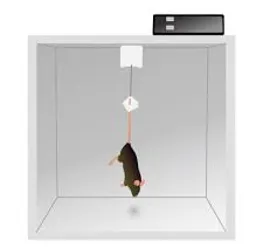
Fig 8: Tail Suspension Test
Sucrose Preference Test
Principle: According to the principal of the sucrose preference test rodents appear to show a natural tendency towards consuming sweetened fluids when compared to plain unflavoured liquids. Anhedonia, operationally defined as a reduced preference for sucrose relative to water, is considered a core symptom of depression-like states in rodents and is reliably induced by chronic mild stress protocols.[46]
Working Process: The animals are exposed to both a sucrose solution, and regular water for a specific amount of time, and the quantity of fluid consumed (sucrose vs. water) is recorded. A baseline habituation period of at least 24 hours is recommended before any experimental manipulation, and animals with pre-existing aversion to sucrose should be excluded.[47]
What It Assesses: Anhedonia, or decreased ability to experience pleasure from pleasurable experiences
Used: To model the effects of depression on reward processing. The sucrose preference test is particularly sensitive to chronic, cumulative stressors and is widely used as a validity measure in chronic mild stress and social defeat models of depression.
Limitations: Can differ based upon the metabolic condition of the animal, the taste perception of the animal, and the amount of water the animal has available . Sucrose concentration, water deprivation schedule, and bottle position effects require careful standardisation to ensure that reduced preference reflects true hedonic deficit rather than procedural artefact.
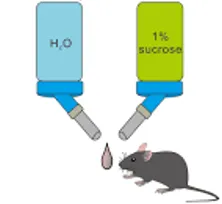
Fig 9: Sucrose Preference Test
Table 3: Summary of Screening Methods for Depression Like Behaviour
|
Test |
Principle |
Used |
Application |
Limitations |
Reference |
|
Forced Swim Test (FST) |
Rodents transition from active escape to immobility in inescapable water |
Sensitive to acute & chronic antidepressant treatment |
Behavioural despair / passive coping |
Immobility interpretation debates |
3,10 |
|
Tail Suspension Test (TST) |
Immobility when mice is suspended by tail |
Rapid antidepressant screening |
Behavioural despair |
Mainly for mice: strain and motor effect |
4,13 |
|
Sucrose Preference Test (SPT) |
Preference for sweet solution reflects reward sensitivity |
Models reward processing dysfunction |
Anhedonia (reward deficit) |
Influenced by metabolic and taste factor |
13 |
SCREENING METHODS FOR SOCIAL BEHAVIOUR AND SOCIAL COGNITION
Social behaviour, including sociability and social recognition, are essential components of behavioural phenotyping and are impaired in disorders such as autism spectrum disorder, schizophrenia and depression. [5,19] In rodents, social cognition involves the processing and response to social cues and is regulated by neural circuit involving the prefrontal cortex, amygdala, hippocampus, an reward pathway.[14]
Three Chamber Social Interaction Test
Principle: The 3-chamber social interaction test is designed to measure a rodent’s natural tendency to spend more time interacting with a social partner than with an object or cage. The paradigm leverages the natural sociability of mice and rats to quantify social approach behaviour and social memory without requiring operant conditioning or food restriction.[48]
Apparatus Design: The chamber consists of three chambers connected to each other, one large center chamber and two smaller side chambers; one small side chamber has a cage with a stimulus animal inside of it, while the other side chamber has a cage with no animal or an object inside of it . Wire-mesh enclosures holding the stimulus animals allow full olfactory and auditory contact while preventing direct physical interaction, thereby isolating social investigation from aggressive or play behaviours.[49]
Testing Procedure: This test is generally completed in two phases; in the first phase (sociability), the subject rodent will be permitted to explore all three chambers to see how long they spend in the chamber with the stimulus animal compared to the empty chamber. In the second phase (social novelty), a novel stimulus animal will be added to the previously empty side chamber, and the subject rodent will be measured for its preference for the novel animal compared to the original animal. A 5-minute habituation phase, during which the subject freely explores the empty apparatus, is recommended before stimulus animals are introduced to reduce novelty-induced anxiety.
Parameters Measured: Time spent in each of the three chambers, the total time spent sniffing or contacting each appropriate stimulus, and the number of entries made into each of the three chambers. Social interaction ratio and social novelty index are calculated from these parameters to provide standardised, comparable measures of sociability and social memory across studies.
What It Is Measures: Sociability preferences, social novelty preference . Reduced sociability or impaired social novelty discrimination in this task is considered a face-valid index of core social deficits relevant to autism spectrum disorder and schizophrenia.
Rational: Simple, standardized, valid measurement used for detection of social deficits among genetic and pharmacological models of agents/toxins . The standardised, two-phase design also permits dissociation between general social approach (sociability) and memory for a previously encountered conspecific (social novelty preference) within a single session.
Uses: Models of autism, schizophrenia and neurodevelopmental disorders are frequently studied using this method.[6] Comprehensive neurodevelopmental phenotyping across motor, sensory, social, and cognitive domains provides more complete characterisation of autism- and schizophrenia-related mouse models.[50]
Limitations: This method fails to measure changes in reciprocal interactions (dynamic) and may oversimplify complex social behaviour. Complementary paradigms such as reciprocal social interaction scoring, resident-intruder assays, or ultrasonic vocalisation analysis are recommended alongside this test for comprehensive social phenotyping.
Social Recognition and Social Memory Test
Principle: Rodents have the ability to identify and identify other members of their own kind based on their previous exposure to them, suggesting they have a social memory. Social recognition is dependent on intact olfactory processing, hippocampal function, and vasopressinergic signalling, making this test sensitive to disruptions in these systems.
Working Procedure: During this procedure, rodents are presented with their previous social partner and then with another, new partner; if the new partner is investigated more than the last one was, the animals show that they have a social recognition ability. The retention interval between exposures can be systematically varied from minutes to hours to characterise the duration of social memory and identify deficits in its consolidation or retrieval.
What it Measures: Social Recognition and Social Memory would be measured by comparing the amount of time spent investigating each of the two objects, .
Applications: Studies of neurodevelopmental disorders and hippocampal and/or amygdaloid functions would benefit from the use of this test .
Table 4: Summar of Screening Methods for Social Recognition and Social Cognition
|
Test |
Principle |
Key Parameters |
Used for |
Application |
Reference |
|
Three Chamber Social Interaction Test |
Preference for social stimuli and novel conspecifics over objects |
Time in each chamber, sniffing duration, chambers entries |
Sociability and social novelty preference |
Widely used in ASD, schizophrenia and neurodevelopmental models |
50,51 |
|
Social Recognition/ Social Memory Test |
Recognition of familiar vs novel conspecific |
Investigation time towards novel vs familiar animal |
Social memory |
Used in neurodevelopmental and limbic dysfunction studies |
10 |
METHODOLOGICAL CONSIDERATIONS
Behavioural and cognitive data depend on methodology's precision for their reliability, validity, and interpretability. Behavioural assays are highly susceptible to biological, environmental and procedural variability and not controlling these factors will produce inconsistent or erroneous data. Consequently, careful experimental design and transparent reporting are essential for producing robust and reproducible behavioural phenotypes. [1,2]
Test order and Carryover effect
The influence of prior testing on subsequent testing is important because it can carry through via the effects of learning, habituation, stress, or fatigue. These carryover effects may impact the results of an individual animal during multiple behavioural testing assessments in a test battery (for example, during "trial" testing). For instance, the experience of undergoing a forced swim or tail suspension test before the anxiety-like behaviour can alter the way that an animal behaves in relation to other types of behaviour.[11]
To limit carryover effects, if possible, the testing process should begin with the least stress for the animal and progress to more stressful testing procedures as the subject moves through the test battery; and to allow for adequate washout times. Alternatively, separate cohorts of animals may be used to test different behaviours at different times if necessary . Where multiple cohorts cannot be used, a Latin square counterbalancing design distributes test-order effects evenly across treatment groups, minimising systematic carryover bias.[52]
Housing and Environmental Conditions
Behavioral outcome are heavily influence by housing conditions where cage size, bedding type, environment enrichment, temperature, humidity and light/dark cycle all modulate stress levels and cognitive ability.[16] Living alone, as opposed to in a social group will also impact emotional and social behaviours and isolated individuals tend to develop greater anxiety and depression. [3]
Environmental enrichment will improve learning and memory as well as help to decrease emotional reactivity which adds an additional level of importance to ensure consistent and clearly defined housing protocols . Provision of running wheels, nesting material, and novel objects in the home cage has been shown to enhance hippocampal neurogenesis and improve performance in both spatial and recognition memory tasks.[53]
Handling and Experiment Effects
Experimenter presence and handling protocols influence how well an animal behaves in research studies. An animal's stress level when being handled is likely to affect the actions of that animal. Experimenters' gender, smell, and style may also influence how an animal behaves in a study. Standardized protocols and blinding to treatment conditions are suggested to minimise bias and variations for example.[13]
Biological Variable: Strain, Sex, & Age
Different rodent strains have unique baseline behaviors and reaction to experimental manipulations. Differences in sex are more apparent in cognition, emotion and social behavior and therefore its important that males and females be included in experimental designs. For example, C57BL/6J mice display robust spatial memory in the Morris water maze, whereas BALB/cJ mice perform poorly; such strain differences must be considered when selecting background strains for transgenic models.
Age is also an important variable to consider as there are age dependent changes in the neural circuits underlying cognition and emotion so it is essential for appropriate controls (age matched) as well as precise age reporting of the animals.[4]
Apparatus and Protocol Standardization
Apparatus dimensions, intensity of light, temperature of water, characteristics of objects tested, and how long the experiment lasts will significantly change how the animal acts . The ways to reduce variability in experiments are to standardize equipment/protocol, provide detailed reporting, and record all data clearly in order to reproduce the experiments in other laboratories.
Data Analysis and Reporting
Behaviour data should be evaluated using the correct statistical techniques and reported according to descriptive statistics (central tendency and variability). Including transparent reporting of sample size, exclusion criteria and statistical thresholds will increase interpretability. Adopting the use of automated tracking systems and blind scoring adds additional objectivity to the reporting of behaviour data.[5]
Ethical and Welfare Consideration
The aim of refining behavioural paradigms to reduce distress corresponds to the 3Rs (Replacement, Reduction, Refinement). Ethologically appropriate and lower-stresses tests based in the home-cage are significant innovations in this area.[9]
LIMITATIONS AND CHALLENGES
Behavioural assessment are subject to several limitations. Misinterpretation of behaviur is a major concern for example, reduced exploration in object recognition tasks may reflect anxiety or motor deficits rather than cognitive impairment , while increased immobility in the forced swim test may result from altered stress responses or motor function.[12]
Variability across laboratories due to difference in apparatus, environmental condition, and protocols further limits reproducibility. In addition, biological factor such as sex, age, and strain significantly influence behavioural outcomes and are often insufficiently controlled.
Limitation in construct validity also exist, as many tests may not fully reflect the underlying pathophysiology of human disorders. Acute behavioural responses may fail to model chronic psychiatric conditions.[14] Ethical concerns related to stress- inducing paradigms further complicate interpretation, prompting the development of low- stress and ethologically relevant methods such as home-cage testing. [7,34]
FUTURE DIRECTION
The behavioural neuroscience research area is rapidly evolving methodologically and conceptually. Traditional behavioural tests are still essential, but there is increasing awareness that next-generation tests must be developed to enhance sensitivity, reproducibility, and translational relevance. This evolution is driven by recognition that single-timepoint, single-test assessments are insufficient to capture the dynamic, multidimensional nature of cognitive and emotional function.[14] Validated automated pipelines matching human-level accuracy represent a landmark advance toward objective, reproducible high-throughput behavioural phenotyping.[54]
One of the most important future directions is the use of automated and high-throughput behavioural phenotyping. Automation of video tracking, machine learning for behavioural classification, and continuous monitoring of behaviours in home-cage settings will provide objective and detailed analyses of complex behaviours across long periods of time . Compared with traditional manual scoring, these technologies will reduce experimenter bias, increase throughput, and identify behavioural patterns not captured by traditional methods. Deep-learning-based pose estimation tools such as DeepLabCut now enable markerless, full-body kinematic tracking in freely moving animals, revealing fine-grained behavioural features inaccessible to conventional approaches.[55] Multi-animal pose estimation extensions now permit simultaneous automated tracking of several freely moving subjects, enabling quantification of dyadic social interactions at scale. Convolutional neural network-based classifiers have demonstrated near-human accuracy in categorising complex behavioural sequences across multiple standard rodent assays.[56] Benchmarking studies confirm that such automated systems can outperform commercial tracking software when applied to fine-grained ethological feature extraction.[57]
Another important trend within the field is the move toward the use of ethologically relevant and low-stress behavioural paradigms. Behavioural tests that utilise naturalistic behaviours and minimise aversive stimuli are more likely to provide reliable and biologically meaningful data Home cage cognitive and emotional assessments are promising refinements that balance the need for scientific rigor while providing some degree of animal welfare.[13] Unsupervised deep-learning approaches can discover behavioural motifs invisible to manual scoring, potentially uncovering novel phenotypic signatures in neurological disease models.[58]
The integration of behavioral data, along with neurobiological and molecular endpoints, will provide a further advance. The combination of behavioral phenotype assessments with neuroimaging, electrophysiology, and molecular profiling will enable researchers to make more direct connections between behavioral outcomes and the mechanisms that underlie them (New multimodal approaches will improve our understanding of how genetic and environmental factors interact together to influence cognition and behavior.[1]
Development of standardized behavioral batteries specifically designed for particular disease models or regulatory reasons is another priority. Instead of using single measures, future studies are likely to use domain-specific batteries that will collectively measure cognition, emotions, social behavior, and executive function. This method will increase reproducibility and enhance comparability between studies . Regulatory agencies are increasingly requiring multi-domain behavioural batteries in preclinical safety studies, further driving adoption of standardised, cross-laboratory validated test protocols.[11]
Finally, there is increasing interest in including both sexes and in considering lifespan in research studies. Including sex as a biological variable and studying behavioral characteristics throughout the life span will help researchers generalize findings and best represent the diversity within the human population. Oestrous cycle phase significantly modulates anxiety and memory performance in female rodents, and cycle monitoring or hormonal standardisation should be incorporated into any study design that includes females. Incorporating sex as a biological variable and monitoring oestrous cycle phase are now recommended as standard practice for all rodent behavioural studies that include female subjects.[59]
CONCLUSION
Behavioral and cognitive screening methods are fundamental to conducting experimental neuroscience, pharmacology, and toxicology research. Experimental animals are assessed for learning, memory, emotionality, social behavior, and executive function using validated paradigms to produce insights into both how the brain operates and when it is not operating as it should. Continued investment in methodological rigour, open-science reporting, and cross-laboratory standardisation will be essential to ensure that preclinical behavioural findings translate meaningfully to clinical outcomes.[60]
This review presented a summary of the major behavioral and cognitive screening strategies for experimental animals and described the underlying principles, applications, and limitations associated with each. It also addressed important methodological and translational issues with these strategies. A recurring theme throughout the literature indicates that behaviors cannot be adequately characterized by a single behavioral measure. It has been shown that using multiple behavioral measures targeting multiple domains and neural systems provides researchers an accurate measurement Continued refining of behavioral paradigms, development of high-throughput and low-stress behavioral measures, and integration of neurobiological measurements into behavioral assessments will contribute to increasing the validity and translational utility of behavioral research. Ultimately, researchers will rely on ethical and methodically sound behavioral screening procedures as they continue to enhance their ability to understand cognition and behavior, and to implement effective interventions for neurological and psychiatric diseases.[2]
REFERENCES

Aryan Shrivastava, Dr. Neelam Balekar, Screening Methods for Cognition and Behaviour in Experimental Animals, Int. J. of Pharm. Sci., 2026, Vol 4, Issue 8, 2331-2350. https://doi.org/10.5281/zenodo.21927269
 10.5281/zenodo.21927269