

We use cookies to ensure our website works properly and to personalise your experience. Cookies policy
1,2,3 Student, Department of Phamacognosy, Government College Of Pharmacy, Karad, Maharashtra,415124.
4 Assistant Professor, Department of Phamacognosy, Government College Of Pharmacy, Karad, Maharashtra, 415124.
The growing demand for safe and natural personal care products has led to increased interest in herbal-based formulations. The present study focuses on the formulation and evaluation of a polyherbal body wash using plant-based ingredients known for their cleansing, antimicrobial, and skin-nourishing properties. The formulation incorporates herbal extracts such as aloe vera, tulsi, neem, and reetha, which collectively contribute to effective cleansing while maintaining skinhealth.The body wash was prepared using suitable surfactants, stabilizers, preservatives, and viscosity enhancers to ensure optimal consistency, stability, and usability. Various evaluation parameters including physical appearance, pH, viscosity, foam height, spreadability, and antimicrobial activity were assessed to determine the quality and performance of the formulation.The results indicated that the prepared polyherbal body wash exhibited good cleansing action, satisfactory foam formation, skin-friendly pH, and stability under different conditions. Additionally, the presence of herbal constituents provided mild antimicrobial effects and minimized the risk of skin irritation compared to conventional synthetic products, indicating its potential as a safer and effective alternative for routine skincarederivatives showed encouraging antibacterial qualities and might be used as lead compounds to create novel antibacterial drugs.
The skin, the largest organ of the human body, acts as a protective barrier against environmental pollutants, microorganisms, and harmful chemicals. Proper skin hygiene is essential to prevent infections, irritation, and dermatological disorders. With increasing awareness of personal care, the use of cleansing products such as body washes has significantly increased.
Conventional body washes often contain synthetic surfactants, preservatives, and artificial additives that may cause skin dryness, irritation, and disruption of the natural skin barrier upon prolonged use. This has led to a growing preference for herbal and natural cosmetic formulations, which are considered safer and more skin-friendly.
Polyherbal formulations, consisting of multiple medicinal plants, offer synergistic therapeutic effects and improved efficacy. Neem (Azadirachta indica) exhibits antimicrobial activity, Aloe vera (Aloe barbadensis) provides moisturizing and soothing effects, Turmeric (Curcuma longa) possesses anti-inflammatory and antioxidant properties, and Reetha (Sapindusmukorossi) acts as a natural cleansing agent due to its saponin content
The present study focuses on the formulation and evaluation of a polyherbal body wash using selected herbal ingredients, with the aim of assessing its physicochemical properties, stability, and safety for topical application.
Characteristics
Advantages
Choice of Topic: Formulation and Evaluation of Polyherbal Body Wash
Objectives of Polyherbal Body Wash
Skin Anatomy
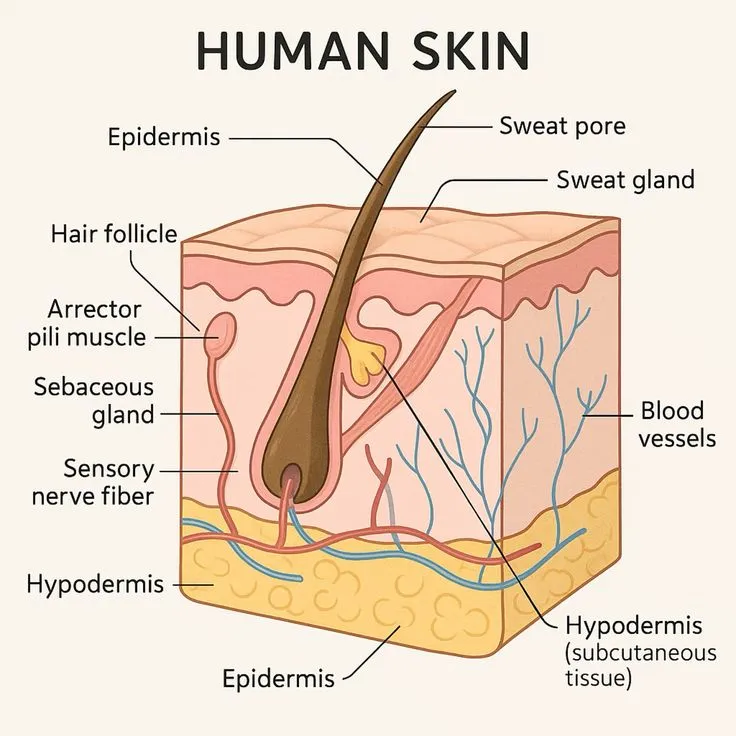
Fig 1- Skin Anatomy
The skin is primarily made up of three layers. The upper layer is the epidermis, the layer below the epidermis is the dermis and the third and deepest layer is the subcutaneous tissue ( see fig.1 The Common Integument , Section of skin and The Common integument Section of epidermis.
It is a natural defence mechanism and is characterized by pain, fever, redness, swelling , and loss of function.
How to choose right BODY WASH for YOUR skin
Choosing the right body wash depends on understanding your skin type and selecting suitable ingredients. For dry skin, moisturizing formulations containing ingredients like aloe vera or glycerin are preferred, while oily skin benefits from gel-based cleansers with oil-control properties. Sensitive skin requires mild, fragrance-free products to avoid irritation. It is also important to choose a pH-balanced body wash to maintain the natural skin barrier and prevent dryness. Avoiding harsh chemicals such as sulfates and artificial fragrances further helps in protecting the skin. Thus, selecting a bodywash based on skin needs rather than fragrance or brand ensures better skin health and hygiene.
Common Misconceptions About Body Wash
Most people think that using body wash daily can make your skin dry. However, body wash is gentle, mild, and balances pH, so you can use it twice daily or more. Another misconception about bodywash is that it causes acne. Whereas body washes are effective in treating acne.
Body Wash Vs Bar Soap
Your skin type, naturally, should play a central role in deciding what you use for your skin. If you have dry skin, which can often be extremely flaky, then shower gel is your best option as they’re known to be way more moisturizing than bar soap.
Natural Polyherbal Body Wash
As we know, Body Wash is commonly gel-based. Therefore, they do not overstay their welcome on our precious skin! The best part is that they keep the moisture locked-in and do not strip our skin of the natural oils we produce.
However, it's time you check the label of your favourite Body Wash. Take a look at the ingredients — if they include chemical surfactants or synthetic additives, they might be doing you more harm than good.
Herbs and botanicals, working in synergy to cleanse, nourish, and protect your skin — naturally. One of their greatest benefits is that they harness the potency of nature's own ingredients, eliminating the need for harsh chemicals to keep your skin clean and healthy.
Each herb in a polyherbal formulation brings its own unique benefit — whether it's soothing, antibacterial, antioxidant, or skin-brightening — making it far more effective than a single-ingredient or synthetic alternative.
HERBAL DRUG PROFILE
Synonyms : Saffron Indian; haldi (Hindi); Curcuma; Rhizoma cur-cumae.
Botanical Name: Curcuma longa and Curcuma aromatica
Family: Zingiberaceae
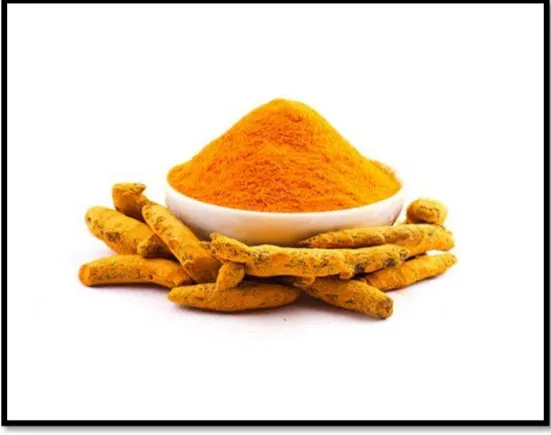
Fig 2 - Turmeric
Biological sources: Turmeric powder is derived from the root of the turmeric plant(Curcuma longa), which is a member of the ginger family. The turmeric plant is native to India and other Southeast Asian countries, and is now cultivated in many tropical regions around the world.
Chemical Constituents: Turmeric contains yellow colouring matter called as curcuminoids (5%) and essential oil (6%). The chief constituent of the colouring matter is curcumin I (60%) in addition with small quantities of curcumin III, curcumin II and dihydrocurcumin. The volatile oil contains mono- and sesquiterpenes like zingiberene (25%), α-phellandrene, sabinene, turmerone, arturmerone, borneol, and cineole. Choleretic action of the essential oil is attributed to β-tolylmethyl carbinol.
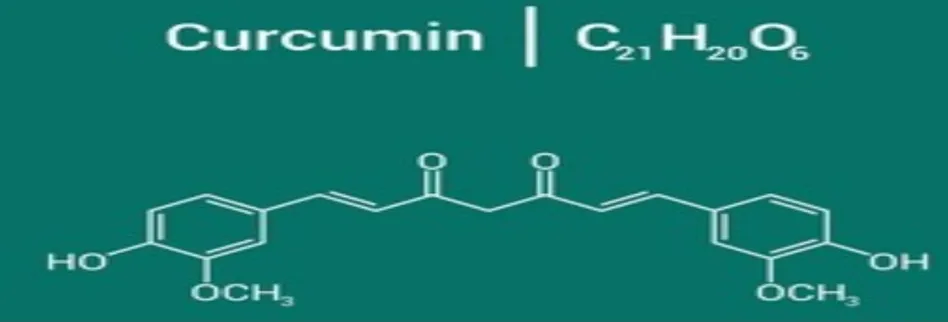
Fig 3 - Chemical Constituents
Mechanism of action of Turmeric : Turmeric is a potent antioxidant, anti-inflammatory, antimutagenic, antimicrobial, and anticancer. Due to its rich emollient properties, it aids in maintaining a balance between water loss and moisture absorption.
Uses of turmeric in Body Wash:
• Anti-inflammatory and Antioxidant properties.
• Helps with skin irritation and redness.
• Deeply cleansing and hydrating.
• Brightens complexion.
• Balances and evens skin tone and texture.
Synonyms: Soapnut, Soapberry, Aritha.
Biological Name: Sapindus mukorossi; also Sapindus trifoliatus.
Family: Sapindaceae.
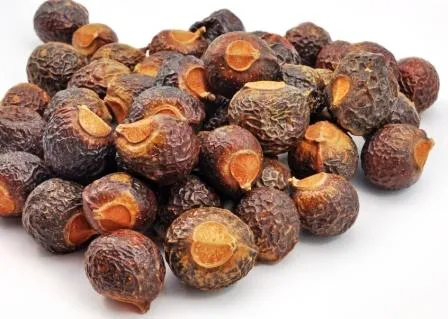
Fig 4- Reetha
Biological Source: Reetha consists of the dried pericarp (fruit rind) of Sapindus mukorossi or Sapindus trifoliatus, mainly obtained from plants grown in India, especially in the Himalayan region.
Chemical Constituents: Saponins are found throughout the plant, but are particularly concentrated in the fruit. Saponins are secondary plant metabolites with diverse biological activities. Sapindus saponins are a mixture of six sapindosides (sapindosides A, B, C, D and mukoroji saponins (E1 and Y1)), with sapindoside B as one of the main components, and have been characterized by liquid chromatography and mass spectroscopy. All Sapindus trifoliatus contain phenolic acids such as protocatechuic acid, cis-p-coumaric acid,
p - hydrobenzoic acid and cinnamic acid.
Mechanism of Action:
Role in Polyherbal Body Wash:
Synonyms: Aloe, Musabbar, Kumari
Botanical name: Aloe barbadensis miller
Family: Asphodelaceae (Liliaceae)
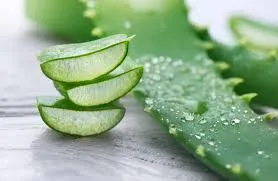
Fig 5-Aloevera
Biological source: Aloe is the dried juice collected by incision, from the bases of the leaves of various species of Aloe.
Chemical Constituents: Aloe vera contains more than 75 active constituents present mainly in the gel and yellow sap. The gel is composed mostly of water (>98%) along with polysaccharides, while the yellow sap contains hydroxyanthrone derivatives. The major constituents include sugars such as monosaccharides (mannose-6-phosphate) and polysaccharides (glucomannans and acemannan). It also contains anthraquinones like aloin and emodin, sterols (cholesterol, campesterol, β-sitosterol, lupeol), and enzymes such as alkaline phosphatase, amylase, bradykinase, catalase, cellulase, lipase, and peroxidase. Additionally, Aloe vera is rich in minerals (calcium, magnesium, potassium, zinc, etc.), hormones (auxins and gibberellins), amino acids (including essential ones), and vitamins A, C, and E, which contribute to its antioxidant properties.
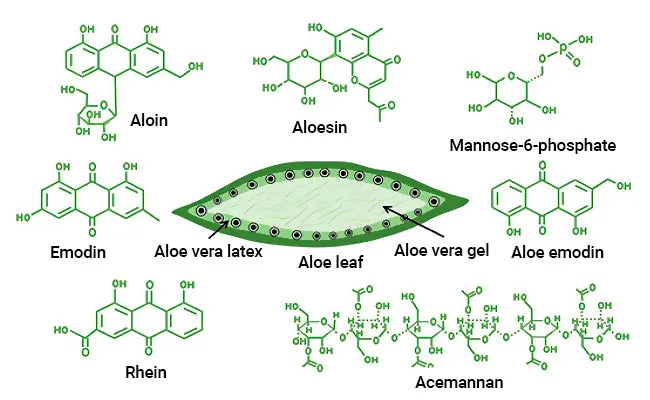
Fig 6- Chemical Constituents
Mechanism of action :
Role in Polyherbal Body Wash:
Synonyms: Holy Basil, Basil ,तुलसी (Tulsi), Surasa.
Biological Name: Ocimum sanctum Linn. (also known as Ocimum tenuiflorum)
Family: Lamiaceae
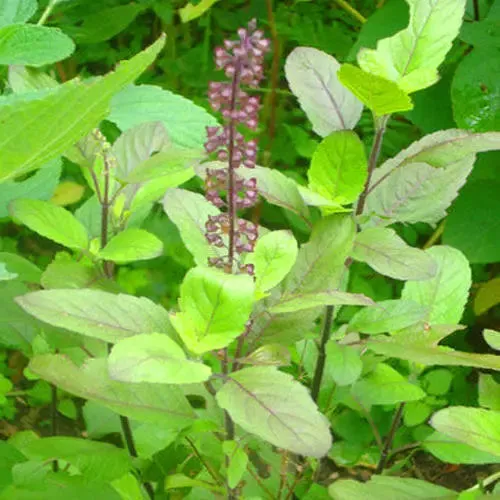
Fig 7- Tulsi
Biological Source : Consists of fresh and dried leaves of Ocimum sanctum, a small aromatic shrub native to India.
Chemical Constituents : Eugenol (phenolic compound), Ursolic acid (triterpenoid), Rosmarinic acid (polyphenol), Flavonoids(orientin, vicenin), Essential oils.
Mechanism of Action
Role in Polyherbal Body Wash
Synonyms: Chandan oil, Sandal oil, Yellow sandal wood oil.
Botanicalname : Santalum album
Family: Santalaceae
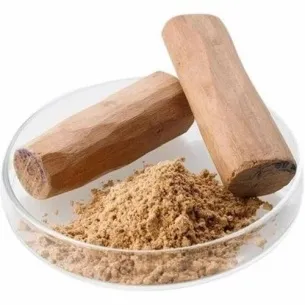
Fig 8- Sandalwood
Chemical Constituents : Sandal wood oil contains mixture of two isomers α and β-santolol (90%), α and β-santalene, santalone, santanone, isovaleraldehvde, α and β-santalic acids, etc.
Mechanism of Action
Uses
Synonyms: Neem, Indian Lilac, Margosa, नीम (Neem), Nimba.
Biological Name :Azadirachta indica A. Juss.
Family : Meliaceae
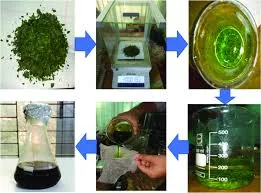
Fig 9- Neem
Biological Source : Consists of fresh and dried leaves, bark, and seeds of Azadirachta indica, a medium-sized evergreen tree native to India.
Chemical Constituents : The most important active constituent is Azadirachtin and the others are Nimbolinin, Nimbin, Nimbidin, Nimbidol, Sodium Nimbinate, Gedunin, Salannin, and Quercetin.
Mechanism of Action
Role in Polyherbal Body Wash
Synonyms: Orange rind, Sweet orange peel, Dried orange peel.
Botanical Name: Citrus sinensis
Family: Rutaceae
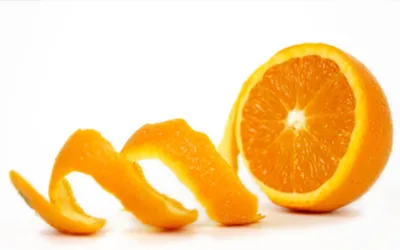
Fig 10 - Orange Peel
Biological Source :Orange peel consists of the fresh or dried outer pericarp (epicarp and part of mesocarp) of ripe fruits of Citrus sinensis (L.) Osbeck.
Chemical Constituents :The composition of the volatile oils is significantly different in flowers, leaves and peel. Linalyl acetate (50%), Linalool (35%), Limonene, Folic acid, D-limonene, Hesperidin, Naringin, Auraptene.
Mechanism of action:
Role in polyherbal Body wash
SYNTHETIC DRUG PROFILE
Ethylenediaminetetraacetic acid (EDTA), also called EDTA acid, is an aminopolycarboxylic acid with the formula [CH2N(CH2CO2H)2]2. This white, slightly water-soluble solid is widely used to bind to iron (Fe2+/Fe3+) and calcium ions (Ca2+), improves stability of herbal ingredients, enhances preservative action, forming water-soluble complexes even at neutral pH.
Benefits of EDTA
SLS is used as a primary surfactant in this formulation in combination with reetha extract. This means it lowers the surface tension between ingredients, which is why it’s used as a cleansing and foaming agent.
Anionic surfactants are used in various cleansing products due to its ability to remove oils and dirt from the skin. SLS disrupts the lipid bilayers that help maintain the skin’s barrier function, which helps to solubilize and emulsify the oily residues on the skin.
Glycerine functions as a humectant, a chemical that aids in the skin's ability toretain moisture. It can relieve dryness, increases skin moisture, and revitalize the skin’s surface. Additionally, softens the skin because it is an emollient.
Benefits :
Sodium Benzoate is used as preservative in polyherbal body wash formulations to inhibit the growth of bacteria, yeast and fungi. It helps in extending the shelf life of the product while maintaining its safety, stability and overall quality. It is most effective in slightly acidic conditions, typically within a pH range of 5-6, which is suitable for skin friendly formulations.
Lavender is the most widely used essential oil — and often the most diluted. The version that matters is Lavandula angustifolia (true lavender), not lavandin. Steam-distilled from the correct botanical, this oil retains its natural linalool profile — responsible for its soft aroma and calming character. A versatile essential oil for aromatherapy, skin, and scalp use. Always dilute before applying.
Citric acid is one of the most commonly used organic acids in cosmetics and personal care products, typically produced through surface fermentation. It functions primarily as a pH regulator, helping maintain the proper acidity of body wash, cleansers, and creams so they remain gentle on the skin while supporting the skin’s natural barrier. In addition, citric acid provides preservative support by enhancing the effectiveness of other preservatives, thereby helping to extend the shelf life of creams, lotions, and cleansing formulations.
Sodium Chloride is used primarily as a viscosity-enhancing agent in polyherbal body wash formulations. It helps to adjust and increase the thickness of the product, providing a desirable consistency and improving ease of application. Additionally, it stabilizes the formulation by optimizing the performance of surfactants, contributing to better texture and overall product quality.
FORMULATION OF POLYHERBAL BODY WASH
Table 1 - Formulation Of Polyherbal Body Wash
|
Sr. No. |
Ingredient |
Quantity |
Unit |
Role |
|
1 |
Distilled Water |
qs |
ml |
Vehicle |
|
2 |
HPMC |
1 |
g |
Thickening Agent |
|
3 |
Glycerin |
12.5 |
ml |
Humectant |
|
4 |
SLS |
3 |
g |
Foam Stabilizer |
|
5 |
Reetha Extract |
5 |
ml |
Foam Stabilizer And Cleanser |
|
6 |
Neem Extract |
5 |
ml |
Antibacterial |
|
7 |
Tulsi Extract |
5 |
ml |
Antinflammatory |
|
8 |
Aloevera Extract |
10 |
ml |
Soothing Agent |
|
9 |
Sandalwood Extract |
2.5 |
ml |
Cooling Agent |
|
10 |
Orange Peel Extract |
5 |
ml |
Antioxidant |
|
11 |
Turmeric Extract |
5 |
ml |
Antinflammatory and Antimicrobial |
|
12 |
Sodium Chloride |
1.5 |
g |
Viscosity Adjuster |
|
13 |
EDTA |
0.5 |
g |
Chelating Agent |
|
14 |
Lavender Oil |
0.5 |
ml |
Fragrance |
|
15 |
Colour |
qs |
- |
Additive |
|
16 |
Citric Acid |
0.3 |
g |
pH Stabilizer
|
|
17 |
Sodium Benzoate |
0.5 |
g |
Preservative |
Preparation of Herbal Extracts
Method: Aqueous Extraction
(store in refrigerator if not used immediately)
For Turmeric
- Use hydroalcoholic extract if possible (better curcumin extraction)
- Or simple aqueous extract
Method of Preparation
Step 1: Preparation of Base
A clean and dry beaker was taken, and the required quantity of distilled water was added. Glycerin was then incorporated into the water and mixed thoroughly to form a uniform base. Aloe vera gel was added slowly to the mixture with continuous stirring using a magnetic stirrer (or glass rod) to ensure proper dispersion and to avoid lump formation.
Step 2: Addition of Surfactants
SLS was added gradually to the base mixture under gentle stirring. The mixture was stirred carefully to ensure proper blending of surfactants without generating excessive foam. Vigorous shaking was strictly avoided at this stage to maintain formulation stability.
Step 3: Incorporation of Herbal Extracts
The herbal extracts were added sequentially to the formulation in the following order: neem, tulsi, turmeric, sandalwood, and orange peel extracts. Each extract was added individually with continuous stirring to ensure uniform distribution throughout the mixture. This step enhances the therapeutic and antimicrobial properties of the formulation.
Step 4: Addition of Functional Ingredients
Honey was incorporated into the formulation as a natural humectant, followed by the addition of selected essential oils for fragrance and additional therapeutic benefits. The mixture was stirred continuously to ensure homogeneity.
Step 5: Preservation and pH Adjustment
A suitable preservative was added to enhance the shelf life of the formulation and prevent microbial growth. The pH of the formulation was measured using a calibrated pH meter. It was then adjusted to an optimal skin-friendly range of 5.5–6.0 using a small quantity of citric acid solution.
Step 6: Final Processing
The final formulation was mixed thoroughly to ensure complete uniformity. It was then allowed to stand undisturbed for 24 hours to eliminate entrapped air bubbles and to improve clarity and stability.
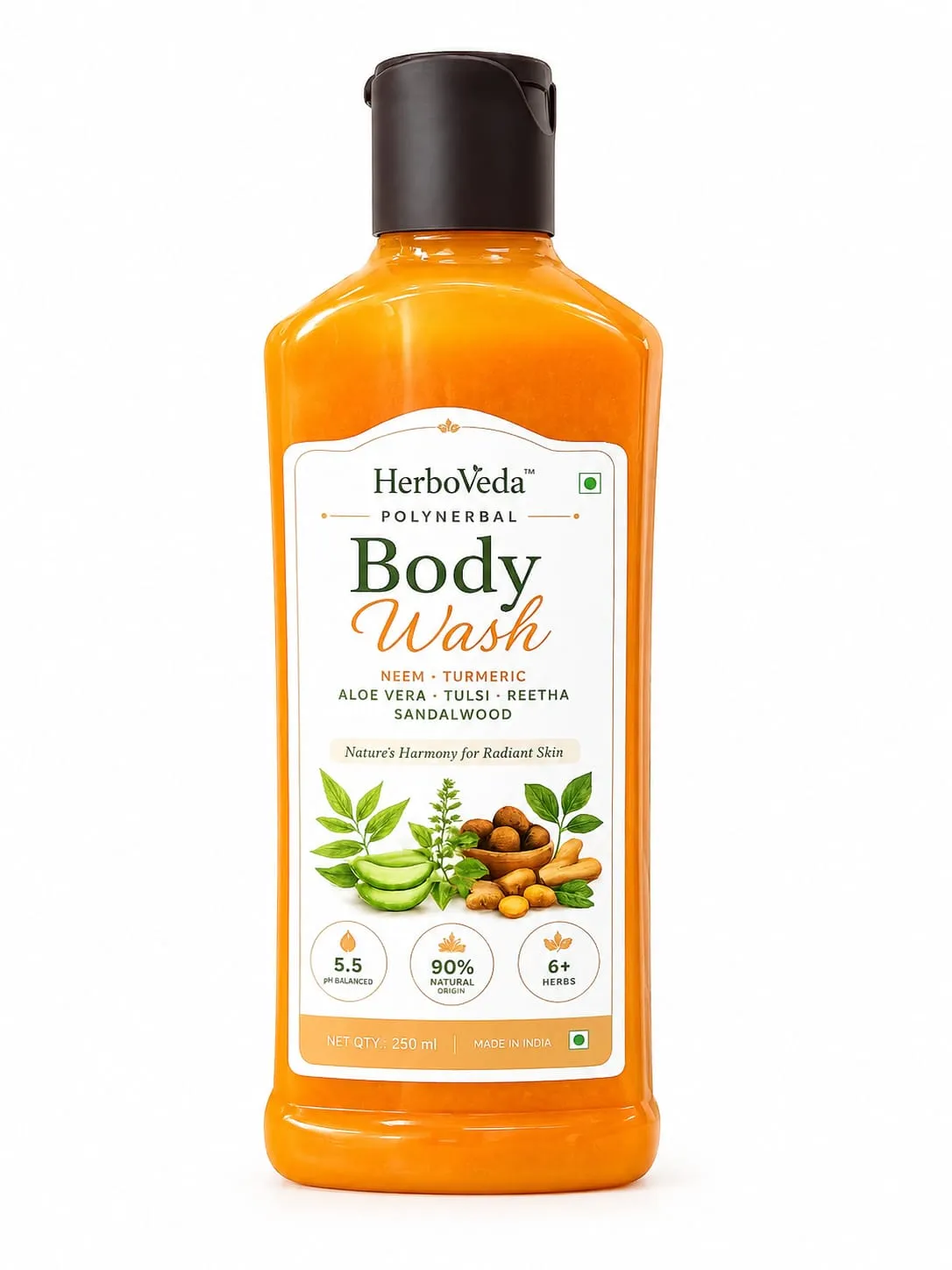
Fig 11- Final Formulation
EVALUATION STUDIES
Formulation was subjected to evaluation parameters to assess their:
The prepared gel formulation containing Lantana Camara was inspected visually to assess its:
These attributes suggest good physical stability and patient acceptability of the formulation.
2. Measurement of pH
The pH of the lotion was measured using a digital pH meter:
The spreadability was expressed in terms of time in seconds taken by two slides to slip off from the cream, placed in between the slides, under certain load. Lesser the time taken for separation of the two slides better the spreadability. Two sets of glass slides of standard dimension were taken.. Then one slide of suitable dimension was taken and the cream formulation was placed on that slide. Then other slide was placed on the top of the formulation. Then a weight or certain load was placed on the upper slide so that the cream between the two slides was pressed uniformly to form a thin layer. Then the weight was removed and excess of formulation adhering to the slides was scrapped off.
The upper slide was allowed to slip off freely by the force of weight tied to it. The time taken by the upper slide to slip off was noted.
m × l
Spreadability = --------------------
t
Where,
m- Standard weight which is tied to or placed over the upper slide (50g)
l-length of a glass slide (9 cm)
t- time taken in seconds.(15 sec)
50 X 9
= ------------------------
15 sec
= 30g.cm/sec
Where,
m-Standard weight which is tied to or placed over the upper slide (50g)
1-length of a glass slide (9 cm)
t- time taken in seconds.(15 sec)
Result: 30g.cm/sec ( Higher value – better spreadabilty)

Fig 12- Spreadability Test
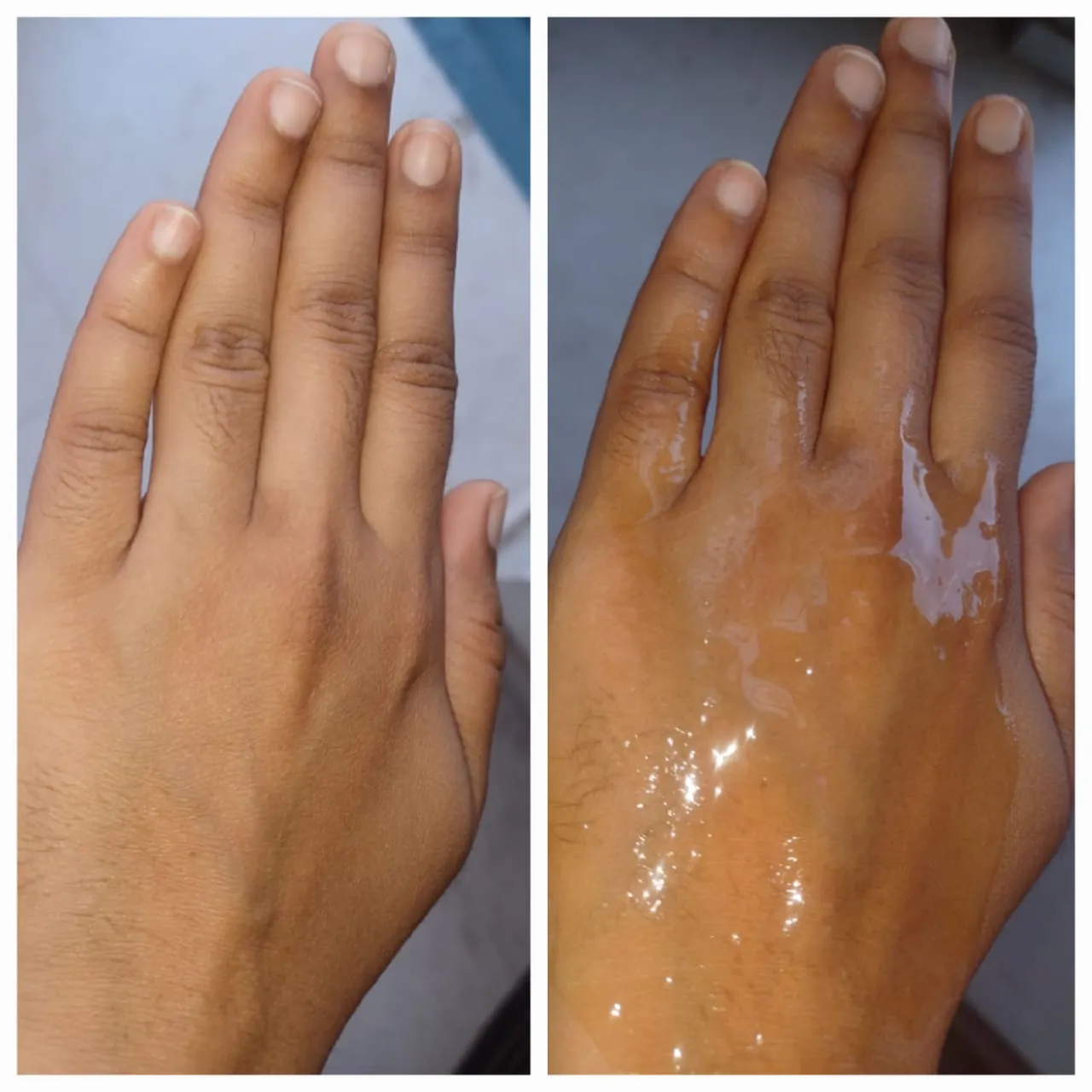
Fig 13- Before After
Two drops of Body wash were added in a large test tube contain 10 ml of distilled water. 1 drop of India ink was added; the test tube was stoppered and shaken for ten times. Shown in figure given below. The amount of ink in the foam was estimated as None, Light, Moderate, or Heavy.
Result: None
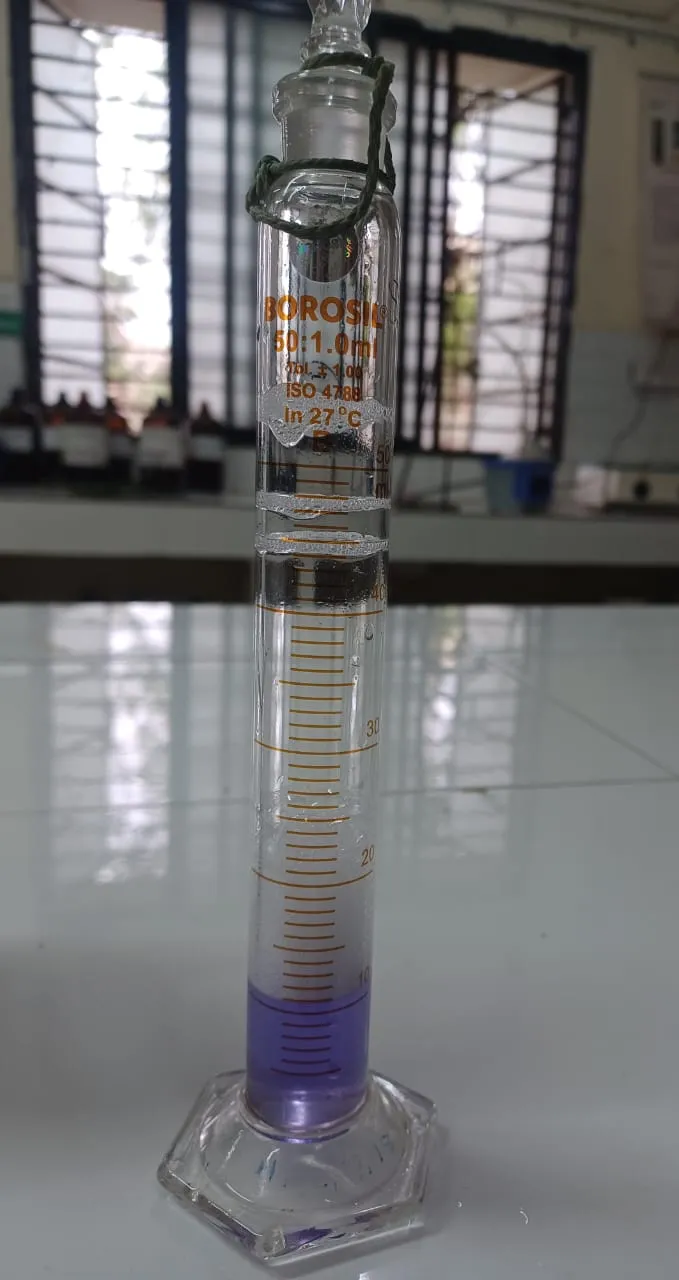
Fig 14- Dirt Dispersion Test
The foam stability test for the polyherbal liquid body wash and placebo were performed by diluting 1g of the sample in 10 ml of distilled water in a test tube. The solution was shaken by turning the test tube back and forth, and the initial foam level was recorded. The tube was then left undisturbed for 10 minutes to measure the retained foam height.
Final Foam Height
Foam stability = ----------------------------- X 100
Initial Foam Height
4 .5
= _______________ X 100
5
= 90 %
Result: Indicates high foam stabilty.
To determine foamability, 1g of the polyherbal liquid body wash or placebo was dissolved in 50ml of water in a beaker, shaken vigorously 10 times, and transferred to a 100ml measuring cylinder. The foam volume was then read directly.
Result : Found to be 1.5 cm .
The viscosity of the prepared polyherbal body wash (250 ml) was determined using a Brookfield viscometer and found to be 6000 cP, indicating acceptable consistency and good flow properties.
Procedure:
Formula:
Wt. of dry residue
Solid content (%) = ----------------------------------X 100
Initial wt. of sample
1.5
=_________________ X 100
5
= 30%
Result: The solid content of the body wash was found to be 30 %.
Significance: Indicates the amount of active ingredients and overall quality of the formulation.
RESULTS :
Table 2
|
SR. NO. |
TEST |
RESULTS |
|
1 |
Organoleptic evaluation |
Color- Orange (Sienna) Syneresis- Absent (no liquid separation) Texture - Smooth |
|
2 |
Measurement of pH |
5.5 |
|
3 |
Spreadability |
30g.cm/sec |
|
4 |
Acute Skin Irritation study |
Non-irritant |
|
5 |
Dirt Dispersion Test |
None |
|
6 |
Foam Stability Test |
High foam stability |
|
7 |
Determination Of Foamability |
1.5cm |
|
8 |
Determination Of Viscosity |
6000 cP |
|
9 |
Determination Of Solid Content |
30% |
CONCLUSION:
The study successfully formulated and evaluated a polyherbal body wash using medicinal plant extracts such as neem, tulsi, aloe vera, reetha, turmeric, sandalwood, and orange peel along with suitable excipients. The formulation showed satisfactory results with a skin-friendly pH (5.5), good spreadability, high foam stability, and acceptable viscosity, ensuring effective cleansing and ease of use.
Organoleptic properties confirmed good stability and user acceptability, while the formulation demonstrated effective cleansing action and no signs of skin irritation, indicating safety for regular use. The herbal ingredients provided multiple benefits including antimicrobial, anti-inflammatory, antioxidant, moisturizing, and soothing effects.
Overall, the developed polyherbal body wash is a safe, effective, and skin-friendly alternative to synthetic products, with potential for further research and commercial development.
REFERENCES



Vaishnavi Patil*, Ishwari Sutar, Akanksha Reke, Dr. Sadhana Shahi, Formulation And Evaluaton Of Polyherbal Body Wash., Int. J. of Pharm. Sci., 2026, Vol 4, Issue 8, 2361-2379. https://doi.org/ 10.5281/zenodo.21930099
 10.5281/zenodo.21930099