
View Article

Abstract

Cancer remains one of the most critical global health challenges, contributing to millions of deaths each year despite advancements in diagnostic and therapeutic strategies. Conventional treatment modalities such as chemotherapy and radiotherapy often lead to significant systemic toxicity, poor bioavailability, and nonspecific drug distribution, limiting their therapeutic efficiency. To overcome these limitations, injectable in-situ forming hydrogel depots have emerged as innovative and promising localized drug delivery platforms. These hydrophilic, three-dimensional polymeric networks can transition from a sol to gel state under physiological stimuli such as temperature, pH, or ionic strength, enabling minimally invasive administration and localized, continuous release of anticancer drugs at the tumor location. This review highlights the various crosslinking mechanisms used in hydrogel formation, including physical (hydrophobic interactions, ionic bonding) and chemical (click chemistry, enzymatic, Schiff base) methods. It also discusses the roles of natural and synthetic polymers in tailoring hydrogel properties for specific therapeutic applications. Furthermore, the review emphasizes the use of injectable in-situ forming hydrogel depots in the postoperative treatment of several cancers, including glioblastoma, breast, skin, liver, and colorectal cancers. By enhancing drug localization, reducing systemic exposure, and supporting tissue regeneration, It represents a versatile and effective platform in modern cancer management.

Keywords

Injectable in-situ forming hydrogel, Localized drug delivery, Stimuli-responsive release, Controlled and sustained release, Biocompatible polymers, Postoperative cancer therapy.

Introduction

Despite intensive research efforts, cancer is a major worldwide health concern that affects millions of people and places a heavy strain on healthcare systems.[1] “Cancer is characterized by uncontrolled cell proliferation and frequently produces masses known as tumors that have the potential to infiltrate or spread to other body parts.” These cancerous growths have the potential to harm organs, impair vital body systems, and interfere with normal human activities.[2]

According to the World Health Organization (WHO), about 10 million deaths, or one-sixth of all deaths, due to cancer were recorded in 2020.[3] Furthermore, around 400,000 youngsters are diagnosed with cancer each year. According to WHO 2023 predictions, there would be 30.2 million new cases of cancer worldwide in 2040.[4] The treatment of tumors has always been a vital area of medicine, and it presents significant and ongoing difficulties.[5]

However, better understanding of tumor biology, improvement in diagnostics, and available treatments are mostly responsible for recent drops in death rates. Radiation, chemotherapy, and surgery are examples of current treatments. Chemotherapy can efficiently target rapidly growing cancer cells, but it can also harm healthy cells that divide quickly, such as bone marrow, digestive tract, and hair follicles. Additional side effects include nausea, vomiting, follicle damage-induced hair loss, anemia, neutropenia, and thrombocytopenia, which are blood-related problems.[2] In order to lessen side effects and increase the availability of chemotherapeutics at the tumor site, more focus has been placed on creating controlled and sustained drug release mechanisms.

Injectable in situ forming hydrogel depot

Injectable hydrogels are three-dimensional hydrophilic polymeric networks that have a strong affinity for body fluids and may be injected directly into the body using a syringe or through a catheter.[6] Especially injectable hydrogels that, in response to chemical or environmental cues (such as pH, temperature, and light), go through an in situ sol-gel transition in the body. Which are widely utilized for local delivery owing to the easy loading of anticancer therapeutics.[7]

Injectable hydrogel depots (IHs), which are targeted therapies, can reduce the systemic toxicity of conventional chemotherapy. Both natural and synthetic polymers are used to create these hydrogel.[8] The development of long-acting gels for immunotherapy and postoperative care is enhancing the effectiveness of immunogenic chemotherapy by boosting immune responses and reducing systemic toxicity. Hydrogels can release two or more molecules at once and prolong anticancer therapy. Cancer patients appear to benefit from prolonged treatment exposure and combination therapies. [9]
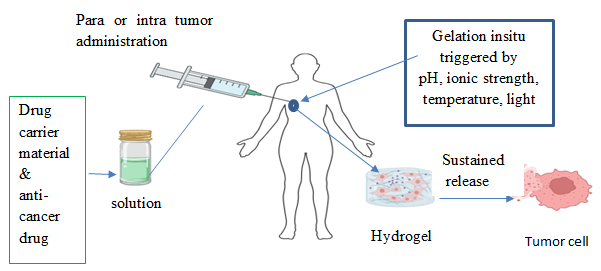
Figure 1: Schematic representation of the in situ hydrogel formation process and the subsequent sustained release of the drug into tumor cells.

Benefits of insitu forming hydrogel

  • Reducing drug waste.
  • The minimal dosage will reduce drug toxicity and prevent drug buildup.
  • Hydrogel-based drug delivery systems offer targeted and controlled drug release.[10]
  • It provides increased bioavailability.
  • Creates biodegradation and biocompatibility by using natural polymers.

Drawbacks of in situ forming hydrogel

  • It needs a lot of fluids.
  • The drug's solution form is more prone to breakdown.
  • Stability issues could arise as a result of chemical deterioration.
  • Especially for hydrophobic drugs, the quantity and consistency of drug loading into hydrogels may be limited.

Characteristics of an ideal injectable hydrogel depot

  • Controlled Release: To sustain therapeutic levels throughout time, the medicine should be released at a constant, predictable rate.
  • Biodegradability: To prevent negative reactions at the injection site, the system must biodegrade at a rate consistent with the drug release profile.
  • Shelf Life: The formulation should last long enough to avoid medication leakage or burst release.
  • Drug-Delivery System Interactions: As long as they don't impede the desired release rate, interactions between the drug and the delivery system can improve stability and stop leaks.[11]

Mechanisms of drug delivery

The physicochemical and structural characteristics of hydrogels are closely related to the drug release mechanisms they exhibit. Controlled and continuous medication distribution is made possible by three essential mechanisms:

Release controlled by diffusion

Reservoir or matrix systems are used in diffusion-controlled drug delivery with hydrogels, where drug release happens through mesh or pores filled with water. A hydrogel membrane encloses a drug-rich core (capsules, spheres, or slabs) in reservoir systems, allowing for continuous, time-independent release. On the other hand, time-dependent release occurs in matrix systems, where the initial rate is proportional to the square root of time and is reliant on drug diffusion through the hydrogel network.[12]

Swelling-controlled drug release

Hydrogels that contain pharmaceuticals dispersed in a glassy polymer that swells when it comes into contact with biological fluids are used in swelling-controlled drug release. Drug diffusion is made possible by this swelling and polymer chain relaxing, which also sustains consistent, time-independent release, a process known as Case II transport. Anomalous transport is another name for this process since it involves both diffusion and swelling mechanisms that are fueled by a concentration gradient.[12]

Stimulus-responsive release

Changes in the surroundings can trigger drug release, providing precise control and minimizing off-target negative effects. For diseases like cancer and diabetes, which require particular local physiological alterations, stimuli-responsive hydrogels that are sensitive to pH, temperature, ionic strength, etc., various hydrogels are designed to react to various stimuli in an efficient manner by altering the composition of the polymer.[13]

Approaches/Classification of Hydrogels

Two types of designed in-situ gelling depots may be distinguished based on the mechanism of depot formation:

  • Platforms based on in-situ cross-linking
  • Platforms based on in-situ phase separation

Platforms based on in-situ cross-linking

  1. Photopolymerization approach

Liquid solutions that can be injected into the tumor site serve as the starting materials for the photopolymerization technique. When exposed to light, the injected components polymerize to form the depot matrix in situ.  Monomers with at least two free radicals (or cross-linkable polymers), a photo-initiator, and visible or ultraviolet (UV) light are necessary for in-situ depot formation.[14] The di-block copolymerized materials of Polyethylene glycol (PEG) and Polyhydroxyalkanoate (PHA) with acrylated terminal groups are examples of polymers utilized for in situ photopolymerization.[15]

The existence of reactive species produced by photopolymerization is the primary issue when using this method. Reactive species have the potential to impact integrated anticancer medications and release free radicals into the surrounding tissues. Moreover, the performance of depot formation based on photopolymerization is restricted by the penetration depth of visible and UV light into the tissues and can result in non-homogenous polymerization. Optimization of photoinitiator concentration and UV light intensity are taken into consideration in order to reduce any potential negative effects and improve the effectiveness of this method. This method might work for peritumoral injection following surgical tumor removal.[14,15]

  1. Crosslinking

i. Physical Crosslinking

One advantage of physical crosslinking is that it eliminates the need for extra chemical crosslinkers employed in hydrogel formation, which would otherwise result in toxicity. Several methods that have been investigated for the physical crosslinking-based hydrogel production are given below.

Hydrogen Bonding

Hydrogels crosslinked by H-bonding can be injected because of their weak hydrogen bonds, which induce shear thinning during injection but rebound when the force is lessened. Due to the lack of chemical crosslinkers, they exhibit exceptional biocompatibility; nonetheless, the dissociation of H-bonding between polymer chains results in poor stability under hydration.[16]

Ionic Interaction

The interaction of ionizable polymers or oppositely charged polymers (polyelectrolytes) with counterions results in ionic crosslinking. The counterion/polymer ratio, temperature, and pH all affect this reaction.[17] For example, alginate can crosslink with Ca2+ ions, while cationic polypeptides can crosslink with anionic organophosphorus agents. Other example are chitosan with polyglutamate and quaternized chitosan with glycerophosphate[18]

Hydrophobic Interactions

Amphiphilic polymers exhibit hydrophobic interaction-based crosslinking, another form of physical crosslinking. The lower critical solution temperature (LCST) or upper critical solution temperature (UCST) of amphiphilic polymers describes a sol–gel transition by changing the ambient temperature.[19] Here, below the LCST, amphiphilic polymers are soluble, but an increase in temperature induces the hydrophobic domains (gelators) to assemble. This aggregation of the hydrophobic domains occurs to limit the hydrophobic surface area that is in contact with water, which lowers the energy of the system.[20]

Creating Crosslinks through Host-Guest Exchanges

The three most common kinds of host molecules are cyclodextrin (CD), cucurbituril (CB), and crown ether (CE).[21] They have the ability to link with small guest molecules that can fit into the host molecules' cavity or with linear polymers. For instance, CD can accommodate hydrophobic guest molecules due to its hydrophobic inner cavity, like PEG and biodegradable poly(ethylene oxide) (PEO), or adamantane (Ad), azobenzene, and ferrocene. Hydrogel formation occurs rapidly for CD/polymer inclusions or CD and guest molecule - linked polymers.[22]

ii. Chemical Crosslinking

Covalent bonds are created between polymer chains as a result of this kind of crosslinking, creating a persistent hydrogel network. Because chemical crosslinking can produce hydrogels with greater mechanical strength, it is widely used. The methods described below.

Click Chemistry Reaction

Due to their bioconjugation nature, which involves substrates reacting with specific biomolecules, the hydrogel formation processes display stereospecificity. Click reactions are frequently used to join a reporter molecule with a biomolecule to create a hydrogel product.[23] Dienophiles and electron-rich dienes are involved in the click chemistry reaction, which is a Diels- alder-type cycloaddition reaction. The creation of products without the formation of unwanted byproducts is one advantage of these processes.[24]

Schiff Base Approaches

Schiff bases are created when amino and aldehyde groups combine, forming imine bonds in the process. Aldehydes like glutaraldehyde and dihydrazides like adipic acid dihydrazide are examples of common crosslinkers. Low pH, high temperature, and methanol as an inhibitor are usually necessary for this crosslinking. Hydrogel production frequently involves the usage of proteins (such as albumin and gelatin) and amino-functionalized polysaccharides.[24]

Michael - Type Addition Reaction

Michael addition is a process used to create injectable hydrogels that involves a reaction between an electrophile (acrylate esters, acrylonitrile, or acrylamides) and a nucleophile (enolates, amines, thiols, or phosphines). By conjugating these groups with natural polymers like chitosan, dextran, and hyaluronic acid, hydrogels have been created through Michael reactions. The advantages of Michael addition include mild reaction conditions, regioselectivity, and an efficient, favorable reaction rate.[24]

Enzymatic Crosslinking

One important technique for creating biocompatible supramolecular hydrogels for use in biomedical applications is enzymatic crosslinking.[25] These hydrogels break down into non-toxic byproducts and have better pharmacokinetics. The concentration of the substrate or enzyme can be changed to modify their characteristics. Especially appropriate are enzyme-catalyzed reactions carried out under physiological settings, such as at body temperature, neutral pH, and aqueous medium. Tyrosinase, transglutaminase (TG), lysyl oxidase, sortase A (SrtA), alkaline phosphatase (ALP), and peroxidases, including horseradish peroxidase (HRP), are notable enzymes utilized in hydrogel crosslinking.[24,25]

PLATFORMS BASED ON IN-SITU PHASE SEPARATION

Another method for getting anticancer medications to the tumor site is in-situ phase separation. Phase separation can be induced by changing the solubility of the polymer with respect to changes in pH, temperature, or by elimination of solvent.[14]

  1. pH- sensitive platforms

One method for gelating polymers with ionized functional groups is to undergo sol-to-gel transition by varying the pH. A pH-responsive phase change from solution to gel is experienced by a number of polymers.[26]

Ionizable acidic (such as carboxylic or sulfonic acids) or basic (such as ammonium salts) groups found in pH-responsive polymers have the ability to donate or receive protons based on the pH of the surrounding environment. Ion exchange occurs inside the polymer network when basic groups protonate at low pH and acidic groups deprotonate at high pH. Because these interactions, like association, dissociation, and ion binding, cause hydrogel to swell in aqueous Anionic polymers like polyacrylic acid (PAA) and alginate are ionized by increasing pH, whereas cationic polymers like poly(diethylaminoethyl methacrylate) (PDEAEM) and chitosan are ionized by decreasing pH.[27] Conditions that affect electrostatic repulsion, such as pH, counterion type, and ionic strength, can regulate the swelling of hydrogels.[28]

  1. Thermo-sensitive gels

Typically, thermosensitive targeting drug delivery  system use a specific kind of stimuli-responsive polymer that exhibits a temperature-dependent volume phase transition.[29] A lower critical solubility temperature (LCST) is used to determine the temperature at which certain polymers display a transition. The loaded medicine may be released from the drug delivery systems under regulated conditions as a result of the polymer's phase shift.[30]

Both hydrophilic and hydrophobic components are included in the topologies of thermosensitive polymers.  By altering the connections between hydrophilic and hydrophobic segments and water molecules, temperature affects the crosslinked network's solubility as well as the sol-gel phase transition. With variations in the ambient temperature, the gelation process can be reversed.[31]

Thermosensitive hydrogels are categorized as either positive or negative based on how they gel.

  1. Hydrogels with positive thermosensitivity

Hydrogels that are positively thermosensitive have an upper critical solution temperature (UCST), and these hydrogels can shrink and stay in the mixture.[32]  The enthalpy of the solution changes, which drives the gel-to-sol transition.

  1. Hydrogels with negative thermosensitivity

Compared to positive thermosensitive hydrogels, negative thermosensitive hydrogels have lower critical solution temperatures. Negative thermosensitive hydrogels are frequently employed to create in situ gelling systems for prolonged drug release because of their gelation behavior above the lower critical solution temperature (LCST). Because of the system's growing entropy, negative thermosensitive hydrogels stay in sol form below LCST and progressively change into a gel above LCST.[33]

The ideal precondition for intratumoral drug delivery would be an aqueous polymer solution that easily flows at ambient temperature and gels at physiological temperature (37 °C). Both natural and manufactured polymeric materials are taken into consideration for this method. Well-known synthetic polymers using this method include copolymerized materials of PEO and PPO (PEO–PPO–PEO), also known as Pluronic® (BASF) or Poloxamer, and copolymerized materials of PNIPAAM.[34] These amphiphilic copolymers have the ability to self-assemble into micellar structures in water above the critical micelle concentration (CMC).[35]

Table: 1. Recent studies of in situ hydrogel systems in tumor treatment based on stimuli

Stimuli                   Polymer                 Anticancer agent      Cell line                 Reference

Temperature    (PLGA-PEG-PLGA)          

  Herceptin               SK-BR-3, breast               [36]

  Antibody                cancer cell line


Temperature         Pluronic                         Tamoxifen                Ehrlich                              [37]                                                            

                                                                    citrate (TMC)        carcinoma  

                                                                                                   cell line


pH                         Based on gelatin             Doxorubicin          MDA-MB-231                    [38]

                              and PEG                                                     triple negative

                                                                                                  breast cancer cell line          


  1. Solvent- based in-situ phase separation

 In the solvent-based approach, the anticancer drug is mixed with an organic solvent that contains dissolved polymer to create an injectable solution or dispersion. When the drug is administered, the organic solvent diffuses into the surrounding tissue, and body fluid enters the depot; consequently, solvent exchange causes the polymer to precipitate, creating a depot at the injection site, where the extra therapeutic substance is either released by diffusion or depot degradation after being trapped in the depot matrix.

In short, a biocompatible organic solvent dissolves a biodegradable water-insoluble polymer like PLA and PLGA. After that, the medication is added to the polymer solution to create a suspension or solution. After that, the combination can be injected into the body to create an implant inside the tissue and release the solvent.

This method allows for the use of hydrophobic polymers as biodegradable materials, including polyorthoesters, polyhydroxylacids, polyanhydrides, and other biopolymers. Based on Atrigel® technology, Eligard® is an example of a subcutaneous drug delivery solution of leuprolide designed for the treatment of prostate cancer.[28]

Polymers used in in situ forming hydrogel

Polymers

Hydrogel polymers are classified as natural or synthetic. Natural polymers offer excellent biocompatibility and biodegradability but may be immunogenic due to contaminants and often lack rigidity and stretchability. Synthetic polymers allow tunable mechanical properties, degradation rates, and stimulus responsiveness, though they generally have lower biocompatibility.

  1. Natural polymer

Chitosan (CS)

Chitosan is a natural polymer, biocompatible, enzymatically degradable, and often non-cytotoxic; it has no negative impact on healthy tissues and organs close to the injected tumor location[39] The partial deacetylation of chitin derived from the reprocessing of seafood waste yields chitosan, a family of cationic polysaccharides with the fundamental chemical structure of (1,4)-linked 2-amino-2-deoxy-D-glucans that are manufactured commercially[40]
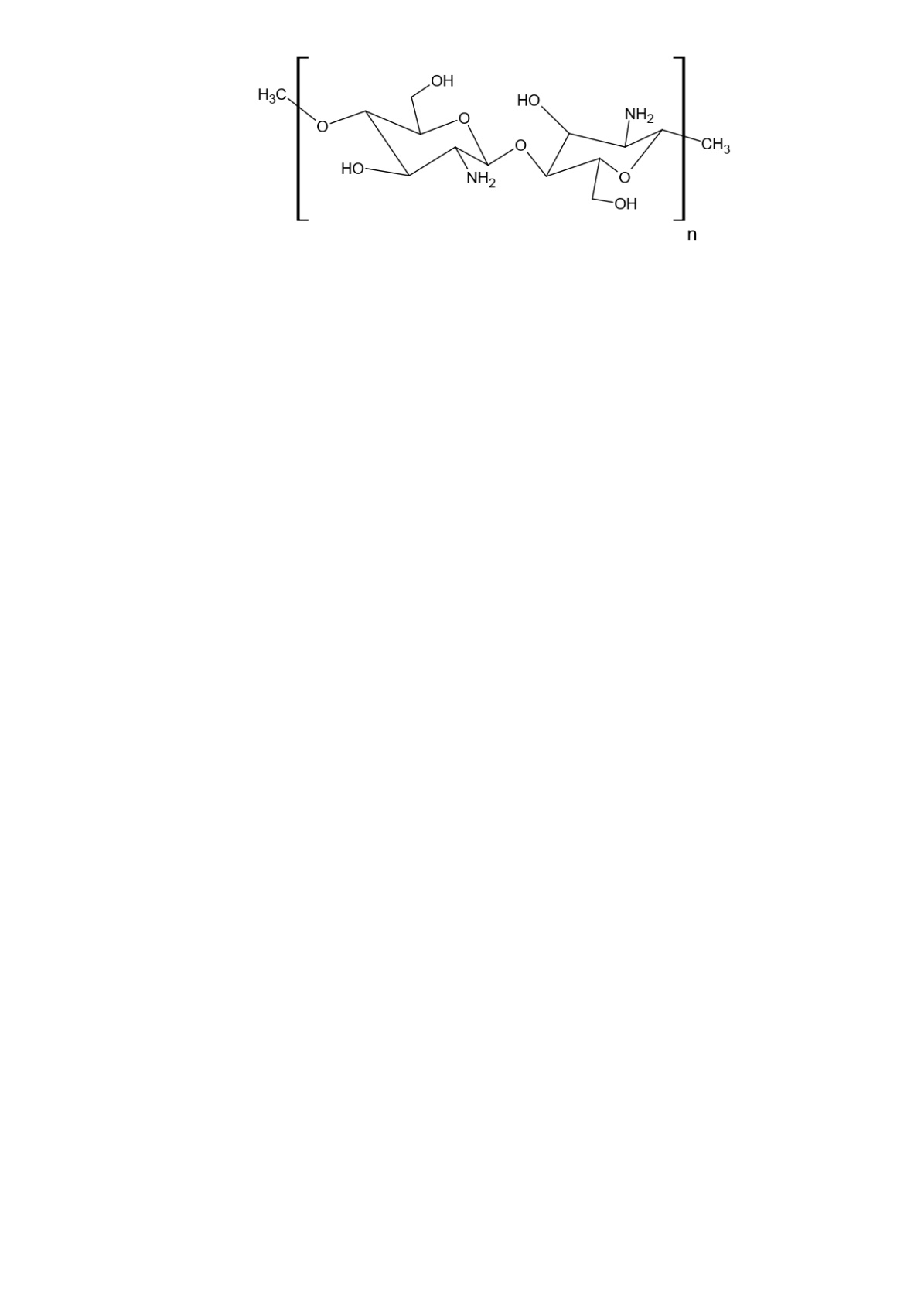
Figure 2: Chemical structure of  chitosan

Pectin

Pectins are a family of polysaccharides that mostly consist of α-(1-4)-D galacturonic acid residues in their polymer backbone. The egg-box model describes how low methoxy pectin (esterification <50%) crosslinks the galacturonic acid chain and readily gels in an aqueous solution when free calcium ions are present. Calcium ions are typically needed to create a gel that can be used as a drug delivery vehicle, while pectin gelation happens when H+ ions are present. Pectin's primary benefit in these formulations is its water solubility, which eliminates the need for an organic solvent.[41]
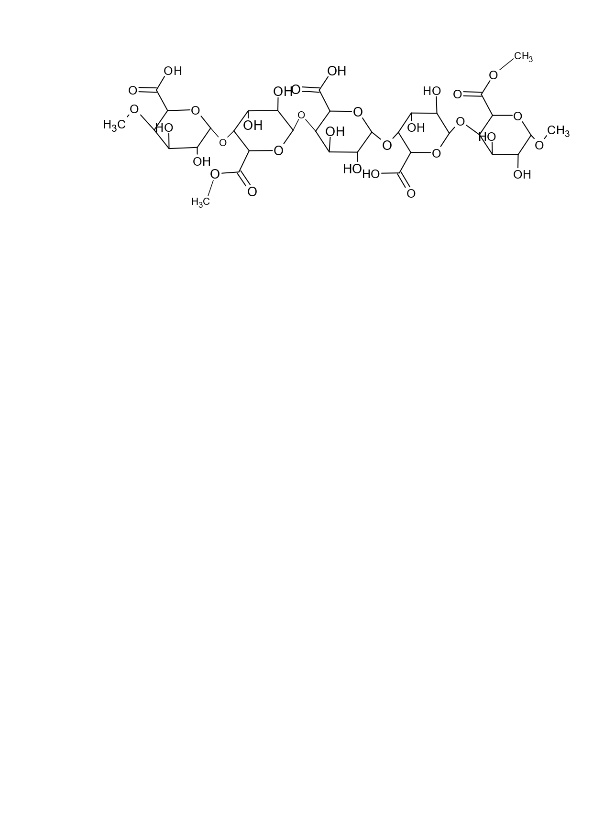
        

       Figure 3: Chemical structure of  Pectin

Alginate

Alginates are natural anionic biopolymers that are usually extracted from brown seaweeds.[42] Alginates are unbranched polysaccharides made up of 1,4-linked b-D mannuronic acid (M) and a-L-guluronic acid (G) units that are covalently linked together in varying numbers and sequence distributions along the polymer chain.[43] That is, it undergoes ionic crosslinking by the addition of calcium ions (Ca2+) due to the reaction between Ca2+ and the carboxyl groups on alginate molecules.[44] Because of its many advantageous qualities, including hydrophobicity, biocompatibility, and the availability of hydroxyl and carboxyl groups for customized chemical modifications, it is widely employed in the biomedical industry.[39,45]
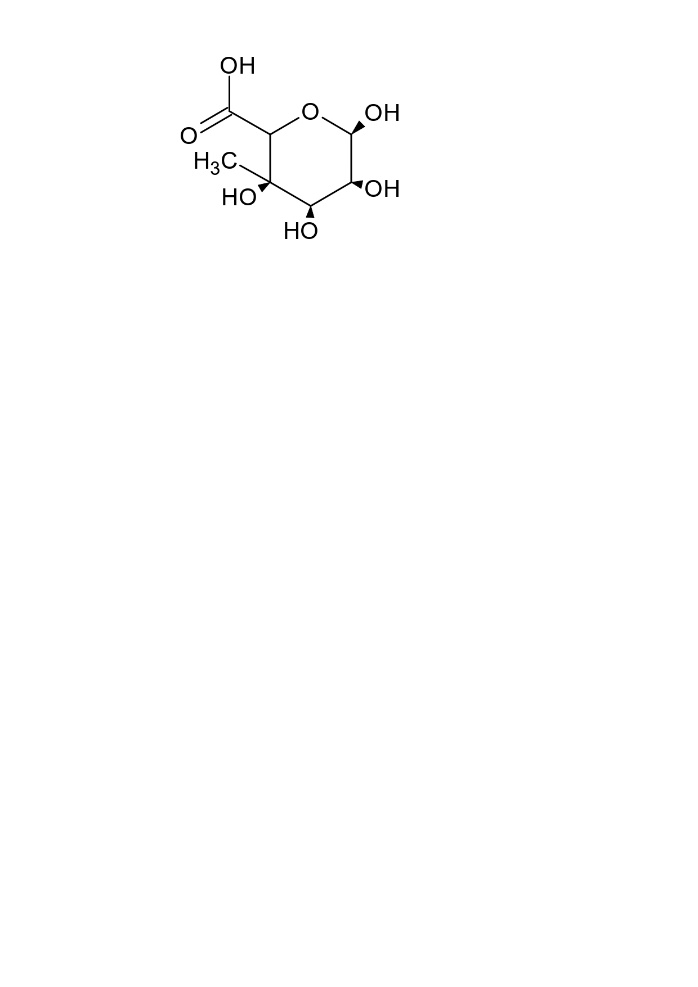
  Figure 4: Chemical structure of  alginate

Hyaluronic acid (HA)

HA is a natural glycosaminoglycan and a crucial part of the skin's extracellular matrix and has outstanding biocompatibility.[46,47] It may be broken down using a range of enzymatic and nonenzymatic methods.[48] Hyaluronidases, or HAases, are frequently employed in enzymatic degradation and have been applied in a range of therapeutic settings. By aiding in the hydrolysis of the β1,4 linkages, HAase disassembles HA into fragments of varying length. Acidic or alkaline environments, ultrasonication, high temperatures, or the presence of oxidants or free radicals are examples of nonenzymatic techniques for breaking down HA.[49]
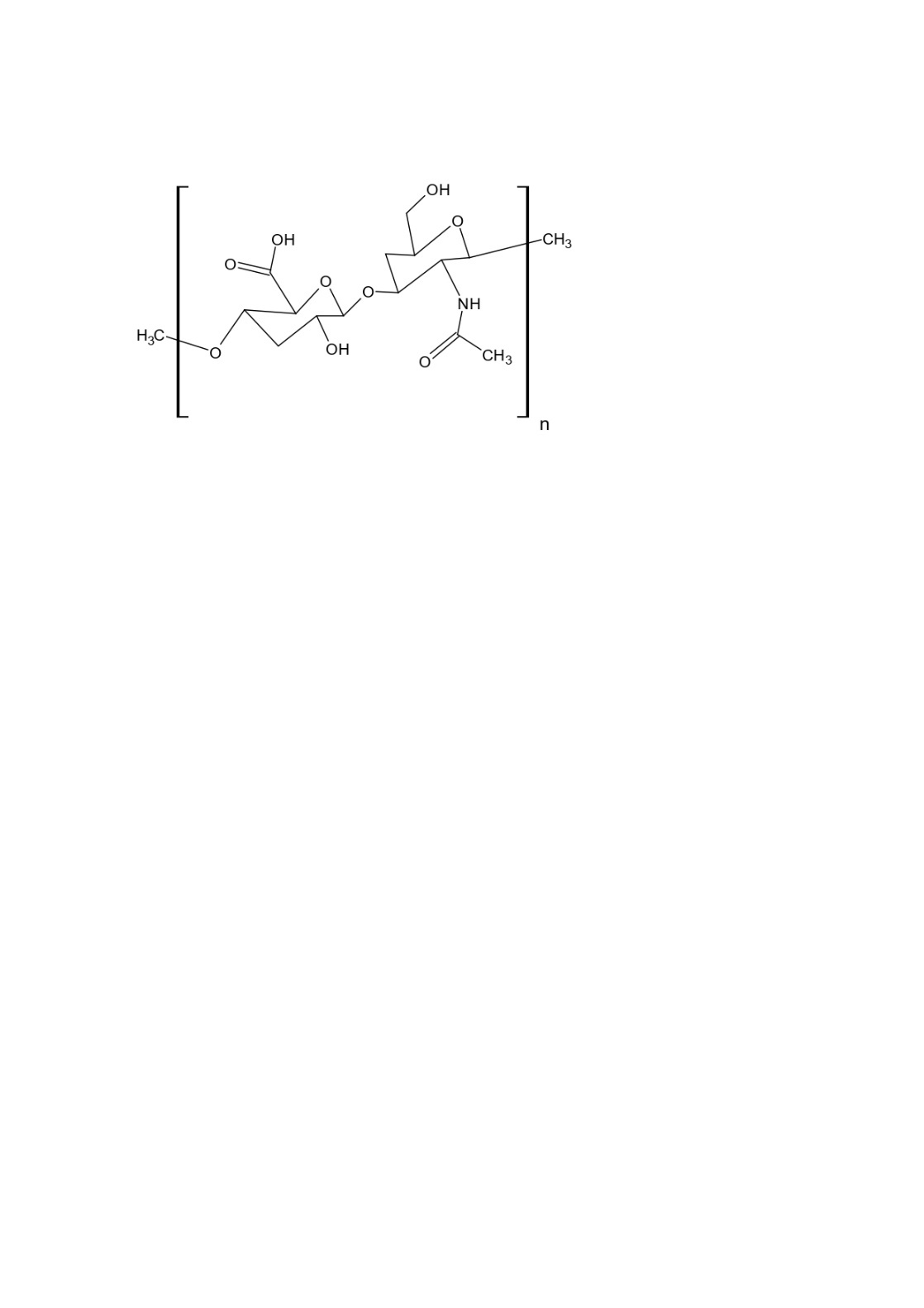
  Figure 5: Chemical structure of  hyaluronic acid

Cellulose

The polysaccharide cellulose is made up of repeated β -D-glucopyranose units that come from a variety of sources, such as wood pulp, cotton, tunicates, fungi, bacteria, and algae.[50] The mechanism of gelation is based on the fact that cellulose and its derivatives have a lot of hydrogen bonds, which means that at low temperatures, their hydrophobic groups can only be simply entangled without aggregating. As the temperature rises, the hydrogen bonds are broken, which is caused by dehydration. Cellulose and its derivatives increase the intermolecular hydrophobicity and create hydrogel, which is a good example of the polymers. Biocompatible polymers like hydroxypropyl cellulose (HPC) are the most commonly used. This thermosensitive polymer has a Lower Critical Solution Temperature (LCST) of roughly 41?C. Because of its biocompatibility, it is a useful tool for applications in the biological and medical domains.[51]
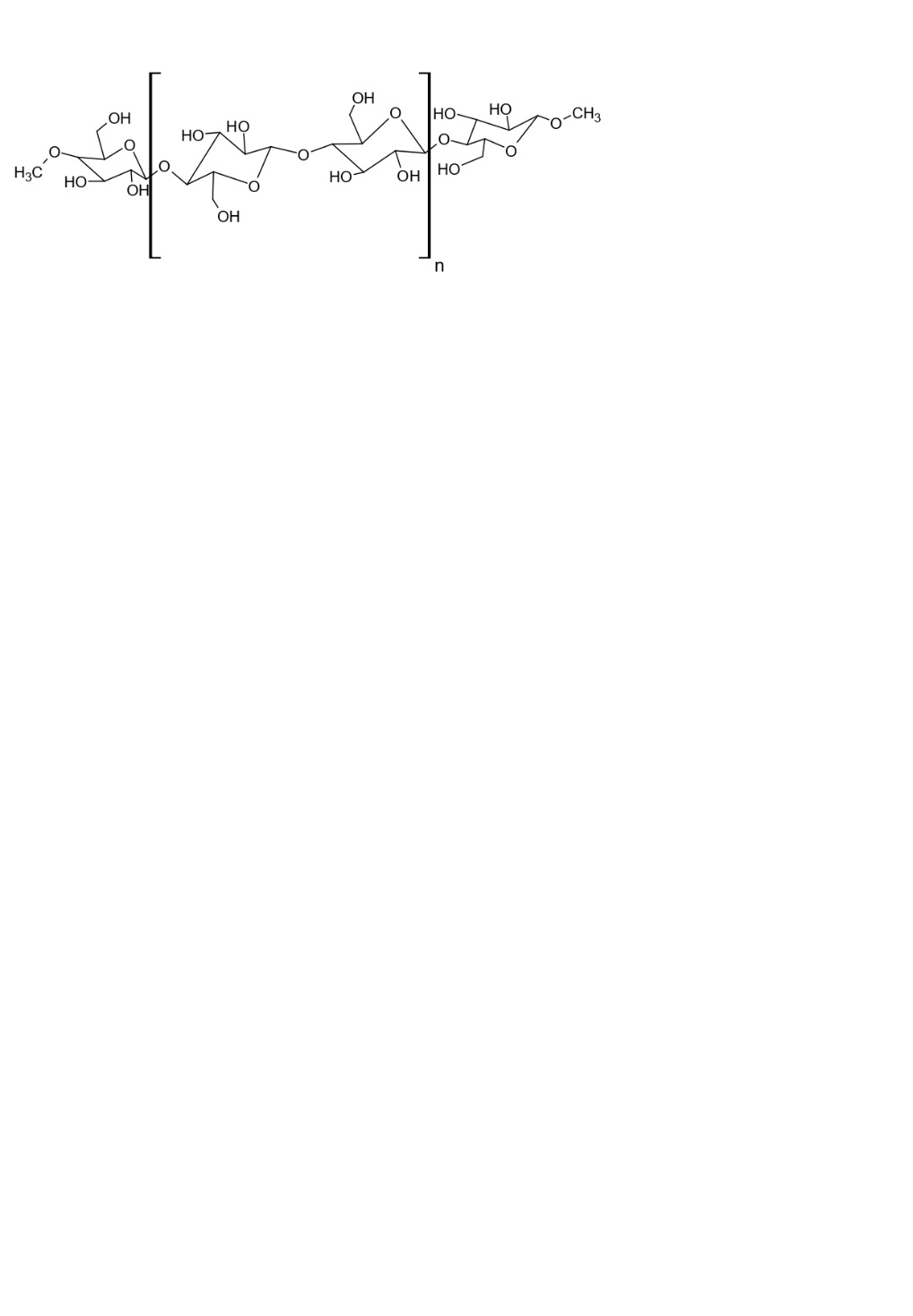
Figure 6: Chemical structure of cellulose

  1. Synthetic polymers

Poly(N-isopropylacrylamide) PNIPAM

Due to its distinct heat sensitivity, PNIPAM is frequently utilized in the manufacturing of injectable in situ-forming hydrogels. The internal hydrogen bonding of  PNIPAM is strong, and it is in a solution state when the temperature is below LCST; it is in a gel state, its hydrophobicity is enhanced, and the temperature is higher than LCST.[52] PNIPAM-based hydrogels, however, have poor mechanical qualities and, non-biodegradable gelation rates, which significantly restricts their use. Block copolymerization, grafting, mixing, and interpenetrating network structure are frequently used to alter it in order to enhance its characteristics.[53]
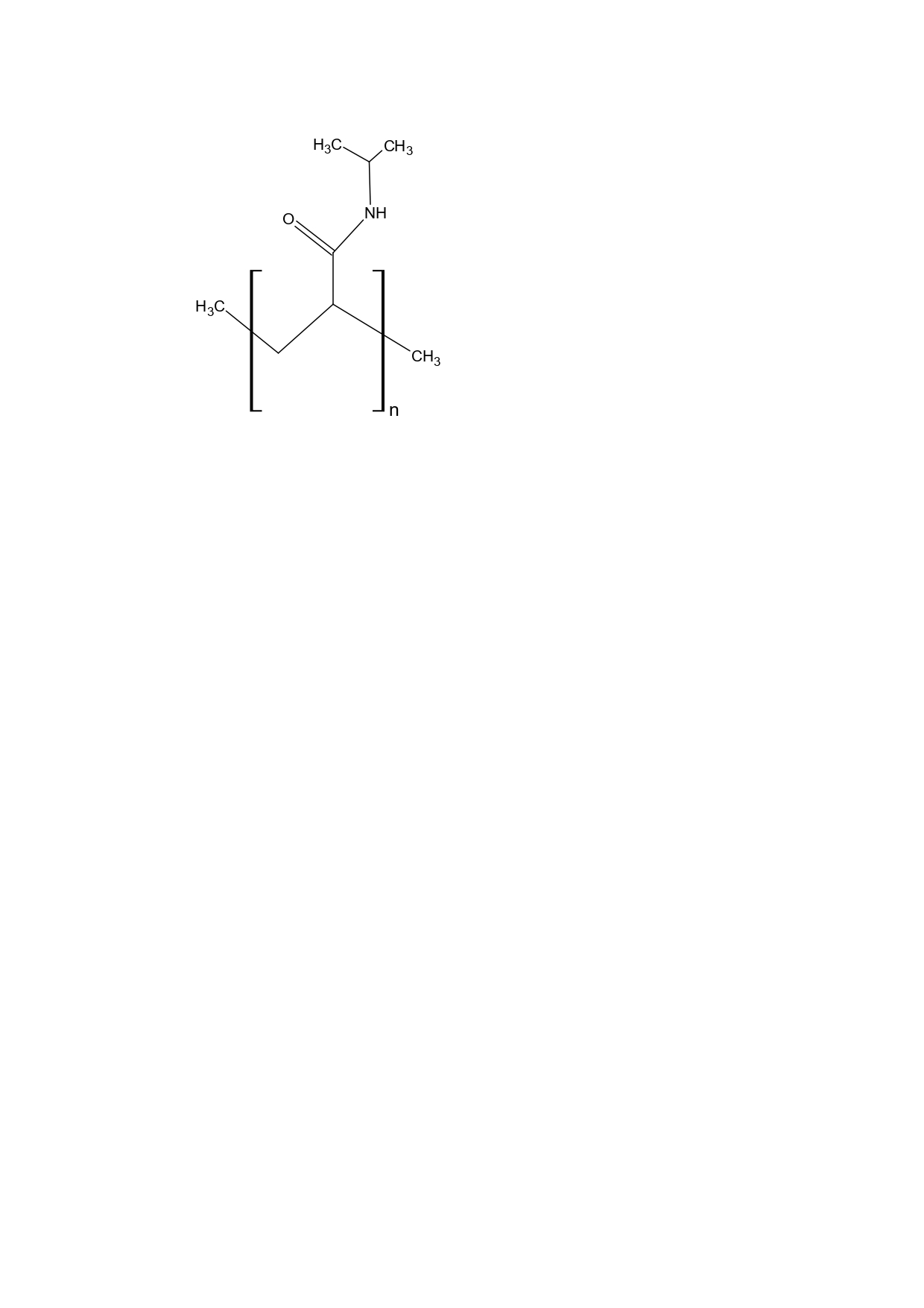
Figure 7:Chemical structure of Poly(N-isopropylacrylamide)

Poloxamer

Poloxamers are biodegradable, biologically inert, and heat-sensitive polymers.[54] It is included in the class of amphiphilic triblock copolymers made up of two terminal hydrophilic poly(ethylene oxide) (PEO) blocks and a central hydrophobic poly(propylene oxide) (PPO) block. There are various types of poloxamers, from which poloxamer 407 (P407), with the triblock structure of PEO100-PPO65-PEO100, has garnered a lot of attention for possible drug delivery applications because of its thermosensitive behavior and biocompatibility.[55,56]  P407 is liquid at low temperatures due to hydrogen bonds between the polymer blocks and water molecules; these hydrogen bonds destabilize when heated.[56] The molecular weight and the ratio of hydrophilic (PEO) to hydrophobic (PPO) characteristics determine the physical and chemical characteristics of these non-ionic surfactants.[57]
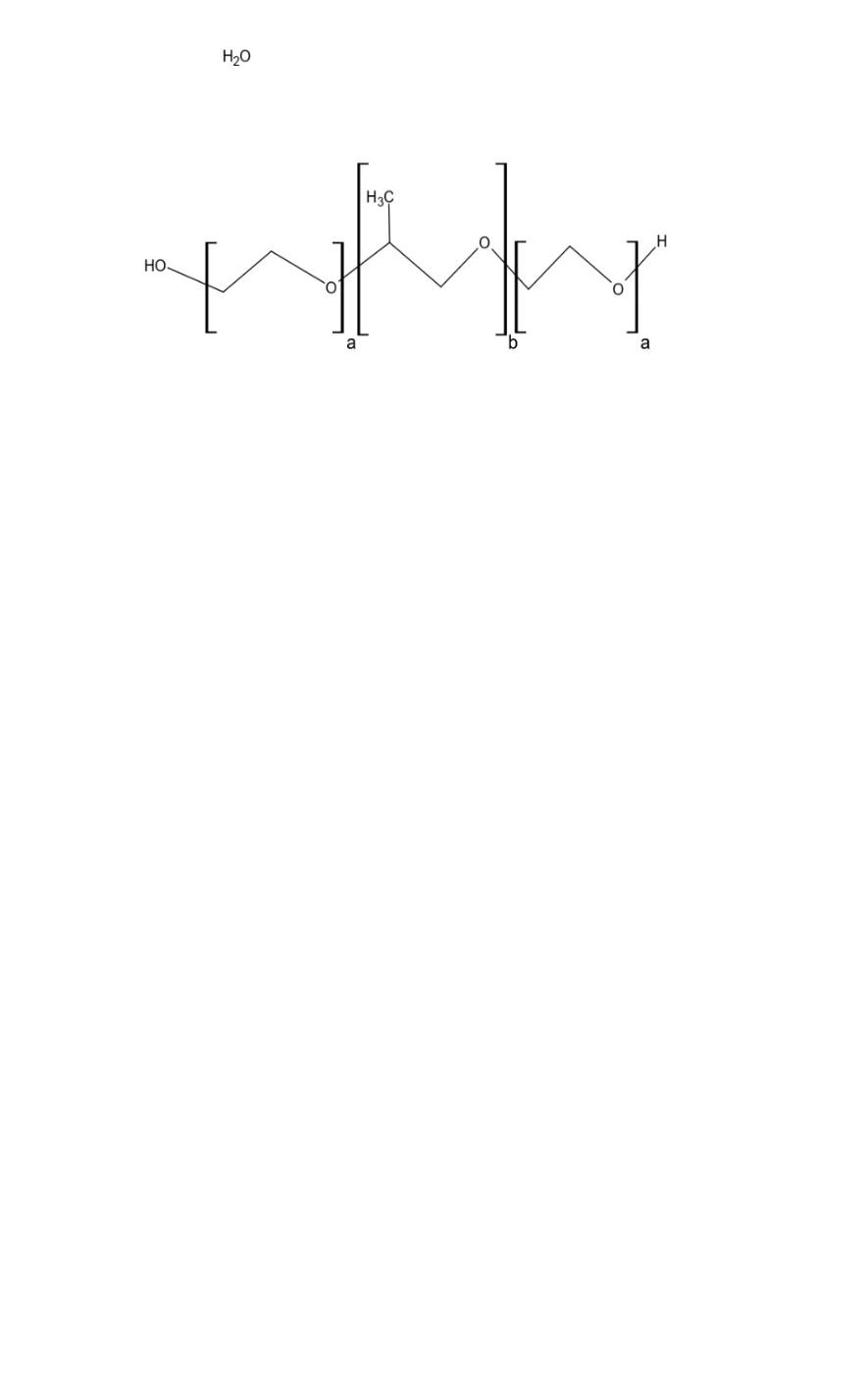
Figure 8:Chemical structure of  Poloxamer

Poly( D L-lactide-co-glycolide) PLGA

The linear aliphatic copolymer known as polylactic-co-glycolic acid is produced by block copolymerization of its component monomers, lactic acid (LA) and glycolic acid (GA), in different ratios.[58] In the presence of water, PLGA breaks down into acids and shorter-chain alcohols.[59] The produced acids can further catalyze the polymer's hydrolysis reaction, a process known as autocatalytic hydrolysis. Autocatalysis is responsible for the degradation of PLGA during the whole drug release process.[60]
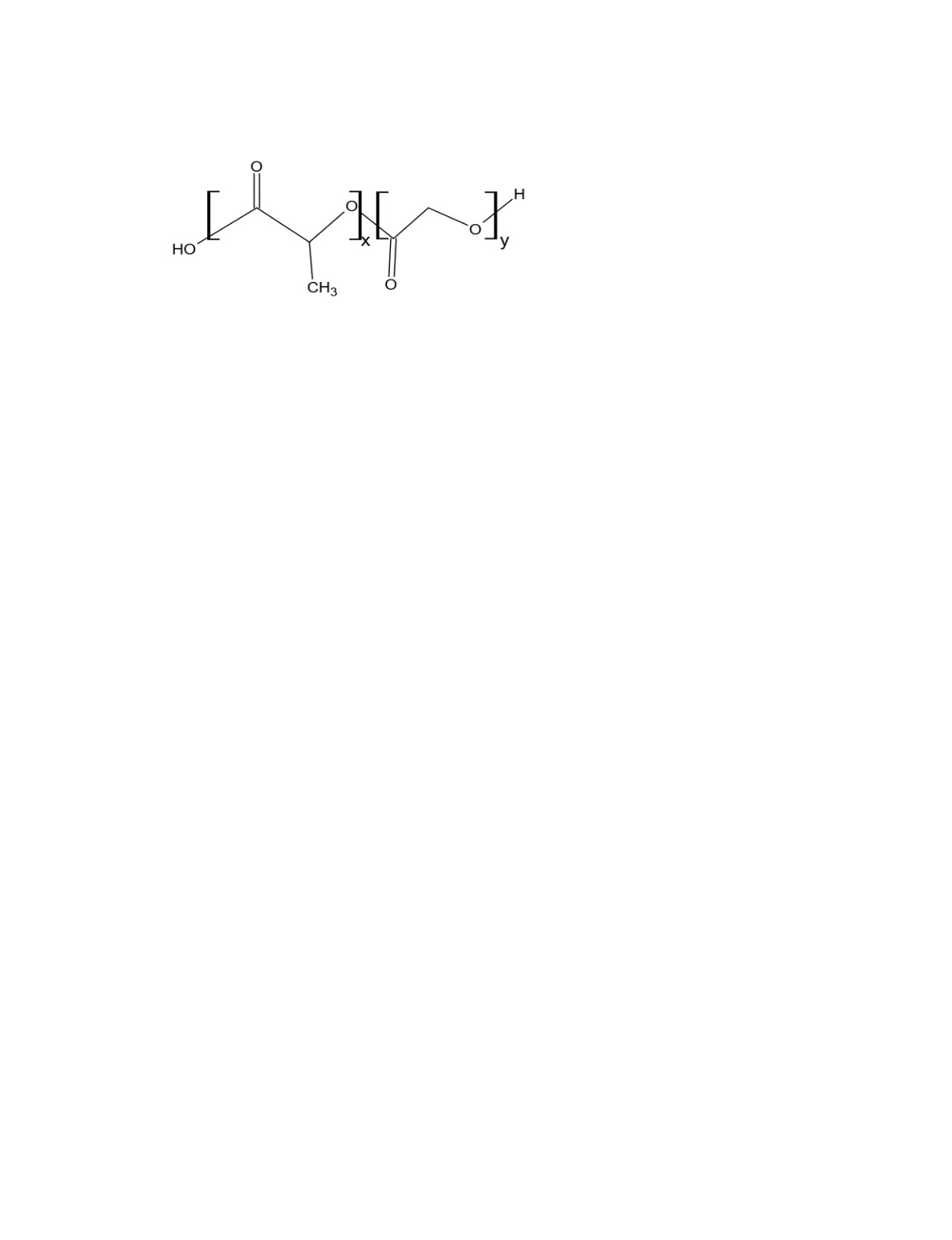
Figure 9: Chemical structure of  PLGA

APPLICATIONS

  1. Applications in postoperative treatment of tumors

Glioblastoma (GBM)

Glioblastoma, the most prevalent malignant primary brain tumor, is more common in middle-aged people. Adjuvant chemotherapy is frequently used following surgical resection, but the tumor's deep location and the blood-brain barrier (BBB) frequently make it difficult to deliver drugs effectively. Additionally, the immunosuppressive tumor microenvironment and the aggressive nature of remaining tumor cells contribute to frequent recurrence, limiting average survival to 12 to 15 months.[61] Gliadel® Wafer is an FDA-approved local delivery system that circumvents the blood-brain barrier and enhances drug delivery at the resection site. [62] However, its uncontrolled drug release may cause complications, damage normal tissues, and encourage resistance. In recent years, hydrogels have been developed as chemotherapeutic agent carriers, and injectable in situ-forming hydrogels are especially well-suited for postoperative treatment of GBM. The drug may then be gradually delivered in the tumor's resected area once the hydrogel is quickly formed by injecting the precursor solution into the deep GBM resection cavity.[53]

Skin cancer

Melanoma is one of the most prevalent and lethal skin cancers, with an increasing incidence and mortality rate.[63] This malignant tumor arises from melanocytes. The short half-life of the medication and wound problems result in significant recurrence rates and a poor prognosis even after surgery followed by radiation or chemotherapy. For the treatment of postoperative melanoma, near-infrared (NIR)-based photothermal therapy (PTT) has enormous potential due to its epidermal location. For improved multimodal PTT, injectable in situ forming hydrogels can efficiently incorporate photothermal agents (PTAs) and other treatments.[53]

Bone cancer

Osteosarcoma seldom occurs in the elderly and is usually diagnosed in teenagers and young adults (10–20 years old). It often affects the long bones, particularly the femur.[64] Adjuvant chemotherapy and surgical excision are the standard of care; nonetheless, aggressive remaining tumor cells and significant bone damage frequently lead to poor outcomes. Therefore, novel treatments that combine bone regeneration with anti-tumor effects are required.[65]

Breast cancer

The most common cancer in women is breast cancer, and 7% of cases return in situ following surgery.[66] Recovery is hampered and the chance of recurrence is increased by surgical resection, which frequently causes tissue loss, inflammation, and infection. Tumor recurrence and breast tissue healing should therefore be addressed in successful postoperative         therapies.[67] The drug-loaded hydrogels not only increase life and prevent recurrence, but they also act as breast fillers and facilitate reconstruction because of their mechanical strength.[53]

Liver cancer

Hepatocellular carcinoma (HCC) had a low survival rate and high recurrence rate, so it was a main cause of cancer-related fatalities.[68] Even though surgery (hepatectomy or transplantation) is the main treatment, it has poor results due to issues like hemorrhage, recurrence, and tissue defects. Antitumor therapy and immunological response are hampered in HCC patients by their acidic, immunosuppressive microenvironment. Hydrogels that regulate bleeding and alter this environment therefore have potential for the treatment of HCC.[69]

Colorectal cancer (CRC)

According to oncologic pathology, colorectal cancer ranks as the third most prevalent kind of cancer.[70] High recurrence rates and comorbidities have a significant negative influence on patients' quality of life, even with postoperative chemotherapy and radiation therapy.[71] Poor drug targeting and solubility lead to low concentrations at the resection site and systemic side effects; hypoxic tumor microenvironment reduce the effectiveness of radiotherapy; and postoperative tissue adhesions cause chronic complications. These factors are the main causes of poor prognosis in colorectal cancer. One interesting approach is localized medication delivery using hydrogels.[72]

Table 2. recent studies of hydrogels directedly applied in localized postoperative tumors treatment.

Cancer type  Host material        Drug                       Function                         Reference

Glioblastoma   Chitosan,            Temozolomide         To combat tumor                    [73]

(GBM)          PLGA Nanoparticle    & Carmustine      two chemotherapeutic

                                                                                agents work in concert.

Skin cancer      L-phenylalanine            Polydopamine         Using photothermal                 [38]

                                                       nanoparticles and       treatment to reduce

                                                         doxorubicin                inflammation &

                                                                                         and achieve thermally

                                                                                         induced medication

                                                                                         release

Breast cancer    methylcellulose          PLGA MPs,  820      Fillers for the breast              [74]

                                                                                         cavity, photothermal

                                                                                          and encouraging

                                                                                           breast reconstruction

Colo- rectal       Poloxamer                 5 Fluorouracil          5Fu contained in a                 [75]

Cancer                                                                                  hydrogel has a good

                                                                                             antitumor growth 

                                                                                             growth impact and

                                                                                             effectively extends

                                                                                             its release time.

 
  1. Application in postoperative adjuvant treatment

A number of postoperative problems, including tissue damage, hemorrhage, inflammation, bacterial infections, and inter-tissue adhesions, are frequently experienced after tumors are surgically removed. These difficulties may be significant contributors to a poor patient prognosis or even treatment failure.  In terms of injectable in situ-forming hydrogels' applicability, it helps to prevent the issues mentioned above.[53]

Hemostasis

The injectable hydrogel is not only a helpful adjuvant treatment for hepatocellular carcinoma, but it may also be used as a dressing to close wounds. Since there are many blood vessels surrounding liver tumors that must be removed during hepatectomy, the procedure takes longer because of intraoperative bleeding and increases the risk of bacterial infections and cancer cell metastases. In contrast, injectable hydrogel can be used to quickly close the wound and stop the bleeding.[76]

Antibacterial infection

Bacterial infection is one factor that contributes to the poor prognosis of malignancies, especially skin cancer. Bacterial germs can readily enter the body and cause dangerous bacterial diseases when the skin barrier is weakened.  This may hinder the healing of wounds and affect the patient's recovery.   The region where the tumor was removed is immediately covered with hydrogel, which protects it from more infection damage.[53]

Anti-inflammatory

Following a bacterial infection, the body may have an inflammatory response, and a prolonged inflammatory response can significantly affect wound healing. As a result, postoperative care of tumors also requires anti-inflammatory therapy, and hydrogels are the most widely used delivery system for anti-inflammatory medications.[77]

Tissue repair and wound healing

Unquestionably, the removal of tumors results in tissue loss, which affects patients' normal tissue function, appearance, and mental health. Hydrogels should be used to eliminate tumor cells before repairing damaged tissues during cancer surgery.[78] Hydrogels' unique three-dimensional pore structure and functional groups can serve as cell binding sites and promote cell adhesion linked to tissue restoration[79]

CONCLUSION

Injectable in-situ forming hydrogels provide a versatile and effective approach for localized cancer therapy, particularly in postoperative settings. Numerous advantages are provided by these systems, such as improved treatment efficacy, fewer systemic adverse effects, and regulated and prolonged drug release. Various natural and synthetic polymers, as well as crosslinking strategies, allow customization to meet specific clinical needs. Moreover, their ability to fill irregular tumor cavities and support hemostasis, antibacterial action, inflammation reduction, and tissue repair make them especially valuable for post-surgical applications. Despite some limitations like stability and drug-loading challenges, continued innovation in polymer chemistry and formulation design is expected to overcome these hurdles. Overall, Insitu forming injectable hydrogel depot represent a promising strategy for improving outcomes in cancer treatment and patient quality of life.

REFERENCES

  1. Bui TA, Mei H, Sang R, Ortega DG, Deng W. Advancements and challenges in developing in vivo CAR T cell therapies for cancer treatment [Internet]. 2024. Available from: www.thelancet.com
  2. Payamifar S, Foroozandeh A, Pourmadadi M, Abdouss M, Hasanzadeh M. Cyclodextrin-based nanocarriers as promising scaffolds for overcoming challenges of doxorubicin delivery in cancer chemotherapy. Carbohydrate Polymer Technologies and Applications 2025;9:100677.
  3. Siegel RL, Miller KD, Jemal A. Cancer statistics, 2019. CA Cancer J Clin 2019;69(1):7–34.
  4. Ibrahim S, Umer Khan M, Khurram I, Rehman R, Rauf A, Ahmad Z, et al. Navigating PROTACs in Cancer Therapy: Advancements, Challenges, and Future Horizons. Food Sci Nutr2025;13(2).
  5. Dong Y, Li J, Dai Y, Zhang X, Jiang X, Wang T, et al. A novel nanocarrier based on natural polyphenols enhancing gemcitabine sensitization ability for improved pancreatic cancer therapy efficiency. Mater Today Bio 2025;30.
  6. Cirillo G, Spizzirri UG, Curcio M, Nicoletta FP, Iemma F. Injectable hydrogels for cancer therapy over the last decade. Pharmaceutics2019;11(9).
  7. Kim J, Choi Y, Kim DH, Yoon HY, Kim K. Injectable Hydrogel-Based Combination Cancer Immunotherapy for Overcoming Localized Therapeutic Efficacy. Pharmaceutics2022;14(9).
  8. Almawash S, Osman SK, Mustafa G, El Hamd MA. Current and Future Prospective of Injectable Hydrogels—Design Challenges and Limitations. Pharmaceuticals2022;15(3).
  9. Pacheco C, Baião A, Ding T, Cui W, Sarmento B. Recent advances in long-acting drug delivery systems for anticancer drug. Adv Drug Deliv Rev 2023;194:114724.
  10. Omidian H, Chowdhury SD. Advancements and Applications of Injectable Hydrogel Composites in Biomedical Research and Therapy. Gels 2023, Vol 9, Page 533 [Internet] 2023 [cited 2025 Apr 17];9(7):533. Available from: https://www.mdpi.com/2310-2861/9/7/533/htm
  11. Rahnfeld L, Luciani P. Injectable lipid-based depot formulations: Where do we stand? Pharmaceutics2020;12(6):1–28.
  12. Narayanaswamy R, Torchilin VP. Hydrogels and Their Applications in Targeted Drug Delivery. Molecules 2019, Vol 24, Page 603 [Internet] 2019 [cited 2025 Apr 13];24(3):603. Available from: https://www.mdpi.com/1420-3049/24/3/603/htm
  13. Caló E, Khutoryanskiy V V. Biomedical applications of hydrogels: A review of patents and commercial products. Eur Polym J 2015;65:252–67.
  14. Kempe S, Mäder K. In situ forming implants - An attractive formulation principle for parenteral depot formulations. Journal of Controlled Release2012;161(2):668–79.
  15. Vermonden T, Fedorovich NE, van Geemen D, Alblas J, van Nostrum CF, Dhert WJA, et al. Photopolymerized thermosensitive hydrogels: Synthesis, degradation, and cytocompatibility. Biomacromolecules 2008;9(3):919–26.
  16. Basu S, Pacelli S, Feng Y, Lu Q, Wang J, Paul A. Harnessing the Noncovalent Interactions of DNA Backbone with 2D Silicate Nanodisks To Fabricate Injectable Therapeutic Hydrogels. ACS Nano [Internet] 2018 [cited 2025 Apr 17];12(10):9866. Available from: https://pmc.ncbi.nlm.nih.gov/articles/PMC6563937/
  17.  Dong Z, Sun Y, Chen Y, Liu Y, Tang C, Qu X. Injectable Adhesive Hydrogel through a Microcapsule Cross-Link for Periodontitis Treatment. ACS Appl Bio Mater [Internet] 2019 [cited 2025 Apr 17];2(12):5985–94. Available from: https://pubmed.ncbi.nlm.nih.gov/35021519/
  18. Sci-Hub | Recent Advances in Injectable Hydrogels for Controlled and Local Drug Delivery. Advanced Healthcare Materials, 10(1), 2001341 | 10.1002/adhm.202001341 [Internet]. [cited 2025 Apr 17];Available from: https://sci-hub.se/https://doi.org/10.1002/adhm.202001341
  19. Kwei TK, Wang TT. Phase Separation Behavior of Polymer–Polymer Mixtures. Polymer Blends 1978;141–84.
  20.  Jochum FD, Theato P. Temperature-and light-responsive smart polymer materials †. Chem Soc Rev [Internet] 2013 [cited 2025 Apr 17];42:7468. Available from: www.rsc.org/csr
  21. Jeon WS, Moon K, Park SH, Chun H, Ko YH, Lee JY, et al. Complexation of ferrocene derivatives by the cucurbit[7]uril host: A comparative study of the cucurbituril and cyclodextrin host families. J Am Chem Soc 2005;127(37):12984–9.
  22. Wang W, Narain R, Zeng H. Rational Design of Self-Healing Tough Hydrogels: A Mini Review. Front Chem [Internet] 2018 [cited 2025 Apr 17];6(OCT):497. Available from: https://pmc.ncbi.nlm.nih.gov/articles/PMC6232908/
  23. Raina N, Pahwa R, Bhattacharya J, Paul AK, Nissapatorn V, Pereira M de L, et al. Drug Delivery Strategies and Biomedical Significance of Hydrogels: Translational Considerations. Pharmaceutics [Internet] 2022 [cited 2025 Apr 22];14(3):574. Available from: https://pmc.ncbi.nlm.nih.gov/articles/PMC8950534/
  24. Siqueira EC de, França JAA de, Souza RFM de, Leoterio DM da S, Cordeiro JN, Doboszewski B. Mecanisms of the chemical crosslinking to obtain the hydrogels: Synthesis, conditions of crosslinking and biopharmaceutical applications. Research, Society and Development 2023;12(8):e18312943072.
  25. Elham Badali, Hosseini M, Mohajer M, Hassanzadeh S, Saghati S, Hilborn J, et al. Enzymatic Crosslinked Hydrogels for Biomedical Application. Polymer Science - Series A2021;63:S1–22.
  26. Qiu Y, Park K. Environment-sensitive hydrogels for drug delivery. Adv Drug Deliv Rev2012;64(SUPPL.):49–60.
  27. Bustamante-Torres M, Romero-Fierro D, Arcentales-Vera B, Palomino K, Magaña H, Bucio E. Hydrogels classification according to the physical or chemical interactions and as stimuli-sensitive materials. Gels2021;7(4).
  28. Fakhari A, Anand Subramony J. Engineered in-situ depot-forming hydrogels for intratumoral drug delivery. Journal of Controlled Release2015;220:465–75.
  29.  Fu X, Hosta-Rigau L, Chandrawati R, Cui J. Multi-Stimuli-Responsive Polymer Particles, Films, and Hydrogels for Drug Delivery. Chem 2018;4(9):2084–107.
  30.  He L, Shang Z, Liu H, Yuan ZX. Alginate-Based Platforms for Cancer-Targeted Drug Delivery. 2020 [cited 2025 Apr 7];Available from: https://doi.org/10.1155/2020/1487259
  31.  Qureshi D, Nayak SK, Maji S, Anis A, Kim D, Pal K. Environment sensitive hydrogels for drug delivery applications. Eur Polym J 2019;120:109220.
  32. Zuo H, Yang Y, Zheng D, Zhou X, Luo L, Liu Y, et al. Mussel-inspired hydrogels with UCST for temperature-controlled reversible adhesion. Giant 2023;16:100182.
  33. Koland M, Narayanan Vadakkepushpakath A, John A, Tharamelveliyil Rajendran A, Raghunath I. Thermosensitive In Situ Gels for Joint Disorders: Pharmaceutical Considerations in Intra-Articular Delivery. Gels [Internet] 2022 [cited 2025 Apr 22];8(11):723. Available from: https://pmc.ncbi.nlm.nih.gov/articles/PMC9689403/
  34. Niloy KK, Lowe TL. Injectable systems for long-lasting insulin therapy. Adv Drug Deliv Rev 2023;203:115121.
  35.  Sci-Hub | In situ-forming hydrogels—review of temperature-sensitive systems. European Journal of Pharmaceutics and Biopharmaceutics, 58(2), 409–426 | 10.1016/j.ejpb.2004.03.019 [Internet]. [cited 2025 Apr 14];Available from: https://sci-hub.se/https://doi.org/10.1016/j.ejpb.2004.03.019
  36. Chen X, Wang M, Yang X, Wang Y, Yu L, Sun J, et al. Injectable hydrogels for the sustained delivery of a HER2-targeted antibody for preventing local relapse of HER2+ breast cancer after breast-conserving surgery. Theranostics [Internet] 2019 [cited 2025 Apr 19];9(21):6080–98. Available from: https://pubmed.ncbi.nlm.nih.gov/31534538/
  37. Shaker DS, Shaker MA, Klingner A, Hanafy MS. In situ thermosensitive Tamoxifen citrate loaded hydrogels: An effective tool in breast cancer loco-regional therapy. J Drug Deliv Sci Technol 2016;35:155–64.
  38. Cimen Z, Babadag S, Odabas S, Altuntas S, Demirel G, Demirel GB. Injectable and Self-Healable pH-Responsive Gelatin-PEG/Laponite Hybrid Hydrogels as Long-Acting Implants for Local Cancer Treatment. ACS Appl Polym Mater [Internet] 2021 [cited 2025 Apr 19];3(7):3504–18. Available from: https://pubs.acs.org/doi/abs/10.1021/acsapm.1c00419
  39. Shin GR, Kim HE, Kim JH, Choi S, Kim MS. Advances in injectable in situ-forming hydrogels for intratumoral treatment. Pharmaceutics2021;13(11).
  40. Liu L, Gao Q, Lu X, Zhou H. In situ forming hydrogels based on chitosan for drug delivery and tissue regeneration. Asian J Pharm Sci 2016;11(6):673–83.
  41. Pandhare TR, Sadamat NP, Gavhane YN. Issue:4 Citation. IjpprHuman [Internet] 2020 [cited 2025 Apr 7];19(4):594–616. Available from: www.ijppr.humanjournals.com
  42. Bidarra SJ, Barrias CC, Granja PL. Injectable alginate hydrogels for cell delivery in tissue engineering. Acta Biomater2014;10(4):1646–62.
  43. Sci-Hub | Alginate Hydrogels as Biomaterials. Macromolecular Bioscience, 6(8), 623–633 | 10.1002/mabi.200600069 [Internet]. [cited 2025 Apr 8];Available from: https://sci-hub.se/https://doi.org/10.1002/mabi.200600069
  44. Sci-Hub | Improving mechanical properties of injectable polymers and composites. Injectable Biomaterials, 61–91 | 10.1533/9780857091376.1.61 [Internet]. [cited 2025 Apr 9];Available from: https://sci-hub.se/https://doi.org/10.1533/9780857091376.1.61
  45. Biopolymers for Biomedical and Pharmaceutical Applications: Recent Advances and Overview of Alginate Electrospinning - PubMed [Internet]. [cited 2025 Apr 10];Available from: https://pubmed.ncbi.nlm.nih.gov/30857370/
  46. Zhang Y, Zheng Y, Shu F, Zhou R, Bao B, Xiao S, et al. In situ-formed adhesive hyaluronic acid hydrogel with prolonged amnion-derived conditioned medium release for diabetic wound repair. Carbohydr Polym 2022;276:118752.
  47. Ye H, Zhang R, Zhang C, Xia Y, Jin L. Advances in hyaluronic acid: Bioactivity, complexed biomaterials and biological application: A review. Asian J Surg 2025;48(1):49–61.
  48. Liu L, Liu Y, Li J, Du G, Chen J. Microbial production of hyaluronic acid: current state, challenges, and perspectives. Microb Cell Fact [Internet] 2011 [cited 2025 Apr 22];10(1):1–9. Available from: https://microbialcellfactories.biomedcentral.com/articles/10.1186/1475-2859-10-99
  49. Hopkins K, Buno K, Romick N, Freitas Dos Santos AC, Tinsley S, Wakelin E, et al. Sustained degradation of hyaluronic acid using an in situ forming implant. PNAS Nexus 2022;1(4).
  50. Moon RJ, Martini A, Nairn J, Simonsen J, Youngblood J. Cellulose nanomaterials review: Structure, properties and nanocomposites. Chem Soc Rev [Internet] 2011 [cited 2025 Apr 10];40(7):3941–94. Available from: https://www.researchgate.net/publication/51121512_ChemInform_Abstract_Cellulose_Nanomaterials_Review_Structure_Properties_and_Nanocomposites
  51. Chen Y, Wang X, Huang Y, Kuang P, Wang Y, Liu Y, et al. In situ-forming cellulose/albumin-based injectable hydrogels for localized antitumor therapy. Polymers (Basel) 2021;13(23).
  52. Ansari MJ, Rajendran RR, Mohanto S, Agarwal U, Panda K, Dhotre K, et al. Poly(N-isopropylacrylamide)-Based Hydrogels for Biomedical Applications: A Review of the State-of-the-Art. Gels 2022, Vol 8, Page 454 [Internet] 2022 [cited 2025 Apr 10];8(7):454. Available from: https://www.mdpi.com/2310-2861/8/7/454/htm
  53. Wang Z, Zhai B, Sun J, Zhang X, Zou J, Shi Y, et al. Recent advances of injectable in situ-forming hydrogels for preventing postoperative tumor recurrence. Drug Deliv 2024;31(1):2400476.
  54. Zhao J, Wang L, Zhang H, Liao B, Li Y. Progress of Research in In Situ Smart Hydrogels for Local Antitumor Therapy: A Review. Pharmaceutics2022;14(10).
  55. Sci-Hub | The effect of poly(acrylic acid) on temperature?dependent behaviors and structural evolution of poloxamer 407. Polymer International, 70(9), 1282–1289 | 10.1002/pi.6197 [Internet]. [cited 2025 Apr 9];Available from: https://sci-hub.se/https://doi.org/10.1002/pi.6197
  56. Hirun N, Kraisit P, Tantishaiyakul V. Thermosensitive Polymer Blend Composed of Poloxamer 407, Poloxamer 188 and Polycarbophil for the Use as Mucoadhesive In Situ Gel. Polymers (Basel) [Internet] 2022 [cited 2025 Apr 9];14(9):1836. Available from: https://www.mdpi.com/2073-4360/14/9/1836/htm
  57. Moebus K, Siepmann J, Bodmeier R. Alginate-poloxamer microparticles for controlled drug delivery to mucosal tissue. European Journal of Pharmaceutics and Biopharmaceutics 2009;72(1):42–53.
  58. Bakhrushina EO, Sakharova PS, Konogorova PD, Pyzhov VS, Kosenkova SI, Bardakov AI, et al. Burst Release from In Situ Forming PLGA-Based Implants: 12 Effectors and Ways of Correction. Pharmaceutics 2024, Vol 16, Page 115 [Internet] 2024 [cited 2025 Apr 22];16(1):115. Available from: https://www.mdpi.com/1999-4923/16/1/115/htm
  59. Siepmann J, Elkharraz K, Siepmann F, Klose D. How autocatalysis accelerates drug release from PLGA-based microparticles: A quantitative treatment. Biomacromolecules [Internet] 2005 [cited 2025 Apr 22];6(4):2312–9. Available from: https://www.researchgate.net/publication/7740964_How_Autocatalysis_Accelerates_Drug_Release_from_PLGA-Based_Microparticles_A_Quantitative_Treatment
  60. Ibrahim TM, El-Megrab NA, El-Nahas HM. An overview of PLGA in-situ forming implants based on solvent exchange technique: effect of formulation components and characterization. Pharm Dev Technol2021;26(7):709–28.
  61. Mitre AO, Florian AI, Buruiana A, Boer A, Moldovan I, Soritau O, et al. Ferroptosis Involvement in Glioblastoma Treatment. Medicina (Lithuania)2022;58(2).
  62. (PDF) Current FDA-Approved Therapies for High-Grade Malignant Gliomas [Internet]. [cited 2025 Apr 10];Available from: https://www.researchgate.net/publication/350295510_Current_FDA-Approved_Therapies_for_High-Grade_Malignant_Gliomas
  63. Liu Y, Ma W, Zhou P, Wen Q, Wen Q, Lu Y, et al. In situ administration of temperature-sensitive hydrogel composite loading paclitaxel microspheres and cisplatin for the treatment of melanoma. Biomedicine & Pharmacotherapy 2023;160:114380.
  64. Marques C, Ferreira JMF, Andronescu E, Ficai D, Sonmez M, Ficai A. Multifunctional materials for bone cancer treatment. Int J Nanomedicine [Internet] 2014 [cited 2025 Apr 11];9(1):2713–25. Available from: https://www.tandfonline.com/action/journalInformation?journalCode=dijn20
  65. Lian Q, Liu C, Chen F, Wang B, Wang M, Qiao S, et al. Orthopedic therapeutic surgery for bone metastasis of liver cancer: Clinical efficacy and prognostic factors. Front Surg [Internet] 2022 [cited 2025 Apr 11];9:957674. Available from: https://pmc.ncbi.nlm.nih.gov/articles/PMC9643417/
  66. Corso G, Maisonneuve P, Santomauro GI, De Scalzi AM, Toesca A, Bassi FD, et al. Ipsilateral Breast Tumor Reappearance and Contralateral Breast Cancer after Primary Breast Cancer Treatment: A Comprehensive Retrospective Study of 15,168 Patients. Oncology (Switzerland) [Internet] 2018 [cited 2025 Apr 11];95(3):147–55. Available from: https://www.researchgate.net/publication/325461297_Ipsilateral_Breast_Tumor_Reappearance_and_Contralateral_Breast_Cancer_after_Primary_Breast_Cancer_Treatment_A_Comprehensive_Retrospective_Study_of_15168_Patients\
  67. Jin X, Yao S, Qiu F, Mao Z, Wang B. A multifunctional hydrogel containing gold nanorods and methylene blue for synergistic cancer phototherapy. Colloids Surf A Physicochem Eng Asp 2021;614:126154.
  68. Yang JD, Hainaut P, Gores GJ, Amadou A, Plymoth A, Roberts LR. A global view of hepatocellular carcinoma: trends, risk, prevention and management. Nat Rev Gastroenterol Hepatol [Internet] 2019 [cited 2025 Apr 12];16(10):589–604. Available from: https://pubmed.ncbi.nlm.nih.gov/31439937/
  69. Cheng Y, Gong Y, Chen X, Zhang Q, Zhang X, He Y, et al. Injectable adhesive hemostatic gel with tumor acidity neutralizer and neutrophil extracellular traps lyase for enhancing adoptive NK cell therapy prevents post-resection recurrence of hepatocellular carcinoma. Biomaterials 2022;284:121506.
  70. José Granados-Romero J, Isaac Valderrama-Treviño A, Hazzel Contreras-Flores E, Barrera-Mera B, Herrera Enríquez M, Uriarte-Ruíz K, et al. Colorectal cancer: a review. International Journal of Research in Medical Sciences Granados [Internet] 2017 [cited 2025 Apr 12];5(11):4667–76. Available from: www.msjonline.org
  71. Luo D, Yang Y, Shan Z, Liu Q, Cai S, Li Q, et al. Clinicopathological Features of Stage I–III Colorectal Cancer Recurrence Over 5 Years After Radical Surgery Without Receiving Neoadjuvant Therapy: Evidence From a Large Sample Study. Front Surg 2021;8.
  72. Yi H, Cho HJ, Cho SM, Lee DG, Abd El-Aty AM, Yoon SJ, et al. Pharmacokinetic properties and antitumor efficacy of the 5-fluorouracil loaded PEG-hydrogel. BMC Cancer [Internet] 2010 [cited 2025 Apr 12];10. Available from: https://www.researchgate.net/publication/341277562_Pharmacokinetic_properties_and_antitumor_efficacy_of_the_5-fluorouracil_loaded_PEG-hydrogel
  73. Chen S, Qiu Q, Wang D, She D, Yin B, Gu G, et al. Dual-sensitive drug-loaded hydrogel system for local inhibition of post-surgical glioma recurrence. Journal of Controlled Release 2022;349:565–79.
  74. Yang X, Gao L, Wei Y, Tan B, Wu Y, Yi C, et al. Photothermal hydrogel platform for prevention of post-surgical tumor recurrence and improving breast reconstruction. J Nanobiotechnology [Internet] 2021 [cited 2025 Apr 19];19(1):1–13. Available from: https://jnanobiotechnology.biomedcentral.com/articles/10.1186/s12951-021-01041-w
  75. Al Sabbagh C, Seguin J, Agapova E, Kramerich D, Boudy V, Mignet N. Thermosensitive hydrogels for local delivery of 5-fluorouracil as neoadjuvant or adjuvant therapy in colorectal cancer. European Journal of Pharmaceutics and Biopharmaceutics 2020;157:154–64.
  76. Yu S, Bo T, Hou B, Li J, Zhou X. Surgery strategy of 13 cases to control bleeding from the liver on laparoscopic repeat liver resection for recurrent hepatocellular carcinoma. J Minim Access Surg [Internet] 2019 [cited 2025 Apr 12];15(3):214. Available from: https://pubmed.ncbi.nlm.nih.gov/29794359/
  77. Li J, Zhang P, Zhou M, Liu C, Huang Y, Li L. Trauma-Responsive Scaffold Synchronizing Oncolysis Immunization and Inflammation Alleviation for Post-Operative Suppression of Cancer Metastasis. ACS Nano 2022;16(4):6064–79.
  78. Wang P, Hou Z, Wang Z, Luo X. Multifunctional Therapeutic Nanodiamond Hydrogels for Infected-Wound Healing and Cancer Therapy. ACS Appl Mater Interfaces 2024;16(8):9656–68.
  79. Jiang H, Huang X, Yang J, Yu X, Yang W, Song Y, et al. Dual network composite hydrogels with robust antibacterial and antifouling capabilities for efficient wound healing. J Mater Chem B [Internet] 2024 [cited 2025 Apr 13];12(20):4909–21. Available from: https://www.researchgate.net/publication/379858248_A_Dual_Network_Composite_Hydrogel_with_Robust_Antibacterial_and_Antifouling_Capabilities_for_Efficient_Wound_Healing

Reference

  1. Bui TA, Mei H, Sang R, Ortega DG, Deng W. Advancements and challenges in developing in vivo CAR T cell therapies for cancer treatment [Internet]. 2024. Available from: www.thelancet.com
  2. Payamifar S, Foroozandeh A, Pourmadadi M, Abdouss M, Hasanzadeh M. Cyclodextrin-based nanocarriers as promising scaffolds for overcoming challenges of doxorubicin delivery in cancer chemotherapy. Carbohydrate Polymer Technologies and Applications 2025;9:100677.
  3. Siegel RL, Miller KD, Jemal A. Cancer statistics, 2019. CA Cancer J Clin 2019;69(1):7–34.
  4. Ibrahim S, Umer Khan M, Khurram I, Rehman R, Rauf A, Ahmad Z, et al. Navigating PROTACs in Cancer Therapy: Advancements, Challenges, and Future Horizons. Food Sci Nutr2025;13(2).
  5. Dong Y, Li J, Dai Y, Zhang X, Jiang X, Wang T, et al. A novel nanocarrier based on natural polyphenols enhancing gemcitabine sensitization ability for improved pancreatic cancer therapy efficiency. Mater Today Bio 2025;30.
  6. Cirillo G, Spizzirri UG, Curcio M, Nicoletta FP, Iemma F. Injectable hydrogels for cancer therapy over the last decade. Pharmaceutics2019;11(9).
  7. Kim J, Choi Y, Kim DH, Yoon HY, Kim K. Injectable Hydrogel-Based Combination Cancer Immunotherapy for Overcoming Localized Therapeutic Efficacy. Pharmaceutics2022;14(9).
  8. Almawash S, Osman SK, Mustafa G, El Hamd MA. Current and Future Prospective of Injectable Hydrogels—Design Challenges and Limitations. Pharmaceuticals2022;15(3).
  9. Pacheco C, Baião A, Ding T, Cui W, Sarmento B. Recent advances in long-acting drug delivery systems for anticancer drug. Adv Drug Deliv Rev 2023;194:114724.
  10. Omidian H, Chowdhury SD. Advancements and Applications of Injectable Hydrogel Composites in Biomedical Research and Therapy. Gels 2023, Vol 9, Page 533 [Internet] 2023 [cited 2025 Apr 17];9(7):533. Available from: https://www.mdpi.com/2310-2861/9/7/533/htm
  11. Rahnfeld L, Luciani P. Injectable lipid-based depot formulations: Where do we stand? Pharmaceutics2020;12(6):1–28.
  12. Narayanaswamy R, Torchilin VP. Hydrogels and Their Applications in Targeted Drug Delivery. Molecules 2019, Vol 24, Page 603 [Internet] 2019 [cited 2025 Apr 13];24(3):603. Available from: https://www.mdpi.com/1420-3049/24/3/603/htm
  13. Caló E, Khutoryanskiy V V. Biomedical applications of hydrogels: A review of patents and commercial products. Eur Polym J 2015;65:252–67.
  14. Kempe S, Mäder K. In situ forming implants - An attractive formulation principle for parenteral depot formulations. Journal of Controlled Release2012;161(2):668–79.
  15. Vermonden T, Fedorovich NE, van Geemen D, Alblas J, van Nostrum CF, Dhert WJA, et al. Photopolymerized thermosensitive hydrogels: Synthesis, degradation, and cytocompatibility. Biomacromolecules 2008;9(3):919–26.
  16. Basu S, Pacelli S, Feng Y, Lu Q, Wang J, Paul A. Harnessing the Noncovalent Interactions of DNA Backbone with 2D Silicate Nanodisks To Fabricate Injectable Therapeutic Hydrogels. ACS Nano [Internet] 2018 [cited 2025 Apr 17];12(10):9866. Available from: https://pmc.ncbi.nlm.nih.gov/articles/PMC6563937/
  17.  Dong Z, Sun Y, Chen Y, Liu Y, Tang C, Qu X. Injectable Adhesive Hydrogel through a Microcapsule Cross-Link for Periodontitis Treatment. ACS Appl Bio Mater [Internet] 2019 [cited 2025 Apr 17];2(12):5985–94. Available from: https://pubmed.ncbi.nlm.nih.gov/35021519/
  18. Sci-Hub | Recent Advances in Injectable Hydrogels for Controlled and Local Drug Delivery. Advanced Healthcare Materials, 10(1), 2001341 | 10.1002/adhm.202001341 [Internet]. [cited 2025 Apr 17];Available from: https://sci-hub.se/https://doi.org/10.1002/adhm.202001341
  19. Kwei TK, Wang TT. Phase Separation Behavior of Polymer–Polymer Mixtures. Polymer Blends 1978;141–84.
  20.  Jochum FD, Theato P. Temperature-and light-responsive smart polymer materials †. Chem Soc Rev [Internet] 2013 [cited 2025 Apr 17];42:7468. Available from: www.rsc.org/csr
  21. Jeon WS, Moon K, Park SH, Chun H, Ko YH, Lee JY, et al. Complexation of ferrocene derivatives by the cucurbit[7]uril host: A comparative study of the cucurbituril and cyclodextrin host families. J Am Chem Soc 2005;127(37):12984–9.
  22. Wang W, Narain R, Zeng H. Rational Design of Self-Healing Tough Hydrogels: A Mini Review. Front Chem [Internet] 2018 [cited 2025 Apr 17];6(OCT):497. Available from: https://pmc.ncbi.nlm.nih.gov/articles/PMC6232908/
  23. Raina N, Pahwa R, Bhattacharya J, Paul AK, Nissapatorn V, Pereira M de L, et al. Drug Delivery Strategies and Biomedical Significance of Hydrogels: Translational Considerations. Pharmaceutics [Internet] 2022 [cited 2025 Apr 22];14(3):574. Available from: https://pmc.ncbi.nlm.nih.gov/articles/PMC8950534/
  24. Siqueira EC de, França JAA de, Souza RFM de, Leoterio DM da S, Cordeiro JN, Doboszewski B. Mecanisms of the chemical crosslinking to obtain the hydrogels: Synthesis, conditions of crosslinking and biopharmaceutical applications. Research, Society and Development 2023;12(8):e18312943072.
  25. Elham Badali, Hosseini M, Mohajer M, Hassanzadeh S, Saghati S, Hilborn J, et al. Enzymatic Crosslinked Hydrogels for Biomedical Application. Polymer Science - Series A2021;63:S1–22.
  26. Qiu Y, Park K. Environment-sensitive hydrogels for drug delivery. Adv Drug Deliv Rev2012;64(SUPPL.):49–60.
  27. Bustamante-Torres M, Romero-Fierro D, Arcentales-Vera B, Palomino K, Magaña H, Bucio E. Hydrogels classification according to the physical or chemical interactions and as stimuli-sensitive materials. Gels2021;7(4).
  28. Fakhari A, Anand Subramony J. Engineered in-situ depot-forming hydrogels for intratumoral drug delivery. Journal of Controlled Release2015;220:465–75.
  29.  Fu X, Hosta-Rigau L, Chandrawati R, Cui J. Multi-Stimuli-Responsive Polymer Particles, Films, and Hydrogels for Drug Delivery. Chem 2018;4(9):2084–107.
  30.  He L, Shang Z, Liu H, Yuan ZX. Alginate-Based Platforms for Cancer-Targeted Drug Delivery. 2020 [cited 2025 Apr 7];Available from: https://doi.org/10.1155/2020/1487259
  31.  Qureshi D, Nayak SK, Maji S, Anis A, Kim D, Pal K. Environment sensitive hydrogels for drug delivery applications. Eur Polym J 2019;120:109220.
  32. Zuo H, Yang Y, Zheng D, Zhou X, Luo L, Liu Y, et al. Mussel-inspired hydrogels with UCST for temperature-controlled reversible adhesion. Giant 2023;16:100182.
  33. Koland M, Narayanan Vadakkepushpakath A, John A, Tharamelveliyil Rajendran A, Raghunath I. Thermosensitive In Situ Gels for Joint Disorders: Pharmaceutical Considerations in Intra-Articular Delivery. Gels [Internet] 2022 [cited 2025 Apr 22];8(11):723. Available from: https://pmc.ncbi.nlm.nih.gov/articles/PMC9689403/
  34. Niloy KK, Lowe TL. Injectable systems for long-lasting insulin therapy. Adv Drug Deliv Rev 2023;203:115121.
  35.  Sci-Hub | In situ-forming hydrogels—review of temperature-sensitive systems. European Journal of Pharmaceutics and Biopharmaceutics, 58(2), 409–426 | 10.1016/j.ejpb.2004.03.019 [Internet]. [cited 2025 Apr 14];Available from: https://sci-hub.se/https://doi.org/10.1016/j.ejpb.2004.03.019
  36. Chen X, Wang M, Yang X, Wang Y, Yu L, Sun J, et al. Injectable hydrogels for the sustained delivery of a HER2-targeted antibody for preventing local relapse of HER2+ breast cancer after breast-conserving surgery. Theranostics [Internet] 2019 [cited 2025 Apr 19];9(21):6080–98. Available from: https://pubmed.ncbi.nlm.nih.gov/31534538/
  37. Shaker DS, Shaker MA, Klingner A, Hanafy MS. In situ thermosensitive Tamoxifen citrate loaded hydrogels: An effective tool in breast cancer loco-regional therapy. J Drug Deliv Sci Technol 2016;35:155–64.
  38. Cimen Z, Babadag S, Odabas S, Altuntas S, Demirel G, Demirel GB. Injectable and Self-Healable pH-Responsive Gelatin-PEG/Laponite Hybrid Hydrogels as Long-Acting Implants for Local Cancer Treatment. ACS Appl Polym Mater [Internet] 2021 [cited 2025 Apr 19];3(7):3504–18. Available from: https://pubs.acs.org/doi/abs/10.1021/acsapm.1c00419
  39. Shin GR, Kim HE, Kim JH, Choi S, Kim MS. Advances in injectable in situ-forming hydrogels for intratumoral treatment. Pharmaceutics2021;13(11).
  40. Liu L, Gao Q, Lu X, Zhou H. In situ forming hydrogels based on chitosan for drug delivery and tissue regeneration. Asian J Pharm Sci 2016;11(6):673–83.
  41. Pandhare TR, Sadamat NP, Gavhane YN. Issue:4 Citation. IjpprHuman [Internet] 2020 [cited 2025 Apr 7];19(4):594–616. Available from: www.ijppr.humanjournals.com
  42. Bidarra SJ, Barrias CC, Granja PL. Injectable alginate hydrogels for cell delivery in tissue engineering. Acta Biomater2014;10(4):1646–62.
  43. Sci-Hub | Alginate Hydrogels as Biomaterials. Macromolecular Bioscience, 6(8), 623–633 | 10.1002/mabi.200600069 [Internet]. [cited 2025 Apr 8];Available from: https://sci-hub.se/https://doi.org/10.1002/mabi.200600069
  44. Sci-Hub | Improving mechanical properties of injectable polymers and composites. Injectable Biomaterials, 61–91 | 10.1533/9780857091376.1.61 [Internet]. [cited 2025 Apr 9];Available from: https://sci-hub.se/https://doi.org/10.1533/9780857091376.1.61
  45. Biopolymers for Biomedical and Pharmaceutical Applications: Recent Advances and Overview of Alginate Electrospinning - PubMed [Internet]. [cited 2025 Apr 10];Available from: https://pubmed.ncbi.nlm.nih.gov/30857370/
  46. Zhang Y, Zheng Y, Shu F, Zhou R, Bao B, Xiao S, et al. In situ-formed adhesive hyaluronic acid hydrogel with prolonged amnion-derived conditioned medium release for diabetic wound repair. Carbohydr Polym 2022;276:118752.
  47. Ye H, Zhang R, Zhang C, Xia Y, Jin L. Advances in hyaluronic acid: Bioactivity, complexed biomaterials and biological application: A review. Asian J Surg 2025;48(1):49–61.
  48. Liu L, Liu Y, Li J, Du G, Chen J. Microbial production of hyaluronic acid: current state, challenges, and perspectives. Microb Cell Fact [Internet] 2011 [cited 2025 Apr 22];10(1):1–9. Available from: https://microbialcellfactories.biomedcentral.com/articles/10.1186/1475-2859-10-99
  49. Hopkins K, Buno K, Romick N, Freitas Dos Santos AC, Tinsley S, Wakelin E, et al. Sustained degradation of hyaluronic acid using an in situ forming implant. PNAS Nexus 2022;1(4).
  50. Moon RJ, Martini A, Nairn J, Simonsen J, Youngblood J. Cellulose nanomaterials review: Structure, properties and nanocomposites. Chem Soc Rev [Internet] 2011 [cited 2025 Apr 10];40(7):3941–94. Available from: https://www.researchgate.net/publication/51121512_ChemInform_Abstract_Cellulose_Nanomaterials_Review_Structure_Properties_and_Nanocomposites
  51. Chen Y, Wang X, Huang Y, Kuang P, Wang Y, Liu Y, et al. In situ-forming cellulose/albumin-based injectable hydrogels for localized antitumor therapy. Polymers (Basel) 2021;13(23).
  52. Ansari MJ, Rajendran RR, Mohanto S, Agarwal U, Panda K, Dhotre K, et al. Poly(N-isopropylacrylamide)-Based Hydrogels for Biomedical Applications: A Review of the State-of-the-Art. Gels 2022, Vol 8, Page 454 [Internet] 2022 [cited 2025 Apr 10];8(7):454. Available from: https://www.mdpi.com/2310-2861/8/7/454/htm
  53. Wang Z, Zhai B, Sun J, Zhang X, Zou J, Shi Y, et al. Recent advances of injectable in situ-forming hydrogels for preventing postoperative tumor recurrence. Drug Deliv 2024;31(1):2400476.
  54. Zhao J, Wang L, Zhang H, Liao B, Li Y. Progress of Research in In Situ Smart Hydrogels for Local Antitumor Therapy: A Review. Pharmaceutics2022;14(10).
  55. Sci-Hub | The effect of poly(acrylic acid) on temperature?dependent behaviors and structural evolution of poloxamer 407. Polymer International, 70(9), 1282–1289 | 10.1002/pi.6197 [Internet]. [cited 2025 Apr 9];Available from: https://sci-hub.se/https://doi.org/10.1002/pi.6197
  56. Hirun N, Kraisit P, Tantishaiyakul V. Thermosensitive Polymer Blend Composed of Poloxamer 407, Poloxamer 188 and Polycarbophil for the Use as Mucoadhesive In Situ Gel. Polymers (Basel) [Internet] 2022 [cited 2025 Apr 9];14(9):1836. Available from: https://www.mdpi.com/2073-4360/14/9/1836/htm
  57. Moebus K, Siepmann J, Bodmeier R. Alginate-poloxamer microparticles for controlled drug delivery to mucosal tissue. European Journal of Pharmaceutics and Biopharmaceutics 2009;72(1):42–53.
  58. Bakhrushina EO, Sakharova PS, Konogorova PD, Pyzhov VS, Kosenkova SI, Bardakov AI, et al. Burst Release from In Situ Forming PLGA-Based Implants: 12 Effectors and Ways of Correction. Pharmaceutics 2024, Vol 16, Page 115 [Internet] 2024 [cited 2025 Apr 22];16(1):115. Available from: https://www.mdpi.com/1999-4923/16/1/115/htm
  59. Siepmann J, Elkharraz K, Siepmann F, Klose D. How autocatalysis accelerates drug release from PLGA-based microparticles: A quantitative treatment. Biomacromolecules [Internet] 2005 [cited 2025 Apr 22];6(4):2312–9. Available from: https://www.researchgate.net/publication/7740964_How_Autocatalysis_Accelerates_Drug_Release_from_PLGA-Based_Microparticles_A_Quantitative_Treatment
  60. Ibrahim TM, El-Megrab NA, El-Nahas HM. An overview of PLGA in-situ forming implants based on solvent exchange technique: effect of formulation components and characterization. Pharm Dev Technol2021;26(7):709–28.
  61. Mitre AO, Florian AI, Buruiana A, Boer A, Moldovan I, Soritau O, et al. Ferroptosis Involvement in Glioblastoma Treatment. Medicina (Lithuania)2022;58(2).
  62. (PDF) Current FDA-Approved Therapies for High-Grade Malignant Gliomas [Internet]. [cited 2025 Apr 10];Available from: https://www.researchgate.net/publication/350295510_Current_FDA-Approved_Therapies_for_High-Grade_Malignant_Gliomas
  63. Liu Y, Ma W, Zhou P, Wen Q, Wen Q, Lu Y, et al. In situ administration of temperature-sensitive hydrogel composite loading paclitaxel microspheres and cisplatin for the treatment of melanoma. Biomedicine & Pharmacotherapy 2023;160:114380.
  64. Marques C, Ferreira JMF, Andronescu E, Ficai D, Sonmez M, Ficai A. Multifunctional materials for bone cancer treatment. Int J Nanomedicine [Internet] 2014 [cited 2025 Apr 11];9(1):2713–25. Available from: https://www.tandfonline.com/action/journalInformation?journalCode=dijn20
  65. Lian Q, Liu C, Chen F, Wang B, Wang M, Qiao S, et al. Orthopedic therapeutic surgery for bone metastasis of liver cancer: Clinical efficacy and prognostic factors. Front Surg [Internet] 2022 [cited 2025 Apr 11];9:957674. Available from: https://pmc.ncbi.nlm.nih.gov/articles/PMC9643417/
  66. Corso G, Maisonneuve P, Santomauro GI, De Scalzi AM, Toesca A, Bassi FD, et al. Ipsilateral Breast Tumor Reappearance and Contralateral Breast Cancer after Primary Breast Cancer Treatment: A Comprehensive Retrospective Study of 15,168 Patients. Oncology (Switzerland) [Internet] 2018 [cited 2025 Apr 11];95(3):147–55. Available from: https://www.researchgate.net/publication/325461297_Ipsilateral_Breast_Tumor_Reappearance_and_Contralateral_Breast_Cancer_after_Primary_Breast_Cancer_Treatment_A_Comprehensive_Retrospective_Study_of_15168_Patients\
  67. Jin X, Yao S, Qiu F, Mao Z, Wang B. A multifunctional hydrogel containing gold nanorods and methylene blue for synergistic cancer phototherapy. Colloids Surf A Physicochem Eng Asp 2021;614:126154.
  68. Yang JD, Hainaut P, Gores GJ, Amadou A, Plymoth A, Roberts LR. A global view of hepatocellular carcinoma: trends, risk, prevention and management. Nat Rev Gastroenterol Hepatol [Internet] 2019 [cited 2025 Apr 12];16(10):589–604. Available from: https://pubmed.ncbi.nlm.nih.gov/31439937/
  69. Cheng Y, Gong Y, Chen X, Zhang Q, Zhang X, He Y, et al. Injectable adhesive hemostatic gel with tumor acidity neutralizer and neutrophil extracellular traps lyase for enhancing adoptive NK cell therapy prevents post-resection recurrence of hepatocellular carcinoma. Biomaterials 2022;284:121506.
  70. José Granados-Romero J, Isaac Valderrama-Treviño A, Hazzel Contreras-Flores E, Barrera-Mera B, Herrera Enríquez M, Uriarte-Ruíz K, et al. Colorectal cancer: a review. International Journal of Research in Medical Sciences Granados [Internet] 2017 [cited 2025 Apr 12];5(11):4667–76. Available from: www.msjonline.org
  71. Luo D, Yang Y, Shan Z, Liu Q, Cai S, Li Q, et al. Clinicopathological Features of Stage I–III Colorectal Cancer Recurrence Over 5 Years After Radical Surgery Without Receiving Neoadjuvant Therapy: Evidence From a Large Sample Study. Front Surg 2021;8.
  72. Yi H, Cho HJ, Cho SM, Lee DG, Abd El-Aty AM, Yoon SJ, et al. Pharmacokinetic properties and antitumor efficacy of the 5-fluorouracil loaded PEG-hydrogel. BMC Cancer [Internet] 2010 [cited 2025 Apr 12];10. Available from: https://www.researchgate.net/publication/341277562_Pharmacokinetic_properties_and_antitumor_efficacy_of_the_5-fluorouracil_loaded_PEG-hydrogel
  73. Chen S, Qiu Q, Wang D, She D, Yin B, Gu G, et al. Dual-sensitive drug-loaded hydrogel system for local inhibition of post-surgical glioma recurrence. Journal of Controlled Release 2022;349:565–79.
  74. Yang X, Gao L, Wei Y, Tan B, Wu Y, Yi C, et al. Photothermal hydrogel platform for prevention of post-surgical tumor recurrence and improving breast reconstruction. J Nanobiotechnology [Internet] 2021 [cited 2025 Apr 19];19(1):1–13. Available from: https://jnanobiotechnology.biomedcentral.com/articles/10.1186/s12951-021-01041-w
  75. Al Sabbagh C, Seguin J, Agapova E, Kramerich D, Boudy V, Mignet N. Thermosensitive hydrogels for local delivery of 5-fluorouracil as neoadjuvant or adjuvant therapy in colorectal cancer. European Journal of Pharmaceutics and Biopharmaceutics 2020;157:154–64.
  76. Yu S, Bo T, Hou B, Li J, Zhou X. Surgery strategy of 13 cases to control bleeding from the liver on laparoscopic repeat liver resection for recurrent hepatocellular carcinoma. J Minim Access Surg [Internet] 2019 [cited 2025 Apr 12];15(3):214. Available from: https://pubmed.ncbi.nlm.nih.gov/29794359/
  77. Li J, Zhang P, Zhou M, Liu C, Huang Y, Li L. Trauma-Responsive Scaffold Synchronizing Oncolysis Immunization and Inflammation Alleviation for Post-Operative Suppression of Cancer Metastasis. ACS Nano 2022;16(4):6064–79.
  78. Wang P, Hou Z, Wang Z, Luo X. Multifunctional Therapeutic Nanodiamond Hydrogels for Infected-Wound Healing and Cancer Therapy. ACS Appl Mater Interfaces 2024;16(8):9656–68.
  79. Jiang H, Huang X, Yang J, Yu X, Yang W, Song Y, et al. Dual network composite hydrogels with robust antibacterial and antifouling capabilities for efficient wound healing. J Mater Chem B [Internet] 2024 [cited 2025 Apr 13];12(20):4909–21. Available from: https://www.researchgate.net/publication/379858248_A_Dual_Network_Composite_Hydrogel_with_Robust_Antibacterial_and_Antifouling_Capabilities_for_Efficient_Wound_Healing

Photo
AnaswaraAshok K. C.
Corresponding author

College of Pharmaceutical Sciences, Government Medical College Kozhikode

Photo
Anusree R. S.
Co-author

College of Pharmaceutical Sciences, Government Medical College Kozhikode

Photo
Dr. Jisha Mohanan
Co-author

Assistant professor of pharmacy, College of Pharmaceutical Sciences, Government Medical College Kozhikode

K. C. Anaswaraashok, R. S. Anusree, Dr. Jisha Mohanan, Injectable In-Situ Forming Hydrogels: A Versatile Depot Platform for Localized and Postoperative Cancer Therapy, Int. J. of Pharm. Sci., 2025, Vol 3, Issue 5, 1763-1781. https://doi.org/10.5281/zenodo.15353230

More related articles
Preparation and Characterization of Transdermal Pa...
Gyanesh Kumar Sahu, Muskan Das, Harish Sharma, ...
Varenicline Tartrate: A New Hope for Those Seeking...
Raj Chauhan, Khushbu Patel, Dr. Khushbu Patel, Dr. C. N. Patel, S...
A Systematic Review on Hormone Replacement Therapy...
Akanksha Gade, Akshada Suryawanshi, ...
A Brief Review on Microcellulose Hydrogel...
Vaibhav Kakde, Priyanshu Thakre, Praful Hire, ...
Utilization Of Herbal Medication & Home Remedies In The Management Of Diabetes M...
Asavari S. Dumbre, Archana T. Chaskar, Basavraj C. Hatpakki, ...
Exosomes And Extracellular Vesicles as Emerging Drug Delivery Platforms...
Dr. Manisha S. Nangude, T. A. Dalvi, G. M. Choudhary, A. S. Desai, R. D. Damse, G. N. Dhere, G. S. M...
Related Articles
Pharmacological Potential of Pithecellobium Dulce Leaves: A Comperehensive Revi...
Tejashwini P., Manoj G., Rudresh Erappa Havanur, Sharath K S, Afsar Basha D., Sangam Yadav, ...
The Impact of Pharmacovigilance on Patient Safety: A Comprehensive Review...
Abhijeet Welankiwar, Anchal Kulte, Pradyumna Keche , ...
Transdermal Drug Delivery System...
Sayali shankhapal, Vaishnavi pandav, Rutuja jaiswal, Sonali kalam, ...
Formulation and Evaluation of Sustained Release Matrix Tablet of Efavirenz ...
Ashwini Doifode, Dr. K. R. Biyani, Dr. Aijaiz Sheikh, ...
More related articles
Varenicline Tartrate: A New Hope for Those Seeking to Quit Smoking ...
Raj Chauhan, Khushbu Patel, Dr. Khushbu Patel, Dr. C. N. Patel, Sweety Oza, ...
Varenicline Tartrate: A New Hope for Those Seeking to Quit Smoking ...
Raj Chauhan, Khushbu Patel, Dr. Khushbu Patel, Dr. C. N. Patel, Sweety Oza, ...