View Article

Abstract

Smart packaging represents an advanced packaging approach developed to address challenges in the pharmaceutical, food, and cosmetic industries, including product safety, quality assurance, patient compliance, and supply chain traceability. This review outlines the evolution of smart packaging, its classifications, and emerging technological advancements. Smart packaging is broadly divided into two main categories: active packaging and intelligent packaging. Active packaging enhances shelf life and maintains freshness by regulating internal conditions—such as controlling oxygen and carbon dioxide levels, managing moisture, and inhibiting microbial growth. Intelligent packaging incorporates technologies including sensors, colorimetric indicators, barcodes, and RFID tags to monitor freshness, storage parameters, and product safety. Additionally, sustainable innovations such as biodegradable materials, edible packaging, and 3D-printed solutions are being investigated to reduce environmental impact. Despite its advantages, smart packaging faces limitations including high implementation costs, insufficient regulatory harmonization, and electronic waste concerns. Future advancements are expected to integrate Artificial Intelligence (AI), Machine Learning (ML), and the Internet of Things (IoT) to develop safer, more sustainable, and consumer-oriented packaging systems.

Keywords

Smart packaging, active packaging, intelligent packaging, sensors, sustainability, pharmaceuticals, food industry

Introduction

Smart packaging refers to packaging systems enhanced with technological features that provide functions beyond traditional containment and protection. These added capabilities include monitoring product condition, enabling traceability throughout distribution, and offering interactive communication with consumers.

Smart packaging is generally classified into two principle types:

  • Active Packaging
  • Intelligent Packaging

Active Packaging: Active packaging is a technologically advanced system designed to preserve or enhance product quality and safety—particularly in food applications—by interacting directly with the product or its surrounding environment.

Intelligent Packaging: Intelligent packaging integrates conventional packaging materials with technologies such as sensors, indicators, RFID tags, or QR codes to monitor, detect, and communicate information regarding product status or environmental conditions.

BACKGROUND:

Traditional packaging relies on commonly used materials such as paper, cardboard, plastics, metals, and glass to provide containment, protection, and transportation of products. Although effective for basic safety and preservation, conventional packaging systems offer limited functionality compared to smart packaging technologies.

Historically, primary packaging formats were widely used in pharmaceuticals, food products, cosmetics, and medical devices, primarily serving protective and containment purposes without advanced monitoring capabilities.

RATIONALE:

The objective of this article is to examine and support the feasibility of implementing smart packaging technologies in pharmaceutical products to enhance quality assurance, safety, and efficiency in storage and transportation processes. The study seeks to evaluate the key benefits and challenges associated with packaging systems equipped with monitoring tools for parameters such as temperature and humidity. It also aims to assess their relevance within the evolving industrial landscape.

The findings are intended to emphasize the importance of integrating innovative packaging solutions into the pharmaceutical sector to maintain high product quality standards and ensure compliance with international regulatory requirements across the supply chain.

SMART PACKAGING OBJECTIVES:

The central objectives of smart packaging review studies include:

  • Consolidating existing knowledge on smart packaging technologies
  • Assessing their effectiveness in extending shelf life, improving safety, and promoting sustainability
  • Identifying current challenges and emerging trends
  • Exploring future research directions, particularly the integration of IoT and AI technologies within food systems

MAIN PART:

In recent years, smart packaging has gained significant attention because it supports both consumers and industries in making informed decisions regarding food quality. It is broadly categorized into intelligent packaging (IP), which monitors freshness and safety, and active packaging (AP), which preserves or enhances product quality.

Intelligent packaging is defined as a system that detects, indicates, and communicates information related to product freshness and safety. It plays a crucial role in extending shelf life and assisting quality assessment of packaged foods, especially fresh produce. In addition to acting as a protective barrier against environmental factors such as odors, contaminants, and microorganisms, IP systems facilitate decision-making regarding product quality.

These systems incorporate smart devices capable of tracking and monitoring freshness, storing collected data, and transmitting information to retailers and stakeholders to improve supply chain efficiency. Intelligent packaging is categorized into three primary groups: sensors, indicators, and data carriers, as illustrated in Figure 2. Each of these components may be positioned either inside or outside the package to provide product-specific information or to monitor surrounding environmental conditions [123].

Classification:

Active packaging (AP) refers to a packaging system designed to extend food shelf life by incorporating functional components that interact with the internal package environment. These components operate by either removing unwanted substances from or introducing specific substances into the package headspace. AP systems are classified according to the function of these active elements.

Scavenging components are responsible for eliminating undesirable factors such as excess moisture, unpleasant odors, or gases like oxygen. Typical examples include moisture absorbers and oxygen scavengers.

Releasing components (also known as emitters or generators) deliberately release advantageous substances—such as carbon dioxide, antioxidants, or antimicrobial compounds—into the packaging environment to maintain product quality and safety [4].
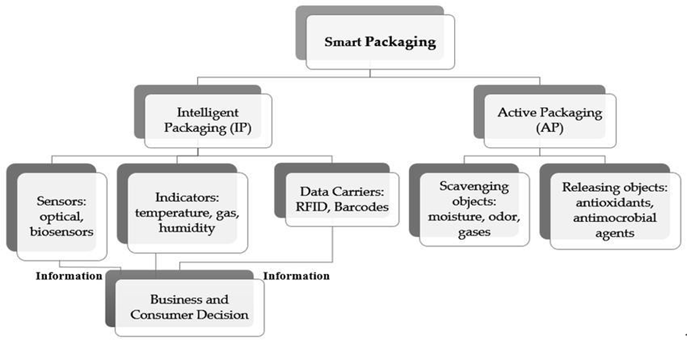
Figure 1: classification of smart packaging

Active Packaging:

Active packaging refers to packaging systems designed with additional functional properties that enhance the safety and quality of pharmaceutical and food products, rather than merely serving as a passive barrier against external environmental factors (5). Its primary objective is to extend product freshness and prolong shelf life (6).

In the food industry, active packaging is generally categorized into five main types:

  1. systems that remove unwanted elements such as oxygen, carbon dioxide, moisture, ethylene, ultraviolet (UV) light, and undesirable odors or flavors;
  2. systems that release beneficial substances including ethanol, antioxidants, preservatives, sulfur dioxide, or flavoring agents;
  3. technologies that eliminate specific food components such as lactose or cholesterol;
  4. temperature-regulating systems that use insulating materials or temperature-responsive packaging; and
  5. antimicrobial and quality-control systems, which may involve ultraviolet treatment to manage microbial growth (7) & (8).
    Various smart packaging materials and their applications in food systems are summarized in Table 1.

1) Oxygen Scavengers:

Oxygen scavenging systems function by creating oxygen-free conditions within packaging to prevent spoilage, oxidation, staleness, and the proliferation of aerobic microorganisms. These systems are widely adopted in the food sector and can extend freshness for up to 14 days or more. Commercial formats include oxygen-absorbing films, sachets, and labels. The incorporation of oxygen-scavenging polymers—either organic or inorganic—offers enhanced performance in preserving packaged food products (9).

2) Carbon Dioxide Scavengers

Carbon dioxide scavenging systems are designed to prevent package swelling caused by the accumulation of CO? after sealing. By regulating carbon dioxide levels, these systems contribute to product preservation and quality maintenance. Elevated CO? concentrations can inhibit microbial growth, thereby extending shelf life. Additionally, carbon dioxide readily dissolves in moist and fatty foods, even at low temperatures, further supporting preservation (10).

3) Moisture Scavengers

Moisture scavenging systems have long been utilized to protect pharmaceuticals, electronic components, dehydrated goods, and moisture-sensitive foods. These systems typically involve placing small sachets containing hygroscopic materials—such as zeolites, silica gel, sodium chloride, or cellulose fibers—inside packaging. These absorbent agents regulate internal humidity by absorbing excess moisture and releasing it when necessary (11).

4) Antimicrobial Packaging

Antimicrobial packaging incorporates agents that inhibit or eliminate microbial growth to enhance food safety. This can be achieved by embedding antimicrobial substances directly into packaging materials, applying antimicrobial coatings, or using polymers with inherent antimicrobial properties. A wide range of agents may be employed, including chemical antimicrobials, antioxidants, biotechnological compounds, natural extracts, and gaseous antimicrobial substances.

Because packaging materials come into direct contact with food surfaces, they can effectively reduce microbial contamination and slow bacterial proliferation. Some systems are even designed with self-sterilizing properties, minimizing the risk of recontamination. This continuous antimicrobial action provides an additional protective barrier during storage and transportation. For example, Moreno et al. (2018) developed starch- and gelatin-based antimicrobial packaging incorporating LAE, which significantly extended the shelf life of chicken breast fillets (12,13,14).

Table 1 : Packaging materials and their application in food

Types of smart packaging

Material used for smart packaging

Applications

Reference

Active packaging – antimicrobial packaging

Pullulan/Ag NPs/EOs

Meat

15

Intelligent packaging – temperature indicators

Soybean oil & tetradecane

Fresh beef

16

Active packaging – Anti-oxidant packaging

Wheat gluten modified with chlorophyll

Sesame oil

17

Active packaging – oxygen scavenger

Pyrogallic acid

Peeled garlic

18

Active packaging – ethylene scavenger

Thermoplastic Cassava starch/ TiO2NP/ poly (butylene adipate co-terephthalate)

Banana

19

Active packaging carbon dioxide and ethylene scavenger

CO2 and C2H4 Absorbent

Pear

20

Active packaging – moisture scavenger

Silica gel

Guava

21

Intelligent packaging – freshness indicator

pH bassed

Kimchi

22

Intelligent packaging - sensors

Calorimetric gas senores

Meat

23

Intelligent packaging – freshness indicator

Sugarcane bagasse nanocellulose hydrogel

Chicken breast

24

Intelligent packaging:

Intelligent packaging combines conventional packaging techniques with advanced smart functionalities. It provides consumers with real-time information by monitoring, sensing, detecting, or recording changes that occur either within the product or in its surrounding environment (25). This packaging approach primarily relies on interactive indicators, often color-based, to assess and communicate the quality status of the product (26). Monitoring food products through such systems contributes to waste reduction, enhances protection against foodborne illnesses, improves operational efficiency in the food sector, and maintains product quality. Additionally, intelligent packaging supports food safety, environmental sustainability, and greater consumer appeal (27).

The three principal components of intelligent packaging are indicators, sensors, and data carriers. Indicators and sensors are mainly responsible for evaluating and conveying information about product quality, whereas data carriers facilitate supply chain tracking and management (8). These systems are specifically designed to monitor both the product and the environmental conditions surrounding it. Consequently, intelligent packaging represents an effective strategy for minimizing food waste and satisfying consumer expectations (28).

1] Sensors: A sensor is an electronic device that plays a key role in the future of smart packaging. These sensors are placed inside food packages to detect and manage changes in the physical and chemical conditions of the food (29). A sensor can regularly check for changes in its surroundings. Most sensors have two parts: a receptor and a transducer. The receptor takes in physical or chemical information and turns it into energy. The transducer then changes that energy into a signal that can be analyzed (30). There are many types of sensors used to check different aspects of food, such as gas sensors, biosensors, resistance sensors, conductance sensors, and chemical sensors. (31)

i) Optical sensors: Optical sensors are important for checking how fresh vegetables are because they can detect changes in chlorophyll levels, which show how fresh the vegetables are. These sensors can also find out if there are harmful germs growing by using fluorescence or hyperspectral imaging, which helps tell when vegetables are going bad. Optical sensors are very accurate and can spot small changes. They are seen as a good option for checking the quality of packaged green leaves like lettuce, spinach, and arugula. Hyperspectral imaging works by looking at how light reflects off the leaves and the different colors of that light. Chlorophyll fluorescence imaging uses light to excite the chlorophyll and then measures how it reflects. However, the cost of these systems is still high, which makes it hard for them to be used widely in business. (30)

Example: raman optical sensor – used to detect fake medicine
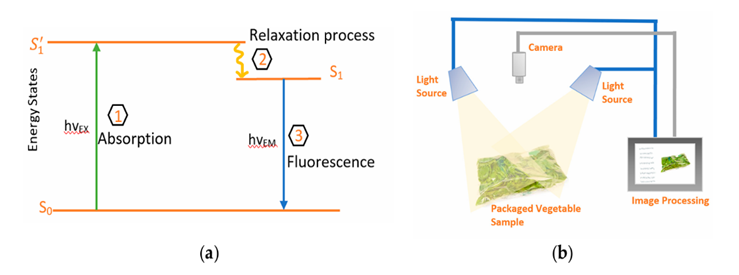
Figure 2. (a) Jablonski diagram illustrating the excitation and emission process. (b) Schematic of a general Chl fluorometer system.

ii) Gas sensors are used to detect gases that appear during the early stages of food spoilage. These sensors include oxygen sensors, carbon dioxide sensors, sulfur dioxide sensors, ethylene sensors, water vapor sensors, and volatile amine sensors (32). 

Example: oxygen sensor – Monitor oxygen levels inside pharmaceutical packaging

iii) Biosensors are a type of sensor that uses biological substances to detect changes and then converts those changes into electrical signals using a transducer. In 2020, Chen et al. developed a biosensor that can check the freshness of seafood. This biosensor was made using the catalytic activity of platinum nanoparticles and could detect hypoxanthine levels in seafood. Another innovation in food packaging is the edible sensor, which can check for food spoilage without harming the food.

Example: glucose biosensor – used in research and development of antidiabetic drugs to monitor blood glucose response.
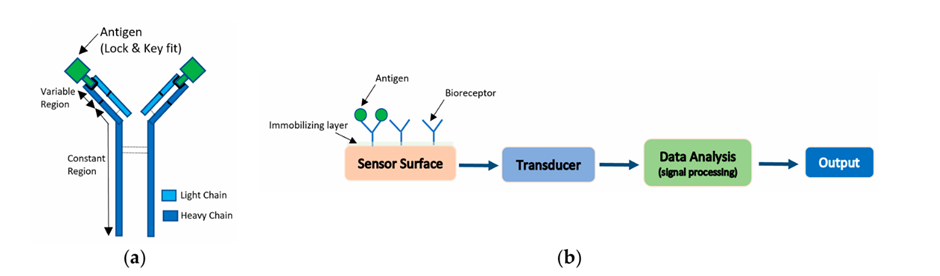
Figure 3. (a) Antigen and antigen-specific antibody “Lock and Key” sensing. (b) Functional block of antibody-based biosensors.

iv) Edible sensors are made using biodegradable films and natural colorants, which are eco-friendly, non-toxic, easy to get, biodegradable, renewable, and simple to make. Natural colorants like anthocyanin, curcumin, betacyanin, carotenoids, carminic acid, and chlorophyll can be found in plants, vegetables, and fruits. These colorants can act as sensors because their color changes under different conditions, like temperature and humidity, which can improve the nutritional value of food products. (33)

Example: edible drug tracking sensor pills – used to monitor patient adherence and ensure medicines are taken on time.

DATA CARRIERS:

Data carriers facilitate the movement of information through the supply chain regarding the packages. They do not evaluate the quality of the packaged vegetables, but they are integrated with sensors and indicators in the form of tags or labels that assess the freshness of the product. These data carriers will communicate the gathered data through readers. The most common data carriers used in food packaging are Radio Frequency Identification tags (RFID) and barcodes.

i) RFID:

RFID tags are devices that use an electromagnetic field to monitor various measurements and have the ability to communicate the readings through a reader that emits radio frequency waves to capture. The data is stored on the chip with the use of antenna in the RFID. Figure 16 shows a schematic diagram of components in an RFID system. Since the RFID tags have only antennas, other sensors and indicators are usually added to be used for freshness monitoring. To utilize the functionality of this technology, many sensors and indicators are added to these tags. RFID tags can be classified into three main types [34]:

1) Passive tags do not have batteries on the chip and are powered through electromagnetic induction when placed near a reader. This type has a long shelf life, but a shorter reading distance, which can cause confusion and frustration.

2) Semi-passive tags have a battery to power the chip, but a reader is necessary for signal broadcasting.

This type is most active and also has a long shelf life.

3) Active tags have their own battery to power.

Example: Pfizer’s Viagra supply chain with RFID tags - Pfizer implemented RFID tags on packaging to track and verify genuine products
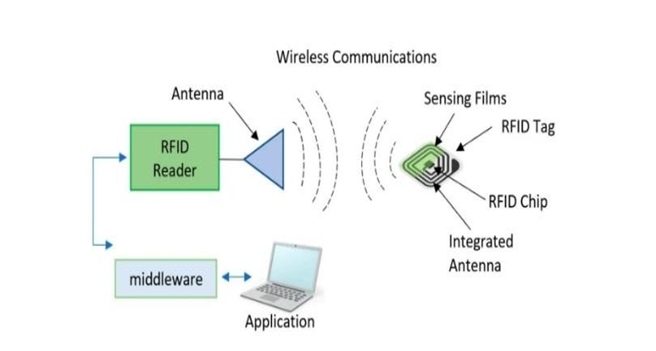
Figure 4. Radio frequency identification (RFID) technology.

ii) Barcodes:

Barcodes are widely used because they are simple, cost-effective, and easy to implement. They represent product information through a sequence of parallel lines with varying widths separated by spaces, usually accompanied by numerical digits printed underneath. The most commonly used format is the Universal Product Code (UPC). Each product is assigned a unique UPC, allowing efficient tracking of packages throughout the supply chain. In addition, barcodes can be integrated with sensors and indicators to assess the freshness of packaged vegetables, for example, by becoming unreadable when the product quality declines.

Several advanced applications involve antibody-labeled barcodes functioning as biosensors. One example is the “Food Sentinel System,” illustrated in Figure 17a, which is designed to detect harmful pathogens and indicate product contamination. This system incorporates two barcodes: one contains standard product information that can be scanned under normal conditions, while the other encodes a contamination signal that remains unreadable when the food is safe. Antibodies are immobilized on a membrane integrated into part of the barcode. When contamination occurs, antigen–antibody interactions cause changes in the barcode pattern—either generating or eliminating specific lines—rendering one barcode unreadable while the other stays legible. These alterations are particularly associated with the presence of bacterial metabolites [35, 36, 37, 38]. The mechanism relies on antibodies fixed to the barcode membrane to selectively bind target antigens.

A related approach involves a membrane containing antibodies that turns red upon pathogen attachment, preventing the barcode from being scanned. An example of this type of indicator is presented in Figure 17b [38,39].

Example: GS1 DataMatrix barcodes – a two-dimensional DataMatrix code capable of storing detailed information such as product name, batch number, and expiration date.
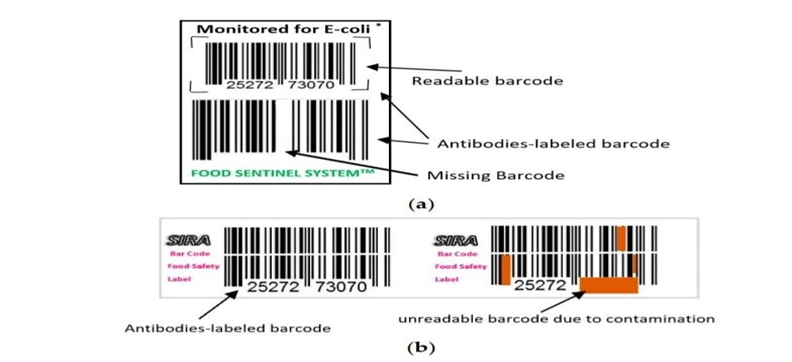
Figure 5. (a) Form of food sentinel system. (b) Another form of a food sentinel system

INNOVATIONS IN PACKAGING:

1) Edible packaging: Edible packaging is not a new idea—it actually dates back to around 3000 BC, when the Sumerians in Mesopotamia used animal intestines to make sausages, helping preserve the meat. Over time, packaging has evolved, and today, plastics are everywhere in our daily lives. In the food industry, plastic packaging is especially common because it helps keep food fresh for longer and makes storage easier.

However, this heavy use of plastic has created environmental problems. According to Groh et al. (2019), about 40% of all petrochemical plastics are used for packaging, and around 60% of that is for food and drinks. To make packaging more sustainable, researchers are focusing on edible and biodegradable materials made from natural sources such as plants, animals, seafood, and agricultural waste. These materials can break down easily into natural substances like carbon dioxide, methane, water, and minerals, returning safely to the environment.

Developing edible films and coatings has now become a major area of research in biochemistry, biotechnology, and materials science. These bio-based polymers not only help reduce plastic waste but can also be tailored for different food needs. The rate at which these materials decompose depends on their chemical structure and environmental conditions.[40]

Example: Edible cup of a cupcake the in food industry

2) 3D printing packaging: Three-dimensional printing is a special method that builds objects layer by layer using a computer and programming. It places materials on a base to make three-dimensional items. With this technology, all steps of making medicines, from research to testing and giving medicine to patients, can now be done. Using 3D printing, different ways to give in medicine have been made, like pills that release medicine slowly, tiny pills, small chips, medicine that goes into the body, fast-dissolving tablets, and medicines that release in stages. The main parts of the medicine are put down one layer at a time using designs made on a computer. This technology allows for making medicine that is tailored to each person, special kinds of medicine prescriptions, and exact amounts of medicine. Before, the way medicines were made used large-scale production, which limited the types of medicine available and made it hard to get medicines quickly. But now, a new invention called 3D printing has come along that can solve these problems. It also makes it easier to create complex medicine formulas that were hard to make before. [41]

Example: used for making containers in the pharma and cosmetic industry

3) Biodegradable packaging: The case for rethinking plastics, starting with packaging

Plastics have become a widely utilized and indispensable material in the modern economy. In the packaging sector, they are valued for their moldability, durability, and versatility across numerous applications. Plastic containers offer high mechanical strength and resistance to breakage, thereby protecting products and minimizing damage during storage, transportation, and handling. These containers are typically composed of one or more polymers and may contain additional additives. In pharmaceutical applications, packaging materials must not release substances into the drug product at levels that could compromise safety, efficacy, or structural integrity.

Within the pharmaceutical industry, the primary purpose of plastic packaging is to maintain the stability and safety of medicinal products. This involves shielding them from environmental factors such as light, moisture, oxygen, microorganisms, and other reactive substances when necessary. Furthermore, plastic packaging provides mechanical protection against physical stress encountered during distribution, storage, and routine handling. Its function is to preserve product quality until administration or until the stated expiration date. Currently, a wide range of plastic materials is available for pharmaceutical packaging applications [42,43,44].

Example: Polylactic acid (PLA) packaging derived from sugarcane, commonly used for solid dosage forms such as tablets and capsules.

4) Automation packaging: Automation uses machines to do most of the repeatable and important tasks in the pharmaceutical industry. The industry is growing quickly, and this is true for pharmaceutical companies, too. The rules and standards that these companies must follow are getting stricter all the time. Automated systems can help managers keep up with these changing rules. For a long time, many industries worldwide have used new technologies to take over jobs that people used to do. Work groups and communities have often disagreed with this, saying that new tech can affect jobs in big ways. Automation helps make things more efficient and ensures that products are of good quality. This can be done at different stages of making medicines, like handling raw materials, partially made products, or finished goods, as well as checking quality. Big improvements have come from better computer hardware and software. This technology makes things more flexible and reliable while also being cheaper. It helps increase the amount of production without lowering the quality of the products. These systems are now being built as a key part of pharmaceutical plants to check quality in real time. [45,46,47,48]

5) Sustainable packaging: Pharmaceutical packaging is important for making medicines easier for patients to use [49], but there is a difference between what society expects and what is actually provided [50]. Packaging often does not solve problems that patients face, like having trouble reading labels, not knowing when a medicine expires, or not having instructions on how to properly dispose of it [51,52]. In the past, packaging design has mainly focused on keeping medicines safe, like protecting them physically and providing clear information, with not much attention given to social needs or how easy it is for users to interact with the packaging [53,54].

Pharmaceutical contamination is becoming a bigger problem for the environment and public health. The industry creates more than 300 million tons of plastic waste each year, and about half of that is used only once [55]. Materials like PVC, HDPE, and polypropylene are widely used, and even cardboard can be hard to recycle because of coatings and glue [56,57,58]. Pollution also comes from the healthcare supply chain indirectly [59]. While making packaging more sustainable can support development [60], most research doesn’t consider the patient’s point of view and instead focuses on solving problems within the healthcare system [61]. Patients are now more important in healthcare, and they face difficulties with self-care because of how information is presented [62,63]. Adding self-care features to packaging, like medication calendars, might help [64], but there are not many solutions that take into account both the patient’s experience and sustainability. This essay suggests better packaging solutions that are sustainable by looking at current and future value, what drives innovation, and what different groups need, using an approach that brings together several fields of study.

Example: GlaxoSmithKline (GSK) and Pfizer - Replacing traditional plastic blister packs and cartons with recyclable paperboard materials.

Applications of Smart Packaging in Different Industries:

Pharmaceuticals and Healthcare Industry: In the pharmaceutical sector, smart packaging integrates advanced technologies to enhance medication safety, maintain quality, and ensure traceability across the entire supply chain—from manufacturing to patient delivery. It incorporates tools such as temperature and humidity sensors, RFID tags, and time indicators to monitor storage and transportation conditions [65,66]. These systems help preserve drug stability and effectiveness while supporting regulatory compliance and transparency requirements. As consumers increasingly demand reliable information about the medicines they use, smart packaging has become a strategic asset for pharmaceutical companies aiming to remain competitive. The adoption of these technologies is essential for meeting international quality and safety standards [67].

Cosmetics and Personal Care: The cosmetics and personal care sector is transforming product presentation and user interaction through smart packaging solutions. A widely used approach involves embedding NFC tags or QR codes into product packaging. By scanning these codes with smartphones, consumers can access comprehensive product details, including ingredients, usage instructions, manufacturing origin, and tutorial videos. This interactive experience strengthens customer engagement and fosters stronger brand loyalty [68].

Food and Beverages: Within the food and beverage industry, active packaging technologies are applied to improve food preservation and safety. These systems incorporate functional components that help maintain freshness, prevent contamination, and extend shelf life. They also monitor product quality and provide alerts if deterioration occurs. Smart packaging can detect and communicate changes related to storage duration, temperature fluctuations, freshness levels, and the presence of harmful substances. Intelligent packaging additionally contributes to energy-efficient transportation, reduces reliance on chemical preservatives, and minimizes food waste (69,70).

Vegetables and Fruits: India is a major exporter of fresh produce, with fruit exports valued at approximately 750 million and vegetable exports at around 767 million. Due to their highly perishable nature, fruits and vegetables require controlled storage conditions, including regulated temperature, gas composition, and humidity levels [71]. Common pathogenic microorganisms affecting fresh produce include E. coli, Listeria, Salmonella, Shigella, Bacillus cereus, and Vibrio cholerae, often introduced through improper handling during transportation [72]. Maintaining quality requires careful post-harvest management, including control of respiration, ripening, and senescence processes. Appropriate packaging systems play a crucial role in preserving safety and freshness.

Milk and Dairy Products: Dairy products are highly nutritious but particularly susceptible to spoilage because of their high moisture content and nutrient-rich composition, which encourage microbial growth. Spoilage is mainly associated with lactic acid bacteria and pathogenic microorganisms [73]. Effective dairy packaging must restrict oxygen exposure, as oxygen accelerates deterioration and negatively impacts flavor and nutritional value [74]. Functional packaging components such as pectin and essential oils can extend shelf life and serve as spoilage indicators. For example, a color shift from orange to light yellow signals a reduction in beta-carotene levels [75]. While carbon dioxide can enhance milk preservation, its application must be carefully controlled to avoid promoting harmful bacterial growth [76].

CHALLENGES AND LIMITATIONS:

Smart packaging faces several obstacles that restrict its large-scale adoption. A major concern is the integration of electronic components into packaging materials, which contributes to electronic waste and the accumulation of non-biodegradable substances in the environment. This represents a significant ecological issue. Researchers are exploring environmentally friendly electronics and biosensors as potential solutions; however, these alternatives present challenges such as limited durability, complex manufacturing processes, and the need for controlled environmental conditions—such as specific temperature and pH levels—to function effectively [77].

Plastics remain widely used in food packaging due to their flexibility and ease of processing, yet they are non-biodegradable and environmentally damaging. Despite growing public awareness about plastic pollution, the consumption of single-use plastics in food packaging continues to rise [78]. Additional technical limitations include the relatively short lifespan of smart packaging systems and their sensitivity to environmental factors like temperature and humidity.

Ongoing research is investigating sustainable packaging derived from agricultural by-products. Crop residues can be converted into value-added materials such as biopolymers and biocomposites for eco-friendly food packaging applications [79]. Nevertheless, processing agricultural waste into functional materials can be costly, potentially reducing economic feasibility. Many residues—such as rice straw, corn straw, and sawdust—contain high moisture levels along with sugars and proteins, making them susceptible to rapid spoilage and microbial contamination, which limits their long-term usability. Developing effective sustainable packaging therefore requires continued research and development to optimize production techniques, reduce manufacturing costs, and secure financial support for bio-based packaging initiatives [80].

Consumer perception also plays a role. A study conducted in China reported that most participants were neutral toward conventional packaging, while only a small proportion preferred it. Interestingly, a larger number of respondents expressed interest in smart packaging compared to active packaging [81]. Although sensors in smart packaging are typically positioned externally and do not directly contact food products, there remains a potential risk of chemical migration over time. Moreover, regulatory standards for food packaging vary across countries, requiring smart packaging technologies to comply with diverse safety regulations. The reliance on batteries for certain smart functionalities further limits performance due to their finite operational lifespan. Addressing these challenges will require sustained innovation, interdisciplinary research, and collaborative industry efforts [82].

FUTURE TRENDS AND PERSPECTIVES:

The development of smart packaging is increasingly shifting toward “green electronics,” which emphasize environmentally sustainable technologies. These systems are designed using non-toxic, biodegradable materials and incorporate low-energy sensors to reduce environmental impact. Nevertheless, some users may find it difficult to interpret color-based indicators. To improve clarity and accessibility, digital displays could be integrated to present accurate, real-time information. Additionally, incorporating audio-enabled features would support visually impaired individuals by delivering spoken information in multiple languages and providing hands-free notifications.

The integration of Internet of Things (IoT) technologies and Artificial Intelligence (AI) is also anticipated to expand, facilitating real-time monitoring and greater supply chain transparency.

Overall, future smart packaging solutions are expected to prioritize sustainability, user accessibility, and enhanced customer experience while contributing to environmental protection.

REFERENCES

  1. J.Han, L.Ruiz-Garcia, J.Qian and X.Yang (2018) ‘Food packaging: A comprehensive review and future trends’, Comprehensive Reviews in Food Science and Food Safety, 17(4), pp. 860–877. https://doi.org/10.1111/1541-4337.12343.
  2. Love Food Hate Waste Canada (2020) Food waste in Canada. Available at: https://lovefoodhatewaste.ca/about/foodwaste/ (Accessed: 21 March 2020)
  3. Food and Agriculture Organization of the United Nations (FAO) (2019) The state of food and agriculture. Available at: http://www.fao.org/3/ca6030en/ca6030en.pdf (Accessed: 21 March 2020).
  4. C.B.Behravesh, T.F.Jones, D.J.Vugia, C.Long, R.Marcus, K.Smith, S.Thomas, S.Zansky, K.E.Fullerton and O.L.Henao, et al. (2011) ‘Deaths associated with bacterial pathogens transmitted commonly through food: Foodborne Diseases Active Surveillance Network (FoodNet), 1996–2005’, Journal of Infectious Diseases, 204(2), pp. 263–267. https://doi.org/10.1093/infdis/jir263.
  5. B.Kuswandi, N.P.N.Asih, D.K.Pratoko, N.Kristiningrum, and M.Moradi, (2020) ‘Edible pH sensor based on immobilized red cabbage anthocyanins into bacterial cellulose membrane for intelligent food packaging’, Packaging Technology and Science, 33(8), pp. 321–332. https://doi.org/10.1002/pts.2495.
  6. J.Brockgreitens and A.Abbas (2016) ‘Responsive food packaging: Recent progress and technological prospects’, Comprehensive Reviews in Food Science and Food Safety, 15(1), pp. 3–15. https://doi.org/10.1111/1541-4337.12174.
  7. J.H.Lee, D.Jeong, P.Kanmani, (2019) ‘Study on physical and mechanical properties of the biopolymer/silver-based active nanocomposite films with antimicrobial activity’, Carbohydrate Polymers, 224, p. 115159. https://doi.org/10.1016/j.carbpol.2019.115159.
  8. C.Vilela, M.Kurek, Z.Hayouka, B.Röcker, S.Yildirim and M.D.C.Antunes, et al. (2018) ‘A concise guide to active agents for active food packaging’, Trends in Food Science & Technology, 80, pp. 212–222. https://doi.org/10.1016/j.tifs.2018.08.006.
  9. K.K.Gaikwad, S.Singh, and Y.S.Lee, (2018) ‘Oxygen scavenging films in food packaging’, Environmental Chemistry Letters, 16(2), pp. 523–538. https://doi.org/10.1007/s10311-018-0715-z.
  10. D.S.Lee, (2016) ‘Carbon dioxide absorbers for food packaging applications’, Trends in Food Science & Technology, 57, pp. 146–155. https://doi.org/10.1016/j.tifs.2016.09.004.
  11. J.Wyrwa and A.Barska (2017) ‘Innovations in the food packaging market: Active packaging’, European Food Research and Technology, 243(10), pp. 1681–1692. https://doi.org/10.1007/s00217-017-2878-2.
  12. R.Irkin and O.K.Esmer (2015) ‘Novel food packaging systems with natural antimicrobial agents’, Journal of Food Science and Technology, 52(10), pp. 6095–6111. https://doi.org/10.1007/s13197-014-1603-5.
  13. S.A.Sofi, J.Singh, S.Rafiq, U.Ashraf, B.N.Dar, and G.A.Nayik, (2018) ‘A comprehensive review on antimicrobial packaging and its use in food packaging’, Current Nutrition & Food Science, 14(4), pp. 305–312.
  14. V.A.Jideani, and K.Vogt (2016) ‘Antimicrobial packaging for extending the shelf life of bread – a review’, Critical Reviews in Food Science and Nutrition, 56(8), pp. 1313–1324.
  15. M.J.Khan, S.Kumari, J.Selamat, K.Shameli, and A.Q.Sazili, (2020) ‘Reducing meat perishability through pullulan active packaging’, Journal of Food Quality, 2020, Article ID 8891370.
  16. S.Singh, K.K.Gaikwad, M.Lee, and Y.S.Lee, (2018) ‘Temperature-sensitive smart packaging for monitoring the shelf life of fresh beef’, Journal of Food Engineering, 234, pp. 41–49.
  17. S.Chavoshizadeh, S.Pirsa, and F.Mohtarami (2020) ‘Sesame oil oxidation control by active and smart packaging system using wheat gluten/chlorophyll film to increase shelf life and detect expiration date’, European Journal of Lipid Science and Technology, 122(3), pp. 1–39.
  18. S.Singh, K.K.Gaikwad  and Y.S.Lee (2019) ‘Development and application of a pyrogallol acid-based oxygen scavenging packaging system for shelf-life extension of peeled garlic’, Scientia Horticulturae, 256, Article 108548.
  19. D.Phothisarattana, P.Wongphan, K.Promhuad, J.Promsorn, and N.Harnkarnsujarit (2021) ‘Biodegradable poly (butylene adipate-co-terephthalate) and thermoplastic starch-blended TiO? nanocomposite blown films as functional active packaging of fresh fruit’, Polymers, 13(23), Article 4082.
  20. B.Nugraha, N.Bintoro and H.Murayama, (2015) ‘Influence of CO? and C?H? adsorbents on the symptoms of internal browning on packaged “Silver Bell” pear (Pyrus communis L.)’, Agriculture and Agricultural Science Procedia, 3, pp. 127–131.
  21. S.B.Murmu, and H.N.Mishra (2018) ‘Selection of the best active modified atmosphere packaging with ethylene and moisture scavengers to maintain quality of guava during low-temperature storage’, Food Chemistry, 253, pp. 55–62.
  22. S.Baek, M.Maruthupandy, K.Lee, D.Kim and J.Seo (2020) ‘Freshness indicator for monitoring changes in quality of packaged kimchi during storage’, Food Packaging and Shelf Life, 25, Article 100528.
  23. L.H.Nguyen, S.Naficy, R.McConchie, F.Dehghani and R.Chandrawati, (2019) ‘Polydiacetylene-based sensors to detect food spoilage at low temperatures’, Journal of Materials Chemistry C, 7(7), pp. 1919–1926.
  24. P.Lu, Y.Yang, R.Liu, X.Liu, J.Ma, and M.Wu et al. (2020) ‘Preparation of sugarcane bagasse nanocellulose hydrogel as a colourimetric freshness indicator for intelligent food packaging’, Carbohydrate Polymers, 247, Article 116831.
  25. S.Kalpana, S.R.Priyadarshini, M.Maria Leena, J.A.Moses, and C.Anandharamakrishnan, (2019) ‘Intelligent packaging: Trends and applications in food systems’, Trends in Food Science & Technology, 93, pp. 145–157.
  26. A.Barska and J.Wyrwa (2017) ‘Innovations in the food packaging market – intelligent packaging: A review’, Czech Journal of Food Sciences, 35(1), pp. 1–6.
  27. P.Müller and M.Schmid, (2019) ‘Intelligent packaging in the food sector: A brief overview’, Foods, 8(1), Article 16.
  28. C.E.Realini and B.Marcos (2014) ‘Active and intelligent packaging systems for a modern society’, Meat Science, 98(3), pp. 404–419.
  29. M.Sohail, D.W.Sun, and Z.Zhu (2018) ‘Recent developments in intelligent packaging for enhancing food quality and safety’, Critical Reviews in Food Science and Nutrition, 58(15), pp. 2650–2662.
  30. M.Sohail and R.Naz (2020) ‘Modified heat and mass transmission models in the magnetohydrodynamic flow of Sutterby nanofluid in a stretching cylinder’, Physica A: Statistical Mechanics and its Applications, 549, Article 124088.
  31. K.B.Biji, C.N.Ravishankar,C.O. Mohan and T.K.Srinivasa Gopal  (2015) ‘Smart packaging systems for food applications: A review’, Journal of Food Science and Technology, 52(10), pp. 6125–6135.
  32. D.Wu, M.Zhang, H.Chen and B.Bhandari (2021) ‘Freshness monitoring technology of fish products in intelligent packaging’, Critical Reviews in Food Science and Nutrition, 61(8), pp. 1279–1292.
  33. E.Mohammadian, M.Alizadeh-Sani, and S.M.Jafari (2020) ‘Smart monitoring of gas/temperature changes within food packaging based on natural colorants’, Comprehensive Reviews in Food Science and Food Safety, 19(6), pp. 2885–2931.
  34. H.W.Bai, G.H.Zhou, Y.N.Hu, A.D.Sun, X.L.Xu, X.J.Liu and C.H.Lu (2017) ‘Traceability technologies for farm animals and their products in China’, Food Control, 79, pp. 35–43.
  35. N.Falagan and L.A.Terry (2018) ‘Recent advances in controlled and modified atmospheres of fresh produce’, Johns Hopkins APL Technical Digest, 62, pp. 107–117.
  36. S.J.Lee and A.T.M.M.Rahman (2014) ‘Intelligent packaging for food products’, in Han, J.H. (ed.) Innovation in food packaging. 2nd edn. London: Academic Press, pp. 171–203.
  37. J.G.Woodman (2001) Detection of contaminants in food. U.S. Patent 6,270,724, 7 August.
  38. SIRA Technologies (2002) SIRA technologies report. Available at: http://www.ncf-net.org/patents/pdf/SIRA-2002.pdf (Accessed: 21 March 2020).
  39. E.Poyatos-Racionero, J.V.Ros-Lis, J.Vivancos and R.Martínez-Máñez (2018) ‘Recent advances on intelligent packaging as tools to reduce food waste’, Journal of Cleaner Production, 172, pp. 3398–3409. https://doi.org/10.1016/j.jclepro.2017.11.075.
  40. K.J.Groh, T.Backhaus, B.Carney-Almroth, B.Geueke, P.A.Inostroza and A.Lenquist et al. (2019) ‘Overview of known plastic packaging-associated chemicals and their hazards’, Science of the Total Environment, 651, pp. 3253–3268. https://doi.org/10.1016/j.scitotenv.2018.10.015.
  41. A.Sah, S.K.Sanu and S.T.M.Wazir (n.d.) Review on 3D printing in pharmaceutical technologies, p. 1673.
  42. World Economic Forum (2017) The new plastics economy: Catalysing action. In collaboration with the Ellen MacArthur Foundation. Available at: http://www3.weforum.org/docs/WEF_NEWPLASTICSECONOMY_2017.pdf (Accessed: 21 March 2020).
  43. V.Pareek (2014) ‘Pharmaceutical packaging: Current trends and future’, International Journal of Pharmacy and Pharmaceutical Sciences, 6(6), pp. 480–485.
  44. M.A.Z.Sadek, (2017) ‘Demand dynamics of Bangladeshi plastic products: A case on pharmaceutical primary packaging materials’, Arabian Journal of Business and Management Review, 7(3), pp. 1–6.
  45. International Journal of Science and Research (IJSR) (2016) ‘Optimization of inspection process for quality assurance’, International Journal of Science and Research, 5(4), pp. 577–579.
  46. S.Gunasekaran (2019) Computer vision technology for food quality assurance. Boca Raton: CRC Press.
  47. A.Shanley (2019) ‘Pharmaceutical process control: Is the great divide growing?’, Pharma Manufacturing. Available at: https://www.pharmamanufacturing.com (Accessed: 21 March 2020).
  48. R.M.Haleem, M.Y.Salem, F.A.Fatahallah and L.E.Abdelfattah (2015) ‘Quality in the pharmaceutical industry – a literature review’, Saudi Pharmaceutical Journal, 23(5), pp. 463–469.
  49. G.C.Lorenzini, R.Mostaghel and D.Hellström (2018) ‘Drivers of pharmaceutical packaging innovation: A customer–supplier relationship case study’, Journal of Business Research, 88, pp. 363–370. https://doi.org/10.1016/j.jbusres.2017.11.030
  50. G.C.Lorenzini and A.Olsson (2019) ‘Towards patient-centered packaging design: An industry perspective on processes, functions, and constraints’, Packaging Technology and Science, 32(2), pp. 59–73. https://doi.org/10.1002/pts.2419.
  51. G.C.Lorenzini and D.Hellström (2017) ‘Medication packaging and older patients: A systematic review’, Packaging Technology and Science, 30(8), pp. 525–558. https://doi.org/10.1002/pts.2241.
  52. J.Lee et al. (2021) ‘Paramedic interactions with the packaging of medications and medical supplies: Poor package design has the potential to impact patient outcomes’, PLOS ONE, 16(8), e0255099. https://doi.org/10.1371/journal.pone.0255099
  53. G.Katyal et al. (2023) ‘Ecofriendly pharmaceutical packaging material: A review’, Materials Today: Proceedings, [preprint]. https://doi.org/10.1016/j.matpr.2023.09.076.
  54. G.C.Lorenzini and A.Olsson (2022) ‘Exploring how and why to develop patient-centered packaging: A multiple-case study with pharmaceutical companies’, Therapeutic Innovation & Regulatory Science, 56(1), pp. 117–129. https://doi.org/10.1007/s43441-021-00338-0.
  55. B.I.Ashiwaju et al. (2023) ‘A step toward sustainability: A review of biodegradable packaging in the pharmaceutical industry’, Matrix Science Pharma, 7(3), pp. 73–84. https://doi.org/10.4103/mtsp.mtsp_22_23.
  56. H.Salmenperä et al. (2022) ‘Increasing the circularity of packaging along the pharmaceutical value chain’, Sustainability, 14(8), 4715. https://doi.org/10.3390/su14084715.
  57. F.Bassani et al. (2022) ‘Life cycle assessment of pharmaceutical packaging’, The International Journal of Life Cycle Assessment, 27(7), pp. 978–992. https://doi.org/10.1007/s11367-022-02062-9.
  58. M.Klemen?i?, I.Bolan?a Mirkovi? and N.Bolf (2023) ‘The influence of the production stages of cardboard pharmaceutical packaging on the circular economy’, Sustainability, 15(24), 16882. https://doi.org/10.3390/su152416882.
  59. D.Ciotea and M.E.Popa (2019) ‘Trends on pharmaceutical packaging materials’, Scientific Bulletin Series F: Biotechnologies, 23, pp. 161–166.
  60. F.Wu, M.Misra and A.K.Mohanty (2021) ‘Challenges and new opportunities on barrier performance of biodegradable polymers for sustainable packaging’, Progress in Polymer Science, 117, 101395. https://doi.org/10.1016/j.progpolymsci.2021.101395.
  61. V.L.C.Sánchez et al. (2023) ‘Green hospital pharmacy: A sustainable approach to the medication-use process in a tertiary hospital’, Farmacia Hospitalaria, 47(5), pp. 196–200. https://doi.org/10.1016/j.farma.2023.05.008.
  62. N.Martínez et al. (2021) ‘Self-care: A concept analysis’, International Journal of Nursing Sciences, 8(4), pp. 418–425. https://doi.org/10.1016/j.ijnss.2021.08.007.
  63. O.K.Nordfonn et al. (2019) ‘Patients’ experience with heart failure treatment and self-care: A qualitative study exploring the burden of treatment’, Journal of Clinical Nursing, 28(9–10), pp. 1782–1793. https://doi.org/10.1111/jocn.14799.
  64. Y.Mu, L.Zhao and L.Shen (2023) ‘Medication adherence and pharmaceutical design strategies for pediatric patients: An overview’, Drug Discovery Today, 28(11), 103766. https://doi.org/10.1016/j.drudis.2023.103766.
  65. W.Fang et al. (2023) ‘The joint and interaction effect of high temperature and humidity on mortality in China’, Environment International, 171, 107669. https://doi.org/10.1016/j.envint.2022.107669.
  66. G.Liu et al. (2023) ‘Review of wireless RFID strain sensing technology in structural health monitoring’, Sensors, 23, 6925.
  67. S.Osadchy (n.d.) Smart packaging of pharmaceutical products. Systems of control, navigation and communication. [In Ukrainian/Russian].
  68. A.Omira, S.Grira, Mourad, A.-H.I. and M.Alkhedher (2025) ‘The new generation of cosmetics packaging: A paradigm shift’, Global Transitions, 7, pp. 223–246. https://doi.org/10.1016/j.glt.2025.04.004.
  69. B.Kuswandi and E.A.Murdyaningsih (2017) ‘Simple on-package indicator label for monitoring of grape ripening process using colorimetric pH sensor’, Journal of Food Measurement and Characterization, 11, pp. 2180–2194. https://doi.org/10.1007/s11694-017-9603-5.
  70. B.Holman, J.Kerry and D.Hopkins (2018) ‘A review of patents for the smart packaging of meat and muscle-based food products’, Recent Patents on Food, Nutrition & Agriculture, 9, pp. 3–13. https://doi.org/10.2174/2212798409666171031.
  71. S.Y.Lee, S.J.Lee, D.S.Choi and S.J.Hur, (2015) ‘Current topics in active and intelligent food packaging for preservation of fresh foods’, Journal of the Science of Food and Agriculture, 95, pp. 2799–2810. https://doi.org/10.1002/jsfa.7218.
  72. G.I.Balali, D.D.Yar, V.G.Afua Dela and P.Adjei-Kusi (2020) ‘Microbial contamination: An increasing threat to the consumption of fresh fruits and vegetables in today’s world’, International Journal of Microbiology, 2020, 3029295. https://doi.org/10.1155/2020/3029295.
  73. D.Karaman, B.Ozer, M.Pascall, and V.Alvarez (2015) ‘Recent advances in dairy packaging’, Food Reviews International, 31, 150213125504001. https://doi.org/10.1080/87559129.2015.1015138.
  74. N.Soares, C.Silva, P.Santiago-Silva, P.Espitia, M.Gonçalves, M.Galotto, J.Miltz, A.Cerqueira, A.Vicente, J.Teixeira, W.da Silva and D.Botrel (2009) ‘Active and intelligent packaging for milk and milk products’, in Active and Intelligent Packaging for Food Applications. Boca Raton: CRC Press, pp. 175–199.
  75. A.Asdagh and S.Pirsa (2020) ‘Bacterial and oxidative control of local butter with smart/active film based on pectin/nanoclay/Carum copticum essential oils/β-carotene’, International Journal of Biological Macromolecules, 165, pp. 156–168. https://doi.org/10.1016/j.ijbiomac.2020.09.192.
  76. A.M.Alizadeh, M.Mohammad, S.Mahsa, Z.K.Maryam and M.Farhoodi (2021) ‘Trends and applications of intelligent packaging in dairy products: A review’, Critical Reviews in Food Science and Nutrition, 62, pp. 383–397. https://doi.org/10.1080/10408398.2020.1817847.
  77. M.Reis Carneiro, A.Almeida, M.Tavakoli, and C.Majidi (2025) ‘Recyclable thin-film soft electronics for smart packaging and e-skins’, [Journal details not specified].
  78. S.Abang, F.Wong, R.Sarbatly, J.Sariau, R.Baini and N.A.Besar (2023) ‘Bioplastic classifications and innovations in antibacterial, antifungal, and antioxidant applications’, Journal of Bioresources and Bioproducts, 8, pp. 361–387. https://doi.org/10.1016/j.jobab.2023.06.005.
  79. H.T.Duguma, P.Khule, A.McArdle, K.Fennell and E.Almenar, (2023) ‘Turning agricultural waste into packages for food: A literature review from origin to end-of-life’, Food Packaging and Shelf Life, 40, 101166. https://doi.org/10.1016/j.fpsl.2023.101166.
  80. L.D.S.C.Carnaval, A.K.Jaiswal and S.Jaiswal (2024) ‘Agro-food waste valorization for sustainable bio-based packaging’, Journal of Composites Science, 8, 41.
  81. V.Kadirvel, Y.Palanisamy and N.Ganesan (2024) ‘Active packaging system—An overview of recent advances for enhanced food quality and safety’, Packaging Technology and Science, 38. https://doi.org/10.1002/pts.2863.
  82. M.Vasuki Thirupathi,  V.Kadirvel and G.Pejavara Narayana (2023) ‘Smart packaging—An overview of concepts and applications in various food industries’, Food Bioengineering, 2, pp. 25–41. https://doi.org/10.1002/fbe2.12038.

Reference

  1. J.Han, L.Ruiz-Garcia, J.Qian and X.Yang (2018) ‘Food packaging: A comprehensive review and future trends’, Comprehensive Reviews in Food Science and Food Safety, 17(4), pp. 860–877. https://doi.org/10.1111/1541-4337.12343.
  2. Love Food Hate Waste Canada (2020) Food waste in Canada. Available at: https://lovefoodhatewaste.ca/about/foodwaste/ (Accessed: 21 March 2020)
  3. Food and Agriculture Organization of the United Nations (FAO) (2019) The state of food and agriculture. Available at: http://www.fao.org/3/ca6030en/ca6030en.pdf (Accessed: 21 March 2020).
  4. C.B.Behravesh, T.F.Jones, D.J.Vugia, C.Long, R.Marcus, K.Smith, S.Thomas, S.Zansky, K.E.Fullerton and O.L.Henao, et al. (2011) ‘Deaths associated with bacterial pathogens transmitted commonly through food: Foodborne Diseases Active Surveillance Network (FoodNet), 1996–2005’, Journal of Infectious Diseases, 204(2), pp. 263–267. https://doi.org/10.1093/infdis/jir263.
  5. B.Kuswandi, N.P.N.Asih, D.K.Pratoko, N.Kristiningrum, and M.Moradi, (2020) ‘Edible pH sensor based on immobilized red cabbage anthocyanins into bacterial cellulose membrane for intelligent food packaging’, Packaging Technology and Science, 33(8), pp. 321–332. https://doi.org/10.1002/pts.2495.
  6. J.Brockgreitens and A.Abbas (2016) ‘Responsive food packaging: Recent progress and technological prospects’, Comprehensive Reviews in Food Science and Food Safety, 15(1), pp. 3–15. https://doi.org/10.1111/1541-4337.12174.
  7. J.H.Lee, D.Jeong, P.Kanmani, (2019) ‘Study on physical and mechanical properties of the biopolymer/silver-based active nanocomposite films with antimicrobial activity’, Carbohydrate Polymers, 224, p. 115159. https://doi.org/10.1016/j.carbpol.2019.115159.
  8. C.Vilela, M.Kurek, Z.Hayouka, B.Röcker, S.Yildirim and M.D.C.Antunes, et al. (2018) ‘A concise guide to active agents for active food packaging’, Trends in Food Science & Technology, 80, pp. 212–222. https://doi.org/10.1016/j.tifs.2018.08.006.
  9. K.K.Gaikwad, S.Singh, and Y.S.Lee, (2018) ‘Oxygen scavenging films in food packaging’, Environmental Chemistry Letters, 16(2), pp. 523–538. https://doi.org/10.1007/s10311-018-0715-z.
  10. D.S.Lee, (2016) ‘Carbon dioxide absorbers for food packaging applications’, Trends in Food Science & Technology, 57, pp. 146–155. https://doi.org/10.1016/j.tifs.2016.09.004.
  11. J.Wyrwa and A.Barska (2017) ‘Innovations in the food packaging market: Active packaging’, European Food Research and Technology, 243(10), pp. 1681–1692. https://doi.org/10.1007/s00217-017-2878-2.
  12. R.Irkin and O.K.Esmer (2015) ‘Novel food packaging systems with natural antimicrobial agents’, Journal of Food Science and Technology, 52(10), pp. 6095–6111. https://doi.org/10.1007/s13197-014-1603-5.
  13. S.A.Sofi, J.Singh, S.Rafiq, U.Ashraf, B.N.Dar, and G.A.Nayik, (2018) ‘A comprehensive review on antimicrobial packaging and its use in food packaging’, Current Nutrition & Food Science, 14(4), pp. 305–312.
  14. V.A.Jideani, and K.Vogt (2016) ‘Antimicrobial packaging for extending the shelf life of bread – a review’, Critical Reviews in Food Science and Nutrition, 56(8), pp. 1313–1324.
  15. M.J.Khan, S.Kumari, J.Selamat, K.Shameli, and A.Q.Sazili, (2020) ‘Reducing meat perishability through pullulan active packaging’, Journal of Food Quality, 2020, Article ID 8891370.
  16. S.Singh, K.K.Gaikwad, M.Lee, and Y.S.Lee, (2018) ‘Temperature-sensitive smart packaging for monitoring the shelf life of fresh beef’, Journal of Food Engineering, 234, pp. 41–49.
  17. S.Chavoshizadeh, S.Pirsa, and F.Mohtarami (2020) ‘Sesame oil oxidation control by active and smart packaging system using wheat gluten/chlorophyll film to increase shelf life and detect expiration date’, European Journal of Lipid Science and Technology, 122(3), pp. 1–39.
  18. S.Singh, K.K.Gaikwad  and Y.S.Lee (2019) ‘Development and application of a pyrogallol acid-based oxygen scavenging packaging system for shelf-life extension of peeled garlic’, Scientia Horticulturae, 256, Article 108548.
  19. D.Phothisarattana, P.Wongphan, K.Promhuad, J.Promsorn, and N.Harnkarnsujarit (2021) ‘Biodegradable poly (butylene adipate-co-terephthalate) and thermoplastic starch-blended TiO? nanocomposite blown films as functional active packaging of fresh fruit’, Polymers, 13(23), Article 4082.
  20. B.Nugraha, N.Bintoro and H.Murayama, (2015) ‘Influence of CO? and C?H? adsorbents on the symptoms of internal browning on packaged “Silver Bell” pear (Pyrus communis L.)’, Agriculture and Agricultural Science Procedia, 3, pp. 127–131.
  21. S.B.Murmu, and H.N.Mishra (2018) ‘Selection of the best active modified atmosphere packaging with ethylene and moisture scavengers to maintain quality of guava during low-temperature storage’, Food Chemistry, 253, pp. 55–62.
  22. S.Baek, M.Maruthupandy, K.Lee, D.Kim and J.Seo (2020) ‘Freshness indicator for monitoring changes in quality of packaged kimchi during storage’, Food Packaging and Shelf Life, 25, Article 100528.
  23. L.H.Nguyen, S.Naficy, R.McConchie, F.Dehghani and R.Chandrawati, (2019) ‘Polydiacetylene-based sensors to detect food spoilage at low temperatures’, Journal of Materials Chemistry C, 7(7), pp. 1919–1926.
  24. P.Lu, Y.Yang, R.Liu, X.Liu, J.Ma, and M.Wu et al. (2020) ‘Preparation of sugarcane bagasse nanocellulose hydrogel as a colourimetric freshness indicator for intelligent food packaging’, Carbohydrate Polymers, 247, Article 116831.
  25. S.Kalpana, S.R.Priyadarshini, M.Maria Leena, J.A.Moses, and C.Anandharamakrishnan, (2019) ‘Intelligent packaging: Trends and applications in food systems’, Trends in Food Science & Technology, 93, pp. 145–157.
  26. A.Barska and J.Wyrwa (2017) ‘Innovations in the food packaging market – intelligent packaging: A review’, Czech Journal of Food Sciences, 35(1), pp. 1–6.
  27. P.Müller and M.Schmid, (2019) ‘Intelligent packaging in the food sector: A brief overview’, Foods, 8(1), Article 16.
  28. C.E.Realini and B.Marcos (2014) ‘Active and intelligent packaging systems for a modern society’, Meat Science, 98(3), pp. 404–419.
  29. M.Sohail, D.W.Sun, and Z.Zhu (2018) ‘Recent developments in intelligent packaging for enhancing food quality and safety’, Critical Reviews in Food Science and Nutrition, 58(15), pp. 2650–2662.
  30. M.Sohail and R.Naz (2020) ‘Modified heat and mass transmission models in the magnetohydrodynamic flow of Sutterby nanofluid in a stretching cylinder’, Physica A: Statistical Mechanics and its Applications, 549, Article 124088.
  31. K.B.Biji, C.N.Ravishankar,C.O. Mohan and T.K.Srinivasa Gopal  (2015) ‘Smart packaging systems for food applications: A review’, Journal of Food Science and Technology, 52(10), pp. 6125–6135.
  32. D.Wu, M.Zhang, H.Chen and B.Bhandari (2021) ‘Freshness monitoring technology of fish products in intelligent packaging’, Critical Reviews in Food Science and Nutrition, 61(8), pp. 1279–1292.
  33. E.Mohammadian, M.Alizadeh-Sani, and S.M.Jafari (2020) ‘Smart monitoring of gas/temperature changes within food packaging based on natural colorants’, Comprehensive Reviews in Food Science and Food Safety, 19(6), pp. 2885–2931.
  34. H.W.Bai, G.H.Zhou, Y.N.Hu, A.D.Sun, X.L.Xu, X.J.Liu and C.H.Lu (2017) ‘Traceability technologies for farm animals and their products in China’, Food Control, 79, pp. 35–43.
  35. N.Falagan and L.A.Terry (2018) ‘Recent advances in controlled and modified atmospheres of fresh produce’, Johns Hopkins APL Technical Digest, 62, pp. 107–117.
  36. S.J.Lee and A.T.M.M.Rahman (2014) ‘Intelligent packaging for food products’, in Han, J.H. (ed.) Innovation in food packaging. 2nd edn. London: Academic Press, pp. 171–203.
  37. J.G.Woodman (2001) Detection of contaminants in food. U.S. Patent 6,270,724, 7 August.
  38. SIRA Technologies (2002) SIRA technologies report. Available at: http://www.ncf-net.org/patents/pdf/SIRA-2002.pdf (Accessed: 21 March 2020).
  39. E.Poyatos-Racionero, J.V.Ros-Lis, J.Vivancos and R.Martínez-Máñez (2018) ‘Recent advances on intelligent packaging as tools to reduce food waste’, Journal of Cleaner Production, 172, pp. 3398–3409. https://doi.org/10.1016/j.jclepro.2017.11.075.
  40. K.J.Groh, T.Backhaus, B.Carney-Almroth, B.Geueke, P.A.Inostroza and A.Lenquist et al. (2019) ‘Overview of known plastic packaging-associated chemicals and their hazards’, Science of the Total Environment, 651, pp. 3253–3268. https://doi.org/10.1016/j.scitotenv.2018.10.015.
  41. A.Sah, S.K.Sanu and S.T.M.Wazir (n.d.) Review on 3D printing in pharmaceutical technologies, p. 1673.
  42. World Economic Forum (2017) The new plastics economy: Catalysing action. In collaboration with the Ellen MacArthur Foundation. Available at: http://www3.weforum.org/docs/WEF_NEWPLASTICSECONOMY_2017.pdf (Accessed: 21 March 2020).
  43. V.Pareek (2014) ‘Pharmaceutical packaging: Current trends and future’, International Journal of Pharmacy and Pharmaceutical Sciences, 6(6), pp. 480–485.
  44. M.A.Z.Sadek, (2017) ‘Demand dynamics of Bangladeshi plastic products: A case on pharmaceutical primary packaging materials’, Arabian Journal of Business and Management Review, 7(3), pp. 1–6.
  45. International Journal of Science and Research (IJSR) (2016) ‘Optimization of inspection process for quality assurance’, International Journal of Science and Research, 5(4), pp. 577–579.
  46. S.Gunasekaran (2019) Computer vision technology for food quality assurance. Boca Raton: CRC Press.
  47. A.Shanley (2019) ‘Pharmaceutical process control: Is the great divide growing?’, Pharma Manufacturing. Available at: https://www.pharmamanufacturing.com (Accessed: 21 March 2020).
  48. R.M.Haleem, M.Y.Salem, F.A.Fatahallah and L.E.Abdelfattah (2015) ‘Quality in the pharmaceutical industry – a literature review’, Saudi Pharmaceutical Journal, 23(5), pp. 463–469.
  49. G.C.Lorenzini, R.Mostaghel and D.Hellström (2018) ‘Drivers of pharmaceutical packaging innovation: A customer–supplier relationship case study’, Journal of Business Research, 88, pp. 363–370. https://doi.org/10.1016/j.jbusres.2017.11.030
  50. G.C.Lorenzini and A.Olsson (2019) ‘Towards patient-centered packaging design: An industry perspective on processes, functions, and constraints’, Packaging Technology and Science, 32(2), pp. 59–73. https://doi.org/10.1002/pts.2419.
  51. G.C.Lorenzini and D.Hellström (2017) ‘Medication packaging and older patients: A systematic review’, Packaging Technology and Science, 30(8), pp. 525–558. https://doi.org/10.1002/pts.2241.
  52. J.Lee et al. (2021) ‘Paramedic interactions with the packaging of medications and medical supplies: Poor package design has the potential to impact patient outcomes’, PLOS ONE, 16(8), e0255099. https://doi.org/10.1371/journal.pone.0255099
  53. G.Katyal et al. (2023) ‘Ecofriendly pharmaceutical packaging material: A review’, Materials Today: Proceedings, [preprint]. https://doi.org/10.1016/j.matpr.2023.09.076.
  54. G.C.Lorenzini and A.Olsson (2022) ‘Exploring how and why to develop patient-centered packaging: A multiple-case study with pharmaceutical companies’, Therapeutic Innovation & Regulatory Science, 56(1), pp. 117–129. https://doi.org/10.1007/s43441-021-00338-0.
  55. B.I.Ashiwaju et al. (2023) ‘A step toward sustainability: A review of biodegradable packaging in the pharmaceutical industry’, Matrix Science Pharma, 7(3), pp. 73–84. https://doi.org/10.4103/mtsp.mtsp_22_23.
  56. H.Salmenperä et al. (2022) ‘Increasing the circularity of packaging along the pharmaceutical value chain’, Sustainability, 14(8), 4715. https://doi.org/10.3390/su14084715.
  57. F.Bassani et al. (2022) ‘Life cycle assessment of pharmaceutical packaging’, The International Journal of Life Cycle Assessment, 27(7), pp. 978–992. https://doi.org/10.1007/s11367-022-02062-9.
  58. M.Klemen?i?, I.Bolan?a Mirkovi? and N.Bolf (2023) ‘The influence of the production stages of cardboard pharmaceutical packaging on the circular economy’, Sustainability, 15(24), 16882. https://doi.org/10.3390/su152416882.
  59. D.Ciotea and M.E.Popa (2019) ‘Trends on pharmaceutical packaging materials’, Scientific Bulletin Series F: Biotechnologies, 23, pp. 161–166.
  60. F.Wu, M.Misra and A.K.Mohanty (2021) ‘Challenges and new opportunities on barrier performance of biodegradable polymers for sustainable packaging’, Progress in Polymer Science, 117, 101395. https://doi.org/10.1016/j.progpolymsci.2021.101395.
  61. V.L.C.Sánchez et al. (2023) ‘Green hospital pharmacy: A sustainable approach to the medication-use process in a tertiary hospital’, Farmacia Hospitalaria, 47(5), pp. 196–200. https://doi.org/10.1016/j.farma.2023.05.008.
  62. N.Martínez et al. (2021) ‘Self-care: A concept analysis’, International Journal of Nursing Sciences, 8(4), pp. 418–425. https://doi.org/10.1016/j.ijnss.2021.08.007.
  63. O.K.Nordfonn et al. (2019) ‘Patients’ experience with heart failure treatment and self-care: A qualitative study exploring the burden of treatment’, Journal of Clinical Nursing, 28(9–10), pp. 1782–1793. https://doi.org/10.1111/jocn.14799.
  64. Y.Mu, L.Zhao and L.Shen (2023) ‘Medication adherence and pharmaceutical design strategies for pediatric patients: An overview’, Drug Discovery Today, 28(11), 103766. https://doi.org/10.1016/j.drudis.2023.103766.
  65. W.Fang et al. (2023) ‘The joint and interaction effect of high temperature and humidity on mortality in China’, Environment International, 171, 107669. https://doi.org/10.1016/j.envint.2022.107669.
  66. G.Liu et al. (2023) ‘Review of wireless RFID strain sensing technology in structural health monitoring’, Sensors, 23, 6925.
  67. S.Osadchy (n.d.) Smart packaging of pharmaceutical products. Systems of control, navigation and communication. [In Ukrainian/Russian].
  68. A.Omira, S.Grira, Mourad, A.-H.I. and M.Alkhedher (2025) ‘The new generation of cosmetics packaging: A paradigm shift’, Global Transitions, 7, pp. 223–246. https://doi.org/10.1016/j.glt.2025.04.004.
  69. B.Kuswandi and E.A.Murdyaningsih (2017) ‘Simple on-package indicator label for monitoring of grape ripening process using colorimetric pH sensor’, Journal of Food Measurement and Characterization, 11, pp. 2180–2194. https://doi.org/10.1007/s11694-017-9603-5.
  70. B.Holman, J.Kerry and D.Hopkins (2018) ‘A review of patents for the smart packaging of meat and muscle-based food products’, Recent Patents on Food, Nutrition & Agriculture, 9, pp. 3–13. https://doi.org/10.2174/2212798409666171031.
  71. S.Y.Lee, S.J.Lee, D.S.Choi and S.J.Hur, (2015) ‘Current topics in active and intelligent food packaging for preservation of fresh foods’, Journal of the Science of Food and Agriculture, 95, pp. 2799–2810. https://doi.org/10.1002/jsfa.7218.
  72. G.I.Balali, D.D.Yar, V.G.Afua Dela and P.Adjei-Kusi (2020) ‘Microbial contamination: An increasing threat to the consumption of fresh fruits and vegetables in today’s world’, International Journal of Microbiology, 2020, 3029295. https://doi.org/10.1155/2020/3029295.
  73. D.Karaman, B.Ozer, M.Pascall, and V.Alvarez (2015) ‘Recent advances in dairy packaging’, Food Reviews International, 31, 150213125504001. https://doi.org/10.1080/87559129.2015.1015138.
  74. N.Soares, C.Silva, P.Santiago-Silva, P.Espitia, M.Gonçalves, M.Galotto, J.Miltz, A.Cerqueira, A.Vicente, J.Teixeira, W.da Silva and D.Botrel (2009) ‘Active and intelligent packaging for milk and milk products’, in Active and Intelligent Packaging for Food Applications. Boca Raton: CRC Press, pp. 175–199.
  75. A.Asdagh and S.Pirsa (2020) ‘Bacterial and oxidative control of local butter with smart/active film based on pectin/nanoclay/Carum copticum essential oils/β-carotene’, International Journal of Biological Macromolecules, 165, pp. 156–168. https://doi.org/10.1016/j.ijbiomac.2020.09.192.
  76. A.M.Alizadeh, M.Mohammad, S.Mahsa, Z.K.Maryam and M.Farhoodi (2021) ‘Trends and applications of intelligent packaging in dairy products: A review’, Critical Reviews in Food Science and Nutrition, 62, pp. 383–397. https://doi.org/10.1080/10408398.2020.1817847.
  77. M.Reis Carneiro, A.Almeida, M.Tavakoli, and C.Majidi (2025) ‘Recyclable thin-film soft electronics for smart packaging and e-skins’, [Journal details not specified].
  78. S.Abang, F.Wong, R.Sarbatly, J.Sariau, R.Baini and N.A.Besar (2023) ‘Bioplastic classifications and innovations in antibacterial, antifungal, and antioxidant applications’, Journal of Bioresources and Bioproducts, 8, pp. 361–387. https://doi.org/10.1016/j.jobab.2023.06.005.
  79. H.T.Duguma, P.Khule, A.McArdle, K.Fennell and E.Almenar, (2023) ‘Turning agricultural waste into packages for food: A literature review from origin to end-of-life’, Food Packaging and Shelf Life, 40, 101166. https://doi.org/10.1016/j.fpsl.2023.101166.
  80. L.D.S.C.Carnaval, A.K.Jaiswal and S.Jaiswal (2024) ‘Agro-food waste valorization for sustainable bio-based packaging’, Journal of Composites Science, 8, 41.
  81. V.Kadirvel, Y.Palanisamy and N.Ganesan (2024) ‘Active packaging system—An overview of recent advances for enhanced food quality and safety’, Packaging Technology and Science, 38. https://doi.org/10.1002/pts.2863.
  82. M.Vasuki Thirupathi,  V.Kadirvel and G.Pejavara Narayana (2023) ‘Smart packaging—An overview of concepts and applications in various food industries’, Food Bioengineering, 2, pp. 25–41. https://doi.org/10.1002/fbe2.12038.

Photo
Swapnil Pradhan
Corresponding author

Shivajirao S. Jondhale College of Pharmacy, Asangaon, India

Photo
Gauri Bhamare
Co-author

Shivajirao S. Jondhale College of Pharmacy, Asangaon, India

Photo
Dr. Manish Nungade
Co-author

Shivajirao S. Jondhale College of Pharmacy, Asangaon, India

Photo
Kalyani Patil
Co-author

Shivajirao S. Jondhale College of Pharmacy, Asangaon, India

Photo
Neha Patil
Co-author

Shivajirao S. Jondhale College of Pharmacy, Asangaon, India

Photo
Suvidha Kabadi
Co-author

Shivajirao S. Jondhale College of Pharmacy, Asangaon, India

Swapnil Pradhan, Gauri Bhamare, Dr. Manish Nungade, Kalyani Patil, Neha Patil, Suvidha Kabadi, Smart Packaging: Innovative Packaging in Pharmaceuticals, Int. J. of Pharm. Sci., 2026, Vol 4, Issue 2, 4667-4685. https://doi.org/10.5281/zenodo.18817188

More related articles
Formulation and Evaluation of a Povidone-Iodine Sy...
Jagdish Amrutkar, Vaishnav Kawale, Farhin Sheikh, Dr. Sachin Dudh...
Paxlovid: The Protease Inhibitor Revolution in Hig...
Hebha Amreen, Patel Sanjeetha Reddy, ...
The Impact of Exposure Time and Fumigation Intensity of Dhoopa on Indoor Microbi...
Jyoti Sharma, Ajay Kumar Ahirwar, Ravi Kant Agrawal, Vinod Kumar Sewariya, Suman Jain, ...
Tamsulosin (Urimax) In Female Patient: A Case of Recurrent UTI and Left Pelvic C...
Dr. Ramadevi Pemmereddy, Ambala Syama , Mogilicharla Archana, Jarupla Mahika, ...
Related Articles
A Comprehensive Review on Floating Drug Delivery System ...
Nikita Mhase, Adinath Sangale, Megha salve, ...
Exploring The Cytoprotective Effect of Phyllanthus Emblica (Amla Leaf)...
Sharvari Yadav, Satyashri Sargar , Bhagyashri Yamgar , Rutuja Bagade , Sharad Kamble , ...
Detection of Corona Virus: A Review on Applications of RT PCR in Detection of C...
Sahil Agrawal, B. Potdar, J. Shaikh, K. Pimpale, L. Kochage, N. Chougule, ...
Formulation And Development of Emulgel for The Treatment of Skin Ailments...
Veerendra Dhoke , Shubham Kamble , Shradha Mahalle, ...