

We use cookies to ensure our website works properly and to personalise your experience. Cookies policy
1D/O Qabala wa Niswan, National Institute of Unani Medicine, Ghaziabad
2D/O Jarahat, National Institute of Unani Medicine, Ghaziabad
3Professor & HOD D/O Jarahat, National Institute of Unani Medicine, Bangalore.
Objective: To present a detailed understanding of the literature review in relation to its definition, objective, different types, sources, databases used and steps taken in conducting the same, with a specific focus on its significance in medical and allied fields.Material and Method: Narrative Review of scholarly literature on the methodology of a literature review was done using articles from peer-reviewed journals, textbooks and relevant guidelines. Suitable sources were obtained from the biomedical databases like PubMed, Medline, Embase, Scopus, Cochrane and Web of Science as well as AYUSH and Traditional medicine databases.Results: It was found that literature review serves an important role in gathering and analysing the available literature, recognizing the existing research gaps and guiding future research. There are different types of literature review which include systematic review, meta-analysis, narrative review, scoping review and integrative review. Emphasis was laid on the importance of primary and secondary sources. Databases play a very important role in gathering literature on the topic of interest. A systematic process involving formulating research questions, devising search strategies, selecting studies, critical appraisal of selected studies, synthesizing the results and correct referencing is a must.Conclusion: An excellent literature review helps in establishing the scientific validity of research work and ensures that it is based on evidence. This literature review acts as a guideline for researchers in conducting literature reviews systematically and scientifically. Future studies should consider incorporating advanced search engines, artificial intelligence, and the inclusion of more data sources for traditional medicine.
A literature review entails a detailed analysis of relevant publications on a particular subject area of study, and its main purpose is to consolidate previous knowledge and frame the problem within the larger academic context. Unlike the mere description of articles or books in their entirety, a literature review involves analytical interpretation, comparative assessment, and synthesis of previous research findings (1-3). In this regard, a literature review helps to determine prevailing trends, gaps, and controversies in the subject area of inquiry, thereby helping researchers understand the overall intellectual framework of the discipline and the strength and relevance of current evidence. Literature reviews have recently been identified as playing a pivotal role in knowledge consolidation and theory building (4,5).
The formal definition of a literature review can be offered as a rigorous analysis and assessment of academic works that relate to a specific research question, thesis, or topic. In particular, the process includes identification, evaluation, and summarization of literature and guarantees completeness and methodology clarity (2,6). Notably, literature reviews play a central role in conducting scholarly research, since they help researchers summarize the current state of the art and point to research limitations and areas for further investigation (2,6). Current findings have indicated an increasing relevance of the topic in the context of handling rapid expansion of scientific literature (5,7).
Moreover, literature review plays an important role in the creation of conceptual framework; it helps select the appropriate research methodology and design, and also gives valid reasons for conducting further research. Due to the increasing level of complexity of modern research, the need for the use of literature review that involves integration and use of technology has recently emerged (3,8). Therefore, literature review is considered to be indispensable in academic writing and evidence-based practice, especially when it comes to health sciences.
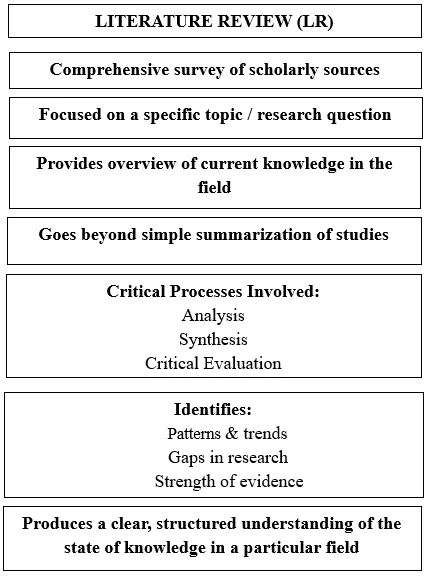
Figure 1: Conceptual Framework of a Literature Review
This review was conducted using a structured and systematic approach to ensure comprehensive identification, selection, and synthesis of relevant literature.
2.1. Search Strategy and Data Sources
A comprehensive literature search was performed across multiple electronic databases, including PubMed/MEDLINE, EMBASE, Scopus, Web of Science, Cochrane Library, Google Scholar, and selected AYUSH and traditional medicine databases such as DHARA, CCRUM, and TKDL.
Search terms included combinations of keywords such as “literature review,” “systematic review,” “research methodology,” “databases,” “evidence-based medicine,” and “traditional medicine research” using Boolean operators (AND, OR, NOT). Controlled vocabularies such as MeSH and Emtree terms were also applied where appropriate.
All retrieved articles were screened in two stages:
Irrelevant and duplicate studies were excluded. The selection process followed principles consistent with PRISMA (Preferred Reporting Items for Systematic Reviews and Meta-Analyses) guidelines to ensure transparency and reproducibility.
Relevant data were extracted and organized into thematic categories, including:
A qualitative narrative synthesis approach was used to analyze and integrate findings. For methodological rigor, emphasis was placed on identifying patterns, trends, strengths, and research gaps across studies.
A total of 50 studies were identified through database searching, of which 25 studies met the inclusion criteria after screening and eligibility assessment.
Key Findings are
The literature review serves as a critical foundation for any scholarly research by systematically integrating existing knowledge and guiding the direction of new investigations. Its purposes extend beyond summarization to include analytical, conceptual, and methodological contributions, as outlined below:
3.1.1. Contextualization of Research
The literature review serves as the important context that helps a researcher set his study against the backdrop of all previous research efforts in this field. It is because of the literature review that the researcher can relate his study to previous research, showing how it is similar to or different from previous research. Moreover, it shows how his study contributes something new and valuable to the already existing body of knowledge (1,2).
3.1.2. Identification of Research Gaps
Among the key roles of the literature review is the identification of gaps, contradictions, and inadequacies within the current body of literature. Through a critical analysis of the current body of literature, it will be possible for the researcher to point out weaknesses in the methodology used, contradictions among the findings, or lack of information on certain issues (3,4).
3.1.3. Avoidance of Duplication
A thorough review of the available literature ensures that there is no need for redundant research. Researchers will be aware of past studies conducted on similar topics and, therefore, will not repeat these studies without any gain to the field. This will ensure efficient allocation of time and resources to conduct such research (2,9)
3.1.4. Development of Theoretical and Conceptual Framework
The review of the literature assumes significant importance in the identification and integration of the various theories, concepts, and variables associated with the topic under investigation. The development of a strong theoretical or conceptual framework forms the basis for the research study. The theoretical framework aids in designing the research, selecting variables, and interpreting results (1,3).
3.1.5. Evaluation of Research Methodologies
The literature review will give useful information about the methods used in past research. By analyzing the methods used in past research, the researcher will know which methods are effective and which methods have weaknesses. In this way, the researcher can avoid using methods that have problems and use methods that work well (4,6).
3.1.6. Establishment of Academic Credibility
Well-executed literature review shows the depth of knowledge that the researcher possesses regarding the topic under investigation and how well he or she is aware of the recent developments within the subject. This is an indication of academic prowess on part of the researcher, thus increasing his or her authority in relation to the research.
Literature reviews can be classified into several types based on their objectives, methodological rigor, and scope of analysis. Each type serves a distinct purpose in knowledge synthesis and is selected according to the research question and discipline.
3.2.1. Narrative Literature Review
A narrative literature review presents an extensive and descriptive analysis of previous works on a specific subject. It seeks to summarize results from various studies in order to find common themes that emerge from them. The major difference between a narrative review and a systematic review is that the former does not use a structured approach and often does not involve thorough searches for relevant literature (1,3). In addition, a narrative literature review utilizes the experience of the author when analyzing findings from past literature.
3.2.2. Systematic Literature Review (SLR)
A systematic literature review is an extremely organized and scientifically sound technique used to address particular research questions. This technique involves following certain scientific protocols that clearly outline which studies should be included or excluded from the review process. Critical appraisals of included studies as well as a systematic synthesis of the results is done at the end of the review process. Systematic literature reviews play a very vital role in evidence-based practice, particularly within medicine and health sciences (6,10).
3.2.3. Meta-Analysis
Meta-analysis can be defined as a quantification and statistical integration of information derived from independent studies conducted on the same topic. This technique increases the statistical power and gives an estimate of the magnitude of effect, thus enhancing its validity and reliability. The application of meta-analysis is widely found in medicine, psychology, and education where researchers assess the impact of a certain treatment and observe trends within studies. (10, 11)
3.2.4. Scoping Review
A scoping review is an approach used for defining the scope of the existing literature regarding a particular field. Its objective is to establish the essential concepts, various types of evidence, and gaps within the body of literature, rather than providing an assessment of the literature quality, which occurs in a systematic review. Unlike systematic reviews, scoping reviews are less stringent in their selection criteria, being concerned with comprehensiveness over comprehensiveness (12).
3.2.5. Theoretical Literature Review
Theoretical literature review involves the process of analyzing and synthesis of theories that pertain to a particular subject matter. It involves an analysis of theories from their genesis to assumptions and applications. Theoretical literature review can be used for generating and developing new or improved theories. Such a review is normally undertaken in the social sciences and humanities disciplines (3,9).
3.2.6. Integrative Review
An integrative review allows for the inclusion and synthesis of diverse forms of evidence, including experimental and non-experimental studies, as well as theoretical literature. It adopts a flexible methodology to provide a comprehensive understanding of complex phenomena. Integrative reviews are particularly useful in health sciences and nursing research, where combining qualitative and quantitative evidence can generate holistic insights and inform practice (13).
3.2.7. Critical Literature Review
A critical literature review goes beyond description by systematically evaluating the strengths, weaknesses, and limitations of existing studies. It emphasizes methodological rigor, identifies biases, and highlights gaps in the literature. This approach is often used in dissertations and advanced academic research to justify the need for new investigations and to demonstrate analytical depth (1,3).
3.2.8. Argumentative Literature Review
An argumentative literature review selectively examines existing studies to support or refute a specific argument, hypothesis, or perspective. It contrasts differing viewpoints and critically engages with conflicting evidence to build a coherent argument. This type of review is particularly relevant in fields characterized by theoretical debates or controversial issues (9).
3.2.9. Historical Literature Review
A historical review of literature entails an examination of the development of a concept or theory through history. This involves the analysis of the significant developments, paradigm shifts, and notable studies on the concept or theory chronologically. Historical reviews of literature can be found in the social sciences, education, and philosophy. (2,12)
Table1: Classification of Types of Literature Review
|
Type |
Purpose |
Methodology |
Application |
|
Narrative Review |
Broad overview of topic |
Non-systematic |
Background, theory |
|
Systematic Review |
Answer specific question |
Structured, PRISMA-based |
Evidence-based research |
|
Meta-Analysis |
Combine study results |
Statistical analysis |
Intervention effectiveness |
|
Scoping Review |
Map literature & gaps |
Broad, flexible |
Emerging fields |
|
Theoretical Review |
Analyze theories |
Conceptual synthesis |
Framework development |
|
Integrative Review |
Combine diverse studies |
Mixed methods |
Health sciences |
|
Critical Review |
Evaluate strengths/weaknesses |
Analytical appraisal |
Thesis/research justification |
|
Argumentative Review |
Support/refute argument |
Selective synthesis |
Debated topics |
|
Historical Review |
Trace evolution over time |
Chronological |
Concept development |
In scholarly research, literature sources are broadly categorized into primary and secondary sources, each playing a distinct and complementary role in the generation and synthesis of knowledge. Understanding the differences between these sources is essential for conducting a rigorous and evidence-based literature review.
Primary sources are the original sources of information that have come straight from researchers. These are the source of information in their rawest form and are regarded as the highest form of evidence. These include research papers like random control trials, cohort studies, case-control studies, case reports, and theses/dissertations.
It is mainly for the purpose of presenting novel data and findings resulting from systematic study that these sources exist. Since they are written by the actual researchers carrying out the research, one gains insights on how the research process was carried out. Primary sources, in relation to evidence-based practice, are crucial since they provide a basis for making clinical decisions and advancing science (2,3).
3.3.2. Secondary Sources
Secondary sources are those that are based on primary sources, where the interpretation, synthesis, and analysis of findings is carried out. Secondary sources may take the form of literature reviews, systematic reviews, meta-analysis studies, textbooks, and clinical practice guidelines released by credible organizations, like the WHO.
Secondary sources serve the main purpose of compiling information gathered from various primary sources, thus helping one gain an overall perspective about the research question. They are generally written by professionals who have great insight into the subject matter, and they are especially helpful in detecting patterns, making conclusions, and influencing policies and practices. Literature reviews greatly benefit from secondary sources due to their ability to provide background information, detect knowledge gaps, and suggest future research areas (2,3).
Table 2: COMPARISON BETWEEN PRIMARY AND SECONDARY SOURCES
|
Feature |
Primary Sources |
Secondary Sources |
|
Definition |
Original, first-hand data |
Information based on primary sources |
|
Purpose |
To present new research/findings |
To summarize, interpret, or analyze research |
|
Content |
Raw data, experiments, clinical trials |
Reviews, summaries, guidelines |
|
Authorship |
Written by researchers who conducted the study |
Written by experts reviewing many studies |
|
Examples |
Original research articles (e.g., randomized controlled trials, cohort studies), Case reports and case series, Theses and dissertations |
Narrative and systematic review articles, Meta-analyses, Textbooks, Clinical guidelines (e.g., WHO recommendations) |
|
Use in research |
Provides direct evidence |
Helps understand background and context |
Key distinction
In simple terms:
Primary sources provide first-hand, original evidence, whereas secondary sources provide second-hand interpretations and syntheses of that evidence.
The selection and acquisition of relevant scientific literature is an essential aspect of undertaking an effective literature review. With the increasing amount of research being carried out across the globe, the use of well-established bibliographic databases has been deemed necessary for conducting a credible literature review due to its ability to cover all areas and minimize bias. They assist in the systematic searching and retrieval of scholarly material and can be grouped into different categories such as biomedical databases, interdisciplinary databases, publishers' websites, search engines, regional databases, and traditional medicine databases.
3.4.1. Biomedical Databases
Biomedical databases are specifically designed to index and provide access to literature in medicine, life sciences, and public health. Among these, PubMed, maintained by the National Center for Biotechnology Information (NCBI), is one of the most widely used and accessible platforms. It provides free access to over 30 million citations from MEDLINE and other life sciences journals. A key strength of PubMed lies in its use of the Medical Subject Headings (MeSH) controlled vocabulary, which allows for precise and standardized retrieval of information, thereby improving search sensitivity and specificity (14).
MEDLINE, the core component of PubMed, includes high-quality, peer-reviewed biomedical journals selected through rigorous evaluation criteria. It serves as a primary source of credible scientific evidence and is extensively used in clinical and academic research (14).
EMBASE, produced by Elsevier, is another major biomedical database with extensive coverage of over 8,500 journals. It is particularly strong in pharmacology, drug research, and clinical trials, including conference abstracts that are often not indexed in MEDLINE. EMBASE utilizes the Emtree indexing system, which offers more granular indexing of drugs and medical devices, making it especially valuable for systematic reviews and regulatory research (15).
The Cochrane Library is internationally recognized as the gold standard for evidence-based medicine. It comprises several databases, including the Cochrane Database of Systematic Reviews (CDSR) and the Central Register of Controlled Trials (CENTRAL). Cochrane reviews are characterized by their methodological rigor, transparency, and reliability, making them essential resources for clinical decision-making and guideline development (7).
In addition, CINAHL (Cumulative Index to Nursing and Allied Health Literature) provides comprehensive indexing of nursing and allied health journals. It is particularly useful for research in nursing, physiotherapy, and allied health disciplines, complementing biomedical databases (16).
3.4.2. Multidisciplinary Databases
Multidisciplinary databases provide extensive coverage across a wide range of academic disciplines, including science, technology, medicine, social sciences, and humanities. Scopus, developed by Elsevier, is one of the largest abstract and citation databases, indexing over 27,000 active journals and more than 90 million records. It offers advanced tools for citation analysis, including metrics such as the h-index, CiteScore, and field-weighted citation impact, which are widely used for evaluating research performance and institutional benchmarking (15).
Similarly, Web of Science, managed by Clarivate Analytics, provides access to high-quality citation indexes, including the Science Citation Index (SCI). It is renowned for its stringent journal selection criteria and its role in generating Journal Citation Reports (JCR), which provide impact factors widely used to assess journal quality and research influence (17).
ScienceDirect, another Elsevier platform, serves as a major repository of full-text scientific literature, offering access to millions of peer-reviewed journal articles, book chapters, and reference works. It supports both academic research and clinical practice by providing comprehensive and up-to-date scientific information (15).
3.4.3. Publisher Platforms and Open-Access Databases
Publisher platforms play a crucial role in disseminating scientific knowledge. Springer Nature is a leading academic publisher that provides access to thousands of journals and books across diverse disciplines, including medicine, public health, and basic sciences. It offers both subscription-based and open-access content, thereby supporting wide dissemination of research (18).
BioMed Central (BMC), a part of Springer Nature, is a pioneer in open-access publishing, offering approximately 300 peer-reviewed journals in biomedical and life sciences. Its open-access model ensures unrestricted availability of research findings, promoting global knowledge sharing (18).
The Public Library of Science (PLOS) is another prominent open-access publisher that provides free access to high-impact journals such as PLOS ONE. PLOS emphasizes transparency, reproducibility, and open science principles, making it an important resource for researchers worldwide (19).
3.4.4. Academic Search Engines and Global Databases
Google Scholar is a widely used academic search engine that indexes a vast array of scholarly content, including journal articles, theses, books, and conference proceedings. While it offers broad coverage and ease of access, it lacks the precision and controlled indexing of specialized databases, necessitating cautious use in systematic reviews (20).
The Global Health Library (GHL), developed by the World Health Organization (WHO), integrates multiple regional databases such as LILACS (Latin American and Caribbean Health Sciences Literature) and AIM (African Index Medicus). It enhances access to global health research, particularly from low- and middle-income countries, thereby reducing publication bias and promoting equity in knowledge dissemination (21).
3.4.5. Regional Databases
Regional databases are essential for capturing locally relevant research that may not be indexed in global databases. IndMED, developed by the Indian MEDLARS Centre, indexes Indian biomedical journals and is particularly valuable for region-specific public health and clinical studies (22).
Chinese databases such as China National Knowledge Infrastructure (CNKI), Wanfang Data, and VIP Database (CQVIP) provide extensive access to Chinese-language scientific literature. These databases are critical for comprehensive global evidence synthesis, especially in systematic reviews where language bias must be minimized (23).
3.4.6. AYUSH and Traditional Medicine Databases
In the field of traditional and integrative medicine, specialized databases are indispensable. DHARA (Digital Helpline for Ayurveda Research Articles) serves as a centralized repository for Ayurveda research, facilitating access to peer-reviewed studies.
The Ministry of AYUSH provides dedicated research portals for Ayurveda, Unani, and Siddha systems, supporting indigenous medical research. The Traditional Knowledge Digital Library (TKDL) documents classical knowledge from traditional texts and plays a vital role in protecting against biopiracy by providing evidence of prior art.
The Central Council for Research in Unani Medicine (CCRUM) database offers valuable resources, including clinical trial data, pharmacological studies, and drug standardization research. Additionally, the NAMASTE portal provides standardized terminology across AYUSH systems, ensuring consistency in research communication and documentation (24).
A systematic and well-structured approach is essential for conducting a high-quality literature review. The process involves several sequential steps that ensure comprehensiveness, transparency, and methodological rigor.
3.5.1. Formulation of the Research Question
The first and most critical step in a literature review is the clear definition of the research question or problem. A well-formulated question provides direction and determines the scope of the review. In clinical and health sciences research, structured frameworks such as PICO (Population, Intervention, Comparison, Outcome) are widely used to develop focused and answerable research questions (1). A clearly defined research question enhances search efficiency and ensures relevance of selected studies.
3.5.2. Development of Search Strategy
A comprehensive and systematic search strategy is essential to identify all relevant literature. This involves selecting appropriate databases (e.g., PubMed, EMBASE, Scopus) and using Boolean operators (AND, OR, NOT) to refine search queries. Additional techniques include the use of controlled vocabularies such as MeSH and Emtree terms, truncation, and phrase searching. Filters such as publication date, study type, language, and availability of full text may be applied to improve search precision (3, 4).
3.5.3. Selection Criteria (Inclusion and Exclusion)
After retrieving relevant studies, predefined inclusion and exclusion criteria are applied to ensure the selection of high-quality and relevant evidence. Criteria may include study design, population characteristics, publication year, language, and methodological quality. The use of explicit criteria enhances transparency, reproducibility, and reduces selection bias in the review process (4).
3.5.4. Critical Appraisal of Studies
Critical appraisal involves the systematic evaluation of the credibility, validity, and relevance of selected studies. This step ensures that only methodologically sound evidence is included in the review. Standardized appraisal tools such as the CASP (Critical Appraisal Skills Programme) checklists are commonly used for qualitative and quantitative studies, while guidelines such as PRISMA (Preferred Reporting Items for Systematic Reviews and Meta-Analyses) ensure methodological transparency in systematic reviews and meta-analyses (10, 25).
3.5.5. Data Organization and Synthesis
Once relevant studies are selected and appraised, the next step involves organizing and synthesizing the findings. This includes identifying recurring themes, patterns, relationships, and discrepancies across studies. Data may be synthesized qualitatively (narrative synthesis) or quantitatively (meta-analysis), depending on the nature of the research question and available data. Effective synthesis helps in generating meaningful conclusions and identifying research gaps (3, 7).
3.5.6. Writing the Literature Review
The literature review should be presented in a clear, logical, and structured format, typically consisting of an introduction, main body, and conclusion. The introduction outlines the scope and objectives, the body presents synthesized findings organized thematically or methodologically, and the conclusion summarizes key insights and highlights gaps for future research. Coherent writing and critical analysis are essntial for academic rigor (1).
3.5.7. Referencing and Citation Management
Accrate referencing is crucial to maintain academic integrity and avoid plagiarism. Reference management software such as EndNote, Mendeley, and Zotero facilitates efficient organization, citation, and formatting of references in various styles, including Vancouver. Proper citation also enhances the credibility and traceability of the research (3).
Figure 2: Steps of Literature Review
Define Research Question
↓
Develop Search Strategy
↓
Apply Inclusion & Exclusion Criteria
↓
Critical Appraisal of Studies
↓
Organize & Synthesize Findings
↓
Write Literature Review
↓
Referencing & Citation
↓
(Final Output)
DISCUSSION
This review highlights the critical role of literature reviews in advancing scientific knowledge and ensuring evidence-based practice. The findings demonstrate that structured methodologies, particularly systematic reviews guided by PRISMA, provide the most reliable and reproducible results.
The widespread use of databases such as PubMed, Scopus, and EMBASE reflects the increasing reliance on high-quality indexed literature. Additionally, the inclusion of AYUSH and traditional medicine databases underscores the growing recognition of integrative and indigenous medical systems in contemporary research.
Compared to earlier studies, recent literature emphasizes methodological transparency, standardized reporting, and the use of advanced search strategies. This aligns with global trends toward improving research quality and reproducibility.
However, several limitations were identified:
Despite these limitations, this review provides a comprehensive overview of literature review methodology and highlights the importance of adopting systematic and standardized approaches.
7.1. Academic Implications
Future research should focus on:
CONCLUSION
Literature review is an important part of scientific research that ensures scientific validity, consistency, and pertinence. Through its systematic evaluation of current research evidence, it avoids repetition of studies and draws attention to weaknesses and new developments in the field. It also offers insight into the status quo of current knowledge and serves as a basis for further study.
Understanding different kinds of literature review studies, as well as the choice of database and methodology, greatly contributes to the credibility and quality of results. Utilization of standardized searching methods, tools for critical appraisal, and reporting guidelines adds value to the research in terms of its credibility and reproducibility. In the modern era of rapidly expanding scientific literature, the integration of multiple data sources—including biomedical databases, multidisciplinary platforms, and traditional medicine repositories—has become increasingly important. Such an approach ensures comprehensive coverage of relevant studies and facilitates a more holistic understanding of complex research problems, particularly in interdisciplinary and integrative fields.
In summary, apart from helping in the formulation of research questions and approaches, conducting a good literature review can also help advance science, medical practices, and policymaking. It is thus essential in evidence-based research and is a critical tool in attaining good academic results.
REFERENCES



Dr. Rushda Saeedi, Dr. Mohammad Asif Khan, Saiyad Shah Alam, A Comprehensive Overview of Literature Review: Concepts, Types, Sources, and Methodological Approaches, Int. J. of Pharm. Sci., 2026, Vol 4, Issue 8, 3034-3046, https://doi.org/10.5281/zenodo.22027710
 10.5281/zenodo.22027710