

We use cookies to ensure our website works properly and to personalise your experience. Cookies policy
Department of pharmacology, Bharathi College of Pharmacy, Bharathinagar , Maddur Taluk , Mandya Distric , Karnataka, India- 571422
Toddalia asiatica (L.) Lam., belonging to the family Rutaceae, is an important medicinal plant widely used in traditional systems of medicine. It is commonly known as orange climber and has long been employed for the treatment of fever, malaria, rheumatism, cough, sprains, neuralgia, diarrhoea, and inflammatory disorders. Phytochemical investigations of the plant have revealed the presence of coumarins furanocoumarins, alkaloids, and phenolic compounds, which contribute to its broad pharmacological profile. Different parts of the plant, especially the root and leaf, root bark, have shown significant biological activities including antibacterial, analgesic, antiviral, anticancer, antiplatelet, anti-inflammatory, antioxidant cardioprotective, antipyretic, and haematological effect. Recent studies have also identified novel coumarins and alkaloids with promising anti-inflammatory potential. Although several experimental reports support its medicinal value, further detailed pharmacological and clinical studies are required to validate its therapeutic applicability and safety. This review highlights the phytochemical and pharmacological importance of Toddalia asiatica and provides a scientific basis for its future development as a source of novel bioactive compound.
Toddalia is a monotypic genus belonging to the family Rutaceae, represented by the single species Toddalia asiatica (Linn). The plant is widely distributed across several regions of Africa and Asia, where it commonly grows in forested riparian environments characterized by high rainfall. It is known by various common names, including lopez root, forest pepper, and wild orange tree. The medicinal importance of T. asiatica has been recognized in traditional practices of India and China since the 18th century. It is widely utilized in Indian systems of medicine, particularly Ayurveda and Siddha, and has been employed as a folklore remedy for treating numerous health conditions in different parts of the world. Ethnomedicinal reports indicate that stomach-related disorders are among the most frequently treated conditions using T. asiatica (78%), followed by malaria (25%), cough (22%), chest pain (13%), food poisoning (8%), and sore throat (7%).In addition, the plant has been traditionally used for managing various other ailments, including rheumatism, fever, indigestion, influenza, respiratory disorders, nasal and bronchial discomfort, cholera, and diarrhea.[1]
Toddalia asiatica (L.) Lam., commonly referred to as orange climber, cockspur orange, Lopez root, or wallflower, is a thorny, evergreen climbing shrub (woody liana) belonging to the family Rutaceae, which includes rue and citrus plants. It was previously recognized as the only species within the monotypic genus Toddalia; however, current taxonomic classifications place it under the genus Zanthoxylum as Zanthoxylum asiaticum, within the family Rutaceae and order Sapindales. The genus name Toddalia is derived from “kaki-toddalia,” a Malabar term used for a native Indian climbing orange species.[2]
Toddalia asiatica is a climbing woody shrub that can grow up to approximately 10–15 m in height when it receives support from surrounding trees in forest habitats. The plant is characterized by numerous hooked thorns present along its branches. Its attractive, glossy, trifoliate leaves vary from light to dark green in color and possess a strong aromatic fragrance, resembling the scent of lemon when crushed. Due to its diverse medicinal properties, T. asiatica has been widely used as a traditional folk medicine in India for the treatment of various health conditions.[3]
In the Siddha system of medicine, Toddalia asiatica is known as “Milagarani,” while in Ayurveda it is referred to as “Kanchana.” The plant is a highly variable, prickly, and climbing (sarmentose) shrub that is widely distributed throughout India, occurring up to elevations of about 2,500 m. In southern India, it is commonly found in the Nilgiri and Palani hills, as well as in the scrub forests of Odisha. In lowland regions, especially under dry environmental conditions, the plant generally develops as a small shrub with relatively smaller and narrower leaflets. Phytochemical investigations have shown that the plant contains several coumarin compounds, including toddaalone, toddanol, norbraylin, and 5,7,8-trimethoxy coumarin. The roots have been reported to contain benzophenanthridine alkaloids.[4]
Phytochemical studies of Toddalia asiatica have revealed the presence of various bioactive compounds in different plant parts. The roots contain benzophenanthridine alkaloids, hexacosanoic acid, β-sitosterol, and arnottianamide. The root bark is reported to possess several coumarins, including toddalenol, toddalosin, 5-methoxysuberenone, and toddalenone, along with 8-formyl derivatives. It also contains benz(c)phenanthridine alkaloids such as des-N-methylchelerythrine,
chelerythrine psicyanide. Additionally, quinoline alkaloids including N-methyl flindersine, 4-methoxy-1-methyl-2-quinolone, and skimmianine have been identified. Other constituents reported from the plant include integriquinone, the triterpenoid β-amyrin, toddalinine, pimpinellin, isopimpinellin, chelerythrine, and dihydrochelerythrine. The leaves are also known to yield essential oil containing various volatile components.[5]
Taxonomical classification [6]:
|
Domain |
Eukaryota |
|
Kingdom |
Plantae |
|
Subkingdom |
Viridaeplantae. |
|
Phylum |
Tracheophyta |
|
Subphylum |
Spermatophytina |
|
Class |
Magnoliopsida |
|
Subclass |
Rosidae |
|
Order |
Rutales |
|
Family |
Rutaceae |
|
Genus |
Toddalia |
|
Species |
Toddalia asiatica |
Vernacular Names [7]:
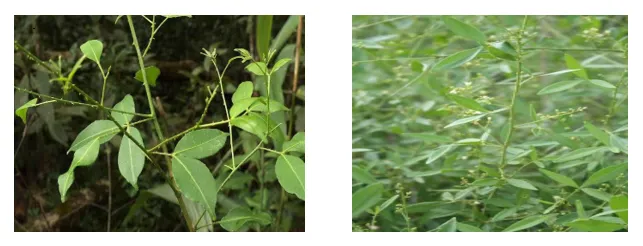
FIG 1: TODDALIA ASIATICA
Morphological distribution
Toddalia is a plant native to tropical regions of Asia, with its natural distribution extending from India and Sri Lanka to Malaysia. It is also present in Mauritius, Madagascar, Sumatra, Java, China, the Philippines, tropical Africa, and the Mascarene Islands. In India, the species is widely distributed and can be found at elevations of up to 2,500 meters. It grows abundantly in the Nilgiri and Palni Hills, as well as in the shrub forests of Odisha. In Andhra Pradesh, its occurrence has been recorded in several locations, including Mantur, the Godavari Agency, Mamandur, Sunkarimetta, Tirumala Hills, Satyavedu, Karka, Bhimavaram, Balapalli, and the Circars region.[8]
Botanical Description:
An evergreen woody climber reaching up to 15 m in height and about 10 cm in stem diameter. The bark is pale brown, relatively smooth, and marked with numerous pale circular lenticels. Older stems bear small hooked prickles (approximately 2.5 mm long) arising from conical woody bases up to 1.2 cm high. The blaze is 2.5–7.5 mm thick, pale yellow with orange mottling in the outer region, becoming pinkish-brown upon exposure. Leaves are alternate and digitately trifoliate, with petioles 1.5–3 cm long. Leaflets are sessile, obovate-oblong to oblong, measuring 5–10 × 1.8–3.8 cm, leathery, glabrous, dark green and glossy above, with crenulate margins, an acute base, and a short blunt-acuminate apex.
The inflorescences are pubescent panicles, corymbose in male plants and cymose in female plants, bearing small pale greenish-yellow polygamous flowers 3.8–6 mm across. Flowers possess 4–5 stamens, while the ovary is 4–5 locular. Fruits are subglobose, orange to dark red, 7.5–12 mm in diameter, with five shallow grooves. Seeds are dark brown, kidney-shaped, and enclosed in a transparent mucilaginous covering. [9]
Macroscopic and microscopic studies
Macroscopic evaluation was performed by examining the morphological characteristics of the stem and leaves, including their shape, size, color, odor, leaf margin, and apex. For microscopic analysis, fresh plant specimens were fixed in FAA (Formalin–Acetic acid–Alcohol) solution. Thin transverse sections were prepared using a microtome, stained with toluidine blue, and observed under a light microscope.
Leaf Anatomy
The leaf exhibits a smooth and flat upper (adaxial) surface, whereas the lower (abaxial) surface is prominently wavy and densely covered with hairs. The midrib is well developed, projecting noticeably on the abaxial side while appearing slightly depressed on the adaxial side. In transverse section, the midrib is semicircular beneath and measures approximately 950 µm in thickness and 900 µm in width.
The epidermis of the midrib is composed of small, thick-walled cells with dark staining characteristics and echinate outer tangential walls. Beneath the epidermis, the ground tissue consists of compact, rounded parenchymatous cells. Immediately below the epidermal layer, four the vascular system contains both adaxial and abaxial collateral vascular bundles. The xylem is arranged in short, compact vertical rows of angular, thick-walled vessels with broad lumina, facilitating efficient water conduction. The phloem forms an arc beneath the xylem of the abaxial median vascular bundle and is positioned along the outer margin of the xylem. The xylem strands of the adaxial and abaxial vascular bundles lie closely adjacent to one another, creating a continuous vascular arrangement.[10]
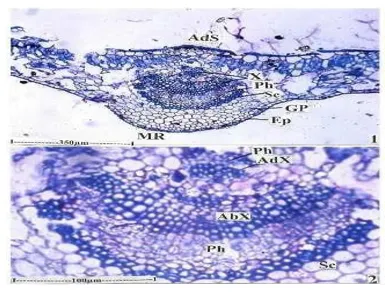
FIG 2: T. S. of leaf through midrib, fig.2. T. S. of midrib–Enlarged, (Abx–Abaxial xylem; Ads-Adaxial side; Adx–adaxial ylem; Ep-epidermis; G-Ground parenchyma; Ph-Phloem; MR-Midrib; SC-Sclerenchyma; X–Xylem)
Chemical constituents
These are the most abundant constituents, found primarily in the root bark. Notable compounds include Toddalolactone , isopimpinellin, toddaculin, toddanol.[11]
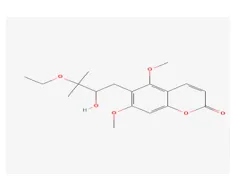
FIG 3; Toddalolactone
The plant contains several pharmacologically active alkaloids.
The benzophenanthridinequinoline (e.g., skimmianine) are widely studied for their antimicrobial and antitumor properties.[12]
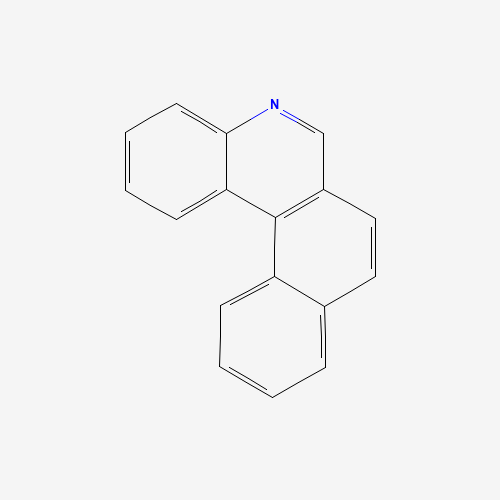
FIG 4; Benzophenanthridine
Aerial parts and roots contain volatile terpenes. The essential oils are primarily composed of geraniol, D-limonene, and (alpha)-gurjunene.Triterpenoids such as-amyrin have also been isolated.
Phenolic Compounds:
Phenolic acids and flavonoids, including quinic acid, fumaric acid, chlorogenic acid,
Isoquercitrin , contribute to the plant's antioxidant profile. [13]
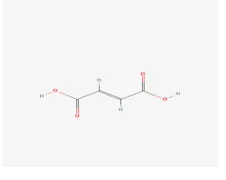
FIG 5; Fumaric acid
Pharmacological activity
The antibacterial activity of chelerythrine was evaluated using the disc diffusion method. A stock solution was prepared by dissolving 50 μg of chelerythrine in 1 mL of dimethyl sulfoxide (DMSO). Sterile filter paper discs (6 mm in diameter) were impregnated with 5 μL of the prepared solution and placed on agar plates inoculated with the test microorganisms. Discs containing an equivalent volume of DMSO served as the negative control, while berberine-impregnated discs were used as the positive control. The inoculated plates were incubated at 37 °C for 24 hours, after which antibacterial activity was assessed by measuring the diameter of the inhibition zone (IZ) surrounding each disc.
Samples that produced an inhibition zone greater than 8 mm were subjected to further evaluation for their minimum inhibitory concentration (MIC). The MIC was determined in triplicate using the two-fold serial tube dilution method, in which the test compound was prepared in a range of decreasing concentrations. The MIC was defined as the lowest concentration of chelerythrine capable of inhibiting visible bacterial growth. [14]
Following 14 days of treatment with the crude ethanolic extract of Toddalia asiatica (L.), serum biochemical analysis demonstrated significant alterations in total cholesterol, alanine transaminase (ALT), and gamma-glutamyl transferase (GGT) levels, indicating that the extract influenced lipid metabolism and certain aspects of liver function. In contrast, no statistically significant changes were observed in alkaline phosphatase (ALP) or aspartate transaminase (AST) levels when compared with the untreated control group. Examination of peripheral blood films stained with Leishman's stain revealed several hematological abnormalities in the treated animals, including anisocytosis, burr cells, anisochromia, hypochromia, and the presence of reactive lymphocytes, suggesting that prolonged exposure to the extract may induce noticeable alterations in blood cell morphology.[15]
Toddalia asiatica has demonstrated promising antiviral activity against the influenza A (H1N1) virus. In vitro studies reported 50% effective concentration (EC₅₀) values of 4.7 mg/L using the MTS cell viability assay and 0.9 mg/L using quantitative PCR, indicating strong inhibition of viral replication. Cytotoxicity evaluation showed a 50% cytotoxic concentration (CC₅₀) of 187.2 mg/L, resulting in a selective index (SI) greater than 206 in the quantitative PCR assay, which suggests a favorable safety profile and high antiviral selectivity. The extract exhibited its greatest antiviral efficacy when administered simultaneously with viral infection; however, it also retained significant inhibitory activity when applied either 24 hours before or 24 hours after virus exposure, demonstrating both prophylactic and therapeutic potential against H1N1 infection. [16]
The antitumor potential of various parts of Toddalia asiatica, including the root bark, root core, stem bark, stem core, near-leaf stem, and leaves, was evaluated against human breast cancer (MCF-7) cells using the MTT assay. Among the tested plant parts, the root bark exhibited the strongest inhibitory effect on cancer cell proliferation (58.23%), followed by the stem bark (48.03%). Moderate activity was observed in the root core (27.01%) and stem core (33.01%), whereas the near-leaf stem (7.69%) and leaves (6.64%) showed only weak inhibitory effects. The antiproliferative activity increased in a concentration-dependent manner, with the root bark and root core producing significantly greater inhibition of MCF-7 cell growth than the other plant parts (P < 0.01).
Correlation analysis between 19 chromatographic characteristic peaks and the antitumor activity revealed that several phytochemicals were strongly associated with the observed anticancer effects. Among these, toddalolactone (P07) showed the highest correlation with tumor growth inhibition, followed by compounds represented by P16, 4-methoxycinnamic acid (P06), P11, P18, pimpinellin (P10), isopimpinellin (P08), and hesperidin (P04). These findings indicate that the root bark is the most promising medicinal part of T. asiatica and that specific coumarins and related phytochemicals are likely responsible for its potent antitumor activity. [17]
Antiplatelet aggregation activity on methanolic extract of the wood was studied for in vitro antiplatelet aggregation activity using turbidimetric method. It was observed that chelerythrine was an inhibitor of thromboxane formation, phosphoinositide breakdown on rabbit platelet aggregation and ATP release reaction. 2,6Dimethoxy-p-benzoquinone inhibited platelet aggregation induced by collagen and platelet aggregation factor (PAF). Apart from these braylin and four other compounds were strong inhibitors of platelet aggregation induced by 100 µg arachidonic acid. It was also observed that 7-substituted (except OH) or 7,8-disubstituted natural coumarins have more antiplatelet aggregation activity in vitro.[18]
The anti-inflammatory properties of aculeatin and toddaculin, two structurally related coumarins isolated from Toddalia asiatica (L.) Lam., were investigated using lipopolysaccharide (LPS)-stimulated RAW264 murine macrophage cells. Both compounds significantly reduced the expression of inflammatory mediator genes and decreased nitric oxide production. Toddaculin further inhibited LPS-induced inflammatory signaling by suppressing the phosphorylation of p38 and ERK1/2 and preventing the activation of NF-κB. In contrast, aculeatin did not affect these signaling pathways, indicating that the two compounds exert their anti-inflammatory effects through distinct molecular mechanisms. Cellular uptake studies showed that toddaculin was detectable within RAW264 cells after 4 and 24 hours of incubation, whereas aculeatin was not detected at any time point. These findings suggest that de epoxidation of the prenyl group enhances the compound's hydrophobicity, thereby improving its ability to enter cells and interact with phospholipid bilayers, which may contribute to its greater biological activity.[19]
Studies have demonstrated that extracts from Toddalia asiatica possess strong antioxidant potential through multiple mechanisms. The stem methanolic extract has been reported to effectively scavenge diphenylpicrylhydrazyl (DPPH), hydroxyl, and nitric oxide radicals while also exhibiting metal-chelating activity against ferrous ions, highlighting its broad-spectrum antioxidant capacity. In experimental diabetic rat models, the activities of key antioxidant enzymes, including catalase (CAT), glutathione peroxidase (GPx), and superoxide dismutase (SOD), were markedly reduced. Treatment with a 50% ethyl acetate leaf extract restored the activities of these enzymes toward normal levels, suggesting that T. asiatica can enhance endogenous antioxidant defense systems.
The antioxidant properties of T. asiatica have also been assessed using the Fenton reaction, DPPH radical scavenging assay, and Fe²⁺–cysteine reaction method. Among the different solvent fractions, the n-butanol extract showed a strong ability to neutralize hydroxyl radicals, whereas the ethyl acetate fraction demonstrated superior DPPH radical scavenging activity. In addition, both 70% ethanol and n-butanol extracts exhibited significant antioxidant effects, confirming the plant's effectiveness across different extraction methods.
Polysaccharides isolated from the roots of T. asiatica have likewise shown remarkable free radical scavenging activity. These compounds effectively scavenged hydroxyl and DPPH radicals over a range of tested concentrations, with low IC₅₀ values indicating high antioxidant potency. At concentrations up to 500 mg/L, the polysaccharides achieved approximately 94% free radical scavenging activity. Furthermore, their photostability was found to be greater than that of vitamin C and tea polyphenols, suggesting that these polysaccharides may serve as stable and effective natural antioxidants.[20]
The cardioprotective effects of the aqueous extract of Toddalia asiatica were investigated in a New Zealand rabbit model of acute myocardial ischemia induced by high ligation of the left anterior descending coronary artery. Treatment with the extract reduced ventricular workload and myocardial oxygen consumption, thereby decreasing the metabolic demand of the ischemic heart. In addition, the extract improved left ventricular diastolic function and enhanced cardiac output, suggesting its potential to preserve cardiac performance and alleviate the functional impairment associated with acute myocardial ischemia.[21]
The antipyretic activity of ethanolic extracts prepared from the whole plant and roots of Toddalia asiatica was evaluated using a yeast-induced pyrexia model in female albino rats at a dose of 60 mg/kg. Rectal temperature was monitored at predetermined intervals with a digital telethermometer. The extracts produced a significant reduction in elevated body temperature, demonstrating notable antipyretic effects. The fever-lowering activity was found to be comparable to that of the standard antipyretic drug, paracetamol, indicating the potential of T. asiatica as a natural agent for the management of fever. [22]
Hematological parameters were evaluated using an automated blood cell analyzer (Hemavet 950) to determine hemoglobin concentration, hematocrit (packed cell volume), red blood cell (RBC) count, and total leukocyte count from whole blood samples. The measured values of hemoglobin, hematocrit, and RBC count were subsequently used to calculate erythrocyte indices. Mean corpuscular volume (MCV) was obtained by dividing the hematocrit value by the RBC count, while mean corpuscular hemoglobin (MCH) was calculated by dividing the hemoglobin concentration by the number of RBCs. Mean corpuscular hemoglobin concentration (MCHC), which represents the average hemoglobin concentration within red blood cells, was determined by dividing the hemoglobin concentration by the hematocrit value. These indices were used to assess the hematological status of the experimental animal.[23]
CONCULSION
Toddalia asiatica (L.) Lam. is a pharmacologically significant climber of the family Rutaceae, characterized by a rich and diverse phytochemical profile dominated by coumarins, alkaloids, flavonoids, essential oils and other phenolic compounds, which together account for its including antibacterial, analgesic, antiviral, anticancer, antiplatelet, anti-inflammatory, antioxidant cardioprotective, antipyretic, and haematological effect and provide a scientific basis for its long-standing traditional use in Asian and African medicine. Building on these findings, different parts of the plant particularly root, Leaf, fruits and stem bark have shown notable bioactivity in preclinical models, indicating its potential as a source of lead molecules for drug discovery. However, most data are still limited to in vitro and animal studies, so Toddalia asiatica should currently be regarded as a promising for evidence-based phytomedicine rather than a fully validated therapeutic agent, and further work on toxicity, pharmacokinetics, mechanism of action, formulation and clinical evaluation is essential to translate its traditional and experimental potential into safe, standardized herbal or modern pharmaceutical products
Acknowledgement:
I would like to express my sincere gratitude to Bharathi Education Trust, Bharathinagara, Mandya, Karnataka, for their valuable support and encouragement throughout the completion of this review.
I extend my heartfelt thanks to Madam. Meghana B P for her immense guidance, constant support, and encouragement throughout this work. Her valuable suggestions, motivation, and continuous assistance have been instrumental in the successful completion of this review.
Finally, I express my sincere appreciation to everyone who directly or indirectly contributed to and supported me during the preparation of this review.
Conflict interest: No conflict interest
REFERENCES




Meghana B. P.*, Mithun G. K., Pallavi N., Rakshitha T. V., A Comprehensive Review Of Phytochemical Constituents And Pharmacological Activities Of “Toddalia Asiatica”, Int. J. of Pharm. Sci., 2026, Vol 4, Issue 9, 255-265. https://doi.org/10.5281/zenodo.22236292
 10.5281/zenodo.22236292