

We use cookies to ensure our website works properly and to personalise your experience. Cookies policy
Department of Pharmaceutics, GES’s Sir Dr.M.S.Gosavi College of Pharmaceutical Education and Research, Nashik – 05.
Active pharmaceutical ingredients, biologics, or living organisms are incased in protective polymeric, lipid, protein-based, or hybrid coatings in microencapsulation, a sophisticated drug delivery method. Microcapsules, which are typically between 1 and 1000 ?m in size, shield delicate materials from light, moisture, oxygen, temperature, and pH fluctuations. Additionally, they avoid medication incompatibilities, hide offensive taste and odor, turn liquids into powders, and offer targeted, controlled, or prolonged drug release. Release can happen by osmosis, diffusion, dissolution, degradation, or reactions to temperature and pH. Ionic gelation, fluidized-bed coating, solvent evaporation, spray drying, interfacial polymerization, and coacervation are common preparation techniques.While synthetic polymers like PLGA, PLA, PCL, and Eudragit provide greater mechanical qualities and tunable release profiles, natural polymers like alginate, chitosan, gelatin, and pectin offer biocompatibility and biodegradability. Microscopy, particle-size analysis, FTIR, DSC, TGA, XRD, zeta-potential measurement, drug-loading investigations, and stability testing are all used to characterize microcapsules. Oral, topical, injectable, implantable, probiotic, vaccine, cosmetic, food, agricultural, and industrial delivery methods are among their uses. Personalized medicine, AI-assisted formulation design, 3D printing, and stimuli-responsive polymers are examples of recent developments.
Over the past few decades, the pharmaceutical industry has seen tremendous changes in drug delivery systems, with microencapsulation emerging as a key technique. By incorporating active pharmaceutical ingredients (APIs) in polymeric matrices, this method produces microcapsules that range in size from 1 to 1000 μm. Microencapsulation's main goal is to solve important issues with conventional drug administration, such as poor stability, insufficient solubility, and low release kinetics. By protecting medications from environmental elements including moisture, light, and oxygen, microencapsulation extends their shelf life and preserves their medicinal efficacy. In addition to providing protection, this method provides regulated release mechanisms that may be adjusted to certain physiological situations, increasing therapeutic efficacy and reducing adverse effects.[1]
Specifically, solid materials, liquid droplets, or gaseous molecules are trapped inside an inert shell composed of synthetic and/or bioinspired materials that can isolate chemically and thermally unstable active ingredients from environmental factors. Microencapsulation is commonly used to encapsulate essential oils, colorings, flavorings, sweeteners, microbes, and other substances in a variety of industries, including the pharmaceutical, agricultural, medical, and food sectors.[2]
The development of "smart" delivery methods that react to certain biological stimuli, such as pH shifts, enzyme activity, or temperature variations, has been the focus of recent advances in microencapsulation . These developments have greatly increased the therapeutic index of traditional medicines by enabling more accurate medication targeting to certain tissues or organs. The combination of nanotechnology and conventional microencapsulation techniques has created new opportunities to improve medicine delivery efficiency as the area develops.[3]
2.HISTORY AND EVOLUTION OF MICROENCAPSULATION -
Microencapsulation is the process of encasing small liquid or solid particles in a continuous polymer coating, allowing for controlled release and protection of active compounds. Originating in 1931 by Bungenburg de Jon and Kan, it evolved primarily to enhance medication stability and regulate release rates. Initially applied in pharmaceuticals, methods advanced over decades to increase therapeutic efficacy using sophisticated polymeric barriers and innovative carrier systems, marking significant developments in drug delivery techniques. [5,6]
3.NEED FOR MICROENCAPSULATION IN DRUG DELIVERY -
The main feature of microcapsules is their large surface area due to their small particle size. Notable advantages of this larger surface area include greater light scattering, chemical reaction facilitation, and increased absorption and desorption sites. The creation of different dosage forms, such as converting liquids into solids, is made possible by microencapsulation methods. This change tackles a major microencapsulation problem: protecting against environmental effects. It also improves the handling qualities of materials and helps separate reactive medicinal components.[2]
A crucial development in DDs, microencapsulation—which uses microspheres or microcapsules—is intended to solve a number of issues with traditional formulations. This method guarantees constant therapeutic levels and lowers the frequency of dosage by enabling regulated and prolonged medication release. By shielding them from environmental elements including light, moisture, and pH changes, it improves the stability of delicate medications. Additionally, by enabling targeted distribution to certain locations, microencapsulation reduces systemic adverse effects and increases patient compliance. Microencapsulation has become as a crucial method in modern pharmaceutical research to optimize medication solubility, BA, and release kinetics. In certain instances, the primary goal is to regulate the release of medications in the surrounding environment, which can be accomplished by microencapsulation, rather than to isolate the core from the external environment. In general, microencapsulation improves product functioning across a variety of industries.[7]
4.DIFFERENT MECHANISMS FOR CONTROLLED RELEASE OF THE CORE MATERIAL-
Microencapsulation is most successful when the core material is shielded until intended release. The core material is released by a variety of mechanisms. These consist of degradation, diffusion, dissolution, pressure application, and pH and temperature changes. The characteristics of the wall material and the core determine the mechanisms that are employed.[9][10]
Below is a description of a few of the techniques:
A] Diffusion: Diffusion of the core often happens when a fluid passes through the intact micro-capsule wall and dissolves in it, the core substance, and spreads via the pores.[9]
B] Dissolution: In this case, the wall material's solubility in the dissolving fluid determines the core's release. When the wall comes into contact with the fluid, it dissolves and releases the core; it is no longer intact. The characteristics of the wall material, the dissolving fluid, and the wall's thickness all affect the rate of release.[9]
C] Osmosis: The microcapsule wall functions as a semipermeable barrier during the osmotic release of the core material, allowing an osmotic pressure differential to form on either side of the wall. The core material shifts from within the capsule to outside as a result of this pressure differential.[9]
D] Degradation: This method of core release breaks the wall and releases the core by using enzymes like lipases and proteases to break down the proteins and lipids in the wall material.[10]
E] Change in pH: Changes in pH can impact the solubility of the wall material, which can result in the release of core. When the pH is changed, a wall material may become soluble in alkaline circumstances while remaining intact in acidic ones.[10]
F] Changes in temperature: By varying the temperature at which the microcapsules are exposed, core release can be induced. Two distinct processes are involved in temperature-mediated core release: (a) One is known as temperature-sensitive release, in which the wall material expands and collapses when exposed to a temperature known as the critical temperature. (b) The alternative method, known as fusion-activated release, releases the core when the wall material begins to melt in response to an elevated temperature.[10]
5.CLASSIFICATION OF ENCAPSULATION SYSTEM:
Microencapsulation systems can be classified according to several criteria, including the nature of the core material, shell or wall material, capsule structure, and encapsulation technique.[2] This classification helps in selecting an appropriate microencapsulation strategy based on the physicochemical properties of the drug, desired release profile, stability requirements, and target site of delivery. Recent advances have further expanded this classification to include smart stimuli-responsive systems, hybrid polymeric carriers, and biofilm-based encapsulation, which offer improved drug protection, controlled release, and site-specific delivery.[11]
Classification of Microencapsulation Systems Based on Composition, Structure and Encapsulation Techniques. [12,13]
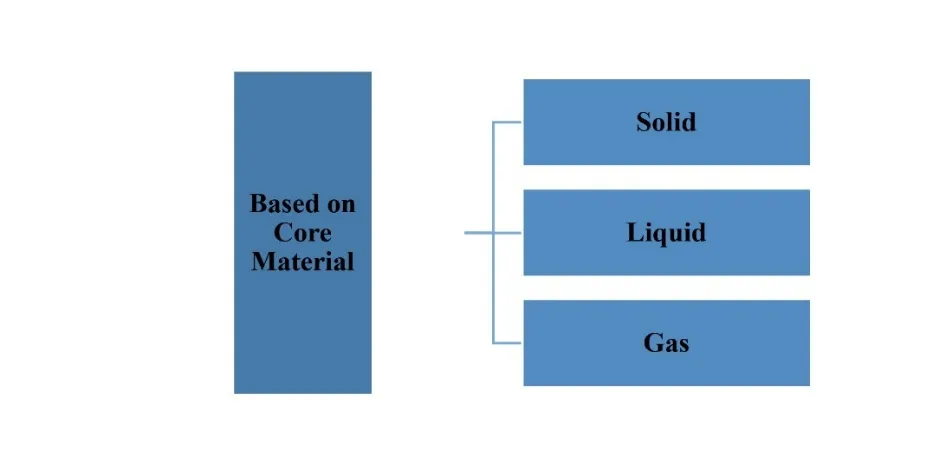
Fig 1 : Classification Based on Core Material
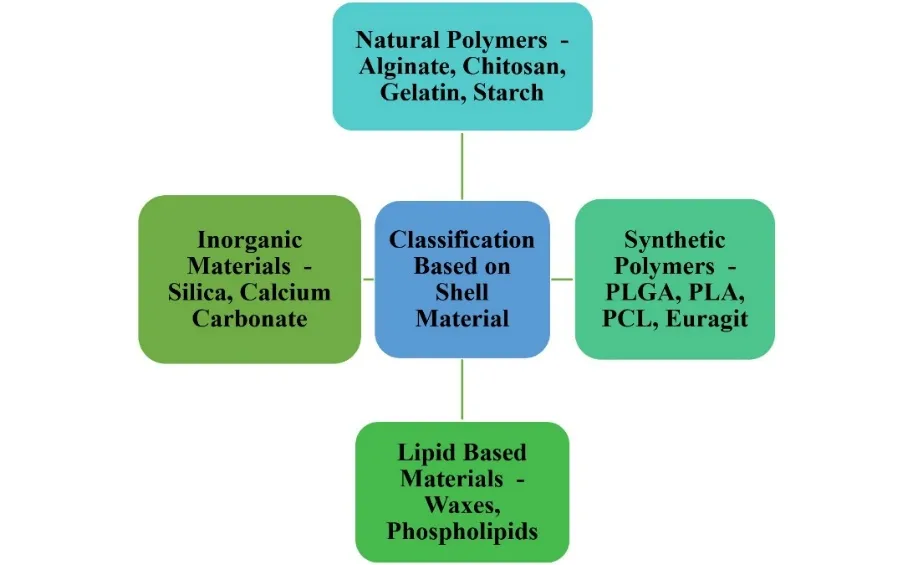
Fig 2 : Classification Based on Shell Material
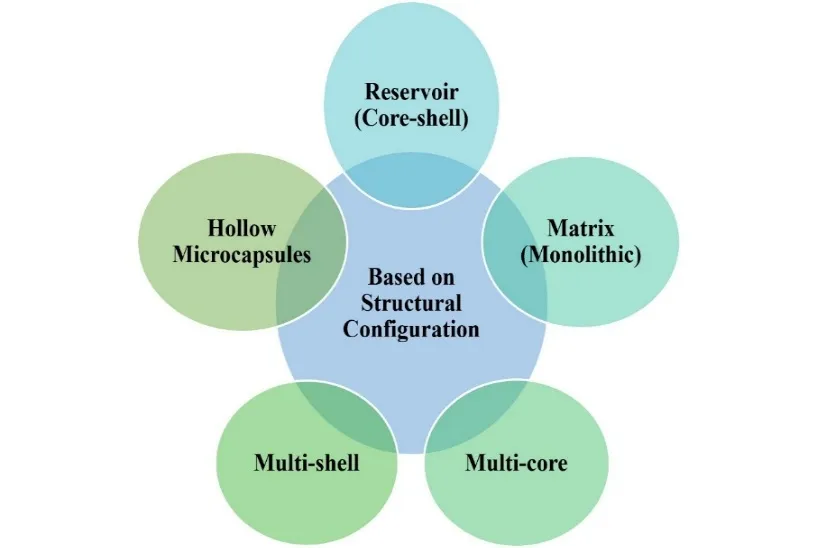
Fig 3 : Classification Based on Structural Configuration
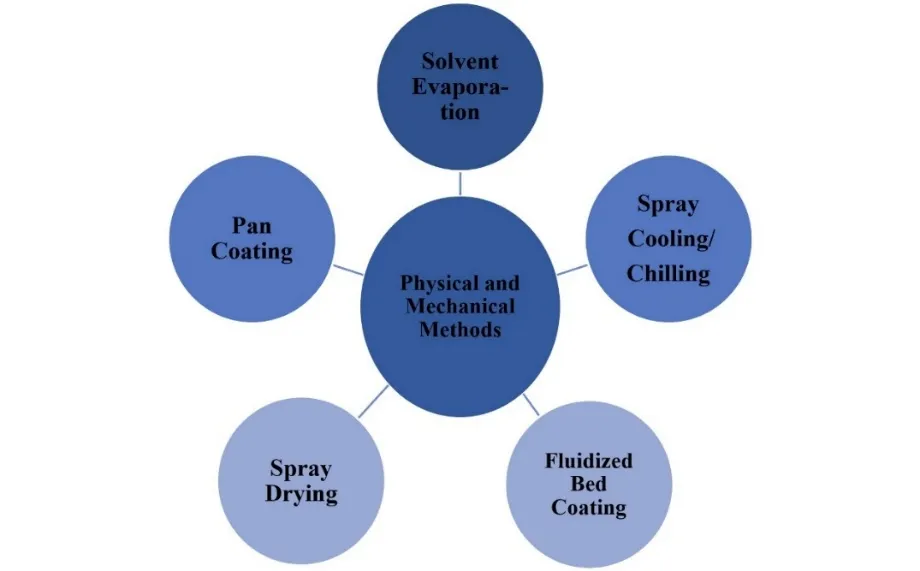
Fig 4 : Physical and Mechanical Methods
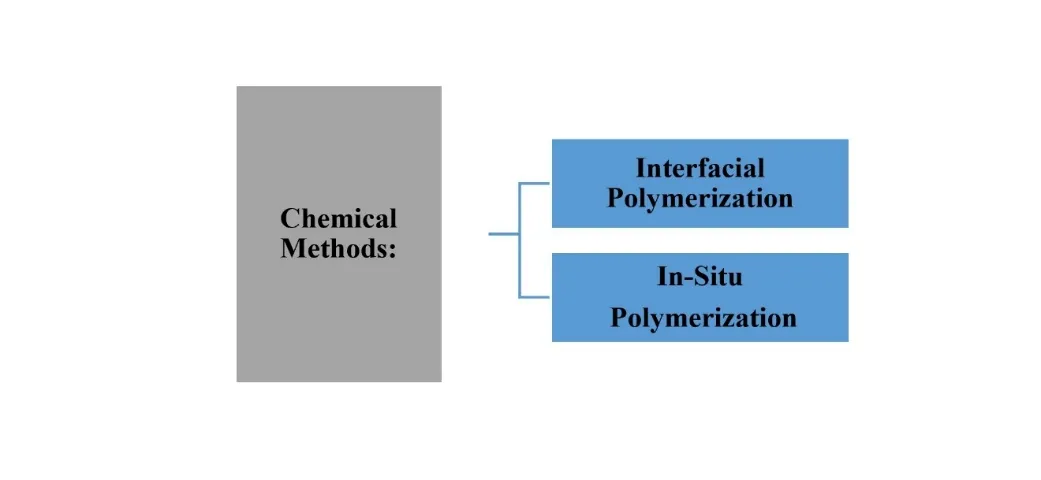
Fig 5 : Chemical Methods
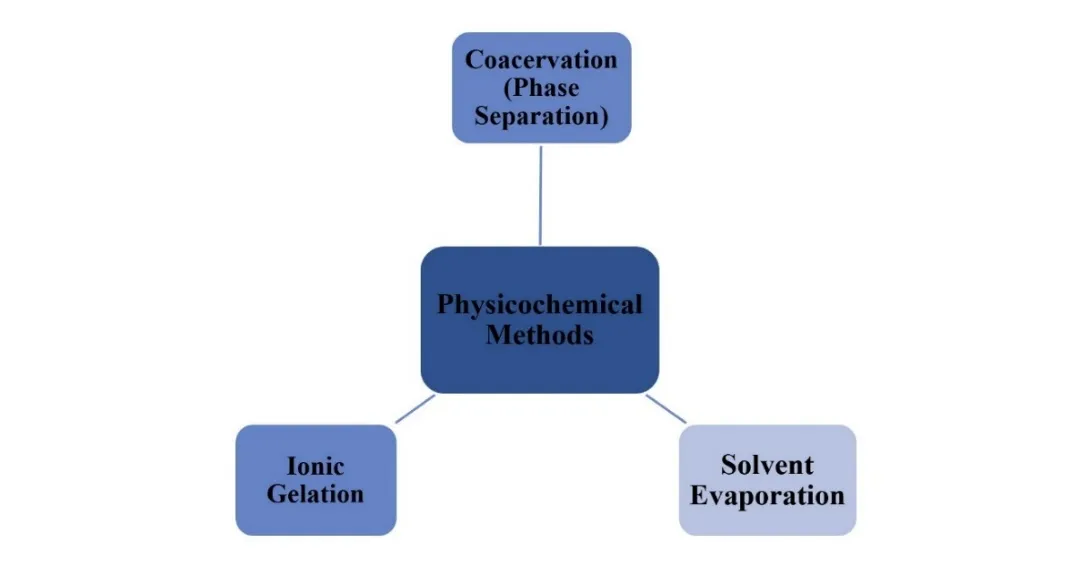
Fig 6 : Physicochemical Methods
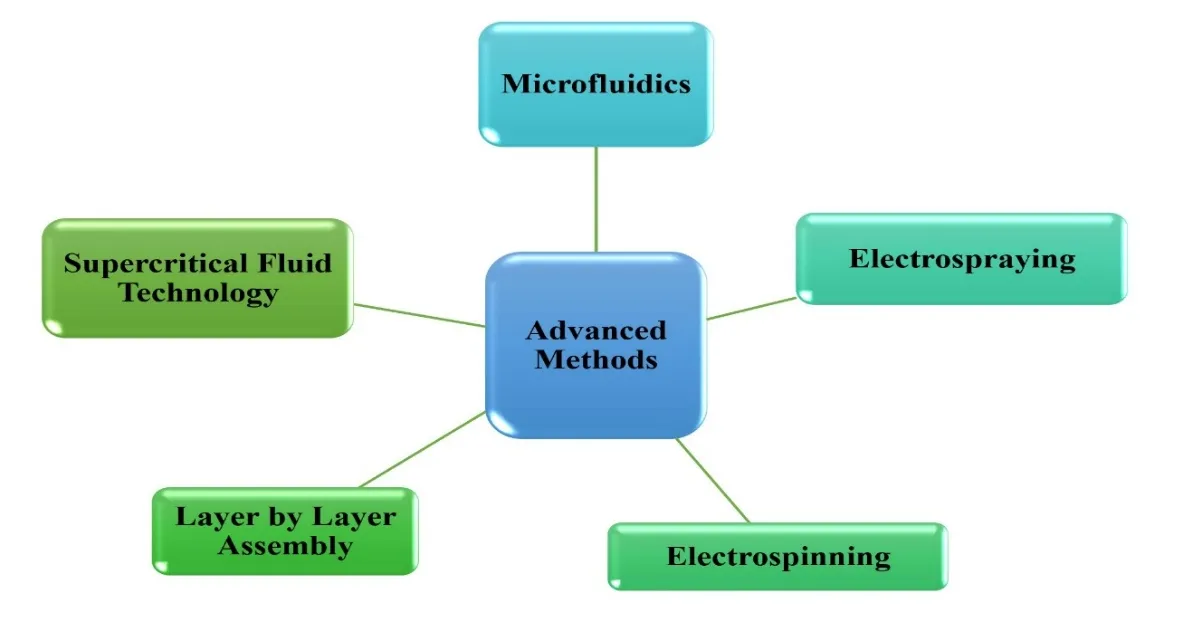
Fig 7 : Advanced Methods
6.ADVANTAGES AND DISADVANTAGES
Advantages : [7]
Disadvantages : [7]
7. CORE AND COATING MATERIALS USED IN MICROENCAPSULATION
7.1. Selection Criteria for Core and Coating Materials
The choice of a suitable coating (wall) and core (active ingredient) material is the main factor influencing microencapsulation performance. Encapsulation efficiency, stability, drug release behavior, and targeting capabilities are all determined by the physicochemical compatibility of the core and shell. Excellent biocompatibility, biodegradability, mechanical strength, chemical stability, and the capacity to create a consistent protective barrier around the core are all desirable qualities for a coating material. Similarly, the core substance should retain its therapeutic action while remaining chemically stable during encapsulation and storage. [14,15,16]
The intended route of administration, drug properties, release kinetics, and manufacturing technique should all be taken into consideration when choosing encapsulating materials, according to recent studies. [14,15,16]
7.2. Core Materials Used in Microencapsulation
The active ingredient included in the microcapsule is known as the core material. Pharmaceutical medications, proteins, peptides, probiotics, vaccines, nucleic acids, essential oils, and imaging agents are examples of substances that can exist in solid, liquid, or gaseous form. Encapsulation efficiency, stability, and release characteristics are all influenced by the nature of the core. While hydrophobic medications work better in lipid-based or hydrophobic polymer systems, hydrophilic pharmaceuticals frequently need hydrophilic polymer matrices. The variety of core materials has been broadened by recent pharmaceutical research to include biologics including mRNA, gene-editing components, and monoclonal antibodies. [2,16,17]
Table 1. Classification of Core Materials
|
Core Material
|
Examples |
|
||||||||
|
Small Molecule Drugs [18] |
Ibuprofen, Aspirin, Diclofenac |
Sustained Release |
||||||||
|
Antibiotics [19] |
Amoxicillin, Ciprofloxacin |
Controlled Delivery |
||||||||
|
Anticancer Drugs [16] |
Doxorubicin, Paclitaxel |
Targeted Therapy |
||||||||
|
Proteins & Peptides [20] |
Insulin, Growth Hormone |
Protection From Degradation |
||||||||
|
Vaccines [16] |
Antigens, Mrna Vaccines |
|
||||||||
|
Probiotics [21] |
Lactobacillus Spp. |
Improved Gastrointestinal Survival |
||||||||
|
Essential Oils [22] |
|
|
||||||||
|
Nucleic Acids [16] |
|
Gene Delivery |
7.3 Coating Materials Used in Microencapsulation
Controlling medication release, enhancing stability, and shielding the encapsulated agent from environmental deterioration are all accomplished by the coating or wall material, which creates a protective shell around the core. Excellent film-forming ability, biocompatibility, biodegradability, low toxicity, and compatibility with the medicine being encapsulated are all desirable characteristics of the wall material. While synthetic polymers are still necessary to achieve accurate and long-term regulated release, recent research has concentrated on natural polymers because to their superior safety profile and environmental sustainability. [23,24]
Classification of Coating Materials
Natural polymers come from plant, animal, or microbial sources and are non-toxic, biodegradable, and biocompatible. Because they may create protective shells around active medicinal ingredients, increasing medication stability, regulating drug release, and boosting bioavailability, they are frequently utilized as coating materials in microencapsulation.[23] They are appropriate for oral, topical, and targeted drug delivery systems due to their superior safety profile, mucoadhesive qualities, and environmental sustainability. Alginate, chitosan, gelatin, pectin, gum arabic, starch, cellulose derivatives, carrageenan, hyaluronic acid, xanthan gum, and pullulan are examples of common natural polymers. They may show batch-to-batch variability and lower mechanical strength than synthetic polymers, despite benefits like low toxicity and biodegradability.[24,25]
Examples
In microencapsulation systems, synthetic polymers man-made polymers are intended to deliver drugs in a regulated, sustained, and targeted manner. Their exceptional mechanical strength, repeatability, chemical stability, and adjustable degradation rates make them widely employed. Synthetic polymers provide greater control over drug release kinetics, encapsulation efficiency, and large-scale production when compared to natural polymers. In addition to being biodegradable and biocompatible, many synthetic polymers can be used in oral, injectable, ophthalmic, and implantable drug delivery systems, among other pharmaceutical applications.[26]
Examples
C. Lipid-Based Materials [16]
Examples
Applications
D. Protein-Based Materials [24]
Examples
Applications
7.4. Properties of an Ideal Coating Material [23]
Table 2 : Properties of an Ideal Coating Material
|
Property |
Importance |
|
Biocompatibility |
Safe For Biological Use |
|
Biodegradability |
Eliminates Need For Surgical Removal |
|
Non-Toxic |
Reduces Adverse Effects |
|
Film-Forming Ability |
Produces Uniform Capsule Shell |
|
Chemical Stability |
Protects Drug During Storage |
|
Mechanical Strength |
Prevents Rupture |
|
Controlled Permeability |
Regulates Drug Release |
|
Ease Of Processing |
Supports Scalable Manufacturing |
|
Cost Effectiveness |
Facilitates Industrial Production |
8.CHARACTERIZATION OF MICROCAPSULES
The encapsulation efficiency, particle size and shape, surface properties, stability, and release behavior of microcapsules are assessed. The shape, surface texture, and structural integrity of the microcapsules are evaluated using morphological examination, which is often performed using SEM. The amount of active substance that is effectively trapped within the coated material is indicated by encapsulation efficiency. While release tests assess the regulated release and functional performance of the encapsulated item in the intended application, stability investigations ascertain the microcapsules' capacity to shield delicate compounds from deterioration during storage. [27]
8.1. Particle Size and Size Distribution
Particle size and size distribution are important factors that affect microcapsule performance, stability, and quality. Consistent release properties are ensured and encapsulation efficiency is increased using smaller, evenly distributed microcapsules. Variables in formulation and processing, including viscosity, emulsifier concentration, stirring rate, and stirring time, have an impact on particle size. While high viscosity or emulsifier content might increase particle size, increasing the stirring rate and duration generally results in smaller and more homogeneous microcapsules. [28]
Determined using:
8.2. Morphology and Surface Characteristics
The stability, release behavior, encapsulation efficiency, and structural integrity of microcapsules are all influenced by their morphology and surface features. The encapsulation method and formulation conditions affect the morphology of microcapsules, which are typically spherical in shape with smooth or slightly rough surfaces. [29] Successful encapsulation is indicated by uniform surface morphology, which also improves the microcapsules' mechanical and thermal stability.[30]
Determined using:
8.3. Encapsulation Efficiency and Drug Loading
Two important metrics used to assess the effectiveness of microencapsulation systems are drug loading (DL) and encapsulation efficiency (EE). Drug loading is the quantity of drug included per unit weight of the microcapsules, whereas encapsulation efficiency is the proportion of medication properly entrapped within the carrier. Drug protection, stability, controlled release, and therapeutic efficacy are all enhanced by high EE and DL. Following the quantification of the free and encapsulated medication, these parameters are typically ascertained using UV-visible spectrophotometry or High-Performance Liquid Chromatography (HPLC). Vacuum spray drying achieved a maximum encapsulation efficiency of 91.56% and a drug loading efficiency of 5.45% in the reviewed study, indicating that curcumin was effectively trapped within the pectin matrix.[31]
Determined using:
8.4. Chemical Characterization (FTIR)
FTIR, or Fourier Transform Infrared Spectroscopy, is frequently used to determine the functional groups found in microcapsules, wall polymers, and core materials. By identifying distinctive chemical linkages and potential interactions between the drug and the encapsulating substance, it verifies successful encapsulation. Additionally, FTIR guarantees that no unwanted chemical changes take place during the microencapsulation process and aids in determining the compatibility of formulation components.[32]
Determined using:
Purpose:
8.5. Thermal Characterization (DSC, TGA)
In order to assess the stability and thermal behavior of microcapsules throughout manufacturing and storage, thermal characterisation is crucial. While Thermogravimetric Analysis (TGA) analyzes weight loss and degradation temperature to evaluate thermal stability, Differential Scanning Calorimetry (DSC) is used to quantify the melting point, crystallization behavior, glass transition temperature, and enthalpy of encapsulated materials. These methods guarantee that microcapsules stay stable under heat stress and validate the protective function of the encasing substance.[33,34]
Determined using:
Purpose:
8.6. Crystallinity (XRD)
The crystalline or amorphous state of microcapsules is assessed using X-ray diffraction (XRD). It assists in confirming effective encapsulation and determining the crystallinity of the medication and wall material.[35] While variations in crystallinity affect the durability, solubility, and drug release behavior of the microcapsules, the absence or diminution of the core material's distinctive diffraction peaks signifies its successful integration into the polymer matrix.[36]
Determined using:
Purpose:
8.7. Surface Charge (Zeta Potential)
Zeta potential, or surface charge, is a crucial metric for assessing the stability of microcapsule dispersions. It helps forecast the propensity of microcapsules to aggregate by measuring the electrical charge on their surface. Stronger electrostatic repulsion between particles is indicated by a greater absolute zeta potential value, which improves colloidal stability and decreases aggregation. Additionally, successful surface modification or layer-by-layer coating of microcapsules is confirmed by changes in zeta potential. [37]
Determined using:
Purpose:
8.8. Stability Studies
The capacity of microcapsules to shield the encapsulated active substance during manufacturing and storage is assessed by stability tests. They evaluate the encapsulated material's retention in several environmental settings, including pH, temperature, light, and humidity. [38] High stability means that the wall material is protecting the microcapsules effectively, extending their shelf life and improving their performance. Anthocyanin-loaded microcapsules in the reviewed study demonstrated the efficacy of complex coacervation in maintaining the bioactive chemical under both room temperature (37 °C) and refrigerated (7 °C) storage settings.[39]
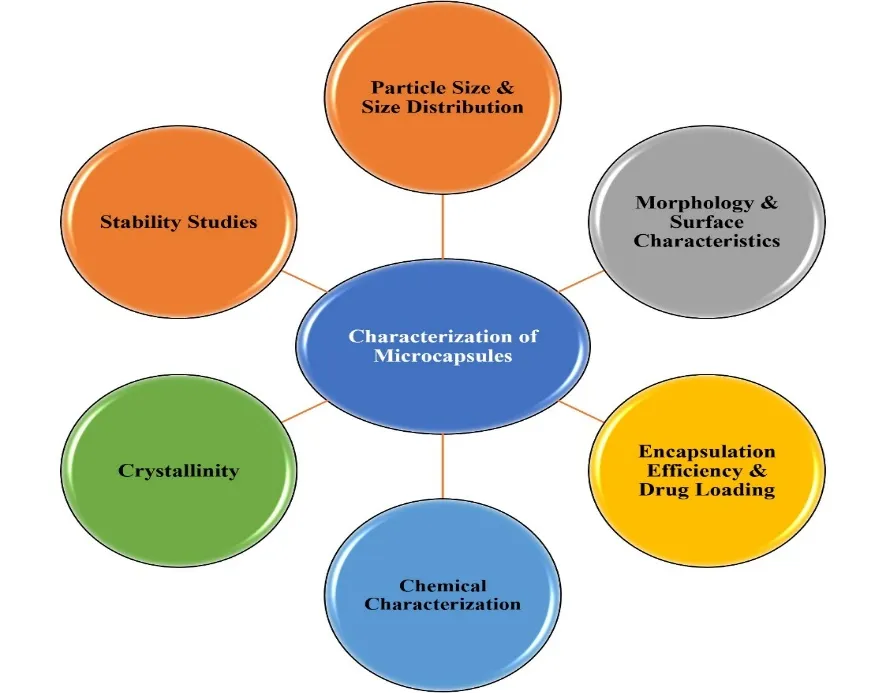
Fig 8 : Overview of Microcapsule Characterization
9.PREPARATION TECHNIQUES OF MICROENCAPSULATION
Microencapsulation is the technique of creating tiny capsules by encasing solid, liquid, or gaseous core constituents in a protective shell.[2] The type of core material, shell material, required particle size, encapsulation efficiency, release properties, and intended use are all taken into consideration while choosing a preparation method. Physical (Mechanical), Physicochemical, and Chemical methods are the general categories into which microencapsulation techniques fall. [40,41]
9.1. Physical and Mechanical Methods
In both mechanical and physical microencapsulation techniques, a covering material is physically deposited around the core material without the active ingredient being chemically altered. To create the capsule shell, these methods rely on mechanical forces such atomization, fluidization, or drying. They are popular for industrial applications in the pharmaceutical, food, cosmetic, and biotechnology industries due to their easy operation, affordability, scalability, and compatibility with heat-stable materials. [42]
9.1.1. Solvent Evaporation: [2,6,7]
One of the most popular techniques for microencapsulating both hydrophilic and hydrophobic medications is solvent evaporation. In this method, the core material and polymer are dissolved or dispersed in a volatile organic solvent to form an emulsion. As the solvent evaporates, the polymer precipitates around the core material, generating stable microcapsules with regulated particle size and sustained-release features.[41] Oil-in-water (O/W) and water-in-oil-in-water (W/O/W) emulsion systems are frequently employed in this approach, which is extensively utilized in biotechnology, biomedical, and pharmaceutical applications.[43,44]
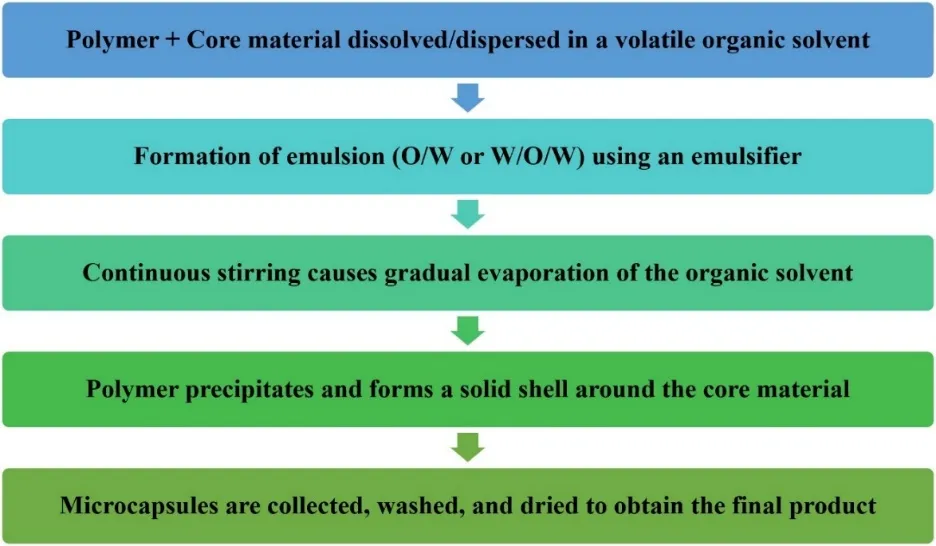
Fig 9 : Working Principle of Solvent Evaporation Technique
9.1.2. Pan Coating
One of the earliest and most basic mechanical techniques for microencapsulation is pan coating, which is generally used to solid particles larger than 600 μm. Using this method, the coating material is sprayed or poured over the surface of the core particles while they are in a spinning coating pan. In order to evaporate the solvent and create a consistent protective layer surrounding every particle, warm air is concurrently delivered. The pharmaceutical industry uses this technology for pellet and tablet coating because it is straightforward, affordable, and very effective. [45]
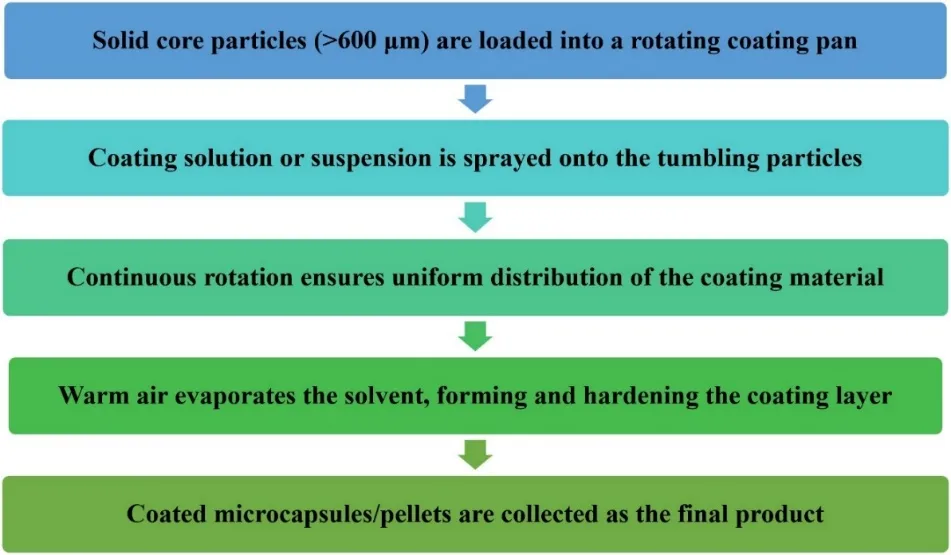
Fig 10 : Working Principle of Pan Coating
9.1.3. Spray Drying:
One of the most popular physical microencapsulation techniques for turning liquid feed into dry, free-flowing microparticles is spray drying. In order to create microcapsules, the core material is combined with an appropriate wall material, atomized into tiny droplets, and quickly dried using hot air.[46] It is favored due to its ease of use, affordability, speed of processing, scalability, reproducibility, and capacity to create stable powders with regulated particle sizes and longer shelf lives. [47]
Example : Curcumin from turmeric (Curcuma longa) is commonly microencapsulated by spray drying using gum arabic, sodium alginate, or modified chitosan as wall materials to improve its stability, solubility, and controlled release. [48]
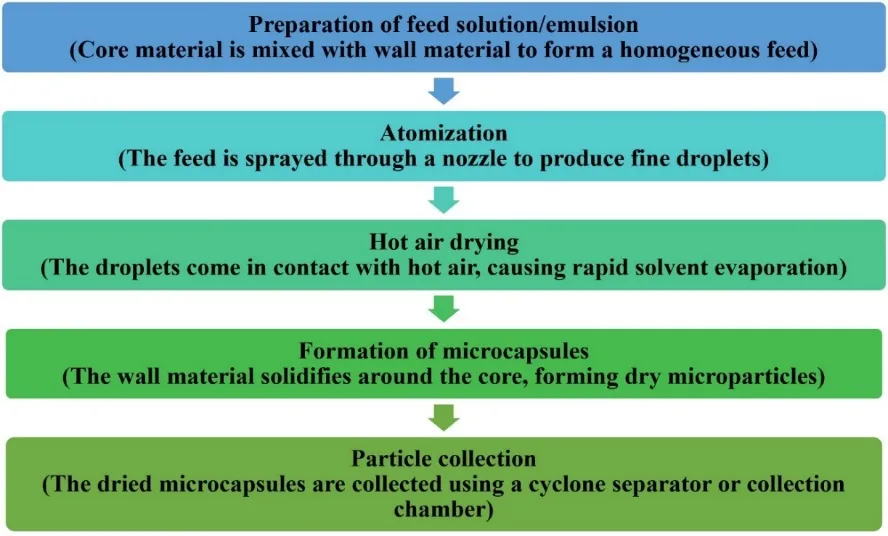
Fig 11 : Working Principle of Spray Drying
9.1.4. Fluidized Bed Coating
Fluidized bed coating is a mechanical microencapsulation method where a coating solution is sprayed onto the surface of solid particles suspended in an upward air stream.[49] Uniform coating is ensured by the particles' constant motion, and concomitant drying quickly eliminates the solvent to create a protective shell surrounding every particle. This approach is one of the most popular for microencapsulation because it provides good control over coating thickness, high encapsulation effectiveness, and uniform particle coating. [50]
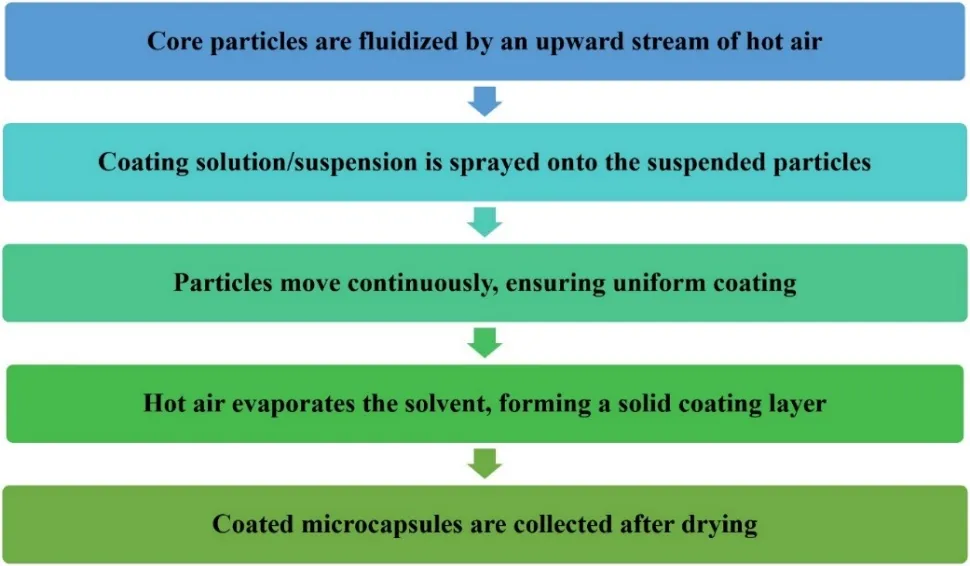
Fig 12 : Working Principle of Fluidized Bed Coating
9.1.5. Spray Cooling/Chilling :
A physical microencapsulation approach called spray cooling/chilling involves atomizing a molten mixture of the active ingredient and carrier material into a cooled chamber. The droplets quickly solidify into microspheres or microcapsules as they cool below the carrier's melting point. This method is appropriate for encasing heat-sensitive and lipophilic chemicals because it does not require solvent evaporation like spray drying does. A straightforward, economical, and high-throughput method, spray cooling/chilling frequently uses lipid-based carriers like fats, waxes, and other biodegradable substances. [51]
Example - Vitamin D₃ encapsulated in lipid-based microspheres by spray cooling to improve stability and controlled release.[52]
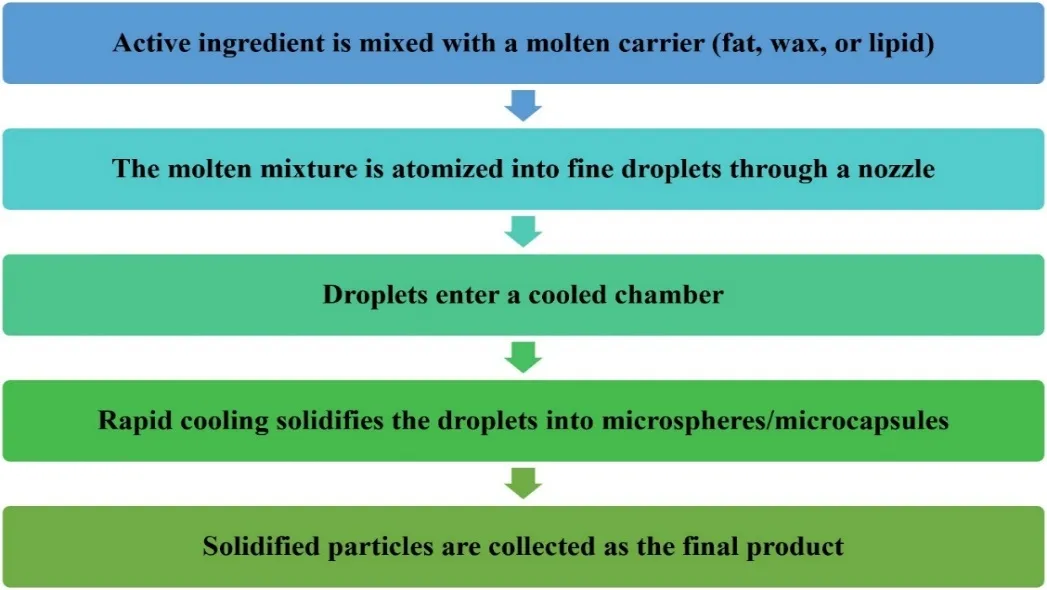
Fig 13 : Working Principle of Spray Cooling/Chilling
9.2. Chemical Methods of Microencapsulation :
Chemical polymerization or cross-linking events are used in chemical microencapsulation techniques to create a polymeric shell surrounding the core material. With exact control over capsule size, wall thickness, and drug release, these methods yield robust, stable, and homogeneous microcapsules. Chemical techniques are frequently utilized to create microcapsules with enhanced stability, protection, and controlled-release characteristics in pharmaceutical, biomedical, and industrial applications.[53]
9.2.1. Interfacial Polymerization:
In the chemical microencapsulation process known as interfacial polymerization, two reactive monomers that have been dissolved independently in the aqueous and oil phases react quickly at the oil–water interface to create a thin polymeric shell surrounding the core material. Because the polymerization is limited to the interface, core-shell microcapsules with superior mechanical strength, controlled-release characteristics, and high encapsulation efficiency are produced. This method is frequently used for the encapsulation of medications, insecticides, cosmetics, scents, and phase-change chemicals because of its quick reaction, large loading capacity, and simplicity of processing. [54]
Fast interfacial polymerization (FIP) produces self-stabilized microcapsules without the need for extra surfactants by facilitating the quick creation of stable polymer shells at the oil–water interface. [55]
By controlling the shell thickness and compactness of microcapsules during interfacial polymerization, the shuttle effect enhances controlled release and lowers environmental losses of the encapsulated active ingredient. [56]
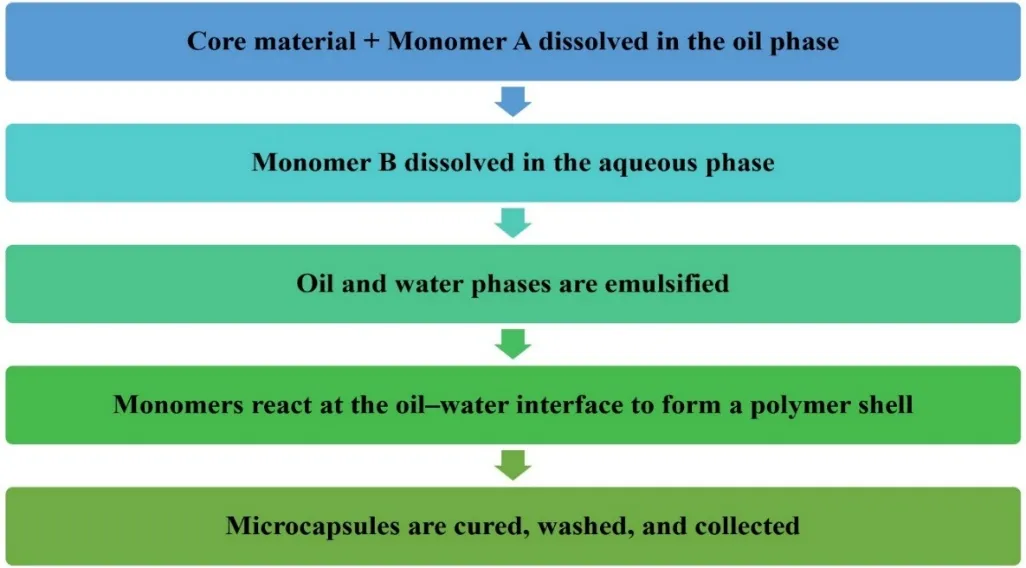
Fig 14 : Working Principle of Interfacial Polymerization
9.2.2. In Situ Polymerization
Shell-forming monomers polymerize directly in the continuous phase during in situ polymerization, a chemical microencapsulation process, and deposit around scattered core droplets to create a homogenous polymeric shell. Phase change materials (PCMs), medicines, self-healing agents, and functional bioactive chemicals can all be encapsulated using this technology because of its high encapsulation efficiency, strong mechanical strength, regulated particle size, and exceptional temperature stability.[57]
By using in situ polymerization, paraffin was effectively encapsulated with a melamine–urea–formaldehyde (MUF) shell, resulting in a 77.1% encapsulation efficiency and superior thermal energy storage capabilities. [57]
In situ polymerization was used to encapsulate epoxy resin in poly(urea-formaldehyde) (PUF) microcapsules, resulting in self-healing coatings with enhanced corrosion protection and excellent encapsulation efficiency. [58]
In situ polymerization was used to create butyl stearate-containing photochromic polyurea microcapsules with reversible light-to-heat conversion, high thermal energy storage, and outstanding thermal stability. [59]
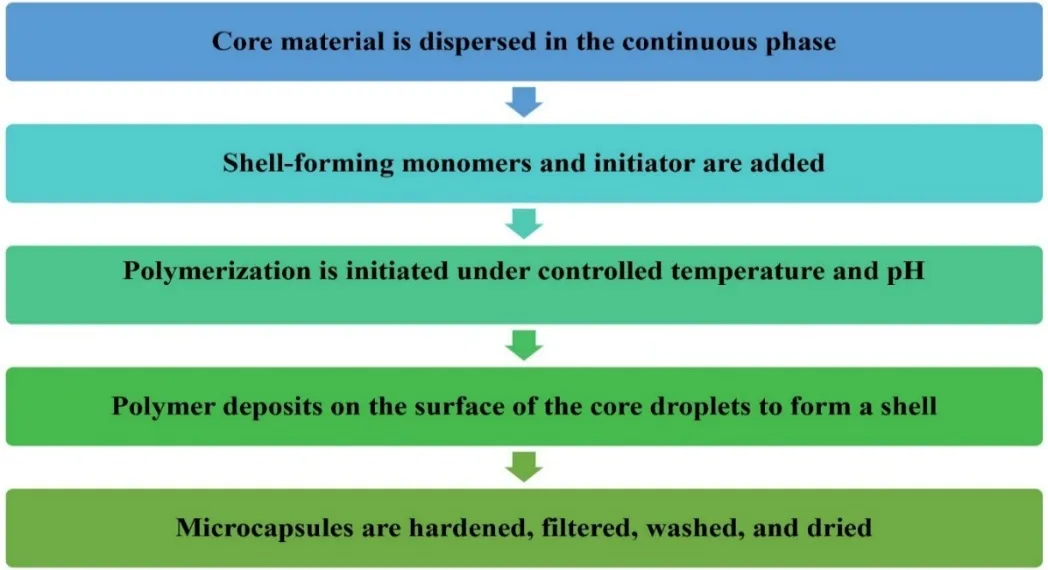
Fig 15 : Working Principle of In Situ Polymerization
9.3. Physicochemical Methods of Microencapsulation
Sensitive bioactive chemicals are coated or trapped inside a polymer matrix or shell via physicochemical encapsulation techniques, which rely on chemical and physical interactions such as electrostatic attraction, phase separation, solubility alterations, ionic cross-linking, and interfacial tension manipulation. [60]
9.3.1. Ionic Gelation
The microencapsulation of phenolic compounds and carotenoids can benefit from the ionic gelation approach since it is solvent-free and only requires moderate temperatures, which increases the process's feasibility and reduces its cost. [61]
Ionic gelation (IG) is a potential method for microencapsulating oils and oleoresins that include ASX. [62]
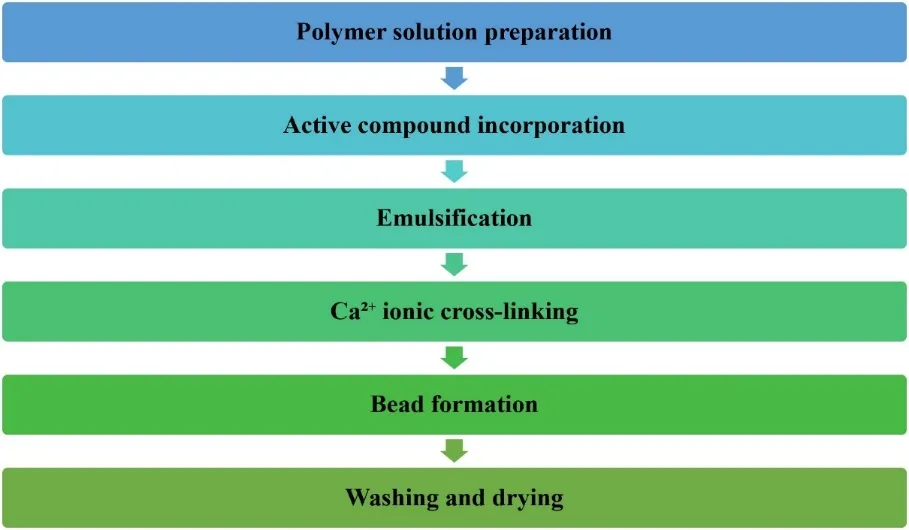
Fig 16 :Working Principle of Ionic Gelation
9.3.2. Coacervation [Phase separation]
One of the earliest and most used encapsulating methods is coacervation. Comparable to a modified emulsification process, it is a reasonably easy procedure. The hydrocolloid is separated from the primary solution and then agglomerates into a distinct liquid phase known as "coacervate" as part of this process mechanism. The "continuous phase" refers to the coacervates, whereas the "equilibrium solution" refers to the second phase. [63]
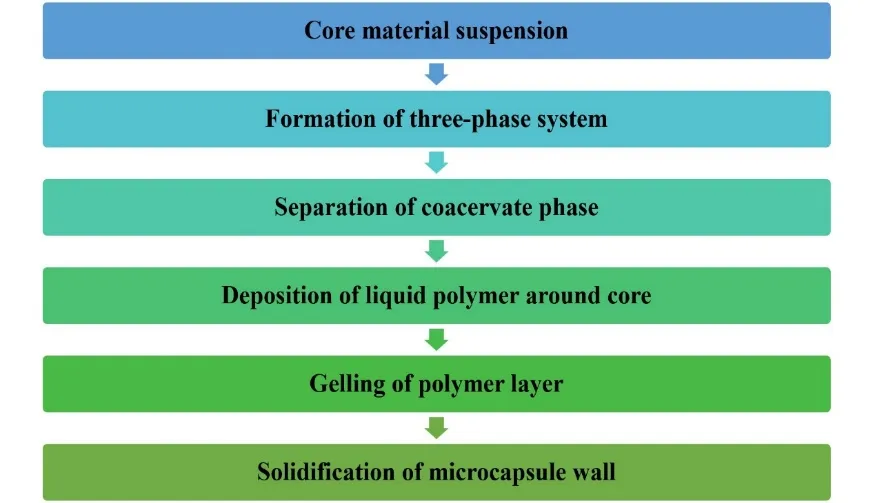
Fig 17 : Working Principle of Coacervation [Phase separation]
10.THERAPEUTIC APPLICATIONS OF MICROENCAPSULATION
API delivery routes play a crucial role in determining their efficacy. Microencapsulation has been widely used for oral API delivery, and microencapsulated APIs are formulated as oral dosage forms, such as tablets, syrups, or capsules, that offer several advantages over conventional formulations. For example, microencapsulation protects APIs from degradation in the gastrointestinal tract, leading to improved bioavailability and enhanced variability of living organisms.
Microencapsulation has been used for topical API administration. By adding microencapsulated APIs to creams, gels, or sprays, their effectiveness and skin delivery can be improved. Additionally, microencapsulation can increase the stability of APIs in topical formulations, resulting in improved patient compliance and a longer shelf life. Microencapsulated APIs can pass through the skin thanks to transdermal API delivery. Applying transdermal patches enables APIs to enter the systemic circulation by penetrating the epidermis, the skin's outermost layer. By applying transdermal patches to the skin, APIs are able to enter the systemic circulation through the epidermis, the skin's outermost layer. Convenience and prolonged release are two benefits of transdermal delivery for APIs with a limited therapeutic window, such as hormone replacement and pain relief. Injectable API delivery involves administering APIs directly into the body through various routes, such as intravenous, intramuscular, and subcutaneous injection. This allows for quick absorption and distribution by bypassing obstacles like the gastrointestinal tract. While intramuscular and subcutaneous injections offer prolonged release and localized effects, intravenous injections enable instantaneous API administration into the bloodstream. Implantable API delivery systems are used for long-term therapy, where sustained release or pulsatile release is required, such as pain management, contraception, and treatment of chronic diseases. These devices can be reservoir-based or matrix-based, releasing APIs through diffusion, osmotic pressure, or other forces.[16]
10.1. Microencapsulation of Small APIs
Small APIs include substances with low molecular weight, such as aspirin, ibuprofen, and cannabidiol. Most of them that are consumed orally taste harsh. One of the main issues, especially with pediatric APIs for kids, is masking the bitter taste. Their effectiveness and compliance are significantly reduced when they are bitter. One popular API used to treat hypokalemia orally is potassium chloride (ICI). However, the taste is unbearable.
Compared to the commercial KC syrup, it exhibits two times better taste-masking after being microencapsulated with Eudragit E100 by fluid bed coating.[16]
Table 3 : Microencapsulation of Small APIs[16]
|
API |
Polymer |
Encapsulation technology |
Pharmaceutical application |
|
Morphine, Amikacin, Cytrabine |
Tricaprylin, phosphatidylcholine, cholesterol, and triolein |
Liposome |
Epidural analgesia, neoplastic meningitis, and antibacterial
|
|
CBD, THC |
Alginate, cyclodextrin, and chitosan. |
Hydrogelation |
Anxiolytic, antipsychotic, anticonvulsant, analgesic, anti-inflammatory, and antioxidant |
|
Nicotine |
Protein, gelatin, polyphosphate, and polysaccharide |
Spray drying , coacervation |
treating or avoiding nicotine addiction. |
|
Nimodepin, felodipine, and o-vanillin |
Poly-(ethylene glycol)PEG 4000 |
Supercritical fluid expansion |
The dissolution rate of APIs improve . |
|
5-FlurouracilTretinion |
Dimethicone , crosspolymer , Methyl methacrylate glycol dimethacrylate |
Microsponge |
Multiple acne keratoses, acne vulgaris |
|
Vitamins |
Proteins , polysaccharides and lipids |
Spray drying , molecular encapsulation and coacervation |
Beri-beri , rickets, anemia , scurvy ,nightblindness ,osteoporosis and excessive bleeding |
2. Microencapsulation of medium size APIs
Active pharmaceutical ingredients (APIs) in pharmaceutical delivery systems are generally divided into three categories based on their molecular size and structural complexity: medium APIs (intermediate molecular weight biologics), small APIs (low molecular weight synthetic drugs like aspirin or ibuprofen), and living organisms (probiotics, bacteria, and viruses).
Particularly, medium-sized APIs include biomolecules like peptides, proteins (including insulin, albumin, and toxoids), nucleic acids (like mRNA), and antibodies.[16]
Table 4 : Microencapsulation of medium size APIs[16]
|
API |
major wall materials |
encapsulation technology |
pharmaceutical applications |
|
Insulin |
Chitosan, alginate, triolein, trilinolein, paraffin, methacrylic acid copolymer, cyanoacrylate monomer, isopropyl myristate, ethyl cyanoacrylate, PEG-8 glycole octanoate, decanoate, chitosan, triacetin, cetyl palmitate, and poly alkyl cyanoacrylate |
liposome, polymerization, emulsion, and lipid nanoparticles |
diabetes; insulin administered orally, injected, and inhaled |
|
Enzymes, antibodies, and amino acids |
polyamide microcapsules |
polymerization |
Target delivery system and nanocarrier for anticancer APIs |
|
albumin |
Polylactic-co-glycolic acid and polycaprolactone |
Extraction and solvent evaporation |
API delivery system |
|
toxoid |
polylactic-co-glycolic acid and polylactic acid |
extrusion, emulsion, liposome, solvent evaporation, spray drying, and coacervation |
multifunctional peptides, proteins, and vaccines |
|
recombinant hepatitis B surface antigen |
Cationic microcapsules comprising polylactic acid, polylactic-co-glycolic acid, and stearyl amine |
spray drying, liposome, lipid nanoparticle, and emulsion |
hepatitis B vaccine |
3.Microencapsulation Of Micro-Organisms
A.Probiotics
Although live probiotics have important benefits such as gut microbiota control and pathogen defense, their oral delivery is hampered by significant viability loss during storage and transit through the gastrointestinal tract (GIT). To resolve this, microencapsulation using biopolymers, lipids, and layer-by-layer (LbL) coatings—such as chitosan and alginate—protects bacteria from stomach acid, enhances muco-adhesion, and enables targeted release in the colon, often boosted by co-encapsulating prebiotics or polyphenols. Furthermore, microencapsulating recombinant probiotics via methods like centrifugal extrusion transforms them into robust oral vaccine platforms, protecting antigenic payloads through gastric and intestinal fluids to elicit strong systemic (IgG) and mucosal (IgA) immune responses.[16]
Table 5: Microencapsulation Of Probiotics[16]
|
API |
major wall materials |
encapsulation technology |
pharmaceutical applications |
|
Lactobacillus acidophilus |
Hydroxypropyl methylcellulose, chitosan, and sodium alginate |
spray drying |
protection, targeted release, and defense of mucoadhesive qualities |
|
Lactobacillus plantarum |
Gellan gum, xanthan, chitosan, and sodium alginate |
spray drying and freeze-drying |
stability, long-term preservation, protection, and targeted release |
|
Lactobacillus reuteri |
chitosan and alginate |
spray drying |
defense against heat stress and gastrointestinal disorders |
|
Bifidobacterium bifidum |
kepa carrageenan and sodium alginate |
emulsification and emulsion |
probiotic sustainability, protection, stability, and targeted release |
|
Bifidobacterium breve |
calcium lactate, chitosan, and sodium alginate |
freeze-drying and emulsion |
protection, probiotic fortification, and survival in GI conditions |
B.Other living organisms
Live species like Bifidobacteria, Clostridia, and Salmonella are used in bacterial therapy as targeted drug delivery vectors. These species can colonize hypoxic tumor regions, boost antitumor immunity, and treat diseases like cancer, obesity, and gastrointestinal disorders. Intestinal bile salts and severe stomach acidity significantly lower bacterial survivability and therapeutic efficiency in vivo, despite oral delivery being the most practical and compliant method. Microencapsulation methods enclose therapeutic bacteria (such as E. coli , Bacteroides, and magnetotactic strains) into protective matrices to maintain their activity and facilitate efficient targeted distribution in order to get over these physiological obstacles.[16]
Table 5: Microencapsulation Of Other living organisms[16]
|
API |
major wall materials |
encapsulation technology |
pharmaceutical applications |
|
pancreatic cell clusters and placental tissue |
Alginate-poly-L-lysine alginate, barium alginate, sodium alginate, and agarose |
extrusion |
type 1 diabetes mellitus |
|
human umbilical cord blood cells hepatocytes |
sodium alginate |
extrusion |
hepatic disease |
|
Cardiac stem cells |
alginate-poly-L-lysine alginate and sodium alginate |
hydrogelation |
cardiovascular disease |
|
Salmonella typhimurium |
L-α-phosphatidylcholine, |
liposomal encapsulation |
tumor therapy |
|
Magnetococcus marinus |
lipopolysaccharides and phospholipids |
liposomal encapsulation |
tumor therapy |
|
bacteriophages |
Sodium alginate, cholesterol, and phospholipids |
extrusion and liposomal encapsulation |
Foodborne illnesses and management of gut pathogen colonization |
|
neurotrophic factor-secreting cells |
alginate-poly-L-lysine alginate and sodium alginate, collagen |
extrusion |
Parkinson's disease and neurodegenerative diseases |
|
genetically engineered E. coli DH5 |
alginate-poly-L-lysine alginate and polyvinyl alcohol |
extrusion |
uremia therapy |
11.INDUSTRIAL AND COMMERCIAL APPLICATIONS
1.Food industry
Over the past 20 years, the idea of functional meals has drawn more attention due to customer desire for goods that offer both extra health advantages and nutritional value. Bioactive substances including polyphenols, carotenoids, omega-3 fatty acids, essential oils, dietary fibers, or bioactive peptides are frequently added to functional foods. Numerous health-promoting qualities, such as antioxidant, anti-inflammatory, antibacterial, and cardioprotective activities, are linked to these substances . Therefore, incorporating them into regular diets is thought to be a promising way to avoid chronic diseases linked to diet and to enhance general health .Incorporating bioactive compounds like polyunsaturated fatty acids and polyphenols into foods poses significant technological and sensory challenges due to their chemical instability (sensitivity to light, heat, oxygen, and pH), low solubility, poor bioavailability, and off-tastes like bitterness or astringency. To overcome these hurdles, microencapsulation techniques protect sensitive compounds, mask unpleasant flavors, improve stability, and enable targeted controlled release in the digestive system. While traditional methods like spray-drying and freeze-drying are widely used, innovative approaches—such as nanotechnology-based carriers, liposomes, electrohydrodynamic processes, and biopolymer matrices—offer enhanced functionality and scalability for food industry applications.[64]
Beverages
The fortification of beverages with sensitive compounds such as polyphenols,carotenoids, and omega-3 fatty acids is highly challenging due to solubility and stability issues. Encapsulation technologies (e.g., nanoemulsions and cyclodextrin complexes) have enabled the incorporation of bioactives into fruit juices, functional waters, and dairy-based drinks while maintaining clarity, stability, and desirable sensory attributes. For example, nanoencapsulated β-carotene has been successfully applied in fruit juices, providing both enhanced stability and improved bioavailability.[64]
Dairy items
Encapsulated bioactives are commonly found in yogurts, cheeses, and milk beverages due to their high fat content and favorable pH. During storage and gastrointestinal transit, probiotics enclosed in whey or alginate protein matrices show increased survival rates. Similarly, fish oil encapsulated via complicated coacervation or spray-drying has been added to milk powders and yogurts to provide omega-3 fatty acids and lessen oxidative off-flavors.[65]
Bakery Goods
Bioactive integration is severely hampered by the high processing temperatures used in baking. The antioxidant qualities of bread, biscuits, and muffins have been enhanced by the encapsulation of polyphenols, carotenoids, or essential oils in protective carriers, which have improved their thermal stability during baking procedures. Additionally, microcapsules can function as moisture regulators, improving the texture and shelf life of products.[66]
While bread is a popular food, most commercial kinds are produced from refined flour, which lacks essential elements such as vitamins, minerals, and antioxidants, and are baked in ways that destroy sensitive bioactive ingredients. Researchers have looked into fortifying bread with fibers, fruit/vegetable extracts, and direct bioactive compounds to satisfy growing consumer demand for healthier options. However, these additions frequently result in off-flavors, decreased volume, increased firmness, and shortened shelf life. By enclosing bioactives like probiotics, vitamins, polyphenols, and omega-3s in protective matrices, encapsulation technology helps get around these problems by protecting delicate components from heat damage and hiding offensive flavors. Manufacturers must balance health benefits with dough rheology, final sensory qualities, shelf-life, and digestive bioaccessibility in order to commercially commercialize functional bread employing encapsulated chemicals.[67]
Products Made from Meat
Essential oils (e.g., oregano, rosemary, thyme) and plant extracts encapsulated in biopolymer or lipid matrices are being utilized in meat and poultry to improve shelf life by lowering lipid oxidation and microbiological development. Antimicrobials and antioxidants that are encapsulated provide regulated release, guaranteeing progressive protection during distribution and storage . Bioactive peptides generated from meat proteins have recently drawn interest due to their antibacterial, antihypertensive, and antioxidant qualities, in addition to bioactives derived from plants. To increase product stability and nutritional value, these peptides can be added to meat compositions or utilized as natural preservatives. Additionally, encasing bioactive peptides in appropriate delivery systems can assist their progressive release during processing and storage, improve their bioavailability, and shield them against deterioration.[68]
Plant-Based Foods
Encapsulated bioactives have a lot of potential in the expanding plant-based food industry. To improve the nutritional and functional qualities of plant-based drinks and dairy substitutes, polyphenols and phytosterols are added. Encapsulation stabilizes lipophilic bioactives in low-fat matrices and helps conceal bitterness from plant-derived substances.[69]
2. Textile Industry
Biopolymer-based microencapsulation technology—utilizing natural, biodegradable polymers like chitosan, gelatin, alginate, and cellulose—offers a sustainable alternative to conventional formaldehyde-based synthetic coatings for developing multifunctional textiles. By enclosing active compounds like essential oils, dyes, antimicrobials, and phase-change materials in protective micrometric membranes, this technique imparts durable functional properties (e.g., UV protection, aroma finishes, and thermoregulation) without altering the fabric's natural breathability or softness. Various application methods—including padding, spraying, printing, and UV or microwave curing—ensure effective binding and controlled active release. However, scaling this technology requires addressing key environmental concerns and technical challenges, such as post-laundry chemical leaching into ecosystems, poor wash durability, the need for safe binding agents, and the ecological impacts of biopolymer degradation. [70]
Silk fibre
Although silk fiber is valued as a comfortable, skin-friendly natural protein, its susceptibility to photo-aging, yellowing, and wrinkling limits its application. Applying microencapsulation technology—using wall materials such as gelatin, starch derivatives, biopolymers, or regenerated silk fibroin to enclose active core substances like fragrances, phase change materials, dyes, and antimicrobials—overcomes the poor durability of direct functional treatments. Microcapsules can be applied to silk via finishing, printing, or electrospinning processes and are secured through intermolecular forces (electrostatic or hydrogen bonding) or chemical bonds (ionic or covalent) using crosslinking adhesives to withstand washing and friction. Despite current challenges regarding high material costs, size control, and single-functionality, microencapsulated silk offers promising high-value applications across smart textiles, cosmetic skin care, and medical drug-delivery devices. [71]
3.Cosmetic Products
In cosmetics, polymer shells such as alginate are used for microencapsulation to protect active ingredients and improve efficacy. With a size range of 1 to 1000 µm, microparticles (MPs) exert an action locally in contact with the skin barrier without deep penetration. Moreover, natural biopolymer shells naturally hydrate and protect the skin barrier. In the skincare and cosmetics, actives are microencapsulated to protect them from UV light, temperature or moisture while hiding scent. It greatly enhances formula stability and bioavailability by preventing degradation as well as avoiding interactions with preservatives. Today, a wide range of active ingredients are encapsulated for cosmetic application — vitamin C and E, astaxanthin, turmeric essential oil or lemon essential oil or citronella as examples. Specifically, one key proeminent application of microencapsulation is for the delivery of live probiotics coordinate with topical treatment such as Lactobacillus strains in order to repair skin dysbiosis conditions caused acne. Whereas nanocapsules are too small to fit the relatively large bacterial cells, microcapsules and especially hybrid structures. These cosmetic microparticles are mostly made using methods including spray drying, emulsification, and extrusion. The most popular technique is extrusion since it is easy to use, economical, and doesn't require high temperatures or hazardous organic solvents, which makes it ideal for maintaining the viability of delicate components like probiotics. Because emulsification is so good at encasing hydrophobic substances like vitamins and essential oils, it is also widely utilized.[72]
3.Application In Detergents
Green, environmentally friendly microcapsules that use a solvent evaporation technique to encapsulate the nonionic surfactant Span 20 as the core material inside a hydrophobic ethyl cellulose (EC) shell. In order to release the surfactant and lower the oil-water interfacial tension, the resultant spherical microcapsules exhibit an oil-phase targeting capacity, remaining stable in aqueous conditions while rupturing quickly upon meeting oil surfaces. According to experimental findings, it is possible to modify particle size and mechanical properties (stiffness and elasticity) by varying important parameters including stirring speed, core-to-shell ratio, and polymer molecular weight. The microcapsules' strong resilience to salt and cold, as well as their ability to effectively separate and disperse oil droplets at low surfactant doses, underscore their promising potential in uses like detergents and enhanced oil recovery (EOR).[73]
4. Application In Agrochemicals
To reduce environmental pollution and crop phytotoxicity, controlled-release polyurea microcapsules carrying the herbicide oxyfluorfen were created thru interfacial polymerization in the presence of a green solvent (N,N-dimethyldecanamide). The microcapsules, which were synthesized with toluene diisocyanate (TDI) and different polyamines, had the maximum encapsulation effectiveness of 98.2% when ethylenediamine (EDA) was used. The chosen amine and core-to-shell ratio had a significant impact on both release kinetics and encapsulation efficiency; increasing the core-to-shell ratio decreased encapsulation efficiency and accelerated release, whereas EDA and lower core-to-shell ratios produced thicker capsule walls that provided a sustained, slow-release profile. Morphological and thermal evaluations verified the creation of stable spherical microcapsules, averaging 20-50 µm in diameter and great thermal stability. Importantly, field experiments on paddy crops demonstrated that while standard commercial emulsifiable concentrates caused severe phytotoxicity and crop destruction, the microencapsulated oxyfluorfen allowed for quick crop recovery and improved growth, proving it to be a safer, eco-friendly alternative for agricultural applications.[74]
5.Application In Electric Circuits
To facilitate the autonomous restoration of conductive silver lines in flexible electronic circuits, poly(urea-formaldehyde) (PUF) microcapsules encapsulating an oleyl amine-dispersed carbon nanoparticle core in toluene demonstrated size-dependent healing mechanisms governed by mechanical fracture geometry. Under tensile stretching strain, which causes distributed micro-fissures typical of repeated flexural deformation, the smaller variants showed superior restoration efficiency due to their higher numerical spatial distribution, increased probability of crack intersection, and local matrix plasticization effects. In contrast, during mechanical scratching tests that produced wide discrete gaps, the bigger microcapsules performed substantially better, recovering up to 96% of the initial electrical current by discharging a larger volume of core dispersion to physically bridge the broad channel.[75]
12.RECENT ADVANCES IN MICROENCAPSULATION
1.Smart Polymers [76]
|
Polymer type |
Primary stimuli Mechanism |
Key Properties |
Representative Examples |
Major applications |
|
Shape memory polymers |
variations in temperature, humidity, or pressure.
|
Reverts to its original shape after deformation when attaining a transition temperature/pressure.
|
Polyurethane, polycaprolactone, polyvinyl alcohol, polyethylene |
Lightweight automobiles, aircraft parts, and medical stents /catheters |
|
Conductive Polymers |
Electrical current through conductive additives (such as metals or carbon) |
Excellent electrical conductivity, transparency, and stability in doped forms. |
Polyaniline, pyrrole, thiophene, and polyacetylene |
Displays, sensors, actuators, batteries, and power storage |
|
Self-Healing Polymers
|
Repair processes are triggered when there is damage or fissures. |
Up to 95% healing efficiency; self-repair thru microencapsulation, covalent bonding, or supramolecular interactions |
Microencapsulated systems and dynamic covalent network polymers. |
Self-healing concrete, long-lasting structural coatings, and aircraft panels. |
|
Thermally Responsive Polymers
|
Temperature alterations
|
Modifies hydrophobicity, elastic modulus, or glass transition temperature at particular limits.
|
Poly(N-isopropylacrylamide) , Poly(ethylene glycol) (PEG) / Polycaprolactone (PCL), ϰ-Carrageenan or Pluronic F127,Ethyl Cellulose / Chitosan / Alginate |
Cell culture, tissue engineering, and targeted drug delivery. |
|
pH responsive polymers |
Environmental pH variations |
Ionization or protonation/deprotonation results in hydrophilic-to-hydrophobic transitions. |
Methacrylic Acid Copolymers ,Poly(acrylic acid) (PAA),Poly(2-vinylpyridine) (PVP) ,Chitosan / Alginate Polyelectrolytes |
Regulated drug delivery, bioseparation, and water-oil separation |
|
Light responsive Polymers |
Exposure to Light |
Adjusts refractive index (by 0.01-0.1), optical absorption, shape, swelling, or conductivity. |
Spiropyrans, azobenzene polymers, Liquid Crystal Polymers (LCPs), and PDLCs. |
optical data storage, optical switching, biomedical devices, optoelectronics. |
2.AI And Ml in Microencapsulation
Gaussian Process Regression (GPR) models are used to successfully forecast the dynamic viscosity of thermal energy storage solutions including microencapsulated phase change materials (MPCMs) and MXene particles. By categorizing twelve GPR hyperparameters into three distinct groups based on sensitivity and evaluating them using the Genetic Algorithm (GA), Particle Swarm Optimization (PSO), and Marine Predators Algorithm (MPA), the researchers discovered that optimizing all twelve hyperparameters simultaneously via GA yielded the highest predictive accuracy with an R-value of 0.999224. The parametric analysis indicated that as MPCM concentration increases and temperature decreases, dynamic viscosity increases dramatically. Finally, these optimized computer models offer a cost-effective alternative to costly laboratory experiments in heat management and engineering applications.[77]
3.MICROENCAPSULATION IN FUEL
In both the petroleum and fuel cell industries, microencapsulation serves as an effective mechanism for protecting reactive core materials and controlling their interaction with surrounding environments, though it introduces distinct operational trade-offs. Within the petroleum sector, microencapsulated additives—such as delayed-release gel breakers for hydraulic fracturing, self-healing core agents for cement sheaths, and long-acting corrosion inhibitors—rely on controlled release via shell rupture, dissolution, or diffusion to maintain fluid performance and repair subterranean structural damage[3]. Conversely, in proton exchange membrane fuel cells (PEMFCs), encapsulating platinum nanoparticles within thin carbon or silica layers protects the catalyst core against dissolution and carbon support corrosion. However, evidence demonstrates a critical trade-off between activity and durability: while robust graphitic shells significantly enhance catalyst lifespan, they restrict mass transport to the underlying active platinum sites, diminishing initial oxygen reduction reaction kinetics and altering reaction selectivity.[78]
4.PERSONALIZED MEDICINE
3D printing technologies ("nanoprinting") improve personalized medicine by incorporating microencapsulation and nanovehicles—such as polymeric nanocapsules, liposomes, SNEDDS, and microreservoirs—into solid dosage forms, targeted scaffolds, and microneedles to achieve precise, patient-specific drug delivery and controlled release profiles. Furthermore, 3D printing enables the continuous manufacturing of these micro/nano-encapsulated formulations by fabricating high-throughput microfluidic chips, tho wide clinical translation still faces challenges regarding particle aggregation, post-processing solvent/monomer removal, high equipment costs, and changing regulatory standards.[79]
13.RECENT CLINICAL TRIALS
The current stage and advancement of clinical research assessing the safety, effectiveness, and therapeutic advantages of medications or bioactive chemicals administered by microencapsulation technology is referred to as the clinical trial status of microencapsulation. Enclosing active chemicals in a protective layer to improve stability, regulate release, and boost BA is known as microencapsulation. In order to make sure they satisfy legal standards for human usage, clinical trials in this sector evaluate their uses in areas like targeted medication administration, sustained-release formulations, and protection of sensitive substances. The details of the numerous clinical trials carried out for microencapsulation nanocarriers, such as microspheres and microcapsules, are listed in the table below. [7]
|
Title of Study |
Type of Study |
Current Situation |
Conditions |
Interventions |
|
Data Collection on Yttrium Y 90 Resin Microspheres in Incurable Liver Cancer: The RESIN Study (RESiN) |
Observational |
Completed |
Localized Adult Liver Carcinoma That Is Incurable |
Microspheres of Yttrium-90 Resin |
|
Comparison of Uterine Artery Pain Gelatin Microsphere or Tris-acryl Gelatin Microsphere Embolization |
Interventional |
|
Uterine Myoma, Uterine Fibroid |
Gelatin microsphere (NexsphereTM) Device: Embosphere |
|
Pharmacokinetic-Pharmacodynamic Progesterone Microspheres (PK-PD) Examine |
Interventional |
Phase-I |
Infertility |
Progesterone |
|
A Comparison of Tretinoin Gel Microsphere, 0.1% with RETIN-A MICRO® Gel Microsphere, 0.1% for Acne Vulgaris Treatment |
Interventional |
Early Phase I |
Acne Vulgaris |
0.1% Tretinoin Gel Microsphere |
|
Crizotinib Encapsulated Microsphere Formulation Bioequivalency Study (eMS) |
Interventional |
Phase 1 |
Participants in Good Health |
Crizotinib |
|
Chemotherapy Patients' Injection of Docetaxel Lipid Microsphere (DT-LM) |
Interventional |
Phase 1
|
Advanced Cancer |
Docetaxel and DT-LM |
|
Assess the Taste and Comparative Bioavailability of Two Crizotinib Microsphere Formulations in Healthy Individuals |
Interventional |
Phase 1 |
Healthy Volunteers |
Treatment A,B,C etc. |
The study in the field of microencapsulation was concluded and all clinical trials were explained. Preclinical research, Phase I (safety), Phase II (efficacy), and subsequent phases for more comprehensive assessments are frequently covered by these trials.
14.REGULATORY CONSIDERATION
GRAS Status and EFSA/FDA Perspectives [80]
One of the biggest obstacles to industrial adoption is still the regulatory assessment of encapsulated bioactive chemicals, especially when nanostructured or microstructured systems are involved. In the US, the Food and Drug Administration (FDA) uses the Generally Recognized as Safe (GRAS) framework to evaluate new delivery methods and food additives. For a drug to be classified as GRAS, it must be proven to be safe under the intended conditions of use, either by a history of widespread usage in food or by publicly available scientific data that has been examined by qualified experts. GRAS status has already been obtained for encapsulating matrices such maltodextrins, gum Arabic, modified starches, or certain proteins. The status of GRAS has already been determined. However, a case-by-case analysis is necessary when encapsulation involves unique nanostructures (such as nanoliposomes, nanocrystals, or polymeric nanoparticles), concentrating on elements including particle size distribution, surface charge, solubility, digestibility, and possible accumulation in tissues.
The EFSA is responsible for overseeing innovative micro- and nanoencapsulation technologies in the EU. According to EFSA, nanomaterials are manufactured structures with one or more exterior dimensions in the 1–100 nm size range. Materials outside of this range may nevertheless be taken into consideration if they have nano-specific characteristics. Safety dossiers must contain the following, according the EFSA Guidance on the Risk Assessment of Nanomaterials in the Food and Feed Chain (2021) Safety dossiers may include:
• a thorough physicochemical analysis of the substance that is enclosed and its carriers,
• verified techniques for solubility and size distribution,
• profiles of invitro degradation and digestion,
• Research on absorption, distribution, metabolism, and excretion (ADME) in toxicology.
The EFSA examination, in contrast to the GRAS idea, is centrally controlled and necessitates a complete pre-market authorization for each novel encapsulating substance that isn't already on the Union list of authorized food additives. Crucially, safety demonstration is rigorous and data-intensive, particularly for persistent or non-biodegradable carriers; yet, nanoencapsulation is not automatically barred from approval.
Labeling and Consumer Communication
To preserve consumer confidence and promote adoption of foods containing encapsulated bioactive chemicals, clarity in labeling and communication is crucial. Regulation (EU) No 1169/2011 on food information to consumers in the EU mandates that engineered nanomaterials used as ingredients be clearly indicated in the ingredient list, using the word "nano" in brackets after the chemical name (e.g., silicon dioxide [nano]). This guaranties that customers are aware of the existence of nanoscale structures, but if it is not appropriately contextualized, it may also cause worries. Labeling of encapsulated compounds is less regulated in the United States. The Federal Food, Drug, and Cosmetic Act requires businesses to give accurate and non-misleading information, although the FDA does not need a specific "nano" classification. To improve consumer comprehension, voluntary communication techniques including concise explanations of functional advantages (such enhanced stability, lower dosage, or regulated release) are advised Consumer perceptions of nanotechnology in food are consistently mixed. While acceptance is higher for obvious health benefits (such as increased nutrient bioavailability or decreased use of artificial preservatives), skepticism emerges when the technology is thot to be artificial, covert, or poorly regulated. Consequently, industry-consumer communication have to concentrate :
By highlighting regulatory clearances and safety evaluations,
• emphasizing observable advantages for consumers (nutrient stability, flavor preservation, less chemicals),
• ensure clear language that communicates the functional role of encapsulation while avoiding excessively technical jargon.
Therefore, ethical labeling and proactive communication are essential for both compliance and building public trust in the use of cutting-edge encapsulation technologies.
15.FUTURE PROSPECTIVE :
The prospectus for novel nanocarriers in the future:[7,81]
The potential of microencapsulation to transform DDs. Creating more effective, targeted, and controlled-release formulations is made possible by the combination of nanocarriers with microencapsulation . Future developments might concentrate on
16. CURRENT CHALLENGES AND LIMITATIONS OF MICROENCAPSULATION TECHNIQUES – [82,83]
Most polymeric shell materials are innately porous, resulting to passive diffusion and leaching of active substances during storage (shelf-life deterioration).In pharmaceuticals, leaching causes improper dosage or premature drug release.
Because of their great mechanical strength and chemical stability, microcapsules have traditionally relied on synthetic, non-biodegradable polymers such acrylic resins, polyurethanes, and melamine-formaldehyde.Industries are forced to phase out non-biodegradable polymeric shells due to restrictions on purposefully added microplastics (such those imposed by the European Union).
The final microcapsule assembly, which is frequently cross-linked with formaldehyde, glutaraldehyde does not always biodegrade under actual environmental circumstances (soil, marine, or wastewater systems) only by utilizing a biodegradable starting polymer (e.g., chitosan or polylactic acid).It is still difficult and costly to conduct standardized, widely recognized testing procedures that confirm complete environmental breakdown of intact core-shell microcapsules.
High-Energy Emulsification: The formation of fine emulsions using high-shear homogenizers, microfluidics, or ultrasonic cavitation—processes with extraordinarily high energy requirements—is typically necessary to produce uniform microcapsules.
Thermal deterioration: Heat-sensitive active ingredients (such as proteins, probiotics, and volatile essential oils) are subjected to severe thermal stress during processes like spray-drying or melt-extrusion, which causes deterioration.
17. MARKETED ENCAPSULATED PRODUCTS
|
Brand Name |
Type of microencapsulation |
Polymer/coating |
Therapeutic Application |
|
Lantus® (Insulin Glargine) [85]
|
Biodegradable microsphere encapsulation |
Biodegradable polymer (PLGA microspheres) |
Sustained insulin release for diabetes
|
|
Depo-Provera® (Medroxyprogesterone acetate) [86]
|
Injectable microspheres
|
PLGA (poly-lactic-co-glycolic acid) |
Long-acting contraception
|
|
Lupron Depot® (Leuprolide acetate) [87] |
Controlled-release microspheres |
PLGA microspheres |
Treatment for prostate cancer and endometriosis |
|
Sandimmune Neoral® (Cyclosporine) [88] |
Lipid microencapsulation
|
Lipid-based microcapsules
|
Immunosuppression for organ transplant patients |
|
Ritalin LA® (Methylphenidate) [89] |
Coated multiparticulate microcapsules
|
Ethylcellulose coating
|
Extended-release treatment for ADHD
|
CONCLUSION
Microencapsulation has shown to be an essential platform for industrial therapies and contemporary pharmaceutical medication delivery. It effectively solves traditional formulation challenges such poor stability, undesired volatility, undesirable organoleptic qualities, and quick degradation by encasing sensitive solid, liquid, or gaseous actives within customized polymeric, lipid, or hybrid shells. The technology enables flexible release mechanisms—ranging from passive diffusion and dissolution to smart, stimuli-responsive triggers like pH and temperature—facilitating precise, sustained, and tailored release profiles across oral, topical, and injectable delivery routes. The synergistic choice of core and shell materials and appropriate fabrication techniques, including as spray drying, solvent evaporation, interfacial polymerization, and coacervation, are critical to the success of microencapsulation. To ensure particle integrity, high encapsulation efficiency, and batch consistency, rigorous physicochemical analysis (such as SEM, FTIR, DSC, and XRD) is still necessary.
Key obstacles still exist despite notable clinical and commercial success, including core leaching, high manufacturing costs, scaling difficulties, and complicated regulatory environments pertaining to nanomaterials and environmental microplastics. It will be crucial to overcome these obstacles with cutting-edge technologies like smart biopolymer engineering, 3D printing, and formulation design aided by artificial intelligence.
REFERENCES
Biederman J, Quinn D, Weiss M, Markabi S, Weidenman M, Edson K, et al. Efficacy and Safety of Ritalin?? LA???, a New, Once Daily, Extended-Release Dosage Form of Methylphenidate, in Children with Attention Deficit Hyperactivity Disorder. Pediatric Drugs. 2003;5(12):833–41




Reva Joshi, Bhumi Kawade, Bhagyashree Khairnar, Ishwari Kulkarni, Microencapsulation Technologies: Recent Advances in Drug Protection, Controlled Release and Targeted Therapeutics, Int. J. of Pharm. Sci., 2026, Vol 4, Issue 10, 1348-1385, https://doi.org/10.5281/zenodo.23256305
 10.5281/zenodo.23256305