

We use cookies to ensure our website works properly and to personalise your experience. Cookies policy
Department of Chemistry, A. R. College of Pharmacy and G. H. Patel Institute of Pharmacy, Vallabh Vidhyanagar, Anand, Gujarat, India, 388120.
Liposomal drug delivery systems have advanced considerably over the last sixty years, evolving from basic phospholipid vesicles into highly engineered nanocarriers designed to enhance drug stability, optimize pharmacokinetic behavior and improve therapeutic outcomes. Although substantial progress has been achieved with the development of PEGylated, ligand-functionalized and stimuli-responsive liposomes, achieving precise and predictable control over drug release continues to be a significant challenge. Aptamers, which are short single-stranded nucleic acid molecules generated through the Systematic Evolution of Ligands by EXponential Enrichment (SELEX) technique, have gained considerable attention as highly selective molecular recognition agents for targeted drug delivery. While early applications primarily utilized aptamers as targeting ligands attached to the liposomal surface, recent investigations have explored their role in modulating drug release through reversible interactions between encapsulated drugs and intraliposomal aptamers. This innovative concept signifies a transition from conventional carrier-focused formulation strategies toward molecular-level regulation of drug release.This review outlines the chronological development of liposomal drug delivery systems and aptamer technology, emphasizing the key scientific advancements that have contributed to the emergence of aptamer-controlled liposomal platforms. It critically evaluates the drawbacks associated with conventional and aptamer-functionalized liposomes; explains the mechanisms governing affinity-mediated drug release and discusses current pharmaceutical applications, translational barriers and prospective research opportunities. Special attention is given to recent proof-of-concept investigations demonstrating that reversible intraliposomal drug–aptamer interactions can provide sustained, programmable and controlled drug release.In summary, aptamer-controlled liposomal drug delivery has emerged as a promising next-generation strategy for precision nanomedicine. Ongoing developments in aptamer design, liposomal formulation technologies and pharmaceutical manufacturing are anticipated to accelerate the clinical translation of this novel drug delivery platform.
The effectiveness of pharmacotherapy depends not only on the intrinsic therapeutic activity of a drug but also on its ability to reach the target site at an appropriate concentration and remain there for a sufficient period. However, conventional dosage forms often fail to meet these requirements because of poor bioavailability, rapid systemic elimination, non-specific tissue distribution and dose-limiting toxicity.[1][2] These shortcomings have encouraged the development of advanced drug delivery systems designed to enhance therapeutic efficacy while reducing adverse effects. Among the various nanocarrier platforms introduced over recent decades, liposomes have become one of the most extensively studied and clinically established drug delivery systems owing to their excellent biocompatibility, versatility and capacity to encapsulate both hydrophilic and hydrophobic therapeutic agents.[2][3]
Since their introduction in 1965, liposomal drug delivery systems have experienced substantial technological progress.[4] Initial liposomal formulations successfully demonstrated the concept of drug encapsulation but were hindered by several drawbacks including poor physical stability, rapid removal by the mononuclear phagocyte system, premature leakage of encapsulated drugs and inadequate control over drug release.[5] Ongoing research has addressed many of these limitations through the development of cholesterol-containing vesicles, PEGylated (stealth) liposomes, active drug-loading strategies, ligand-mediated targeting approaches and stimuli-responsive formulations. These advances have supported the successful clinical translation of numerous liposomal products and firmly established liposomes as a fundamental component of contemporary nanomedicine. Despite these achievements, precise and reproducible regulation of drug release continues to represent one of the major challenges in liposomal drug delivery.[2][3]
Alongside the advancement of liposomal technology, the introduction of aptamers through the Systematic Evolution of Ligands by Exponential Enrichment (SELEX) technique in 1990 marked the emergence of a new class of highly selective molecular recognition molecules.[6][7] Aptamers are short single-stranded DNA or RNA oligonucleotides that can bind a wide range of molecular targets with remarkable affinity and specificity. Their minimal immunogenicity, straightforward chemical synthesis, structural adaptability and high reproducibility have positioned them as attractive alternatives to antibodies for both diagnostic and therapeutic applications.[8][9] During the past two decades, aptamers have been progressively integrated into nanocarrier platforms, particularly liposomes, where they have predominantly been employed as targeting ligands to improve the selective delivery of therapeutic agents to diseased tissues.[11]
Although aptamer-functionalized liposomes have shown enhanced targeting capability, the majority of reported formulations still depend on conventional drug release mechanisms regulated by membrane permeability or external stimuli. As a result, the application of aptamers has been largely confined to molecular target recognition rather than the direct modulation of drug release. Recent developments have started to redefine this approach by investigating affinity-based strategies in which drug-specific aptamers are incorporated within liposomal systems to regulate the diffusion and release of encapsulated therapeutic agents. This innovative concept marks a transition from merely guiding drug carriers to specific tissues toward actively governing drug behavior within the carrier itself, thereby creating new possibilities for sustained and precision drug delivery.[3][12]
This review presents a comprehensive account of the evolution of liposomal drug delivery systems and aptamer technology (Figure 1), focusing on the key scientific milestones that have contributed to the emergence of aptamer-controlled liposomal drug delivery. Particular attention is given to the limitations of conventional liposomes, the transition from aptamer-assisted targeting to affinity-mediated drug release, recent progress in this field, existing challenges and future prospects for the advancement of next-generation precision nanomedicines.
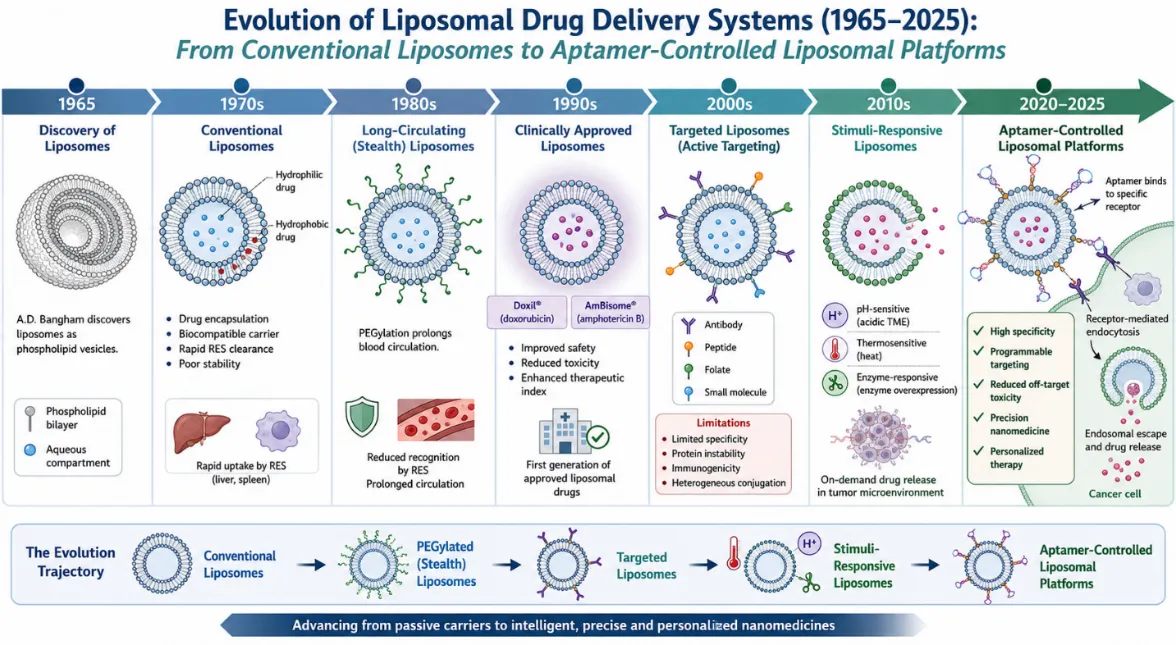
Figure 1: Evolution of liposomal drug delivery systems from conventional liposomes to aptamer-controlled liposomal platforms (1965–2025).
2. History and Evolution of Liposomal Drug Delivery
The development of liposomal drug delivery represents a remarkable progression in pharmaceutical science, evolving from simple membrane models to advanced nanocarrier systems capable of enhancing therapeutic effectiveness and improving patient safety. During the past six decades, continuous innovations in lipid chemistry, formulation design and pharmaceutical engineering have established liposomes as one of the most successful drug delivery platforms, leading to the approval of several commercial products and the ongoing investigation of numerous additional formulations.[1][2]
2.1 Discovery of Liposomes (1965)
The foundation of liposomal technology dates back to 1965 when Alec D. Bangham and his colleagues first described the spontaneous formation of phospholipid vesicles while investigating the structural characteristics of biological membranes. They demonstrated that phospholipids dispersed in an aqueous medium spontaneously self-assembled into closed bilayer vesicles surrounding an aqueous core. These vesicular structures, later named liposomes, closely mimicked the organization of natural cell membranes and soon became important experimental models for studying membrane permeability and transport processes.[4]
Although Bangham's initial research was not intended for drug delivery applications, the discovery highlighted a significant pharmaceutical property of liposomes: their ability to encapsulate hydrophilic compounds within the aqueous core while simultaneously incorporating lipophilic compounds into the phospholipid bilayer. This distinctive structural characteristic differentiated liposomes from many conventional drug carrier systems and laid the groundwork for their subsequent development as versatile vehicles for drug delivery.[5]
2.2 Liposomes as Pharmaceutical Drug Carriers
During the early 1970s, the focus of liposome research expanded from membrane biology to pharmaceutical applications. Gregoriadis and co-workers demonstrated that therapeutic agents could be efficiently encapsulated within liposomes and transported to specific tissues, thereby introducing the concept of liposomes as drug delivery vehicles. Their findings revealed that liposomal encapsulation could alter the pharmacokinetic profile of drugs by protecting them against degradation, decreasing systemic toxicity and enhancing therapeutic effectiveness.[5]
The capacity of liposomes to encapsulate both hydrophilic and hydrophobic therapeutic agents greatly broadened their potential pharmaceutical applications. Consequently, extensive research was directed towards developing liposomal formulations for anticancer drugs, antimicrobial agents, vaccines, proteins and peptides. This phase established liposomes as promising nanocarrier systems capable of addressing several drawbacks associated with conventional dosage forms.[1][2]
2.3 Technological Advancements in Liposomal Formulation
As liposomal research advanced, it became apparent that early formulations were constrained by poor physical stability, rapid clearance by the mononuclear phagocyte system (MPS) and premature leakage of the encapsulated drug. These limitations prompted extensive formulation research throughout the 1980s and 1990s. One of the first major improvements involved modifying the lipid composition by incorporating cholesterol into the phospholipid bilayer, thereby enhancing membrane rigidity and minimizing drug leakage. Researchers also introduced various liposomal vesicle types including small unilamellar vesicles (SUVs), large unilamellar vesicles (LUVs) and multilamellar vesicles (MLVs), each providing distinct benefits with respect to drug loading capacity, circulation characteristics and formulation stability.
A significant advancement was achieved with the development of PEGylated (stealth) liposomes, in which polyethylene glycol (PEG) chains were attached to the liposomal surface. Surface PEGylation minimized recognition by macrophages, extended systemic circulation and promoted passive accumulation within tumour tissues through the enhanced permeability and retention (EPR) effect. This innovation substantially enhanced the clinical performance of liposomal formulations and represented a major milestone in the advancement of nanomedicine.
Subsequent developments included active (remote) drug-loading techniques that provided greater encapsulation efficiency and superior drug retention compared with conventional passive loading methods. These formulation approaches markedly improved the reproducibility, stability and overall therapeutic performance of liposomal drug products.[2][3]
2.4 Clinical Translation of Liposomal Drug Delivery
The technological advances achieved over the preceding decades enabled the successful transition of liposomal formulations from experimental research to clinical application. The approval of Doxil®, the first PEGylated liposomal formulation of doxorubicin, demonstrated that liposomal delivery could markedly reduce cardiotoxicity while preserving antitumour efficacy. This landmark achievement established liposomal nanocarriers as clinically effective pharmaceutical delivery systems.
Following this breakthrough, several other liposomal products including AmBisome®, DaunoXome®, DepoCyt® and Marqibo® were introduced for the management of fungal infections, leukaemia, lymphoma and various other diseases. The successful clinical use of these formulations demonstrated the broad therapeutic potential of liposomal technology and stimulated continued research and investment in lipid-based drug delivery systems.[1][2]
2.5 Evolution Toward Smart Liposomes
Despite their proven clinical benefits, conventional liposomes remained incapable of achieving precise control over drug release following administration. To overcome this limitation, researchers developed a new generation of smart liposomes designed to respond to internal or external stimuli including changes in pH, temperature, enzymatic activity, light, ultrasound, magnetic fields and oxidative environments. These advanced systems were intended to enhance site-specific drug release while reducing off-target effects and represented an important advancement toward precision medicine(Table 1).
Although stimuli-responsive liposomes provided improved spatial and temporal regulation of drug delivery, most of these systems continued to control drug release indirectly by modifying membrane permeability or disrupting the lipid bilayer. Consequently, achieving direct molecular-level regulation of encapsulated drug release remained a significant challenge.
2.6 Need for Next-Generation Liposomal Systems
The evolution of liposomal technology reflects sustained efforts to address the shortcomings of earlier generations through advances in formulation design, surface modification and the incorporation of responsive materials. Despite these developments, issues such as premature drug leakage, limited control over release kinetics and continued reliance on membrane-mediated release mechanisms still restrict the therapeutic performance of conventional liposomal systems.[3]
These persistent limitations have prompted researchers to investigate alternative approaches that regulate drug release through specific molecular interactions rather than relying exclusively on modifications to the carrier. Among these emerging strategies, aptamer-based technologies have gained significant interest owing to their remarkable molecular recognition properties and their ability to introduce an additional level of control within liposomal drug delivery systems. Therefore, an understanding of the evolution of aptamer technology provides the foundation for appreciating the development of next-generation affinity-controlled liposomal platforms discussed in the following section.
Table 1: Major Milestones in the Evolution of Liposomal Drug Delivery
|
Year |
Milestone |
Pharmaceutical Significance |
|
1965 |
Discovery of liposomes by Bangham et al. |
Foundation of liposomal technology |
|
1970s |
Drug encapsulation demonstrated by Gregoriadis |
Birth of liposomal drug delivery |
|
1980s |
Optimization of lipid composition and vesicle types |
Improved stability and drug loading |
|
1990s |
Development of PEGylated liposomes |
Prolonged circulation and reduced MPS uptake |
|
1995 |
Clinical approval of Doxil® |
First FDA-approved liposomal nanomedicine |
|
2000s |
Active (remote) drug loading |
Improved encapsulation efficiency |
|
2010s |
Stimuli-responsive liposomes |
Triggered and site-specific drug release |
|
2020s |
Precision and multifunctional liposomes |
Foundation for affinity-controlled drug delivery |
3. Evolution of Aptamer Technology
The emergence of aptamer technology marked a significant advancement in the fields of molecular recognition and targeted drug delivery. Much like the development of liposomal drug delivery systems, aptamers have evolved from basic laboratory discoveries into versatile molecular tools with applications in diagnostics, therapeutics, biosensing and nanomedicine. Their incorporation into drug delivery platforms has created new possibilities for enhancing targeting efficiency and more recently for regulating drug release.[8][9]
3.1 Discovery of Aptamers and the SELEX Technique
Aptamer technology was independently introduced in 1990 by the research groups of Tuerk and Gold and Ellington and Szostak. These groups developed an in vitro selection technique known as Systematic Evolution of Ligands by EXponential Enrichment (SELEX), which enables the identification of short single-stranded DNA or RNA molecules that bind specific molecular targets with high affinity and specificity (Figure 2).
The SELEX procedure starts with a highly diverse random oligonucleotide library comprising millions to billions of unique sequences. Successive rounds of target binding, separation, amplification and enrichment are then performed to isolate aptamer candidates with superior binding affinity. This groundbreaking methodology established that nucleic acids could serve as highly selective molecular recognition molecules comparable to antibodies while providing several practical advantages including straightforward chemical synthesis, excellent reproducibility and ease of structural modification.[6][7][8]
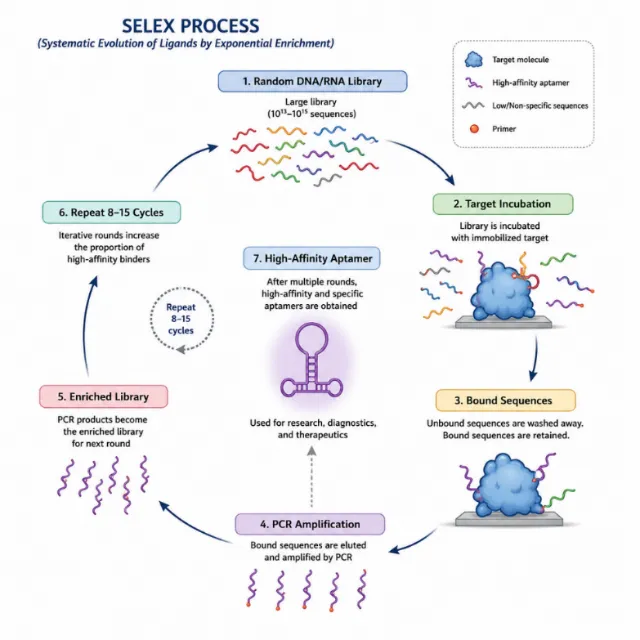
Figure 2: SELEX Process
3.2 Evolution of Aptamers for Biomedical Applications
During the 1990s, research on aptamers was largely centred on molecular recognition and diagnostic applications. As SELEX methodologies advanced, aptamers were successfully selected against a broad spectrum of molecular targets including proteins, enzymes, small molecules, toxins, viruses, bacteria, whole cells and cancer-associated biomarkers. Their remarkable binding specificity and minimal immunogenicity generated considerable interest in their potential therapeutic applications.
By the early 2000s, several chemical modification strategies including PEGylation, nucleotide substitutions and backbone alterations were introduced to enhance the stability of aptamers and improve their resistance to nuclease-mediated degradation. These modifications significantly improved their pharmacokinetic behavior and accelerated their application in biomedical research. A major milestone was achieved in 2004 with the approval of Pegaptanib (Macugen®) for the treatment of age-related macular degeneration, marking the first clinically approved aptamer-based therapeutic and confirming the clinical potential of aptamer technology.[9][13][14]
3.3 Integration of Aptamers with Nanotechnology
The subsequent phase in the evolution of aptamer technology involved its integration with nanoscale drug delivery platforms. Instead of being used solely as therapeutic molecules, aptamers increasingly served as targeting ligands capable of directing nanocarriers towards specific cells and tissues. Their compact size, strong binding affinity and straightforward conjugation chemistry made them well suited for the surface functionalization of liposomes, polymeric nanoparticles, dendrimers, micelles and inorganic nanocarriers.
Among these nanocarrier systems, liposomes received particular attention because of their established clinical success as drug delivery vehicles. Researchers proposed that modifying the liposomal surface with disease-specific aptamers could enhance selective cellular uptake while reducing off-target toxicity. Consequently, numerous aptamer-functionalized liposomal formulations were developed for applications including cancer therapy, gene delivery and targeted chemotherapy. These systems represented a notable advancement over conventional liposomes by integrating passive drug encapsulation with active molecular targeting.[9][10]
3.4 From Target Recognition to Drug Release Control
Although aptamer-functionalized liposomes demonstrated improved targeting performance, the underlying mechanism governing drug release remained largely unchanged. In most reported formulations, the encapsulated drug continued to be released through passive diffusion or membrane disruption while the aptamer functioned exclusively as a targeting ligand on the liposomal surface. Consequently, the processes of target recognition and drug release remained separate.
Recent studies have begun to extend the function of aptamers beyond molecular recognition by taking advantage of their ability to reversibly bind small molecules (Table 2). Rather than being confined to the outer surface of liposomes, drug-specific aptamers can be incorporated into the internal aqueous compartment where they transiently interact with encapsulated drugs and regulate their diffusion. This emerging affinity-based approach provides an additional level of control over drug release kinetics and represents a significant conceptual advancement in liposomal drug delivery. Instead of simply directing the carrier to the intended site of action, aptamers can actively regulate the timing and manner of drug release, thereby establishing the basis for next-generation precision drug delivery systems.[10][11][12][20]
Table 2: Evolution of Aptamer Technology
|
Year |
Milestone |
Significance |
|
1990 |
Discovery of aptamers (SELEX) |
Birth of aptamer technology |
|
1995-2000 |
Expansion to proteins and small molecules |
Broader target recognition |
|
Early 2000s |
Chemical modifications |
Improved stability |
|
2004 |
Approval of Pegaptanib (Macugen®) |
First therapeutic aptamer |
|
2005-2015 |
Aptamer-functionalized nanoparticles |
Targeted drug delivery |
|
2015-2024 |
Multifunctional nanocarriers |
Combined targeting and therapy |
|
2025 |
Intraliposomal drug–aptamer complexes |
Affinity-controlled drug release |
4. Aptamer-Based Liposomal Drug Delivery: From Targeted Delivery to Precision Nanomedicine
The integration of aptamer technology with liposomal drug delivery represented a significant advancement in the evolution of targeted nanomedicine (Figure 3). Following the establishment of aptamers as highly selective molecular recognition elements, researchers investigated their incorporation into liposomal carriers to address one of the key limitations of conventional liposomes, namely the absence of active target specificity. Whereas conventional liposomes predominantly depend on passive accumulation at diseased sites through the enhanced permeability and retention (EPR) effect, aptamer-functionalized liposomes introduced an active targeting strategy by selectively binding disease-associated biomarkers.[1][8][9]
The earliest generation of aptamer-functionalized liposomal systems was based on the attachment of aptamers to the external surface of liposomes. In these formulations, aptamers functioned as targeting ligands that recognized receptors overexpressed on diseased cells, thereby promoting receptor-mediated endocytosis and improving intracellular drug delivery. Compared with antibodies, aptamers offered several important advantages including their smaller molecular size, low immunogenicity, simple chemical synthesis, excellent batch-to-batch reproducibility and ease of chemical modification. These properties made them highly suitable for the surface functionalization of liposomal nanocarriers.[10][17][18]
Initial investigations were largely directed towards cancer therapy because tumour cells frequently express distinctive surface biomarkers that can be selectively targeted. Aptamers against nucleolin (AS1411), prostate-specific membrane antigen (PSMA), epithelial cell adhesion molecule (EpCAM), mucin-1 (MUC1) and several other cancer-associated receptors were successfully conjugated to liposomal formulations. These targeted delivery systems demonstrated increased cellular uptake, enhanced drug accumulation within tumour tissues, reduced systemic toxicity and superior therapeutic efficacy compared with non-targeted liposomes. Consequently, aptamer-functionalized liposomes quickly emerged as a prominent area of research in precision oncology.[11][17]
In addition to cancer treatment, aptamer-based liposomes have also been explored for the targeted delivery of antibiotics, anti-inflammatory agents, nucleic acids and imaging probes. The versatility of aptamers has enabled the design of multifunctional nanocarriers capable of integrating targeted drug delivery with diagnostic imaging, gene therapy and combination therapeutic approaches. Furthermore, several studies have combined aptamers with stimuli-responsive liposomal systems to develop platforms capable of achieving both selective targeting and externally regulated drug release. These multifunctional systems represent an important advancement towards the realization of personalized and precision medicine.[3][9][15][16]
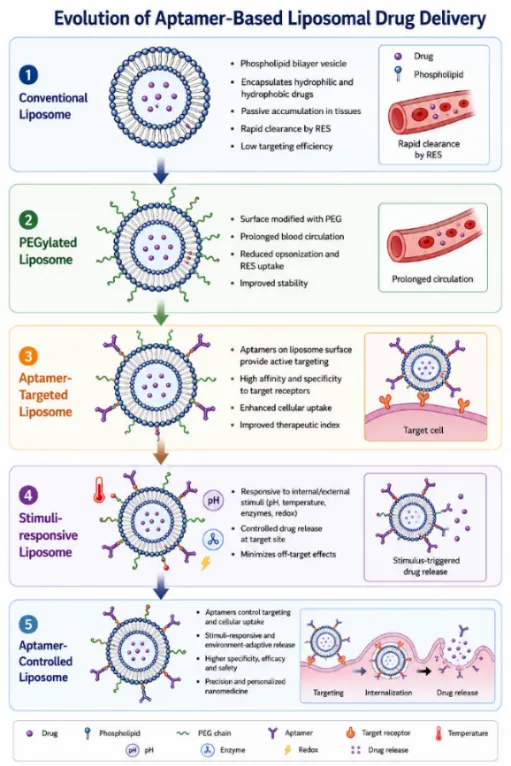
Figure 3: Evolution of Aptamer-Based Liposomal Drug Delivery
Despite these encouraging advances, the majority of aptamer-functionalized liposomal systems have been developed using a common design strategy in which the aptamer is conjugated to the outer surface of the liposome and functions solely as a targeting ligand. In these formulations, drug release continues to rely on conventional mechanisms including passive diffusion, membrane permeability or externally applied stimuli such as changes in pH, temperature, ultrasound or light. Consequently, although aptamers significantly enhance target recognition and cellular uptake, they have only a limited direct role in regulating the release kinetics of the encapsulated drug following cellular internalization (Table 3).[10][11]
This limitation encouraged researchers to re-evaluate the function of aptamers within drug delivery systems. Beyond acting as surface-targeting ligands, aptamers possess an inherent ability to reversibly bind specific small molecules through molecular interactions. This distinctive characteristic indicated that aptamers could potentially be used to regulate the behavior of encapsulated drugs directly. Such an approach represented a major shift from previous strategies by moving the emphasis from controlling the movement of the carrier to controlling the behavior of the drug within the carrier.[12][19]
The progression from aptamer-mediated targeting to affinity-controlled drug release represents one of the most significant conceptual developments in the evolution of liposomal drug delivery. Rather than focusing exclusively on modifications to the liposomal membrane, researchers began investigating molecular interactions within the liposomal interior to achieve sustained and programmable drug release. This emerging strategy has established the foundation for the development of aptamer-controlled liposomal systems, which are discussed in the following sections of this review.[12]
Conventional Liposome
▼
PEGylated Liposome
▼
Aptamer-Conjugated Liposome
(Target Recognition)
▼
Stimuli-Responsive
Aptamer Liposome
▼
Aptamer-Controlled Liposome
(Drug Release Regulation)
Table 3: Evolution of Aptamer-Liposomal Drug Delivery
|
Period |
Major Development |
Role of Aptamer |
Main Limitation |
|
2004-2008 |
First aptamer-conjugated nanoparticles |
Target recognition |
No control over release |
|
2008-2012 |
Aptamer-functionalized liposomes |
Active targeting |
Passive drug release |
|
2012-2018 |
Cancer-specific aptamer liposomes |
Enhanced uptake |
Drug leakage remained |
|
2018-2024 |
Multifunctional smart liposomes |
Targeting + triggered release |
Release still membrane-dependent |
|
2025 |
Drug–aptamer affinity systems |
Targeting + release regulation |
Early stage of development |
5. Why Conventional and Aptamer-Targeted Liposomes Were Still Inadequate
The advancement of liposomal drug delivery systems has substantially enhanced the therapeutic performance of many pharmaceutical agents by improving drug stability, minimizing systemic toxicity and facilitating both passive and active targeting. Ongoing innovations including PEGylation, ligand-mediated targeting and stimuli-responsive formulations have further broadened the clinical utility of liposomal carriers. Despite these achievements, achieving precise control over drug release remains one of the most significant unresolved challenges in liposomal drug delivery.[1][2]
Conventional liposomes generally depend on the passive diffusion of encapsulated drugs across the lipid bilayer or on the gradual destabilization of the liposomal membrane following administration. Consequently, drug release is predominantly determined by the physicochemical characteristics of the lipid membrane rather than by the therapeutic needs of the patient. Premature drug leakage during systemic circulation can decrease the amount of drug delivered to the target site while incomplete or delayed drug release at the diseased tissue may reduce therapeutic effectiveness. Therefore, maintaining effective drug retention while ensuring controlled and timely release remains a major challenge in the design of liposomal formulations.[2][3]
To address these shortcomings, researchers developed stimuli-responsive liposomes that release their drug payload in response to specific internal or external triggers including variations in pH, temperature, enzymatic activity, ultrasound, light, magnetic fields or redox conditions. Although these systems provided better spatial and temporal regulation of drug release than conventional liposomes, several practical challenges persisted. Many triggering mechanisms rely on highly specific physiological conditions or require specialized external equipment, which can restrict their clinical applicability in certain therapeutic settings. In addition, variations in the disease microenvironment among patients may lead to inconsistent drug release profiles.[3]
The emergence of aptamer-functionalized liposomes represented another significant advancement by enabling active targeting of diseased cells through highly specific molecular recognition. In numerous preclinical studies, aptamers enhanced selective cellular uptake while reducing off-target drug exposure. However, in the majority of reported formulations, the aptamer served exclusively as a targeting ligand conjugated to the outer surface of the liposome. After the carrier reached the target tissue, release of the encapsulated drug continued to depend on conventional membrane-mediated mechanisms. As a result, although targeting efficiency was significantly improved, the release kinetics of the encapsulated drug remained largely unchanged.[10][11][12]
Another significant limitation is that both conventional and aptamer-targeted liposomes primarily regulate the carrier rather than the encapsulated drug itself. Most formulation strategies have concentrated on modifying lipid composition, vesicle size, surface charge or membrane permeability to influence drug release kinetics. In contrast, relatively little emphasis has been placed on controlling the molecular interactions of the drug within the liposomal core. Consequently, the release profile remains largely dependent on the physical properties of the carrier instead of being governed by programmable interactions between the drug and its delivery system.[3][12]
These limitations have motivated researchers to investigate alternative strategies capable of introducing an additional level of control over drug release. One promising approach involves utilizing the inherent molecular recognition ability of aptamers to reversibly bind therapeutic molecules within the liposomal interior. By temporarily retaining the encapsulated drug through affinity-based interactions, this strategy has the potential to regulate release kinetics independently of membrane permeability. This concept represents a significant shift in liposomal drug delivery by moving beyond surface-mediated targeting towards molecular regulation of drug release.
Taken together, these observations suggest that although conventional and aptamer-targeted liposomes have considerably advanced the field of nanomedicine, substantial opportunities still exist to improve the precision of drug release and overall therapeutic control (Table 4). Addressing these limitations has led to the development of affinity-controlled liposomal systems in which aptamers function not only as targeting ligands but also as regulators of drug release. This emerging approach provides the foundation for the recent advances discussed in the following section.[12]
Table 4: Comparison of Liposomal Drug Delivery Strategies
|
Strategy |
Targeting ability |
Drug release mechanism |
Major advantage |
Major limitation |
|
Conventional liposomes |
Passive |
Membrane diffusion |
Simple formulation |
Premature leakage |
|
PEGylated liposomes |
Passive |
Membrane diffusion |
Longer circulation |
Limited release control |
|
Stimuli-responsive liposomes |
Passive/Active |
External or internal trigger |
Triggered release |
Trigger dependence |
|
Aptamer-targeted liposomes |
Active |
Conventional membrane release |
High targeting specificity |
Release remains uncontrolled |
|
Aptamer-controlled liposomes |
Active (Potential) |
Drug–aptamer affinity interactions |
Controlled release kinetics |
Early-stage technology |
6. Aptamer-Controlled Liposomal Drug Delivery: A New Paradigm for Controlled Drug Release
The shortcomings associated with conventional and aptamer-targeted liposomes have driven the exploration of innovative strategies capable of achieving more precise regulation of drug release. A major conceptual advancement has recently emerged with the development of aptamer-controlled liposomal drug delivery systems in which aptamers serve not only as targeting ligands but also as molecular regulators of drug release. Unlike earlier strategies that primarily relied on modifying the liposomal membrane, this approach utilizes reversible drug–aptamer interactions within the liposomal core to regulate the release of encapsulated therapeutic agents.[2]
The fundamental concept underlying this technology is the high affinity and specificity of aptamers towards their target molecules. Rather than being conjugated to the outer surface of the liposome, drug-specific aptamers are co-encapsulated with the therapeutic agent within the aqueous core. Once encapsulated, the aptamer reversibly binds the drug to form a drug–aptamer complex that temporarily limits drug diffusion across the lipid bilayer. As free drug is gradually released and its concentration decreases, the bound drug progressively dissociates from the aptamer, maintaining a sustained concentration gradient and extending the release period (Figure 4). Consequently, the drug release profile is governed not only by membrane permeability but also by the molecular affinity between the aptamer and the drug.[8][12]
A landmark study published in 2025 provided the first comprehensive validation of this concept using tetrodotoxin (TTX) as a model therapeutic agent. In this investigation, researchers co-encapsulated a TTX-specific DNA aptamer within liposomes and demonstrated that the formation of intraliposomal drug–aptamer complexes significantly prolonged drug release compared with conventional liposomal formulations. Notably, this sustained release was achieved without modifying the lipid composition or increasing membrane rigidity, demonstrating that molecular recognition within the liposomal core could independently regulate release kinetics.[9]
The same study also showed that the duration of drug release could be precisely adjusted by altering the concentration and binding affinity of the encapsulated aptamer. Liposomal formulations containing higher concentrations of aptamer retained greater amounts of TTX and released the drug more slowly, demonstrating that release kinetics could be programmed through rational aptamer design. This finding represents a significant improvement over conventional formulation approaches in which drug release is primarily controlled by changes in lipid composition, cholesterol content, vesicle size or externally applied stimuli.
In addition to providing sustained drug release, aptamer-controlled liposomes offer several other important advantages. Because aptamers are produced through chemical synthesis, they can be readily modified, optimized and designed to recognize a diverse range of therapeutic molecules. In principle, this strategy could be applied to numerous drugs for which high-affinity aptamers have been developed, enabling the creation of customizable drug delivery platforms with programmable release characteristics. Moreover, molecular regulation of drug release has the potential to minimize burst release, improve drug retention during systemic circulation, reduce dosing frequency and enhance overall therapeutic efficacy.[8][9][13]
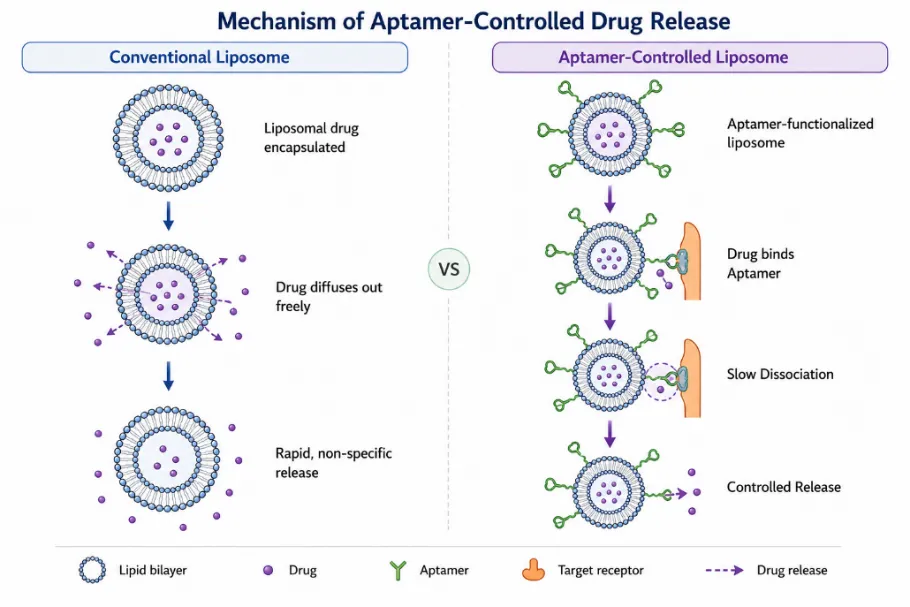
Figure 4: Mechanism of Aptamer-Controlled Drug Release
7. Current and Potential Pharmaceutical Applications
Although aptamer-controlled liposomal drug delivery is still in the early stages of development, its underlying concept offers considerable potential across a broad range of pharmaceutical applications. By integrating the benefits of liposomal nanocarriers with the highly specific molecular recognition properties of aptamers, this approach may enhance therapeutic precision, improve drug retention and enable programmable release profiles that are difficult to achieve with conventional drug delivery systems.[1][14]
7.1 Cancer Therapy
Cancer is considered one of the most promising therapeutic areas for the application of aptamer-controlled liposomes. Many anticancer agents possess a narrow therapeutic window and are associated with severe systemic toxicity because of non-specific tissue distribution. Although conventional liposomal formulations such as PEGylated liposomes have reduced some of these adverse effects, premature drug leakage and limited control over drug release continue to restrict their therapeutic performance. Incorporating drug-specific aptamers within the liposomal core may provide an additional mechanism for sustaining drug release after the carrier reaches the tumour site. When combined with tumour-targeting aptamers displayed on the liposomal surface, these systems have the potential to integrate active targeting with affinity-controlled drug release, thereby enhancing therapeutic efficacy while reducing off-target toxicity.
7.2 Local Anaesthesia and Pain Management
The proof-of-concept study using tetrodotoxin (TTX) demonstrated that intraliposomal drug–aptamer interactions can successfully prolong the duration of local anaesthetic action. Sustained release of local anaesthetics may reduce the need for repeated administration, improve postoperative pain control and increase patient compliance. Similar strategies may also be applicable to other local anaesthetic agents and analgesics that require prolonged therapeutic activity.
7.3 Delivery of Peptides and Biological Therapeutics
Many peptide-based and protein-based therapeutics have short biological half-lives and therefore require frequent administration. Aptamer-controlled liposomes may enhance the retention and controlled release of these sensitive therapeutic molecules by minimizing premature leakage and protecting them from degradation during systemic circulation. This strategy has the potential to improve the pharmacokinetic characteristics of biological therapeutics and facilitate the development of long-acting drug formulations.
7.4 Precision and Personalized Medicine
One of the key advantages of aptamer-controlled liposomal systems is their high degree of adaptability. Because aptamers can be designed to recognize a diverse range of therapeutic molecules, drug release profiles can be customized according to the pharmacological characteristics of individual drugs. This versatility creates opportunities for the development of personalized drug delivery platforms in which therapy can be tailored to specific diseases, patient populations or dosing regimens. As the field of precision medicine continues to advance, affinity-controlled drug delivery is expected to play an increasingly important role in individualized therapeutic approaches.
7.5 Future Multifunctional Nanomedicine
The potential of this technology extends well beyond sustained drug release. Future strategies may incorporate drug-binding aptamers within the liposomal core together with disease-targeting aptamers on the liposomal surface, resulting in multifunctional nanocarriers capable of achieving both selective targeting and programmable drug release. Further integration with stimuli-responsive lipids, imaging agents, gene delivery platforms or immunotherapeutic molecules could broaden the clinical applications of these advanced formulations. Such multifunctional systems have the potential to represent the next generation of intelligent nanomedicines capable of combining diagnosis, targeted therapy and controlled drug release within a single delivery platform.[14][15]
Overall, although clinical evidence supporting aptamer-controlled liposomal systems is still limited, their wide-ranging applicability highlights their potential to address several unmet challenges in modern pharmaceutics. Continued progress in aptamer selection, lipid formulation strategies and pharmaceutical engineering is expected to further strengthen their role in targeted and precision drug delivery.[16]
8. Challenges and Limitations
Despite the considerable promise of aptamer-controlled liposomal drug delivery, several scientific, technological and translational challenges must be overcome before this platform can be widely adopted in clinical practice. As this technology remains in the early stages of development, the available evidence is largely derived from proof-of-concept investigations and additional studies are required to confirm its safety, reproducibility and suitability for large-scale application.[21]
8.1 Limited Availability of Drug-Specific Aptamers
The effectiveness of affinity-controlled drug release relies on the availability of aptamers that exhibit high affinity and specificity towards the encapsulated therapeutic agent. Although thousands of aptamers have been developed against proteins and other biological targets, only a limited number are available for small-molecule drugs. Moreover, not all drug–aptamer interactions possess sufficient binding strength or reversibility to achieve reliable control over drug release kinetics. Therefore, expanding aptamer libraries for pharmaceutical compounds remains a major focus of future research.[20][21]
8.2 Stability of Aptamers
Unmodified DNA and RNA aptamers are vulnerable to degradation by nucleases present in biological fluids, which can reduce their stability and functional performance following administration. Although chemical modifications have been employed to enhance nuclease resistance, these alterations may influence binding affinity or increase manufacturing costs. Consequently, achieving an optimal balance between aptamer stability and biological activity remains an important objective for future formulation development.[13][14]
8.3 Manufacturing and Scale-Up Challenges
The incorporation of drug-specific aptamers into liposomal formulations adds an additional level of complexity to the manufacturing process. Parameters such as encapsulation efficiency, aptamer loading, batch-to-batch consistency and long-term storage stability require careful optimization. Furthermore, large-scale manufacturing processes must maintain consistent product quality while preserving the structural integrity of both the liposome and the encapsulated aptamer. These factors will play a critical role in future industrial production and regulatory approval.
8.4 Drug-Specific Applicability
The affinity-controlled drug release approach may not be suitable for every therapeutic agent. Its performance depends on several factors including the physicochemical characteristics of the drug, the binding affinity of the aptamer and the ability of the drug–aptamer complex to dissociate in a controlled manner. Consequently, the development and validation of a specific aptamer may be required for each new drug, increasing both the time and resources necessary for formulation development.
8.5 Limited Preclinical and Clinical Evidence
Currently, the evidence supporting aptamer-controlled liposomal drug delivery is largely confined to laboratory studies and proof-of-concept investigations. Comprehensive preclinical studies are still required to evaluate pharmacokinetics, biodistribution, toxicity, immunogenicity and long-term safety. Furthermore, no clinical trials have yet demonstrated the therapeutic superiority of this strategy over existing liposomal formulations. Therefore, extensive translational research will be essential before this technology can be successfully implemented in clinical practice.[21]
8.6 Regulatory Considerations
The incorporation of functional nucleic acid components into liposomal nanocarriers introduces additional regulatory complexities compared with conventional liposomal formulations. Regulatory authorities will require comprehensive evidence demonstrating manufacturing consistency, product stability, quality assurance and clinical performance. Furthermore, the lack of well-defined regulatory frameworks for affinity-controlled liposomal systems may initially delay their progression towards clinical application.
Despite these challenges, the existing limitations largely reflect the early stage of technological development rather than inherent scientific constraints. Continued progress in aptamer selection, formulation science, nanotechnology and pharmaceutical manufacturing is expected to overcome many of these obstacles in the coming years. Sustained interdisciplinary research will be essential for advancing aptamer-controlled liposomal systems from experimental concepts to clinically applicable drug delivery technologies.[21]
9. FUTURE PERSPECTIVES
The emergence of aptamer-controlled liposomal drug delivery marks a promising advancement towards precision-controlled nanomedicine. Although this technology is still in its early stages, its distinctive ability to regulate drug release through molecular recognition presents numerous opportunities for future research and pharmaceutical innovation.
One of the primary objectives of future research will be to expand the availability of aptamer libraries for clinically important therapeutic agents. At present, most aptamers have been developed against proteins and other biological targets whereas comparatively few have been identified for therapeutic small molecules. Continued improvements in SELEX technology, high-throughput screening methods and computational design are expected to accelerate the discovery of high-affinity drug-specific aptamers and thereby extend the applicability of affinity-controlled liposomal systems.
Another important area of development involves designing multifunctional liposomal platforms capable of integrating several therapeutic strategies within a single delivery system. Future formulations may incorporate surface-bound aptamers for active targeting together with intraliposomal drug-specific aptamers for affinity-controlled drug release. Such dual-functional systems have the potential to improve tissue selectivity while simultaneously regulating drug release kinetics, resulting in greater therapeutic precision than currently available liposomal formulations (Figure 5).
The combination of aptamer-controlled liposomes with other advanced drug delivery technologies also presents substantial opportunities. Integrating affinity-controlled drug release with stimuli-responsive lipids, gene delivery systems, mRNA therapeutics, immunotherapy or theranostic nanoparticles could lead to the development of intelligent nanocarriers capable of targeted delivery, real-time monitoring and programmable drug release. These multifunctional platforms may have considerable value in the treatment of complex diseases including cancer, neurological disorders and chronic inflammatory conditions.[14][16][21]
Future investigations should also prioritize overcoming translational barriers by improving formulation stability, manufacturing processes, quality control strategies and large-scale production methods. The implementation of Quality by Design (QbD), Process Analytical Technology (PAT) and advanced analytical characterization techniques has the potential to enhance batch-to-batch reproducibility and support industrial-scale manufacturing. At the same time, comprehensive pharmacokinetic, toxicological and clinical investigations will be necessary to establish the long-term safety and therapeutic advantages of these systems.
From a broader perspective, aptamer-controlled liposomal drug delivery represents more than the development of another liposomal formulation. It introduces a novel design philosophy in which molecular recognition is employed to regulate drug behavior within the carrier itself. As advances continue across nanotechnology, molecular biology and pharmaceutical sciences, affinity-controlled liposomal systems may develop into versatile platforms capable of supporting personalized medicine and next-generation precision therapeutics. Continued collaboration among formulation scientists, molecular biologists, clinicians and regulatory experts will be essential for translating this promising technology from laboratory research into routine clinical practice.
As aptamer-controlled liposomal systems move closer to clinical application, equal attention must be given to pharmaceutical quality and manufacturing feasibility. Future formulation development should incorporate Quality by Design (QbD) principles to identify critical quality attributes (CQAs), critical material attributes (CMAs) and critical process parameters (CPPs) during the early stages of development. Likewise, the implementation of Process Analytical Technology (PAT), comprehensive analytical characterization and risk-based quality management will be essential for ensuring batch-to-batch consistency, product stability and regulatory compliance. The integration of these quality-oriented strategies with ongoing advances in nanotechnology is expected to facilitate the successful commercialization of next-generation affinity-controlled liposomal drug delivery systems.[21]
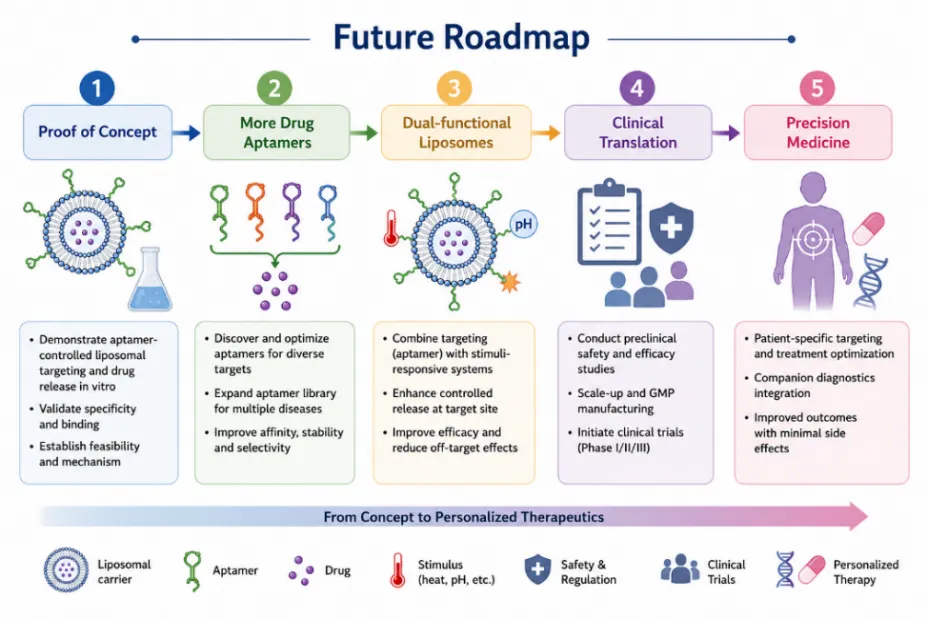
Figure 5: Future Roadmap
CONCLUSION
The development of liposomal drug delivery systems over the past six decades illustrates the continuous advancement of pharmaceutical technologies aimed at achieving safer, more effective and more precise therapeutic interventions.[8][9] Beginning with the discovery of phospholipid vesicles in 1965 and progressing to the successful clinical application of PEGylated and targeted liposomal formulations, each stage of development has addressed key limitations of earlier systems while broadening the importance of liposomes in contemporary pharmaceutics.[1][8] At the same time, the discovery of aptamers introduced a highly versatile class of molecular recognition molecules that has significantly advanced the fields of targeted drug delivery and nanomedicine.[13]
The convergence of these two technologies has led to the development of aptamer-based liposomal systems that integrate the advantages of liposomal nanocarriers with the exceptional specificity of aptamers. More recently, the emergence of aptamer-controlled liposomal drug delivery has established a fundamentally different approach in which aptamers regulate drug release through reversible molecular interactions rather than serving only as targeting ligands. This strategy represents a major conceptual transition from carrier-focused formulation design to molecularly controlled drug release and offers the potential to overcome several limitations associated with conventional liposomal systems.[16][17]
Although this technology is still at the proof-of-concept stage, the findings reported so far indicate substantial potential for future pharmaceutical development.[21] Continued progress in aptamer selection, liposomal engineering, formulation optimization and quality-oriented manufacturing approaches is expected to accelerate the translation of these systems from experimental research into clinical practice.
In summary, aptamer-controlled liposomal drug delivery represents a promising frontier in precision nanomedicine. By combining molecular recognition with controlled drug release, this technology provides a versatile platform for the development of next-generation pharmaceutical formulations capable of enhancing therapeutic efficacy, minimizing systemic toxicity and advancing the future of personalized medicine.
REFERENCES




J. Joshi, A. Captain, B. Vala, N. Patel, Evolution of Aptamer-Controlled Liposomal Drug Delivery Systems: From Molecular Recognition to Precision-Controlled Drug Release, Int. J. of Pharm. Sci., 2026, Vol 4, Issue 10, 1318-1337, https://doi.org/10.5281/zenodo.23242151
 10.5281/zenodo.23242151