

We use cookies to ensure our website works properly and to personalise your experience. Cookies policy
Department of Pharmacology, Bharathi College of Pharmacy, Bharathinagara, Maddur, Mandya, Karnataka, India 571422.
Leucas aspera (Willd) and Crossandra infundibuliformis (L.) are medicinally important plants belonging to the families Lamiaceae and Acanthaceae, respectively. Although C. infundibuliformis is primarily recognized as an ornamental plant, both species have attracted considerable attention because of their traditional medicinal applications and diverse phytochemical constituents. The present study aims to evaluate and summarize the botanical characteristics, phytochemical composition, traditional uses, and pharmacological activities of L. aspera and C. infundibuliformis. Both plants contain several classes of bioactive compounds, including flavonoids, phenolic compounds, alkaloids, terpenoids, tannins, glycosides and other secondary metabolites, although their phytochemical profiles and reported bioactivities differs. L. aspera has been extensively investigated for antimicrobial, antioxidant, anti-inflammatory,analgesic, antipyretic, antidiabetic, antiulcer, hepatoprotective, neuroprotective, antifungal, larvicidal, and cytotoxic activities. In comparison,C. infundibuliformis has demonstrated antioxidant, antimicrobial, anti-inflammatory, analgesic, wound-healing, and cytotoxic properties with particular emphasis on its traditional use in skin disorders and wound management. The available literature indicates that both plants possess significant pharmacological potential, particularly in relation to oxidative stress, inflammation, microbial infections, and tissue protection. However, L. aspera has a broader experimentally investigated pharmacological profile, whereas research on C. infundibuliformis remains comparatively limited. Further phyto-chemical, pharmacological, toxicological, and clinical investigations are required to identify their active constituents, clarify mechanisms of action, establish safety profiles, and determine their relative therapeutic potential. The study highlights the importance of both species as promising sources of natural bioactive compounds for pharmaceutical and drug-development research.
Human beings have used plants as medicine for diverse health issues for thousands of years. In traditional medicine plants are widely used in different countries (mostly in India) and are a source of various potent and powerful drugs. Leucas aspera (family: Lamiaceae) is an herb erecting to a height of 15–60 cm widely distributed throughout the plains of India. The taxonomic classification and anatomy of this plant were well documented and discussed by many researchers. The major phyto-constituents present in the plants are terpenoids, fatty acids, nicotine, ursolic acid, glucoside, beta-sitosterol, sterols, diterpene, and phenolic compounds. Herbal plants are integral parts of traditional medicine worldwide, and most of the rural and urban population uses these plants in many of their regular needs even today. The current researchers are more focused on natural chemicals than synthetic chemicals due to their environmental, economic, and health benefits. Plants produce many chemical compounds for its biological activities including defensive mechanism against microbes, insects, and herbivorous animals and these chemicals are called phytochemicals. Herbal plants are a natural source of many important phyto-chemicals and widely used in pharmaceutical, food, and cosmetic industries. A wide variety of herbal plants are available in the Indian subcontinent, and they are the backbone of Indian traditional medicinal system Ayurveda and Siddha. In India, the herbs have always been the prime type of medicine such as Ayurveda, Homeopathy, Siddha, and Unani. Medicinal plants are the native heritage with universal importance. Natural product extracts are very important source of new drugs. In the ancient medical system, various parts of plants, namely bark, roots, buds, leaves, fruits, and latex are used to cure various ailments[1]. The plant genus Leucas belongs to Lamiaceae family and embraces about 80 species, which are widely employed to cure many diseases by the traditional healers worldwide. Among these diverse species, L. aspera is a small herbaceous erect plant with a free blooming nature and flowering in the months of August to September. It is pungently aromatic herb and grows abundantly in the high land crop fields, roadsides, homesteads and fallow lands all over India. The oral consumption of the whole plant is been practiced for antipyretic, analgesic, anti-inflammatory, anti-rheumatic and antibacterial treatment and its paste is applied topically to inflamed areas. It is a traditional remedy for colds, coughs, chronic skin eruption, painful swelling, wound healing and even used as an insecticide [2].
Vernicular names [3]:
Table 1: Vernicular names Leucas aspera.
|
Kannada |
Tumbe gida |
|
Tamil |
Thumbai |
|
Telugu |
Tummi |
|
Sanskrit |
Dronaoushpi |
|
Malayalam |
Tumba |
|
Nepali |
Gumma |
|
Marathi |
Tumbi |
|
Oriya |
Bhutamari |
|
Bengali |
Ghal ghase |
Taxonomy [4]:
Table 2: Toxonomy of Leucas aspera.
|
Kingdom |
Plantae |
|
Clade |
Embryophyties |
|
Clade |
Ttracheophytes |
|
Clade |
Angiosperms |
|
Clade |
Eudicots |
|
Order |
Asterids |
|
Family |
Lamiales |
|
Genus |
Lamiaceae |
|
Species |
L.aspera |
Geographical Distribution:
Leucas aspera is an aromatic herb that is widely distributed across India, the Philippines, Java, Mauritius, tropical regions of Asia, and Africa. It is an annual plant that commonly grows as a competitive weed in various habitats, including highland agricultural fields, fallow and cultivated land, sandy soils, wastelands, and roadsides. The plant typically reaches a height of approximately 15–60 cm and is characterized by a distinctive quadrangular stem with several branches [5].
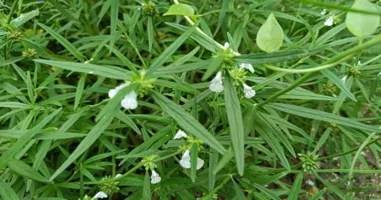
Figure1: Leucas aspera Flower
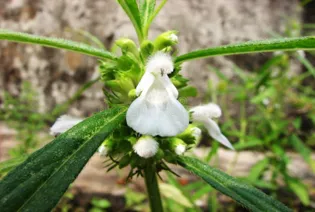
Figure2: Leucus aspera Leaves
Botanical description:
Leucas aspera (Spreng.) is an annual herb characterized by a fibrous root system consisting of numerous slender, cylindrical, smooth, and zig-zag rootlets. The stem is quadrangular, rough due to dense hairs, light greenish-yellow in colour, and measures up to 4 mm in thickness, with clearly distinguishable nodes and internodes. The leaves are simple, either shortly petiolate (2.5–6 mm long) or nearly sessile, and vary from ovate-lanceolate to lanceolate in shape. They are 3–9 cm long and 1–2.5 cm wide, with a pubescent surface, subacute apex, tapering base, and crenate to serrate margins.The inflorescence is composed of dense terminal and axillary whorls enclosed by numerous leaf-like bracts that are sessile, white, lanceolate, acute, ciliate, and approximately 1.2–1.5 cm long and 0.3–0.35 cm wide. The flowers are sessile and arranged in compact verticillasters. The calyx is tubular, curved, and 8–13 mm in length, becoming constricted above the nutlets. The corolla is white and about 1 cm long, with a tube measuring approximately 5 mm that is enlarged, pubescent in the upper region, and annulate near the middle. The upper lip is about 3 mm long and densely covered with white woolly hairs, whereas the lower lip is nearly twice as long, with a broad obovate central lobe and two smaller, subacute lateral lobes.The fruit is a smooth, brown schizocarp that separates into four nutlets (carcerules). The seeds are smooth, dark brown, trigonous, oblong in shape, and measure approximately 0.3 cm in length and 0.1 cm in width [6,7].
Chemical constituents:
1.Terpenes and Terpenoid compounds.
Oleanolic acid, Ursolic acid, Squalene, β-caryophyllene, αhumulene, α-pinene, epia- α-bisabolol, Limonene, x-thujene, Menthol, Leucasperone A, Leucasperone B, Leucasperone
2. Sterols and Fatty compounds.
3-Sitosterol, 9,12,15-Octadecatrienoic acid methyl ester, nHexadecanoic acid, Linoleic acid, Oleic acid, Stearic acid, Ceryl alcohol, Dotriacontanol.
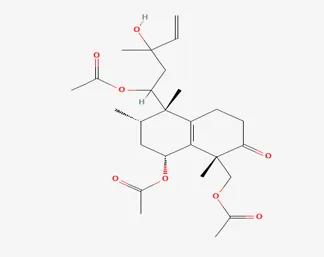
Figure 4 : Octadecatrienoic acid methyl ester.
Nicotine alkaloids, Galactose sugar, 1,2 Benzenedicarboxylic acid bis(2-methylpropyl) ester, 1-Octen-3-ol, Amyl propionate, Isoamyl propionate, Asperphenamate [8].
Pharmacological activity:
1. Antinociceptive, antioxidant and cytotoxic activities of Leucas aspera root: The ethanolic root extract of Leucas aspera was evaluated for its antinociceptive, antioxidant, and cytotoxic properties using established experimental models. Antinociceptive activity was assessed through the acetic acid-induced writhing test in mice, antioxidant potential was determined by the 1,1-diphenyl-2-picrylhydrazyl (DPPH) free radical scavenging assay, and cytotoxicity was investigated using the brine shrimp lethality bioassay. The extract demonstrated a significant reduction in the number of acetic acid-induced writhes at oral doses of 250 and 500 mg/kg, indicating notable analgesic activity. It also exhibited strong antioxidant potential, with a DPPH free radical scavenging IC₅₀ value of 8 μg/mL. In addition, the extract produced considerable lethality in the brine shrimp assay, suggesting the presence of biologically active compounds with cytotoxic potential [9].
2. Anti-hyperlipidemic Activity: The ethanolic leaf extract of Leucas aspera Linn.was investigated for its antihyperlipidemic potential using a dexamethasone-induced hyperlipidemia model. The findings revealed that the extract effectively reduced elevated lipid levels by maintaining serum triglyceride (TG) and total cholesterol concentrations close to normal values. These results suggest that the extract possesses significant lipid-lowering activity and may be beneficial in the management of hyperlipidemia [10].
3. Anti –bacterial activity: The antibacterial activity of copper oxide (CuO) nanoparticles synthesized using the aqueous leaf extracts of *Leucas aspera* and *Morinda tinctoria* was evaluated by the disc diffusion method. The biosynthesized CuO nanoparticles exhibited significant antibacterial activity against selected Gram-positive and Gram-negative bacterial strains. Their inhibitory effect was found to be comparable to, and in some cases approached, that of the standard antibiotic amikacin, indicating the potential of these plant-mediated nanoparticles as effective antimicrobial agents. [11].
4. CNS depressant activity: The methanolic leaf extract of Leucas aspera was evaluated for its central nervous system (CNS) depressant activity using a series of behavioral models. Treatment with the extract produced a marked reduction in locomotor activity, as demonstrated by the open field and hole cross tests. It also significantly increased the duration of immobility in both the forced swimming and tail suspension tests. In the thiopental sodium-induced sleeping time assay, the extract shortened the onset of sleep and significantly prolonged the duration of sleep compared with the control group. These findings indicate that the methanolic leaf extract of Leucas aspera possesses significant CNS depressant properties, supporting its potential as a source of bioactive compounds with sedative effects [12].
5. Antinociceptive activity: The methanolic extract obtained from the whole plant of Leucas aspera exhibited significant antinociceptive activity in the acetic acid-induced writhing model of visceral pain. Administration of the extract at a dose of 50 mg/kg body weight resulted in a 50.1% reduction in the number of writhing episodes. This analgesic effect was found to be comparable to that produced by aspirin, suggesting that L. aspera possesses promising pain-relieving properties even at relatively low doses [13].
6. Anti-ulcer Activity: The antiulcer potential of the alcoholic extract of Leucas aspera was investigated using aspirin-induced ulcer and Shay rat ulcer experimental models. The extract significantly decreased gastric acid secretion and reduced the ulcer index in treated animals compared with the control group. These findings suggest that the gastroprotective effect of L. aspera is primarily associated with its antisecretory activity and its ability to protect the gastric mucosal lining from ulcerative damage [13].
7. Hepatoprotective Activity: The hepatoprotective potential of Leucas aspera was evaluated using experimental models of chemically induced liver injury. In the carbon tetrachloride (CCl₄)-induced hepatotoxicity model, the methanolic extract of L. aspera demonstrated significant protection against hepatic damage. Similarly, the ethanolic leaf extract administered at a dose of 400 mg/kg exhibited marked hepatoprotective activity in simvastatin-induced hepatotoxicity, producing effects comparable to those of the standard hepatoprotective agent silymarin (20 mg/kg). These findings indicate that L. aspera possesses considerable liver-protective properties, likely attributable to its bioactive phytoconstituents with antioxidant and cytoprotective effects [14].
8. Antiparkinson’s Effect: Leucas aspera has been investigated for its neuroprotective potential in experimental models of Parkinson’s disease, a progressive neurodegenerative disorder characterized by the degeneration of dopaminergic neurons in the substantia nigra pars compacta (SNpc) of the midbrain. Rotenone, a naturally occurring alkaloidal pesticide, is widely used to induce Parkinsonian symptoms in laboratory animals. In rotenone-induced Parkinson’s disease models, the ethanolic extract of L. aspera demonstrated significant neuroprotective effects by improving motor coordination, restoring antioxidant defense mechanisms, and reducing oxidative stress. Furthermore, the extract helped preserve dopamine levels in the brain, indicating its potential to protect dopaminergic neurons from rotenone-induced neurotoxicity [15].
9. Antifungal Activity: The chloroform and ethanolic extracts of Leucas aspera have been evaluated for their antifungal properties against dermatophytic fungi, including Trichophyton spp. and Microsporum gypseum. Both extracts exhibited notable antifungal activity by inhibiting the growth of these pathogenic fungi. The study further demonstrated that L.aspera possesses both fungistatic activity, which suppresses fungal growth, and fungicidal activity, which effectively kills fungal cells. These findings highlight the potential of L.aspera as a promising natural source of antifungal agents for the management of fungal infections [16].
10. Larvicidal Activity: The larvicidal potential of crude leaf extracts of Leucas aspera has been investigated against the mosquito vectors Aedes aegypti and Culex quinquefasciatus. Among the different solvent extracts evaluated, the hexane extract exhibited the highest larvicidal efficacy compared with the chloroform and ethanolic extracts. The median lethal concentration (LC₅₀) values of the hexane extract were recorded as 122.5 ppm against C. quinquefasciatus and 77.4 ppm against A. aegypti. These findings indicate that the hexane fraction of L.aspera leaves possesses significant larvicidal activity and may serve as a potential source of bioactive compounds for mosquito vector control [17].
Crossandra infundibuliformis:
Introduction:
Plants are a great source for novel drug compounds and medicines derived from plants have made large contributions to human health and well being .Medicinal plants represent a rich source of antimicrobial agents and are serve as rich source of potent and powerful drugs Crossandra infundibuliformis belonging to family Acanthaceae is a well known medicinal plant in various regions of India.This plant is one of the most chosen variety for folk medicine. Flower extract is used in various conditions like fever, headache, aperitif, pain and wound healing. From the pharmacological screening of C.infundibuliformis leaf extract it was reported to have the antioxidant, antibacterial, hepatoprotective, antifungal, anticandidal activities and larvicidal activity [18].Ayurveda, an oldest traditional system of medicine which originated and is practiced in India for more than 5000 years (Naik, 1998). The term “non-traditional” medicine may be better known as complementary and alternative medicine which includes “traditional” naturopathic Chinese medicine, medicine, mind-body medicine, osteopathy, Ayurvedic medicine, etc. Despite research supporting many “non-traditional” practices, many people familiar only with Western medicine believe that most, if not all, alternative methods are useless and ineffective in a technologically and scientifically advanced society [19].Crossandra infundibuliformis (Acanthaceae) is valuable plant in horticulture. It is commonly found in tropical regions like south India and Sri Lanka.The blossoms of Crossandra infundibuliformis, commonly known as Tropical Flame orfire crackerhave been utilized as hairstyle by Puliyar tribal women. Leaf extracts of Crossandra infundibuliformis have aphrodisiac, anti-inflammatory and analgesic effect. The leaf extracts shown wound healing, antibacterial, antioxidant, antisolar, and larvicidal properties.This plants therapeutic properties make it useful for treating a variety of diseases. Phyto-chemical analysis of solvent extracts of Crossandra infundibuliformis flower found carbohydrates, flavaniods, alkaloids, saponins, tannins, steroids, and terpenoids [20].Due to these therapeutic properties, Crossandra leaves may serve as an effective ingredient in herbal face pack formulations intended for acne reduction, skin cleansing, and complexion enhancement [21].It is also known as the firecracker plant, which grows as a subshrub up to 1 m tall. The leaves are simple, ovate to lanceolate, opposite, glossy, 3-12 cm long and deep-green in colour, with wavy edges. The attractive, delicate fan-shaped flowers, with five asymmetrical petals, in various shades of orange, yellow, red or pink, depending on the cultivar, are arranged in dense terminal spike inflorescences, consisting of prominent, hairy, overlapping, ovateoblong, green bracts. The flowers are unscented and begin to open gradually from the base of the spike [21].
Taxonomical Classification [22]:
Table3: Taxonomical classification of Crossandra Infundibuliformis
|
Kingdom |
Plantae |
|
Division |
Tracheophyta |
|
Order |
Lamiales |
|
Family |
Acanthaceae |
|
Genus |
Crossandra |
|
Species |
Infundibuliformis |
Botanical information [23]: `
Common name: Crossandra, firecracker flower
Plant type: Evergreen Perennial flower
Mature size: 1 to 3 feet tall and 1 to 2 feet tall
Soil type: Rich, loamy, well-draining
Sun expose: Part Shade
Soil PH: 5.8 to 6.8
Bloom time: April to October
Flower colour: Orange, apricot, salmon pink, red
Hardiness zones: 10 to 11
Native: Southern
Area: India and Sri Lanka
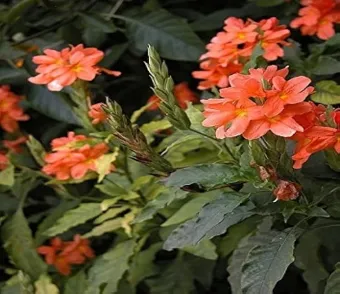
Figure 5: Crossandra infundibulliformis Flower.
Vernacular names [24] :
Table 4: Vernicular names of Crossandra Infundibulliformis.
|
Language |
Name |
|
Hindi |
Krosendra |
|
Tamil |
Kanakamparam |
|
Telugu |
Krassandra |
|
Marathi |
Aboli |
|
Gujarati |
Krossandra |
|
Bengali |
Krasandra |
Cultivation and Collection:
Soil type: Crossandra is quite vulnerable to nematodes. As a result, a field chosen for 47 Crossandra growth should be evaluated for nematode population and appropriate Crossandra remedial measures implemented prior to transplanting. Crossandra may be grown in a variety of soils. Crossandra grows best in fertile, red loamy soils with a pH range of 6 to 7.5 and high organic matter content. Alkaline or saline soils are unsuitable because they cause chlorosis.
Water: During the growing season, irrigate the soil frequently and never let it dry out. Crossandra plants are particularly sensitive to drought and like some what moist but not soggy soil at all times. Reduce the quantity of water you see in winter, even if your growing Crossandra in a container inside.
Light: These plants perform best in bright, indirect sunshine. In the summer, do not expose them to direct sunlight. However, in the winter, use as much light as possible. If you do not have a sunny window, your plant can thrive indoors with bright artificial light.
Temperature and Humidity: Crossandra is very heat-tolerant and cold sensitive, as one would expect from a tropical plant. If the temperature drops below 550F the plants leaves and top growth may be damaged. Crossandra also prefers high humidity. In drier locations, misting your Crossandra regularly during the growing season may be important to maintain adequate humidity. Indoor plants can be humidified by laying them on a tray of pebbles filled with water, as long as the water does not reach the pots bottom [25].
Pharmacological activity
1. Antimicrobial activity: The medicinally active compounds were recovered from the leaves of Crossandra infundibuliformis using soxhlet extractor and identified using phytochemical testing.Consequently Crossandra infundibuliformis shown potential antibacterial activity against some selected strains [26].
2. Wound healing activity: Crossandra infundibuliformis floral extract shown remarkable wound healing potential. It is used variety of disease, including fever, headache and discomfort. The document anti-oxidant effectiveness of Crossandra infundibuliformis was the primary proof and catalyst for commencing this endeavour [27].
3. Aphrodisiac activity: Crossandra infundibuliformis has been used to treat male sexual issues since ancient times. The early phyto-chemical screening of a petroleum ether extract of crossandra infundibuliformis leaves revealed the presence of alkaloids and saponins. It suggested that saponins, a plant component, could enhance aphrodisiac quality by boosting testosterone levels [28].
4. Antioxidant activity: Methanol and chloroform extract of Crossandra infundibuliformis shows substantial antioxidant activity in the majority of method examined. The antioxidant activity of methanol and chloroform extract of Crossandra infundibuliformis was ideal when total phenol and flavonol levels were taken to account. The results of the investigation shows that methanol and chloroform extract of Crossandra infundibuliformis could serve as a source of natural antioxidants [29].
5. Insecticidal activity: Crossandra infundibuliformis leaf extract is a promising option for creating insecticides to manage sitophilus oryzae due to its natural insecticidal properties. It is active at extremely tolerable levels, biodegradable, and does not leave hazardous residues, where as regularly used phosphorus and chlorinated pesticides pollute the environment. Crossandra infundibuliformis insecticidal action may be attributed to the presence of flavonoids and saponins [30].
6.Antihyperlipidemic Activity: Vasanthaal describe about the Hypercholesterolaemia is the state been depicted by an expanded greasy substances called lipids, rise in plasma TCs and TGs levels it is additionally called hyper lipoproteinemia. The present study was designed to investigate the hypolipidemic effect of ethanolic extract of Crossandra infundibuliformis leaves and stem (ECILS) in high fat diet (cholesterol 2%, sodium cholate 1%, sucrose 48%, peanut oil, methionine 4%, and 47% normal laboratory feed). The rats feed with High-fat diet containing (cholesterol 2%, sodium cholate 1%, sucrose 48%, peanut oil, methionine 4%, and 47% normal standard laboratory feed) for 1 month, and then they are checked for the blood parameter levels like TC, TGs, LDL, VLDL, and HDL. Ethanolic extracts at low dose (100 mg/kg), significantly reduced the levels of TC, TGL, LDL, VLDL& increased the levels of HDL and reduced the body weights on 30st day, and at medium, high doses it reduced the levels of TC, TGL, LDL, VLDL & increased the levels of HDL and reduced the body weights [31].
7. Antiulcer activity: Narasimha Rao. et., al describe about the present study is aimed at investigating the antiulcer effects of flowers methanol extract against aspirin induced ulcer in albino rats. Anti ulcer activity was evaluated by measuring the ulcer index and percentage of ulcer incidence. The standard drug and the extract at 200mg/kg has shown almost similar action as that of ranitidine should be replaced with the standard drug and the extract at 400mg/kg has shown almost similar action as that of ranitidine[32].
CONCLUSION
Considerable traditional and pharmacological significance, a review of the available literature indicates that both plants Leucas aspera (Lamiaceae) and Crossandra infundibuliformis (Acanthaceae) are medicinally important plants with bioactive phyto-constituents, including flavonoids, terpenoids, phenolics, alkaloids, sterols, and other secondary metabolites, which may contribute to their biological activities. L.aspera has been reported to exhibit antimicrobial, antifungal, antioxidant, anti-inflammatory, antipyretic, analgesic, antinociceptive, insecticidal, anthelmintic, cytotoxic, and hepatoprotective activities. C. infundibuliformis has likewise demonstrated a broad range of pharmacological effects, including antioxidant, antimicrobial, antifungal, antidiabetic, anti-inflammatory, hepatoprotective, anthelmintic, anticancer, anti-ulcer, and insecticidal activities.The reported findings support several of the traditional medicinal applications of these plants and highlight their potential as sources of pharmacologically active natural products. However, much of the existing evidence is based on preliminary phytochemical investigations and in vitro or experimental animal studies. Therefore, further research is required to isolate and characterize the responsible bioactive compounds, establish their precise mechanisms of action,evaluate toxicity and safety, and standardize plant extracts. Well-designed in vivo studies and clinical investigations are particularly important before these plants can be developed into evidence-based therapeutic agents.Overall, Leucas aspera and Crossandra infundibuliformis represent promising medicinal plant resources with significant potential for future pharmaceutical and herbal drug development. Systematic phyto-chemical, pharmacological, toxicological, and clinical studies could help translate their traditional uses and experimental evidence into standardized and scientifically validated therapeutic applications.
ACKNOWLEDGEMENT:
I would like to express my sincere gratitude to Bharathi Education Trust, Bharathinagara, Mandya, Karnataka, for their valuable support and encouragement throughout the completion of this review.
I extend my heartfelt thanks to Madam.kavana for her immense guidance, constant support, and encouragement throughout this work. Her valuable suggestions, motivation, and continuous assistance have been instrumental in the successful completion of this review.
Finally, I express my sincere appreciation to everyone who directly or indirectly contributed to and supported me during the preparation of this review.
CONFLICT OF INTEREST:
Author declares no conflict of intrest.
REFERENCES



Shwetha D N, Gaanavi, Kavana, A Comprehensive review on the Phytochemistry and Pharmacological activities of Leucas aspera and Crossandra infundibuliformis, Int. J. of Pharm. Sci., 2026, Vol 4, Issue 9, 599-609. https://doi.org/10.5281/zenodo.22309743
 10.5281/zenodo.22309743