

We use cookies to ensure our website works properly and to personalise your experience. Cookies policy
123Final Year B. Pharmacy Student, Department of Pharmacy, Genba Sopanrao Moze College of Pharmacy, Wagholi, India.
4Department of Pharmaceutics, Genba Sopanrao Moze College of Pharmacy, Wagholi, India.
5Department of Pharmacology, Genba Sopanrao Moze College of Pharmacy, Wagholi, India.
Diabetes mellitus is a metabolic disorder characterized by hyperglycaemia and is mainly classified into type 1 and type 2 diabetes mellitus. Its pharmacological management includes insulin and several classes of antidiabetic drugs, creating a need for reliable analytical methods for drug identification, assay, purity assessment, stability testing, and quality control [1–3]. Analytical method development involves the systematic selection and optimization of suitable procedures for analysing active pharmaceutical ingredients (APIs), pharmaceutical formulations, impurities, degradation products, and, where applicable, biological samples. Commonly employed techniques include UV–Visible spectrophotometry, high-performance liquid chromatography (HPLC), ultra-performance liquid chromatography (UPLC/UHPLC), capillary electrophoresis (CE), and liquid chromatography–mass spectrometry (LC–MS). Method validation provides documented evidence that an analytical procedure is suitable for its intended purpose. Important validation characteristics include specificity, response and range, accuracy, precision, detection limit, quantitation limit, and robustness, as applicable [13,14]. This review discusses the classification of antidiabetic drugs, major analytical techniques, analytical method-development strategies, validation parameters, regulatory requirements, pharmaceutical applications, current challenges, recent trends, and future perspectives in the analysis of antidiabetic drugs.
Diabetes mellitus (DM) is a metabolic disorder characterized by hyperglycaemia and is broadly classified into type 1 and type 2 diabetes mellitus. Type 1 diabetes is associated with destruction of pancreatic β-cells and deficient insulin production, whereas type 2 diabetes involves impaired insulin secretion and insulin resistance. Pharmacological management includes insulin, metformin, sulfonylureas, thiazolidinediones, α-glucosidase inhibitors, DPP-4 inhibitors, SGLT-2 inhibitors, GLP-1 receptor agonists, and other antidiabetic agents [1].
Pharmaceutical analysis plays an important role in quality control and quality assurance by supporting the identification and quantitative determination of drug substances and the evaluation of APIs, excipients, finished products, impurities, degradation products, and related substances. The analytical technique selected depends on the physicochemical properties of the analyte, sample matrix, required sensitivity and selectivity, intended application, and available instrumentation [2,3].
Analytical method development involves the selection, development, and optimization of an analytical procedure capable of providing reliable information regarding the identity, quality, purity, and stability of a pharmaceutical substance or product. Development may be required when no suitable pharmacopoeial method is available, an existing method performs inadequately, formulation components interfere with analysis, combination products require simultaneous determination, or an existing procedure involves unsuitable reagents or complicated sample preparation [2,3].
The general development process includes characterization of the analyte, definition of method requirements, literature review, selection of an appropriate analytical technique, preliminary studies, optimization of critical parameters, sample preparation, and evaluation using representative samples. Important considerations include sensitivity, selectivity, accuracy, precision, cost, availability of reagents and instruments, and analysis time [2,3].
Analytical method validation establishes documented evidence that a procedure is suitable for its intended purpose and produces reliable results. Depending on the analytical objective, validation may include specificity, response and range, accuracy, precision, detection limit, quantitation limit, and robustness [13,14].
For antidiabetic drugs, appropriate analytical procedures are important for API assay, formulation analysis, combination products, dissolution testing, stability studies, impurity profiling, and, where applicable, bioanalytical investigations. Therefore, systematic method development and validation are essential for ensuring reliable pharmaceutical quality assessment.
2. CLASSIFICATION OF ANTIDIABETIC DRUGS
Antidiabetic drugs can be classified according to their pharmacological class and principal therapeutic action [1].
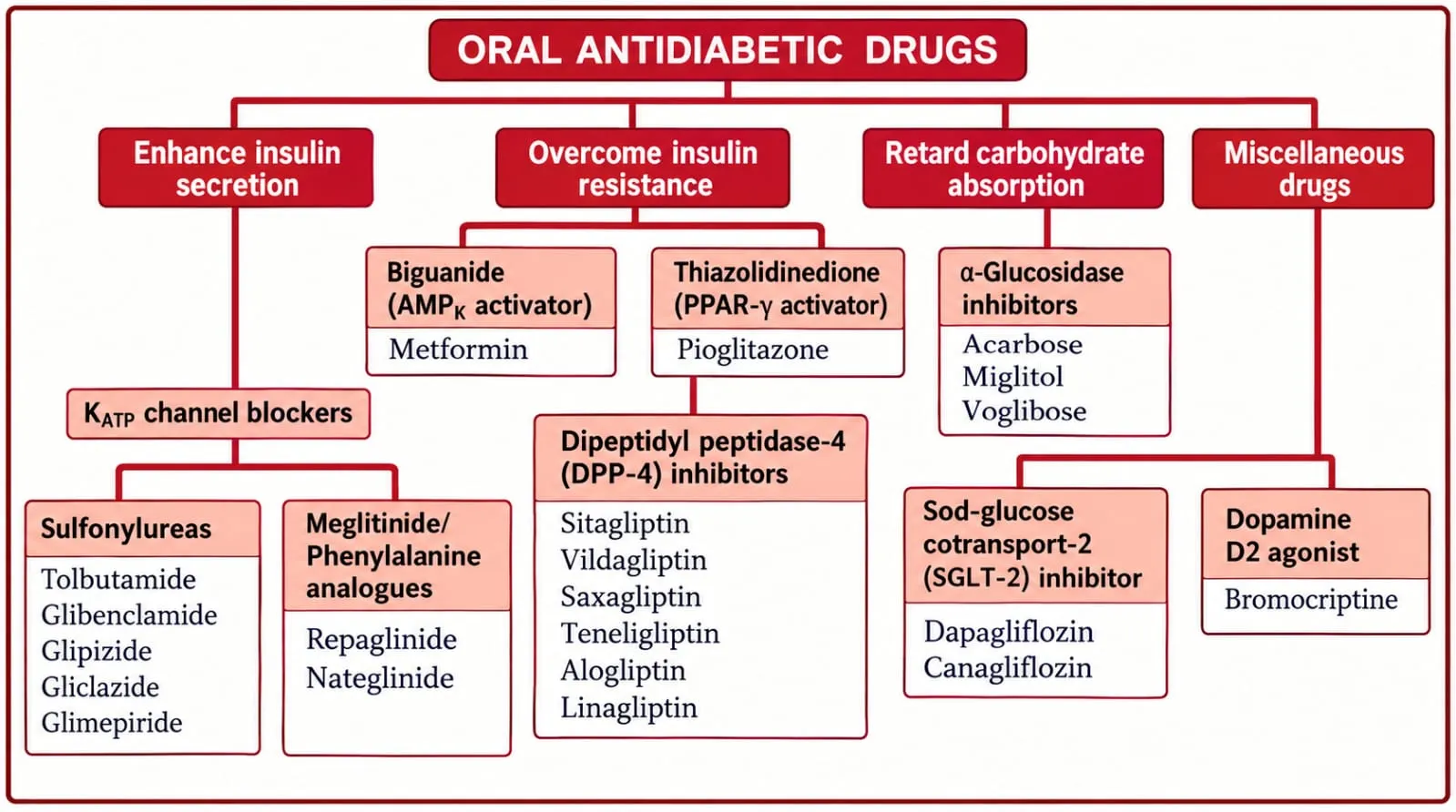
Table 1: Classification of Antidiabetic Drugs
2.1 Biguanides
Metformin is the principal drug of the biguanide class. It improves glycaemic control mainly by suppressing hepatic glucose production and improving insulin-mediated glucose utilization [1].
2.2 Sulfonylureas
Sulfonylureas increase insulin availability and include tolbutamide, glibenclamide, glipizide, gliclazide, and glimepiride. They are primarily used in the management of type 2 diabetes [1].
2.3 Meglitinides / Phenylalanine Analogues
Repaglinide and nateglinide belong to this group and are particularly useful for controlling postprandial hyperglycaemia [1].
2.4 Thiazolidinediones
Pioglitazone improves insulin sensitivity and may be used alone or in combination with other antidiabetic agents [1].
2.5 DPP-4 Inhibitors
Sitagliptin, vildagliptin, saxagliptin, teneligliptin, alogliptin, and linagliptin enhance incretin activity, resulting in glucose-dependent insulin release and suppression of glucagon secretion [1].
2.6 SGLT-2 Inhibitors
Dapagliflozin and canagliflozin inhibit renal SGLT-2 and increase urinary glucose excretion, thereby lowering blood glucose [1].
2.7 α-Glucosidase Inhibitors
Acarbose, miglitol, and voglibose inhibit intestinal α-glucosidases and delay carbohydrate digestion and absorption, primarily reducing postprandial glycaemia [1].
2.8 GLP-1 Receptor Agonists
Exenatide and liraglutide are GLP-1 receptor agonists administered by subcutaneous injection and are used in selected patients with type 2 diabetes [1].
2.9 Insulin and Insulin Analogues
Insulin is essential in type 1 diabetes and may also be required in type 2 diabetes when adequate glycaemic control is not achieved with other treatments [1].
2.10 Other Antidiabetic Agents
Bromocriptine and colesevelam are additional agents that may be used as adjunctive treatments in selected patients with type 2 diabetes [1].
3. ANALYTICAL TECHNIQUES USED FOR ANTIDIABETIC DRUGS
Several analytical techniques are available for the qualitative and quantitative analysis of antidiabetic drugs. The choice of technique depends on the drug's physicochemical characteristics, sample matrix, required sensitivity and selectivity, and intended application.
3.1 High-Performance Liquid Chromatography (HPLC)
HPLC is one of the most widely used techniques for pharmaceutical analysis. It separates components according to their distribution between stationary and mobile phases. Reversed-phase HPLC, particularly using C18 columns, is commonly employed for antidiabetic drugs.
Important method-development variables include column chemistry, mobile-phase composition and pH, flow rate, temperature, injection volume, detector conditions, and sample preparation. HPLC is suitable for assay, impurity profiling, degradation studies, stability-indicating analysis, and routine quality control [4,5,11,12].
3.2 Ultra-Performance Liquid Chromatography (UPLC/UHPLC)
UPLC/UHPLC uses small stationary-phase particles and higher operating pressures to achieve efficient chromatographic separation. Compared with conventional HPLC, it can provide shorter analysis times, improved resolution, high efficiency, and reduced solvent consumption. Its limitations include higher instrument and column costs, increased pressure requirements, and the need for specialized method optimization [6,21].
3.3 Liquid Chromatography–Mass Spectrometry (LC–MS)
LC–MS combines chromatographic separation with mass-spectrometric detection. It provides high sensitivity and selectivity and can be used for identification and quantification of compounds in complex mixtures. LC–MS/MS provides increased selectivity and is particularly useful for trace-level analysis, metabolites, and biological samples. However, instrumentation costs, technical complexity, and matrix effects must be considered [7,18,19].
3.4 Capillary Electrophoresis (CE)
CE separates charged molecules through a narrow capillary under an applied electric field. Separation depends on electrophoretic mobility, charge, molecular size, and electroosmotic flow. Major modes include capillary zone electrophoresis, micellar electrokinetic chromatography, capillary gel electrophoresis, and capillary isoelectric focusing. CE requires small sample volumes and can be used for pharmaceutical assay, impurity profiling, and chiral separation [8,9].
3.5 Spectrofluorometry
Spectrofluorometry measures fluorescence emitted by a compound following excitation at a suitable wavelength. It can provide high sensitivity for fluorescent compounds or analytes that can be derivatized. Synchronous and derivative fluorescence methods may improve selectivity, although fluorescence quenching and spectral overlap can interfere with measurements [10].
3.6 Electrophoresis and CE-Hyphenated Techniques
Hyphenated techniques such as CE–MS, CE–ESI–MS, CE–MALDI–MS, CE–ICP–MS, and CE–NMR combine electrophoretic separation with additional detection or structural information. These approaches can extend the application of electrophoresis to complex pharmaceutical and biological samples [9].
4. ANALYTICAL METHOD DEVELOPMENT
Analytical method development is a systematic process involving the selection and optimization of experimental conditions to obtain suitable separation, identification, and quantification [11–14].
4.1 Selection of Analytical Technique
The technique should be selected according to the analyte's physicochemical properties, sample matrix, intended purpose, required sensitivity and selectivity, available instrumentation, cost, and analysis time. HPLC is commonly considered for the separation and quantitative determination of antidiabetic drugs and their related impurities [11–14].
4.2 Selection of Solvent/Diluent
The solvent or diluent should adequately dissolve the analyte and remain compatible with the mobile phase. Solubility, polarity, ionization, and pH can influence retention and peak shape. The selected diluent should not introduce interference or adversely affect chromatographic performance [11,13].
4.3 Selection of Wavelength and Detection Conditions
Detector selection depends on the analyte and analytical objective. UV detection is commonly used in RP-HPLC. The selected wavelength should provide adequate analyte response while minimizing interference [11,13].
4.4 Selection of Chromatographic Conditions
Initial chromatographic conditions include column chemistry, column dimensions, mobile phase, detector, and selection of isocratic or gradient elution. Reversed-phase C18 columns are frequently used as a starting point, although final conditions should be based on demonstrated analytical performance [11–14].
4.5 Mobile-Phase Optimization
Mobile-phase optimization may involve selection of buffer, pH, organic modifier, flow rate, and gradient profile. Methanol and acetonitrile are commonly used organic modifiers. Mobile-phase pH is particularly important for ionizable compounds [11,13].
4.6 Stationary-Phase Selection
Stationary-phase chemistry, particle size, column dimensions, and retention characteristics influence selectivity and resolution. A stable and reproducible column should be selected according to the intended separation [11,13].
4.7 Sample Preparation
Sample preparation should provide a homogeneous and sufficiently clean solution compatible with the analytical system. Depending on the sample, extraction, shaking, centrifugation, dilution, and filtration may be required. The procedure should minimize analyte loss and interference [11,13].
4.8 Optimization of Critical Method Parameters
Parameters such as mobile-phase composition, pH, flow rate, temperature, injection volume, diluent, and column characteristics may influence retention, resolution, peak shape, and analysis time. Systematic optimization helps identify conditions that provide acceptable analytical performance [11–14].
4.9 Development of Stability-Indicating Methods
A stability-indicating method should distinguish the intact drug from relevant impurities and degradation products. Forced-degradation studies and systematic optimization of chromatographic conditions can help establish adequate separation and demonstrate the suitability of the method [13,14,18].
5. METHOD VALIDATION
Method validation provides documented evidence that an analytical procedure is suitable for its intended purpose. The characteristics selected depend on the analytical objective and may include specificity, response and range, accuracy, precision, detection limit, quantitation limit, and robustness [13,14,17].
5.1 Specificity/Selectivity
Specificity or selectivity is the ability of an analytical procedure to determine the analyte in the presence of potential interfering substances such as excipients, impurities, degradation products, and other sample components. In HPLC, adequate chromatographic separation and absence of interference at the analyte peak support specificity [13,14].
5.2 Linearity and Range
Linearity describes the relationship between analyte concentration and analytical response within a defined interval. It is evaluated using appropriately distributed concentrations and suitable statistical analysis. The analytical range should provide acceptable response, accuracy, and precision for the intended application [13,14,17].
5.3 Accuracy
Accuracy expresses the closeness of agreement between a measured result and an accepted reference value. It may be evaluated using samples containing known quantities of analyte and calculating recovery across the intended range [13,14,17].
5.4 Precision
Precision represents the closeness of agreement among repeated measurements. It is generally expressed as standard deviation or relative standard deviation (RSD). It includes:
5.5 Limit of Detection (LOD/DL)
The detection limit is the lowest amount of analyte that can be detected but not necessarily quantified with suitable accuracy and precision. It may be estimated using visual evaluation, signal-to-noise approaches, or response variability and calibration slope, as appropriate [13,14].
5.6 Limit of Quantitation (LOQ/QL)
The quantitation limit is the lowest amount of analyte that can be quantitatively determined with suitable accuracy and precision. It may be estimated using visual evaluation, signal-to-noise, or response variability and calibration slope. The estimated value should be appropriately confirmed when required [13,14].
5.7 Robustness
Robustness evaluates the reliability of an analytical procedure following small, deliberate variations in parameters such as mobile-phase composition, pH, flow rate, temperature, and instrumental settings. It helps identify parameters requiring appropriate control [13,14].
5.8 Ruggedness and Intermediate Precision
Ruggedness describes the reliability of a method when normal operating conditions vary. Variations may involve analysts, instruments, days, or laboratories. The terminology and study design should follow the applicable guideline; within-laboratory variation is generally addressed through intermediate precision [13,14,17].
5.9 System Suitability
System suitability testing confirms that the chromatographic system is functioning adequately before or during analysis. Parameters may include retention time, resolution, theoretical plate count, peak tailing, and repeatability of replicate injections. Acceptance criteria should be established for the specific procedure [14,17].
5.10 Solution Stability
Solution stability determines whether standard and sample solutions maintain their integrity and analyte concentration under specified storage and analytical conditions. This may include room-temperature, refrigerated, or autosampler stability, depending on the intended procedure [13,14,17].
6. REGULATORY GUIDELINES FOR ANALYTICAL METHOD VALIDATION
Regulatory guidelines provide a framework for the development, validation, documentation, verification, and lifecycle management of analytical procedures used in pharmaceutical quality control. Major references include ICH guidelines, pharmacopoeial requirements, and FDA guidance [13–17].
6.1 ICH Guidelines
ICH Q2 (R2), Validation of Analytical Procedures, describes performance characteristics used to establish the reliability of analytical procedures, including specificity, response and range, accuracy, precision, detection limit, and quantitation limit, as applicable [13].
ICH Q14, Analytical Procedure Development, complements Q2 (R2) by providing a science- and risk-based framework for analytical procedure development and lifecycle management. It introduces concepts such as the Analytical Target Profile (ATP), risk assessment, robustness evaluation, and analytical procedure control strategies [14].
6.2 Pharmacopoeial Requirements
Pharmacopoeias provide official standards and procedures for assessing the identity, strength, quality, purity, and other relevant attributes of pharmaceutical substances and products.
USP General Chapter ⟨1225⟩ addresses validation of compendial procedures, whereas USP General Chapter ⟨1226⟩ addresses verification of compendial procedures under actual conditions of use [15,16].
Verification is not necessarily equivalent to complete revalidation. Its extent should be scientifically justified according to the method, material, equipment, and intended application. For HPLC procedures, verification may include appropriate assessment of specificity, precision, accuracy, detection or quantitation limits, chromatographic conditions, detector performance, and system suitability [15,16].
If a compendial procedure is modified or found unsuitable for a particular product or analytical purpose, additional validation or an alternative analytical procedure may be required [16,17].
6.3 Regulatory Expectations
The FDA guidance Analytical Procedures and Methods Validation for Drugs and Biologics provides recommendations regarding analytical procedures and supporting validation information in regulatory submissions [17].
Analytical procedure documentation should contain sufficient information to permit reproduction by a suitably trained analyst. Depending on the method, this may include:
Noncompendial methods require appropriate validation, whereas compendial methods generally require verification under actual conditions of use. Method transfer, modification, or replacement should be evaluated according to the nature and impact of the change. Additional risk assessment, method comparison, transfer studies, or partial/full revalidation may be required [14–17].
For antidiabetic drugs, these principles support reliable API assay, impurity and degradation-product analysis, stability assessment, and, where applicable, bioanalytical investigations.
7. APPLICATIONS OF ANALYTICAL METHODS IN ANTIDIABETIC DRUG ANALYSIS
Analytical methods are important for identifying, quantifying, and assessing the quality and stability of antidiabetic drugs. HPLC is widely used for APIs, pharmaceutical formulations, combination products, and degradation products, while LC–MS/MS is particularly useful when high sensitivity and selectivity are required [4,5,7,18].
7.1 API Analysis
API analysis confirms identity, supports assay determination, and assesses purity. HPLC methods commonly use reversed-phase columns with suitable mobile phases and UV or PDA detection. Highly polar drugs such as metformin may require alternative chromatographic conditions or techniques such as HILIC to achieve adequate retention and separation. The selected method should provide suitable specificity, accuracy, precision, and response across the intended range [4,11,18].
7.2 Pharmaceutical Formulations
Analytical methods are used to determine drug content in pharmaceutical dosage forms and confirm compliance with product specifications. Sample preparation may include extraction, dilution, centrifugation, and filtration to minimize interference from excipients. Validated analytical procedures, appropriate reference standards, and system suitability testing support reliable results [4,11,17].
7.3 Combination Products
Fixed-dose combinations containing two or more antidiabetic drugs require analytical procedures capable of separating and quantifying each active ingredient in the presence of other drugs and excipients. Differences in polarity, concentration, retention, and detector response may complicate method development. Optimization of column, mobile phase, pH, flow rate, and detection conditions may therefore be required [11,12,18].
7.4 Dissolution Testing
Dissolution testing evaluates the rate and extent of drug release from oral dosage forms. Samples collected at predetermined time intervals can be analysed using a validated HPLC or other suitable method. The analytical procedure should distinguish the drug from dissolution-medium components and other potential interferents. Conditions and acceptance criteria should follow applicable pharmacopoeial or regulatory requirements [4,17].
7.5 Stability Studies
Stability studies monitor drug content and degradation products during storage. Forced-degradation studies may involve acidic, alkaline, oxidative, thermal, or photolytic stress. A stability-indicating method should distinguish the intact drug from relevant degradation products. HPLC and LC–MS are particularly useful for these studies, with LC–MS providing additional information for degradation-product characterization [13,17,18].
7.6 Biological Samples
Antidiabetic drugs and metabolites may be measured in plasma, serum, or urine for pharmacokinetic, bioavailability, bioequivalence, and research purposes. Sample preparation may involve protein precipitation, liquid–liquid extraction, solid-phase extraction, or other suitable procedures.
LC–MS/MS is particularly useful for low concentrations in complex biological matrices. Bioanalytical validation should address relevant characteristics such as selectivity, calibration range, accuracy, precision, recovery, matrix effects, carry-over, and analyte stability according to applicable guidance [18,19].
7.7 Impurity and Degradation-Product Analysis
Impurities may originate from raw materials, synthesis, manufacturing processes, storage, or drug degradation. HPLC can separate the principal drug from related substances, while LC–MS and LC–MS/MS can provide additional information for their identification and characterization. The analytical procedure should demonstrate suitable selectivity and sensitivity for relevant impurities and degradation products [13,17,18].
8. CURRENT CHALLENGES IN ANALYTICAL METHOD DEVELOPMENT AND VALIDATION
The development and validation of analytical methods for antidiabetic drugs involve challenges related to drug properties, formulation composition, analytical sensitivity, biological matrices, regulatory requirements, reproducibility, and environmental impact [11,13,14,18–20].
8.1 Complex Drug Formulations
Excipients such as diluents, binders, disintegrants, lubricants, and coating materials may interfere with sample preparation, separation, or detection. Appropriate extraction and chromatographic optimization are therefore necessary [4,11,13,17].
8.2 Combination Therapy
Simultaneous determination of two or more antidiabetic drugs can be difficult because the individual components may differ in physicochemical properties, concentration, retention behaviour, and detector response. Optimization of chromatographic conditions is often required [11,12,18].
8.3 Low-Dose Drugs
Low analyte concentrations require sufficient analytical sensitivity and an appropriate calibration range. Detector selection, sample preparation, and calibration design become particularly important. LC–MS/MS may be appropriate when greater sensitivity is required [7,13,18,19].
8.4 Interference from Excipients
Excipients may produce unwanted analytical responses or influence extraction and recovery, affecting accuracy, precision, and selectivity. Sample preparation and method validation should demonstrate that excipients do not compromise analyte determination [4,11,13,17].
8.5 Metabolite and Degradation-Product Detection
Metabolites and degradation products may have chemical or chromatographic characteristics similar to those of the parent drug. HPLC and UPLC can provide separation, while LC–MS-based techniques may provide additional structural information [7,18].
8.6 Matrix Effects in Biological Samples
Biological matrices such as plasma and serum contain endogenous substances that may interfere with drug determination. In LC–MS-based analysis, matrix components may suppress or enhance ionization. Appropriate sample preparation, internal standards, and systematic evaluation of matrix effects are therefore important. ICH M10 provides relevant recommendations for bioanalytical procedures [19].
8.7 Stability-Indicating Analysis
A stability-indicating method must distinguish the drug from relevant degradation products. Forced-degradation studies can help investigate degradation pathways and evaluate whether adequate chromatographic separation has been achieved [13,14,17,18].
8.8 Requirement for Highly Sensitive Techniques
Pharmacokinetic investigations and trace-level impurity analysis may require sensitivity beyond that provided by conventional analytical techniques. Depending on the analyte and intended purpose, LC–MS/MS may provide the required sensitivity and selectivity [7,18,19].
8.9 Method Transfer and Reproducibility
Differences in equipment, analysts, reagents, sample preparation, and operating conditions may affect analytical results after method transfer. Detailed documentation, system suitability testing, standardized procedures, and appropriate transfer or validation studies help maintain consistency [13,14,17,19].
8.10 Green Analytical Chemistry
Conventional analytical procedures may consume substantial quantities of organic solvents and generate chemical waste. Green analytical chemistry promotes safer solvents, reduced solvent consumption, miniaturized procedures, automation, and waste minimization while maintaining appropriate analytical performance [20].
9. CURRENT TRENDS AND INNOVATIONS
Recent developments in analytical science emphasize improved efficiency, sensitivity, robustness, sustainability, and data-driven method development. Important trends include UHPLC/UPLC, LC–MS/MS, Quality by Design (QbD), Analytical Quality by Design (AQbD), green analytical chemistry, chemometrics, automation, and artificial intelligence [6,14,20–26].
9.1 UHPLC/UPLC
UHPLC/UPLC employs small particles and high operating pressures to provide efficient separation, shorter analysis times, and potentially lower solvent consumption. It can support rapid quantification, impurity profiling, and multicomponent analysis when appropriately optimized and validated [6,21].
9.2 LC–MS/MS
LC–MS/MS combines chromatographic separation with selective tandem mass detection and is particularly useful for drugs and metabolites in complex biological matrices. Its application is valuable when high sensitivity and selectivity are required. However, instrument cost, specialist operation, matrix effects, and validation requirements remain important considerations [7,18,19].
9.3 Quality by Design
QbD is a systematic, science-based approach that focuses on understanding factors influencing quality rather than relying solely on trial-and-error development. Analytical applications may involve defining objectives, assessing risks, identifying critical parameters, and studying relationships between method conditions and analytical responses. ICH Q14 provides a framework for science- and risk-based analytical procedure development and lifecycle management [14,23].
9.4 Analytical Quality by Design
AQbD applies QbD principles specifically to analytical procedures. It may involve establishing an Analytical Target Profile, identifying critical method parameters and analytical responses, performing risk assessment, and applying experimental design. Where justified, a method operable design region may be established to identify conditions that provide acceptable analytical performance. AQbD can improve method understanding, robustness, and lifecycle management [14,21,22].
9.5 Green Analytical Methods
Green analytical chemistry aims to reduce environmental impact while maintaining analytical performance. Strategies include safer solvents, reduced reagent consumption, simplified sample preparation, miniaturization, and waste reduction. Tools such as AGREE and GAPI can assist in evaluating the environmental profile of analytical procedures [20,26,29].
9.6 Chemometric Approaches
Chemometrics uses mathematical, statistical, and computational approaches to extract useful information from analytical data. Design of experiments, principal component analysis, partial least-squares regression, and response surface methodology can help identify influential factors, study interactions, and optimize analytical conditions. Appropriate model development and evaluation are essential [22,25].
9.7 Automation in Analytical Method Development
Automation can support sample preparation, solvent handling, injection, data acquisition, chromatographic screening, and method optimization. It can reduce manual intervention and improve consistency. However, automated workflows require suitable configuration, system checks, documentation, and validation [23,24].
9.8 AI-Assisted Analytical Method Development
Artificial intelligence and machine learning are emerging tools for analytical method development. They may assist in predicting chromatographic retention, selecting separation conditions, optimizing gradients, interpreting complex data, and supporting automated workflows. Their reliability depends on data quality, model suitability, interpretability, independent evaluation, and experimental verification. AI should therefore complement rather than replace scientific expertise and experimental validation [24,26].
10. FUTURE PERSPECTIVES
Future analytical method development for antidiabetic drugs is expected to focus on improved sensitivity, accuracy, efficiency, sustainability, automation, and regulatory compliance. The integration of advanced instruments, computational approaches, miniaturized techniques, and bioanalytical technologies may provide more efficient and reliable analytical procedures [14,19,20,24,26–30].
10.1 Miniaturized Analytical Techniques
Miniaturized sample-preparation and analytical techniques can reduce sample volume, solvent consumption, analysis time, and operational costs. They may be particularly useful when only small amounts of pharmaceutical or biological samples are available. Further evaluation is required to establish adequate sensitivity, reproducibility, and reliability for routine applications [27,28].
10.2 More Sustainable Analytical Methods
Future analytical procedures are expected to increasingly use safer solvents, lower solvent volumes, reduced energy consumption, shorter analysis times, and minimal waste. Greener sample preparation and chromatographic approaches may reduce environmental impact without compromising analytical performance [20,27–29].
10.3 Artificial Intelligence and Machine Learning
AI and ML may assist in predicting retention behaviour, identifying important experimental variables, interpreting analytical data, and selecting suitable analytical conditions. Their successful application will depend on high-quality datasets, reliable models, interpretability, and experimental verification [26].
10.4 Automated Method Optimization
Automated chromatographic systems may systematically evaluate mobile-phase composition, flow rate, gradient conditions, temperature, and other parameters. Integration of automated experimentation with computational tools may reduce development time and improve reproducibility [24].
10.5 Real-Time and Online Analysis
Process Analytical Technology (PAT) integrates analytical tools into manufacturing processes to monitor process parameters and critical quality attributes. Real-time monitoring can support early detection of process variations and timely corrective action, provided the analytical procedures are appropriately developed and validated [14,30].
10.6 Advanced Bioanalytical Techniques
LC–MS/MS can support quantitative determination of antidiabetic drugs and metabolites in plasma and other biological matrices for pharmacokinetic, bioavailability, and bioequivalence investigations. Future developments may focus on improving sensitivity, selectivity, matrix-effect assessment, and sample-preparation efficiency [7,18,19].
10.7 Regulatory Evolution
Analytical method development and validation will continue to be influenced by evolving international regulatory expectations. ICH Q2 (R2) addresses validation, ICH Q14 focuses on analytical procedure development and lifecycle management, and ICH M10 addresses bioanalytical method validation and study-sample analysis. Future regulatory approaches are expected to emphasize scientific justification, risk assessment, modern analytical technologies, and continuous monitoring of method performance [13,14,19].
11. COMPARATIVE OVERVIEW OF ANALYTICAL METHODS
The selection of an analytical technique depends on drug properties, required sensitivity and selectivity, sample matrix, intended application, and available instrumentation. Conventional UV–Visible spectrophotometry and HPLC are useful for routine applications, whereas UPLC/UHPLC, LC–MS/MS, CE, spectrofluorometry, and computational approaches may address more specialized requirements [4–10,18,21,25,26].
Table 2: Comparative Overview of Analytical Methods Used for Antidiabetic Drugs
| Technique | Typical application/conditions | Advantages | Limitations | Major applications |
|---|---|---|---|---|
| UV–Visible spectrophotometry [10] | Drugs with suitable chromophores; measurement at an appropriate wavelength | Simple, rapid and economical | Lower selectivity; interference may occur | API and formulation assay |
| HPLC [4,5,11,12] | Various antidiabetic drugs; commonly reversed-phase columns | Versatile, reproducible, suitable for assay and related substances | Solvent consumption; method development may require time and expertise | Routine QC, assay, impurity and degradation analysis |
| UPLC/UHPLC [6,21] | Small-particle columns operated at high pressure | Fast analysis, high efficiency, improved resolution and lower solvent consumption | Higher equipment and column costs | Rapid and high-throughput analysis |
| LC–MS/MS [7,18,19] | Drugs, metabolites and trace analytes | Very high sensitivity and selectivity | Expensive; requires skilled operation; matrix effects | Bioanalysis, pharmacokinetics, trace and impurity analysis |
| Capillary electrophoresis [8,9] | Ionizable compounds separated in an electric field | High efficiency; low sample and solvent consumption | Sensitivity may be comparatively low; optimization can be challenging | Pharmaceutical separation and quantitative analysis |
| Spectrofluorometry [10] | Fluorescent compounds or suitable derivatives | Sensitive and rapid | Limited to suitable analytes; quenching/interference possible | Sensitive pharmaceutical analysis |
| Chemometric/AI-assisted methods [25,26] | Analytical datasets combined with statistical or machine-learning models | Supports optimization, prediction and data interpretation | Requires reliable datasets, expertise and model validation | Method development, optimization and data analysis |
11.1 Comparative Evaluation
HPLC remains one of the most versatile techniques for pharmaceutical analysis because of its reproducibility, selectivity, and suitability for routine quality control. It can be applied to assay determination, impurity profiling, degradation studies, and stability-indicating analysis [4,11,12].
UPLC/UHPLC provides shorter analysis times and improved chromatographic efficiency but generally requires more expensive instrumentation and specialized columns [6,21].
LC–MS/MS provides high sensitivity and selectivity and is particularly valuable for low concentrations and complex biological matrices. Its major limitations include instrumentation cost, technical complexity, and matrix effects [7,18,19].
UV–Visible spectrophotometry, CE, and spectrofluorometry remain useful when their analytical characteristics are suitable for the drug and sample matrix [8–10].
Chemometric and AI-assisted approaches can complement conventional analytical techniques by supporting experimental design, prediction, optimization, and data interpretation. Their broader application will depend on data quality, model validation, reproducibility, interpretability, and regulatory acceptance [25,26].
Overall, no single analytical technique is universally superior for all antidiabetic drugs. Method selection should be based on the analytical objective, drug properties, sample matrix, required sensitivity and selectivity, available resources, and regulatory requirements.
CONCLUSION
Analytical method development and validation are essential for reliable quality assessment of antidiabetic drugs. HPLC remains one of the most widely applicable techniques for API assay, formulation analysis, combination products, dissolution testing, stability studies, and impurity profiling. UPLC/UHPLC can provide faster and more efficient separation, while LC–MS/MS offers high sensitivity and selectivity for trace-level and bioanalytical applications. CE and spectrofluorometry provide useful alternatives for analytes compatible with their respective separation and detection principles.
The selection of an analytical method should be based on the physicochemical properties of the drug, sample matrix, required analytical performance, intended application, available resources, and regulatory requirements. Appropriate validation or compendial verification is essential to demonstrate suitability for the intended purpose.
Current developments such as AQbD, chemometrics, automation, AI-assisted optimization, miniaturization, green analytical chemistry, and advanced bioanalytical techniques offer opportunities to improve analytical efficiency, robustness, sensitivity, and sustainability. However, these approaches should be supported by appropriate experimental evidence, validation, scientific justification, and lifecycle monitoring [13,14,18–30].
REFERENCES




Somyukta Chavan, Shubhangi Bhadke, Akash Bagade, Ashwini Gadage, Tushar Shelke, Analytical Method Development and Validation of Antidiabetic Drugs: Current Trends, Challenges and Future Perspectives, Int. J. of Pharm. Sci., 2026, Vol 4, Issue 11, 744-757. https://doi.org/10.5281/zenodo.23939827
 10.5281/zenodo.23939827