

We use cookies to ensure our website works properly and to personalise your experience. Cookies policy
1,3,4,5Department of Pharmacology and Research, College of Pharmaceutical Sciences, Government Medical College Kannur, Kerala University of Health Sciences, Kerala, India.
2Department of Pharmaceutical Chemistry and Research, College of Pharmaceutical Sciences, Government Medical College Kannur, Kerala University of Health Sciences, Kerala, India.
Schiff bases are an important group of imine derivatives containing the characteristic azomethine (–C=N–) linkage. Their facile synthesis, structural versatility, and scope for chemical modification have made them attractive candidates in medicinal chemistry and drug discovery. This review summarizes the major synthetic strategies, structure–activity relationships, pharmacological properties, limitations, and emerging applications of Schiff bases, with particular emphasis on their multifunctional therapeutic potential. Conventional as well as environmentally sustainable synthetic approaches, including microwave-assisted techniques, are discussed. The biological activities of Schiff bases derivatives have been investigated in several therapeutic areas, including antimalarial, anti-inflammatory, antioxidant, anti-Alzheimer’s, anticancer, antibacterial, antifungal, and antidiabetic applications. The effect of structural substituents, electronic characteristics, molecular modifications, and metal coordination on their biological performance is also highlighted. In addition, computational approaches such as molecular docking and ADMET prediction have contributed to the identification and optimization of promising Schiff base derivatives. Nevertheless, issues including limited aqueous solubility, inadequate bioavailability, chemical instability, possible toxicity, and insufficient long-term and clinical investigations continue to restrict their progression toward therapeutic applications. Future research integrating sustainable chemistry, computational drug design, artificial intelligence, and nanotechnology-based drug delivery could help overcome these challenges and improve the pharmacological potential of Schiff base compounds.
Schiff bases, first reported by Hugo Schiff in 1864,[1]represent a class of imine compounds defined by the presence of a carbon–nitrogen double bond (-C=N). These structures are typically formed through the condensation of carbonyl compounds with primary amines, a reaction that has become a cornerstone in synthetic and applied chemistry.[2][3]
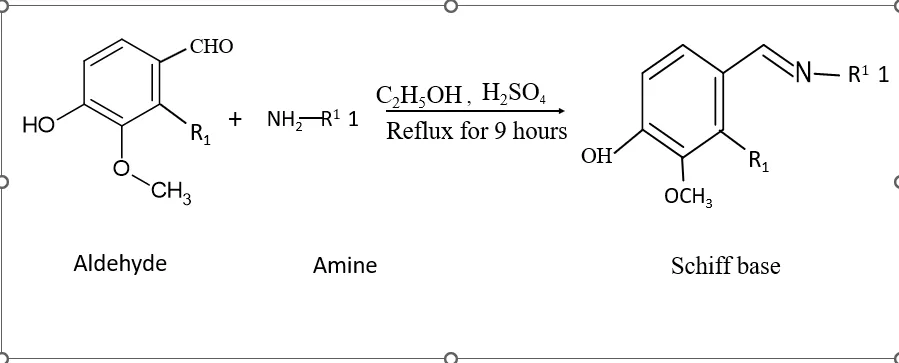
Figure 1: Synthesis of Schiff Base[2][3]
Conventional Synthesis of Schiff Bases [4–6]
A typical procedure involves combining equimolar quantities of an aldehyde (0.01 M) and an aromatic amine (0.01 M) in a conical flask. A few drops of concentrated sulfuric acid act as the catalyst, while 15–20 mL of ethanol serves as the solvent. The mixture is magnetically stirred and heated at 100 °C for several hours, with the reaction time varying according to the amine’s reactivity. After completion, the solvent is removed under reduced pressure using a rotary evaporator. The crude product is then washed with ethanol, filtered, and recrystallized to obtain pure Schiff base crystals.
Green Synthesis of Schiff Bases [7–9]
In eco-friendly approaches, equimolar amounts of a primary amine and an aldehyde or ketone are mixed, often with only a few drops of ethanol or a benign wetting agent such as β-ethoxyethanol. Instead of conventional reflux, the mixture is exposed to microwave irradiation at moderate power, which accelerates the condensation reaction and completes it within minutes. This solvent-free or minimal-solvent technique avoids hazardous reagents, minimizes by-products, and generally provides higher yields compared to traditional methods.
Extensive research has underscored the pivotal chemical and biological importance of the nitrogen atom’s lone pair of electrons located in the sp²-hybridized orbital of the azomethine group. These compounds, often termed azomethines, imines, or anils, undergo diverse transformations such as ring closure, cycloaddition, and substitution reactions, making Schiff bases highly versatile intermediates for the synthesis of numerous commercially relevant and biologically active molecules.[10][11] Their adaptability has led to widespread applications in coordination and analytical chemistry,[12] the production of pigments, dyes, and polymers, and in biological systems where they are present in vitamins and enzymes, serving as biomolecular models. Beyond these chemical roles, Schiff bases exhibit remarkable pharmacological potential, demonstrating herbicidal, antidiabetic, antibacterial, anticancer, antioxidant, antifungal, antimalarial, anti-inflammatory, and anti-Alzheimer’s activities.[13–20]
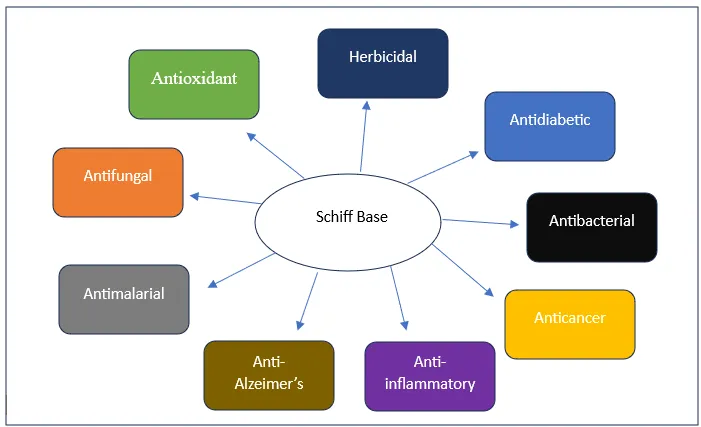
Figure 2: Activities of Schiff Base[13-20]
Schiff bases are formed through the reaction of an aldehyde or ketone with an amine, initially yielding a carbinolamine intermediate that subsequently undergoes dehydration to produce the imine. This transformation is reversible and typically facilitated by mild acid or base conditions or by heating, with the removal of water driving the equilibrium toward product formation. Strongly acidic environments must be avoided, as protonation of the amine suppresses its nucleophilicity. Under basic conditions, the dehydration step resembles an E2 elimination but proceeds in a stepwise manner via an anionic intermediate. The resulting imines can readily hydrolyze back to their parent carbonyls and amines in aqueous media, while iminium salts are even less stable and require strictly anhydrous conditions for preparation. Their susceptibility to hydrolysis has been exploited in synthetic strategies for producing secondary amines, and the cleavage of imines plays a central role in enzyme-mediated reactions as well as in classical aldehyde syntheses such as those developed by Sommelet, Stephen, Sonn-Müller, and Gattermann.[21][22]
Structure Activity Relationship:
Table 1: Structure Activity Relationship of Schiff Base
| Structural Feature | Effect |
|---|---|
| Hydroxyl group | Increases antioxidant activity |
| Halogens | Increases antimicrobial, anticancer activity |
| Nitro group | Increase Enzyme inhibition |
| Methoxy group | Improve antioxidant activity |
| Catechol | Increases antioxidant activity |
| Electron donating group | Increase antioxidant, anti-Alzheimer’s activity |
| Electron withdrawing group | Increase antimicrobial, antimalarial, enzyme inhibitory activity |
In organic chemistry, Schiff base complexes act as highly adaptable catalysts, enabling diverse reactions such as reductive carbonylation, polymerization, decarboxylation, and oxidation. In the realm of inorganic chemistry, they have become particularly significant due to their broad utility in advancing coordination chemistry.[23]
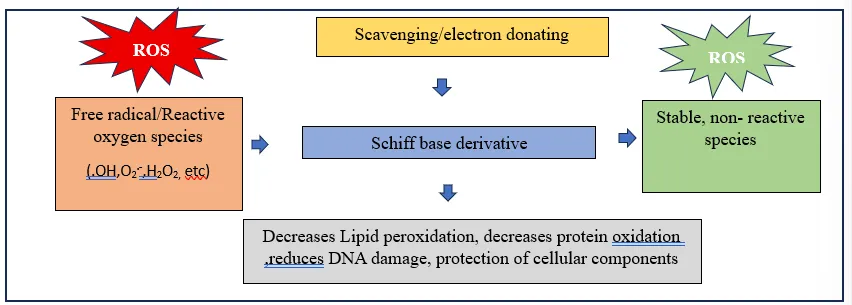
Figure 3: Mechanism of Antioxidant Activity[24,25,26]
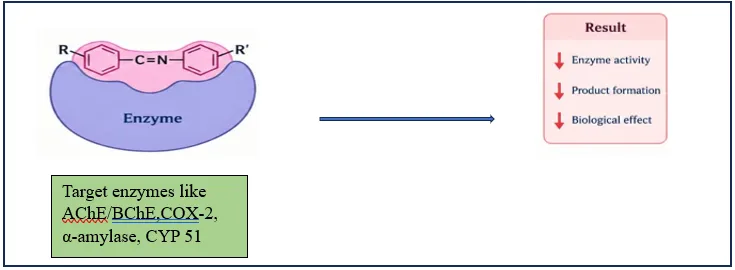
Figure 4: Enzyme Inhibitory Activity of Schiffs Base[27,28]
Antimalarial Activity
Schiff bases have been extensively explored as potential antimalarial agents due to their ability to disrupt essential survival pathways of Plasmodium falciparum. Quinoline- and acridine-derived Schiff base hydrazones have shown remarkable activity against both chloroquine-sensitive and resistant strains, with certain compounds achieving nanomolar potency in sensitive strains and others surpassing chloroquine in resistant strains. Their efficacy is largely attributed to inhibition of β-hematin (hemozoin) formation, while structural modifications such as para-substituents (t-butyl, bromine, trifluoromethyl) further enhanced potency, selectivity, and safety profiles.[19] Benzilmonoximethiocarbohydrazide (HBMT) Schiff bases also demonstrated strong activity against the 3D7 strain (IC₅₀ ≈ 1.24 µM), supported by molecular docking and dynamics studies confirming stable interactions with malarial protein targets. Another promising scaffold, N'-[(E)-(2-Hydroxy-1-naphthyl)methylene]benzohydrazide (HNB), exhibited favorable binding scores against P. falciparum protein 4WZ3, with ADMET analysis indicating good pharmacokinetics and low toxicity.[29]
Vanillyl-derived Schiff bases, particularly hexyl and heptyl derivatives, were synthesized and evaluated for biological activity. Both displayed moderate antioxidant properties compared to vanillin and Vitamin C, with the heptyl derivative showing slightly stronger effects due to increased lipophilicity. They also exhibited concentration-dependent antibacterial and antifungal activity, effectively inhibiting Staphylococcus aureus, Escherichia coli, and Candida albicans. These findings highlight vanillin-based imines as promising leads with broad biological relevance, including antimalarial potential.[30]
Computational studies on phenylisocytosine-derived Schiff bases revealed potent inhibition of transketolase, a key enzyme in the pentose phosphate pathway, with lead compounds showing superior binding affinities, stability, and drug-likeness compared to oxythiamine. Collectively, these investigations establish Schiff bases as versatile, safe, and multifunctional candidates for next-generation antimalarial therapies, particularly valuable against drug-resistant malaria.[31–33] At the same time, malaria eradication strategies emphasize integrated approaches—combining vaccines such as RTS,S and R21, novel drugs, host-targeted therapies, vector control, and robust surveillance systems—while addressing challenges posed by resistance, climate change, and funding limitations.[34]
Anti-Inflammatory Activity
Schiff base derivatives have demonstrated notable anti-inflammatory properties in RAW 264.7 macrophages. One compound was found to be non-toxic, effectively lowering lipopolysaccharide-induced nitric oxide (NO) levels and suppressing iNOS and COX-2 mRNA expression in a dose-dependent manner, underscoring its ability to regulate key inflammatory mediators.[20] Coumarin-based Schiff bases complied with Lipinski’s rule of five and showed strong affinity for COX-2, with several molecules achieving nanomolar Ki values and surpassing ibuprofen in potency. In vitro assays confirmed their superior inhibition of protein denaturation, with one compound emerging as a lead candidate due to its favorable lipophilicity and consistent dose–response activity.[35]
Schiff bases derived from 4-aminophenazone produced significant, dose-dependent reductions in paw oedema in mice using carrageenan and histamine models. They also stabilized cell membranes by reducing hypotonicity-induced haemolysis and prevented albumin denaturation, reinforcing their protective anti-inflammatory role.[36] Pyrazole-based Schiff bases displayed moderate activity, with certain analogues showing stronger inhibition of protein denaturation and proteinase activity compared to weaker derivatives, though still less effective than diclofenac. Their measurable activity nonetheless highlights their potential as safer scaffolds for drug development.[37] In Wistar rats, Schiff bases of 2-amino-5-aryl-1,3,4-thiadiazole reduced paw swelling in carrageenan-induced oedema. Several compounds demonstrated significant inhibition, albeit weaker than indomethacin, with dose-dependent effects confirming their anti-inflammatory potential alongside analgesic and antibacterial properties.[38]
Antioxidant Activity
Chitosan-based Schiff derivatives showed strong, dose-dependent radical scavenging and reducing power, outperforming native chitosan and approaching ascorbic acid, making them attractive for biomedical use.[39] Metal complexes of Schiff bases enhanced antioxidant activity compared to free ligands, with Ru (II) and Fe (II) complexes emerging as the most potent in DPPH, lipid peroxidation, and CUPRAC assays.[40] Ferrocenyl Schiff bases displayed both antioxidant and pro-oxidant effects depending on the system, with hydroxyl positioning crucial for activity.[41]
3,4-Dimethoxybenzenamine derivatives with catecholic or ortho-trihydroxyl groups showed superior radical scavenging, surpassing n-propyl gallate, while substituents like bromine or methoxy modulated activity.[42] Ferrocenyl–phenol/catechol Schiff bases combined redox and phenolic groups, achieving activity comparable to vitamin E and Trolox, and protected against DNA damage and glutathione depletion.[43] Cholesterol-derived Schiff bases consistently outperformed vitamin C in multiple assays, highlighting hydroxyl substitution as key to potency.[44]
Sulfonamide Schiff bases converted to oxazepines exhibited stronger antioxidant capacity and reduced cytotoxicity, with IC₅₀ values close to ascorbic acid.[45] A tetradentate Schiff base and its metal complexes, especially Mn (II), showed high radical scavenging and antimicrobial activity, supported by docking studies confirming stable binding interactions.[46]
Anti-Alzheimer’s Activity
Benzothiazole Schiff bases were developed as imaging probes for β-amyloid plaques, with dimethylamino and methoxy derivatives showing high affinity comparable to IMPY. The dimethylamino compound also labelled neurofibrillary tangles, making it suitable for PET/SPECT diagnostics.[47] Pyrazole Schiff bases combined moderate Acetylcholinesterase AChE inhibition with strong antioxidant activity, offering dual neuroprotective effects.[48] Hydroxyl-containing bis-Schiff bases inhibited both AChE and BChE, in some cases more effectively than donepezil, with fluorine and hydroxyl substitutions enhancing potency.[49]
Green-synthesized Schiff bases delayed amyloid-β paralysis in C. elegans and improved stress resistance, with nitro substitution boosting activity.[50] Pyrimidine derivatives inhibited cholinesterases more strongly than tacrine, aided by halogen and electron-donating groups, and showed favorable pharmacokinetics.[51] Piperazine Schiff bases, particularly DHP, displayed notable AChE inhibition and antioxidant activity, supported by safe toxicity profiles.[52] Benzimidazole analogues, including thiosemicarbazides, showed potent dual AChE/BChE inhibition, with halogen and hydroxyl groups critical for activity.[53]
Anticancer Activity
Schiff bases and their derivatives demonstrate significant anticancer potential through multiple mechanisms. Compounds derived from benzoin, salicylaldehyde, aminophenol, and 2,4-dinitrophenyl hydrazine effectively suppressed Ehrlich ascites carcinoma in mice, reducing tumour weight and improving haematological parameters, with PDH and HHP showing survival benefits comparable to bleomycin [54]. An indole β-diiminato Schiff base exhibited strong activity against triple-negative breast cancer cells, with IC50 values lower than cisplatin, inducing G2/M arrest and ROS-mediated mitochondrial apoptosis while sparing normal cells, confirming both potency and safety [55]. A chitosan Schiff base modified with sulfonamide showed enhanced cytotoxicity against HepG2 liver cancer cells compared to unmodified chitosan, while maintaining biocompatibility and additional antibacterial and antidiabetic properties [56]. Schiff base metal complexes also proved valuable, with the Mn (II) complex displaying the strongest cytotoxicity against colorectal, liver, and breast cancer cells, likely through ERK2 kinase inhibition, while Zn (II) and Cr (III) showed moderate to weak activity [57]. Uranyl complexes of salicylaldehyde–pyrazine ligands enhanced DNA intercalation and protein binding, producing superior cytotoxicity against ovarian and melanoma cells compared to free ligands [58]. Imine-type Schiff bases showed moderate activity, with p-dimethylaminobenzaldoxime emerging as the most promising candidate against liver and breast cancer cells [59]. Finally, cobalt (III) Schiff base complexes combined DNA intercalation, protein binding, apoptosis induction, and anti-angiogenic effects, effectively suppressing lung carcinoma cells and tumour vascularization [60].
Antibacterial activity
Schiff bases have demonstrated notable antibacterial properties, with activity strongly influenced by ligand structure, metal coordination, and solvent environment. ADS1 and ADS3 were more effective than their metal complexes, with ADS3 in DMF showing the strongest inhibition, particularly against Staphylococcus aureus, while Proteus vulgaris remained resistant [61]. Benzothiazole-derived Schiff bases and their zinc complexes also showed clear activity, with nitrate and oxalate anions enhancing potency through improved solubility and membrane penetration [62]. Schiff base derivatives and their azetidinone counterparts produced measurable inhibition zones against E. coli and S. aureus, with azetidinones generally more active, suggesting structural modification improves efficacy [63]. Other synthesized Schiff bases exhibited selective activity, with p-nitrobenzylidene-2-carboxyaniline producing large inhibition zones up to 35 mm, highlighting the importance of substituent groups in determining potency [64]. Schiff base ligands coordinated with Mn (II), Ni (II), Co (II), Cu (II), and Zn (II) showed enhanced activity compared to free ligands, with Ni (II) most effective against Gram-negative strains and Mn (II) against Gram-positive bacteria, even inhibiting drug-resistant strains [65]. Schiff bases derived from 5-aminopyrazoles displayed strong activity against multidrug-resistant Gram-positive bacteria, with some compounds acting as dual inhibitors of DNA gyrase and dihydrofolate reductase, while phenyl and chloro substitutions improved potency [66]. Finally, vanillin-derived Schiff base complexes revealed variable activity depending on the metal ion, with mercury complexes showing the strongest inhibition, while zinc complexes displayed strain-dependent effects [67].
Antifungal activity
Schiff bases and their metal complexes exhibit strong antifungal activity, with several derivatives showing remarkable potency. The Ni²⁺ chelate achieved complete inhibition of Stromatinia cepivora and Sclerotinia sclerotiorum, causing severe hyphal damage and binding strongly to CYP51, outperforming the commercial fungicide Tebuconazole [68]. Indole Schiff base derivatives also displayed broad-spectrum activity, with one compound fully inhibiting Fusarium graminearum and showing high efficacy against F. oxysporum, F. moniliforme, Curvularia lunata, and Phytophthora parasitica, where electron-withdrawing substituents enhanced potency [69]. Schiff base/Cu (II) magnetic nanoparticles proved effective against drug-resistant Candida species, with MIC values as low as 8 µg/mL, acting through cell wall disruption and ROS generation, while maintaining low toxicity and even promoting fibroblast proliferation [70]. Sulphonamide-derived Schiff bases emerged as a novel antifungal class, showing broad-spectrum activity against multidrug-resistant Candida auris (MIC 4–32 µg/mL), with chlorine and bromine substitutions boosting efficacy; importantly, they were non-toxic to human cells and likely act via Erg11 inhibition [71]. Schiff bases derived from L-tryptophan demonstrated strong inhibition of Fusarium oxysporum, particularly acetylacetone derivatives with IC50 values between 0.52–0.87 mM, while bulky substituents reduced activity. Docking studies confirmed stable binding to fungal enzymes, supporting their eco-friendly potential for crop protection [72].
Antidiabetic activity
Schiff bases have shown strong antidiabetic potential through multiple mechanisms. Thiadiazole-based derivatives inhibited both α-amylase and α-glucosidase, with Analogue-1 (trifluoromethyl substituted) proving most potent (IC50: 1.60 µM and 2.40 µM), outperforming acarbose; SAR analysis confirmed electron-withdrawing groups enhanced activity, while bulky substituents reduced it [73]. Pioglitazone-derived Schiff bases also demonstrated superior enzyme inhibition (IC50: 14.71 µg/mL), lowering blood glucose in diabetic rats, improving tolerance, and alleviating symptoms, while offering antioxidant protection beyond pioglitazone itself [74]. Methoxy-substituted Schiff bases inhibited α-glucosidase and significantly reduced glucose in streptozotocin-induced diabetic rats, with MK2 restoring near-normal levels (~121 mg/dL at 50 mg/kg), comparable to glibenclamide, and showing dual antidiabetic and antioxidant effects with good safety [75]. Metformin-derived Schiff bases, synthesized via eco-friendly methods, retained metformin’s glucose-lowering actions while aiming to improve pharmacological properties and reduce side effects, representing multitargeted candidates for future therapy [76]. Finally, bis-Schiff bases from thiobarbituric acid showed very strong α-glucosidase inhibition, with compounds achieving IC50 values of 0.10 and 0.13 µM, surpassing acarbose (0.27 µM); electron-withdrawing groups enhanced potency, supported by docking and DFT analyses [77].
Future perspective
The future direction of Schiff base research is expected to focus on sustainable and eco-friendly synthesis methods, such as microwave irradiation, ionic liquids, and nanotechnology, to achieve high efficiency with minimal environmental impact. Computational approaches including molecular docking, ADMET profiling, and advanced modelling will play a key role in designing derivatives with improved biological activity. Their versatility ensures expanding applications across drug discovery particularly in antibacterial, anticancer, and neuroprotective therapies as well as environmental remediation through pollutant adsorption, photocatalysis, and sensing. Additionally, Schiff bases are anticipated to contribute to the development of advanced functional materials. By integrating green chemistry with interdisciplinary innovation, Schiff bases are likely to evolve into multifunctional platforms bridging medicine, environmental science, and materials technology [78,79,80,81].
Limitations
Schiff bases, despite their wide-ranging biological potential, face several limitations that restrict their broader application. Their synthesis is highly dependent on reaction conditions, with yields and stability varying according to solvent choice, catalyst type, and temperature. A major drawback is their susceptibility to hydrolysis, particularly in aqueous environments, where the imine bond (C=N) readily breaks down into aldehyde and amine precursors, undermining chemical stability and reproducibility. Structural instability is further compounded by polymorphism and hydration variability, which complicates characterization and consistency of performance. On the biological front, Schiff base-metal complexes often demonstrate stronger activity than free ligands, yet their selectivity is inconsistent, with some derivatives showing cytotoxicity toward normal cells or strain-specific variability in antimicrobial effects. Pharmacokinetic limitations also emerge, as compounds that perform well in vitro may exhibit poor absorption, distribution, or bioavailability in ADMET studies. Synthetic approaches such as microwave-assisted or ionic liquid methods can improve efficiency, but they remain highly sensitive to reaction parameters, making large-scale production challenging. Additionally, while computational tools like DFT and molecular docking provide valuable predictive insights, they are constrained by methodological limitations and often lack experimental validation. Collectively, these challenges highlight the need for more robust and reproducible synthetic strategies, improved stability under physiological conditions, careful ligand design to enhance selectivity and safety, and stronger integration of computational predictions with experimental confirmation to advance Schiff bases toward reliable therapeutic applications. [82-86]
Applications of Schiff Bases Beyond Medicine
Schiff bases have wide-ranging applications outside of medicine, particularly in coordination and analytical chemistry. Their azomethine nitrogen donor enables stable complex formation with transition metals, producing diverse geometries such as square planar, tetrahedral, and octahedral depending on the metal and substituents. These complexes are highly effective catalysts in reactions like oxidation, polymerization, carbonylation, and asymmetric synthesis, often surpassing simple metal salts in selectivity and efficiency. In analytical chemistry, Schiff bases serve as chelating agents for trace metal detection, generating distinct spectral or colorimetric changes that allow sensitive assays. They are also employed in solvent extraction and chromatographic separation, where their adjustable lipophilicity and electronic properties enable selective ion binding. Beyond catalysis and detection, Schiff base complexes are increasingly explored as functional materials in nonlinear optics, molecular electronics, and sensor technologies, underscoring their versatility and importance in fields extending well beyond pharmacology. [86-103]
CONCLUSION
Schiff bases stand out as one of the most adaptable classes of organic compounds, linking synthetic chemistry with a wide spectrum of pharmacological applications. Their structural diversity, ease of modification, and ability to coordinate with transition metals underpin activities ranging from antimalarial, anti-inflammatory, antioxidant, anti-Alzheimer’s, anticancer, antibacterial, antifungal, to antidiabetic effects. They often act as multitarget agents, combining enzyme inhibition, radical scavenging, and biomolecular interactions within a single scaffold. Structure–activity relationship studies emphasize the importance of substituents, electronic influences, and metal coordination in enhancing potency and selectivity, while many derivatives also demonstrate favourable safety and biocompatibility, reinforcing their therapeutic relevance.
Despite these advantages, challenges remain. Schiff bases suffer from poor solubility, limited bioavailability, metabolic instability, and occasional toxicity, particularly in certain derivatives and metal complexes. Moreover, the absence of long-term safety and clinical studies restricts their direct medical application. Addressing these issues through rational structural optimization and thorough preclinical evaluation is essential for advancing them toward clinical use.
Future research should prioritize translating Schiff bases from laboratory studies into clinical practice through multidisciplinary strategies. AI-assisted drug discovery, including machine learning-based molecular design, virtual screening, and predictive ADMET modelling, offers powerful tools to accelerate optimization. In parallel, nanotechnology-enabled delivery systems such as polymeric nanoparticles, liposomes, solid lipid nanoparticles, and nanogels could improve solubility, stability, targeted delivery, and therapeutic efficacy while reducing systemic toxicity.
In summary, Schiff bases represent highly promising multifunctional scaffolds for next-generation drug discovery. The integration of sustainable synthesis, computational modeling, AI-driven design, nanotechnology-based delivery, and rigorous biological evaluation is expected to unlock their full potential and pave the way for safe and effective therapies against complex diseases.
REFERENCES

Siju Ellickal Narayanan, Hariraj Narayanan, Sneha Raj, Anupama Peroth Vidhyadharan, Mubashir Gafoor Vettathur, Schiff Bases as Multifunctional Scaffolds: Unlocking Pharmacological Versatility in Drug Design, Int. J. of Pharm. Sci., 2026, Vol 4, Issue 11, 817-831. https://doi.org/10.5281/zenodo.23940232
 10.5281/zenodo.23940232