

We use cookies to ensure our website works properly and to personalise your experience. Cookies policy
Department of Pharmaceutics, Visveswarapura institute of pharmaceutical sciences.
The present study was undertaken to formulate and evaluate an herbal hair mask intended for scalp care and management of dandruff. Dandruff is a common scalp condition associated with flaking, itching, irritation, and microbial imbalance. Increasing concerns regarding the prolonged use of synthetic hair-care products have encouraged the development of herbal formulations containing natural phytoconstituents with conditioning, moisturizing, antioxidant, and antimicrobial properties. Three formulations, namely F1, F2, and F3, were prepared using curry leaf powder, neem leaf powder, and pineapple powder, respectively, as the principal herbal ingredients. Flaxseed mucilage, hibiscus leaf mucilage, aloe vera gel, green tea extract, lemongrass oil, and sodium benzoate were incorporated as common formulation components. The prepared formulations were evaluated for organoleptic characteristics, pH, homogeneity, skin irritation, washability, spread ability, physical stability, microbial quality, and preliminary anti-dandruff activity. The formulations exhibited satisfactory colour, texture, odour, and homogeneity. The pH values of F1, F2, and F3 were 5.08, 5.18, and 5.21, respectively, indicating suitability for topical scalp application. No visible irritation, redness, oedema, or swelling was observed during the preliminary 24-hour skin irritation assessment. The formulations were readily washable and showed satisfactory physical stability under the tested conditions, with no significant changes in colour, odour, texture, or pH. Microbial limit testing showed no detectable growth of the tested objectionable microorganisms, Pseudomonas aeruginosa and Staphylococcus aureus. Preliminary antifungal evaluation was also performed against Malassezia furfur to investigate the anti-dandruff potential of the formulations.
Hair represents a vital human appendage contributing to personal appearance while offering protection to the scalp against environmental and mechanical factors. Afflictions of the hair and scalp are common, with dandruff standing out as a primary concern requiring appropriate management dandruff is characterized by scalp flaking, itching, irritation, and an unhealthy appearance. Although conventional chemical-based treatments exist, a growing preference for herbal cosmetics has stimulated the creation of plant-based alternatives. Because medicinal plants possess natural phytoconstituents, herbal hair-care formulations can provide cleansing, conditioning, nourishment, and other therapeutic benefits.
Hair Masks Are Topical Applications Designed to Nourish, Moisturize, Condition, And Protect Both Hair and Scalp. Herbal Hair Masks Are Typically Produced by Cleaning, Drying, And Powdering Selected Plant Materials Before Incorporating Them into A Base Formulation. Previous Investigations Have Utilized Various Herbal Components in Hair-Mask Preparations, Evaluating Parameters Such as Appearance, Colour, Odor, Ph, Viscosity, Washability, Spread Ability, Irritation Potential, And Stability (1,2).
Role Of Flaxseed Mucilage: flaxseed-derived mucilage is frequently utilized as a natural base component in herbal hair masks. Recent research on herbal formulations has specifically integrated flaxseed mucilage alongside hibiscus mucilage and aloe vera. In this project, flaxseed mucilage is used as a uniform base ingredient across f1, f2, and f3 (3).
Role Of Hibiscus Mucilage: hibiscus is widely applied in herbal hair care because of its numerous benefits for the scalp and hair. Rich in amino acids, vitamins, and other nutrients, hibiscus is reported to maintain hair health and minimize dandruff symptoms. Because hibiscus mucilage has been successfully incorporated into prior hair-mask designs, it is included as a common component in all three formulations.
Role Of Aloe Vera: aloe vera is a standard plant ingredient in herbal hair-care regimens. Often combined with flaxseed and hibiscus-based components in hair masks, aloe vera functions as a moisturizing and soothing agent for the scalp and hair. Therefore, aloe vera is added to all formulations to enhance their moisturizing and conditioning properties.
other formulation components: green tea extract, lemongrass oil, and the selected mucilage bases serve as supporting ingredients. The integration of botanical extracts, essential oils, and natural bases aligns with standard practices in herbal hair care. Lemongrass oil is primarily added to provide fragrance, whereas green tea extract serves as a botanical supplement (4).
In contemporary cosmetic research, a profound paradigm shift has been observed toward natural and botanical-based personal care formulations, among which herbal hair masks are prominently recognized. A herbal hair mask is defined as a specialized topical preparation that is formulated using diverse plant extracts, powders, and natural emollients to nourish the scalp and condition the hair strands. Traditional botanicals such as murrayya konenigii , hibiscus rosa-sinensis, azadirachta indica, and aloe barbadensis are meticulously collected, pulverized, and blended into a uniform paste. Essential vitamins, minerals, and antioxidants are inherently provided by these plant materials, thereby ensuring that vital therapeutic benefits are directly imparted to the hair follicles and scalp without the introduction of harsh synthetic additives (1).
Additionally, due to rising anxieties concerning the deleterious side effects linked with synthetic hair treatment including chemical irritation, protein stripping, and follicular deterioration safer, biodegradable.
alternatives have been necessitated. Herbal hair masks are widely investigated by researchers because specific corrective actions, such as dandruff reduction, hair growth enhancement, and moisture balance maintenance, are effectively facilitated through synergistic phytoconstituents. Oxidative stress is significantly mitigated, and the structural integrity of the hair cuticle is successfully restored through the application of these bioactive compounds. Therefore, the systematic development and evaluation of novel herbal hair mask formulations are undertaken in this thesis to establish a rigorous scientific framework for their efficacy, safety, and commercial viability (3,5).
1.2 History of hair masks
The utilization of cosmetic and therapeutic hair preparations originated thousands of years ago in ancient civilizations. The ancient egyptians pioneered early herbal applications to enhance skin radiance, improve fragrance, and stimulate hair vitality. In india, the ayurvedic tradition—documented over 5,000 years ago in classical texts such as the rig veda and atharv veda—recorded more than 700 medicinal formulations incorporating botanicals like amla, shikakai, bhringraj, and neem to manage scalp disorders and maintain hair hygiene.
During the 19th and 20th centuries, synthetic chemical formulations became dominant across commercial beauty markets due to their rapid cosmetic action and reproducibility. The term "cosmeceuticals" was subsequently coined by raymond reed, and dermatological pioneers like albert m. Kligman expanded the field through research on retinoids and skin repair. However, the chronic application of aggressive synthetic agents led to toxicological and environmental concerns, prompting a global resurgence toward traditional, biodegradable herbal hair masks (9).
Herbal hair masks have their origin in the traditional use of medicinal plants for hair and scalp care, particularly within the ayurvedic system of medicine. Historical evidence indicates that herbal cosmetics and plant-based preparations were used in india from ancient times, with early records of cosmetic substances and their applications dating back to approximately 2500–1550 bc. Traditional preparations commonly employed plant materials in the form of fresh juices, pastes, powders, decoctions, and medicated oils for maintaining hair health and managing common scalp and hair problems. several medicinal plants, including emblica officinalis (amla), eclipta alba (bhringraj), azadirachta indica (neem), acacia concinna (shikakai), hibiscus rosa-sinensis (hibiscus), trigonella foenum-graecum (fenugreek), and aloe vera, have traditionally been incorporated into hair-care preparations because of their reported antioxidant, antimicrobial, anti-inflammatory, conditioning, and hair-nourishing properties (10).
With the advancement of pharmaceutical and cosmetic sciences, these traditional herbal preparations have evolved into standardized herbal cosmetic formulations, including shampoos, hair oils, conditioners, gels, and hair masks. In recent years, herbal hair masks have gained attention as topical formulations containing powdered herbs, plant extracts, oils, and natural excipients intended to improve hair texture, conditioning,
scalp hygiene, and overall hair health. Contemporary formulation studies have focused on parameters such as organoleptic characteristics, pH, viscosity, washability, spread ability, phytochemical constituents, microbial quality, skin irritation, and stability to establish the quality, safety, and efficacy of herbal hair-mask preparations (3).
Thus, the development of herbal hair masks represents a transition from traditional ethnomedicinal practices to scientifically designed herbal cosmetic formulations, combining the therapeutic potential of medicinal plants with modern pharmaceutical formulation and evaluation techniques (10).
1.3. Role of herbals in cosmetics
Botanical ingredients were increasingly favored in cosmetics as natural, bioactive, and therapeutic alternatives to synthetic chemicals. Plant extracts supplied diverse secondary metabolites, such as flavonoids, anthocyanins, tannins, polysaccharides, saponins, triterpenoids, and vitamins.
Within polyherbal formulations, botanical agents functioned as:
1.4 Ideal characteristics of an herbal hair mask
An expertly formulated herbal hair mask possessed the following physicochemical, rheological, and biological attributes
1.5. Advantages of herbal hair masks
1.6. Disadvantages and limitations of hair masks
1.7. Applications of hair masks
5.1.MATERIALS
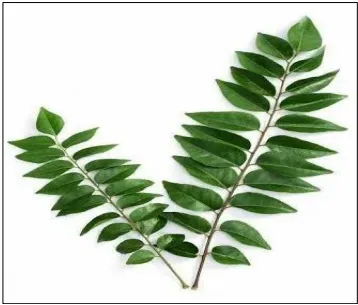
Figure 4: Curry Leaves
5.1.1. Curry leaves powder:
Biological source: Murraya koenigii leaves
Family: Rutaceae (3).
Constituents and uses:
Curry leaves are high in iron, calcium, proteins, antioxidants, vitamin b and c, volatile oil, alkaloids, flavonoids and tannis (3,16). It as anti-hair loss properties (16). Mainly it is used to promote hair growth and reduce dandruff. The american academy of dermatology association lists a few causes of hair loss, including scalp infections and deficiencies in vital minerals like iron, zinc, biotin, and protein. Curry leaves are a great source above all minerals that support healthy hair roots and stave against scalp infections and hair loss (3). The curry’s antioxidants aid in hydrating the scalp, removing damaged hair follicle and reducing hair frizz (3,16).
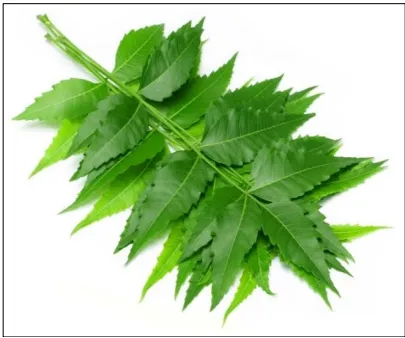
Figure 5: Neem Leaves
5.1.2. Neem leaves powder:
Biological source: Azadirachta indica
Family: Meliaceae (3).
Constituents and uses: Neem leaves help to clean the scalp (1) . The neem leaves contain active phytoconstituents such as nimbidin, azadirachtin, nimbin and nimbidol which helps in reduces irritation on the scalp and dandruff (3).
It helps in removing the clogged pores and improve hair growth (1). Regenerative properties are very crucial for the treatment of dandruff (5). It has medicinal properties and serves as a preservative for variety of hair -relate problems (3). To get rid of dandruff, use a rinse made with neem leaves.(3) it is endowed with antiseptic and healing properties and it can be used for variety of hair problems and infections.
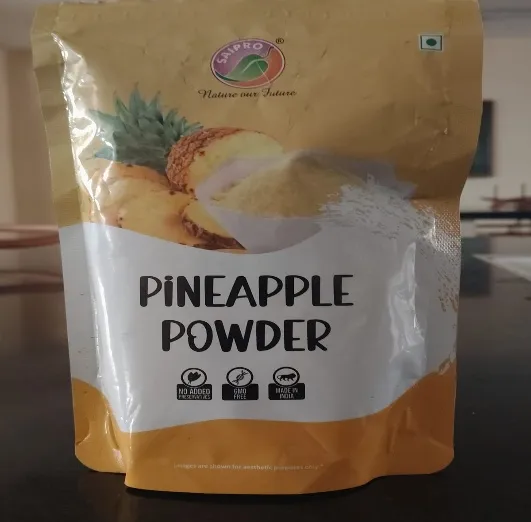
Figure 6: Pineapple Powder
5.1.3. Pineapple powder:
Biological source: Ananas comosus
Family: Bromeliaceae
Constituents and uses:
Pineapple powder is rich in bromelain which is an anti-inflammatory enzyme. Bromelain is effective in the treatment of dandruff and other conditions of scalp. It contains vitamin c and antioxidants that can help boost hairs natural shine. Pineapple powder has natural antifungal properties that can help control yeast growth, a common cause of dandruff. Pineapple powder can remove dead skin cells and excess oil from the scalp, which can help prevent clogged hair follicles and hair fall (16).
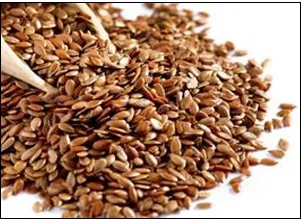
Figure 7: Flax Seed
5.1.4. Flax seeds:
Biological source: Linum usitatissimum linn.
Family: Liliaceae.
Constituents and uses:
Flax seed mucilage is rich in omega-3 fatty acids, proteins, fibers, antioxidants, selenium, magnesium and vitamin e and b. They are used mainly for nourishment and conditioning of hair; flax seeds mucilage helps air growth faster and longer by providing nourishment to hair follicles and also in presence of vitamin e in flax seeds provide nutrition to scalp and reduce free radicle damage. Most of the conditions they are used for the treatment of scalp (3,17).
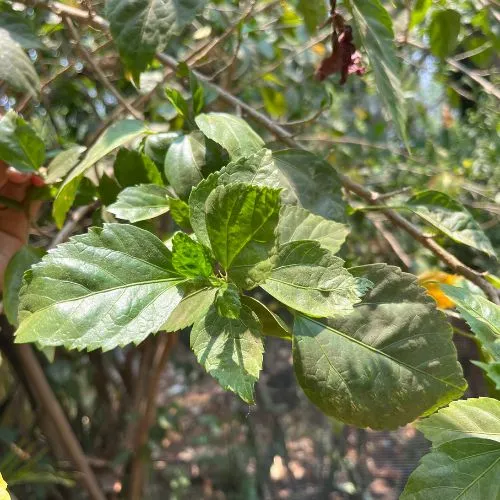
Figure 8: Hibiscus Leaves
5.1.5. Hibiscus leaves:
Biological source: Hibiscus rosa-sinensis.
Family: Malvaceae
Constituents and uses:
Hibiscus or gudhal is the most beneficial ingredient for hair (1). It consists of tannins, anthraquinones, quinines, phenols, flavonoids, alkaloids, terpenoids, saponins, proteins, essential oils and mucilage (3). This hibiscus leaves mucilage is used to promote the hair growth and reduce dandruff (21). minerals such as calcium and phosphorus, iron, vitamin b1 and c acts as a scalp moisturizer and also promotes hair growth and decrease premature greying of hair (4). Tannins offer astringent properties, while saponins aid in gentle cleansing.the leaves also contain organic acid like citric and malic acid for pH balance, along minimizing the risk of dandruff (17).
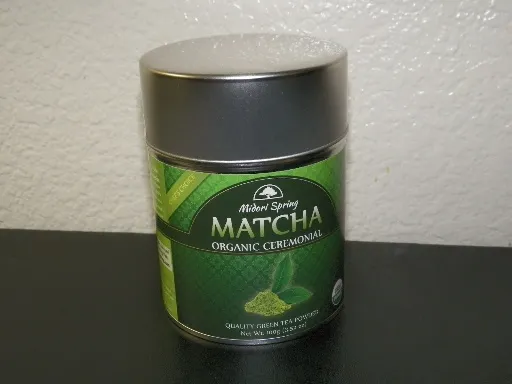
Figure 9: Green Tea Leaves
5.1.6. Green tea:
Biological source: Camellia sinensis
Family: Theaceae
Constituents and uses:
Green tea leaves are one of the potential natural products for hair growth. Despite of being it is used as beverages since early ages it also used for hair loss reduction and hair growth promotion with the concentration of 2.5%. It contains caffeine with basically a natural stimulant that boosts blood flow to scalp, bringing the nutrients and oxygen directly to hair roots .it also contains vitamin b, c and e which helps in reducing the hair loss, infections and also help nourishment of hair (20).
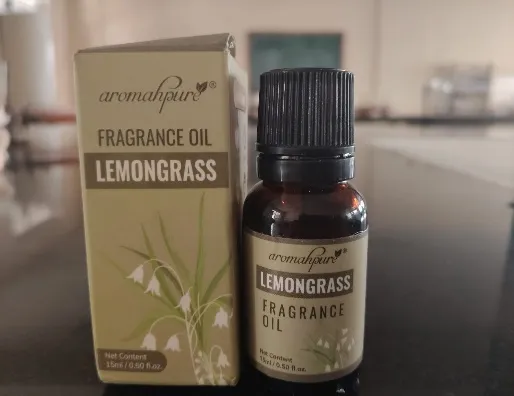
Figure 10: Lemon Grass Oil
5.1.7. Lemon grass oil:
Biological source: cymbopogan citrullus
Family: Poaceae
Constituents and uses:
The major chemical constituent present in the lemon grass oil is citral which act as the antimicrobial and antifungal actions. It reduces dandruff, control scalp oil, and strengthen hair roots. It acquires the unique scent which act fragrance (4).
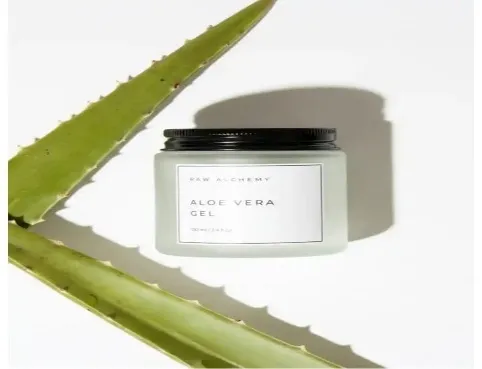
5.1.8. Aloe vera:
Biological source: Aloe perryi
Family: Asphodelaceae (17).
Constituents and uses:
Aloe vera is most beneficial for our hair.(3) it used to promote hair growth, dandruff and sooth scalp irritation. It is rich in vitamin a, c, e and b complex, along with the enzymes such as amylase and lipase (17) anthraquinones like aloin offer antimicrobial action, while saponins provide cleansing properties .it contains salicylic acid for anti-inflammatory effects. It repairs the dead skin cells on the scalp and most importantly it prevents itching on the scalp and reduces dandruff and conditions our hair (17).
5.2. Methodology and Preparation:
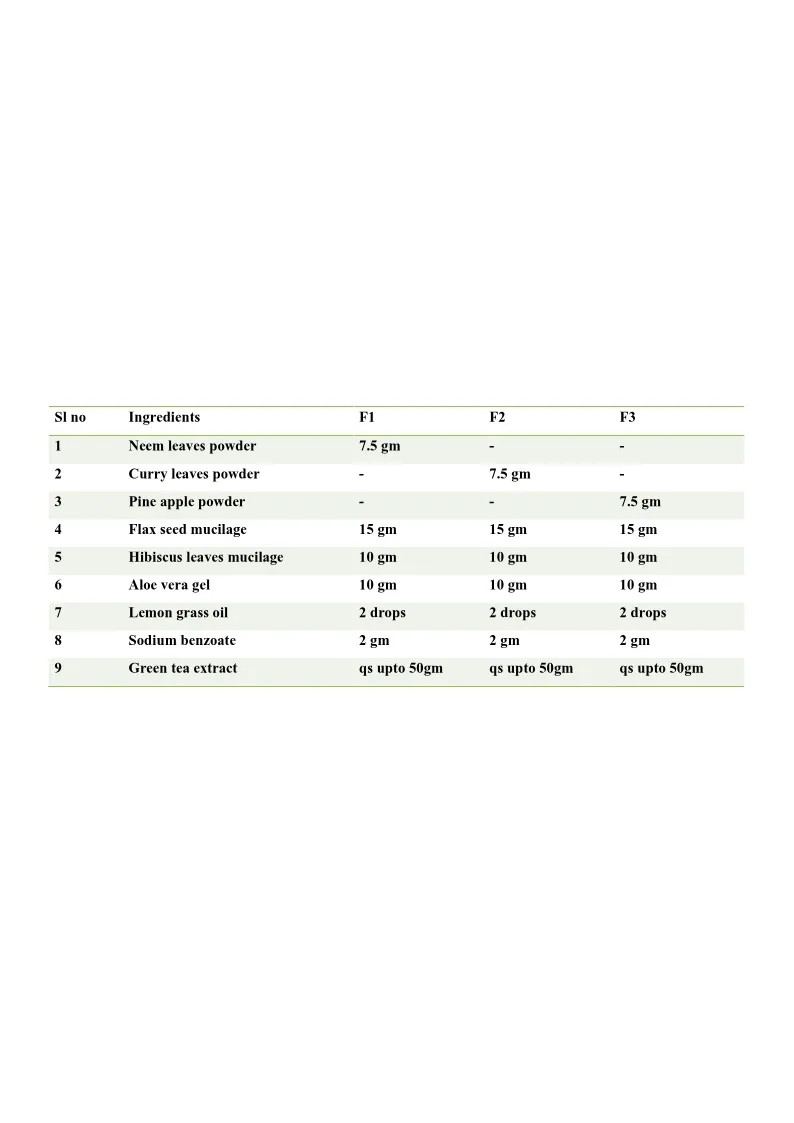
Table 1: Formula for Formulation of Anti-Infective Herbal Hair Mask
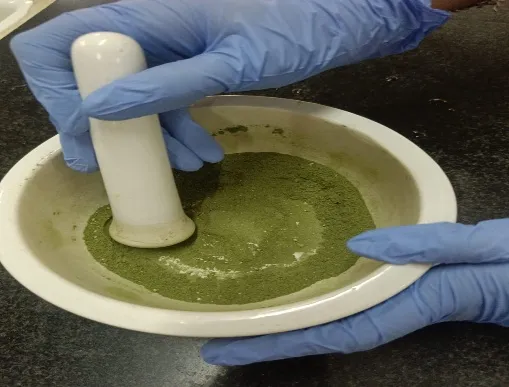
Figure 12: Preparation of Curry Leaf Powder
5.2.1. Preparation of curry leaves powder:
The fine curry leaves are dried out in hot air oven about 30 to 40 minutes by maintaining the temperature about 40 to 50 degrees Celsius and cooled it in room temperature, make the fine powder of the ingredients with the mortar pestle. Sieve the fine powder using sieve with sieve no.130
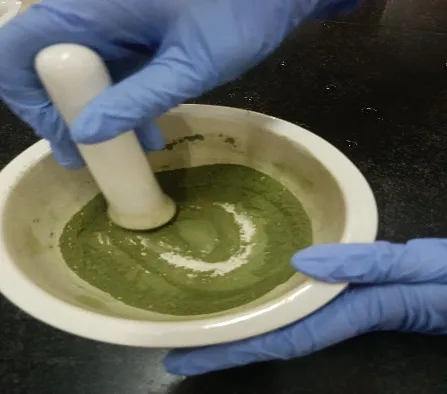
Figure 13: Preparation of Neem Leaf Powder
5.2.2 Preparation of neem leaves powder:
The fine neem leaves are dried out in hot air oven about 30 to 40 minutes by maintaining the temperature about 40 to 500 c and cooled it in room temperature make the fine powder of the ingredients with the mortar and pestle. Sieve the fine powder using mesh 120 (3).
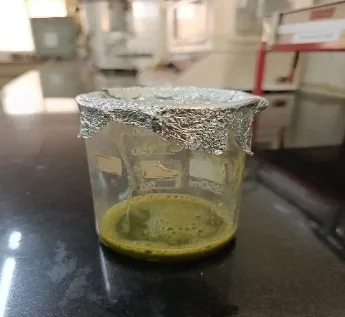
Figure 15: Prepared and Stored Hibiscus Mucilage
5.2.3 Preparation of hibiscus mucilage:
Fresh leaves are collected, washed thoroughly with water, and shade-dried for approximately 10 days. Once completely dry, the leaves are ground into a fine powder and soaked in water for 10 hours to allow the mucilage to release. Finally, the mixture is filtered through a muslin cloth to yield the purified mucilage.
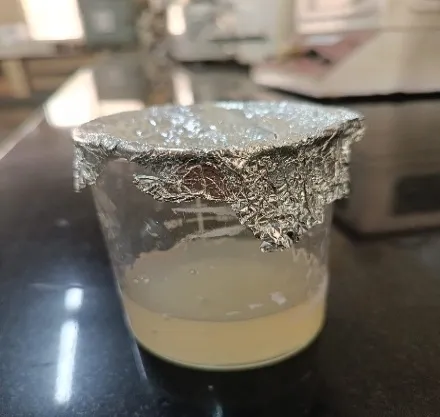
Figure 16: Prepared and Stored Flax Seed Mucilage
5.2.4 Preparation of flaxseed mucilage:
Flaxseeds are added to water and boiled for approximately 10 minutes, with continuous stirring to prevent the seeds from sticking to the bottom of the container. After heating, the mixture is left to cool into a gel. Finally, the gel is strained into a glass measuring cylinder using a muslin cloth to separate the liquid from the seeds (9,17).
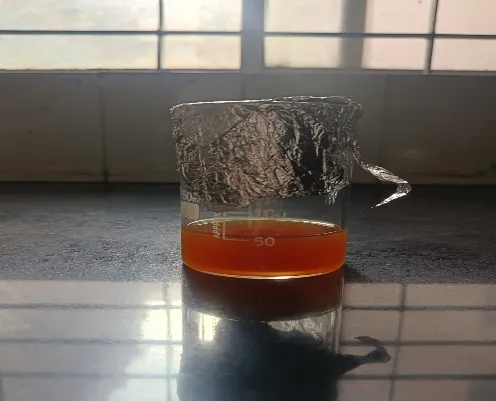
Figure 16: Prepared and Stored Green Tea
5.2.5 Preparation of green tea:
Add a table spoon of green tea leaves to 700c boiling distilled water put and it aside for about 5-10 minutes and strain it using a muslin cloth, and this green tea which has a active constitutes is used as a vehicle (8).
5.2.6. Formulation method of herbal hair mask:
Step 1: Preparation of Gel base
To prepare the gel base, flaxseed mucilage, hibiscus leaf mucilage, and aloe vera gel are sequentially added into a single beaker under continuous stirring. The mixture is then processed using a homogenizer until a smooth, uniform consistency is obtained.
Step 2: Incorporation of active ingredients & Additives
The gel base is added to the active ingredient (curry leaf powder, neem leaf powder, or pineapple powder) in a mortar and pestle, trituration continuously to ensure complete and uniform distribution. The mixture is then left to stand undisturbed to allow any entrapped air to escape. Next, a sufficient amount of green tea extract is added slowly to maintain the proper consistency. Sodium benzoate is incorporated as a preservative and mixed thoroughly, followed by 2 drops of lemongrass oil to impart fragrance.
Step 3: Filling & Storage
The finished herbal gel is transferred into clean, airtight containers and stored in a cool place, protected from direct sunlight (17).
6.EVALUATION PARAMETER
The completed herbal hair mask formulation was evaluated through physical, chemical, and biological performance tests.
6.1. Organoleptic properties:
6.1.1. Appearance & Color: Typically, a smooth, homogeneous (uniform) cream, paste, or gel. Colors range from white, off-white, or cream to pale green, brownish, or earthy tones depending on the natural or herbal ingredients used (such as neem, amla, or hibiscus).
6.1.2. Odor / Smell: A pleasant, mild, or slightly aromatic fragrance. Can feature herbal, floral, or nutty notes derived from natural extracts, essential oils, or added perfumes without being overpowering or sharp.
6.1.3. Texture & Consistency: Smooth, thick, and creamy. Must be easily scoopable, non-gritty, and possess good spread ability to allow smooth, even application across the hair strands and scalp.
6.2. pH test:
A 1% aqueous solution of each formulation was prepared using distilled water, and the ph was recorded at room temperature. The pH values were found within the range of 5.0–6.5, which is suitable for scalp application and helps maintain the natural balance of hair and scalp (9).
6.3. Skin irritation test:
Mark the area (1cm) on hand surface, then the mask was applied to the area and the time was noted. This is checked for irritancy, swelling if any for an interval up to 24 hr and reported (19).
6.4. Homogeneity and visual phase separation:
6.5. Washability dynamic profile:
Samples of the mask were applied to surfaces and hair tresses. The findings showed that the herbal hair mask was easily removed from the surface by the simple application of water. This property confirms that the formulation is highly user-friendly and does not leave behind any stubborn or sticky residue (9).
6.6. Stability studies:
The formulation was stored for some time under different temperatures (35°c to 40°c) and humidity conditions to see any visible changes in the physio-chemical properties of the formulation.
6.7. Spread ability test:
The spread ability was expressed in terms of time in seconds taken by two glass plates to slip off from the formulation, placed in between the plates, under certain load lesser the time taken for separation of the two glass plates better the spread ability. Two sets of glass plates of standard dimension were taken. Then one plates of suitable dimension was taken and the formulation was placed on that plate. Then other plate was placed on the top of the formulation. Then a weigh of 20g was placed on the upper plate so that the formulation between the two plates was pressed uniformly to form a thin layer (17).
6.8. Microbial limit test:
Procedure:
6.9. Anti-dandruff activity:
Procedure:
7.1. RESULT
7.1.1 Organoleptic properties:
Table 2: Organoleptic Properties
| Assessment parameter | F1 | F2 | F3 |
|---|---|---|---|
| Colour | Green | Dark green | Oranged yellow |
| Texture and feel | Fine | Fine | Fine |
| Odour | Extremely bitter and pungent | Slightly bitter and pungent | Pungent |
| Evaluation status | Satisfactory | Satisfactory | Satisfactory |
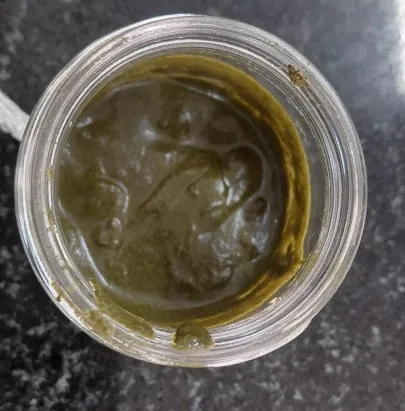
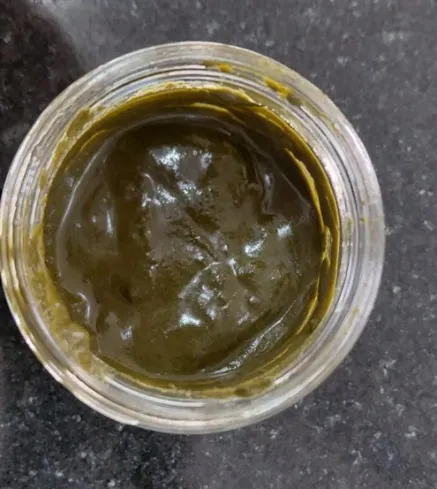
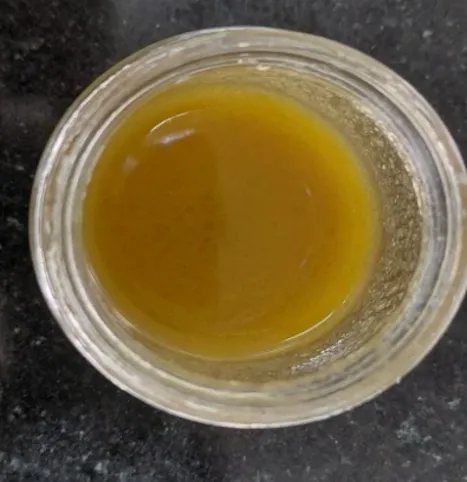
Figure 17: Formulation 1 Fig 19: Formulation 2 Fig 20: Formulation 3
7.1.2. pH test:
Table 3: pH Test Value Table
| Formulation No. | Trial No.1 | Trial No.2 | Trial No.3 | Average |
|---|---|---|---|---|
| Formulation 1 | 5.08 | 5.10 | 5.08 | 5.08 |
| Formulation 2 | 5.18 | 5.19 | 5.18 | 5.18 |
| Formulation 3 | 5.23 | 5.20 | 5.21 | 5.21 |
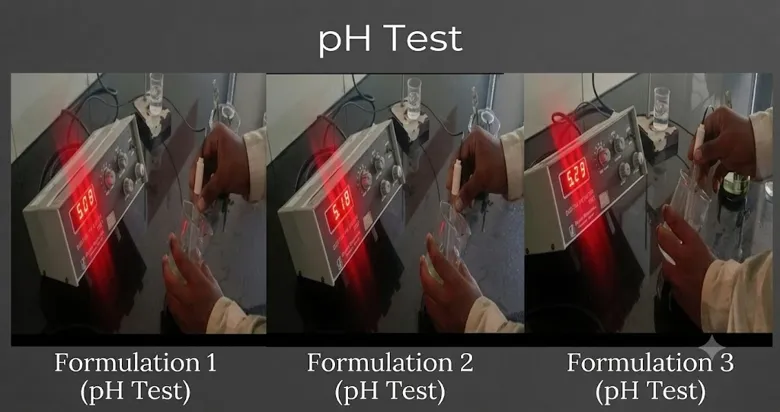
Figure 20: pH Measurement Fig 21: pH Measurement Fig 22: pH Measurement
of formulation 1 of formulation 2 of formulation 3
7.1.3. Skin irritation test:
Table 4: Irritation Test Results
| Irritation Tests | FORMULATION 1 | FORMULATION 2 | FORMULATION 3 |
|---|
| Potential dermal reaction | Observed response (immediate) |
Observed response (after 24 hours) |
Observed response (immediate) |
Observed response (after 24 hours) |
Observed response (immediate) |
Observed response (after 24 hours) |
|---|---|---|---|---|---|---|
| Irritation | No | No | No | No | No | No |
| Edema | No | No | No | No | No | No |
| Redness | No | No | No | No | No | No |
| Swelling | No | No | No | No | No | No |
7.1.4. Homogeneity and visual phase separation:
It showed excellent structural homogeneity, with the botanical powders evenly suspended throughout the base and no signs of syneresis or phase separation during storage.
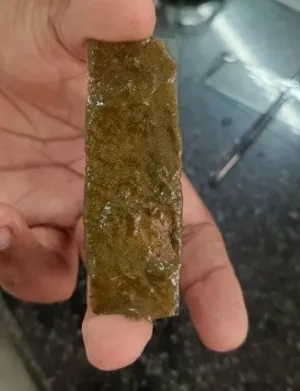
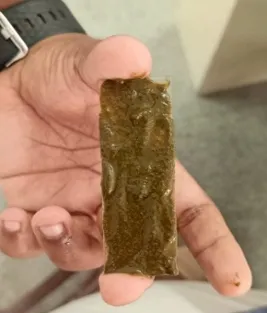
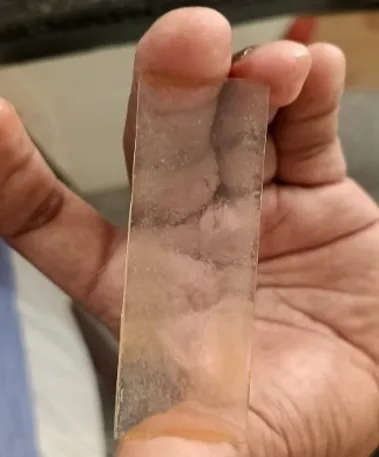
Figure 23: Homogeneity of Fig 24: Homogeneity of Fig 25: Homogeneity Of
Formulation 1 Formulation 2 Formulation 3
7.1.5. Washability dynamic profile:
There is no patches or stain mark seen on the volunteer’s hand; hence the formulation doesn’t have any colouring agent.
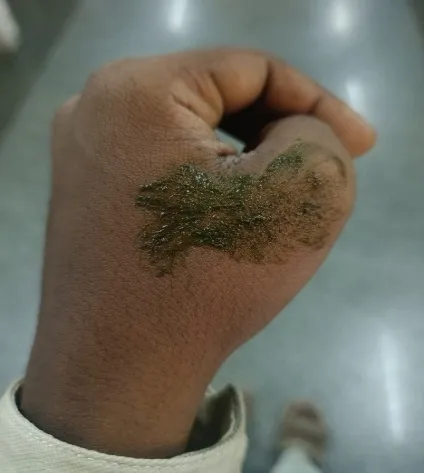

Figure 26: Skin Surface After Application Fig 27: Skin Surface After Washing
of hair mask of hair mask
7.1.6. Stability studies:
Table 5: Stability Studies Parameters of Formulations
| Sl. No. | Parameter in all the formulations | Result |
|---|---|---|
| 1 | Change in colour | No change |
| 2 | Change in odour | Slight change in f3 |
| 3 | Change in texture | No change` |
| 4 | Change in pH | No change |
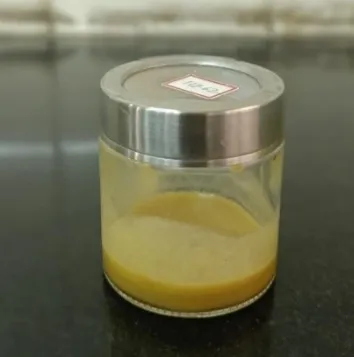
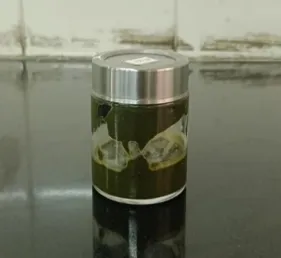
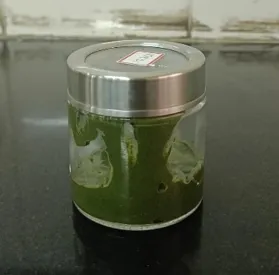
Figure 28: F1 Under Stability Fig 29: F2 Under Stability Fig 30: F3 Under Stability
7.1.7. Spread ability test:
The optimized hair mask formulation exhibited excellent spread ability, with a uniform spreading area diameter, indicating a highly favorable consistency for topical application.
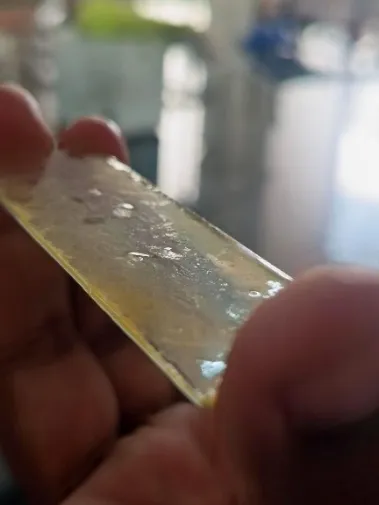
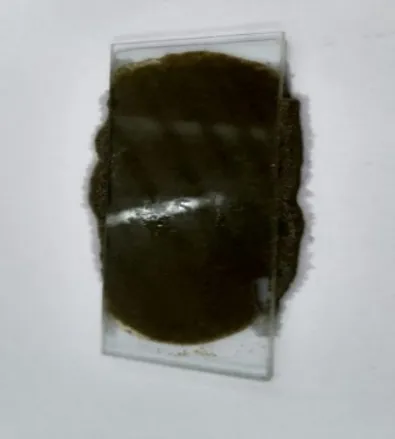
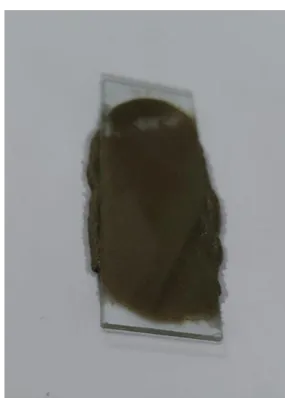
Figure 34: Spread Ability of F1 Fig 35: Spread Ability of F2 Fig 36: Spread Ability of F3
7.1.8. Microbial limit test:
The microbial limit testing confirmed the biological safety and quality of the formulated herbal hair mask. Following incubation on specialized media, no green fluorescent colonies were observed on the Cetrimide Agar plates, confirming the absence of Pseudomonas aeruginosa. Furthermore, no yellow colonies or yellow zones were detected on the Mannitol Salt Agar plates, verifying the absence of Staphylococcus aureus. The formulation successfully complied with the official microbial limits required for topical cosmetic preparations.
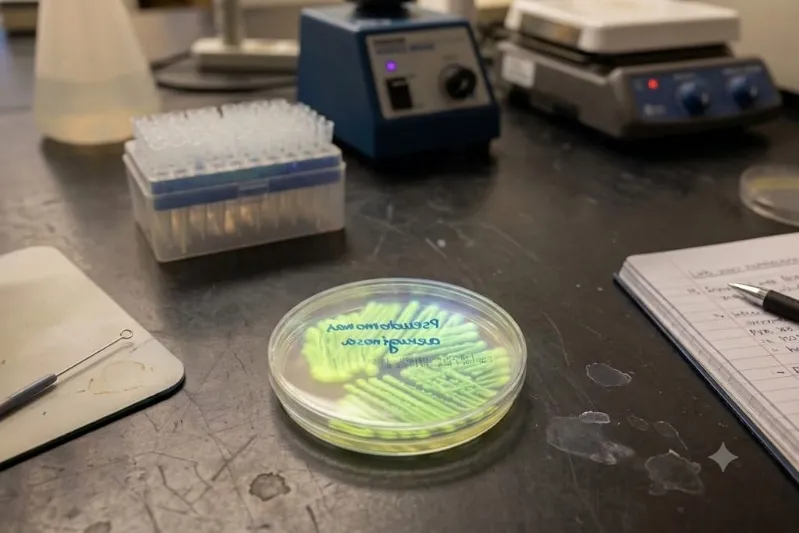
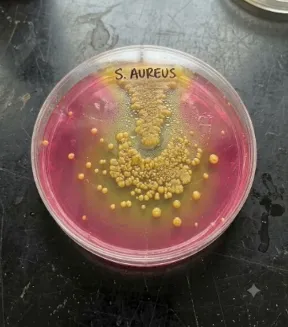
Figure 31: Staphylococcus Aureus Fig 32: Pseudomonas Aeruginosa
7.1.9. Anti-dandruff activity:
The in vitro anti-dandruff assay demonstrated that the herbal hair mask possesses significant antifungal activity against Malassezia furfur. The formulation produced a distinct, well-defined circular zone of inhibition around the agar wells, measuring an average diameter of. This clear zone confirms the efficacy of the herbal extracts in inhibiting lipophilic fungal growth. In comparison, the positive control (1% ketoconazole) exhibited a zone of inhibition of while the negative solvent control showed no zone of inhibition (0 mm), validating the potency of the herbal mask."
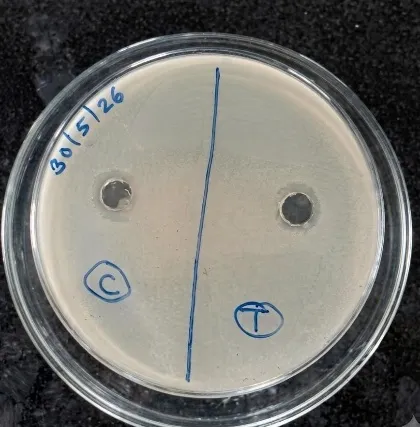
Figure 33: Zone of Inhibition of malassezia furfur
7.2. DISCUSSION
7.2.1. Organoleptic properties
The organoleptic evaluation of the prepared formulation (f1, f2 and f3) showed variations in colour and odour while maintaining a consistent fine texture across all batches. Formulation 1 exhibited a green colour with a slightly bitter and pungent odour. Formulation 2 presented as dark green and extremely bitter and pungent odour. Formulation 3 displayed an orange yellow colour accompanied by pungent odour. All three formulations demonstrated a fine texture and feel, and achieved a satisfactory evaluation status.
7.2.2. pH test
The pH values of the three formulations were evaluated across three trials, yielding consistent results for each batch. Formulation 1 recorded pH values of 5.08, 5.10, and 5.08, giving an average pH of 5.08. Formulation 2 showed pH values of 5.18, 5.19, and 5.18, resulting in an average pH of 5.18. Formulation 3 recorded values of 5.23, 5.20, and 5.21, with an average pH of 5.21.
7.2.3 Skin Irritation Test
The skin irritation test evaluated potential dermal reactions, including irritation, edema, redness, and swelling, across Formulations 1, 2, and 3 both immediately after application and after 24 hours. No adverse reactions were observed in any of the test categories at either time point for any formulation, indicating that volunteers did not experience signs of irritation, redness, or swelling during testing.
Volunteer did not experience any signs of irritation, redness, or swelling during the testing period. This confirms that the formulation is highly biocompatible and safe for regular topical application on the human scalp
7.2.4 Homogeneity and Visual Phase Separation
The test showed excellent structural homogeneity across all formulations, with botanical powders evenly suspended throughout the base. Furthermore, f2 and f3 shows signs of syneresis or phase separation were observed during storage.
7.2.5 Washability Dynamic Profile
Evaluation of washability demonstrated that no patches or stain marks were left on the volunteer's hand following removal, confirming that the formulation does not contain staining coloring agents. But little rigidity seen after washing of f3 due the presence if pineapple powder
7.2.6 Stability Studies
Stability study evaluations across all formulations showed no change in color, Odor, texture, or pH in f1, indicating optimal stability under tested conditions. Whereas a slight water retention seen in f2 and a noticeable phase separation in f3.
7.2.7 Spread ability Test
The optimized hair mask formulation exhibited excellent spread ability with a uniform spreading area diameter, demonstrating a highly favourable consistency suitable for topical application.
7.2.8 Microbial Limit Test
Microbial limit testing confirmed the biological safety and quality of the formulated herbal hair mask. Following incubation on specialized media, no green fluorescent colonies were observed on Cetrimide Agar plates, confirming the absence of Pseudomonas aeruginosa. Furthermore, no yellow colonies or yellow zones were detected on Mannitol Salt Agar plates, verifying the absence of Staphylococcus aureus. Overall, the f1 successfully complied with official microbial limits required for topical cosmetic preparations when comparted to f2 and f3.
7.2.9 Anti-dandruff Activity
The in vitro anti-dandruff assay demonstrated that the herbal hair mask i.e.f1 and f2 possesses significant antifungal activity against Malassezia furfur and formulation produced a distinct, well-defined circular zone of inhibition around the agar wells. This clear zone confirms the efficacy of the herbal extracts in inhibiting lipophilic fungal growth. In comparison, the positive control (1% ketoconazole) exhibited a zone of inhibition while the negative solvent control showed no zone of inhibition (0 mm), validating the potency of the herbal mask. where as f3 shows a 1.5-2mm of zone of inhibition.
8.1. SUMMARY
Hair plays an important role in protecting the scalp and enhancing personal appearance. Modern lifestyles, pollution, poor nutrition, stress, and excessive use of chemical hair products have increased the incidence of scalp disorders such as dandruff, itching, dryness, hair fall, and premature greying. Among these conditions, dandruff is one of the most common problems affecting both men and women.
It is characterized by excessive shedding of dead skin cells from the scalp, accompanied by irritation, inflammation, and itching. Conventional anti-dandruff products often contain synthetic chemicals that may provide temporary relief but can also cause scalp dryness, irritation, allergic reactions, and long-term damage to hair. These concerns have encouraged researchers to develop herbal alternatives that are safer, biodegradable, and environmentally friendly.
The present project focuses on the formulation and evaluation of a polyherbal hair mask prepared from medicinal plant ingredients with natural conditioning, moisturizing, antimicrobial, antioxidant, and anti-dandruff properties. The study was designed to formulate three different herbal hair mask formulations (f1, f2, and f3) by varying the principal herbal ingredient while maintaining a common natural gel base.
The formulations were scientifically evaluated for their physical appearance, pH, stability, safety, washability, spreadability, microbial quality, and potential anti-dandruff activity.
The project concluded that the developed herbal hair masks have promising potential as natural hair-care products for managing dandruff, conditioning hair, and improving scalp health. The combination of medicinal plants provides antioxidant, antimicrobial, anti-inflammatory, nourishing, and moisturizing benefits that may contribute to healthier hair and reduced scalp disorders.
However, the study also recognized its limitations, as quantitative antifungal results and long-term clinical data were not available. Therefore, further research involving standardized antimicrobial studies, extended stability testing, microbial challenge testing, and controlled clinical trials is recommended to establish the therapeutic efficacy and commercial potential of the formulations.
8.2. CONCLUSION
The present study was undertaken to formulate and evaluate an anti-dandruff herbal hair mask using selected herbal ingredients such as curry leaves, neem, pineapple, flaxseed mucilage, hibiscus mucilage, aloe vera, green tea extract, and lemongrass oil. Three formulations, namely f1, f2, and f3, were prepared and evaluated for their physical, chemical, microbiological, stability, and anti-dandruff properties.
All three formulations showed satisfactory organoleptic characteristics, with a fine texture and acceptable appearance. The formulations exhibited pH values of 5.08 for f1, 5.18 for f2, and 5.21 for f3, indicating suitable mildly acidic conditions for scalp application. No irritation, redness, oedema, or swelling was observed during the skin irritation test for any of the formulations.
The formulations demonstrated good homogeneity and satisfactory washability. However, differences were observed during stability evaluation. f1 remained stable without significant changes in colour, odour, texture, or pH, whereas f2 showed slight water retention and f3 showed noticeable phase separation. f3 also exhibited some rigidity after washing. These observations indicate better physical stability of f1 compared with the other formulations.
The spread ability evaluation showed that the formulations possessed favourable consistency for topical application. Microbial limit testing also showed satisfactory results, with no characteristic growth of Pseudomonas aeruginosa or Staphylococcus aureus reported in the tested formulation.
The anti-dandruff evaluation demonstrated antifungal activity against Malassezia furfur. f1 and f2 showed significant activity, while f3 exhibited a comparatively smaller zone of inhibition of approximately 1.5–2 mm.
Based on the overall findings, f1 was identified as the best formulation, owing to its favourable physical characteristics, good stability, suitable pH, satisfactory microbial quality, and anti-dandruff activity. f2 was considered a better formulation, showing promising overall properties and antifungal activity, although slight water retention was observed during stability testing. f3 was considered a good formulation, but its comparatively lower antifungal activity, rigidity after washing, and phase separation reduced its overall performance in comparison with f1 and f2.
Thus, f1 was selected as the optimized formulation among the three prepared herbal hair masks. The study indicates that the developed herbal formulation has potential for use in scalp and hair care, particularly for dandruff management. Further studies with extended stability evaluation, quantitative antifungal testing, and clinical assessment would help to establish its effectiveness and long-term suitability.
REFERENCES


Yashas Chandra B. R., Bindhu Shree N., Likhitha S., Akshay Kumar P., Bharath Gowda J., Formulation, Optimization and Comparative Evaluation of Three Polyherbal Anti-Dandruff Hair Mask Formulations, Int. J. of Pharm. Sci., 2026, Vol 4, Issue 11, 4217-4234. https://doi.org/10.5281/zenodo.24458185
 10.5281/zenodo.24458185