

We use cookies to ensure our website works properly and to personalise your experience. Cookies policy
Swamy Vivekanand College of Pharmacy, Udgir, India.
Most of the commercial soaps contain chemicals that can be harmful to the skin and using a natural herbal soap can be a good alternative. Herbal soaps are made using natural herbs and ingredients that are healthier and beneficial for the skin and are less likely to cause any damaging effect. Some of the natural soap manufacturers also use aroma therapy and herbal treatments to offer the best skin treatment solution for your skin. Made of rare herbs and 100% natural ingredients, herbal soaps have found to be highly beneficial for the skin. These are characteristically different from soaps made from divalent metals such as magnesium, calcium, aluminum or iron which are not water soluble, Soaps are use for laundry and cleaning purposes, though the used of calcium soap in the formulation of animal feed have been reported. It is generally known that soap is produced by the saponification of a triglyceride (fat or oil). In the process the triglyceride is reacted with a strong alkali such as; potassium or sodium hydroxide to produce glycerol and fatty acide salt. Herbal soaps have gained significant attention in recent years due to increasing awareness regarding the harmful effects of synthetic chemicals present in conventional soaps. The present study focuses on the formulation and evaluation of herbal soap using natural plant-based ingredients possessing therapeutic and cosmetic benefits. Herbal ingredients such as neem, aloe vera, turmeric, tulsi, and essential oils were selected for their antimicrobial, anti-inflammatory, antioxidant, and skin-nourishing properties. Herbal soaps are natural cleansing formulations prepared using plant-based ingredients such as oils, extracts, and essential phytoconstituents. The formulation of herbal soap typically involves the process of saponification, where fatty acids from natural oils like coconut oil, olive oil, and palm oil react with alkali to produce soap, followed by incorporation of herbal extracts possessing antimicrobial, antioxidant, and skin-nourishing properties. Common herbal ingredients include neem, tulsi, aloe vera, turmeric, and sandalwood, which enhance therapeutic and cosmetic benefits.
Theophrastus, a Greek philosopher, classified plants into three categories: trees, shrubs, and Herbs. Three categories of herbs were originally recognized: sweet herbs (like thyme), salad Herbs (like wild celery), and pot herbs (like onions). Pot herbs started to be referred to be Vegetables around the seventeenth century as a result of selective breeding that altered the Plants’ size and flavor away from those of the wild plant. At that point, they were no longer, Only thought to be fit for pots. Herbal soaps are skin-purifying and skin-beautifying products. The primary benefit of utilizing Herbal cosmetics is their purity, which leaves the body rich in nutrients and other beneficial Minerals instead of causing any negative side effects. Individuals’ skin and hair beauty is Influenced by their health, lifestyle choices, regular occupation, environment, and upkeep. Summertime dehydration from prolonged heat contact to the skin results in wrinkles, freckles, Blemishes, pigmentation, and sunburns
The majority of commercial soaps on the market today have chemical ingredients that have Antibacterial action and may be able to depilate skin infections. Soaps and detergents are Considered disinfectants that are necessary for everyday hygiene routines. Cleaning agents, Such as soaps, can be liquid, solid, semisolid, or powdered. In order to preserve health and Beauty and get rid of odors from the body or inanimate objects, such as clothing, they are ued To eliminate dirt, including dust, bacteria, stains, and unpleasant smells. Commercial soap is Typically composed of harmful substances such plastics, aluminum, barium, mercury, and Bisphenol, among others. These substances are vaporized and absorbed through the skin, both Of which have detrimental side effects on the body The usage of herbal medicines has increased dramatically in the last several years. It is Believed that around 80% of the world’s population uses herbal plant extracts in their Medicines, both in developed and developing nations. It is recognized as one of the main Medical treatments, particularly in underdeveloped nations, for a variety of illnesses. The field of medicinal research known as “Herbal Medicinal Products” emerged as a result of the Astounding increase in the use of herbal plants and their extracts
The skin is the largest organ of the human body and acts as a protective barrier for internal organs while also serving as a sensory interface with the external environment. It is composed of three primary layers, namely the epidermis, dermis, and hypodermis, each contributing to overall skin function and homeostasis. The skin is continuously exposed to environmental factors such as microorganisms, pollutants, and ultraviolet radiation, making it vulnerable to various disorders including infections, allergies, and inflammatory conditions.
Since ancient times, medicinal plants have been widely used for the treatment and prevention of diseases. Different parts of plants such as leaves, roots, and stems possess therapeutic properties and have been utilized in traditional systems like Ayurveda. Despite the advancement of synthetic drugs, herbal formulations continue to be popular due to their safety, efficacy, affordability, and minimal side effects [3,4]
SOAP :
Soap is common cleansing agent well known to everyone. Many authors defined soap indifferent ways. Warra, 19 regarded it as any cleaning agent, manufactured in granules, bars, flakes, or liquid form obtained from by reacting salt of sodium or potassium of various fatty acids that are of natural origin (salt of non-volatile fatty acids).Soap can also be said to be any water-soluble salt of fatty acids containing eight or more carbon atoms. Soaps are produced for varieties of purpose ranging from washing, bathing, medication etc.The cleansing action of the soap is due to the negative ions on the hydrocarbon chain attached to the carboxylic group of the fatty acids.
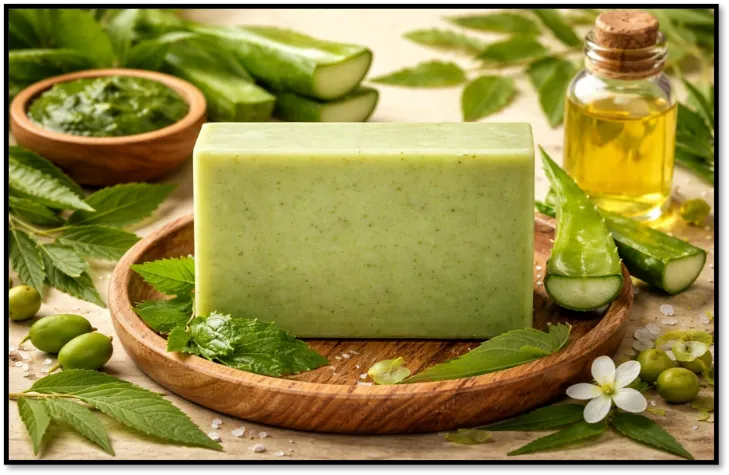
figure 1. Introduction of herbal soap
2. REVIEW OF LITERATURE :
3. NEED OF STUDY :
Soap is a mixture of sodium salts of naturally occurring fatty acids, produced by the process of saponification. When potassium salts are used instead of sodium, a softer soap is obtained. Although commercial soaps are widely available, many of them contain synthetic chemicals that may be harmful to the skin and can cause irritation, dryness, or allergic reactions.In recent years, there has been increasing interest in herbal and natural products due to their safety, effectiveness, and minimal side effects. Herbal soaps, prepared using natural herbs and plant-based ingredients, offer a better alternative to synthetic soaps. These soaps are enriched with bioactive compounds that possess therapeutic properties such as antibacterial, anti-inflammatory, antioxidant, and moisturizing effects.
The inclusion of ingredients like neem, aloe vera, turmeric, and essential oils enhances skin health by providing nourishment, protection, and healing benefits. Moreover, herbal soaps are environmentally friendly, biodegradable, and suitable for all skin types.
Therefore, the present study is necessary to formulate and evaluate herbal soap using natural ingredients, ensuring safety, efficacy, and improved skin compatibility while minimizing the harmful effects associated with chemical-based soaps.
4. AIM AND OBJECTIVES :
5. PLAN OF WORK :
Selection of Topic
The research topic (e.g., formulation and evaluation of herbal soap) is selected based on relevance and literature availability.
Literature Review
Collection and study of research papers, journals, and books related to herbal soap formulation and ingredients.
Procurement of Materials
All required chemicals and herbal ingredients (oils, extracts, sodium hydroxide, etc.) are collected.
Formulation Development
Preparation of herbal soap using suitable method (e.g., cold process method).
Optimization of Formulation
Adjusting ingredient ratios to obtain the best quality soap (texture, hardness, foam, etc.).
Evaluation of Product
Testing parameters such as:
pH
Formability
Hardness
Moisture content
Skin irritation test
Data Collection and Analysis
Recording observations and analyzing results using suitable methods.
Result Interpretation
Interpreting findings and comparing with standard values or previous studies.
Conclusion
Drawing final conclusions based on results obtained.
Report Writing and Documentation
Compilation of all sections (introduction, method, results, discussion, references
6. MATERIAL AND METHODOLOGY
|
Sr. No |
Ingredients |
Accurate weight |
Role |
|
1 |
Coconut oil |
33 ml |
Cleansing agent |
|
2 |
Olive oil |
28 ml |
Moisturizer |
|
3 |
Castor oil |
11 ml |
Foam booster |
|
4 |
Sodium hydroxide |
9 g |
Saponifing agent |
|
5 |
Distil water |
25 ml |
Solvent |
|
6 |
Neemextract powder |
2 g |
Antimicrobial |
|
7 |
Aloevera gel |
5 g |
Skin smoothing |
|
8 |
Turmeric powder |
1 g |
Anti-inflammatory |
|
9 |
Essential oil |
1 ml |
Fragrance |
The cold process method is one of the most commonly used techniques for preparing herbal soaps. It involves the chemical reaction (saponification) between fats/oils and a strong alkali (usually sodium hydroxide) at relatively low temperatures without external heating.
The cold process method is highly suitable for herbal soap preparation because it maintains the bioactive phytochemicals of plant ingredients while ensuring effective cleansing through saponification. It is widely used in research and small-scale herbal product manufacturing.
The method is based on the saponification reaction, where triglycerides present in oils react with a strong alkali (NaOH/KOH) to form soap and glycerol.
The cold process method is a traditional and widely used technique in which soap is prepared without external heating, allowing the reaction to occur at ambient or mildly controlled temperatures. This method is especially preferred for herbal soap formulations because it preserves thermolabile phytoconstituents such as flavonoids, essential oils, and antioxidants
INGREDIENTS
1. Coconut Oil
Coconut oil is a natural oil obtained from the kernel of Cocos nucifera. It is widely used in cosmetic and pharmaceutical formulations due to its excellent moisturizing, cleansing, and antimicrobial properties.
Chemical Composition:
Coconut oil mainly contains:
Lauric acid (≈ 45–50%) – strong antimicrobial activity
Myristic acid – enhances cleansing property
Palmitic acid – provides hardness to soap
Caprylic & Capric acids – antifungal properties
Small amounts of vitamin E and antioxidants
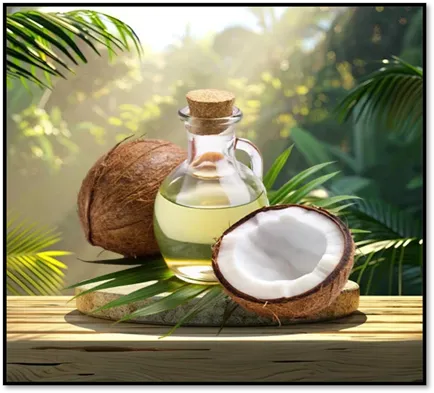
Figure no.1 Coconut oil
2. Olive oil :
Olive oil is a natural oil extracted from the fruits of the olive tree, Olea europaea. It is widely used in pharmaceutical, cosmetic, and food industries due to its excellent moisturizing, antioxidant, and skin-protective properties
Source and Composition
Source: Fruit (olive)
Main constituents:
Oleic acid (55–83%)
Linoleic acid
Palmitic acid
Phenolic compounds (antioxidants)
Vitamin E (tocopherols)
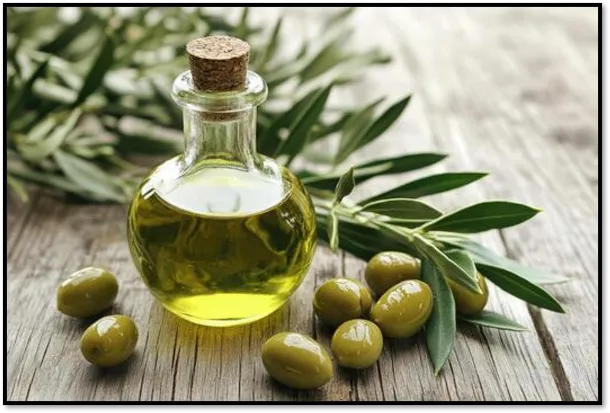
Figure n.2 Olive oil
3. Castor oil:
Castor oil is a vegetable oil obtained from the seeds of the plant Ricinus communis. It is widely used in pharmaceutical and cosmetic formulations due to its unique chemical composition and excellent emollient and humectant properties.
Source and Composition
Source: Seeds (castor beans)
Main constituents:
Ricin oleic acid (85–90%)
Oleic acid
Linoleic acid
Stearic acid
Minor components: Vitamin E, sterols
Role in Herbal Soap Formulation
Castor oil plays an important role in soap making:
Produces rich and stable lather
Acts as a humectant (retains moisture in skin)
Improves soap hardness and texture
Enhances cleansing properties
Used in small amounts (usually 5–10%) to balance other oils
Advantages
Excellent moisturizing and conditioning effect
Enhances foam in soaps
Natural and biodegradable
Suitable for dry and sensitive skin
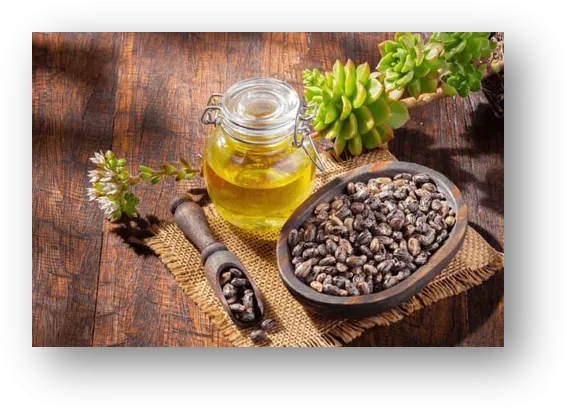
Figure no.3 Castrol oil
4. Sodium hydroxide:
Sodium hydroxide, commonly known as caustic soda or lye, is a strong alkali widely used in pharmaceutical, chemical, and cosmetic industries. In soap making, it is an essential ingredient for the process of Saponification, where it reacts with fats and oils to form soap and glycerine.
Chemical Information
Chemical name: Sodium hydroxide
Molecular formula: NaOH
Molecular weight: 40 g/mol
Role in Herbal Soap Formulation
Sodium hydroxide plays a critical role:
Acts as a saponifying agent
Converts oils and fats into soap and glycerine
Determines hardness and cleansing ability of soap
Essential for forming the final solid soap bar
Advantages
Highly effective and fast reaction
Produces firm and stable soap
Readily available and cost-effective
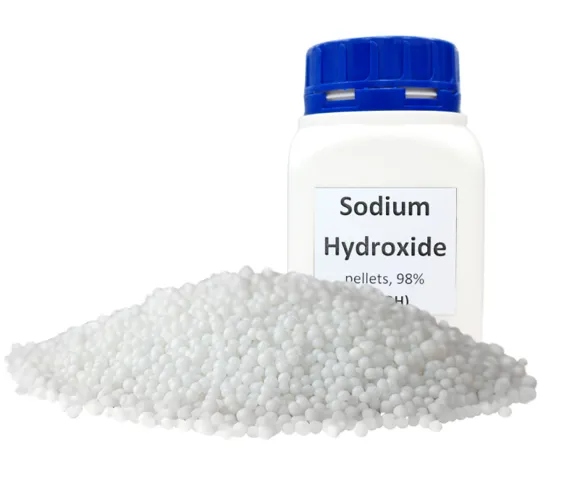
Figure no.4 Sodium Hydroxide
5. Distilled water:
Distilled water is purified water obtained by the process of Distillation, where water is boiled, vaporized, and then condensed to remove impurities, salts, and microorganisms. It is widely used in pharmaceutical and cosmetic formulations due to its high purity.
Role in Herbal Soap Formulation
Distilled water plays an important role:
Acts as a solvent for dissolving sodium hydroxide (NaOH)
Helps initiate the saponification process
Ensures uniform mixing of ingredients
Prevents unwanted reactions caused by impurities present in normal water
Advantages
High purity and free from contaminants
Improves stability and quality of formulations
Prevents microbial growth (initially)
Safe and non-toxic
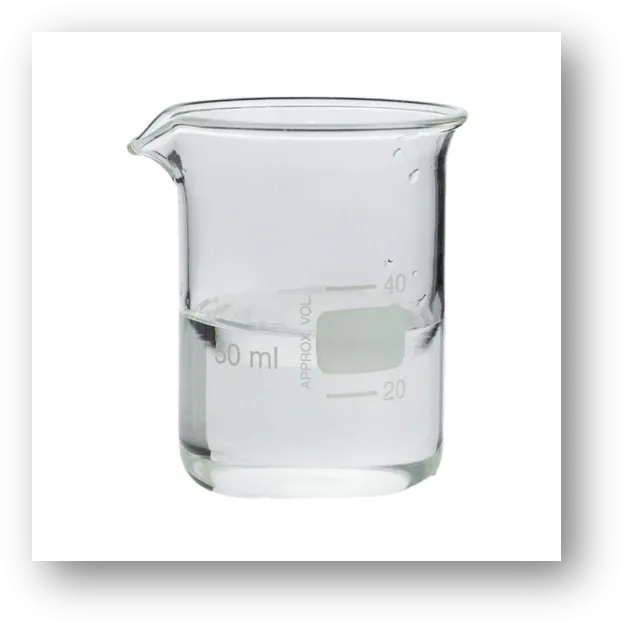
Figure no.5 Sodium Hydroxide
6. Neem Extract Powder :
Neem extract powder is a herbal ingredient obtained from the leaves, bark, or seeds of the plant Azadirachta indica. It is widely used in cosmetic and pharmaceutical formulations due to its strong antimicrobial, antifungal, and skin-protective properties.
Chemical Constituents
Azadirachtin
Nimbin
Nimbidin
Flavonoids
Tannins
Essential oils
Role in Herbal Soap Formulation
Neem extract powder is highly beneficial in soap:
Provides antibacterial and antifungal activity
Helps in treating acne and skin infections
Acts as a natural cleansing agent
Improves therapeutic value of soap
Gives mild colour and herbal fragrance
Advantages
Natural and eco-friendly
Multi-functional (antimicrobial + anti-inflammatory)
Suitable for oily and acne-prone skin
Easily available and cost-effective
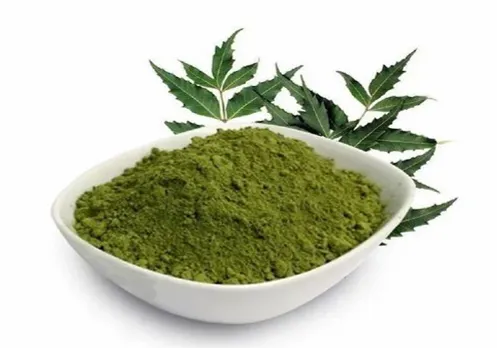
Figure no.6 Neem extract
7. Aloe vera gel:
Aloe vera gel is a natural mucilaginous substance obtained from the leaves of the plant Aloe barbadensis miller. It is widely used in cosmetic and pharmaceutical formulations due to its excellent moisturizing, soothing, and healing properties.
Chemical Constituents
Polysaccharides (acemannan)
Vitamins (A, C, E, B-complex)
Enzymes
Amino acids
Minerals (calcium, magnesium, zinc)
Anthraquinones (in small amounts)
Role in Herbal Soap Formulation
Aloe vera gel enhances soap quality by:
Providing deep moisturization
Giving soothing and cooling effect
Improving skin hydration
Enhancing smooth texture of soap
Supporting skin healing properties
Advantages
Natural and safe
Suitable for all skin types
Provides instant soothing effect
Enhances therapeutic value of formulations
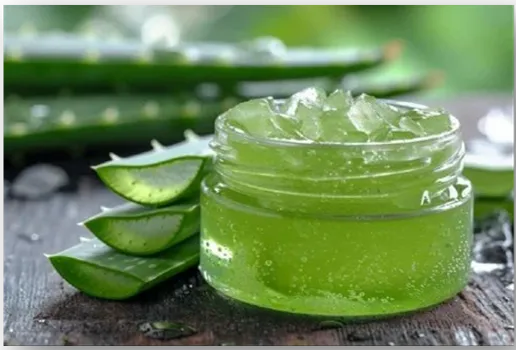
Figure no.7 Aloe vera Gel
8. Turmeric powder
Turmeric powder is a natural herbal ingredient obtained from the dried rhizomes of the plant Curcuma longa. It is widely used in cosmetic and pharmaceutical formulations due to its strong antimicrobial, anti-inflammatory, and antioxidant properties.
Chemical Constituents
Curcumin (main active component)
Demethoxycurcumin
Bisdemethoxycurcumin
Essential oils (turmerone)
Proteins and carbohydrates
Role in Herbal Soap Formulation
Turmeric powder enhances soap quality by:
Providing antibacterial and antiseptic properties
Helping in skin brightening
Acting as a natural colouring agent (yellow colour)
Improving skin health and glow
Supporting anti-acne activity
Advantages
Natural and safe
Multi-functional (colour + therapeutic effect)
Easily available and economical
Suitable for most skin types
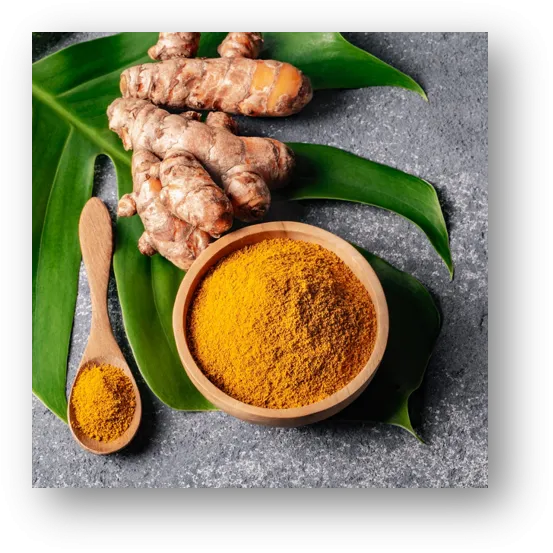
Figure no.8 Turmeric powder
9. Essential oil:
Essential oils are concentrated, volatile aromatic compounds extracted from various parts of plants such as leaves, flowers, bark, roots, and fruits. They are widely used in cosmetic and pharmaceutical formulations for their fragrance as well as therapeutic properties.
Chemical Constituents
Terpenes (e.g., limonene, pinene)
Alcohols (e.g., linalool)
Aldehydes and ketones
Esters
Phenolic compounds
Role in Herbal Soap Formulation
Essential oils are important due to:
Providing pleasant fragrance
Offering antimicrobial properties
Enhancing therapeutic value of soap
Improving user appeal and sensory experience
Acting as natural preservative (mild) in some cases
Advantages
Natural and plant-derived
Multi-functional (fragrance + therapeutic effect)
Enhances product acceptability
Wide variety available
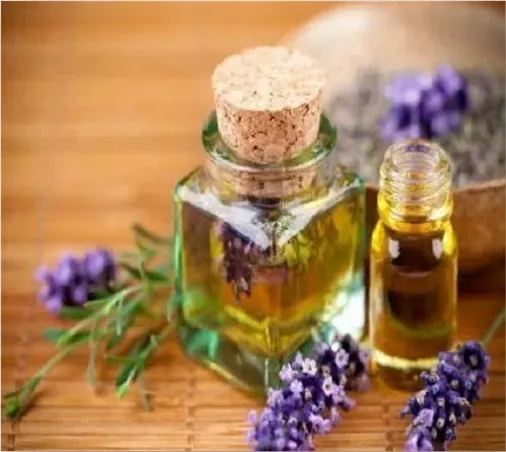
Figure no.9 Essential oil
7. PROCEDURE:
Weighing of Ingredients
(Coconut oil 30 g + Olive oil 25 g + Castor oil 10 g
NaOH 9 g + Distilled water 25 ml
Neem 2 g + Aloe vera 5 g + Turmeric 1-2 g + Tulsi 1-2 g + Curry leaves 1- 2 g)
↓
Preparation of Oil Phase
(Heat coconut oil, olive oil, and castor oil on water bath)
↓
Preparation of NaOH Solution
(Add 9 g NaOH into 25 ml distilled water, stir and allow to cool)
↓
Addition of Herbal Ingredients
(Add neem, aloe vera, turmeric, Tulsi, and curry leaves into oil mixture)
↓
Slow Addition of NaOH Solution
(Add cooled NaOH solution into oil mixture with continuous stirring)
↓
Continuous Stirring
↓
Addition of Fragrance (Optional)
↓
Pouring into Moulds
↓
Solidification
(Keep undisturbed for 24-48 hours)
↓
Removal from Moulds
↓
Cutting and Shaping
↓
Curing/drying
(Keep for 2-4 weeks)
↓
Final Herbal Soap Ready
8. EVALUATION TESTS
Evaluation of physicochemical parameters of the prepared formulation, various physicochemical parameters which are mentioned below were performed to establish the quality of the prepared formulations.
8.1 pH Test
Purpose:
To check whether the soap is acidic or alkaline.
Procedure:
Take 1 g of soap and dissolve in 10 ml of distilled water.
Stir well to make a solution.
Dip pH paper or use a pH meter.
Note the pH value.
Result:
Normal soap pH is 8 basic.

Figure no.10 pH Test of Herbal soap
8.2 Foam Test (Foaming Ability Test)
Purpose:
To check how much foam the soap produces.
Procedure (Foam Test Section)
Result:
Height of the foam 2 cm this indicates good foaming ability.
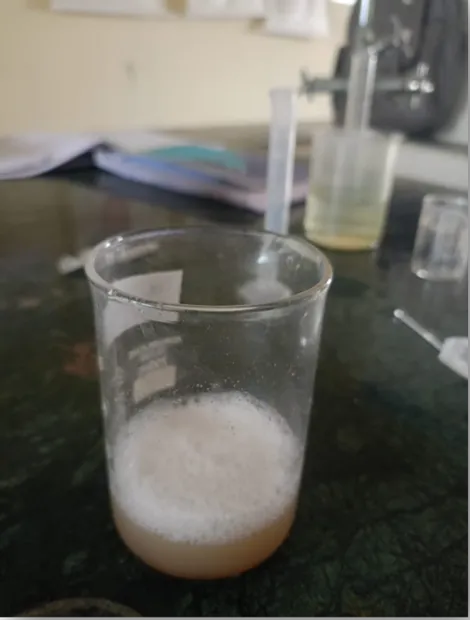
Figure no.11 Foam Test of Herbal Soap
8.3 Moisture Content Test
Purpose:
To determine water present in soap.
Procedure:
Calculation:
Moisture (%) = (W? − W?) × 100
Result:
10% moisture present
Calculation:
Moisture % = (W? − W?) / (W? − W?) × 100
8.4 Free Alkali Test
Purpose:
To check excess sodium hydroxide which can irritate skin.
Procedure:
Result:
If no Pink colour appears – Free alkali is absent. (Good quality soap)

Figure no.12 Free Alkali Test of Herbal soap
9. RESULTS
The prepared herbal soap was evaluated using various physicochemical and performance parameters. The observed results are summarized below:
a) Physical Appearance
The formulated soap was found to be smooth, uniform, and free from cracks. It showed an acceptable color due to herbal ingredients like neem, turmeric, and aloe vera, and possessed a pleasant odor from essential oils.
b) pH Test
The pH of the soap was found to be in the range of 8–10, indicating a slightly alkaline nature suitable for skin application without causing irritation.
c) Foam Test (Foaming Ability)
The soap exhibited good foaming ability, producing stable and sufficient foam when agitated with water.
d) Foam Stability
The foam remained stable for a longer duration, indicating good cleansing efficiency.
e) Moisture Content
The moisture content was within acceptable limits, ensuring proper hardness and longer shelf life of the soap.
f) Hardness Test
The soap showed adequate hardness, indicating it would not break easily during handling and usage.
g) Cleansing Ability
The soap effectively removed dirt and oil from the skin, showing good cleansing action due to saponification of oils.
h) Skin Irritation Test
No signs of redness, itching, or irritation were observed, indicating the soap is safe and skin-friendly.
DISCUSSION
The herbal soap was successfully formulated using natural ingredients such as plant extracts, oils, and essential oils. The results obtained from evaluation tests confirm the quality and effectiveness of the prepared soap.
The pH range (8–10) is slightly alkaline, which is typical for soaps due to the presence of sodium salts of fatty acids. This range is considered safe for skin, although excessive alkalinity can cause dryness; however, the presence of moisturizing agents like aloe vera helps to balance this effect.
The foaming ability and foam stability were satisfactory, indicating that the soap has good surfactant properties, which help in effective cleansing. Natural oils such as coconut oil contribute significantly to foam production.
The hardness of the soap suggests proper formulation and curing, ensuring durability and longer usage. Moisture content being within limits prevents microbial growth and enhances shelf life.
The absence of skin irritation confirms that the herbal ingredients used (such as neem and turmeric) provide antimicrobial and soothing properties, making the soap suitable for regular use.
Overall, the formulated herbal soap demonstrated good physicochemical properties, stability, safety, and effectiveness, making it a suitable alternative to commercially available synthetic soaps.

Figure no.13- Soap in Mold.

Figure no.14- Removal of Soap from Mold.
CONCLUSION
The present study successfully focused on the formulation and evaluation of herbal soap using natural ingredients such as plant extracts, oils, and essential oils. The aim was to develop a soap that is safe, effective, and free from harmful synthetic chemicals.
The prepared herbal soap showed satisfactory physicochemical properties, including appropriate pH, good hardness, acceptable moisture content, and uniform appearance. The pH of the soap was found to be within the acceptable range (8–10), indicating its suitability for skin application without causing significant irritation.
The evaluation tests demonstrated that the soap possesses good foaming ability and foam stability, which are essential for effective cleansing. The presence of natural oils contributed to adequate lather formation, while herbal ingredients enhanced the overall performance of the soap.
The cleansing ability of the formulated soap was found to be effective in removing dirt and oil from the skin. Additionally, the skin irritation test confirmed that the soap is non-irritant and safe for regular use, which highlights the advantage of using herbal ingredients over synthetic chemicals.
Furthermore, the herbal components such as neem, turmeric, and aloe vera provide additional therapeutic benefits, including antimicrobial, anti-inflammatory, and moisturizing properties. These properties make the herbal soap more beneficial compared to conventional soaps.
In conclusion, the formulated herbal soap can be considered a promising alternative to commercial synthetic soaps, as it is eco-friendly, skin-friendly, and cost-effective. The study also highlights the importance of using natural ingredients in cosmetic formulations to minimize adverse effects and promote healthy skin.
REFERENCES

Gurude Sneha, Gangapure Sakshi, Ghevare Omkar, Gudde Saraswati, Hambire Shradha, Shivraj Suryawanshi, A Research on Formulation and Evaluation of Herbal Soap, Int. J. of Pharm. Sci., 2026, Vol 4, Issue 8, 2688-2702. https://doi.org/10.5281/zenodo.21980228
 10.5281/zenodo.21980228