

We use cookies to ensure our website works properly and to personalise your experience. Cookies policy
Department of Pharmaceutics, Government College of Pharmacy Karad, Maharashtra, India – 415124.
Cinnarizine is widely prescribed for vertigo and motion sickness, but it is a BCS Class II drug with very low aqueous solubility, high lipophilicity and erratic oral absorption. A sublingual film could deliver it quickly and without water while partly avoiding first-pass metabolism, which suits nauseated patients who cannot keep tablets down. Two problems stand in the way: the drug must dissolve in about 1 mL of saliva, and it tastes bitter. Inclusion complexation with hydroxypropyl-?-cyclodextrin (HP-?-CD) can address both by raising apparent solubility and limiting contact between the drug and taste receptors. This narrative review brings together published evidence, up to 2025, on cyclodextrin complexation of cinnarizine, cyclodextrin-based taste-masking in oral films and the absorption advantage of oromucosal films. A ternary cinnarizine–HP-?-CD–tartaric acid system has been reported to raise aqueous solubility 1223-fold. Electronic-tongue studies with several bitter drugs, including the antiemetic dimenhydrinate in an orodispersible film, confirm that HP-?-CD masks taste. Human studies with rizatriptan sublingual films and metoclopramide buccal films show faster absorption than conventional tablets. No study, however, has yet combined a cinnarizine–cyclodextrin complex, a sublingual film design, instrumental taste assessment and permeation testing. The review outlines formulation considerations, proposes an evaluation plan and discusses the challenges that such a platform must overcome.
Vertigo is the false sensation that oneself or the surroundings are moving, and it is very often accompanied by nausea and vomiting.[1] It is far from a rare complaint. In a German population-based cohort of 8519 adults, roughly one person in five reported experiencing vertigo at least occasionally, about 8% described it as bothersome, and the condition accounted for an estimated 2102 years lived with disability per 100 000 population.[2] For a symptom that can strike suddenly and leave the patient unable to keep a tablet down, the choice of dosage form matters almost as much as the choice of drug.
Cinnarizine is one of the most widely used drugs for this purpose. It is a piperazine derivative that combines H1-antihistaminic and calcium channel-blocking activity and is prescribed for vertigo, motion sickness and other vestibular disorders.[3] It is thought to work by damping signal traffic between the vestibular apparatus and the vomiting centre, thereby reducing the sensory conflict that drives nausea.[4] The difficulty is pharmaceutical rather than pharmacological. Cinnarizine is a Biopharmaceutics Classification System (BCS) Class II drug: it is practically insoluble in water (about 0.0056 mg/mL for the pure drug), highly lipophilic (log P reported as 5.8 and 5.6 in two independent studies) and its absorption is limited by how fast it dissolves.[4,5] Its oral bioavailability is described as low and erratic, partly because its solubility, and hence absorption, depends heavily on gastric conditions and partly because the drug is metabolised by hepatic cytochrome P450 enzymes, including CYP2D6 and CYP2B6.[3] The main physicochemical and pharmacological features are collected in Table 1, and the structure is shown in Figure 1.
Table 1: Physicochemical and Pharmacological Profile of Cinnarizine Relevant to Formulation
| Property | Reported value / description | Ref. |
|---|---|---|
| Chemical class | Piperazine derivative (diphenylmethyl-piperazine with a cinnamyl side chain); C26H28N2, Mr ≈ 368.5 | 3 |
| Pharmacological action | H1-receptor antagonist and calcium channel blocker; moderately sedating | 3 |
| Clinical use | Vertigo, motion sickness and vestibular disorders | 3,4 |
| BCS class | Class II (low solubility, high permeability) | 4 |
| Aqueous solubility (pure drug) | ≈ 0.0056 mg/mL | 4 |
| Lipophilicity (log P) | 5.8; 5.6 (independent report) | 4,5 |
| Absorption | Dissolution-rate limited; absorption window in the stomach | 3,4 |
| Metabolism | Hepatic; CYP2D6 and CYP2B6 catalyse aromatic hydroxylation | 3 |
| Marketed forms | Tablets and capsules, usually taken two to three times daily | 3 |
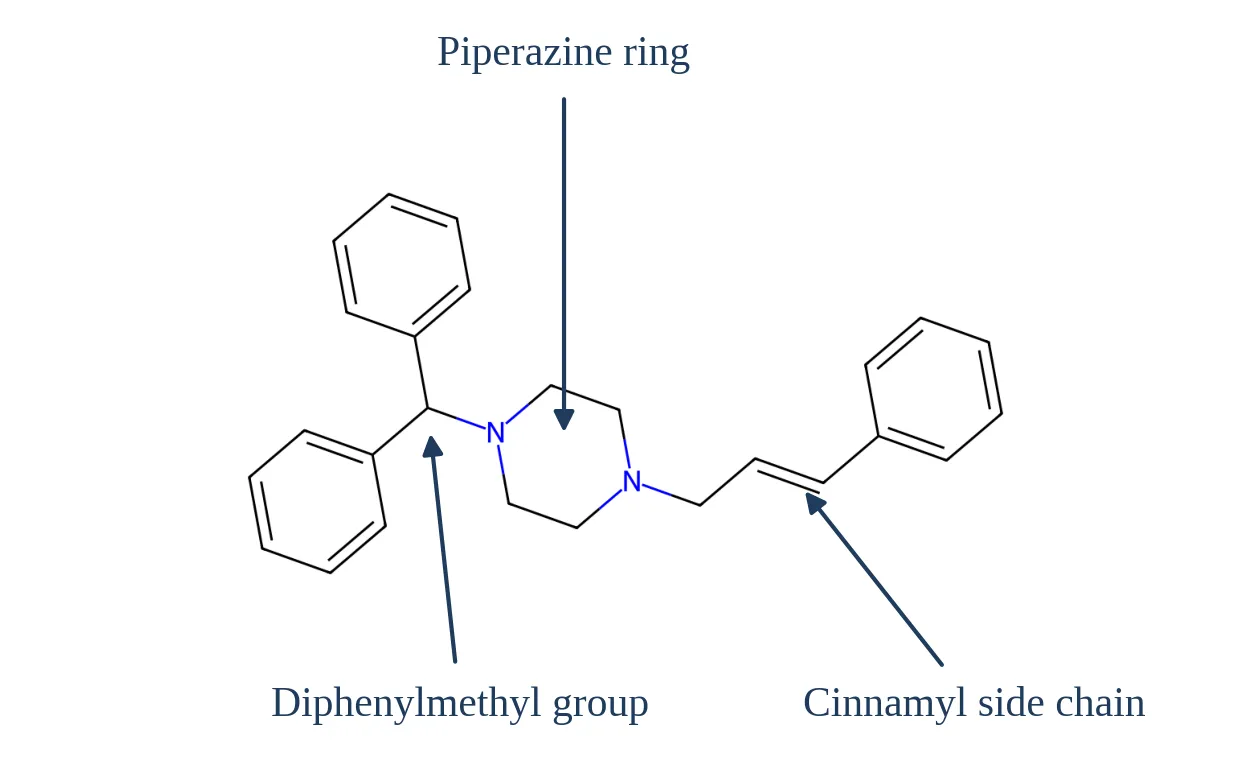
Figure 1: Chemical Structure of Cinnarizine (C26H28N2, Mr ≈ 368.5) with Its Main Structural Regions Labelled (Drawn by the Authors)
Researchers have tried to work around these limitations in several ways, including cyclodextrin complexes, self-nanoemulsifying systems, floating microparticles,[3] niosomes[5] and even transdermal patches.[6] Each route has its own trade-offs. A sublingual film is an attractive option that has received surprisingly little attention for this drug. Thin, fast-dissolving films can be taken without water, suit patients who are nauseated, elderly or have difficulty swallowing, and when placed under the tongue they allow part of the dose to enter the systemic circulation directly, bypassing the liver on the first pass.[7,8]
Putting a poorly soluble, bitter drug into a sublingual film, however, creates two linked problems. The mouth holds only about 1.1 mL of saliva at any moment,[7] which is far too little to dissolve a hydrophobic drug before it is swallowed. At the same time, anything that pushes more of a bitter drug into solution also delivers more of it to the taste buds, so improving solubility can make palatability worse.[9] Inclusion complexation with cyclodextrins is one of the few approaches that can, at least in principle, address both problems in a single step: the drug becomes more soluble, and while it sits inside the cyclodextrin cavity it is partly hidden from taste receptors.[9–12]
This review looks at that idea critically. We ask three questions. First, what is known about cyclodextrin complexation of cinnarizine and related anti-vertigo or antiemetic drugs? Second, is there instrument-based evidence that cyclodextrin complexation masks taste once the complex is built into an oral film? Third, how strong is the evidence that a sublingual or buccal film actually improves drug absorption compared with a swallowed tablet? Figure 2 shows how these three bodies of evidence overlap and where the gap lies.
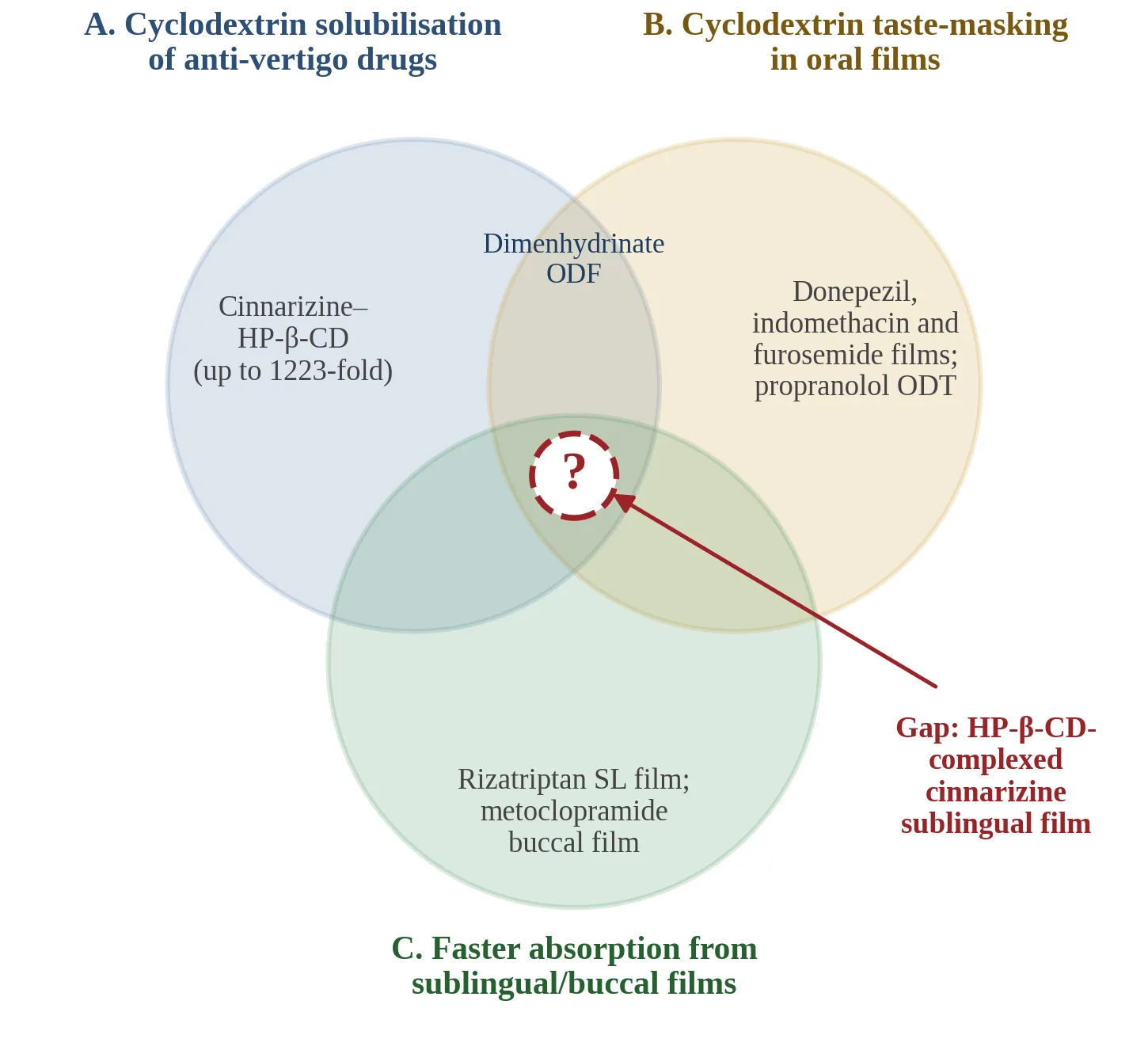
Figure 2: Three Lines of Evidence Reviewed in This Article and the Point at Which They Have Not Yet Been Brought Together (Schematic Prepared by the Authors)
CYCLODEXTRINS AND HYDROXYPROPYL-β-CYCLODEXTRIN
Structure And Mode of Action
Cyclodextrins are cyclic oligosaccharides made of glucopyranose units joined in a ring. The ring has a hydrophilic outer surface and a relatively lipophilic central cavity, so a lipophilic drug, or a lipophilic part of it, can slip into the cavity and form a non-covalent host–guest complex (Figure 3).[10,13] The practical benefits are well documented: better aqueous solubility and dissolution, improved chemical and physical stability, and in many cases better bioavailability.[14,15] Water-soluble drug–cyclodextrin complexes can also increase drug permeation through biological membranes, largely by keeping more dissolved drug available at the membrane surface, although the cyclodextrin concentration has to be chosen carefully for this benefit to appear.[16]
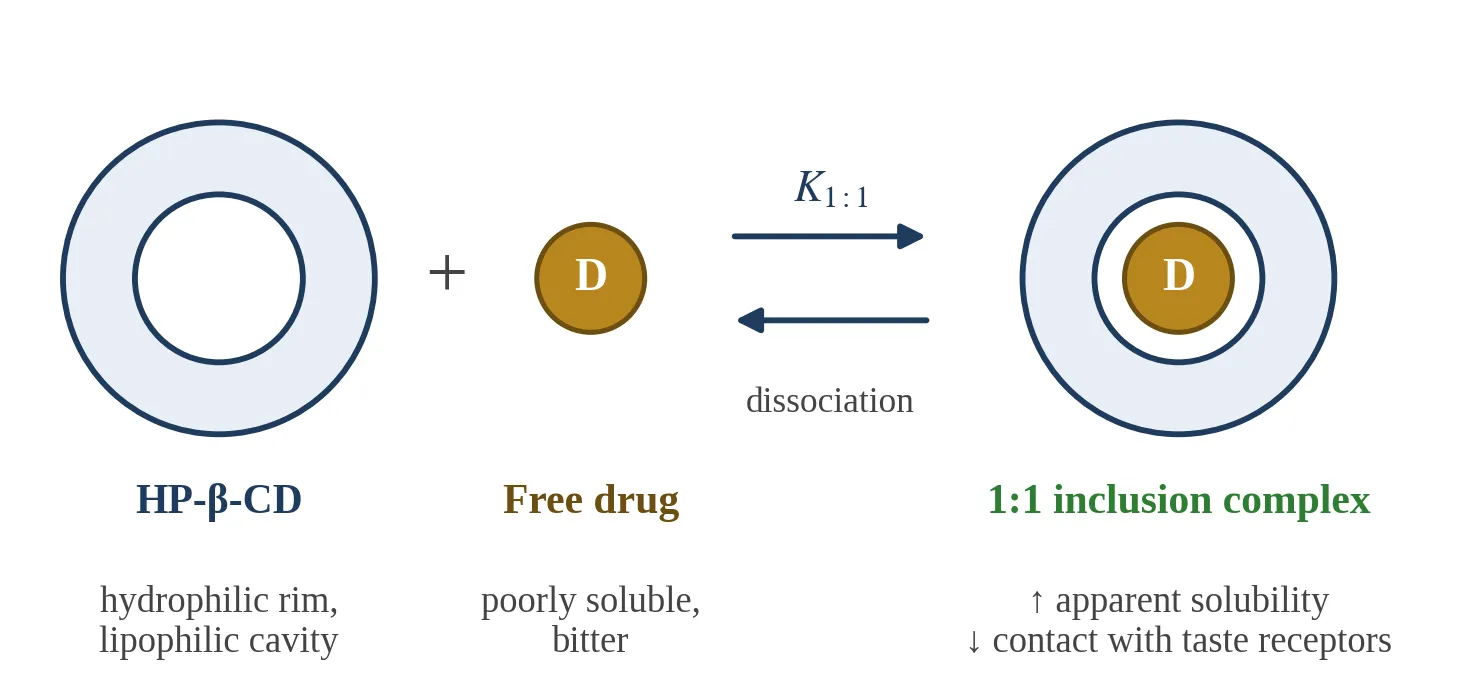
Figure 3: Host–Guest Inclusion Complexation Between Hp-Β-Cd and a Lipophilic Drug (D). the Equilibrium Is Reversible, So the Complex Dissociates on Dilution or When a Competing Molecule Is Present (Schematic Prepared by the Authors)
Hydroxypropyl-β-cyclodextrin (HP-β-CD) is made by hydroxypropylating native β-cyclodextrin. Compared with the parent molecule, it is much more water-soluble and is the cyclodextrin most often chosen for oral and parenteral products.[10,15] Two points about HP-β-CD deserve attention at the design stage. Commercial material is always a mixture of isomers with different average degrees of substitution (DS); the pharmacopoeial DS range is 2.8–10.5, and the effect of DS on solubilizing power differs from drug to drug, so the grade and supplier should be stated and kept constant during development.[17] On the safety side, none of the commercial HP-β-CD samples tested by Malanga et al. was cytotoxic to Caco-2 monolayers, and haemolytic activity was only slight and DS-dependent.[17] Cirri et al. likewise point out that orally administered cyclodextrins have an excellent safety profile and are increasingly considered acceptable even in paediatric formulations.[18]
Phase-Solubility Analysis
The usual starting point for any cyclodextrin project is the phase-solubility study of Higuchi and Connors, in which excess drug is equilibrated with increasing concentrations of cyclodextrin and the total dissolved drug is plotted against cyclodextrin concentration.[19] The shape of the curve says a great deal (Figure 4). A linear AL profile is typical of soluble 1:1 complexes and allows the stability constant (K1:1) and complexation efficiency (CE) to be calculated from the slope and the intrinsic solubility (S0). B-type curves appear when the complex itself has limited solubility, which is common with natural β-cyclodextrin.[16] One caution is important: phase-solubility data alone cannot distinguish a true inclusion complex from non-inclusion aggregates, and aggregates may raise apparent solubility without hiding the drug from taste receptors.[9] Solid-state characterisation and direct taste assessment are therefore needed alongside the solubility work.
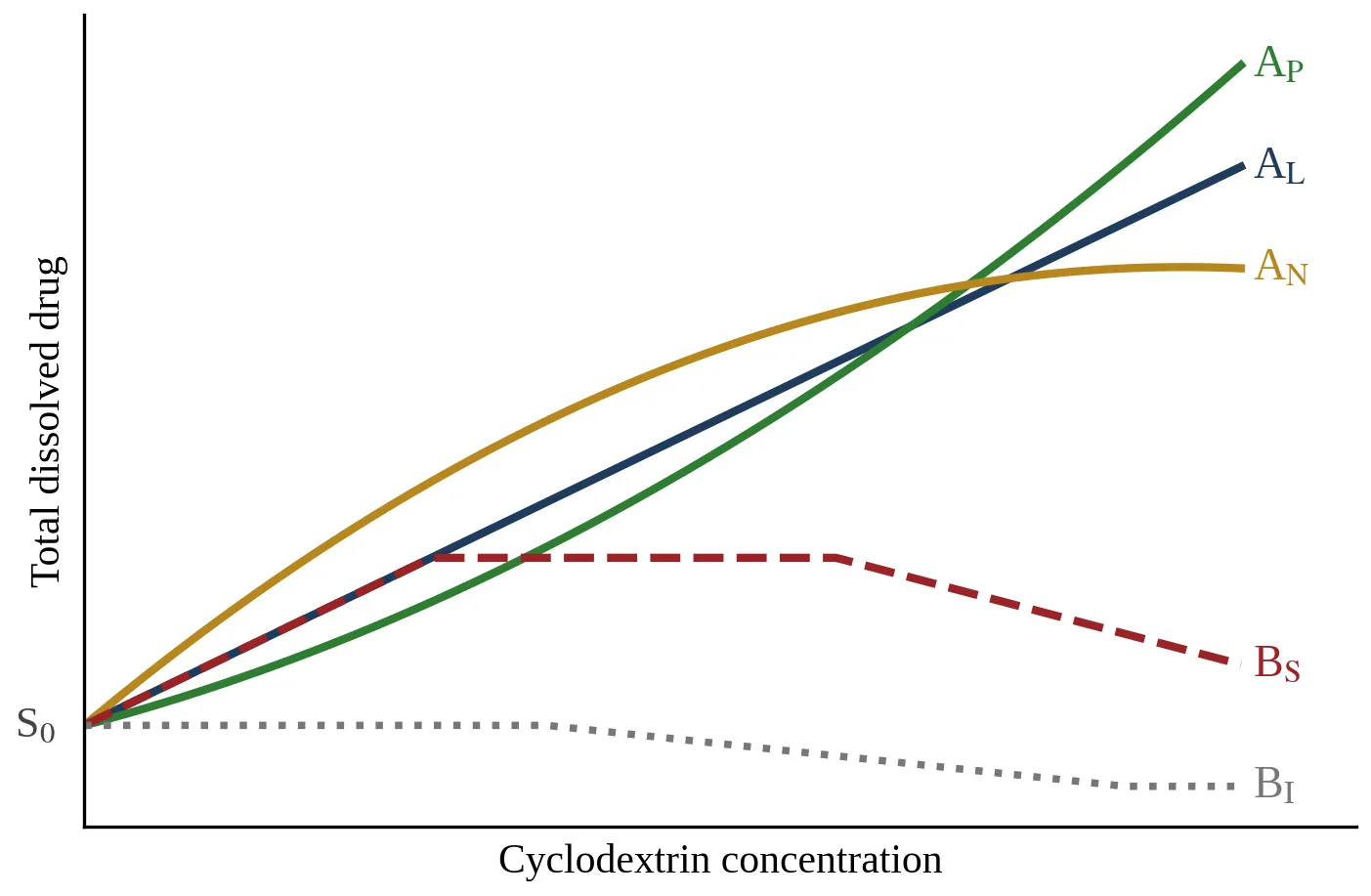
Figure 4: Idealised Higuchi–Connors Phase-Solubility Profiles. AL, AP and aN Indicate Soluble Complexes; BS and BI Indicate Complexes of Limited or Negligible Solubility. S0, Intrinsic Drug Solubility (Schematic Prepared by the Authors)
Methods Of Preparing Inclusion Complexes
How the complex is made affects how well it performs. Table 2 summarises the methods used in the studies discussed in this review. In the cinnarizine work, co-evaporation consistently outperformed kneading and simple physical mixing,[4] while freeze-drying improved both complexation efficiency and the stability constant for indomethacin and furosemide when compared with a conventional shake-flask approach.[9] Solvent-free co-grinding is an attractive alternative for heat- or solvent-sensitive drugs and was recently used to produce a palatable HP-β-CD complex of propranolol.[18]
Table 2: Methods Used to Prepare Drug–Cyclodextrin Complexes in the Studies Reviewed
| Method | Principle | Practical notes | Example (Ref.) |
|---|---|---|---|
| Physical mixture | Drug and cyclodextrin blended dry | Simplest; usually the weakest interaction; useful as a control | Cinnarizine[4] |
| Kneading | Powders worked into a paste with a little water or hydro-alcoholic solvent, then dried | Easy at laboratory scale; intermediate performance | Cinnarizine[4] |
| Co-evaporation | Drug and cyclodextrin dissolved in a common solvent system, which is then evaporated | Gave the highest solubility gain for cinnarizine; needs solvent removal | Cinnarizine[4] |
| Freeze-drying | Aqueous complex solution frozen and lyophilised | Improved CE and K1:1 over shake-flask; gentle but slow and costly | Indomethacin, furosemide, donepezil[9,11] |
| Co-grinding | Mechanical grinding of drug with cyclodextrin, without solvent | Solvent-free; suits direct compression or film loading | Propranolol[18] |
EVIDENCE FROM PUBLISHED STUDIES
Table 3 lists the primary studies on which this review mainly relies, grouped by what each contributes. The sections that follow discuss them in turn.
Table 3: Summary of the Primary Studies Reviewed and Their Relevance
| Study | System studied | Main relevance to this review |
|---|---|---|
| Patel & Hirlekar, 2019[4] | Cinnarizine–HP-β-CD binary and ternary (citric/tartaric acid) complexes | Only identified study of cinnarizine–HP-β-CD complexation; solubility, dissolution, solid-state and docking data |
| Yeo et al., 2018[5] | Cinnarizine niosomes | Independent log P value; a non-cyclodextrin solubilization route |
| Damgal? et al., 2022[6] | Cinnarizine transdermal patches (HPMC/PVP) | Shows ongoing interest in non-oral cinnarizine delivery; permeation enhancers screened |
| Malanga et al., 2016[17] | Commercial HP-β-CD grades | Safety (Caco-2, haemolysis) and DS-dependent solubilizing power |
| Preis et al., 2012[20] | Dimenhydrinate ODF with HP-β-CD or maltodextrin | Closest precedent: an antiemetic/anti-motion-sickness film using HP-β-CD; e-tongue taste data |
| Alopaeus et al., 2021[9] | Indomethacin and furosemide–HP-β-CD in oral/buccal films | E-tongue taste-masking; effect of electrolytes and freeze-drying on complexation |
| Liu et al., 2019[11] | Donepezil–HP-β-CD ODF | E-tongue taste-masking plus in vivo bioequivalence |
| Li et al., 2020[21] | Atomoxetine–HP-β-CD complex | Quantitative bitterness prediction with a taste-sensing system; DSC, XRD, NMR |
| Cirri et al., 2024[18] | Propranolol–HP-β-CD co-ground ODT | Recent e-tongue confirmation of HP-β-CD taste-masking in an orodispersible form |
| Ramadan et al., 2015[22] | Rizatriptan sublingual film (CMC/HPMC) | Formulation data and human PK for a sublingual film versus tablet |
| Mady et al., 2023[23] | Metoclopramide buccal film | Recent human PK: faster Tmax and higher Cmax than marketed tablet |
| Pamlényi et al., 2022[24] | Cetirizine buccal films | Six-month stability, TR146 cell permeability and cytotoxicity for an antihistamine film |
| Pal et al., 2022[25] | Betahistine fast-dissolving oral film | Only identified film study aimed at vertigo; water-soluble drug, no taste or permeation data |
| Shendge et al., 2020[26] | Promethazine HCl fast-dissolving film | Excipient precedent for an antihistaminic film; internal inconsistencies (see text) |
Cyclodextrin Complexation Of Cinnarizine
The most directly relevant study is that of Patel and Hirlekar, who examined cinnarizine–HP-β-CD complexation by the phase-solubility method, both alone and with hydroxy acids (citric or tartaric acid) as auxiliary agents.[4,19] The simple 1:1 binary complex was weak: the complexation efficiency was only 0.00503, the stability constant was 558.35 M−1, and even the best binary product (co-evaporated) raised solubility only about 52-fold.[4] Adding a hydroxy acid changed the picture completely. The best ternary system (cinnarizine:HP-β-CD:tartaric acid, 1:1:1, co-evaporated) reached a CE of 1.68 and a 1223-fold increase in aqueous solubility, released more than 99% of the drug within 20 min, and compared with less than 5% release from the pure drug over 180 min.[4] FTIR, DSC, XRD and 1H-NMR confirmed genuine inclusion, and molecular docking suggested that the ternary complex was considerably more stable than the binary one (binding free energy −52.57 versus −23.48 kcal/mol).[4] The solubility data are redrawn in Figure 5.
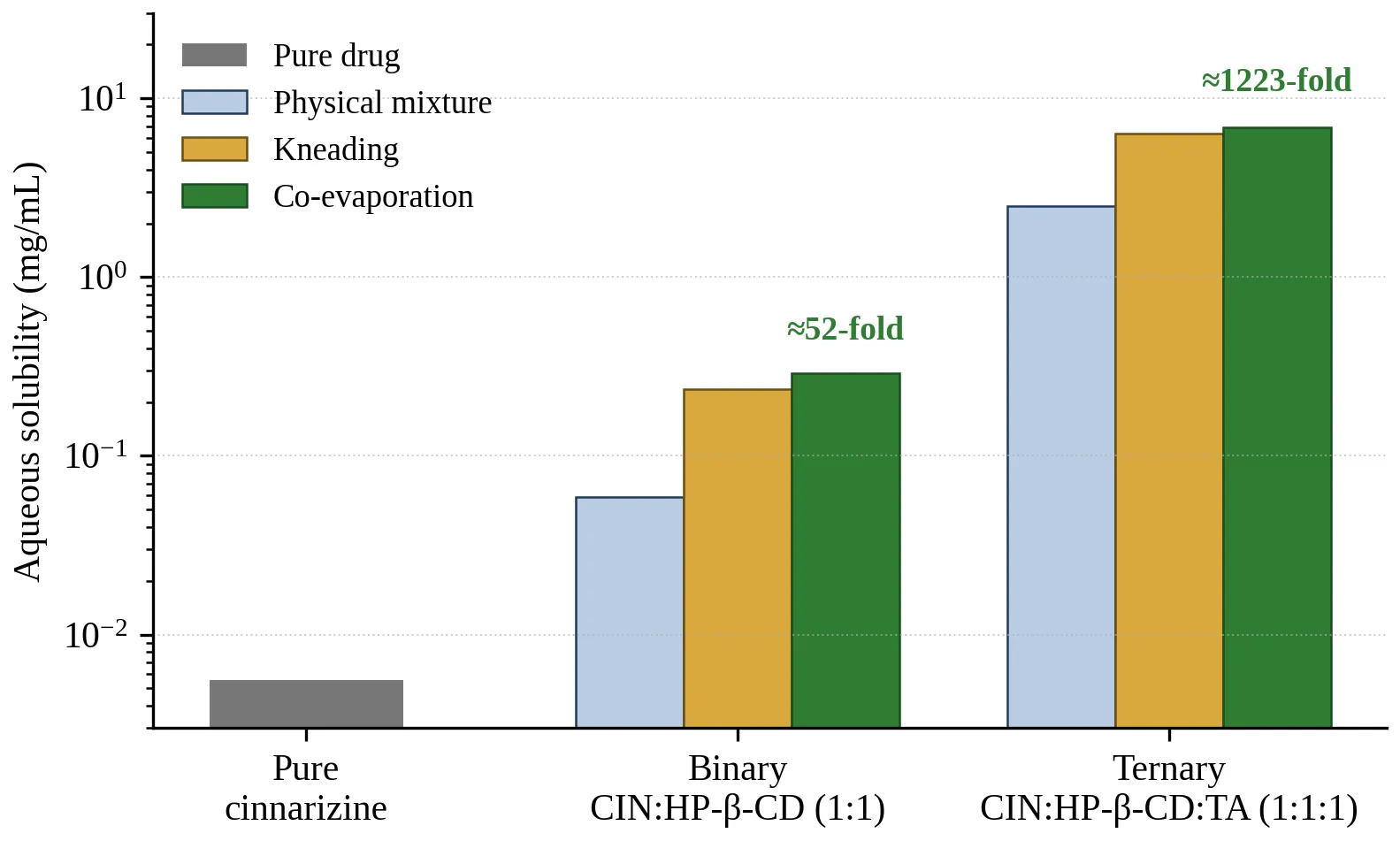
Figure 5: Aqueous Solubility of Cinnarizine in Binary and Ternary Hp-Β-Cd Systems Prepared by Three Methods (Logarithmic Scale). Redrawn by the Authors from Data Reported by Patel and Hirlekar.[4] TA, Tartaric Acid
Two practical lessons follow. First, cyclodextrin complexation clearly can solve cinnarizine's solubility problem, which is the central premise of the platform discussed here. Second, a plain binary complex may not be enough; the very small volume of saliva under the tongue probably calls for the much larger gain offered by a ternary system. It is worth stressing that this work used powders tested in 900 mL of water. It did not involve a film, and it did not measure taste or mucosal permeation,[4] so it establishes the chemistry but not the delivery system.
Taste-Masking In Cyclodextrin-Containing Oral Films
Cyclodextrins have been studied as taste-masking excipients since around 2001. A recent systematic review identified 67 relevant studies, both successful and unsuccessful, and found HP-β-CD to be the most frequently used cyclodextrin for this purpose (28 studies). The same review noted that the two commonest assessment methods were human volunteer panels and electronic tongues, and concluded that cyclodextrin taste-masking is effective, safe and inexpensive, but not automatic: the right cyclodextrin and the right host–guest ratio have to be found for each drug.[12]
For films specifically, three studies stand out. Liu et al. complexed donepezil, an intensely bitter drug, with HP-β-CD (stability constant 3658.91 M−1 in water) and cast the freeze-dried complex into an orodispersible film.[11] On electronic-tongue analysis, the complex and the finished film were clearly separated from the plain drug, with Euclidean distances of 22.07 and 20.27, compared with only 5.16 for a physical mixture and 2.69 for a film that relied on sucralose alone. Importantly, the stability constant dropped to 4.80 M−1 in 0.1 M HCl, so the complex fell apart in gastric acid, and the film proved bioequivalent to the plain drug in vivo (relative bioavailability 110%).[11] Alopaeus et al. reached a similar conclusion for indomethacin and furosemide incorporated into orodispersible and buccal films, and also showed that phosphate-containing media and freeze-drying gave better complexation than simple mixing.[9]
The third study is the closest precedent to the present topic. Preis et al. developed an orodispersible film of dimenhydrinate, an established anti-motion-sickness and antiemetic drug, using HP-β-CD or pea maltodextrin as solubilizing and taste-masking agents.[20] Both excipients prevented recrystallisation of the drug in the dried film, the films disintegrated quickly even in small liquid volumes, and two different electronic tongues detected a taste-masking effect.[20] This shows that the cyclodextrin-film concept has already been applied in the antiemetic field. The study, however, concerned an orodispersible rather than a sublingual film, used a salt that is considerably more water-soluble than cinnarizine, and did not report mucosal permeation or human pharmacokinetics.[20] More recent work on atomoxetine[21] and propranolol[18] confirms that HP-β-CD complexation reliably reduces bitterness as measured by taste-sensing systems, even if neither was formulated as a film.
Sublingual And Buccal Films: Formulation And Clinical Evidence
Orodispersible and oromucosal films have matured considerably over the past decade, with a growing number of marketed products, patents and clinical trials. Solvent casting remains the dominant manufacturing method, while 3D printing is being explored for more flexible, personalised dosing.[8,27,28] Disintegration time is governed mainly by the film-forming polymer, drug loading and other excipients,[27] and the small size of a film limits how much taste-masking excipient can be added,[8] which is one more argument for masking the drug at the molecular level.
Ramadan et al. produced one of the most complete datasets for a sublingual film. Rizatriptan benzoate, whose oral bioavailability is only about 47% because of first-pass metabolism, was formulated in nine solvent-cast films using carboxymethyl cellulose (CMC) and two grades of HPMC.[22] Disintegration took 21–70 s, the best 1% w/v CMC film released the whole dose within 120 s, folding endurance was 141 or more, and surface pH (5.8–6.6) was close to that of saliva. In six volunteers, the optimised film reached peak plasma concentration at 0.333 h compared with 1 h for the marketed tablet, with a higher AUC0–8 (142.96 versus 91.96 ng·h/mL).[22] A more recent human study with metoclopramide, an antiemetic, showed the same pattern for a buccal film: Tmax fell from 1.21 to 0.50 h and Cmax rose compared with conventional tablets (Figure 6).[23] Neither film contained a cyclodextrin, and neither drug is an anti-vertigo agent, but together they show that the route itself can speed up absorption.
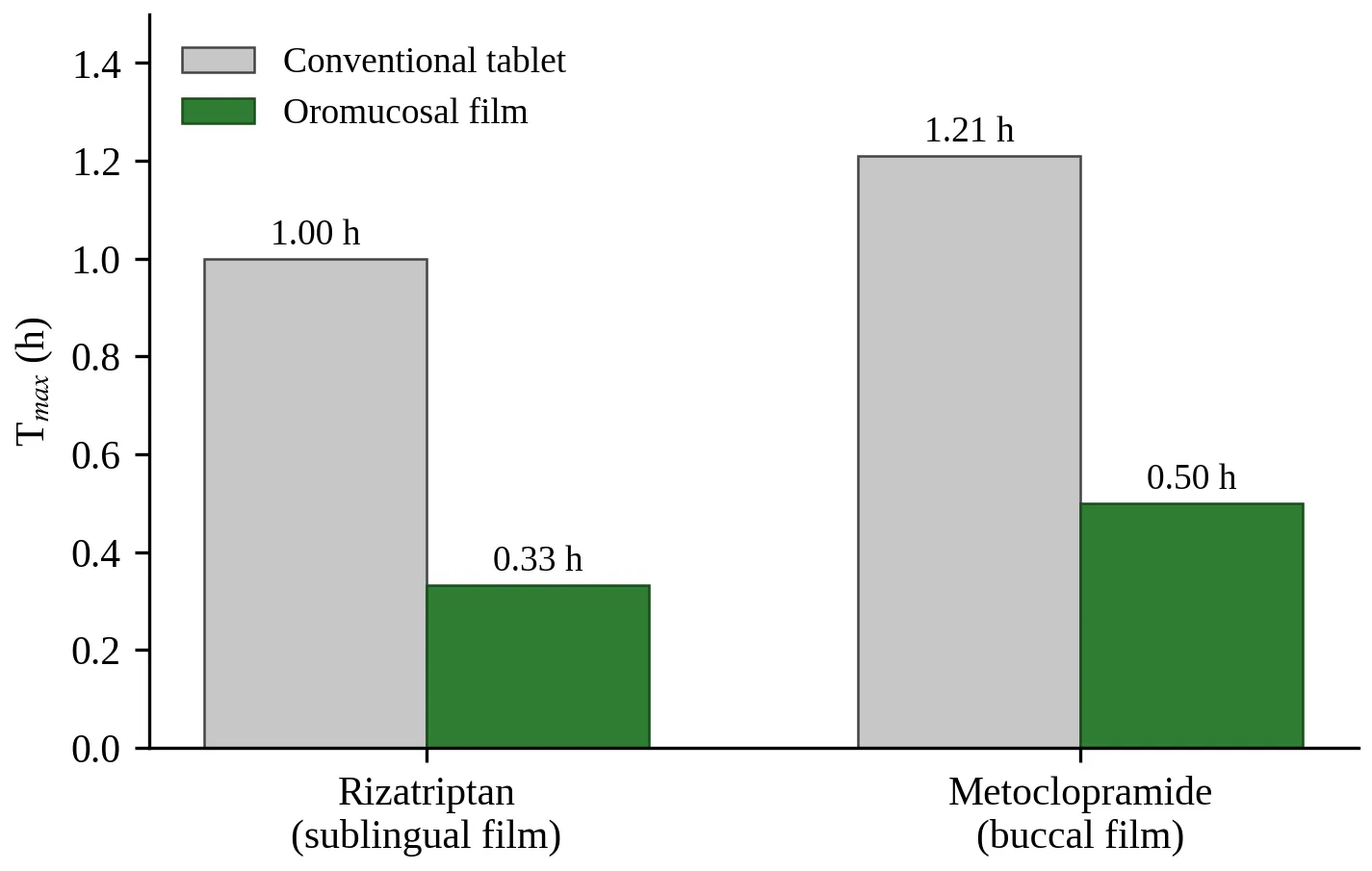
Figure 6: Time to Peak Plasma Concentration (Tmax) After Oromucosal Films Versus Conventional Tablets in Human Studies. Plotted by the Authors from Data Reported by Ramadan et al.[22] and Mady et al.[23]
Only one film study aimed squarely at vertigo was found. Pal et al. formulated a fast-dissolving film of betahistine dihydrochloride with HPMC, PEG 400 and a superdisintegrant; the optimised film released 45.7%, 85.7% and 99.1% of the drug at 1, 2 and 5 min and remained acceptable after three months of accelerated storage.[25] Because betahistine is water-soluble, the study did not need a solubilization strategy, and it reported neither taste assessment nor permeation data.[25] Shendge et al. described a promethazine hydrochloride film using HPMC E15, PEG 400, sodium lauryl sulfate, citric acid and flavour. We cite it only for its choice of excipients, because its conclusions refer to direct compression and rapidly dissolving tablets rather than to the film described in its methods.[26] For antihistamine films more generally, Pamlényi et al. showed that cetirizine buccal films could retain more than 85% of the drug after six months of accelerated storage and permeated TR146 buccal cell layers while maintaining acceptable cell viability.[24] Benchmark values from these studies are collected in Table 4.
Table 4: Quantitative Benchmarks Reported for Oromucosal Films in the Studies Reviewed
| Parameter | Reported value(s) | Ref. |
|---|---|---|
| Disintegration time | 21–70 s (nine CMC/HPMC sublingual films) | 22 |
| Surface pH | 5.8–6.6 (close to salivary pH) | 22 |
| Folding endurance | 141 folds or more | 22 |
| In vitro release | 100% in 120 s (rizatriptan/CMC); 99.1% at 5 min (betahistine/HPMC) | 22,25 |
| Human PK, sublingual film vs tablet | Tmax 0.333 vs 1 h; AUC0–8 142.96 vs 91.96 ng·h/mL (rizatriptan) | 22 |
| Human PK, buccal film vs tablet | Tmax 0.50 vs 1.21 h; higher Cmax (metoclopramide) | 23 |
| Taste-masking (e-tongue distance from plain drug) | 22.07 (complex), 20.27 (film) vs 5.16 (physical mixture) and 2.69 (sweetener only) | 11 |
| Storage stability | > 85% drug retained after 6 months (selected cetirizine buccal films) | 24 |
| Permeation across oral mucosal equivalent | Eletriptan flux 28.8 vs 29.6 µg/cm2/h (in-house model vs EpiOral™) | 29 |
WHY THE SUBLINGUAL ROUTE?
The oral mucosa is not uniform. The sublingual and buccal regions are non-keratinised and much more permeable than the keratinised gingiva and hard palate, but permeability and residence time pull in opposite directions (Table 5).[7] The sublingual region is also richly vascularised, which favours rapid systemic uptake.[30]
Table 5: Regional Characteristics of the Oral Mucosa (Adapted from Patel, Liu and Brown[7])
| Region | Keratinisation | Relative permeability | Relative residence time |
|---|---|---|---|
| Buccal | Non-keratinised | Intermediate | Intermediate |
| Sublingual | Non-keratinised | Very good | Poor |
| Gingival | Keratinised | Poor | Intermediate |
| Palatal | Keratinised | Poor | Very good |
In practical terms, a film placed under the tongue has excellent access to the blood supply but only a short time to release its dose before saliva washes it away. Only about 1.1 mL of saliva is present at any moment, at a weakly buffered pH of roughly 5.5–7.0.[7] A drug that does not dissolve quickly in this small, near-neutral volume will largely be swallowed. With an intrinsic solubility of about 0.0056 mg/mL, cinnarizine is exactly such a drug,[4] which is why a solubility-enhancing strategy is not optional for this route. The contrasting pathways of a swallowed tablet and the proposed film are sketched in Figure 7. The route also has clear limits: sublingual dosage forms should be avoided in unconscious or uncooperative patients.[30]
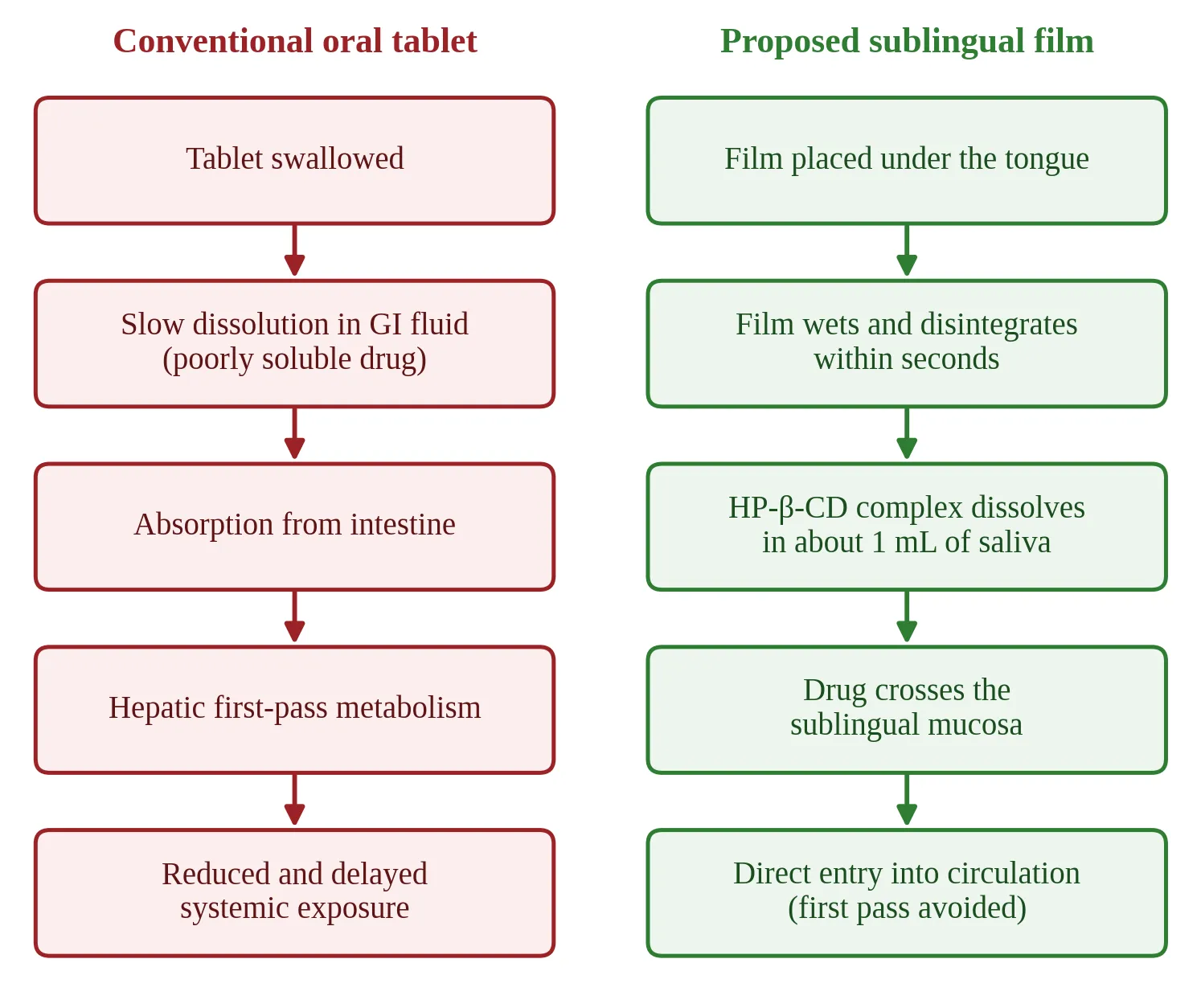
Figure 7: Absorption Pathway of a Conventional Oral Tablet Compared with the Proposed HP-β-CD-complexed Sublingual Film. Schematic Prepared by the Authors; the Route Effect Is Supported by Rizatriptan and Metoclopramide Film Data, Which Involved Neither Cyclodextrin nor an Anti-Vertigo Drug
FORMULATION CONSIDERATIONS
Polymers, Plasticisers And Additives
The film studies reviewed here converge on solvent casting with a hydrophilic polymer (CMC or an HPMC grade), a plasticiser such as PEG 400 or glycerol, and drying at moderate temperature.[22,25,26] In the rizatriptan study, CMC films disintegrated and released the drug faster than HPMC films of the same concentration, an effect the authors attributed to hydrogen bonding between HPMC and the drug's carboxylic acid group.[22] This is a drug-specific interaction, so it should be checked for cinnarizine rather than assumed. Citric acid is commonly added as a saliva stimulant, and sweeteners such as sucralose or aspartame and flavours improve acceptability;[22,25,26] these are useful supports, but they are not a substitute for masking the drug itself.
Loading A Cyclodextrin Complex Into A Film
Cyclodextrins add bulk. Because complexation efficiency is often low, a large mass of cyclodextrin may be needed to carry a modest dose of drug, and this is generally regarded as the main drawback of cyclodextrin formulations.[14] For a thin film that must stay small and flexible, this matters. The ternary approach used for cinnarizine, which raised the CE from 0.005 to 1.68,[4] is therefore attractive not only for solubility but also because it reduces the amount of cyclodextrin required per dose. In the dimenhydrinate film, HP-β-CD also prevented drug recrystallisation in the dried film,[20] which is a useful secondary benefit for a poorly soluble drug. Finally, because the complex is reversible, any portion of the dose that is swallowed rather than absorbed sublingually is likely to dissociate in gastric fluid, as was shown for donepezil.[11] The overall development sequence we propose is shown in Figure 8.
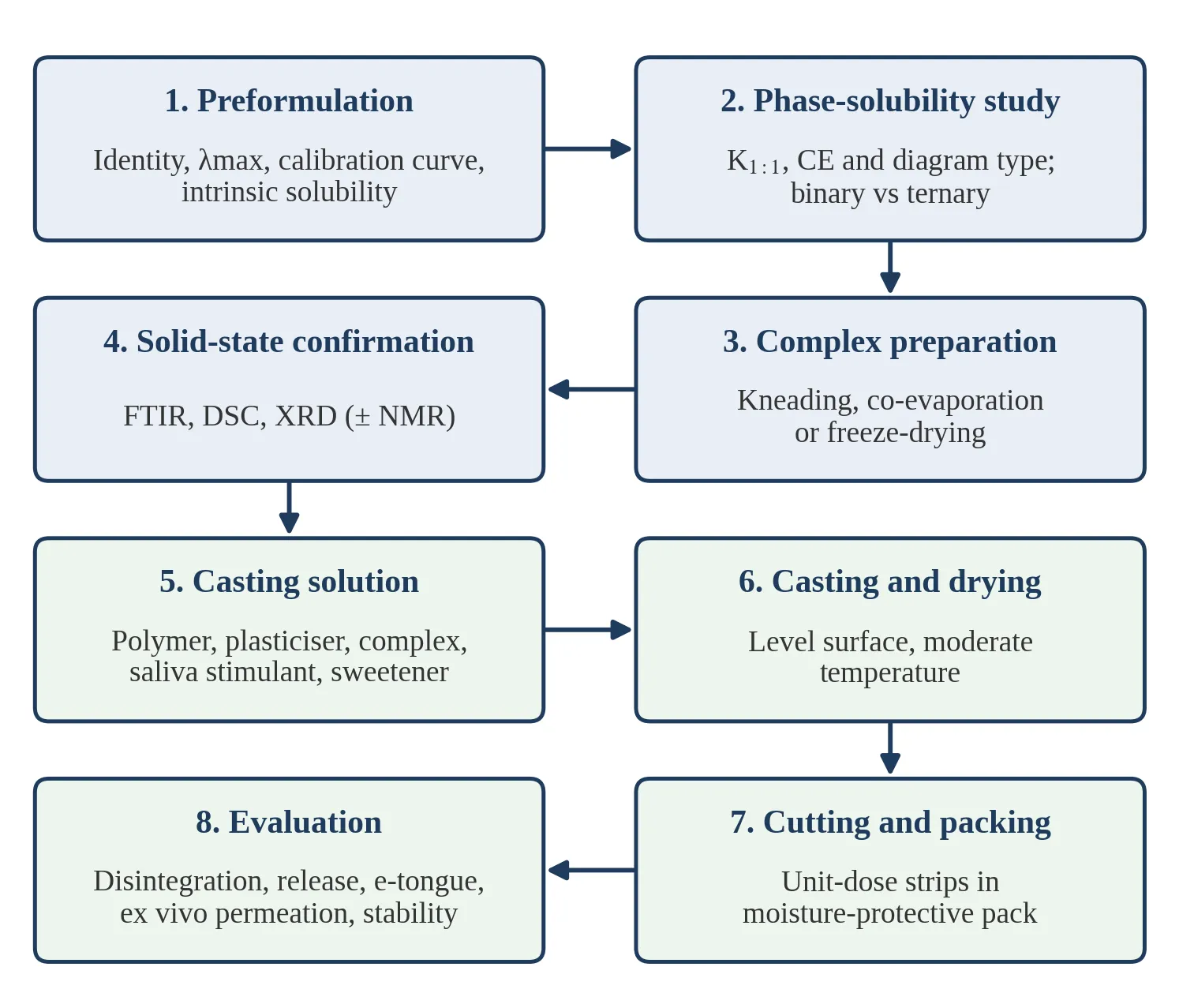
Figure 8: Proposed Development Workflow for an HP-β-CD-complexed Cinnarizine Sublingual Film (Prepared by the Authors)
EVALUATION STRATEGY
Most published film studies stop at disintegration and in vitro release. For a cyclodextrin-complexed sublingual film, at least two further tests are needed: an objective taste assessment and a measure of transmucosal permeation. Electronic tongues are now well established for the first,[12,18,21] while excised porcine sublingual mucosa remains the most widely used tissue for the second. Cell-based models such as TR146 and three-dimensional oral mucosal equivalents are gaining ground as more reproducible, animal-free alternatives,[24,29,31] and a synthetic membrane has recently been evaluated as a screening model for sublingual penetration.[31] Table 6 summarises a practical evaluation plan.
Table 6: Suggested Evaluation Plan for an HP-β-CD-complexed Anti-Vertigo Sublingual Film
| Stage / test | Purpose | Literature basis or benchmark |
|---|---|---|
| Phase-solubility | K1:1, CE and diagram type; choose binary or ternary system | Higuchi–Connors method[16,19]; cinnarizine data[4] |
| FTIR, DSC, XRD, 1H-NMR | Confirm true inclusion rather than aggregation | As used for cinnarizine and donepezil[4,11] |
| Thickness, weight, folding endurance | Uniformity and mechanical robustness | ≥ 141 folds reported for sublingual films[22] |
| Surface pH | Avoid mucosal irritation | 5.8–6.6 reported[22] |
| Disintegration and release | Speed of dose availability in small fluid volume | 21–70 s; complete release within minutes[22,25] |
| Taste assessment (e-tongue ± panel) | Objective evidence of taste-masking | Euclidean distance approach[11,21] |
| Ex vivo / in vitro permeation | Transmucosal flux in Franz cells | Porcine mucosa, TR146 or mucosal equivalents[24,29,31] |
| Accelerated stability | Drug content, recrystallisation, mechanics | 3–6 months reported for films[24,25] |
RESEARCH GAP AND NOVELTY
Taken together, the literature establishes four points independently. HP-β-CD, particularly in ternary combination with a hydroxy acid, can raise the aqueous solubility of cinnarizine by up to three orders of magnitude.[4] HP-β-CD complexation produces taste-masking that can be measured with electronic tongues once the complex is inside an oral film.[9,11,12] The same strategy has already been used in an orodispersible film of the antiemetic dimenhydrinate.[20] And oromucosal films without cyclodextrin can be absorbed faster than conventional tablets in humans.[22,23]
| Novelty statement Within the literature examined for this review, we found no study that brings the following elements together for a poorly soluble anti-vertigo drug such as cinnarizine: • a cinnarizine–HP-β-CD inclusion complex, possibly a ternary hydroxy-acid system, characterised by phase-solubility, solid-state and taste methods before film loading;[4] • incorporation of that complex into a solvent-cast film designed specifically for the sublingual site, with its small saliva volume and short residence time;[7] • instrument-based (electronic-tongue) verification of taste-masking rather than reliance on sweeteners and flavours alone;[11,20] • ex vivo or in vitro transmucosal permeation testing, which none of the anti-vertigo or antiemetic film studies reviewed here reported.[20,25,26] This statement reflects the sources examined for this narrative review and should be confirmed by a documented database search before it is used to support a novelty claim. |
|---|
CHALLENGES AND FUTURE PERSPECTIVES
Several practical hurdles remain. The dose of cinnarizine used for vertigo, combined with the low complexation efficiency of binary systems, may make it difficult to fit enough complex into a film of acceptable size; the ternary approach is the most promising answer, but the hydroxy acid will also affect taste and surface pH. Sublingual residence time is short, so release must be essentially complete within a minute or two. Permeation models still vary widely between laboratories, which makes comparison difficult,[29,31] and a human pharmacokinetic study will ultimately be needed to show that the film really improves on a tablet. The small numerical difference between the two reported log P values (5.8 and 5.6)[4,5] is unlikely to matter in practice but should be checked against a primary physicochemical source.
This article is a narrative review, not a systematic review. The studies were selected for their direct relevance to the three questions posed in the introduction, and no formal search protocol or risk-of-bias assessment was applied. Some of the film studies were published in journals with limited peer-review transparency, and we have indicated where their findings should be read with caution.[26] Future work should combine a registered systematic search of PubMed, Scopus and Web of Science with the experimental programme outlined in Figure 8 and Table 6.
CONCLUSION
The case for an HP-β-CD-complexed sublingual film of cinnarizine rests on solid, if separate, foundations. Cyclodextrin complexation, especially in ternary systems with hydroxy acids, can increase cinnarizine's solubility more than a thousand-fold. HP-β-CD complexation has been shown, with electronic tongues, to mask bitter taste inside finished oral films, including a film of the antiemetic dimenhydrinate. Oromucosal films have, in human studies, been absorbed faster than conventional tablets. What has not yet been done is to combine these elements for cinnarizine in a film designed for the sublingual site and to test it for taste, permeation and, eventually, pharmacokinetics. That combination is the gap this review identifies, and the experimental work proposed here, rather than the review itself, will decide whether the platform delivers the expected benefits for patients with vertigo.
ACKNOWLEDGEMENTS
The authors used an AI writing assistant to help with language editing, formatting and drawing schematic figures from published data; all content, data and references were checked by the authors, who take full responsibility for the manuscript.
AUTHOR CONTRIBUTIONS
Atharv Yoginath Swami carried out the literature search, prepared the tables and figures and wrote the first draft. Dr I. D. Gonjari conceived the topic, supervised the work and critically revised the manuscript. Both authors read and approved the final version.
FUNDING
This work received no specific grant from any funding agency in the public, commercial or not-for-profit sectors.
ETHICAL APPROVAL
Not applicable. This article is a review of published literature and did not involve human participants or animals.
DATA AVAILABILITY
No new data were generated. All data discussed are available in the cited publications.
CONFLICT OF INTEREST
The authors declare no conflict of interest.
ABBREVIATIONS
AUC, area under the plasma concentration–time curve; BCS, Biopharmaceutics Classification System; CD, cyclodextrin; CE, complexation efficiency; CIN, cinnarizine; CMC, carboxymethyl cellulose; Cmax, peak plasma concentration; CYP, cytochrome P450; DS, degree of substitution; DSC, differential scanning calorimetry; e-tongue, electronic tongue; FTIR, Fourier-transform infrared spectroscopy; GI, gastrointestinal; HP-β-CD, hydroxypropyl-β-cyclodextrin; HPMC, hydroxypropyl methylcellulose; K1:1, stability constant of a 1:1 complex; NMR, nuclear magnetic resonance; ODF, orodispersible film; ODT, orally disintegrating tablet; PEG, polyethylene glycol; PK, pharmacokinetics; PVP, polyvinylpyrrolidone; S0, intrinsic solubility; SL, sublingual; TA, tartaric acid; Tmax, time to peak plasma concentration; XRD, X-ray diffraction.
REFERENCES





Atharv Swami, Sudarshan Kamble, Shirish Naik, Yash Yadav, I. D. Gonjari, Hydroxypropyl-?-Cyclodextrin-Complexed Sublingual Films for Anti-Vertigo Drug Delivery: A Review of Solubilization, Taste-Masking and Research Gaps, Int. J. of Pharm. Sci., 2026, Vol 4, Issue 10, 2916-2928. https://doi.org/10.5281/zenodo.23466888
 10.5281/zenodo.23466888