

We use cookies to ensure our website works properly and to personalise your experience. Cookies policy
Chalapathi Institute Of Pharmaceutical Sciences.
Mucoadhesive buccal delivery is being explored as a way to retain a dosage form against the inner cheek and regulate drug release [1–4]. A bilayer tablet combines a drug-containing mucoadhesive layer with a backing layer intended to reduce outward drug loss [2,4]. This review discusses the buccal mucosa [1,2,4], mucoadhesion mechanisms [1–3,5], aspirin-related formulation considerations [29], excipient selection [3,4,27,28], manufacturing variables, evaluation tests [9,22–29], and the use of experimental design during optimization [6,7]. Hydroxypropyl methylcellulose, Carbopol 934, and ethyl cellulose are considered as candidate materials for the matrix, adhesive function, and backing layer, respectively [2–4,27,28]. Physical quality, surface pH, swelling, adhesion, residence time, assay, dissolution, and release-kinetic analysis should be evaluated together [9,18,22–29]. Experimental design can help identify main effects, interactions, and curvature, but predicted optima require confirmation batches [6,7]. General evidence on buccal delivery does not establish aspirin-specific performance [1–4,13–17]. Stability, mucosal tolerability, and any intended systemic delivery advantage must be demonstrated experimentally before conclusions about product suitability can be made [8,10,12,13,16,29]
Oral administration is widely used because it is convenient and generally acceptable, but conventional swallowed dosage forms may be unsuitable when a particular release profile or site of delivery is desired [1]. Drug absorption after swallowing can be affected by gastrointestinal conditions, enzymatic degradation, transit time and presystemic metabolism [1,10,13]. The oral mucosa offers an alternative site for administering selected medicines, and the buccal region is especially accessible for placing a dosage form against the inner cheek [1,2,10]. Reviews of buccal drug delivery describe the potential to prolong local contact and, for suitable molecules, support drug transport across the mucosa [1–4]. These advantages are not universal: drug properties, mucosal permeability, formulation design and patient-related factors determine whether buccal delivery is feasible [1–4,13,16]
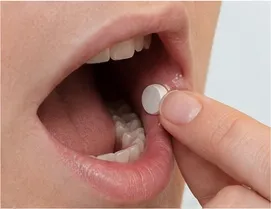
Figure 1: Illustrative Placement of a Buccal Tablet Against the Inner Cheek.
Mucoadhesive systems are designed to interact with the mucus layer and mucosal surface so that the formulation remains in place longer than a non-adhesive preparation [2,3,18]. Tablets, films, patches, gels and other dosage forms have been investigated [1,3,5]. A bilayered buccal tablet is of interest because the drug-containing layer can be combined with a backing layer that reduces release from the outward-facing side [2,4]. For an aspirin formulation, the central research question is whether the selected polymers can provide adequate adhesion and a reproducible release profile without causing unacceptable local irritation or compromising drug stability [1,3,4,8,29]
2. REVIEW APPROACH AND SCOPE
This narrative review was prepared by synthesizing established review literature on buccal drug delivery, mucoadhesive polymers, bilayered dosage-form design, evaluation methods and pharmaceutical experimental design [1–7,9,22–29]. The cited sources provide the scientific background for the proposed formulation approach [1–30]. The discussion is paraphrased and organized around the aspirin bilayer-tablet topic; it does not reproduce another review article verbatim [1]. It is not a systematic review, and no claim is made that every published aspirin-buccal study has been identified [1]. References should be checked against the original articles before journal submission, and any journal-specific reporting requirements should be followed [1,7,9,29].
3. BUCCAL MUCOSA: STRUCTURE AND RELEVANCE TO DELIVERY
The buccal mucosa lines the inside of the cheek and consists of an epithelial layer supported by connective tissue. A surface mucus and saliva layer helps protect and lubricate the tissue but can also affect the wetting and retention of dosage forms. The buccal site is relatively easy to access and observe, which can simplify placement and removal compared with less accessible mucosal routes. Its permeability is nevertheless a biological barrier rather than an open pathway. Drug molecules must partition into and move through the mucosal structure, and the extent of transport varies with molecular size, ionization, lipophilicity, concentration gradient and formulation conditions
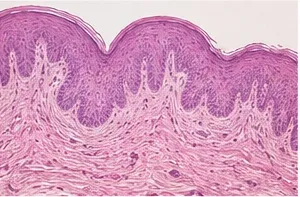
Figure 2: Illustrative Histological Appearance of Buccal Mucosa; Not a Study Specimen.
A formulation should not be considered successful solely because it adheres to the cheek. It must also remain comfortable, avoid excessive swelling or erosion, and release the drug in a controlled and reproducible way. Salivary flow, talking, chewing and swallowing may dislodge a tablet or change its hydration. These practical influences should be considered when designing in-vitro tests and interpreting their relevance to use. [1,2,4].
4. MUCOADHESION: MECHANISM AND INFLUENCING FACTORS
Mucoadhesion refers to the interaction that allows a formulation to remain attached to a mucosal surface for a period of time. The process is often described in terms of initial contact followed by polymer hydration, chain movement and interactions with components of mucus. Proposed explanations include wetting, diffusion/interpenetration, adsorption and fracture-based approaches. No single theory explains every polymer–mucosa combination; the relative contribution depends on the polymer, hydration, surface properties and test conditions [1,3,5].
Factors that can influence adhesion include polymer molecular weight, concentration, degree of hydration, functional groups, cross-linking, tablet porosity, compression force, mucosal condition, contact time and the pH and ionic strength of the surrounding fluid. [1–5,18–21]. Hydration is important because it promotes polymer-chain mobility, but excessive hydration may weaken the tablet or cause premature erosion. Formulation development therefore involves balancing strong attachment with adequate mechanical integrity and a useful drug-release rate. [1–4,27,28].
5. BILAYERED BUCCAL TABLET DESIGN
A bilayered buccal tablet generally contains a drug-loaded mucoadhesive layer and a backing layer. The mucoadhesive face is placed against the buccal mucosa, while the backing layer is oriented toward the oral cavity. If the backing material has sufficiently low permeability to the drug and remains intact during the intended residence period, it can reduce release from the outward-facing surface and help favour release toward the mucosa The actual directionality must be demonstrated experimentally rather than assumed from the word “bilayer.” [2,4].
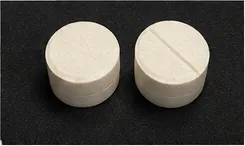
Figure 3: Illustrative Bilayer Tablet Concept Showing the Drug-Containing and Backing Layers.
The interface between the two layers is a critical quality attribute. [2,4,6]. Poor bonding may lead to separation during handling or hydration; excessive compression can alter porosity, adhesion and dissolution [2,4,6,7].. The backing layer should therefore be evaluated for integrity, thickness, adhesion to the drug layer and resistance to the test medium. The design should also consider tablet size, comfort, ease of placement and the possibility of accidental swallowing or detachment. [1,4,12,16].
6. ASPIRIN AS A CANDIDATE DRUG
Aspirin (acetylsalicylic acid) is a non-steroidal anti-inflammatory drug with analgesic, antipyretic and antiplatelet uses depending on dose and clinical context. [29]. Its suitability for a buccal sustained-release formulation cannot be inferred simply from its established oral use. [1,4,13]. Relevant considerations include aqueous solubility, ionization, dissolution at buccal pH, chemical stability in the presence of moisture, dose requirements, local tolerability and the extent to which the drug crosses buccal tissue. [1,4,13,16,29]. Aspirin can undergo hydrolysis, so moisture exposure and the stability-indicating nature of the analytical method deserve particular attention during formulation and storage studies. [8,9,29].
A buccal formulation may be intended to deliver drug locally or systemically, but those objectives require different evidence. For systemic delivery, in-vitro release alone does not establish absorption or clinical performance. Permeation studies using an appropriate validated model, stability testing and, where justified, further pharmacokinetic and safety studies would be needed. The review therefore treats aspirin as the active ingredient under investigation, not as a proven buccal product. [8,9,13,16,17]. [1,4,13].
7. FORMULATION COMPONENTS AND THEIR FUNCTIONS
| Component | Proposed function | Formulation considerations |
|---|---|---|
| Aspirin | Active pharmaceutical ingredient | Confirm assay, stability, dissolution and compatibility; protect from unnecessary moisture. [8, 9, 29] |
| HPMC K4M | Hydrophilic matrix former and release modifier | Hydration and gel formation may slow diffusion; performance depends on concentration and compression. [27, 28] |
| Carbopol 934 | Mucoadhesive polymer and matrix modifier | Can contribute to adhesion and swelling; pH and neutralization conditions may affect polymer behaviour. [3, 4] |
| Ethyl cellulose | Backing-layer material | Assess integrity, drug permeability and bonding to the drug-containing layer. [2, 4] |
| Sodium carboxymethyl cellulose | Hydrophilic polymer/binder or swelling modifier | May affect water uptake, matrix strength and release; include as a controlled formulation variable if varied. [3, 11] |
| Lactose | Diluent/filler | Can influence tablet mass, porosity and dissolution; confirm compatibility. [1, 6] |
| Magnesium stearate | Lubricant | Excessive amount or blending time can reduce wetting and affect tablet strength or release. [1, 6] |
| Talc | Glidant/anti-adherent | Use at a justified level and assess effects on compression and tablet surface. [1, 6] |
The listed materials form a reasonable starting set for laboratory screening, but their presence does not establish that a final formula is optimal. The quantity of each excipient should be justified by preliminary experiments and the target tablet mass. In particular, polymer concentrations, lubricant level, compression force and the method used to join the layers may all influence performance. A compatibility assessment should be based on appropriate analytical and physical evidence; FTIR should only be reported if it was actually performed. [8,9,29]
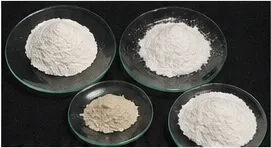
Figure 4: Illustrative View of Powder Excipients Used in Tablet Formulation.
8. MANUFACTURING APPROACHES
Direct compression may be considered when the powders have adequate flow and compressibility and when the drug and excipients remain compatible. A typical development sequence is to sieve and weigh the ingredients, blend the drug with the selected matrix polymers and diluents, add lubricant near the end of blending, and compress the drug-containing layer. The backing-layer blend is prepared separately and compressed in a second stage or formed using a suitable bilayer compression process. Exact steps depend on the available press and the required tablet design. [1, 2, 4, 6].
Process variables should be recorded rather than treated as incidental details. These include sieve size, blending time, lubricant-mixing time, compression force, layer weight, total tablet weight, punch geometry and storage conditions. The final process should produce tablets with reproducible layer placement and sufficient interlayer bonding. If the two layers are compressed sequentially, the first layer must be compact enough to handle but still permit reliable bonding with the second layer. [2, 4, 6, 7]
9. DESIGN OF EXPERIMENTS (DOE) FOR FORMULATION OPTIMIZATION
Design of Experiments provides a structured way to investigate how formulation and process variables affect product quality. Instead of changing one factor at a time, a planned design can estimate main effects, interactions and, in suitable designs, curvature. This is particularly useful when HPMC K4M and Carbopol 934 may influence swelling, adhesion and release together. Pharmaceutical development literature describes DoE as a practical component of Quality by Design because it supports evidence-based optimization and a clearer understanding of variability
A factorial design can screen important variables, while a Central Composite Design (CCD) can be used to fit a second-order response-surface model when curvature is expected. For a two-factor CCD, the independent variables could be the concentrations of HPMC K4M and Carbopol 934. Responses might include mucoadhesive strength, swelling index and cumulative percentage of aspirin released at preselected time points. Other factors—such as backing-layer mass, compression force and lubricant level—should be held constant during the initial polymer study or examined in a separate design.
A general second-order model can be expressed as Y = β0 + β1X1 + β2X2 + β12X1X2 + β11X1² + β22X2², where Y is the measured response, X1 and X2 are coded independent variables, β0 is the intercept, β1 and β2 represent linear effects, β12 represents the interaction and β11 and β22 represent curvature. Model adequacy should be checked using analysis of variance, residual plots, lack-of-fit assessment and suitable goodness-of-fit measures. An optimum should be confirmed with independent checkpoint batches; software-generated predictions alone are not experimental confirmation.
The target should be a balanced formulation rather than the maximum value of one response. For example, a highly swollen tablet may show good initial adhesion but could become weak or erode too rapidly. Similarly, very slow release may not be desirable if it prevents the intended amount of drug from becoming available during the planned residence period. Optimization criteria and acceptance ranges should therefore be defined before interpreting the response-surface results. [1, 6]
10. EVALUATION OF BILAYERED BUCCAL TABLETS
10.1 Physical and mechanical tests
Appearance, individual and average weight, dimensions, thickness, hardness or tensile strength, friability and layer integrity provide an initial assessment of tablet quality. Weight variation and drug-content tests should follow the applicable pharmacopoeial or validated laboratory procedures. Hardness should not be interpreted in isolation: excessive compression may change porosity, hydration and drug release, while insufficient compression may produce fragile tablets or weak layer bonding. [1, 6, 9, 29]
10.2 Drug content and analytical method
A suitable assay should be specific, accurate, precise and capable of distinguishing aspirin from relevant degradation products where required. The calibration range, solvent or buffer, wavelength or chromatographic conditions, dilution scheme and calculation method should be documented. Because aspirin may hydrolyse, analytical specificity and sample-handling conditions are important. The chosen method should be validated or verified for the intended purpose, and results should be reported with the number of replicates and variability. [9, 29]
10.3 Surface pH
Surface pH testing helps identify formulations that may create an unfavourable local environment. The hydrated tablet surface can be examined using a documented method with calibrated pH equipment. Results should be interpreted alongside mucosal compatibility rather than used as a stand-alone proof of safety. The test medium, hydration period, temperature and replicate number should be kept consistent across batches. [1, 3, 12, 16]
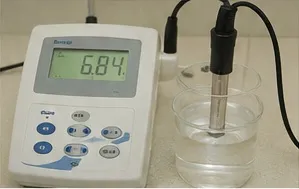
Figure 5: Illustrative Measurement of Hydrated Tablet Surface pH.
10.4 Swelling index and erosion
Swelling can be followed by weighing tablets at defined time points after exposure to a suitable medium. The swelling index is calculated from the change in mass relative to the initial mass, using a clearly stated equation and a consistent blotting procedure. If the tablet loses material during the test, the observed mass change may reflect both water uptake and erosion. Recording tablet dimensions, visual changes and residual mass can help interpret these processes more accurately. [27, 28]
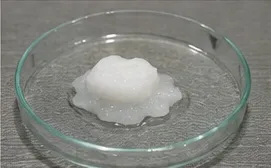
Figure 6: Illustrative Swelling Behaviour of a Hydrated Tablet Matrix.
10.5 Mucoadhesive strength and residence time
Mucoadhesive strength can be measured using a texture analyser or a validated detachment setup with an appropriate mucosal substrate. The tissue source, preparation, hydration, contact force, contact time, test speed and temperature should be specified because each may alter the measured force. Detachment force can be reported directly or converted to stress when the contact area is known. Ex-vivo residence-time testing may provide additional information about retention under controlled fluid flow, but it does not fully reproduce movement and saliva conditions in the human mouth. [1, 2, 3, 12, 13, 18]
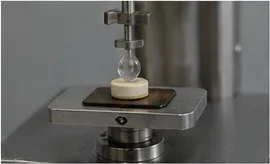
Figure 7: Illustrative Setup for Measuring Tablet Mucoadhesive Strength.
10.6 In-vitro drug release
Dissolution or release testing should be designed to reflect the intended use and to provide reproducible discrimination between formulations. The apparatus, medium composition and pH, volume, temperature, agitation, sampling times, sample replacement procedure and analytical method should all be stated. For a bilayered device, the orientation and method used to expose or isolate the drug-releasing face are especially important. Sink conditions should be assessed rather than assumed. Release results are commonly reported as cumulative percentage released versus time, with mean values and variability for replicate units. [25, 29]
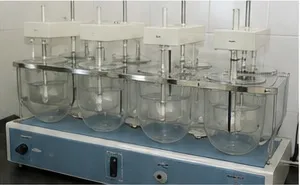
Figure 8: Illustrative Dissolution Apparatus for In-Vitro Drug-Release Evaluation.
10.7 Release-kinetic analysis
Release data may be fitted to zero-order, first-order, Higuchi and Korsmeyer–Peppas models when the assumptions and data range of each model are appropriate. Model fitting can help describe whether the observed profile is consistent with concentration-dependent release, diffusion-dominated release or a combination of processes. A high coefficient of determination by itself does not prove a mechanism. The model assumptions, residual patterns, number of time points and suitability of the dosage-form geometry should be considered before drawing conclusions. [22–28]
11. STABILITY, COMPATIBILITY AND MUCOSAL SAFETY
Stability studies should monitor appearance, assay, degradation, moisture-related changes, mechanical properties and drug-release performance under justified storage conditions. Packaging should be selected to protect the product from environmental factors that could affect aspirin stability. Compatibility screening can identify potential physical or chemical changes between the active ingredient and excipients, but a single analytical technique is rarely sufficient to establish long-term compatibility. [8, 9, 29]
A formulation intended to contact oral mucosa must also be assessed for irritation and tolerability using ethically approved, scientifically appropriate methods. Surface pH and short-term visual examination are useful preliminary checks but cannot replace a formal safety assessment. Any claim that the system improves bioavailability, reduces adverse effects or provides clinical benefit would require evidence beyond tablet quality and in-vitro release testing. [10, 12, 13, 16]
12. CHALLENGES AND FUTURE DIRECTIONS
Key challenges include maintaining adhesion in the presence of saliva and mouth movement, achieving reproducible drug release, ensuring stable interlayer bonding and selecting an analytical method that accounts for aspirin degradation. The drug dose and the time required to deliver it may also constrain tablet size and the feasibility of buccal administration. A formulation that performs well in a static laboratory test may not behave identically under physiological conditions.
Future work should combine systematic formulation design with robust analytical testing, appropriate ex-vivo permeation models and a clear distinction between release, permeation and systemic exposure. DoE can reduce unnecessary experiments and identify interactions, but it should be paired with sound experimental controls and confirmation batches. More broadly, buccal delivery research is moving toward better polymer design, improved characterization and more rational links between in-vitro performance and intended use [3–7].
12.1 Formulation risk and critical quality attributes
Development should begin with a risk assessment that links material attributes and process variables to the quality attributes of the finished bilayer tablet. Relevant material attributes include aspirin particle size and moisture exposure, polymer grade and viscosity, excipient particle-size distribution, and the flow properties of the powder blends. Process variables include blending sequence and duration, lubrication time, compression force, first-layer tamping, final compression and storage conditions. Potential critical quality attributes include layer mass, total mass, thickness, mechanical strength, interlayer integrity, assay, degradation profile, surface pH, swelling, mucoadhesive performance and drug-release behaviour. A risk-based approach helps prioritize experiments instead of treating every variable as equally influential. [6,7,30]
12.2 Analytical and experimental controls
A reliable comparison among formulations requires a pre-defined protocol and appropriate controls. The analytical method should be suitable for the intended matrix and should demonstrate acceptable specificity, linearity, accuracy, precision and range. Since aspirin may hydrolyse in aqueous environments, samples should be prepared and analysed using justified handling times and conditions. Where possible, the method should distinguish aspirin from salicylic acid and other relevant degradants. Blank polymer matrices, placebo layers and replicate dosage units can help identify interference and variability. Sampling losses, replacement-medium corrections and dilution factors should be documented for dissolution calculations. [9,29]
12.3 Interpretation of release and permeation data
Cumulative percentage released describes the amount leaving the dosage form under the selected test conditions; it does not directly measure the amount crossing buccal tissue. Permeation experiments require a suitable biological or validated membrane model, defined exposed area, controlled temperature, receptor-medium conditions and checks for tissue integrity. The donor and receptor compartments should be selected to maintain interpretable concentration gradients without compromising the tissue. If systemic delivery is proposed, release and permeation findings should be discussed separately and should not be presented as proof of bioavailability. The distinction is particularly important when comparing a mucoadhesive tablet with a conventional swallowed aspirin product. [13,16,17]
12.4 Practical translation and patient acceptability
The dimensions, taste, texture and placement of a buccal dosage form may influence adherence to a dosing regimen. A tablet that is too large, rough or prone to detachment may be poorly tolerated even if it performs well in a laboratory adhesion test. Conversely, very strong adhesion is not necessarily desirable if removal causes discomfort or if the hydrated matrix becomes difficult to manage. Development should therefore balance residence time, drug release, mechanical stability and patient comfort. Any future usability assessment should use an ethically approved protocol and should be conducted only after suitable preclinical safety evidence is available. [13,16]
12.5 Limitations of the available evidence
The evidence base for general buccal delivery and mucoadhesive polymers is broader than the evidence specifically supporting aspirin in a bilayered buccal tablet. Findings from other active ingredients can inform material selection and experimental design, but they cannot establish aspirin-specific release, permeation, stability or tolerability. In addition, published methods use different mucosal substrates, apparatus, media and endpoints, which limits direct comparison between studies. The formulation strategy discussed here should consequently be interpreted as a testable development plan. Experimental results, method validation and confirmation batches are needed before claims about an optimized product can be made. [1–4,13–17]
CONCLUSION
Mucoadhesive bilayered buccal tablets offer a formulation strategy for prolonging contact with the buccal mucosa and directing drug release toward the tissue. HPMC K4M and Carbopol 934 are plausible polymers to investigate for matrix formation, swelling and adhesion, while ethyl cellulose may serve as a backing material. Their suitability for aspirin must be established through formulation trials, stability assessment and well-designed evaluation. A DoE approach such as CCD can help quantify the effects and interactions of polymer concentrations and identify a balanced formulation. Physical tests, drug assay, surface pH, swelling, mucoadhesive strength, release testing and kinetic analysis should be interpreted together. Ultimately, sustained release, mucosal tolerability and any systemic delivery advantage remain hypotheses until supported by reproducible experimental data. [1, 2, 4, 7, 27, 28, 29]
Note on figures: These are AI-generated illustrative visuals, not photographs of actual experiments, patient images, or study results. Before journal submission, replace them with original laboratory photographs or properly licensed figures where required, and follow the journal's figure and permissions policy. [1, 7, 30]
REFERENCES


A. Durga Bhavani, G. Venkataramireddy, Formulation and Evaluation of Mucoadhesive Bilayered Buccal Tablets of Aspirin for Sustained Drug Delivery Using Design of Experiments, Int. J. of Pharm. Sci., 2026, Vol 4, Issue 10, 2929-2938. https://doi.org/10.5281/zenodo.23467048
 10.5281/zenodo.23467048