

We use cookies to ensure our website works properly and to personalise your experience. Cookies policy
Department of Pharmacy, Mahatma Jyotiba Phule Rohilkhand University, Bareilly, Uttar Pradesh, India 243006.
Medicinal plants have been widely recognized for their nutritional and therapeutic significance and have remained an integral part of traditional healthcare systems across the world for centuries (Kafaru et al., 1994). Boerhavia diffusa linn., commonly known as Punarnava, is an important Medicinal herb, extensively used in Ayurveda, Unani, and Siddha systems of medicine for the management of various disorders such as renal diseases, edema, ascites, liver dysfunction, inflammation, hypertension, and metabolic conditions (Vijay et al.,2014). Traditionally, Boerhavia diffusa regarded as playing a vital role in restoring overall health. Over the past few decades, numerous pharmacological investigations have validated its wide range of therapeutic activities, including diuretic, anti-inflammatory, hepatoprotective, nephroprotective, antioxidant, immunomodulatory, anticancer properties (Adeneye et al.,2009; Apurva et al.,2018). Phytochemical studies have revealed that boerhavia diffusa contains diverse bioactive constituents, rotenoids, lignans, glycosides, steroids, and phenolic compounds, which are responsible for its multiple pharmacological effects (Aravind et al.,2013). Compared to convention synthetic diuretics with fewer side effects, particularly in maintaining electrolyte balance and minimizing nephrotoxicity. Experimental studies also indicate its role in enhancing renal function, increasing urine output, and protecting tissues from oxidative stress-induced damage. Owing to its multi-target mechanisms and favorable safety profile, boerhavia diffusa has emerged as a promising medicinal plant for the management of various chronic disorders and may serve as a valuable source for future drug discovery. However, additional clinical investigations and proper standardization are essential before its widespread application in modern healthcare.
Diuretics are widely prescribed therapeutic agents that help manage hypertension, heart failure, renal disorders, edema, and ascites. By promoting urinary excretion and maintaining fluid and electrolyte balance. These drugs facilitate the elimination of excess body fluids by increasing urine production and promoting electrolyte excretion, thereby helping to maintain fluid homeostasis in the body (George et al., 2014).by increasing urine production, Diuretics help reduce excess body fluid, relieve edema and the risk of cardiovascular and renal complications associated with fluid retention. However, despite their therapeutic importance, prolonged administration of synthetic diuretics such as loop diuretics, thiazides, carbonic anhydrase inhibitors, and potassium-sparing agents frequently results in adverse effects including dehydration, electrolyte imbalance, metabolic alkalosis, hyperuricemia, and nephrotoxicity (Williams et al., 2022). Furthermore, chronic use of these agents may reduce therapeutic effectiveness due to compensatory physiological mechanisms involving activation of the renin-angiotensin-aldosterone system (RAAS) and decreased drug efficacy (Ravindran et al., 2023). These limitations have encouraged researchers to identify safer and more effective alternatives from natural sources.
The global prevalence of renal dysfunction and fluid retention disorders has increased considerably during recent decades, mainly due to rising incidences of hypertension, obesity, diabetes mellitus, cardiovascular diseases, and metabolic syndrome (Rathod et al., 2021). Renal dysfunction may arise as a primary disorder or secondary complication of systemic diseases and significantly affects the body’s ability to regulate fluid balance, electrolyte concentration, acid-base equilibrium, and blood pressure. Disturbances in sodium and potassium levels often serve as early cynical indicators of impaired renal physiology and electrolyte imbalance. Therefore, effective management of fluid retention and electrolyte disturbances remains a major clinical challenge (Harrison et al., 2020).
Electrolytes such as sodium, potassium, chloride, magnesium, and bicarbonate are essential for maintaining cellular membrane potential, neuromuscular excitability, cardiovascular function, and endocrine activities (Kumar et al., 2020). Alterations in electrolyte levels are considered important biomarkers of renal dysfunction and systemic inflammatory conditions. Therefore, evaluation of diuretic agents should include parameters such as urine volume, urinary electrolyte excretion, serum electrolyte profile and renal function markers (Chan et al., 2022). Recently, the concept of herbal or electrolyte-modulatory phytomedicine has attracted significant scientific attention because medicinal plant may regulate fluid balance while simultaneously providing nephroprotective and antioxidant effects.
Among the medicinal plants used for the management of renal disorders, Boerhavia diffusa Linn. (Punarnava) belongs to the family Nyctaginaceae and is highly valued in Ayurvedic medicine because of its broad range of therapeutic properties. Boerhavia diffusa grows naturally across many tropical and subtropical regions, including India, Africa, and several parts of Southeast Asian. Traditionally, Punarnava has been used for the treatment of renal diseases, edema, ascites, hepatosplenomegaly, urinary tract disorders, and in Ayurvedic medicine, it is considered a Rasayana herb with rejuvenating properties that help restore normal physiological functioning and improve overall health status.
Phytochemical investigations have shown that Boerhavia diffusa contains a broad spectrum of bioactive constituents, including punarnavine, boeravinones, flavonoids, lignans, rotenoids, glycosides, steroids, and phenolic compounds (Deshmukh et al., 2021). These phytochemicals are considered responsible for many of the plant, s biological and therapeutic activities. Experimental studies have reported that the plant exhibits diuretic, anti-inflammatory, nephroprotective, hepatoprotective, antioxidant, and anti-edematous properties. In addition, Boerhavia diffusa has been found to improve renal blood flow, enhance glomerular filtration, and promote the urinary excretion of sodium and chloride while maintaining electrolyte balance. These findings support its traditional use in the management of renal disorders and related conditions (Raju et al., 2022).
Furthermore, the antioxidant activity of boerhavia diffusa may help reduce oxidative stress and may help reduce oxidative stress and protect renal tissues from inflammatory damage. Owing to its diverse pharmacological actions, rich phytochemical composition, ang comparatively favorable safety profile the plant gained considerable attention as a promising herbal therapeutic agent. Its traditional use, together with supportive experimental evidence, highlights its potential in the management of renal, hepatic, inflammatory, and metabolic disorders. Nevertheless, additional well-designed clinical studies are required to validate its therapeutic efficacy, establish standardized dosage regimens, and confirm its long-term safety in humans. Continued research on its scientific relevance and support the development of evidence-based herbal formulations and future pharmaceutical products.
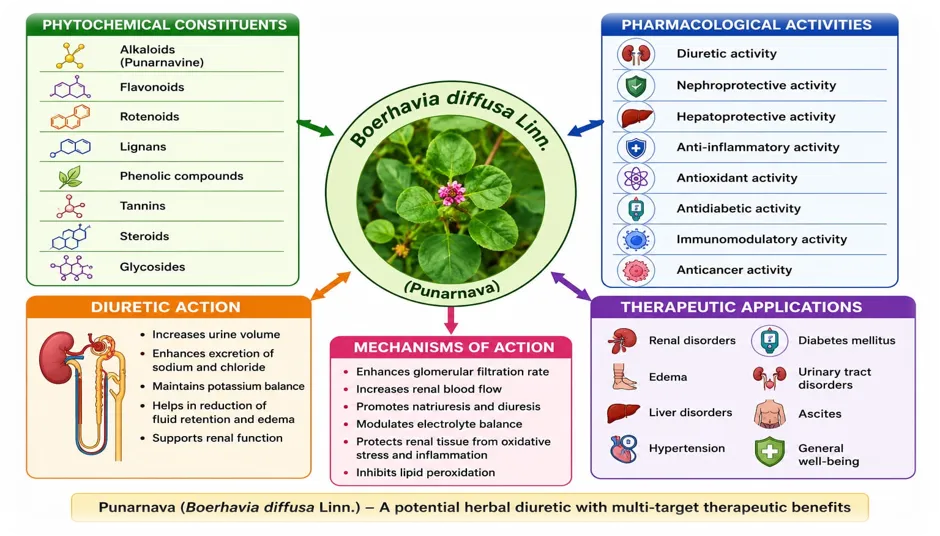
Figure 1: Schematic overview illustrating the diverse pharmacological properties and therapeutic significance of Boerhavia diffusa (Punarnava), emphasizing its role as a potential natural therapeutic agent in modern healthcare.
2. PLANT PROFILE
Boerhavia diffusa Linn. (Punarnava) is a well-recognized medicinal herb of the family Nyctaginaceae that has been widely used in traditional systems of medicine. The plant has been extensively utilized in traditional healthcare systems, particularly Ayurveda, Unani, and Siddha medicine, because of its diverse therapeutic properties. different parts of the plant, especially the roots, are valued for their effectiveness in the management of kidney ailments, hepatic disorders, inflammatory conditions, edema, and several metabolic abnormalities (Vijay et al.,2014). Owing to its medicinal significance, the herb has attracted considerable attention from researchers working in the fields of pharmacognosy, phytochemistry, and natural product-based drug discovery.
The natural distribution of Boerhavia Diffusa extends across several tropical and subtropical regions, including India, Sri Lanka, Pakistan, parts of Africa, and Southeast Asia (Kumar et al.,2020). According to traditional Indian medicine, Punarnava is regarded as a rejuvenating herb and frequently prescribed for its diuretic, anti-edematous, hepatoprotective, and anti-inflammatory actions. It has also been traditionally used for the treatment of jaundice, ascites, urinary disorders, and condition associated with abnormal fluid accumulation.
Botanically, the species is a perennial creeping herbaceous plant that may grow up to approximately 50-100 cm in length and exhibits a prostrate or semi- erect growth habit. The stem is highly branched, smooth in texture and characterized by swollen nodes. The leaves are simple, opposite, fleshy, and broadly ovate to nearly circular in shape, measuring about 2-5 cm in length. Their upper surface is generally green, while the lower surface often exhibits a purplish coloration. The flowers are generally small, exhibiting a pink to reddish coloration, and occur in terminal or axillary clusters. The fruit is small, glandular, one- seeded anthocarp with a sticky outer surface that assists in seed dispersal (Bansal et al., 2021; Garg et al., 2022). The plant grows abundantly in warm climates and is commonly observed in moist sandy soils, agricultural lands, roadsides, and wasteland, demonstrating remarkable ecological adaptability.
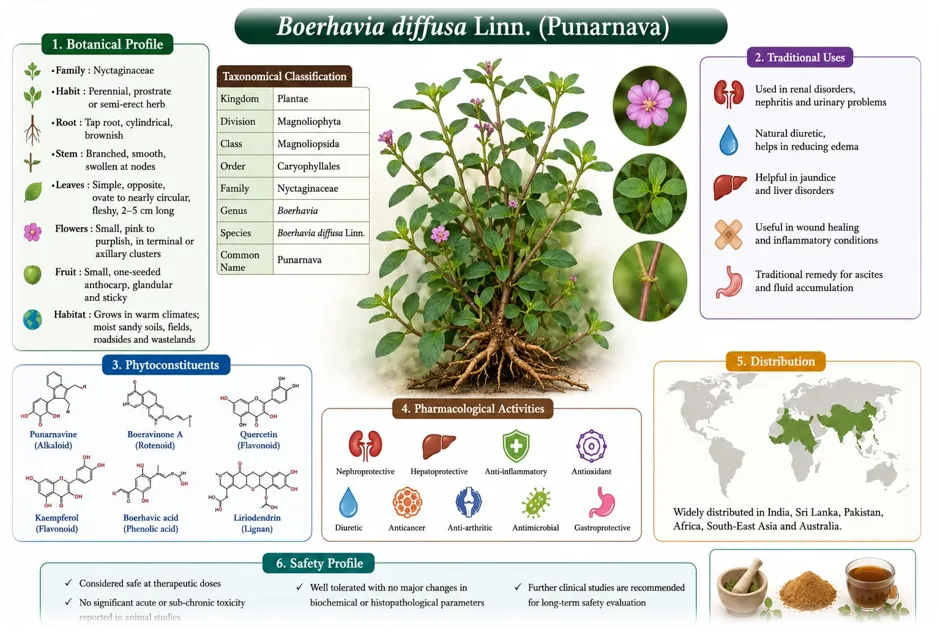
Figure 3: illustrative summary of the phytochemical profile, biological activities, and therapeutic applications of Boerhavia diffusa (Punarnava) with emphasis on its medicinal potential.
2.1 Botanical classification of Boerhavia diffusa linn. (Ashish et al.,2021)
|
Taxonomic Rank |
Classification |
|
Super domain |
Eukaryota |
|
Kingdom |
Plantae |
|
Division |
Tracheobionta |
|
Class |
Magnoliopsida |
|
Order |
Caryophyllales |
|
Family |
Nyctaginaceae |
|
Genus |
Boerhavia |
|
Species |
Boerhavia diffusa Linn. |
2.2 Common Names (Vijay et al., 2014)
|
Language |
Common Name |
|
Hindi |
Punarnava |
|
Sanskrit |
Punarnava |
|
English |
Spreading Hogweed |
|
Tamil |
Mukkarattai |
|
Telugu |
Atikamamidi |
|
Marathi |
Punarnava |
|
Gujarati |
Dholi Punarnava |
|
Bengali |
Gada Purna |
3. PHARMACOGNOSTICAL STUDIES
Pharmacognostical evaluation plays a crucial role in the authentication, quality assessment, and standardization of medicinal plants used in traditional and modern herbal formulation. In the case of Boerhavia diffusa Linn. (Punarnava), detailed Pharmacognostical investigations provide valuable information regarding its morphological and organoleptic characteristics, which are essential for distinguishing the genuine plant material from adulterants and substitutes. Boerhavia diffusa, a member of the family Nyctaginaceae, is a perennial creeping herb that is a perennial creeping herb that is widely distributed throughout tropical and subtropical regions of India as well as many other parts of the world. The species commonly grows in cultivated fields, roadsides, wastelands, and open grasslands. Owing to its extensive therapeutic applications, Punarnava has been widely described in classical Ayurvedic literature and modern pharmacognostic studies as an important medicinal plant used in numerous herbal formulations (Kirtikar & Basu, 1935; Chopra et al., 1956).
Among the different plant parts, the root is regarded as the principal medicinal component and serves as one of the most important diagnostic characters for identification. The roots are generally cylindrical, elongated, moderately thick, and irregularly branched, measuring approximately 5-12 cm in length and 0.5-2.0 cm in diameter. Externally, the surface appears greyish-brown with prominent longitudinal wrinkles and a rough texture, whereas the internal cut surface exhibits a brownish cortex surrounding a pale yellow to creamy-white central region. The root possesses a characteristic aromatic odor accompanied by a mildly bitter taste, both of which are useful for authentication and quality control of crude drug (Anonymous,2003; Ayurvedic Pharmacopoeia of India,2008).
The stem of Boerhavia diffusa is typically prostrate to ascending, cylindrical, and distinctly swollen at the nodes, with clearly visible internodes. Young stems are green, while mature stems frequently develop a reddish or purplish coloration. The stem surface bears numerous minute glandular hairs that impart a slightly sticky texture. The creeping growth habit enables efficient vegetative propagation and contributes to the extensive distribution of the plant in tropical environments (Nadkarni, 1976; Trease & Evans,2009).
The leaves of Boerhavia diffusa are simple, opposite, and unequal in size, supported by comparatively long petioles. The lamina is ovate to oblong with an entire or slightly undulating margin and distinct a reticulate venation pattern. Mature leaves generally measure 2-4 cm in length and exhibit a smooth surface. The adaxial leaf surface is typically dark green, while the abaxial surface commonly shows a light pink to purplish coloration. These macroscopic characteristics are considered valuable diagnostic parameters during Pharmacognostical evaluation and play a significant role in confirming the authenticity of the crude drug (Wallis, 1985; Kokate et al., 2014).
The fruit of boerhavia diffusa is a small single-seeded- anthocarp with an oblong appearance and an average length of 5-7 mm. five distinct longitudinal ribs are visible on the fruit surface, which is covered with glandular sticky hair. These specialized hairs facilitate seed dispersal by attaching to animals, clothing, or surrounding objects, thereby supporting natural propagation. Fruit morphology is considered an important taxonomic and Pharmacognostical characteristic for species identification (Anonymous,2003; Evans, 2009).
The Pharmacognostic features of the roots, stems, leaves, flowers, and fruits serve as reliable diagnostic characteristics of the identification, quality assessment, and standardization of Boerhavia diffusa Linn. Accurate Pharmacognostical evaluation is essential to distinguish genuine plant material from adulterants and ensures the safety, efficacy, and consistency of herbal formulations used in both traditional and contemporary medicine (WHO,2011).
Table 1. Pharmacognostical Characteristics of Boerhavia diffusa Linn. (Adapted from Ayurvedic pharmacopoeia of India, 2008; WHO, 2011).
|
Parameter |
Observation |
|
Leaf colour |
Upper leaf surface dark green; lower surface light pink to purplish |
|
Leaf shape |
Ovate to broadly lanceolate. |
|
Leaf texture |
Smooth with a soft surface. |
|
Leaf size |
Length: 3-8 cm; Width: 2.5-4.5 cm |
|
Petiole length |
Approximately 1.5-2.5 cm |
|
Leaf area |
Approximately 6.5-18.5 cm2 |
|
Marginal veins |
usually5-9 veins present on either side of midrib |
|
Internodal length |
Approximately 4.5-9.5 cm |
|
Root length |
Approximately 30-45 cm |
|
Shoot length |
Approximately 100-220 cm |
|
Fresh biomass |
Approximately 800-1200 g |
4. THERAPEUTIC POTENTIAL OF BOERHAVIA DIFFUSA LINN. (PUNARNAVA)
4.1 Leaves
The leaves of boerhavia diffusa are commonly used a leafy vegetable and have long been valued traditional medicine because of their therapeutic properties. They possess diuretic, anti-inflammatory, mild laxative, antioxidant, and detoxifying properties. Studies indicate that leaf extracts help increase urine output, reduce edema, improve digestion, support liver function, and assist in maintaining healthy lipid metabolism. The presence of bioactive phytochemicals also contributes to antioxidant and wound-healing activities. Experimental evidence suggests that the leaves may help reduce inflammation and provide supportive benefits in metabolic disorders, making them an important component of traditional systems of medicine (Rawat et al., 2012).
4.2 Fruits
Although the fruits are less frequently used than the roots and leaves, they contain valuable phytochemicals including flavonoids, alkaloids and phenolic compounds. These phytochemicals possess antioxidant and anti-inflammatory properties that may reduce oxidative damage and help maintain cellular integrity. Experimental studies have also suggested that fruit extracts may possess anticancer potential by inhibiting abnormal cell growth. Therefore, the fruits contribute to the overall therapeutic importance of boerhavia diffusa despite their comparatively limited traditional use (Singh et al., 2010)
4.3 Stem
The stem of Boerhavia diffusa contains a variety of bioactive phytochemicals, including flavonoids, phenolic compounds, alkaloids, and glycosides, which contribute to its therapeutic potential. Traditionally, stem extracts have been used in herbal medicine for the management of inflammatory conditions, edema, and urinary disorders. Experiment studies suggest that the stem exhibits antioxidant and anti-inflammatory activities by reducing oxidative stress and protecting tissues from cellular damage. In addition, the stem may support diuretic and hepatoprotective effects through the synergistic action of its phytoconstituents. Medicinal part of plant, the stem also contributes to the overall pharmacological profile of boerhavia diffusa and may serve as a valuable component in herbal formulation. (Aravind at al., 2013; Das et al., 2023).
4.4 Root
The root is the most important medicinal part of Boerhavia diffusa and is widely used in Ayurveda for the management of kidney disorders, edema, ascites and urinary diseases. It exhibits potent diuretic, nephroprotective, hepatoprotective, anti-inflammatory, and antioxidant activities. Pharmacological studies have shown that root extracts improve renal function increase urine output, and protect renal tissues against oxidative damage. Owing to its rich phytochemical composition, the root is the principal component in most Punarnava-based herbal formulations.
4.5 Seeds
The seeds of boerhavia diffusa contain a variety of bioactive constituents, including proteins, essential fatty acids, flavonoid, phenolic compounds and other secondary metabolites that contribute to the pant ‘pharmacological importance. Traditionally the seeds have been used in herbal medicine for promoting general health and supporting urinary and digestive functions. Experimental investigation suggest that seed extracts possess antioxidant activity by scavenging free radicals and reducing oxidative stress. In addition, the phytochemicals present in the plant. Although the seeds are less extensively studied than the roots, available evidence indicates that they biologically active compound with potential application in the development of herbal formulation research.
5. PHARMACOLOGICAL ACTIVITIES OF BOERHAVIA DIFFUSA
5.1 Diuretic Activity
Boerhavia diffusa Linn. (Punarnava) is a widely used medicinal plant in Ayurvedic and Unani systems of Medicine the management of fluid retention, edema, ascites, hypertension, renal disorders, and urinary tract infections. The plant is considered a “mutravirechana” (diuretic) in Ayurveda drug. Singh and Udupa (1972) were the first to report that the aqueous extract of Boerhavia Diffusa produced a significant and dose-dependent increase urine output in experimental animals without produced any marked electrolyte imbalance. Later studies using hydroalcoholic and methanolic extracts also confirmed its significant diuretic activity in comparison with control groups (Patil et al., 2011; Rawat et al., 2012). By promoting the excretion of excess water and electrolytes, the diuretic action helps reduce edema, support blood pressure regulation, and contributes to improved renal function.
The diuretic activity of Punarnava is mainly associated with its diverse phytoconstituents including punarnavine, punarnavoside, flavonoids, alkaloid, saponins and potassium nitrate, which collectively contribute to its pharmacological effects. These compounds act on different sites of the nephron and renal mechanism to enhance urine formation. These constituents are believed to enhance renal perfusion and glomerular filtration while decreasing the tubular reabsorption of sodium, chloride and water, especially within the proximal tubule and the thick ascending limb of Henle’s loop. Promote the excretion of sodium, potassium, chloride, bicarbonate and urea. In addition, Punarnava inhibits carbonic anhydrase activity, decreases reabsorption of water and urea and exhibits mild antagonistic effect on aldosterone, which further contributes to natriuresis and diuresis. The combined actions lead to increased urine volume with proper electrolyte balance.
Because of these multiple mechanisms, Boerhavia diffusa is a valuable natural diuretic that helps in the management of edema, hypertension renal calculi and other renal disorders with comparatively fewer side effects than synthetic diuretics. It also exhibits nephroprotective, anti-inflammatory and antioxidant properties that support renal health. These findings provide scientific validation for its traditional use and suggest its potential as a safe and effective diuretic agent.
Furthermore, the diuretic efficacy of boerhavia diffusa appear to result from the combined actions of several bioactive phytoconstituent rather than a single active compound. These constituents work synergistically to improve renal blood flow, enhance glomerular filtration, promote urinary excretion of excess sodium and water, and maintain electrolyte balance. In addition to its diuretic effect the plant exhibits nephroprotective, antioxidant, and anti-inflammatory activities that help preserve normal kidney function and reduce oxidative damage. This combination of pharmacological actions supports its traditional use in the management of edema, hypertension, urinary tract disorders, and other conditions associated with fluid retention. Although the available experimental findings are encouraging, further well-designed clinical studies are necessary to establish standardized dosage regimens, evaluate long-term safety, and confirm its therapeutic efficacy in human subjects. Such evidence will strengthen the scientific basis for the future clinical application of boerhavia diffusa as a safe and effective natural diuretic agent.
Mechanism of diuretic action of boerhavia of boerhavia diffusa Linn.
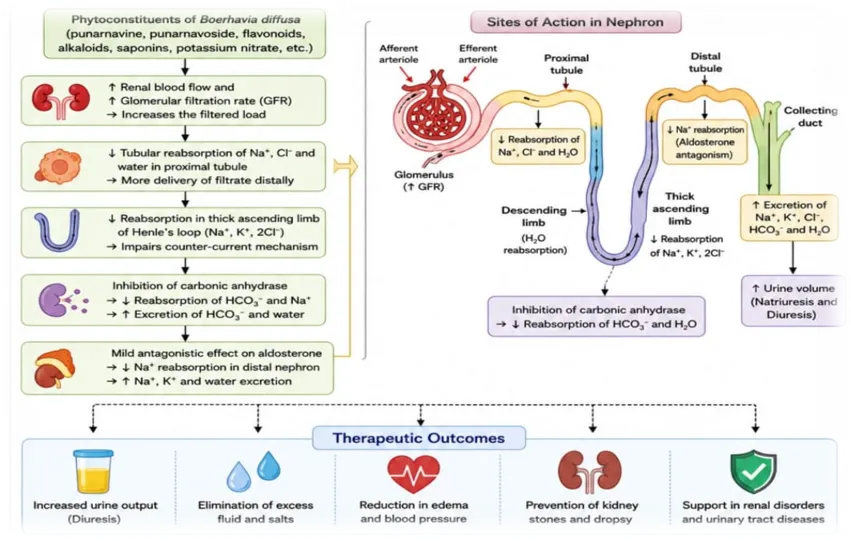
Figure 2: Mechanism of diuretic action of Boerhavia diffusa linn. at various sites of nephron leading to increased urine output and therapeutic benefits.
5.2 Anti-inflammatory Activity
Inflammation is a major pathological process associated with several chronic diseases, and Boerhavia diffusa has been extensively investigated for its anti-inflammatory potential. Experimental studies have reported that ethanolic extracts of Punarnava significantly reduce acute and chronic inflammatory responses in different animal models. Subramanian and Kalaskar (1995) demonstrated that the extract effectively suppressed carrageenan-induced paw edema and cotton pellet granuloma formation in rats, indicating its ability to inhibit both acute and proliferative phases of inflammation. The anti-inflammatory activity is primarily associated with flavonoids, alkaloids, phenolic compound, and rotenoids, which reduce the production of inflammatory mediators and oxidative stress. Compared with conventional non- steroidal anti-inflammatory drugs (NSAIDs), Punarnava has shown a comparatively favorable safety profile with fewer gastrointestinal adverse effects (Goyal et al., 2000). These findings support its traditional use in arthritis, joint pain, edema, and other inflammatory disorders.
5.3 Hepatoprotective activity
The hepatoprotective potential of boerhavia diffusa has been confirmed in several experimental studies. Goyal et al. (1998) reported that the aqueous root extract significantly protected experimental animals against thioacetamide- induced liver injury. Treatment with the extract resulted in marked reductions in serum hepatic biomarkers, including AST (SGOT), ALT (SGPT), ALP and bilirubin, while improving the structural integrity of liver tissues. The hepatoprotective effect mainly attributed to the antioxidant properties of flavonoids, boeravinones and phenolic compounds, which minimize oxidative stress and stabilize hepatocyte membranes. In ayurvedic medicine, Punarnava has traditionally been prescribed for jaundice, hepatomegaly, and various liver disorders. Overall, available evidence indicates that boerhavia diffusa possesses significant hepatoprotective activity and may serve as a valuable herbal therapeutic agent for maintaining liver health and preventing hepatic damage.
5.4 Antidiabetic activity
Boerhavia diffusa linn. has gained considerable attention as a potential herbal antidiabetic agent because of its antihyperglycemic, antioxidant and metabolic- regulatory properties. Recent evidence suggests that the plant possesses diverse bioactive constituents, including punarnavine, boeravinones, flavonoids, phenolic compounds, and alkaloids, which contribute to glucose homeostasis by enhancing insulin sensitivity, protecting pancreatic b-cells, and reducing oxidative stress. Das et al. (2023) comprehensively reviewed the pharmacological activities of Boerhavia diffusa and highlighted its promising antidiabetic potential emphasizing that its phytochemicals may regulate carbohydrate metabolism, improve insulin secretion and reduce diabetes-associated oxidative damage.
Similarly, Rafi et al. (2025). Demonstrated that methanolic extract of Boerhavia diffusa produced a dose-dependent reduction in blood glucose levels in streptozotocin-induced improvements in metabolic parameters, suggesting that the plant possesses considerable therapeutic potential for diabetes management.
Furthermore, Patel et al. (2025). Summarized available evidence and concluded that the antidiabetic activity of Boerhavia diffusa results from the synergistic action of multiple phytochemicals with antioxidant and anti-inflammatory properties. These compounds protect pancreatic b-cells from reaction oxygen species (ROS), improve glucose utilization, normalize lipid metabolism, and may reduce the risk of diabetic complications such as nephropathy and cardiovascular dysfunction. However, they also emphasized that additional well- designed clinical trials are necessary before routine therapeutic use in humans can be recommended.
5.5 Antioxidant Activity
Boerhavia diffusa Linn. is widely recognized for its remarkable antioxidant potential, which is primarily attributed to its abundance of phenolic compounds, flavonoids, rotenoids, alkaloids, lignans, and other bioactive phytochemicals. These constituents effectively neutralize reactive oxygen species (ROS) and reactive nitrogen species (RNS), thereby protecting cellular macromolecules such as DNA, proteins, and membrane lipids from oxidative damage. Oxidative stress plays a central role in the pathogenesis of diabetes mellitus,
Cardiovascular disorders, neurodegenerative diseases, chronic and cancer; therefore, natural antioxidant present in boerhavia diffusa have attracted considerable interest for their preventive and therapeutic potential.
According to Das et al. (2023), Boerhavia diffusa contains several potent antioxidant phytoconstituents, including punarnavoside, punarnavine, boeravinones (A-J), quercetin, kaempferol, boerhavic acid, trans-caftaric acid, b- ecdysone, and liriodendrin, which collectively enhance endogenous antioxidant defense mechanisms. These compounds increase the activity of antioxidant enzymes such as superoxide dismutase (SOD), catalase (CAT), glutathione (GSH) while simultaneously reducing lipid peroxidation and malondialdehyde (MDA) formation.
Recent reviews have further suggested that the antioxidant activity of Boerhavia diffusa contributes significantly to its nephroprotective, anti-inflammatory, and antidiabetic effects by minimizing oxidative injury, preserving mitochondrial integrity, and regulating inflammatory signaling pathways. The synergistic interaction among multiple phytochemicals provides broader pharmacological benefits than individual isolated compounds. Consequently, Boerhavia diffusa represents a promising natural source of antioxidants for preventing oxidative stress- mediated disorders, although further clinical investigation is required to validate its long-term efficacy and safety in humans.
5.6 Anti-arthritic activity
Boerhavia diffusa Linn. has emerged as a promising medicinal plant for the management of inflammatory joint disorders because of its potent anti-inflammatory, antioxidant, and immunomodulatory properties. Rheumatoid arthritis is characterized by chronic synovial inflammation, excessive production of pro-inflammatory cytokines, oxidative stress, and progressive destruction of cartilage and bone. Bioactive constituents of punarnavine, flavonoids, and phenolic compounds, have been reported to interfere with these pathological processes by suppressing inflammatory mediators and protecting joint tissues against oxidative injury.
Das et al. (2023) highlighted that the anti-arthritic activity of boerhavia diffusa is mediated through inhibition of inflammatory cytokines such as tumor necrosis factor-alpha (TNF-), interleukin-1B (IL-1B), interleukin-6 (IL-6), cyclooxygenase (COX), and prostaglandin synthesis. In addition, the antioxidant constituents reduce oxidative stress by scavenging free radicals and restoring endogenous antioxidant enzyme activity, thereby minimizing cartilage degeneration and improving joint function.
Earlier experimental studies demonstrated significant reduction in paw edema, inflammatory cell infiltration, and joint swelling in rats with arthritis induced by Freund s complete adjuvant (FCA) following treatment with Boerhavia diffusa root extract. Recent reviews continue to support these findings and emphasize that its multi-target pharmacological actions make it a promising complementary arthritis. However, current evidence is largely preclinical, and well-designed randomized clinical trials are still needed to confirm its efficacy, optimal dosage, and long- term safety in patients with rheumatoid arthritis.
5.7 Antimicrobial activity
Experimental studies indicate that Boerhavia diffusa Linn. possesses broad- spectrum antimicrobial activity against a wide range of pathogenic microorganisms. Experimental studies suggest that extracts of the plant possess inhibitory effects against both gram-positive and Gram-negative bacteria, thereby supporting its traditional use in the management of infectious diseases (Goyal et al., 2007). The antimicrobial effects of boerhavia diffusa bioactive constituents, including punarnavine, boeravinones, flavonoids, phenolic compounds, and alkaloids, which interfere with bacterial cell wall integrity, alter membrane permeability and inhibit essential microbial enzymes. In traditional medicine, Punarnava has been widely employed for the treatment of skin infections, wound infection, and urinary tract infection. In addition, its antioxidant and anti-inflammatory activities may facilitate tissue repair while reducing inflammation associated with microbial infections, making the plant a promising natural antimicrobial agent.
5.8 Antistress, Adaptogenic and Immunomodulatory Activity
Boerhavia diffusa Linn. has been extensively investigated for its adaptogenic, antistress, and immunomodulatory properties. Traditional Ayurvedic medicine recognizes Punarnava as a rejuvenating herb capable of improving the ability of the body to adapt to physical, chemical, and psychological stressors. Resistance to physical, chemical, and psychological stress. Kulkarni et al. (2003) reported that hydroalcoholic extracts of boerhavia diffusa effectively normalized stress- induced biochemical alterations in cold- restraint stress models. Treatment significantly reduced elevated blood glucose, serum triglycerides and cholesterol levels while improving the physiological stress response. The adaptogenic activity is primarily associated with flavonoids, alkaloids, and phenolic compounds, which reduce oxidative stress and maintain cellular homeostasis. Furthermore, the plant has demonstrated immunomodulatory effects by regulating immune cell function and strengthening the traditional use of Punarnava as a natural adaptogen for improving stress tolerance, enhancing immunity, and restoring metabolic balance.
5.9 Nephroprotective activity
Boerhavia diffusa Linn. has been extensively investigated for its nephroprotective potential and is traditionally used in Ayurveda for the treatment of kidney disorders, urinary tract infections, nephrolithiasis, edema and fluid retention. Recent pharmacological investigations suggest that the nephroprotective effects of boerhavia diffusa are mainly associated with its bioactive constituents, including punarnavine, boeravinones, flavonoids, alkaloids, phenolic compounds, and lignans, which collectively exhibit antioxidant, anti-inflammatory, and diuretic properties. Das et al. (2023) reported that these phytochemicals effectively reduce oxidative stress by scavenging reactive oxygen species (ROS), enhancing endogenous antioxidant enzymes including superoxide dismutase (SOD), catalase (CAT), and glutathione (GSH), and protecting renal tissues from cellular damage. In addition, Santhosh et al. (2023). Observed that Boerhavia diffusa significantly improved renal function by lowering serum creatinine, blood urea nitrogen (BUN), and urinary protein levels while maintaining electrolyte balance and increasing urine output. The combined antioxidant, anti-inflammatory, and diuretic actions contribute to the preservation of normal renal architecture, improved glomerular filtration, and enhanced elimination of metabolic waste products. These findings indicate that Boerhavia diffusa is a promising herbal candidate for protecting renal function and supporting the management of acute and chronic kidney disorders. Nevertheless, additional well- designed clinical investigations are necessary to determine the optimal dosage, evaluate long- term safety, and confirm therapeutic efficacy in human subjects.
6. PHYTOCHEMISTRY
Punarnava, boerhavia diffusa Linn. is a widely used Ayurvedic and folk medicine and in a medicinally significant plant of family Nyctaginaceae. The medicinal importance of this plant is primarily associate with its wide range of bioactive phytochemicals. Phytochemical investigations have demonstrated that B. diffusa contains numerous bioactive constituents, including alkaloids, flavonoids, phenolic compounds, rotenoid, steroid, terpenoid, lignan, glycoside and other secondary metabolites. The distribution of these phytoconstituents varies among different parts of the plant, such as the roots, leaves, stems, and whole-plant extracts, thereby contributing to its diverse pharmacological properties.
Among other classes of phytochemicals, alkaloids are regarded as being among the most important constituents of boerhavia diffusa. The key alkaloid that is documented in the plant is Punarnavine has been extensively studied because of its reported diuretic, anti-inflammatory, hepatoprotective, and immunomodulatory activities. The punarnavine is found predominantly in the roots and the aerial parts. Other compound that has been reported to contain nitrogen include; hypoxanthine and alkaloidal derivatives of punarnavine. In traditional medicine, Punarnava has long been employed for the management of urinary tract infections, edema, and various kidney disorders.
Rotenoids are distinct and characteristic phytochemicals in Boerhavia diffusa. Several rotenoid compounds, including boeravinones A-J, have been identified in Boerhavia diffusa, with the roots representing the principal source of these phytochemicals. These are regarded as significant chemotaxonomic species markers. Boeravinones have been reported to exhibit antioxidant, hepatoprotective, anti-inflammatory, and anticancer properties. These rotenoids reinforce the conventional application of Punarnava in liver ailments and detox solutions. The rotenoids of B. diffusa have a high biological potential and hence have drawn significant attention in recent study of phytochemical and pharmacological research studies.
Another large group of phytoconstituent found in Boerhavia diffusa is flavonoids. The plant has been found to contain different flavonoids such as quercetin and kaempferol their glycosidic counterparts in the leaves and stems. These are compounds well known in terms of antioxidant and free radical scavenging properties. The high flavonoid content is considered to contribute significantly to the anti-inflammatory effects, hepatoprotective and cardioprotective effects of the plant. The protective effects against oxidative stress induced cellular damage are also achieved by flavonoid, thereby further justifying the use of Punarnava in chronic inflammatory and metabolic diseases.
Boerhavia diffusa contains abundant phenolic compounds and glycosides. Notable phenolic compounds reported are punarnavoside, trans-caftaric acid, eupalitin and eupalitin-3-O-2 -galactopyranoside. Strong antioxidant activity is attributed to these phenolic compounds which neutralize reactive oxygen species (ROS) and inhibit lipid peroxidation. The quantitative phytochemical research that was conducted has revealed that the root extracts of B. diffusa have higher total phenolic and flavonoid contents than aerial parts. These phenolic compounds exhibit antioxidant effect, which adds to the protective action of the plant in liver, kidney and cardiovascular ailments.
Boerhavia diffusa contains other important phytochemical constituents, including steroids and terpenoids. The major phytosterols identified in the roots and the whole plant include b-sitosterol, stigmasterol and boerhavisterol. These are the compounds that have anti-inflammatory, immunomodulatory and hypolipidemic effects. The presence of terpenoid constituents also increases the therapeutic properties of the plant by adding to its adaptogenic and anti-stress action. These compounds validate the old assertions that Punarnava is a rejuvenating and strengthening herb.
Another important group of phytochemicals includes lignans and lignan glycosides. Lignan glycosides such as liriodendrin and syringaresinol mono-b-D-glucoside have been isolated and have been reported to exhibit calcium channel- blocking activity, antioxidant, and organ- protective properties. In addition, the plant also has saponins, carbohydrates, proteins, amino acids, fatty acids and inorganic minerals which contribute to the nutritional and medicinal value of the plant
7. TOXICITY AND SAFETY PROFILE
Boerhavia diffusa Linn. (Punarnava) has been extensively used in traditional Ayurvedic medicine for centuries and is generally regarded as a medicinal plant with a favorable safety profile when consumed at recommended therapeutic doses. The safety of the plant is mainly attributed to its naturally occurring phytoconstituents, including punarnavine, boeravinones, flavonoids, phenolic compounds, alkaloids, lignans, and glycosides, which exhibit therapeutic efficacy with minimal toxic effects. Recent reviews by Das et al. (2023) have reported that extracts of Boerhavia diffusa did not produce significant acute or sub-chronic toxicity in experimental animals when administered within the recommended therapeutic dose range. Similarly, Mondal et al. (2024) emphasized that standardized extracts of Punarnava were well tolerated and did not cause significant alterations in liver enzymes, renal function markers, hematological parameters, or histopathological architecture of major organs. In addition, the antioxidant and anti-inflammatory activities of the plant may protect tissues from oxidative and inflammatory damage during prolonged therapeutic use. However, Patel et al. (2025) concluded that although the safety of boerhavia diffusa has been demonstrated in several preclinical studies, further investigations on chronic toxicity, reproductive toxicity, genotoxicity, herb-drug interactions, and well- controlled clinical trials are still required to establish its long-term safety and therapeutic efficacy in humans. Overall, the available evidence indicates that boerhavia diffusa is a comparatively safe medicinal plant with promising therapeutic potential, provided that authenticated plant material, standardized formulations, and appropriate dosage regimens are used.
8. FUTURE PERSPECTIVES
Boerhavia diffusa Linn. (Punarnava) has emerged as a promising medicinal plant because of its rich phytochemical profile and diverse pharmacological properties. Although boerhavia diffusa shown a wide range of pharmacological effects, including diuretic, nephroprotective, hepatoprotective, anti-inflammatory, antioxidant, antidiabetic, and immunomodulatory activities in experimental studies, the majority of the current evidence is derived from in vitro investigations and animal models rather than human clinical trials. Recent reviews by Das et al. (2023) and Patel et al. (2025) emphasized the need for well-designer randomized clinical trial to confirm the efficacy, safety, and therapeutic benefits of boerhavia diffusa in human subjects. Future research should focus on the isolation and characterization of novel bioactive phytoconstituents, elucidation of their molecular mechanisms of action, pharmacokinetic and pharmacodynamic profiling, and the development of well- standardized herbal formulations with consistent quality and reproducible therapeutic outcomes. In addition, advanced approaches such as molecular docking, nanotechnology-based drug delivery systems, and multi-target pharmacological investigations may further enhance the clinical applications of boerhavia diffusa. Establishing international quality-control standards, dose optimization, long-term toxicity evaluation together with detailed herb-drug interaction studies will also be essential to establish its safety and therapeutic effectiveness for clinical use. Overall, continued multidisciplinary research integrating traditional Ayurvedic knowledge with development of boerhavia diffusa as an evidence- based herbal medicine for the prevention and management of renal, metabolic, inflammatory, and other chronic disorders.
CONCLUSION
Boerhavia diffusa Linn. (Punarnava) is a well- recognized medicinal herb in Ayurveda that has attracted considerable scientific interest owing to its diverse phytochemical profile and range of pharmacological activities. The available evidence demonstrates that the plant possesses significant diuretic, nephroprotective, hepatoprotective, antioxidant, anti-inflammatory, antidiabetic, antimicrobial, anti-arthritic, and immunomodulatory effects, which are mainly attributed to bioactive constituents such as punarnavine, boeravinones, flavonoids, phenolic compounds, alkaloids, lignans, and glycosides. Diuretic activity remains one of the most extensively investigated therapeutic properties and plays an important role in the management of edema, hypertension, urinary tract disorders, nephrolithiasis, and dysfunction by promoting urine output while maintaining electrolyte balance. Experimental studies have consistently supported the traditional medicinal use of safe Punarnava and indicate its potential as a safe and effective herbal therapeutic agent. Nevertheless, despite encouraging preclinical findings, additional well- designed clinical trial, standardized formulations, pharmacokinetic investigation, and long-term safety evaluation are still required to establish its clinical efficacy and optimize its therapeutic application in humans. Overall, Boerhavia diffusa represents a promising natural source of bioactive compounds with significant potential for evidence- based herbal medicines and future pharmaceutical applications, warranting further clinical and pharmacological investigations.
REFERENCES

Mohd Sahil, Kamal Kishore, Sudhir Kumar, A Review on Diuretic Activity, Pharmacological Uses and Phytochemical studies of Boerhavia diffusa Linn. (Punarnava), Int. J. of Pharm. Sci., 2026, Vol 4, Issue 8, 2726-2743. https://doi.org/10.5281/zenodo.21980753
 10.5281/zenodo.21980753